The Ultimate Emergency Backpack: Your Go-To Resource in Times of Crisis
Description: The Emergency Backpack is a comprehensive survival kit designed for a range of emergency situations. Ideal for use by first responders, military personnel, medical professionals, and more, this backpack provides everything you need to ensure your safety and preparedness. With multiple colors and sizes available, the Emergency Backpack offers the perfect solution for your specific needs, making it the ultimate go-to resource in times of crisis.


When disaster strikes, the right emergency backpack in the first thirty minutes decide whether a mission succeeds. An emergency backpack is the most critical gear for every firefighter, SAR specialist, medic and relief worker on the front line.
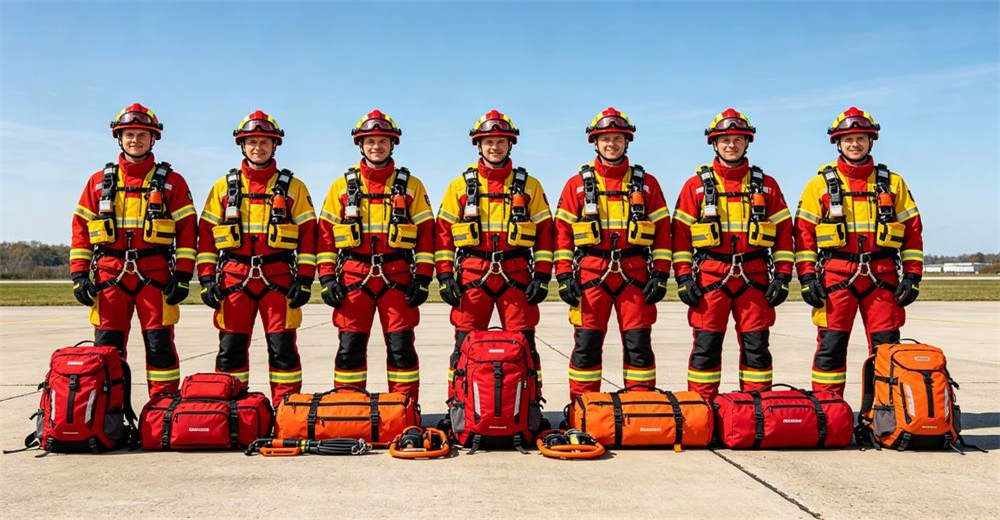
A rescue-grade emergency backpack must carry 20 to 30 kilograms of life-saving equipment through mud, floodwater and collapsed buildings, while staying comfortable for twelve-hour shifts. International SAR data shows responders with a properly configured pack spend 40 percent less time searching for tools and report 60 percent less fatigue by hour eight, consistent with Red Cross emergency emergency kit preparedness guidelines and FEMA emergency supply recommendations.
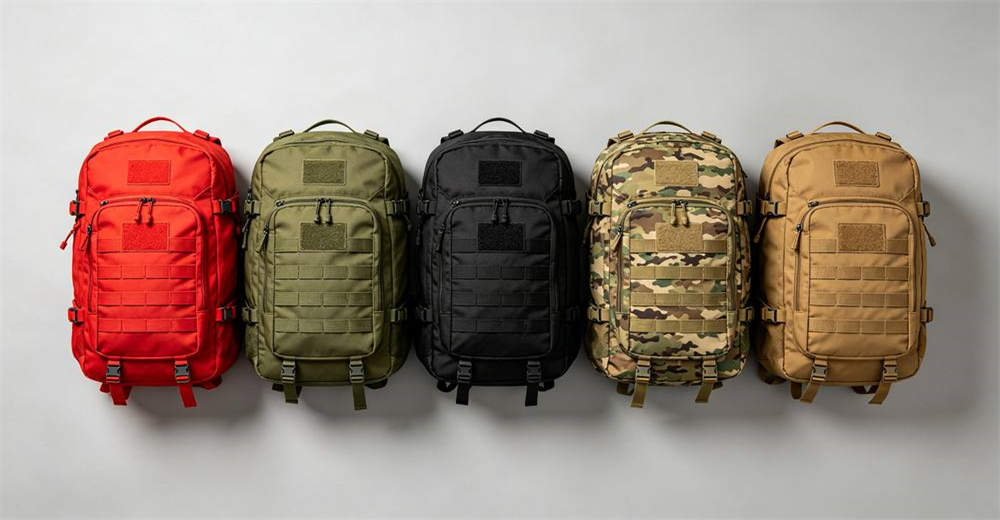
The market divides into four buyer types. The firefighter backpack buyer needs thermal-resistant materials and MOLLE attachment points. Military and police prioritize durability and modularity. Government agencies and NGOs buy both rescue packs for their own teams and large relief distribution packs for affected families. Hospitals and corporate safety officers buy medium-capacity and emergency backpack size packs for evacuation. Browse our full emergency supplies and relief equipment catalog or explore related first aid kit products for complete relief kits.
Choosing the right pack comes down to five decisions: capacity, material, features, configuration and supplier. Whether you are sourcing 100 units for a local fire department or 20,000 relief packs for a national program, this guide walks through each one so you equip your team right the first time.
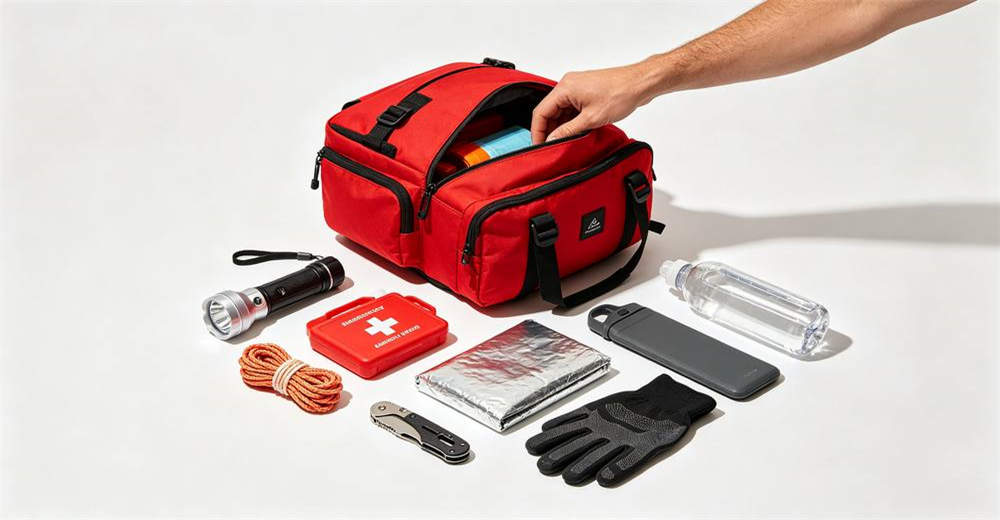
Table of Contents
|
1. Rescue vs Relief Packs |
8. Packing and Fit |
|
2. Rescue Team Backpacks |
9. Wholesale and Tenders |
|
3. Tactical and Military |
10. OEM and ODM private label Customization |
|
4. Relief Distribution |
11. Quality and Certification |
|
5. Choosing by Capacity |
12. Common Mistakes |
|
6. Material and Fabric |
13. Product Comparison |
|
7. Key Features |
14. FAQ |
This guide is for procurement managers, fire chiefs, NGO logistics officers and government emergency management staff sourcing emergency backpacks in bulk. We manufacture rescue-grade packs and relief distribution bags used by fire services, search and rescue teams, military units and relief organizations worldwide. Our factory specializes in heavy-duty nylon and ripstop Cordura construction, tactical backpack MOLLE-compatible modular systems, and OEM branding programs for agencies that need their own look. We work with relief organizations worldwide and provide AQL 2.5 inspected shipments to clients in 60+ countries.
The single biggest confusion among new buyers is treating all emergency backpack designss as the same product. They are not. A rescue team pack is worn by the responder—it carries tools, medical gear, communications and personal survival equipment, and must be comfortable, modular and quick to access. A relief distribution pack is a one-time or limited-use carrier filled with donated essentials—a sleeping bag, a blanket, a change of clothes, water purification and a basic cook set—handed to a displaced family.
It does not need a lifetime warranty; it needs to be cheap enough to procure in thousands, durable enough to survive distribution, and large enough to actually hold a family's three-day kit. Mixing these two categories leads to overpaying for features the end user will never touch, or under-specifying a rescue pack that fails during a real fire.
|
Feature |
Rescue Team Backpack |
Relief Distribution Backpack |
|
Primary user |
Firefighter, medic, SAR specialist |
Displaced family, evacuee |
|
Capacity |
40L to 70L |
60L to 90L |
|
Material |
1000D nylon, flame retardant available |
600D to 900D Oxford, waterproof coating |
|
Expected load |
15 to 30 kg |
10 to 18 kg |
|
Back panel |
Padded, ventilated, adjustable |
Basic padded, cost-optimized |
|
Expected life |
5 to 10 years |
One to two distribution cycles |
|
Color |
Red, orange, tactical black, OD green |
Camouflage, olive, navy |
|
Typical order qty |
50 to 500 units |
1,000 to 50,000 units |
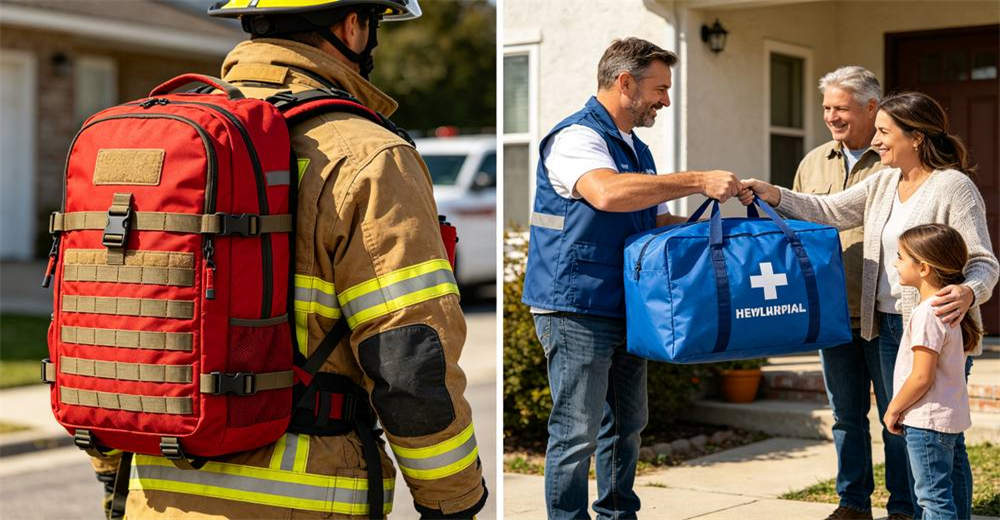
If your emergency backpack tender asks for equipment worn by trained personnel—fire department, search and rescue squad, military unit, hospital emergency response team—you need the rescue team category.
If your program is a disaster relief government relief distribution, refugee camp supply, or post-disaster handout to affected households, you need the relief distribution category. Some large procurement programs buy both: a provincial emergency management bureau might order 2,000 rescue packs for its own response teams and 20,000 relief packs for distribution to families after a major earthquake.
Our wholesale consolidating both categories with one supplier simplifies shipping, compliance documentation and quality control, and usually improves unit pricing because the factory can run both orders on adjacent production lines.
When in doubt, ask the supplier to recommend which category fits your use case—they will have seen the same procurement mistake dozens of times.
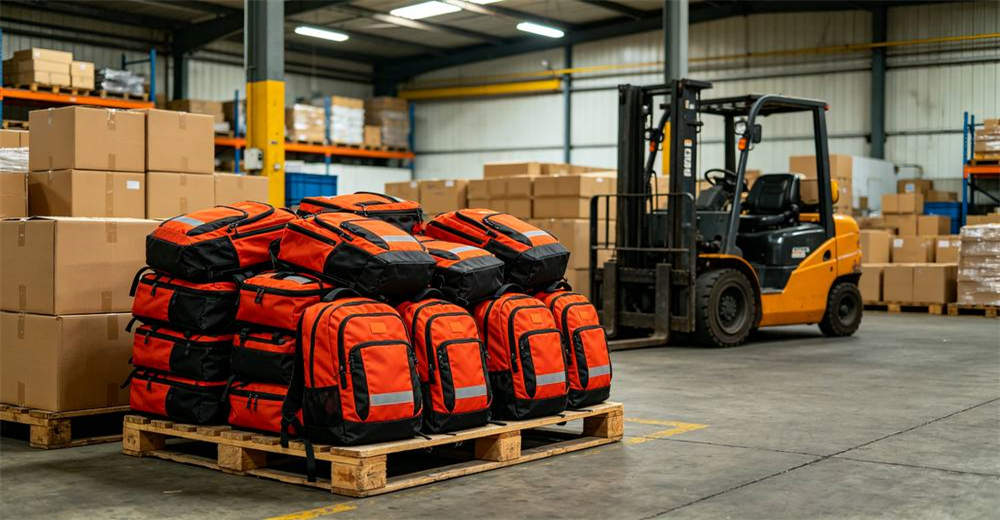
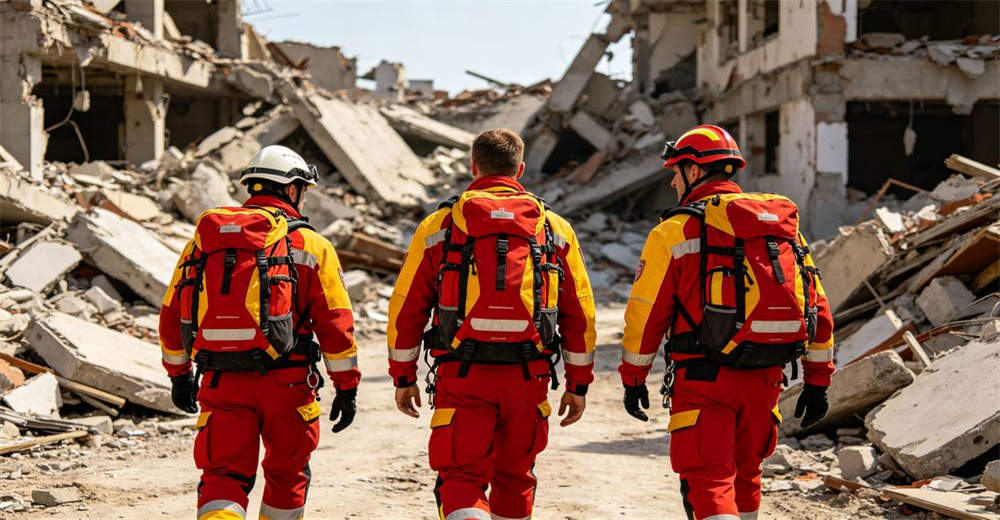
A rescue team rescue backpack is a specialized tool. Every millimeter of its design is governed by what happens in a smoke corridor, a rubble pile, or a flooded basement.
The rescue backpack is not a fashion item—it is a piece of equipment that must work when the wearer is exhausted, cold, wet and under time pressure.
The firefighter rescue backpack version must resist radiant heat, the search and rescue version must carry rope and litter hardware, and the medic version must organize trauma gear so contaminated items stay separate from sterile supplies.
Buyers who spec a generic hiking pack for these roles consistently report strap failures by month six, waterproof zippers that delaminate after two fireground exposures, and compartments that do not align with how responders actually reach for tools under stress.
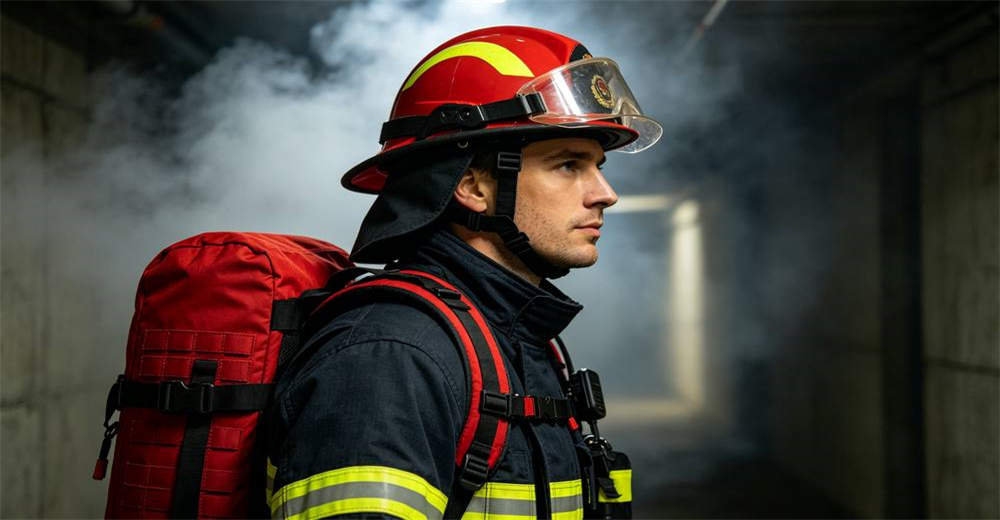
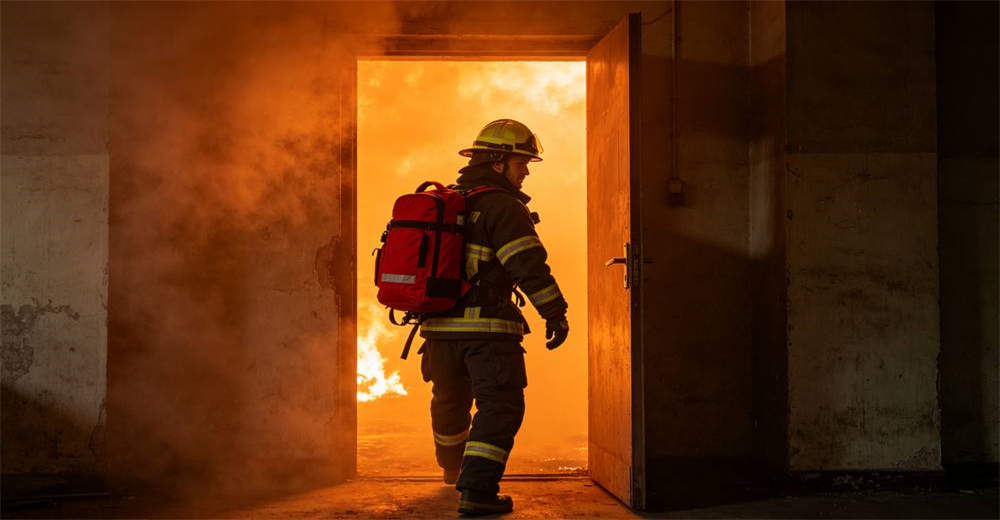
A firefighter backpack uses 1000D Cordura in high-visibility red or fluorescent yellow, with reflective trim sewn into every visible edge.
They include a helmet strap on the exterior, a radio pouch sized for department-issued portable radios, a hydration bladder pocket with a tube exit, and a reinforced bottom panel that survives being dropped onto concrete or hot pavement. Some departments require flame-retardant treatment on the shoulder straps because they are worn under turnout gear.
The emergency supplies interior usually has modular dividers so each station can configure the pack to its own standard operating procedure—engine companies carry different gear than truck companies or rescue squads.
A search and rescue backpack needs a large unobstructed main compartment with no internal dividers that catch on rope bags, exterior compression straps that cinch a 30-meter rope coil flat against the pack, and attachment points for carabiners and ascenders.
Many SAR packs include a crampon pocket, an ice axe loop, and a reinforced daisy chain along the back panel.
This military backpack is typically black or tactical coyote brown rather than fire red, because they operate in wilderness and urban rubble environments where visibility matters less than gear capacity. Medical packs organize around access speed—the tourniquet, chest seal and hemostatic gauze live in a front pocket that opens with one pull, behind which compartments are sized for airway kits, bandage rolls and burn dressings.
This tactical backpack uses color coding (red for adult trauma, blue for pediatric, green for tactical medic) helps teams identify the right pack in a dark vehicle bay.
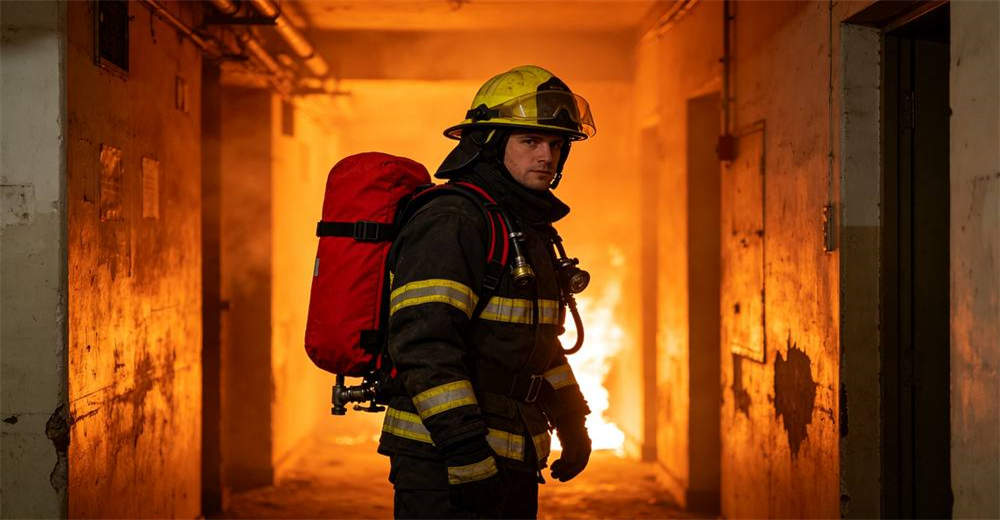
A firefighter backpack 40L pack is calibrated for the first hour interior.
It carries emergency supplies a pry bar, structural gloves, a helmet light, a basic medical pouch, a portable radio and two liters of water. It does not carry a sleeping bag or rations because the fire apparatus is a short drive away, and the pack rides under the turnout coat so it must be low-profile with no protruding buckles that catch on door frames.
A 70L SAR pack is the heaviest configuration.
It adds 30 meters of rescue rope, a mechanical ascender, a full body harness, a helmet, a headlamp with spare batteries, a GPS unit, a bivvy bag, two liters of extra water and a basic medical pouch.
The total loaded emergency backpack weight typically sits around 28 to 32 kilograms, which is why the suspension system must be genuinely rated for the load rather than just padded for comfort.
A medical emergency kit TCCC pack is smaller at 45 liters but organized for speed: the tourniquet and chest seal live in a dedicated front pocket that opens with one pull, behind which compartments are sized for airway kits, burn dressings and pediatric gear. Every item in the pack must earn its place—duplicate tools, redundant batteries and expired consumables just add weight and slow down access.
Review the contents at least once a year and rotate out items with a shelf life like batteries, first aid consumables and water purification tablets.
Military backpacks and tactical packs borrow from soldier load-bearing systems but optimize them for disaster response rather than combat. The key difference is that military packs originally designed for 72-hour field patrols are often over-built for emergency use—they carry more hardware than a civilian responder needs, at a price point that makes bulk procurement painful.
The smart buyer specifies a military backpack the load-bearing geometry and durability of a military pack while stripping out combat-specific features that civilian responders never use.
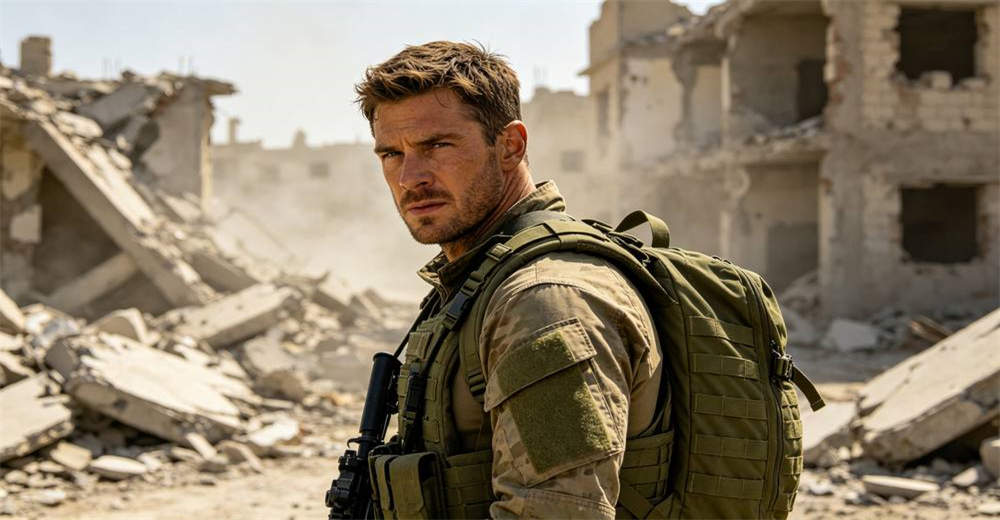
Look for heavy-weight nylon webbing rated to 250 kilograms per square inch, bar-tacked stitching at every stress point, and water-resistant zippers with large pull tabs that can be operated with gloves on.
The shoulder straps should be closed-cell foam wrapped in breathable mesh, and the waist belt should be rigid enough to transfer 60 percent of the load onto the hips rather than the shoulders.
These are not cosmetic features—they are the reason a 25-kilogram load feels wearable after four hours, while a generic pack with thin straps starts cutting into the collarbone by hour two.
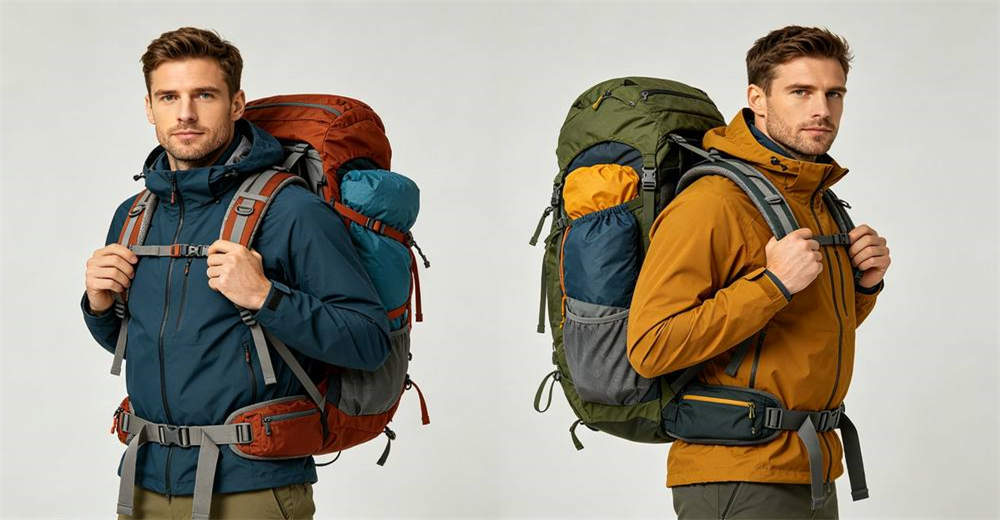
MOLLE (Modular Lightweight Load-carrying Equipment) is the grid of horizontal webbing on the front and sides that lets you clip on additional pouches—radio, knife, medical module, flashlight holster—without buying a new backpack.
Specify genuine PALS spacing: one-inch webbing rows spaced one inch apart.
Cheaper copies use wider spacing, which means real military-spec pouches will not clip on properly.
The back panel should be suspended on a frame sheet so air circulates between the pack and the wearer's back, which matters enormously during twelve-hour shifts in summer heat and cuts perceived pack weight by roughly 20 percent.
Standard tactical colors are olive drab military backpack green for rural environments, ACU digital camouflage for urban rubble, black for night operations, and coyote tan for desert.
For civilian fire and rescue, red and fluorescent yellow remain preferred because they stand out in a smoke-darkened scene and let incident command quickly identify responders.
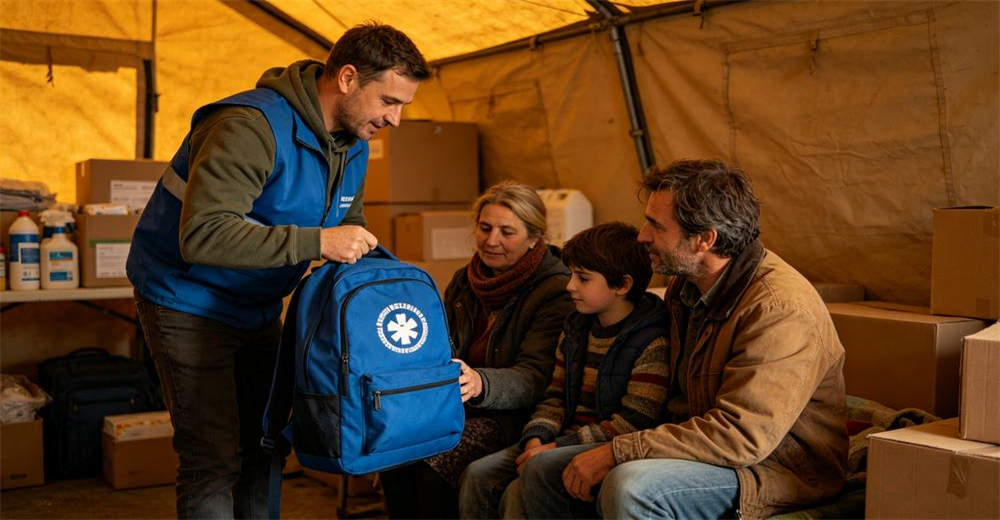
The disaster relief backpack is what most governments and NGOs actually buy in volume.
It is the pack that shows up at a displacement camp, a school shelter, or a community distribution point after an earthquake or flood, pre-packed with a family's three-day essentials.
The economics are different from a rescue pack: unit cost matters enormously because orders run into the tens of thousands, production speed matters because relief needs arrive within days of a disaster, and durability is calibrated to survive a single distribution cycle rather than a decade of fireground use.
But this does not mean it can be flimsy—a pack that splits along the seam on distribution day turns a simple handout into a reputational disaster for the agency running it.
In high-volume procurement, the two failure points are usually the shoulder strap anchor and the main zipper; both must be reinforced even on the budget configuration.
International relief best practice groups supplies into a single carryable bundle per affected household, rather than handing out loose items that families must carry separately.
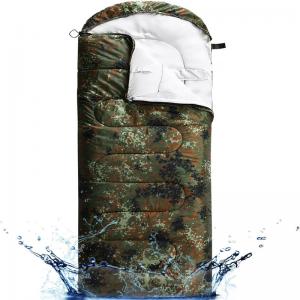
A well-designed distribution pack holds: one emergency sleeping bag, one thermal blanket, two sets of basic clothing (undershirt, long pants, socks), a mess kit with cup bowl and spoon, water purification tablets, a basic first aid kit, a flashlight with spare batteries, a hygiene kit with toothbrush toothpaste soap and towel, and a ground sheet.
The pack itself becomes the carrying vessel, so the family does not need a separate suitcase.
This is why distribution packs are 60 to 90 liters—they are not meant to be hiked in, they are meant to be carried one-handed from distribution point to shelter.
We offer a standard relief distribution BOM refined across dozens of government procurement and tenders, but most clients customize it to their program. Some add children's items for family packs; others add a rechargeable lantern instead of a disposable flashlight; winter programs upgrade the sleeping bag to a minus-ten-degree-rated model.
The pack itself is typically 600D or 900D Oxford with a PVC backing, a simple padded shoulder strap, and a front zip pocket.
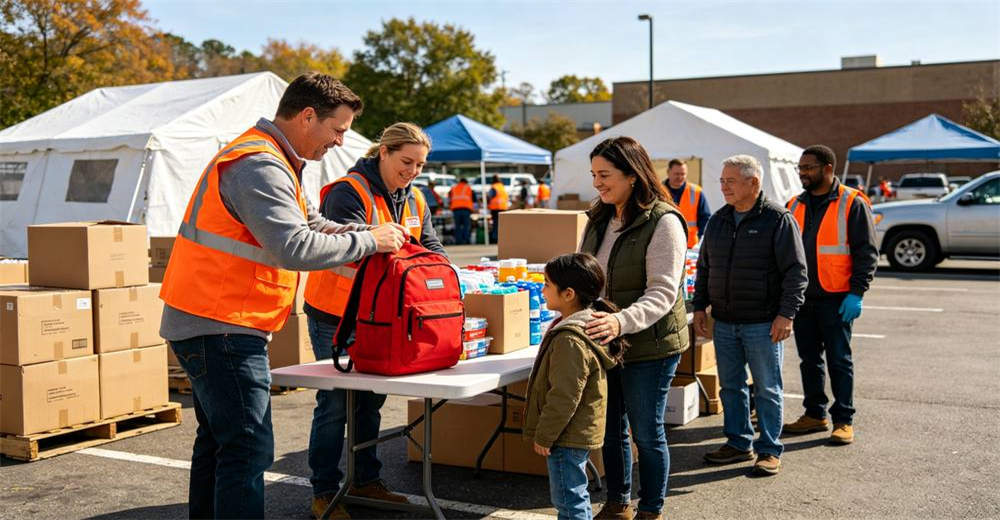
Packing emergency supplies relief items into one branded backpack cuts distribution time per household by roughly 50 percent, because volunteers hand over one item instead of walking a family through six separate stations.
Loss in transit also drops because everything is sealed inside one zipped bag rather than scattered on a truck.
The branded pack becomes visible after distribution—other displaced households see it and understand what the agency is providing, which reduces confusion and crowd control problems.
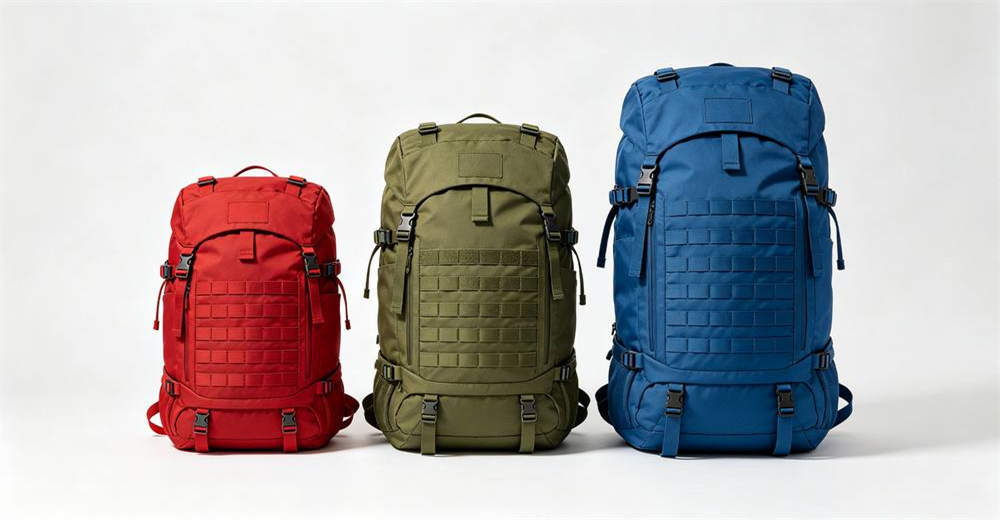
Capacity is the first spec you lock in because it drives pack size, load-bearing system and ultimately the comfort of the person wearing it. Under-size and your team cannot carry what they need; over-size and you are paying for empty volume, carrying extra weight, and giving people a pack that flops around when it is half-full.
The three standard sizes map cleanly onto three mission profiles.
The rule of thumb underneath matters more than any table: try the pack loaded with your actual gear before committing to a bulk order, because every person carries differently and two packs with the same liter capacity can feel completely different on the back.
When in doubt, size up—you can always leave a pocket empty, but you cannot add capacity to a pack that is too small.
|
Capacity |
Best For |
Typical Load |
Example Users |
|
40L |
Single responder, urban fire, car kit |
12 to 20 kg |
Engine company firefighter, first medic |
|
70L |
Technical rescue, multi-day SAR, team lead |
22 to 32 kg |
Search and rescue, swiftwater team |
|
90L+ |
Relief distribution, multi-person household |
15 to 25 kg |
Displaced family, NGO distribution |
For urban firefighters and medics, 40 liters is the sweet spot.
It fits through doorways, roof hatches and elevator shafts, it fits in the back of a fire apparatus compartment without taking over another firefighter's gear space, and it holds enough for the first hour of operations without being so heavy that the wearer is fatigued before entering the building. Agencies that buy 55L or 60L packs for urban use consistently report that 30 percent of the volume goes unused, and the extra fabric just adds weight.
Move to 70L when your team carries rope, harnesses and personal survival gear, or walks more than two hours between vehicle and casualty.
If your team operates in wilderness and needs to carry bivvy bags, extra water and food, the 70L is the minimum. The 90L category is almost exclusively for relief distribution packs—they are carried once from truck to shelter, so the suspension system can be simpler and lighter, and they should not be spec'd as rescue team packs.
Mixing these two up—buying a 90L relief pack for a firefighter or a 40L rescue pack for family distribution—is one of the most common and costly procurement errors.
Fabric choice is where cheap packs fail first.
A rescue pack that looks identical in a product photo can differ in cost by 30 percent based on whether the fabric is 600D, 900D or 1000D Oxford nylon, and whether the PU coating is one side or two. The "D" number refers to denier—the weight of a 9,000-meter yarn strand. Higher denier means thicker yarn, better abrasion resistance and longer life, but also a heavier pack.
The right choice depends on how hard the pack is going to be used, not on a wish to have the best spec possible.
A pack that costs more because it uses 1000D fabric when 600D would survive five years of office evacuation use is wasted budget. Conversely, buying a 600D pack for a technical rescue team that operates in concrete rubble will see the fabric wear through in months, not years.
Match the fabric to the environment: 600D for office and home evacuation kits, 900D for general fire and industrial use, and 1000D Cordura for technical rescue, military and rubble operations.
No backpack is fully waterproof—it is water-resistant.
The coating on the inside of the fabric slows water penetration, but zippers remain the weak point. For rescue operations, sealed zippers with storm flaps are worth the upgrade, especially for swiftwater and flood response.
The bottom panel is the first part to fail on any pack because it sits on wet ground, hot engine blocks and broken concrete.
Specifying an extra layer of PU-coated fabric on the bottom adds roughly one year to the usable life in abrasive environments.
UV exposure also degrades nylon, so packs stored in direct sunlight should be inspected more frequently—fabric becomes brittle and tears easily after prolonged sun exposure.
Look for bar-tacked stitching at every stress point where a strap meets the bag: shoulder strap anchors, waist belt anchors, carry handle anchors and MOLLE attachment points.
Zippers should be YKK or equivalent, with #10 to #12 teeth for the main compartment—smaller teeth jam when loaded with rope or bulky gear.
Buckles should be UTX Duraflex or National Molding, not unbranded plastic that snaps in cold weather. Webbing should be at least 25mm wide for shoulder straps and 38mm wide for the waist belt.
These details are invisible on a product photo but they are what separate a two-season pack from a ten-season pack.
Beyond capacity and fabric, five features determine whether a pack works in real operations or just looks good in a catalog. Each solves a specific problem that responders have reported over decades of real use. Skipping one to save money is tempting, but the cheapest option is rarely the one that survives a tender's performance requirements.
The following five features are non-negotiable for any rescue-grade pack; the rest are nice-to-have depending on your mission profile.
When reviewing a sample, check each one explicitly: does the MOLLE webbing actually have genuine PALS spacing? Does the back panel really suspend off your back or just have a mesh layer glued on? Are critical items reachable without taking the pack off?
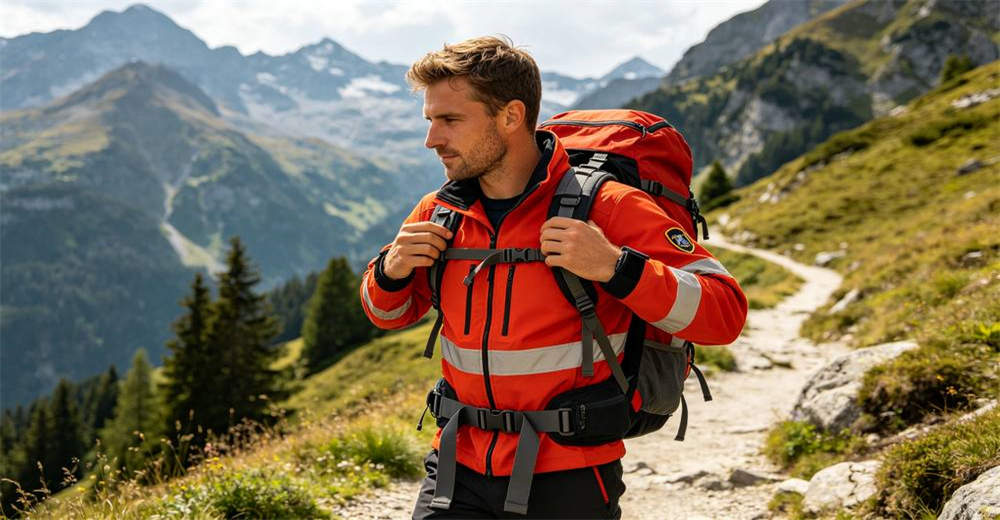
First, genuine PALS-spaced MOLLE across the front and at least one side panel lets you swap pouches between packs, reconfigure for different missions, and add specialized modules without replacing the whole pack. Second, a ventilated back panel with a suspended mesh layer separated by a frame sheet cuts perceived pack weight by roughly 20 percent and is the single biggest comfort upgrade—it matters more than the color or the logo.
Third, multi-compartment organization means the tourniquet, radio and glove live in a quick-access front pocket, never buried under bulk; one big open sack means dumping everything on the ground to find a critical item.
A well-organized pack has a front pocket for small critical items, a middle compartment for medical modules, a main compartment for rope and bulk, and a hidden back panel pocket for personal ID.
Fourth, a hydration pocket with a sealed tube exit lets responders drink without stopping, because dehydration is a silent performance killer in full turnout gear—responders who have to stop, take off the pack and unscrew a water bottle are the ones who get themselves into trouble.
Fifth, exterior carry points match the mission profile: firefighters need a helmet strap on the exterior so the helmet does not take up interior space; SAR teams need compression straps for a rope coil and a daisy chain for carabiners; medical packs need a MOLLE front panel sized for a removable trauma module.
Specify which exterior carry points your team needs—they add cost only where you actually need them.
Buyers often spend weeks selecting the right backpack and then pack it wrong, which turns a good pack into an uncomfortable one. Packing geometry follows two simple rules. Heavy items sit close to the back and high up, keeping the center of gravity over the hips rather than pulling the wearer backward. Frequently used items sit in the outermost pockets, never buried under bulk.
Items needed in the first 30 seconds—tourniquet, radio, glove, flashlight—must be reachable without taking the pack off and without opening more than one zipper.
If your configuration requires unzipping the main compartment, digging through rope bags, and finding a small pouch inside another pouch, you will lose the three-second window during a real emergency.
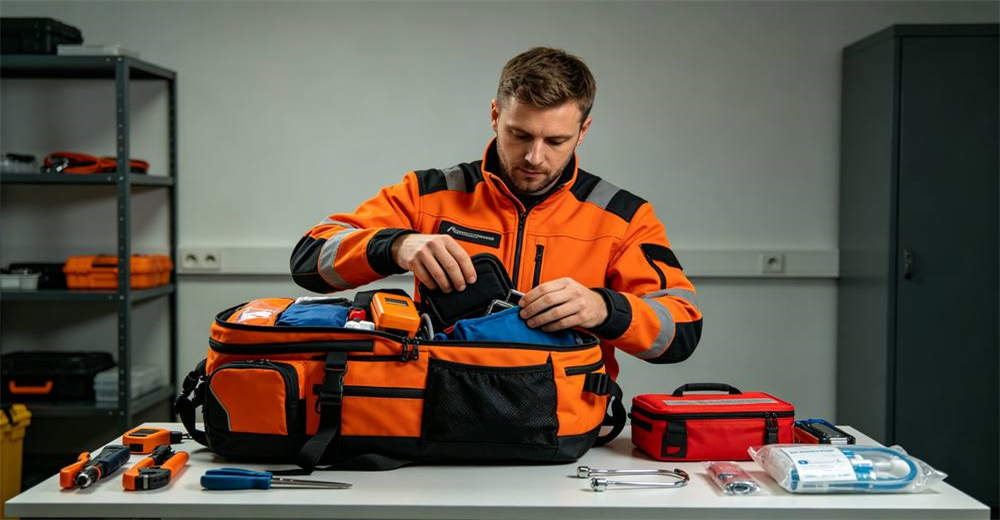
Step one: lay everything out on a table and sort by weight. Step two: load the heaviest items—rope bag, water bladder, battery pack—against the back panel, high up. Step three: put medium-weight items like the medical module and radio in the middle compartment. Step four: put light but critical items—gloves, knife, headlamp—in the quick-access front pocket.
Step five: do a shake test—pick up the packed pack and shake it.
If you hear heavy items sliding, repack so everything sits tight. A pack that shifts when you walk changes your balance with every step, which is how responders twist ankles on rubble. A correctly packed 30-kilogram SAR pack should feel like it is riding on your hips, not hanging from your shoulders. If after twenty minutes your shoulders ache, the heavy items are too low or too far from your back.
Even the best pack fails if it does not fit the wearer.
Emergency backpacks are not one-size-fits-all—back length and waist circumference vary significantly between operators.
Most modern rescue packs have adjustable torso systems: the shoulder straps slide up or down on a ladder, and the waist belt can be moved to match the wearer's natural waist. When ordering for a mixed-gender team, measure torso length for every team member and split the order across sizes.
When fitting, tighten the waist belt first so it sits on the hip bones and carries roughly 60 percent of the load, then tighten the shoulder straps so the pack sits snug to the back, then tighten the load lifter straps so the top of the pack tilts slightly toward the spine. A pack that hangs off the shoulders with a loose waist belt is wrong, even if the wearer says it feels fine.
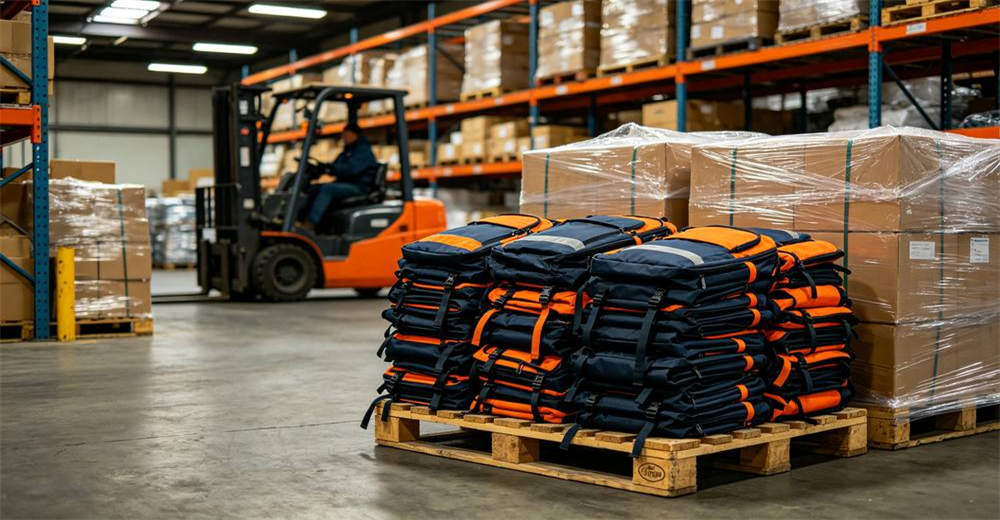
Buying an emergency backpack wholesale follows a different process than buying retail.
Government tenders, NGO procurement frameworks and emergency response contracts all require specific documentation, pricing tiers and emergency backpack price ranges, lead times and quality assurance steps. The biggest mistake is going straight to price comparison without first locking the technical specification—two factories can quote the same "70L tactical backpack" at wildly different prices because one uses 600D fabric and the other uses 1000D Cordura, and you will not know which you got until the sample arrives.
Specify the fabric, the hardware brand, the zipper size and the stitching standard in your inquiry, and compare quotes on apples-to-apples terms.
For international tenders, also confirm the Incoterms (FOB, CIF or DDP) and whether the price includes export packaging, labels and documentation.
|
Order Quantity |
Unit Price (40L) |
Unit Price (70L) |
Lead Time |
|
100 to 199 pcs |
USD 38 to 48 |
USD 48 to 60 |
35 days |
|
200 to 999 pcs |
USD 32 to 40 |
USD 40 to 50 |
40 days |
|
1,000 to 4,999 pcs |
USD 26 to 33 |
USD 33 to 42 |
45 days |
|
5,000 to 19,999 pcs |
USD 22 to 28 |
USD 28 to 36 |
55 days |
|
20,000+ pcs |
USD 18 to 24 |
USD 24 to 30 |
65 days |
Most government tenders require a technical specification compliant product sheet, factory audit documentation, ISO 9001 certification, CE or EN test reports where applicable, a sample submitted for evaluation, and a bid or performance bond.
Standard colors and stock designs have an MOQ of 100 pieces; custom colors start at 200; custom logos start at 100.
Bulk orders of 10,000 or more run on dedicated production lines and typically take 55 to 65 days. For emergency procurement after a disaster, stock configurations can ship within seven days.
We welcome factory audits by SGS, Intertek or Bureau Veritas and provide AQL 2.5 inspection reports with every shipment.
If your tender requires a local agent or a registered importer, we can support that documentation on a case-by-case basis.
The key to a smooth tender is submitting a sample that matches the written specification exactly—factories that cut corners on samples will also cut corners on production, so inspect the sample's stitching, zipper operation and hardware quality before evaluating the price.
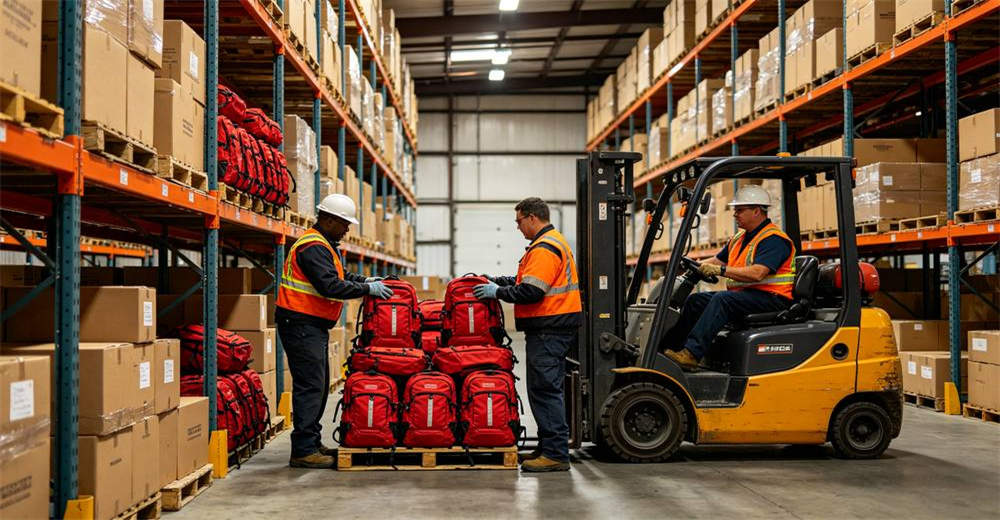
Most bulk buyers eventually want their own branding on the pack—agency logo, color scheme, internal BOM configuration or packaging.
We support four levels of customization, from simple logo application to a fully custom-designed pack.
The level you choose depends on order quantity, timeline and how much your brand identity matters.
For a first order, start with level one or two and move to deeper customization on repeat orders once you have real field feedback.
For relief distribution programs, the branded pack becomes visible after distribution—other displaced households see it and understand what the agency is providing, which makes custom branding a meaningful part of the communication strategy rather than just decoration.
Some agencies also require bilingual labels—English plus the local language—so we produce labels in multiple languages on request.
Level one is logo application: embroidered patch, silk-screen print or woven label on a stock pack, starting at 100 pieces. Level two is color customization: change the pack color to your pantone, change webbing color, add reflective tape in your brand color, starting at 200 pieces.
Level three is internal BOM customization: specify exactly what contents go inside and we pack and label accordingly, starting at 500 pieces.
Level four is full custom design with new mold, new pocket layout, new back panel and new fabric, starting at 2,000 pieces with a development fee. Embroidered logos look the most professional and survive years of washing, but they have a higher setup cost. Silk-screen printing is cheapest for large logos on flat fabric.
Woven labels are the standard choice for small brand tags.
We can also produce bilingual labels and custom packaging for relief distribution programs.
Emergency packs sold into institutional and government markets need to meet recognized standards, not just factory self-declaration. The relevant standards vary by market: ISO 9001 for the factory quality system, REACH and Prop 65 for chemical content in fabric and hardware, and CE marking where the product falls under personal protective equipment regulation.
For military and police buyers, fabric test reports on denier, tear strength and color fastness may be cited.
We maintain test reports from SGS, Intertek and Bureau Veritas for the standard fabrics and zippers we use; for a specific tender, we can arrange a targeted pre-shipment inspection to your spec. We also provide a declaration of conformity and a material safety data sheet for the fabric and components on request.
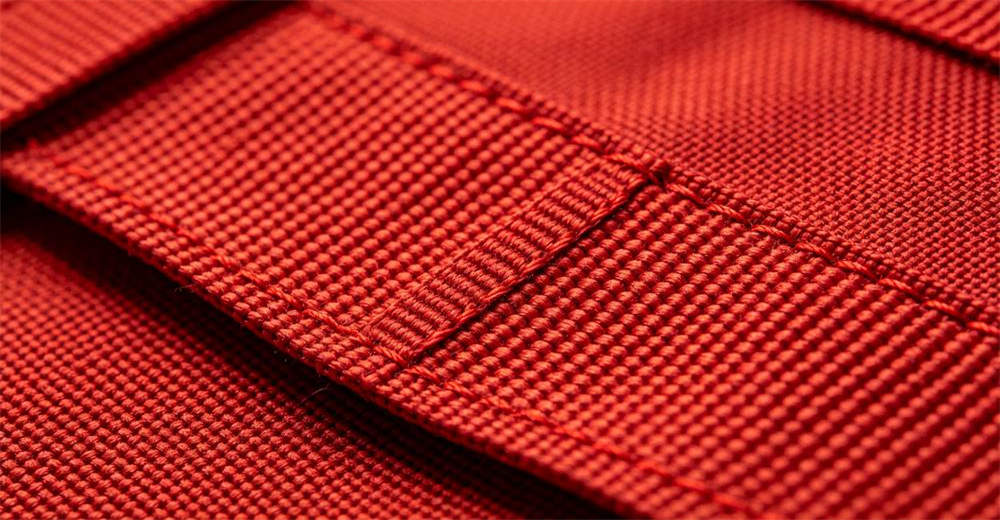
Every production run goes through three-stage inspection.
Raw material inspection checks fabric weight, color fastness, zipper function and buckle strength before cutting.
In-line inspection at 30 percent completion checks stitching density, strap anchor bar tacks and pocket alignment. Final random inspection at 100 percent completion checks the finished pack against the signed sample for dimensions, weight, color, zipper operation, logo placement and labeling.
Defect rates above 1.5 percent trigger 100 percent rework before shipment.
We also maintain a simple maintenance checklist that we recommend customers print and attach to the inside lid of each pack—quarterly checks of fabric, zippers and straps, six-month battery rotation, and annual storage environment review keep packs reliable between major inspections.
After supplying emergency packs to fire departments, military units and relief organizations worldwide, we see five recurring procurement mistakes.
Avoiding these five errors saves you from expensive rework and field failures:
Insist on a ventilated suspended mesh panel.
Choose a supplier who already sells into fire, military or relief markets.
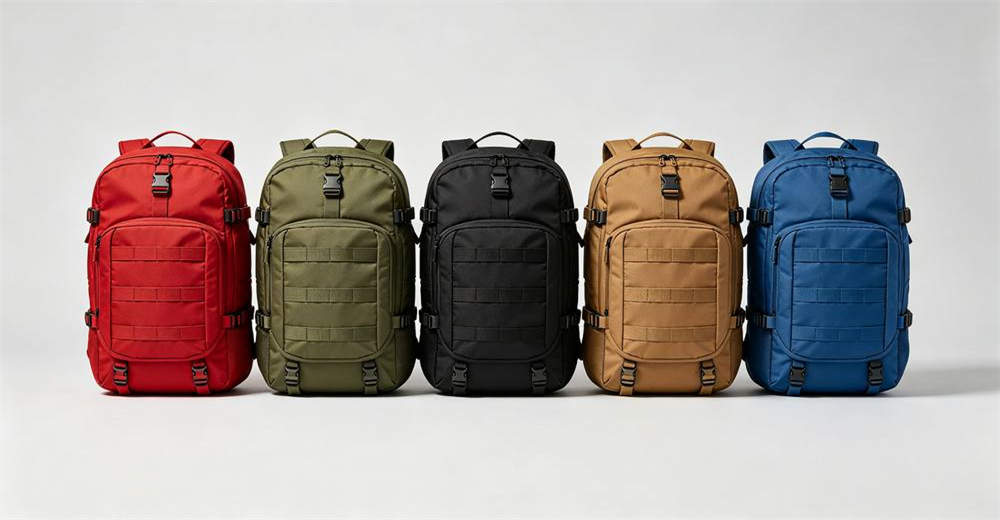
This comparison table pulls together the five stock configurations we most commonly supply, so you can narrow to one or two candidates before requesting a quote. All five are available in 30 days for stock colors, with custom branding at the MOQ shown.
The RF-40 is the standard choice for city fire departments. The RS-70 is preferred by technical rescue and swiftwater teams who carry rope and harnesses. The RM-45 is configured specifically for medical and TCCC use with trauma modules.
The RT-70 is the tactical military option in coyote or black. The RD-90 is the high-volume relief distribution pack for government and NGO programs.
If your mission profile does not match any of these exactly, tell us what you need—capacity, fabric, features and target price—and we will configure a custom option or recommend the closest stock model.
Most buyers end up choosing between two or three of these, so request samples of each before deciding.
|
Model |
Capacity |
Fabric |
Best For |
MOQ |
|
RF-40 Fire |
40L |
1000D Cordura |
Firefighter, urban response |
100 |
|
RS-70 SAR |
70L |
1000D nylon |
Search and rescue, technical |
100 |
|
RM-45 Med |
45L |
600D to 1000D |
Medical, TCCC |
100 |
|
RT-70 Tactical |
70L |
1000D Cordura |
Military, police, tactical |
100 |
|
RD-90 Relief |
90L |
600D Oxford |
Relief distribution, family pack |
500 |
The 40L pack is built for a single urban responder carrying the first-hour kit: tools, radio, medical pouch, water. It fits through doorways and apparatus compartments.
The 70L pack is for technical rescue and multi-day operations where rope, harnesses and personal survival gear add bulk. Choose 40L for engine companies and medics; choose 70L for SAR and tactical teams.
Both. We supply empty packs for clients who load their own gear to their SOP, and pre-packed packs for relief distribution programs where the warehouse loads a standard BOM.
Pre-packed pricing includes the pack, the contents listed in your BOM, and packing labor.
Fabric is PU-coated and resistant to rain and splashes; zippers are water-resistant but not fully sealed. For flood and swiftwater operations, add a rain cover or upgrade to sealed zippers.
No fabric backpack is fully submersible—if submerged, contents will eventually get wet.
Stock designs start at 100 pieces. Custom colors start at 200. Lead time is 35 days for 100 to 500 pieces, 45 days for 1,000 to 5,000 pieces, and 55 to 65 days for 10,000 or more.
Stock configurations can ship within seven days for emergency orders.
Yes. We offer embroidery, silk-screen printing, woven labels and custom pantone color. For larger orders we can design a fully custom pack from scratch. We also support bilingual labels and custom packaging for relief distribution programs.
We warrant against manufacturing defects in material and workmanship for two years from delivery under normal use. Seam failures, zipper failures under normal load, and hardware breakage are covered. We replace defective packs on a one-for-one basis after inspection. For rescue packs used in daily fireground operations, we recommend an annual inspection by your equipment officer and replacement when fabric shows abrasion through the outer layer or when zippers start to stick.
Explore our complete range of emergency backpacks, first aid kits and disaster relief supplies to build a complete emergency response program for your team.
 |

|
Copyright © Custom Disaster - Relief Bedding: Tents, Sleeping Bags, Blankets All Rights Reserved
the professional team to service !