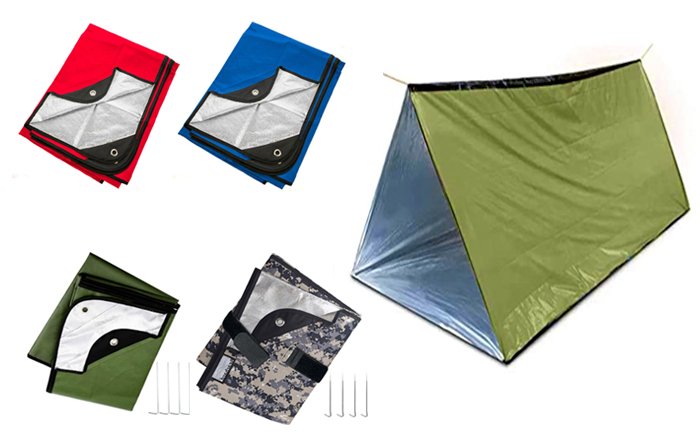
Emergency Sunshade Canopy: Your Ultimate Protection in Any Emergency Situation
The Emergency Sunshade Canopy is the ultimate survival tool for any emergency situation. Designed for use in disaster relief, military operations, medical emergencies, and even as a United Nations donation item, this canopy provides shelter and warmth in the harshest conditions. With a range of colors and sizes available, it's tailored to fit your specific needs, ensuring maximum functionality and versatility. Whether you're in the mountains or the desert, the Emergency Sunshade Canopy will keep you protected from the elements, making it an essential addition to any emergency kit.
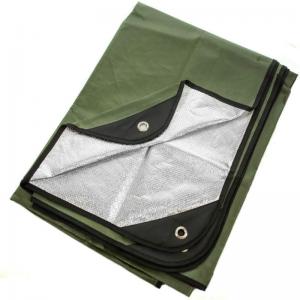
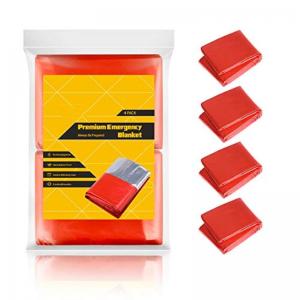
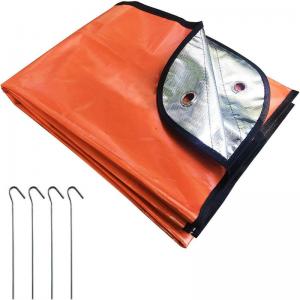
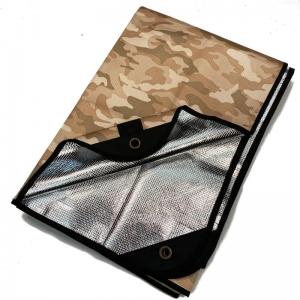
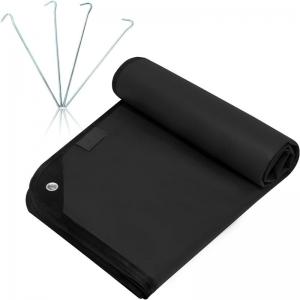
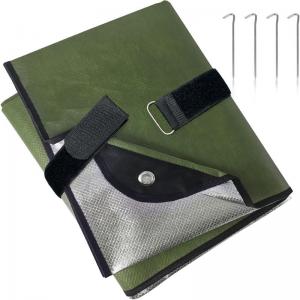
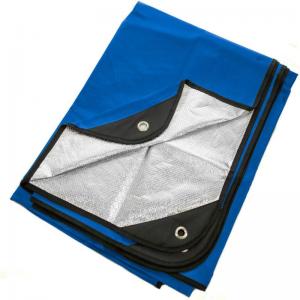
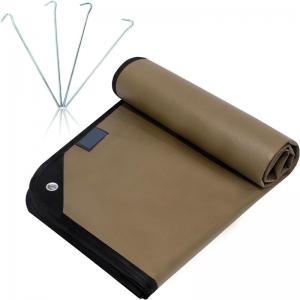
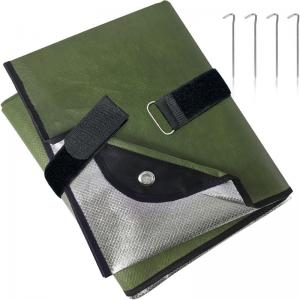
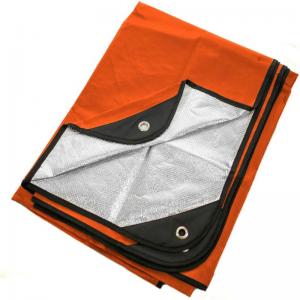
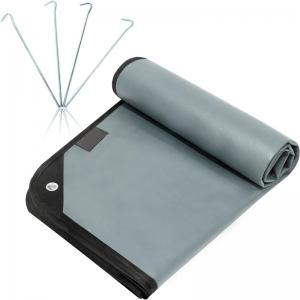
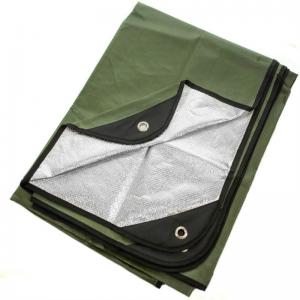
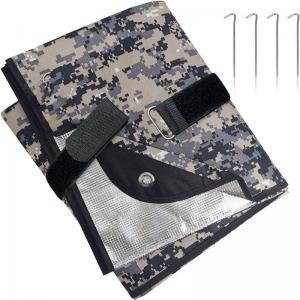
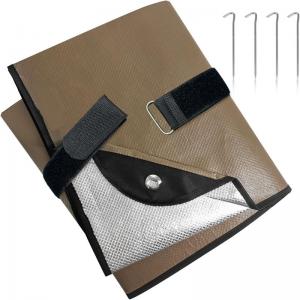
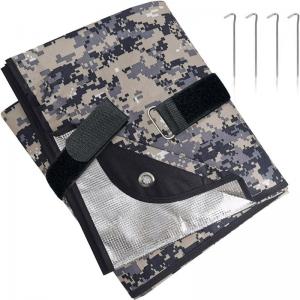
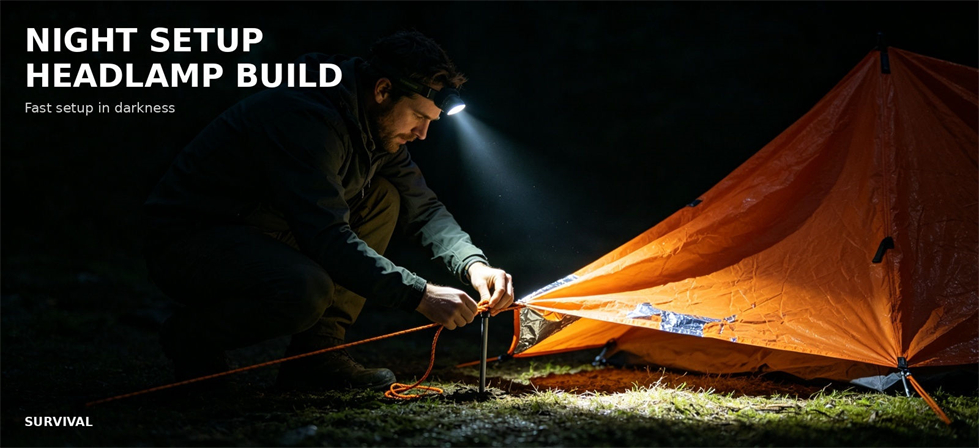
These emergency sunshade canopies are not large frame shelters or freestanding enclosed tents. They are closer to lightweight sheets that can be unfolded, tied, folded, and carried, using available support points, ropes, or separately confirmed supports to create a small temporary shaded area.

For bulk sourcing, first define what must be shaded, how the sheet will be suspended, the required coverage, and whether it must be packed quickly for relocation. This turns material direction, finished size, edge construction, tie points, accessories, and packing into clear quotation fields.

YRF Textile supplies standard lightweight emergency sunshade canopies for disaster relief, outdoor duty, medical triage and emergency stockpiles. Standard models keep stable raw material stock, support flexible MOQ, regular spot goods and 72-hour production scheduling for emergency orders. All bulk orders follow sealed sample production, AQL 2.5 final inspection and 3-year batch sample traceability to ensure consistent quality across large volumes.
Note: Below parameters are standard reference values per common bulk factory specifications, custom requirements are adjustable; all performance values are under standard test and proper setup conditions.
Disaster Relief Temporary Waiting & Registration Points
Recommended model: 3×3m standard aluminum coated 210D oxford model, most common for temporary relief sites.
Key parameters (standard grade): 210D polyester oxford with aluminum reflective coating, weight 150±10g/㎡, UV block ≥90%, solar reflectance ≥70%, reduces direct sun temperature by 5-8℃ under canopy (reference value, affected by wind and ambient temp), full perimeter 2cm double-stitched hem, 4 corner reinforced nylon webbing loops with metal D-rings (single ring pull strength ≥50kg), includes 4pcs 4mm nylon guy lines (3m each with adjuster) and 4pcs Φ8mm/20cm galvanized steel stakes, carry bag included, unit weight 0.8-1.0kg, packed size 30×20cm.
Procurement note: Lightweight for fast deployment, can be tied between vehicles, poles or existing structures; individual pack fits emergency response kits. For short-term sun and light rain use only, not for long-term deployment or heavy wind/rain.
Outdoor Duty, Checkpoint & Medical Triage Points
Recommended model: 3×4m heavy duty silver coated 420D oxford model, for longer duration fixed duty points.
Key parameters (heavy duty grade): 420D polyester oxford with silver UV coating, weight 220±15g/㎡, water pressure resistance ≥300mm (short-term light rain 1 hour no leakage), UV block ≥95%, 8 reinforced tie points (4 corners + 4 side midpoints) with double layer fabric + metal D-rings, includes 8pcs 5mm guy lines and 8pcs Φ10mm/25cm stakes, reinforced carry bag, unit weight 1.8-2.2kg.
Procurement note: More tear resistant for repeated setup and takedown, custom printing for agency logos available; must be set up with proper slope for water drainage, do not tension completely flat to avoid water pooling. Optional steel/fiberglass support poles available separately.
Emergency Supply Distribution & First Aid Stations
Recommended model: 4×4m PE laminated non-woven model, economical for large quantity one-time relief distribution.

Key parameters (economy grade): PE coated non-woven fabric, weight 120±10g/㎡, UV block ≥80%, 4 corner reinforced tie points, includes basic guy lines and plastic stakes, unit weight 0.5-0.7kg, low cost for mass distribution.
Procurement note: Compact and low cost for short-term emergency use, ideal for bulk stockpile and one-time issue; not designed for repeated long-term use, should be stored away from sharp objects.
Fleet & Field Emergency Team Backup Shade
Recommended model: 3×3m standard aluminum coated model, compact for vehicle carry.
Key parameters (standard grade): Same 150g/㎡ aluminum coated oxford as standard relief model, compact pack fits vehicle emergency kits, fast 2-person setup in 5 minutes, can be tied between vehicles or field poles.
Procurement note: Standard pack per vehicle/team, custom olive drab/desert colors available for field use; note that non-silver/aluminum colors have lower UV reflection and cooling effect.
Suitable for: temporary waiting or rest points, small distribution stations, outdoor duty positions, and backup shade carried in vehicles or emergency kits.
Not intended for: projects requiring a freestanding frame, enclosed accommodation, long-term deployment, divided work zones, or verified structural loading. Compare frame or inflatable tents for those tasks. This product is for temporary overhead sun and light rain protection only, not for use as living shelter or heavy rain/wind shelter.
The site still needs reliable suspension or support. Whether poles, ropes, pegs, or other connectors are included must be confirmed for the selected product and quotation rather than assumed from the category name. With proper guylines and stakes installed, standard models withstand 5-6 grade wind (10.8-13.8m/s); we recommend taking down the canopy in wind above 6 grade to avoid damage.
For registration, queues, rest, or duty positions, confirm the number of people, changing sun direction, available support points, and circulation. A sheet that is too small leaves exposed areas; an oversized sheet with insufficient support can be harder to tension and pack.
For a distribution, first-aid supply, or small equipment table, provide the table size, operator position, access direction, and required overhang. The canopy provides simple overhead shade, not a rainproof warehouse or enclosed workspace.

Where the product is carried and repacked often, folded dimensions, unit weight, accessory packing, labels, and carton quantity matter more than complex shelter systems. State whether allocation is per unit, vehicle, team, or site and confirm exactly what one set contains.

Single slope between high and low supports: confirm long- or short-edge orientation, pedestrian clearance at the low side, and a drainage direction if rainfall use is required.
Two slopes over a centre line: confirm a reliable ridge line and side tie points. Check whether the selected size reaches from the centre line to both sides and whether the product suits the intended tie arrangement.
Four-corner or multi-point setup: match the tie-point layout to the site. Pulling only the corners may leave a sagging centre; any additional centre tie points must be verified on the selected model.
Procurement point: open size is not the same as effective shade. Setup angle, sun direction, support spacing, and edge allowance change the usable result. A simple sketch or site measurements improve product matching. Always set up with at least 10 degree slope for drainage if rain is expected; completely flat setup causes water pooling that may tear the fabric.

Published product names show several material, surface, reinforcement, and portability directions, but titles do not replace specifications. Use these routes to narrow the range, then confirm the selected model against its sample and quotation.
Reflective or aluminum-faced direction: compare surface construction and shade direction; confirm one- or two-sided construction, substrate, folding, and appearance.
Polyester, polyethylene, or nonwoven laminate direction: verify material wording, construction, finished size, weight, and edge treatment for each product instead of applying one model's data to the category.

Reinforced tie-point and portable packing direction: check tie-point count and position, corner reinforcement, carry bag, and accessory list when repeated setup and relocation are important.
|
Decision |
What to provide or compare |
Why it matters |
|
Use task |
Shade for people, a table, small supplies, or backup cover |
Defines coverage and allocation |
|
Finished size |
Hem-to-hem finished size after sewing, measurement method, and tolerance ±5cm |
Prevents receiving dispute; we do not quote cut size as finished size |
|
Material and surface |
Substrate, laminate, reflective face, and intended orientation |
Different page titles do not establish one shared construction |
|
Edge construction |
Hems, seams, corner reinforcement, and acceptable appearance |
Edges are critical during repeated folding and tensioning |
|
Tie-point layout |
Quantity, spacing, position, connection, and required opening size |
Must correspond to the site and setup direction |
|
Site conditions |
Support spacing, height, rope direction, ground, and obstacles |
Defines a single-slope, two-slope, or multi-point route |
|
Unit contents |
Canopy, bag, ropes, pegs, or other included accessories |
Prevents missing connectors after delivery |
|
Packing and allocation |
Folded size, unit pack, carton quantity, labels, and split packing |
Supports storage, handling, issue, and receiving |
|
Acceptance basis |
Dimension method, appearance, tie points, accessories, and required tests |
Keeps sample and bulk inspection on one basis |
|
Material specification |
Fabric type, weight and coating |
Standard 150g/㎡ 210D aluminum oxford; heavy duty 220g/㎡ 420D silver oxford; economy 120g/㎡ PE non-woven; weight tolerance ±10g/㎡, 100% new material no recycled smelly fabric |
|
Reinforcement parameters |
Corner and tie point construction |
All tie points use double layer fabric + nylon webbing + metal D-ring; single ring pull strength ≥50kg no tear; full perimeter 2cm double stitched hem, 8-10 stitches per 3cm no skipped stitches |
|
Performance parameters |
UV block, water resistance, wind rating |
Aluminum/silver coated models UV block ≥90%; heavy duty models water pressure ≥300mm (short light rain only); proper staking withstands 5-6 grade wind (10.8-13.8m/s), take down above 6 grade |
|
Accessory specification |
Guy lines, stakes, carry bag |
Standard 4mm nylon braided guy lines (single line pull ≥80kg) with plastic adjusters; Φ8mm/20cm galvanized steel stakes (no rust); heavy duty uses 5mm lines and Φ10mm/25cm stakes; durable oxford carry bag |
|
Custom marking |
Logo/printing requirement |
Custom screen printing with buyer authorized artwork, dry rub 50 times no fading; custom labels and instructions available |

All fabric is 100% new material, no recycled smelly brittle fabric; all units checked for complete accessories before packing; no missing guy lines or stakes.
Standard aluminum models: fabric weight 150±10g/㎡, UV block ≥90%, reflectance ≥70%; all 4 corners have metal D-rings with 50kg pull strength; full perimeter double stitched hem; includes 4 lines and 4 steel stakes; unit weight within 0.1kg of specification.
Heavy duty silver models: fabric weight 220±15g/㎡, water pressure ≥300mm (short light rain 1 hour no leakage), UV block ≥95%; 8 reinforced tie points, 8 lines and 8 longer stakes; double stitching at all stress points.
Economy PE models: fabric weight 120±10g/㎡, UV block ≥80%, reinforced corners, for short-term one-time use only.
Use limits (critical to avoid dispute): This is a lightweight temporary sun shade, not a permanent shelter. With proper guylines and stakes it withstands 5-6 grade wind (10.8-13.8m/s); take down immediately in wind above 6 grade, heavy rain, thunderstorm or snow. Do not hang any weight from the canopy. Do not use as enclosed living space. Set up with drainage slope, do not leave flat in rain. Aluminum coating reflects sun to reduce temperature by 5-8℃ reference, this is not active cooling, actual temperature depends on wind and ambient conditions.
Common Procurement Term Explanation
Aluminum/silver reflective coating: Metallized coating on fabric surface that reflects 70%+ of solar radiation, reducing temperature under the canopy by 5-8℃ compared to direct sun; this is passive reflection, not cooling, effect varies with wind and ambient temperature; coating is heat bonded to resist flaking from folding.
Water pressure resistance (mm H2O): 300mm means fabric resists light/medium rain for short periods (about 1 hour); it is not suitable for heavy rainstorm or long-term continuous rain exposure, and does not make the canopy a waterproof shelter.
Wind rating: The 5-6 grade rating applies only when all guy lines are properly tensioned and all stakes are fully driven into firm ground; if not staked correctly, the canopy can blow away in much lighter wind; always take down in strong wind.
Cut size vs finished size: Cut size is raw fabric dimension before sewing; finished hem-to-hem size is actual size after sewing and hems, which is 5-10cm smaller; we always quote finished size to avoid size disputes.
D-ring tie point: Metal D-shaped ring sewn into reinforced corner/edge with nylon webbing, used to attach guy lines; much stronger than plastic rings or simple fabric loops, distributes tension across the reinforced fabric to prevent tearing.

If a project requires specific waterproof, tear, reflective, or other performance, provide the test method and acceptance requirement in the inquiry. A page title or image alone does not establish a test result.

Standard sizes: 3×3m (most common, 4 tie points), 3×4m (8 tie points), 4×4m (8 tie points); custom sizes available per request, finished size tolerance ±5cm. Pre-production sample provided for confirmation before bulk production for large custom orders.
Material: Standard 150g/㎡ 210D aluminum coated oxford (reusable), 220g/㎡ 420D silver coated oxford (heavy duty reusable), 120g/㎡ PE laminated non-woven (economy short term); custom colors available (olive, desert, orange, white etc, note non-metallic colors have lower cooling effect).
Accessories: Upgraded thicker guy lines, longer heavy duty stakes, optional fiberglass/steel support poles (sold separately), extra reinforced carry bag, spare parts kit.
Marking: Custom logo/text screen printing with buyer authorized artwork (dry rub 50 times no fading), custom label language, batch number marking for traceability, custom instruction printing.
Packing: Individual carry bag, custom color box, bulk pack, custom carton marks, custom carton size per request.
Standard spot models MOQ 50pcs; custom logo printing MOQ 100pcs; custom size/material/color MOQ 200pcs; special small orders quoted separately.
Sample lead time: 2-3 working days for standard sample, 5-7 days for custom printed sample. Bulk lead time 7-15 working days after sample confirmation, exact lead time based on order quantity and customization; standard emergency orders can be scheduled for production within 72 hours subject to factory schedule.
Sample policy: We provide free specification sheet, formal quotation and sample application guide. Sample fee is quoted separately based on exact style, size and customization requirements; sample fee and courier cost are prepaid by buyer, sample fee is non-refundable.
Certification & inspection: Support SGS/BV/Intertek pre-shipment inspection, inspection fee quoted per requirement; UV and water resistance test reports available per project request, third-party certification costs are borne by buyer if required. We can produce per required standard and provide test reports, we do not claim official government/military supplier status.
After-sales: Standard products cover manufacturing defects; batch samples retained for 3 years for repeat order traceability; spare parts available for reorder; standard unopened canopies stored in cool dry conditions have 3 year shelf life.


Each canopy folded, checked for full accessories (guy lines, stakes, carry bag), packed in individual oxford/PE carry bag; desiccant added for long shipment to prevent moisture. Standard 3×3m model: 50pcs per carton, carton size 60×40×40cm, gross weight ~45kg; custom packing available per project.

Store in cool dry warehouse away from direct sunlight, sharp objects and chemicals; ensure canopy is completely dry before long term storage to prevent mold and coating degradation; do not store folded under heavy pressure for long periods. Standard new fabric remains usable for 3 years in original unopened packaging under proper dry storage; inspect annually for brittleness or coating degradation.
All cartons marked with batch number, size, quantity, destination and handling marks. Multi-site or multi-destination orders use color-coded labels or separate packing lists to avoid mixing; each destination is packed separately with full address labels, complete packing list provided for each consignment.

Calculate by allocation unit: number of sites multiplied by canopies per site, plus the replacement or spare quantity selected for the project. Do not apply one fixed spare ratio to every order; relocation frequency, field loss risk, and replenishment distance differ.

Receive by packing unit: sample the finished size, appearance, edges, tie points, and folding method, then check unit contents, carton quantity, and labels against the packing list. For multi-site distribution, define split packing and carton identification before quotation.
Sample fee is quoted separately based on exact style, size and customization requirements; sample fee and courier cost are prepaid by buyer, sample fee is non-refundable. We provide free specification sheet, formal quotation and sample application guide. Preparation time depends on the selected product and customization. Price, MOQ, and lead time are quoted by quantity, product, customization, packing, destination, and current production schedule. Shipment from major ports in China, customer-nominated port supported; trade terms EXW/FOB/CIF available, DDP evaluated for selected destinations only.

With these inputs, the available product range and remaining confirmation fields can be organized before quotation.

Do not assume it from the category name. Standard sets include canopy, guy lines, stakes and carry bag; support poles are sold separately unless explicitly confirmed. Confirm the unit contents of the selected model and identify any separate support or connecting accessories required at the site.
Measure the item to be covered and the support-point positions, then allow the required overhang. Open dimensions or a simple site sketch are more useful than headcount alone. We quote finished hem-to-hem size with ±5cm tolerance.
Some requirements refer to cut size and others to finished outer dimensions after hemming. We always quote finished sewn size, agree the measurement method and tolerance before quotation and acceptance.
Narrow the range by reflective surface, substrate, folding, and edge construction, then request the specification and approve a sample for the selected product. Aluminum coated for maximum cooling, silver oxford for heavy duty reusable, PE non-woven for economy short term.
For larger sizes yes, 8 point tie down (corners + mid sides) holds better in wind than 4 point only. Quantity, position, reinforcement, and the load direction at the site must be reviewed together. Confirm a tie-point layout or physical sample.
Standard sets include guy lines, steel stakes and carry bag; support poles are separate. List every canopy and accessory required per unit in the quotation and packing list.
No. It is intended for lightweight, temporary overhead sun and short light rain protection only; it is not enclosed, not for sleeping or long term deployment, not rated for heavy rain/snow/high wind. Choose a frame or inflatable tent for long-term or enclosed space.
Heavy duty models resist short-term light rain (300mm water pressure). Define the use condition, drainage slope (minimum 10 degrees), material performance, test method, and acceptance documents. A lightweight canopy is not a long-term rain shelter merely because of a product title; take down in heavy rain.
Yes, but provide the required test method, target, and acceptance document so the selected product can be checked before quotation. Standard aluminum coating has ≥70% solar reflectance.
Use the approved sample, finished specification, accessory list, and packing list to sample tie points, corners, accessories, labels, and carton quantity. Pull test D-rings to 50kg no failure.
They can be evaluated by product and order, then confirmed separately in the sample, quotation, and packing documents. Custom logo printing dry rub 50 times no fading.
The use, size, material direction, tie points, accessories, quantity, and destination are used to organize the applicable product range, remaining confirmation points, and quotation scope.
When properly staked with all guy lines tensioned on firm ground, standard models withstand 5-6 grade wind (10.8-13.8m/s). We strongly recommend taking down the canopy in wind above 6 grade, thunderstorms or heavy rain to avoid damage or injury; never leave the canopy unattended in strong wind.
Yes. Mixed sizes are accepted; each size is separately packed and clearly marked, itemized packing list provided per SKU to avoid site mix-ups.
Custom logo/text printing is available per buyer's authorized artwork; screen printing is dry rub 50 times no fading. We do not claim official partnership with any agency, only provide custom marking service for buyer's project use.
When stored in original unopened packaging in cool dry conditions, standard canopies remain usable for 3 years; we recommend annual inspection for fabric brittleness or coating degradation, especially in hot environments.
We provide required test reports (UV, water resistance, fabric strength), factory qualification documents, inspection records, carton/loading data and full tender document support, can customize parameters to match tender specifications, and support third-party factory audit.
Shipment from major ports in China, customer-nominated port supported. Trade terms EXW/FOB/CIF available, DDP evaluated for selected destinations only.
Reference value 5-8℃ cooler than direct sun in light wind conditions; this is passive reflection not active cooling, actual temperature difference varies with wind speed, ambient temperature and sun angle, no fixed cooling temperature is guaranteed.
Submit a Lightweight Canopy Requirement
Get full specification sheet, formal quotation and sample application guide within 24 hours.

YRF Textile · 20 Years Emergency Relief Manufacturer
Copyright © Custom Disaster - Relief Bedding: Tents, Sleeping Bags, Blankets All Rights Reserved
the professional team to service !