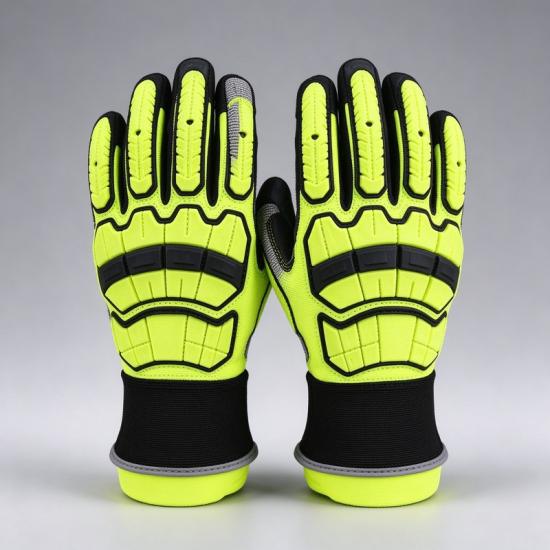
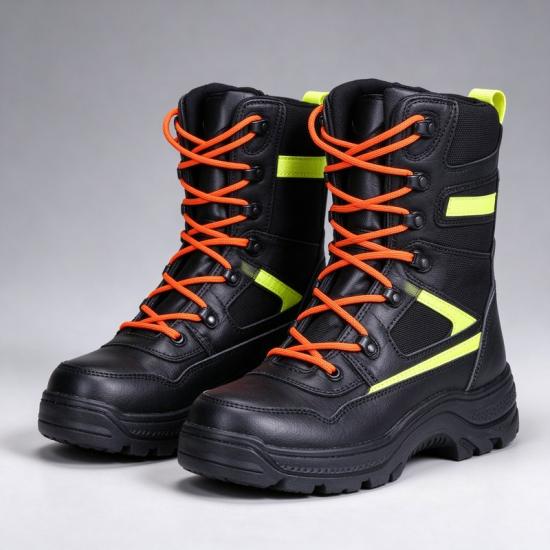
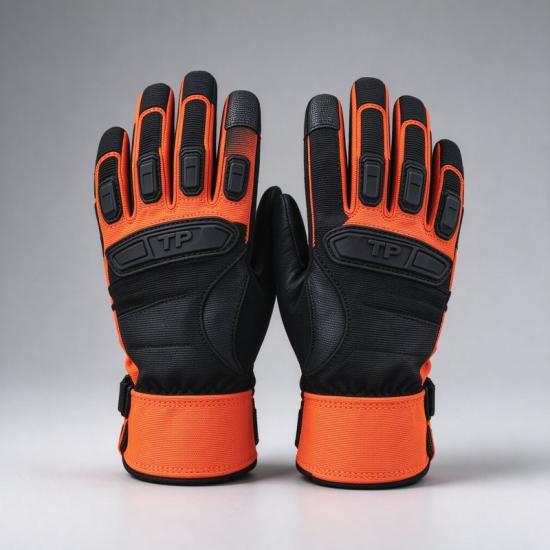
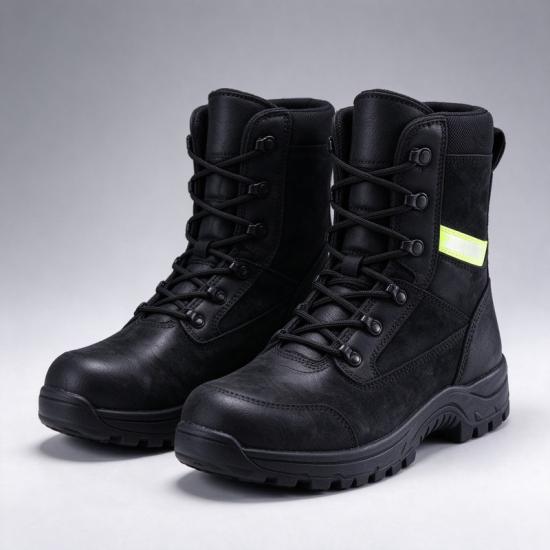
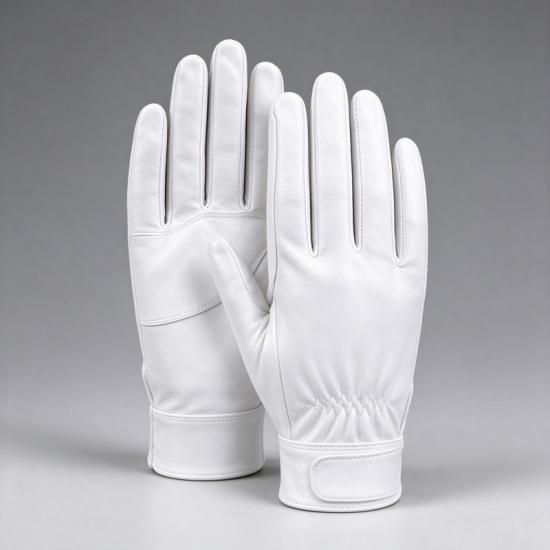
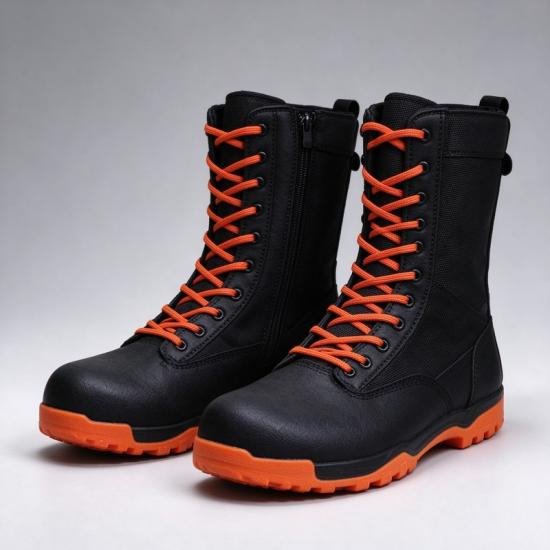
This firefighter gloves & boots PPE set meets NFPA 1971, EN659 & EN388 standards. Available in structural, wildland and extrication styles. Features heat insulation, cut resistance, puncture & electric protection. Bulk wholesale with custom logo, mixed sizes, fast sample delivery for fire departments.
Note: Price for reference only. Exact price based on quantity, size, weight and custom details.
model no. :
XFF-06Brand:
YRFmarket price :
$119.8sale price :
$59.9price range :
30-100/$59.9Color :
Multiple Colorsport of dispatch :
Guangdong/GuangzhouPayment :
TT, Paypal, Western Unionmin order :
30original region :
Made in ChinaLead Time :
5-15daysFirefighter Gloves & Boots | NFPA 1971 Leather
PPE Supplier
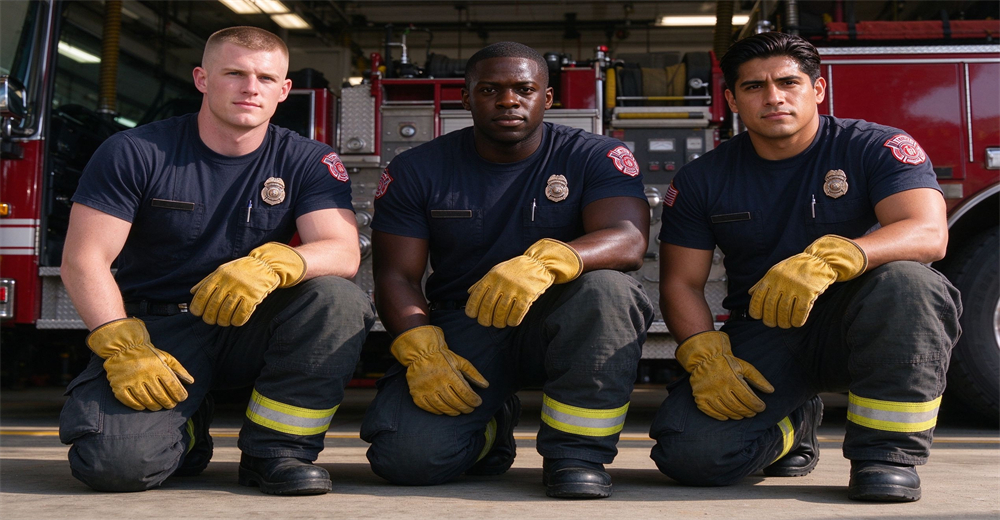
Our firefighter gloves and boots line covers structural firefighting gloves for interior attack, vehicle extrication, wildland brush fires, water rescue and industrial safety. Each pair pairs a cowhide or neoprene upper with tested toe and sole protection, sourced for fire departments, relief agencies and wholesale distributors who need gear that survives real shifts, not just glossy catalog photos.
 |

|
Table of Contents
1. Product Overview
3. Glove Three-Layer Build
4. Leather & Heat Protection
5. Rescue & Extrication Gloves
6. Structural Fire Boots
7. Boot Performance: Puncture & Electric
8. Wildland, Water & PVC Boots
9. Sizing & Fit Guide
10. Matched Kits & Custom Options
11. Certification Standards
12. How to Don & Use
13. Inspection & Service Life
14. Factory QC & Wholesale
15. Cost of Ownership
16. FAQ
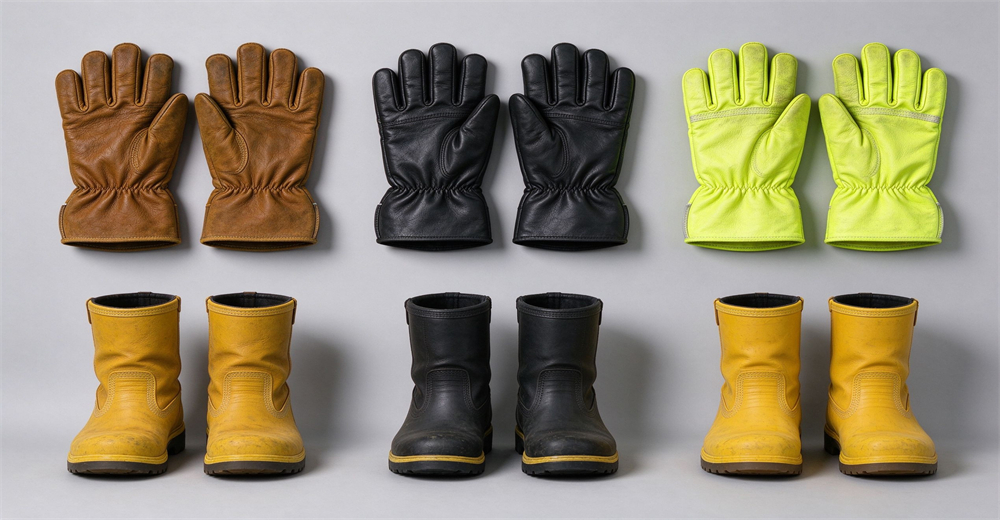
When a department outfitting project comes through, buyers usually need more than one glove model and more than one boot model. A crew that does interior attack needs structural firefighting gloves that can survive flashover structural firefighting gloves and leather fire boots.
A second team running vehicle extrication needs cut-resistant rescue gloves and steel-toe rescue boots. A third crew on wildland assignment needs lighter tan suede gloves and non-metallic wildland boots. This page walks through each series so procurement officers can spec a full program in one order.
See our fire helmet and SCBA, hose and nozzle, and escape rope and harness pages for the full PPE picture. Whether you are reading a firefighter gloves review or building your own specification, compare TPP, cut level and toe rating side by side.
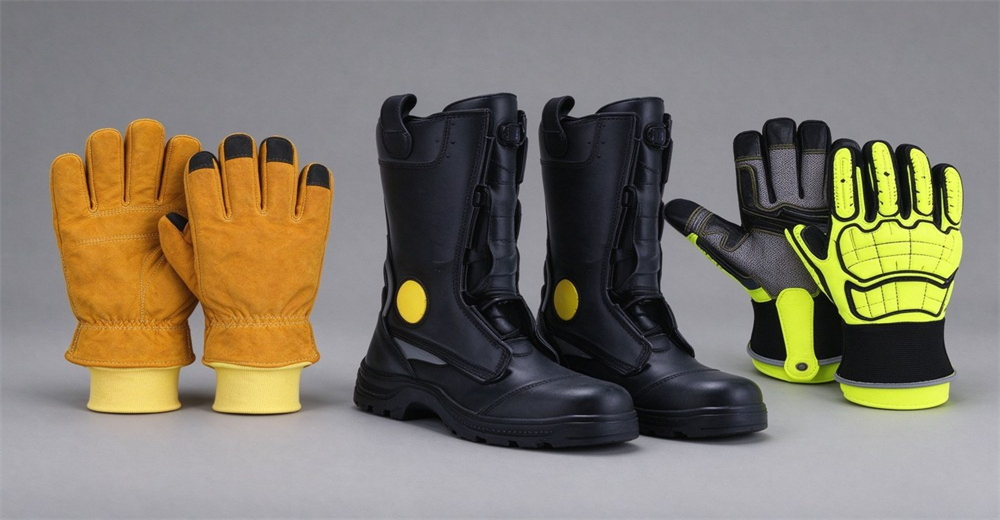
Our catalog covers five glove series and five boot series. When departments search for structural firefighting gloves, they need consistent TPP ratings, reliable seam construction and sizes that fit every crew member. We supply structural firefighting gear wholesale to departments that need bulk orders of matched kits.
The table below maps each product to its core material, the standard it is tested to, and the assignment it fits best. Read it alongside the turnout gear page and the helmet and SCBA page to see how gloves and boots complete the ensemble.
|
Product Series |
Core Material |
Key Standard |
Protection Level |
Best For |
|
Structural gloves |
1.2-1.5mm cowhide + PU + Kovenex |
NFPA 1971 / EN 659 |
TPP 35.2-60+ |
Interior structural attack |
|
Proximity gloves |
Aluminized PBI + cowhide palm |
NFPA 1971 |
Radiant heat reflection |
Aircraft / petrochemical rescue |
|
Extrication gloves |
Cala-tech + Kevlar + TPR |
EN388 4544FP / ANSI A8 |
Cut level A8 |
Vehicle rescue and demolition |
|
Tactical gloves |
Microsuede + TPR knuckle |
EN388 2121X |
General duty |
Law enforcement, technical rescue |
|
Wildland gloves |
Split cowhide + modacrylic |
NFPA 1977 |
Brush fire rated |
Forest and grass fire |
|
Structural boots |
2.2-2.4mm cowhide + rubber |
GA 6-2004 |
Composite toe + puncture plate |
Interior structural attack |
|
Rescue boots |
Leather + canvas + neoprene |
XF 633 |
1900N puncture / 5000V |
Urban search and rescue |
|
Wildland boots |
Flame leather + 3-layer rubber |
GA 633 |
1650N / 6000V |
Wildland and brush |
|
Water rescue boots |
5mm neoprene + suction sole |
Water rescue standard |
Buoyant + drainable |
Flood and swift water |
|
PVC safety boots with steel toe. These steel toe fire boots serve mining sites |
100% PVC + steel toe |
CE |
Waterproof industrial |
Mining, industrial, farm |
This overview maps every glove and boot family side by side so buyers can pair one glove with one boot for each crew. Read across to compare material, tested standard and protection level, and you can quickly see which set fits structural attack, vehicle extrication and wildland crews.
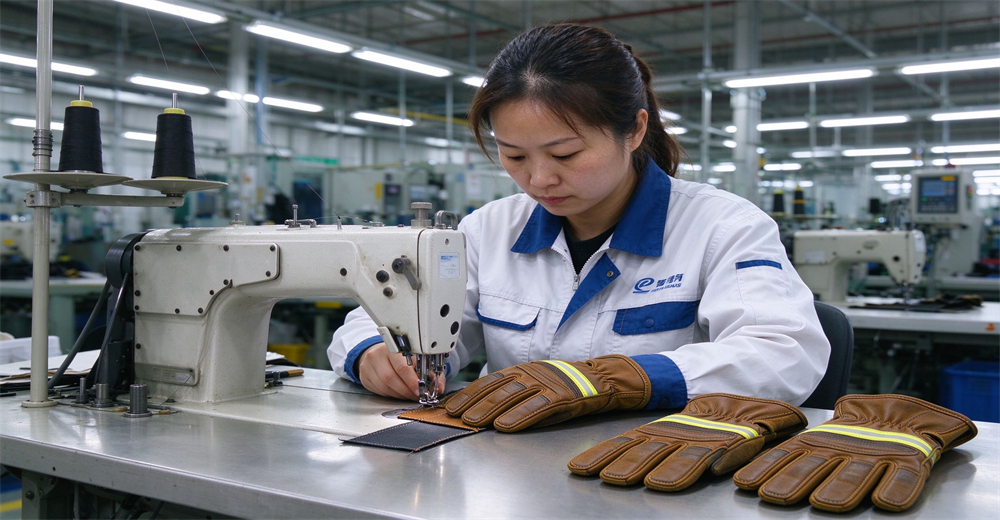
Glove selection starts with the threat. Structural firefighters face flashover and steam burns, so their gloves need a three-layer sandwich. Rescue personnel face metal and glass cuts, so their gloves need high-tenacity cut-resistant lining and TPR knuckle guards.
Wildland crews face radiant heat from brush, so their gloves need suede leather without the bulk of a full thermal liner. We stock each series in sizes S through XL, Every pair of structural firefighting gloves includes a gauntlet length option.
Our structural firefighting gloves are available with optional gauntlet length for departments that prefer longer wrist coverage.
Boots carry the full load of a firefighter who may walk through broken glass, hot debris and standing water. Structural boots use 2.2 to 2.4mm cowhide uppers with fire-resistant rubber outsoles and composite toe caps. Our rescue steel toe fire boots add electrical insulation and a higher puncture rating.
Our steel toe fire boots in PVC series. Water rescue boots use 5mm neoprene that floats and drains. PVC boots serve industrial buyers who need full waterproofing over mixed terrain.
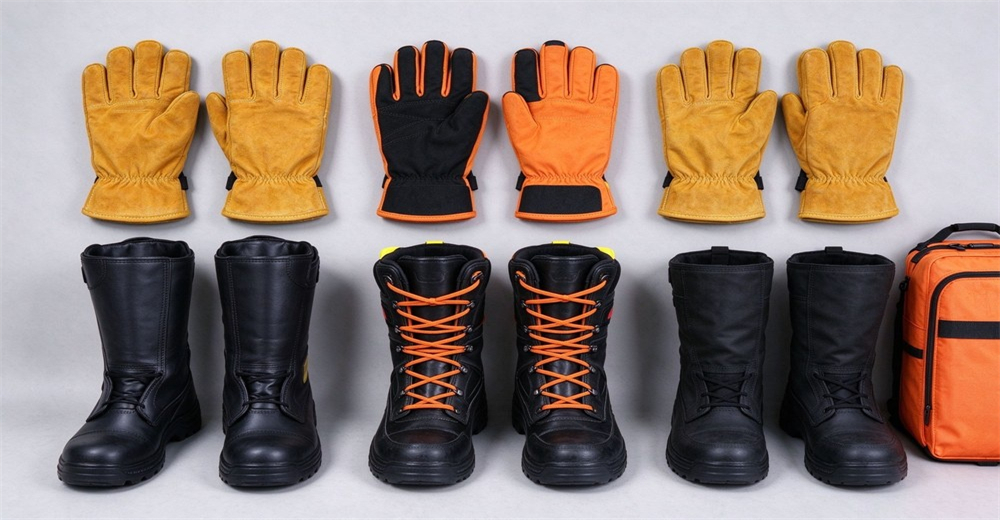
Most wholesale buyers pair one glove model with one boot model per crew assignment. A structural kit pairs cowhide shell gloves with leather structural boots. A rescue kit pairs fluorescent extrication gloves with black rescue boots. A wildland kit pairs tan suede gloves with tan leather wildland boots. Ordering as a matched kit simplifies inventory, sizing and replacement cycles.
Sizing consistency across production runs is equally important. A size L glove produced in March should fit the same as a size L produced in November, which is why we lock cutter templates and hand measurement gauges at the start of each production lot.
Every pair of structural firefighting gloves we ship goes through the same stitching tension, layer alignment and grip test, regardless of order size. This is why repeat buyers come back: they know the glove they ordered last quarter matches the one they receive this quarter.
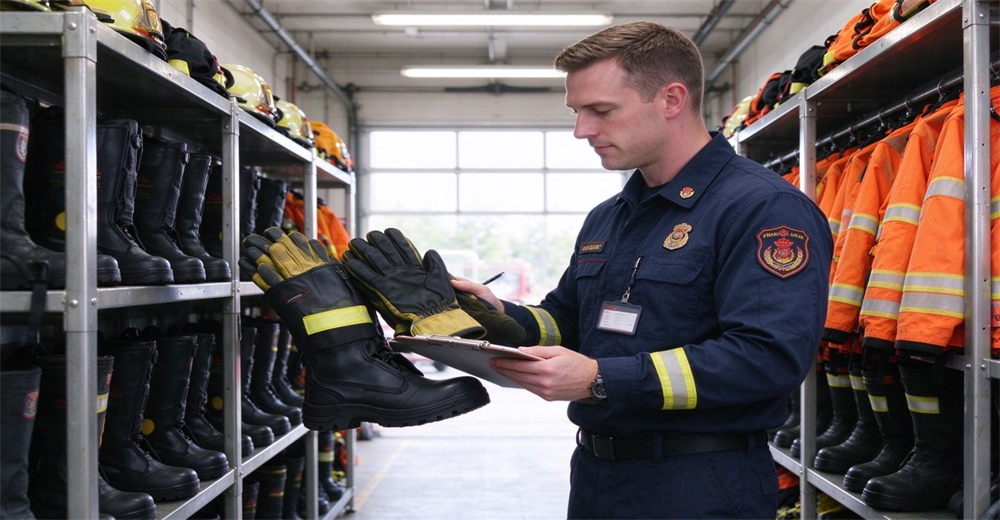
Quality structural firefighting gloves protect hands and feet take the most abuse on the fireground. Leather work gloves that lose dexterity mean a firefighter cannot feel a latch or a bolt. Boots that slip on wet concrete mean a crew member falls while carrying a charged hose line.
The right glove and boot system does not just block heat. It lets the worker keep doing the job under stress.
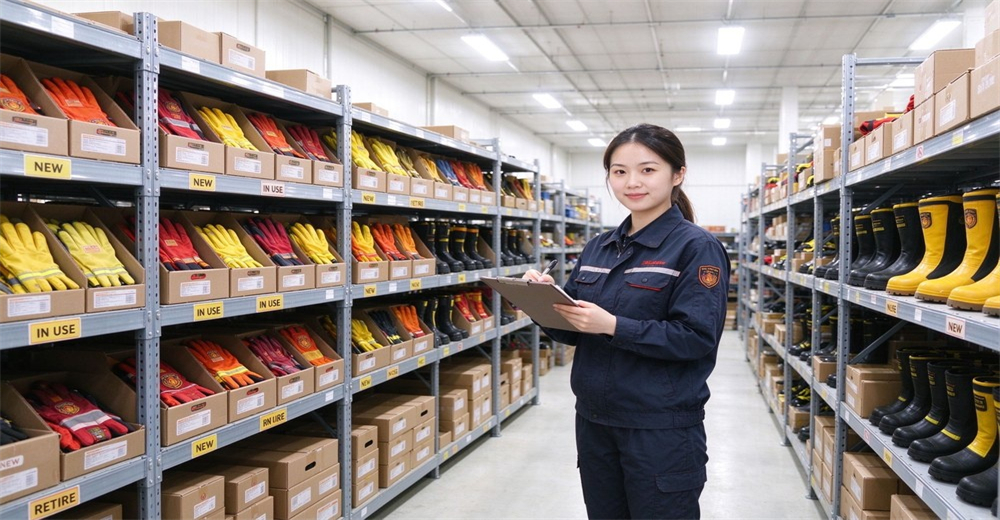
Each series is shown in the same neutral background so buyers can compare materials and construction directly.
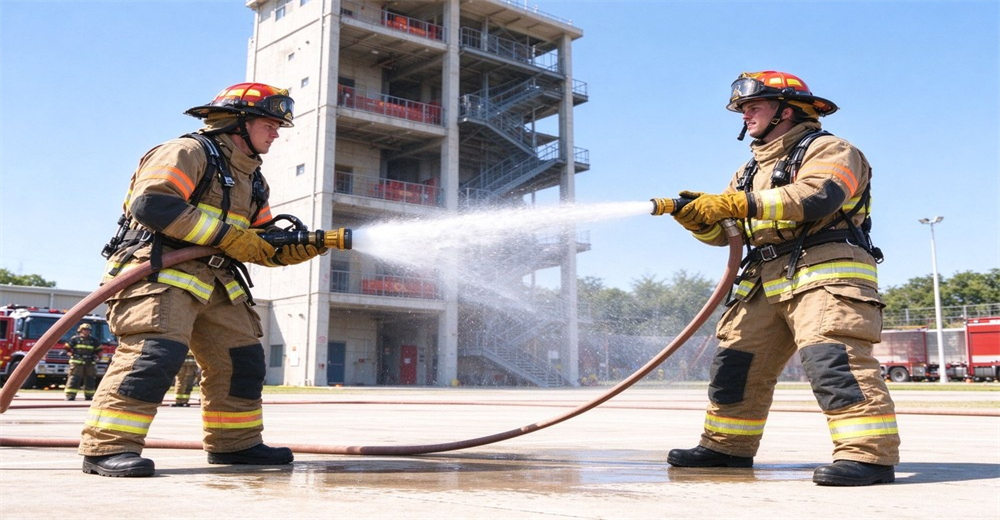
Hand burns and foot punctures remain among the most common firefighter injuries that do not make the headlines. A glove that tears on a rebar edge exposes skin to hot water and steam. A boot sole that delaminates lets a nail through to the foot.
Departments that prioritize lowest price over protection on gloves and boots end up paying more in lost shifts and worker claims over a three-year cycle than they ever saved at purchase.
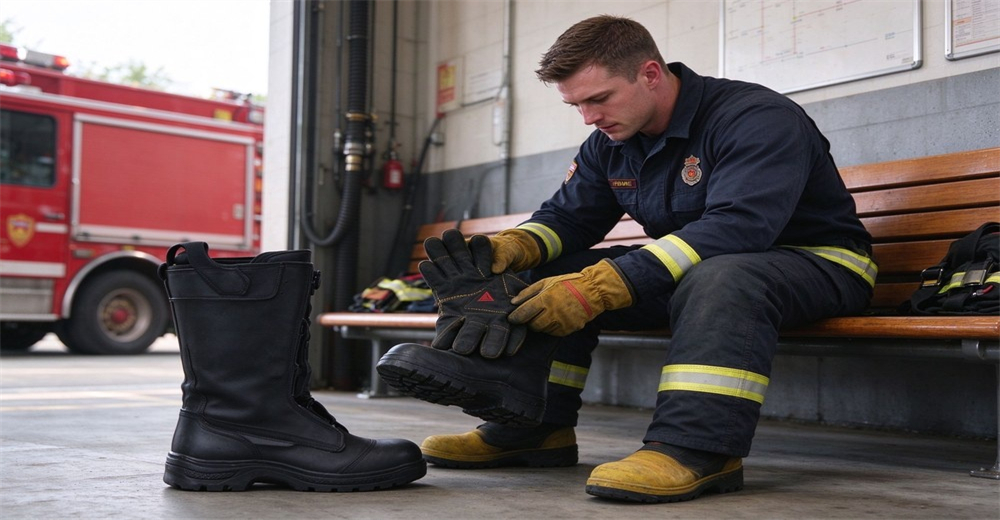
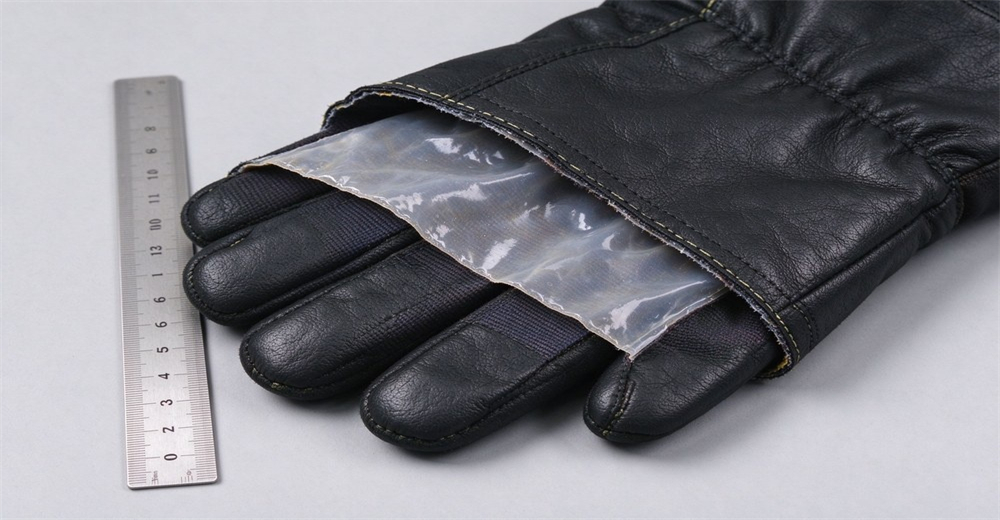
Every pair of structural firefighting gloves works as a system. The cowhide shell takes abrasion and direct flame contact. The PU moisture barrier blocks steam and water from reaching the skin. The Kovenex liner traps insulating air and resists heat degradation.
Boots work the same way: leather upper blocks radiant heat, the rubber midsole cushions and insulates, and the composite puncture resistant midsole stops sharp objects from reaching the foot.
Match the glove to the task, not to the budget. A crew that only does brush work does not need TPP 60 structural firefighting gloves. Reserve high-TPP structural firefighting gloves for interior attack crews. A crew that only does vehicle extrication does not need aluminized proximity gloves.
Talk to us about your assignment mix and we will map each series to the teams that actually need it. This is the same logic behind the fire hose and nozzle selection guide on this site.
The structural firefighting gloves is the workhorse of every fire department. It is the glove a firefighter pulls on before entering a burning building. It is the glove a firefighter pulls on before entering a burning building. Its performance comes down to three layers.
Every pair of structural firefighting gloves in our line follows this three-layer architecture working together. Peel them apart and you can see exactly what each one does.
The table below maps the three-layer composite of a structural glove. Buyers use it to confirm which layer blocks radiant heat, which stops moisture, and which one delivers grip and abrasion resistance on the palm side.
|
Layer |
Material |
Function |
Thickness |
Used In |
|
Outer shell |
Cowhide leather |
Abrasion and direct flame contact |
1.2-1.5mm |
All structural gloves |
|
Moisture barrier |
PU membrane |
Blocks steam and hot water penetration |
0.1-0.2mm |
Structural and proximity |
|
Thermal liner |
Kovenex / aramid batting |
Insulating air pocket, heat sink |
2-3mm |
Premium structural gloves |
The three-layer composite is what makes a structural glove work. A cowhide outer shell resists abrasion and direct flame, the PU barrier blocks steam burns, and the inner thermal liner sets the TPP rating. Thickness trades off against dexterity: a heavier liner insulates more but reduces grip.
Match liner weight to your crews' main heat exposure rather than defaulting to the thickest option.
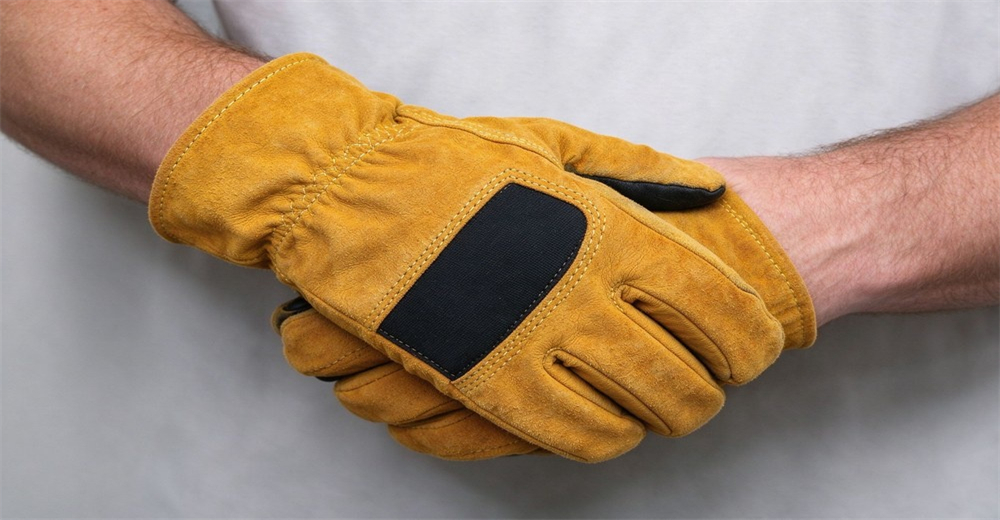
Cowhide gloves are the standard because cowhide balances abrasion resistance, heat tolerance and dexterity. Every pair of cowhide gloves we ship starts as selected full-grain hide. A 1.2mm entry glove stays flexible enough to grip a hose handle. A 1.5mm premium glove survives more direct flame contact before the leather chars.
We use full-grain cowhide on the palm and split cowhide on the back of hand where flexibility matters more than abrasion. Most cowhide gloves in this line ship with kevlard stitching that resists heat degradation.
The PU membrane is the layer that stops steam burns. When a firefighter opens a door in a superheated room, hot water vapor rushes out. Without a moisture barrier, that steam condenses on the skin and causes second-degree burns even when the outer leather looks intact.
The inner batting is what gives the glove its TPP rating. Kovenex and aramid fibers do not melt or ignite at structural fire temperatures. They trap static air that acts as insulation. Thicker batting raises TPP but reduces finger dexterity, so we offer three batting weights depending on whether a department prioritizes heat or grip.
The palm stitching pattern also changes by glove type. Structural gloves use Kevlar thread on stress points, while extrication gloves add bartack stitching at the thumb and index finger where hydraulic tools put the most pressure.
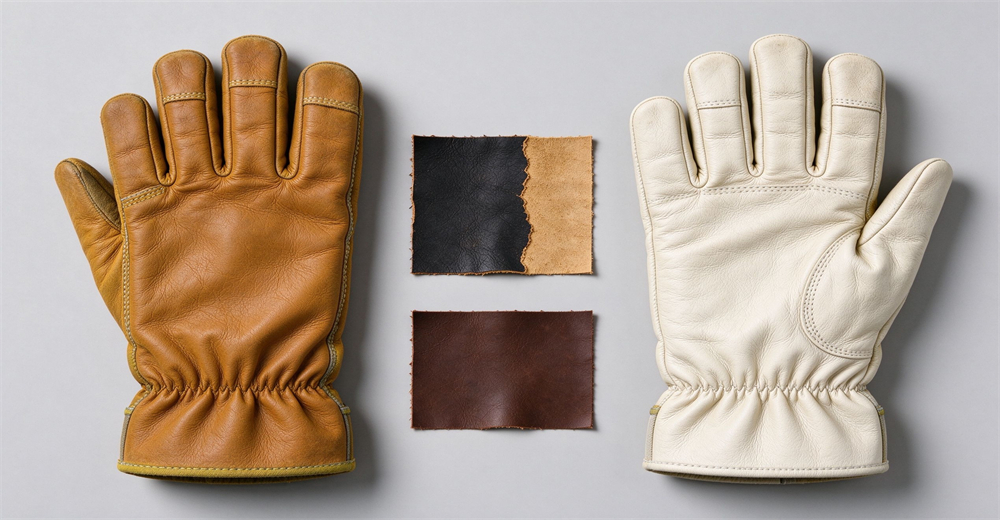
Not all leather is equal in a fire glove. Buyers sourcing heat resistant firefighter gloves should compare hide thickness and thermal liner weight side by side. The choice of hide changes both how cowhide gloves age and how they perform. Buyers comparing leather fire gloves should know what each hide type brings.
Cowhide is the workhorse: durable, abrasion-resistant, affordable. As a leather fire gloves supplier, we source full-grain cowhide from tanneries that supply cowhide gloves to US departments that produce consistent hide thickness and color. Many buyers start by ordering leather work gloves for station duty and then upgrade to structural gloves for interior attack.
Goatskin is thinner than cowhide leather work gloves, giving better dexterity for technical rescue but less abrasion life. Kangaroo leather is the premium option: extremely strong for its weight, used on high-end technical rescue gloves.
Most structural departments standardize on leather firefighting gloves in cowhide because they survive a full three-year rotation without falling apart. Read more about leather work gloves selection on industrial procurement guides.
TPP stands for Thermal Protective Performance. It measures how well the glove blocks combined convective and radiant heat. A TPP of 35 means the glove delays second-degree burn by 35 times longer than a bare hand under the same heat flux. Our entry structural firefighting gloves reach TPP 35.2.
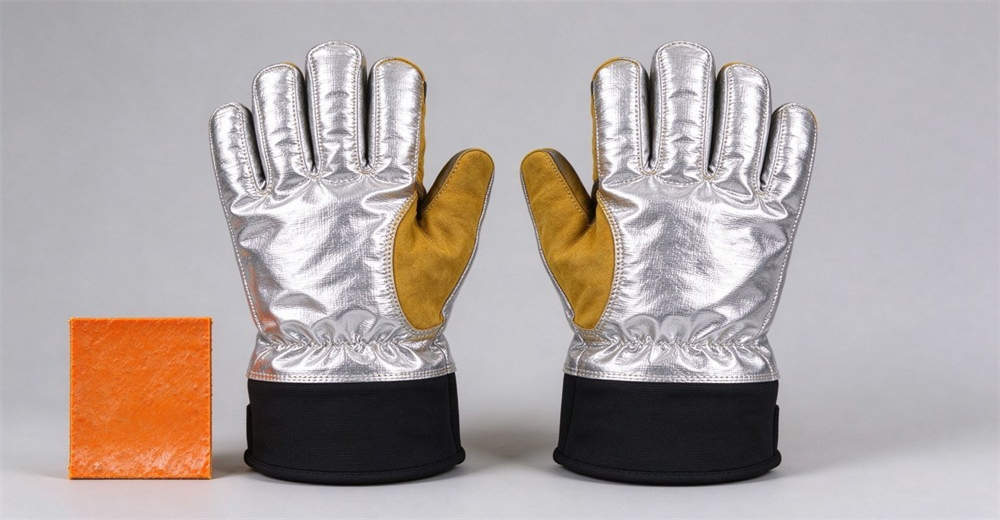
For aircraft rescue and petrochemical fires, standard structural gloves are not enough. Aluminized proximity gloves have a silver reflective outer layer that bounces radiant heat away. The palm still uses cowhide for grip. These gloves reach around furnaces and bulkhead openings where temperatures are too high for standard gear.
They are heavier and less dexterous, which is why they are a specialty item rather than daily wear.
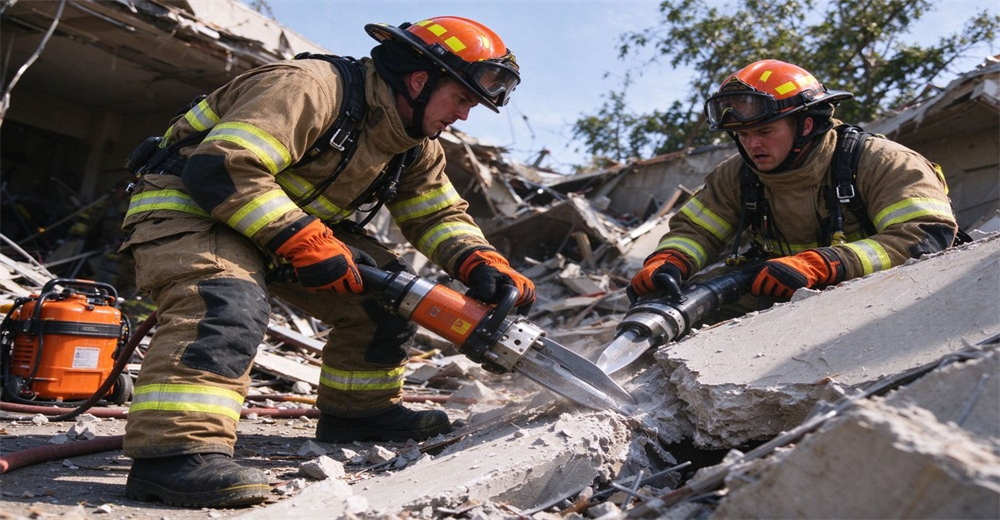
While structural firefighting gloves handle heat, vehicle extrication is a different challenge from interior attack. The threat is not heat. It is broken glass, sharp metal edges, twisted rebar and the hydraulic tools themselves. Extrication gloves prioritize cut resistance and impact protection over thermal insulation.
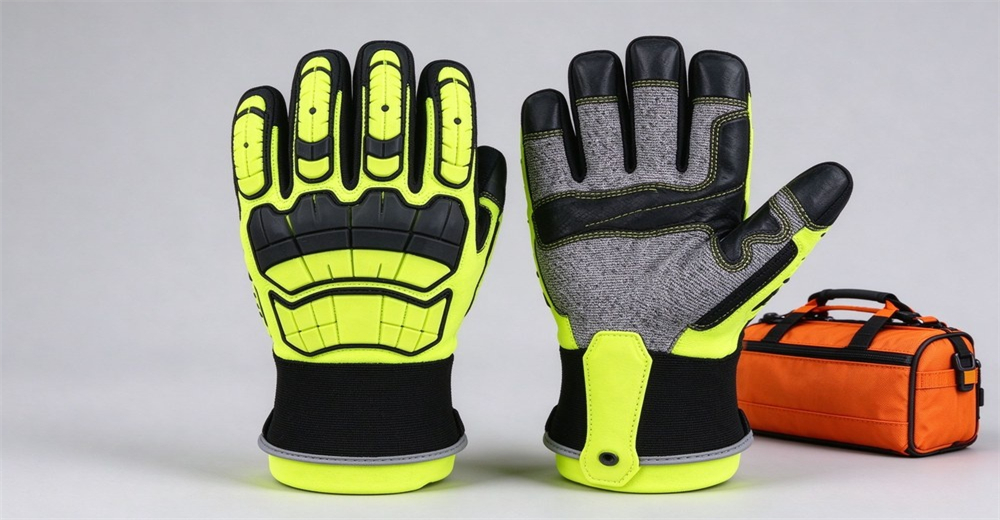
Cut resistance is rated under EN388 in Europe and ANSI in the US. Our entry rescue gloves run EN388 3244X. Mid-tier run 4344EP. Top-tier EN388 cut resistant gloves run 4544FP with ANSI A8, the highest cut level commonly used in rescue work.
Most cowhide gloves in structural line use split cowhide on backhand or Kevlar-blend fabric that resists razor edges while still letting fingers move.
The black rubber pads on the back of the fingers and knuckles are TPR, or thermoplastic rubber. They absorb blunt impact from falling debris and tool kickback. Good TPR impact knuckle coverage extends from fingertips to wrist. This is why many buyers keep a second pair of leather work gloves for station duty.
Budget extrication gloves skimp on TPR thickness, which means the pads crack after a season. We specify TPR that stays flexible down to cold temperatures.
For law enforcement and technical rescue teams, we offer a lighter tactical glove built on microsuede with TPR knuckle and touchscreen-compatible fingertips. These gloves do not replace structural gloves for fire entry.
They cover day-to-day station duty, rope rescue and search operations where heat exposure is low but cut and abrasion risk is real. This is the rescue extrication gloves category that sees the widest department adoption.
A structural boot takes everything a glove takes. While structural boots use composite toe, our rescue and PVC boots offer steel toe fire boots for hazard zones, plus the weight of the body and the impact of stairs, ladders and broken concrete. The build has three zones: the upper shaft, the sole stack, and the toe cap.
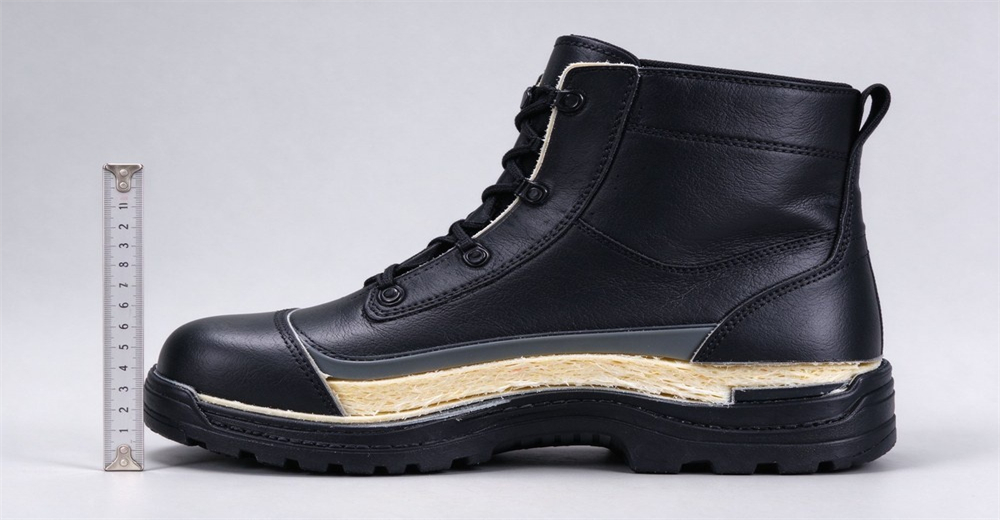
Structural boot uppers use 2.2 to 2.4mm full-grain cowhide. The shaft reaches mid-calf to keep debris and water out. A side zipper or speed-lace closure lets the firefighter get boots on in seconds during a dispatch. Reflective strips on the shaft improve visibility at night scenes.
We offer zip, lace and pull-on configurations depending on department preference.
The outsole is fire-resistant rubber with a deep lug pattern for grip on wet and uneven surfaces. The toe cap is a polymer composite that protects against impact and compression without adding the weight and conductivity of steel. Composite toe cap boots also prioritize interfering with rescue tools that use metal detectors or electronics near the foot.
Inside the leather upper, a waterproof membrane keeps rain and hose water out while letting perspiration escape. The lining uses aramid thread at stress points so stitches do not separate when the boot gets hot. A removable footbed lets departments air out boots between shifts and replace worn insoles without buying new boots.
Shaft height also changes by series. Structural boots run mid-calf, rescue boots run ankle-high for mobility, and PVC boots run knee-high for chemical protection. Boot construction follows the same layered logic as gloves. The leather upper blocks heat, the waterproof membrane blocks water, and the composite midsole blocks punctures.
Buyers who understand these layers can spec boots with confidence rather than relying on catalog descriptions.
The five boot types match five scenes. Structural boots pair full-grain leather with a rubber outsole for heat and impact, rescue boots add a composite toe and higher puncture rating, wildland boots stay light, water-rescue boots use drainable neoprene, and PVC boots cover all-water industrial terrain. Choose by crew task first, then balance weight against protection.
|
Boot Type |
Upper Material |
Outsole |
Toe / Puncture |
Standard / Scene |
|
Structural boot |
2.2-2.4mm cowhide |
Fire-resistant rubber |
Composite toe / composite midsole |
GA 6-2004 / interior attack |
|
Rescue boot |
Leather + canvas |
Neoprene rubber |
Steel toe / 1900N midsole |
XF 633 / urban rescue |
|
Wildland boot |
Flame-retardant leather |
3-layer rubber |
Non-metal / 1650N |
GA 633 / forest fire |
|
Water rescue boot |
5mm neoprene |
Suction cup sole |
Internal impact pad / 5mm Kevlar |
Water rescue / flood |
|
PVC safety boot |
100% PVC |
PVC outsole |
Steel toe / steel midsole |
CE / industrial wet work |
Once the upper and sole are built, the boot is tested for three specific threats: sharp objects through the sole, electrical current through the foot, and slips on wet or oily surfaces.
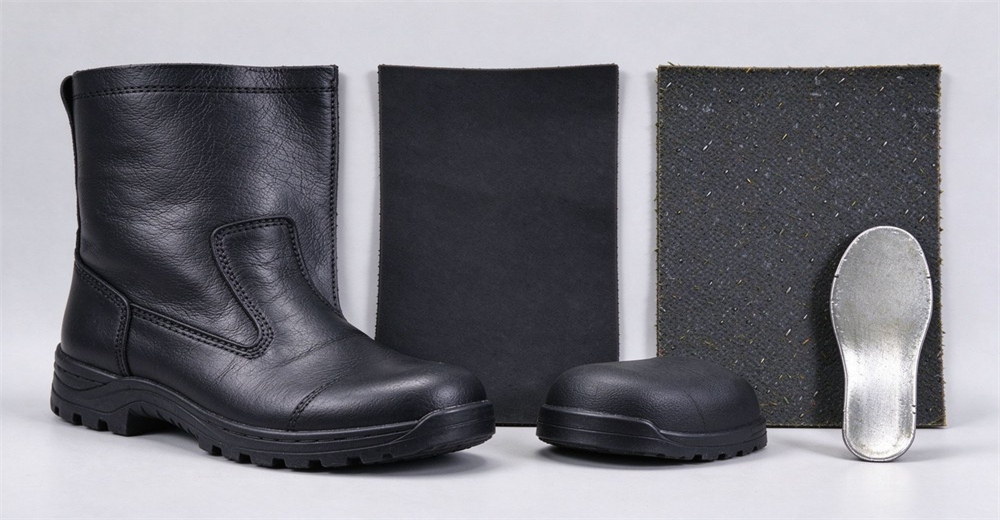
The puncture resistant midsole sits between the insole and outsole. It is a composite fiber plate that stops nails, rebar and glass from pushing through. Rescue boots are rated to 1900N of puncture force. Wildland boots reach 1650N. Structural boots use a composite plate that also reduces weight compared to a full steel midsole.
Rescue and wildland boots offer electrical insulation for scenes where power lines may be live. Rescue boots hold 5000V at less than 0.1mA leakage. Wildland boots hold 6000V under 0.5mA. The non-metallic toe cap and composite midsole help here because steel parts would conduct current.
This is a key reason steel toe fire boots are not always the right choice for electrical hazard scenes.
Rubber outsoles are compounded for slip resistance on wet concrete and metal decking. Lug depth and pattern change by model. Heavier boots protect more but fatigue feet over a 12-hour shift. Pair leather work gloves with lightweight rescue boots for technical rescue calls but trade some impact protection.
We recommend matching boot weight to the crew's primary assignment rather than picking the heaviest boot available.
Beyond structural and rescue boots, three other boot types cover the scenarios that structural gear was never designed for.
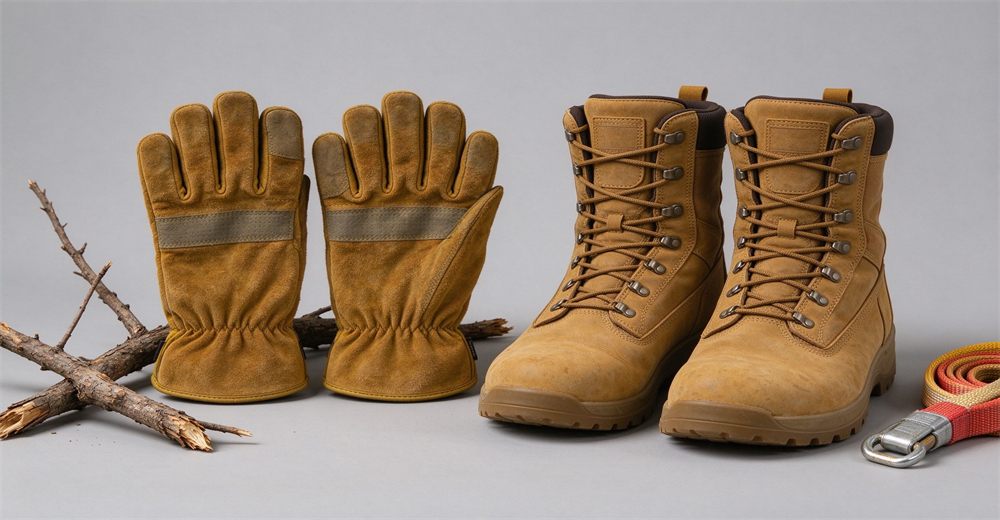
Wildland fire boots are built for hiking through brush, ash and uneven terrain. The leather upper is flame-retardant but lighter than structural cowhide. The outsole uses a three-layer rubber compound that grips dirt and rock. Non-metal toe caps keep weight down and prioritize conducting electricity.
These are the boots you send to a forest fire assignment. They are lighter than fire boots for structural firefighting but still rated for brush fire heat exposure.
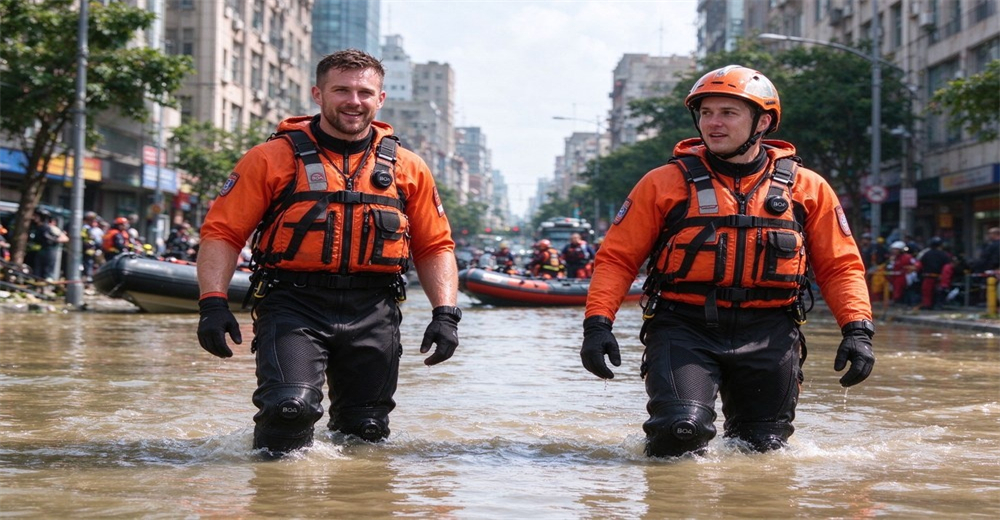
Water rescue boots use 5mm neoprene that insulates in cold water and floats so a rescuer does not sink if knocked off a boat. The suction-cup sole grips boat decks and submerged surfaces. Drain holes let water flush out instead of sloshing around. These boots pair with water rescue gloves that also use neoprene and Kevlar.
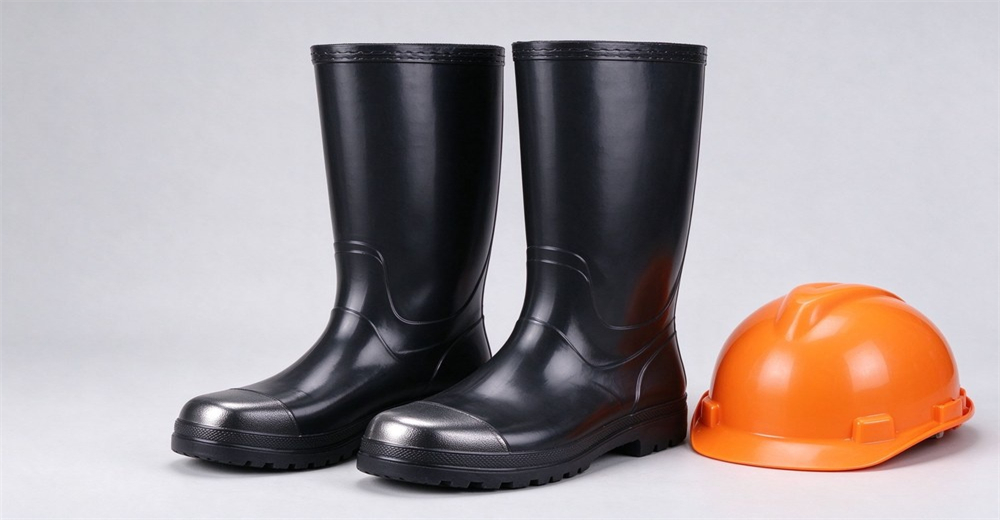
PVC safety boots are the waterproof, chemical-resistant option for mining, factory floor and agricultural use. The entire boot is molded PVC over a steel toe and steel midsole. They are not rated for fire heat.
They are for buyers who need a waterproof safety boot that costs less than leather and stands up to mud, slurry and wet industrial floors.
Bad sizing is the number one reason gear gets sent back. Gloves that are too big slip and reduce grip. Boots that are too small blister feet inside the first shift. Measure carefully before placing a bulk order.
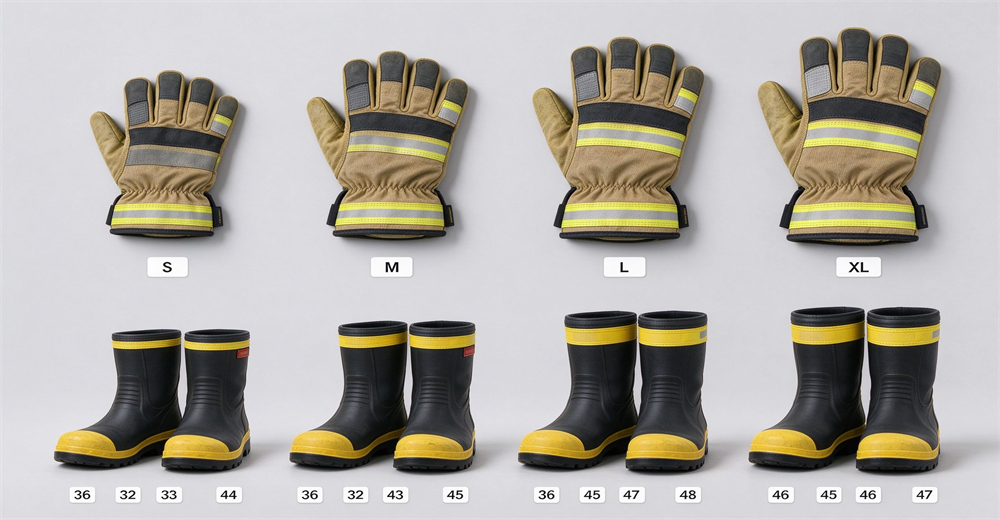
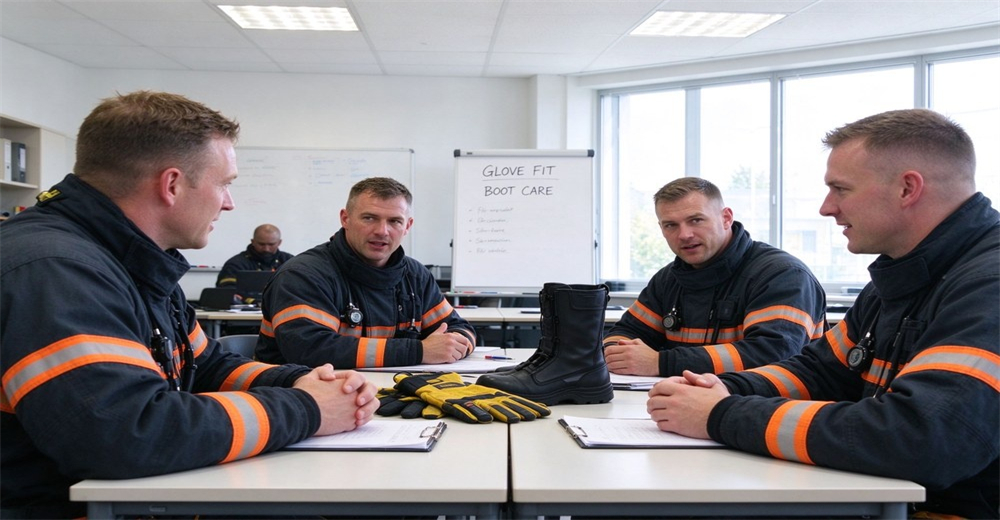
Measure hand circumference around the palm (excluding thumb) with a tape measure. S fits 7-8 inches, M fits 8-9 inches, L fits 9-10 inches, XL fits 10-11 inches. Try the glove over the liner you actually wear on shift.
A glove that fits bare hand may be too tight over a cotton inner liner. Departments often order half sizes between M and L as a default.
For female crew members searching firefighter gloves for women, we recommend S and M in narrow fit, and we can also help local buyers who search firefighter gloves near me by shipping samples quickly for local evaluation.
Boots run EU 36 to 47 for rescue and wildland models. PVC boots extend to EU 48. Measure foot length in centimeters and convert. Try boots over the thickest sock or inner bootie the crew will wear. Structural boots should feel snug at the heel but leave a thumb's width of space at the toe.
Break-in time is real: plan for two to three shifts of light use before full duty.
The glove gauntlet must cover the turnout sleeve cuff. If the gauntlet is too short, water runs down the wrist. If it is too long, it catches on SCBA straps. Boot zippers should run all the way up and fasten with a Velcro storm flap. Walk ten steps and make a fist after donning.
No heel slip, no toe pinch, no palm bunching means the fit is right.
Departments buying for a whole crew usually want a unified look. A matched kit pairs the glove and boot from the same series so the whole crew wears the same protection level and the same color scheme.
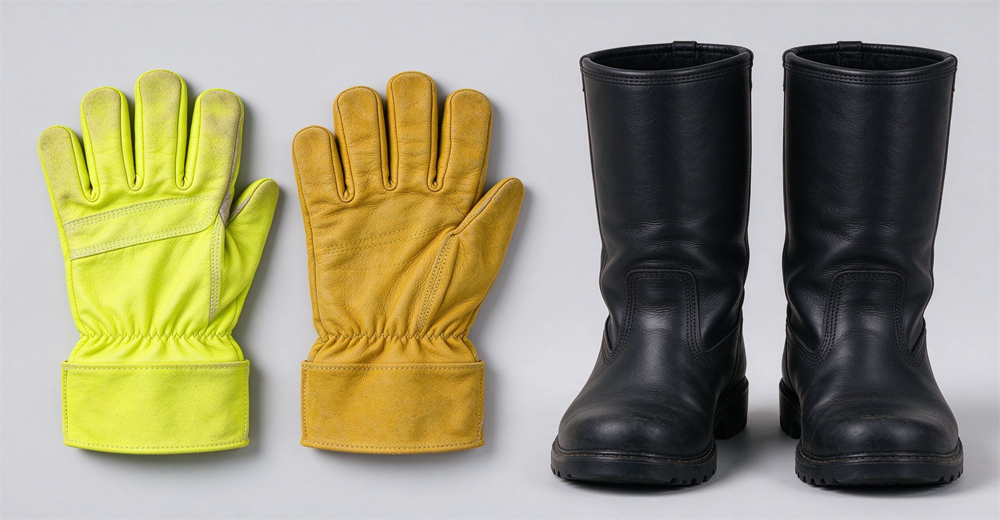
A structural kit pairs cowhide structural gloves with black leather structural boots. A rescue kit pairs fluorescent extrication gloves with black rescue boots. A wildland kit pairs tan suede gloves with tan leather boots. Ordering kits reduces inventory SKUs and makes replacement easier when one pair wears out early.
We offer custom LOGO embroidery on glove cuffs and boot shafts. Heat-transfer printing covers larger areas. Custom PMS colors are available for bulk orders. Common requests include department shield on the glove back and station number on the boot shaft. Custom firefighter gloves with embroidered logos ship with a production sample for approval before bulk.
Minimum order quantities and lead times are agreed in the contract.
Quality control checks happen at every production stage before packaging.
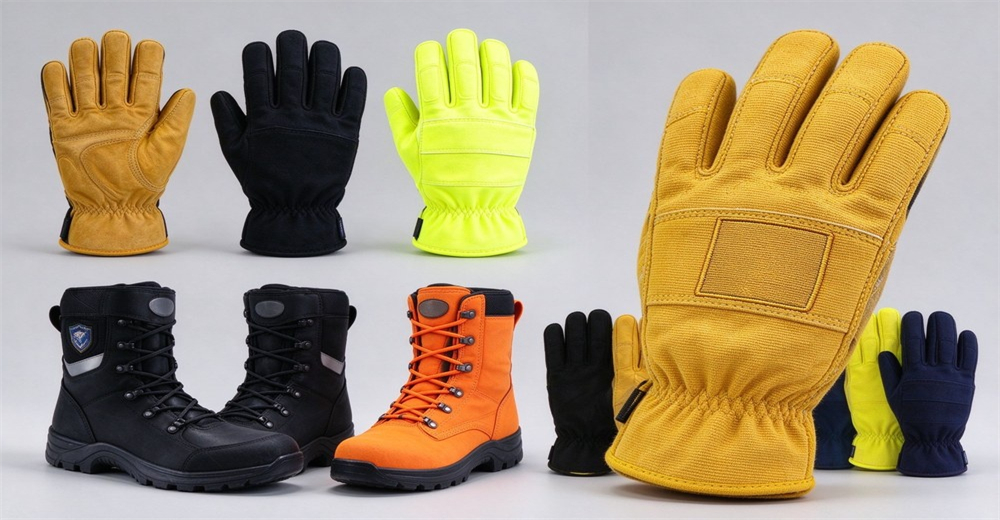
For a 30-person crew, a typical order might include 30 pairs of structural gloves, 10 pairs of extrication gloves, and 30 pairs of structural boots plus 10 rescue boots. We configure bulk orders by size breakdown so the warehouse can issue gear directly without re-sorting. This is standard wholesale firefighting gear practice for government tenders.
Buyers often ask which standards our gear is tested to. We list the standards explicitly because the wording matters. We use tested to wording. Third-party test reports are available per lot on request.
Tender officers usually ask for certification codes first. The next table maps each standard to the glove or boot series it covers, with the core test items and the typical passing thresholds buyers write into a specification.
|
Standard |
Applies To |
Core Requirement |
Test Focus |
|
NFPA 1971 |
Structural ensemble (gloves & boots) |
Thermal, heat and flame performance |
TPP, steam penetration, flame resistance |
|
EN 659 |
European firefighter gloves |
Hand protection for structural fire fighting |
Heat, abrasion, cut and dexterity |
|
EN 388 |
Mechanical risk gloves |
Cut, abrasion, tear and puncture levels |
Cut resistance index, impact |
|
NFPA 1977 |
Wildland fire protective clothing |
Brush fire heat and abrasion |
Flame spread, radiant heat |
|
GA 6-2004 |
Chinese structural fire boots |
Boot structural performance |
Heat, puncture, slip |
|
XF 633 |
Chinese rescue boots |
Urban search and rescue boots |
Puncture, electrical, impact |
Mapping each standard code to a product is the key to tender file review. NFPA 1971 covers the US structural ensemble, EN 659 targets glove thermal protection, EN 388 covers mechanical cut resistance, and puncture and electrical isolation have separate tests. Confirm which report your destination market needs before quoting, so you avoid re-testing after shipment.
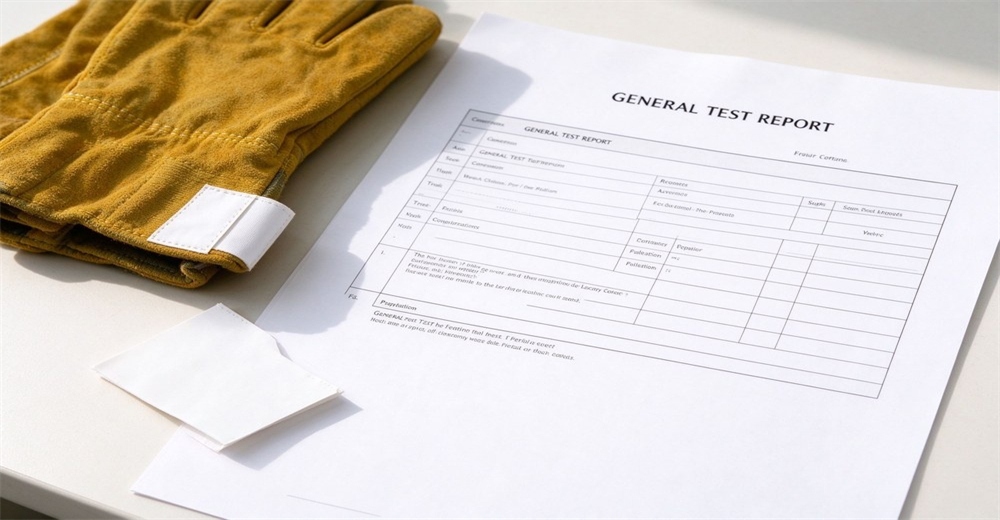
NFPA 1971 is the US standard for structural fire fighting protective ensembles. Every pair of our NFPA 1971 gloves is tested to the same thermal, heat and flame requirements that US departments specify. NFPA compliant boots follow the same ensemble logic, so gloves and boots are specified as a matched set.
It covers gloves, boots, coats and helmets as a system. EN 659 is the European equivalent specifically for gloves. EN 388 covers mechanical gloves used in rescue and extrication, not thermal protection. We map each product to the standard its customers need before quoting.
Key glove tests include TPP, steam penetration, heat resistance at 250 degrees C, abrasion cycles and cut resistance. Key boot tests include puncture force in Newtons, electrical insulation voltage, slip resistance on wet ceramic, and compression load on the toe cap. We share the test summary sheet with bulk buyers so they can compare our numbers against competitor specs.
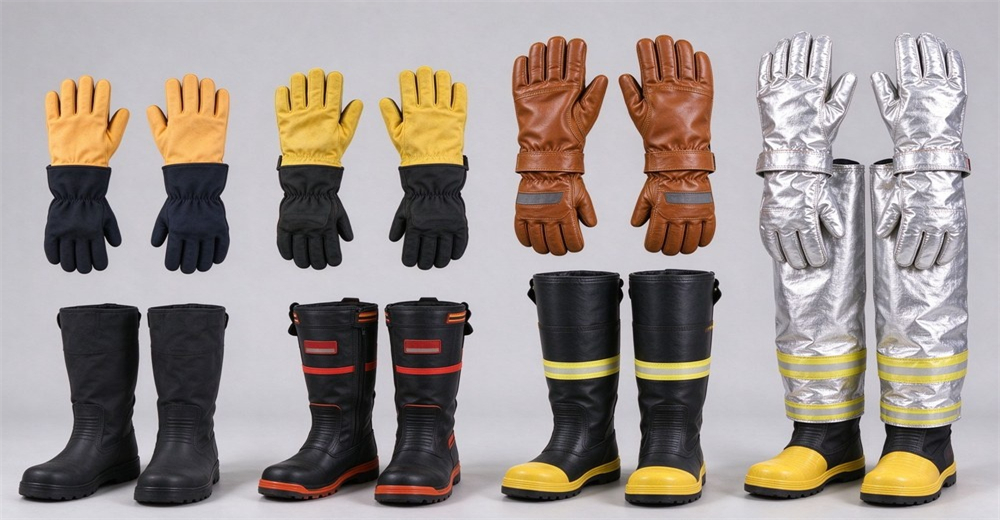
Many procurement officers ask whether we supply samples before bulk order. Yes, sample orders of one to five pairs are available for evaluation. Documentation mapping is part of our fire department equipment supply service. We list which standard applies to each glove and boot series on the datasheet, so procurement officers do not have to reverse-engineer test numbers.
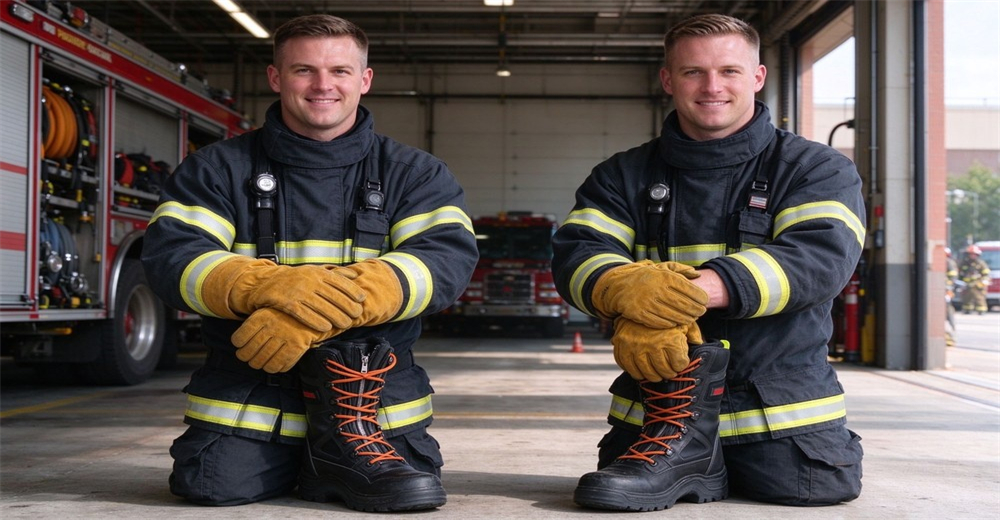
Each shipment includes a product datasheet and the relevant test report references. We also provide comparison sheets showing how our TPP numbers, cut resistance levels and electrical insulation ratings stack up against competitor spec sheets, so procurement officers can verify every claim on the datasheet independently.
For government tenders, we provide the full documentation pack mapped to tender clauses. This is part of our fire department supply service: buyers get the paperwork they need to pass procurement review, not just the gear. This fire department equipment supply service covers tender documentation, test reports and multi-year contract support.
We provide third-party test reports per production lot, not per claim. This means every shipment can be traced back to the exact batch that was tested, which matters for government procurement audits.
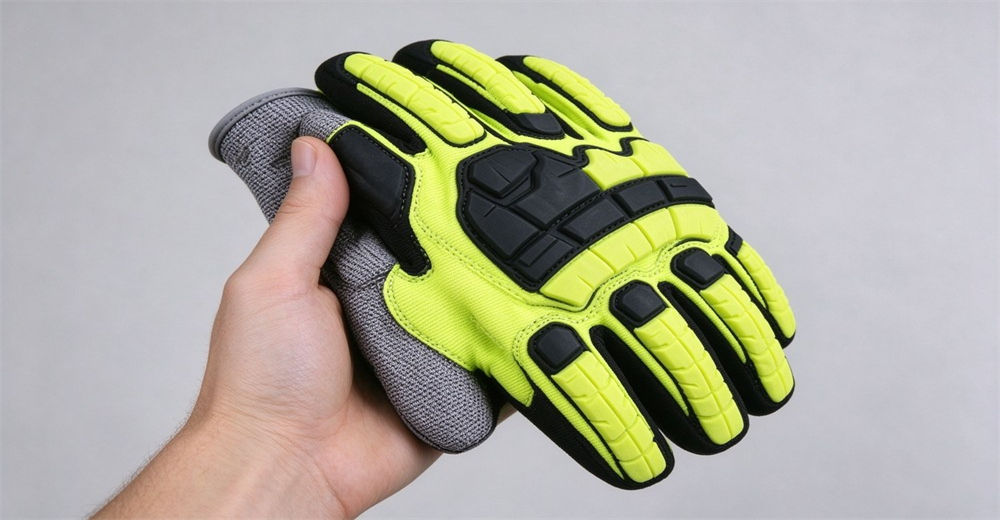
Gear only protects when it is put on right. A glove worn with the gauntlet under the sleeve lets water run straight in. A boot that is half-zipped opens up on the stairs.
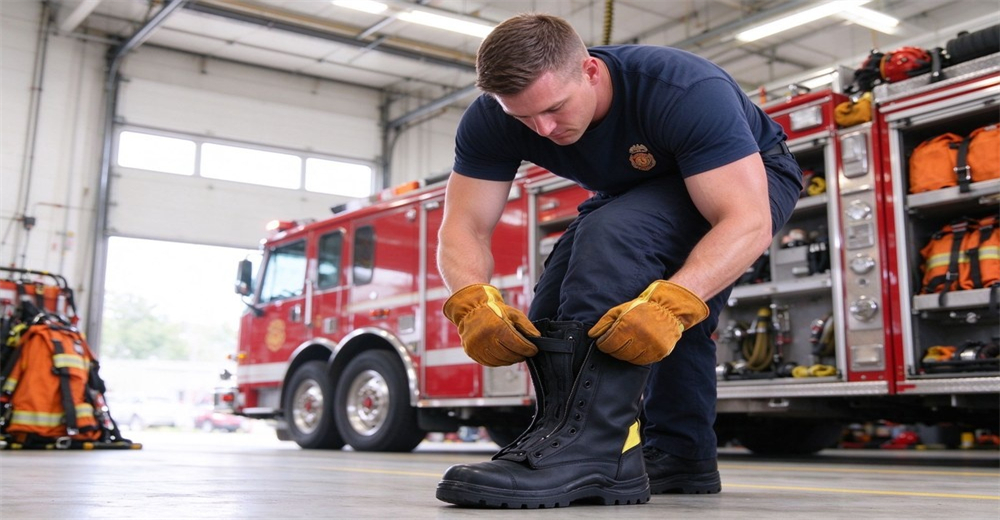
First, inspect the glove shell and boot sole for cuts or delamination. Step into the structural boots and fully zip or lace them. Pull the leather glove gauntlet over the turnout sleeve cuff so no gap appears. Check that reflective strips face outward and glove cuffs seal over the wrists.
Make a fist and walk ten steps to confirm no bunching or pinching.
Before every shift, run a quick check: squeeze the glove palm for stiffness, flex the boot sole for cracks, run a finger along the welt for separation. Any glove that has been through a thermal event goes out of service immediately, even if it looks fine on the outside. Heat damage inside the liner is invisible until the next fire.
Wipe leather with neutral soap and a damp cloth. Air dry away from direct heat or sunlight. Store in a cool dry gear room, not on the apparatus floor where fuel and battery acid can splash. Keep gloves and boots away from diesel and solvents. Record the inspection date on the gear tag each time.
Gloves and boots are not forever. Every pair wears out, and the question is how to catch retirement before the gear requires attention on scene.
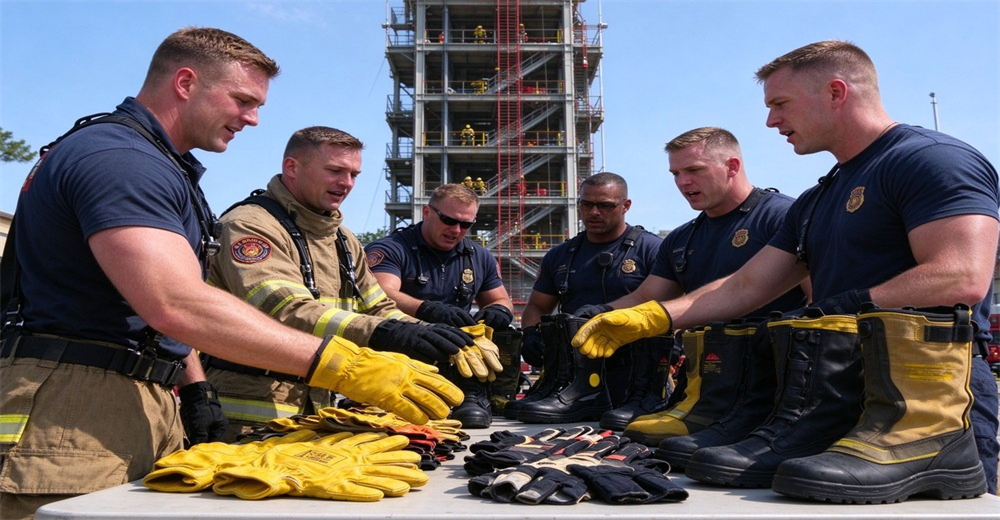
Look for cuts in the leather shell, exposed stitching, separated welts on boot soles, cracked TPR on extrication gloves, and stiffness that suggests heat damage. A glove that has melted internally may still look normal on the outside. If the liner crumbles when you open the glove, retire it.
Retire gloves after any thermal event, any cut through the outer shell, or when the moisture barrier is compromised. Retire boots when the sole reaches the midsole, when the welt separates, or when the toe cap shows compression damage.
Do not repair a glove whose barrier is torn: the barrier is a sealed membrane and stitching it back opens more paths for steam.
Matched kits pair glove and boot series from the same material family for a unified department look.
Store gloves and boots in a ventilated gear rack, not in a sealed plastic bag. Leather needs air to stay supple. Keep away from direct sunlight which dries and cracks hide. Keep away from fuel cans and battery charging stations. A gear room that stays cool and dry extends service life by months.
Behind every pair of gloves and boots is a production line that checks each unit before it leaves the factory. Wholesale buyers care about this because QC consistency is what separates a reliable supplier from a lottery.
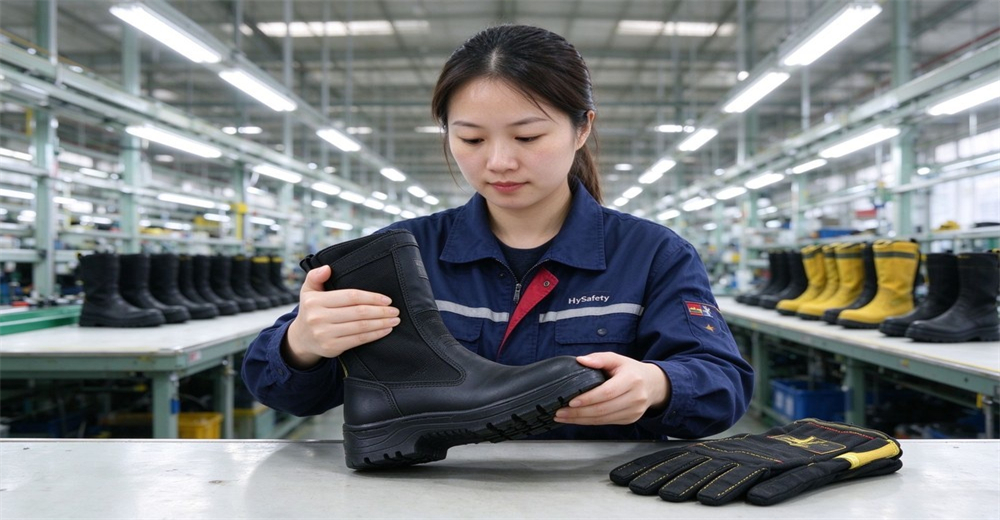
Each glove goes through stitching check, layer alignment, and grip test. Each boot goes through sole bond test, zipper pull cycle, and dimensional check. Units that do not pass are pulled at the line, not boxed up. Batch samples are sent to third-party labs for the standards listed in T4.
This is how we back the NFPA tested claim with real numbers.
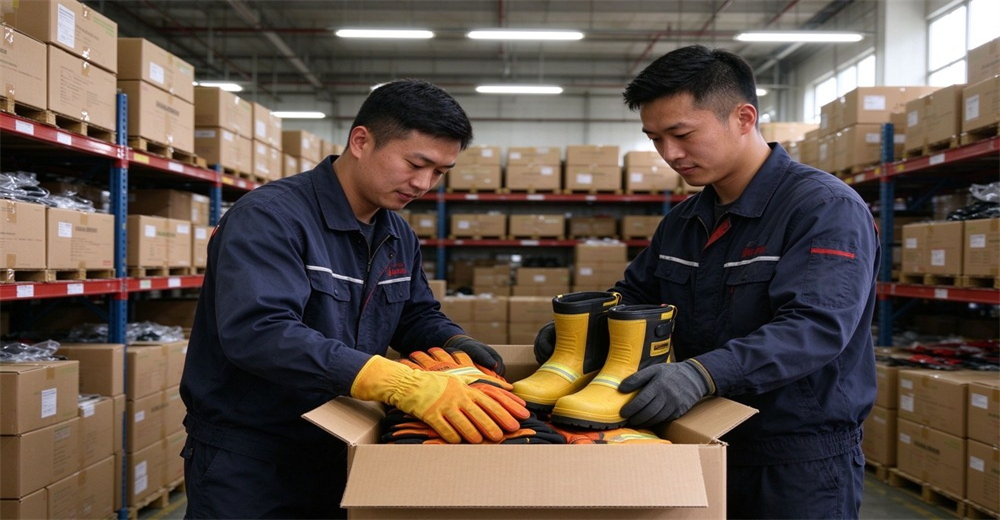
Gloves go in polybag pairs, then into printed export cartons. Boots go in individual cartons. Outer cartons carry English shipping marks, handling labels and the consignee reference. No Chinese marking appears on the export packaging. Pallets are stretch-wrapped for container loading. We can accommodate department-specific carton labeling for tender orders.
MOQ and lead time are agreed per contract. Sample orders of one to five pairs are available for evaluation. For government tenders, we map tender clauses to product datasheets, provide the test report pack, and support L/C payment terms. This is standard structural fire boots procurement support for relief agencies and municipal buyers.
The lowest-priced glove on Alibaba is rarely the lowest-cost over three years. TCO looks at purchase price plus replacement frequency plus injury risk. A glove that lasts three seasons but costs 20 percent more beats a glove that tears after eight months.
Quality control checks happen at every production stage before packaging.
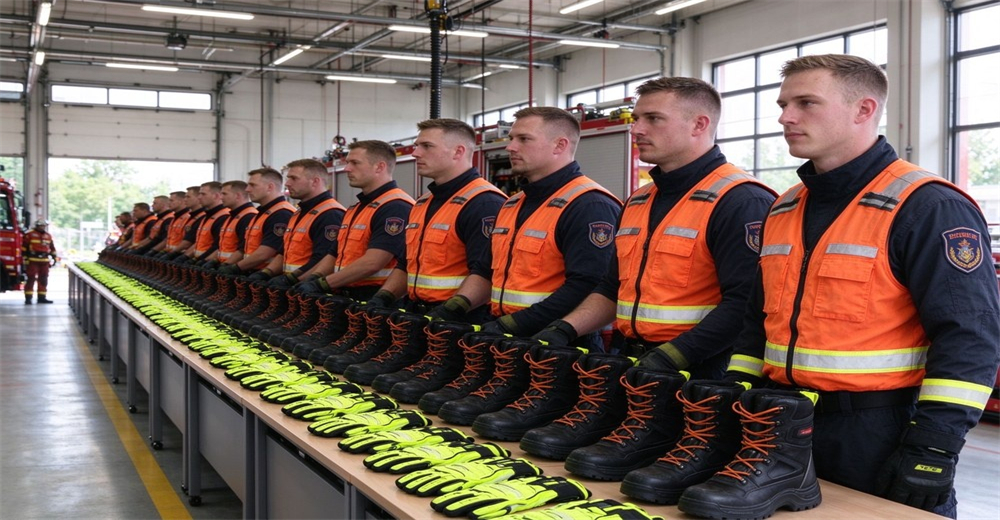
Entry PVC boots and basic leather work gloves sit at the budget tier. We supply leather work gloves for station duty, extrication gloves for rescue, and structural gloves for fire attack. Structural cowhide gloves and leather work gloves plus leather boots sit in the mid tier.
Aluminized proximity gloves, EN388 level 4544FP extrication gloves and electrical-insulated rescue boots sit in the premium tier. Exact prices depend on order volume, custom LOGO work and size mix. When buyers ask about fire gloves price or browse fire gloves for sale listings, they should compare total cost of ownership, not unit price alone.
The best firefighter gloves for your department are the ones that survive three full fire seasons without glove replacement. We quote per contract rather than publishing a fixed price list. When comparing fire gloves price across suppliers, factor in replacement cycle and warranty coverage.
Buyers browsing fire gloves for sale listings should ask whether the gloves are tested to NFPA 1971 or merely marketed as firefighting gear.
Regular rotation of structural firefighting gloves and steel toe fire boots ensures every crew member has well-maintained gear for each shift.
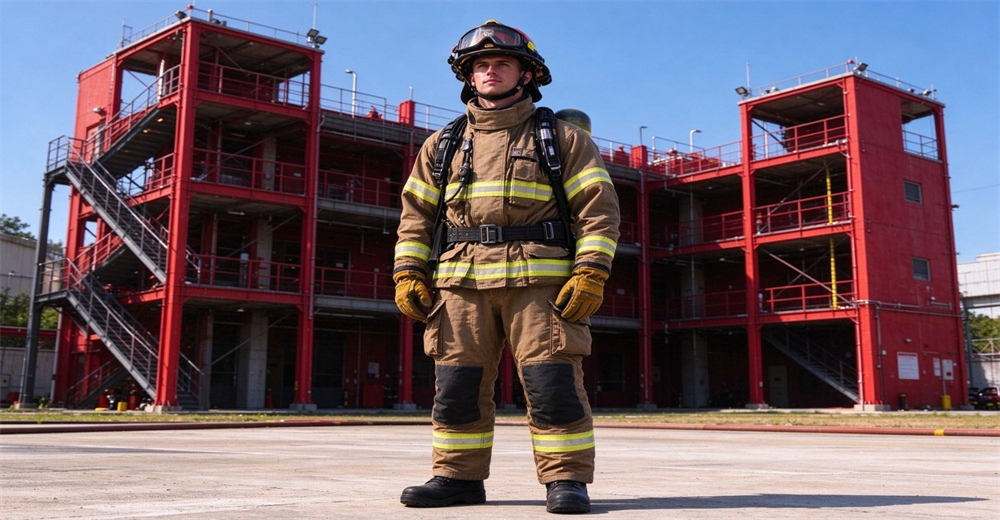
A well-maintained pair of cowhide gloves lasts two to three years in regular service. A pair of cowhide gloves lasts two to three years. A boot lasts three to five years depending on use. Cowhide gloves and extrication gloves wear faster than station gloves because they see more cut exposure.
Budget for 30 to 50 percent replacement in year two and full rotation by year three. This cycle is standard in firefighter boots review guides published by fire service training programs.
Buying matched kits in bulk saves 15 to 25 percent versus ordering each item separately. A firefighter gloves bulk order typically covers 30 to 100 pairs per department, mixed across S M L XL sizes. Department tenders that bundle gloves, boots and turnout gear with the same supplier also reduce logistics and paperwork cost.
Talk to us about your annual gear budget and we will build a tiered quotation that fits it.
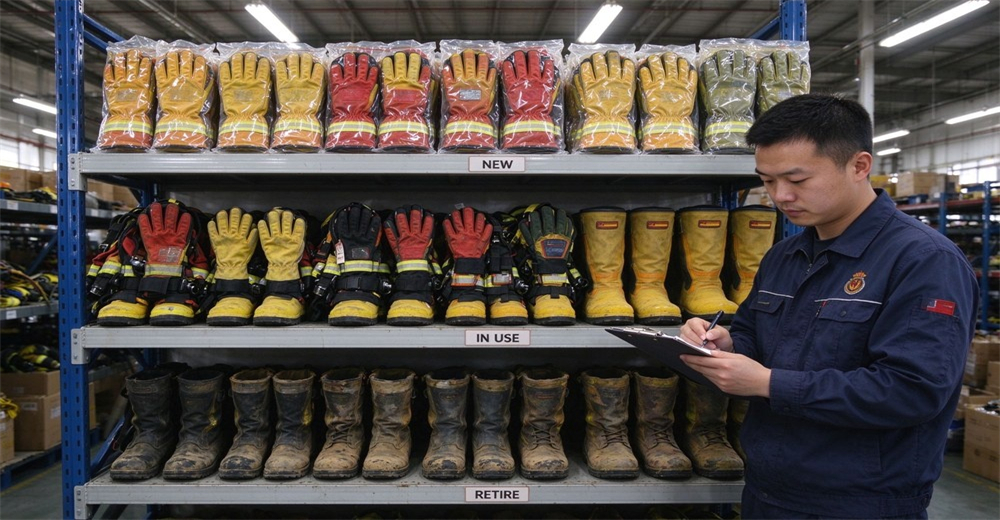
Structural gloves use a three-layer build with PU moisture barrier and Kovenex thermal liner for flashover and steam protection inside burning buildings. Wildland gloves use lighter split cowhide with a modacrylic liner for brush fire mobility. Structural gloves reach TPP 35.2 to 60 plus.
Wildland gloves are tested to NFPA 1977 and are lighter but do not block steam the way structural gloves do.
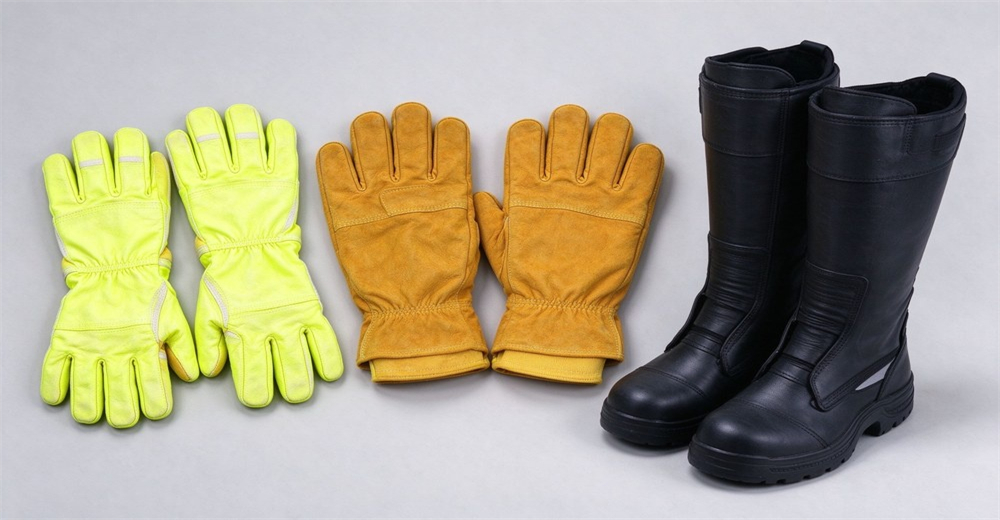
Yes. Structural boots use polymer composite toe caps. Buyers who specifically need steel toe fire boots for industrial rescue should specify the rescue or PVC boot series. Rescue boots use steel toe caps. Departments that need steel toe fire boots for industrial rescue should specify the rescue or PVC boot series at order time.
Our steel toe fire boots meet EN safety standards for industrial rescue and a composite puncture midsole rated to 1900N. Wildland boots use non-metal toe caps rated to 1650N for electrical insulation. PVC industrial boots use both steel toe and steel midsole. The exact configuration depends on the boot series you order.
Gloves run S through XL measured by palm circumference in inches. Boots run EU 36 to 47 for rescue and wildland models. Measure your hand over the inner liner you actually wear on shift. Measure your foot length in centimeters over the thickest sock.
When in doubt, order half a size up for boots and try the sample pair before committing to bulk. If you ask how to choose firefighter boots, the short answer: match the boot to your primary assignment, measure over your thickest sock, and break them in before full duty.
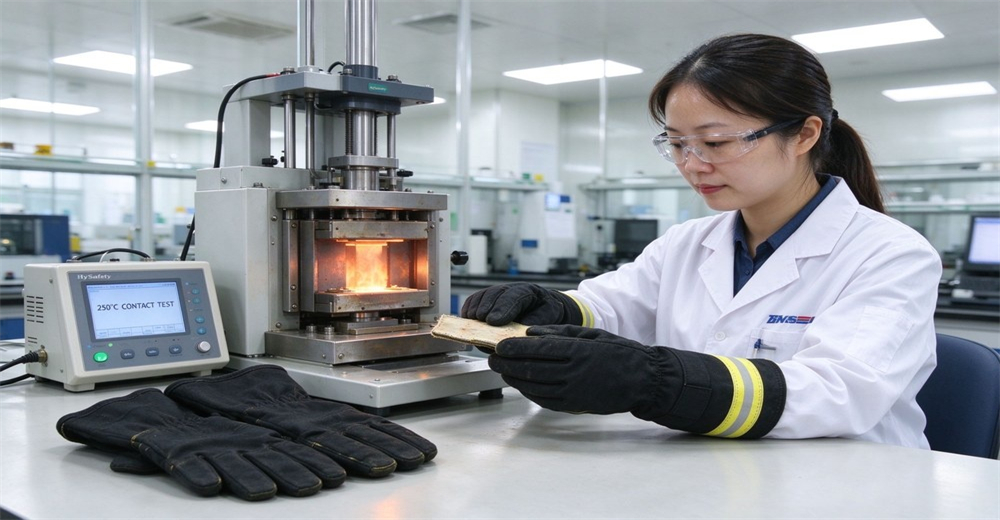
Wipe leather with neutral soap and a damp cloth. Air dry away from direct heat and sunlight. Store in a cool ventilated gear rack, not in sealed plastic. Keep away from fuel cans, battery chargers and diesel. Record the inspection date on the gear tag. Do not machine wash structural gloves because it damages the moisture barrier.
No. Extrication gloves provide cut and impact protection but lack the thermal liner and PU moisture barrier needed for flashover and steam exposure. They protect against glass and metal edges, not heat. Use structural gloves for interior attack and keep extrication gloves for vehicle rescue and demolition work.
Sample orders take one to two weeks to ship, depending on whether you need existing stock or custom LOGO samples. Bulk production schedules are agreed in the contract and depend on order volume and size mix.
Yes. Our structural gloves are tested to NFPA 1971 and EN 659. Third-party test reports are available per lot. We use the wording tested to because the test mark belongs to the testing body, not the manufacturer. The report numbers are shared with bulk buyers on request.
Each answer above reflects the questions buyers ask most often during sample evaluation and tender review. If your department has a specific requirement not covered here, send us your specification sheet and we will confirm matching models and test numbers.
Buyers evaluating different suppliers should compare test numbers side by side, not just marketing claims. Ask for the actual TPP value, cut resistance level and electrical insulation rating before placing a bulk order.
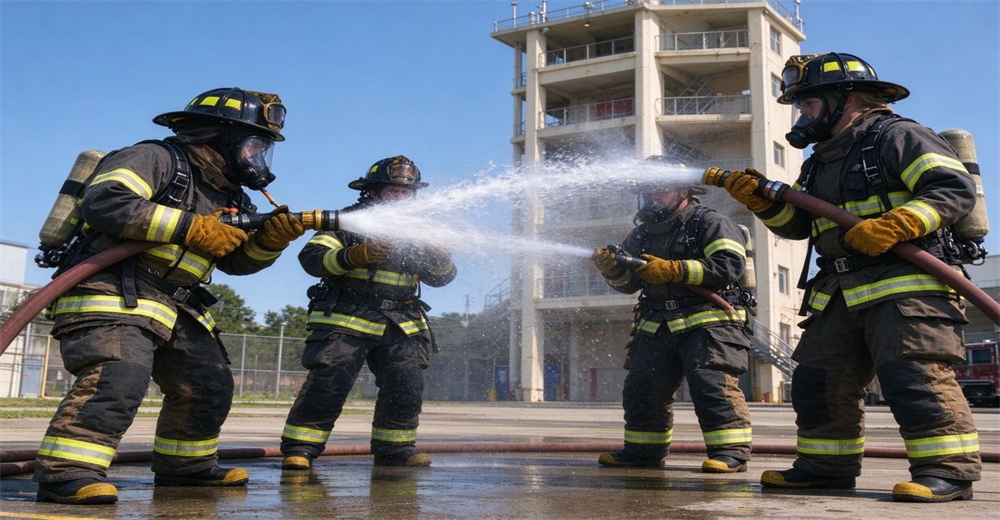
Rescue boots carry a 5000V rating with leakage below 0.1mA. Wildland boots are rated to 6000V with leakage below 0.5mA. Non-metal composite toe caps support electrical insulation because steel conducts. Structural leather boots are not rated as electrical safety boots, so specify rescue or wildland boots for live-wire scenarios.
Entry rescue gloves run EN388 3244X. Mid-tier run 4344EP. Top-tier extrication gloves reach 4544FP with ANSI A8 cut resistance. The palm uses Cala-tech or Kevlar blend fabric. Pick the level by the materials your crew typically cuts during rescue calls.
Yes. We offer matched kits pairing structural, rescue and wildland gloves with corresponding boots. Kits simplify inventory and sizing across a full department project. Wholesale buyers usually save more ordering kits than sourcing each item separately. We can mix sizes across crew assignments.
Yes. We embroider or heat-transfer department LOGOs on glove cuffs and boot shafts. Custom PMS colors are available for bulk orders. Minimum quantities and lead times are agreed in the contract. Common placements include the glove back and the boot shaft side panel.
Yes. We provide full test reports, product datasheets and tender clause mapping. L/C payment terms support large government and relief contracts. We can align packaging and labeling to tender specifications. Buyers from municipal fire departments and international relief agencies regularly use our documentation pack.
MOQ and lead time are agreed per contract. Sample orders of one to five pairs are available for evaluation. Custom LOGO and color orders add time as negotiated in the contract. Stock items ship on the schedule we agree before order confirmation. Contact us with your crew size and timeline for a tailored quotation.
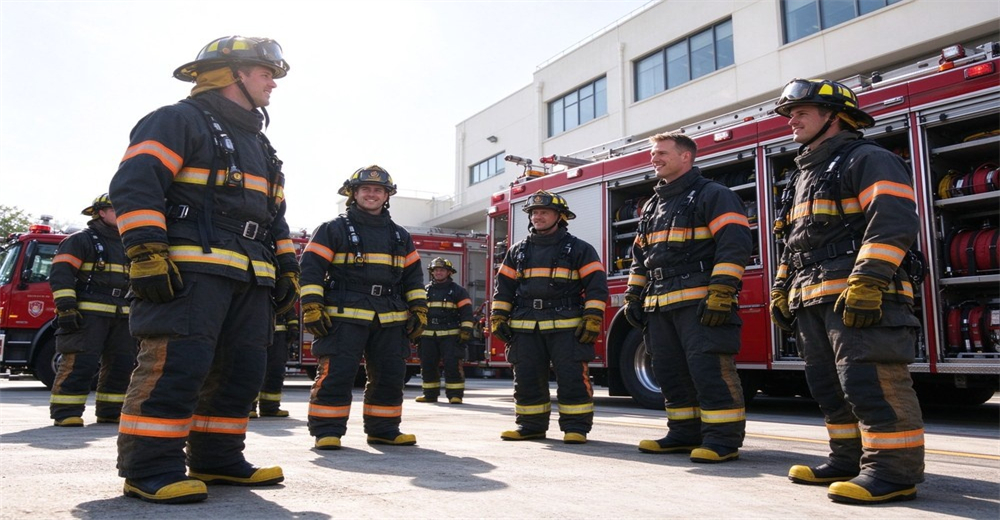
YRF Textile supplies firefighter gloves, boots and matched PPE kits to fire departments, relief agencies and wholesale distributors worldwide. Contact: info@yrftextile.com. Related pages: Turnout Gear, Helmets & SCBA, Hose & Nozzles.
Previous :
Structural Heat-Resistant Firefighter Gloves for Bulk WholesaleNext :
Rescue Gloves, Police Military Tactical Duty, Battlefield Use Firefighting Gloves, Govt Reserve, for Multi-Disaster Relief
These professional firefighting rescue gloves feature flame retardant, heat insulation, wear resistance, acid & alkali resistance and insulation. Heat-insulated styles withstand up to 1000℃, suitable for fire fighting, metallurgy and power maintenance. They support bulk procurement, meet fire safety standards and fit government emergency reserve and humanitarian relief needs.
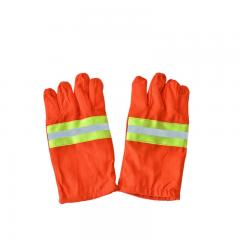 Firefighting Gloves, Red Cross Issue, for Earthquake Rescue
These Red Cross issued firefighting gloves feature flame retardant, heat insulation, wear resistance and acid-alkali resistance. High-temperature styles withstand up to 1000℃. They suit earthquake rescue and multi-disaster response, support long-term storage and bulk procurement for Red Cross relief reserves.
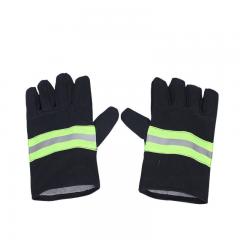 Cowhide Rescue Gloves, Military Squad Duty, Field Training
These cowhide rescue gloves are made of high-quality cowhide with excellent wear and tear resistance. They fit military squad duty, field training and tactical operations, with snug fit and flexible operation, suitable for soldier training and squad task protection, supporting bulk logistics reserve.
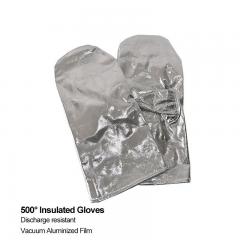 Firefighting Rescue Gloves, UN Donation, Humanitarian Aid
These firefighting rescue gloves have comprehensive protective performance, including flame retardant, heat insulation, wear resistance and acid-alkali resistance. They fit various disaster relief scenarios, support long-term storage and bulk supply, meeting international humanitarian aid demands for cross-border relief.
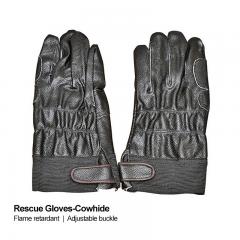 Heat Resistant Fire Gloves, for Earthquake Ruins Demolition
These heat resistant fire gloves are designed for earthquake ruins demolition, with heat insulation, flame retardant and wear-resistant properties. They resist rubble scratches and residual heat, support bulk purchase and long-term storage for emergency relief.
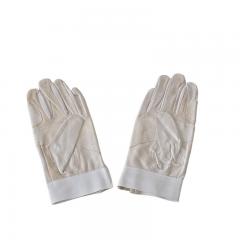 Rescue Gloves, Police Military Tactical Duty, Battlefield Use
These tactical rescue gloves are for police and military tactical duty and battlefield operations. Made of wear-resistant fabric, they ensure precise grip and flexible operation, resist sand scratches, support bulk logistics reserve for training and patrol.
Copyright © Custom Disaster - Relief Bedding: Tents, Sleeping Bags, Blankets All Rights Reserved
the professional team to service !