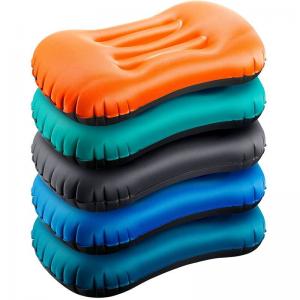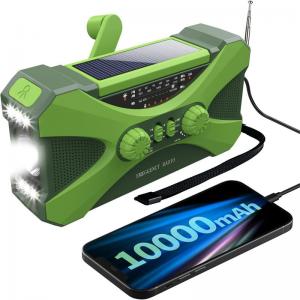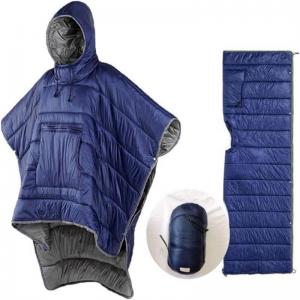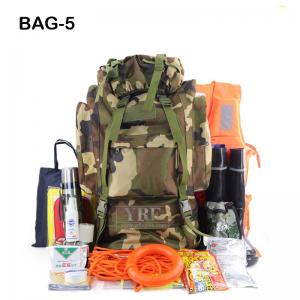
Earthquake Emergency Kit: Your Essential Survival Kit
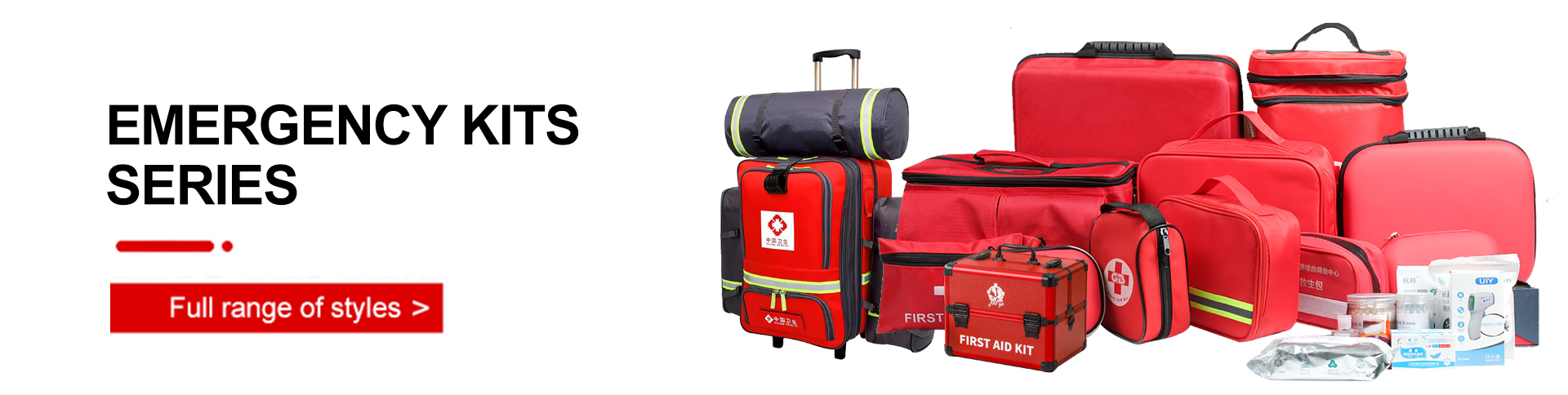
The Earthquake Emergency Kit is a comprehensive survival kit designed to provide essential supplies for individuals and communities in the event of natural disasters. With a range of products tailored to different needs, the kit is an indispensable resource for anyone preparing for earthquakes. Highly durable and reliable, the Earthquake Emergency Kit offers a convenient and cost-effective solution for disaster preparedness.
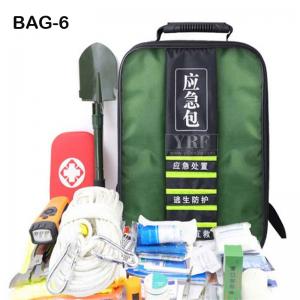
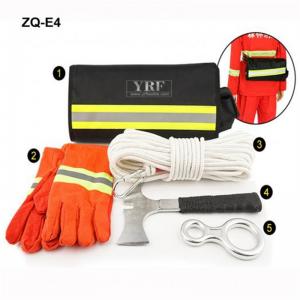
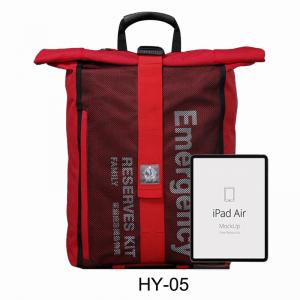
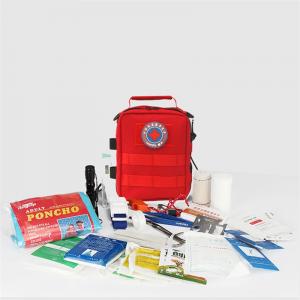
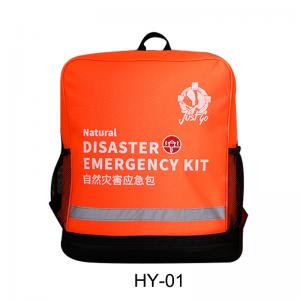
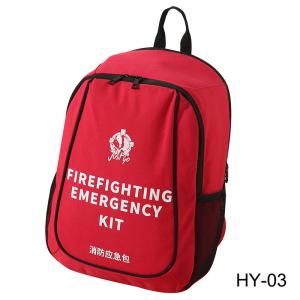
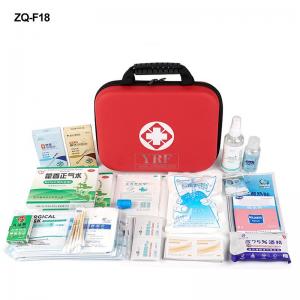
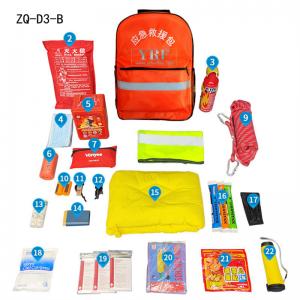
A total of 1 pages
Earthquakes strike without warning. The 72 hours after a major quake are the critical window when search and rescue teams need reliable gear. Our wholesale earthquake emergency kits are purpose-built for fire departments, USAR teams, government relief agencies and institutions procuring bulk earthquake survival kits.

 |

|
YRF Textile supplies pre-assembled earthquake bags and disaster relief supplies to fire departments, emergency management agencies building earthquake preparedness and disaster response programs across all sectors, relief organizations and NGOs and industrial safety programs. We focus on B2B wholesale — not retail. Our primary customers are professional rescue teams and government institutions.

Every emergency kit is built around real operational needs — not assembled from a retail survival catalog. We iterate our designs based on feedback from firefighters, USAR team leaders and procurement officers who have used these packs in real earthquake responses.
This page covers pre-built earthquake emergency backpacks, wall mounted emergency cabinets and distribution packs. For individual survival tools or disaster relief tents, visit related product categories.
Below you will find five emergency kit types, an emergency supply kit checklist, audience selection guidance and bulk packaging specs — what you need to compare kit types, specs, and bulk pricing.
|
Why Buy From YRF? |
Dangerous Goods Shipping |
|
Who Needs Which Earthquake Kit? |
Customization Options |
|
How to Choose the Right Kit |
Recommended Bundles |
|
Our Wholesale Earthquake Emergency Kits |
10 Point Buyer Checklist |
|
Compare Wholesale Earthquake Kits |
Certifications & Standards |
|
6 Deployment Scenarios |
Government Tender & Bid Support |
|
Item Checklists by Function |
Packaging & Container Loading |
|
Size, Weight & Capacity Guide |
Our Quality Control Process |
|
Bulk Earthquake Emergency Kit Order Configuration |
Related Emergency Rescue Products |
|
Shelf Life & Rotation |
Emergency Kit FAQ: Frequently Asked Questions |

When you procure bulk earthquake emergency kit procurement for a fire department, government agency or institution, you need consistency across every unit. You are buying confidence that when the next earthquake strikes, your responders have the right gear, your distribution packs are consistent, and your wall cabinets are stocked. Here is why rescue teams, government procurement officers and bulk procurement buyers choose YRF Textile for their earthquake preparedness supplies:
Most "emergency kits" on the market are assembled from a retail survival catalog — a few bandages, a whistle, and a mylar blanket. Our tactical rescue backpack is designed with actual firefighters and USAR team leaders. It includes CAT tourniquets, hemostatic gauze, pry bars, bolt cutters, rain gear and reflective vests — the items responders actually use in collapsed structures.
Government procurement teams need consistency. When you approve a sample, every unit in your order matches it — same items, same quantities, same packaging. We provide itemized packing lists, traceable lot numbers and export documentation so you can trace every carton from our factory to your warehouse to the field. No surprises, no substitutions, no quality drift between batch one and batch one hundred.

Your rescue team has its own SOP. Your government program has its own distribution requirements. We customize: add or remove items, print your logo, choose bag colors, translate manuals into your language, configure private-label packaging. We do not force you to fit our catalog — we build the emergency kit your program actually needs.
We have supplied fire departments and emergency management agencies. We know you need technical specification sheets for bidding, third-party inspection reports (SGS, BV, Intertek) (SGS, BV, Intertek), proforma invoices, and shipment photos before containers are sealed. We handle the documentation so your procurement team does not have to chase paperwork.
An earthquake emergency kit is not a buy-it-and-forget-it purchase. Medical consumables expire, batteries die. We offer annual replenishment programs: you tell us what you used during drills, we ship replacement consumables on schedule. Your kits stay ready year after year, not just on the day they arrive.

Selecting the right earthquake emergency kit starts with one critical question: who will use it when an earthquake hits? A firefighter crawling through collapsed concrete needs different equipment than a government agency distributing kits to households, and both differ from a school administrator stocking a first-aid cabinet in a hallway. This guide is organized by our customer priority — professional rescue and government procurement first, followed by institutional and community distribution — because the organizations that buy in bulk are the ones on the front lines when disaster strikes. Understanding your end user before you specify an emergency kit prevents the most common procurement mistake: buying the wrong configuration and discovering it too late.

Who they are: Fire departments, urban search and rescue (USAR) teams, Community Emergency Response Team (CERT) volunteers, emergency medical services (EMS), industrial emergency response teams (ERT), mine rescue teams, and security forces. This is our primary customer segment — the people who actually enter collapsed structures after an earthquake to find and extract survivors.
What they need: Trauma-level medical and first aid kit supplies designed for crush injuries and bleeding control, heavy-duty rescue tools for breaching and shoring, weather protection (rain gear, reflective vests, helmets, rescue boots) because post-earthquake operations often happen in rain, dust, or cold, communication equipment for team coordination, and MOLLE-compatible modular loadouts that let responders tailor their packs to the mission.
Top-priority items: CAT tourniquets, hemostatic gauze, pry bars, bolt cutters, search ropes, rain suits, reflective vests, rescue boots, headlamps, two-way radios, heavy work gloves, hard hats, and breakaway tools.
Recommended emergency kit: Tactical Rescue Backpack (our flagship product) plus an individual first-aid kit (IFAK) per responder.
Typical buyers: Fire department procurement officers, USAR team equipment officers, industrial safety managers, mining ERT coordinators, security company procurement.
Field-tested insight: Rescue teams need gear that works when they are exhausted, wet, covered in dust, and working in total darkness. A tourniquet they cannot apply one-handed in a collapsed building is worse than no tourniquet. Rain gear that traps sweat becomes dangerous in cold conditions. Rescue boots must grip unstable rubble, not smooth tile. Our tactical rescue pack is designed around these operational realities — not assembled from a retail survival catalog. We iterate its layout based on feedback from actual firefighters and USAR team leaders who have used these kits in real earthquake deployments.

Who they are: Emergency management agencies at provincial, municipal, and national levels, relief organizations, NGO rescue kit field operations, disaster preparedness grant programs, and municipal procurement offices.

What they need: Large volumes of standardized kits for public distribution and evacuation scenarios, wall-mounted cabinets for public buildings, shelter supplies (tents, blankets, folding cots) for mass evacuation sites and mass care shelters, replenishment programs for consumables, and full traceability documentation from factory to field. Government buyers also need kits that are uniform across an entire distribution program — every household receiving the same pack, every cabinet containing the same contents.
Top-priority items: Family distribution backpacks (with blankets, sleeping bags, warm clothing, basic first aid kit supplies, water and rations), public-building wall cabinets, employee mini-kits, and shelter supplies for evacuation centers.
Recommended bundles: Family distribution backpacks in bulk + public-building wall cabinets + employee mini-kits + shelter supplies (disaster relief tents, blankets, folding cots).
Typical buyers: Provincial/municipal emergency management bureaus, national disaster management organizations, relief organization procurement, municipal public safety departments.
Procurement insight: Government buyers care most about traceability. Every batch must match the approved sample exactly — same items, same quantities, same packaging. We provide itemized packing lists, lot numbers, and export documentation so your procurement team can trace every carton from our factory to your warehouse to the field. Distribution kits include real blankets and sleeping bags — not just a small first-aid tin — because families evacuated after an earthquake need warmth and shelter, not just bandages. Labeling is clear and multilingual so that elderly people and children can use the contents without instructions.

Who they are: Manufacturing plants, refineries, construction sites, warehouses, mining operations — where business continuity depends on fast post-quake response, chemical plants, and large logistics hubs. After an earthquake, industrial facilities face unique risks: structural collapse, chemical spills, fire, and machinery hazards — in addition to the general risks faced by the public.
What they need: Heavy-duty wall cabinets rated for industrial use, industrial-grade supplies for burns and chemical exposure, OSHA/ANSI compliance documentation, ERT (Emergency Response Team) tactical emergency backpacks, and enough supplies for the on-shift workforce. Industrial kits must address the specific hazards at the facility, not generic household risks.
Top-priority items: Burn dressings, eye wash stations, heavy trauma shears, extra-large gauze, heavy-duty nitrile gloves, smoke hoods, fracture splints, and chemical spill response supplies.
Recommended bundles: Industrial wall cabinets + ERT tactical packs + mini-pouches per worker.
Typical buyers: Plant safety officers, EHS managers, construction site superintendents, refinery emergency coordinators.
Hazard-mapping insight: Industrial sites need different kits than offices. A factory worker may face chemical exposure or burns; an office worker might only sustain a minor paper cut. We help you map the actual hazards at your facility to the kit contents — not just buy a generic first-aid box and hope it passes an OSHA inspection. After an earthquake, industrial facilities may have secondary risks (fires, leaks, structural damage) that a standard residential kit cannot address.

Who they are: Office managers, school administrators, facility managers, hotel operators, government building operations, and hospital facilities. These organizations stock kits for the people in their buildings — employees, students, visitors — and need kits that are visible, accessible, and compliant with workplace safety standards.
What they need: Wall-mounted cabinets with large capacity, workplace safety compliance, prominent placement, and employee training support. After an earthquake, people in a multi-story building may need immediate first aid before professional responders arrive — the golden window where on-site supplies save lives.
Top-priority items: Full first-aid supplies (bandages, splints, CPR masks), blood pressure cuffs, stethoscopes, fracture splints, cervical collars, emergency lighting, smoke hoods, and fire blankets.
Recommended bundles: Wall-mounted first-aid cabinets (single-door for 50 people / double-door for 100+) + mini-pouches per classroom or department.
Typical buyers: Office managers, school principals, facility managers, hotel general managers, hospital facilities directors.
Placement insight: We see too many offices buy a cabinet and lock it in a storage closet. Mount it where people actually walk by. Train employees. Put a mini-kit in each department. A cabinet locked away that nobody knows about is worse than no cabinet at all — it creates a false sense of preparedness. Schools especially need earthquake-specific supplies: aftershocks can trap students, and teachers need immediate access to first aid while waiting for emergency services.

Who they are: The final recipients of government or NGO distribution programs — households that receive preparedness kits before a disaster or relief packs after one. This segment is reached through government procurement, not direct retail: emergency management agencies buy these kits in bulk and distribute them to at-risk communities.

What they need: A 72-hour emergency kit providing self-sufficiency for three days after a major earthquake: blankets, sleeping bags, warm clothing, basic first aid, water and rations, lighting, and respiratory protection. After an earthquake, a family may be evacuated from their home and need immediate warmth, water, and basic medical care while waiting for emergency services.
Top-priority items: emergency blanket thermal blankets, sleeping bags, rain ponchos, warm gloves, LED flashlights, glow sticks, N95 masks, basic first aid, emergency water and rations, whistles, and hand-crank radios.
Recommended emergency kit: Family 72-hour distribution backpack (procured by government or NGOs, not sold retail).
Typical buyers: Government household distribution programs, NGO field teams, relief organization emergency kit programs.
Usability insight: When a government distributes earthquake kits to households, every pack must be usable by anyone — including elderly people and children. That means clear labeling, no ambiguous medical supplies, and real survival items like blankets and sleeping bags, not just a small first-aid tin. The kit should be something a grandmother can grab during an aftershock and know exactly how to use without reading a manual.

Answer three questions to narrow down the right earthquake survival kit for your procurement. These three questions come up in nearly every B2B orders we have fulfilled for fire departments, government agencies and emergency management bureaus procuring emergency kits, and institutions. If you answer these three questions honestly, you will avoid the most common ordering mistakes that lead to wrong configurations and delayed deployment.

1. Who will use/carry the kit?
→ Firefighters / search and rescue / first responders → Tactical Rescue Backpack (our #1 recommendation for professional users).
→ Government distribution to households → Family Distribution Backpack.
→ Office / school / factory building → Wall-Mounted First-Aid Cabinet.
→ Vehicles / fleet → Vehicle Emergency Kit.
→ Individual carry / grab-bag → Mini First-Aid Pouch.
2. What is the primary mission?
→ Search and rescue operations in collapsed structures → Tactical pack with pry bars, ropes, trauma medical supplies.
→ Civilian post-disaster relief survival → family emergency bag pack with blankets, sleeping bags, 72-hour supplies.
→ Workplace first-aid compliance → Wall cabinet with full medical supplies.
→ Vehicular emergency response → Vehicle pack with window breakers, jumper cables, warning gear.
3. How many people / what scale?
→ 1 professional responder → tactical emergency backpack + IFAK.
→ 1 household (3-5 people) → Family distribution backpack.
→ A building of 50-100+ people → Wall cabinet.
→ Community / city-wide distribution → family emergency bag packs + mini-pouches in bulk.

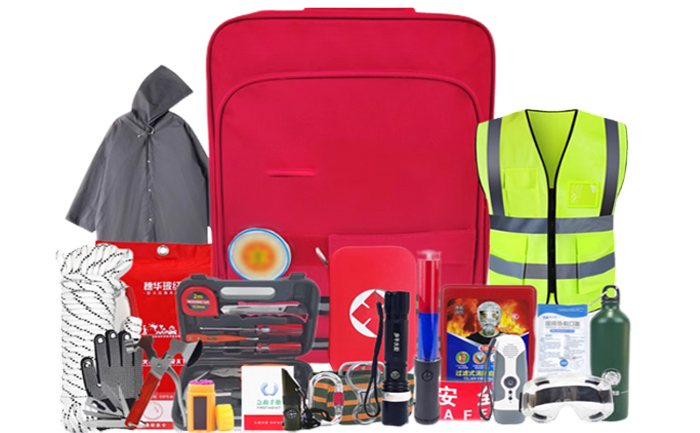
Our flagship product. Purpose-built for firefighters, search and rescue teams, USAR (Urban Search and Rescue) units, EMS personnel, outdoor workers, and other first responders who enter disaster zones after an earthquake emergency kit deployment. Featuring MOLLE webbing for modular attachments, water-resistant ripstop nylon, and a four-layer compartment system designed so every item is reachable under stress conditions. This pack includes rain gear, reflective vests, rescue tools, and trauma-level medical supplies — everything a first responder needs in one organized system when responding to earthquake disasters.
Specifications: 600D water-resistant ripstop nylon with MOLLE webbing. Dimensions: 50 × 35 × 25 cm (19.7 × 13.8 × 9.8 in). Weight: approximately 6.5 kg (14.3 lbs) fully loaded. Contents: 6 major categories, 40+ item types, 120+ individual pieces. Features: reflective night strips, rain cover, side-expansion pockets, four-layer compartment system, hydration bladder compatible. Packaging: 4 packs per export carton.

What's inside (120+ individual pieces across 6 categories):
Why this is our #1 recommendation: Fire departments and USAR teams reorder this pack repeatedly — not because of its black tactical aesthetic, but because of its layout. Every item is positioned where it can be reached one-handed in the dark. The tourniquet is on the shoulder strap, not buried in a pocket. Rain gear and the reflective vest are in the outer pocket, not at the bottom. We continually refine this pack based on feedback from actual rescue teams — it is not copied from a retail survival catalog. After an earthquake, responders may work for 12+ hours in unpredictable conditions; this pack is built for that reality.

Designed for government agencies and relief organizations distributing earthquake preparedness kits to households. Durable 600D Oxford cloth backpack with wide-opening design. Contains blankets, sleeping bags, warm clothing, basic first aid, water and rations — the actual survival supplies families need after an earthquake, not just a small first-aid box. This is the pack government emergency management agencies stock for pre-positioning or post-disaster distribution to at-risk households.

Specifications: 600D water-resistant Oxford cloth with double-stitched seams. Dimensions: 45 × 35 × 20 cm (17.7 × 13.8 × 7.9 in). Weight: approximately 5.5 kg (12.1 lbs) fully loaded. Contents: 7 major categories, 35+ item types, 90+ individual pieces. Functions: shelter warmth, lighting, respiratory protection, basic rescue tools, first aid, sustenance. Packaging: 4 packs per export carton.
What's inside (90+ individual pieces across 7 categories):
Government buyer question: Will this pack actually help a family survive 72 hours? Yes. It includes real sleeping bags and blankets, not just thin Mylar sheets. Enough water and rations for a family of four. Labeling is clear and simple — no confusing medical jargon. This is a pack you can hand directly to an elderly person during an evacuation and they will know exactly what to do with it. After an earthquake, families may be in evacuation shelters for days; the sleeping bag and blanket are the most-used items in this pack.

Metal wall-mounted cabinet designed for offices, schools, factories, hospitals, and public buildings. Tiered drawer design ensures rapid access to supplies during emergencies. Double-door models serve 100+ people with advanced items like blood pressure cuffs and fracture splints. This is the standard earthquake preparedness installation for facility managers and government building operations who need compliant, visible first-aid stations throughout their premises.

Specifications: Cold-rolled steel with epoxy powder coating. Dimensions: 55 × 38 × 15 cm (single door) / 60 × 45 × 18 cm (double door). Weight: 8-15 kg depending on configuration. Service capacity: 50 people (single door) / 100+ people (double door). Core items: medical supplies, blood pressure cuff, fracture splints, cervical collar, infrared emergency light. Packaging: 1 unit per carton, foam-protected.
What's inside (double-door, 20+ items):
Compliance insight: A wall-mounted cabinet is not just having a first-aid box. It is a compliance item. OSHA inspectors, school auditors, or municipal safety officers look at three things: is it mounted where people can reach it? Are supplies sufficient for the number of people? Does someone know how to use them? Our cabinets ship with an itemized inventory checklist and installation template so your facility team can document compliance. After an earthquake, stairwells and hallways are where people gather — that is where cabinets should be mounted.

This emergency vehicle kit fits under a car seat or in a trunk. Contains window breaker, seatbelt cutter, warning triangle, and flashlight. Standard for government fleets, work vehicles, and emergency service vehicles that may be called to respond after an earthquake. A vehicle earthquake emergency kit should be within reach in the cabin — not buried in a trunk that may be inaccessible after a crash or building collapse.

Specifications: Oxford cloth with EVA molded insert. Dimensions: 38 × 26 × 12 cm (15 × 10.2 × 4.7 in). Weight: approximately 2.5 kg (5.5 lbs). Core items: window breaker, seatbelt cutter, solar flashlight, warning triangle, jumper cables, reflective vest. Mounting: heavy-duty Velcro under car seat. Packaging: 10 units per carton.
What's inside (28 individual pieces across 4 categories):
Placement insight: After an earthquake, a government or emergency response vehicle may be damaged or stuck. If a responder is trapped, they cannot reach the trunk. We design vehicle kits with Velcro mounting under the front passenger seat — within arm's reach when they need to break a window or cut a seatbelt in the dark. This placement principle is standard in vehicle emergency preparedness best practices.

Small enough to fit in a backpack, purse, or grab-and-go bag. Contains basic wound-care supplies for minor injuries. Standard volume purchase for schools, hotels, and distribution programs. Low unit cost, high impact. These mini emergency bag pouches are often included as a component of larger distribution kits or given individually to students, hotel guests, or community members during preparedness events.
Specifications: EVA hard shell / Oxford cloth. Dimensions: 15 × 12 × 4 cm (5.9 × 4.7 × 1.6 in). Weight: approximately 0.35 kg (0.77 lbs). Contents: 3 categories, 14 item types, 29 individual pieces. Core items: sterile gauze, bandages, antiseptic wipes, scissors, tweezers. Packaging: 50 units per carton.

What's inside (29 individual pieces across 3 categories):
Volume purchase insight: Schools buy these for every student on field trips. Hotels place one in every guest room. Government distribution programs include one per household. At 50 units per carton, this is the highest-impact low-cost preparedness item you can buy in bulk. After an earthquake, minor cuts and scrapes are common before professional help arrives; having a mini kit within reach prevents infection and reduces stress.
Side-by-side comparison of our five wholesale earthquake emergency kits in weight, capacity, and best-fit application. The table is ordered by B2B customer priority — professional rescue first, government distribution second, institutional and individual use following. All weights and dimensions reflect standard configurations; custom modifications are available for bulk emergency kit orders. Understanding these differences helps you avoid over-buying (paying for items your users will never use) or under-buying (missing critical items when you need them most). If you are comparing multiple suppliers, compare against your current supplier: does the competitor's emergency kit include rain gear and reflective vests? Heavy rescue tools? Trauma-level medical supplies? Or just a bag of bandages?

|
Kit Type |
Primary User |
Weight |
Coverage |
Dimensions (cm) |
|
Tactical Rescue Backpack |
Firefighters, USAR, first responders |
~6.5 kg |
1 professional, extended operations |
50 × 35 × 25 |
|
Family Distribution Pack |
Government relief, community distribution |
~5.5 kg |
3-5 people, 72 hours |
45 × 35 × 20 |
|
Wall Cabinet |
Offices, schools, factories, public buildings |
8-15 kg |
50-100+ people |
55 × 38 × 15 |
|
Vehicle Kit |
Government fleet, work vehicles |
~2.5 kg |
1 vehicle, 1-2 people |
38 × 26 × 12 |
|
Mini Pouch |
Distribution, schools, hotels |
~0.35 kg |
1 person, minor injury |
15 × 12 × 4 |
Where will your earthquake survival kits be deployed? Each scenario has different starting configurations, documentation requirements, and training considerations. Select the scenario closest to your use case to see our recommended approach — these are starting points, not fixed packages, and we adjust based on your specific geography, population, and risk level. Government agencies planning earthquake emergency preparedness programs should consider all six scenarios, because a comprehensive program equips responders, builds household resilience, stocks public buildings, and readies vehicles simultaneously.

Starting configuration: One tactical rescue backpack per responder + one IFAK per responder + one wall cabinet per fire station.
Includes reflective vests and rain suits. Replace worn items annually. Train responders on pack layout so they can locate items under stress. After an earthquake, fire department responders are often first on scene are often the first on scene — their packs must be immediately ready, not stored in lockers. Tactical packs should be staged on the apparatus floor or in the rescue truck, not in a back room.
we recommend this emergency kit standardizing across all shifts so every responder uses the same pack layout. We can match your existing equipment layout or design a new configuration based on your SOP. Many fire departments request local-specific items (coastal departments add water rescue items, mountain departments add avalanche references). Annual refresh programs ensure expired items are rotated before they are needed in a real emergency.

Starting configuration: Family distribution backpacks + mini-pouch per household + shelter supplies (tents, blankets, folding cots) for mass evacuation.
All kits are identical for fair distribution. Clear labeling in local languages. Multilingual survival guides included. After an earthquake, government agencies may need to distribute thousands of kits quickly — standardization and pre-positioning are critical. We recommend pre-positioning kits in regional warehouses rather than waiting for a disaster to order them.
We manufacture to an approved sample with traceable lot numbers and full export documentation. Distribution kits include real blankets and sleeping bags, not just medical supplies, because evacuated families need warmth first. We also recommend a household education component — a simple checklist showing families where to store the emergency kit and what each item does.
Starting configuration: One industrial wall cabinet per 50 workers + ERT tactical packs + mini first aid pouch per worker.
Cabinets mounted where they are visible. ERT team trained. Annual drills conducted. Consumables replenished after each drill. After an earthquake, industrial facilities may have secondary hazards (chemical releases, fires, structural damage) that require specialized response beyond basic first aid. Workers may be on shift when the quake hits, potentially trapped under fallen machinery.
Start by mapping actual hazards. A chemical plant needs different supplies than a machine shop. We help you build kits around your risk profile, not just buy a generic box. Industrial earthquake kits should include burn dressings, eye wash, and respiratory protection for post-quake chemical and fire risks. ERT members should carry individual trauma kits rather than relying solely on shared wall cabinets.

Starting configuration: One wall cabinet per classroom + one large cabinet in main office + tactical packs for campus security.
Aligned with school emergency plans. Teachers trained on cabinet locations. N95 masks and smoke hoods added for post-quake fire/dust risks. After an earthquake, children may be trapped in classrooms — teachers need immediate first aid while waiting for emergency services. Schools also need shelter-in-place supplies: water, blankets, and lights for when stairwells are damaged and students must remain in classrooms.
Post-earthquake fire and dust inhalation are real risks. Campus security should have tactical packs, not just mini-pouches. We can also supply additional blankets and water for shelter-in-place situations where students cannot leave the building. Coordinate with local fire department drills so teachers know exactly what to do when an earthquake hits during school hours.

Starting configuration: One double-door cabinet in the lobby + one single-door cabinet per floor + vehicle kits for official cars.
Mounted in visible hallways. Safety signs mark locations. Aligned with building emergency plans. Government buildings often house large numbers of employees and visitors during work hours — earthquake preparedness is both a safety and compliance requirement. After an earthquake, these buildings may also serve as emergency command centers.
Public buildings get inspected. Make sure cabinet supplies match the number of occupants. We provide specification sheets for your facility documentation file. After an earthquake, government buildings may serve as emergency command centers — having well-stocked cabinets ensures staff can respond before external aid arrives. We also recommend vehicle earthquake kits for official cars used by emergency managers who may need to travel to affected areas.

Starting configuration: Bulk family distribution packs + mini-pouches + shelter supplies (tents, blankets, cots) + consumable replenishment program.
Container loading and export documentation arranged. We can ship to port or relief hubs. Relief organizations need reliable supply chains that work before, during, and after disasters — not just one-time purchases. When a major earthquake strikes, relief groups need kits delivered within days, not weeks.
disaster relief operations do not end at 72 hours. Plan for replenishment — what consumables will you need after the first wave? We can set up a recurring supply program so you are never out of stock when the next disaster hits. We also provide expedited production for urgent deployments when a sudden earthquake requires immediate emergency kit shipments. We work with relief organizations on framework agreements for rapid mobilization.

Each earthquake emergency kit is built around core functional categories. Each function covers specific item types. The table below shows which kit levels include them. The tactical rescue backpack has the deepest coverage in rescue tools and trauma medical supplies — because that is what professional responders actually need in earthquake zones. Understanding these functional categories helps you evaluate whether a kit on the market covers your real needs or just looks impressive on paper. When comparing suppliers, ask specifically about each row: does their kit include weather protection? Trauma-level medical supplies? Heavy rescue tools? If not, they are selling retail survival packs, not professional-grade earthquake response equipment.

|
Function |
Typical Items |
Tactical Pack |
Family Pack |
Wall Cabinet |
|
Rescue Tools |
Pry bars, shovels, ropes, bolt cutters, axes |
Full heavy-duty set |
Basic tools only |
Medium tools |
|
Trauma Medical |
Tourniquets, chest seals, hemostatic gauze |
Full tactical trauma kit |
Basic first aid |
Full medical + BP cuff |
|
Weather Protection |
Rain gear, reflective vests, helmets, boots |
Full weather gear |
Rain poncho + blankets |
Minimal |
|
Shelter & Warmth |
Blankets, sleeping bags, bivvy sacks |
2 blankets + bivvy |
Sleeping bag + 4 blankets |
Blankets only |
|
Comms & Power |
Radios, power banks, whistles |
Radio + 20000mAh |
Radio + 10000mAh |
Minimal |
|
Respiratory Protection |
N95 masks, dust masks, goggles |
4 N95 + goggles |
8 N95 + goggles |
20 N95 + smoke hood |
Pick size by user, duration, and storage location. Use this guide to estimate quantities for your project — buying too few leaves you unprepared; buying too many wastes budget. This guide is based on standard configurations for earthquake preparedness programs serving rescue teams, government agencies, and institutions. For government distribution programs, we recommend ordering 10-15% extra to account for replacement kits and damaged inventory.
|
Kit Type |
Primary User |
Mission Duration |
Weight Range |
Storage Method |
|
Tactical Backpack |
1 professional responder |
Extended field operations |
5-7 kg |
Backpack carry / MOLLE mount |
|
Family Distribution Pack |
3-5 person household |
72-hour survival |
5-6 kg |
Home / distribution point |
|
Wall Cabinet (Small) |
50 people in a building |
Emergency response |
8-10 kg |
Wall-mounted |
|
Wall Cabinet (Large) |
100+ people in a building |
Emergency response |
12-15 kg |
Wall-mounted |
|
Vehicle Kit |
1 vehicle, 1-2 responders |
Vehicle emergency |
2-3 kg |
Under seat / trunk |
|
Mini Pouch |
1 individual |
Minor injury care |
0.3-0.5 kg |
Pocket / go-bag |

Example: a government buyer equipping 100 responders, distributing to 200 households, and stocking building cabinets. This illustrates how different emergency kit types combine in real-world B2B earthquake procurement. Your actual configuration will differ based on your population, risk profile, and budget — send us your requirements and we will calculate exact numbers. This example demonstrates the kind of mixed basket that most government relief programs order, and includes the total weight and carton count needed for container planning.

Container estimate: Approximately 180 cartons. Estimated volume ~15 m³ — roughly 45% of a 20ft container or 22% of a 40ft container. Final carton count and volume depend on your exact configuration. Once you confirm emergency kit types and quantities, we provide precise loading calculations. For urgent earthquake response orders, we can prioritize production and offer air freight for time-critical shipments. We also consolidate mixed orders into a single shipment with one packing list, reducing customs clearance complexity for government buyers.
|
Item |
Configuration |
Qty |
Unit Weight |
Total Weight |
|
Tactical Rescue Backpack |
120-piece full set |
100 |
6.5 kg |
650 kg |
|
Family Distribution Backpack |
90-piece household set |
200 |
5.5 kg |
1100 kg |
|
Wall Cabinet (Small) |
50-person model |
10 |
9 kg |
90 kg |
|
Vehicle Emergency Kit |
Standard vehicle set |
30 |
2.5 kg |
75 kg |
|
Mini First-Aid Pouch |
One per person |
500 |
0.35 kg |
175 kg |
|
Total |
— |
— |
— |
~2090 kg |

Emergency kits are not buy-it-and-forget-it. Medical consumables expire, batteries die, plastic becomes brittle. This section tells you how long different items last in storage and what to do during annual inspections — critical information for rescue teams and government agencies that maintain stockpiles over years. An emergency kit that was perfect on delivery may be useless if expired items were never rotated. For government procurement, we recommend building a rotation schedule into the contract so that consumables are replenished on a fixed cycle rather than waiting for an annual audit to discover expired stock.
Typical shelf life:
Rotation best practices:

Some earthquake emergency kit components are classified as dangerous goods for shipping. This affects transportation methods and costs. Review this checklist before placing a bulk order — so there are no surprises at the freight forwarder. Government and relief orders often have tight timelines, and dangerous goods delays can slow an entire shipment. We handle all classification, packaging, and documentation so you do not need a separate dangerous goods expert on your team.
|
Item Type |
Examples |
Shipping Notes |
|
Batteries |
Flashlight batteries, rechargeable power banks |
Must ship per lithium battery regulations. May require separate packaging. |
|
Fire Extinguishers |
Small disposable extinguishers |
Dangerous goods. Sea freight standard; air freight rules stricter. |
|
Pressurized Cans |
CO2 cartridges, aerosols |
Pressurized items need special handling and labeling. |
|
Liquids/Chemicals |
Antiseptic solutions, water purification tablets |
Small quantities generally fine. Large orders need correct classification. |
|
Scalpels/Blades |
Scissors, scalpels, utility blades |
Not dangerous goods but may trigger customs inspection. |
|
Non-Dangerous |
Blankets, ropes, gloves, goggles, masks |
Standard shipping, no special restrictions. |

Every wholesale earthquake emergency kit can be customized to your brand, your climate, and your risk profile. Government and rescue organizations frequently request modifications based on their standard operating procedures. This flexibility is why we work directly with B2B buyers rather than selling off-the-shelf retail packs — your earthquake preparedness program should match your actual operational needs, not a catalog template. We can also produce private-label kits where your organization's branding replaces ours, which is common for government distribution programs.
Pack and packaging customization:
Contents customization:

Choose a pre-configured bundle or mix and match. All bundles can be adjusted based on your headcount and budget — these are starting points, not fixed packages. We have designed these bundles based on common government, fire department, and institutional procurement patterns. If you are unsure which bundle fits your needs, send us your headcount, building type, and main risk profile, and we will recommend the right combination.
|
Bundle |
Contents |
Best For |
|
Rescue Squad Kit |
5 tactical backpacks + 1 wall cabinet + 10 mini pouches |
Fire department squad / ERT |
|
Household Distribution Set |
20 family distribution packs + 50 mini pouches |
Government community distribution |
|
Office Safety Pack |
1 double-door cabinet + 20 mini pouches + 2 vehicle kits |
50-100 person office/factory |
|
Campus Preparedness Set |
5 wall cabinets (one per classroom) + 50 mini pouches + 2 tactical packs (security) |
School campus safety |
|
Relief Operation Set |
50 family packs + 100 mini pouches + 5 wall cabinets + 20 vehicle kits |
NGO/relief field deployment |

Use this checklist to ensure your procurement covers everything needed. Run through it with your team before confirming specs — it is much easier to make changes now than after production starts. This checklist is based on common mistakes we have corrected across B2B earthquake emergency kit orders. Government buyers should attach this checklist to their procurement file for audit traceability.
|
# |
Check Item |
Why It Matters |
|
1 |
Who is the end user? (rescue / distribution / building) |
Determines kit type and contents |
|
2 |
Number of people and coverage per kit |
Avoid over-ordering or under-provisioning |
|
3 |
Storage location (vehicle / wall / distribution point) |
Determines form factor |
|
4 |
Local earthquake risk level |
Higher risk may warrant premium configuration |
|
5 |
Custom branding / logo needed? |
Affects MOQ and lead time |
|
6 |
Certification or test reports required? |
Critical for bidding/government projects |
|
7 |
Destination and shipping method |
Affects dangerous goods handling and cost |
|
8 |
Consumable replenishment program |
Annual rotation keeps kits usable |
|
9 |
Multilingual manuals required? |
Manuals can be customized |
|
10 |
Sample approval before bulk production? |
Always recommended |

Medical consumables in our kits are CE-certified medical consumables. Bag materials undergo durability and water-resistance testing. We can arrange third-party inspection reports (SGS, BV, Intertek) per your project requirements. If your project requires specific compliance documentation (CE, FDA, ANSI, or country-specific standards), tell us early so we can plan accordingly. This is especially important for government bidding and government procurement tender processes where documented standards are required. We can also provide factory audit support for buyers requiring ISO 9001 certification verification.
Key standards and certifications: CE-certified medical consumables · 600D/900D Oxford fabric · Waterproof bag construction · Powder-coated steel cabinets · ISO 9001 quality system · FDA-grade medical supplies · RoHS-compliant electronics · Custom Logo available · OEM/ODM welcome · Export-standard packaging.
Government procurement of earthquake emergency kits rarely happens through a simple online checkout. Most institutional buyers go through a formal tender, RFP (Request for Proposal), or bidding process that requires detailed technical specifications, compliance documentation, sample evaluation, and contract terms. This section explains exactly what we provide to support government bids, public procurement, and institutional purchasing — so your tender team has everything they need from a single supplier. We have supported bids for fire station equipment, municipal disaster preparedness programs, and relief organization framework agreements. Understanding the documentation requirements early saves weeks of back-and-forth during the bidding window.

When a government agency or institutional buyer issues an RFP or tender for bulk emergency kits, the bidding supplier must respond with a complete technical and commercial package. Below is the standard documentation set we prepare for government bids — tell us which items your specific tender requires, and we assemble the package accordingly. This is the kind of documentation that separates serious suppliers from casual traders: if a competitor cannot produce these documents on short notice, their bid may be rejected during technical evaluation.
|
Document |
Purpose in Tender/Bid |
Available |
|
Technical Specification Sheet |
Itemized kit contents, dimensions, materials, weight per unit — matches your tender bill of quantities |
Yes, customized per tender |
|
Certificate of Origin |
Proves country of manufacture for customs and procurement compliance |
Yes, issued by CCPIT or chamber of commerce |
|
CE / FDA Certification Copies |
Shows medical consumables meet required safety standards |
Yes, for all medical items |
|
ISO 9001 Certificate |
Demonstrates quality management system compliance |
Yes, current and audited |
|
Third-Party Inspection Report |
SGS, BV, or Intertek report verifying contents match packing list |
Yes, arranged before shipment |
|
Sample Kit |
Physical sample for technical evaluation committee |
Yes, shipped within 3-5 business days |
|
Proforma Invoice |
Commercial bid pricing, payment terms, delivery terms |
Yes, with FOB / CIF / EXW options |
|
Packing List & Loading Plan |
Carton count, gross/net weight, container loading calculation |
Yes, per confirmed order |
|
Factory Audit Report |
For buyers requiring on-site audit before award |
Can arrange third-party audit |
|
After-Sales & Replenishment Agreement |
Consumable rotation schedule, warranty terms |
Yes, as part of contract |

Understanding trade terms helps government procurement officers compare bids fairly. We work with all major Incoterms so you can choose the shipping model that best fits your logistics team. Volume discounts apply at standard bulk tiers — the more you order, the lower the per-unit price. Below is the pricing structure framework; exact quotes are provided after we confirm your emergency kit configuration and quantity. For government tenders, we can also provide detailed price breakdowns showing which items are included and their unit cost.
|
Order Volume |
Discount Tier |
Typical Lead Time |
Recommended For |
|
50-99 units |
Standard price |
15-20 business days |
Pilot order, sample validation |
|
100-499 units |
5-10% volume discount |
20-25 business days |
Single department / building |
|
500-999 units |
10-15% volume discount |
25-30 business days |
Municipal program / district |
|
1000+ units |
Negotiable, best rate |
30-40 business days |
City-wide / national program |
Available trade terms: EXW (Ex Works) · FOB (Shenzhen/Guangzhou) · CIF (your destination port) · DDP (Delivered Duty Paid, where feasible). We also support pre-positioned stock agreements for disaster-prone regions — we maintain safety stock in your destination country or regional warehouse so kits are ready to ship within 48 hours when a disaster strikes. This is especially valuable for government emergency management agencies that need rapid deployment after earthquakes, floods, or typhoons.

Most government tenders require a physical sample emergency kit before awarding the contract. Our sample process is designed to fit your bidding timeline: we ship a sample within 3-5 business days of your request, including a detailed spec sheet and pricing sheet. Your technical evaluation committee can inspect the sample, verify contents, and confirm build quality. If modifications are needed (different items, bag color, logo), we revise and resubmit within 5-7 business days. Sample fees are credited against the bulk order upon contract award. This process ensures that what you approve as a sample is exactly what arrives in 1,000-unit quantities — no surprises, no quality drift.

How wholesale emergency kits arrive matters. Good packaging means nothing is crushed in transit. Government and relief orders often need exact carton counts and loading plans — especially when shipments go directly to disaster zones where damaged packaging means delayed distribution. We take packaging seriously because we know our customers often operate under urgent conditions. All export cartons are double-walled and corner-protected, with labels in both English and the destination language where required.
Standard packaging: Each bag/cabinet individually plastic-bagged. Export cartons with reinforced corners. Carton marks: product name, quantity, gross/net weight. Barcode and SKU labels available. Custom branded outer cartons available.
Container loading reference: 20ft container: ~33 CBM capacity. 40ft container: ~67 CBM. 40ft HQ: ~76 CBM. Tactical backpacks: ~120-150 per 20ft. Family packs: ~80-100 per 20ft. Mini pouches: ~800-1200 per 20ft. Exact loading calculated per order.

Every earthquake emergency kit order passes through four quality gates before it leaves our factory. Critical for government and rescue orders — every emergency kit must match the approved sample exactly. A missing tourniquet or expired dressing in a rescue pack is not a minor defect; it is a potential life-safety issue. Our four-stage QC process is designed to catch these errors before they reach you. We also accept third-party inspection (SGS, BV, Intertek) at the buyer's request before shipment.
Raw materials and individual items are checked against the approved sample. Medical consumables are verified for expiry dates on all medical consumables and packaging integrity. If any component does not match the approved sample, it is rejected before assembly begins.
Kits are assembled against the confirmed packing list. Every item goes in its designated compartment — no more, no less. Each assembled emergency kit is initialed by the assembly team.
Random samples are fully unpacked and repacked to verify contents match the list. Zippers, stitching, and handles are checked for defects. This step catches assembly errors before shipping.
Carton count, weight, and labels are verified against the packing list. Container loading is photographed and sent to the customer before sealing. You see what is in the container before it leaves the factory.

Flood Emergency Kits · Fire Escape Kits · Emergency Survival Blankets · Disaster Relief Tents · Earthquake Preparedness Kit · Folding Cots · Work Safety Gloves

Our primary customers are professional rescue teams — fire departments, urban search and rescue (USAR) teams, and EMS units — government emergency management agencies, relief organizations, and industrial safety programs. We also supply schools, hospitals, and large institutional facilities. We focus exclusively on B2B wholesale and do not sell individual kits to retail consumers. Every product on this page is designed for organizational procurement, not personal purchase.
MOQ is 50 units for standard catalog kits. Custom-branded or fully configured packs typically require 100 units. Sample approval is standard before bulk orders, especially for government tenders. Contact our sales team with your target quantity and emergency kit type, and we will send a detailed quotation within one business day. Sample kits are available for a fee that is credited against your first bulk order.
Pricing depends on kit type, configuration, quantity, and customization. As a rough guide: mini pouches start from the lowest unit price, vehicle kits and wall cabinets are mid-range, and fully configured tactical rescue backpacks are the highest per-unit price. Volume discounts apply at 100, 500, and 1000+ unit tiers. Because each order is customized to your SOP, we provide detailed quotes after receiving your requirements rather than publishing fixed prices online. Contact us for current bulk pricing.
Medical consumables inside our kits are CE-certified. Bag materials undergo durability and water-resistance testing. Full compliance documentation is available on request your project requires (CE, FDA, ANSI, or country-specific regulations). We can also arrange third-party inspection through SGS, BV, or Intertek before shipment.
The tactical backpack is built for professional responders — it includes heavy-duty rescue tools (pry bars, bolt cutters, ropes), trauma-level medical supplies (tourniquets, chest seals, hemostatic gauze), and weather protection (rain suits, reflective vests, helmets). The family pack is distributed by government to civilians — it includes blankets, sleeping bags, warm clothing, basic first aid, and 72 hours of water and rations. The two kits serve completely different missions in an earthquake response. If you are equipping both responders and communities, a mixed order is the most common approach.

Absolutely. Many fire departments and USAR teams send us their standard packing lists and we assemble accordingly. You can add or remove specific items, choose bag colors, add your logo, and customize instruction manual languages. We can match your existing equipment layout or design a new configuration from scratch based on your standard operating procedures. Typical customizations include adding region-specific items (water rescue for coastal teams, cold-weather gear for mountain teams) and adjusting medical contents to match your medical protocol.
Most non-medical items last 3-5 years. Medical consumables like bandages and antiseptic wipes should be replaced every 2-3 years. Emergency food rations (if included) last 3-5 years. We recommend an annual inspection and a rotation plan for expired items — especially critical for rescue teams that rely on these kits during real emergencies. We offer a replenishment subscription program where we ship expired consumable replacements on a schedule that matches your inspection cycle.
Ready-stock standard kits ship within 7-15 business days. Custom-branded or fully configured packs typically take 15-25 business days. Orders with certified components or special packaging may take 25-40 business days. Final lead time is confirmed at order confirmation. For urgent earthquake response situations, we offer expedited production (5-7 business days for standard kits) and air freight for time-critical shipments. Tell us your deadline and we will work backward from it.
Batteries and fire extinguishers are classified as dangerous goods. They must be packed and labeled per international shipping regulations. Sea freight is standard. Air freight is possible but stricter and more expensive. We handle all classification, packaging, and documentation. For government and relief orders, we ensure full compliance with both exporting and importing country regulations so your shipment clears customs without delay.
Yes. We work with government and institutional buyers worldwide. We can provide technical specification sheets, itemized lists, and sample kits for evaluation. Export documentation supports procurement programs. We manufacture to an approved sample with full traceability — lot numbers, packing lists, and container loading photos. If your tender requires specific certifications, factory audits, or third-party inspection reports, tell us the requirements and we will prepare the documentation package.

For an accurate quote, we need: target quantity, emergency kit type(s) (tactical / family / wall cabinet / vehicle / mini), any customization (logo, contents, packaging), destination country, and shipping method. Send us your requirements and we respond within one business day with a detailed quotation. If you have an existing packing list or SOP document, attach it and we will match it as closely as possible.
Yes. Sample approval is standard before bulk orders, especially for government tenders. This lets you verify bag quality, contents, and packaging. Sample fees and shipping are handled per our sample policy; sample fees are credited against your first bulk order. Contact us to arrange a sample and we will ship it within 3-5 business days.
Emergency kit maintenance starts with storage: keep kits in a cool, dry place away from direct sunlight. Tactical packs for rescue teams should be immediately deployable — not locked in storage closets. Wall cabinets should be mounted where people actually walk. Mark inspection dates on each emergency kit and conduct annual checks. For government warehouses, organize by kit type and keep an inventory log. Avoid stacking heavy items on top of soft packs that could crush contents.
After each drill, check what was used and replenish it. Restock bandages, masks, and consumables. Evaluate whether kits were easily accessible during the drill and adjust storage locations if needed. Record drill dates and replacement logs. This turns a one-time purchase into an ongoing preparedness program. We recommend scheduling drills every six months so new staff also know where kits are and how to use them.
Yes. Most government and institutional orders are mixed — tactical packs for responders, family distribution packs for communities, wall cabinets for public buildings, and mini pouches for employees. We consolidate everything into one shipment with a single packing list. This is the most common order profile for our government relief clients. Mixed orders also qualify for volume discounts across the entire basket, not just individual emergency kit types.

Yes. We regularly support government tenders, RFP responses, and institutional bidding processes for earthquake emergency kits. We prepare technical specification sheets, certificates of origin, CE/FDA/ISO documentation, sample kits for evaluation, proforma invoices, and third-party inspection reports. Tell us which documents your specific tender requires and your submission deadline — we assemble the package so your bid team can focus on commercial terms. We also support pre-positioned stock agreements for disaster-prone regions where rapid deployment is required after an earthquake. For detailed tender documentation support, see our Government Tender & Bid Support section.
We work with all major Incoterms: EXW (Ex Works), FOB (Shenzhen or Guangzhou), CIF (your destination port), and DDP (Delivered Duty Paid where feasible). Tell us which term your procurement team prefers and we quote accordingly. Volume discounts apply at 100, 500, and 1000+ unit tiers. For government contracts, we can also provide detailed price breakdowns showing item-level unit costs — helpful when your bid evaluation requires transparency.
 |

|
YRF Textile — Wholesale disaster preparedness and earthquake emergency supplies for rescue teams and government agencies worldwide.
Copyright © Custom Disaster - Relief Bedding: Tents, Sleeping Bags, Blankets All Rights Reserved
the professional team to service !