How Can an NGO Rapidly Complete Bulk Configuration of Emergency Relief Blankets Under a Flood Emergency?
This was the central question repeatedly discussed by the procurement team during project initiation. Following a joint assessment, the team completed a one-page written requirements statement before initiating inquiries, locking in the following core requirements.
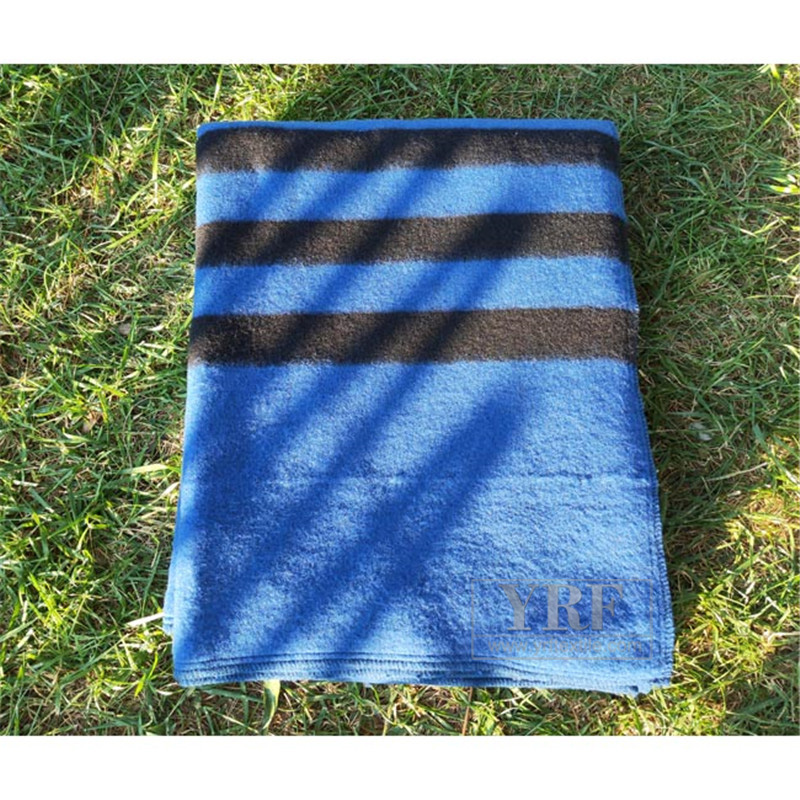
The configuration quantity was set at 55,000 units, including a 10% buffer. Specifications the common practice for disaster relief distribution blankets, with priority given to the standard adult size of 180×200 cm with reinforced edge stitching to reduce wear during high-frequency distribution. Material was primarily polyester-cotton blend, balancing breathability and warmth. Dark-colored dirt-resistant variants were selected, unifying batch identification while simplifying camp management. Safety certification required an OEKO-TEX harmful substance certification to meet skin-safety requirements.
Given the impact of South Asia's high-humidity climate on long-term textile storage, the technical specifications included a dedicated requirement for flood relief blanket anti-mold treatment: products must undergo anti-mold finishing processes, or the base material itself must possess antibacterial and anti-mold properties, with moisture-proof packaging applied at the factory to address the high-humidity storage conditions at resettlement sites. This was a point the procurement team repeatedly emphasized — the selection standard for anti-mold moisture-resistant blankets carries equal priority to warmth rating in disaster projects operating in tropical high-humidity regions.
For tent zones with a high proportion of elderly persons and children, an additional batch of extra-thick warm-type disaster relief blankets was configured and distinguished from standard units at the factory through different-colored labels, enabling on-site distribution staff to identify recipient groups by color directly, without secondary counting.
On timing, the first batch of 20,000 units was required to arrive at distribution points within 10 to 14 days, with the remaining 35,000 units to complete full delivery by day 20 to 22.
Core Advantages and Strategic Path for Bulk Sourcing Emergency Relief Blankets from China
Local production capacity was severely insufficient, and the regional market could not meet demand for 55,000 units within a short timeframe. The project procurement team selected Chinese source manufacturers as the primary supply source based on three main considerations.
First, China's textile supply chain is highly concentrated, with short lead times from raw materials to finished products and the capacity for large-scale production scheduling and priority allocation for urgent orders. Second, factories typically hold complete international trade qualifications and can quickly provide OEKO-TEX certification documents, certificates of origin, and packing lists as international relief project customs clearance documents, reducing friction at customs. Third, some factories have accumulated meaningful experience in humanitarian aid goods exports and have a practical understanding of the time pressures inherent in NGO procurement.
The per-unit weight and post-compression volume of blankets are procurement dimensions that are easily overlooked yet significantly impactful in such projects. During the specification confirmation phase, the procurement team specifically verified volume data after vacuum compression packaging, ensuring that while warmth and durability requirements were met, per-unit container capacity was maximized — effectively reducing the South Asian flood relief supplies transportation cost allocated to each blanket.
On procurement procedure, the project met the NGO's internal emergency procurement trigger conditions, streamlining the tendering process while retaining three core records: a requirements documentation file, a supplier selection justification statement, and a price reasonableness comparison record, all to support subsequent donor audits.
For a complete analysis of the advantages and risk control recommendations for sourcing relief blankets from China, please refer to this site's article "Why Should Large-Scale Emergency Relief Blanket Procurement Prioritize Chinese Suppliers? | 2026 Procurement Decision Guide."
Execution Timeline Review: The Critical Path to First-Batch Delivery in 14 Days
After project launch, the overall execution pace was relatively tight. Technical specifications were confirmed in writing by both parties on days one and two, covering dimensions, materials, anti-mold treatment processes, certification versions, packaging language, and batch label formats. Samples were dispatched on day three; sample acceptance was completed on day five with a written confirmation issued, and production of the first 20,000 units was simultaneously initiated.
Between days nine and ten, the first batch completed production. Pre-shipment finished product inspection was conducted, with key verification of warmth performance, fabric flame-retardancy, and anti-mold treatment quality; inspection reports were included with the shipment. Days ten and eleven saw container loading and customs declaration completed, with a full customs clearance document package provided to the procurement team. The first batch arrived at distribution points between days thirteen and fourteen, where on-site acceptance was completed item by item — verifying appearance, dimensions, quantity, packaging integrity, and batch labels. The second batch of 35,000 units the same process and completed full delivery around day twenty. Overall project acceptance was passed with no batch-level quality complaints.
Practical Recommendations for Future Similar Flood Relief Resettlement Projects
Drawing from this project's configuration and execution experience, the following recommendations carry strong transferability.
Complete a trial run with 10–15% of the total order first to confirm delivery quality before initiating the main batch. This can significantly reduce the exposure risk of systemic quality issues.
Requirements statements must be detailed to cover "who uses it, where, in what climate, and for how long." The accuracy of blanket material selection depends directly on the completeness of the requirements information provided.
Establish a supplementary relief blanket procurement contingency plan in advance. Flood disaster resettlement periods frequently exceed initial estimates. It is advisable to include first-call replenishment rights and restocking lead times in the initial contract to avoid urgently sourcing blankets mid-resettlement when gaps emerge.
Before placing an order, confirm the complete cross-border customs clearance compliance document checklist with the supplier. Requirements vary considerably by destination country; early verification can prevent customs clearance delays upon arrival caused by incomplete documentation.
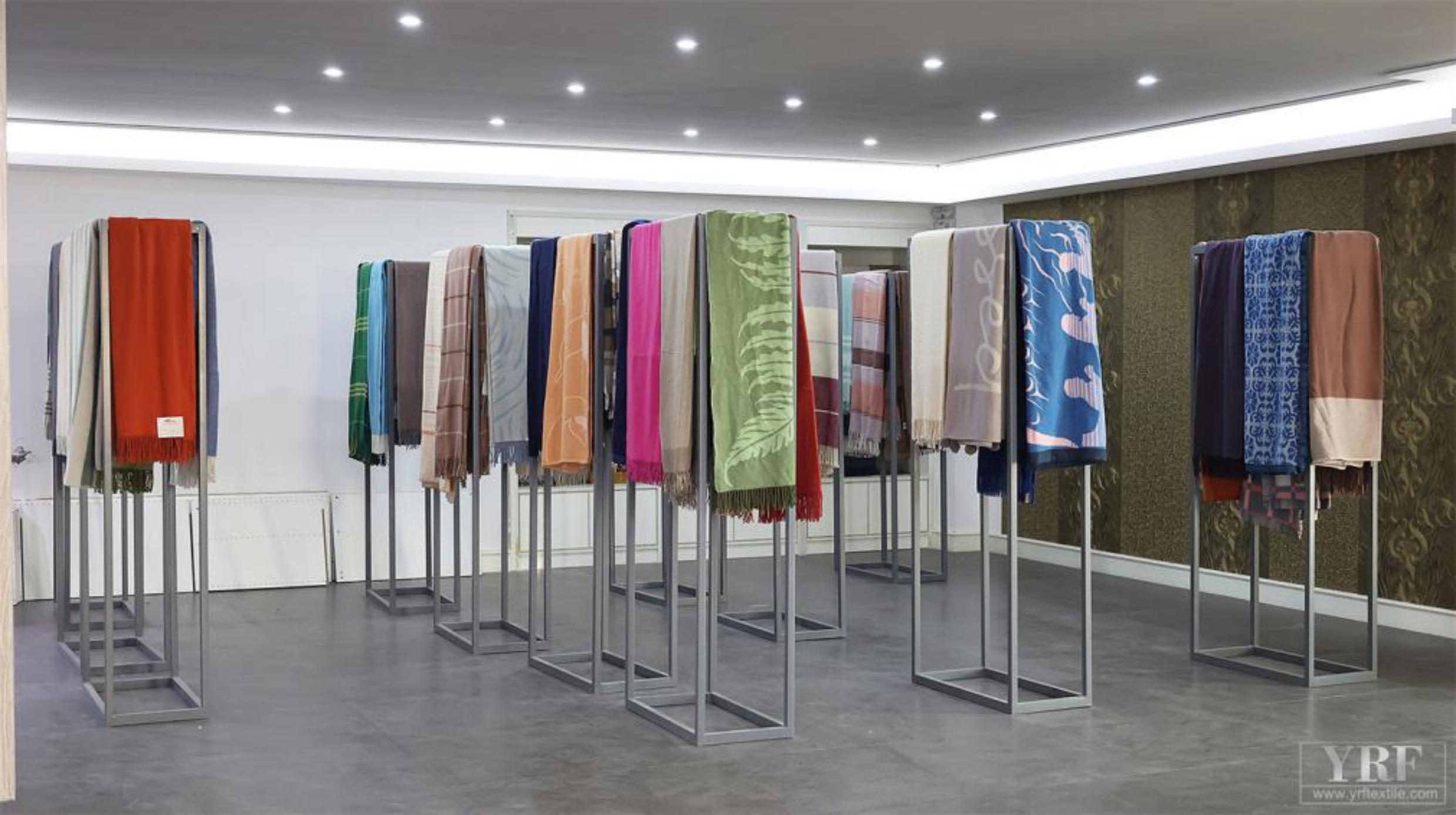
YRF's Support Capabilities in Similar Emergency Resettlement Projects
In projects similar to this case — such as international NGO disaster relief supply and bulk relief blanket one-stop procurement — YRF Emergency Relief Supplies is typically able to provide the following forms of support.
During the solution phase, based on project scale, climate characteristics, and population composition, YRF can assist in outlining emergency relief blanket specification combination recommendations and provide anonymized technical clause examples for internal evaluation by the procurement team, without involving any specific client information.
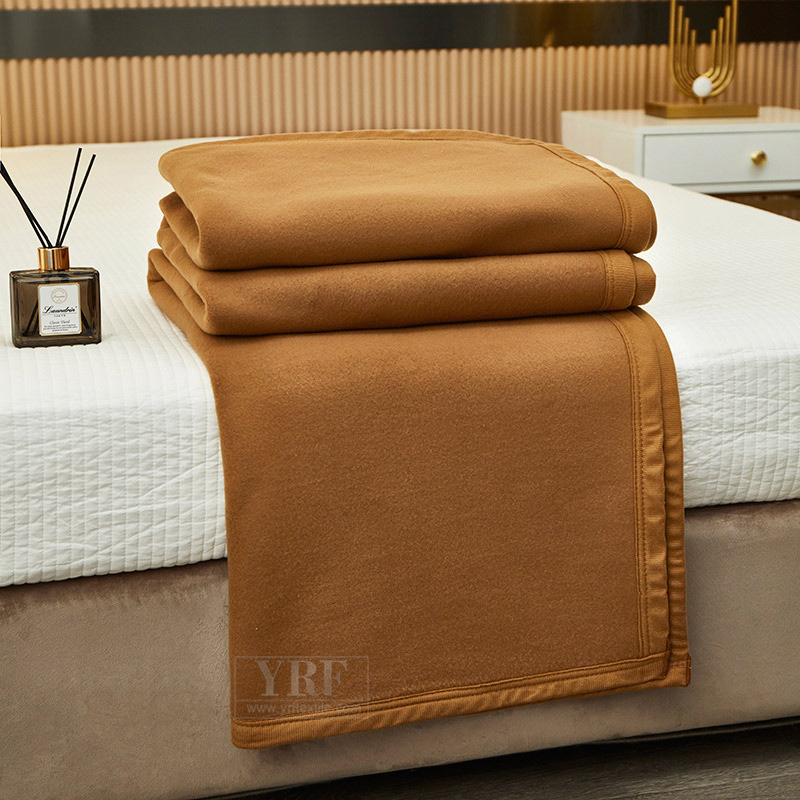
On product compliance, the emergency relief blankets supplied by YRF hold OEKO-TEX harmful substance safety certification and ISO quality management system certification. Products support customization of dimensions, weight, color, anti-mold treatment specifications, and packaging labels as required by the project, with corresponding textile safety inspection reports available. During execution, YRF supports phased shipments and third-party factory verification, has full-container ocean freight export experience, and can provide urgent order production scheduling plans for time-sensitive aid projects following assessment of current production capacity.
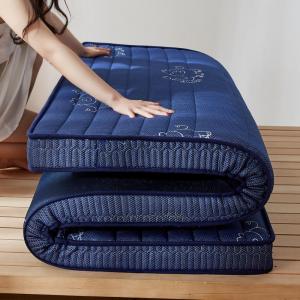
Emergency moisture-proof sleeping pads, folding beds, first-aid kits, emergency tents, and other supporting supplies can be containerized and customs-cleared together with bulk emergency relief blanket procurement, reducing the coordination costs of engaging multiple suppliers separately. For cross-border projects, consolidating supply chains in this way often delivers more substantive risk reduction than further squeezing the unit price on any single item.
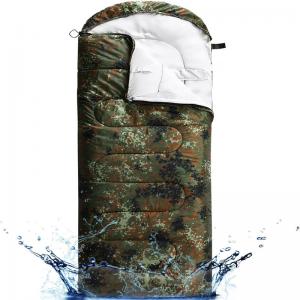
For information on more quality manufacturers, please refer to this site's "Top 10 China Emergency Relief Sleeping Bag Manufacturers | 2026 Authoritative Procurement Recommendations"
Recommended Next Steps:
Prepare a one-page project requirements statement covering climate conditions, population composition, usage duration, storage environment, and budget ceiling. Request samples from two to three candidate suppliers, with focused verification of warmth performance and anti-mold treatment quality. Specify batch identification requirements, phased delivery milestones, and non-conforming product handling terms in the contract. Confirm the complete customs clearance document checklist for the destination country with the supplier before placing the order.
Government procurement teams or NGO project managers currently planning flood, earthquake, or other large-scale disaster resettlement projects are welcome to submit a project overview through the contact window on this site. YRF can provide reference-level supply configuration recommendations and key considerations without committing to any specific procurement outcome, helping reduce trial-and-error time during tendering preparation. All final terms are subject to the formal contract signed by both parties.
Main Keyword: Emergency Relief Blanket
Long-tail Keywords: Government emergency stockpile blankets, disaster relief distribution blankets, flood relief blanket anti-mold treatment, anti-mold moisture-resistant blankets, extra-thick warm-type disaster relief blankets, international relief project customs clearance documents, South Asian flood relief supplies transportation, emergency supply dynamic distribution management mechanism, bulk relief blanket warehousing management, anti-mold-treated emergency relief blankets, blanket material selection, supplementary relief blanket procurement, cross-border customs clearance compliance document, international NGO disaster relief supply, bulk relief blanket one-stop procurement, bulk emergency relief blanket procurement, emergency moisture-proof sleeping pads
Friendly Links :
Copyright © Custom Disaster - Relief Bedding: Tents, Sleeping Bags, Blankets All Rights Reserved
the professional team to service !