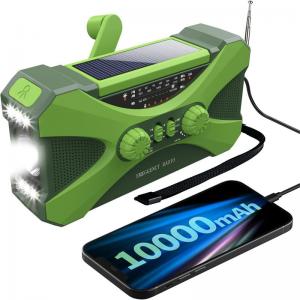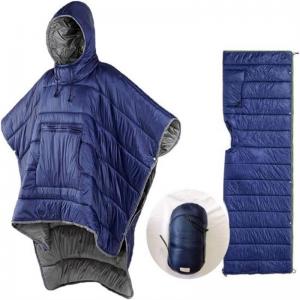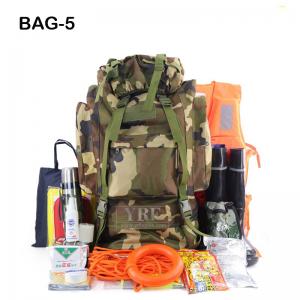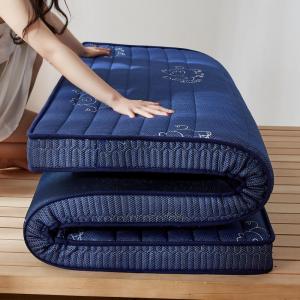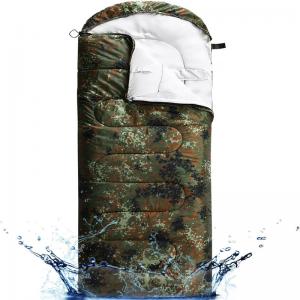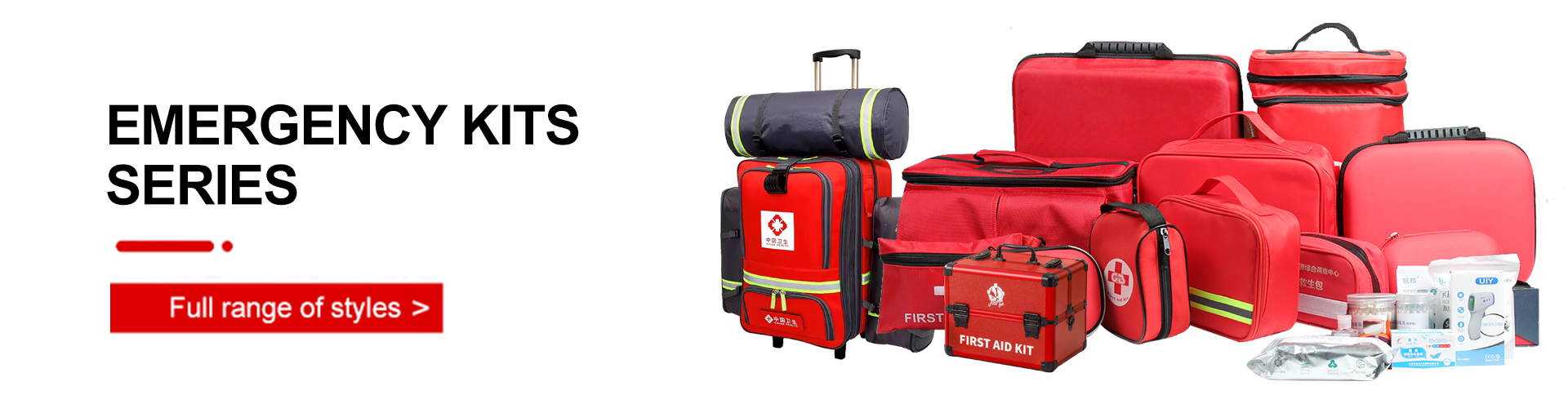
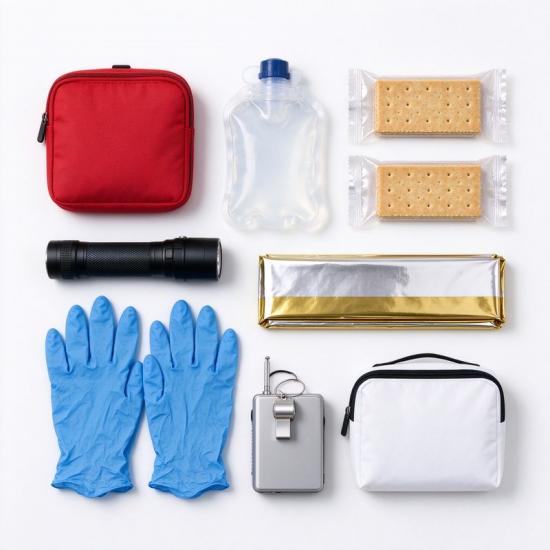
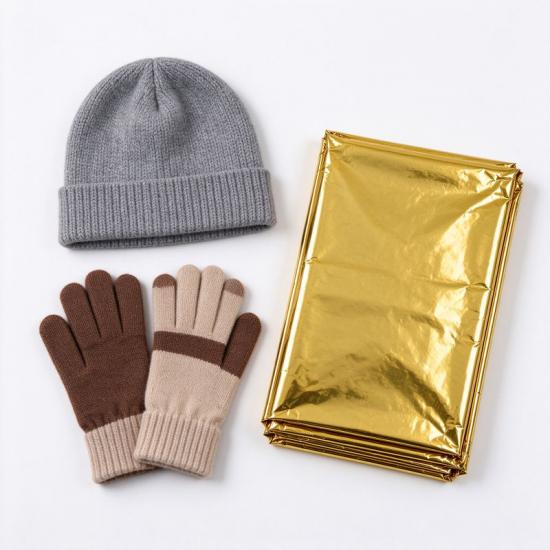
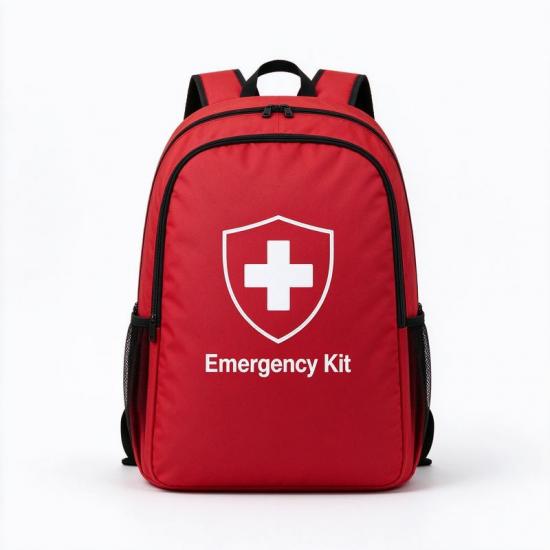
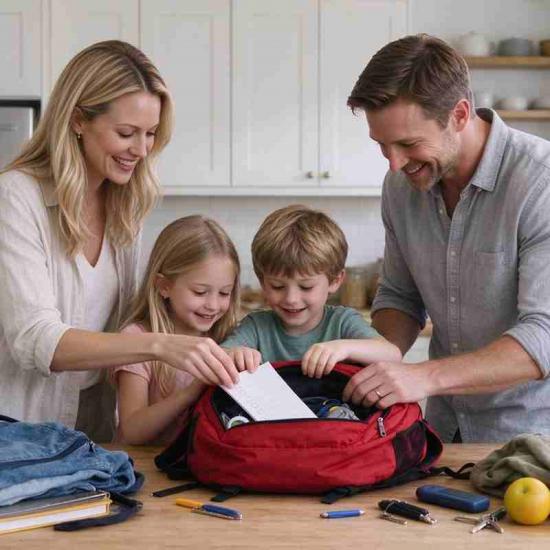

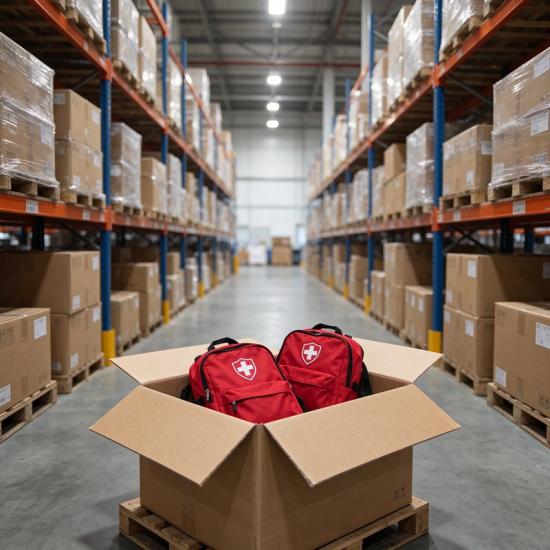
Our Family 72 Hour Emergency Backpack supports household evacuation amid earthquakes, storms and power outages. Three available capacities. Internal compartments organize emergency supplies neatly. Custom contents and markings are available for different household plans.
Note: Price for reference only. Exact price based on quantity, size, weight and custom details.
model no. :
EK-03Brand:
YRFmarket price :
$39.8sale price :
$19.9price range :
30-500/$19.9Color :
Multiple Colorsport of dispatch :
Guangdong/GuangzhouPayment :
TT, Paypal, Western Unionmin order :
30original region :
Made in ChinaLead Time :
5-15days
 |

|
Table of Contents
1. Why Every Family Needs a 72 Hour Emergency Kit
2. What's Inside Our Family Kit
3. Three Tiers for Family Sizes
4. How to Choose the Right Family Kit
5. Storage and Maintenance
6. Customization for Families
7. Family-Specific Preparedness Guidance
8. Food to Include in Your Home Kit
9. Common Preparedness Mistakes
10. Building Your Family Plan
11. Cost of Being Unprepared
12. Seasonal & Neighborhood Prep
13. Detailed Household Survival Kit Checklist
14. FAQ
15. Final Thoughts
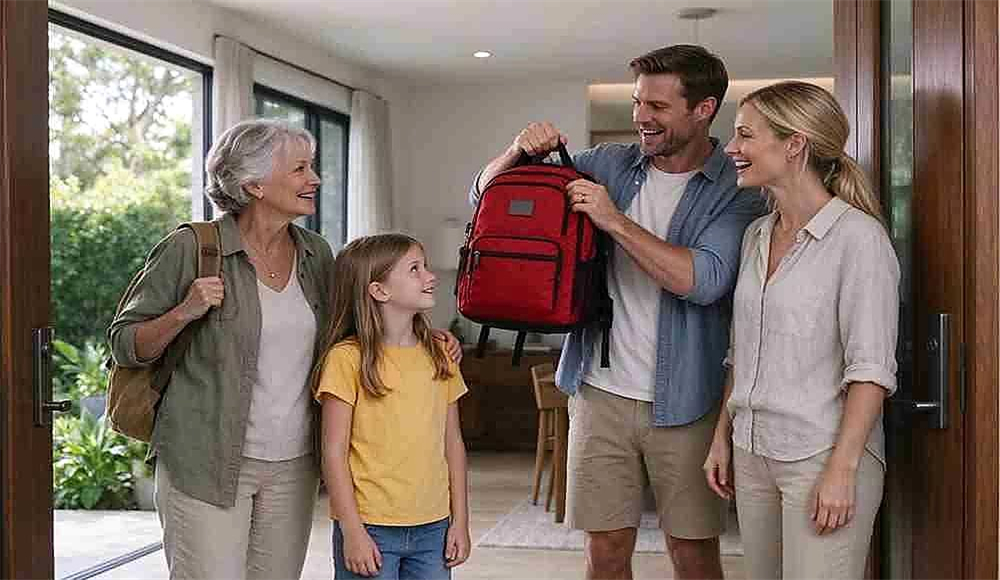
Why choose our family emergency kit?
✓ Three sizes available (9-piece / 12-piece / 15-piece)
✓ Designed for families of 2 to 6 people
✓ Durable supplies matched to home scenarios
✓ Customizable: add or remove items, choose backpack color, add your logo
A well-prepared home emergency kit keeps your household safe, hydrated and informed until help reaches your area; this family emergency preparedness checklist groups water, food, first aid, lighting, communication and warmth supplies by compartment for quick evacuation, shelter-in-place or a home drill.
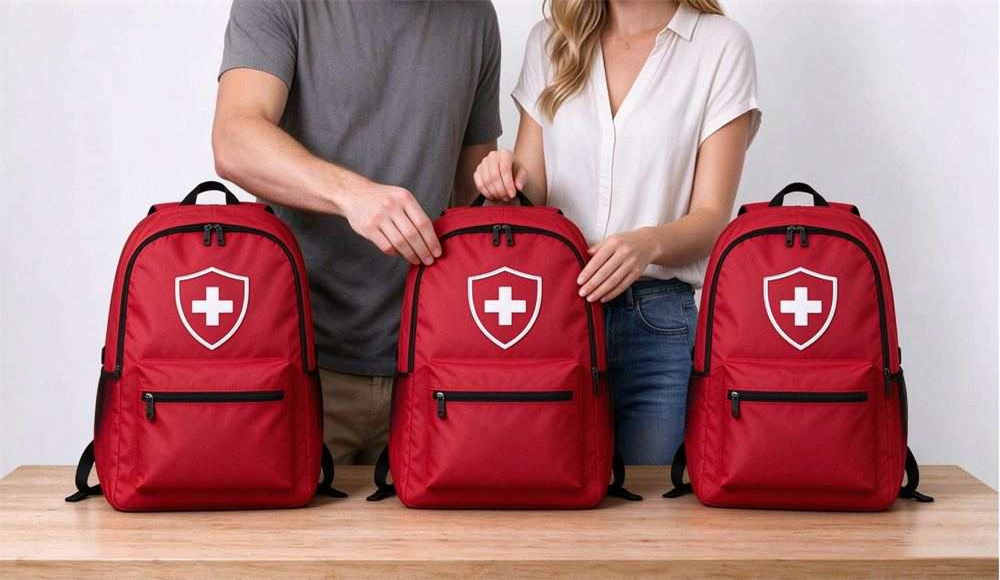
Emergencies that affect households fall into a few common categories. Knowing which risks are most likely in your region helps you decide how to build your home emergency kit.
Earthquakes: Earthquakes can damage buildings, cut water and power, and block roads. In earthquake-prone regions, every household should keep a ready-to-grab kit near the exit.
Floods: Floods can inundate a home and force rapid evacuation. After a flood, the water supply may be contaminated and power may stay out for days.
Hurricanes and typhoons: These storms can knock down trees and power lines, cutting water and power for days or even weeks. Advance warning helps, but supplies still need to be on hand before the storm hits.
Tornadoes and wildfires: Tornadoes can destroy homes and force sheltering in place. Wildfires can require evacuation on short notice, with smoke that affects indoor air quality.
Power outages: Even without a major disaster, a prolonged blackout can leave a household stranded. A kit keeps you lit, informed, and fed while utility crews work to restore service.
Across these scenarios, the same need appears: water, light, warmth, first aid, and a way to receive updates. A family disaster kit groups these essentials in one backpack so you do not have to gather them under pressure.
Many households first notice preparedness gaps after a nearby storm or quake, when shelves at local stores run out of bottled water and batteries.
Buying supplies after a warning is stressful, expensive, and often too late. Keeping a kit ready at home removes that last-minute scramble.
Family preparedness also accounts for people outside the working adult age range.
Young children cannot source water or locate a radio on their own, and elderly relatives may move slowly or need personal medical supplies. A home kit is planned around these members rather than assuming everyone can fend for themselves.
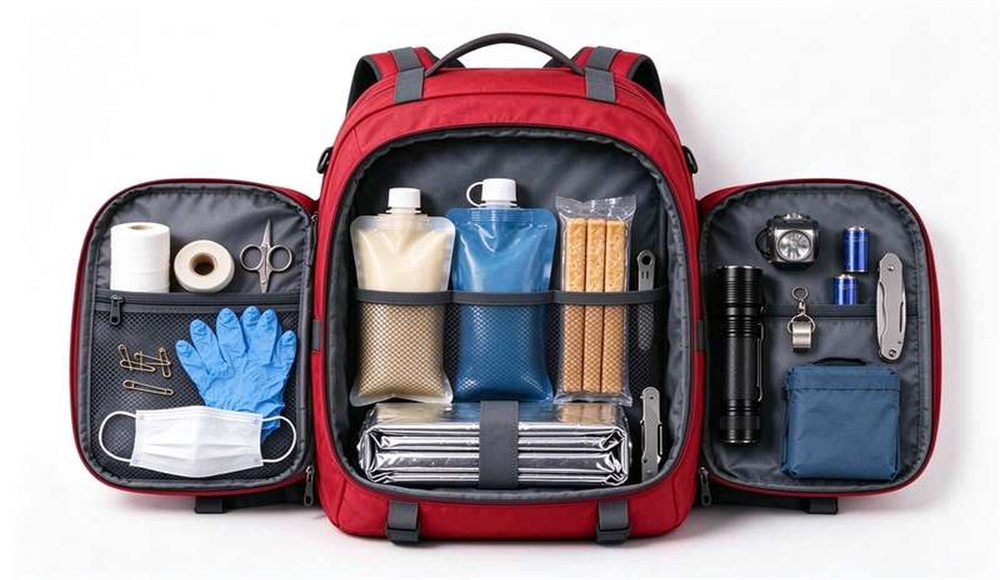
According to the American Red Cross and emergency management agencies, after a major disaster rescue forces may take up to 72 hours to reach every affected neighborhood. During this time, households must rely on their own supplies.
This is why it is called a 72-hour kit. It lets you and your family stay safe, healthy, and comfortable through those critical 72 hours until help arrives or services are restored.
Imagine an earthquake aftershock: your home's water and power may be cut, stores may be closed, and roads may be damaged. If you have not prepared supplies, your family faces shortages of water, food, lighting, and communication.
Cell networks are often overloaded in the first hours after a disaster.
Landlines and towers can be damaged, so reaching relatives by phone may be difficult. A hand-crank radio in your kit gives you updates when phones and the internet are unreliable.
The 72-hour window is a planning standard, not a guarantee that services return exactly on day three.
Some regions, especially remote areas, may take longer. Preparing at least 72 hours of supplies keeps your family covered through the most uncertain first phase.
During a delay, families may shelter in place at home or evacuate to a neighbor's home, a public shelter, or a relative's house.
The kit works in both cases: supplies stay with the family backpack rather than depending on power, running water, or store shelves at the original home.
Road damage and congestion can also slow neighbors and relatives from reaching you.
Even when help is nearby, bringing water, light, and first aid to your household reduces the load on emergency responders, who are often prioritizing the most serious injuries first.
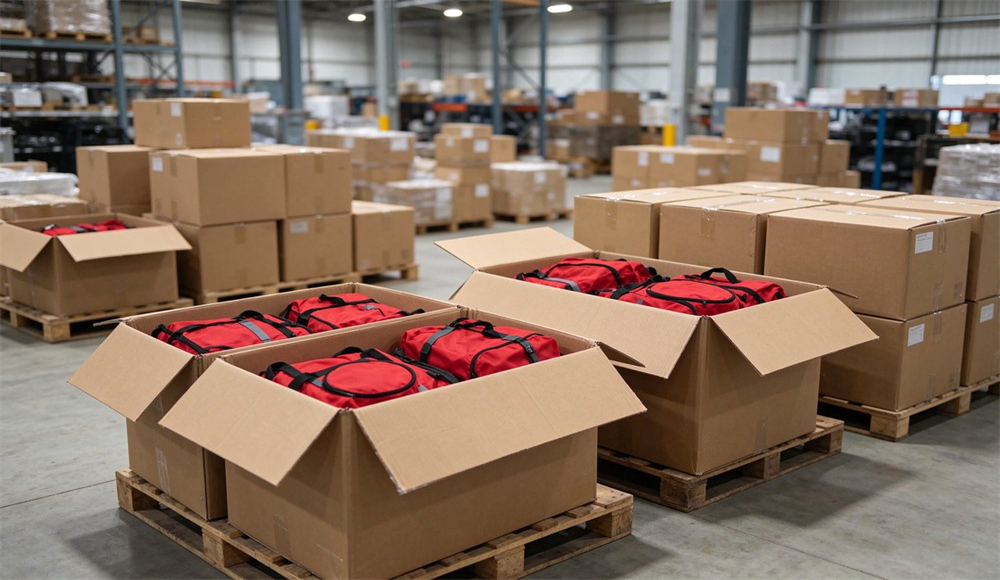
FEMA guidance, aligned with Ready.gov family preparedness advice, recommends that every household prepare at least 72 hours of emergency supplies, including drinking water, non-perishable food, a first-aid kit, lighting, and a radio.
Water guidance calls for at least one gallon per person per day for drinking and basic hygiene.
For a family of four, that is about 12 gallons (roughly 45 liters) over three days, which is why purification supplies are as important as stored water.
First-aid supplies cover minor injuries, bandaging, and basic dressing care until professional care is available. Lighting and communication supplies keep your household safe at night and informed about evacuation orders or shelter locations.
Following this guidance is the core of family emergency preparedness: a written plan, a stocked kit, and a household that knows where the kit is and how to use it.
Our kits are arranged around these FEMA categories so families can match contents to the recommended checklist.
The recommended checklist covers drinking water, food, first aid, lighting, communication, warmth, sanitation, and copies of important documents.
Most home kits focus on the survival items, while documents and contact lists are often stored separately in a waterproof pouch alongside the backpack.
Preparedness also assigns roles within the household.
One adult checks the kit each six-month cycle, another keeps documents current, and older children learn where supplies are kept. Shared responsibility means the plan does not depend on a single person being home when an emergency begins.
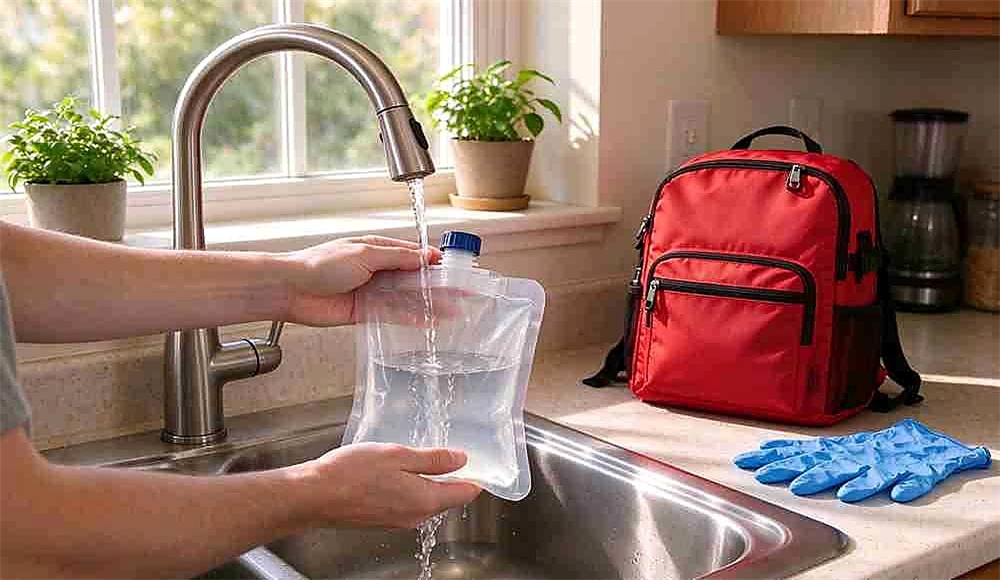
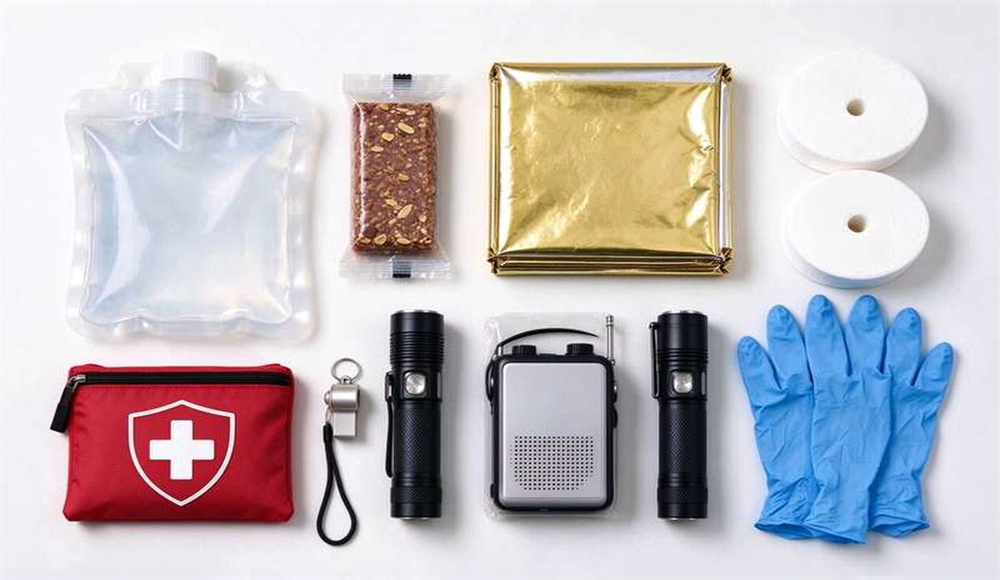
Every tier of our 72 hour emergency kit for family use is organized around the same core supply categories: water, first aid, warmth, light, communication, and tools. The tiers differ in quantity and grade rather than in purpose.
Water is the most critical supply in any home kit. A person can survive weeks without food but only about three days without water, so the 72-hour window is built around water survival.
Our kits include a water filter straw that removes bacteria and parasites from natural sources. Once you reach a tap, river, or rainwater source, the straw lets you produce safe drinking water instead of carrying heavy bottled water for three days.
All tiers include the same water filter straw, which removes bacteria and parasites from natural sources.
For families in flood-prone areas, treated water is especially important. Floodwater may carry sewage and chemicals and should never be drunk directly without treatment. Keep the filter straw accessible rather than buried at the bottom of the backpack.
Plan water needs by household size.
At one gallon per person per day, a family of four needs about 12 gallons (roughly 45 liters) over three days. Storing that much bottled water takes space and weight, which is why the filter straw lets you treat water from available sources instead of carrying every liter.
Children and elderly members may need more frequent hydration in warm weather.
Keep a small written note in the kit listing how many people it covers, so visiting relatives or babysitters know the water and food quantities planned for the household.
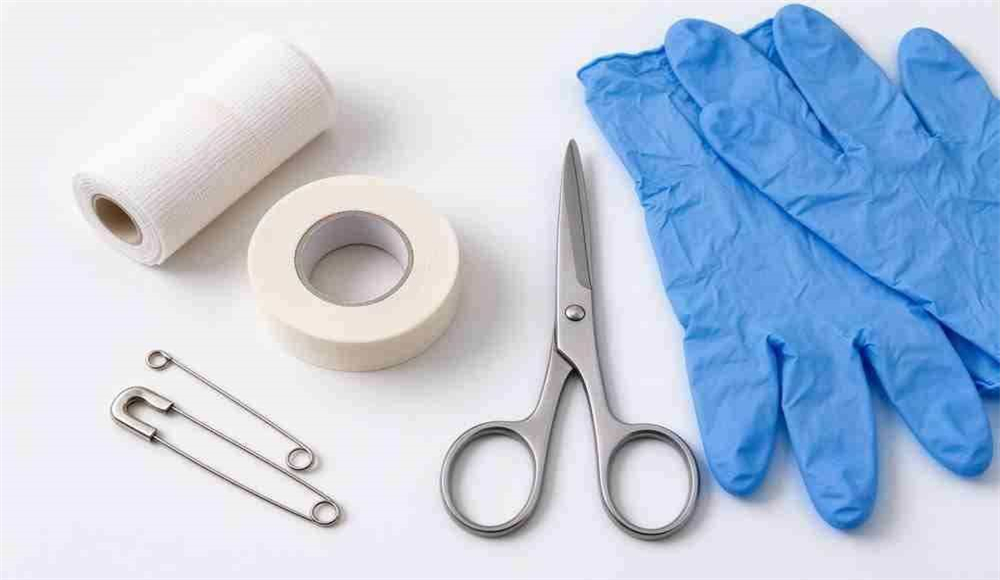
Medical facilities may be overwhelmed or inaccessible in the first 72 hours. A well-stocked first-aid kit lets you treat minor injuries at home before professional help is available.
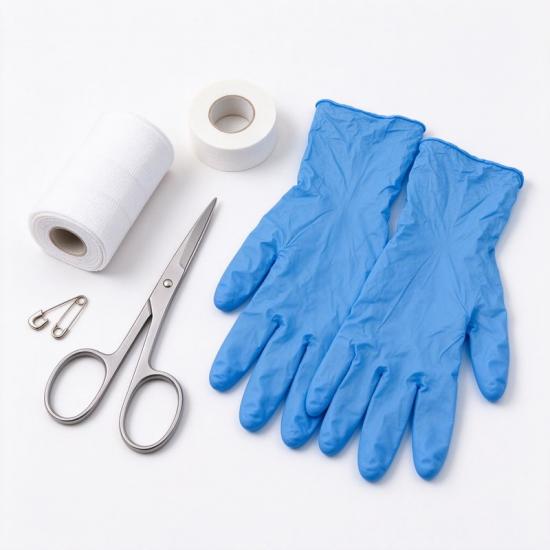
The first-aid kit includes adhesive bandages in several sizes, sterile gauze pads, antiseptic wipes, medical tape, tweezers, scissors, and disposable gloves. These cover cuts, scrapes, blisters, and minor burns around the home.
For families with children, add children's bandages and gauze pads. Any personal medical supplies should be kept in their original packaging and stored in a waterproof pouch inside the kit.
Check expiration dates on dressing supplies at every six-month inspection. Replace anything expired before the next storm season or heat of summer, when storage conditions matter most.
Common home injuries during emergencies include cuts from broken glass, scrapes while moving through debris, blisters from evacuation, and minor burns from emergency cooking. The first-aid pouch should let you clean, cover, and protect these injuries without professional supplies.
Keep a printed health-needs list in the first-aid pouch, noting allergies and any personal medical supplies each member relies on. This helps if a family member is treated at a shelter or by responders who do not know the household's history.
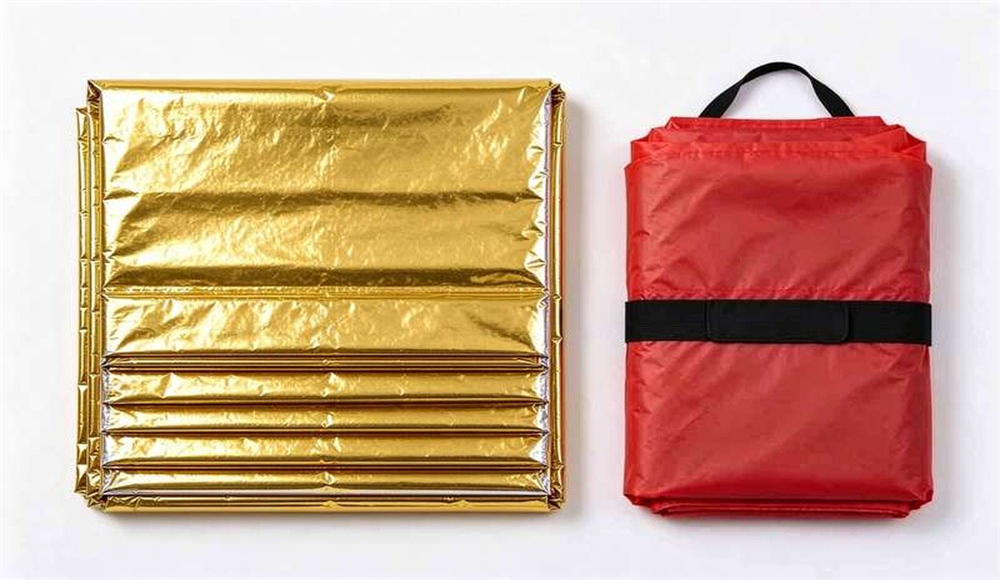
Staying warm and dry protects against hypothermia, which can develop even in mild temperatures if you are wet or exposed. The emergency blanket is a lightweight aluminum sheet that reflects about 90% of body heat.
Each blanket weighs roughly 50 grams but retains heat for hours. The Standard tier includes blankets matched to household size, and the Premium tier adds a sleeping-bag-style blanket that covers the whole body for colder climates.
The foil emergency blanket reflects body heat and helps adults and children stay warm during evacuation or sheltering outdoors. Staying dry is the first step to staying warm, so keep the blanket within easy reach rather than treating it as an optional extra.
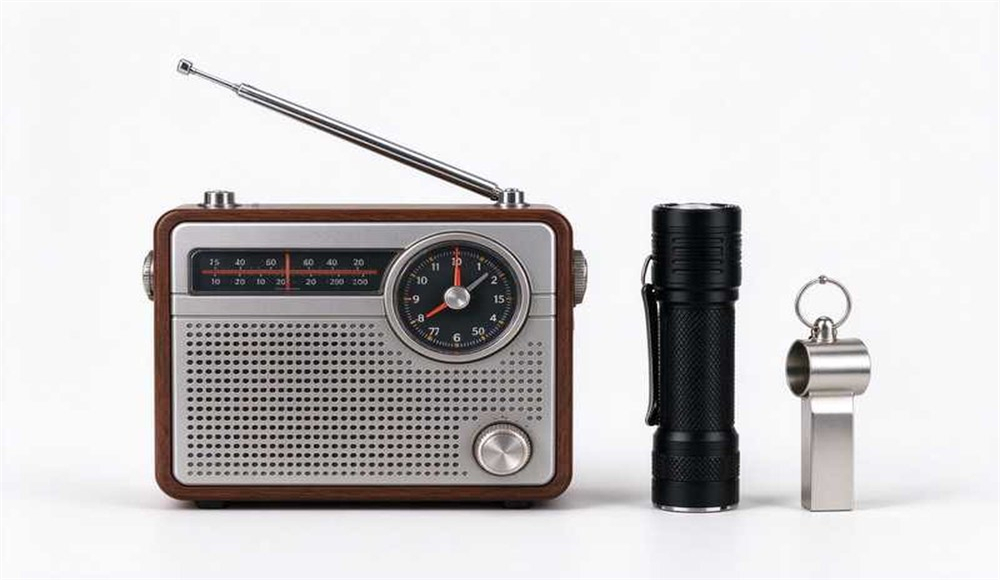
Lighting and communication round out this section. The LED flashlight or headlamp lights paths at night and helps check for damage. The hand-crank radio runs without batteries and receives local broadcasts for weather updates and evacuation notices.
Together these items form a balanced household survival kit: enough to keep a family warm, dry, visible, and informed through three uncertain days.
Blackouts often happen at night, so lighting should be hands-free where possible. A headlamp lets an adult carry a child or gather documents while keeping both hands free, and a flashlight can be shared between members checking rooms or exits.
The radio keeps the household aligned with official instructions. During a disaster, rumors and conflicting messages spread quickly over social media. A hand-crank radio receiving local broadcasts gives more reliable information about shelters, road closures, and when services may return.
Our family kits come in three tiers matched to household size, budget, and climate. The comparison table below lists who each tier suits and the supplies included, so you can match a tier to your family before requesting details.
Feature
Basic (9 pc)
Standard (12 pc)
Premium (15 pc)
Suitable for
2–3 people
4–5 people
6+ people
Backpack
20 L, 600D
25 L, 600D
30 L, 1000D + PVC
First-aid kit
Basic
Standard
Premium
Water filter straw
✓
✓
✓
LED flashlight
✓
✓
✓
Headlamp
—
✓
✓
Hand-crank/solar radio
✓
✓ FM/AM
✓ FM/AM + NOAA
Emergency blanket
1 pc
2 pcs
2 pcs + sleeping-bag blanket
3-in-1 whistle
✓
✓
✓
Fire starter
✓
✓
✓
Multi-tool card
—
✓
✓
Non-slip gloves
—
✓
✓
Collapsible water pouch
1 pc
2 pcs
2 pcs + filter pouch
dust mask
—
—
✓
Wet wipes
—
—
✓
7-day pill organizer
—
—
✓
After reviewing the table, match your household size to a tier, then adjust for special needs such as infants, elderly members, or pets.
If you are unsure, the Standard tier suits most typical households and can be expanded with added items.
The second table below pairs each household size with a recommended tier, suggested backpack count, practical storage location, and inspection frequency. It helps families plan where the pack will live and how often it should be reviewed, rather than choosing a tier in isolation.
Use this table as a planning checklist when you set up the kit at home. Larger households often split supplies across two separate packs that are easier to carry, so adults can each take one. The six-month inspection keeps water, food, and dressing supplies within their usable shelf life.
Family size
Recommended tier
Backpack count
Storage location
Check/update frequency
2–3 people
Basic
1 bag
Entryway closet or main-floor cabinet
Every 6 months
4–5 people
Standard
1 bag, split into two bags if preferred
Entryway, with a second bedroom bag
Every 6 months
6+ people
Premium
1–2 packs
Main exit, with a spare on another floor
Every 6 months
Community or multi-household
Standard or Premium, branded
One pack per household
Common storage before distribution
Every 6 months
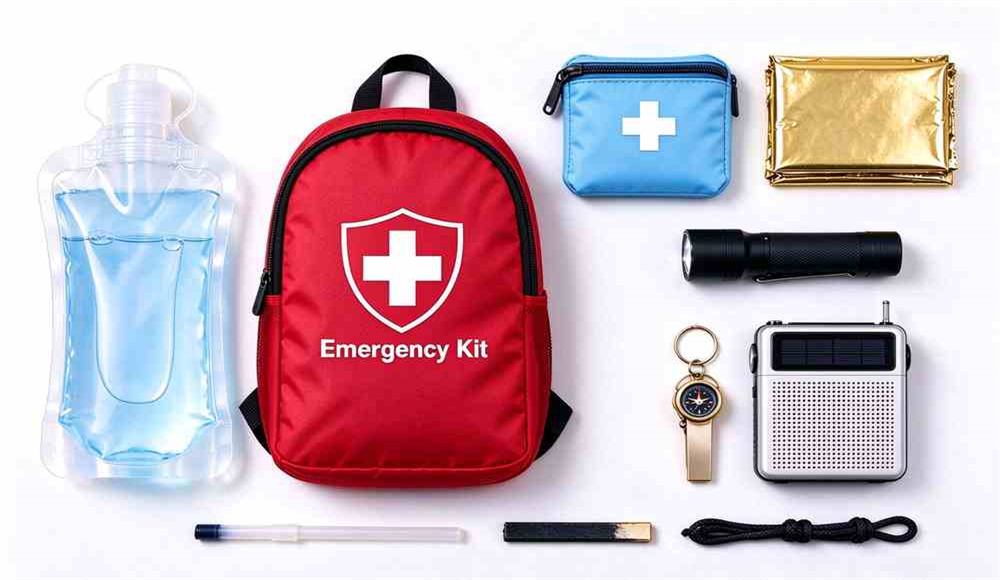
The Basic tier (9 pieces, 20 L backpack, about 1.5 kg, 30×20×15 cm) suits small households of two to three people, such as couples or one parent with a child. The 600D Oxford pack carries the core essentials of a home emergency kit listed below.
It works as a first preparedness purchase for budget families or renters in a small apartment, and can also serve as a second kit kept in a bedroom or children’s room beside a main Standard pack at the entry.
Because it has only one blanket and a first-aid pouch, larger households should move up to Standard; extra water pouches or blankets can be added at the six-month inspection.
The Standard tier (12 pieces, 25 L backpack, about 2.5 kg, 35×25×18 cm) is the most popular 4 person emergency kit and the most common choice for a typical four-person household.
Built on the Basic configuration, the 600D pack adds a headlamp, a multi-tool card and non-slip gloves, upgrades the first-aid pouch, raises the blanket to two, includes two water pouches, and the radio covers FM/AM bands.
It balances coverage and cost for two parents with children or a multigenerational household under five people, and distributes supplies comfortably across members in a single-family home or multi-bedroom apartment.
The multi-tool handles small blackout repairs such as opening cans, tightening loose parts, or cutting tape and rope; the non-slip gloves protect hands when moving through debris. The extra headroom also covers visiting relatives or part-time residents without moving up to the largest pack.
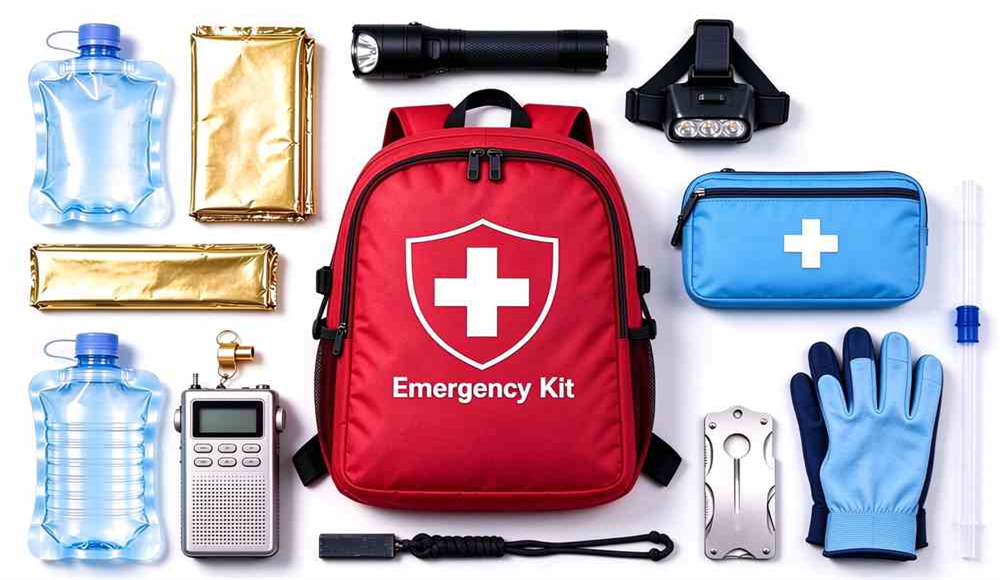
The Premium tier (15 pieces, 30 L backpack, about 3.5 kg, 40×30×20 cm) is the most complete household survival kit for large families of six or more, households in colder climates or higher-risk regions, and families with infants, elderly members or pets. The 1000D Oxford pack with PVC coating holds the most complete set of supplies listed below.
The sleeping-bag-style blanket and gloves matter most in cold climates, winter storms and wet-weather evacuation, while the filter straw and filter pouch suit households near rivers, lakes or flood zones that may draw untreated natural water.
For community bulk orders serving neighborhood shelters, the Premium tier is the most complete family disaster kit and can be branded for the organization; large families often split its supplies across two backpacks so each adult carries one.
This lets adults each carry a pack and keeps younger children with a light personal bag, matching the family evacuation plan described later in this guide.
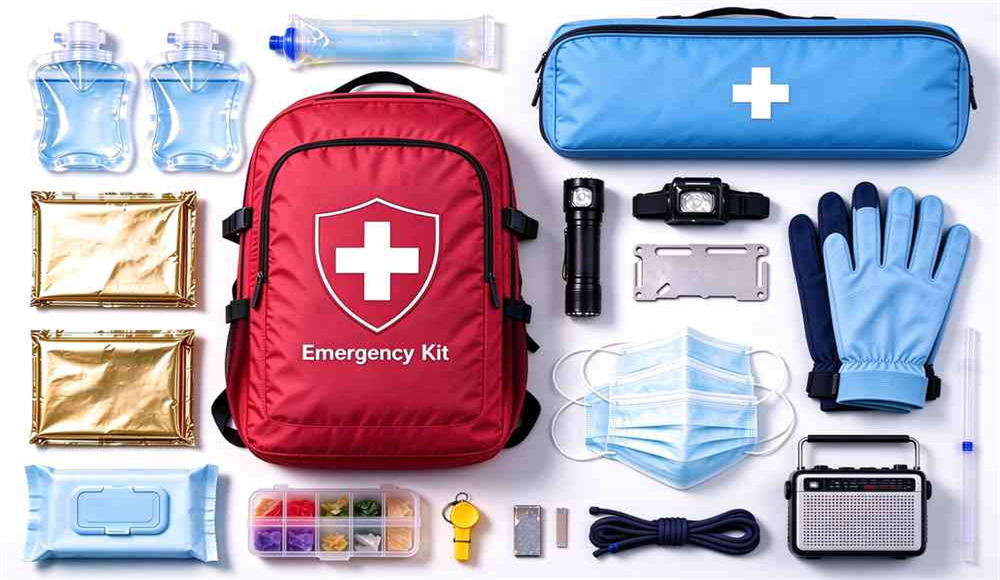
Start by counting everyone who lives in the home, including infants, teenagers, elderly relatives, and pets. Each person needs access to water, warmth, and first aid, so household size drives the tier choice first.
A household of two to three people usually maps to the Basic tier. A household of four to five people maps to Standard, the common 4 person emergency kit for a typical four-person family. A household of six or more, or one with many special needs, maps to Premium.
If family members often stay elsewhere, such as adult children visiting or elderly relatives moving in temporarily, plan for the largest plausible household size when choosing a tier.
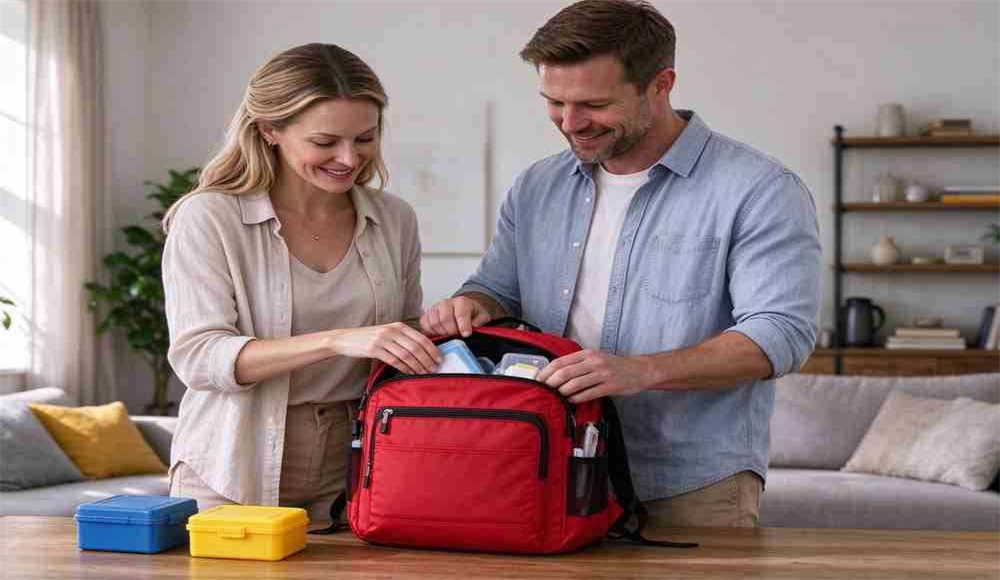
The type of home changes how you store and use a kit. Apartment and high-rise residents may need a home evacuation kit that is light enough to carry down stairs, since elevators can stop in a disaster.
In a high-rise, identify the stairwells nearest to your unit on every floor, and note any buildings that restrict exits during a fire or lock stairwells after hours. Elevators may stop during an earthquake, fire or power outage, so the kit must be light enough to carry down stairs with children, elderly members and pets in one trip.
Agree on a ground-floor meeting point outside the building, and keep the pack by the entry door rather than in a back room, so it can be grabbed on the way to the stairwell.
Keep the backpack by the door rather than deep in a bedroom, and consider a second small bag for personal medical supplies and documents that must leave with you.
Townhouses and duplexes share features of apartments and houses. A shared wall means a neighbor's fire or flood can affect your unit, so plan for quick exit and keep copies of documents where they are easy to grab.
Single-family homes usually have more storage space, so a larger backpack or a second kit in the garage is practical. A household with a garage can keep the main home emergency kit near the exit and store spare blankets and rotated food in the garage.
Rural homes may wait longer for services and often benefit from the Premium tier and extra water purification.
Consider the local hazards as well. A wildfire area favors masks and quick-grab bags. A flood zone favors purification, waterproof pouches, and warmth for wet conditions. A winter-storm region favors thicker blankets and heating supplies.
Rural homes often wait longer for utility restoration and emergency visits.
They usually benefit from the Premium tier, extra water storage, and a car-ready bag for travel to town. Homes on wells or with private septic systems should also plan for water and power outages that may last longer than in cities.
Suburban homes with garages have room for stored water and a second kit, but the main grab-and-go pack still belongs on the main floor near an exit.
Garage storage works for spare blankets and food rotation, not for the primary emergency backpack.
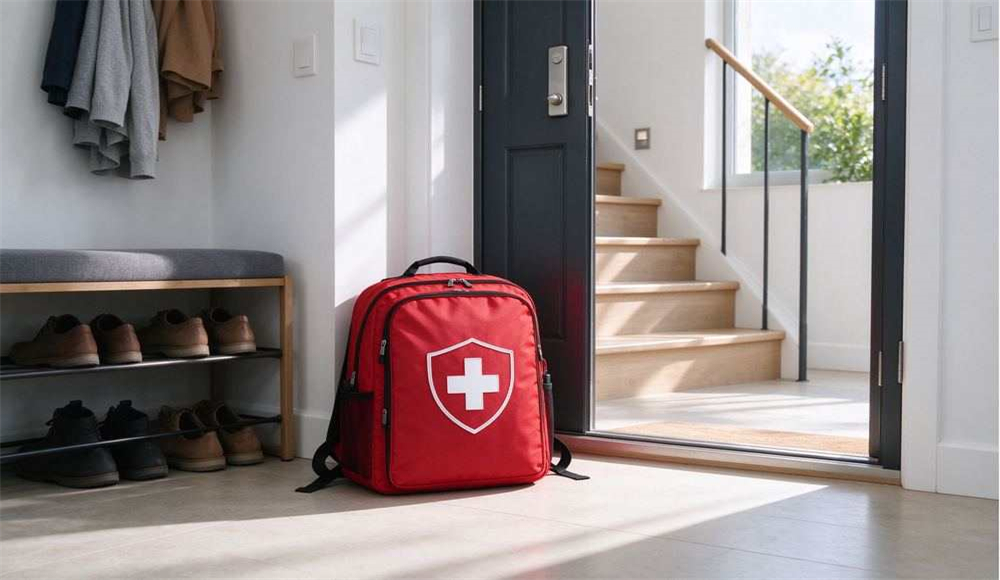
The Basic tier is the most affordable entry point, the Standard tier offers the best balance for most families, and the Premium tier provides the most complete coverage.
Choose the tier that fits your household size and risks first, then trim optional extras if budget is tight.
It is usually better to buy the correct size tier with core supplies than to buy a larger backpack filled with low-priority items. Start with water, first aid, light, and warmth, then add convenience items in later review cycles.
A well-sized household survival kit also stays light enough to carry when evacuation is sudden.
Overfilling a pack with unnecessary items makes it harder for adults to move and discourages children from helping, so match contents to what your family will realistically use.
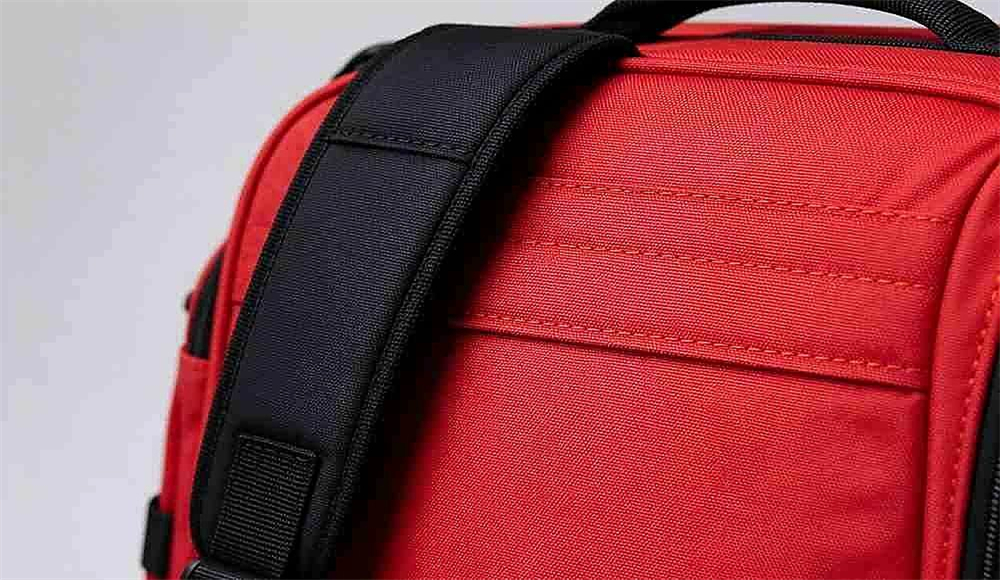
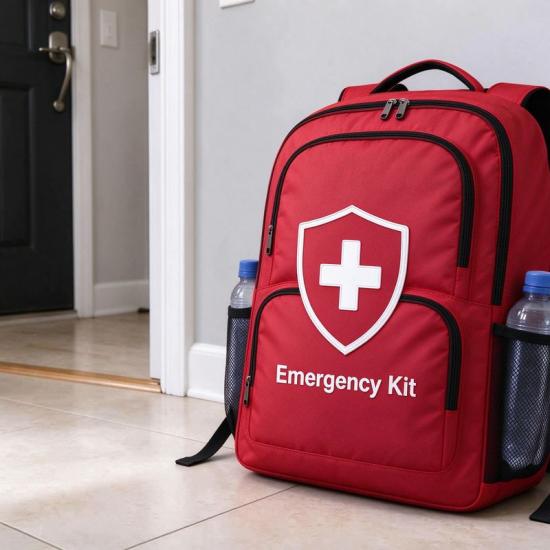
A home emergency kit should be kept in an easily accessible place that every family member knows. Near the front door or in an entryway closet is a common spot, so you can grab it and leave quickly.
Do not store it in a basement or attic. In an earthquake, flood, or fire, those areas may be hard to reach or unsafe to enter. Keep the kit on a main floor, at waist height, and not locked away.
For larger homes, place one kit near the main exit and a second kit in a bedroom or living area. This ensures supplies are reachable no matter where you are in the house when the emergency begins.
Store the kit in a cool, dry place away from direct heat.
Moisture causes metal parts to rust and fabric to deteriorate, while high heat shortens the life of food and dressing supplies. Keep it out of reach of unsupervised young children, but old enough members should know where it is.
Good storage spots include an entryway closet, a hall cabinet near the front door, or a living-room shelf at waist height.
Bad spots are locked pantries, high attic shelves, back-of-garage corners, and anywhere reached by stairs you may not be able to use safely.
Mark the backpack clearly with a simple label or colored strap so it is recognizable in a hurry. Households with multiple kits should mark each by location, such as "entry kit" or "bedroom kit," so inspection and restocking stay organized.
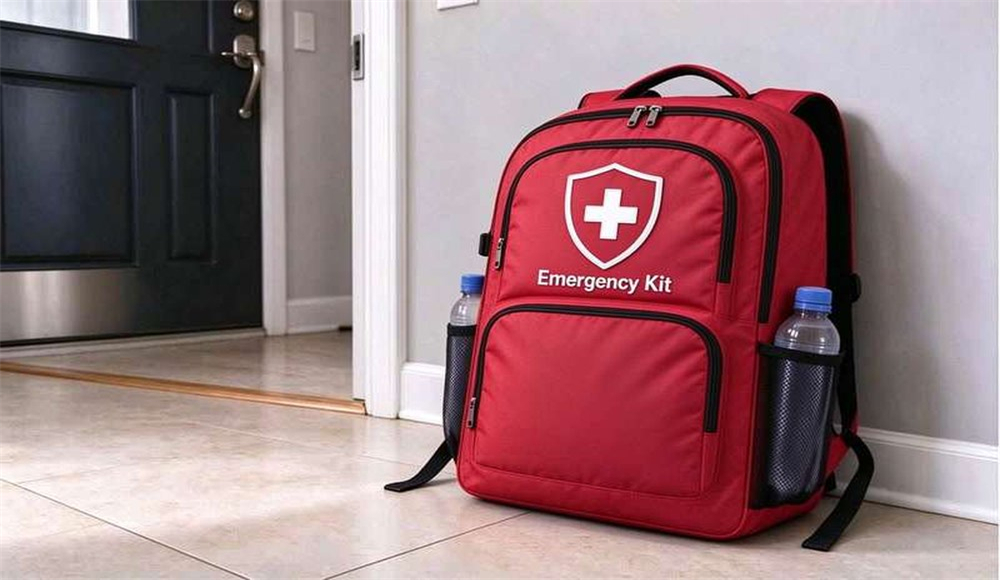
Inspect the kit every six months. Check whether food, the water filter, and dressing supplies are expired, whether batteries still hold charge, and whether anything is missing from the first-aid pouch.
When you inspect, take everything out, check each item, and repack it. This is also a good chance to remind family members where the kit is and how each item is used.
Update contents as your family changes. A new baby means adding formula and diapers. An elderly relative moving in means adding personal medical supplies and hearing-aid batteries. A new pet means adding pet food and a leash.
Rotate expired items before they pass their date. The water filter, antiseptic wipes, dressing pads, and stored food have finite shelf lives, so a fixed six-month reminder keeps the kit reliable rather than decorative.
At each inspection, check the backpack itself: straps, zippers, and fabric. A torn pack or broken strap can make the kit impossible to carry during evacuation. Confirm the radio turns on, the flashlight works, and the whistle sounds clearly.
Keep an inspection card inside the pack with dates of the last check and any replacements made. When items are used in a drill or real event, restock them immediately rather than waiting for the next six-month cycle.
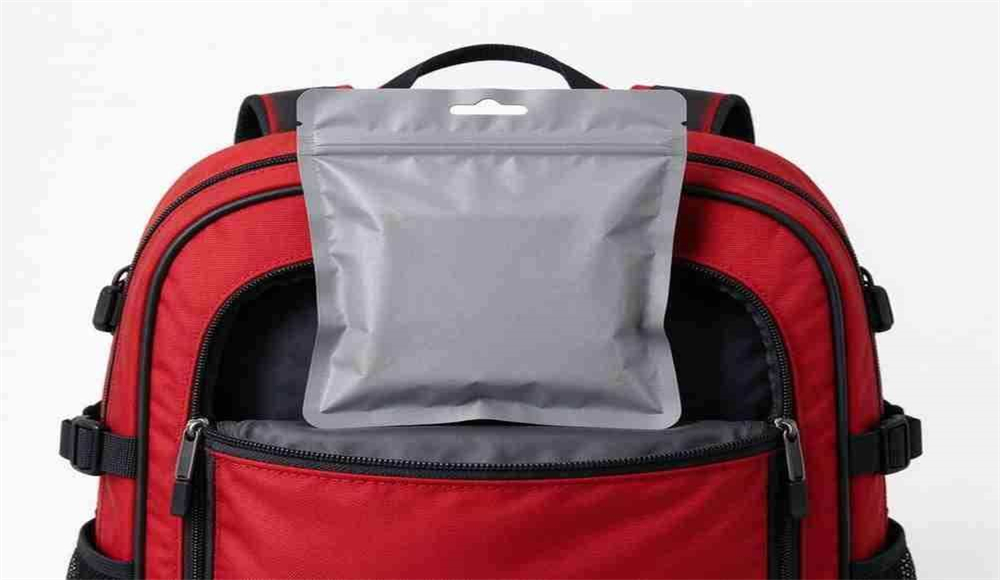
Every household has different needs, and the configurable interior lets you add or remove items to match your family. You can add extra first-aid supplies, additional blankets, or a second water filter without buying a whole separate kit.
Common family additions include infant formula and diapers, elderly personal medical supplies and batteries, pet food and bowls, and personal medical or respiratory supplies kept in original packaging. Remove items that do not apply to your household to keep the backpack light.
When you customize, keep a short list inside the kit noting what was added and when. This makes the six-month inspection faster and helps you remember which special items need rotation.
Common additions for children include comfort toys, children's bandages, and gauze pads. For elderly members, hearing-aid batteries, magnifying tools, and easy-to-chew snacks are frequent requests. Households with specific medical or respiratory needs often add extra masks and any personal respiratory supplies kept in original packaging.
You can also remove items that do not fit your home.
A household with no vehicle may not need car-oriented tools, while a mild-climate family can adjust warmth supplies. Customization keeps the pack light and useful instead of carrying items that never apply.
Neighborhood associations, faith groups, schools, and community clubs often buy kits in bulk for residents or members. We can add a logo or community name to backpacks and supplies for these organizational orders.
Branded kits make it easy to identify preparedness supplies at community shelters and distribution events. They also help track kits assigned to specific households during neighborhood preparedness drives.
For community bulk orders, tell us the number of households, the tier preferred, and any items the community wants standardized. We can outline configuration, packaging, and delivery options for the group.
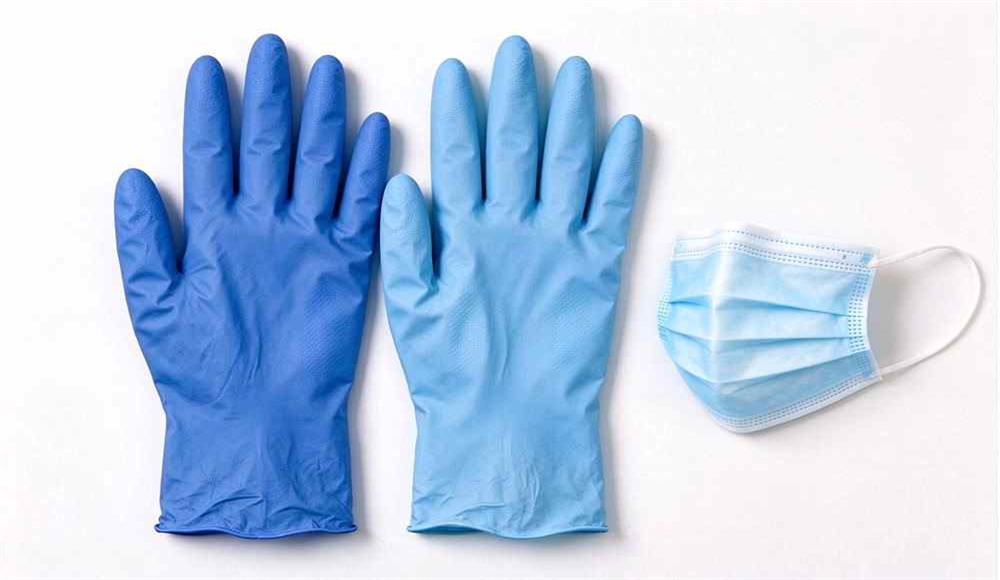
Families with infants need three days of formula or baby food, diapers, baby wipes, bottles, and a baby carrier or stroller for evacuation. Infants cannot use adult food or adult dressing supplies, so these items must be stored separately and checked often.
Elderly members may need personal medical supplies stored in a waterproof bag, hearing-aid batteries, reading glasses, a cane or walker, and easy-to-chew food. Plan transportation in advance if mobility makes walking downstairs or to a shelter difficult.
Pets count on the family for planning. Include three days of pet food, a water bowl, leash and collar, carrier, and vaccination records. Keep a photo of the pet in the kit in case you get separated during evacuation.
Many public shelters do not accept pets, so identify pet-friendly hotels or boarding options in your area before an emergency. Never leave a pet behind if you are told to evacuate.
For infants, practice carrying the baby in a carrier during drills so evacuation does not depend on locating a stroller amid damage.
Keep formula and diapers sealed to stay dry, and note the baby's feeding schedule on the kit's information card.
Elderly members with mobility limits need a written evacuation plan that names who assists them and where they meet the group.
Store spare batteries for hearing aids or medical devices in a labeled pouch, and keep a copy of their health-needs list with the first-aid supplies.
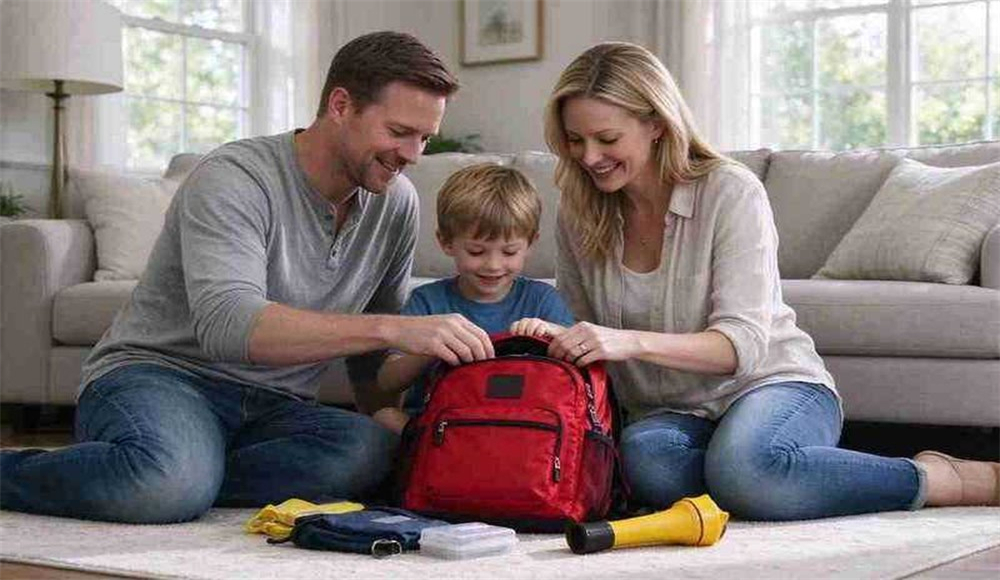
Earthquakes: Learn to drop, cover, and hold on during shaking. Identify a safe spot in each room under sturdy furniture. Anchor tall bookshelves and secure heavy objects that could fall.
Floods: Know whether your home sits in a flood zone and identify evacuation routes to higher ground. Keep important documents in a waterproof bag. Never drive through floodwater, even if it looks shallow.
Hurricanes and typhoons: Have the kit ready before storm season. Know the difference between a watch and a warning. Secure outdoor items and board or protect windows if advised. Leave if authorities order evacuation.
Wildfires: Keep the kit by the door for quick evacuation. Include dust masks for smoke. Know your evacuation routes and keep documents accessible. Follow official instructions and leave early if the fire approaches.
A kit works best when the household has a simple plan.
Plan at least two evacuation routes from the home and identify two meeting points: one near the home for sudden emergencies like fire, and one outside the neighborhood if you cannot return.
Choose an out-of-town emergency contact. Local phone lines may be overloaded during a local disaster, but long-distance calls often get through. Every family member should memorize this contact's number.
Assign responsibilities: one person grabs the kit, another gathers pets, another brings documents. Text messages often get through when calls do not, so agree on texting as the backup communication method.
Run a family drill at least twice a year. Practice grabbing the kit, following the route, and meeting at the point. Drills reveal whether children know where the kit is and whether any item is missing or expired.
Communication and practice are the human side of family emergency preparedness. The backpack holds supplies, but the plan and drill make sure those supplies are actually used correctly under stress.
For high-rise and apartment households, the drill should also test the home evacuation kit: grab the pack, leave by the stairwell, and meet at the outside point.
Repeating this once or twice a year removes hesitation when a real evacuation order arrives.
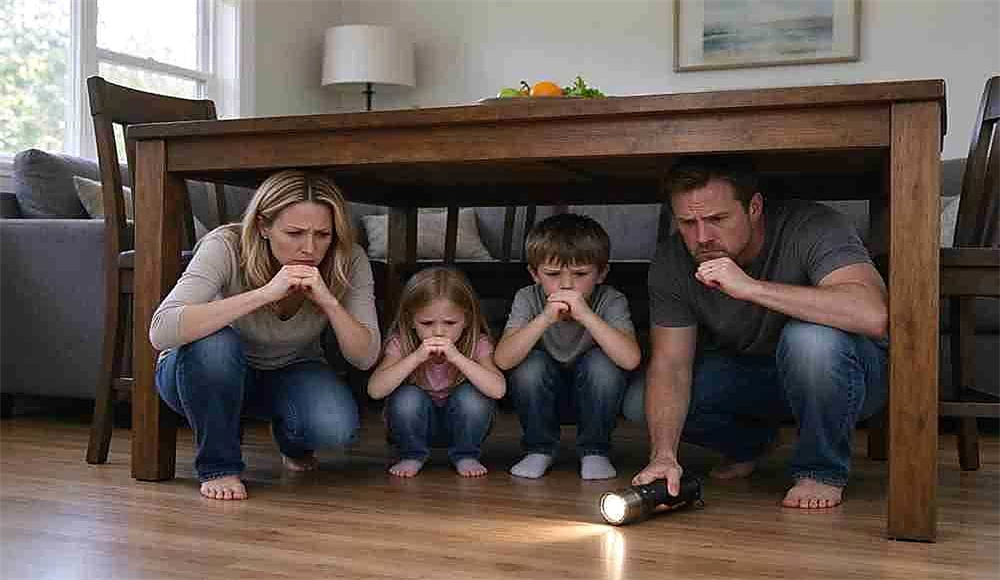
Water gets the most attention in preparedness, but food is the second pillar of a home kit. In the first 72 hours after a disaster, stores may be closed and cooking may be impossible without power or gas.
Choose non-perishable foods that need no refrigeration and little or no preparation.
Common options include energy bars, dried fruit, nuts, granola bars, canned goods with a manual opener, and shelf-stable meals. Pick high-calorie options that suit your family's diet and tastes.
For infants, store formula or baby food appropriate to age. For elderly members, choose soft, easy-to-chew foods that do not require teeth or preparation. Include pet food alongside human food so no member of the household is overlooked.
Check food expiration dates at each six-month inspection and rotate out expired items.
Store food in sealed pouches inside the backpack so it stays dry and does not attract pests. Avoid foods that require large amounts of water to prepare, since water itself may be limited.
Keep a small manual can opener with any canned goods. Many emergency kits overlook this basic tool, and without it canned food cannot be opened when regular utensils are unavailable.
Rotate stored food on the same six-month schedule as the rest of the home emergency kit.
Swap expired bars and cans for fresh supplies, and note the replacement date on the inspection card so the pack is ready when the next storm or outage arrives.

Families often make the same preparedness mistakes. Recognizing them early helps you avoid buying a kit that looks ready but fails when needed.
Buying a cheap kit without checking contents. Not all home kits are equal. Some budget packs use weak zippers, thin fabric, or low-quality components that fail in real use. Compare the contents list and component quality, not only the price.
Storing the kit where no one can find it. A pack locked in a back closet or high shelf is useless during an emergency. The kit must be visible, accessible, and known to every family member, including older children.
Forgetting to rotate supplies. Food and dressing supplies expire, and batteries lose charge. A kit left untouched for years will not be reliable. Set a six-month inspection reminder and restock used or expired items.
Planning only for adults. Households with children, elderly members, or pets need specialized supplies. A generic pack that ignores these members leaves part of the family unprepared.
Keeping the plan only in one person's head. If the adult who prepared the kit is away or unavailable, other members should still know where supplies are and what to do.
Write the plan down and review it with the whole household.
Treating the pack as decoration. A household survival kit that is never opened, checked, or practiced with gives a false sense of safety.
Inspect it, restock it, and run drills so it functions as a real backup rather than a stored item on a shelf.
An emergency kit is one part of home preparedness, not the whole plan. Families that get the most value from their pack also build a simple written plan that everyone understands.
Evacuation routes: Plan at least two ways out of each room and from the home. Identify stairwells, side exits, and the safest path to the meeting point, especially in apartments where elevators may stop.
Meeting points: Choose two meeting points. One is near the home for sudden emergencies such as fire, and one is outside the neighborhood if you cannot return. Every member should know both locations.
Emergency contact: Pick an out-of-town contact who can relay messages when local lines are busy. Teach children to call or text this contact, and keep the number written in the kit as well as memorized.
Household roles: Assign who grabs the kit, who gathers pets, who carries documents, and who assists elderly or young members. Roles can rotate between adults, but they should be agreed before an emergency rather than decided under stress.
Documents: Keep identification, insurance papers, health-needs lists, and contact numbers in a waterproof pouch that travels with the kit. Digital copies saved to a secure device add a backup if physical papers are damaged.
Practice the plan at least twice a year. A drill reveals whether children know the exit, whether the pack is easy to grab, and whether any supply is missing or expired.
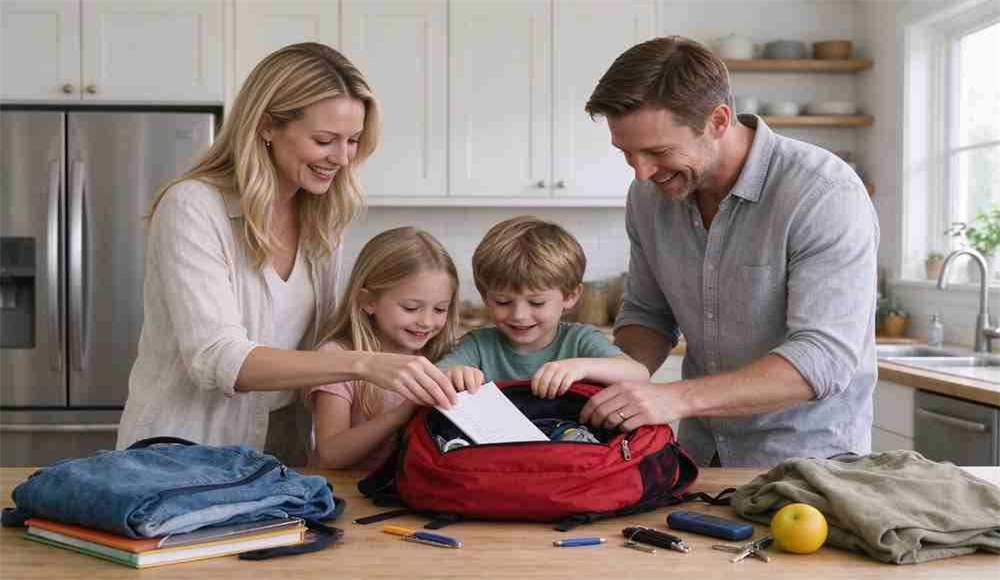
Some families delay buying a kit because they assume preparedness is expensive. But the cost of being unprepared is usually higher than the cost of a good home kit.
During a real emergency, unprepared households often buy overpriced bottled water, canned food, and batteries at the last minute, standing in long lines with no guarantee of stock.
They may also lack light, warmth, or first aid when they need it most.
A well-chosen kit costs less than many routine family purchases and protects the household for years with simple rotation. It is a practical insurance measure rather than a pessimistic one.
Preparedness also reduces secondary risks. Without water and warmth, minor stress can turn into dehydration, discomfort, or conflict among family members. Having supplies on hand keeps decisions calmer and the household coordinated through the first difficult days.
For community groups and neighborhood associations, buying kits together spreads the cost across households. A shared family disaster kit order also makes it easier to standardize supplies and share preparedness guidance with every participating family.
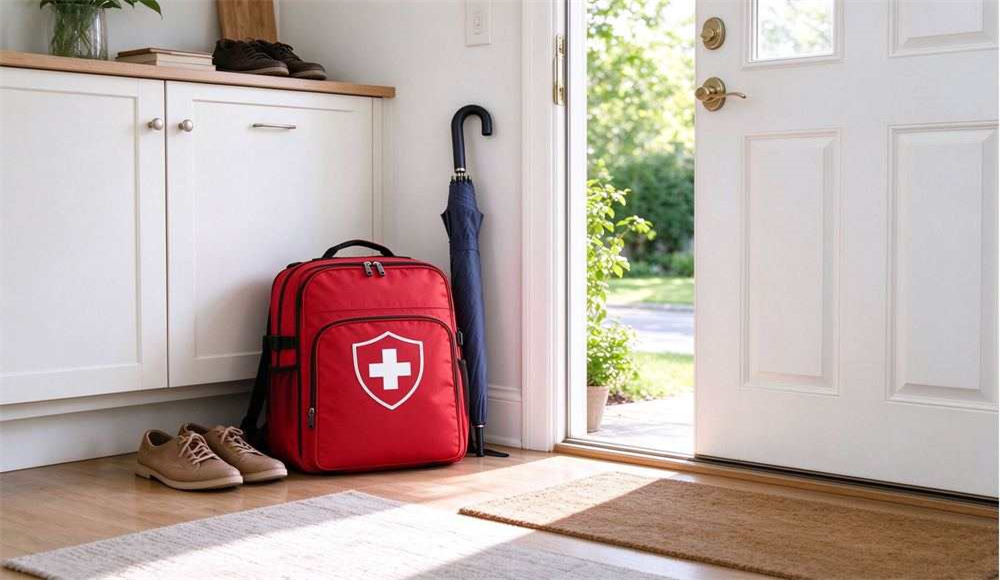
Preparedness changes with the seasons. Review the kit before each major risk period so supplies match the hazard most likely to arrive next.
Winter storms: Cold weather raises the risk of hypothermia.
Check that blankets are intact, add warmth supplies for elderly members, and keep extra batteries in case power stays out for several days. Wet wipes and the water filter should also be in good condition.
Hurricane and wildfire season: Before storm season, confirm the radio receives local broadcasts and masks are present. Keep the pack by the door for quick evacuation, and verify that documents and pet supplies are ready to grab at short notice.
Heat and summer outages: Check water supplies and food rotation in warm weather, since heat shortens shelf life. Ensure members know how to stay cool and hydrated if air conditioning is unavailable during a prolonged blackout.
Neighbors also benefit from preparing together. Sharing contact lists, identifying who has spare water or tools, and coordinating a neighborhood check after a disaster helps households that may need extra support, such as elderly residents or families without a car.
Community groups often organize bulk orders so every participating household receives a matched family disaster kit.
Group purchasing simplifies distribution, and a shared list makes it easier to remind each household to inspect and rotate supplies on the same six-month cycle.
For apartment buildings, a coordinated home evacuation kit plan per unit helps property managers and residents account for everyone during stair evacuation.
Building managers can also keep a shared spare kit in a common area for visitors and emergencies that affect multiple units.

The checklist below summarizes what a standard family home emergency kit should contain. Use it to verify your pack, and add or remove items to match your household's special needs.
Water: At least one gallon (about 3.8 L) per person per day, treated with the filter straw drawn from available sources.
Food: A three-day supply of non-perishable, easy-to-prepare food, plus a manual can opener and any special foods for infants, elderly members, or pets.
First aid: A first-aid pouch by tier, with assorted-size bandages, sterile gauze pads, antiseptic wipes, medical tape, dressing pads, tweezers, scissors and gloves, stored in a waterproof pouch.
Lighting: An LED flashlight; Standard and Premium add a headlamp, with spare batteries or hand-crank charging, kept in the main compartment of the pack.
Communication: A hand-crank/solar radio — FM/AM on Standard, plus NOAA weather on Premium — with a written list of emergency contacts and the out-of-town contact number.
Warmth and shelter: Thickened foil blankets: one on Basic, two on Standard, two plus a sleeping-bag-style blanket on Premium for cold and wet weather.
Tools and signaling: A multi-tool card (Standard up), one whistle per member, dust masks (Premium), wipes and non-slip gloves for handling debris.
Special items: Formula and diapers for infants, personal medical supplies and batteries for elderly members, pet food and leash for animals, and comfort items for children.
After checking the list, mark any missing items and add them at the next purchase. A completed checklist supports consistent family emergency preparedness and makes the six-month inspection straightforward.
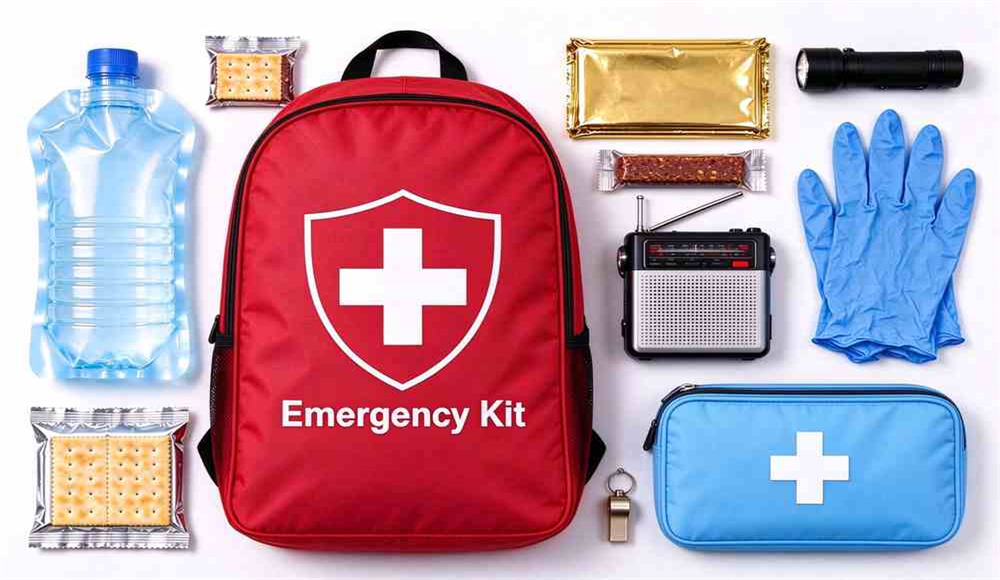
Most households start with one kit matched to their size tier.
A Basic tier covers two to three people, a Standard tier matches a 4 person emergency kit household, and a Premium tier covers six or more people. For large homes, some families keep a second kit on another floor for quick access.
The Basic tier carries nine core items in a 20 L pack for small households; the Standard tier (12 pieces, 25 L) adds the headlamp, multi-tool card and non-slip gloves, a first-aid pouch, two blankets and two water pouches.
The Premium tier (15 pieces, 30 L) adds dust masks, wet wipes, a 7-day pill organizer, a sleeping-bag-style blanket and a filter pouch, with a first-aid pouch and NOAA weather radio for large or high-risk households.
First-aid supplies typically have a three-year shelf life. Water filters last around five years, and non-perishable equipment such as blankets and whistles have an indefinite shelf life. Check expiration dates every six months and rotate anything expired promptly.
Keep the home emergency kit near the main exit in a cool, dry, accessible place.
Avoid basements, attics, and locked closets, which may be hard to reach during an emergency. Every family member should know the location and what is inside.
Airline rules apply to carried items such as knives, tools, and personal medical supplies, so check your carrier's rules before travel.
For home evacuation, the kit is designed to be carried by hand or kept in the car. If flying to a safer location, pack only permitted items in your carry-on and leave tools and sharp items at home.
Add children's bandages, gauze pads, comfort items, and age-appropriate supplies.
For special medical needs, include any personal medical supplies kept in original packaging, plus hearing-aid batteries. Customization lets you tailor the household survival kit to these members rather than using a one-size-fits-all bag.
Kits include a water filter straw and storage for drinking water, but they do not ship with liquid water or prepared meals in most configurations.
You can add non-perishable food such as energy bars, dried fruit, nuts, and canned goods with a manual opener, rotated at each six-month inspection.
The backpacks are sized to be manageable for adults, with the Basic tier lightest and the Premium tier heaviest.
Children should not carry the full adult pack. Assign younger children a small bag with their own comfort item, water, and whistle, while adults carry the main kit.
Yes, the configurable interior lets you add or remove items for infants, elderly members, pets, or specific medical needs.
Share your family's special needs and we will outline a matching configuration, whether you order a single household kit or a community bulk set.
Inspect every six months.
Check expiration dates on food, the water filter, and dressing supplies; test batteries, flashlight, and radio; and confirm nothing is missing or damaged. Restock items used in a drill, and update contents whenever your household size or health needs change.
The whistle, light, first-aid and warmth items cover common earthquake and storm preparedness scenarios; local or seasonal risks can be added to the configuration.
Pet water, food and identification can be prepared separately; whether to include pet items in the family kit is decided with your household needs.
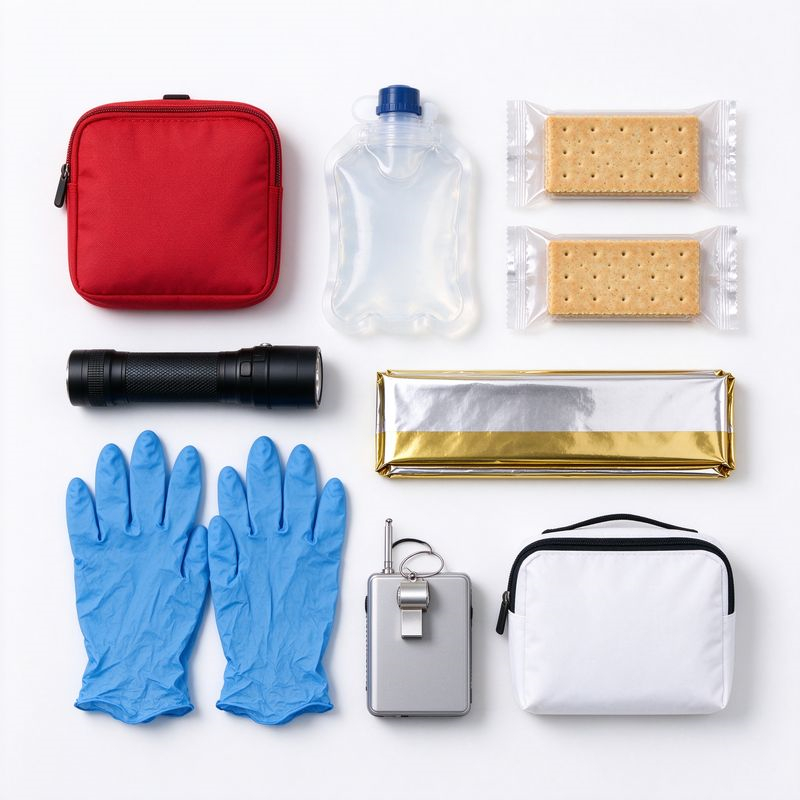
A 72 hour emergency kit for family use is one of the most practical preparedness investments you can make for your loved ones.
It is not about being pessimistic. It is about being responsible when you cannot predict the next earthquake, storm, or blackout.
You cannot control when a disaster happens, but you can decide how ready your household will be.
A stocked household survival kit, a simple plan, and a practiced drill give your family the best chance to stay safe, healthy, and together through the first three critical days.
Whether you live in an apartment, a single-family home, or a rural property, choose the home emergency kit tier that matches your size, climate, and local risks.
Our team can help you select the right size, customization, and storage plan for your household or community group.
If you have not yet prepared a 72 hour emergency kit for your family, today is a good day to start. Contact us with your household size, local hazards, and any special needs, and we will recommend the configuration that fits your home.
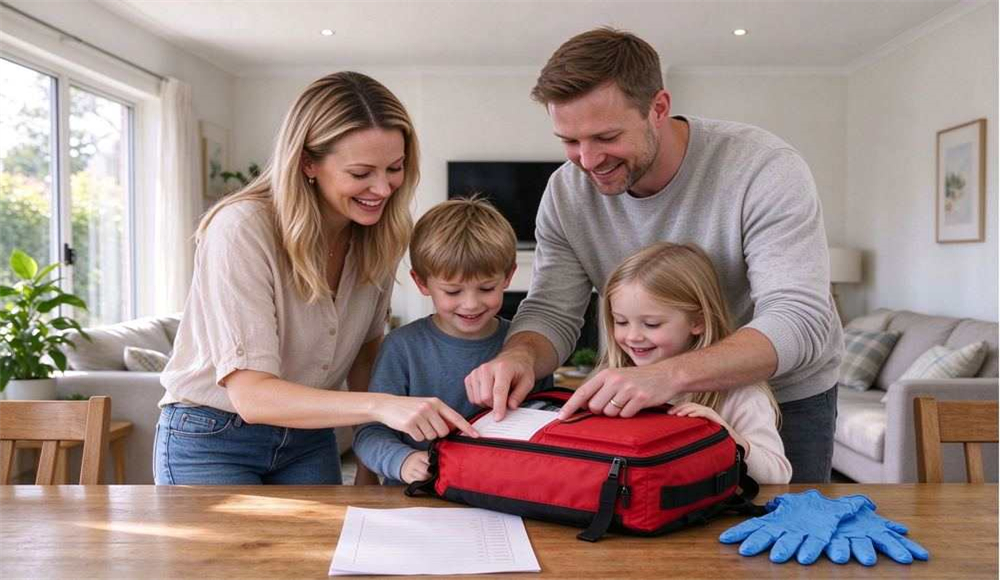
Key Takeaways
Authoritative preparedness references:
Ready.govPrevious :
72 Hour Emergency Kit for Office OSHA-Compliant Workplace SafetyNext :
72 Hour Emergency Kit: Bulk Preparedness Guide for Organizations Factory Customized Red Cross Disaster relief Med Kit Bag With Multi-purpose compass
GREAT DESIGN - Comfortable design is perfect for all uses and for carrying a wide variety of tools and equipment. You'll find that, whatever you're looking to carry, the YRF Custom Oxford Material Multi Functional Camouflage Tactical Waist Bags is the perfect choice.
 Medical Care Stockpile Metal wire saw Card tool Survival Aid Kit with 16 Pcs Safety Kit
GREAT DESIGN - Comfortable design is perfect for all uses and for carrying a wide variety of tools and equipment. You'll find that, whatever you're looking to carry, the YRF Molle Tactical First Aid Kits Medical Bag Tablets is the perfect choice.
 Outdoor Medical Care Disaster relief First Aid Kit Empty Pouch And Ice Pack Emergency Tool
GREAT DESIGN - Comfortable design is perfect for all uses and for carrying a wide variety of tools and equipment. You'll find that, whatever you're looking to carry, the YRF Mini First Aid Kit Bags And Pouches is the perfect choice.
 High Quality Camping Emergency Face Mask Survival First Aid Kit for Institutional Donation
GREAT DESIGN - Comfortable design is perfect for all uses and for carrying a wide variety of tools and equipment. You'll find that, whatever you're looking to carry, the YRF Outdoor Camping Emergency Kits Tactical First Aid is the perfect choice.
 ICRC Supplies Fluorescent stick first aid medical bags 600d Nylon Emergency Safety Tools Kit
GREAT DESIGN - Comfortable design is perfect for all uses and for carrying a wide variety of tools and equipment. You'll find that, whatever you're looking to carry, the YRF Hunting Survival First Aid Kit Bag Molle Tactical is the perfect choice.
 Hot Selling Governmental Institutions List Descender Firefighting Tools Empty Pull Rod First Aid Kit
GREAT DESIGN - Comfortable design is perfect for all uses and for carrying a wide variety of tools and equipment. You'll find that, whatever you're looking to carry, the YRF Tactical Complete First Aid Kit is the perfect choice.
Copyright © Custom Disaster - Relief Bedding: Tents, Sleeping Bags, Blankets All Rights Reserved
the professional team to service !