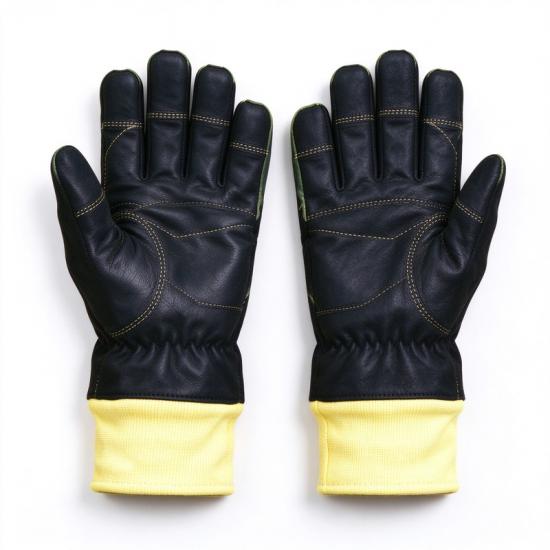
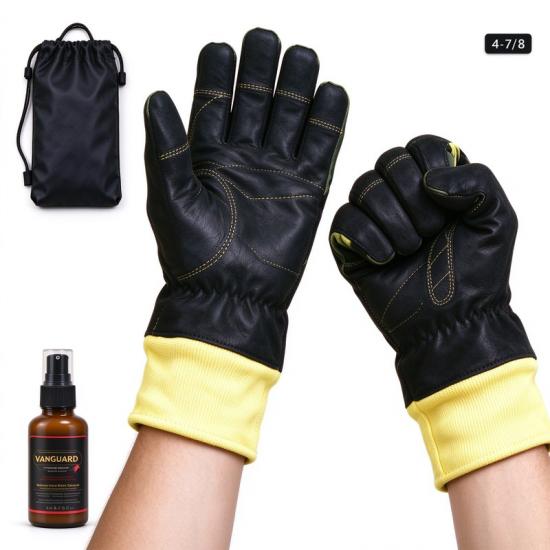

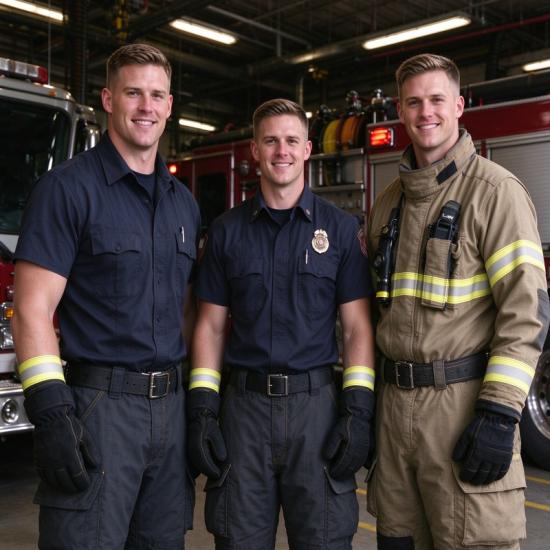
NFPA 1971 certified firefighter gloves built with premium full grain cowhide, Kevlar stitching and multi-layer thermal liner. Equipped with moisture barrier for structural fire, welding and foundry works. Balances thermal insulation, abrasion resistance and flexible dexterity. Available for bulk procurement with full compliance documents.
Note: Price for reference only. Exact price based on quantity, size, weight and custom details.
model no. :
XFF-25Brand:
YRFmarket price :
$119.8sale price :
$59.9price range :
30-100/$59.9Color :
Multiple Colorsport of dispatch :
Guangdong/GuangzhouPayment :
TT, Paypal, Western Unionmin order :
30original region :
Made in ChinaLead Time :
5-15daysStructural Heat-Resistant Firefighter Gloves for
Bulk Wholesale
Firefighter gloves are the last line of hand protection in firefighting. Our heat-resistant firefighter gloves use NFPA 1971 cowhide leather, Kevlar stitching and thermal lining for global industrial bulk supply.
 |

|
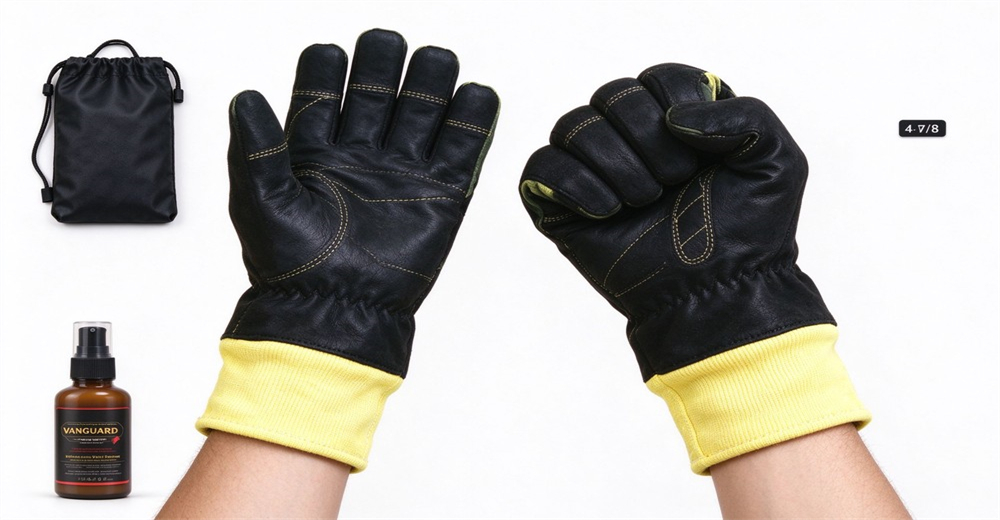
Every pair is engineered for the specific demands of structural firefighting, balancing thermal insulation with dexterity and grip.
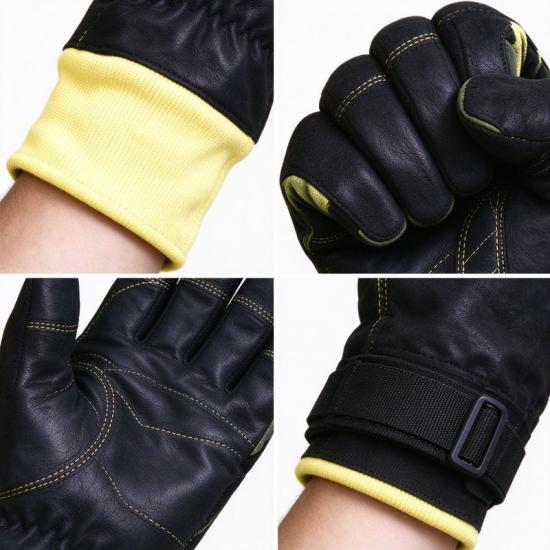
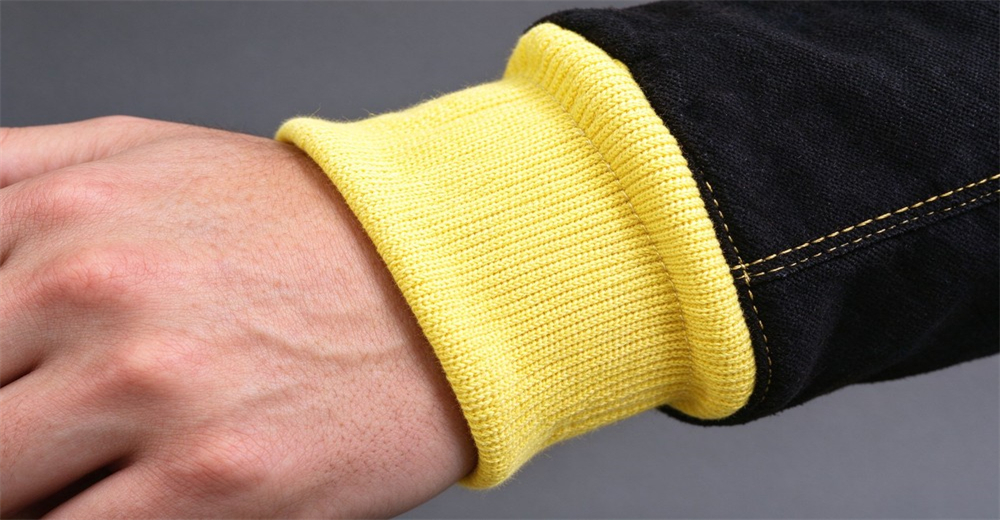
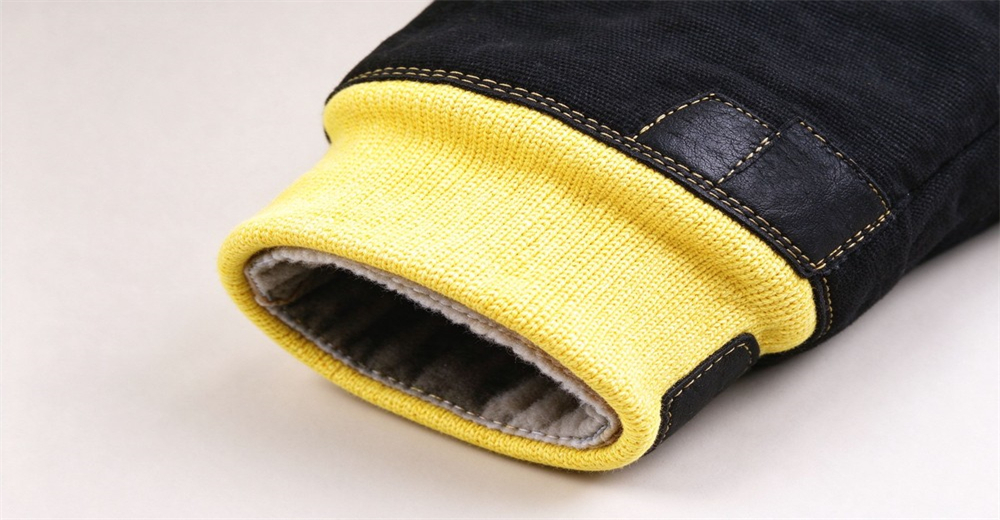
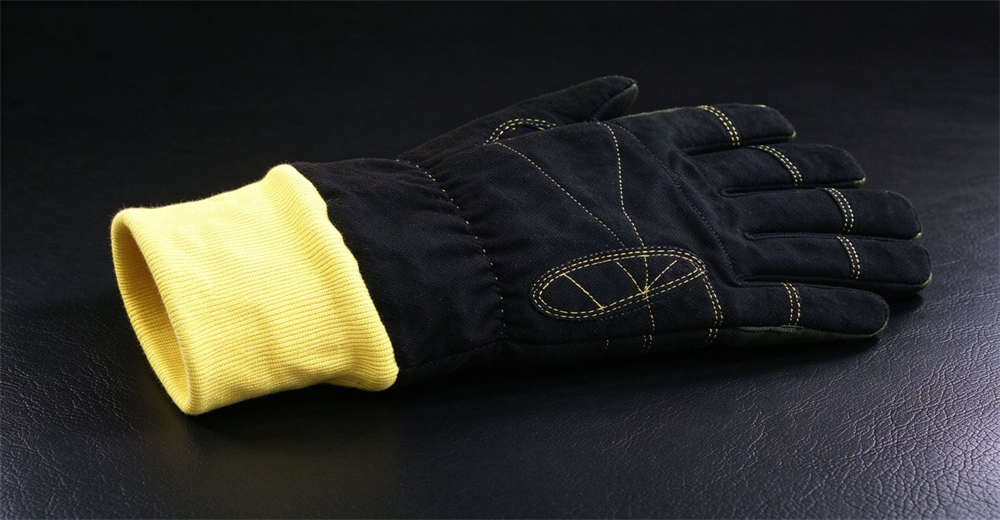
The yellow Kevlar knit wrist cuff provides a secure seal against debris and heat, while the reinforced palm and fingertip construction extends service life under heavy use.
For wholesale buyers, we offer consistent quality across bulk safety gloves large orders, customizable labeling, and bulk safety gloves volume pricing for fire departments, industrial brigades, and wholesale work gloves government procurement programs worldwide.
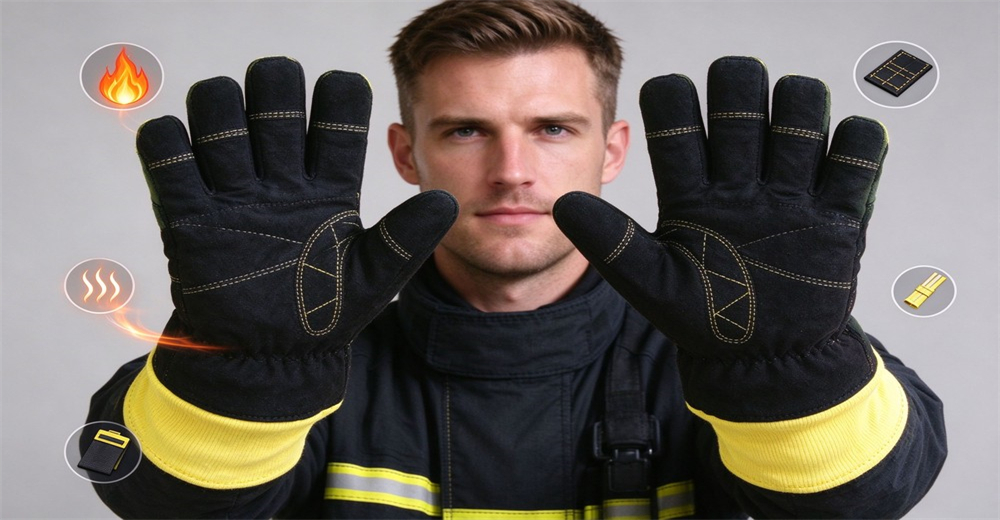
The difference between a quality heat-resistant glove and an inferior one becomes clear the moment a firefighter grabs a hot door handle, a charged hose nozzle, or a burning structural member.
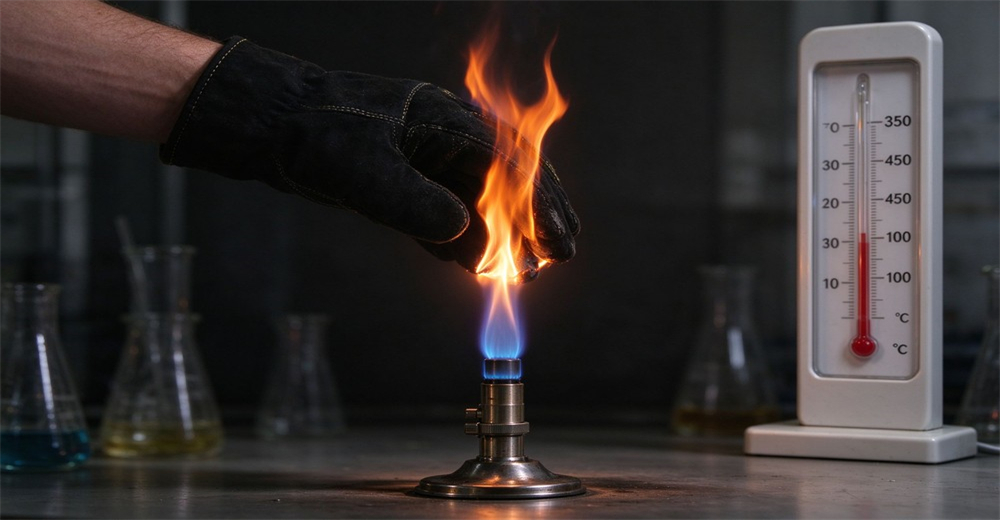
Our gloves undergo rigorous thermal testing to ensure the leather outer shell, insulating mid-layer, and waterproof membrane work together to prevent burn injury while maintaining the tactile sensitivity needed for tool operation and rescue tasks.
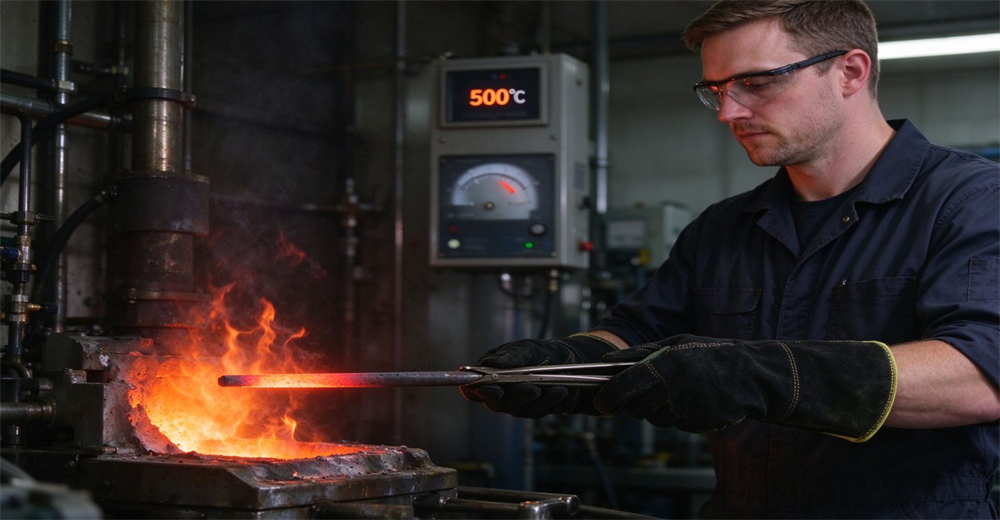
From the fire ground to the foundry floor, from welding booths to chemical plants, workers across multiple industries rely on the same core bulk safety gloves thermal protection principles.
The following sections break down the technology, standards, and use cases that make these gloves essential equipment for any organization serious about hand safety in high-heat environments.
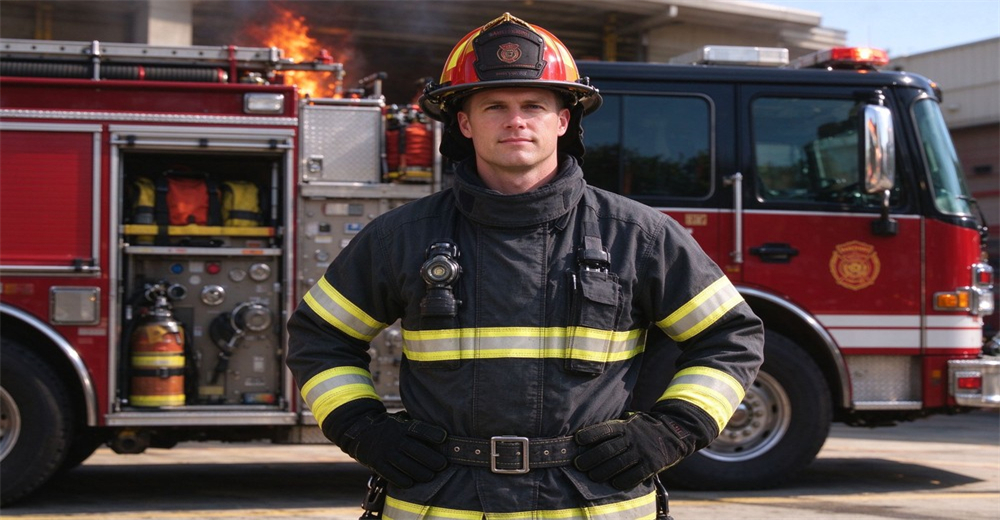
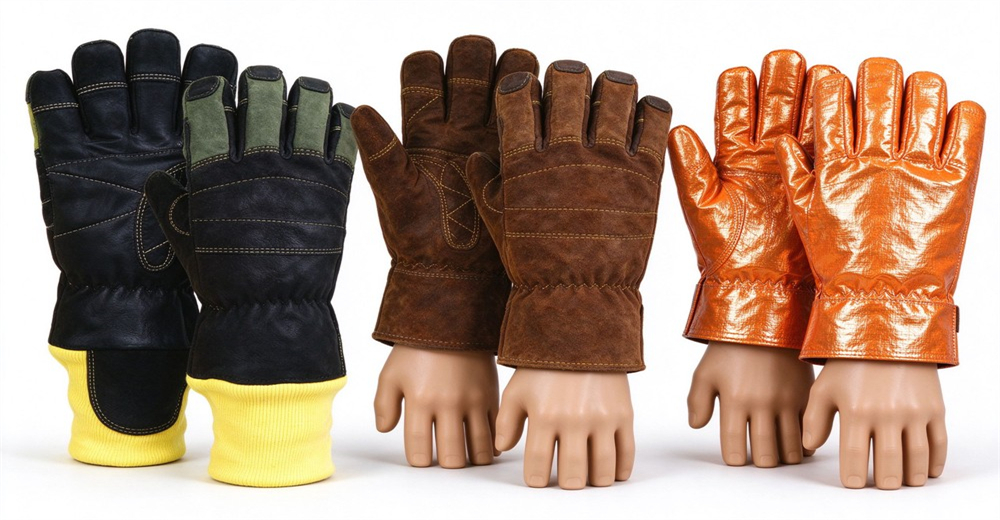
Understanding the full range of glove configurations helps bulk safety gloves procurement teams match the right protection level to each operational role, ensuring every team member has gloves appropriate to their specific thermal exposure and task requirements.
Structural firefighter gloves protect against convective and radiant heat that ordinary wholesale work gloves cannot handle. Bulk safety gloves for fire departments ordering bulk safety gloves must specify heat resistance ratings.
wholesale work glovesork gloves distributors of wholesale work gloves should stock NFPA-compliant heat resistant gloves for department procurement of bulk safety gloves.
Structural firefighter gloves protect against convective and radiant heat that ordinary safety gloves cannot handle. Bulk safety gloves for fire departments must specify heat resistance ratings before procurement.
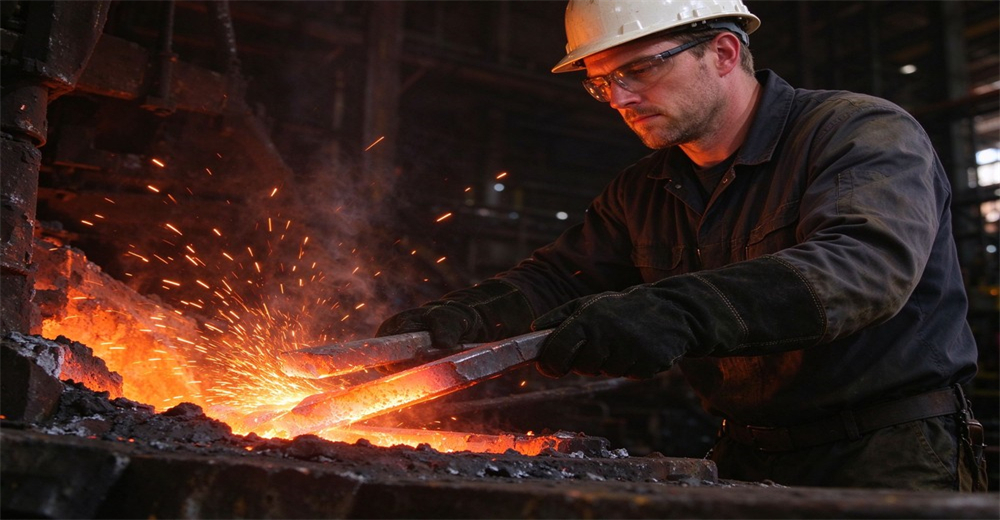
Hand injuries are among the most common and most preventable workplace injuries in high-heat industries.
OSHA data consistently ranks hand injuries for bulk safety gloves among the top three lost-time incidents in manufacturing, construction, and fire service.
A single burn injury can sideline a worker for weeks, drive up workers compensation costs, and create staffing shortages that impact entire operations.
The right pair of heat-resistant gloves is not an accessory — it is the primary barrier between a worker hands and temperatures that can cause third-degree burns in seconds.
Industrial safety gloves serve workers across manufacturing, oil and gas, and construction.
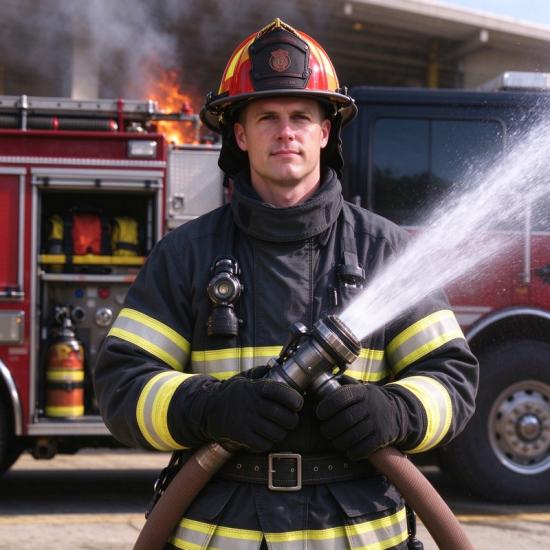
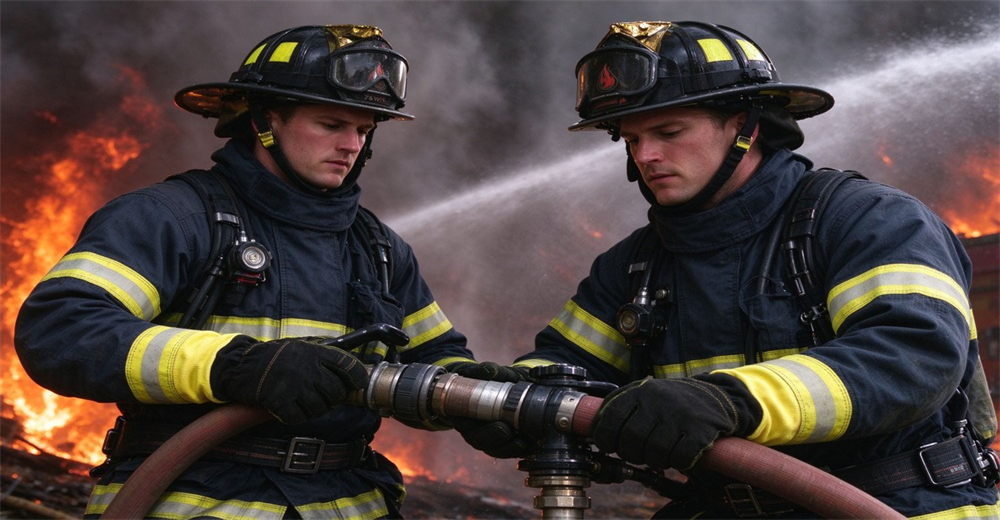
Structural firefighters face the most extreme combination of hazards: radiant heat from burning buildings, conductive heat from hot tools and surfaces, and the risk of steam burns when water turns to vapor inside a glove.
Standard leather wholesale work gloves may provide basic abrasion protection but lack the insulation layer and waterproof membrane needed for flashover conditions requiring certified structural firefighter gloves.
Our NFPA 1971-certified gloves are specifically engineered for this environment, with multi-layer construction that blocks radiant heat, wicks moisture, and maintains insulation even when wet.
For wholesale work gloves industrial buyers, the cost-benefit analysis is straightforward.
A department that equips every firefighter with certified heat-resistant gloves reduces burn injuries, improves operational readiness, and demonstrates compliance with NFPA and OSHA requirements for bulk safety gloves.
Bulk purchasing further lowers per-unit cost while ensuring every member of the team has gloves that meet the same specification.
The business case extends beyond fire service: foundries, welding operations, chemical plants, and electrical utilities all face thermal hazards where certified hand protection is both a safety requirement and a cost-saving investment.
The anatomy of the hand makes it particularly vulnerable to burn injury.
The hands contain a high density of nerve endings, tendons, and blood vessels close to the skin surface, with relatively little subcutaneous fat for insulation.
A burn to the hand can result in permanent loss of grip strength, reduced range of motion, and chronic pain that affects every aspect of daily life and work capability.
For firefighters and industrial workers, a hand injury can end a career.
This is why certified heat-resistant gloves are not an optional comfort item but a critical life-safety component of any PPE program.
Research from fire service safety organizations consistently identifies hand burns as one of the most common injuries reported during structure fires, often occurring during the critical seconds of flashover or when contacting heated building components.
The thermal protective performance of gloves directly correlates with reduced injury severity and faster return-to-duty times.
Departments that invest in certified, properly fitted heat-resistant gloves report fewer hand injuries, fewer lost-time incidents, and higher firefighter confidence during interior operations.
The return on investment is measured not just in reduced workers compensation costs but in preserved operational capability, reduced training replacement costs, and sustained firefighter wellbeing across the entire service career.
Premium cowhide leather is the standard for heat resistant gloves used by fire departments. Unlike generic protective gloves, fire gloves require reinforced palms.
Bulk safety gloves buyers should verify leather thickness before ordering wholesale work gloves.
Premium cowhide leather is the standard for heat resistant gloves used by fire departments. Unlike generic protective gloves, fire gloves require reinforced palms and Kevlar stitching.
Our structural firefighting gloves are built around a multi-layer protection system that combines durability, thermal insulation, and dexterity.
Every component is selected and tested to perform under fire ground conditions, from the outer leather shell to the inner comfort liner.
Regular glove maintenance includes visual inspection, proper cleaning, and correct storage to preserve thermal protection.
Heat-Resistant Glove Specification
Structural fire gloves Model
Proximity Heat Glove
Wildland Fire Glove
Outer Shell
Full-grain cowhide leather
Aluminized leather
Goatskin leather
Thermal Liner
Aramid blend batting
High-temp felt insulation
Lightweight aramid
Moisture Barrier
Crosstech / equivalent
Silicone-coated
Breathable membrane
Wrist Cuff
Kevlar knit, 2-inch
Leather gauntlet
Elastic knit
Palm Reinforcement
Double-layer leather
Reinforced palm
Single-layer
Certification
NFPA 1971, EN 659
NFPA 1971
NFPA 1977
Sizes
S-3XL
M-2XL
S-2XL
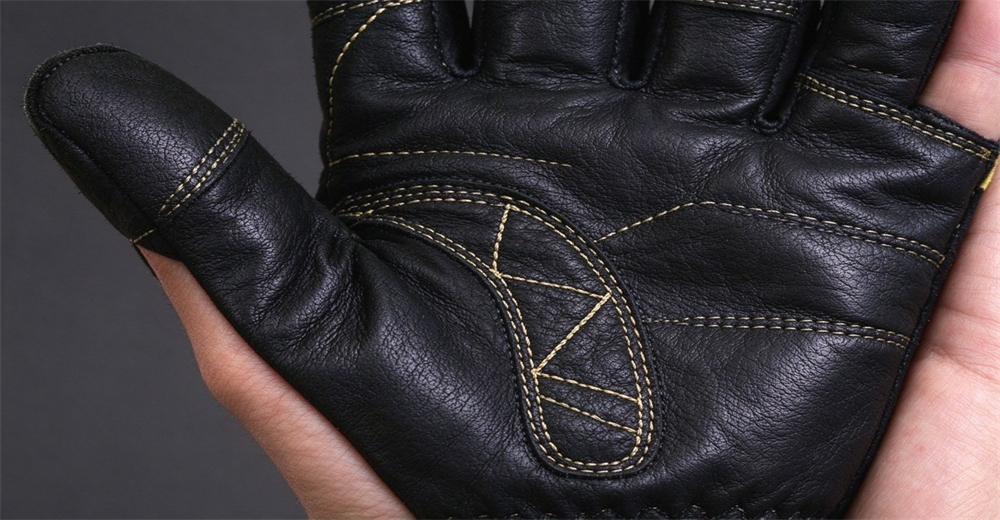
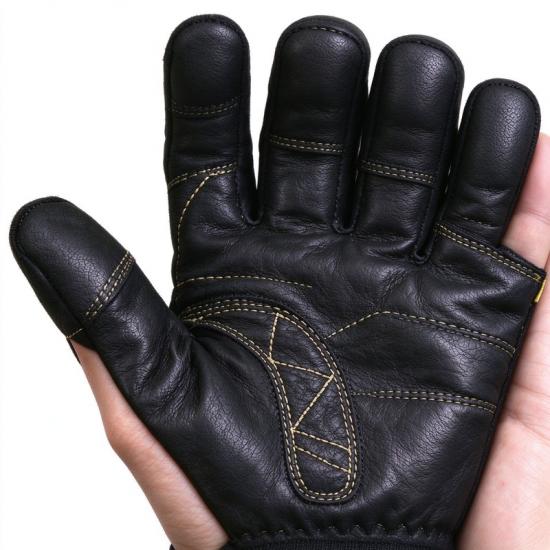
The palm area features double-layer leather reinforcement with Kevlar stitching in a diamond pattern, creating a high-wear zone that resists abrasion from rope, hose, and tool handles.
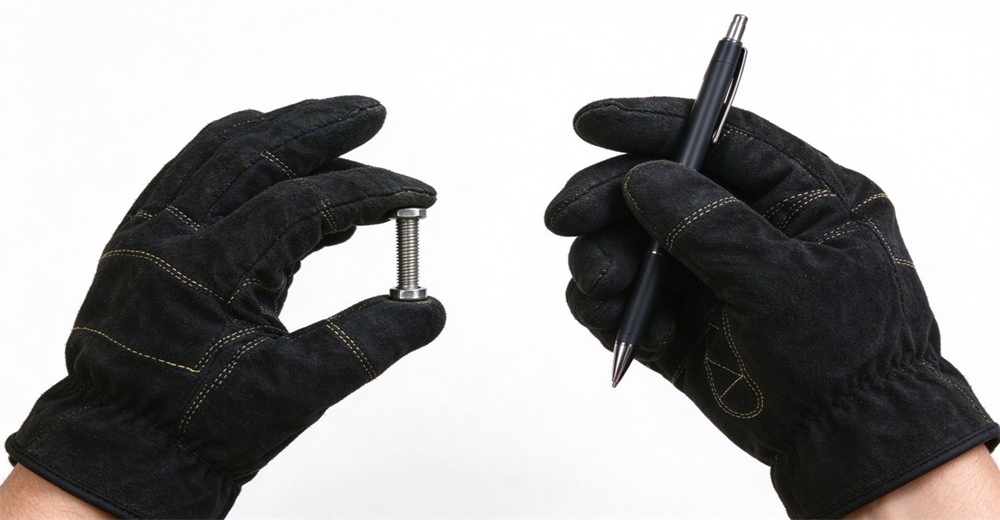
The fingertips are individually shaped and reinforced for improved grip and tactile sensitivity, allowing firefighters to operate small equipment, write reports, and manipulate valves without removing gloves.
The yellow Kevlar knit wrist cuff provides a snug, secure fit that keeps debris out while allowing full wrist mobility.
A reinforced thumb saddle adds durability at the high-wear junction between thumb and palm, where grip forces are concentrated during tool handling and rope work.
Fire departments purchasing bulk safety gloves should request firefighter gloves test reports with every shipment.
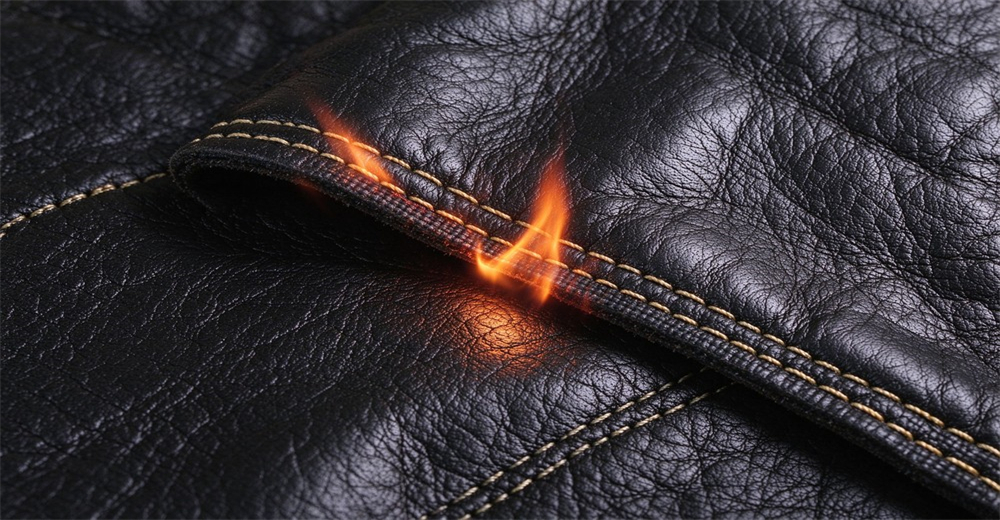
Premium firefighter gloves use Kevlar stitching that retains strength at temperatures where polyester thread melts, ensuring the glove remains intact during critical rescue operations.
Industrial protective gloves safety programs specifying firefighter gloves for foundry and welding operations report significantly fewer lost-time incidents.
These protective gloves feature multi-layer construction with a insulation layer that blocks radiant heat while wicking moisture away from the skin.
Heat resistant gloves should be inspected after Bulk safety gloves programs should track inspection dates for each pair. Bulk safety gloves programs typically schedule quarterly formal inspections alongside daily checks.
Structural fire gloves showing heat damage or leather cracking must be replaced immediately. Wholesale work gloves suppliers of firefighter gloves recommend annual replacement even for light use.
Procurement teams comparing wholesale work gloves should request third-party test documentation.
Bulk safety gloves made from full-grain cowhide offer better heat resistance than synthetic alternatives. Wholesale work gloves buyers should compare material specifications before selecting protective gloves for their teams.
Wholesale work gloves made from full-grain cowhide offer better heat resistance than synthetic alternatives. Bulk safety gloves buyers should verify leather thickness and tanning method.
Volume orders of bulk safety gloves qualify for tiered pricing and bulk safety gloves custom branding options.
The outer shell of our structural gloves is made from premium full-grain cowhide leather, selected for its natural abrasion resistance, thermal insulating properties, and ability to mold to the wearer hand over time.
Full-grain leather is the strongest grade of leather, retaining the entire grain surface for maximum durability and water resistance.
Each hide is inspected for consistency in thickness, with palm areas typically measuring 1.2-1.4mm for optimal balance of protection and flexibility.
Each pair undergoes rigorous field testing across multiple fire service environments to verify real-world durability, heat resistance ratings, and heat shielding performance under actual operational conditions.
This ensures consistent protection across all team members regardless of hand size or individual grip strength requirements.
This collaborative approach ensures every team member can rely on consistent hand protection during critical operations.
Beneath the leather shell, a multi-layer insulation layer system provides the insulation needed for flashover conditions.
The thermal barrier uses aramid fiber batting known for its inherent flame resistance and ability to maintain insulating properties even when exposed to high heat.
A waterproof membrane membrane prevents water, chemicals, and bloodborne pathogens from penetrating to the inner layers, while still allowing limited moisture vapor transmission for wearer comfort.
The innermost comfort liner is made from a soft aramid blend that wicks perspiration and reduces friction against the skin.
All stitching is performed with Kevlar thread, which has a melting point above 500 degrees Celsius and retains tensile strength at temperatures where standard polyester or nylon thread would fail.
This ensures that glove construction remains intact even after exposure to heat that would cause ordinary sewn gloves to come apart.
Unlike chemically treated cotton that loses flame retardant properties after repeated laundering, aramid blends maintain their inherent flame resistance for the life of the garment.
Different leather types offer distinct performance characteristics. Full-grain cowhide is the standard for structural firefighting due to its excellent abrasion resistance and natural thermal properties.
Goatskin, used in wildland models, offers superior dexterity and flexibility due to its finer grain, making it preferred for tasks requiring fine motor control.
Pigskin provides good water resistan Organizations comparing fire gloves across suppliers of wholesale work gloves should verify consistent quality across production lots.
Reliable wholesale work gloves distributors provide lot-level traceability and certificates of conformity with every bulk order.
NFPA 1971 certified structural fire gloves undergo rigorous testing for thermal protective performance, conductive heat resistance, and viral penetration.
These protective gloves feature multi-layer construction that blocks radiant heat while maintaining dexterity for critical tool operations.
ce and durability at a lower cost point, while deerskin offers exceptional softness and comfort. Our structural model uses select full-grain cowhide from controlled sources, with each hide inspected for thickness consistency and freedom from defects that could compromise protection.
The insulation layer system is where much of the protective performance is achieved. We use a blend of aramid fibers including para-aramid for high tensile strength and meta-aramid for thermal stability.
The batting is engineered to trap air, which is one of the most effective insulating materials available, while maintaining sufficient compressibility to allow dexterity.
The waterproof membrane uses a bi-component membrane that allows water vapor to escape from the inside while preventing liquid water and contaminants from entering from the outside.
This balance of breathability and protection is critical for wearer comfort during extended operations.
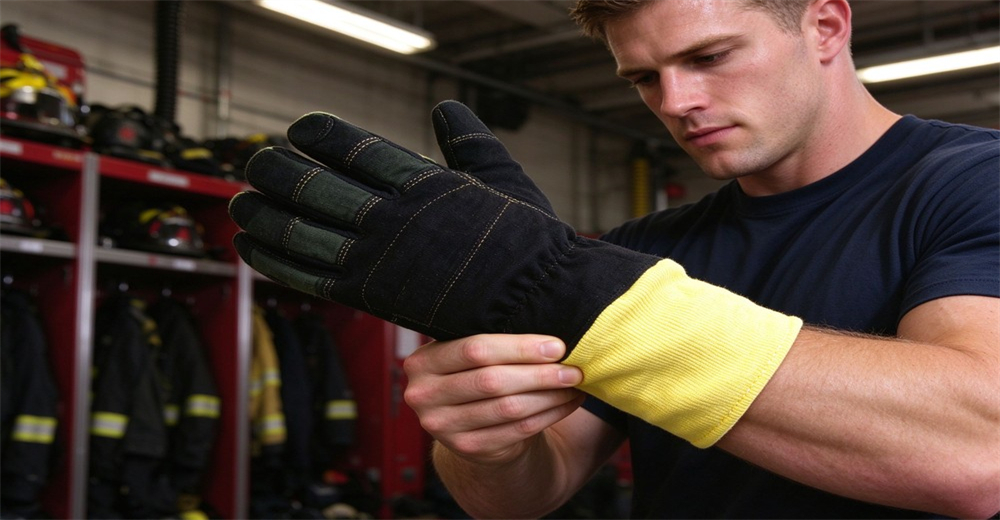
Proper fit ensures heat resistant gloves maintain dexterity without compromising protection.
Heat resistant gloves are tested for conductive heat transfer. Structural fire gloves must maintain protection after repeated heat exposure. Rescue gloves used in vehicle extrication also need cut resistance.
Wholesale work gloves suppliers should provide test data for bulk safety gloves orders.
Heat resistant gloves are tested for conductive heat transfer when contacting hot surfaces. Structural fire gloves must maintain protection even after repeated heat exposure.
Total Heat Loss and Breathability Metrics
Thermal protective performance (TPP) is the primary metric for evaluating firefighter glove heat resistance.
Our structural gloves achieve a TPP rating that meets or exceeds NFPA 1971 requirements, meaning the glove material provides sufficient insulation to prevent second-degree burns when exposed to a combination of radiant and convective heat at 2.0 cal/cm²/sec for the required duration.
This rating is verified through independent laboratory testing using the standardized TPP test apparatus.
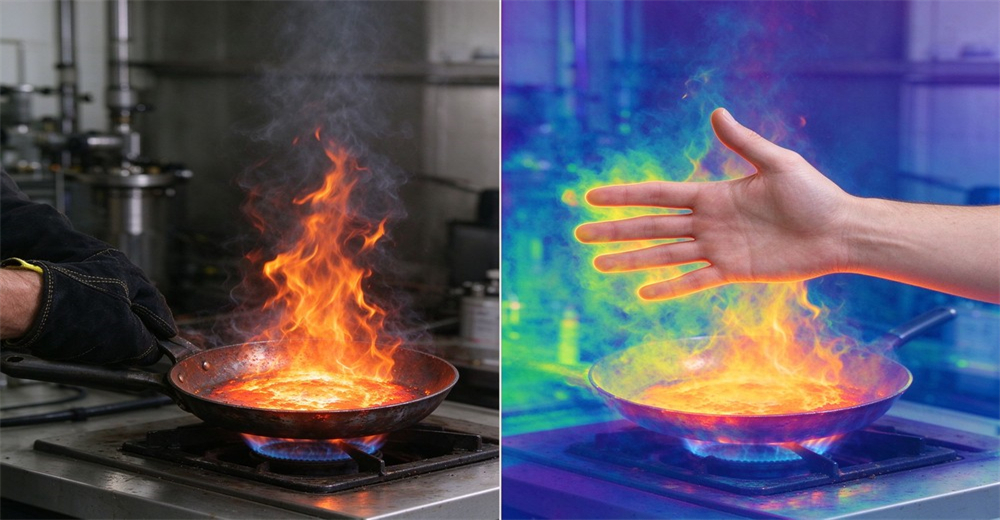
In practical terms, this means a firefighter can briefly contact surfaces at temperatures up to 500 degrees Fahrenheit without burn injury, and can withstand radiant heat exposure near flashoveKevlar stitching the critical seconds needed to make an emergency exit.
The leather outer shell chars rather than ignites, forming a protective carbon layer that further insulates the hand.
The Kevlar stitching maintains structural integrity, preventing the glove from separating at the seams during heat exposure.

The multi-layer construction slows the transfer of heat from a hot object through the glove to the skin, giving the wearer critical extra seconds to release a hot tool or surface before injury occurs.
This is particularly important for foundry workers handling molten metal, welders adjusting hot workpieces, and firefighters operating heated rescue equipment.
Each glove model is tested for conductive heat transfer per the relevant standard, with results documented in the technical data sheet available to wholesale buyers.
Beyond thermal protection, our gloves are engineered for mechanical durability in harsh working environments.
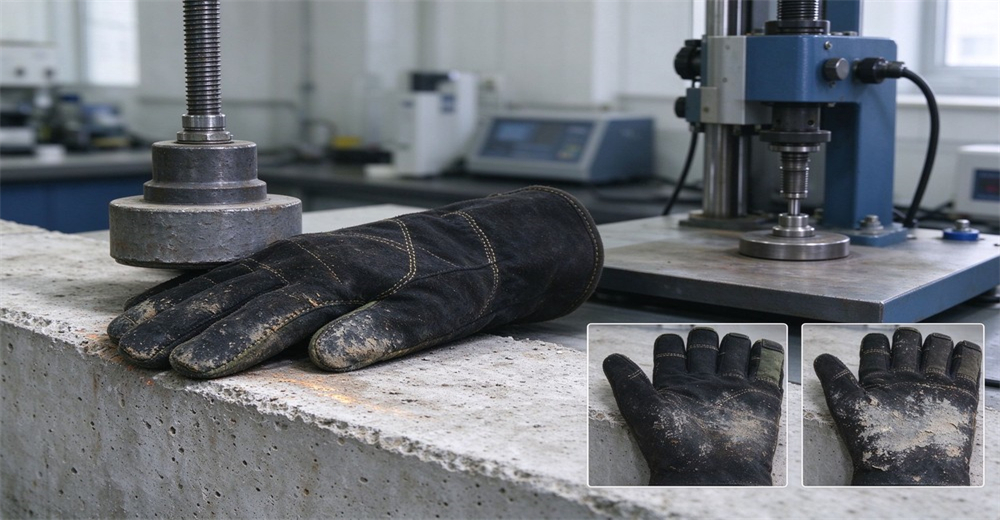
The full-grain cowhide leather palm resists abrasion from rope, hose couplings, and rough surfaces, while the Kevlar stitching maintains seam integrity even when the leather surface shows wear.
Independent abrasion testing using the Martindale method demonstrates that our gloves retain structural integrity beyond the minimum requirements for firefighting PPE, extending service life and reducing replacement frequency for bulk buyers.
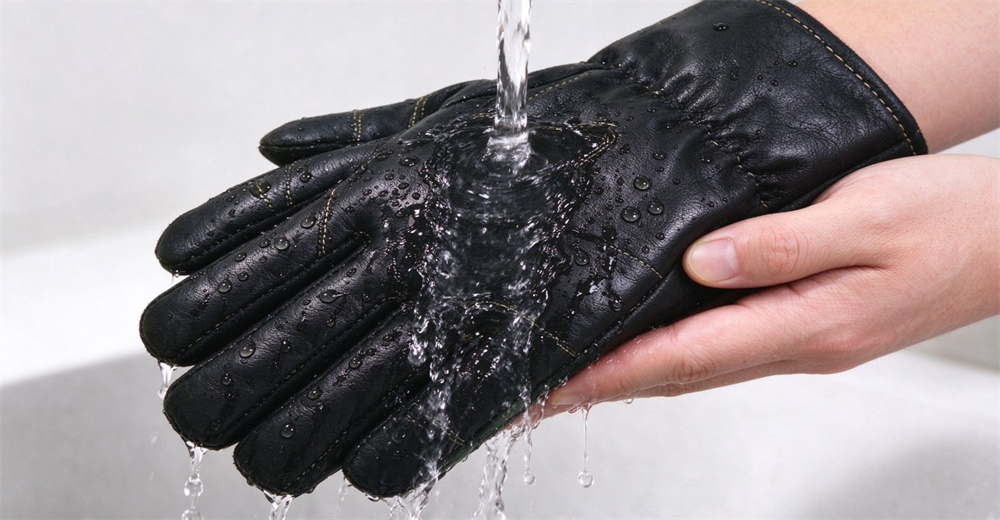
The leather outer shell is treated with a water-repellent finish that causes water to bead on the surface, reducing water absorption that would add weight and reduce thermal insulation.
The waterproof membrane membrane beneath the leather provides a second line of defense against water, chemicals, and bloodborne pathogens.
This combination keeps gloves lighter in wet conditions, maintains thermal performance, and supports easier cleaning and faster drying between uses.
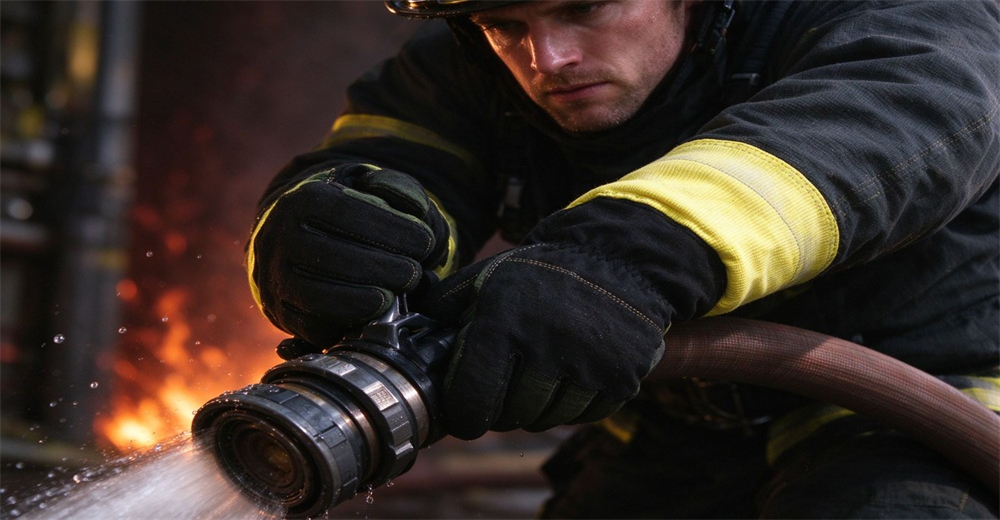
While originally designed for structural firefighting, our heat-resistant gloves have found broad application across industries where workers face thermal hazards.
The same leather construction, thermal lining, and Kevlar reinforcement that protect firefighters also serve industrial workers, making these gloves a versatile PPE solution for organizations with multiple high-heat work environments.
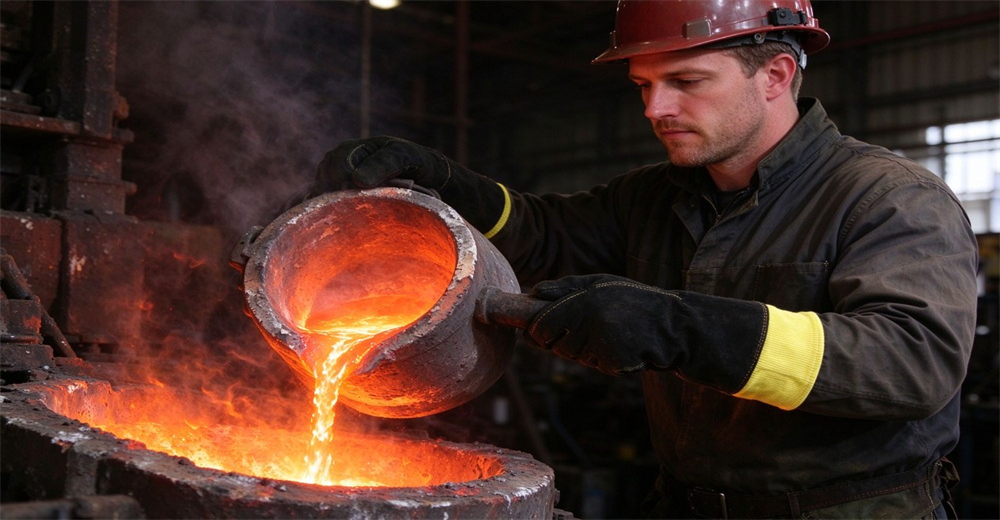
Foundry workers wearing heat resistant gloves need fire gloves rated for molten metal splash and radiant heat.
Structural firefighters, wildland fire crews, and technical rescue teams all require hand protection matched to their specific thermal exposure.
Our structural model serves interior firefighting teams, the proximity model supports aircraft rescue and industrial fire brigades, and the wildland model provides lighter-weight protection for brush fire operations.
All models are available for bulk department procurement with consistent sizing across the order.
Structural structural fire gloves are tested for viral penetration and thermal protective performance.
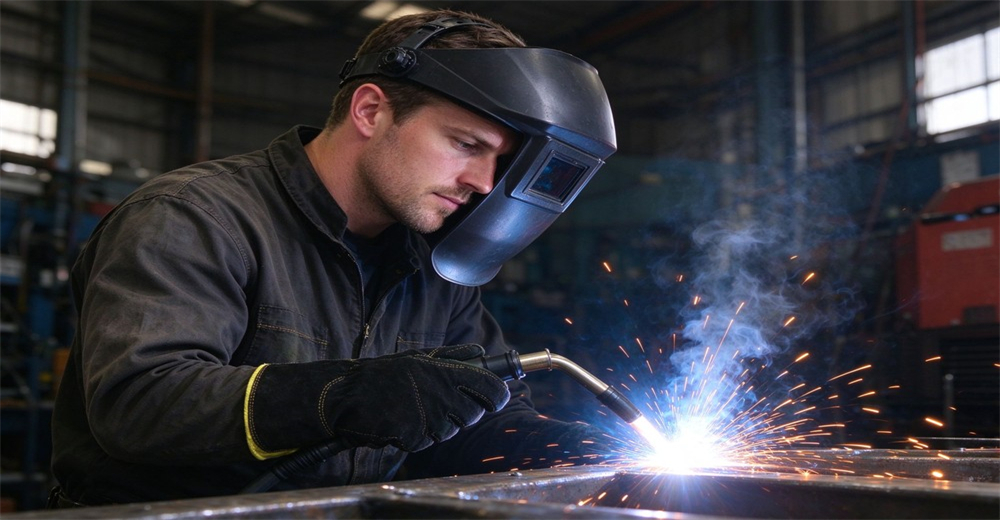
Welders face a unique combination of radiant heat from the arc, conductive heat from hot metal, and sparks or spatter that can ignite ordinary glove materials.
Our leather gloves resist spark burn-through, provide thermal insulation for handling warm workpieces, and the full-grain leather develops a natural patina that improves grip over time.
The Kevlar stitching resists weld spatter that would melt synthetic thread. Welding gloves must withstand both radiant heat and molten metal splatter.
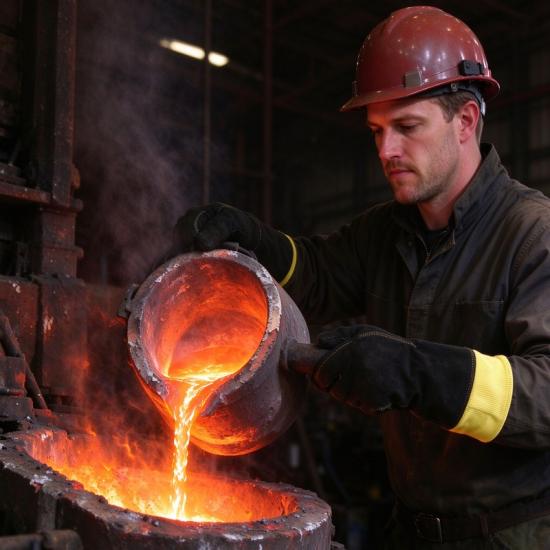
Beyond welding, foundry workers face even more extreme thermal exposure during molten metal handling, requiring gloves with enhanced thermal insulation and reinforced palms for gripping hot crucibles and castings.
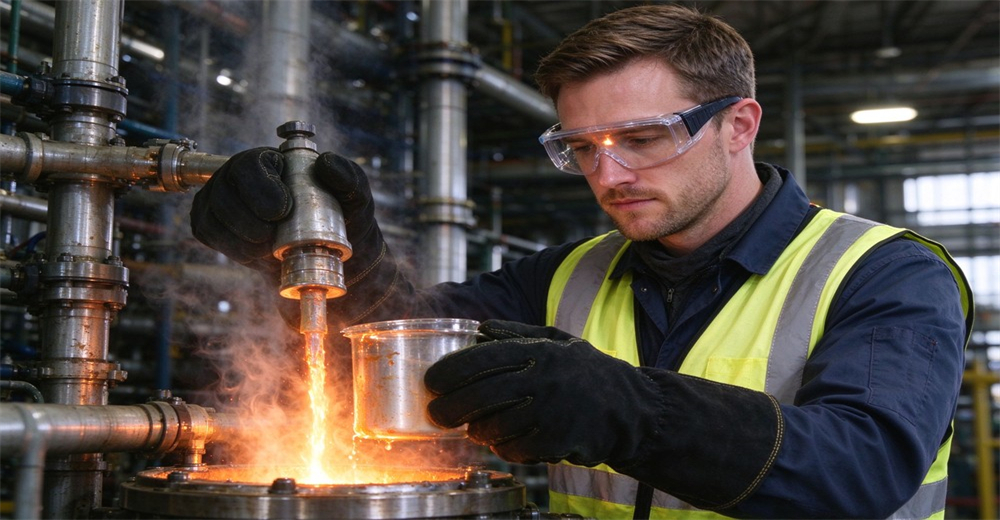
Foundry workers handle crucibles of molten metal, work near furnaces, and manage hot castings at temperatures exceeding 1000 degrees Fahrenheit.
The thermal insulation in our gloves provides critical protection during pouring, shaking out, and finishing operations.
The reinforced palm resists abrasion from rough castings, while the leather outer shell provides a natural barrier against radiant heat from the furnace.
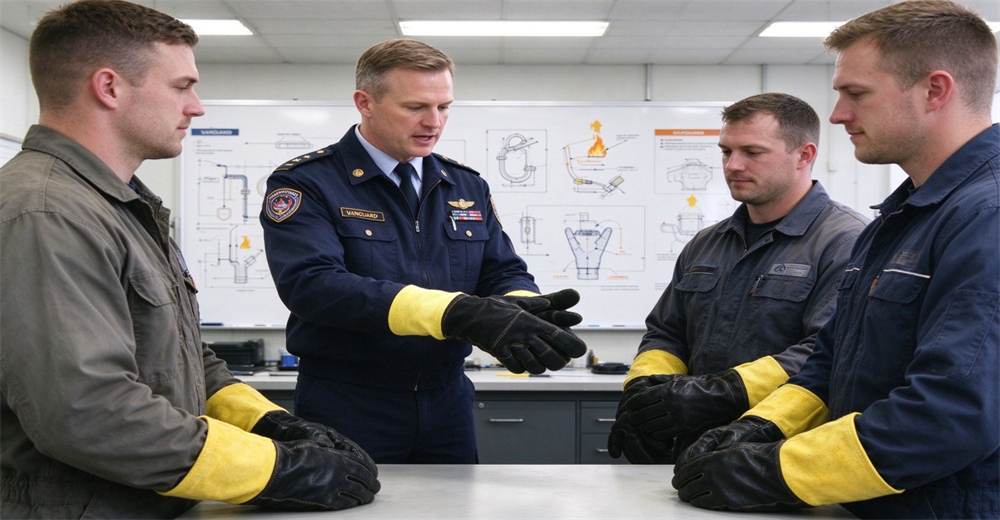
Departments can request sample pairs for fit evaluation and team trials before committing to bulk procurement, ensuring every firefighter receives gloves that match their specific hand dimensions and grip preferences.
Proper glove selection ensures workers across all industrial environments have hand protection matched to their specific thermal exposure and task requirements.
The combination of premium cowhide leather outer shell, thermal insulating mid-layer, and waterproof membrane creates heat-resistant gloves that a comprehensive protection system that addresses all major hazards encountered in structural firefighting operations.
Proper glove selection depends on the specific operational requirements of each department. Structural firefighters need maximum thermal protection, while wildland crews prioritize breathability and dexterity.
Each glove type serves specific operational needs. Structural gloves prioritize thermal protection, while proximity gloves add radiant heat resistance and wildland gloves focus on breathability and grip.
Chemical resistant heat gloves protect petrochemical workers from heat and chemical exposure.
Proper glove selection depends on the specific operational requirements of each department. Structural firefighters need maximum thermal protection, while wildland crews prioritize breathability and dexterity.
Each glove type serves specific operational needs. Structural gloves prioritize thermal protection, while proximity gloves add radiant heat resistance and wildland gloves focus on breathability and grip.

Welding operations demand fire gloves with reinforced palms and extended cuffs.
Proper fit is essential for both safety and performance.
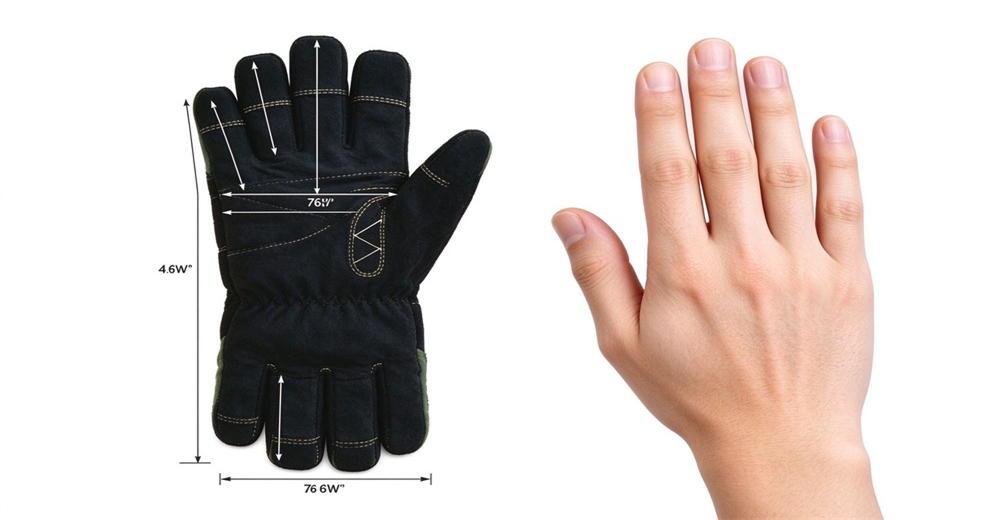
A glove that is too large reduces dexterity and can catch on equipment, while a glove that is too small restricts circulation and creates pressure points that reduce wearer compliance.
We recommend measuring hand circumference around the dominant hand at the knuckles, excluding the thumb, and consulting the size chart below.
Volume pricing for bulk safety gloves typically begins at 50 pairs with tiered discounts at 100, 500, and 1000+ units.
Wholesale work gloves Size
Glove Hand Circumference
Heat Glove Hand Length
Firefighter Glove Fit
S
7.5 - 8.0
6.5 - 7.0
Small adult / youth
M
8.0 - 8.5
7.0 - 7.5
Average adult female
L
8.5 - 9.0
7.5 - 8.0
Average adult male
XL
9.0 - 9.5
8.0 - 8.5
Large adult male
2XL
9.5 - 10.0
8.5 - 9.0
Extra large
3XL
10.0 - 10.5
9.0 - 9.5
XXL
For teams requiring gender-specific sizing, we offer both standard and women-specific fit patterns across the full size range, ensuring proper coverage and compliance for all workers.
Custom measurement programs are available for orders exceeding standard sizing parameters, and we recommend ordering a sample size set for fit validation before committing to a large bulk order.
Break-in period is an important consideration for leather gloves.
New gloves may feel stiff initially, but the full-grain leather softens and molds to the individual hand shape with use, improving both comfort and grip over the first several wears.
We recommend wearing new gloves during training exercises before deploying them in emergency situations, allowing the leather to conform and the wearer to become familiar with the feel and dexterity of the specific glove model.
This break-in period also allows the thermal liner to compress to its working thickness, optimizing the balance between insulation and tactile sensitivity.
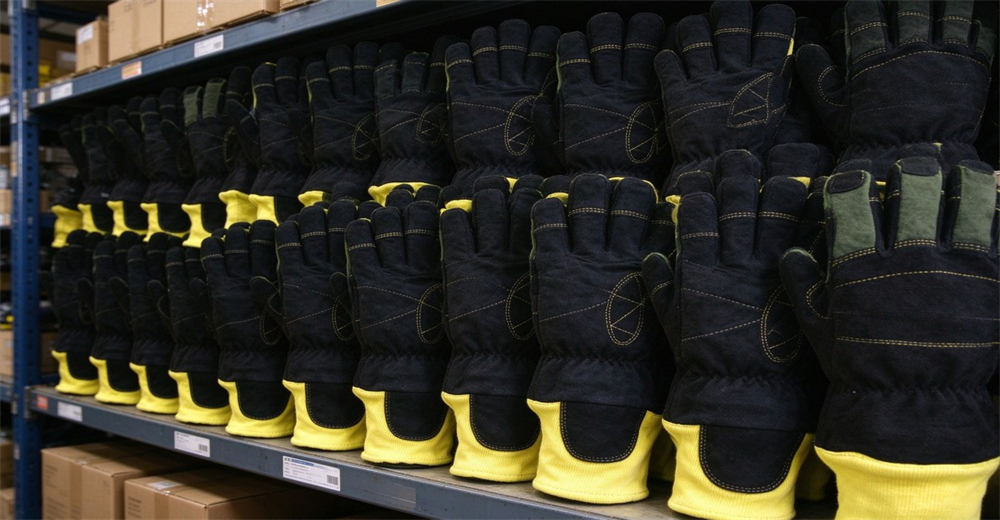
NFPA 1971 certified heat resistant gloves pass third-party laboratory testing. Fire gloves bearing this certification meet strict thermal standards. Bulk safety gloves procurement requires NFPA documentation.
Wholesale work gloves for fire departments must specify certification status.
NFPA 1971 certified heat resistant gloves meet strict thermal protection standards. Fire gloves bearing this certification have passed third-party laboratory testing.
Bulk safety gloves procurement for fire departments purchasing bulk safety gloves should require NFPA 1971 documentation. Third-Party Laboratory Testing Process Custom logo options for bulk safety gloves support department identity programs.
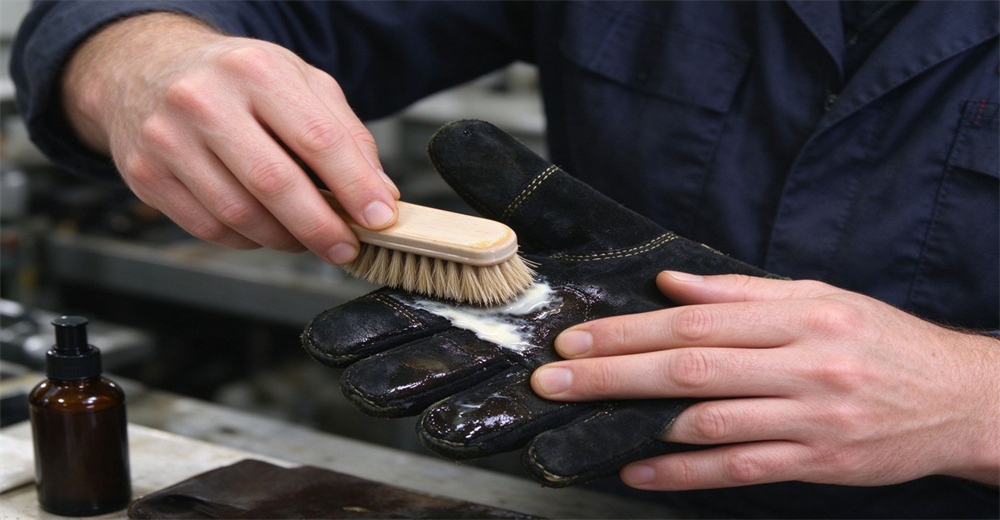
Storage conditions affect the longevity of heat resistant gloves and their protective properties.
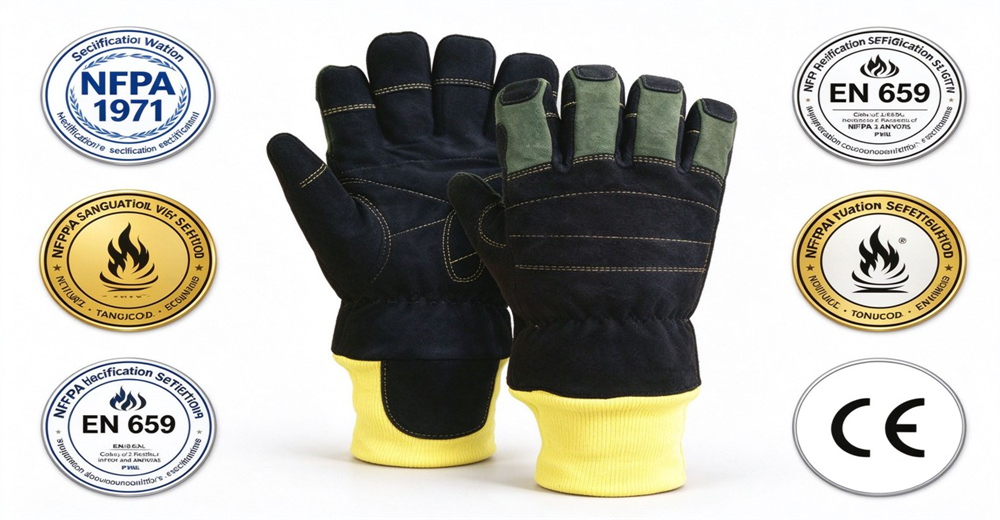
Our structural firefighting gloves are certified to NFPA 1971, Standard on Protective Ensembles for Structural Fire Fighting and Proximity Fire Fighting.
This certification requires that gloves pass comprehensive testing including thermal protective performance (TPP), conductive and compressive heat resistance, puncture resistance, cut resistance, and viral penetration resistance.
Each production lot is subject to quality verification, and certification is maintained through annual factory audits by an independent third-party testing laboratory.
For European and international markets, our gloves also meet EN 659, the European standard for protective gloves for firefighters.
EN 659 testing includes similar thermal and mechanical requirements with additional evaluation of glove dimensions, water vapor transmission, and resistance to water penetration.
Customers requiring both NFPA and EN certification can specify dual-certified fabric options, simplifying procurement for multinational organizations with facilities across North America and Europe.
Efficient inventory management ensures departments always have replacement gloves available when current pairs reach retirement criteria.
Every production lot undergoes rigorous quality inspection, with random samples tested for thermal performance, stitching integrity, and dimensional consistency to ensure every pair meets certification standards.
Regular training reinforces correct glove usage and inspection habits.
Proper fit and cuff seal are critical for preventing heat ingress.
Every pair is inspected at multiple production checkpoints to ensure consistent quality across large bulk safety gloves bulk orders.
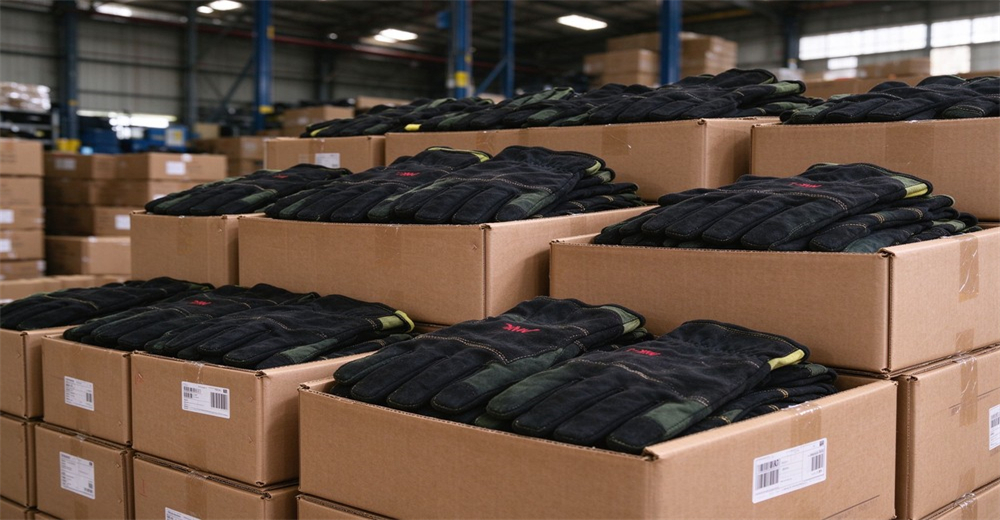
Proper storage of bulk safety gloves extends service life and maintains NFPA certification validity.
Department standardization of structural fire gloves simplifies training and replacement logistics.
Proper bulk safety gloves storage extends service life and maintains certification.
Protective gloves Standard
Glove Standard Scope
Heat Glove Key Tests
Firefighter Glove Application
NFPA 1971
Structural & proximity firefighting
TPP, conductive heat, viral penetration
Fire service, US & Canada
EN 659
Firefighter protective gloves
Thermal, mechanical, water resistance
Fire service, Europe
NFPA 1977
Wildland fire fighting
Thermal, flame, cut resistance
Wildland crews
EN 388
Industrial mechanical risk
Abrasion, cut, puncture, tear
Industrial PPE
EN 407
Thermal risk (industrial)
Flame, contact heat, radiant heat
Welding, foundry
For government and municipal procurement, we provide documentation packages aligned with federal supply schedule requirements, including certificates of conformity, test reports from accredited laboratories, fabric spec sheets, and care instructions.
All flame retardant properties are inherent to the aramid materials rather than applied as chemical treatments, ensuring consistent performance throughout the service life of the glove.
Understanding the difference between certification standards helps buyers make informed procurement decisions.
NFPA 1971 is specifically written for structural firefighting ensembles and includes the most rigorous thermal testing requirements, including the total heat loss (THL) test that evaluates both thermal insulation and breathability.
EN 659 is the European equivalent with similar thermal requirements but different test methodologies.
EN 407 covers industrial thermal risk gloves with lower performance thresholds than firefighting standards, making it suitable for welding and foundry applications but not for structural fire fighting.
Selecting the correct certification for the intended use ensures workers receive appropriate protection without overpaying for capabilities they do not need.
We maintain current certification for all glove models and can provide the specific test report numbers, laboratory names, and test dates required for procurement documentation.
Certification is not a one-time event — it requires ongoing compliance with manufacturing standards, regular product testing, and factory quality system audits.
Our production facilities are subject to annual surveillance audits by the certifying body, and any changes to materials, construction, or suppliers require re-certification testing before the modified product can be labeled as certified.
This rigorous ongoing compliance process gives buyers confidence that every glove delivered meets the same performance standard as the originally tested sample.
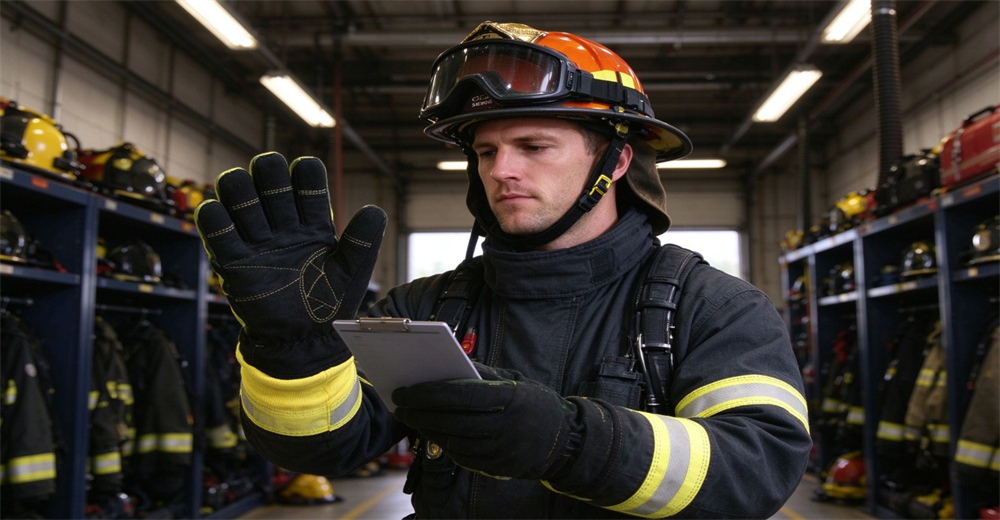
Training curricula should cover proper donning of firefighter gloves for rapid deployment.
Proper care extends the service life of heat resistant gloves. Fire gloves should be air-dried after each use. Bulk safety gloves maintenance programs include regular inspection.
Work gloves showing leather cracking must be removed from service. Wholesale work gloves suppliers recommend replacement schedules.
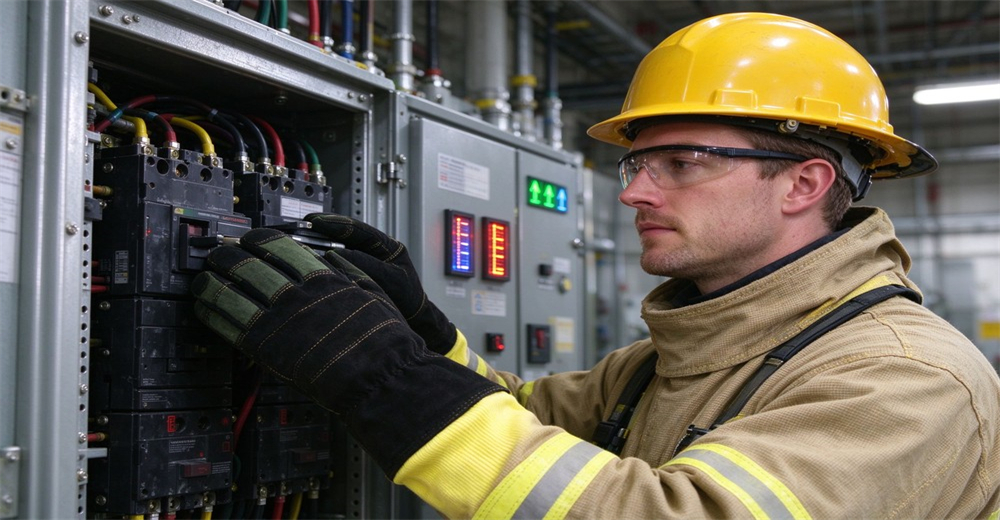
Petrochemical facilities require fire gloves resistant to both heat and chemical exposure.
Proper Storage to Extend Glove Lifespan
Proper care extends the service life of heat-resistant gloves and ensures they continue to meet wholesale work gloves certification requirements.
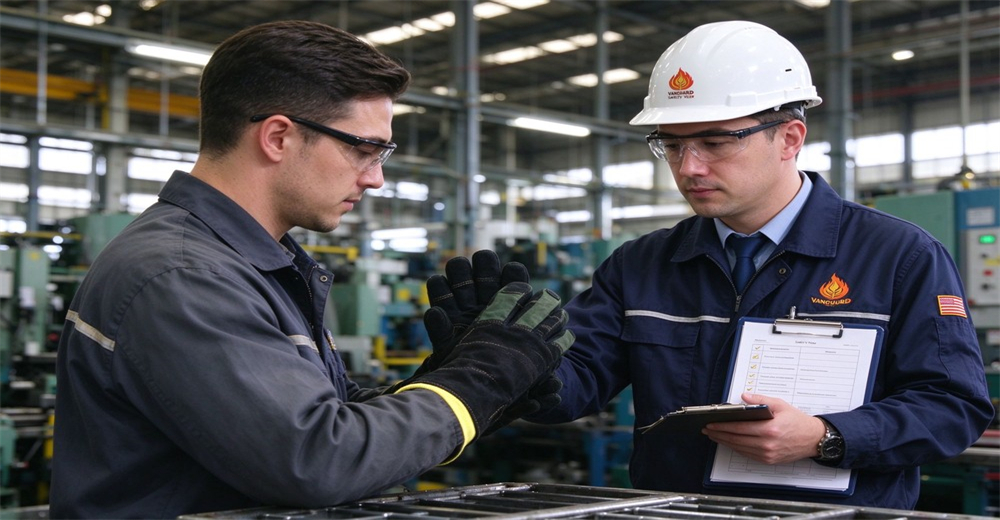
Gloves should be inspected before each use for signs of damage including holes, tears, charring, leather degradation, cuff separation, or contamination that cannot be removed.
Any glove showing these signs should be immediately removed from service and replaced.
For chemical and petrochemical environments, proper maintenance is especially critical, as chemical residue can degrade leather and compromise thermal performance over time if not cleaned promptly after exposure.
The ergonomic pre-curved design reduces hand fatigue during long-duration operations and improves overall wearer compliance.
Bulk procurement ensures departments maintain adequate replacement stock.
Quality materials and construction determine long-term service life.
Departments should implement formal inspection programs per NFPA guidelines, with structural fire gloves retired immediately upon showing heat damage, leather cracking, or cuff separation that compromises the moisture barrier.
tion. Gloves that have been exposed to flashover or significant thermal event should be removed from service and inspected by a qualified technician, even if no visible damage is apparent, as thermal degradation may not be visible to the naked eye.
Record keeping is an important component of a glove management program.
Each pair should be assigned a unique identifier, with records documenting date of issue, size, model, inspection dates, cleaning history, exposure events, and retirement date.
This documentation supports compliance with NFPA requirements, assists with budgeting for replacement cycles, and provides valuable data for analyzing glove performance and service life within a specific department operational profile.
For bulk buyers, we can provide custom labeling with sequential asset numbers to support this tracking program.
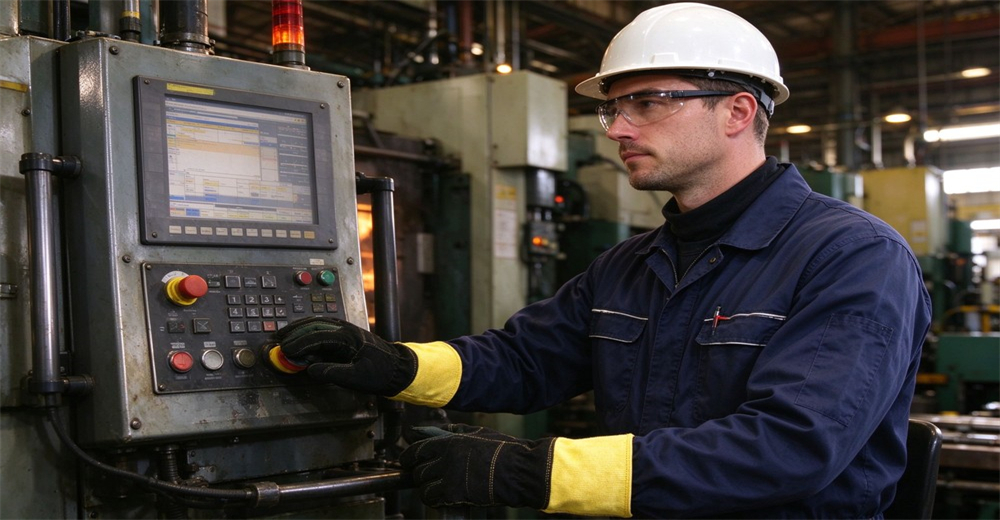
Test reports for structural fire gloves document TPP, conductive heat, and mechanical properties.
Wholesale work gloves for fire departments offer volume pricing. Bulk safety gloves packages include mixed sizes for team fitting. Protective gloves for industrial clients follow similar tiered pricing.
Heat resistant gloves are available in structural and wildland configurations.
Wholesale work gloves for fire departments offer volume pricing based on order quantity. Bulk safety gloves packages include mixed sizes for team fitting.
Protective gloves for industrial clients follow similar tiered pricing structures. Custom Logo and Branding Options Replacement schedules for protective gloves should account for usage intensity and exposure levels.
Bulk safety gloves can include custom department logos for identification. Wholesale work gloves branding options include screen printing and embroidery. Heat resistant gloves with custom branding help departments track inventory and reduce loss.
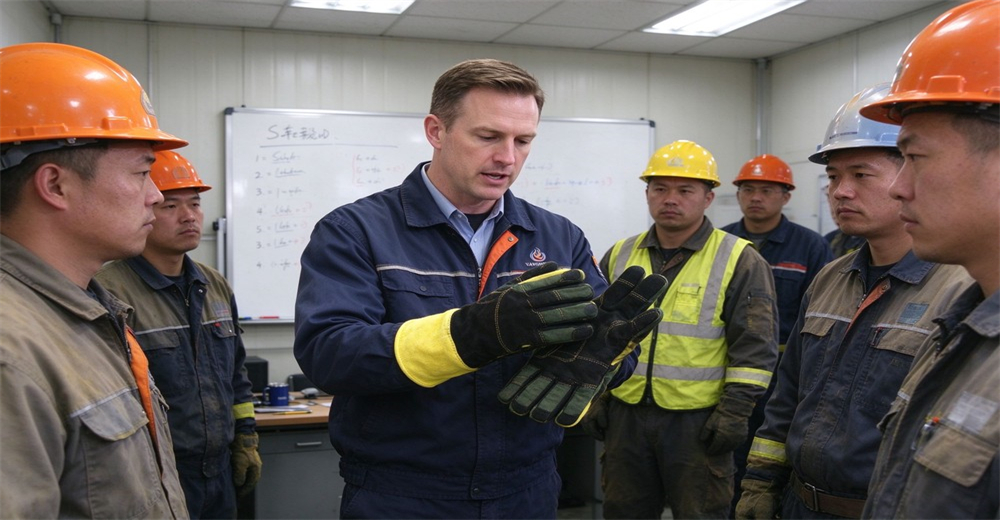
Lead Times and Delivery for Bulk Orders
We supply certified heat-resistant firefighter gloves to fire departments, industrial brigades, government procurement agencies, and PPE distributors worldwide.
Volume pricing tiers are structured to provide meaningful savings at each level: starter orders for small teams, mid-volume for department-wide rollouts, and enterprise-tier for multi-location or national contract procurement.
All bulk orders include complimentary size set samples for fit validation, custom labeling options for asset management, and dedicated account coordination from order confirmation through delivery.
Ergonomic design reduces hand fatigue during extended operations.
Certified gloves provide documented protection for compliance audits.
Each bulk shipment includes a detailed packing list with size breakdown, lot numbers, and certification documentation, ensuring full traceability and compliance with procurement requirements from receiving through deployment.
Organizations worldwide rely on certified thermal gloves to protect workers from the most common preventable hand injuries.
This ensures consistent protection across all operational scenarios.
For electrical utilities and industrial facilities, our gloves can be integrated into comprehensive firefighter gloves PPE programs, with bulk ordering and custom labeling supporting asset management across multiple sites and teams.
This combination of thermal protection and dexterity makes these gloves suitable for the widest range of high-heat tasks.
Proper fit and cuff seal are critical for preventing heat ingress.
Lead times for bulk production are confirmed at quotation stage based on leather availability and customization scope, with expedited options available for time-sensitive procurement deadlines.
Customization includes embroidered or printed department logos, individual pair labeling for asset tracking, and custom packaging for retail or distribution partners.
We work with buyers to establish reorder schedules that ensure consistent glove availability without overstocking, and we maintain production capacity to support emergency replenishment orders.
We offer multiple color and material configurations to match different operational requirements.
The standard structural model is available in black leather with yellow Kevlar cuffs, while proximity models feature aluminized leather for enhanced radiant heat reflection, and wildland models use lighter-weight goatskin in tan or natural colors.
Custom color combinations can be specified for department identification or uniform program consistency, with minimum order quantities applying to custom configurations.
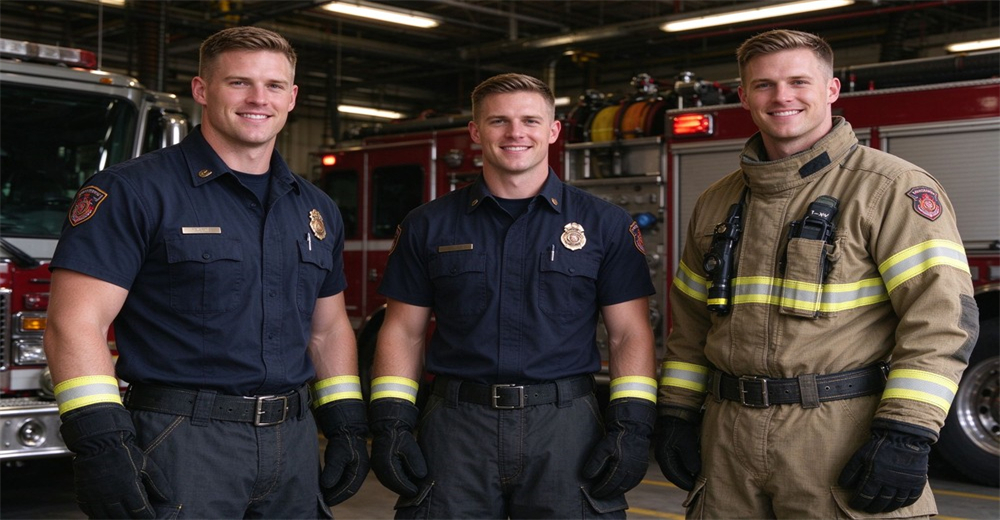
Ready to equip your team with certified heat resistant gloves? Our wholesale work gloves and bulk safety gloves meet NFPA 1971 standards. Contact us for protective gloves pricing and structural fire gloves specifications.
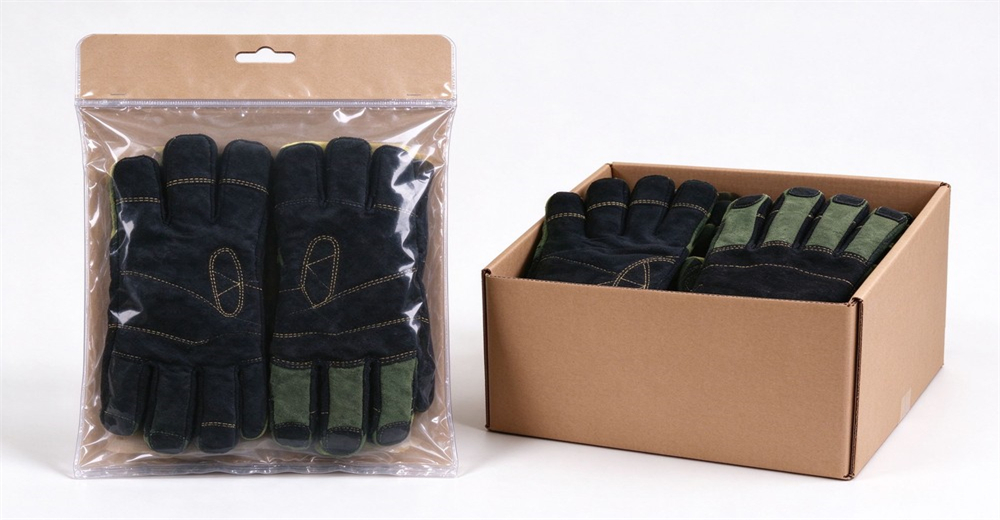
For wholesale department orders and government procurement, contact our team for a detailed quotation, custom specification consultation, and sample evaluation.
We supply certified structural firefighter gloves, proximity gloves, and wildland gloves to fire departments and industrial brigades worldwide.
Our custom order process includes design consultation, sample approval, bulk production, rigorous quality inspection, and secure packaging, ensuring every department receives gloves tailored to their specific requirements and operational profile.
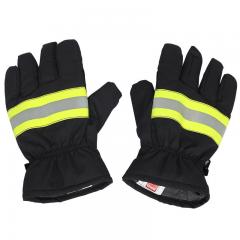 Firefighting Gloves, Govt Reserve, for Multi-Disaster Relief
These professional firefighting rescue gloves feature flame retardant, heat insulation, wear resistance, acid & alkali resistance and insulation. Heat-insulated styles withstand up to 1000℃, suitable for fire fighting, metallurgy and power maintenance. They support bulk procurement, meet fire safety standards and fit government emergency reserve and humanitarian relief needs.
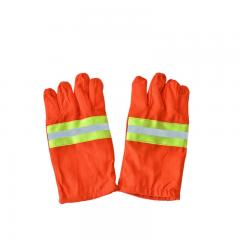 Firefighting Gloves, Red Cross Issue, for Earthquake Rescue
These Red Cross issued firefighting gloves feature flame retardant, heat insulation, wear resistance and acid-alkali resistance. High-temperature styles withstand up to 1000℃. They suit earthquake rescue and multi-disaster response, support long-term storage and bulk procurement for Red Cross relief reserves.
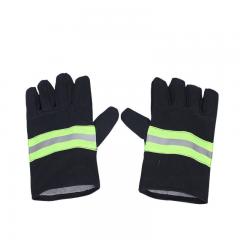 Cowhide Rescue Gloves, Military Squad Duty, Field Training
These cowhide rescue gloves are made of high-quality cowhide with excellent wear and tear resistance. They fit military squad duty, field training and tactical operations, with snug fit and flexible operation, suitable for soldier training and squad task protection, supporting bulk logistics reserve.
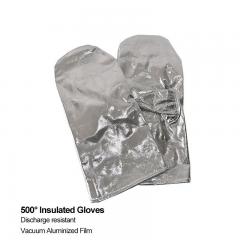 Firefighting Rescue Gloves, UN Donation, Humanitarian Aid
These firefighting rescue gloves have comprehensive protective performance, including flame retardant, heat insulation, wear resistance and acid-alkali resistance. They fit various disaster relief scenarios, support long-term storage and bulk supply, meeting international humanitarian aid demands for cross-border relief.
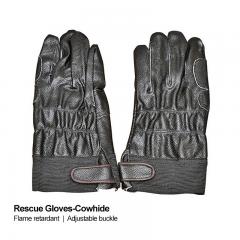 Heat Resistant Fire Gloves, for Earthquake Ruins Demolition
These heat resistant fire gloves are designed for earthquake ruins demolition, with heat insulation, flame retardant and wear-resistant properties. They resist rubble scratches and residual heat, support bulk purchase and long-term storage for emergency relief.
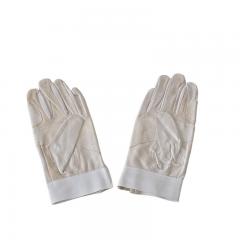 Rescue Gloves, Police Military Tactical Duty, Battlefield Use
These tactical rescue gloves are for police and military tactical duty and battlefield operations. Made of wear-resistant fabric, they ensure precise grip and flexible operation, resist sand scratches, support bulk logistics reserve for training and patrol.
Copyright © Custom Disaster - Relief Bedding: Tents, Sleeping Bags, Blankets All Rights Reserved
the professional team to service !