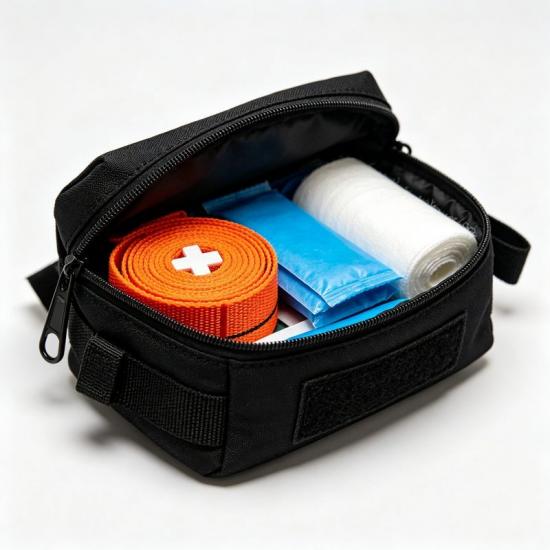
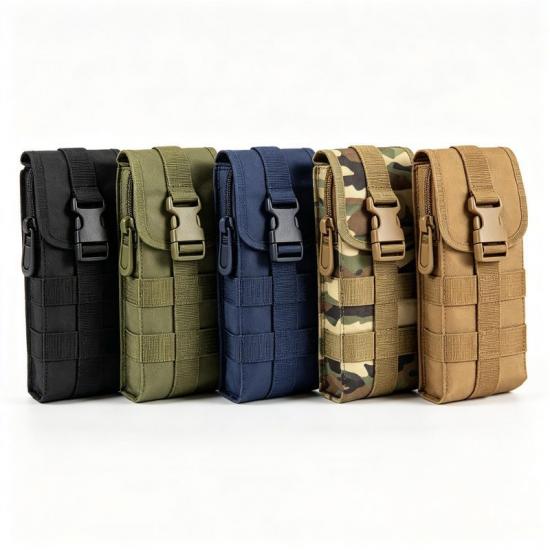
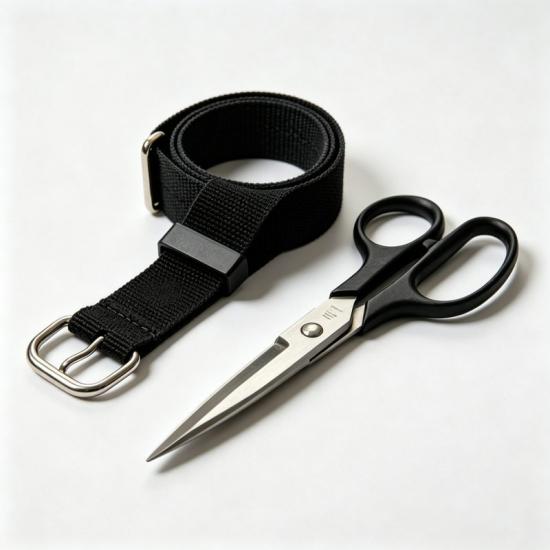
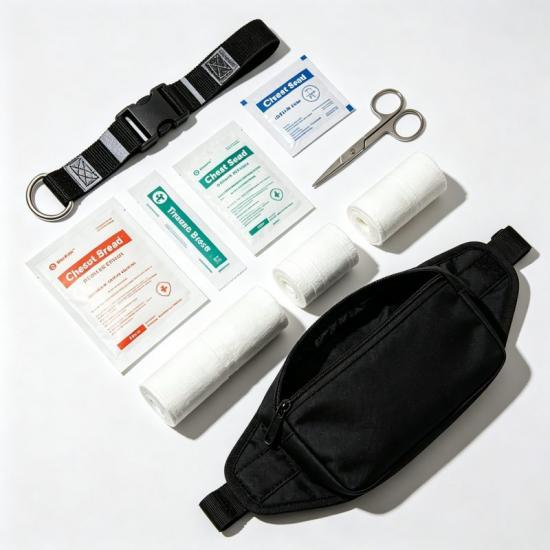
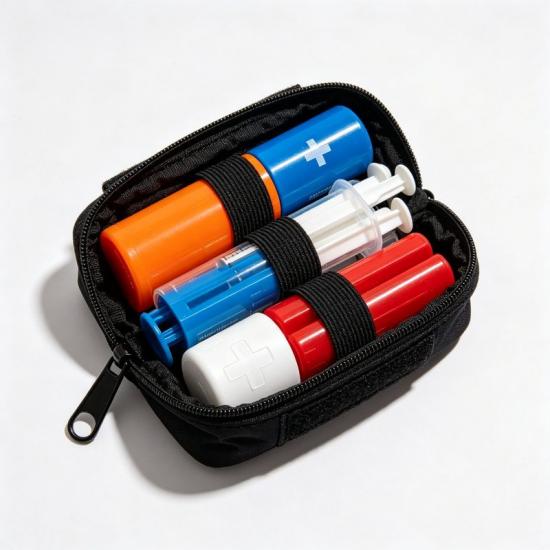
Heavy‑duty advanced trauma kit built with water‑resistant durable fabric, reflective strips and multi‑compartment modular storage. Small‑medium‑large sizes available, custom logo embroidery supported. Equipped with hemorrhage control, airway, burn and fracture immobilization supplies for fire department, EMS, workplace and institutional bulk procurement.
Note: Price for reference only. Exact price based on quantity, size, weight and custom details.
model no. :
BB-03Brand:
YRFmarket price :
$39.8sale price :
$19.9price range :
30-500/$19.9Color :
Multiple Colorsport of dispatch :
Guangdong/GuangzhouPayment :
TT, Paypal, Western Unionmin order :
30original region :
Made in ChinaLead Time :
5-15days
Advanced trauma kits are purpose-built for life-threatening bleeding and airway emergencies where every second counts. Designed for tactical teams, fire rescue, EMS, and industrial safety units, these kits organize hemorrhage control and airway management tools for rapid access under stress.
 |

|
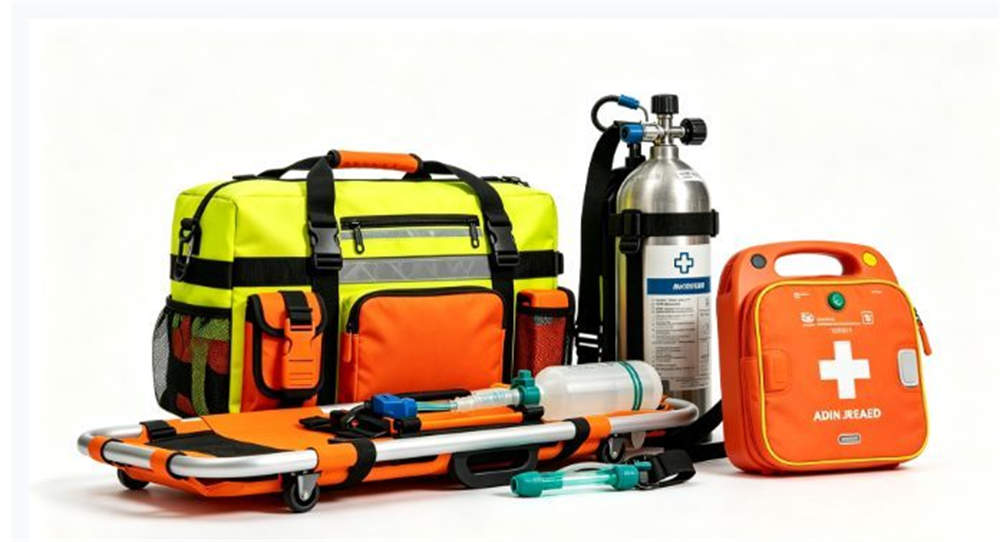
Our bleed control trauma kits are trusted by emergency responders across multiple industries. Each kit is carefully configured to provide immediate life-saving intervention when every second counts. Whether you are outfitting a fire department, EMS agency, military unit, or school safety program, our wholesale trauma kits deliver professional-grade quality at competitive bulk pricing.
Contact us today for an advanced trauma kit wholesale quote. Request a quote within 24 hours and experience our guaranteed quality with over 20 years of manufacturing expertise.
Our wholesale advanced kits are configured around the MARCH protocol kit configuration — Massive hemorrhage, Airway, Respiration, Circulation, Head injury. Every item in the kit maps to a specific step in casualty assessment. No filler items, no wasted space, no confusion under stress.
We supply wholesale military medical units seeking military trauma kit solutions, tactical law enforcement teams, fire rescue departments requiring firefighter trauma kit standards, and private security contractors. Bulk trauma kits orders include configuration consulting, custom content matching, and agency-specific packaging. China trauma kit manufacturing is based here, with trauma kit export experience across multiple regions.
The wholesale standard trauma configuration includes a trauma kit with tourniquet and trauma kit with chest seals as standard (a strap that tightens around a limb to stop severe bleeding — the most important item in any trauma kit)s, hemorrhage control gauze, pressure dressings, chest seal (an adhesive patch covering a chest wound to prevent lung collapse)s, a decompression needle, and airway management tools.
The enhanced configuration adds a second tourniquet, additional hemorrhage control agents, and a surgical airway kit for advanced practitioners.
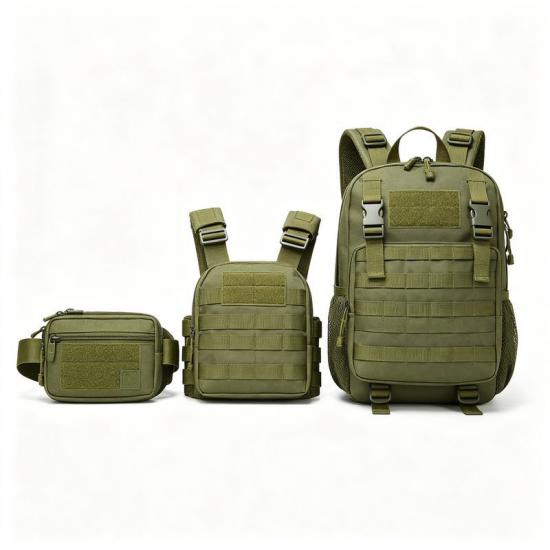
Both wholesale configurations share the same carrying platform — a MOLLE (Modular Lightweight Load-carrying Equipment — the standard webbing system on tactical vests to attach pouches)-compatible pouch with a rigid internal organizer. The platform can be mounted to plate carriers, medical backpacks, or vehicle panels. Upgrading contents does not require replacing the pouch.
Table of Contents: 1. Application Scenarios2. Trauma Response Protocol (Plain Language)3. Trauma Module Breakdown4. Pouch Material Comparison5. Field Durability Testing6. Access Speed & Organization7. Procurement Decision Framework8. Understanding the MARCH Protocol in Plain Language9. Cost-Per-Deployment Analysis10.
Deployment Environments11. Manufacturer Capabilities12. Compliance & Quality Assurance13. Government Contract Support14. Custom Configuration Options15. Life-Saving Contents Explained16. Who Needs an Advanced Trauma Kit?17. Frequently Asked Questions18. Related Medical Equipment19. Request a Quotation
Our disaster kit configurations complement IFAK trauma pouches and combat lifesaver kits. Bleed control station setups and public access bleed control stations trauma kit placements are becoming standard in schools, offices, and public venues following active shooter response kit protocols response protocols.
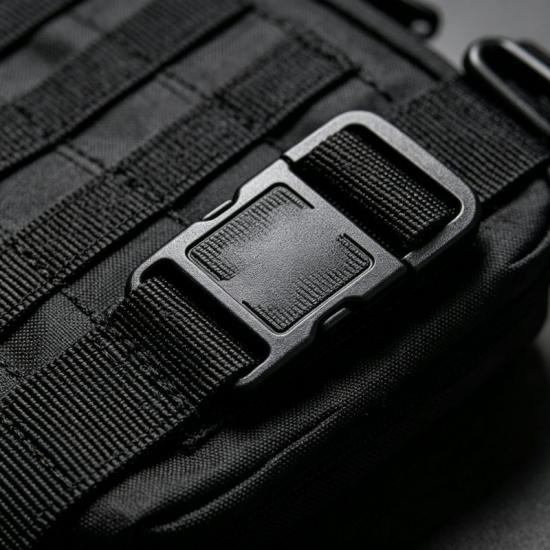
MOLLE trauma kit mounting systems allow secure attachment to tactical vests, while waterproof kit construction uses ripaway trauma kit design with quick release trauma kit buckles for one-handed access under stress. The tactical pouch format works with belt loop attachment systems.
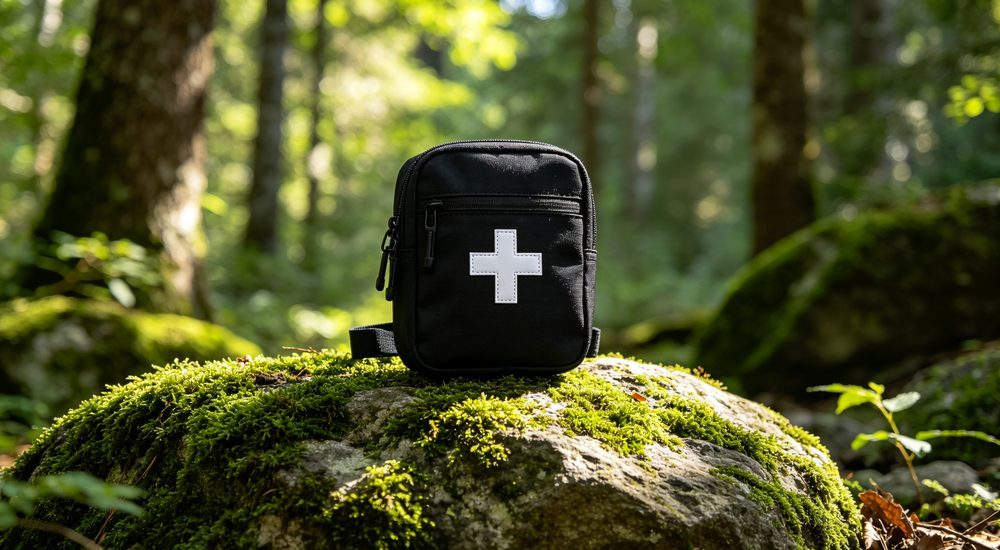
Outdoor kit configurations serve camping trauma kit enthusiasts, hiking trauma kit backpackers, and sports kit event coordinators. Industrial trauma kit requirements and workplace trauma kit regulations are fully addressed in our heavy-duty configuration, while safety kit stations provide rapid access in high-risk facilities.
As a trusted trauma kit supplier and trauma kit manufacturer with over 20 years of experience, we serve military kit procurement programs, law enforcement trauma kit standardization, and emergency trauma kit response teams.
Our wholesale kit program offers bulk pricing for department-wide deployment, while private label trauma kit options allow agencies to customize branding. Whether you need a combat trauma kit for tactical units or a stop the bleed kit for public access locations, our kit factory produces configurations matched to your operational requirements.
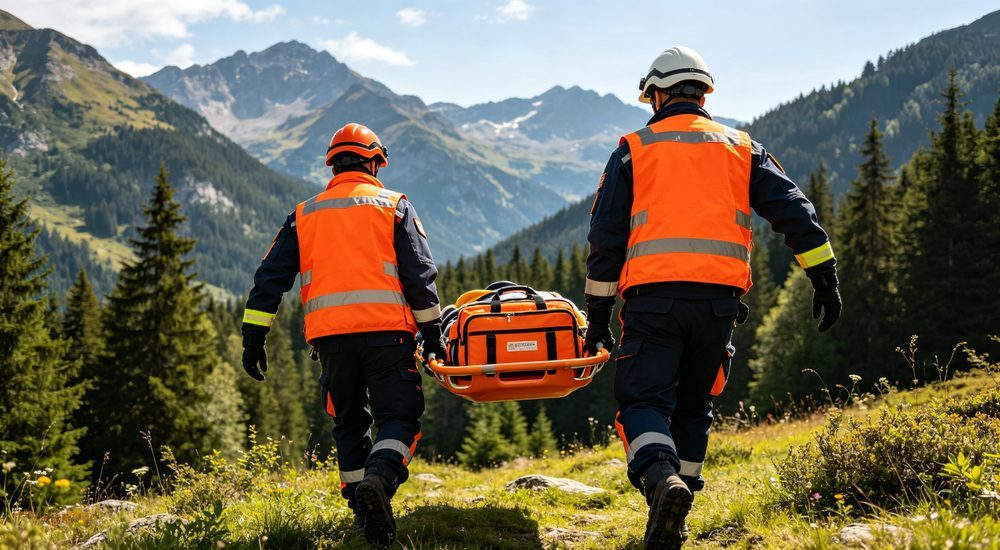
Explore our complete catalog of trauma and emergency response kits:
Advanced trauma kits address the full spectrum of traumatic injuries: hemorrhagic shock from uncontrolled bleeding, airway obstruction from facial trauma, hypoxia from chest injuries, traumatic brain injury (TBI) from blunt force, spinal injury from impacts, and compartment syndrome from crush injuries. Each module is organized to treat these conditions in order of lethality.
Standard contents include oropharyngeal airway (OPA) for unconscious patients, c-collar for spinal immobilization, elastic bandage and cohesive bandage for securing dressings, iodine swabs and alcohol pads for wound cleaning before closure. These items complement the core hemorrhage control and airway tools.
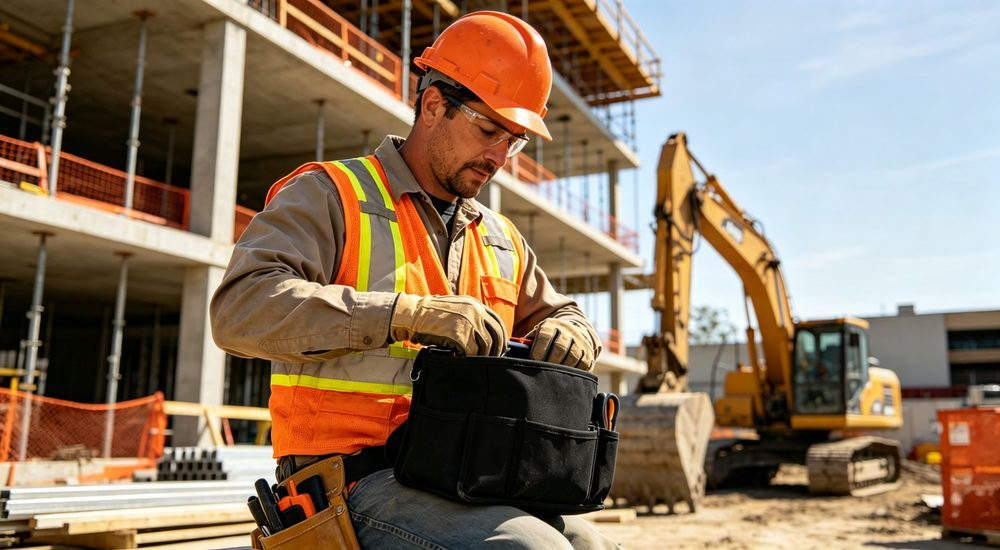
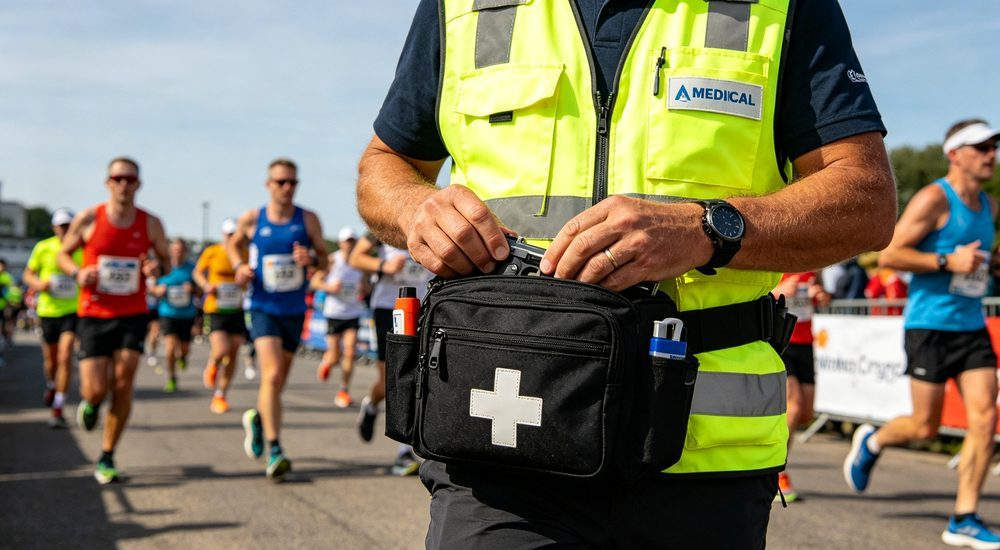
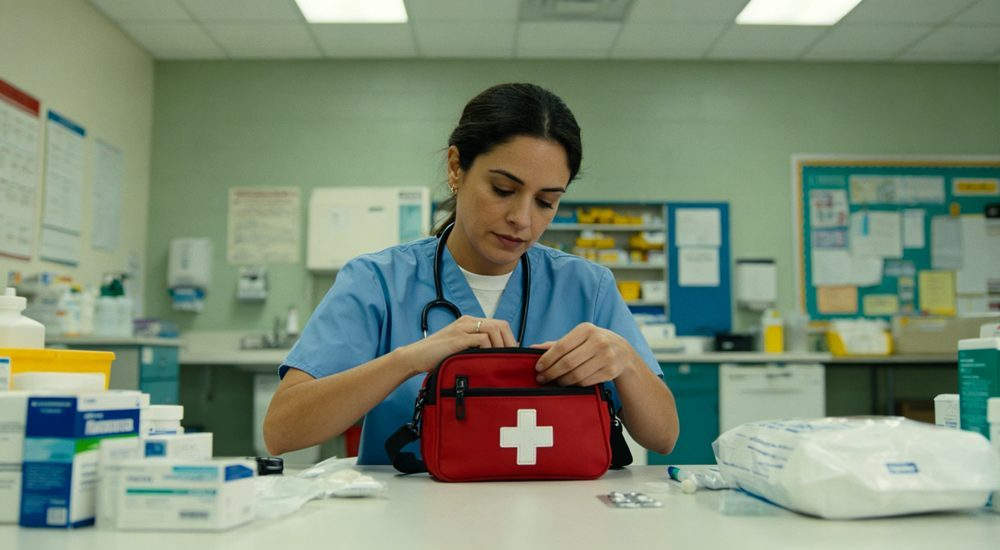
These advanced trauma kits serve fire department procurement teams, EMS agency supply chains, public safety departments, security company and private security, private military contractors, film set medics, offshore rig safety teams, mining company medical departments, construction safety officers, and warehouse safety managers. Government tender and humanitarian aid organizations also procure these configurations for field deployment.
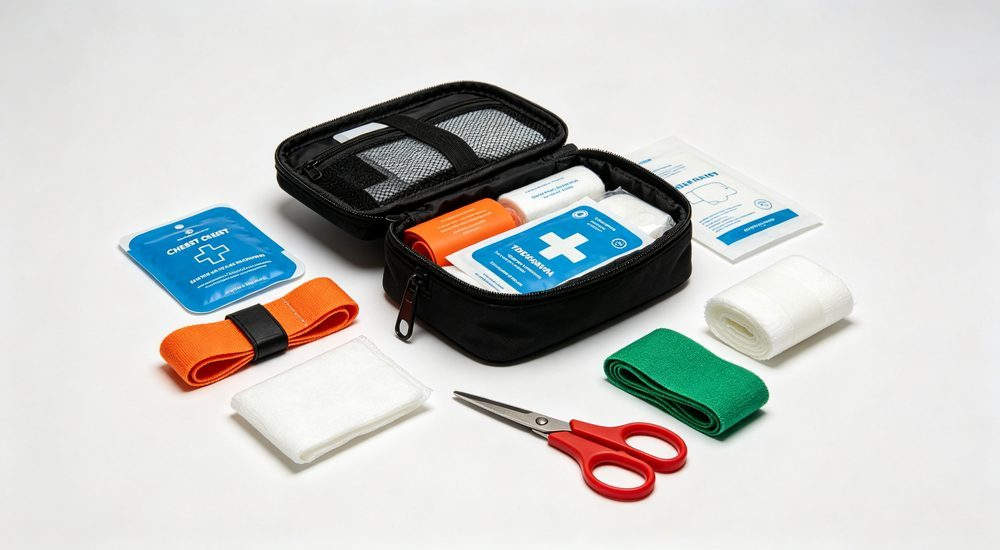
Scenario 1: Vehicle Extrication and MVC — Bulk kit
Paramedics, fire rescue, and tactical EMS teams use advanced trauma kits for motor vehicle collisions where entrapment delays transport. Common injuries include dashboard injury fractures, steering wheel trauma to the chest, and glass lacerations.
An advanced trauma kit is a portable hemorrhage control kit designed for rapid response to life-threatening bleeding. Also called a first aid trauma kit or bleed control kit, it contains tourniquets, chest seals, and hemorrhage control gauze for emergency trauma care.
Our bleed control kits are engineered for rapid hemorrhage control in the critical first minutes after injury. Each bleed control configuration includes tourniquets, chest seals, and hemorrhage control gauze — the three essentials proven to save lives from traumatic bleeding.
Our kits serve fire department requirements, EMS standards, paramedic protocols, and search and rescue missions. Active shooter trauma kit placements are increasingly common with school bleed control kit programs in schools and offices, while school trauma kit and office trauma kit programs follow Stop the Bleed initiatives.
We offer OEM trauma kit and ODM trauma kit services for brands seeking private label solutions. Our one handed trauma kit design enables rapid access when every second counts.
Vehicle crash, road accident, and traffic accident scenes require rapid extrication with spinal precautions. EMS vehicle crews mount the kit within arm's reach of the patient compartment, prioritizing hemorrhage control before full extrication.
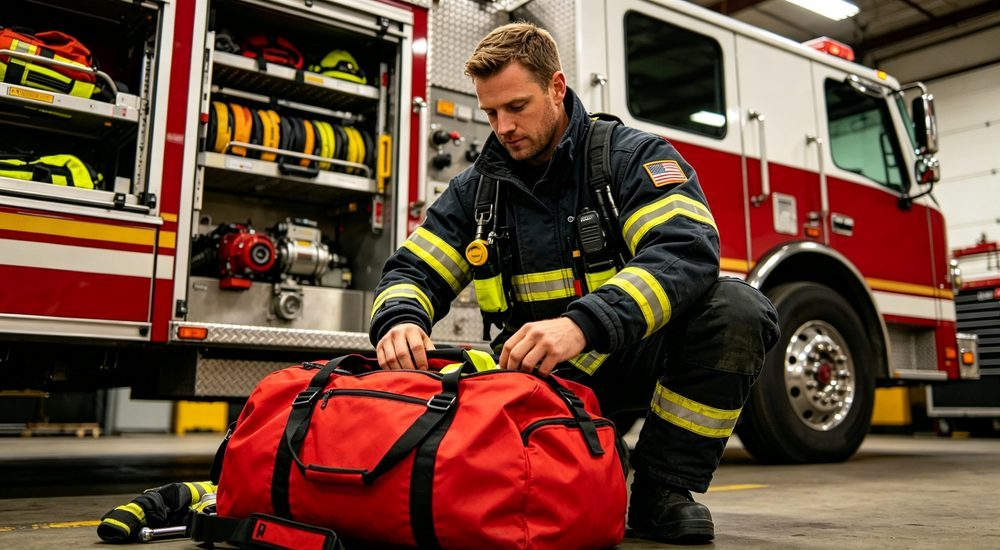
|
Recommended Item |
Purpose |
Recommended Item |
Purpose |
|
1. Cervical collar |
Immobilize neck from dashboard impact |
2. Long bone splint set |
Immobilize femur fractures from crashes |
|
3. Burn dressing pack (non-adherent) |
Treat burns from engine fires |
4. Trauma shears (heavy-duty) |
Cut clothing and safety belts quickly |
|
5. Abdominal pads |
Cover large wounds from dashboard impact |
6. Tourniquet |
Control severe bleeding from lacerations |
|
7. Pressure dressings |
Cover large wounds from broken glass |
8. Chest seals (pair) |
Treat steering wheel puncture wounds |
|
9. Nasopharyngeal airway |
Maintain airway while trapped |
10. Nitrile gloves |
Barrier protection at crash scene |
|
11. Emergency blanket |
Prevent hypothermic shock |
12. Gauze rolls (extra) |
Wrap injuries before transport |
|
13. Medical tape |
Secure dressings on moving patients |
14. Triangular bandages |
Sling and swathe extremity injuries |
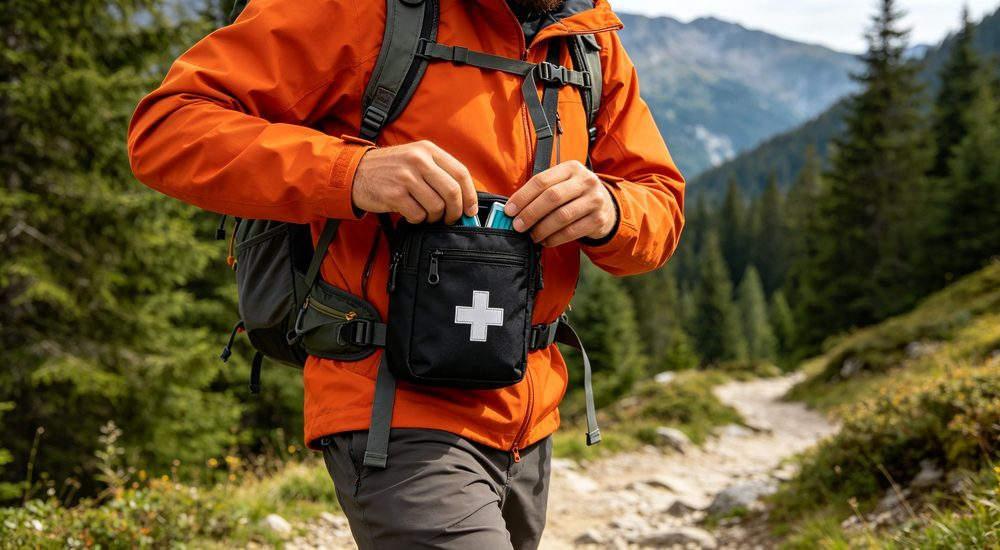
Our trauma kits are configured for rapid deployment across diverse operational environments.
Building collapse and urban search and rescue (USAR) operations involve extended extrication in unstable environments. Teams carry kits that survive dust, rubble, and debris while managing crush injuries and entrapment rescue scenarios.
Concrete crush injuries require prolonged hemorrhage control during extrication. Collapse rescue teams in city collapse zones and earthquake rescue operations follow similar USAR protocols for extended entrapment.
|
Recommended Item |
Purpose |
Recommended Item |
Purpose |
|
1. Crush injury dressing set |
Treat prolonged compression injuries |
2. Long bone splint set |
Immobilize fractures from concrete falls |
|
3. Rebar-safe trauma shears |
Cut clothing near protruding metal |
4. Triage tags (color-coded) |
Sort multiple patients quickly |
|
5. Eye pads with shields |
Protect eyes from concrete dust |
6. Tourniquet |
Control bleeding from rebar punctures |
|
7. Pressure dressings |
Cover large lacerations from debris |
8. Abdominal pads |
Cover large wounds from falling concrete |
|
9. Chest seals |
Treat penetrating chest trauma |
10. Nitrile gloves (heavy-duty) |
Barrier protection in dust |
|
11. Emergency blanket |
Prevent shock in cold rubble |
12. Gauze rolls (bulk) |
Wrap injuries before extraction |
|
13. Medical tape |
Secure dressings on dirty patients |
14. Elastic wraps |
Support sprains during extraction |
Factory blast, chemical explosion, and plant explosion incidents cause combined blast trauma, burns, and shrapnel wounds. Explosion trauma management requires immediate burn dressing and hemorrhage control at the scene.
|
Recommended Item |
Purpose |
Recommended Item |
Purpose |
|
1. Burn dressing set (large, non-adherent) |
Treat partial and full-thickness burns |
2. Eye pads with rigid shields |
Protect eyes from flying debris |
|
3. Blast injury assessment pads |
Cover fragmentation wounds |
4. Triage tags |
Sort multiple explosion victims |
|
5. Fire blanket |
Smother small fires near patients |
6. Tourniquet |
Control bleeding from fragmentation |
|
7. Pressure dressings |
Cover lacerations from flying debris |
8. Abdominal pads |
Cover large wounds from explosions |
|
9. Chest seals |
Treat penetrating chest trauma |
10. Nitrile gloves |
Barrier protection in smoke |
|
11. Emergency blanket |
Prevent burn shock |
12. Trauma shears |
Cut burned clothing safely |
|
13. Gauze rolls (bulk) |
Wrap injuries before transport |
14. Medical tape |
Secure dressings on burn patients |
Multiple casualty events and mass shooting incidents demand triage to prioritize care. MCI and disaster response protocols emphasize rapid hemorrhage control before transport, with active shooter kits carried by individual officers.
|
Recommended Item |
Purpose |
Recommended Item |
Purpose |
|
1. Color-coded triage tags |
Sort patients by severity quickly |
2. Multi-pack tourniquets |
Treat multiple bleeding patients |
|
3. Bulk pressure dressings |
Cover wounds across many patients |
4. Marker pens and tape |
Mark treated patients on scene |
|
5. Mass casualty dressing set |
Treat varying injury severity |
6. Abdominal pads (bulk) |
Cover large wounds on multiple patients |
|
7. Chest seals (multi-pack) |
Treat penetrating chest trauma |
8. Nitrile gloves (box) |
Barrier protection for all providers |
|
9. Emergency blankets (multi) |
Prevent shock in many patients |
10. Trauma shears (multi) |
Cut clothing for multiple patients |
|
11. Gauze rolls (bulk) |
Wrap injuries across patients |
12. Medical tape (multi) |
Secure dressings on many patients |
|
13. CPR masks (multi) |
Safe rescue breathing for multiple |
14. Triangular bandages (bulk) |
Sling and swathe many injuries |
Battlefield injury and combat injury patterns include gunshot wounds (GSW), IED shrapnel, and blast injuries. Frontline trauma and war wound management prioritize tourniquet use and chest seals before casualty evacuation.
|
Recommended Item |
Purpose |
Recommended Item |
Purpose |
|
1. MOLLE plate carrier pouch |
Instant access on body armor |
2. Junctional hemorrhage dressing |
Treat groin and armpit wounds |
|
3. Chest seals (pair, vented) |
Treat entry and exit wounds |
4. Tactical tourniquet (black) |
One-handed application under fire |
|
5. Tactical trauma shears |
Cut uniforms and body armor |
6. Pressure dressings (tactical) |
Cover entry and exit wounds |
|
7. Nasopharyngeal airway |
Maintain airway in field |
8. Emergency blanket (fire-resistant) |
Prevent hypothermia under fire |
|
9. Nitrile gloves (black) |
Barrier protection in combat |
10. Gauze rolls (tactical) |
Wrap injuries during transport |
|
11. Medical tape |
Secure dressings on moving patients |
12. Abdominal pads |
Cover large traumatic wounds |
|
13. Elastic wraps |
Support fractures during evacuation |
14. Safety pins |
Secure dressings in field |
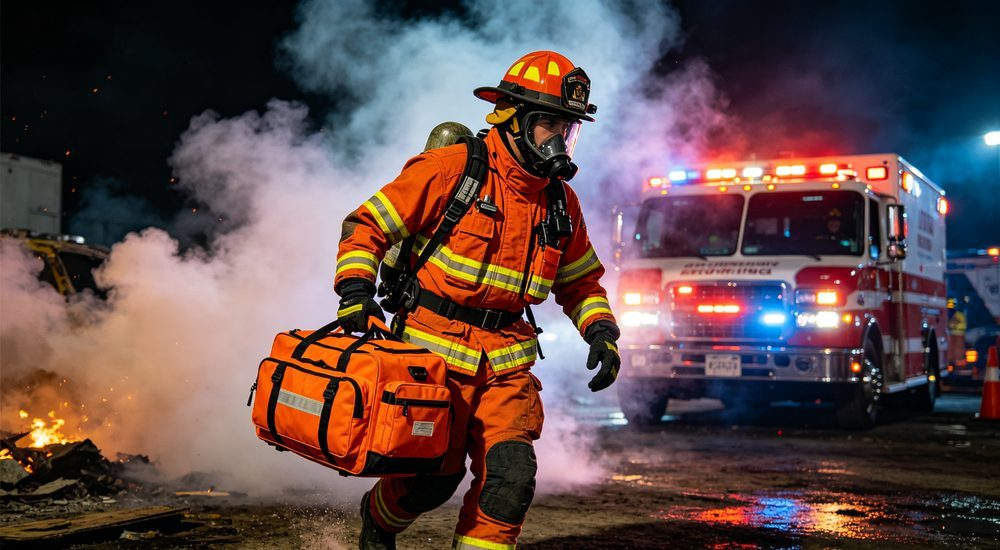
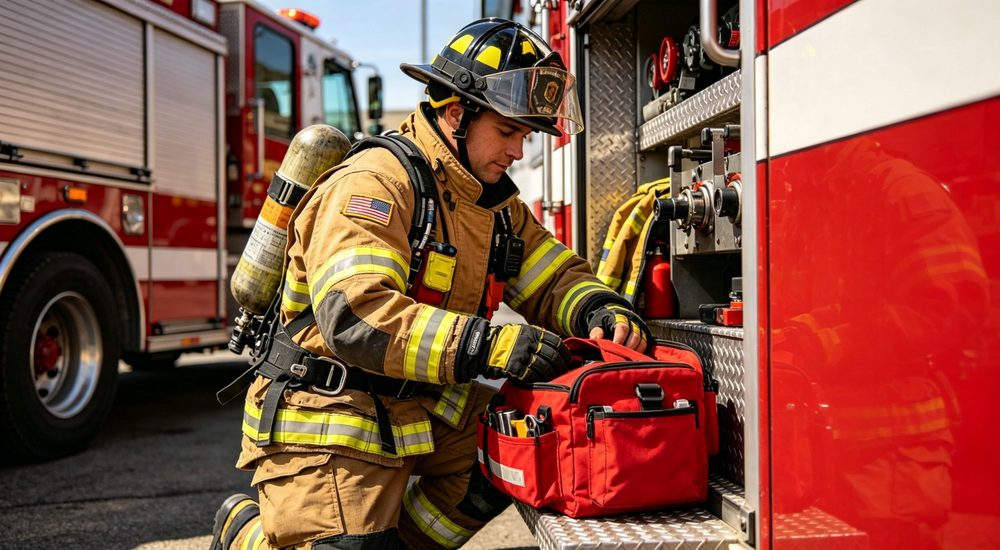
Fire rescue and structure fire operations involve burn injuries, smoke inhalation, and structural collapse risks. Firefighters need kits accessible quickly while wearing gloves and SCBA during interior structure fire attacks.
Burn injury and thermal injury from flash burns require specialized non-adherent dressings. Firefighter trauma on the fireground includes burns, smoke inhalation, and collapse injuries, with fire scene operations demanding rapid glove-friendly access.
|
Recommended Item |
Purpose |
Recommended Item |
Purpose |
|
1. Burn dressing set (large, non-adherent) |
Treat extensive thermal burns |
2. Smoke inhalation face protection |
Protect airway during treatment |
|
3. Thermal burn non-adherent pads |
Cool and protect burn wounds |
4. bright-colored kit case |
Locate quickly in smoke |
|
5. Eye pads with shields |
Protect eyes from smoke and ash |
6. Tourniquet |
Control bleeding from debris |
|
7. Pressure dressings |
Cover lacerations from structures |
8. Abdominal pads |
Cover large wounds from falls |
|
9. Nitrile gloves |
Barrier protection in smoke |
10. Emergency blanket |
Prevent burn shock |
|
11. Trauma shears |
Cut burned clothing safely |
12. Gauze rolls (bulk) |
Wrap injuries before transport |
|
13. Medical tape |
Secure dressings on burn patients |
14. Fire blanket |
Smother residual fires near patient |
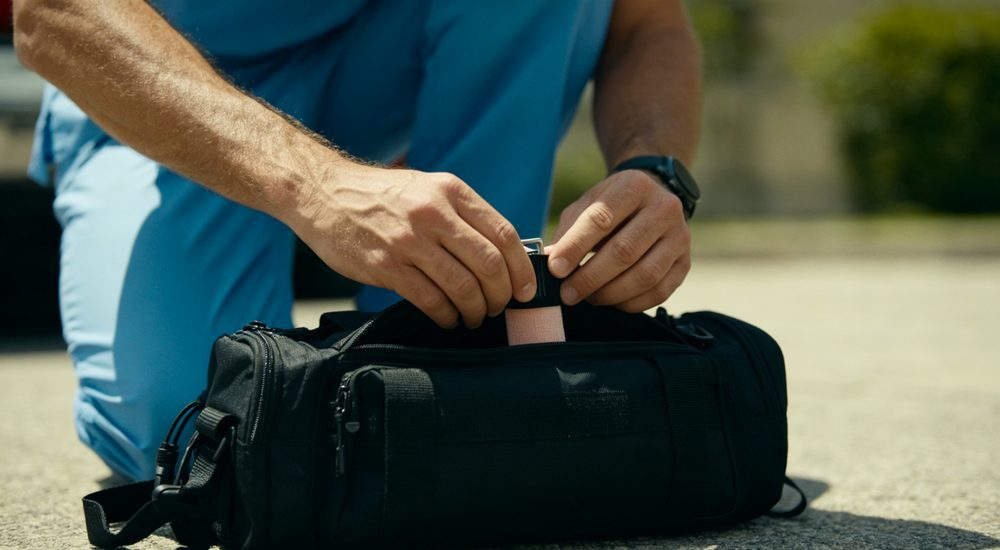
An EMS trauma kit is essential for pre-hospital emergency response. Understanding how an advanced trauma kit is used in the field helps procurement teams specify the right contents. This plain-language guide follows the standard MARCH protocol, explaining each step and the corresponding kit items needed, whether selecting a wholesale trauma kit for a fire department or a custom kit for a tactical team.
Our trauma kits are configured for rapid deployment across diverse operational environments.
|
Step |
Action |
Kit Items Used |
Who Needs This |
|
M - Massive Hemorrhage |
Apply tourniquet to bleeding limb |
Tourniquet, pressure dressing |
For fire department, for EMS, tactical |
|
A - Airway |
Open and maintain airway |
Nasopharyngeal airway, suction |
For military, combat medics, EMS |
|
R - Respiration |
Treat chest wounds with seal |
Chest seals (pair), occlusive dressing |
For tactical team, military, fire rescue |
|
C - Circulation |
Control remaining bleeding |
Gauze, pressure dressings, trauma pads |
All trauma responders |
|
H - Hypothermia |
Prevent heat loss and shock |
Emergency blanket, bivvy, foil blanket |
All trauma responders |
As a professional trauma kit supplier, we build bulk advanced trauma kit orders configured for each step of this protocol. The mass casualty kit configuration includes extra tourniquets and chest seals for multi-patient incidents, while the combat kit build prioritizes junctional hemorrhage control for tender and military procurement. All kits can be customized with agency-specific contents and branding.
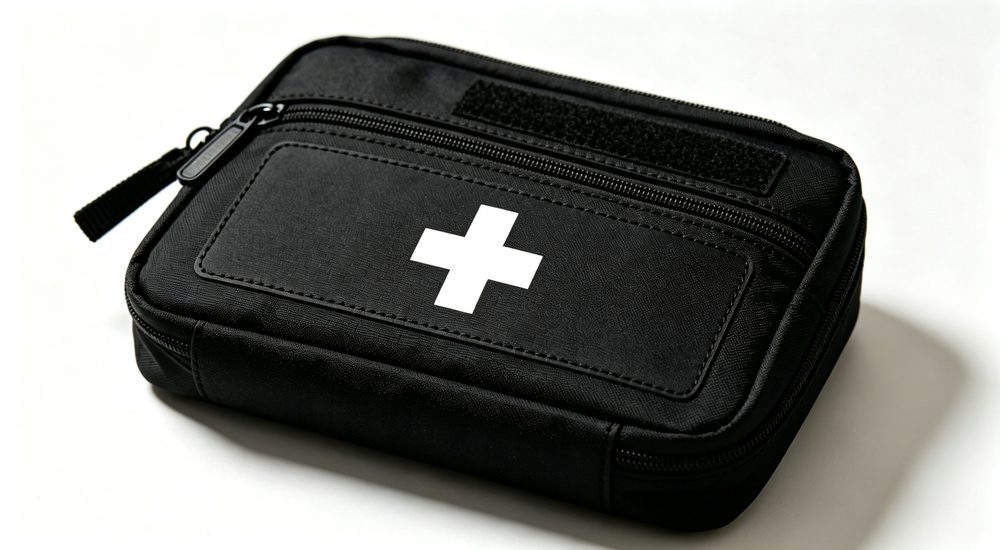
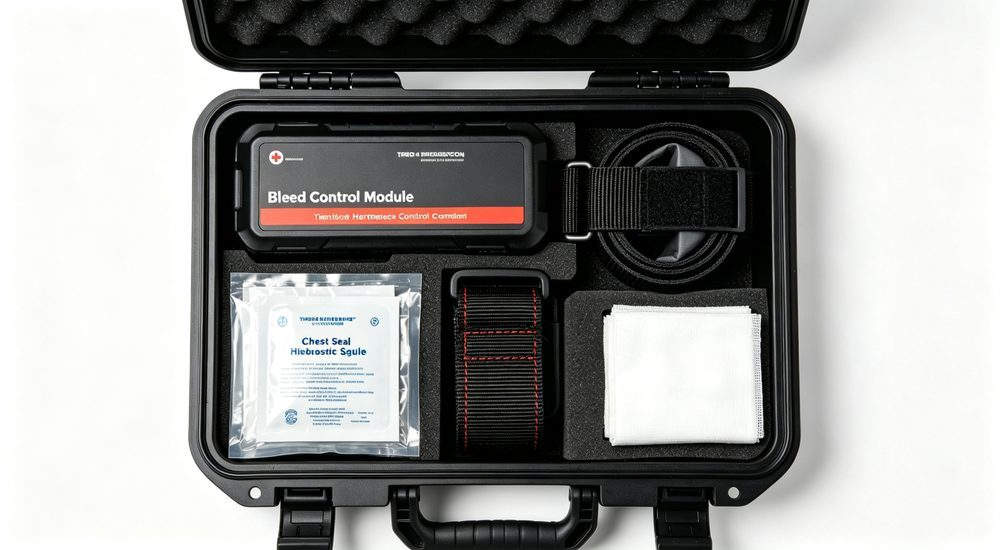
Understanding what goes into an advanced trauma kit starts with the MARCH protocol. Each module addresses a specific life-threatening condition in priority order. The table below shows the standard and enhanced configurations.
Field trauma kit designs prioritize durability and weather resistance for remote deployments.
Trauma response kit contents are organized by the MARCH sequence for intuitive use under pressure.
Our role as a kit manufacturer means direct pricing without middleman markup.
OEM trauma kit services include private labeling, custom pouch colors, and client-specified content lists.
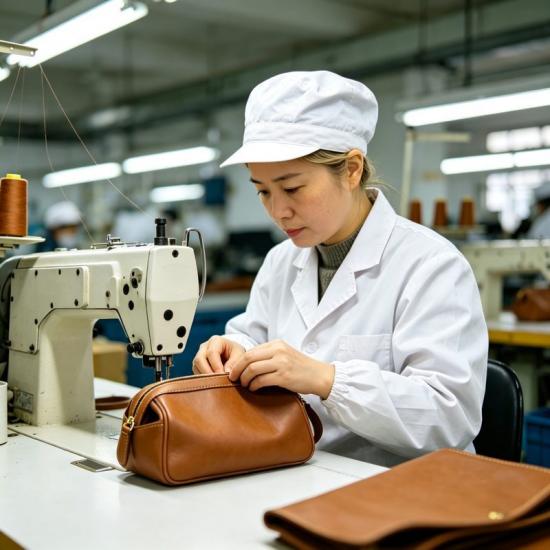
As a trauma kit factory with in-house cutting and sewing, we control quality at every production stage.
The trauma bag format offers soft-sided portability for teams that need to carry kits on foot or in backpacks.
Bleeding control kit configurations prioritize tourniquets, pressure dressings, and hemorrhage control agents for rapid hemorrhage control.
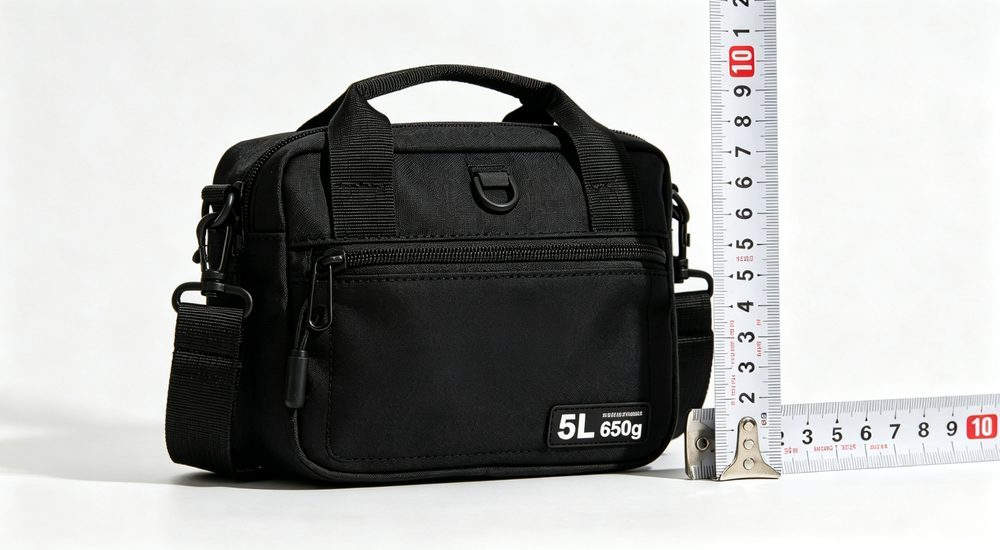
|
MARCH Step |
Standard kit |
Enhanced trauma kit |
|
Massive Hemorrhage |
Tourniquet x2, hemorrhage control gauze x2, pressure dressing x3, gauze rolls x4 |
Tourniquet x3, hemorrhage control gauze x4, pressure dressing x4, gauze rolls x6, wound packing gauze x2 |
|
Airway |
Nasopharyngeal airway x2 (sizes), lubricant x1 |
Nasopharyngeal airway x3, oropharyngeal airway x2, lubricant x1, surgical airway kit x1 |
|
Respiration |
Chest seals x2 (vented), decompression needle x1 |
Chest seals x4 (vented), decompression needle x2, flutter valve x1 |
|
Circulation |
IV start kit x1, saline lock x2, tourniquet (secondary) x1 |
IV start kit x2, saline lock x4, IO access kit x1, hemorrhage control clamp x1 |
|
Head/Hypothermia |
Emergency blanket x1, cervical collar x1 |
Emergency blanket x2, cervical collar x1, trauma shears x1, penlight x1 |
|
Tools |
Trauma shears x1, tweezers x1, gloves x2 pairs |
Trauma shears x1, tweezers x1, gloves x4 pairs, face shield x1 |
|
Pouch Size |
25 x 18 x 8 cm, empty weight 450 g |
28 x 20 x 10 cm, empty weight 600 g |
All dimensions are approximate and may vary by batch. The enhanced kit uses a slightly larger pouch to accommodate the IO access kit and surgical airway tools. Both pouches are MOLLE-compatible and feature a rigid internal backer for structure.
Our trauma kits are configured for rapid deployment across diverse operational environments.
The internal layout follows the MARCH sequence from top to bottom. The medic opens the pouch and works downward — hemorrhage items first, then airway, then respiration, then circulation. This spatial organization reduces decision time under stress and ensures no step is skipped.
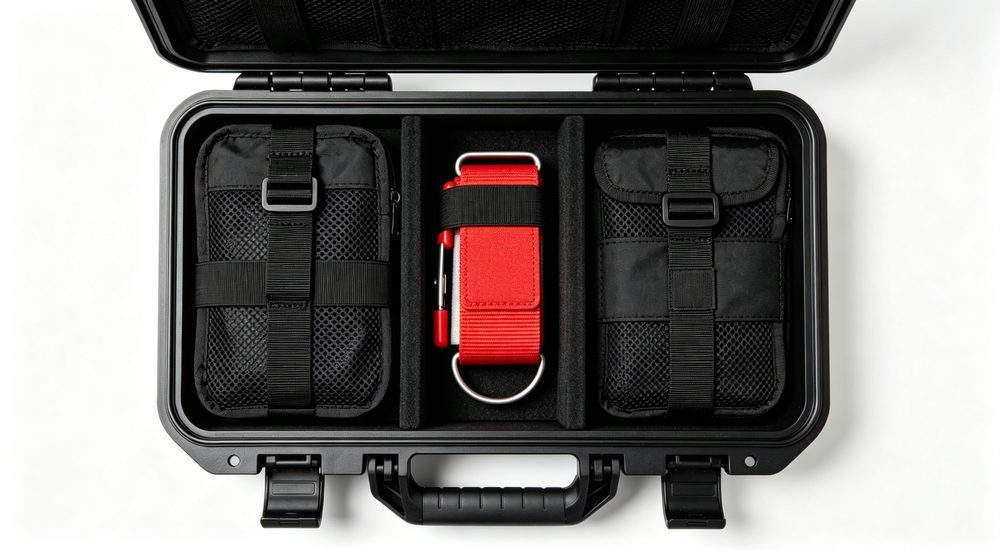
Our trauma kits are designed for rapid deployment in high-stress environments. Each configuration undergoes rigorous testing to ensure reliable performance when it matters most.
|
Component |
Standard |
Enhanced |
Purpose |
|
Tourniquet |
2 |
3 |
Extremity hemorrhage control |
|
Chest Seals |
2 |
4 |
Penetrating chest trauma |
|
hemorrhage control Gauze |
1 roll |
2 rolls |
Junctional bleeding |
|
Pressure Dressings |
2 |
3 |
Wound compression |
|
Trauma Shears |
1 |
1 |
Clothing removal |
|
Nasopharyngeal Airway |
1 |
2 |
Airway management |
|
Emergency Blanket |
1 |
1 |
Hypothermia prevention |
|
Nitrile Gloves |
2 pairs |
4 pairs |
Protection |
|
Parameter |
Standard Model |
Enhanced Model |
|
Dimensions |
20 x 15 x 8 cm |
25 x 18 x 10 cm |
|
Weight (empty) |
280g |
350g |
|
Weight (full) |
650g |
950g |
|
Material |
500D Cordura nylon |
1000D Cordura nylon |
|
Water resistance |
IPX4 |
IPX6 |
|
Mounting system |
MOLLE / belt loop |
MOLLE / belt loop / rip-away |
|
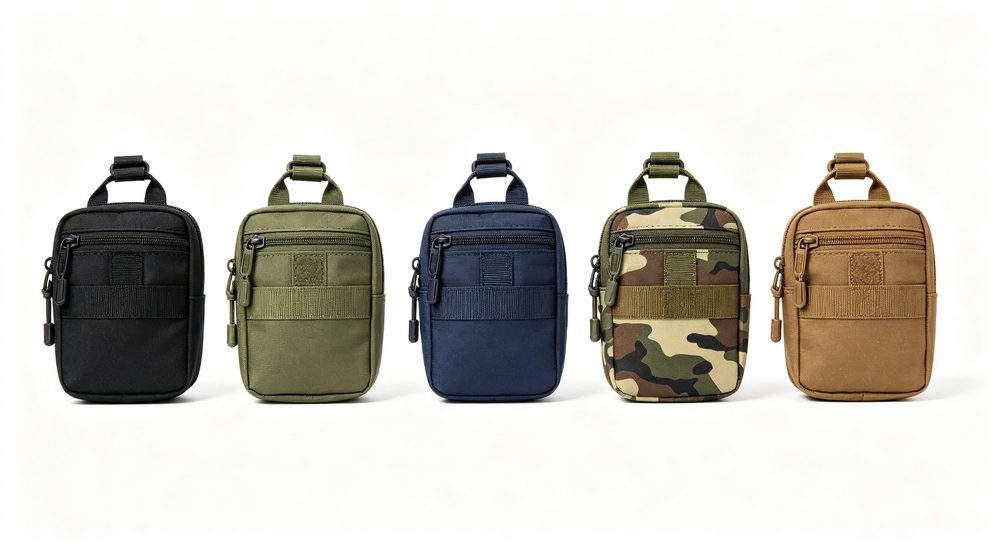
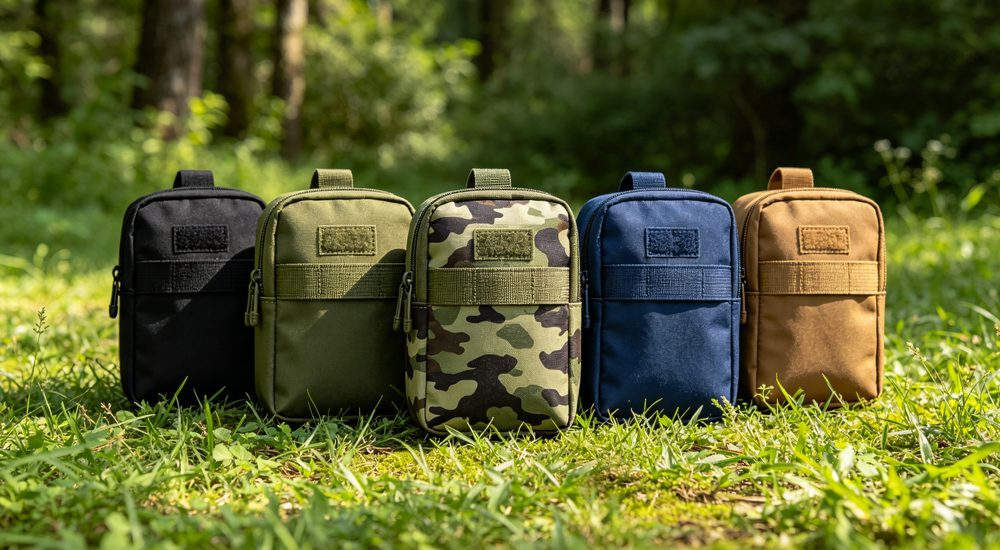
Color options |
Black, olive, navy |
Black, olive, navy, camo, coyote |
|
MOQ |
100 units |
50 units |
|
Lead time |
15-20 days |
20-25 days |
The trauma pouch must survive being dropped, dragged, soaked, and crushed. Three material options are available, each with distinct tradeoffs.
The standard kit uses 1000D Cordura nylon with PU coating. This material was selected because it balances extreme abrasion resistance with reasonable weight. The interior features a bright orange lining — a deliberate design choice that creates contrast with dark medical items, making contents easier to locate under low-light conditions.
|
Material |
Abrasion Resistance |
Water Resistance |
Weight |
Best Application |
|
1000D Cordura Nylon |
Excellent |
Very Good (PU coated) |
Heaviest |
Military / combat environments (default) |
|
500D Cordura Nylon |
Very Good |
Good (PU coated) |
Medium |
Law enforcement / tactical teams |
|
600D Polyester + PVC |
Good |
Excellent |
Medium |
Fire rescue / marine environments |
|
EVA Hard Shell |
Excellent |
Superior |
Heaviest |
Vehicle-mounted / fixed stations |
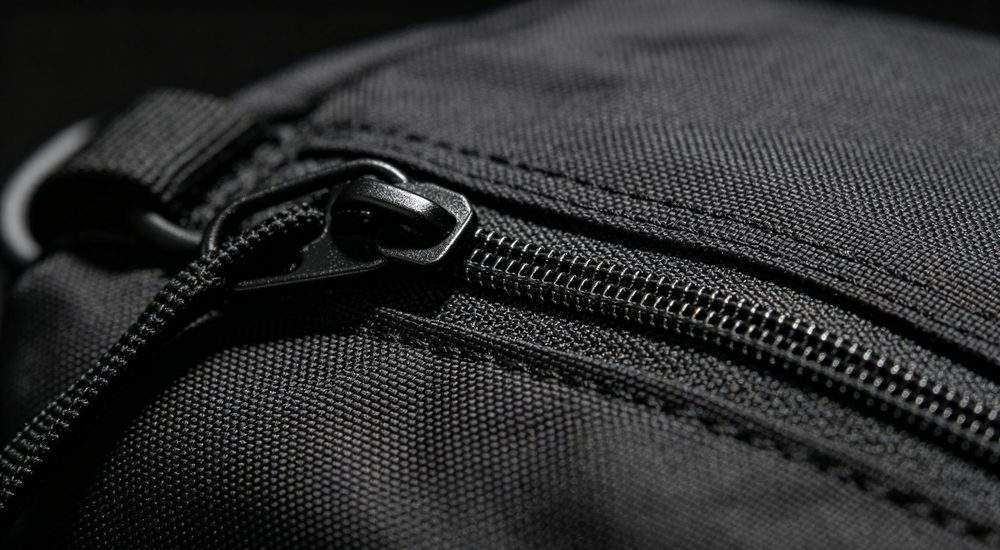
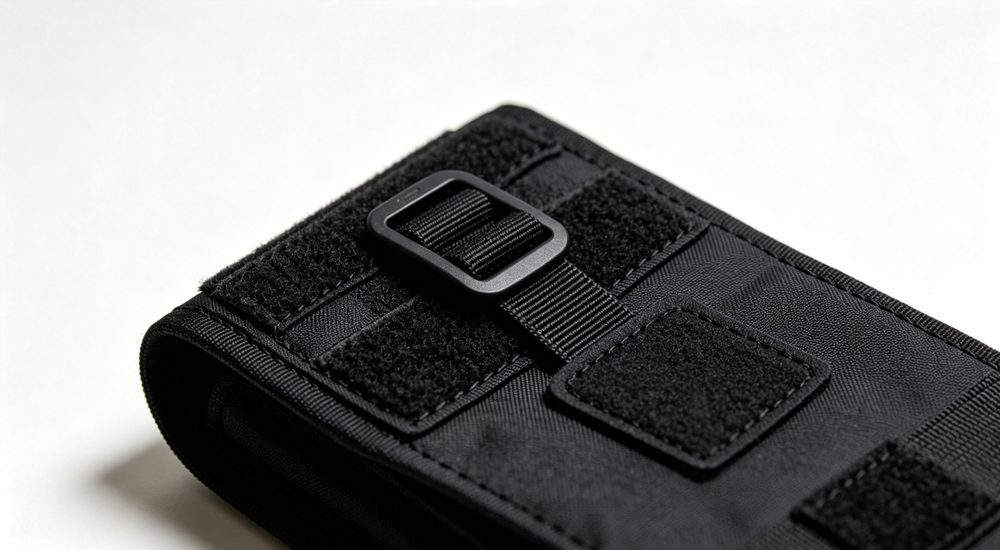
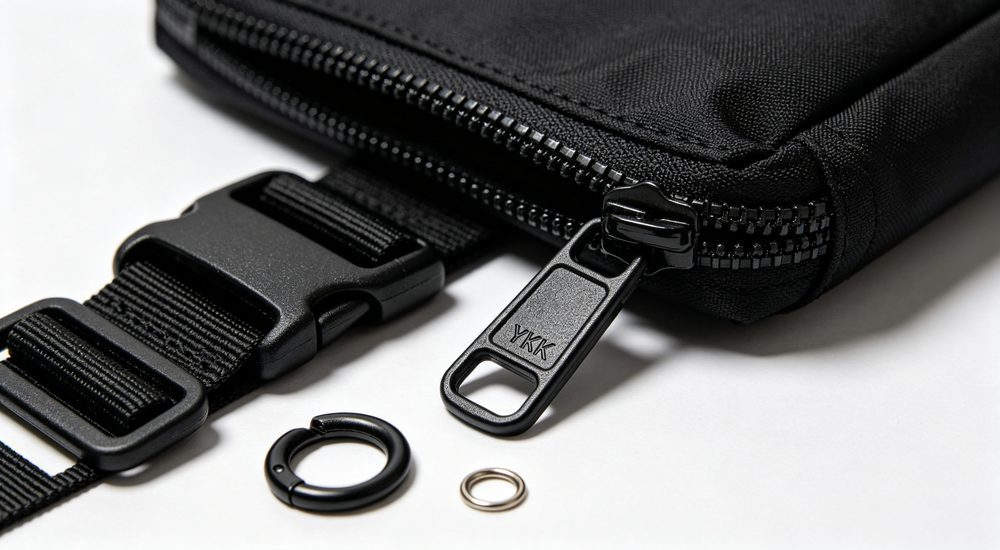
Hardware includes ITW GhillieTEX noiseless buckles for silent operation, YKK zippers with silent pulls, and Velcro hook-and-loop for the identification panel. The MOLLE straps use 25mm webbing with reinforced stitching at all attachment points.
The rigid internal backer is a 2mm HDPE plate that prevents the pouch from collapsing when partially filled. This is critical for trauma kits because the medic often needs to work one-handed — the pouch must hold its shape while items are removed.
Each configuration is designed to provide rapid access to critical hemorrhage control supplies when every second counts.
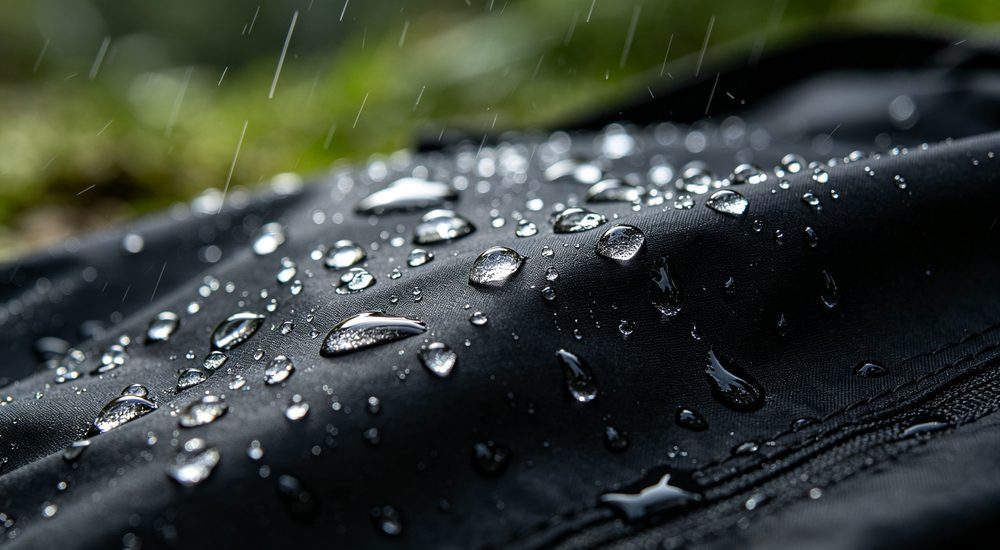
A trauma kit that fails in the field is worse than no kit at all — it creates false confidence. Every design undergoes rigorous testing before production approval.
Drop and Impact Testing:
Loaded pouches are dropped from 2 meters onto concrete 50 times. After each drop, the pouch is inspected for hardware failure, stitching damage, and content displacement. The 1000D Cordura pouch passes with no hardware failure and minimal content shift. The EVA hard shell option passes with zero visible damage.
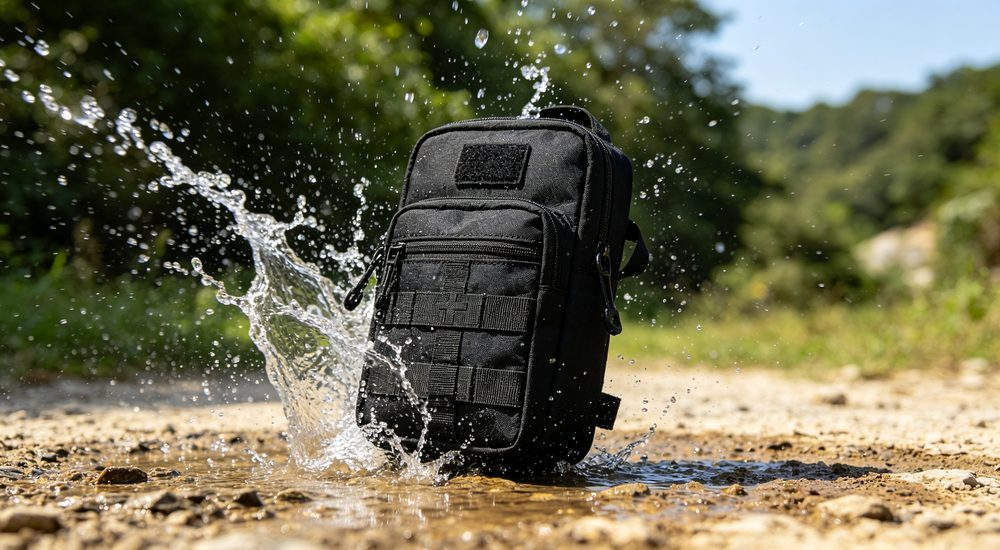
Water Immersion Testing:
Pouches are submerged in 1 meter of water for extended. The PU-coated 1000D Cordura shows no water penetration to the interior. The PVC-coated polyester option achieves full waterproofing. Zippers are tested for corrosion after extended salt spray exposure.
Abrasion Testing:
The pouch exterior is rubbed against rough concrete and barbed wire surfaces. The 1000D Cordura withstands 1200+ rub cycles before visible wear. High-contact areas — the bottom edge, MOLLE strap ends, and buckle attachment points — use double-layer fabric with bar-tack reinforcement.
Temperature Extremes:
Materials are tested from -30°C to +60°C. At -30°C, the 1000D Cordura remains flexible and zippers operate without binding. At +60°C, the PU coating does not delaminate and Velcro maintains holding power. The EVA hard shell may soften slightly above 55°C but regains full rigidity upon cooling.
Critical Note: The 1000D Cordura standard option handles most tactical and emergency applications. Upgrade to EVA hard shell only for vehicle-mounted kits that experience constant vibration and impact. The 600D polyester option is preferred for marine and water rescue teams.
Each configuration is designed to provide rapid access to critical hemorrhage control supplies when every second counts.
In trauma care, access speed directly affects patient outcome. A well-organized kit helps medics locate critical supplies quickly under pressure.
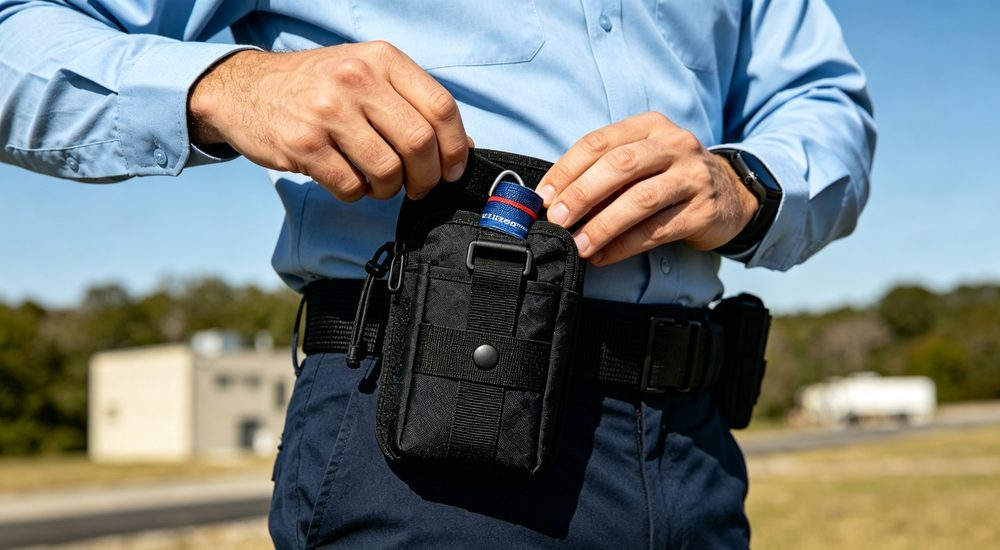
Our trauma kit designs prioritize rapid access in high-stress situations. The bleed control pouch opens with one hand using a rip-away panel, ensuring critical trauma kit supplies are available in under 5 seconds.
Fast access to bleed control supplies can mean the difference between life and death. Our bleed control pouches feature color-coded internal dividers so responders can locate tourniquets, chest seals, and gauze in under 5 seconds — even in low-light or high-stress situations.
One-Handed Opening:
The main compartment opens with a single pull on the red-tipped zipper cord. The pouch lays flat, exposing all contents in a single view. The medic does not need to search through multiple pockets — everything is visible at once. This is critical when the medic is injured themselves or working with one hand.
Color-Coded Modules:
Each MARCH module is identified by a colored elastic loop: red for hemorrhage, blue for airway, green for respiration, yellow for circulation, and orange for head/hypothermia. The color coding allows the medic to locate the correct module by touch alone in low-visibility conditions.
Tourniquet Quick-Pull:
The primary tourniquet is mounted in an external pocket with a friction-fit retention system. The medic can deploy the tourniquet quickly without opening the main pouch. A secondary tourniquet is stored inside the main compartment as backup.
Mounting Options:
Silent Operation:
All buckles use noiseless ITW GhillieTEX hardware. Zippers have silent pull cords. Velcro areas are minimized to reduce noise during tactical operations. This is essential for law enforcement and military teams where noise discipline is critical.
Each configuration is designed to provide rapid access to critical hemorrhage control supplies when every second counts.
When selecting an advanced trauma kit, evaluate three factors: configuration match (does it cover injuries your team faces?), access speed (one-handed opening under stress?), and total cost of ownership (pouch durability + refill costs over 5 years). We provide evaluation sample kits for evaluation before bulk commitment.
Most agencies start with a standard configuration, then add specialized modules based on their operational environment. Our team helps map your threat profile to the right kit combination.
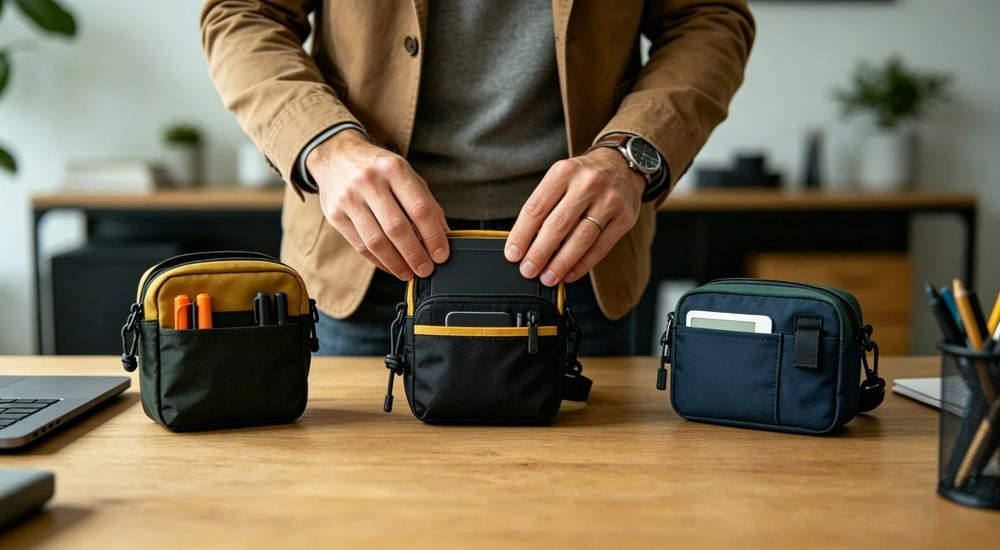
MARCH is a priority system used by tactical medics. It stands for:
M - Massive hemorrhage: Stop life-threatening bleeding first. Tourniquets and pressure dressings are the most important items in the kit.
A - Airway: Ensure the patient can breathe. Head tilt, jaw thrust, and airway adjuncts.
R - Respiration: Check for chest injuries that could collapse a lung. Chest seals and needle decompression.
C - Circulation: Manage shock, maintain body temperature, and treat other bleeding.
H - Hypothermia/Head injury: Prevent heat loss and assess for traumatic brain injury.
Our advanced trauma kits are organized in MARCH order so medics follow the correct priority without thinking.
The MARCH protocol is a systematic approach to trauma assessment used by tactical medics and first responders. Each letter represents a critical assessment step: Massive hemorrhage, Airway, Respiration, Circulation, and Hypothermia/Head injury.
Advanced kits are organized to support this sequence, with hemorrhage control items placed for fastest access, by airway and breathing supplies. This organization reduces cognitive load under stress and ensures that life-threatening conditions are addressed in order of lethality.
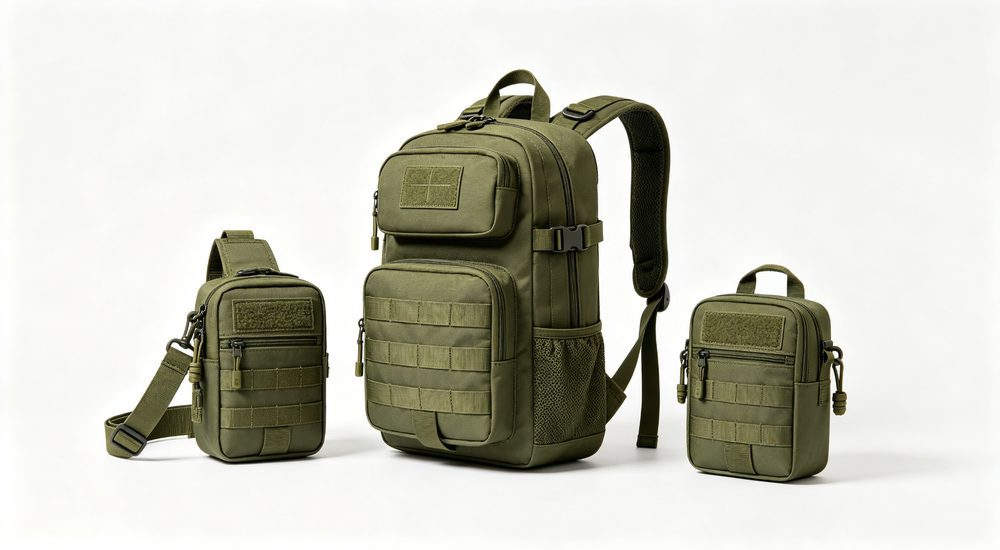
A trauma kit is a readiness investment, not a one-time purchase. The pouch lasts 5-7 years; consumables expire in 2-5 years. Budget for annual tourniquet and gauze restocking, and bi-annual chest seal replacement.
Understanding the total cost of ownership helps agencies budget effectively for long-term trauma kit readiness.
Bulk pricing reduces per-unit cost by 15-30%. We offer standing replenishment programs so your team never runs low on critical bleed control supplies.
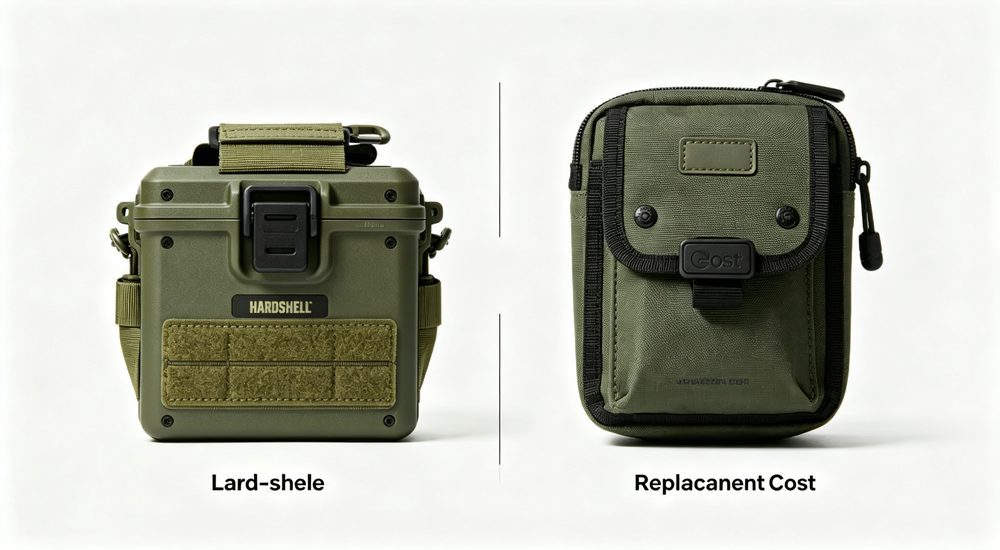
Advanced trauma kits serve across multiple operational contexts. Understanding each environment's specific demands helps configure the right kit.
Our bleed control kits are deployed across diverse environments — from urban active shooter scenes to remote wilderness expeditions. Each bleed control configuration is tested for reliability in extreme temperatures, moisture, and rough handling conditions.
IDP (internally displaced person) camps and refugee settlements require durable kits for community health posts.
Combat & Military Operations:
Military medical units operating in combat zones require the enhanced configuration with full MARCH capability. The 1000D Cordura pouch withstands the rigors of combat — sand, mud, explosive residue, and rough handling.
hemorrhage control gauze and chest seals are the most frequently used items. Many units add a tourniquet to each shoulder strap as a redundant fast-access option. Custom colors match unit camouflage patterns.
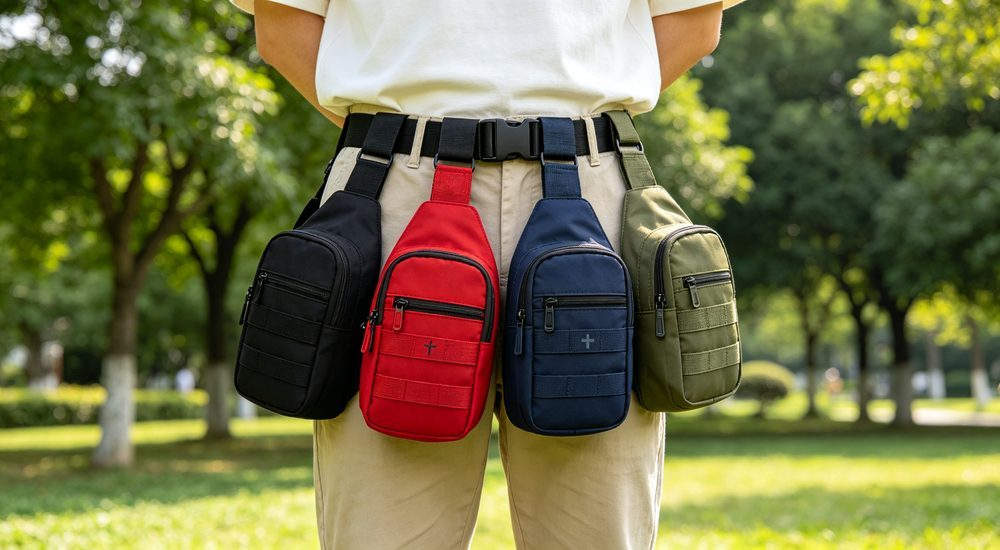
Law Enforcement Tactical Teams:
SWAT and tactical law enforcement teams use the standard or enhanced configuration depending on training level. The MOLLE mounting integrates with plate carriers. Silent operation hardware is critical for tactical entries. The color-coded internal modules allow rapid location under stress. Many departments issue one trauma kit per officer in addition to the team medic's enhanced kit.
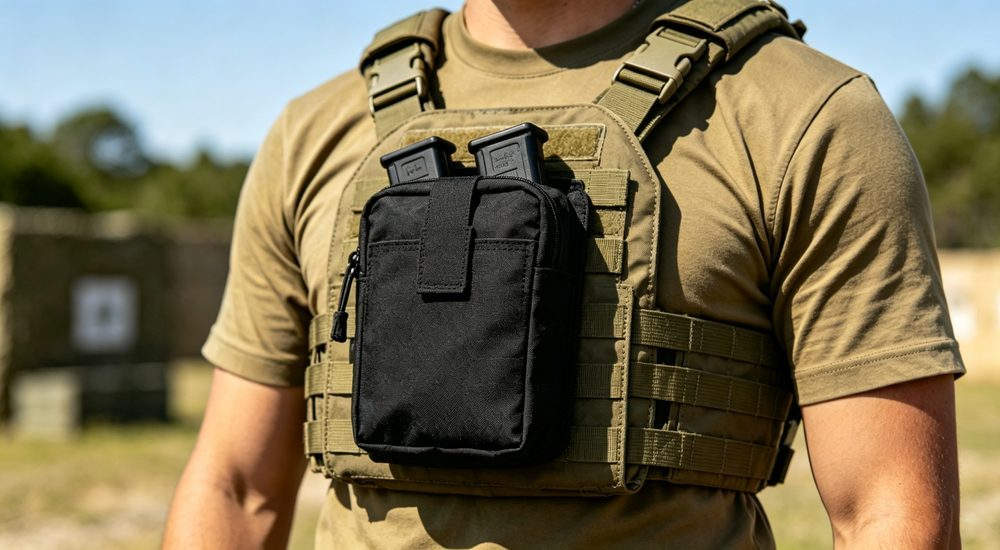
Fire & Rescue Services:
Fire rescue departments use trauma kits in both vehicle-mounted and carry configurations. The 600D polyester with PVC coating is preferred for water and chemical resistance. Vehicle-mounted EVA hard shell kits provide rapid access at emergency scenes. Firefighters often combine kits with their existing EMS bags for a complete patient care system.
Our trauma kits are configured for rapid deployment across diverse operational environments.
Private Security & Executive Protection:
Private security contractors and executive protection teams use compact trauma kits that can be carried discreetly. The 500D Cordura option in black or navy is preferred for low visibility. The standard configuration covers likely injury types in security operations. Many teams add a concealed carry pouch that fits under a suit jacket.
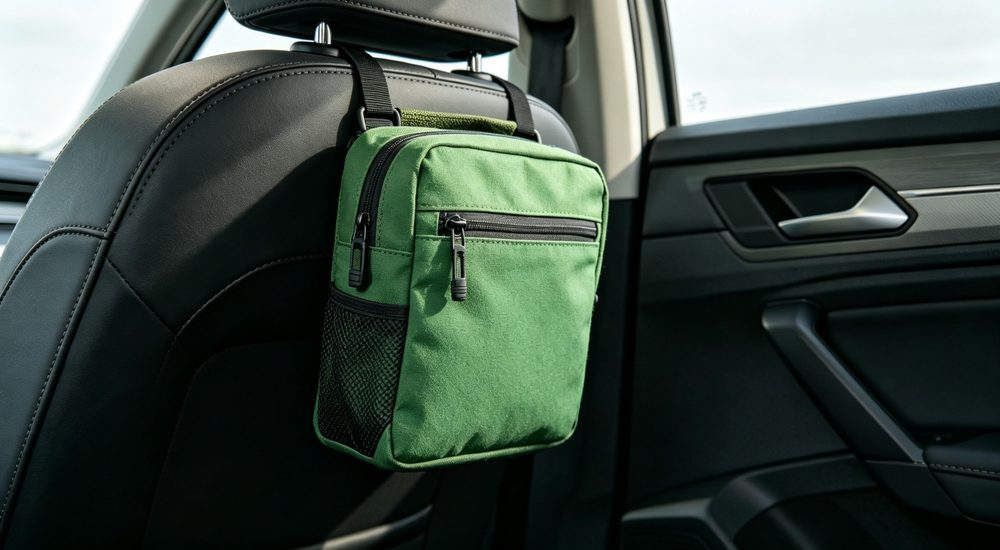
EMS providers use advanced trauma kits as supplementary kits to their standard medical bags. The kit focuses specifically on hemorrhage control and airway management — the time-critical interventions. The enhanced configuration with IO access and surgical airway is appropriate for paramedic-level providers. The vehicle mount option places a trauma kit in every response vehicle.
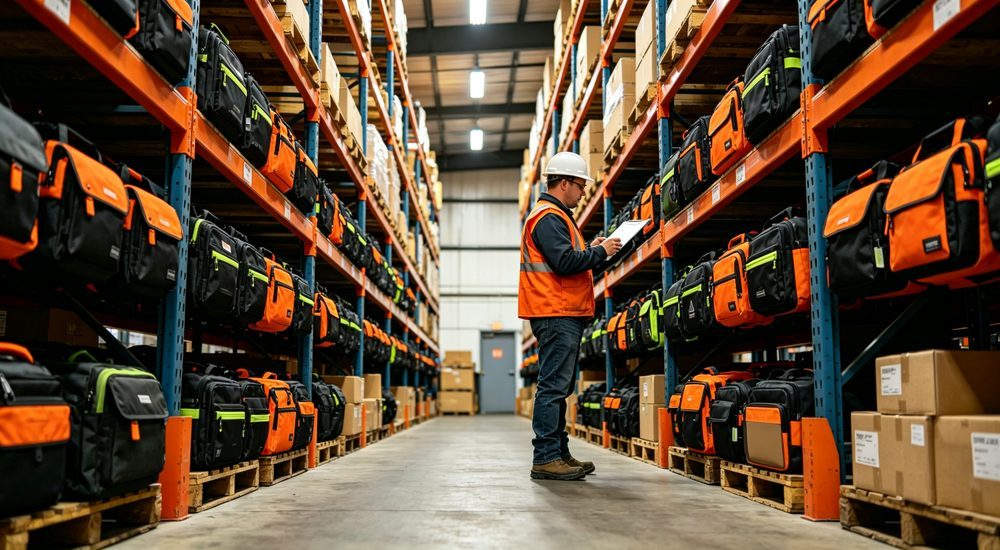
Our factory runs 15 production lines dedicated to trauma and medical pouches, with monthly capacity of 50,000 units. Cutting, sewing, assembly, and quality inspection are all in-house, ensuring consistent quality and 15-25 day lead times for bulk orders.
Our in-house production ensures consistent quality control across every trauma kit we manufacture.
Each trauma kit undergoes 12 quality inspection checkpoints before shipping. Our trauma kit production line is ISO 9001 certified, ensuring every bleed control pouch meets international quality standards.
We welcome factory audits and provide production reports, material certificates, and QC documentation upon request.
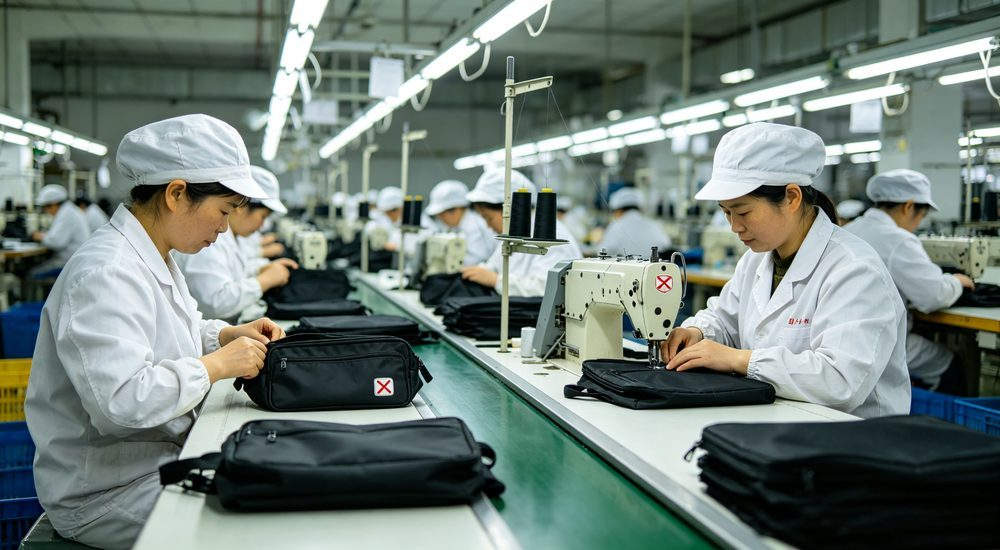
Our factory operates 15 production lines dedicated to trauma and medical pouches, with an annual capacity of 250,000+ units. We maintain ISO 9001 quality management and conduct batch testing on all hardware. Custom configurations are prototyped within after approval for client approval before mass production.
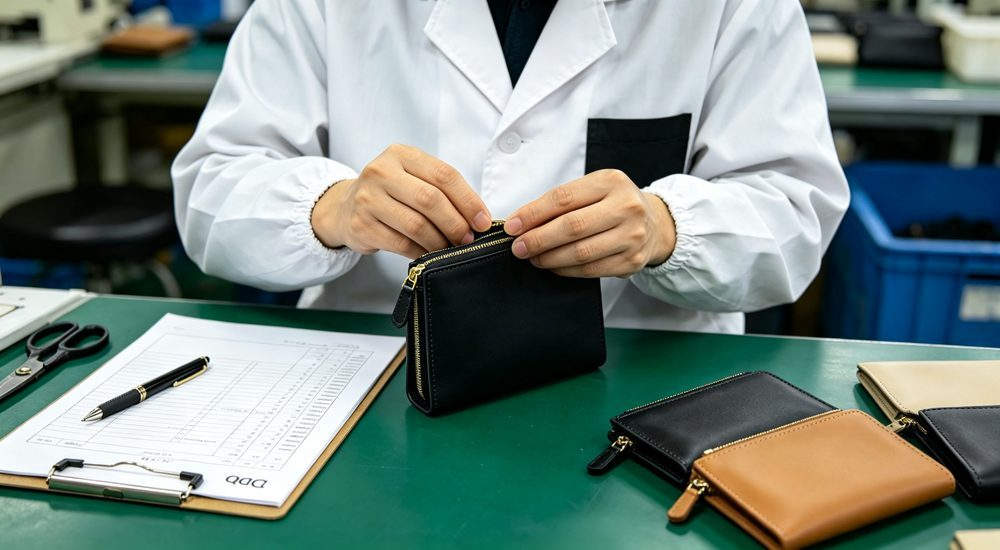
Medical contents in our trauma kits carry applicable certifications including European market compliance documentation available upon request and component suppliers maintain applicable product registrations where required. Tourniquets are medical-grade components sourced from certified manufacturers. hemorrhage control agents may require additional registration depending on jurisdiction. We provide a complete product specification documentation.
Quality Inspection Process:
Every kit passes through five inspection stages:
Sampling Standards:
Bulk orders follow AQL 1.5 general defect standards and AQL 0.65 for critical defects (missing life-saving items, broken hardware, incorrect configuration). This stricter standard reflects the life-safety nature of trauma kits. For government contracts, we provide third-party inspection reports from recognized testing organizations.
Traceability:
Each kit includes a batch number and production date. Medical contents are tracked by lot number. This traceability allows targeted recalls if a specific content item is found to have a quality issue. We maintain production records maintained per client requirements.

We support government, military, law enforcement, and NGO procurement including quotation requests, sample evaluation, specification documentation, and bulk order fulfillment. Our export team handles customs documentation and international shipping.
We support government and institutional procurement with complete documentation and bulk order fulfillment capabilities.
We supply trauma kit configurations to government agencies, military units, and law enforcement departments worldwide. Our bleed control kits meet NATO stock number specifications and are eligible for government procurement contracts.
Send us your tender requirements for a formal quotation within 24 hours.
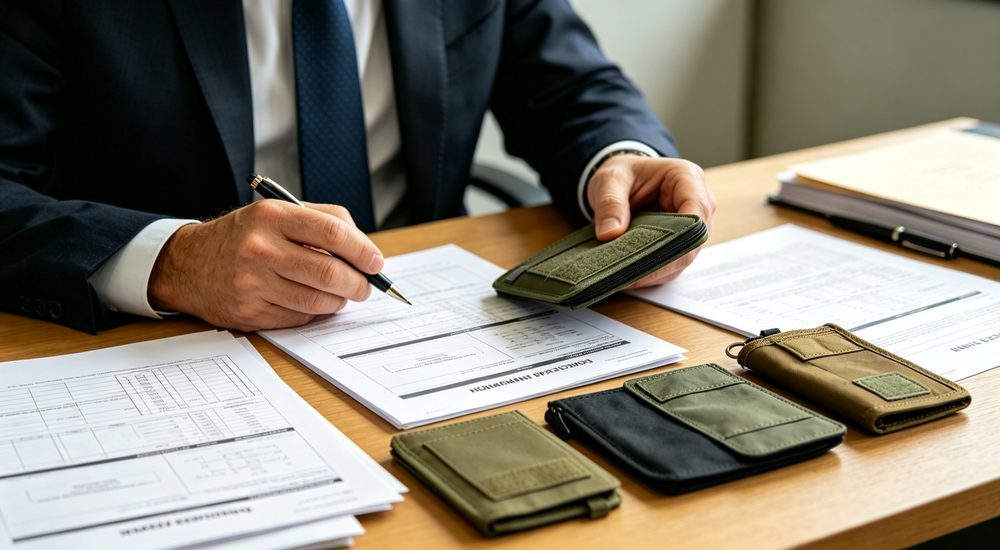
While standard configurations cover most requirements, many agencies need specific modifications. Here are the available customization options.
Customize your trauma kit with specific pouch colors, MOLLE configurations, and bleed control content selections. Every trauma kit can be tailored to your agency's specific operational requirements and threat profile.
We support both OEM and ODM services with in-house design teams.
NGO field teams value the modular design for disaster response missions.
Red Cross societies use similar configurations for emergency response teams.
UNHCR and international humanitarian organizations procure these kits for refugee camp health posts.
We support worldwide shipping via sea, air, and express for urgent orders.
As a Chinese factory with over 20 years of manufacturing experience, YRF controls quality from cutting to final assembly.
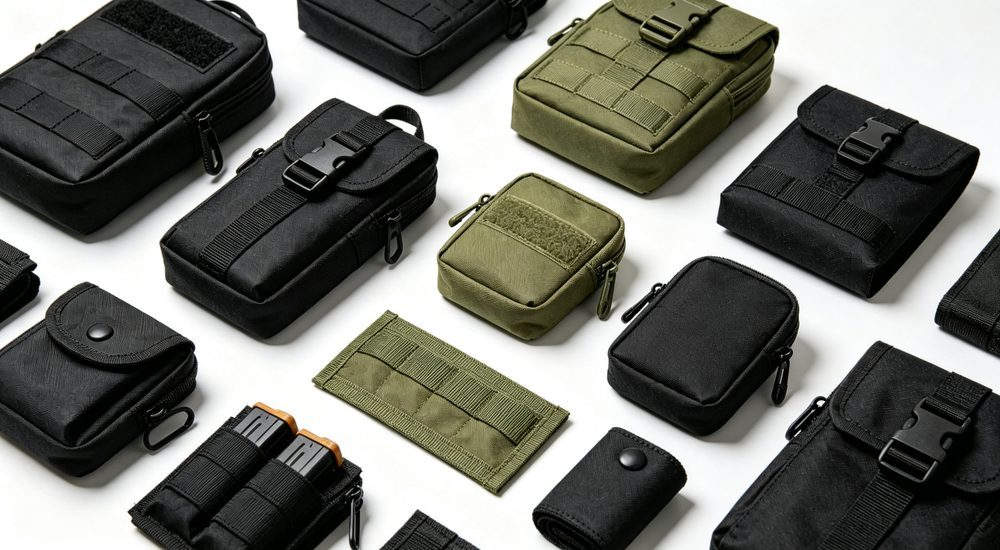
Content Customization
The standard and enhanced content lists can be modified to match your agency's protocols. Common modifications include:
All custom contents are confirmed in writing before production. We provide a content list for your medical director's review and approval.
Pouch Customization:
Pouch modifications include custom colors, additional MOLLE straps, specialized pockets for specific equipment, modified internal dividers, and custom labeling. Structural modifications require a development sample and are typically available for orders above a confirmed minimum quantity.
Marking & Identification:
Packaging Customization:
Standard packaging is individual polybag with content list and batch label. Custom options include deployment-ready vacuum packaging, agency-branded storage boxes, and tamper-evident seals. Custom packaging is confirmed per order based on quantity and design requirements.
Each configuration is designed to provide rapid access to critical hemorrhage control supplies when every second counts.
Trusted by 500+ agencies worldwide — including fire departments, EMS providers, law enforcement units, military supply chains, and industrial safety teams across 40+ countries.
50,000 units monthly capacity with 15 dedicated production lines. Sample kits available for evaluation before bulk orders. 24-hour quotation response on all custom configurations.
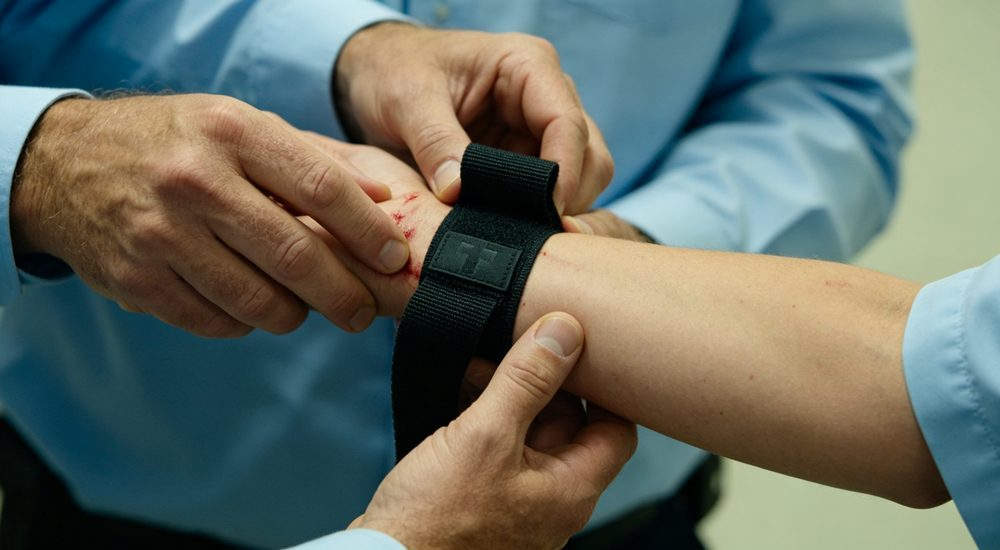
Tourniquet (2): One for each limb, or backup. The most critical item in trauma response.
Every bleed control kit component is selected based on proven battlefield and civilian emergency data. The tourniquet controls extremity bleeding in under 60 seconds, chest seals manage penetrating chest wounds, and hemorrhage control gauze promotes clotting in junctional areas where tourniquets cannot be applied.
Every item in our bleed control kits is selected for proven effectiveness in hemorrhage control. From tourniquets for extremity bleeding to chest seals for penetrating trauma, each component plays a critical role in the bleed control protocol.
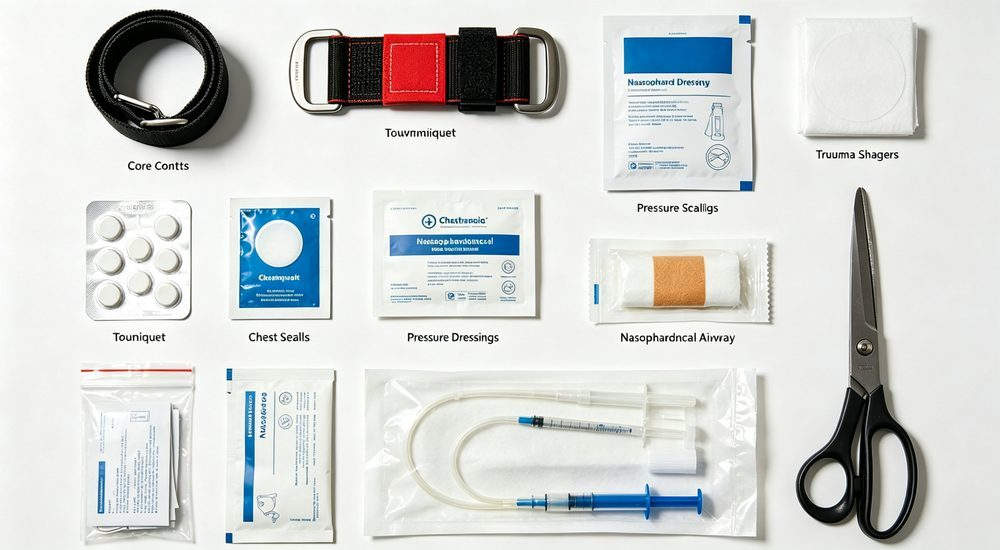
Pressure dressings (2): Control bleeding on torso, neck, and junctional wounds.
Chest seals (2): Cover both entry and exit wounds. Prevent tension pneumothorax.
Nasopharyngeal airway: Maintains airway in unconscious patients. Simple, no training certification required.
Needle decompression kit: Releases trapped air in the chest (requires training). For tension pneumothorax.
Hemorrhage control gauze:
Packed into deep wounds to accelerate clotting. For junctional bleeding.
Each item in an advanced trauma kit serves a specific purpose in the MARCH assessment sequence.
Tourniquets control extremity hemorrhage, chest seals prevent tension pneumothorax, pressure dressings manage torso and junctional bleeding, NPAs maintain airway patency, and emergency blankets prevent hypothermia. Understanding each item's purpose helps teams configure kits for their specific threat profile and ensures that contents are used correctly under stress.
Proper tourniquet application is a critical skill for hemorrhage control in trauma situations.
Chest seals manage penetrating chest wounds and prevent tension pneumothorax.
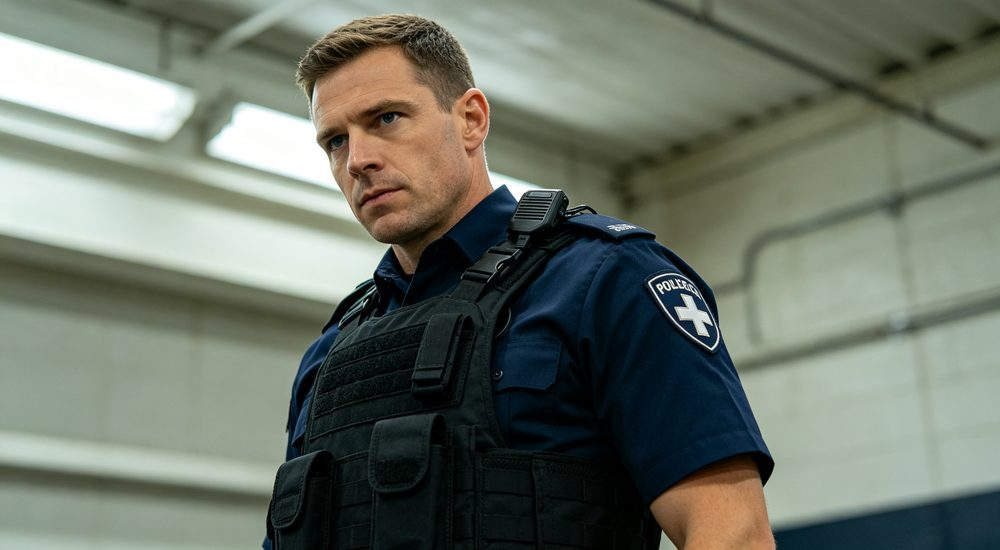
Tactical medics and corpsmen: The advanced kit is your primary response bag. MARCH-organized for priority access under fire.
Fire departments rely on bleed control kits for rapid intervention at accident scenes. EMS providers carry bleed control pouches as standard equipment. Law enforcement officers need personal bleed control kits for active shooter response. Military medics deploy advanced bleed control systems in combat environments.
Industrial safety officers install bleed control stations in high-risk workplaces. Outdoor guides and search and rescue teams carry lightweight bleed control kits. Schools and offices nationwide are adopting Stop the Bleed programs with wall-mounted bleed control cabinets.
Our trauma kits are configured for rapid deployment across diverse operational environments.
SWAT and tactical team medical support: Enhanced configuration with airway tools and needle decompression. Active shooter and high-risk warrant service.
Fire department rescue teams: Standard advanced kit for vehicle extrication and structural collapse. Hemorrhage control and airway management.
Industrial emergency response teams: Enhanced kit for high-risk manufacturing. Chemical burns, crush injuries, and amputation scenarios.
Advanced trauma kits are essential for any team operating in environments where emergency medical services may be delayed.
This includes tactical law enforcement, military units, search and rescue teams, fire departments, industrial safety teams, event medical staff, and security personnel in high-risk locations. The key principle is that the first person to arrive at a traumatic injury is usually a teammate, not a medical professional, and having the right tools within reach can mean the difference between life and death during the critical first minutes.

Frequently Asked Questions
Q: What training is required to use an advanced trauma kit?
A: The standard configuration requires Tactical Combat Casualty Care (TCCC), Tactical Emergency Casualty Care (TECC), or equivalent training. The enhanced configuration with needle decompression and surgical airway requires advanced trauma training beyond basic TCCC.
Q: Can I specify which brand of tourniquet to include?
A: We can source specified tourniquet brands for large orders, or provide our standard CAT-style tourniquet that meets the same performance specifications. Brand availability depends on order quantity and import regulations.
Q: How often should kit contents be replaced?
A: Replacement frequency varies by item. Tourniquets last 5-extended service life, hemorrhage control agents have labeled expiration dates, airway devices have recommended replacement intervals, and IV supplies recommended replacement intervals.
Each trauma module is organized for rapid access to critical bleeding control supplies.
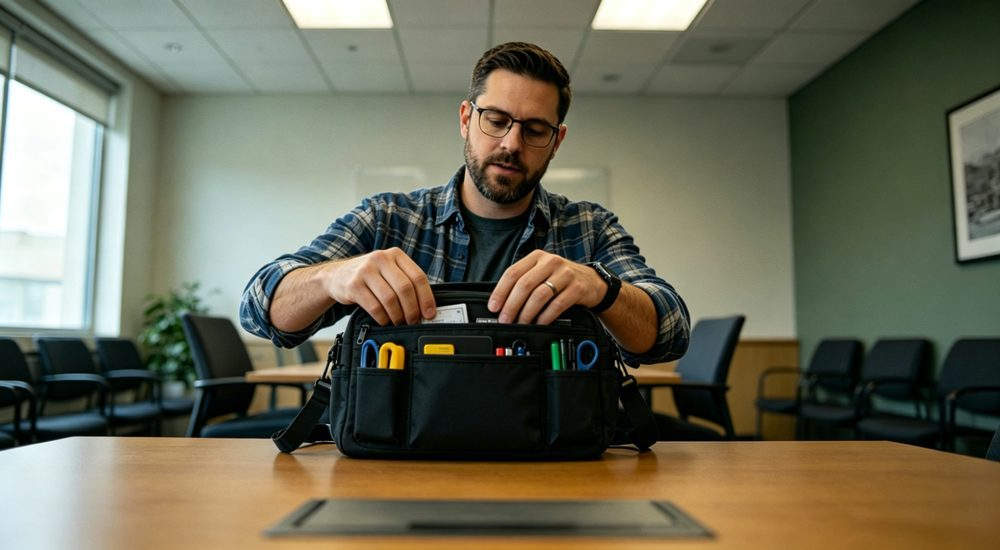
Q: Are the medical contents certified for international use?
A: Medical contents carry European market compliance support for European markets and applicable regulatory compliance registration where applicable. Specific certification requirements vary by destination country.
Q: What is the difference between standard and enhanced trauma kits?
A: The standard kit covers the core MARCH protocol with two tourniquets, hemorrhage control gauze, chest seals, and basic airway tools. The enhanced kit adds a third tourniquet, additional hemorrhage control agents, IO access kit, surgical airway tools, and extra IV supplies.
Q: Can the trauma kit be mounted to a vehicle?
A: Yes. We offer an optional vehicle mounting bracket that securely holds the kit and releases with one hand.
Q: How should I configure an advanced trauma kit for active shooter vs. car accident scenarios?
A: Active shooter scenarios prioritize hemorrhage control: tourniquet, chest seals, pressure dressings, and hemorrhage control gauze. Car accident scenarios add spinal precautions: cervical collar, SAM splint, and emergency blanket. We provide scenario-based configuration guides to help teams match contents to their most likely call types.
Q: Do you offer custom content configurations?
A: Yes. Provide your item list and quantities, and we will configure the internal layout to match. We can also recommend contents based on your team's threat assessment and operating environment.
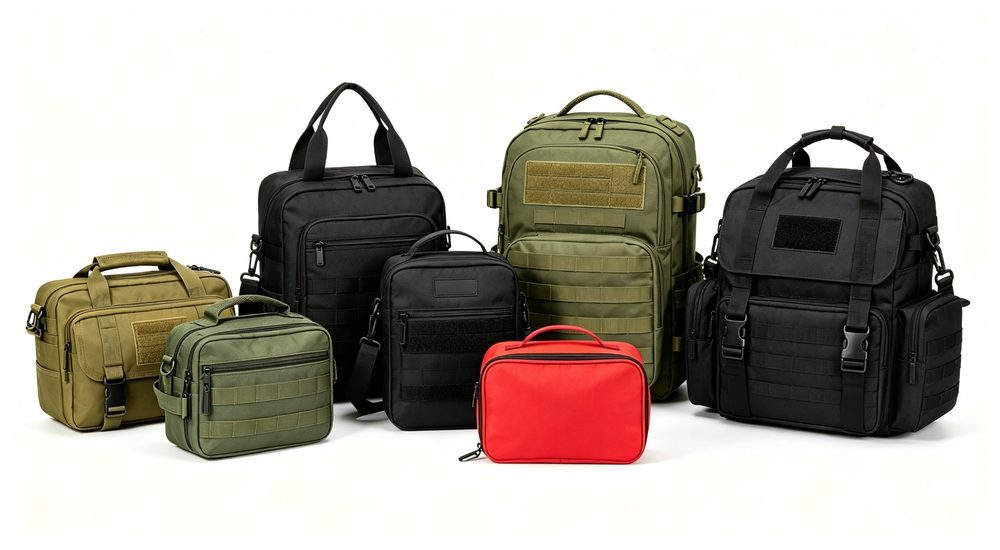
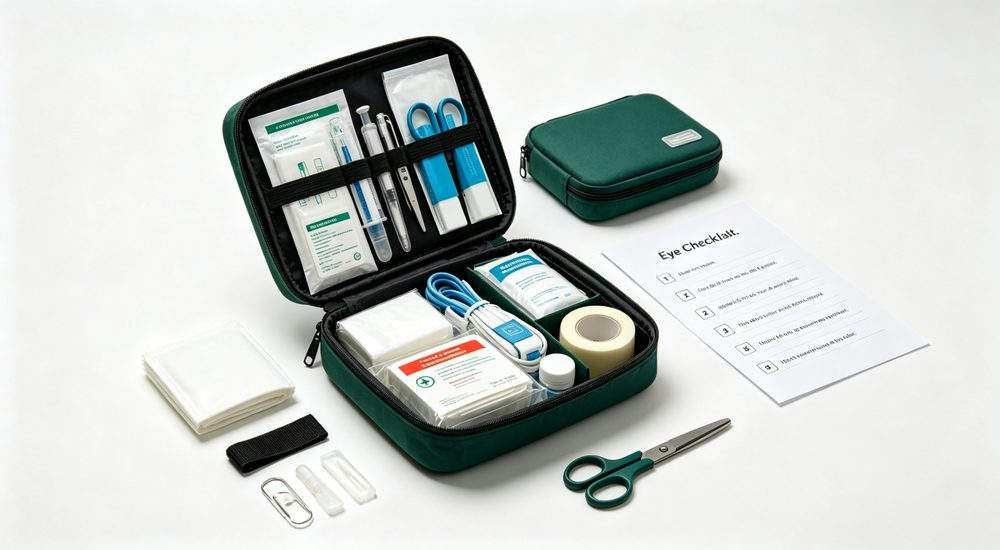
Multiple carry configurations support different operational environments and team roles.
Q: How many trauma kits does my team need?
A: The standard formula is one kit per medic, plus one per vehicle, plus additional spares for maintenance and rotation. For example, a 6-medic team with 3 vehicles needs 6 (carry) + 3 (vehicle) + 1 (spare) = 10 kits.
Q: What is the minimum order quantity for custom configurations?
A: Samples are available for standard configurations. Custom configuration samples require a setup fee that is credited toward the first bulk order. Sample shipping costs are the buyer's responsibility.
The hemorrhage control kit is the foundation of tactical medical response. Tourniquets, pressure dressings, and chest seals address the leading preventable causes of death.
Agencies that procure advanced kits often source complementary medical equipment. Here are related products that complete your emergency response capability.
Search and Rescue Backpack:
For team-level medical support beyond individual trauma kits, our Search and Rescue Backpack for wilderness operations provides 26-31 pieces of complete medical equipment. The backpack serves as the team medic's primary kit, while individual kits are carried by each team member. This layered approach ensures both immediate self-aid and advanced team care.
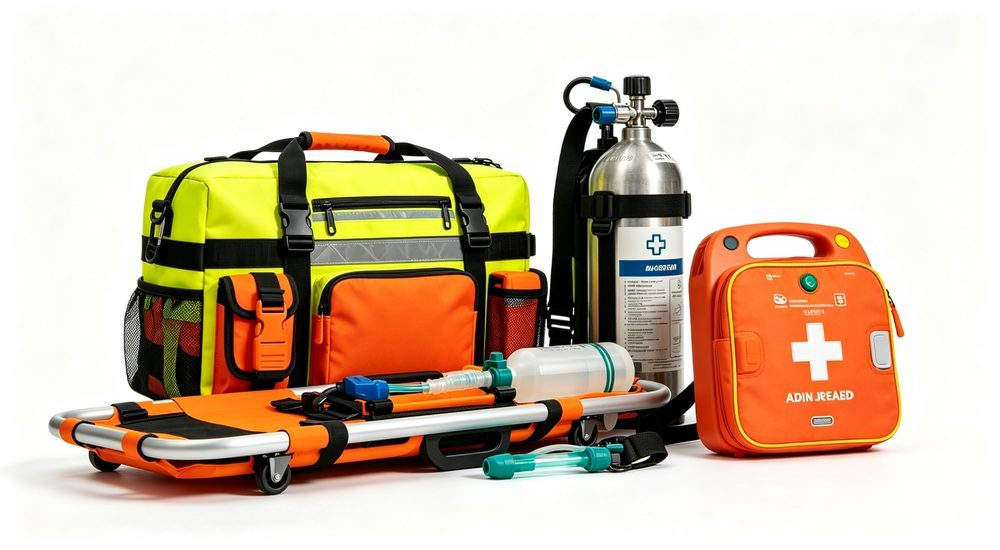
Every team member should carry an IFAK Individual First Aid Kit for personal carry for personal use and buddy aid. The IFAK is compact, belt-mounted, and contains the essentials for immediate bleeding control. The advanced trauma kit is carried by designated medics for advanced interventions. This two-tier system is standard among professional tactical units.
For units requiring MOLLE-mounted medical access on body armor, our Tactical Medical Carry Kit for team medics provides rapid-access trauma supplies. The pouch attaches directly to plate carriers and chest rigs. Many agencies combine the tactical carry kit (fast access) with the advanced trauma kit (complete care) for complete coverage.
For agencies involved in mass casualty and disaster response, the Disaster Relief Medical Kit for emergency response provides a complete field medical setup with 35-49 pieces. This wheeled station complements individual kits by providing a centralized treatment point for multiple casualties.
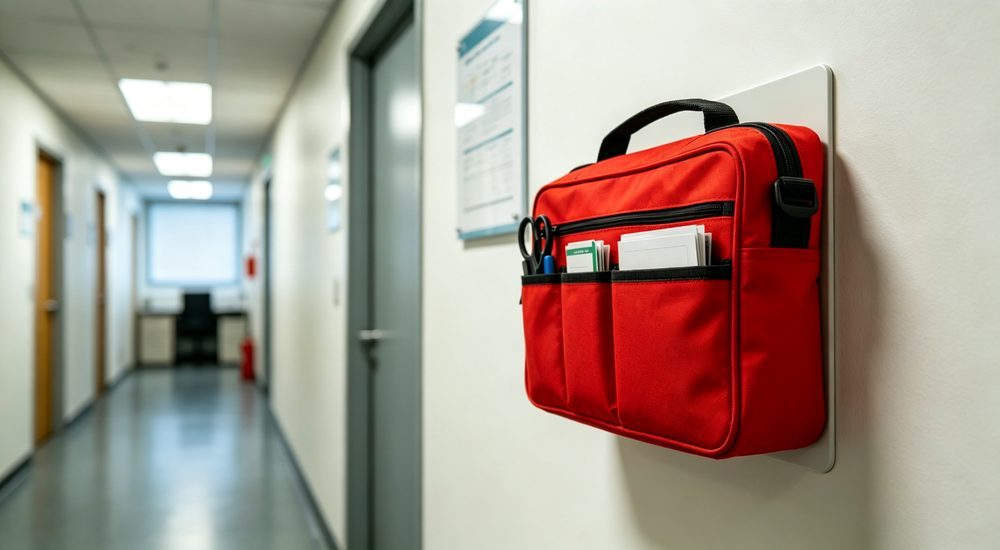
For station, office, and facility placement, our General Purpose First Aid Kit for everyday use covers common workplace injuries. Wall-mountable cabinets ensure basic supplies are accessible in fixed locations, while trauma kits handle field and tactical operations. Many agencies maintain both systems.
For agencies operating industrial facilities or maintenance shops, our Industrial First Aid Kit for workplace safety meets workplace safety standards with specialized supplies for industrial injuries. Pair with trauma kits for response teams operating in industrial environments.
Equipping your medics with reliable advanced trauma kits is fundamental to operational readiness. Whether you need 10 units for a tactical team or 500 units for a national agency, we can configure the right solution for your requirements, training level, and budget.
Our team is ready to discuss your specific needs — configuration options, content customization, government contract support, sample evaluation, and bulk pricing. We respond to inquiries within one business day and provide detailed quotations based on your exact specifications.
Manufactured in China with extensive export experience, our advanced trauma kits are trusted by military medical units, tactical law enforcement teams, fire rescue departments, and security contractors across multiple regions. Contact us today to begin the conversation.
Contact us today for an advanced trauma kit wholesale quote. Request a quote within 24 hours and experience our guaranteed quality with over 20 years of manufacturing expertise.
Previous :
Disaster Relief Medical Kit Wholesale: Bulk Emergency First Aid Stations for Humanitarian ResponseNext :
Search and Rescue Backpack Wholesale: Durable Trauma Kits for Field Teams Factory Customized Red Cross Disaster relief Med Kit Bag With Multi-purpose compass
GREAT DESIGN - Comfortable design is perfect for all uses and for carrying a wide variety of tools and equipment. You'll find that, whatever you're looking to carry, the YRF Custom Oxford Material Multi Functional Camouflage Tactical Waist Bags is the perfect choice.
 Medical Care Stockpile Metal wire saw Card tool Survival Aid Kit with 16 Pcs Safety Kit
GREAT DESIGN - Comfortable design is perfect for all uses and for carrying a wide variety of tools and equipment. You'll find that, whatever you're looking to carry, the YRF Molle Tactical First Aid Kits Medical Bag Tablets is the perfect choice.
 Outdoor Medical Care Disaster relief First Aid Kit Empty Pouch And Ice Pack Emergency Tool
GREAT DESIGN - Comfortable design is perfect for all uses and for carrying a wide variety of tools and equipment. You'll find that, whatever you're looking to carry, the YRF Mini First Aid Kit Bags And Pouches is the perfect choice.
 High Quality Camping Emergency Face Mask Survival First Aid Kit for Institutional Donation
GREAT DESIGN - Comfortable design is perfect for all uses and for carrying a wide variety of tools and equipment. You'll find that, whatever you're looking to carry, the YRF Outdoor Camping Emergency Kits Tactical First Aid is the perfect choice.
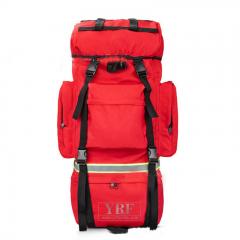 ICRC Supplies Fluorescent stick first aid medical bags 600d Nylon Emergency Safety Tools Kit
GREAT DESIGN - Comfortable design is perfect for all uses and for carrying a wide variety of tools and equipment. You'll find that, whatever you're looking to carry, the YRF Hunting Survival First Aid Kit Bag Molle Tactical is the perfect choice.
 Hot Selling Governmental Institutions List Descender Firefighting Tools Empty Pull Rod First Aid Kit
GREAT DESIGN - Comfortable design is perfect for all uses and for carrying a wide variety of tools and equipment. You'll find that, whatever you're looking to carry, the YRF Tactical Complete First Aid Kit is the perfect choice.
Copyright © Custom Disaster - Relief Bedding: Tents, Sleeping Bags, Blankets All Rights Reserved
the professional team to service !