Categories
latest blog
Blanket quantity should come from a recorded coverage model, not a universal pieces-per-person rule copied across destinations, climates and deployment periods.
Use current allocated blanket assumption sheets, an identified sample and the active quotation for every allocated blanket value. Competitor observations and use labels are not allocated blanket facts.
A reliable purchasing decision connects product values, documents and packing details to the current quotation and identified sample. Compare available routes against the real operating need without turning an unverified value into a product promise.
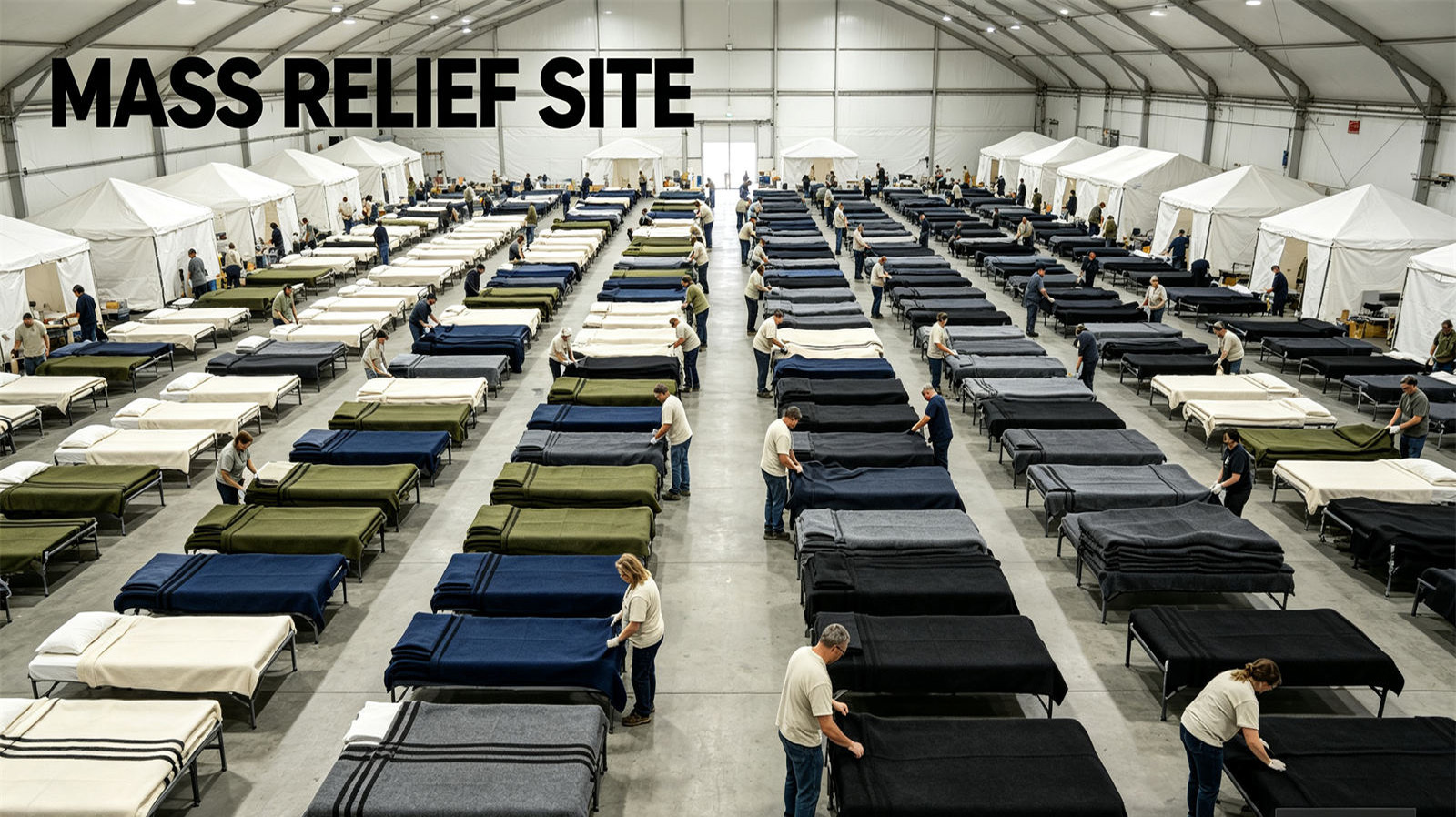
Use one visible equation: planned quantity = base coverage + named buffer - usable stock already assigned to the project. Base coverage comes from the approved people, beds, family units or duty positions and the issue rule for each group. The buffer is not a hidden percentage. Each part must have a stated cause such as uncertain headcount, transit loss exposure or planned replacement. Usable stock is deducted only when its identity, condition and release date are confirmed.
Quantity planning starts with coverage unit as an input to the coverage model. The relief planner writes people, beds, duty positions, family units or reserve locations and the period each unit must be covered beside its source and date, then calculates the coverage volume by destination. A changed assumption can therefore be recalculated without hiding inside a fixed pieces-per-person rule.
Stress-test coverage unit against population movement, deployment duration and existing stock. If people, beds, duty positions, family units or reserve locations and the period each unit must be covered is uncertain, show a range and the event that selects the final allocation. This assumption sheet exposes shortage or unusable surplus early and keeps an operational buffer tied to a named cause.
The supply planner uses coverage unit to reconcile planned units, packed units and delivered units. Every variance returns to people, beds, duty positions, family units or reserve locations and the period each unit must be covered and a responsible owner. This produces defensible allocation, allowing budget or destination changes to update the model without rewriting unrelated product requirements.
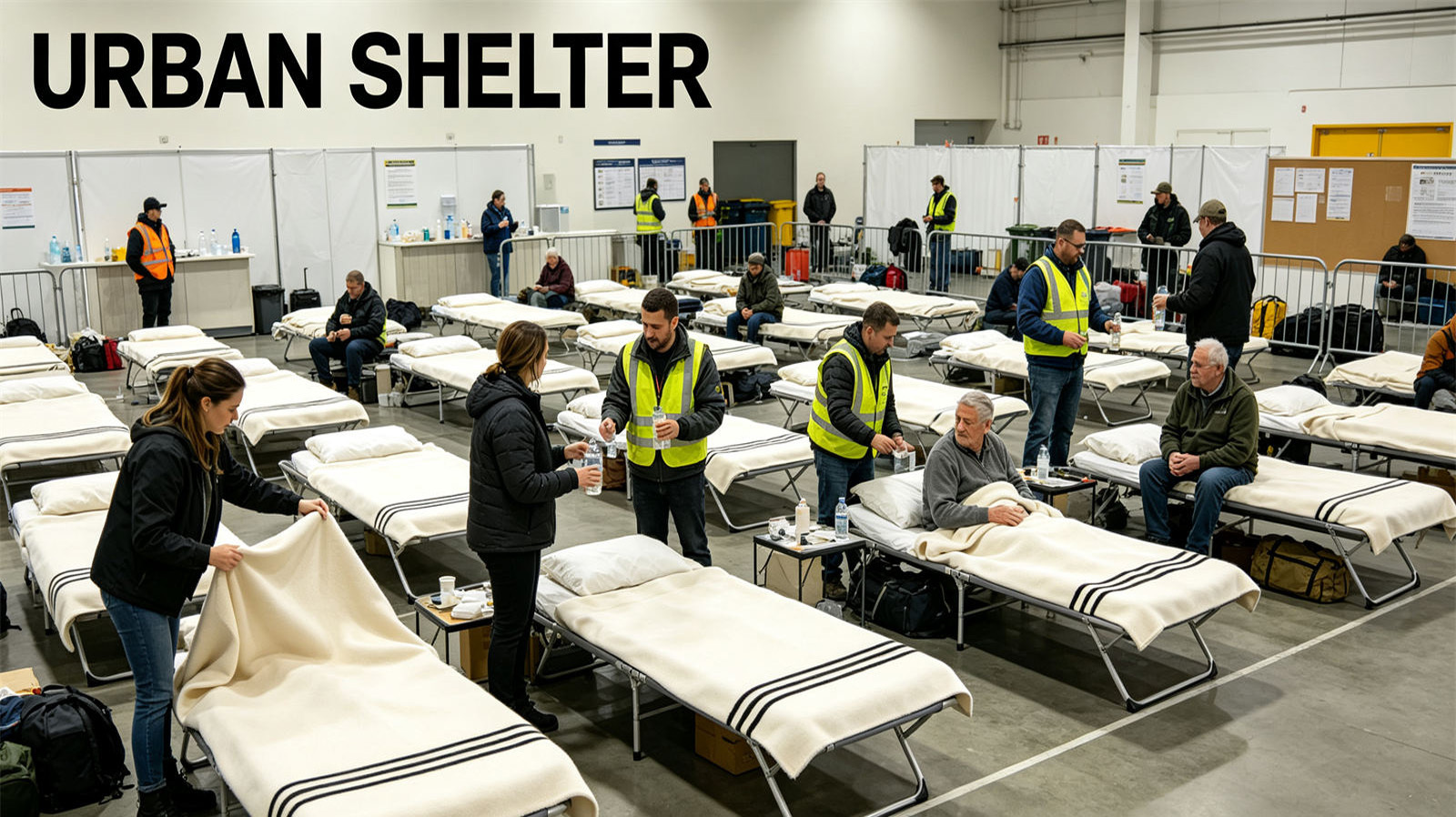
Quantity planning should separate three numbers: the people or beds to be covered, the reserve that protects the programme from uncertainty, and the distribution unit used by each destination. Start with the confirmed coverage population, remove groups already supplied through another item or location, then add only the reserve justified by replacement, late registration or destination risk. Finally round the result to the approved pack or carton unit so that the order can actually be allocated. For example, two sites with the same beneficiary total may need different carton splits when one issues by bed and the other issues by family registration. Keeping the calculation line by line prevents the same people from being counted twice and shows where a change affects the total. The supplier can support the decision by confirming the proposed packing unit and preparing a destination allocation, while the buyer owns the coverage assumptions and reserve policy.
Quantity planning starts with usable stock as an input to the coverage model. The relief planner writes population, deployment date, user group, issue method, local stock and replenishment access beside its source and date, then calculates the coverage volume by destination. A changed assumption can therefore be recalculated without hiding inside a fixed pieces-per-person rule.
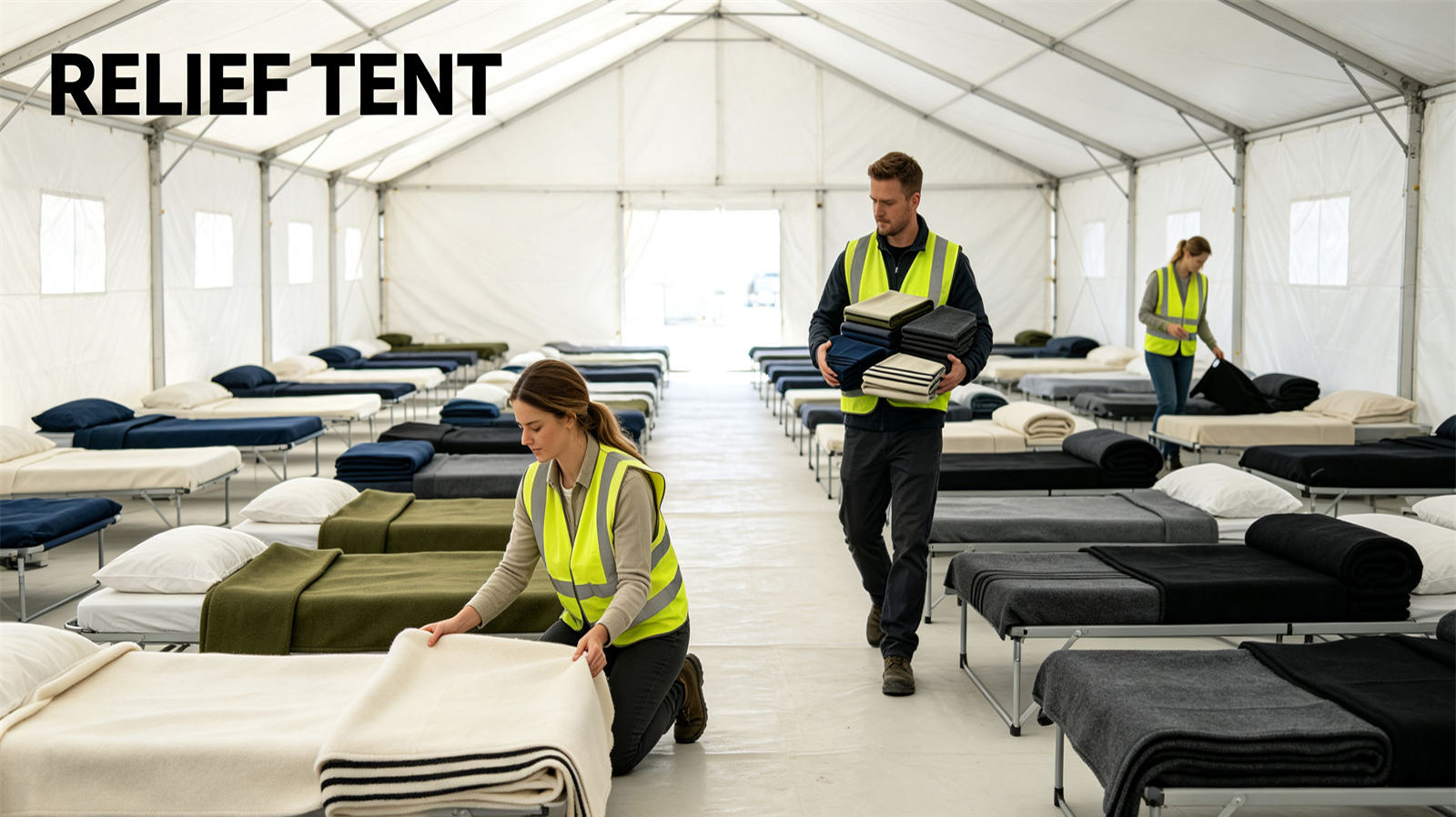
Stress-test usable stock against population movement, deployment duration and existing stock. If population, deployment date, user group, issue method, local stock and replenishment access is uncertain, show a range and the event that selects the final allocation. This assumption sheet exposes shortage or unusable surplus early and keeps an operational buffer tied to a named cause.
The supply planner uses usable stock to reconcile planned units, packed units and delivered units. Every variance returns to population, deployment date, user group, issue method, local stock and replenishment access and a responsible owner. This produces defensible allocation, allowing budget or destination changes to update the model without rewriting unrelated product requirements.
▶ Years of experience serving government stockpile, prison accommodation and military camp projects give us a deep understanding of the special requirements of institutional procurement. We support large-volume wholesale supply of emergency relief blankets, strictly complying with project technical standards to guarantee stable supply capacity. For practical experience and key points on institutional bulk purchasing, see our article *Emergency Disaster Relief Blankets | For Government Stockpiles, Correctional Facility Blankets & Military Camps – Bulk Wholesale Supply*.
Quantity planning starts with destination demand as an input to the coverage model. The relief planner writes named causes such as transit damage, count uncertainty, population movement or replacement rather than an unexplained percentage beside its source and date, then calculates the coverage volume by destination. A changed assumption can therefore be recalculated without hiding inside a fixed pieces-per-person rule.
Stress-test destination demand against population movement, deployment duration and existing stock. If named causes such as transit damage, count uncertainty, population movement or replacement rather than an unexplained percentage is uncertain, show a range and the event that selects the final allocation. This assumption sheet exposes shortage or unusable surplus early and keeps an operational buffer tied to a named cause.

The supply planner uses destination demand to reconcile planned units, packed units and delivered units. Every variance returns to named causes such as transit damage, count uncertainty, population movement or replacement rather than an unexplained percentage and a responsible owner. This produces defensible allocation, allowing budget or destination changes to update the model without rewriting unrelated product requirements.
| Decision field | What must be controlled | Operational consequence |
|---|---|---|
| Define the coverage unit | people, beds, duty positions, family units or reserve locations and the period each unit must be covered | assumption sheet the owner, planning acceptance point and downstream delivery reconciliation or replenishment effect. |
| Separate demand by destination | population, deployment date, user group, issue method, local stock and replenishment access | assumption sheet the owner, planning acceptance point and downstream delivery reconciliation or replenishment effect. |
| Build a transparent buffer | named causes such as transit damage, count uncertainty, population movement or replacement rather than an unexplained percentage | assumption sheet the owner, planning acceptance point and downstream delivery reconciliation or replenishment effect. |
| Reconcile ordered, packed and delivered totals | unit quantity, carton quantity, destination split, shipment variance and receiving result | assumption sheet the owner, planning acceptance point and downstream delivery reconciliation or replenishment effect. |
▶ Softness Good Price Premium Microfiber Flannel Blanket. Click the title link to view size lists, color choices, sample policy and delivery timeline for humanitarian relief projects.

Quantity planning starts with named buffer as an input to the coverage model. The relief planner writes unit quantity, carton quantity, destination split, shipment variance and receiving result beside its source and date, then calculates the coverage volume by destination. A changed assumption can therefore be recalculated without hiding inside a fixed pieces-per-person rule.
Stress-test named buffer against population movement, deployment duration and existing stock. If unit quantity, carton quantity, destination split, shipment variance and receiving result is uncertain, show a range and the event that selects the final allocation. This assumption sheet exposes shortage or unusable surplus early and keeps an operational buffer tied to a named cause.
The supply planner uses named buffer to reconcile planned units, packed units and delivered units. Every variance returns to unit quantity, carton quantity, destination split, shipment variance and receiving result and a responsible owner. This produces defensible allocation, allowing budget or destination changes to update the model without rewriting unrelated product requirements.
Quantity planning starts with recalculation trigger as an input to the coverage model. The relief planner writes changes in population, deployment length, destination, existing inventory, damage or budget beside its source and date, then calculates the coverage volume by destination. A changed assumption can therefore be recalculated without hiding inside a fixed pieces-per-person rule.

Stress-test recalculation trigger against population movement, deployment duration and existing stock. If changes in population, deployment length, destination, existing inventory, damage or budget is uncertain, show a range and the event that selects the final allocation. This assumption sheet exposes shortage or unusable surplus early and keeps an operational buffer tied to a named cause.
The supply planner uses recalculation trigger to reconcile planned units, packed units and delivered units. Every variance returns to changes in population, deployment length, destination, existing inventory, damage or budget and a responsible owner. This produces defensible allocation, allowing budget or destination changes to update the model without rewriting unrelated product requirements.
Quantity planning starts with quantity recalculation loop as an input to the coverage model. The relief planner writes people, beds, duty positions, family units or reserve locations and the period each unit must be covered. Population, deployment date, user group, issue method, local stock and replenishment access. Named causes such as transit damage, count uncertainty, population movement or replacement rather than an unexplained percentage. Unit quantity, carton quantity, destination split, shipment variance and receiving result. Changes in population, deployment length, destination, existing inventory, damage or budget beside its source and date, then calculates the coverage volume by destination. A changed assumption can therefore be recalculated without hiding inside a fixed pieces-per-person rule.

Stress-test quantity recalculation loop against population movement, deployment duration and existing stock. If people, beds, duty positions, family units or reserve locations and the period each unit must be covered. Population, deployment date, user group, issue method, local stock and replenishment access. Named causes such as transit damage, count uncertainty, population movement or replacement rather than an unexplained percentage. Unit quantity, carton quantity, destination split, shipment variance and receiving result. Changes in population, deployment length, destination, existing inventory, damage or budget is uncertain, show a range and the event that selects the final allocation. This assumption sheet exposes shortage or stranded surplus early and keeps an operational buffer tied to a named cause.
The supply planner uses quantity recalculation loop to reconcile planned units, packed units and delivered units. Every variance returns to people, beds, duty positions, family units or reserve locations and the period each unit must be covered. Population, deployment date, user group, issue method, local stock and replenishment access. Named causes such as transit damage, count uncertainty, population movement or replacement rather than an unexplained percentage. Unit quantity, carton quantity, destination split, shipment variance and receiving result. Changes in population, deployment length, destination, existing inventory, damage or budget and a responsible owner. This produces defensible allocation, allowing budget or destination changes to update the model without rewriting unrelated product requirements.

Share coverage population, locations, duration, replacement assumptions and existing stock.
What must the relief planner define before reviewing people, beds, duty positions, family units or reserve locations and the period each unit must be covered?
Define the intended result responsible role and exact blanket or order scope before approval Record people beds duty positions family units or reserve locations and the period each unit must be covered beside destination demand quantity and destination in the quantity assumption sheet This gives the next reviewer.
Use the active product pack lot or artwork identity that the current order names The reference for population deployment date user group issue method local stock and replenishment access should show its version owner and effective purchase If a newer destination responsibility or configuration changes the basis reopen.
Compare where each approach places work who performs it and what happens when information is wrong For named causes such as transit damage count uncertainty population movement or replacement rather than an unexplained percentage include packing handling receiving and correction consequences rather than unit price alone The relief.
Ask for the proposed method active version affected quantity and every difference from the buyer brief A useful response to unit quantity carton quantity destination split shipment variance and receiving result identifies the product or packing reference and the implementation point A general promise is not enough because.
Hold the quantity whose identity authority or disposition is unresolved do not automatically stop unrelated units that still match the accepted basis For changes in population deployment length destination existing inventory damage or budget name the decision owner and the evidence required to release correct replace or reject.
Receiving staff need the expected identity quantity and action for a mismatch before goods enter available stock When people beds duty positions family units or reserve locations and the period each unit must be covered changes update the receiving instruction and destination allocation Otherwise shortage or stranded surplus.
No A sample can demonstrate the visible and measurable fields represented by that identified unit but it cannot alone approve all responsibility destination bulk consistency or repeat-order fields State what the sample confirms about population deployment date user group issue method local stock and replenishment access then assign.
Keep the affected quantity separate identify the current version and assign one decision owner The exception record for named causes such as transit damage count uncertainty population movement or replacement rather than an unexplained percentage should state the finding supplier response agreed disposition and effect on the next.
Retain the final accepted product or pack identity approval date allowed variation receiving result and any closed exception For this coverage allocation article the quantity assumption sheet must also preserve destination demand The next buyer can then compare proposed changes without repeating every first-order decision or accepting silent.
First isolate and count the affected units then compare them with destination demand Decide whether correction replacement further review or rejection is proportionate to the consequence Record the supplier response and final authority in the quantity assumption sheet that closes the current issue and gives the next purchase.
Prepare the Blanket Quantity Brief
Share coverage population, locations, duration, replacement assumptions and existing stock. The supplier response can then identify the proposed product, packing or document route and show any point that still needs buyer approval.

Compare blanket product lines, application routes and related procurement resources.
Review product specifications, configuration options and order confirmation points.
Review selection, packing and supply planning for this procurement scenario.


Emergency Relief Reserve Blanket for Institutional Stockpiles and Bulk Distribution
Disaster Relief Blanket Supply Solution for Stockpiles and Field Distribution
▶ Every stage of bulk emergency relief blanket procurement — from inquiry to delivery — can affect final delivery quality. Our article *Relief Blanket Procurement FAQ: Buyer Checks* breaks down all key milestones in the full workflow, suitable as an operations manual for procurement teams.
✅ Factory video link (YouTube): https://x.c1ns.cn/zVNIU
✅ Facebook homepage: https://a.c1ns.cn/SjJla
|
Access our full product document |
Quick real‑time chat for urgent project questions |
 |
 |
|
Get full‑range product specs & package solutions in PDF |
Connect with us for instant project support |
Copyright © Custom Disaster - Relief Bedding: Tents, Sleeping Bags, Blankets All Rights Reserved
the professional team to service !