Categories
latest blog
Every year, the CDC estimates seasonal flu causes 9-49 million illnesses, 400,000-800,000 hospitalizations, and 12,000-52,000 deaths in the United States alone. When flu season hits, pharmacies run out of supplies, online orders back up for weeks, and you're stuck sick at home with no tissues, no fever reducer, and no way to keep warm. That's what having the right home emergency supplies ready is for: having everything you need before the virus shows up at your door.
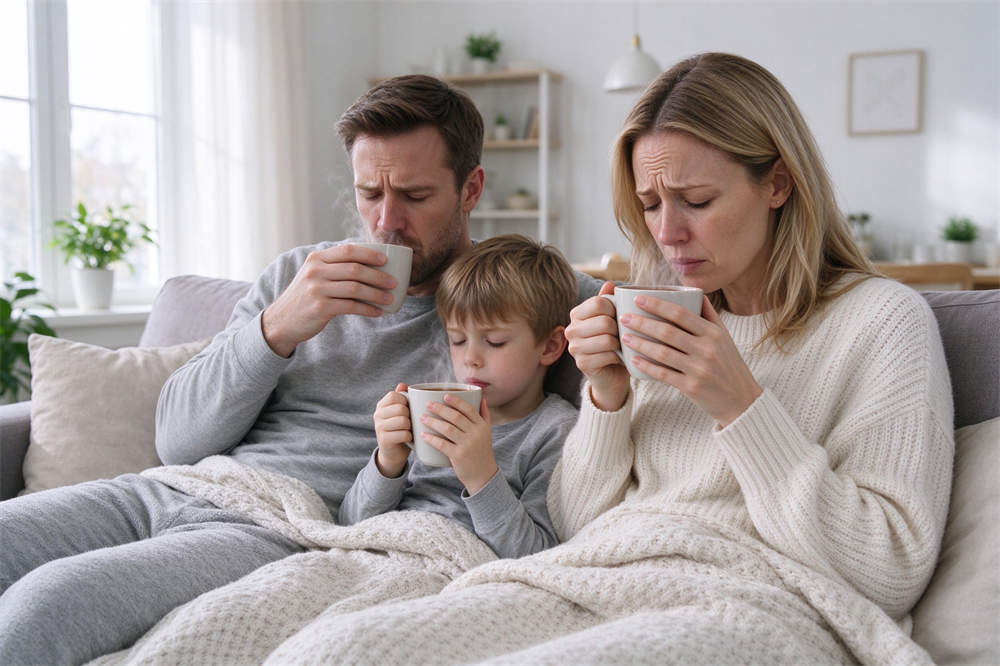
Table of Contents
1. Why You Need a Flu Emergency Kit
2. Flu Emergency Kit Essentials: The Basics
3. Comfort & Recovery Supplies
4. Home Care & Isolation Supplies
5. Communication & Power Backup
6. Flu Kits for Schools, Offices, & Organizations
7. Common Flu Prep Mistakes to Avoid
8. How to Store & Rotate Your Kit
9. How to Choose a Flu Kit Supplier
10. Our Quality Promise
11. Final ThoughtsFAQ
The flu isn't just a bad cold. According to the WHO influenza emergency guide, seasonal flu causes 3-5 million cases of severe illness globally each year, and up to 650,000 respiratory deaths. The American Red Cross flu preparedness guide recommends every household have a 14-day emergency kit before flu season begins. During a pandemic—like we saw in 2009 and 2020—hospitals get overwhelmed, supply chains break, and people can't get the supplies they need when they need them.
Even in a normal flu year, when half your neighborhood gets sick at once:
A home emergency kit for flu isn't about being paranoid—it's about being ready. When you're coughing so hard you can't stand up, the last thing you want to do is drive to the pharmacy. Having supplies already at home means you can rest, recover, and not spread the virus to your neighbors.
Pro Tip: The CDC recommends everyone have a 14-day supply of essential medications and supplies at home. That's how long it can take for supply chains to recover after a major outbreak.
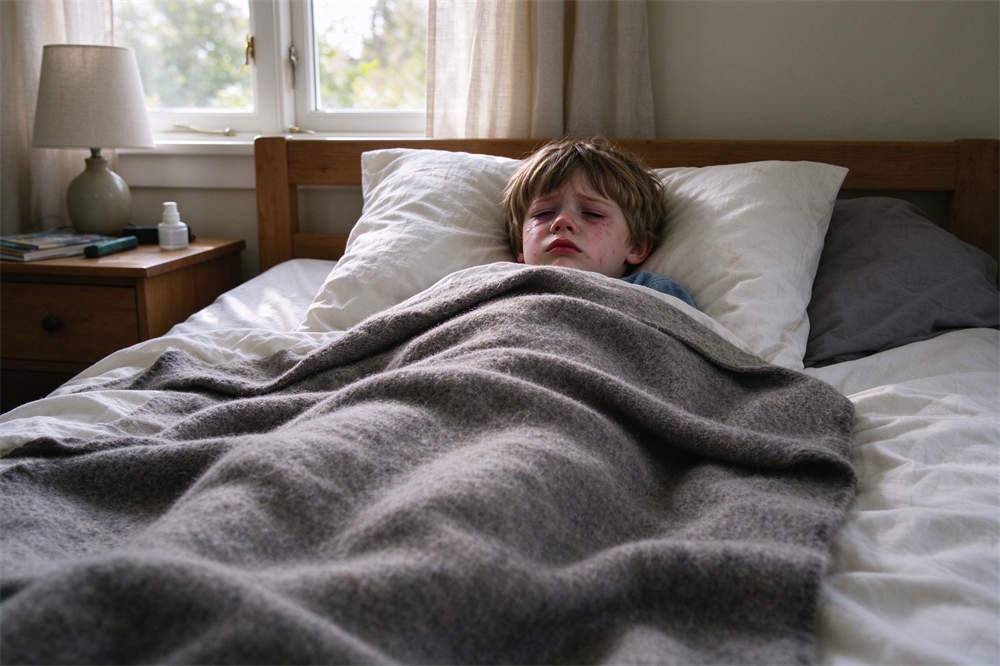
One of the most common questions people have: is it the flu or just a cold? It matters because flu can lead to serious complications, while a cold usually goes away on its own. Here's how to tell:
Symptom
Common Cold
Influenza (Flu)
Onset
Comes on gradually over 2-3 days
Comes on suddenly—you feel fine one hour, miserable the next
Fever
Rare, usually low-grade if present
Common, high (102-104°F / 39-40°C), lasts 3-4 days
Aches & Pains
Mild
Severe—whole body aches, can't get out of bed
Tiredness
Mild, back to normal in a week
Severe, can last 2-3 weeks
Cough
Mild, productive
Dry, severe, can last weeks
Complications
Sinus congestion, ear infection
Pneumonia, bronchitis, hospitalization, death
Above: How to tell the difference between a cold and the flu. If it comes on suddenly with high fever and body aches, it's the flu—and you need your flu preparation checklist supplies ready.
Here's what every cold weather emergency preparedness list should have, broken down by category. We're focusing on supplies that actually help you recover and protect your family—not the gimmicky stuff that just sits in a closet.
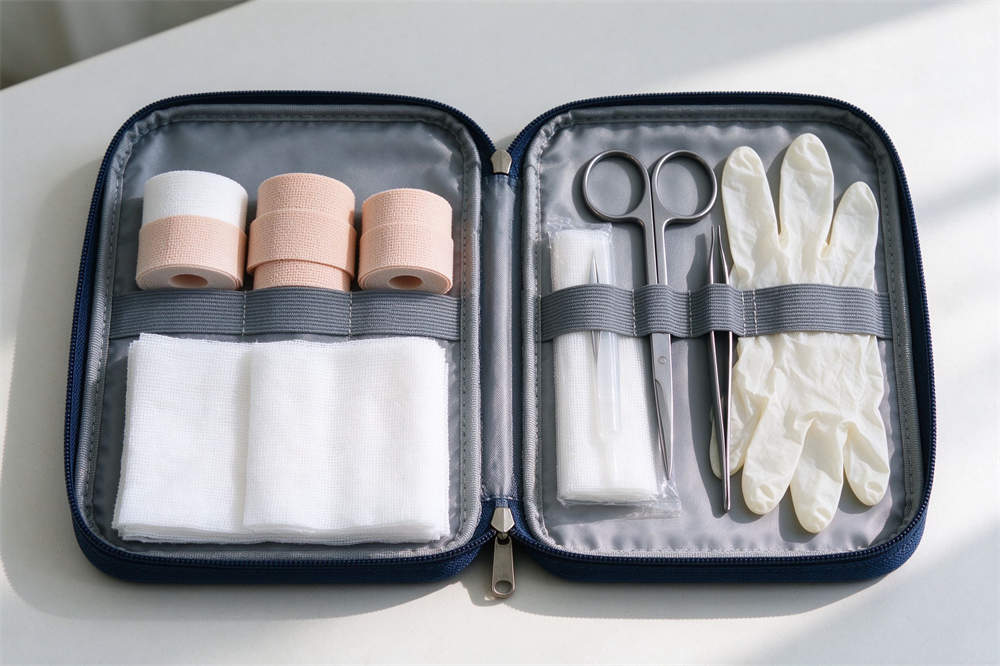
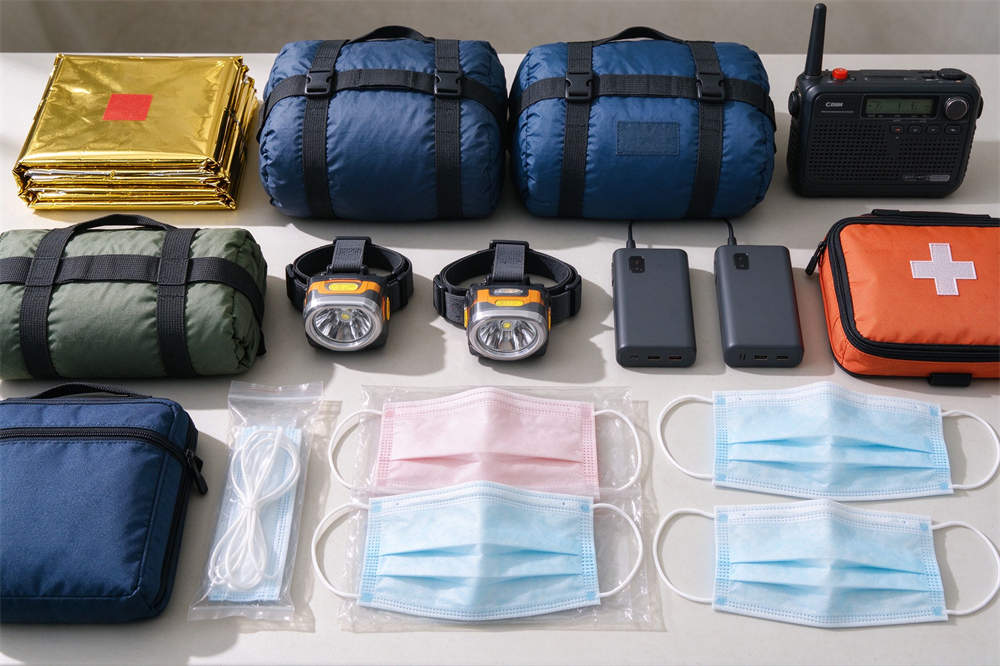
When someone in your household is sick, you need to protect the healthy people. PPE isn't just for hospitals—it's for your living room too:
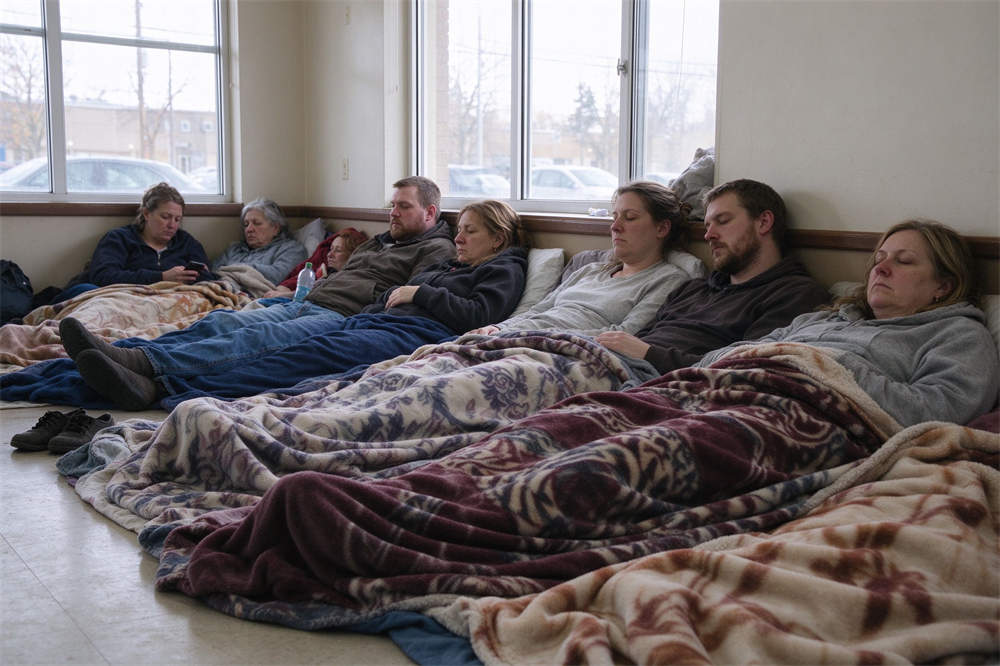
When you're sick, your body burns a lot of energy fighting the virus. You need to stay warm, hydrated, and comfortable:
Disposable gloves, goggles, respiratory protection
Wool blankets, sleeping bags, thermal socks
Category
Essential Items
Why You Need It
PPE
Protect healthy family members from getting infected
Warmth
Fever causes chills—stay warm to recover faster
Hydration
Stay hydrated when you're too sick to go to the kitchen
Comfort
Basic care when you're feeling miserable
Light & Power
Keep power when you're sick and can't get to the charger
Above: Summary of the core items in a complete home illness preparedness kit for households and small organizations.

Recovery from the flu isn't just about medicine—it's about making your body as comfortable as possible so it can focus on fighting the virus. Here's what we recommend having on hand:
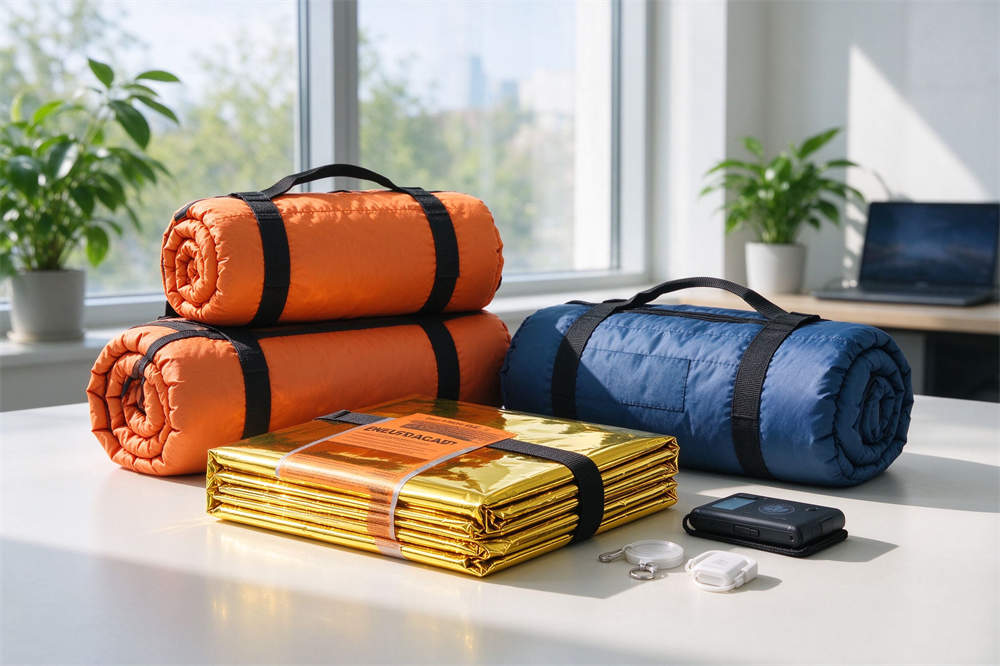
When your fever spikes, you'll go from burning up to shivering in minutes. That's why having extra warm bedding is critical. Our emergency blankets and sleeping bags are perfect for this:
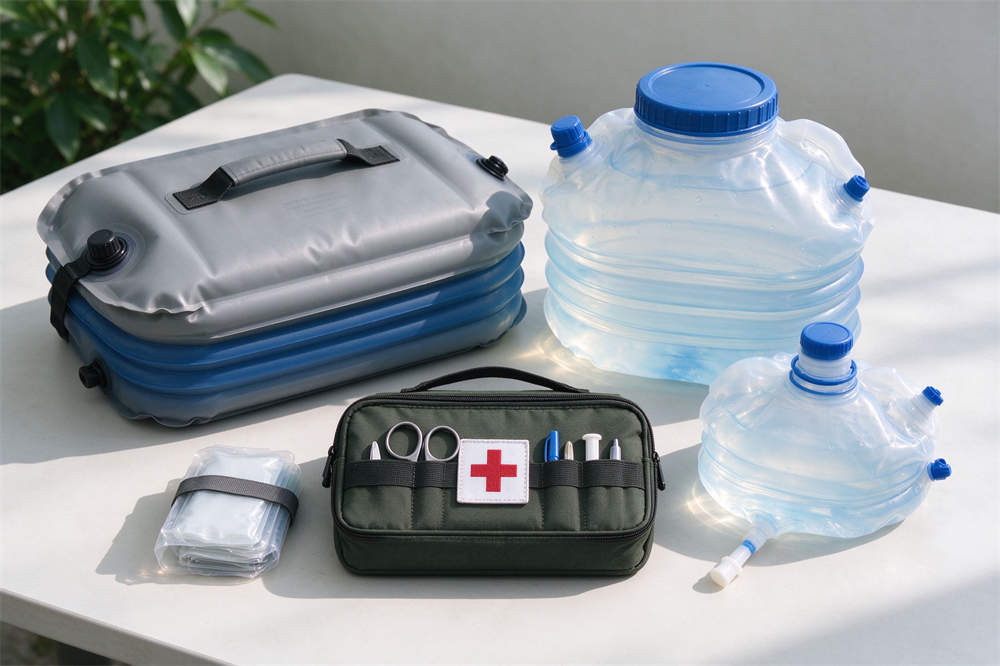
When you have the flu, you're sweating out fluids from fever. You need to stay hydrated—but when you're too weak to stand up and walk to the kitchen, you need water close by:
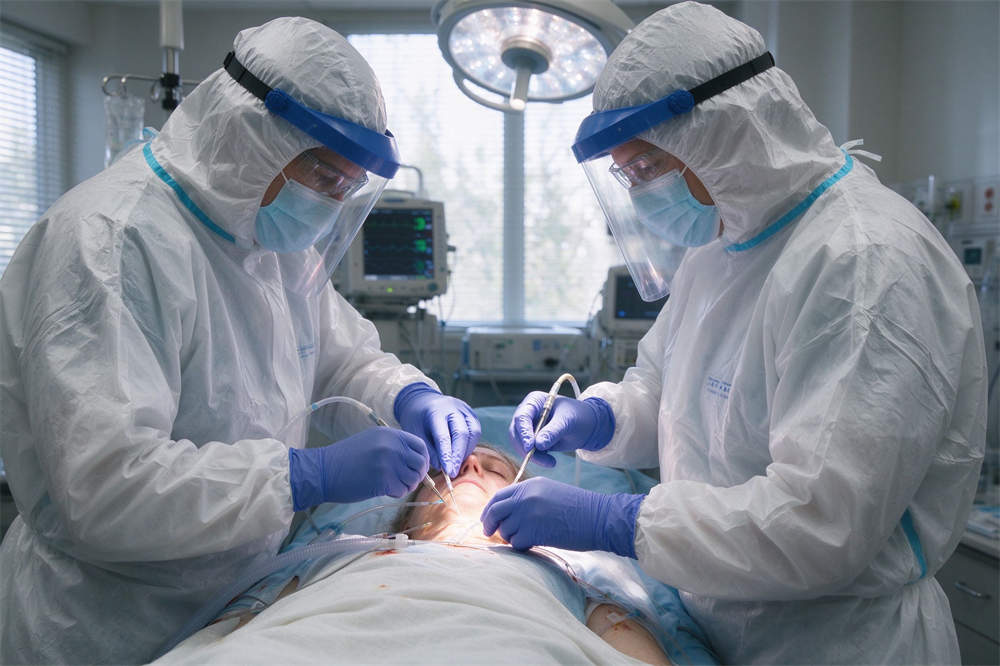
When someone in your house has the flu, you need to isolate them to keep the rest of the family healthy. That means having supplies to set up a sick room fast:
Flu virus lives on surfaces for up to 24 hours. You need to clean everything the sick person touches: door handles, light switches, remote controls, phone screens. We supply cleaning tools and disposable cloths—just add your own cleaning solution on site.
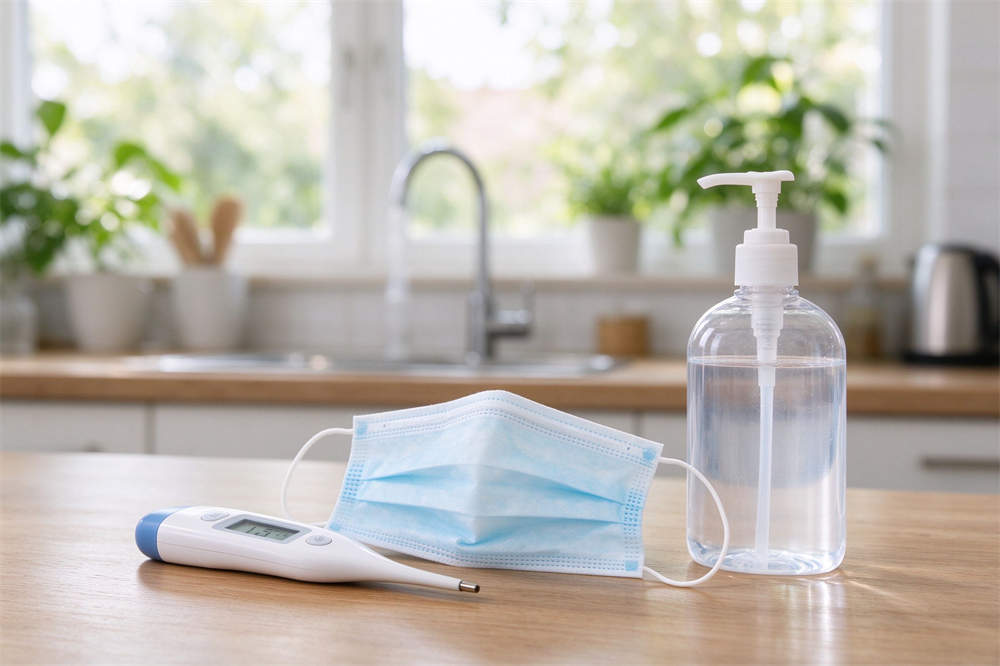
During a major outbreak, power can go out, cell service can get overwhelmed, and you might be stuck at home for weeks. You need pandemic preparedness supplies that work without power:
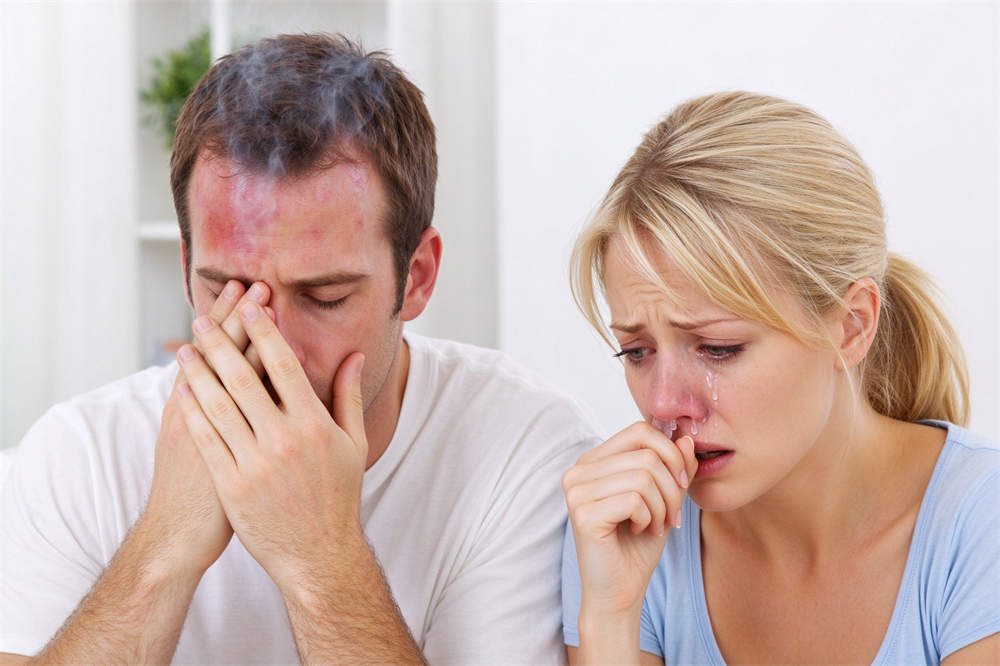
Flu isn't just a home problem—it's a school problem, an office problem, a nursing home problem. Organizations need influenza preparedness kits too, for when staff or students get sick at work.
Organization Type
What They Need
Kit Size
Schools & Daycares
Isolation cots, blankets, gloves, tissues, thermometers
Large (for 10+ kids)
Offices & Businesses
Break room supplies, PPE for caregivers, first aid kits
Medium (for 5-10 people)
Nursing Homes & Hospitals
PPE, blankets, sleeping bags, hydration supplies
Extra large (for entire facility)
NGOs & Response Teams
Mobile flu response kits, tents, folding cots
Custom bulk
Above: Different organization types need different sizes of flu emergency kits. We supply bulk and custom kits for all of these.
We work with schools, businesses, nursing homes, NGOs, and government agencies to build custom flu preparedness kits. Tell us how many people you have, and we'll build a kit that fits your budget and your space.
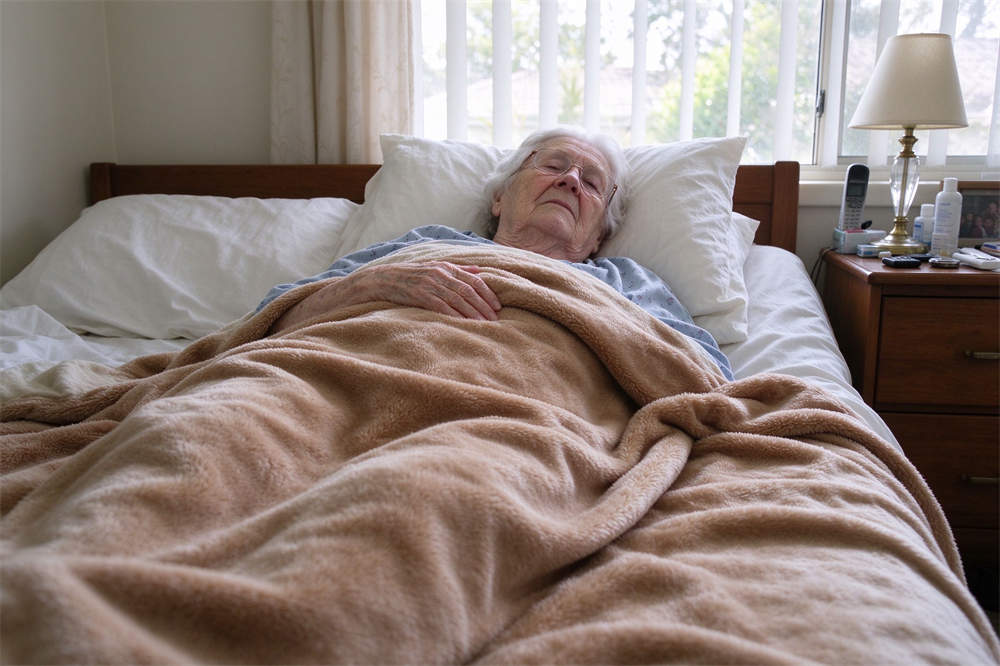
Some people are at higher risk for serious flu complications: older adults, pregnant women, young kids, and people with chronic conditions like asthma, diabetes, or heart disease. If you're caring for someone in a high-risk group, your flu kit needs to be extra thorough:
It's important to understand the difference between regular flu season and a pandemic, because the supplies you need are different:
|
Condition |
Regular Flu Season |
Pandemic Outbreak |
|
How sick people get |
Most people recover in a week |
More severe symptoms, higher hospitalization rates |
|
Supply chain |
Most things available, maybe some shortages |
Major shortages, online orders backed up for weeks |
|
Isolation time |
3-5 days at home |
2-4 weeks at home, schools closed |
|
What you need |
Basic comfort supplies, tissues, blankets |
Full 14-day supply of everything, PPE, communication gear |
Above: Differences between regular flu season and a pandemic outbreak. It's smart to prepare for the worse case—if you're ready for a pandemic, regular flu season is easy.
Here's the step-by-step plan for when someone in your house gets the flu:
When to call 911: Trouble breathing, chest pain, confusion, blue lips or face, dehydration (no urine for 8+ hours). These are emergency signs—don't wait.
After 17 years of supplying emergency kits, we see the same mistakes over and over. Don't make these:
This is the biggest one. When flu season hits, everyone buys at once. Stores run out, online orders back up, and you're stuck waiting. Buy your kit in the summer, when stores are fully stocked and prices are normal.
People buy fever reducer and tissues, but forget the blankets, the water, the light. When you're sick, you need warmth and comfort as much as you need medicine.
Medicine expires. Batteries die. Tissues get moldy in damp basements. Every year, before flu season, check your kit: replace expired stuff, test the radio, make sure blankets are still good.
If one person gets sick, you need to keep the rest of the house healthy. That means having a plan for who sleeps where, how to clean surfaces, and how to care for the sick person without getting sick yourself.
Cheap emergency kits look the same on the outside, but the blankets are thin, the radio dies in 10 minutes, and the gloves tear when you put them on. When you're sick, the last thing you need is your "emergency" gear failing.
A flu kit only works if you can find it when you need it. Here's how to store it right:
Pro Tip: Tell everyone in the house where the kit is. Do a quick family drill once a year—"where's the flu kit?"—so everyone knows.

There are a million companies selling "emergency kits" online. Here's what to look for:
Don't fall for the "everything in a box" scam.
A lot of cheap kits have 50 items, but 40 of them are tiny, useless things you'll never use. We build kits around what you actually need, not what fills a box.
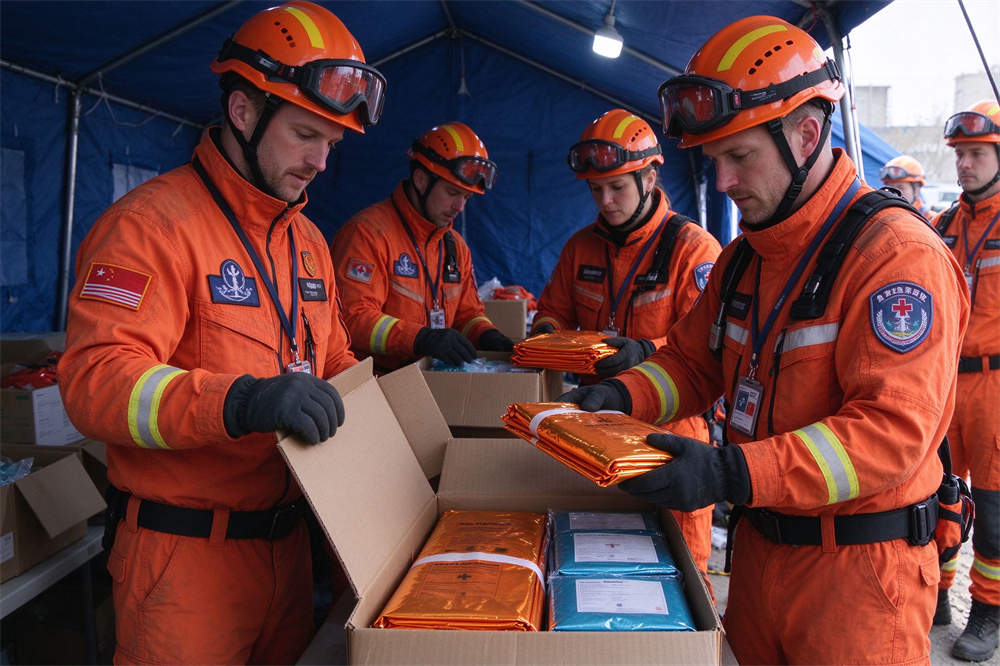
Flu spreads through respiratory droplets—when someone coughs, sneezes, or even talks. Those droplets land on surfaces, and you touch them, then touch your face. That's how it spreads around your house in 24 hours.
Here's how to stop it:
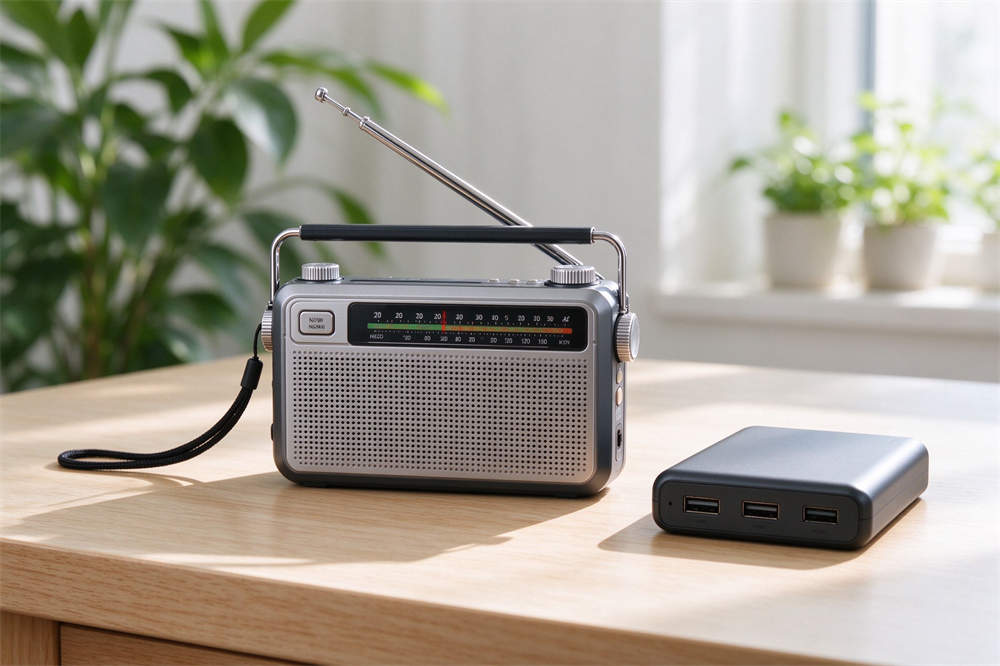
We don't sell the cheapest kits. We sell the most reliable kits. When someone's family is sick, cheap isn't a bargain.
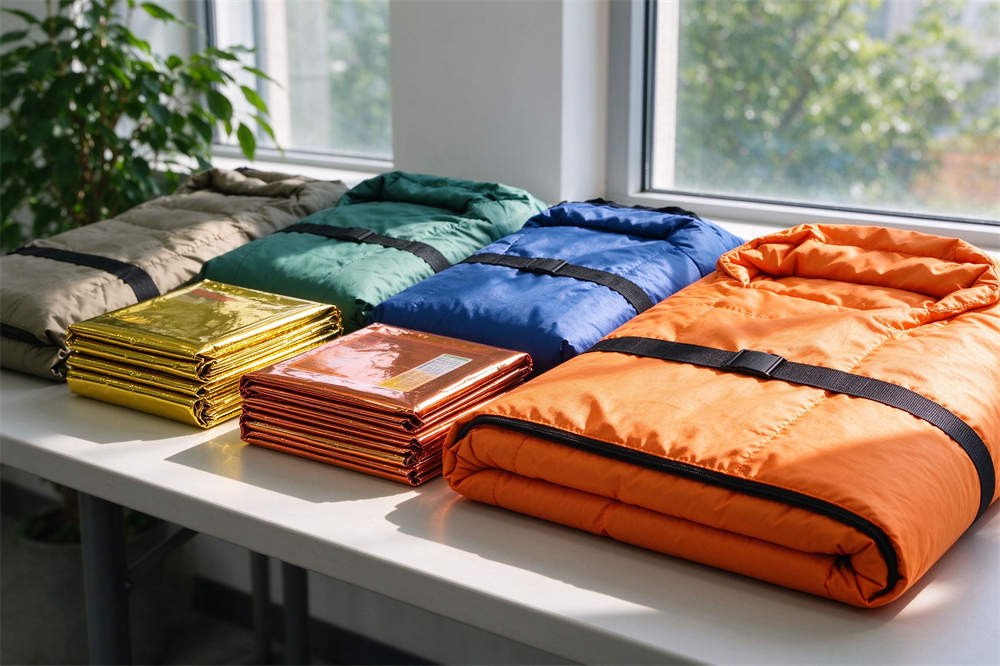
The flu will come this year. It always does. The question is: when it does, will you be ready? Will you have the blankets to keep you warm when your fever spikes? Will you have water next to your bed when you're too weak to walk to the kitchen? Will you have a radio to hear official updates when everyone's phone is dead?
That's what a flu emergency kit is for. It's not about being scared. It's about being prepared. It's about knowing that when you're sick, you can rest, recover, and not worry about whether you have what you need.
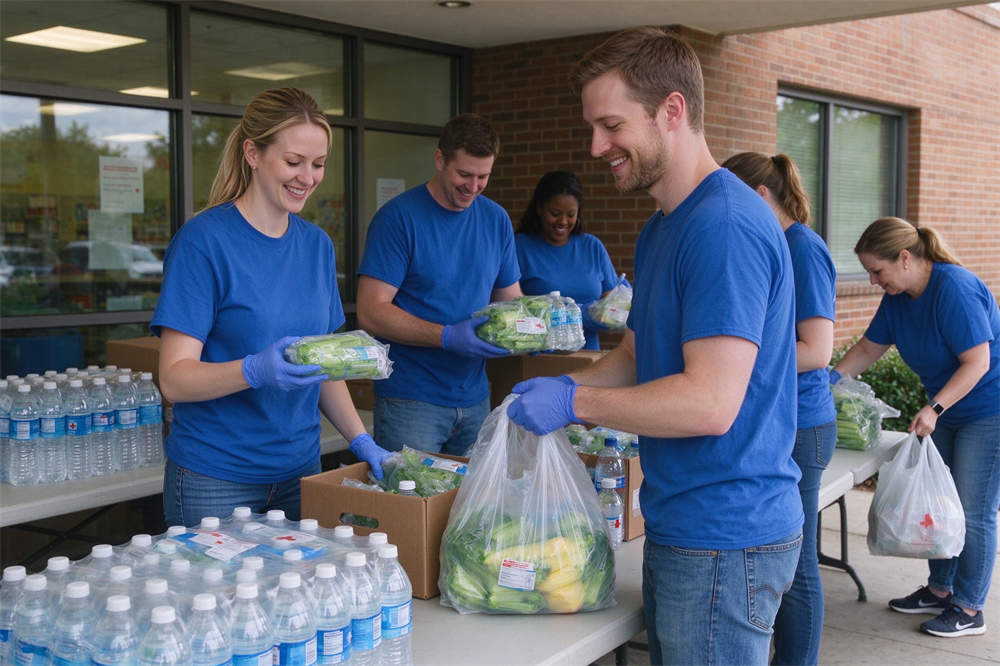
As a leading supplier of emergency preparedness supplies globally, we supply pandemic supplies to:
Don't wait until the flu hits your house. Every year we talk to people who waited until their kid had a fever to buy supplies—and by then, everything was sold out. Get your kit today. Set it on the shelf. Tell your family where it is. Then you can relax, knowing you're ready.
Flu season comes every year. Be ready before it does.
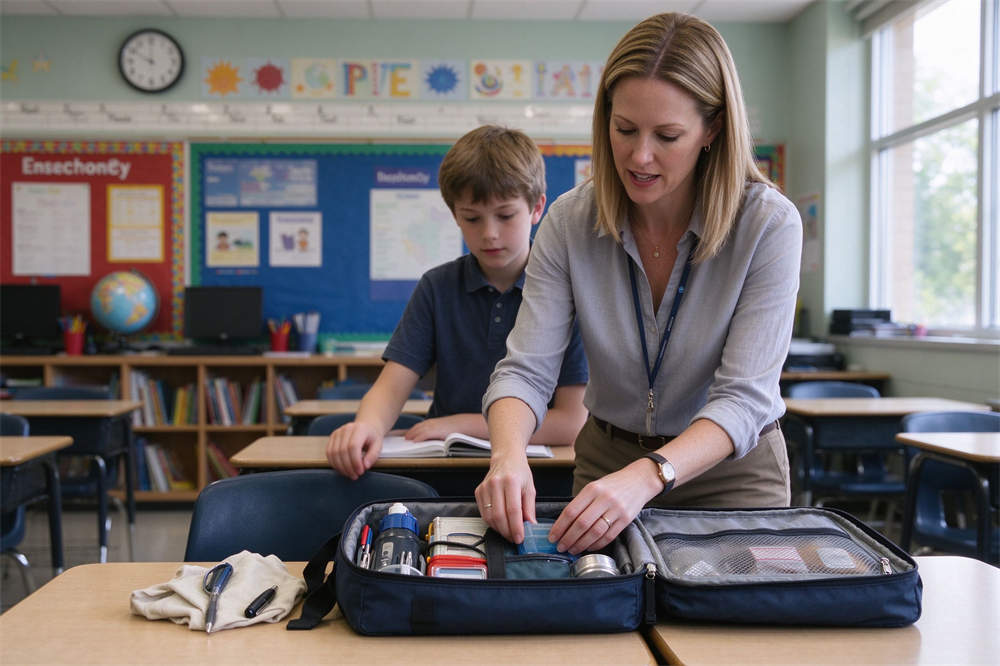
A: For a family of 4, a backpack-sized kit is enough. For schools or businesses, you'll need larger kits with more supplies. Tell us how many people you're preparing for, and we'll recommend the right size.
A: Most people recover in 1-2 weeks. Older adults, young kids, and people with chronic conditions can be sick longer. That's why you need a 14-day supply of everything.
A: First aid kits are for injuries—cuts, burns, sprains. Flu kits are for when you're sick and need comfort, warmth, hydration, and isolation supplies. They're different things, and you should have both.
A: Yes! Regular blankets work fine. Emergency blankets are just more compact, cheaper, and you can keep them stored for years without them getting worn out. Use what you have, but make sure you have extra.
A: We do! We supply bulk flu preparedness kits for schools, daycares, offices, and nursing homes. We can also customize the kit contents and put your organization's logo on the bag.
A: Once a year, right before flu season (September). Check expiration dates, test the radio, wash the blankets, replace anything that's worn out. Set a phone reminder so you don't forget.
A: All products are CE certified, FDA registered, ISO 9001 quality system, and RoHS compliant. Smoke hoods meet EN403, fire blankets meet EN1869, hard hats meet EN397. Full documentation with every order.
A: Absolutely! Tell us what you need and what you don't need, and we'll build a custom kit. We do OEM and private label for distributors and large organizations.
A: In-stock items ship in 3-7 days via air express. Custom or bulk orders take 15-30 days for production plus shipping. We ship worldwide from our China factory.
A: That's why you tell everyone in your house where the kit is. Do a quick family drill once a year so everyone knows where it is and how to use it. The best kit in the world is useless if no one can find it.
A: We primarily work with organizations, NGOs, schools, and businesses with wholesale pricing. We do also supply smaller orders for households—just tell us what you need.
A: During a major outbreak, masks can sell out fast. We supply EN403 certified respiratory protection that provides particulate filtration—better than basic surgical masks for protecting caregivers.
A: Warmth. When you have a fever, your body needs to stay comfortable to fight the virus. Extra blankets and thermal bedding are more important than gadgets. Everything else is secondary.
A: Throw away any disposable items (gloves, tissues). Wash blankets and bedding in hot water. Wipe down the outside of the bag with disinfectant. Test the radio and headlamp to make sure they still work. Restock anything you used.
A: Yes! Most flu kit supplies are also useful for power outages, winter storms, earthquakes, and other emergencies. It's a good general emergency kit too—just add a few food and water supplies and you're set for most disasters.

 |

|
Copyright © Custom Disaster - Relief Bedding: Tents, Sleeping Bags, Blankets All Rights Reserved
the professional team to service !