Categories
latest blog
Last Updated: October 16, 2026 | NGO relief procurement guide for Africa | Author: YRF Textile Emergency Response Team
NGOs and Red Cross organisations buy relief supplies through structured procurement: tender notices, sample checks, compliance evidence and delivery schedules all matter. Suppliers who understand how these buyers work can respond faster and more accurately. This guide explains the procurement cycle, the documents NGOs ask for, and what to prepare when bidding on blanket, tent and bedding tenders.
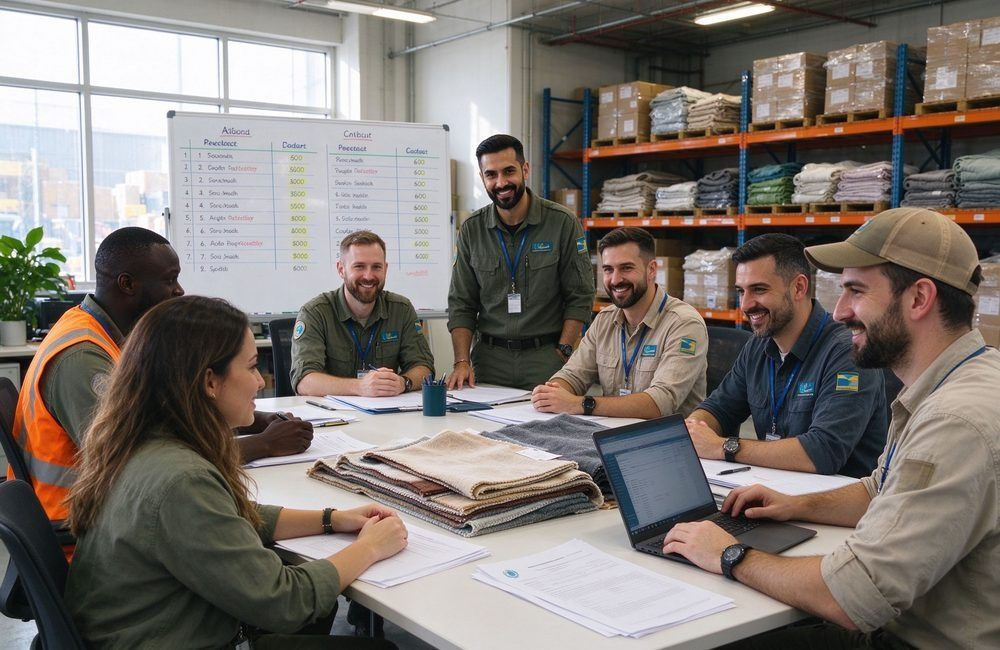
NGO procurement team reviewing blanket bids.
Related guidance: WHO.
The distribution point in the photo is where NGO procurement becomes visible to the community. The blanket pack handed out is the same item the tender specified, and the record of the distribution becomes the evidence for the next funding cycle, so the specification, the sample and the delivered item must stay identical from the factory to the queue.
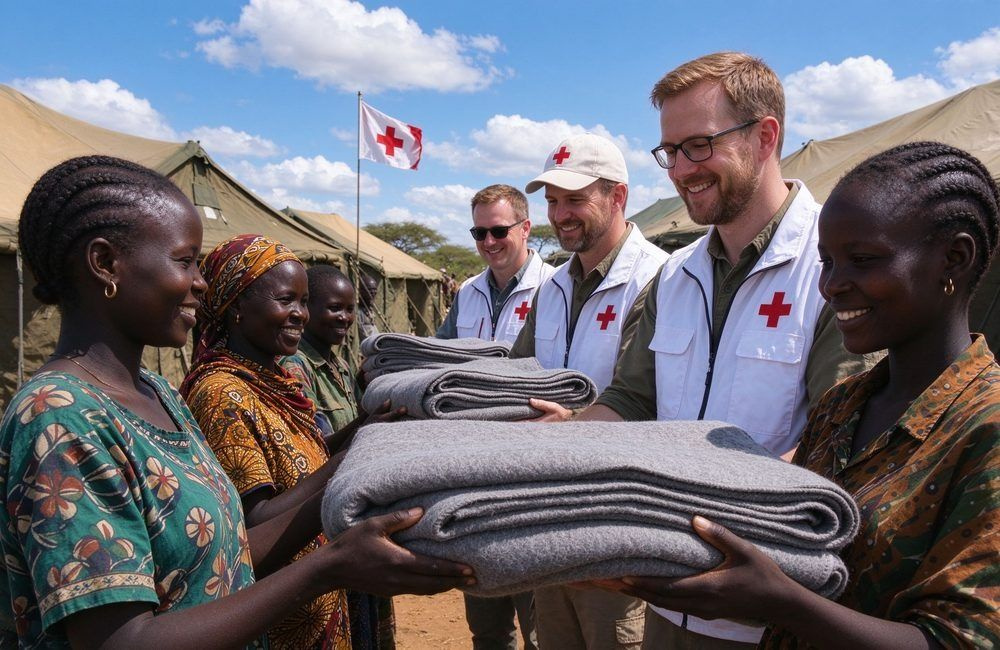
Red Cross field distribution to African families.
Most NGOs buy through the same channels: open tenders, pre-approved supplier lists and framework agreements. Procurement teams check production capacity, compliance records and delivery terms before price, because a late shipment can break an entire relief operation. NGOs also publish award notices, so winning suppliers are usually visible to competitors.
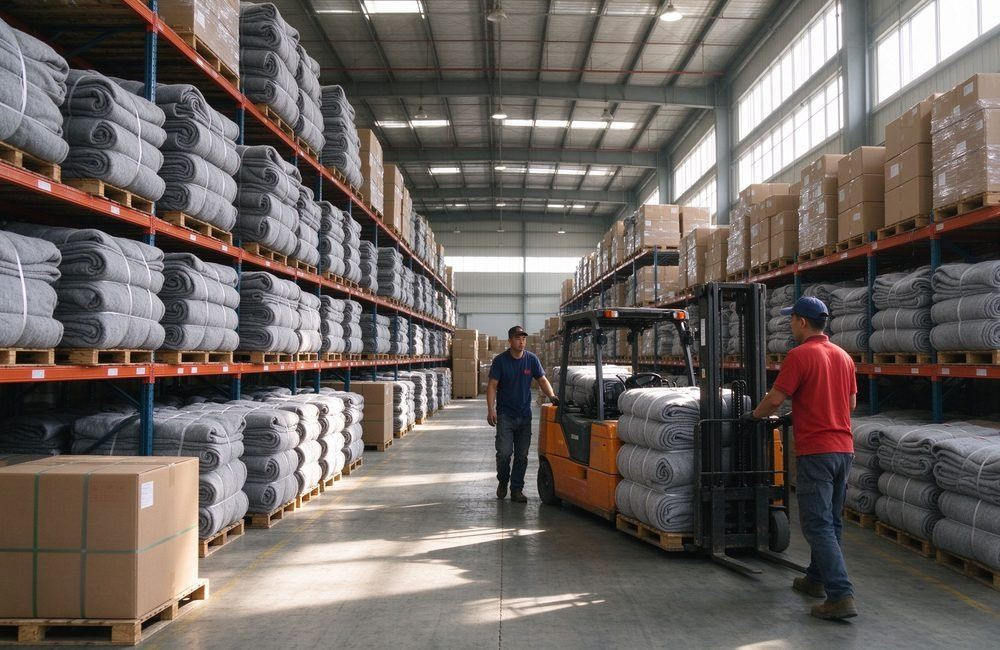
NGO relief programs" loading="lazy" width="1000" height="650">Relief warehouse stacked with blanket bales.
IFRC supplier standards are the closest thing to a common language in humanitarian buying. The International Federation of Red Cross and Red Crescent Societies publishes the quality, packing and documentation expectations that many national societies and NGOs borrow for their own programs. Blankets are usually specified by GSM, size, fire-retardant finish and packing unit, so quoting against those terms makes review faster.
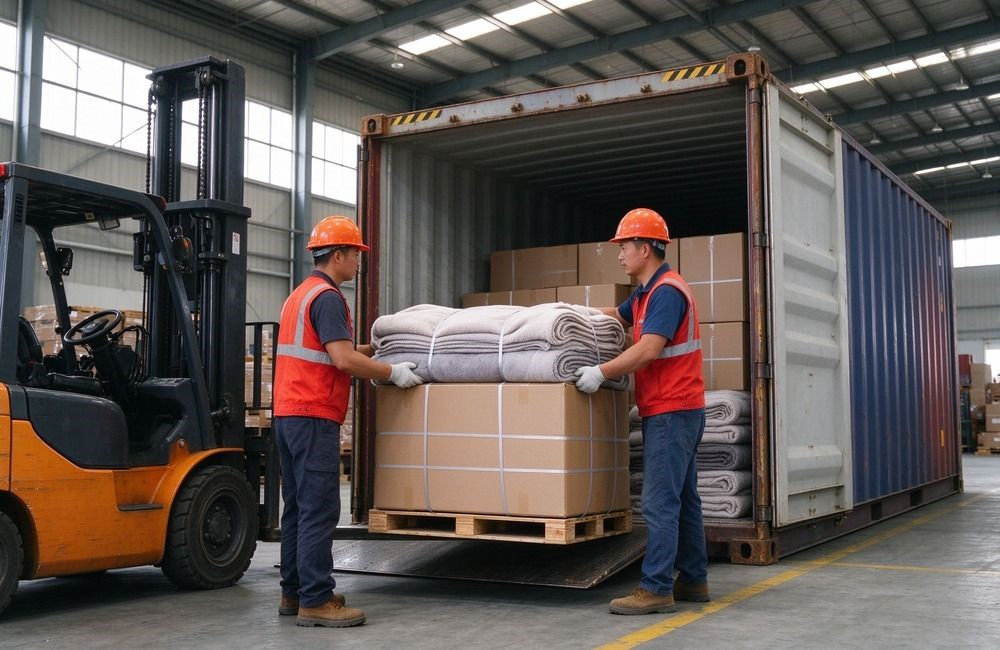
Container loading of relief blanket cartons.
Suppliers who quote for NGO programs should expect sample approval, transparent pricing and audit-ready paperwork. There is no room for vague specifications or last-minute substitutions, and that is exactly why prepared suppliers win more tenders. Build your quote around the RFQ line by line, attach clear photos and test reports, and confirm lead time in writing before the evaluation starts.
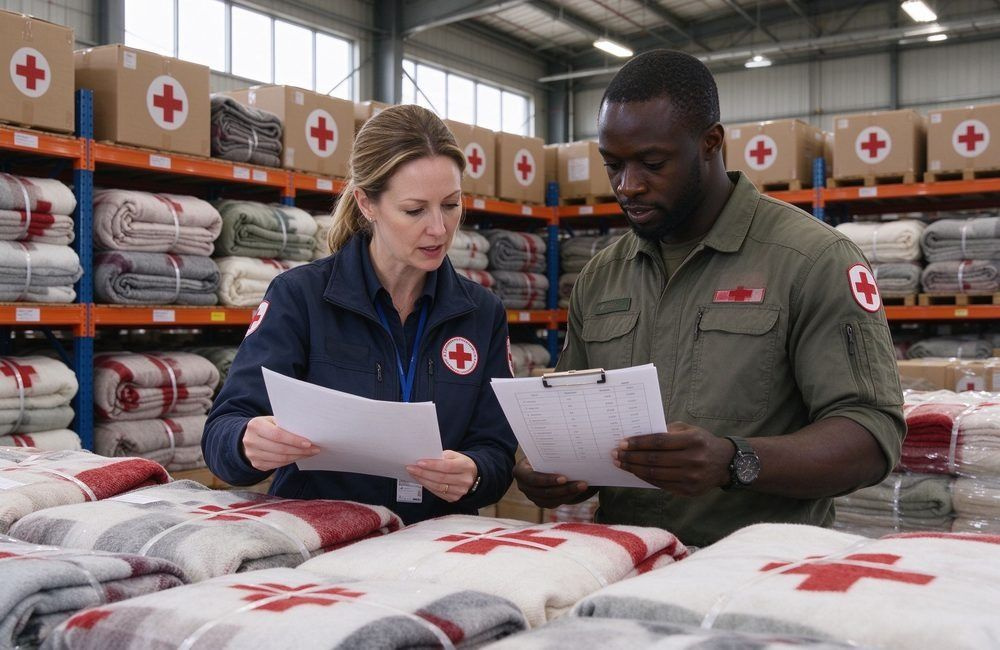
Red Cross staff verifying goods against checklist.
A successful NGO order is built from five blocks: the right specification, an approved sample, clear pricing, correct documentation and reliable logistics. Miss one block and the whole order stalls, no matter how good the blanket or tent itself is.
humanitarian procurement guide material from OCHA and ReliefWeb explains the same principles: transparency, value for money and accountability to donors. Suppliers who study these sources understand what evaluators are actually looking for.
This humanitarian procurement guide walks through how NGOs buy, what IFRC expects, how samples and framework agreements work, what documents you need, and how to answer an NGO tender with a complete, compliant quote.
Most NGO bulk order relief supplies follow a simple path: needs assessment, specification, sourcing, sample approval, contract, production and delivery, and the evaluation compares price, lead time, quality and compliance, not price alone. The largest buyers, such as OCHA-coordinated clusters, publish their specifications openly, while medium and local NGOs work through partner organisations, which narrows the evaluation criteria further.
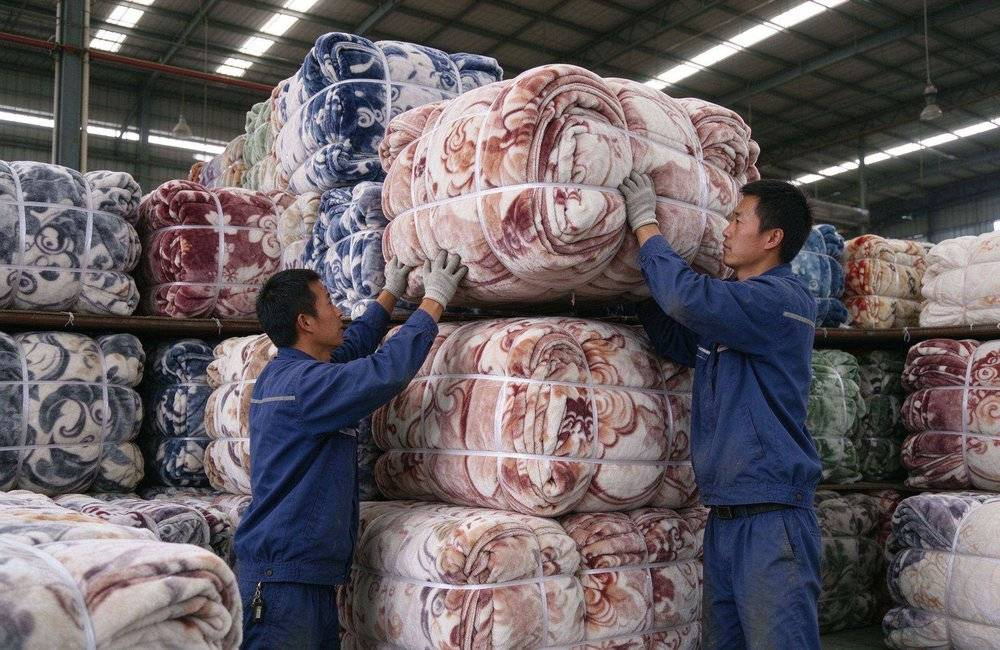
Warehouse with compressed blanket bales ready for shipment.
The largest buyers, such as OCHA-coordinated clusters, publish consolidated needs and supplier guidance through official channels. Following those announcements tells you which product categories are being procured in which region this season.
For blankets and bedding, NGO orders are typically placed in the pre-season period, before the rainy season, the cyclone season or the winter period in highland regions. Timing your quotation early gives the evaluation team room to include you.
Many NGOs also maintain a registered supplier list and invite only registered vendors for small and medium purchases. Registration is free and usually requires basic company documents, a product catalogue and a contact point who responds quickly.
Understanding who makes the buying decision matters. The field office often sets the specification and quantities, while the headquarters procurement unit handles contracts and payments. Your quote should speak to both.
Common mistakes suppliers make are quoting their standard catalogue instead of the tender document, skipping the sample deadline, and promising capacity they cannot prove. Evaluators flag all three, because each one creates risk for the field program.

NGO procurement checklist for tender preparation.
A complete NGO quotation for bulk order relief supplies typically answers five questions in writing: product specification, unit price breakdown, MOQ and lead time, packing and marking, and the documents list. Suppliers who answer all five in one email save the buyer a follow-up round.
NGO procurement teams evaluate at least two to three suppliers per tender and often use a scoring matrix that weights compliance and delivery risk higher than unit price. NGO bulk order relief supplies are usually consolidated into regional programmes rather than single shipments, so suppliers who can serve several delivery points from one production run gain a clear advantage in framework evaluations.
| Channel | When it is used | What suppliers need |
|---|---|---|
| Open tender | Large orders, multi-country programs | Full documentation, samples, delivery plan |
| Registered supplier list | Medium orders, repeated needs | Registration file, catalogue, fast response |
| Framework agreement | Annual programs, many lots | Agreed pricing, fixed lead time, quality records |
| Direct invitation | Emergency, urgent field need | Ready stock or fast production, clear contact |
Frameworks are the most valuable because they secure repeat volume for one to three years, which is why the later section explains them in detail.
The International Federation of Red Cross and Red Crescent Societies procures relief goods for its member national societies and coordinates the global Red Cross relief supply chain. Its standards cover product quality, packing, marking, testing and delivery documentation.
IFRC supplier standards are published through the IFRC procurement page and its operational guidance, and many national societies adopt the same wording for their own tenders. Reading the original source removes guesswork from your quotation.
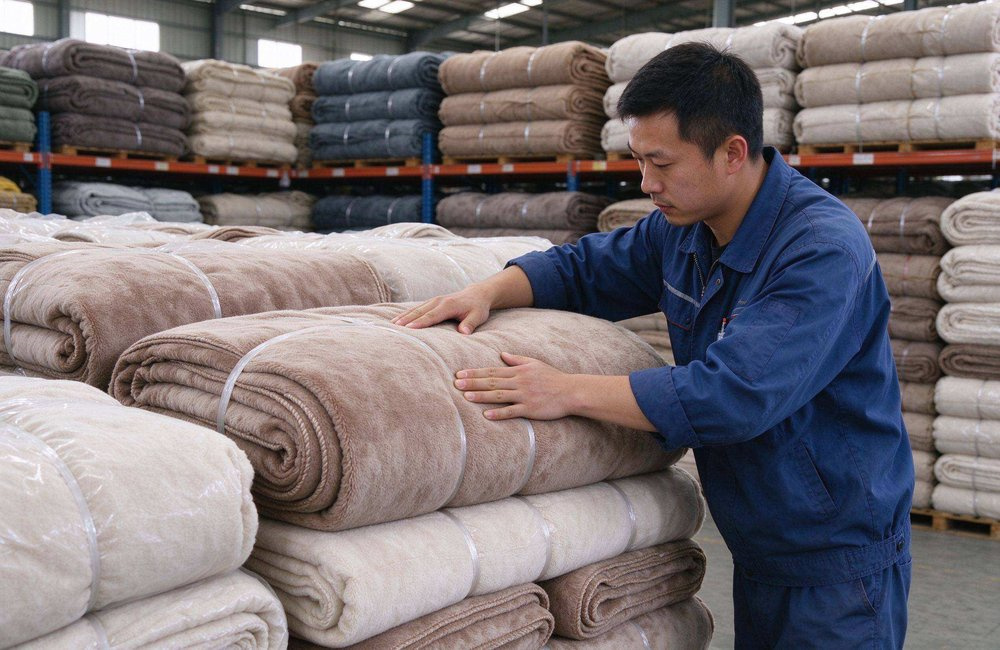
Prepositioned relief stock rows on pallets.
Red Cross tenders usually ask for three things in the technical file: product specification sheets, a physical sample and a compliance statement in line with IFRC supplier standards. Some programs also request test reports from an independent laboratory for GSM, shrinkage, colour fastness and flammability.
NGO bulk order relief supplies for shelters, blankets and bedding are often split into lots by region, which lets several suppliers win different parts of one program. A supplier that can serve one lot well and on time is more likely to be invited back.
The Red Cross relief supply chain depends on prepositioned stock near high-risk regions. Suppliers who keep buffer stock of standard products and can ship within two to three weeks of order are strongly preferred for emergency programs.
National societies also run local procurement for community projects, with smaller quantities but faster payment cycles. Registering with the national society in your export market opens a second channel in addition to the international federation.
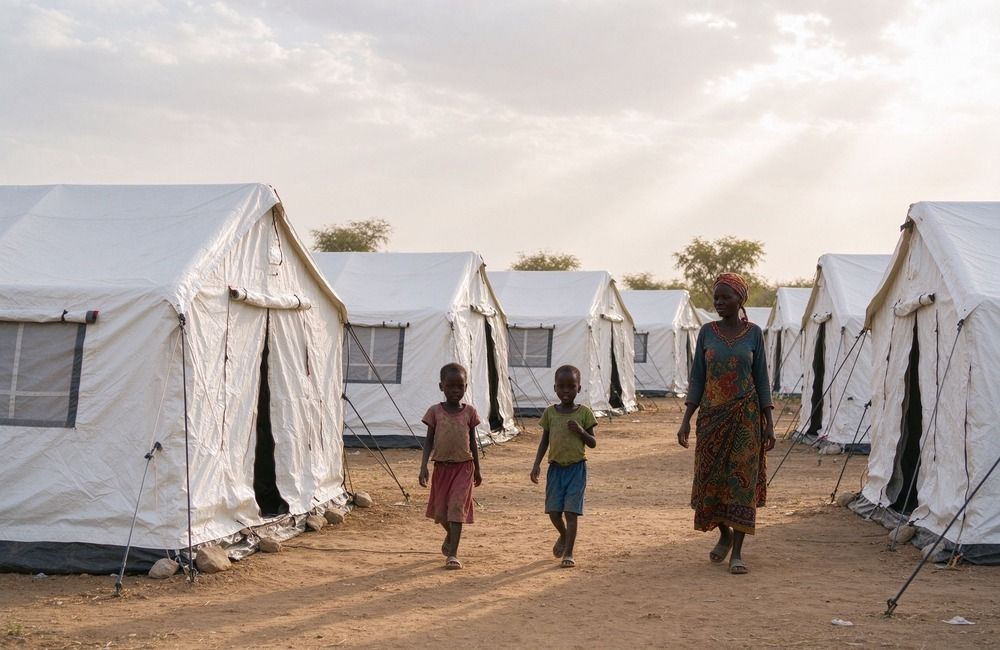
Displacement camp relief tents in Africa.
IFRC procurement relies on testing standards that are shared across national societies, which means one accepted lab report can support quotations to several Red Cross buyers. Keeping GSM, shrinkage and colour fastness reports current is a practical sales advantage.
The Red Cross relief supply chain also uses standardised bale sizes and carton markings across programs, so suppliers who match those conventions reduce unloading and distribution time at field warehouses.
For emergency appeals, IFRC and national societies often publish a procurement notice with a short deadline, so suppliers who hold stock of standard relief blankets can respond within days while others miss the window. Testing laboratories used by these buyers are usually ISO/IEC 17025 accredited with a standardised report format, so keeping test certificates in that format saves back-and-forth during bid evaluation.
| Expectation | Why it matters |
|---|---|
| Complete documentation | Donors audit every shipment, paperwork must match goods |
| Stable quality batch to batch | Relief items are distributed to vulnerable people, quality cannot vary |
| Realistic lead time | Field teams plan distributions around confirmed dates |
| Clear packing and marking | Cartons must be identifiable at the warehouse without opening |
| Price transparency | Value for money is a donor reporting requirement, not a preference |
relief supplier requirements usually start with a questionnaire: company profile, product range, capacity, quality system, export experience and bank details. NGOs use this to shortlist vendors before any sample is requested.
NGO teams expect one named contact who can answer within 24 to 48 hours. During an active emergency, procurement staff work across time zones, and a supplier that responds slowly simply drops out of consideration.

European procurement team reviewing blanket samples.
Under relief supplier requirements, transparency in pricing matters more than the lowest number. NGOs must show donors how the budget was spent, so a clean breakdown of product cost, packing, freight and insurance makes your quote easier to defend internally.
NGOs also check capacity honestly: if your factory cannot handle a 40,000-piece order in the required window, say so and propose a phased plan. Finally, NGOs appreciate suppliers who propose solutions, such as alternative materials within spec or a staging schedule that keeps delivery on time.
Finally, NGOs appreciate suppliers who propose solutions. If a requested size is not standard, offer the nearest standard size with a cost difference, rather than simply confirming whatever the buyer wrote.
NGO questionnaires usually ask for your monthly production capacity per product, your largest recent shipments and your export markets. Answer with real numbers, because the buyer may verify capacity during the evaluation.
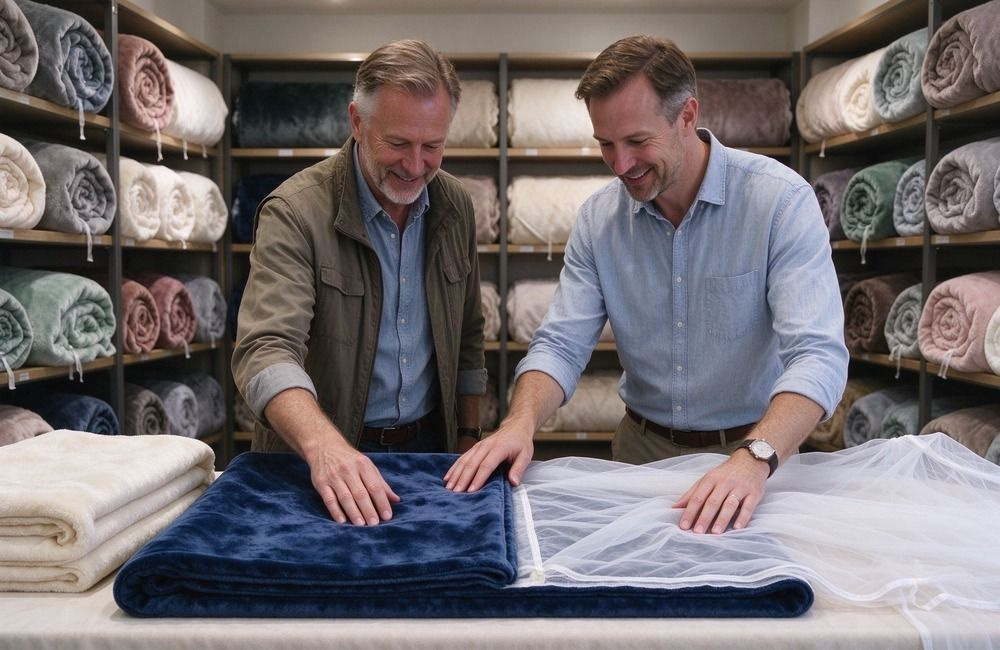
Sample room with blanket fabric rolls.
A named contact matters for more than speed: the same person must be able to answer technical, commercial and documentation questions across the whole order cycle. Consistent answers build confidence faster than a large team that changes contact frequently.
NGOs increasingly check whether suppliers can provide consistent quality at scale by asking for reference shipments and lab reports, so preparing these in advance removes friction from the first order. relief supplier requirements also cover social compliance: working hours, wages and factory conditions are checked in some NGO audits, and a simple compliance file answers these questions without delay.
Fibre content is usually 100 percent polyester for quick drying, though some tenders specify cotton-rich blends for comfort, and recycled polyester is increasingly accepted when the recycled ratio is stated on the label. Colour requirements vary: grey and white hide dust better in camp conditions, while bright colours help visibility during search operations.
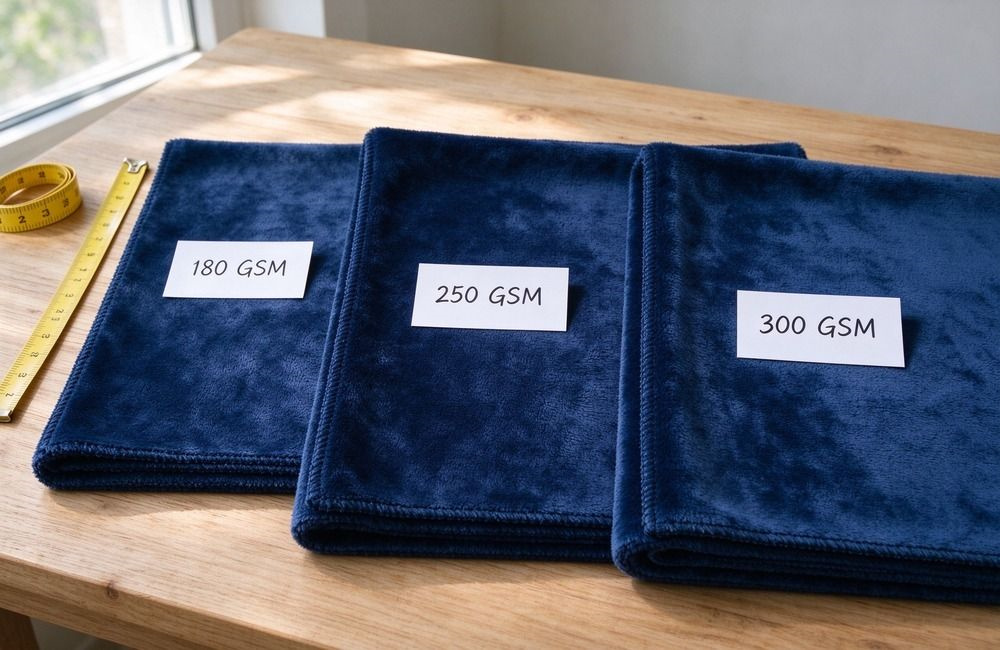
190 GSM vs 210 GSM blanket weight comparison.
Colour requirements vary: grey and white hide dust in field settings, while bright colours help identify distribution points. Confirm the exact colour against the tender, because a colour deviation can fail sample approval.
Packing specifications are as important as the product: vacuum-compressed bales reduce volume for shipping, cartons protect against moisture, and each bale or carton must carry the marking agreed in the tender.
Testing expectations include GSM tolerance, shrinkage after washing, colour fastness and sometimes flame retardancy for camp settings. Ask which tests the buyer will require before quoting, so the price reflects the real work.
NGO tender blankets are often grouped with tents, mosquito nets and bedding kits in one lot. Suppliers who offer the full bedding group simplify the buyer's logistics and increase their chance of winning the combined tender.
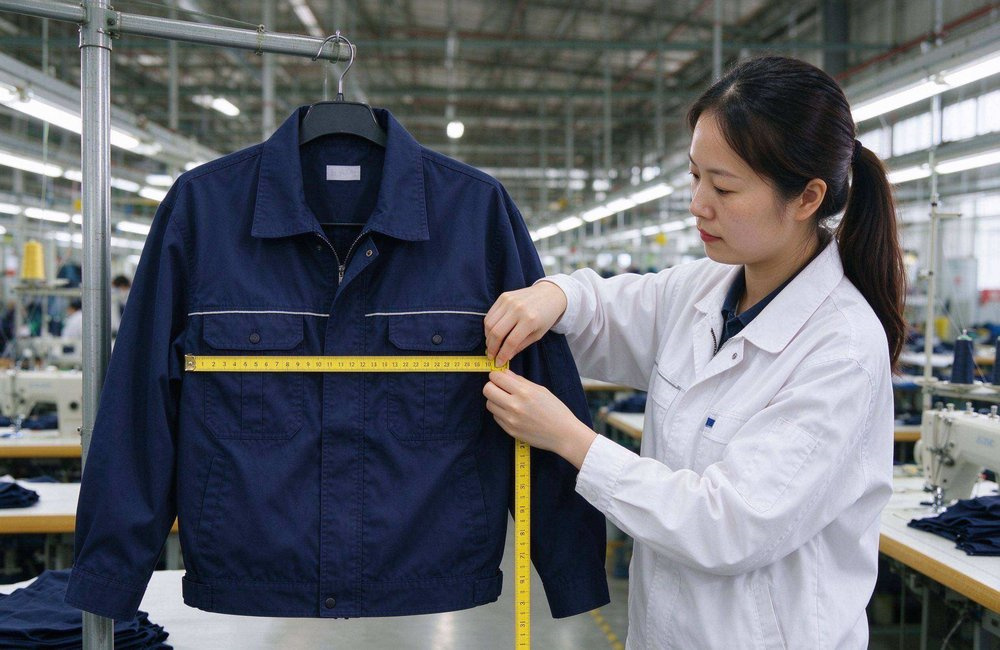
Measuring blanket size and weight in the workshop.
A common specification detail is the stitching and edging of relief blankets: hemmed edges, reinforced corners and consistent seam allowance are checked during final inspection. Confirm these details against the tender technical sheet.
Mosquito nets and tents in the same relief lot follow their own sizing conventions, but the packing system is shared: bales are weighed, tagged and documented per carton, so understanding the whole kit helps you quote the full bedding group confidently. GSM tolerance for relief blankets is typically plus or minus 5 percent with shrinkage tested after three wash cycles, and suppliers who build these margins into the fabric purchase cost avoid sample rejection.
NGO blanket specifications are locked in writing before production, and the approved technical sheet is attached to the contract. Never change fibre, weight or size after approval without a revised technical sheet signed by the buyer.
| Parameter | Typical NGO requirement |
|---|---|
| Size | 150 x 200 cm (confirm per tender) |
| Weight | 190 GSM warm climate / 210 GSM highland nights |
| Fibre | 100% polyester or cotton-polyester blend |
| Colour | Grey, white or program-specific |
| Packing | Vacuum bale or carton with agreed marking |
| Testing | GSM, shrinkage, colour fastness, flammability if required |
The NGO sample approval workflow usually has three steps: a pre-production sample, a pilot or production sample, and approval in writing. Each step protects the buyer against surprises in the final shipment.
Send the pre-production sample with a photo set, measurements and a packing mock-up. The buyer checks the sample against the specification, not against the picture in your catalogue, so the sample must match the tender document exactly.
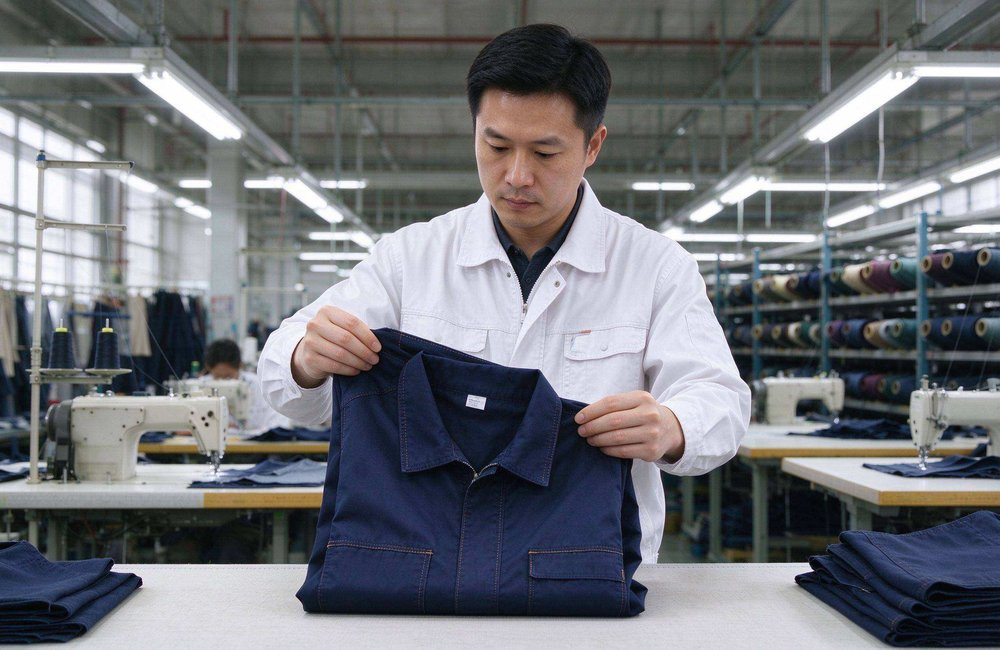
Sample packing verification against carton spec.
The approval is usually issued by the technical officer or the procurement committee, and it is valid for a specific production run. Keep the approved sample in your factory records, because the final inspection compares goods against it.
Sample costs are handled differently by each NGO: some cover the sample and freight, others ask the supplier to absorb it. Clarify this in writing before shipping the sample to avoid a dispute later.
Time matters in sample approval. Field programs run on fixed calendars, so state the sample production time and the freight time to the buyer. A sample that arrives after the deadline is useless, even if it is perfect.
A photo or video report of the sample at the factory, including measurements on a flat table, speeds up remote approvals for buyers who cannot visit. This is standard practice in NGO procurement across Africa.
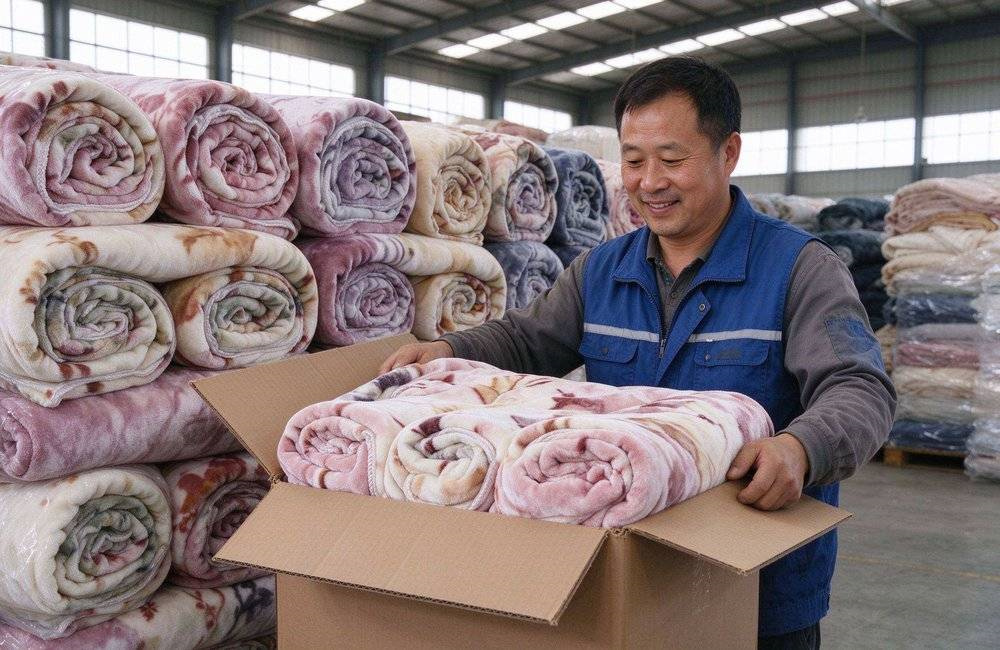
Delivery inspection of relief blanket cartons.
Sample photography standards are simple but strict: flat-lay measurements, a ruler or tape visible in frame, and both sides of the fabric, because buyers compare these photos against the tender specification before requesting physical samples. The approval letter usually states the production window, the authorised quantity and any packaging conditions, so treat it as the contract annex for quality, not just a courtesy document.
If a buyer requests changes after approval within the NGO sample approval workflow, ask for the revised specification in writing and re-run the approval cycle. Verbal changes during production are a common source of rejected shipments in humanitarian orders.
The sample approval workflow ends with a clear go or no-go decision, so track the sample delivery and the approval date in your order system. Missing the approval date is the most common reason an NGO order slips a season.
In NGO relief procurement, a framework agreement is a long-term contract that fixes pricing, quality, packing, delivery terms and documentation for a defined period, usually one to three years. Orders are then released against the framework as field needs arise.
NGO framework agreements give NGOs speed during emergencies, because they do not need to re-tender every time. For suppliers, they provide volume certainty and a stable working relationship with the procurement team.

Signing an NGO framework agreement.
Framework pricing is usually fixed or index-linked to raw material costs. NGOs expect the supplier to honour the agreed price during the period, so build realistic material and freight buffers into the framework quote.
Most frameworks include a performance review: delivery on time, quality consistency and response speed. Good performance leads to renewed frameworks; two late shipments can end the agreement regardless of the price.
Some framework agreements are shared across several NGOs through joint procurement platforms, which means one framework can open several buyers. This is more common for regionally standardised products like humanitarian relief blankets and tarpaulins.
Suppliers should read the framework terms carefully before signing, especially the minimum order quantity, the price adjustment clause and the liability terms, because these three clauses decide whether the agreement is profitable.
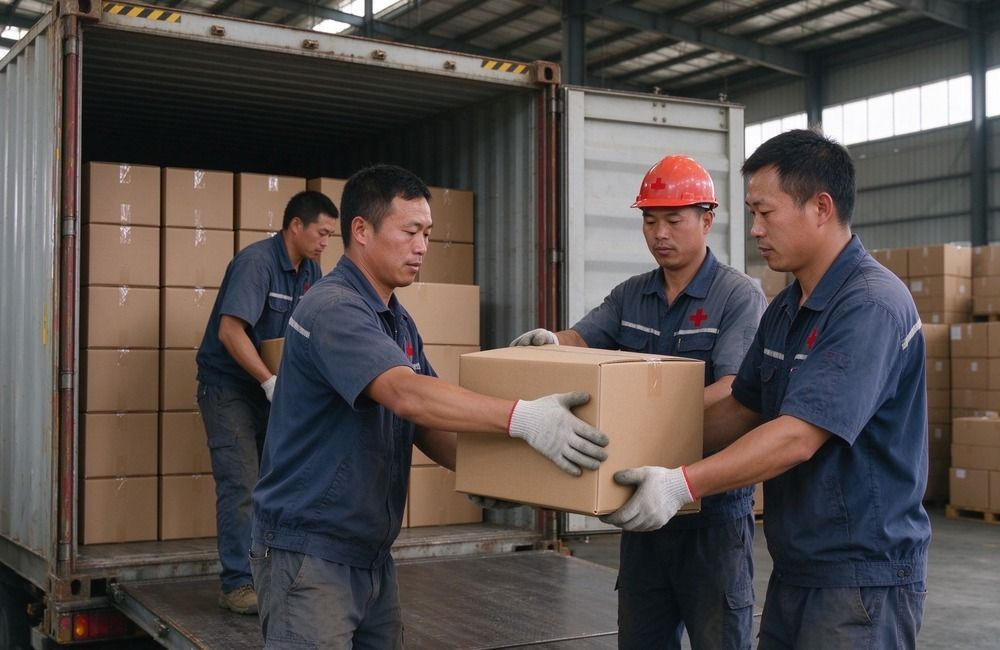
Container ship dock with relief cargo.
Framework agreements often include a minimum annual volume commitment from the buyer and a price adjustment mechanism tied to raw material indices. Understand both before signing, because they define the commercial balance of the agreement.
NGO framework agreements reduce repeated tendering for the buyer and give the supplier a stable pipeline, which is why many humanitarian procurement guides recommend them for standard products such as blankets and bedding.
NGO supplier documentation starts with the company file: business registration, export licence, product catalogue and bank details. Some programs also ask for ISO 9001 certification or a quality manual.
NGO shipment files pair the commercial invoice with a packing list that mirrors the carton marks, then add the bill of lading, certificate of origin and, for some destinations, a health certificate. The packing list must match the carton markings exactly, because donor audits compare the two.

Officer reviewing RFQ and supplier checklist.
Test reports for humanitarian relief blankets are increasingly requested: GSM, shrinkage, colour fastness and flammability from an accredited laboratory. Keep a valid test report for each standard product so it can be attached to quotations immediately.
Export documentation for African destinations often includes the certificate of origin and, for some countries, a pre-shipment inspection certificate. Confirm the destination country requirements before finalising the packing.
Insurance certificates are required for most NGO shipments, with coverage from the factory gate to the final warehouse. NGOs specify the insurance terms in the contract, and the cost is usually included in the price or billed separately.
Keep every document for at least three years after the contract ends. Donor audits can be scheduled years later, and the supplier must be able to reconstruct the file for each shipment in the program.

Warehouse staff inspecting blanket cartons against packing list.
Documentation errors are a leading cause of delayed NGO shipments: mismatched packing lists, missing certificates and wrong marks. Building an internal document checklist per order prevents most of these issues before the cargo leaves the factory.
For African destinations, confirm whether the buyer requires a pre-shipment inspection certificate and who issues it, because the lead time can be several weeks. Plan it into the production schedule rather than after loading.
Electronic document sets are increasingly accepted, but the packing list and the bill of lading must still match exactly, and one reconciled file set per shipment saves days at customs. Documentation NGOs require is usually listed in the tender annex and is identical across many programs, so building a reusable document template set cuts preparation time for each new bid to a single working day.
| Document | Purpose |
|---|---|
| Company registration | Verify the legal supplier entity |
| Product catalogue | Match products to tender needs |
| Test reports | Prove quality and safety standards |
| Commercial invoice + packing list | Support donor audit and customs |
| Bill of lading + certificate of origin | Track shipment and origin |
| Insurance certificate | Cover goods until final delivery |
NGO pricing is usually quoted per unit with a full breakdown: product cost, packing, inland freight, ocean freight, insurance and any certification cost. This structure lets the procurement team compare suppliers on the same basis.
Donor rules require value for money, not the cheapest option. A quote that explains why a higher GSM or better packing saves field labour is easier for the buyer to justify than a bare low price.

Buyer comparing relief supplier quotes.
The minimum order quantity is negotiable around standard container quantities for NGO tender blankets. For 190 and 210 GSM blankets, one 40-foot container holds roughly 40,000 to 55,000 pieces depending on bale size, and NGOs often order in container multiples.
Small first orders are common for testing: one sample lot or one pallet before an NGO framework agreement order. Plan your pricing so a small test order does not lose money, while remaining competitive for the large volume that follows.
Payment terms for NGO orders are usually 30 percent deposit with the balance against documents or on delivery, though large framework agreements may use letters of credit. Clarify the terms in the quotation and follow them exactly.
Ask which currency the contract will use, because exchange rates affect both sides. Quoting in a stable currency or agreeing a fixed rate for the contract period avoids disputes when the shipment clears customs.
Pricing and MOQ expectations in NGO tenders are usually stated in the invitation, so read the MOQ clause twice before quoting. A quote that ignores the stated MOQ is often rejected without discussion.
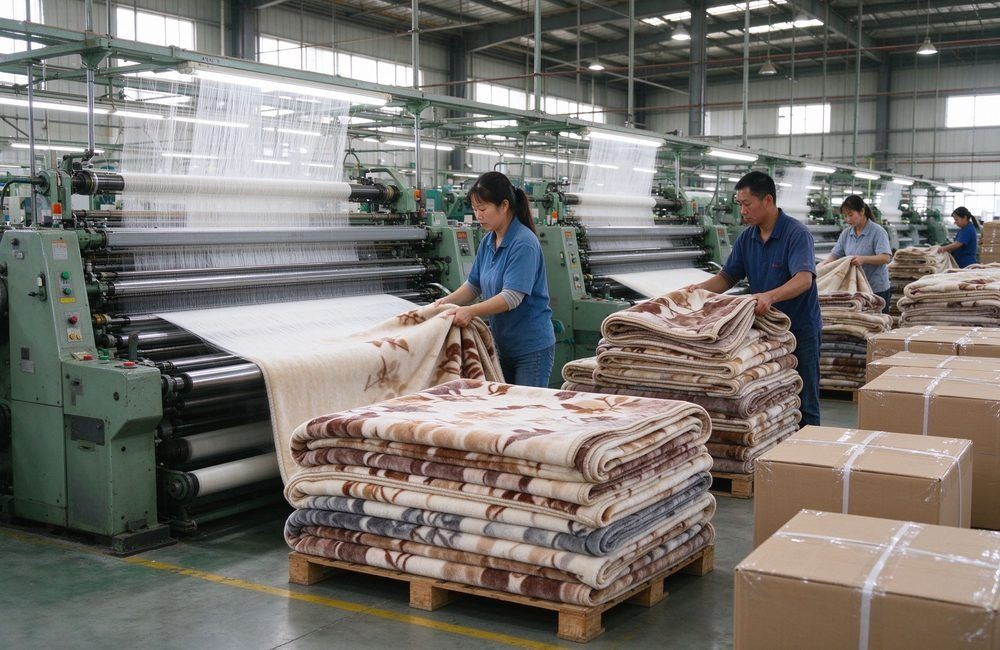
Blanket factory production line with Asian workers.
The Red Cross relief supply chain and NGO logistics plans prefer sea freight for volume, with air freight reserved for emergency quantities. Sea freight from China to East and West African ports takes roughly 25 to 45 days depending on the route.
Bale volume is the key cost driver for blankets. Vacuum compression can cut shipping volume by 30 to 40 percent compared with loose packing, which directly reduces freight cost per piece for large NGO programs.
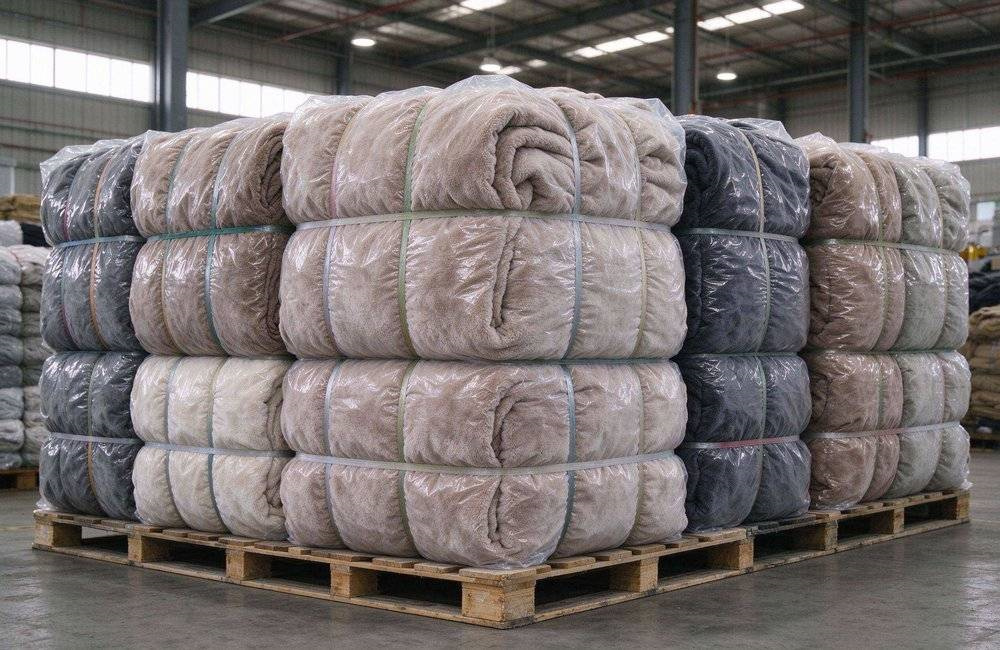
Compressed blanket bales in an ocean freight container.
NGOs often require delivery to a regional warehouse or a specific port, not to the field site. Clarify the incoterm in the quotation: FOB, CIF or DAP changes who handles inland freight and customs clearance.
Port congestion is a real risk on several African routes. Offer a packing and marking system that lets the warehouse clear and distribute goods quickly, and confirm the latest port situation with your freight forwarder before quoting a lead time.
ReliefWeb and other humanitarian information platforms list upcoming tenders and framework calls, so monitoring them weekly keeps your bid pipeline full. Logistics and local delivery for NGO programs are arranged by the buyer in most tenders, and if the buyer asks you to arrange inland transport, quote it as a separate line with a defined incoterm.
Logistics and local delivery for NGO programs are usually quoted with both a port and a warehouse option, so the buyer can compare landed costs directly instead of converting incoterms themselves.
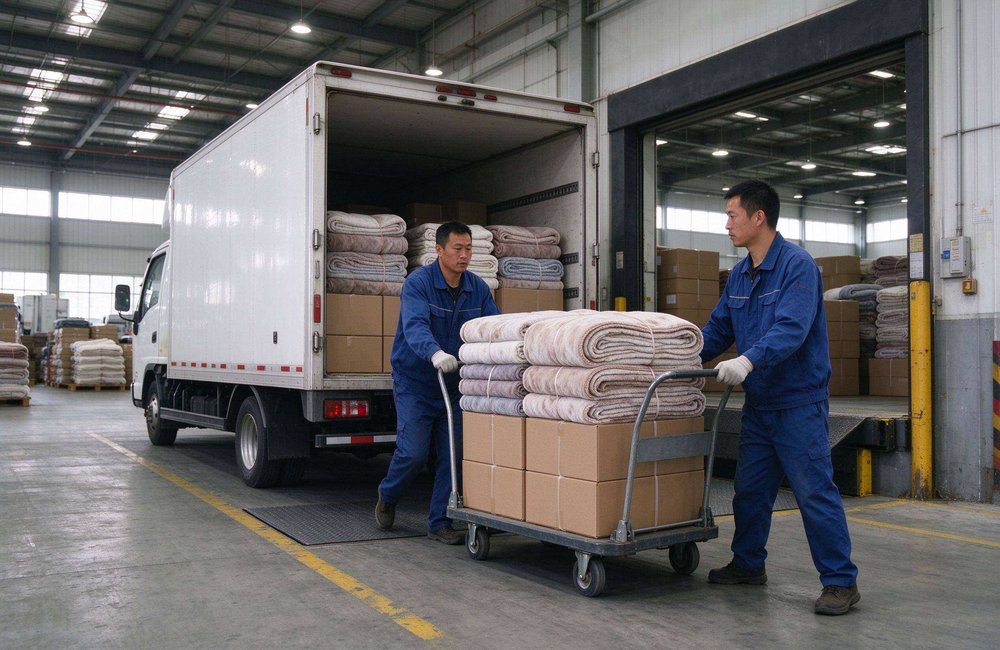
Relief truck departing for field delivery.
When an NGO relief procurement tender arrives, check five things before quoting: the specification, the quantity, the delivery point, the deadline and the required documents. Any missing answer in these five areas can disqualify the bid.
Build your quotation around the tender document, not your standard catalogue. If the tender asks for 160 x 210 cm blankets at 200 GSM, quote exactly that, and state clearly if you recommend an alternative and why.

NGO relief procurement kit on a bright table.
In the NGO sample approval workflow, confirm the sample requirement and the sample deadline in the first reply. A complete quote includes sample lead time, sample freight cost and the production lead time after approval, all in writing.
State the packing and marking plan explicitly: bale weight, carton size, language of labels and any donor logo requirements. Finally, follow up once after submitting the quotation, quoting the reference number and the delivery date you proposed.
Finally, follow up once after submitting the quote, because NGO procurement staff are overloaded during appeals. A polite reminder with the quotation number keeps your bid visible without pressuring the team.
A standard RFQ response folder contains five files: the quotation form, the specification sheet, test reports, company registration and packing details. Naming them with the tender reference makes evaluation simple.
The sample deadline is often one week after the RFQ deadline, so prepare the sample production slot when you first see the tender, not after the quotation is submitted.
The RFQ checklist for NGO programs should be reviewed every time the buyer changes the specification or the delivery point, because either change can invalidate a previously prepared quotation.

Team evaluating relief blanket suppliers.
NGOs procure through open tenders, registered supplier lists, framework agreements and direct invitations. The process starts with a needs assessment, then specification, sourcing, sample approval, contract and delivery. Orders are driven by grants and donor rules, so suppliers must respond within fixed deadlines and provide complete documentation. Most NGOs publish their procurement policies online, and reading the relevant policy before you quote tells you exactly what documentation and delivery terms to expect. For suppliers, this means the deadline is real: late quotations are rarely reopened, so plan the response time before the tender lands.
IFRC expects stable product quality, complete documentation, realistic lead times, clear packing and transparent pricing. Its standards cover product quality, packing, marking, testing and delivery paperwork, and many national Red Cross societies adopt the same expectations for their own tenders. Reading the IFRC procurement page directly removes guesswork from your quotation. IFRC also runs a supplier portal for national society procurement; registering there keeps you visible for local Red Cross tenders in your export markets. Checking the IFRC supplier portal before each tender keeps your company file current, which prevents last-minute registration issues.
The typical workflow is a pre-production sample, then a production or pilot sample, then written approval. The buyer checks the sample against the tender specification, and the approved sample becomes the reference for final inspection. State your sample lead time and freight cost in the quotation, because field programs run on fixed calendars. If the buyer is remote, a video walk-through of the sample on the production line can substitute for a physical visit, which accelerates approval in urgent programs. Many NGOs accept digital sample approvals for standard products, which shortens the cycle by one to two weeks in practice.
NGOs usually require the company registration, product catalogue, test reports, commercial invoice, packing list, bill of lading, certificate of origin, insurance certificate and sometimes a quality certificate. The packing list must match the carton markings, because donor audits compare the two. Keep every file for at least three years after the contract ends. Consider preparing a document master file once and reusing it per order; this keeps packing lists, invoices and certificates consistent across shipments. A document checklist signed by two people per shipment is a practical way to keep donor audit risk low across many orders.
A framework agreement fixes pricing, quality, packing, delivery terms and documentation for one to three years, and orders are released against it as field needs arise. It gives NGOs speed during emergencies and gives suppliers volume certainty. Framework terms usually include minimum order quantity, price adjustment and performance review clauses. Renewal is usually automatic when the framework includes a clause that extends the term unless either party objects within a notice period. Framework agreements with NGOs usually fix the pricing formula, so review the index clause before signing to protect your margin.
NGOs usually quote in container multiples, with a full breakdown of product cost, packing, freight and insurance. One 40-foot container holds roughly 40,000 to 55,000 blankets depending on bale size. Small test orders are common before large framework orders, and payment terms are usually a deposit with the balance against documents. Offering one free sample lot with the quotation is common practice for bedding categories, but confirm the freight responsibility in writing first. Container multiples are the norm for NGO bedding tenders, so plan the loading plan when you first see the RFQ, not after award.
The most common blanket specification is 150 x 200 cm at 190 to 210 GSM, in 100 percent polyester or a cotton-polyester blend. Colour is confirmed per tender, packing is vacuum bales or cartons with agreed marking, and testing usually covers GSM, shrinkage, colour fastness and sometimes flammability. Always confirm the exact colour code and print location against the tender, because relief items are often ordered in regional colour codes that differ from commercial lines. Confirm the tolerance and test methods with the buyer before production, because different labs can report slightly different numbers.
Most NGO programs use sea freight for volume with air freight for emergencies. Vacuum compression cuts blanket shipping volume by 30 to 40 percent. Clarify the incoterm, the destination port or warehouse, and the inland leg for landlocked countries, and follow logistics updates on platforms like ReliefWeb to anticipate demand. Inland transit times for landlocked countries add 10 to 20 days after the port, so include the inland leg in the lead time you quote. ReliefWeb logistics maps are useful for checking port congestion before you commit to a delivery date in a quotation.
Yes. Suppliers regularly serve several NGOs with different programs, as long as capacity planning is honest and each contract is delivered on time. Some framework agreements are shared across NGOs through joint procurement platforms, so one framework can open several buyers for regionally standardised products like blankets. Consistent labelling, stable capacity and honest lead times are what keep suppliers on NGO lists across multiple programs and countries. Suppliers who keep their registration documents and certificates current reduce the evaluation time for every new NGO program.
A supplier that answers within 24 to 48 hours, delivers stable quality batch to batch, quotes transparently, keeps buffer stock and proposes solutions wins NGO business. Honest capacity planning matters because a contract that fails at 100,000 pieces damages the relationship for every future tender. Buffer stock of standard relief blankets (200 to 500 pieces) lets you respond to emergency RFQs within days instead of weeks, which is decisive for Red Cross appeals. The 24 to 48 hour response standard applies to the whole order cycle, not only the first inquiry, so staff the account accordingly.
Follow the procurement pages of IFRC, OCHA-coordinated clusters and ReliefWeb, register on the supplier lists of major NGOs, and monitor the humanitarian logistics updates for the regions you serve. Pre-season timing is key for blankets and bedding, before rainy, cyclone or winter periods. Subscribing to the humanitarian logistics newsletters keeps you ahead of seasonal demand peaks, because procurement notices often follow the same calendar each year. Marking tender opportunities in your calendar at the start of each season helps you prepare samples before the RFQ window opens.
The common terms are a 30 percent deposit with the balance against documents or on delivery, with letters of credit for large framework agreements. Clarify the currency and any fixed exchange rate for the contract period in the quotation, so both sides avoid disputes at customs clearance. For framework agreements, negotiate the currency clause and the payment schedule in the same conversation, because both affect your working capital for the contract term. Payment schedules in NGO frameworks are usually negotiable within donor rules, so discuss them early in the contract talks.
NGOs prefer lightweight, stackable cartons that a local team can move without heavy equipment. Clear labelling with item, quantity and destination helps field staff distribute relief supplies quickly and reduces loss during last-mile delivery.
NGOs verify production capacity through factory audits, production planning documents and reference orders. A supplier should be ready to show real capacity figures and a schedule that proves it can meet the required quantity before the delivery deadline.
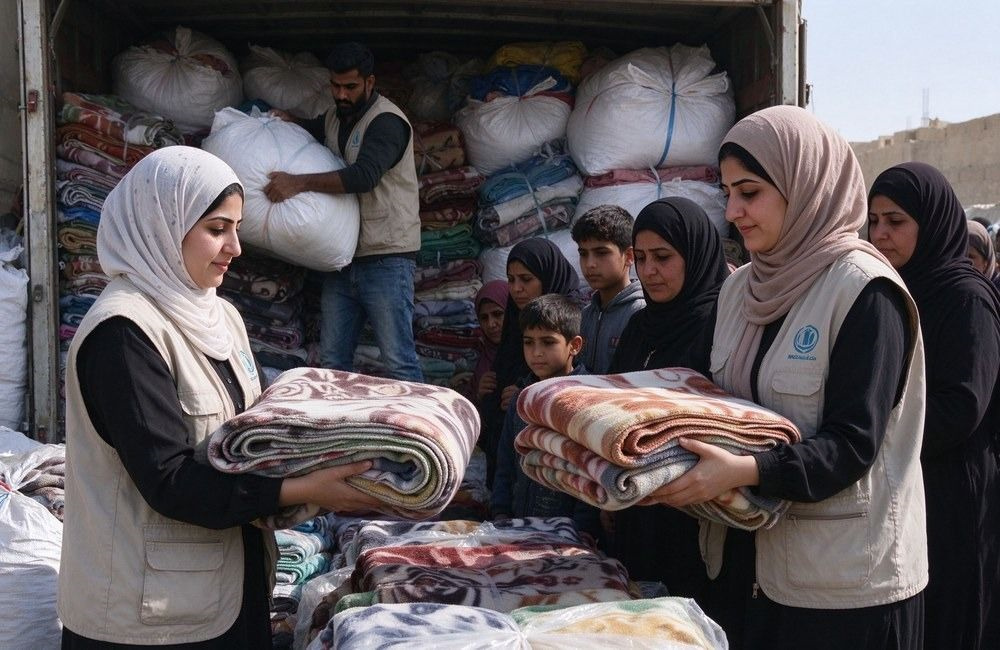
NGOs buy through structured procurement: tender notices, sample checks, compliance evidence and delivery schedules all matter. The distribution line is the end of that cycle, and suppliers who understand each stage respond faster and keep the shelf stocked before the next distribution day arrives.
 |

|
Copyright © Custom Disaster - Relief Bedding: Tents, Sleeping Bags, Blankets All Rights Reserved
the professional team to service !