Emergency Sleeping Bags: Your Comfort in Any Crisis
Our emergency sleeping bags are Ideal for disaster relief, military operations, medical emergencies, and more, these sleeping bags are a crucial addition to any emergency supply kit. Choose from a range of colors, thicknesses, and sizes to fit your unique needs, ensuring you'll stay warm and comfortable in even the most extreme conditions. Stay prepared with our emergency sleeping bags, a must-have for any survivalist or outdoor enthusiast。
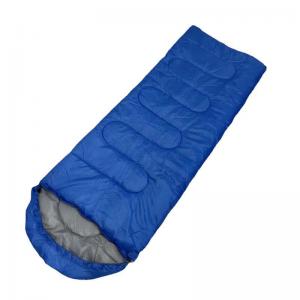
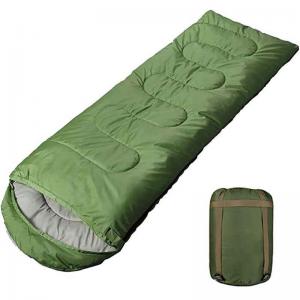
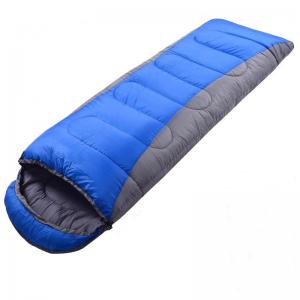
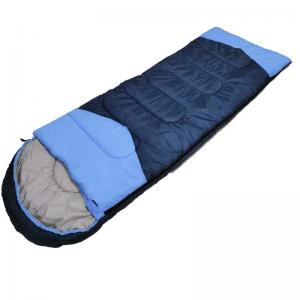
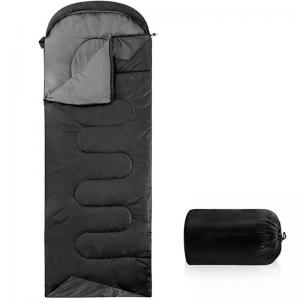
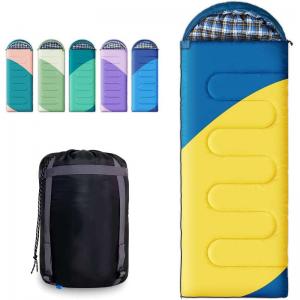
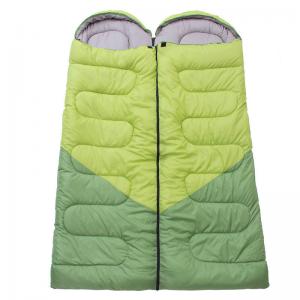
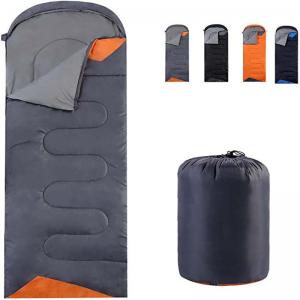
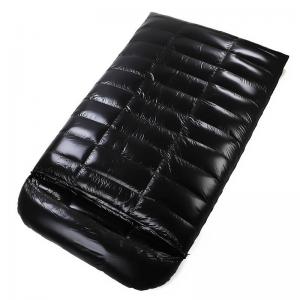
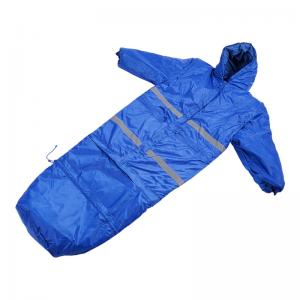
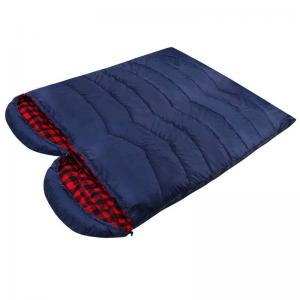
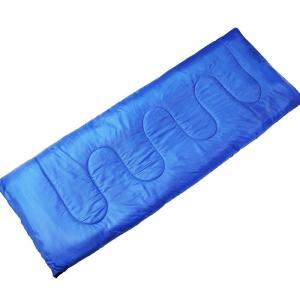
For bulk emergency sleeping bag orders, first confirm the selected construction matches actual B2B use scenarios.

✅ YRF Supply Assurance: 20 years of emergency textile manufacturing experience, stable capacity for large bulk orders, full production traceability. All orders support batch inspection and port split delivery. Emergency relief orders receive production scheduling within 72 hours. We provide on-site production photos, container loading records and third-party inspection support, following approved samples to ensure bulk consistency.

Common rework and acceptance disputes usually come from mismatched temperature ratings, unsuitable bag forms, mixed destination packing, or inconsistent sample and bulk standards.
Start selection with intended users, sleeping environment, bag form, storage life and distribution method. Then confirm shell, lining, filling, dimensions, weight, temperature rating, accessories, labels and packing.
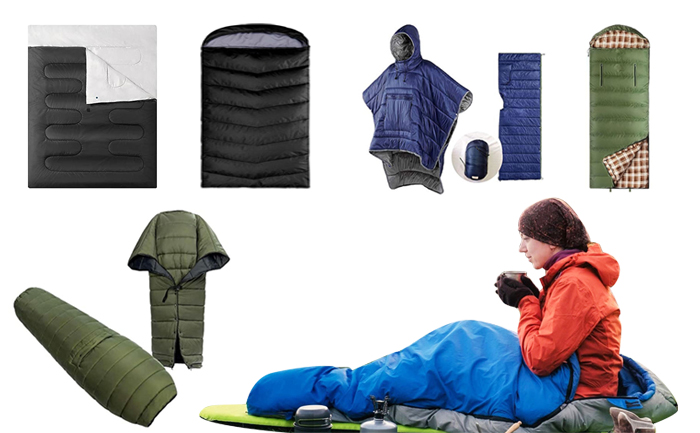
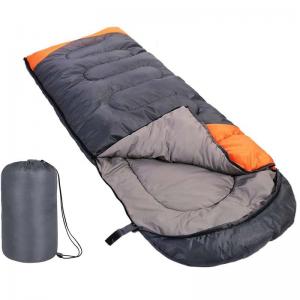
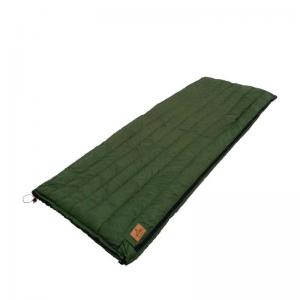
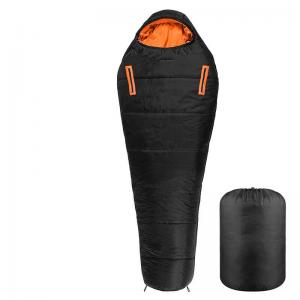
Buyers can shortlist from 3 construction routes: envelope/rectangular, hooded/mummy, zip-together. Each route serves different needs for movement space, body enclosure and open-flat use.

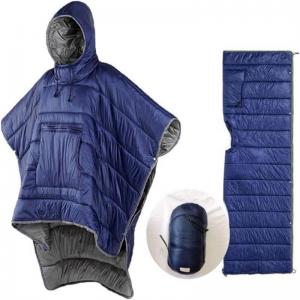
Sleeved bags, poncho liners, rainwear and insulated coveralls are separate categories. Do not use the same quotation or acceptance basis as conventional sleeping bags.
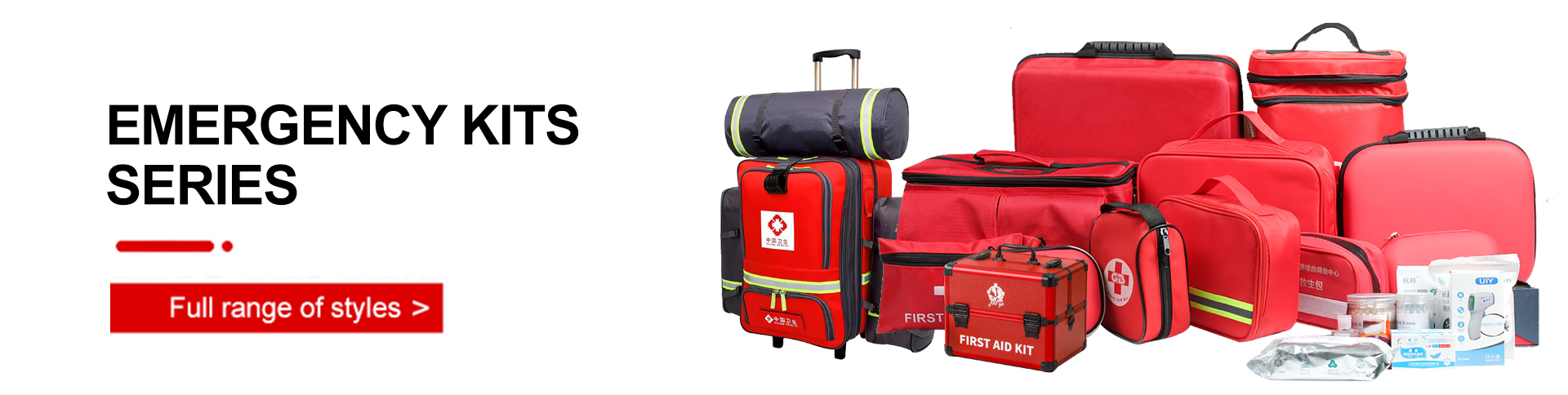
Quickly browse all emergency supply categories on our website.
Other Emergency Response Series
Below are standard factory specs aligned with 1688 bulk production. All specs support customization; final parameters confirmed per order. All special treatments (YKK zipper, DWR waterproof, fire retardant, fleece lining) are paid custom options.

Recommended Construction: Envelope/rectangular sleeping bag
Standard Specs: 190×75cm (75×30in), 150-200g/㎡ 3D hollow fiber filling, 1.2-1.5kg (2.6-3.3lb) total weight, comfort rating 10-15℃ (50-59℉), 190T taffeta shell with standard DWR splash resistant finish, heavy duty two-way zipper fully openable as blanket, individual compression stuff sack included.
Core Requirements: Meet direct skin contact safety standards, no irritating odor, no fluorescent agents, smooth zipper no fabric jamming, machine washable. Supports custom UN marking, Red Cross logo and multi-language care labels. Standard stitching 8-10 stitches per inch, color fastness ≥grade 4, dimensional tolerance ±3cm (1.2in), filling weight tolerance ±5%.

Recommended Construction: Hooded mummy sleeping bag
Standard Specs: 220×80×50cm (87×31×20in), 300-400g/㎡ 3D hollow fiber filling, 1.8-2.5kg (4.0-5.5lb) total weight, comfort rating -5~5℃ (23-41℉), limit rating -15℃ (5℉) survival only, 210T taffeta shell, adjustable wind hood + drawstring, internal wind baffle, individual compression sack, vacuum compressed packing optional.

Core Requirements: Temperature test method refers to EN ISO 23537-1 standard, third party test report available. Retains ≥90% warmth after 20 standard gentle washes (30℃, no bleach, no high heat drying). Standard dry condition vacuum storage life 3-5 years, no fiber clumping. 7D fine denier hollow fiber, DWR waterproof upgrade and natural down filling for -10~-20℃ extreme cold are available as paid options.
Standard Specs: 220×80cm (87×31in), 250-300g/㎡ 3D hollow fiber filling, optional paid fleece lining upgrade, 2.0-2.8kg (4.4-6.2lb) total weight, comfort rating 0-10℃ (32-50℉), 210T ripstop oxford shell, heavy duty two-way zipper (YKK zipper available as paid custom option), left/right zip together for double use, packed size ≤30×18cm (12×7in), attachment points for carry, glove-operable zipper pull.

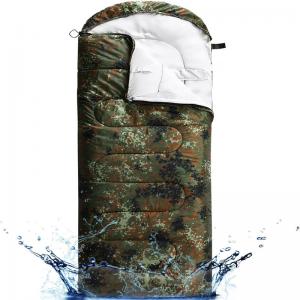
Core Requirements: Tear and abrasion resistant, standard colors olive drab/khaki/black/camouflage. Fire retardant treatment test method refers to CPAI-84/EN ISO 12952 standards, available as paid custom option, third party test report provided. Natural down filling for extreme cold field stations available as paid custom option. Full batch traceability.
Recommended Construction: Standard envelope/mummy uniform specification
Standard Specs: Uniform standard size, 200-300g/㎡ 3D hollow fiber filling, uniform solid colors, reinforced shell stitching, 10pcs per compression bale, outer carton printed with batch number/spec/temperature rating/production date.
Core Requirements: 3-5 year storage life under standard dry ventilated conditions away from direct sunlight, no clumping no mildew during storage, warmth retention loss ≤10% after storage period. Full batch traceability, random inspection supported at any time, test report per batch available. Emergency orders scheduled within 72 hours.

Recommended Construction: Heavy duty envelope/hooded model
Standard Specs: 210×80cm (83×31in), 200-300g/㎡ 3D hollow fiber filling, 1.8-2.2kg (4.0-4.9lb) total weight, comfort rating 5-15℃ (41-59℉), heavy duty 210T ripstop oxford shell, two-way zipper fully openable as blanket, reinforced stress points.
Core Requirements: Abrasion and stain resistant, stands up to high turnover camp use, works on both cots and tent floors, easy to wipe clean and air dry. No fragile parts for field use.

This route suits relief distribution, temporary accommodation and reserve programs. It fits individual sleeping needs with regular body shape and more movement space, and can fully open as a blanket.

Confirm body width, opening and zipper direction, open-flat use, lining, quilting, storage bag and unit packing.
When low-temperature field enclosure is the main priority, do not select this route only from envelope shape or visible thickness. First verify the temperature basis for the chosen configuration.
For multiple destinations, provide quantity, color or identification requirements, label language, storage method, packing unit, and receiving information for each location before deciding if one configuration can be shared. Custom multi-language care labels and organizational logo printing are supported.
This direction suits cold weather rescue, field accommodation and logistics projects. It provides a more enclosed sleeping form with better heat retention.
Compare the hood, shoulder and foot shape, zipper position, quilting, outer material and filling direction, lining, finished dimensions and packed dimensions.
For warm indoor accommodation, first decide if additional enclosure is necessary. Compare packed volume and project budget to avoid unnecessary purchasing and storage burden.
Military and police field procurement can follow this route when the buyer specifies field accommodation, unit issue, climate, storage, colour, identification, and packing requirements.
Before adding temperature, waterproofing, or standard compliance to a tender, ask for the applicable report and confirm it identifies the selected product. Color alone does not establish official compliance or adoption by any organization.
A hood, tapered profile, or visibly thick construction does not establish a temperature rating. When the project has temperature or climate requirements, define the test method, conditions and result format, then verify the report covers the selected configuration.
This route is for projects that require wider body or two-person use via zipping two standard single bags together. One-piece double sleeping bags are available as paid custom option.
Confirm user capacity, closure, open dimensions, lining, accessories and storage method separately. A single-person size and packing basis cannot simply be scaled up.
Zip-together describes construction only. It does not establish filling, temperature performance or included pillows. Confirm actual contents through selected product, sample and material and component list before quotation.

When one project needs several constructions, build quantities by user group and destination. Retain separate requirements for dimensions, materials, filling, colour, labels, storage bags and packing.

Mandatory Health & Safety Red Line: All sleeping bags meet international direct skin contact textile safety standards. We strictly prohibit use of medical waste fiber or recycled second-hand materials. No harmful substances, no irritating odor, no fluorescent agents, long-term direct skin contact will not cause allergy or irritation. All 3D hollow fiber sleeping bags are machine washable, retain ≥90% warmth after 20 standard gentle washes, no fiber migration no clumping.
Core Material & Performance Parameters
All performance parameters below are standard bulk production values under 20-25℃ (68-77℉) room temperature. Custom specs available per project requirement. All special treatments are paid custom options, third party test reports available per request; official certification can be coordinated per project, cost borne by customer.

Professional Term Explanation
Comfort Rating: Minimum ambient temperature where an average adult can sleep comfortably for 8 hours, this is the only rating that should be used for bulk procurement.
Limit Rating: Survival temperature threshold to avoid hypothermia/frostbite; user will still feel very cold and cannot sleep normally, never use this as procurement standard.
3D Hollow Fiber: Siliconized polyester fiber with hollow core, good loft, washable, no clumping, standard filling for reusable emergency sleeping bags.
Spray-Bonded Cotton: Low cost glued fiber, low loft, clumps easily after washing, only suitable for single-use emergency budget options.
Mummy Bag: Tapered hooded sleeping bag, better heat retention for cold weather, lighter and more packable.
Envelope Bag: Rectangular straight cut sleeping bag, more room to move, can fully open as a blanket, most common for indoor relief use.
Wind Baffle: Insulated fabric strip behind the zipper to stop cold air penetration, standard on cold weather models, paid upgrade for others.
Compression Sack: Stuff sack with compression straps to reduce packed volume, included with all standard sleeping bags.
Natural Down Filling: Duck or goose down filling, 600-800 fill power, lighter and warmer per weight than synthetic fiber, highly compressible, for extreme cold dry environments; moisture sensitive and higher cost, custom order only.

All sleeping bags support flexible project customization:
All custom requirements confirmed in writing before production; pre-production sealed samples provided for approval.
Samples: Only specification sheets, formal quotations and sample application guides are free. Sample fee quoted separately based on size, specification and customization; sample fee and freight prepaid by buyer. Sample fee can be credited to bulk order payment when order meets required quantity and value. Standard sample preparation takes 3-7 working days after sample fee received; custom samples with special specs lead time confirmed per design difficulty.

Quality Control: Pre-production sealed sample confirmation before mass production. In-line inspection covers fabric quality, filling weight evenness, stitching, zipper function, labeling. Final AQL 2.5 inspection before shipment, including size, weight, appearance, function check. Third party inspection (SGS/BV/Intertek) supported, fees borne by buyer.
Quotation & Delivery: This category has no fixed universal price. Stock standard styles MOQ starts from 100 pieces; custom styles MOQ starts from 500 pieces, final confirmed per order. Standard orders 7-15 days, emergency orders receive scheduling within 72 hours, final lead time per contract. Standard products provide warranty against manufacturing defects. Shipping from major Chinese ports, supporting FOB/CIF/EXW; DDP can be evaluated per destination. L/C payment is not accepted.

The packed form affects warehousing, handling, and distribution.
Confirm finished dimensions, packed dimensions, storage-bag construction, unit packing, packing unit, outer-carton information, and destination split separately. Standard individual compression sack included with every sleeping bag; vacuum bale packing (10pcs per bale) reduces volume by 70% for long term storage and long distance shipping, greatly reducing sea freight cost.
Store in dry, ventilated area away from direct sunlight and moisture. Under standard dry conditions, vacuum packed sleeping bags have 3-5 year storage life with no clumping, no mildew, and ≤10% warmth loss. Non-vacuum standard packing storage life is 3 years. Random inspection recommended after long term storage.
For multiple destinations, separate packing and destination-specific carton marks or labels can be evaluated. Connect each code to product form, dimensions, colour, label language, storage bag, packing quantity and receiving contact to reduce re-sorting after arrival. Confirm authorized artwork, label content and barcode requirements before production.

Comparison field
Buyer input
Confirmation focus
Product form
Envelope, mummy, zip-together, or other confirmed structure
Fit with use scenario, intended users, and storage method
Material system
Outer material, filling, lining, and required material wording
Specification, sample, label, and applicable documents use the same description
Filling material
Spray-bonded cotton / 3D hollow fiber / 7D hollow fiber / fleece liner
Filling GSM, loft, wash durability, warmth performance match use scenario; retains ≥90% warmth after 20 washes
Visible construction
Hood, zipper, quilting, stitching, lining, webbing, and storage bag
Feature position, operation, and sample appearance
Custom marking
UN marking, Red Cross logo, organizational logo, multi-language care labels, printing content
Provide authorized artwork, confirm print position, size, color code
Dimensions and weight
Finished dimensions, packed dimensions, piece weight, and tolerance
Measurement method, open or closed measurement state, and selected configuration; bulk weight tolerance ±5%
Temperature and performance
Test method, conditions, result format, comfort vs limit rating
Rating and performance requirements identify the selected configuration and are supported by applicable test information; temperature tolerance ±2℃
Special performance
Waterproof, fire retardant, tear resistant, antibacterial, zip-together
Corresponding performance standards, provide corresponding third party test reports, official certification cost borne by customer
Packing and identification
Storage bag, unit packing, carton marks, label language, packing unit, destination code
Packing information, label files, and destination split
Yes. Build separate configurations and quantities by user group, site or task. Confirm dimensions, materials, filling, color, storage bag, labels and packing for each construction to prevent mixing during production and distribution.
Yes. We have long term experience producing for international humanitarian aid projects. Our products meet international relief procurement quality standards, support all required third party testing, and can customize UN marking, Red Cross logo and multi-language care labels with customer authorization.
First confirm the bag form, dimensions, material direction, colour, labels and packing items to be reviewed. Sample fee and freight are prepaid by buyer; sample fee can be credited to bulk order payment when the order meets required quantity and value. Standard samples take 3-7 working days, custom samples lead time confirmed per spec.
There is no universal fixed MOQ or lead time. Stock standard styles start from 100 pieces, custom styles start from 500 pieces, final confirmed per order. Standard orders take 7-15 days, emergency orders receive scheduling within 72 hours, final per contract.
Yes. Olive green, khaki, black and camouflage colors are available for military/police field and cold weather rescue projects. Cold weather models support comfort ratings from -5℃ to -15℃, test method refers to EN ISO 23537-1 standard, third party report available. Color alone does not establish official military standard compliance.
Yes. Provide label language, authorized logo artwork, storage bag type, packing unit, carton marks and destination codes. Custom UN/Red Cross/organizational logo printing supported with customer authorization.
Yes. SGS/BV/Intertek third party inspection supported, fees borne by buyer. Pre-production material inspection available, in-line random inspection supported, final inspection per AQL 2.5 standard after bulk completion. All required testing can be coordinated per project, cost borne by customer.
FOB, CIF and EXW are standard. DDP is evaluated only for countries where it can be operated. Final terms follow specific quotation and contract. L/C payment is not accepted.
Spray-bonded cotton is lowest cost but clumps easily after washing, only for single-use budget emergency. 3D hollow fiber is standard, good loft, machine washable no clumping, retains ≥90% warmth after 20 washes, first choice for reusable emergency projects. 7D hollow fiber is finer and softer for cold weather premium use; fleece lining adds warmth as paid upgrade.
Yes. Natural duck or goose down (600-800 fill power) is available as paid custom option for military/police extreme cold training, high altitude rescue and -10~-20℃ dry cold environments. Down is lighter and more compressible than synthetic fiber, but is moisture sensitive and higher cost. We can produce per your temperature and weight requirements.
Always specify comfort rating (not limit rating) in your requirements. We can provide third party temperature test reports referring to EN ISO 23537-1 standard. Bulk inspection can send random samples for retest, temperature deviation over ±2℃ judged unqualified.
All 3D hollow fiber sleeping bags support gentle machine washing at 30℃, retain ≥90% warmth after 20 standard washes, no clumping. Standard packing storage life 3 years, vacuum bale packing storage life 3-5 years under dry ventilated conditions away from sunlight.
Common international standards include temperature rating EN ISO 23537-1, fire retardant CPAI-84/EN ISO 12952, and textile skin safety standards. We can coordinate all required third party testing per formal tender documents, providing globally recognized reports. Official certification cost is borne by customer and can be coordinated per project.
Yes. We can produce left and right zipper versions that zip together into one double bag, standard on field models. One-piece double sleeping bags are also available as paid custom option.
Yes. Screen printing or embroidery of organizational logos, UN/Red Cross marking, batch numbers and multi-language care labels are supported. Customer provides authorized artwork before production.
Provide quantity, destinations, intended users, sleeping environment, preferred construction, dimensions, filling, temperature requirements, labels, packing and acceptance method. YRF will respond within 24 hours with free full specification sheet, formal quotation and sample application guide.
 |
|
|
If the product direction is still open,first share intended users, sleeping environment, climate, storage conditions and distribution method. YRF will organize relevant construction directions for comparison. Submit your selection and quotation request to receive free full spec sheet + formal quotation + sample application guide within 24 hours. |
 |
YRF Textile | 20 Years Emergency Relief Textile Manufacturer
Copyright © Custom Disaster - Relief Bedding: Tents, Sleeping Bags, Blankets All Rights Reserved
the professional team to service !