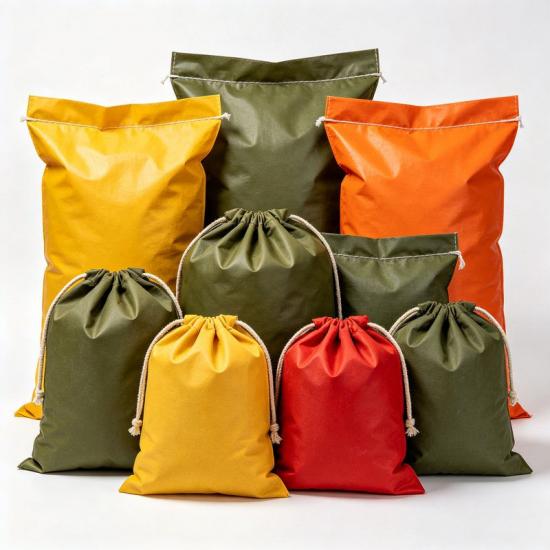
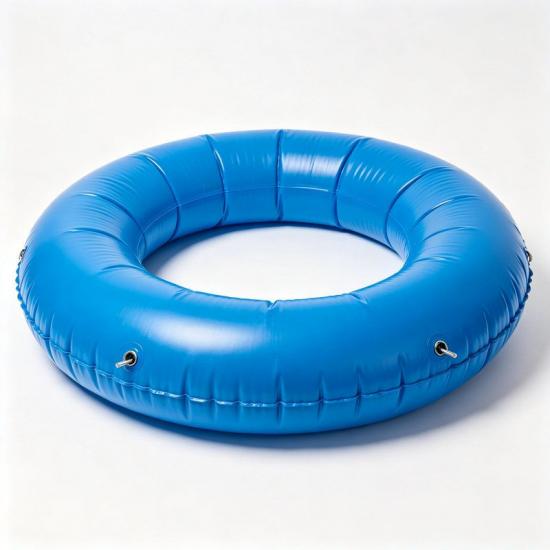
These flood control products cover sandbags, metal panels and inflatable barriers. They deliver fast‑deployed water blocking performance for city roads, river levees, refugee camps and building entrances to cope with seasonal flood disasters.
Note: Price for reference only. Exact price based on quantity, size, weight and custom details.
model no. :
SB-01Brand:
YRFmarket price :
$1.8sale price :
$0.9price range :
30-100/$0.9Color :
Multiple Colorsport of dispatch :
Guangdong/GuangzhouPayment :
TT, Paypal, Western Unionmin order :
30original region :
Made in ChinaLead Time :
5-15daysFlood Control Sandbags & Water Barriers: Wholesale Manufacturer


1. Full Product Range Comparison
2. Selection Guide
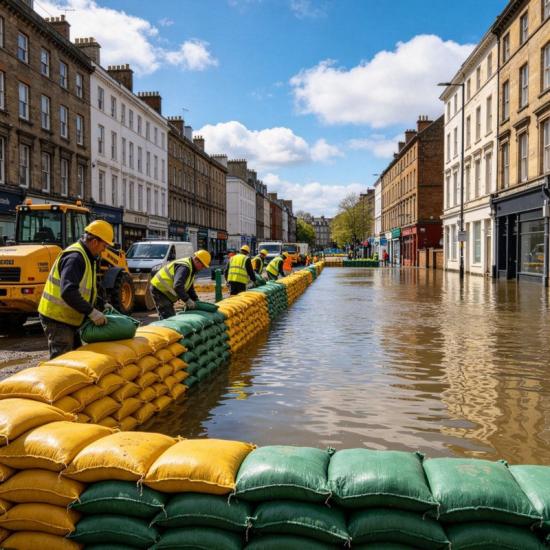
3. PP Woven Flood Control Sandbags
4. Quick Dam & Water Filled Barriers
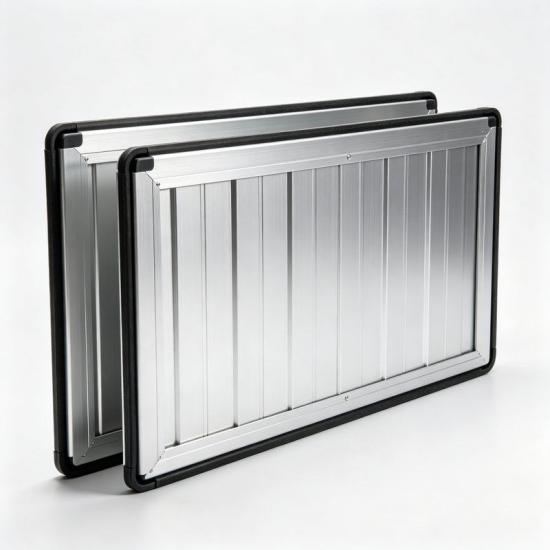
5. Aluminum Water Barriers
6. Inflatable Flood Barriers
7. Technical Specifications
8. Materials & Manufacturing
9. Certifications & Standards
10. Application Scenarios
11. Installation & Usage Guide
12. Wholesale & Custom OEM/ODM
13. Packaging & Delivery
14. Frequently Asked Questions
Government agencies, fire departments, disaster relief organizations and property managers choose YRF flood control products because they are dependable, affordable in bulk, and built for repeated real-world flooding events.
We are a factory direct manufacturer, not a trading middleman adding hidden markups. As a direct manufacturer, we control raw fabric, weaving, coating, sewing, printing and export packing in one supply chain.
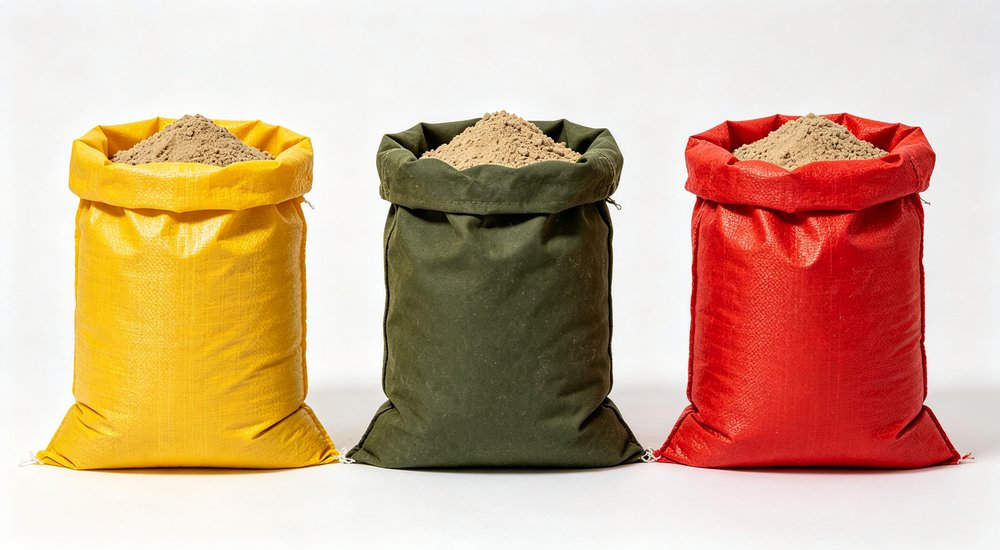
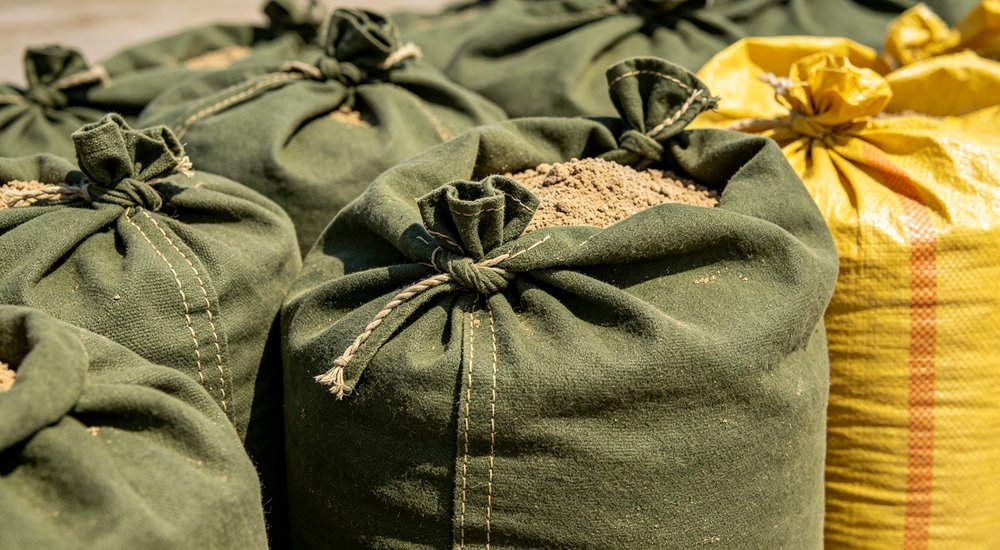
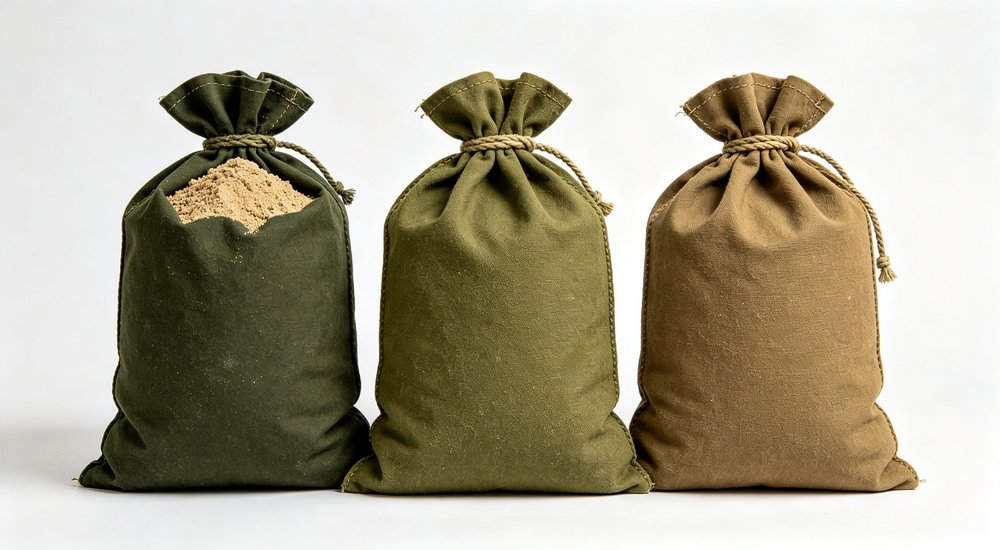
Our flood control sandbags come in military green, yellow, white and black, with custom colors available. Standard sizes are 40x60cm, 50x80cm and 60x100cm, and we can produce custom dimensions for special projects.
our bags wholesale orders are packed for ocean freight on pallets, with export cartons, clear labeling and full customs documentation. This makes us a practical supplier for large-scale government procurement and NGO relief programs.
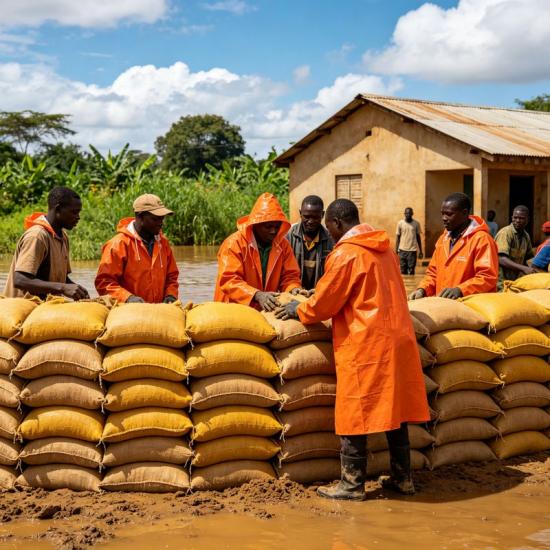
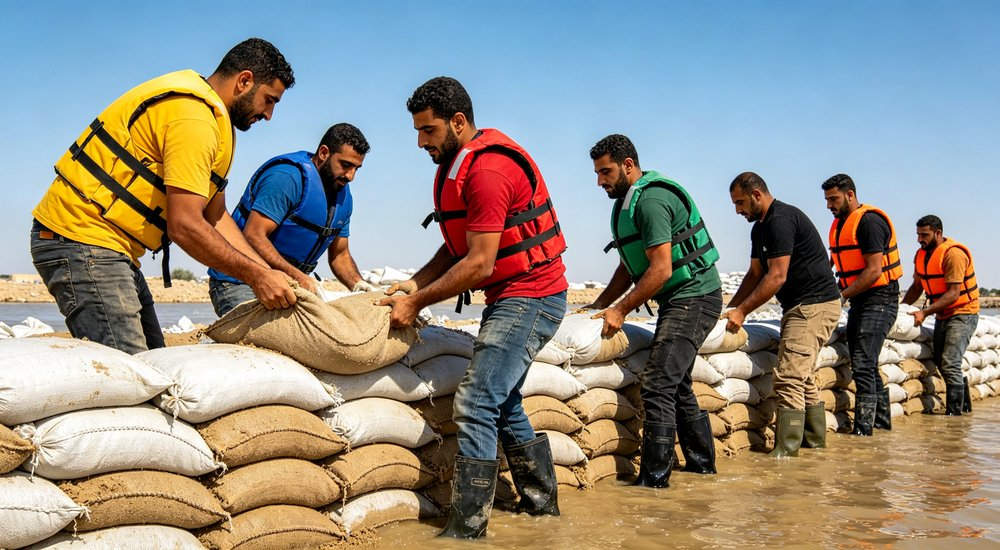
A well-built barrier wall stops rising water, protects doorways, and shields foundations. Our polypropylene bags are engineered to stack neatly in brick pattern without collapsing.
For faster deployment, we also supply water filled barriers that activate on their own, aluminum flood barrier boards for permanent entrances, and inflatable flood barriers for wide rivers and open sites.
A complete flood defense program needs more than these bags. Teams also need life jackets, rain coats, rain boots and a stocked emergency kit for every worker on site.
YRF can bundle the bags, protective gear and relief supplies into one shipment, so buyers place one order and receive a single consolidated pallet ready for deployment.
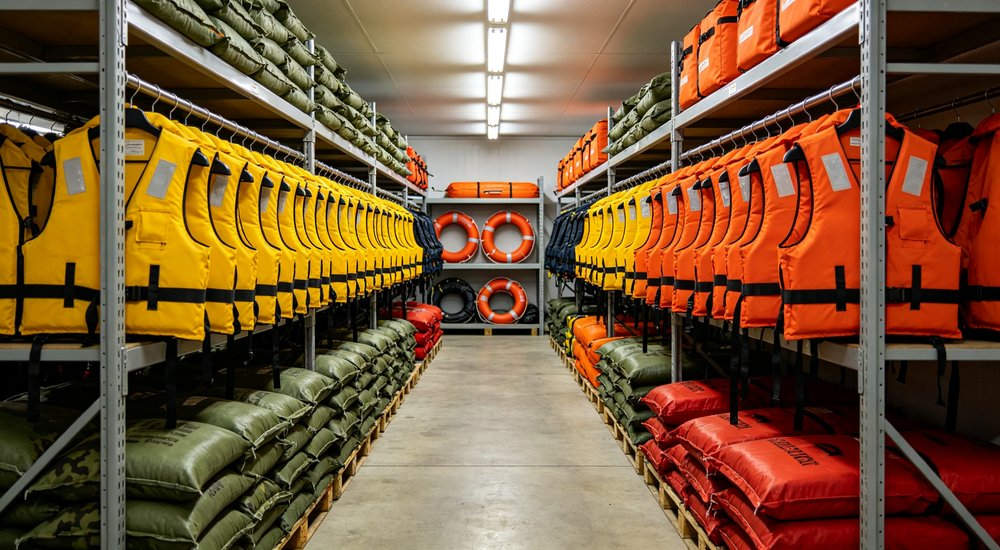
We build four core families of flood control products, led by our flood control sandbags, each matched to a different water depth, deployment speed and budget. The table below helps buyers compare options at a glance before requesting a quote.
Depth and budget decide the right barrier family. PP woven sandbags are the low-cost, bulk workhorse; water-filled quick dams deploy in minutes; aluminum boards give a rigid reusable wall; inflatable sections cover long open spans. This table lets government and wholesale buyers weight each option side by side by height, unit size, deploy time and reusability before choosing a flood control product family. Note that each empty sand bag ships light but stacks into a stable wall on site.
|
Product Type |
Material |
Height |
Unit Size |
Deploy Speed |
Reusable |
Best For |
|
PP polypropylene bags |
Polypropylene woven + PE coating |
15-30cm stacked |
40x60 / 50x80 / 60x100 cm |
30-60 min per 10m |
Empty bags reusable |
General flood control, emergency relief, levee reinforcement |
|
Water Filled / Quick Dam Barriers |
Super absorbent polymer + nonwoven / PVC liner |
8-20cm |
1.2m-5m per bar |
5-10 min per 10m |
Single use (absorbent) |
Doorways, low flooding, instant cofferdam around pits |
|
Aluminum Water Barriers |
Aluminum alloy + rubber seal |
50-100cm |
1m per panel |
15-30 min per 10m |
Many seasons |
Permanent entrances, commercial buildings, high water |
|
Inflatable Flood Barriers |
PVC/PVDF coated fabric |
50-150cm |
5m-25m per section |
10-20 min per 10m |
Many uses |
Open sites, river crossings, large cofferdams |
|
HESCO Barriers |
Galvanized welded mesh + geotextile liner |
0.9m-2.2m |
Modular cells |
2-4 hours per 10m |
Years |
Military defense, perimeter blast walls, permanent flood walls |
Pick the right tool: For fast emergency response, choose quick dam barriers or polypropylene bags. For a permanent entrance barrier, choose aluminum water barriers. For wide river flood defense or a construction cofferdam, choose inflatable barriers. For military base protection or long-term flood walls, choose HESCO barriers.
Many buyers start with one product family and expand later. A municipal program may use bulk sandbags for everyday flooding, aluminum boards for city hall entrances, and inflatable barriers for riverside parks. We supply all of them from one manufacturer.
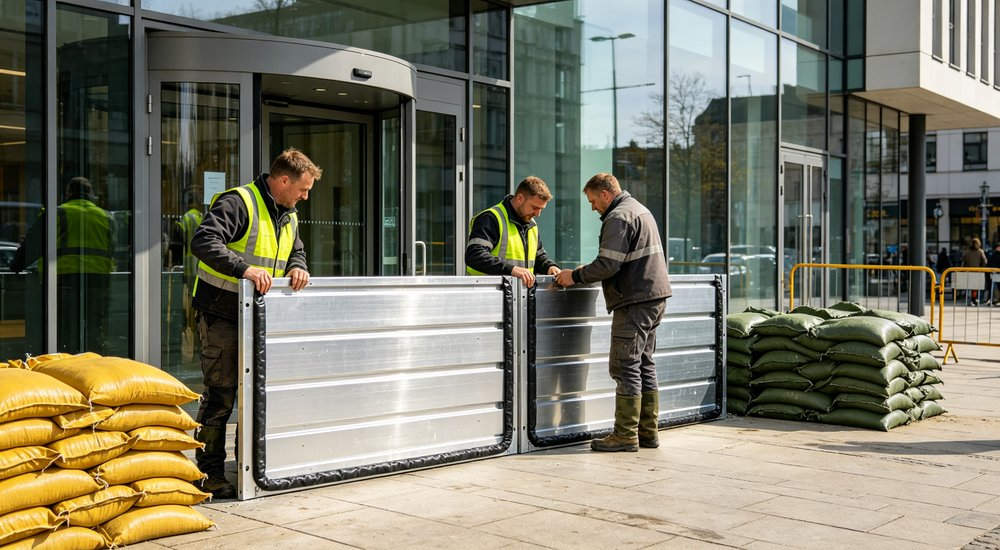
Choosing the right flood control bags and flood barrier depends on water depth, how fast you must deploy, the ground surface, how long the protection lasts, and your budget.
As an experienced flood barrier supplier and bag manufacturer, we wrote this guide to help you decide before you buy in bulk.
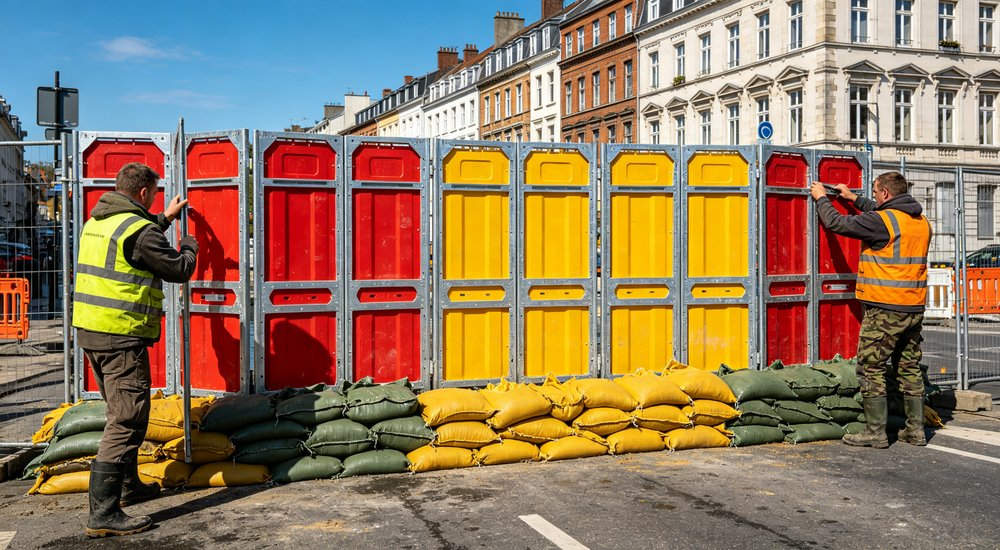
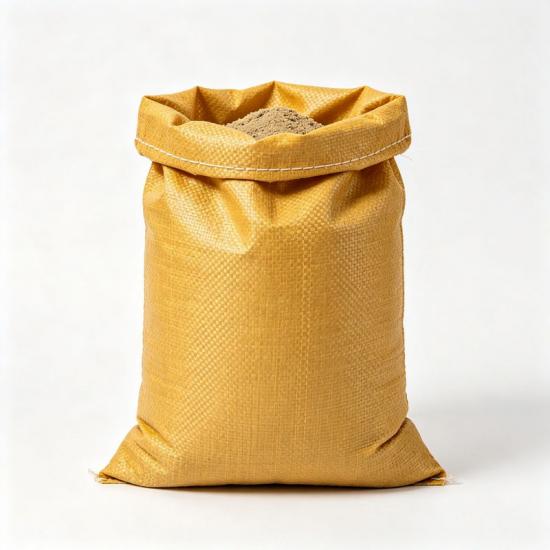
Our PP woven flood control sandbags are the classic flood defense product used on every continent. They are simple, cheap in bulk, and they work on any terrain. As a dedicated sandbag manufacturer, YRF has refined this product over many production runs.
These polypropylene bags are made from high-tensile polypropylene (PP) polypropylene fabric, often coated on the inside with polyethylene (PE) film. Buyers fill them with sand, soil or gravel on site, then stack them into a pyramid wall.
The PE coating slows water seepage so the wall holds back longer. The woven structure stays strong under load, and the open weave lets a small amount of water through, which reduces dangerous hydrostatic pressure pushing against the barrier.
We export sandbags wholesale to government emergency stockpiles, military warehouses, construction depots and relief NGOs. Every sandbags wholesale container can hold several hundred thousand empty bags, which is why this product is so popular for large-scale sandbags wholesale programs.
We offer three tiers of polypropylene bags so buyers match cost to use case instead of overpaying or under-buying.
Economy tier. Lightweight 50-65 g/m2 fabric, plain woven, basic stitching. Best for one-off urban flooding, community volunteers and price-sensitive NGO relief. Target customers: municipalities on tight budgets, refugee camp operators, short emergency stockpiles.
Standard tier. 70-85 g/m2 fabric with PE coating, UV stabilization, double-stitched bottom. Best for repeated flood seasons, levee reinforcement and construction cofferdam work. Target customers: government procurement, contractors, district emergency warehouses. This is our best-selling sandbags wholesale grade.
Heavy-Duty tier. 90-100+ g/m2 fabric, heavy PE lamination, reinforced corners and tie strings. Best for military defense, fast-moving rivers, and multi-year stockpiling. Target customers: military units, coastal protection projects, dam and dyke reinforcement.
We keep three core sizes in regular production. Custom sizes are available for OEM buyers who need a specific fill volume or stacking module.
We keep three core PP sizes in regular production. This size table maps small, medium and large bags to their metric and inch dimensions, typical fill weight and common use — from doorway blocks and community flood relief kits to heavy-duty walls and cofferdams. Match the size to the job: small bags fit tight doorways, large bags build a thicker flood barrier wall. All sizes use the same woven polypropylene fabric and are available for bulk and wholesale orders; OEM buyers can request custom dimensions.
|
Size |
Metric |
Inches |
Typical Fill |
Common Use |
|
Small |
40 x 60 cm |
16 x 24 in |
12-15 kg sand |
Doorways, light flood, community teams |
|
Medium |
50 x 80 cm |
20 x 32 in |
18-22 kg sand |
General flood control, levee patching |
|
Large |
60 x 100 cm |
24 x 40 in |
28-35 kg sand |
Heavy-duty walls, cofferdam, HESCO backfill |
Fabric weight ranges from 50 to 100 g/m2. Colors include military green, yellow, white and black. Custom Pantone colors and printed logos are available on OEM orders. Typical tensile strength is 1500N and above in both directions, with heavier fabric reaching higher values.
Proper stacking matters as much as the bag itself. Lay the first row flat, flap facing the wall. Offset each row like bricks in a wall, so vertical seams do not line up.
Taper the wall as it rises: the bottom row is widest, each upper row steps back by half a bag. This pyramid shape resists water pressure better than a straight vertical stack.
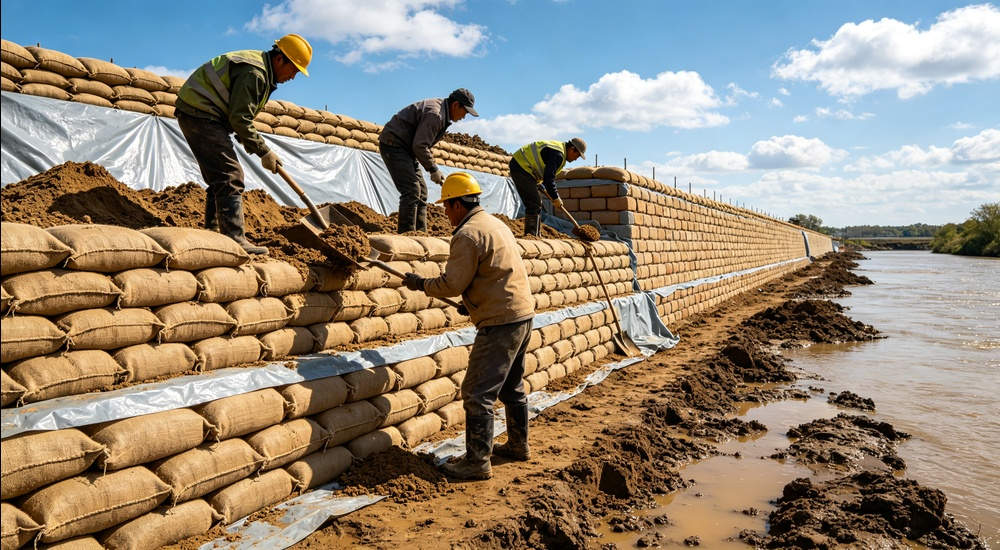
Place a tarpaulin or plastic sheet on the water-facing side and weigh its top edge down with bags. This simple liner cuts seepage and makes a DIY bag barrier perform almost like a sealed flood barrier.
For a longer cofferdam around a construction pit, build two parallel walls and fill the gap with sand. This is the classic temporary cofferdam method used on bridge and road projects worldwide.
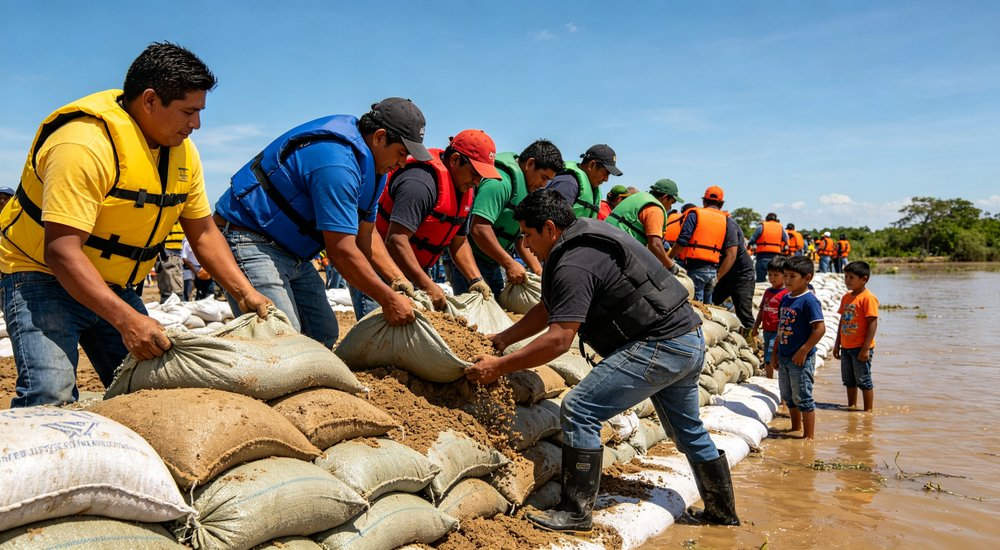
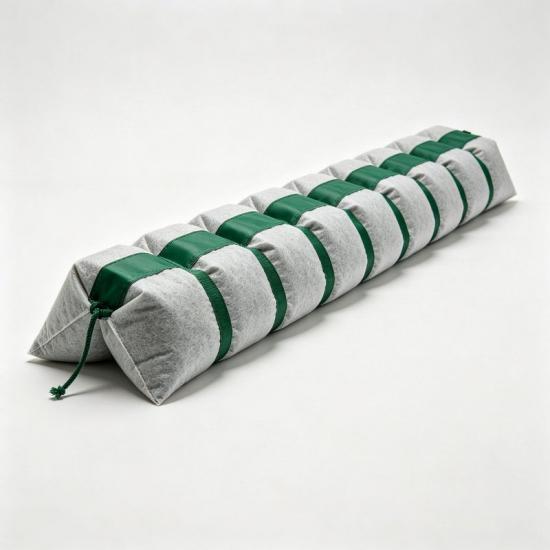
When a storm hits at night, crews cannot wait for sand trucks. Quick dam water filled barriers solve that problem. They arrive flat and dry, then swell and seal themselves within minutes when they touch water.
Inside each absorbent barrier is a layer of super absorbent polymer sealed between nonpolypropylene fabric layers. Rainwater or floodwater triggers the polymer, which swells into a firm, weighted flood barrier in minutes.
No sand. No shovels. No pump. A warehouse keeper can place a 5-meter water filled barrier across a loading dock door alone, in less time than it takes to brew coffee. This is why emergency services love this product.
We also supply reusable water filled barriers made of PVC or TPU: long tubes that you fill with a hose. These are emptied, folded and reused for years, and they scale into a large cofferdam for construction sites.
Standard absorbent bars run from 1.2 meters to 5 meters long, 6 to 20 cm wide, and about 100 to 200 grams dry weight per linear meter. Custom lengths and printed warning labels are available on OEM orders.
Reusable water filled barriers come in diameters of 30, 45 and 60 cm and lengths from 5 to 20 meters, made from welded PVC coated tarpaulin. They connect with interlocking valves and end caps to form a continuous cofferdam line.
Unroll the dry barrier on a clean, flat surface in front of the opening. Remove the wrap and let it lie naturally against the ground. As water arrives, it will absorb and stand up on its own.
For a water-filled tube, place the tube, connect the end cap, then attach a standard garden hose. Fill to about 80 percent so the tube can flex and settle. Do not overfill, because the seam can bulge.
Overlap adjacent tubes by at least 20 cm so water cannot squeeze through the joint. For higher walls, stack tubes in staggered rows like filled bags. After the flood, drain the reusable tubes completely, rinse, dry and roll them up.
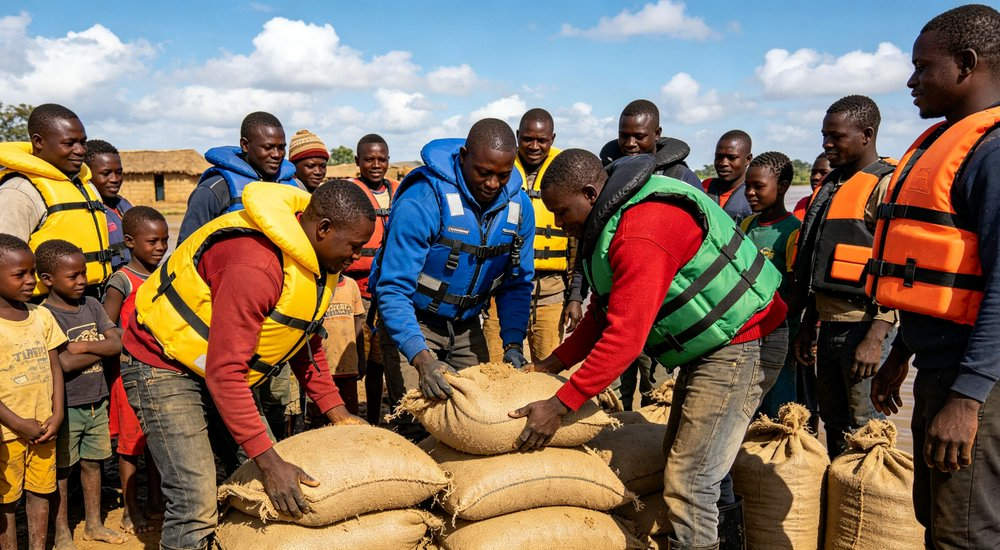
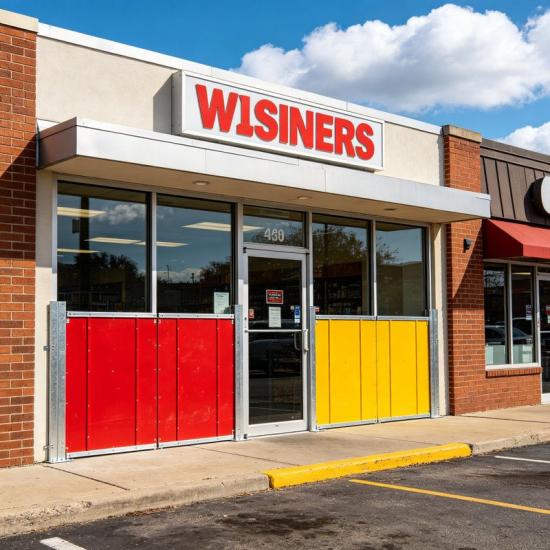
For permanent or seasonal protection of building entrances, parking garages and underpasses, nothing beats a modular aluminum water barrier. It is strong, light enough for two people to carry, and ready in minutes when the weather warning arrives.
An aluminum water barrier is a frame of extruded aluminum posts and stacked panels with rubber seals between them. You bolt the side posts once, then drop panels into the slots when a flood is forecast. When the season ends, you lift them out and store them.
The aluminum alloy resists corrosion, and the EPDM rubber seal keeps water out even under 50 to 100 cm of head. This makes aluminum barriers the premium choice for commercial property flood defense.
Panel height modules are typically 20 cm each, so a doorway takes 2 to 5 stacked panels depending on expected water depth. Post height matches the panel stack. Wall widths are cut to order, usually from 1 to 6 meters per opening.
The aluminum profile is anodized or powder-coated for weather resistance. Rubber seals are EPDM, which stays flexible in cold weather and resists UV. Typical working height is 50 to 100 cm, with custom extension panels available for deeper water.
The floor under the barrier must be flat and solid. A sloping or cracked threshold will leak, so installers may need a shallow leveling strip. Side posts anchor to the wall with expanding bolts and stay in place year-round.
During a flood, drop panels into the posts from bottom up, push them home until the gasket compresses, and lock the top beam. A two-person team can seal a 3-meter doorway in under 15 minutes.
After the event, rinse panels with fresh water, inspect the rubber seals for cracks, and store them flat off the ground. Do not stack heavy objects on the panels, or the frame may bend.
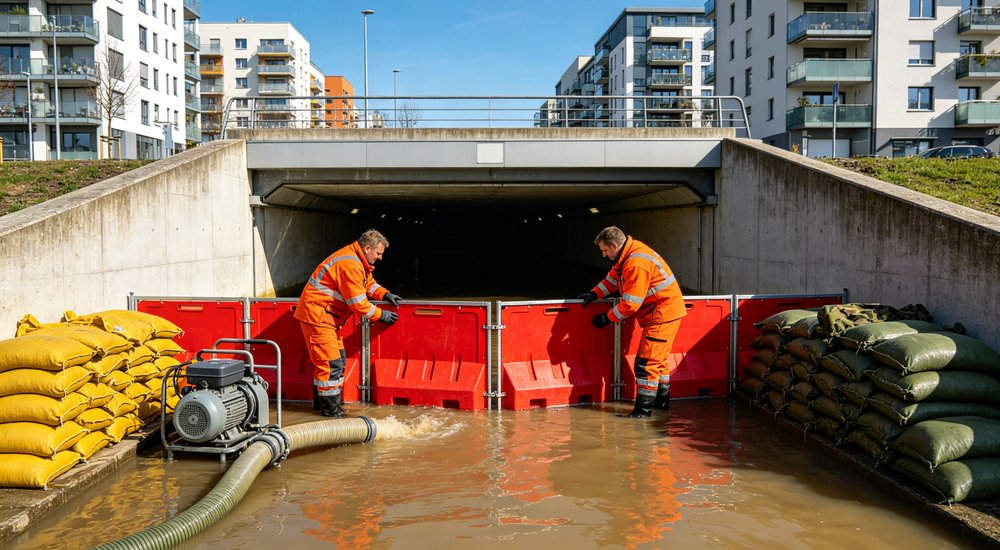
For wide rivers, flood plains and large construction cofferdams, inflatable flood barriers are the fastest way to build a long, tall wall. One section can reach 25 meters long and 1.5 meters high, inflated in minutes.
An inflatable flood barrier is a long, airtight tube made of PVC or PVDF coated tarpaulin. Crews lay it along the threatened line, anchor it, and inflate it with a blower or pump. The weight of the tube and the anchoring system hold back water up to the designed height.
Because the tube is flexible, it follows the land contour. It works on grass, gravel, roads and riverbanks where a rigid aluminum wall cannot be built quickly. This makes it ideal for emergency river defense and temporary cofferdam work.
We supply inflatable barriers in diameters from 50 cm to 150 cm and section lengths from 5 to 25 meters. Custom shapes, multiple chambers and printed identification are available on ODM orders for military and municipal clients.
The fabric weight is typically 650 to 900 g/m2 PVC coated tarpaulin, welded at the seams with hot-air or high-frequency equipment. Valves are brass or brass-plated for repeated use. Color options include orange, blue, yellow and military green.
Lay the tube on cleared ground free of sharp stones. Unroll it in a straight line and connect sections with the provided couplers. Anchor the ends with stakes or weighted bags before inflation. Inflate evenly along the length so the tube rises upright.
Keep the blower running and monitor pressure through the event. If floodwater contains debris, inspect the surface regularly for cuts. Repair kits with matching patch material are supplied with every order.
After the water recedes, deflate slowly, drain any water chambers, rinse with fresh water to remove mud and salt, dry completely, then roll loosely. Store in a cool, dry warehouse away from direct sunlight and rodents.
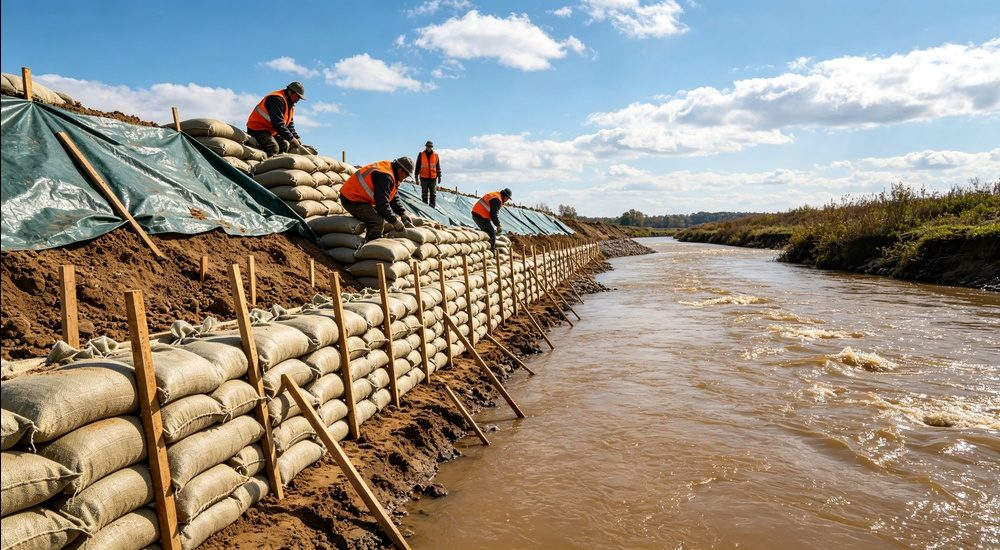
Use the summary below to compare products and request a precise quote. All values are typical production ranges; exact figures depend on chosen fabric weight, size and customization.
Once you have shortlisted a product type, this technical summary table gives the hard numbers needed to compare and quote. It contrasts working height, unit length, deploy time per 10m, woven material and reusability across all four barrier families side by side. Engineers and government tender officers use it to verify which product meets their water-depth and deployment-speed requirement, and it supports both erosion control bank work and traffic control site planning. Exact figures vary by fabric weight and customization — send your site dimensions for a precise supplier quote.
|
Parameter |
PP woven bags |
Water Filled Barriers |
Aluminum Barriers |
Inflatable Barriers |
|
Material |
PP woven + PE coating |
Nonwoven + SAP / PVC |
Aluminum alloy + EPDM |
PVC coated tarpaulin |
|
Working height |
15-30 cm stacked |
8-20 cm |
50-100 cm |
50-150 cm |
|
Unit length |
40x60/50x80/60x100 cm |
1.2-5 m bar |
1 m panel |
5-25 m section |
|
Deploy time / 10 m |
30-60 min |
5-10 min |
15-30 min |
10-20 min |
|
Reusability |
Empty bags reusable |
Absorbent single use |
Many seasons |
Many seasons |
|
Colors |
Green/yellow/white/black |
Gray/green |
Silver/powder coat |
Orange/blue/green |
|
MOQ |
Bulk, flexible |
Bulk, flexible |
Custom cut |
Custom length |
Exact values for your project depend on fabric weight and design height. Send us a drawing or your water depth and we will recommend the right product, tier and quantity for your wholesale flood bag project.
As your supplier, we do not push the most expensive item; we recommend what fits your site.
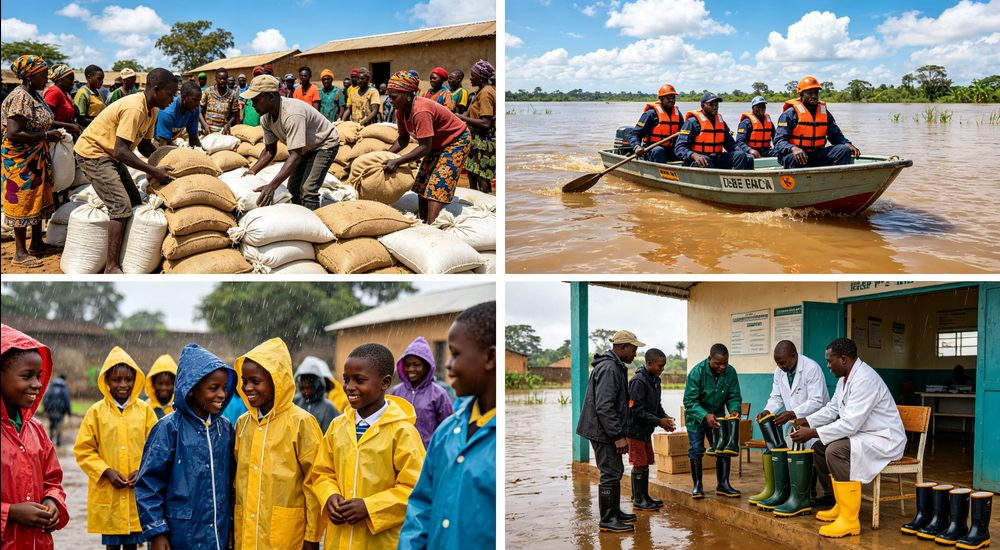
What goes inside a flood control sandbag decides whether it holds for two hours or two flood seasons. This section explains the materials and processes behind our products, so procurement teams understand exactly what they are buying wholesale.
The base fabric is polypropylene. Polypropylene is chosen because it is light, cheap, water-resistant and does not rot. We source virgin PP resin or stabilized recycled blend depending on the tier you order. The fabric is woven on circular looms into a tubular or flat sleeve.
The fabric weight sets the strength. Economy bags start around 50 g/m2. Standard bags run 70 to 85 g/m2. Heavy-duty bags reach 90 to 100 g/m2 and above. Heavier fabric means higher tensile strength and longer outdoor life.
UV stabilization is added as a masterbatch during extrusion. This slows the photodegradation that turns thin plastic brittle in sunlight. For stockpiles that sit outside for months, always choose UV-treated polypropylene bags for outdoor stockpiles.
A PE (polyethylene) coating is laminated or co-extruded onto one side of the fabric. This thin film blocks seepage and makes the bag water-resistant. Plain woven bags breathe, while coated bags hold back standing water better. Tell us your use case and we will match the coating.
Absorbent barriers use a super absorbent polymer (SAP) powder sandwiched between layers of nonpolypropylene. When water touches the SAP, it swells into a gel that locks water inside the fabric shell. The outer nonwoven is spun-bond, which resists tearing on rough ground.
Reusable water filled barriers are welded from PVC coated polyester tarpaulin. The coating is waterproof, flexible and abrasion-resistant. Seams are high-frequency welded, not glued, so they hold pressure for years.
Our aluminum water barriers use 6000-series aluminum alloy extrusions. This alloy balances strength and light weight. Profiles are anodized or powder-coated to resist salt air and road spray. The sealing gasket is EPDM rubber, which stays flexible from freezing cold to hot sun.
Inflatable flood barriers use PVC or PVDF coated polyester tarpaulin, typically 650 to 900 g/m2. The coating is welded with hot-air or high-frequency machines to make airtight seams. Brass valves and reinforcing webbing carry the load points.
We control the whole chain: resin extrusion, circular weaving, coating, cutting, printing, sewing, inspection and packing. Vertical integration means consistent quality and honest factory direct pricing, with no middleman marking up your bulk order.
Every production run is sampled for fabric weight, tensile strength, seam strength and coating adhesion. Finished bags are checked for straight seams, full tie strings and clean cuts. Defect pieces are pulled before packing. This is the ISO 9001 discipline we run the factory under.
Sewing uses high-tensile polyester thread, double-stitched at the bottom seam where the bag carries the most load. Corners may be reinforced with a small square patch on heavy-duty tiers. These details are invisible in a photo, but they decide whether a bag splits when it is stacked ten high.
Many sellers of woven bags are traders who buy finished bags from whoever is cheapest that month. YRF controls the production line. We buy resin, weave the fabric in our own looms, apply coating, print logos, sew bags, and pack for export.
This matters to wholesale buyers for three reasons. First, we control lead time when a flood emergency means you cannot wait. Second, we control consistency, so your 100,000th bag matches your 1,000th. Third, we control price, because no trader is inserting a margin between you and the factory floor.
When you request a sandbags wholesale quote, you are talking directly to the factory direct manufacturer, not a reseller. That means faster sample approval, flexible OEM changes, and honest answers about what we can and cannot produce.
Government procurement, military tenders and NGO grants all require proof that a supplier is qualified. YRF holds the certifications below and can provide documentation for your tender file.
Our factory operates under ISO 9001 quality management principles. This means we run controlled processes for incoming material, production, inspection and shipment. Every order follows a documented route from order confirmation to container loading.
For buyers, ISO 9001 is not a wall plaque. It means your bulk order is checked at defined steps, not eyeballed at the end. It also means we have a procedure for handling complaints and corrective action when something is off.
Products shipped to the European Economic Area carry CE marking where applicable. The declaration confirms the product meets the applicable health, safety and environmental requirements. We supply the declaration of conformity with the shipment so your customs and procurement file is complete.
Material testing can be arranged through SGS, an independent third-party inspection company. Common tests include tensile strength, tear strength, UV resistance, coating adhesion and bursting strength. We can book SGS inspection before shipment on buyer request.
Typical test results we see on our standard polypropylene flood bags: tensile strength above 1500N in both warp and weft, seam strength near fabric strength, and UV resistance in the multi-hours range depending on masterbatch loading.
These are typical results, not a fixed certificate number; exact values appear on the report for your batch.
Government flood control tenders often demand that flood control sandbags and barriers be durable, non-toxic and safe to handle. Our polypropylene bags are chemically inert, do not leach harmful substances into soil or water, and can be landfilled or recycled after use. This supports environmental compliance for public projects.
Military and defense buyers also ask for color fastness, packability and long shelf life. Our heavy-duty HESCO barriers and military green sandbags are made to hold up in outdoor storage for years without cracking or fading.
Flood defense looks different in a city street, a construction pit, a military base and a coastal village. Our flood control sandbags and barriers cover all of them. Below we describe where each product earns its keep, so you can match the product to your real operating environment.
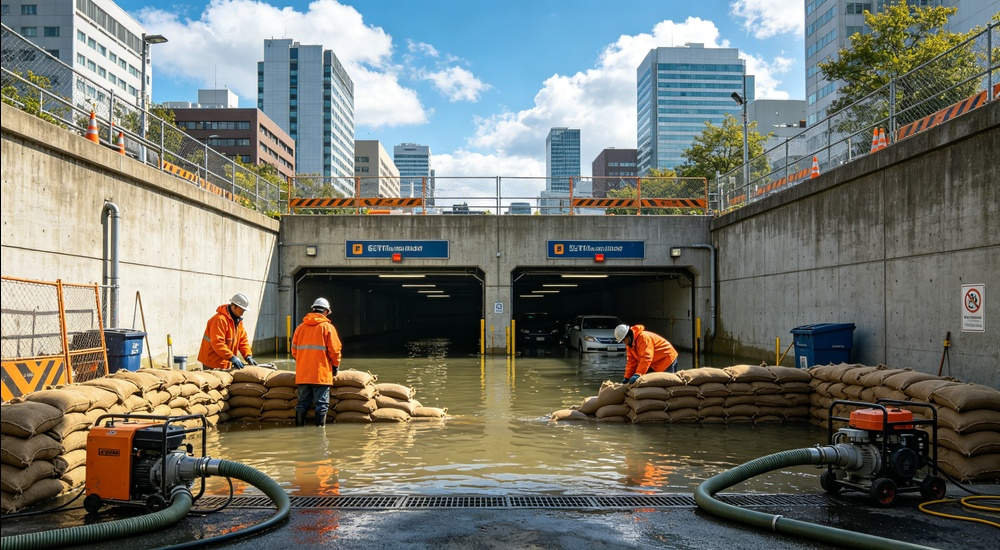
Cities flood when drains cannot cope with sudden heavy rain. Underpasses, subway entrances and basement stairwells fill fast. Aluminum water barriers seal these permanent openings, while quick dam water filled barriers protect storefronts during the storm.
For road construction and municipal drainage upgrades, polypropylene bags line temporary ditches and protect manhole covers. Bulk sandbags are cheap enough that crews can throw them down and never look back once the water drains.
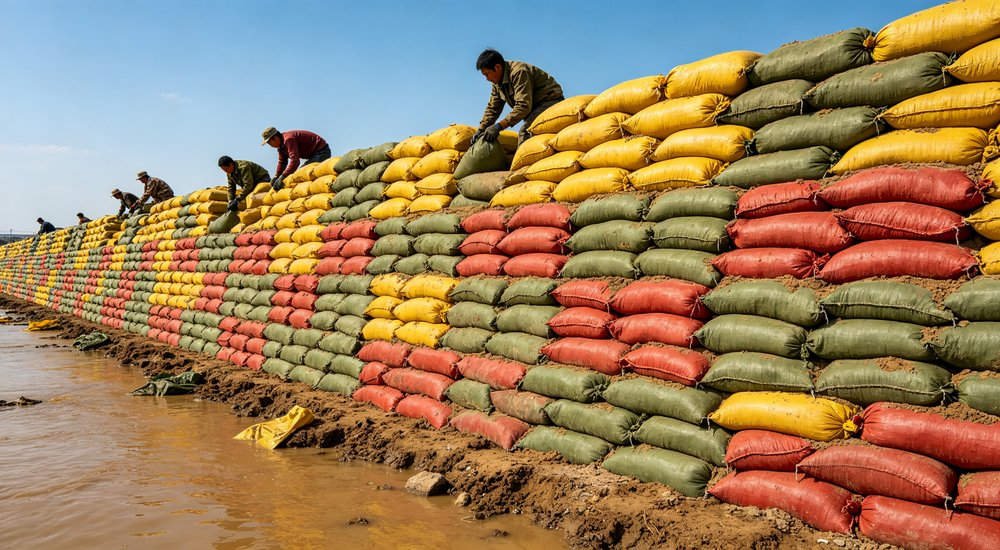
Rivers rise seasonally and eat away at levees. woven bags are stacked along the toe of the embankment and over the crest to stop overflow. A tarpaulin under the bags cuts seepage and protects the grassy slope from washing out.
For longer-term river protection, HESCO barriers filled with rock or soil build a revetment that serves both flood defense and erosion control and survives years of high water. This is the same modular cell technology used in flood-prone river districts worldwide.
Builders often need a dry pit in the wet. A cofferdam is a temporary wall that holds water away from foundations, bridge piers and pipe trenches. The fastest cofferdam is a double row of woven bags with sand fill between, or a row of water filled tubes laid end to end.
For a bridge abutment in a shallow river, inflatable barriers pumped across the river can divert flow during construction. This is cheaper than a full concrete cofferdam and it comes out when the job is done. Contractors choose our flood barriers because they deploy fast and leave no permanent footprint.
HESCO barriers started as military blast and perimeter walls, and they are now widely used for flood defense too. A HESCO cell is a welded galvanized wire basket lined with geotextile. Crews fill it with soil, rock or sand using a loader, and it becomes a 2-meter-high wall in hours.
For military bases, HESCO barriers protect perimeters, guard posts and equipment storage from both blast and flood. For flood control, they build permanent levee extensions and town protection walls. The galvanized mesh lasts for years outdoors. We supply the cells and can recommend the right liner for flood use.
Military procurement also buys plain woven sandbags in military green for field fortifications and temporary road repair. These polypropylene bags are light to airlift and fast to fill with local soil.
Coastal towns face waves and storm surge, not just rain. HESCO barriers and heavy-duty woven sandbags absorb wave energy behind a beach berm. The PE coating keeps bags from dissolving in salt spray, and UV-treated fabric survives the sun.
Where the shore is developed, aluminum water barriers protect seafront promenades and ground-floor shops. For temporary storm prep, water filled tubes stack along the seawall to add height without construction.
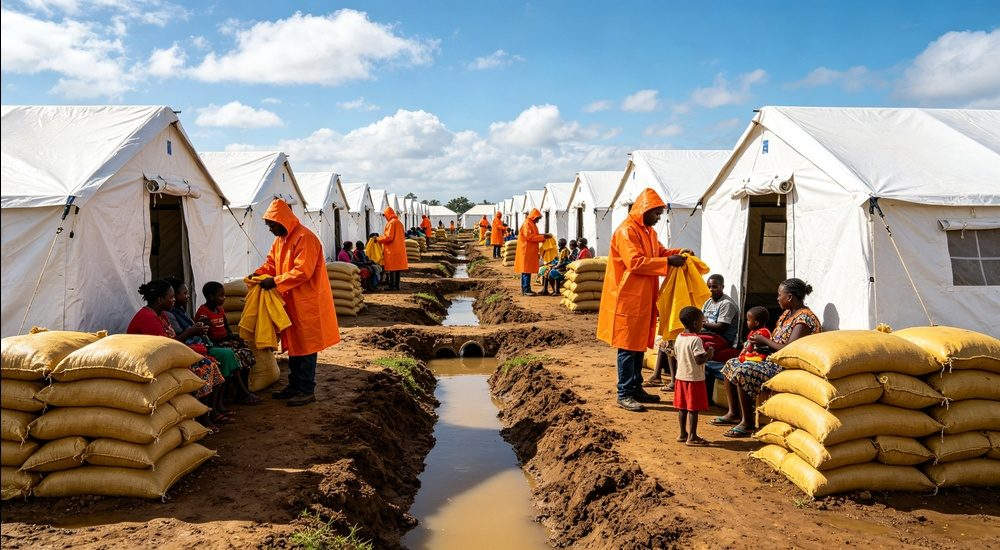
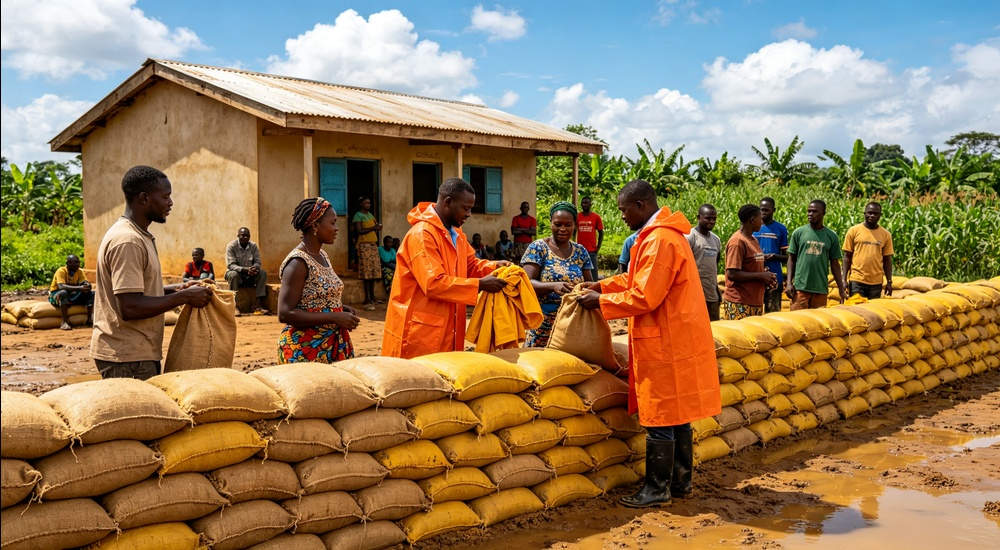
When a tropical storm lands, flood relief teams need equipment fast. Absorbent water filled barriers ship flat in cartons and activate on contact with water. Woven sandbags ship by the container and fill with whatever soil is nearby.
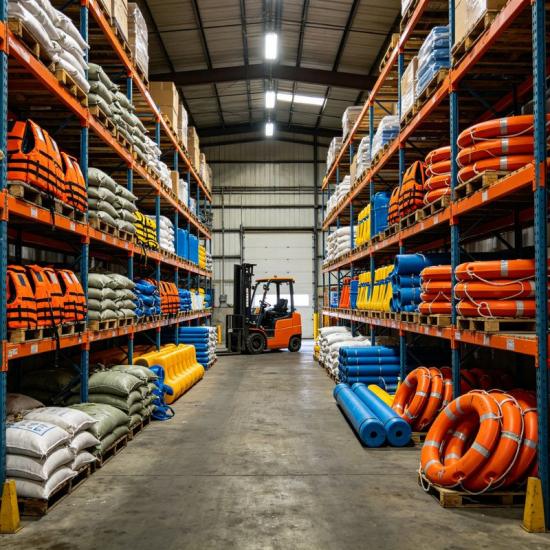
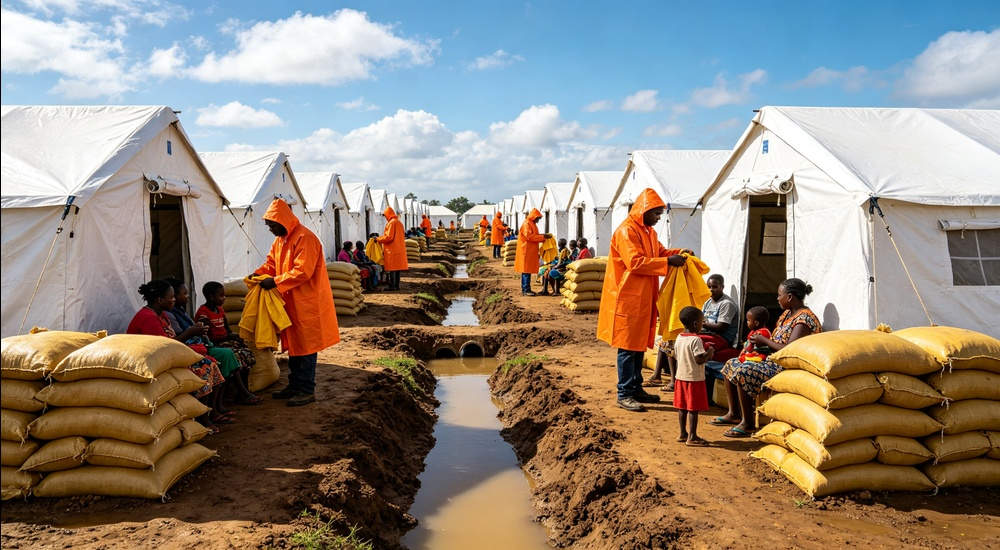
Relief programs also bundle sandbags with rain coats, rain boots, life jackets and a complete emergency kit. YRF is a one-stop supplier for these mixed loads, which cuts customs clearance time and coordination cost for the relief organization.
City engineering departments stock bulk sandbags for road repair crews, water utility crews and bridge maintenance. Sandbags weigh down tarpaulins, plug leaks around manholes, and protect freshly poured concrete from being washed away in sudden rain.
Road builders use a cofferdam of sandbags around a pipe trench so they can weld joints in dry ground. Bridge crews use HESCO cells to armor a riverbank during pier construction. Sandbags also support traffic control by blocking flooded underpasses and closing washed-out road sections during reconstruction. These are routine municipal jobs that rely on cheap, ready woven sandbags.
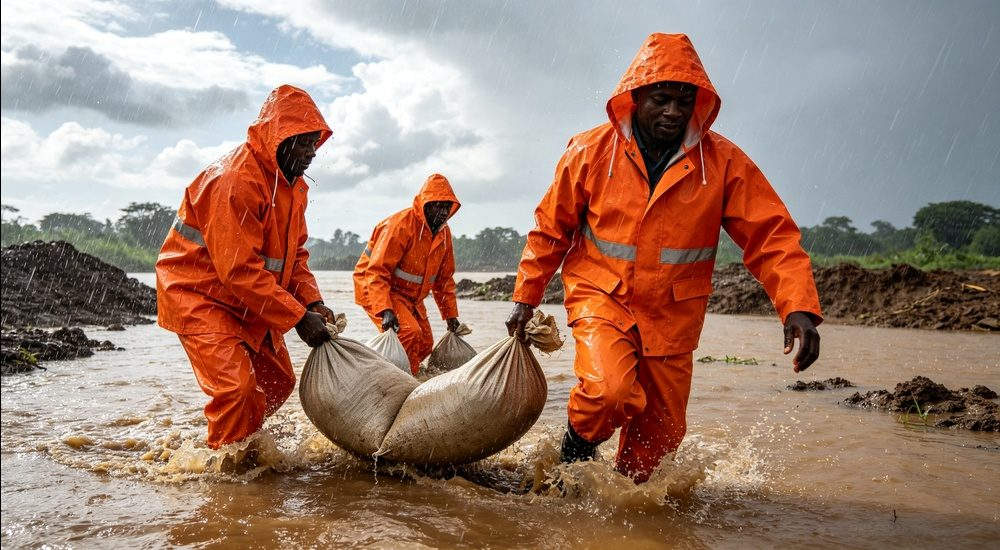
The best flood barrier fails if it is placed wrong. This guide walks through preparing the site, installing each product type, and removing and storing equipment after the water recedes.
First, clear the ground. Sweep away gravel, leaves, standing puddles and sharp objects. A clean base lets bags and seals sit flat. Mark the line of defense with spray paint so crews work fast when the rain starts.
Check expected water depth from the local weather or flood service. Design the barrier 20 to 30 cm higher than the forecast, because waves and surges add height. Plan for a way out: never seal both sides of a route without an exit.
Assign roles. One team fills bags, another carries, a third stacks. With clear roles, a four-person crew can lay 20 meters of sandbag wall in under an hour.
Fill each bag to about two thirds. A full bag is heavy and rigid, and it does not seal against the next bag. A two-thirds full bag flattens out and makes a tight joint.
Tie the opening tightly. Fold the flap under so the knot sits against the wall. Place bags flap-side facing the protected area, so water pushes the flap closed instead of opening it.
Stack in overlapping brick pattern. Offset vertical seams by half a bag every row. Taper the wall: wider at the base, narrower at the top. Lay a tarpaulin on the water side and weigh it down with the top row of bags. This simple step cuts seepage dramatically.
Inspect the floor track and posts. Make sure the groove is clean and the rubber seal is flexible. Drop panels from the bottom up. Push each panel until you feel the gasket compress, then lock the top beam.
If a panel leaks at the joint, check for dirt under the seal. A single leaf can hold a gap. Keep a few spare panels and gaskets on site for storm season.
Once the water drops below the barrier, wait for the ground to settle before opening the wall. Remove sandbags from the top down so the structure does not collapse outward.
Empty used sandbags onto designated spoil ground. Rinse bags with clean water, inspect for tears, dry completely in shade, then fold and stack. Store off the floor on pallets, in a dry, ventilated room, away from sunlight. Properly stored polypropylene bags last several years.
Rinse aluminum panels and inflatable tubes with fresh water to remove mud and salt. Dry fully before rolling. Store rubber gaskets flat, never twisted.
YRF sells flood control equipment, and our flood control sandbags plus sandbags wholesale program is our core business. Whether you are a distributor, a government tender bidder, an NGO procurement officer or a construction contractor, this section explains how wholesale orders work with us.
Buying factory direct cuts the layers between you and the production line. You get honest pricing, direct communication with the manufacturer, and priority scheduling when a storm season is near.
Sandbags wholesale is priced per thousand or per ton, with volume discounts. For distributors, we offer private label and neutral packing so the product carries your brand on every sandbags wholesale order. For government buyers, we provide the documentation needed for tender evaluation.
As an experienced supplier, we can mix products in one container: woven sandbags, water filled barriers, life jackets, rain coats and emergency kits all ride together. This lowers freight cost per unit.
OEM means we build to your specification as a factory direct partner. You can set fabric weight, size, color, printing, bag closing style and packing. Common OEM requests include printed logos on the bag body, custom Pantone colors, and printed warning labels in your language.
We produce sample bags first, so you approve the feel, color and stitch before mass production. Sampling usually takes a few days. Once approved, bulk production runs on the agreed schedule.
ODM means we design a product for you from a concept. If your market needs a new barrier shape, a new color, or a hybrid product, our engineers can turn your brief into a sample. This is common for military procurement and municipal programs that need something off the standard list.
Standard woven sandbags are available in flexible bulk quantities, with economical pricing per thousand. Custom OEM orders have a higher minimum because of setup. Aluminum and inflatable barriers are quoted per opening or per section.
Lead time depends on quantity and customization. Standard stock items ship in days. Bulk production runs typically take 15 to 30 days after order confirmation, plus ocean transit time. Always tell us your deadline so we can prioritize your production slot.
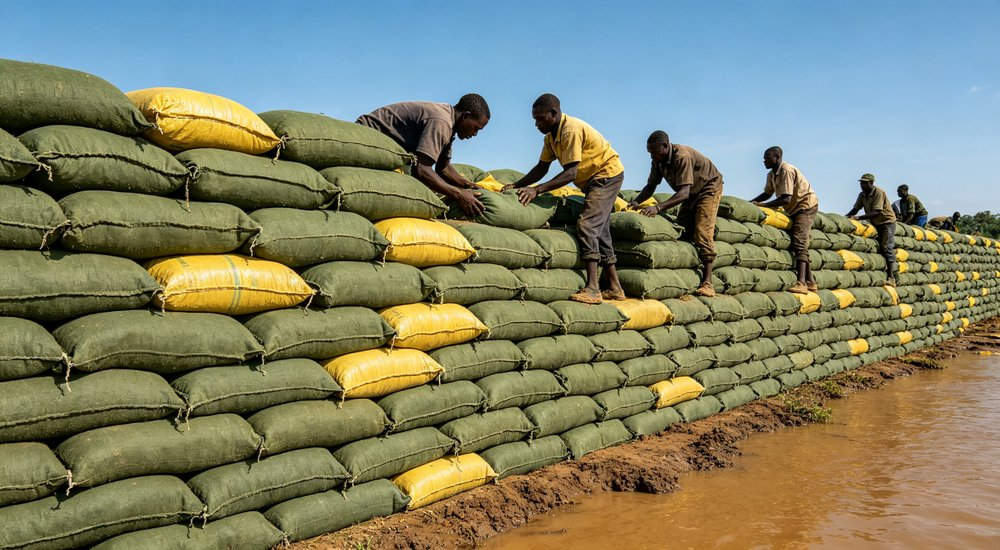
Empty sandbags are light but bulky. Good packing saves freight and keeps product clean in the warehouse. As an export manufacturer, we pack every order the way container loading and customs expect.
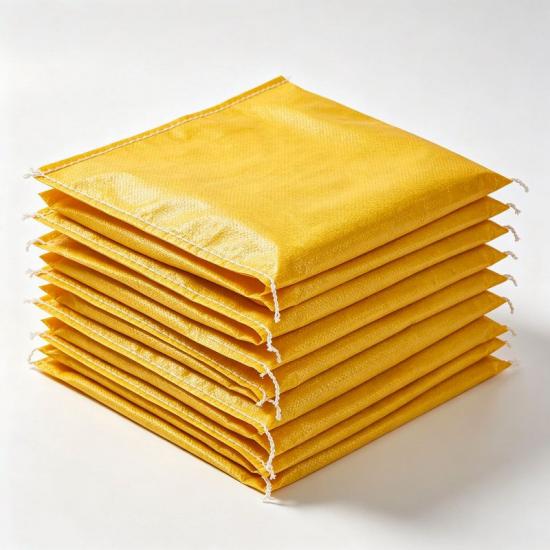
Woven sandbags are pressed flat and baled, then packed into polypropylene bags or export cartons. A standard bale holds several hundred empty bags. Weighing and marking each bale lets your warehouse count stock fast.
Aluminum panels are wrapped in foam and strapped to a pallet. Inflatable tubes are folded into canvas carry bags with a repair kit. Water filled barriers are boxed in cartons marked with contents and deployment instructions.
For government emergency stockpiles, we offer quick-deployment packing: smaller cartons that a forklift or two people can move, clearly labeled by quantity and product type. This matters when a flood hits and crews must grab gear fast.
Labels can be printed with your logo, product code, lot number and barcode. We can also print multilingual deployment instructions on the carton for international relief programs.
Empty sandbags compress well, so a 20-foot or 40-foot container can hold a very large quantity. We calculate load plan to maximize cubic utilization, which directly cuts your freight cost per sandbag. This is why buying wholesale from a factory direct supplier beats small-quantity air freight.
Palletized loads are secured with stretch wrap and banding. Fragile aluminum parts are braced inside the container. We take loading photos so you can verify the shipment before it sails.
We provide commercial invoice, packing list, bill of lading, certificate of origin, and the CE declaration where applicable. SGS or third-party inspection reports can accompany the shipment on request. This full document set helps customs clearance go smoothly for government and NGO buyers.
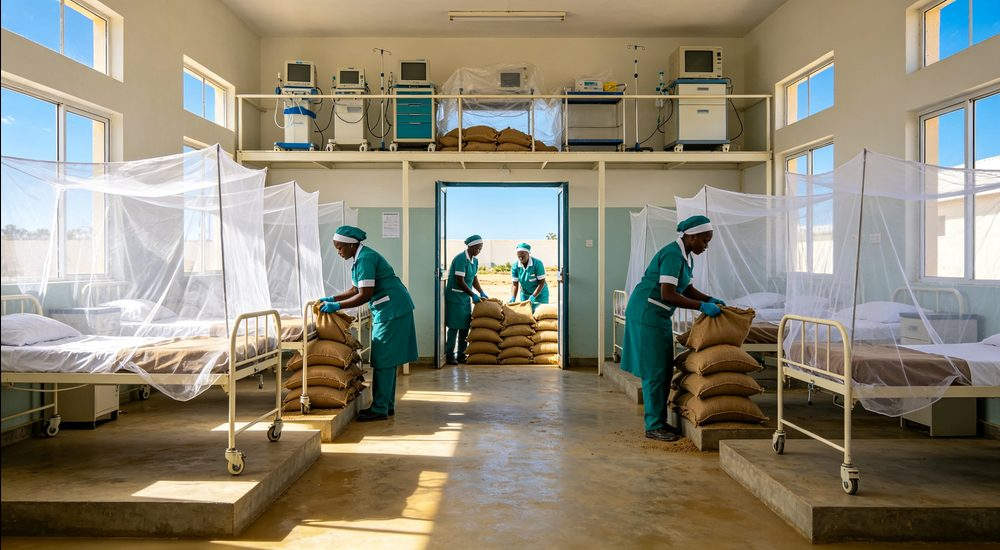
Buyers sometimes ask why one supplier sells so many different flood products. The answer is simple: no single product stops every kind of flood.
A doorway needs a different tool than a riverbank, and a military base needs a different tool than a shop entrance. Below we walk through the eight product families YRF supplies as a manufacturer.
These are the classic breathable polypropylene flood bags. Each sand bag is light to ship but quickly becomes heavy and stable once filled on site. They are the cheapest per meter, the most forgiving on uneven ground, and the default choice for bulk emergency stockpiles.
Every supplier sells woven bags, but fabric weight, stitch quality and UV treatment decide the difference between a barrier that holds and one that splits.
Waterproof coated flood bags add a PE film layer to the inside of the durable textile. This slows seepage so the bag stays heavy and stable in standing water instead of turning soggy and soft.
They are the right choice for long-duration levee work and for walls that may sit in water for days. We recommend coated bags whenever the wall must hold water, not just block spray.
Water filled barriers are reusable tubes you fill with a hose. They build a clean cofferdam around a pit or doorway without hauling sand. They fold flat for storage and reuse every season. Contractors love them because they leave no spoil to clean up after the job.
HESCO barriers are galvanized wire mesh cells lined with geotextile, filled with soil or rock by machine. They build tall, strong walls fast and last for years.
Military buyers use them for perimeters, and flood agencies use them for permanent flood walls and riverbank revetments. We supply the cells and recommend the right liner for your flood duty.
Modular assembled flood walls are bolted systems of posts and panels, usually aluminum or steel. You bolt the frame once and drop panels in during a storm.
They are the premium solution for permanent entrances, and they are reusable for years. This is what we mean by aluminum water barriers in the table above.
Quick absorbent barriers are the flat, dry bars that swell on contact with rain. They are perfect for night-time emergencies when no one can shovel sand at 2 a.m. They ship flat, so a warehouse can keep thousands of meters on a shelf and deploy them alone.
Aluminum barrier boards are the light, rigid panels that slot into permanent posts. Two staff arm a doorway in minutes, then lift the panels when the storm passes. They are the standard choice for commercial property and municipal buildings that need fast, clean seasonal protection.
Inflatable flood barriers are long PVC tubes pumped up across open ground. They build a fast wall across a river bend, a construction cofferdam or a flood plain. They are the fastest way to cover hundreds of meters when minutes matter.
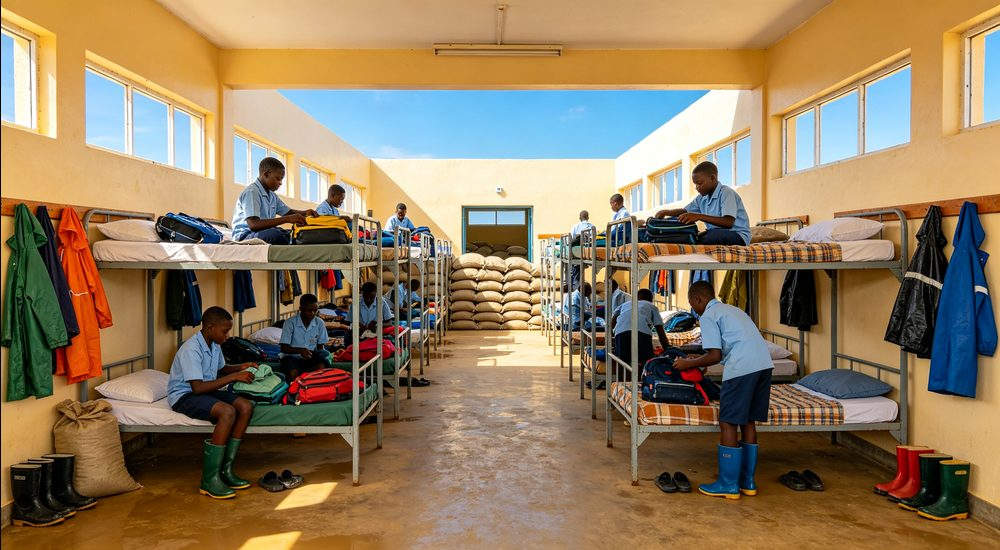
Flood equipment only works if it survives storage. Government stockpiles and relief warehouses keep gear for years, so how you store it decides whether it is ready when the storm comes. As your supplier, we tell buyers to follow these rules.
Keep empty woven sandbags in a dry, ventilated room on pallets, never directly on a wet floor. Cover the bales to block sunlight, because UV is what kills polypropylene fabric over years. Control humidity to avoid mold on the bale wrapping. Under these conditions, polypropylene bags last several years in storage.
After every flood, rinse aluminum panels, rubber seals and inflatable tubes with fresh water. Mud and salt eat at surfaces over time. Dry everything fully before storage, because trapped moisture breeds mold and weakens glues. Roll inflatable tubes loosely, never folded sharp, and store them off the floor.
Before storm season, open a sample bale and check bags for brittleness, tears or faded color. Test a valve on an inflatable tube. Flex a rubber gasket to confirm it is still soft.
Replace any stock that has gone brittle. It is cheap insurance against a wall that fails on the worst night of the year.
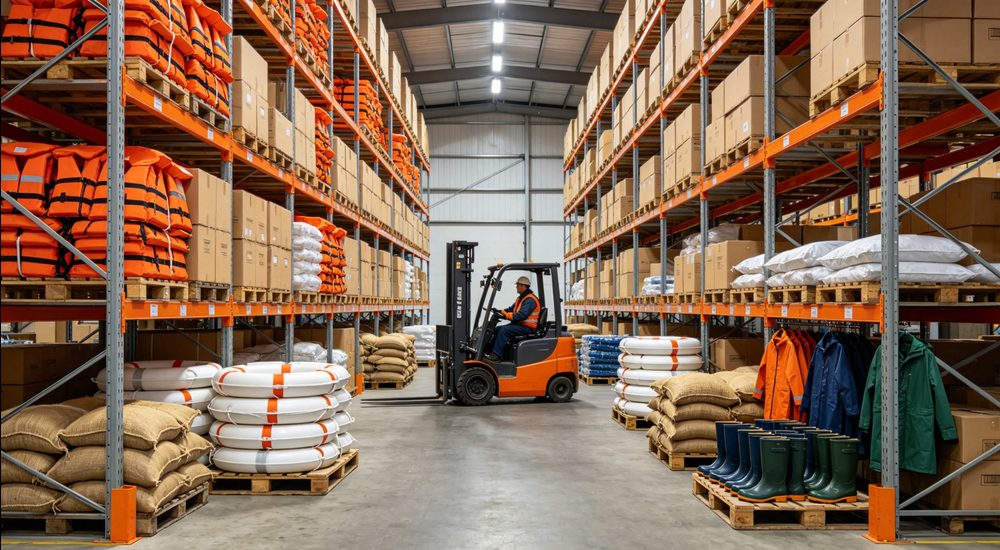
Government procurement is different from retail. A municipal warehouse may hold hundreds of thousands of sandbags that must be grabbed and trucked out within hours. We help buyers design packing for exactly that moment.
Instead of one huge bale that needs a cutter and a scale, we can pack woven sandbags in smaller, labeled cartons. Each carton weighs what two people can carry. Forklifts can stage them by district, so every truck loads a balanced kit without repacking on the dock.
Labels can show product type, quantity, lot number, production date and your agency logo. We can print multilingual deployment instructions on the carton for relief programs working across regions. This saves training time and prevents misuse in the field.
Public tenders need a clean paper trail. We provide commercial invoice, packing list, certificate of origin, CE declaration and ISO 9001 references. SGS or third-party inspection can be arranged before loading so your audit file is complete before the container even sails.
Relief programs rarely need only sandbags. We combine woven sandbags with rain coats, rain boots, life jackets and an emergency kit in one container. One invoice, one booking, one delivery. This is how a sandbags wholesale supplier simplifies complex NGO procurement.
When you buy flood control sandbags, who you buy from matters as much as the product itself. Many listings online are traders who buy finished goods from the cheapest loom that month. YRF is the factory that makes them. There is a difference in price, quality and accountability.
First, price. A trader adds a margin on top of the factory price. Buying sandbags wholesale factory direct removes that layer, so your budget buys more sandbags per dollar. That matters when a tender quotes a fixed number and you need maximum meters of barrier for the money.
Second, consistency. A trader's quality depends on which factory had a spare loom that week. As the manufacturer, we run the same resin, the same loom, the same stitch every run. Your first container and your tenth container match. That predictability is why government procurement programs return to a real supplier.
Third, flexibility. Need a custom size, a special color, a printed logo, or a new barrier shape? A trader must ask a factory and wait. We can start the conversation with our own engineers and cut a sample the same week. That is the OEM and ODM advantage buyers ask us about.
Fourth, accountability. If a shipment is short, damaged or off-spec, dealing with the manufacturer means the person who knows the production line answers the email. We respond in English when you reach out, and we resolve issues under our ISO 9001 corrective process.
One of the first questions buyers ask is simple: how many bags does my project need? A rough estimate helps you budget and plan the container. This quick method is not a replacement for a site survey, but it gives a sane starting number.
Measure the length of the wall in meters. Decide the wall height in centimeters, based on forecast water plus a safety margin. A typical sandbag wall needs about 10 bags per meter of length per 10 cm of height for a single layer, and more for a tapered pyramid.
As a rough rule, a 20-meter doorway protection at 40 cm height needs roughly 800 to 1,000 standard woven sandbags. A 100-meter riverbank stretch at 30 cm height needs several thousand. Buyers usually add 15 percent extra for overlap, damage and rebuilding. Tell us your numbers and we will confirm the quantity and pallet count.
For water filled barriers, measure the opening and divide by the bar length, overlapping each joint by 20 cm. For aluminum panels, count the doorway width and divide by the panel height module.
For HESCO cells, count the wall volume and estimate the fill material separately. We work these out for free when you request a quote.
Our buyers come to us for different reasons, but they all want one thing: reliable flood equipment at honest wholesale pricing, delivered on time. Here is how each type of buyer typically uses our range.
Government buyers run tenders, evaluate samples, and need documentation. They buy bulk woven flood bags for district government emergency warehouses, aluminum barriers for public buildings, and HESCO cells for permanent flood walls.
Government tenders value ISO 9001, CE and SGS reports more than the cheapest unit price. We prepare the government tender pack and respond in English for every government wholesale inquiry.
Relief NGOs respond fast and move mixed loads. They order absorbent water filled barriers, quick absorbent bars, rain coats, rain boots, life jackets and an emergency kit in one container.
They need clear multilingual labels and fast air or sea dispatch when a storm hits. We consolidate these loads into one shipment.
Military buyers need tough gear that packs light and lasts outdoors. They choose military green polypropylene bags, HESCO barriers for perimeters, and inflatable barriers for field crossings. Color fastness, packability and long shelf life matter. We handle OEM marking and neutral packing for defense programs.
Contractors buy woven sandbags for a cofferdam around a foundation pit, a bridge pier or a pipe trench. They want cheap, strong bags that work with local soil. They also rent or buy inflatable barriers to divert a small river during the build. Speed of delivery matters, because a wet pit costs money every day.
City engineering departments stock bulk sandbags for underpasses, drainage upgrades and road repair. They buy aluminum water barriers for city hall and metro entrances. They need a supplier who can refill the stockpile every season and handle repeat orders without re-quoting from scratch.
First, you send your requirement: product type, size, quantity, destination and any customization. Because we are factory direct, there is no middleman to relay the message.
We reply with a proposed solution, a unit price range and a lead time. This is where a direct manufacturer saves time, because no trader has to relay messages.
Second, we make samples. You approve the fabric, color, stitch and print. For OEM orders, the sample step prevents expensive mistakes in a 100,000-bag run. We ship samples by express or share photos and measurements.
Third, we confirm the order and start production. We send a proforma invoice with the product specification, packing, price and payment terms. Production follows the ISO 9001 route, with in-line checks at weaving, coating, cutting and sewing.
Fourth, we pack and load. We bale or carton the goods, palletize fragile items, and take loading photos. On request, SGS or a third party inspects before the container is sealed. Finally, we hand over the shipping documents for customs.
If the bag will sit in standing water for days, buy PE coated. If it is a quick one-off block in a doorway, plain woven is cheaper and breathes. When in doubt, choose coated; the small price difference is worth the extra water resistance. We supply both from the same line.
A 40x60cm bag filled two-thirds holds about 12 to 15 kg of sand. A 50x80cm bag holds 18 to 22 kg. A 60x100cm bag holds 28 to 35 kg. Filling two-thirds keeps the bag soft enough to seal against the next bag, which is why we never tell crews to overfill.
Yes. On site, crews fill bags with whatever local soil, gravel or even damp mud is available. Sand packs best and gives the tightest seal, but any heavy, free-flowing fill works in a pinch. Absorbent water filled barriers need no fill at all; they do the work themselves.
Polypropylene is chemically inert. It does not leach toxins into soil or water. After use, empty bags can be recycled or landfilled. We do not add heavy pigments that bleed in flood conditions. This matters for riverside and farmland protection projects.
Stored dry, dark and off the floor, polypropylene bags last several years. Sunlight and damp are the enemies. We recommend rotating stock: use the oldest bales first, and inspect a sample before storm season. UV-treated bags last longer than plain bags outdoors.
Polypropylene fabric is made at scale in China, which is why buyers around the world source woven sandbags wholesale from Chinese factories. The raw material, the looms and the sewing labor are all in the same region, so unit cost stays low for bulk orders.
A factory direct manufacturer in China also offers the full product range under one roof: woven sandbags, water filled barriers, HESCO barriers, aluminum boards and inflatable tubes. A buyer consolidates one container instead of booking five. That cuts freight, paperwork and coordination time.
For government and NGO programs, the key is not just price. It is a supplier who holds ISO 9001, can run SGS tests, packs for emergency deployment, and replies in English. YRF is that supplier, shipping from China to ports worldwide with full customs documentation.
When you search for wholesale flood bags, flood control bag manufacturer, or a reliable flood barrier supplier online, you will see many listings.
Compare samples, ask about fabric weight, check whether the seller controls the loom, and ask for a reference. The right choice is a factory that can show you the line, not a mailbox that cannot.
Understanding how a barrier holds water helps you install it better. Water pushes against a wall with force that grows with depth. The deeper the water, the harder it pushes at the base. A good design answers that force with weight, width and a tight seal.
A sandbag wall works by weight and overlap. Each filled bag is heavy, so water cannot lift it. Overlapping joints mean water cannot walk straight through a crack. A tapered pyramid spreads the force down into the ground instead of tipping over.
Water filled barriers work the same way: the tube is heavy because it is full of water, and the soft bottom seals to the ground. Inflatable barriers use air pressure and water chambers to stay rigid.
Aluminum boards use a rigid frame and rubber gaskets to block flow. Each is a different answer to the same physics problem.
This is why we ask buyers about water depth before quoting. A 30 cm wall and a 120 cm wall are different engineering problems. Guess wrong and the wall either leaks, tips, or costs more than it should. Tell us the site and we will recommend the right tier.
The best time to prepare is before the forecast. A calm checklist in dry weather beats a panicked shovel in the rain. Here is the list we share with municipal and property buyers.
First, walk the site. Note every doorway, drain, underpass and low point. Mark which openings need a permanent aluminum frame and which need a quick absorbent bar. Keep a map of these spots in the emergency binder.
Second, check stock. Open a sample bale, confirm bags are not brittle, and count your quantity against the wall length you calculated. Reorder before the season, not after the first warning. This is why buyers keep a standing order with a supplier they trust.
Third, train the team. Run a drill every spring. Assign who fills, who carries, who stacks. A team that has practiced once arms a building twice as fast as a team that is learning in the rain. Keep gloves, shovels, tarps and tie strings in the same locked cabinet.
Fourth, plan the exit. Never seal both sides of the only route out. Keep a clear path, even when the barrier is up. Post a contact number on the warehouse door. When the storm passes, rinse, dry and restock the gear before the next event.
Buyers often compare price per unit and forget to compare price per year. A cheap woven bag used once is fine for a one-off flood. But if your site floods every year, the math changes fast.
Absorbent quick barriers are cheapest to deploy but single use. They shine for night-time emergencies where no labor is available. Over a decade of repeated floods, the total spend stacks up. Keep them for surprises, not for planned protection.
Aluminum panels and inflatable tubes cost more up front but last a decade. Divide the price by ten years and the per-season cost drops well below buying disposable bags every year. For a building that floods annually, the reusable barrier pays for itself within a few seasons.
The smart plan mixes both. Permanent aluminum boards protect the front door every year. A stockpile of disposable woven bags and absorbent bars covers the surprises: a new breach, a neighbor's roof drain, a storm bigger than forecast. That is how a mature emergency program buys.
Water runs down a slope and pools at the bottom. On a slope, build the barrier across the contour, not straight across the slope. Use tapered sandbag steps or level the base for aluminum panels. A cofferdam on a slope needs extra weight on the downhill side.
Do not block a storm drain and think you solved it; you will flood the street. Instead, back up the drain with a flap gate or a small absorbent barrier that stops sea water from surging back while letting rain drain out. Plan this before the storm, not during it.
A wide loading dock needs a wide barrier. Water filled tubes or inflatable sections span long widths fast. Aluminum panels can be custom cut to a 6-meter dock. Keep a removable section so fire trucks can still enter during the event.
Rigid panels leak on cracked concrete. Level the track with mortar strips, or use a flexible water filled barrier that hugs the cracks. Sandbags forgive uneven ground better than any rigid system, which is why they remain the emergency default.
Every order starts with the resin. We check incoming polypropylene for melt flow and UV masterbatch content. Bad resin makes weak, brittle fabric. Skipping this check saves pennies and breaks bags in the field. A real supplier does not skip it.
At the loom, we sample fabric weight and width every shift. Underweight fabric is the most common trick in this industry. We measure, not trust the loom. The coated line checks that the PE film bonds evenly, because peeling film leaves bare spots that leak.
At sewing, operators fold and stitch to a guide. We check the bottom seam, the tie string and the opening on a sample from every hundred pieces. Cut sizes must stay consistent, or bags do not stack in brick pattern.
Before packing, finished goods are counted and weighed. A pallet that weighs wrong is opened and checked. We photograph the loaded container. This is the discipline behind ISO 9001, and it is why buyers reorder season after season.
Polypropylene is recyclable, which matters more as public buyers care about environmental impact. Empty woven bags that are still intact can be baled and sent to plastic recycling. Coated bags are harder to recycle but can be landfilled safely because PP does not leach toxins.
We never add heavy pigments or unknown fillers that would complicate disposal. This makes the product acceptable for riverside, farmland and drinking-water catchment projects where environmental rules are strict.
Reusable barriers are the greenest option. Aluminum panels last a decade or more. Inflatable tubes last many seasons. Buying one reusable system replaces thousands of disposable bags over its life, which cuts both waste and long-term cost.
When you write a tender, ask suppliers about end-of-life handling. A manufacturer who understands recycling can help you meet green procurement goals, not just deliver a cheap price.
Even the best barrier fails if crews stack it wrong. We offer written deployment guides, diagrams and short video instructions with every bulk order. For large government or military programs, we can prepare a one-page field sheet in your local language.
The field sheet covers the key rules: clear the base, fill to two thirds, overlap joints, taper the wall, add a liner on the water side, and plan an exit. Train one team per district and they can teach the rest when the storm comes.
If a project is complex, send us site photos or a layout sketch. Our sales engineer will suggest the wall type, height and quantity before you commit the budget. This free advice is part of working with a real manufacturer, not a catalog seller.
No single product solves every flood problem. The strongest programs layer their defense. Permanent aluminum boards protect the critical entrances. A stockpile of disposable woven bags covers surprises. Absorbent bars sit on every shelf for night-time storms. HESCO and inflatable units protect riversides and pits.
Start by protecting the assets that cost most if flooded: generators, server rooms, medical equipment, food warehouses, fuel tanks. A few meters of correct barrier there saves more than miles of wall in the wrong place. Prioritize, then buy.
As your long-term supplier, we help you plan the layer, not just sell you a truckload. Send us your site map and we will propose a product mix and a quantity that fits the budget. That is what a factory direct partner does.
Ready to discuss your project? Send your bags wholesale requirement to our sales team. We reply in English, quote honestly, and back every order with ISO 9001 production control, CE marking and SGS testing support.
When you compare flood defense suppliers, price is only one line. A lower unit price that arrives late, leaks, or fails in one season is the expensive option. Buyers who work with us long term compare more than the quote.
Ask for a sample before you commit. Feel the fabric weight, check the stitch, bend the tie string. A sample tells you what a catalog never will. Ask whether the seller owns the loom or resells. A real manufacturer can show you production photos and answer technical questions directly.
Ask about documentation. Can they provide ISO 9001, CE, and SGS testing on your batch? Can they pack to your emergency spec and print your label? These questions separate a factory from a mailbox. If the answers are vague, keep looking.
Finally, ask about lead time and reorder. Emergency stockpiles turn over. You want a supplier who can refill in days, not weeks, and who remembers your spec next year. Consistency across repeat orders is the quiet value of working with one manufacturer.
Flood season does not announce itself politely. Buyers who wait for the first warning often find factories sold out and ports crowded. The smart plan orders the stockpile two months before the season starts, not during it.
Standard woven bags in stock sizes ship fastest. Custom colors, custom sizes and printed logos need sampling time. Absorbent and inflatable items fold flat, so air freight is possible for urgent small orders, but sea freight wins on cost for bulk.
Tell us your deadline at the first email. If you need goods before a known monsoon or hurricane window, we prioritize your production slot. Late requests cost more and carry risk, so plan early and we will protect your schedule.
After delivery, keep a reorder buffer. Running the stockpile down to zero before the next storm is the most common mistake. A standing buffer means you never face the storm with an empty warehouse.
We read your inquiry carefully: product, size, quantity, destination, customization, deadline. Within one business day we reply with a recommendation, not a generic price. If your spec is unclear, we ask before we quote.
For qualified buyers we send samples. You approve them, we lock the spec. Then production starts and you receive a photo update when the goods are packed. Before the container leaves, you get loading photos and the document set.
If anything is off on arrival, tell us with photos. We follow the ISO 9001 corrective process and work the issue to a close. This is the after-sales side of being a manufacturer, and it is why buyers come back.
Buyers often ask which fabric is stronger. The honest answer is: it depends on the duty. Plain polypropylene breathes and stays light. PE-coated fabric slows seepage. Heavier gsm fabric resists UV and puncture better than light fabric. Match the gsm to the years you expect the stockpile to last.
For a one-off town event, light woven bags are the cost-effective choice. For a coastal revetment or a military stockpile, step up to heavy coated fabric. We show you the gsm, the tensile range and the coating option before you buy, so you choose on facts, not guesswork.
Bags are the cheapest per meter and the most flexible on ground, but they need fill labor. Tubes (water filled barriers) need no sand and deploy fast, but they need a water source and a flat base. Boards (aluminum) are permanent and clean, but they cost more and need a solid threshold.
Most buyers end up mixing all three. Bags for the long, cheap perimeter. Tubes for the doorway that floods overnight. Boards for the building entrance that must never leak. We sell the whole kit, so one order arms a whole district.
Send us your site, your water depth and your annual budget. We will come back with a product mix, a quantity, a packing plan and a lead time. No obligation, no pushy sales call. Just an honest answer from the people who make the product in their own factory.
Reach out to our team today. We are YRF, a China-based manufacturer and supplier of flood control sandbags, offering sandbags wholesale plus water barriers and related relief gear, shipping and OEM/ODM orders to government buyers, military, NGO and construction buyers worldwide.
When a storm is hours away, sea freight is too slow. We keep a small stock of absorbent bars and compact barriers ready to ship by air or express.
Air freight is expensive per unit, but it gets critical protection on site in days. We never suggest air freight for a full container; we suggest it only for what the storm needs today.
For planned orders, sea freight to your destination port is the economical route. We calculate the load plan, book the vessel and hand over the documents. For landlocked countries, we can arrange inland trucking from the nearest port as part of the delivery plan.
Samples always go by express courier from our factory direct line, so you hold the real product before committing to bulk. You feel the fabric weight, the stitch and the seal. A sample order costs little and saves a wrong bulk order later.
A flood defense program is not a one-time purchase. It is a standing relationship. Buyers return to us because the spec never drifts, the lead time stays honest, and the person who answers the email knows the product line. We do not hand you to a new sales rep every quarter.
We keep your specification on file. When storm season comes, a one-line email triggers a reorder against the same size, gsm, color and packing. You do not re-explain the whole project. That continuity is worth more than a one-cent discount on the unit.
We also grow with your program. Start with one product line, then add HESCO cells for a river project, aluminum boards for a new depot, or inflatable sections for a flood plain. One manufacturer, one document set, one loading plan for the whole expansion.
If this sounds like the kind of supplier you want behind your next flood season, request a quote with your details. Tell us what you protect, how deep the water gets, and what budget you are working with. We will answer with a straight recommendation and a factory direct quote.
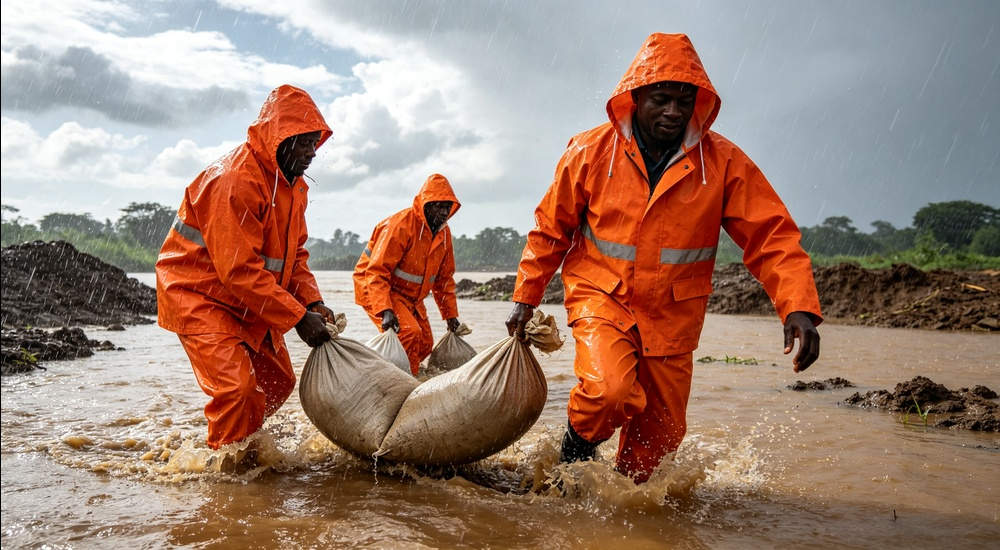
Q1. What is the lead time for wholesale sandbag orders?
Standard bulk sandbag orders typically ship within 15 to 30 days after order confirmation. Custom OEM and ODM projects may need extra time for sampling. Tell us your deadline and we will quote a realistic schedule.
Q2. Do you offer OEM and ODM customization?
Yes. As a factory direct manufacturer, YRF supports both OEM and ODM. You can customize size, fabric weight, color, printed logos, packaging and product shape. Samples are approved before mass production.
Q3. What sizes of flood control sandbags do you supply?
Standard sizes are 40x60cm, 50x80cm and 60x100cm. Custom sizes are available for government, military and construction clients. Fabric weight from 50 to 100 g/m2 and custom colors are available on OEM orders.
Q4. Are your bags suitable for outdoor UV exposure?
Yes. Our polypropylene bags include UV stabilizer in the PP resin. For months of outdoor stockpiling, choose the standard or heavy-duty tier with thicker fabric. UV life depends on masterbatch loading and sunlight, so ask for a target and we will match it.
Q5. Which certifications do your flood control products carry?
Our factory holds ISO 9001 quality management certification, products carry CE marking where applicable, and material testing can be arranged through SGS. We provide declaration and inspection reports for your tender file.
Q6. Can you supply water filled barriers and HESCO barriers?
Yes. Beyond woven sandbags, we supply absorbent and reusable water filled barriers, HESCO barriers, aluminum water barriers and inflatable flood barriers. Tell us your water depth and deployment speed and we will recommend the right combination.
Q7. How should sandbags be stacked for the best flood protection?
Stack in overlapping brick pattern, flap facing the protected side, tapered to a wider base. Add a tarpaulin on the water-facing side and weigh it down. Two-thirds fill gives the best seal. A proper wall outperforms a careless stack by a wide margin.
Q8. What is your minimum order quantity for wholesale?
Standard stock items accept flexible bulk quantities. Custom OEM orders have a higher minimum because of sampling and setup. Send us your project size and target market, and our sales team will propose the best quantity, packing and price.
Q9. Can you mix different flood products in one container?
Yes. We routinely consolidate woven sandbags, water filled barriers, aluminum panels, life jackets, rain coats, rain boots and an emergency kit into one container. This lowers freight cost and simplifies customs for NGOs and distributors.
Q10. What payment and shipping terms do you work with?
We work with standard international trade terms. Payment terms depend on order size and relationship. Shipping can be FOB, CIF or by express for samples.
Tell us your destination port and we will quote the best delivery option for your budget and timeline. Government buyers can also request a volume tier for recurring emergency stockpiles.
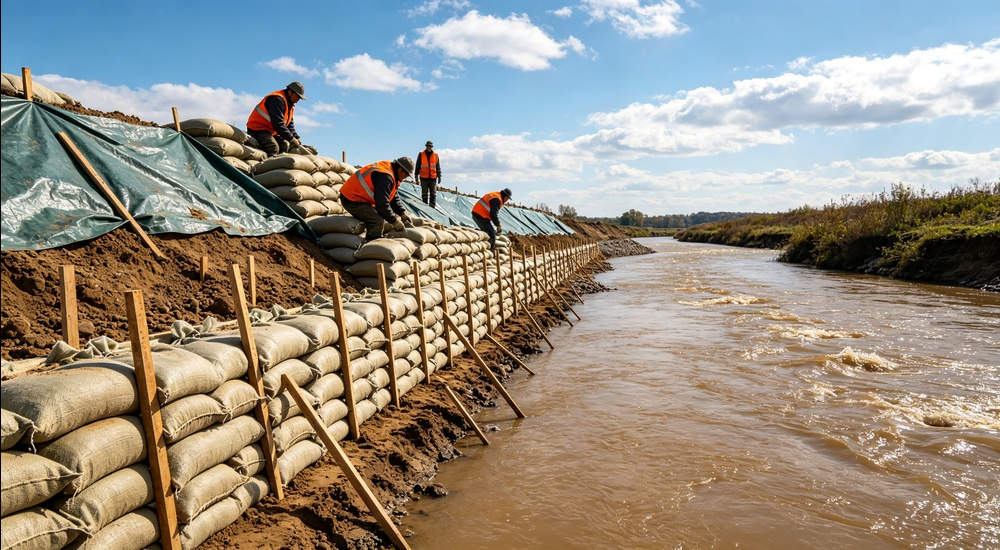
Buyers searching for flood control sandbags, water barriers, sandbags wholesale, hesco barriers, cofferdam solutions, flood barrier systems, water filled barriers, polypropylene bags or woven sandbags will find all of them here in one product range from a single manufacturer and supplier.
Whether you need bulk sandbags for government procurement, a cofferdam for a construction site, hesco barriers for military defense, or water filled barriers for emergency relief, YRF supplies factory direct with OEM and ODM support.
Buyers often ask whether our woven sandbags will actually hold in a real flood. Below are typical test results from independent laboratory and in-house checks. These are typical ranges, not specific certificate numbers; your batch report will carry the exact values.
Our standard polypropylene sandbag fabric typically reaches tensile strength of 1500N or higher in both warp and weft directions. Heavy-duty fabric reaches higher values. This means a filled bag stacked under several rows does not split along the bottom seam.
UV-treated woven sandbags hold typical multi-hours sunlight resistance before the fabric starts to embrittle. Economy bags without UV treatment are for short events. Outdoor stockpiles should always use UV-stabilized fabric.
PE-coated sandbags slow seepage to a low rate, while plain woven sandbags allow slow controlled drainage. When combined with a tarpaulin liner, a stacked sandbag wall holds standing water reliably at the design height.
Empty, properly stored polypropylene bags last several years. Reusable aluminum water barriers last a decade or more. Inflatable barriers last many seasons if rinsed, dried and stored out of sunlight. Absorbent quick dam barriers are single use by design.
We do not name private clients, but the deployment scenarios below show the kind of programs we support. Each case illustrates how buyers choose between woven sandbags, water filled barriers, HESCO barriers and inflatable walls.
A regional relief program ordered bulk woven flood bags and absorbent water filled barriers ahead of monsoon season. The bags went to village levees, while the water filled barriers protected school and clinic entrances that flood overnight.
Mixed in the same container were rain coats, rain boots and emergency kits for the volunteer teams.
Hurricane preparation stockpiles need equipment that arrives flat and deploys fast. Our absorbent water filled barriers and inflatable tubes were staged in warehouses on the islands, ready to protect fuel depots and medical stations when a storm warning is issued. HESCO cells armor the seawall where wave energy is strongest.
Road and bridge contractors used a sandbag cofferdam to keep a pipe trench dry during river crossing work. Woven sandbags also lined temporary access roads and weighed down tarpaulins on fresh concrete. Heavy-duty bags were chosen because the site is remote and re-supply is slow.
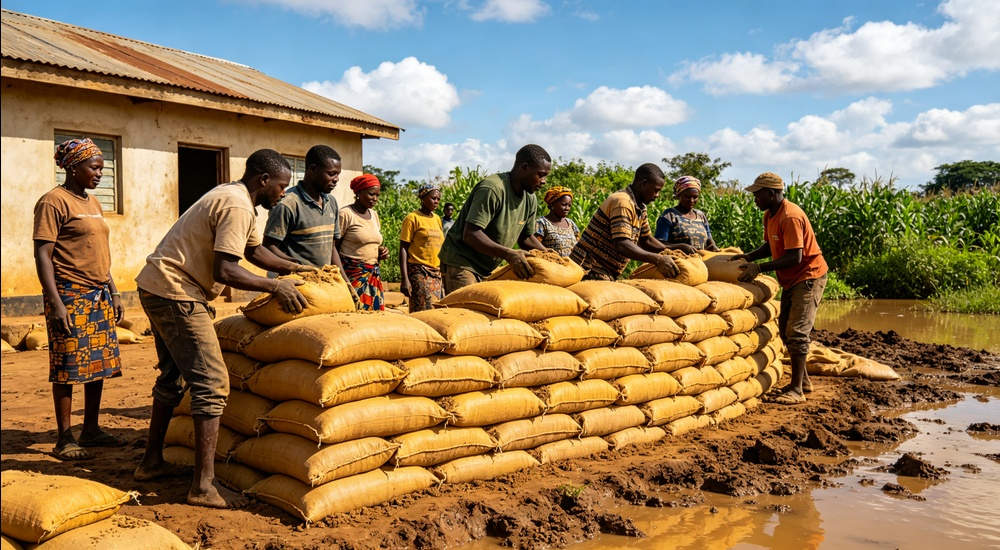
Selling flood barriers is only the start. Our team helps you choose the right product, calculate quantity, design the wall layout and plan the packing. Send us your water depth, site photos and target timeline and we will propose a solution.
After delivery, we support spare parts for aluminum seals, repair kits for inflatable tubes, and replacement bags for damaged stock. If anything arrives short or damaged, tell us within days of arrival with photos and we will resolve it per our quality procedure.
We respond to inquiries in English and on WhatsApp. For large government or NGO programs, we can schedule a video call to walk through the product range and your project plan.
 Flood Drainage Barrier Adjustable Angle Emergency Rescue Tool
This professional flood drainage barrier, made of high-strength ABS plastic, features a 99.8% leak-proof rate, 5.2mm thickness, and weighs only 3.8KG per piece for easy handling. The L-shaped design comes in multiple sizes from 52×70cm to 80×100cm, with adjustable angles of ±3° to adapt to various terrains. Tested to withstand extreme temperatures from -40°C to 95°C, it's specifically designed for urban flooding, typhoon rainstorms, and flood disaster emergency rescue scenarios. Currently equipped in over 300+ flood control command centers nationwide, assisting in more than 5,000 emergency rescue operations annually.
 Emergency Rescue Sandbag, Strong Load-Bearing, Embankment
This emergency rescue sandbag is made of high-strength silicone fabric, measures 40×25×10cm, and features excellent load-bearing performance with a single bag capacity of 17-20kg. Its military green appearance with yellow edges facilitates quick identification and deployment in emergency situations. Specially designed for embankment reinforcement and flood control, it has performed excellently in flood disasters and has been successfully applied in 120 embankment risk situations nationwide, making it an ideal choice for government flood control departments and emergency rescue teams.
 Yellow-Green Flood Sandbags for Disaster Relief with Zip
These yellow-green flood control sandbags feature high-strength polyester fiber with zipper design for quick closure and 97% leak-proof rating. The distinctive warning colors remain visible in adverse weather conditions, with each bag supporting 22kg. Ideal for flood containment and temporary shelter protection.
 Flood Control Sandbag Dust Cover, Military Green, Emergency Rescue
This military green flood control sandbag dust cover features thick, high-density material with a 99% waterproof rating, wear-resistant design, and convenient transportation. Specifically designed for flood prevention, it keeps sandbags dry and extends their lifespan to 5 years. With evenly distributed pressure resistance, it effectively protects flood control materials from rain and dust. Ideal for levee reinforcement and temporary drainage in complex environments, it's a reliable equipment choice for flood control teams.
 Flood Disaster Relief Sandbag, Double-Layer Leak-Proof, Riverbank Use
This military green flood disaster relief sandbag is made of high-quality silicone-coated fabric, measuring 40×25×10cm with a 99% leak-proof rate and 17-20kg load capacity. Its double-layer design with tight double stitching provides exceptional waterproofing. Equipped with handles for easy deployment and transportation, it's ideal for riverbank reinforcement, flood disaster control, and emergency leak plugging. Proven reliable at over 2,000 flood control frontlines nationwide, it's the preferred choice for government flood departments, military and emergency rescue teams.
 Heavy-Duty Flood Control Sandbags with Drawstring Closure
These heavy-duty flood control sandbags feature high-density waterproof canvas with 99% leak-proof rating and 30kg load capacity. The yellow-green warning color meets emergency response standards and improves nighttime visibility. Ideal for riverbank reinforcement, urban flooding prevention, and underground passage protection, these sandbags provide reliable flood control solutions proven in over 200 critical flood zones nationwide.
Copyright © Custom Disaster - Relief Bedding: Tents, Sleeping Bags, Blankets All Rights Reserved
the professional team to service !