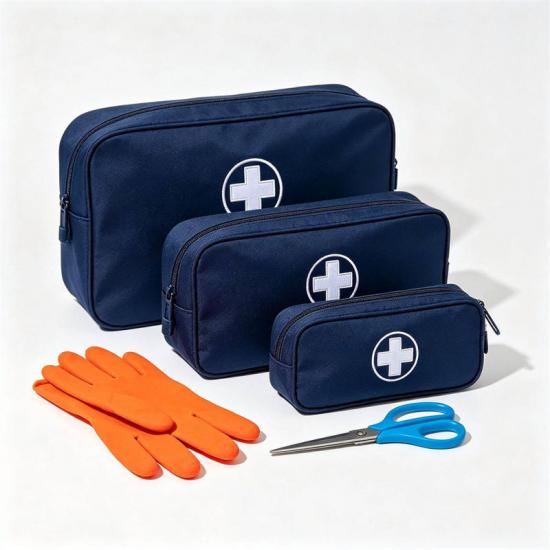
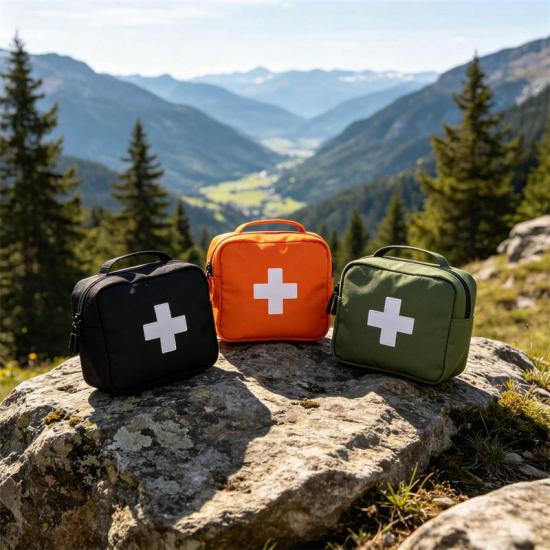
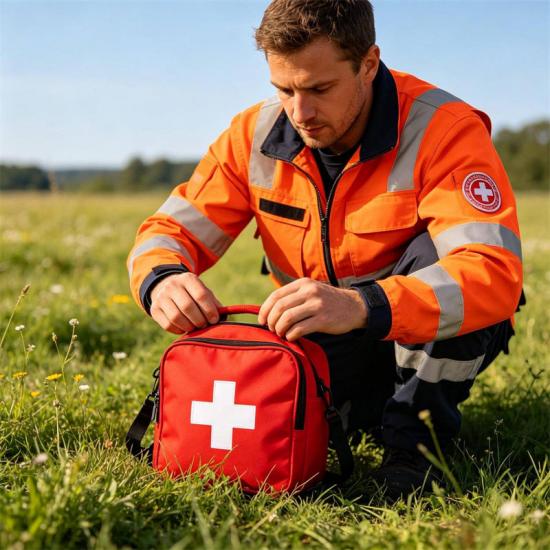
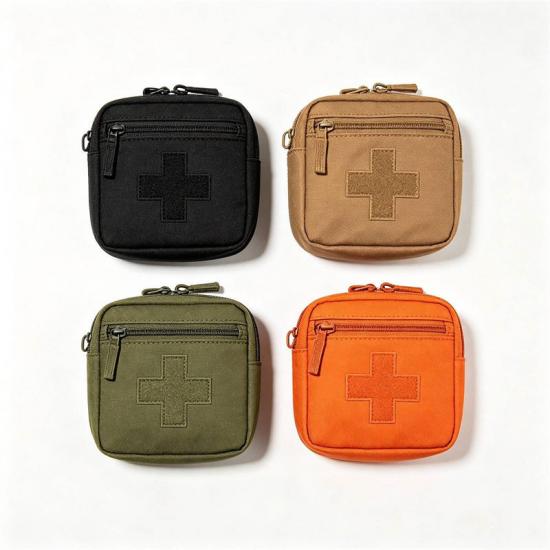

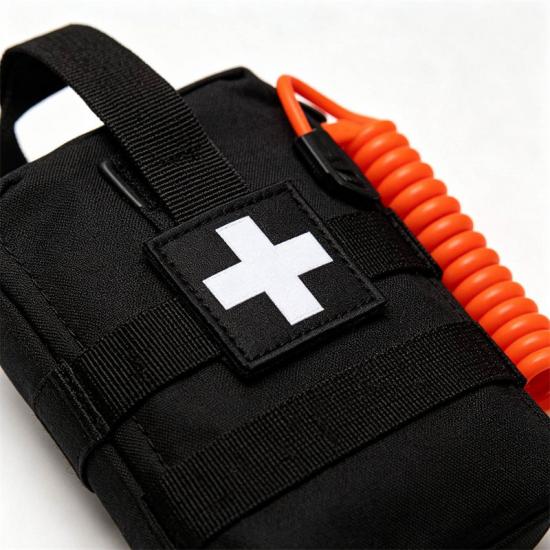
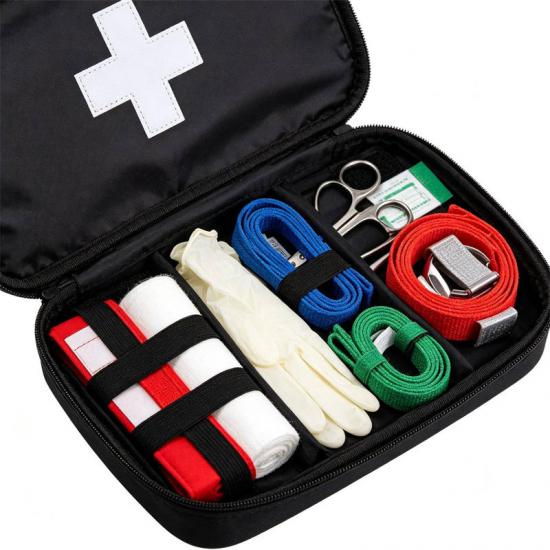
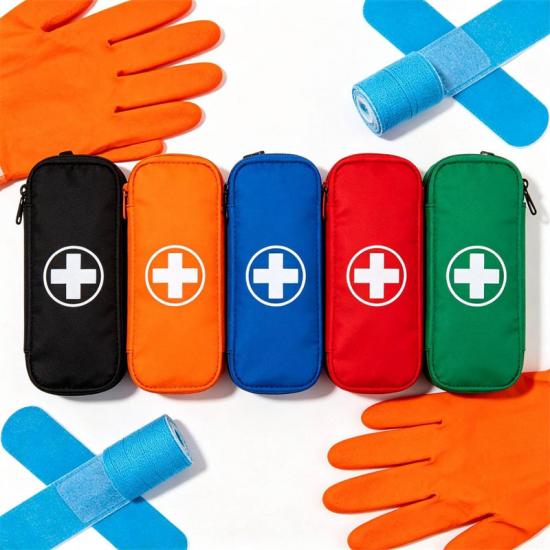
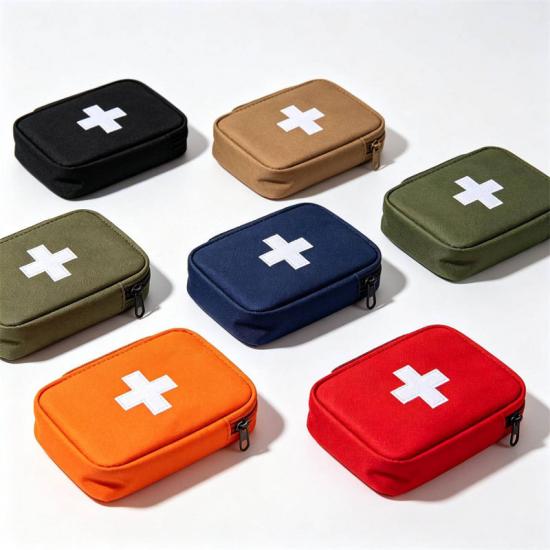
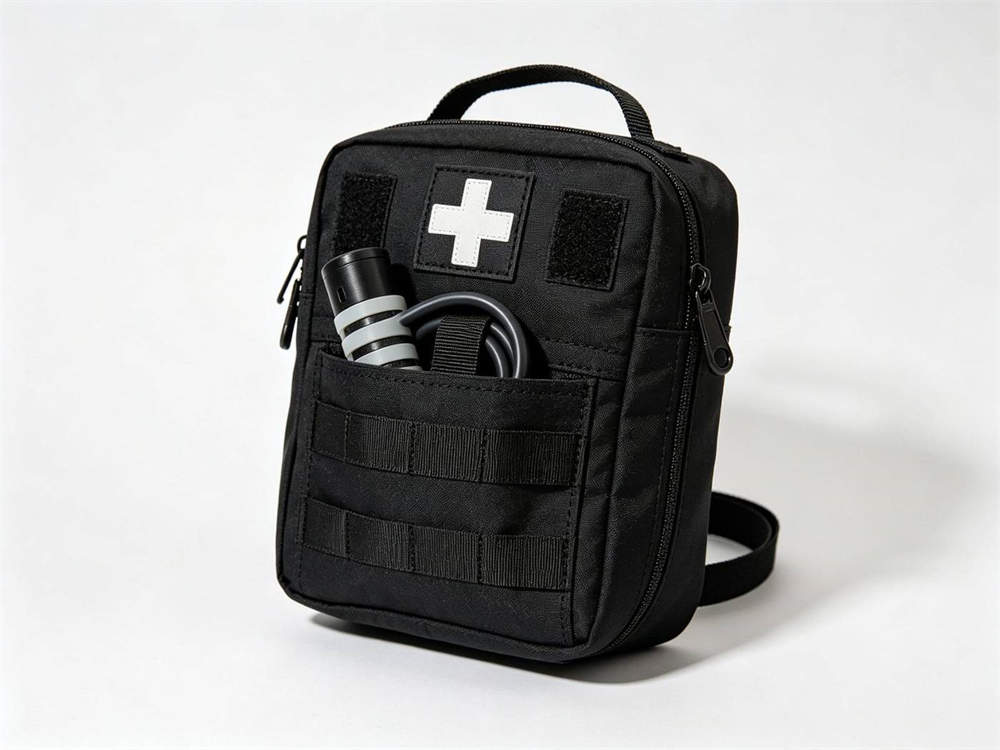
Heavy‑duty tactical medical pouch built from 500D nylon with tear‑away design and MOLLE webbing. Multiple colour variants, colour‑coded elastic loops and waterproof lining. Supports custom velcro patches, pre‑fitted with tourniquet, shears and trauma supplies for large‑scale institutional safety bulk tender orders.
Note: Price for reference only. Exact price based on quantity, size, weight and custom details.
model no. :
BB-06Brand:
YRFmarket price :
$39.8sale price :
$19.9price range :
30-500/$19.9Color :
Multiple Colorsport of dispatch :
Guangdong/GuangzhouPayment :
TT, Paypal, Western Unionmin order :
1original region :
Made in ChinaLead Time :
30
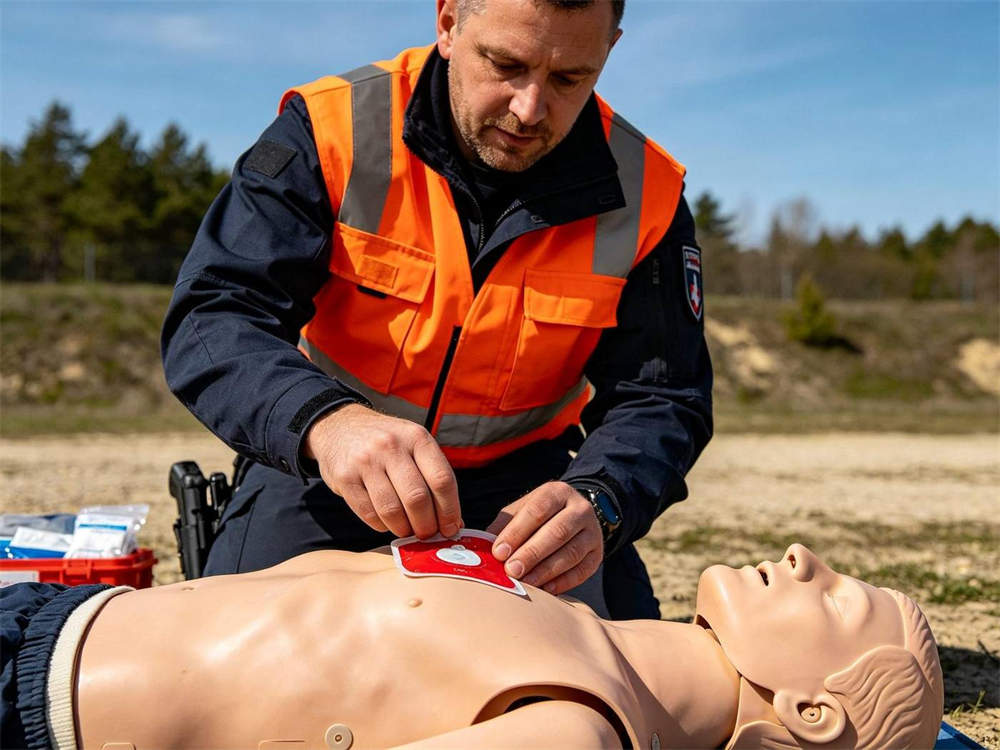
Most tactical medical bags look great on review videos but fail when a teammate is bleeding. Straps too short, zippers that jam, and pouches that don't mount to your plate carrier. This kit solves all three.
 |

|
The MOLLE straps are too short for your plate carrier mounted configuration. And when you finally get it open, the contents are a jumble of random items with no logical order. In a real emergency, this is not just inconvenient — it is dangerous.
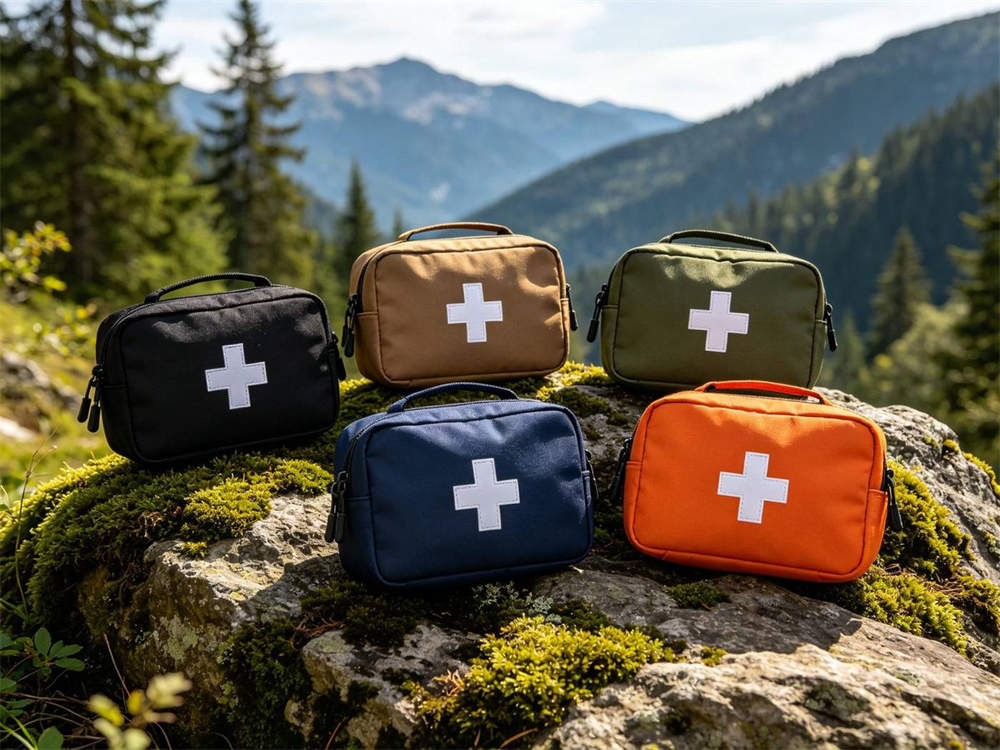
A tactical first aid kit combines rapid-access trauma supplies with MOLLE-compatible mounting, giving operators the confidence that critical gear stays secure and reachable under stress.
|
Application Scenarios |
Access Speed & One-Handed Operation |
Quality Assurance & Testing |
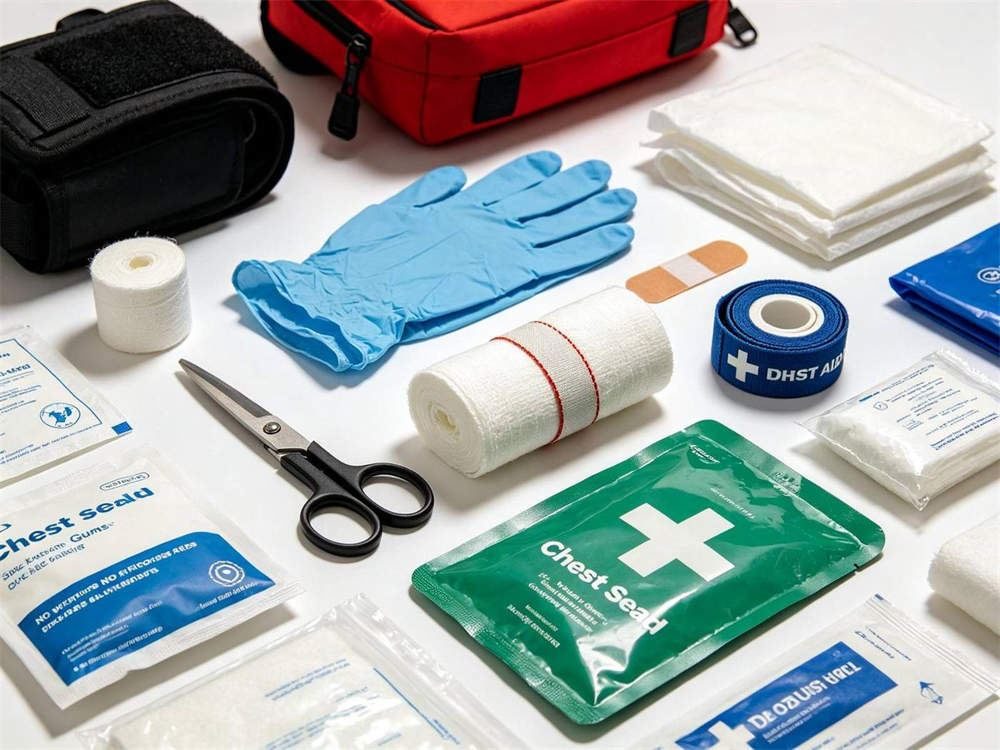
Pouch Contents and Their Role |
|
Tactical Role Configuration Guide |
Operator Configuration Guide |
Unit & Agency Programs |
Operator Questions Answered |
|
Pouch Anatomy & Mounting Interface |
Value & Replacement Cycle |
Custom Builds & Marking |
Related Products |
|
|
|
Which Operators Need a Tactical Medical Kit? |
Source Your Tactical Kit |
Tactical first aid kits serve across high-stakes environments where rapid medical response can mean the difference between life and death. The following scenarios illustrate how different operators configure and deploy these kits in the field.
SWAT teams, tactical units, and high-risk entry teams carry tactical medical kits for operator self-aid and buddy-aid during dynamic operations where EMS cannot enter the hot zone. The most common tactical injuries are gunshot wounds to extremities, penetrating chest trauma, and blast injuries from breaching. The MOLLE-compatible pouch mounts to plate carrier mounted configurations for instant access, and contents follow standard tactical casualty care referencelines. Law enforcement agencies typically procure 1 kit per tactical operator plus 2 spare per team, with replacement after every deployment and annual inspection. This emergency kit configuration is designed for rapid deployment in critical situations.
|
Recommended Item |
Purpose |
Recommended Item |
Purpose |
|
1. MOLLE plate carrier mounted configuration pouch |
Instant access on body armor |
2. One-handed tourniquet (tactical) |
Self-apply while under fire |
|
3. Junctional hemorrhage dressing |
Treat groin and armpit wounds |
4. Chest seals (vented, pair) |
Treat entry and exit wounds |
|
5. Tactical trauma shears |
Cut uniforms and body armor |
6. Pressure dressings (tactical) |
Cover entry and exit wounds |
|
7. Nasopharyngeal airway |
Maintain airway in field |
8. Nitrile gloves (black tactical) |
Barrier protection in operations |
|
9. Emergency blanket (fire-resistant) |
Prevent hypothermia under fire |
10. Gauze rolls (tactical) |
Wrap injuries during transport |
|
11. Medical tape |
Secure dressings on moving patients |
12. Abdominal pads |
Cover large traumatic wounds |
|
13. Elastic wraps |
Support fractures during evacuation |
14. Safety pins |
Secure dressings in field |
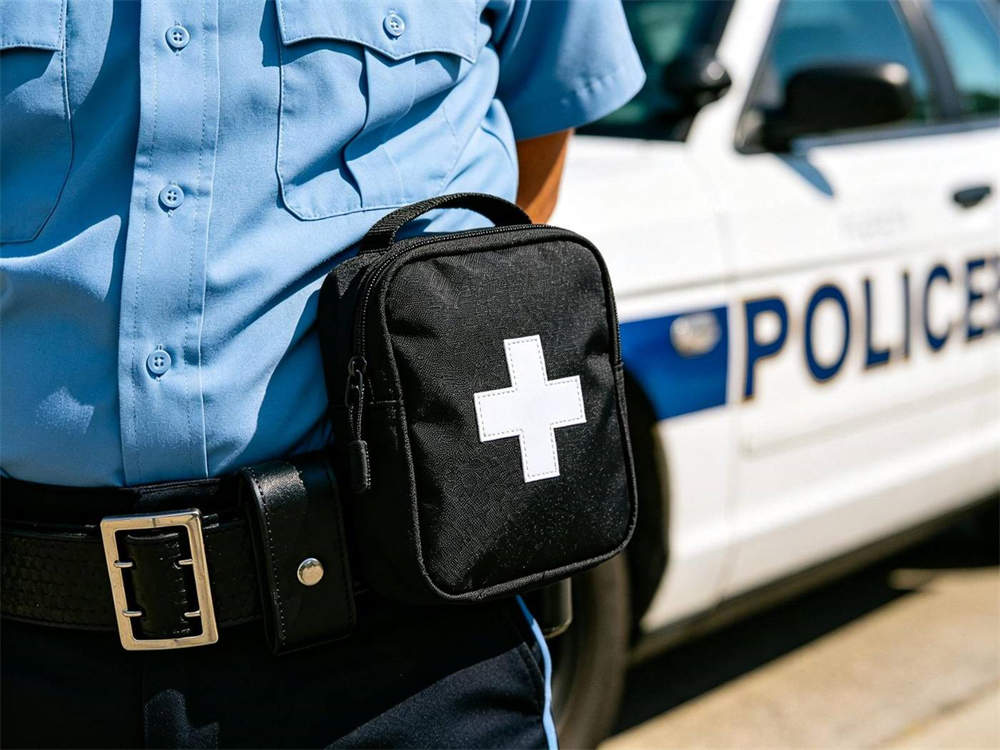
Tactical medics, entry team members, and military operators need compact medical kits for narrow-space operations where full trauma bags cannot be carried. The most common CQB injuries are close-range gunshot wounds, blast injuries from breaching, and lacerations from broken structures. The chest-rig pouch provides fastest access while moving through structures, and the compact tactical bag size fits in narrow doorways and stairwells. Military units and law enforcement tactical teams typically procure 1 compact kit per entry member, with low-visibility materials for night operations and reorder after every training exercise.
|
Recommended Item |
Purpose |
Recommended Item |
Purpose |
|
1. Chest rig medical bag |
Fastest access in narrow spaces |
2. Compact trauma kit (mini) |
Fit in chest rig without bulk |
|
3. Mini tourniquet |
One-handed use in CQB |
4. Mini trauma shears |
Fit in compact pouch |
|
5. Compact pressure dressings |
Cover wounds in narrow spaces |
6. Chest seals (pair) |
Treat entry and exit wounds |
|
7. Nasopharyngeal airway |
Maintain airway indoors |
8. Nitrile gloves (black) |
Barrier protection in operations |
|
9. Emergency blanket (compact) |
Prevent hypothermia |
10. Gauze rolls (small) |
Wrap injuries during movement |
|
11. Medical tape (mini) |
Secure dressings in tight spaces |
12. Abdominal pads (compact) |
Cover large wounds indoors |
|
13. Elastic wraps (mini) |
Support injuries during movement |
14. Safety pins |
Secure dressings in structures |
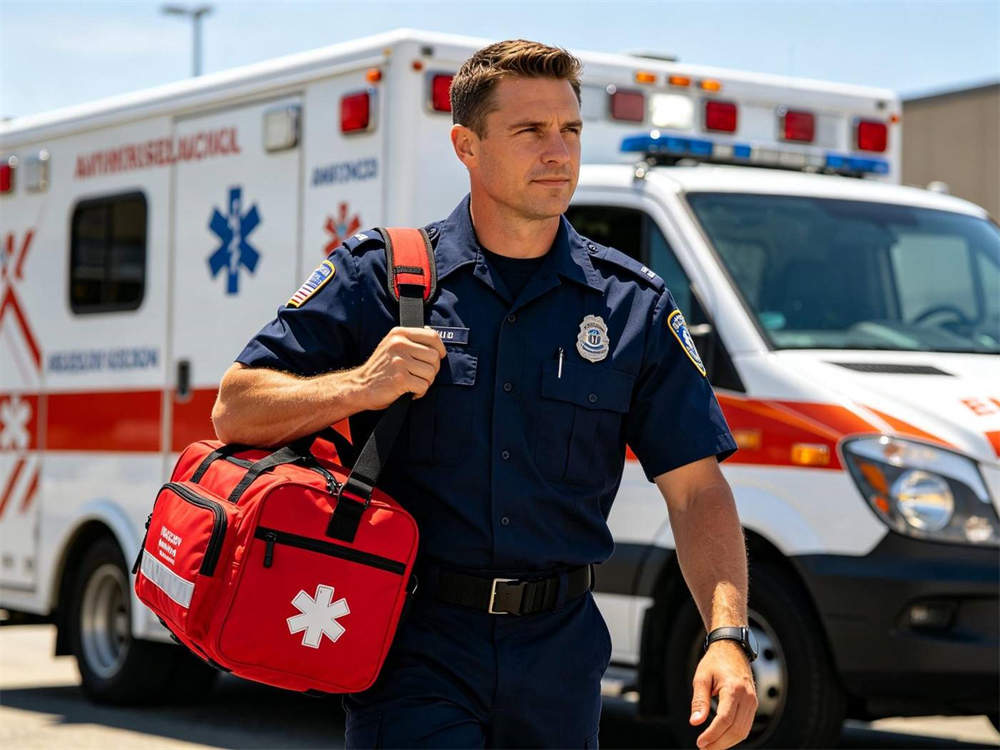
Executive protection agents, VIP security teams, and diplomatic security carry discreet medical kits that do not reveal tactical purpose. The most common protection detail injuries are gunshot wounds from attacks, cardiac events among principals, and allergic reactions to environmental threats. The low-profile pouch fits under suit jackets or in briefcases, and contents cover trauma, cardiac, and allergy emergencies. Security companies and corporate security departments typically procure 1 kit per protection agent, with black or navy low-visibility finishes and quarterly inspection of expiration dates.
|
Recommended Item |
Purpose |
Recommended Item |
Purpose |
|
1. Low-profile concealment pouch |
Fit under suit jacket discreetly |
2. Discreet tourniquet (black) |
Concealight carry for trauma |
|
3. Compact pressure dressings |
Cover wounds without bulk |
4. Chest seals (thin) |
Treat penetrating trauma discreetly |
|
5. CPR mask (pocket) |
Safe rescue breathing in public |
6. Nitrile gloves (black) |
Barrier protection in public |
|
7. Emergency blanket (compact) |
Prevent shock in public |
8. Gauze rolls (small) |
Wrap injuries discreetly |
|
9. Medical tape (mini) |
Secure dressings under clothing |
10. Abdominal pads (thin) |
Cover large wounds discreetly |
|
11. Nasopharyngeal airway |
Maintain airway in public |
12. Trauma shears (compact) |
Cut clothing discreetly |
|
13. Elastic wraps (thin) |
Support injuries without bulk |
14. Safety pins |
Secure dressings discreetly |
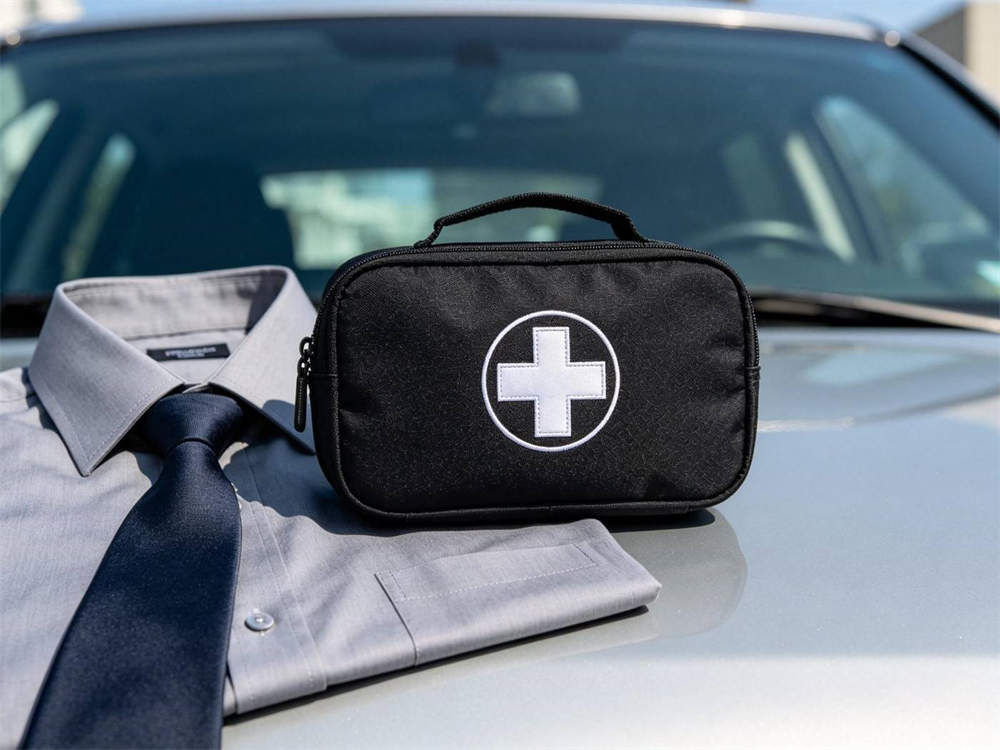
Range safety officers, equipments instructors, and training course directors need medical kits staged at firing lines for training accidents and negligent discharges. The most common range injuries are gunshot wounds from accidental discharges, burns from hot barrels, and eye injuries from brass or debris. The kit includes brass burn care and eye protection for rescuers plus trauma supplies, and the bright-colored case is located at every firing point. Shooting ranges and training academies typically procure 1 kit per firing point plus 1 comprehensive kit at the range office, with inspection before every training session and immediate reorder after any incident.
|
Recommended Item |
Purpose |
Recommended Item |
Purpose |
|
1. Range safety officer trauma kit |
Stage at every firing point |
2. Brass burn non-adherent dressings |
Treat burns from hot brass casings |
|
3. Eye pads with shields |
Protect eyes from dust residue |
4. bright-colored range case |
Locate quickly at firing line |
|
5. Hot barrel burn dressings |
Treat burns from hot barrels |
6. Tourniquet |
Control bleeding from accidental discharge |
|
7. Pressure dressings |
Cover gunshot wounds on range |
8. Abdominal pads |
Cover large range injuries |
|
9. Chest seals |
Treat penetrating chest trauma |
10. Nitrile gloves |
Barrier protection at range |
|
11. Emergency blanket |
Prevent shock after incident |
12. Trauma shears |
Cut range clothing |
|
13. Gauze rolls |
Wrap injuries before transport |
14. Medical tape |
Secure dressings at range |
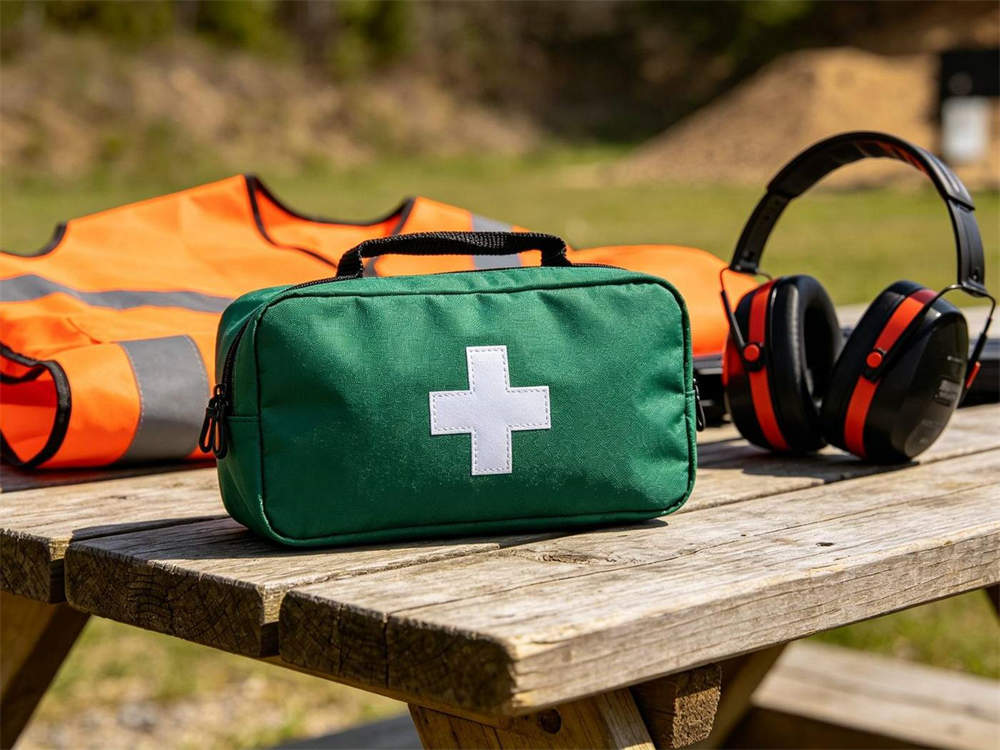
Patrol officers, K9 handlers, and mobile response teams need vehicle-mounted medical kits that are accessible while seated or during traffic stops. The most common patrol injuries are gunshot wounds during calls, cuts from broken glass during pursuits, and medical emergencies encountered on patrol. The drop-leg platform and hard-shell case protect contents from vehicle vibration, and the kit mounts within arm reach of the driver seat. Police departments and highway patrol agencies typically procure 1 kit per patrol vehicle, with vehicle mounting brackets included and monthly inspection during vehicle kit care. Each emergency kit is built to withstand harsh field conditions.
|
Recommended Item |
Purpose |
Recommended Item |
Purpose |
|
1. Vehicle console mount kit |
Access while seated in patrol car |
2. Drop leg medical platform |
Quick access outside vehicle |
|
3. Hard-shell vibration-resistant case |
Protect supplies on rough roads |
4. K9 injury care set |
Treat injured police dogs |
|
5. Traffic stop dressing set |
Treat injuries during stops |
6. Tourniquet |
Control bleeding during calls |
|
7. Trauma dressing pack |
Cover wounds from pursuits |
8. Abdominal pads |
Cover large patrol injuries |
|
9. Occlusive dressing pads |
Treat penetrating chest trauma |
10. Nitrile gloves |
Barrier protection on patrol |
|
11. Space blanket compact |
Prevent shock in vehicle |
12. Trauma shears |
Cut clothing and safety belts |
|
13. Compressed gauze squares |
Wrap injuries before EMS |
14. Medical tape |
Secure dressings in vehicle |
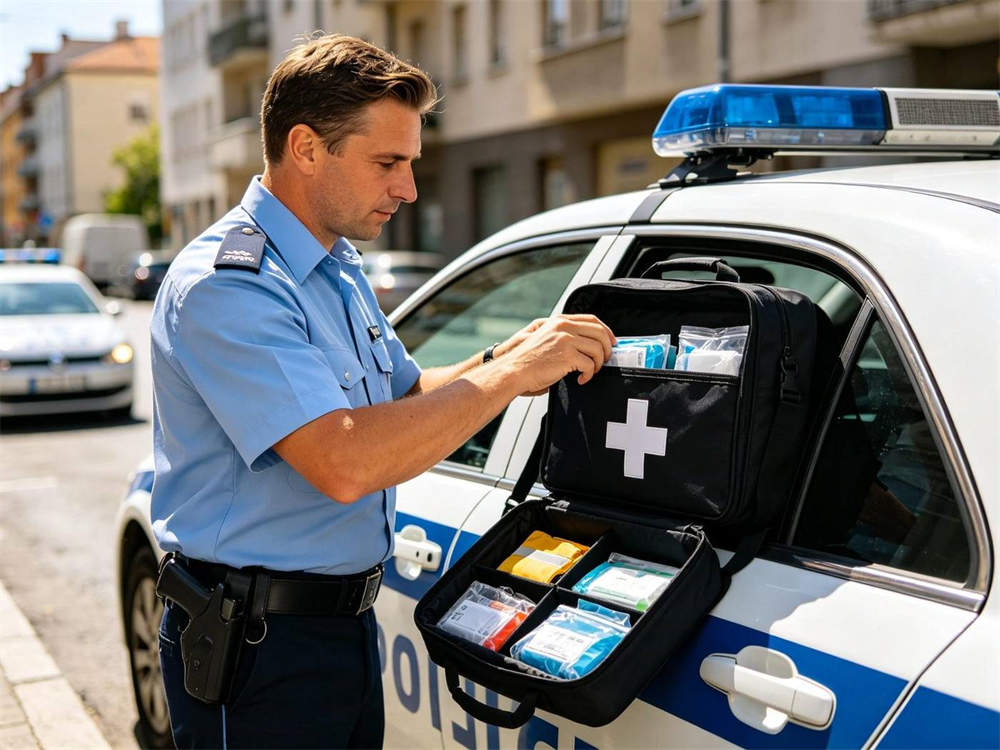
Different tactical roles require different medical kit configurations. This guide helps unit commanders match the right wholesale tactical medical kit from a trusted private label tactical bag programs from a trusted tactical medical kit exporter from a trusted military medical kit factory pricing from a trusted tactical medical kit supplier and tactical bag manufacturer to each operator role, whether ordering a bulk tactical pouch for a security company or a custom tactical kit for a specialized unit.
As a professional tactical kit supplier, we build each configuration for the specific mission profile. Each emergency kit is built to withstand harsh field conditions.
|
Role |
Recommended Kit |
Key Contents |
Mounting |
|
Entry/Assault |
Compact, fast-access |
Tourniquet, chest seal, pressure dressing |
Chest rig or plate carrier mounted configuration medical kit |
|
Cover/Overwatch |
Medium capacity |
Trauma kit, extra gauze, airway |
MOLLE medical bag on back |
|
Team Medic |
Full capacity |
Advanced trauma, airway, chest seals x2 |
Backpack or large MOLLE |
|
High risk law enforcement |
Standard issue |
Tourniquet, pressure dressing, gloves |
Duty belt or drop leg |
|
CQB close quarters |
Ultra-compact |
Tourniquet, chest seal, compact gauze |
Chest rig, dominant side |
|
Executive Protection |
Concealed medical kit |
Discreet trauma kit, CPR mask |
Under suit or briefcase |
|
Tactical training |
Training configuration |
Training tourniquet, practice dressings |
Belt or MOLLE |
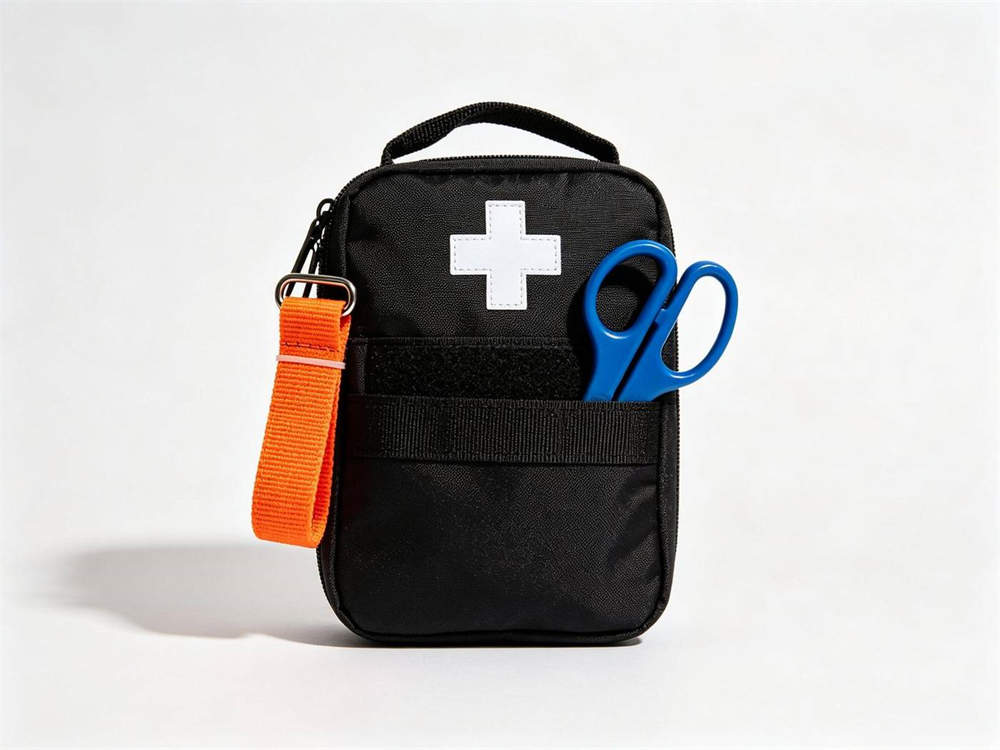
For for security company procurement, our standard operator IFAK configuration provides consistent kits across all personnel. Agency procurement orders support mixed configurations for different roles within a single unit. Unit level order pricing is available for departments standardizing their medical kits, with custom marking and color options for role identification. All kits support one-handed operation for self aid buddy aid scenarios.
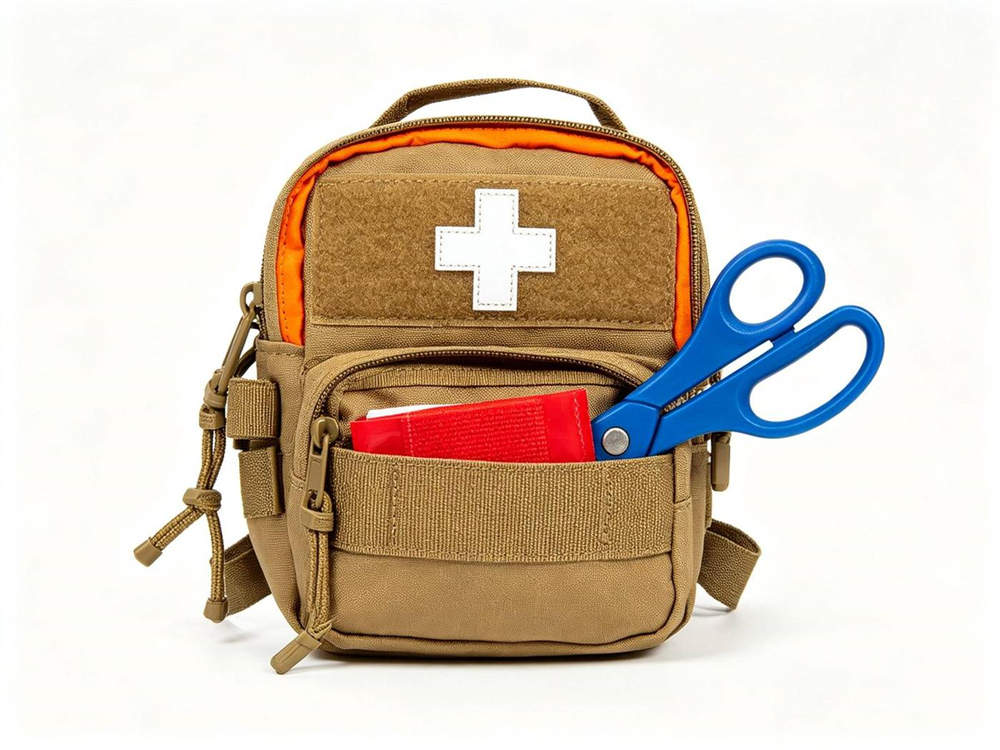
A tactical medical carry kit is only as good as its interface with the operator's gear. If it does not mount securely, access smoothly, or stay in place during dynamic movement, it fails at its core purpose.
|
Component |
Standard Tactical Kit |
Enhanced Tactical Kit |
|
Pouch dimensions |
20 x 15 x 7 cm (closed) |
22 x 17 x 8 cm (closed) |
|
Empty weight |
320 g |
380 g |
|
External tourniquet |
1 x quick-pull pocket |
1 x quick-pull pocket + 1 x secondary strap |
|
Hemorrhage control |
trauma dressing x2, pressure dressing x2, gauze rolls x3 |
trauma dressing x4, pressure dressing x3, gauze rolls x5, wound packing x2 |
|
Airway |
Nasopharyngeal airway x1, lubricant x1 |
Nasopharyngeal airway x2, oropharyngeal x1, surgical airway x1, lubricant x1 |
|
Respiration |
Chest seals x2 (vented), decompression needle x1 |
Chest seals x4 (vented), decompression needle x2, flutter valve x1 |
|
Circulation |
IV start kit x1, saline lock x2 |
IV start kit x2, saline lock x4, IO kit x1 |
All dimensions are approximate and may vary by batch. The pouch body uses a clamshell design that opens flat to 180 degrees, exposing all contents in a single view. The internal backer is a rigid HDPE plate that prevents collapse when the pouch is partially filled.
The mounting interface uses two 25mm MOLLE straps with snap closures. The straps are long enough to weave through 3 rows of PALS webbing on standard plate carrier mounted configurations. The tear-away base allows the pouch to be removed from the mounting plate with a single pull — critical when a teammate needs to access your medical kit without removing your armor.
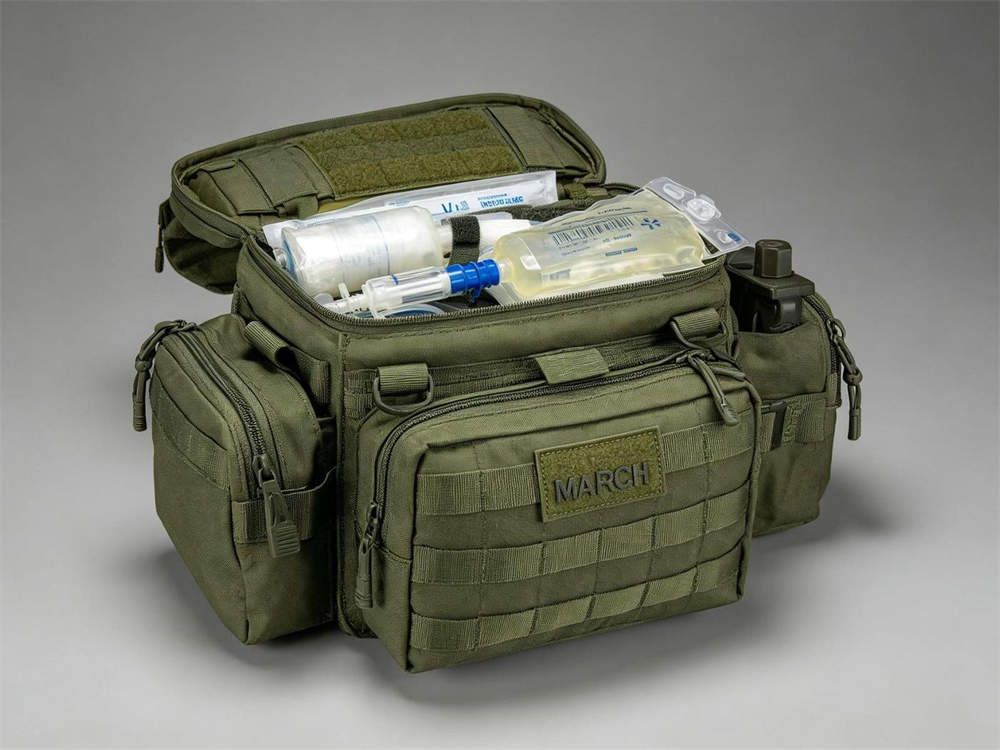
Every material in a tactical medical bag is selected for a specific performance characteristic. There is no room for cosmetic choices that compromise function.
The standard pouch uses 500D Cordura nylon with a PU coating for water resistance. This material offers the best balance of durability, weight, and flexibility for a pouch that is mounted on body armor and accessed repeatedly. For units operating in extreme abrasion environments (vehicle mounting, rope work), we offer 1000D Cordura as an upgrade. Both materials are treated with a water-repellent finish and are available in standard tactical colors.
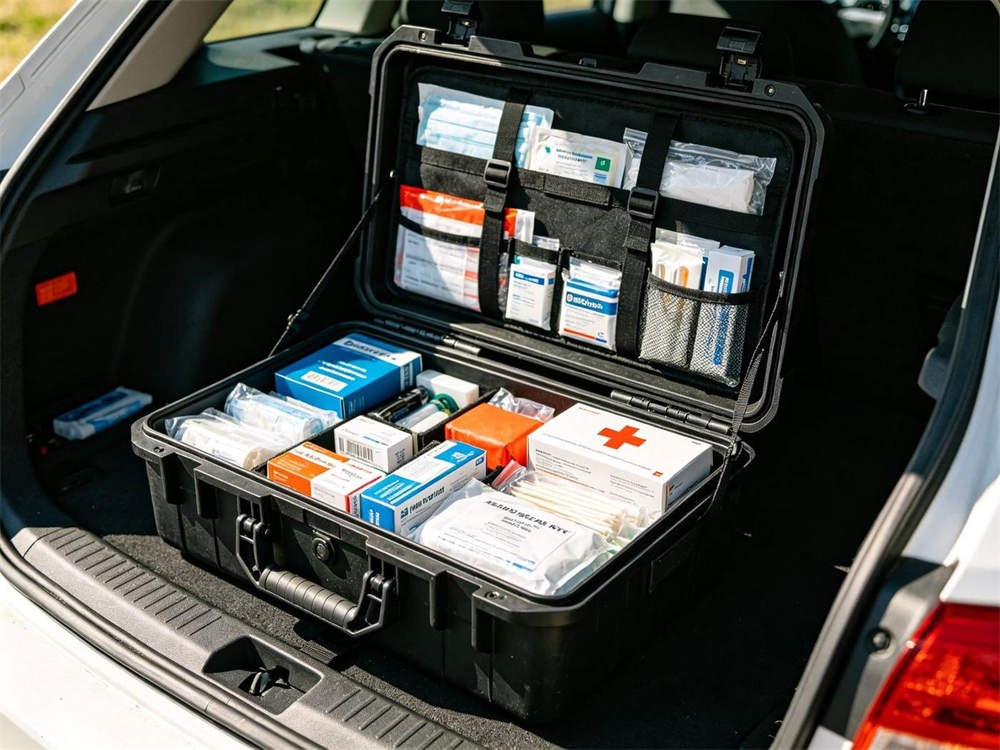
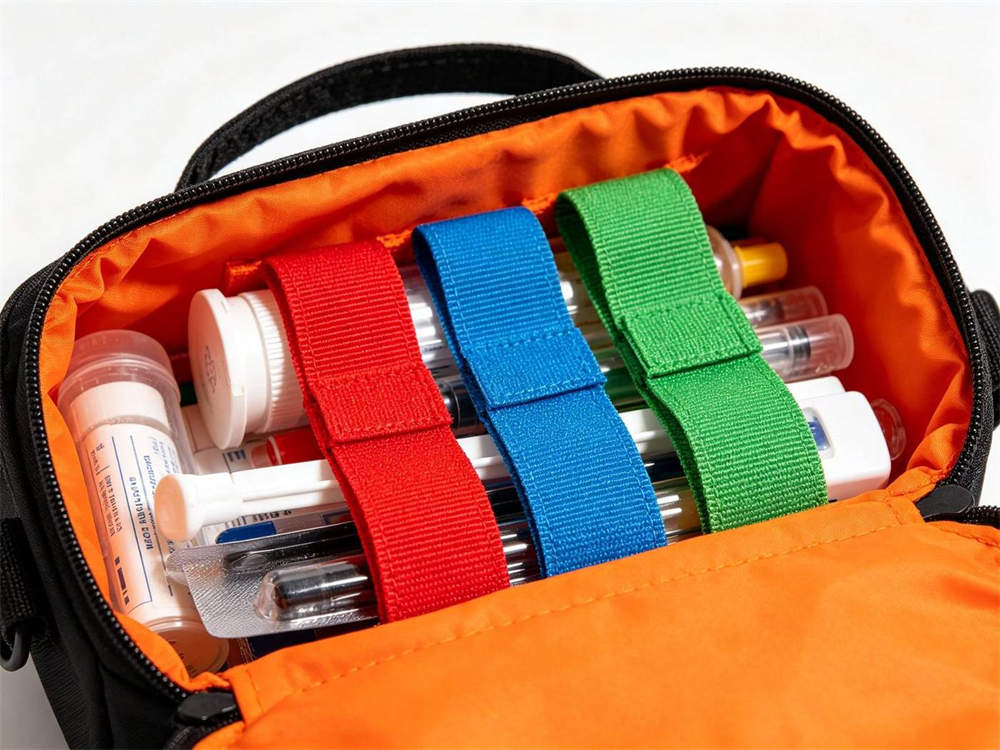
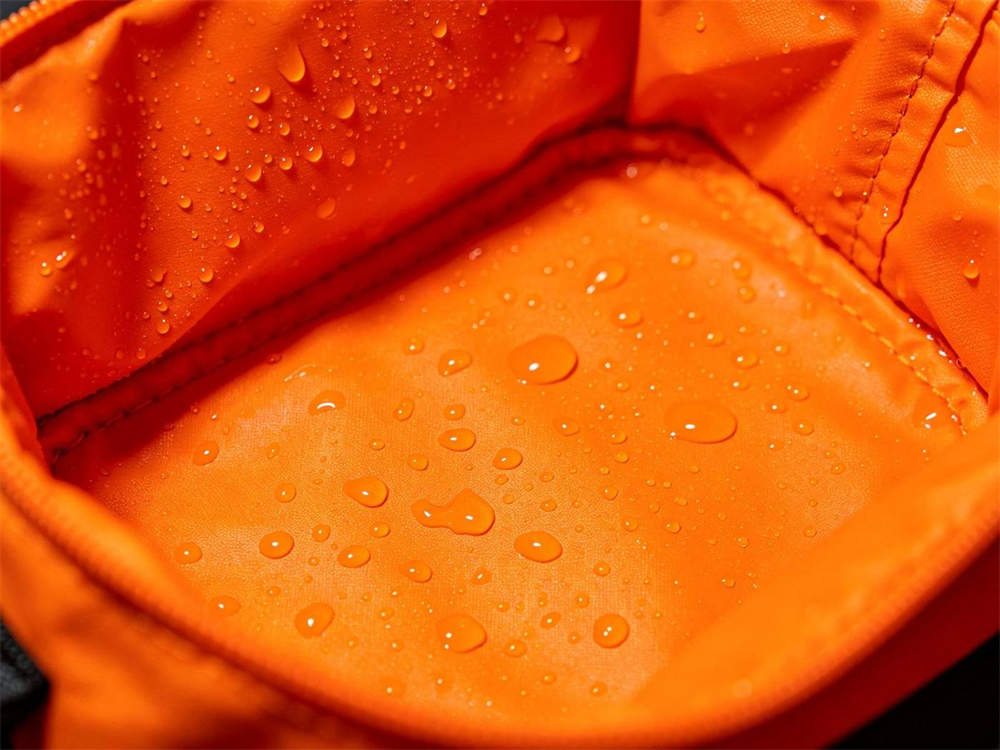
The interior uses a bright orange 420D nylon pack cloth. This high-contrast lining serves two critical functions: it makes dark-colored medical items instantly visible, and it allows the operator to identify empty slots at a glance. The orange lining is a deliberate design choice — not a cosmetic one — and is used by leading tactical medical brands worldwide.
|
Component |
Specification |
Purpose |
|
Zipper |
YKK #8 coil with silent pulls |
Smooth operation with gloves, no noise during tactical entries |
|
Buckles |
ITW GhillieTEX noiseless |
Silent operation, durable polymer construction |
|
MOLLE straps |
25mm nylon webbing, reinforced ends |
Secure mounting to PALS webbing, 3-row weave |
|
Elastic retention |
12mm colored elastic loops |
Color-coded content organization, secure hold |
|
Hook-and-loop |
Milspec Velcro, 50mm wide |
Identification panel, silent closure option |
|
Internal backer |
2mm HDPE rigid plate |
Prevents pouch collapse, maintains shape |
|
Tear-away hardware |
ITW Nexus quick-release buckle |
Single-pull removal by teammate |
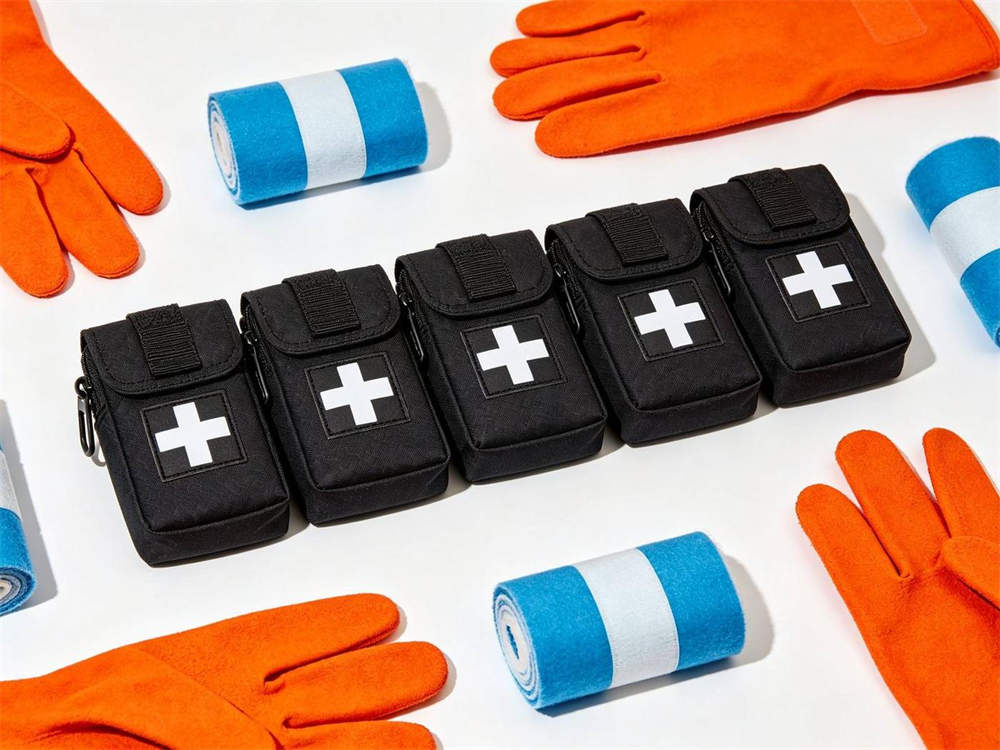
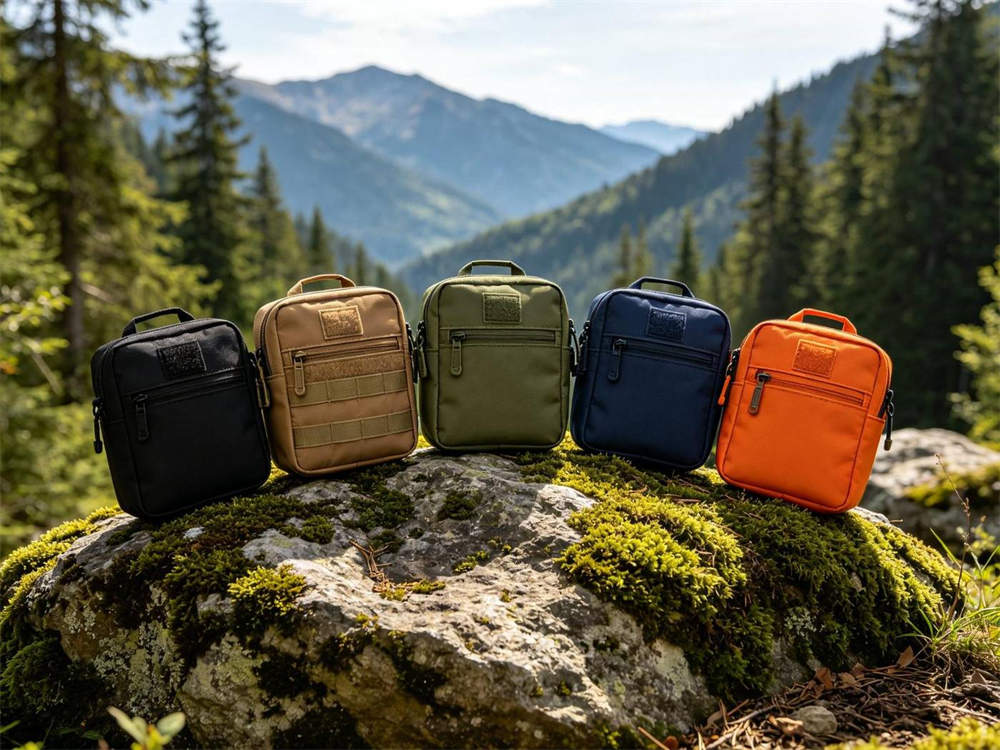
Standard colors include black, coyote brown, ranger green, multicam, and navy blue. Custom colors are available for orders above a confirmed minimum quantity. The interior orange lining is standard across all color options — we do not offer black interior lining because it compromises content visibility under stress.
A tactical medical bag that fails in the field is worse than no pouch — it creates a false sense of readiness. Every design is subjected to field-representative testing before production approval.
The mounted pouch is tested through a full range of tactical movements: running, crawling, climbing, breaching, vehicle entry and exit, and rolling. After 500 movement cycles, the pouch must remain securely mounted, all contents must remain in place, and the zipper must operate smoothly. The MOLLE straps are checked for loosening or wear at the weave points.
The PU-coated 500D Cordura provides IPX4 equivalent water resistance — protection against water splashing from any direction. The pouch is submerged in 1 meter of water for 5 minutes to verify that the zipper and seams prevent water ingress to the interior. For amphibious operations, we offer an optional waterproof liner that provides IPX7 protection (1 meter for 30 minutes).
Materials are tested from -30°C to +60°C. At -30°C, the Cordura remains flexible, the zipper operates without binding, and the elastic retention maintains holding power. At +60°C, the PU coating does not delaminate, the hook-and-loop maintains adhesion, and the HDPE backer does not deform. The YKK zipper uses a cold-weather lubricant that remains effective down to -40°C.
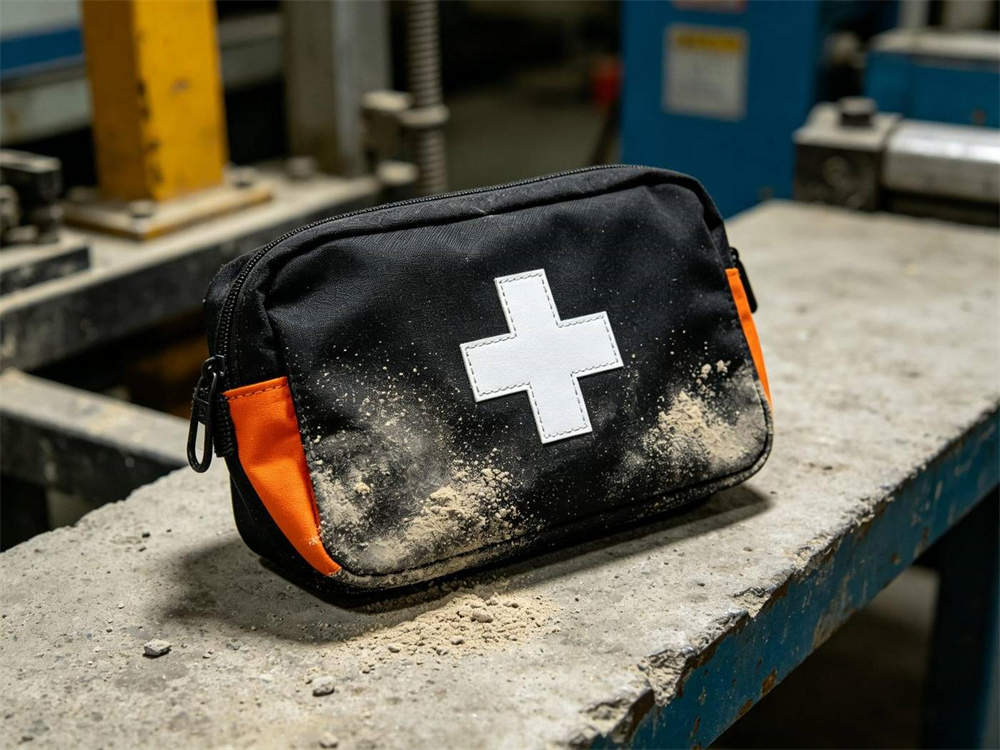
The pouch exterior is rubbed against concrete, barbed wire, and vehicle surfaces for 1000 cycles. The 500D Cordura shows minimal wear after 1000 cycles; the 1000D upgrade shows no visible wear. High-contact areas — the bottom edge, MOLLE strap ends, and zipper garage — use double-layer fabric with bar-tack reinforcement.
The zipper is operated 5000 times without failure. The MOLLE snaps are opened and closed 3000 times. The tear-away buckle is released 1000 times. The hook-and-loop panel is opened and closed 3000 times. All hardware must meet or exceed these cycle counts without functional degradation.
Field Note: The 500D Cordura standard option handles the vast majority of of tactical applications. Upgrade to 1000D only for vehicle-mounted pouches or units operating in extremely abrasive environments. The waterproof liner is recommended for amphibious, maritime, and high-precipitation operations.
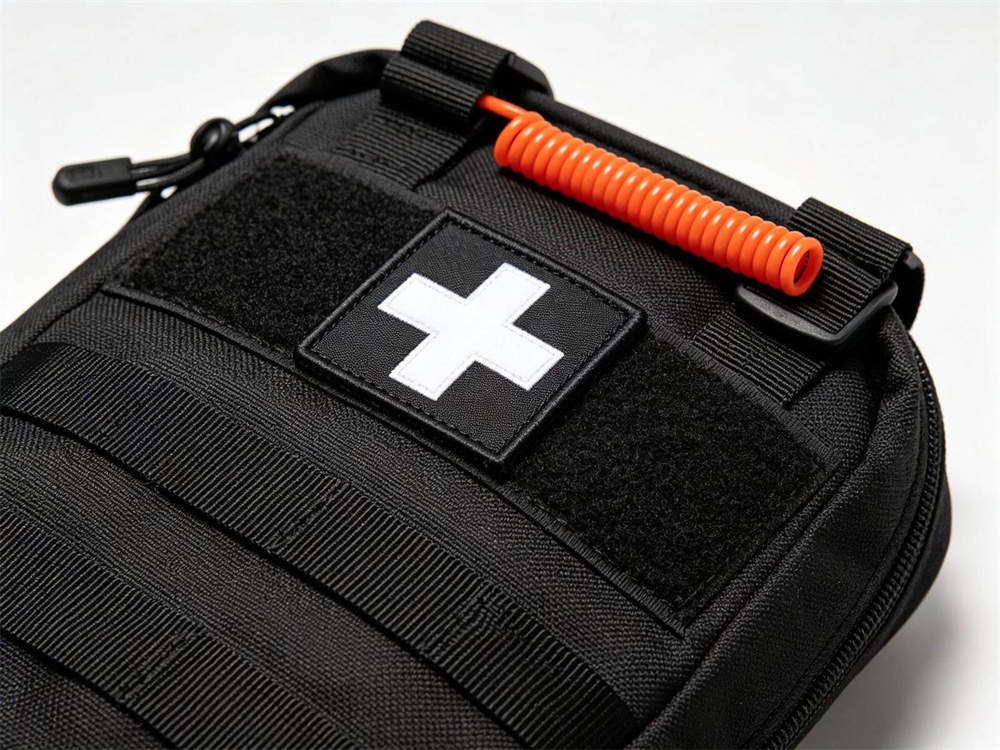
In tactical trauma care, rapid access to hemorrhage control supplies is critical. A pouch that requires two hands, multiple steps, or visual search to access critical items costs lives. Our design is engineered for sub-10-second access to the primary tourniquet and sub-30-second access to all trauma supplies.
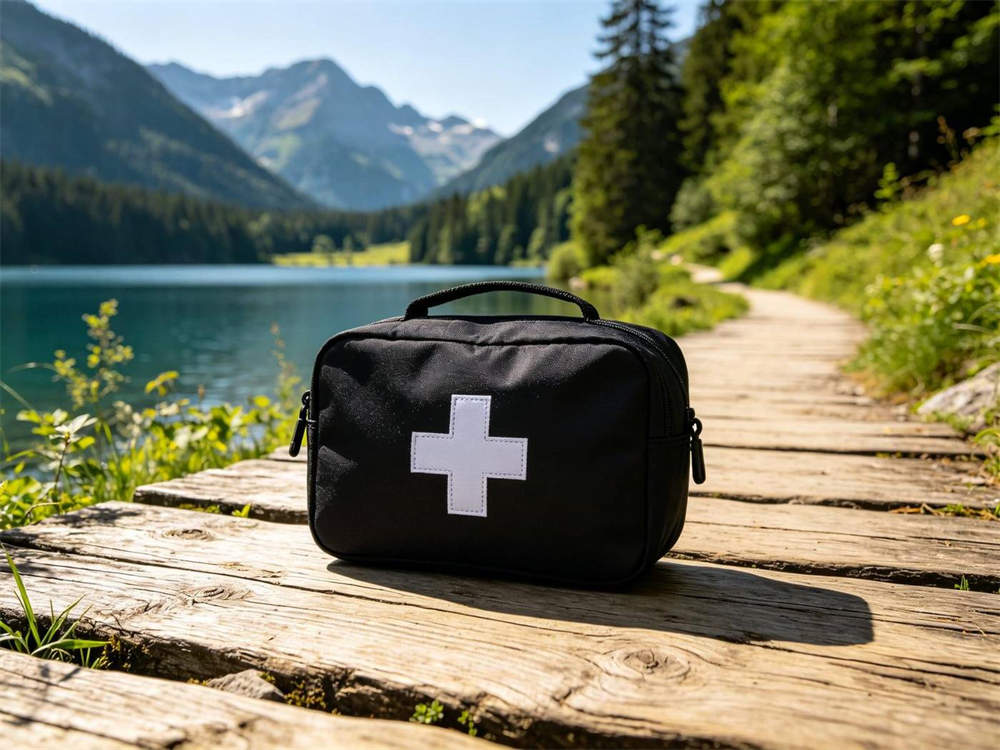
The primary tourniquet is mounted in an external pocket with a friction-fit retention system and a red-tipped pull tab. The operator can deploy the tourniquet in under 3 seconds with one hand, without opening the main pouch. The pocket is positioned on the leading edge of the pouch (the edge closest to the operator's dominant hand when mounted on the support side). This is the single most important design feature of the entire pouch.
The main compartment opens with a single pull on the dual zipper pulls. The clamshell design lays flat, exposing all contents. The operator can work one-handed — holding pressure with one hand while retrieving supplies with the other. The zipper pulls are oversized (50mm) and textured for operation with gloves or wet hands.
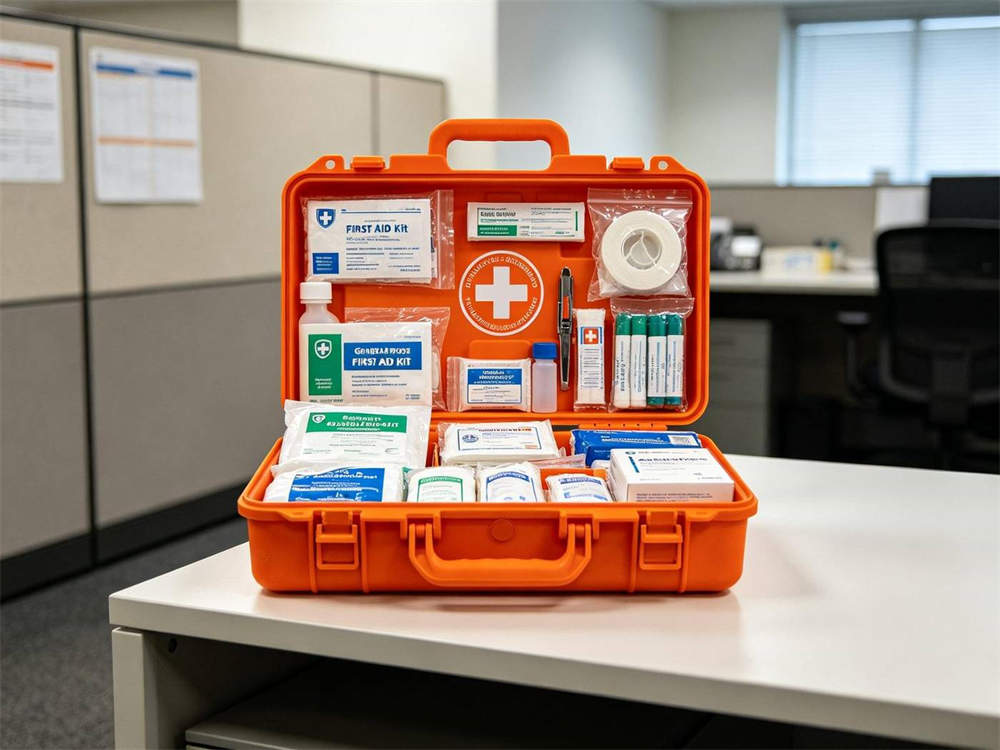
Contents are organized by MARCH protocol with colored elastic loops:
The color coding allows the operator to locate the correct module by glance or touch alone in low-visibility conditions. Each item has a dedicated elastic loop — no items are loose or stacked.
When an operator is injured, a teammate can pull the tear-away tab to remove the entire pouch from the mounting plate. The teammate then has full access to the medical supplies without needing to work around the injured operator's armor. The tear-away mechanism uses a bright red tab that is identifiable by touch alone.
Every interactive element — zipper pulls, buckles, tourniquet tab, tear-away tab — is designed for operation with tactical gloves. No element is smaller than 25mm. No element requires fine motor control. The pouch can be fully operated while wearing cold-weather gloves, mechanix gloves, or even improvised hand protection.
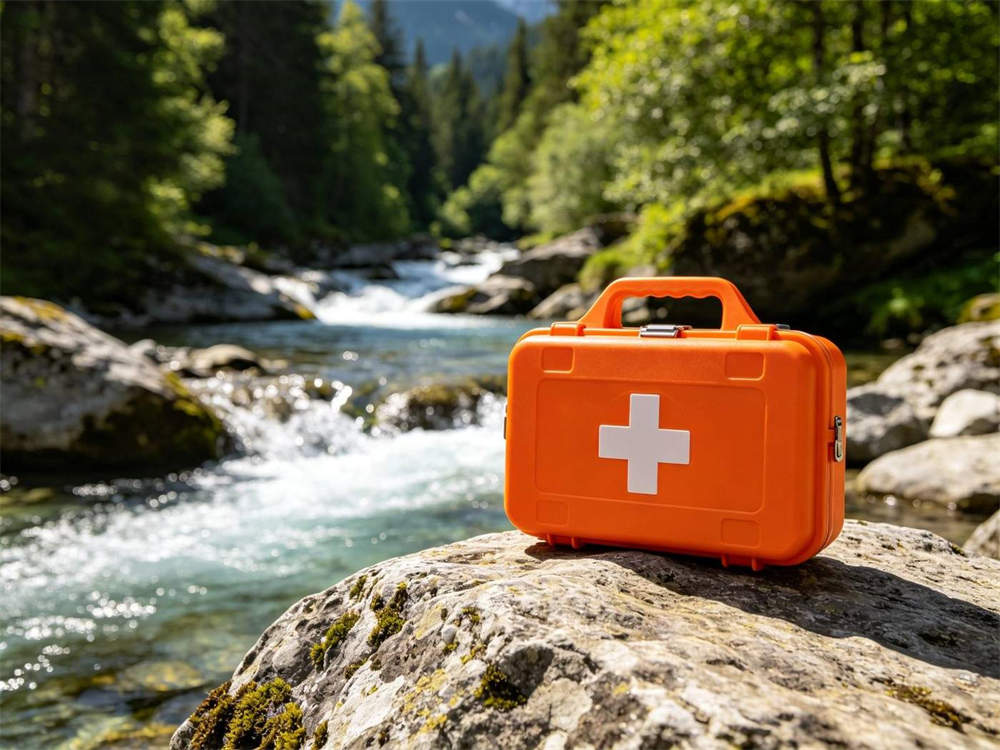
Selecting and configuring a tactical medical carry kit requires matching the pouch to the operator's role, gear setup, and mission profile.
|
Position |
Pros |
Cons |
Best For |
|
Support side cummerbund |
Fast cross-draw access, out of the way of primary gear |
Can interfere with ruck straps |
Standard infantry, tactical teams (most common) |
|
Admin panel front |
Instant visibility and access |
Can interfere with gear manipulation |
Vehicle crews, designated medics |
|
Battle belt |
Easy access when armor is removed |
Adds weight to hips, can shift during movement |
Law enforcement, security contractors |
|
Shoulder strap |
Always accessible, even when seated |
Limited capacity, can be awkward |
Pilots, vehicle operators |
|
Back panel |
Out of the way, large capacity |
Not self-accessible — teammate only |
Team medics with dedicated assistant |
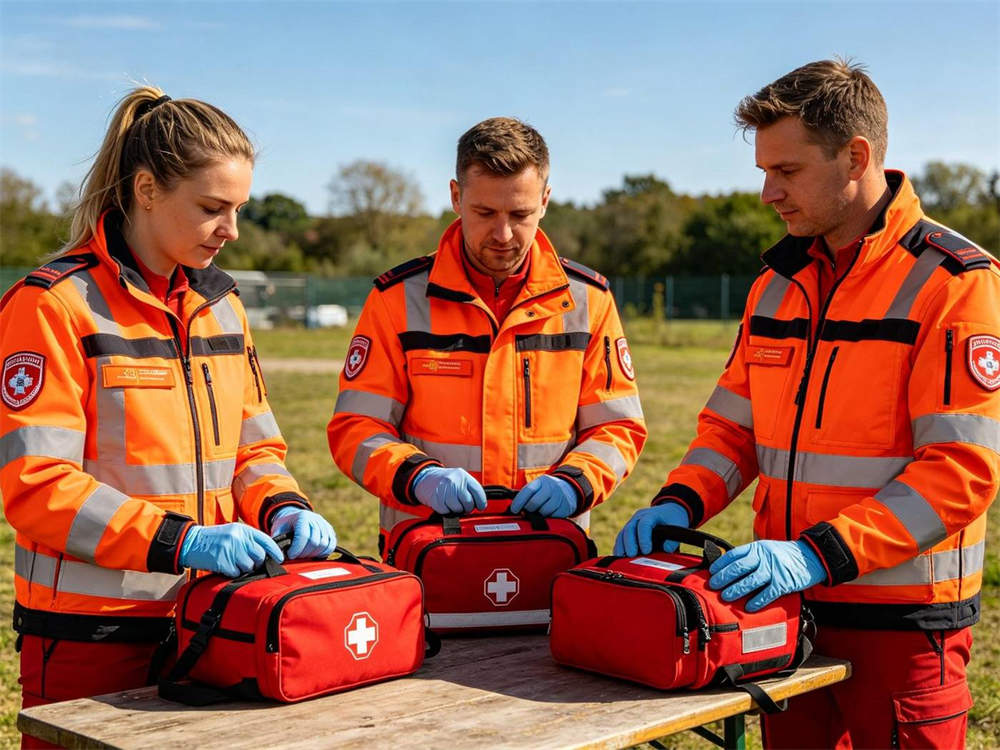
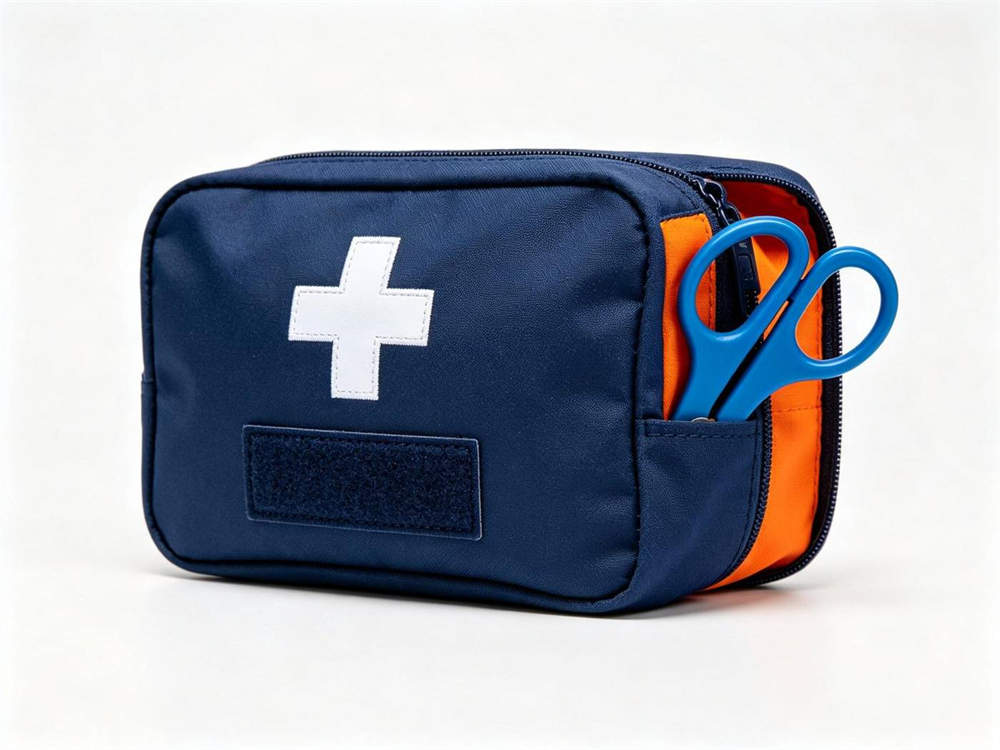
Every operator should carry a minimum of one tourniquet on their person at all times, in addition to the tourniquet in the medical pouch. This can be a dedicated tourniquet holder on the belt, a tourniquet strapped to the rifle, or a tourniquet in a cargo pocket. The medical pouch tourniquet is the backup; the person-carried tourniquet is the primary. This redundancy ensures that even if the pouch is damaged or inaccessible, the operator has a tourniquet available.
A fully loaded standard tactical medical carry kit weighs approximately 800-900 grams. The enhanced configuration weighs 1100-1300 grams. When mounting on a plate carrier mounted configuration, this weight is added to an already heavy load. We recommend that basic riflemen use the standard configuration, with enhanced kits reserved for designated medics. Every item in the pouch should be justified by training — if the operator is not trained to use an item, it should not be in their pouch.
Team member (basic): Standard IFAK-style carry kit with tourniquet, pressure dressing, and chest seal. For self-aid and buddy-aid. Mounts to belt or vest.
Team leader (enhanced): Larger carry kit with airway tools, additional hemorrhage control, and patient assessment supplies. For the first responder on scene until medics arrive.
Designated medic (advanced): Full trauma carry kit with the complete MARCH configuration, IV supplies, and advanced airway. For trained combat medics and corpsmen.
Vehicle medic: Hard-case kit mounted in vehicle with bulk supplies, spinal immobilization, and CPR mask interface. For motorized patrols and convoy operations.
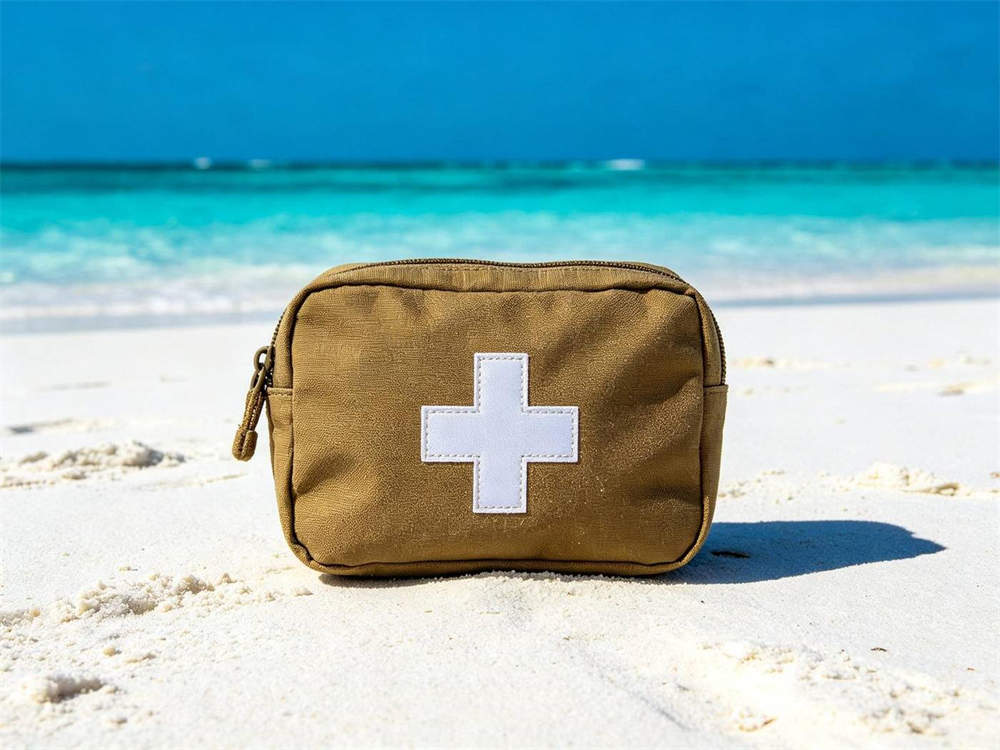
Understanding total cost of ownership helps with budget planning. Consider upfront cost, refill frequency, and replacement cycle. Standard kits have lower upfront cost; enhanced kits reduce refill frequency. Exact pricing confirmed per order based on quantity and configuration
Our emergency medical kits are designed for rapid access and reliable performance in critical situations. Each pouch is constructed with durable, rugged materials and organized compartments for efficient emergency response.
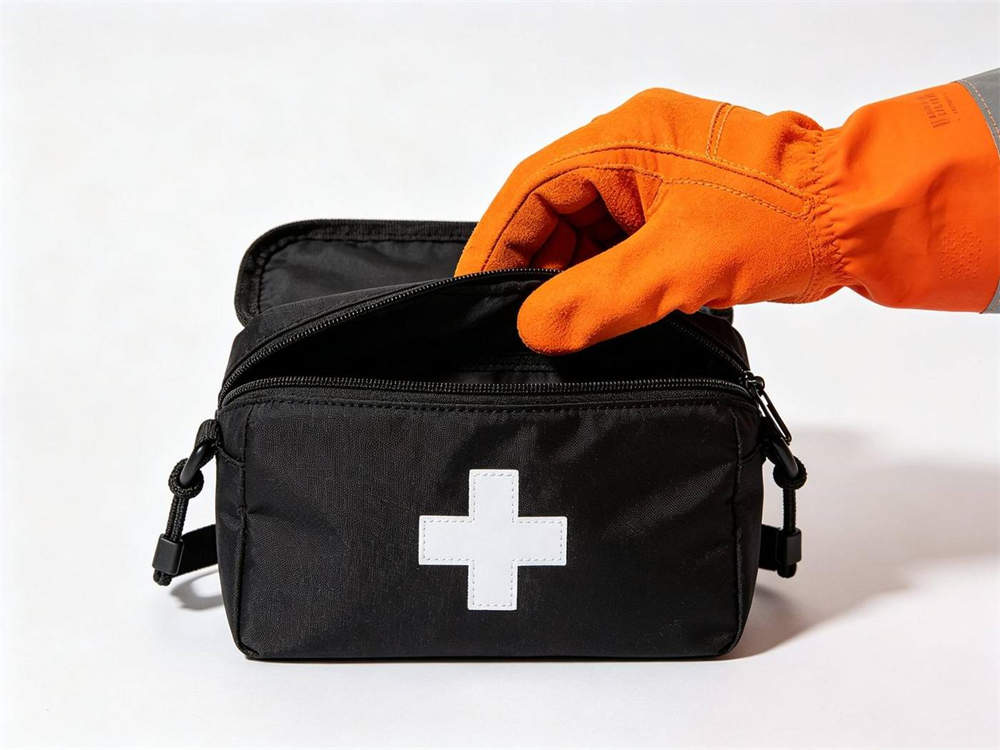
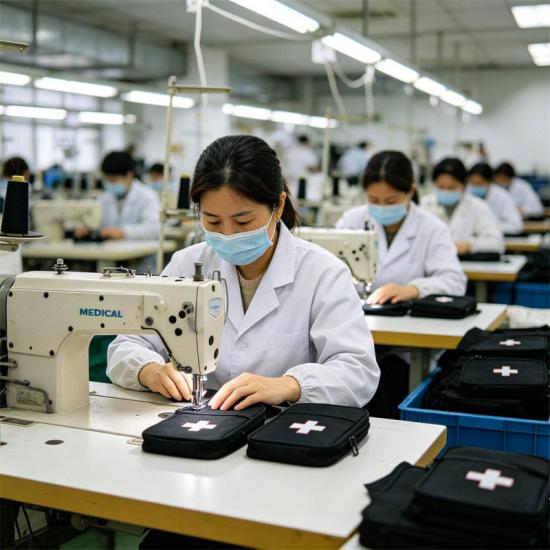
Our tactical production line spans 6,000 sqm with laser cutting, industrial sewing, and MOLLE weaving features. We produce 180,000+ tactical medical pouches yearly for law enforcement and security clients worldwide. All pouches undergo 5,000+ zipper cycle tests and webbing pull tests rated to 200kg. Custom camouflage patterns and unit markings are available for agency orders with secure design approval processes.
Each pouch is constructed with durable materials and organized compartments for efficient emergency response.
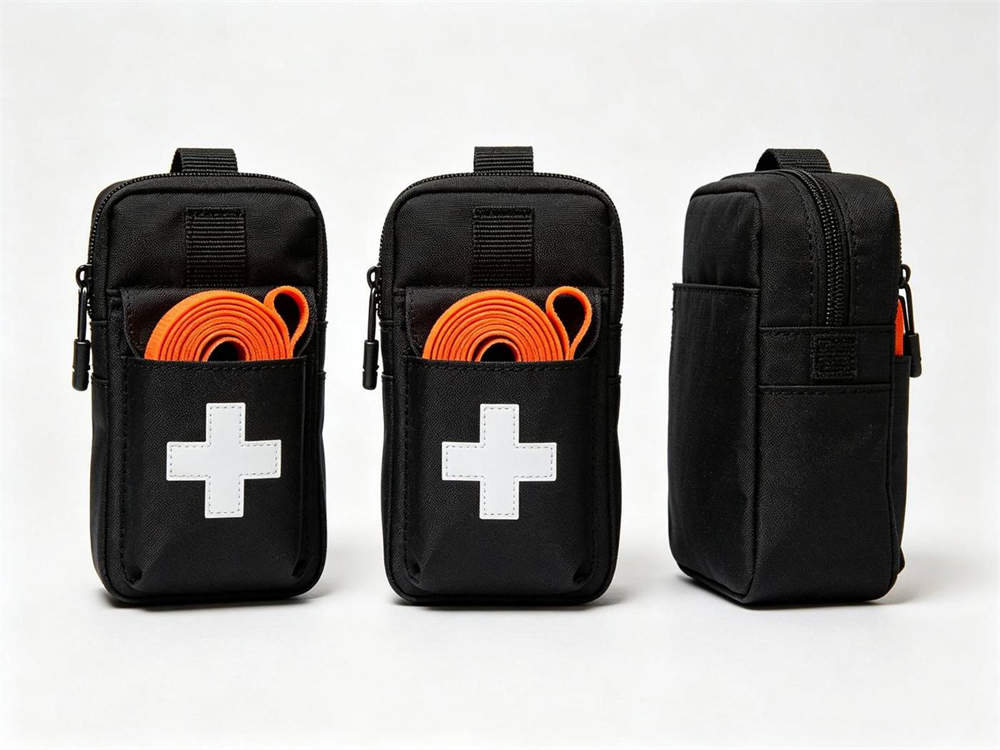
Medical contents in our tactical kits carry applicable certifications including European market compliance documentation available upon request and component suppliers maintain applicable product registrations where required. Tourniquets are medical-grade components sourced from certified manufacturers. wound clotting aids may require additional registration depending on jurisdiction. We provide a complete product specification documentation, including product specifications and batch information. For military procurement, we can provide product specification sheets for your procurement records.
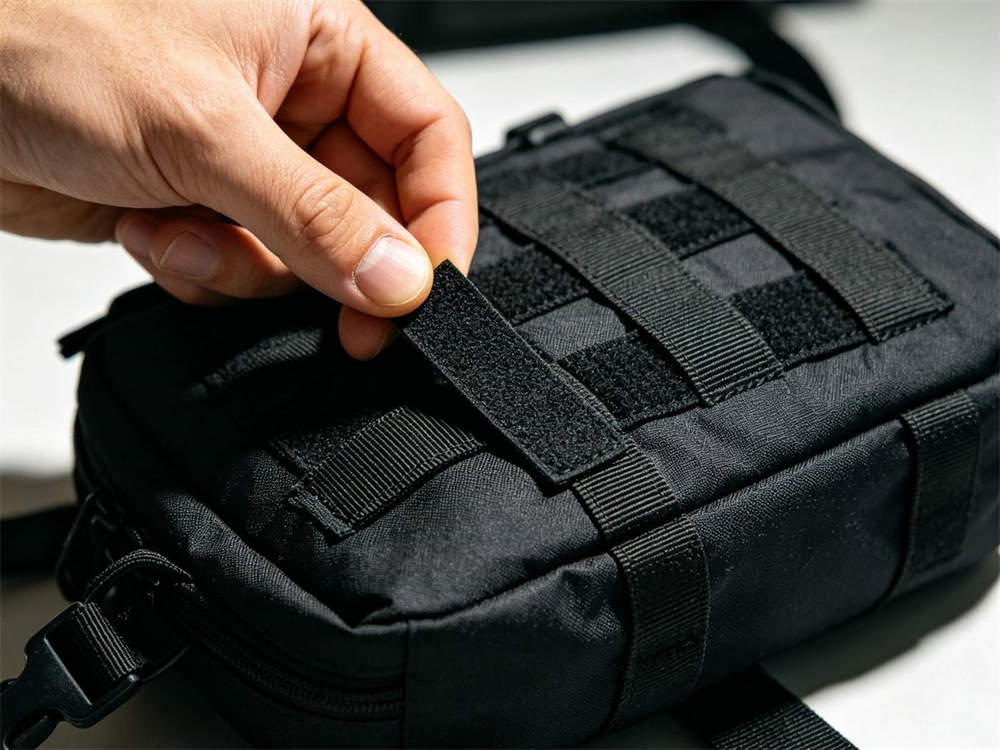
Every tactical medical kit passes through a 5-stage inspection process:
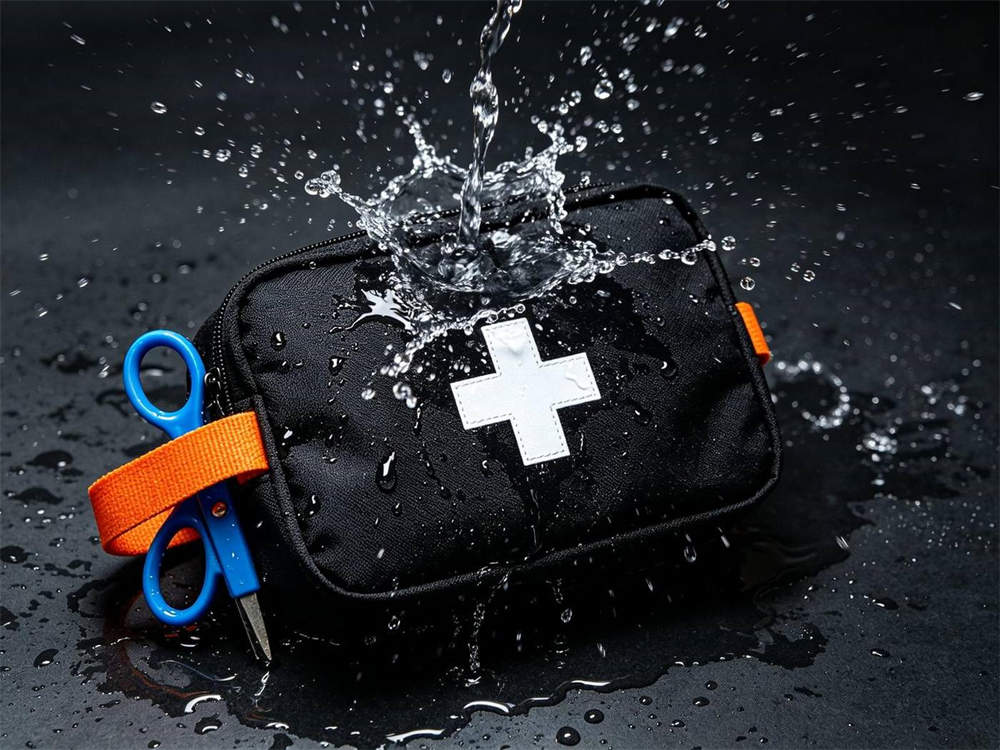
Before any new design enters production, it undergoes field testing with active tactical operators. The testing protocol includes: 30 days of continuous carry in operational conditions, access speed testing under stress (timed with gloves, in low light, and after physical exertion), dynamic movement testing (running, crawling, climbing, vehicle operations), and environmental exposure (water, dust, temperature extremes). Feedback from field testers is incorporated into the design before production approval.
Bulk orders follow AQL 1.5 general defect standards and AQL 0.65 for critical defects (missing life-saving items, broken hardware, incorrect configuration). This stricter standard reflects the life-safety nature of tactical medical kits. For government and military contracts, we accommodate third-party inspection at our facility and can provide inspection reports from recognized testing organizations.
Each kit includes a unique batch number and production date. Medical contents are tracked by lot number. This traceability allows targeted recalls if a specific content item is found to have a quality issue. We maintain production records for a minimum of 5 years, including supplier lot numbers, inspection records, and shipping documentation.
For military units, law enforcement agencies, and security organizations purchasing tactical medical kits at scale, we offer structured programs that simplify procurement and ensure consistency.
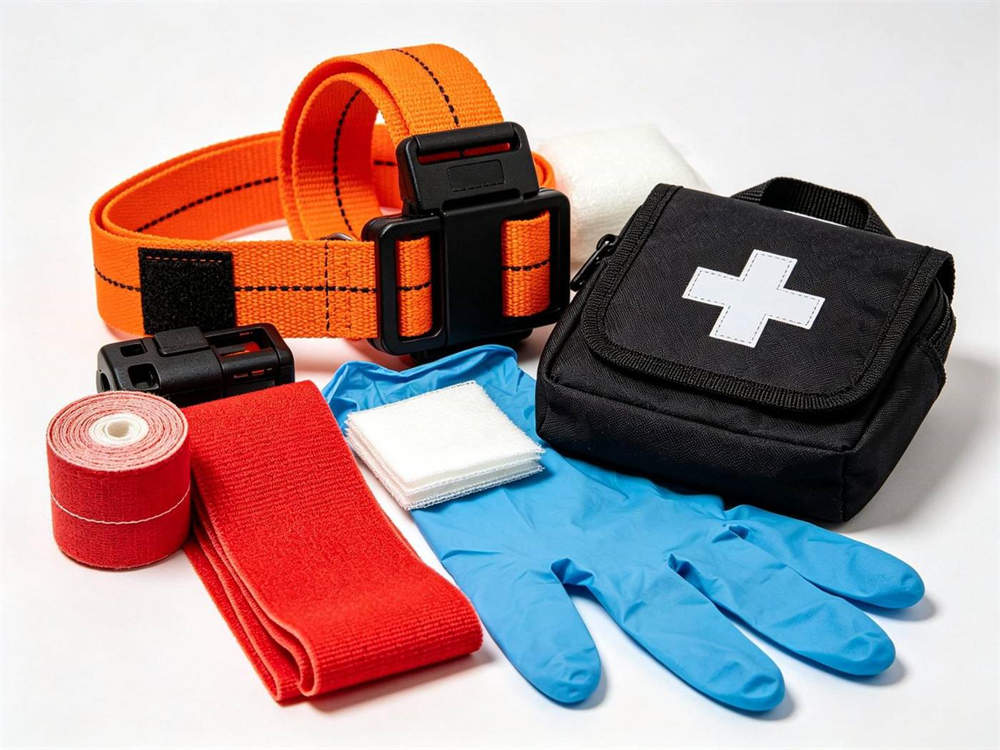
For units that want every operator to carry the same medical kit configuration, we offer a unit standardization program. This includes: a single approved configuration for all unit members, consistent color and marking, centralized purchasing with volume pricing, and a dedicated account manager for all reorders and support. Standardization ensures that every operator knows the layout of every pouch — critical when providing buddy aid to a teammate.
For units with ongoing medical gear requirements, we offer multi-year supply contracts with fixed pricing. The contract covers initial kit procurement, annual content rotation, pouch replacement, and emergency reordering. This provides budget predictability and ensures that the unit always has access to the same configuration. Contract terms are confirmed based on annual volume and duration.
While we do not provide direct medical training, we support unit training programs by: providing configuration-specific content lists for training integration, offering dummy/inert versions of kits for training use (reduces wear on operational kits), and providing product familiarization materials for new unit members. We can also recommend reputable tactical medical training providers in your region that specialize in TCCC/TECC and tactical trauma care.
For law enforcement and government agencies, we offer official agency marking options: embroidered agency name or badge number on the pouch flap, custom color matching to agency uniform standards, serialized numbering for inventory tracking, and agency-specific packaging. Minimum order quantities apply for custom marking. All agency marking requires official authorization documentation.
We support government and military tender processes with: complete technical proposals, sample kits for evaluation, company capability documentation, past performance references, pricing proposals with volume structures, and delivery schedule proposals. We understand the specific requirements of military and law enforcement procurement and can provide the documentation and certifications these processes demand.
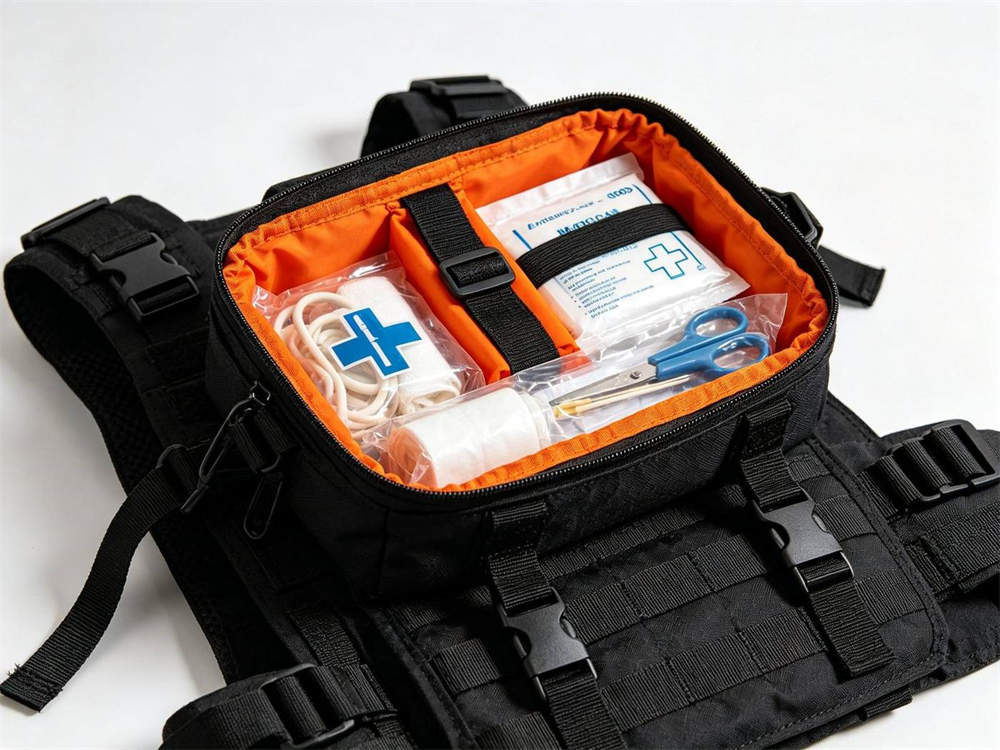
While standard configurations cover most tactical requirements, many units need specific modifications to match their protocols, gear, and operational needs.
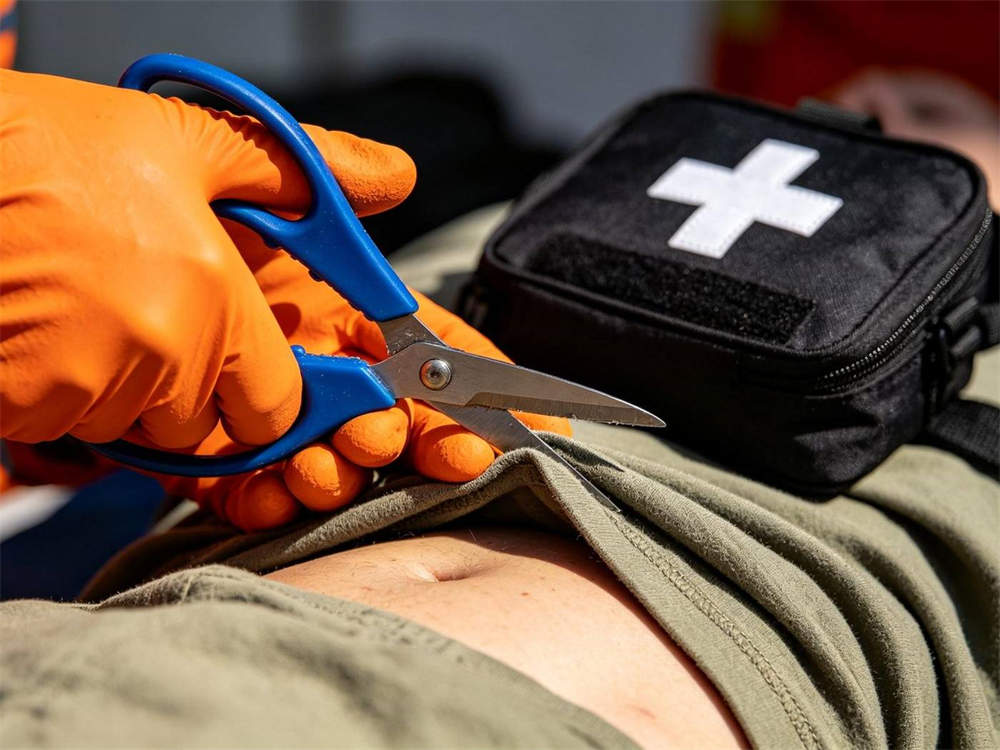
The standard and enhanced content lists can be modified to match your unit's medical protocols. Common customizations include:
All custom contents are confirmed in writing before production. We provide a custom content list for your unit medical officer's review and approval.
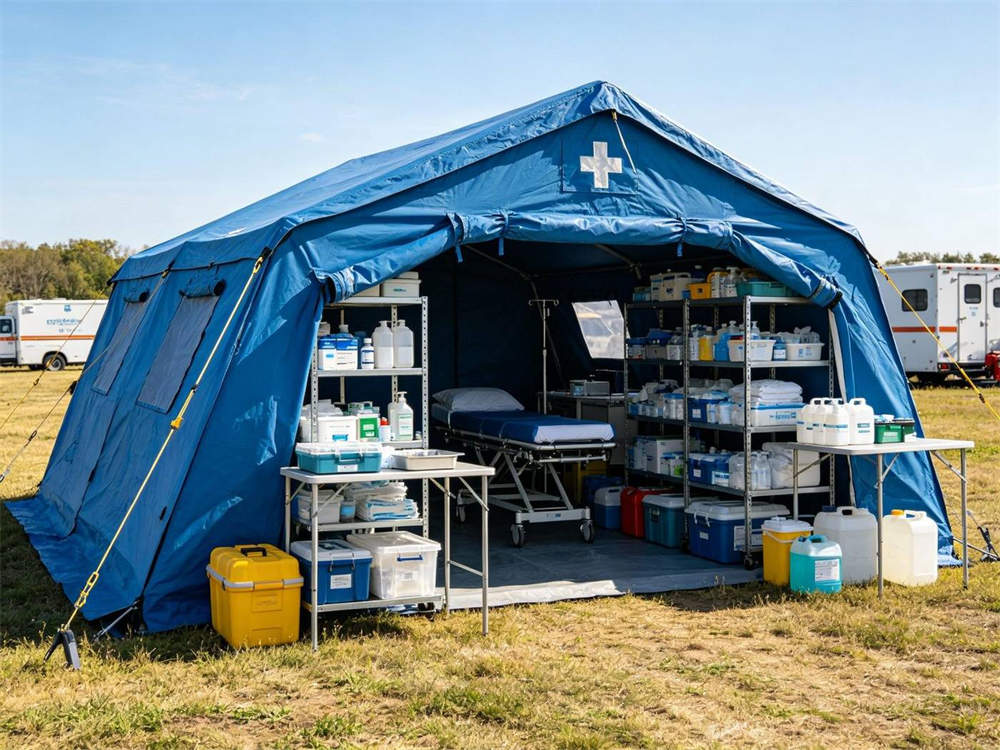
Pouch modifications include: custom MOLLE strap configuration (additional straps, horizontal mounting, belt loop conversion), modified internal layout (custom elastic positions, additional pockets, dedicated item holders), modified opening system (zipper-only, hook-and-loop-only, or hybrid), and size adjustments for specific gear compatibility. Structural modifications require a development sample and are typically available for orders above a confirmed minimum quantity.
All custom builds follow a formal process:
(1) Requirements gathering — we work with your unit medical officer or training NCO to define specific needs;
(2) Design proposal — we provide a detailed configuration with pouch modifications and content list;
(3) Medical review — your unit medical officer reviews and approves;
(4) Sample production — we produce a physical sample for your evaluation;
(5) Field validation — your unit tests the sample in training conditions;
(6) Approval — you approve the final design;
(7) Bulk production — we produce the full order to the approved specification. The approved configuration is locked in your account record for all future reorders.
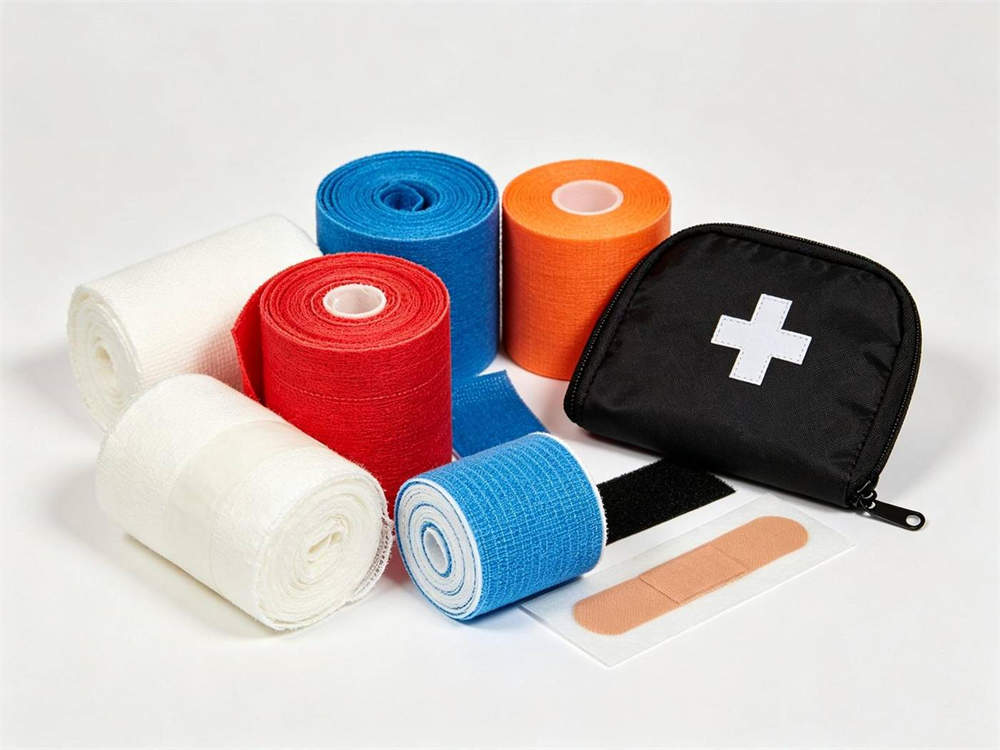
Tactical team medics: Primary response bag. MOLLE-mounted to plate carrier mounted configuration for instant access.
Private security & executive protection: Enhanced with tourniquet and chest seal. Vehicle and foot patrol.
Law enforcement tactical units: Standard for active shooter response. One per officer plus team medic kit.
Military units (non-combat): Enhanced for field operations. Durable for harsh environments.
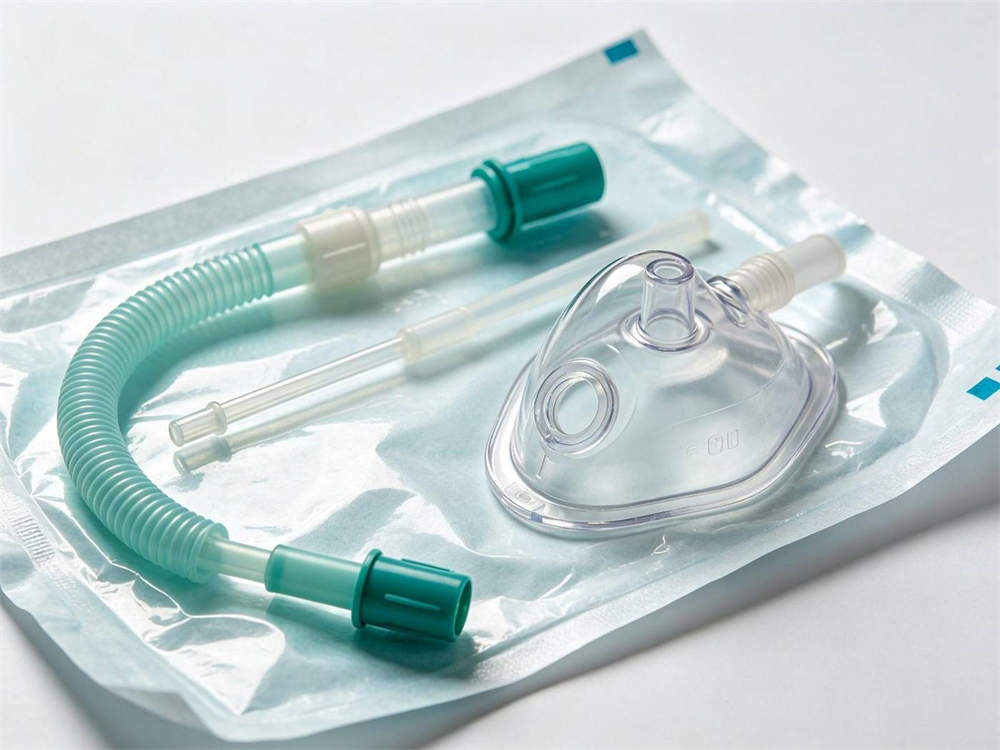
Tourniquet: Stops severe limb bleeding. One-handed application trained to every operator.
Chest seal: Covers penetrating chest wounds. Prevents tension pneumothorax.
Pressure dressing: Controls junctional bleeding (groin, armpit, neck).
trauma dressing: Packed into deep wounds to accelerate clotting.
Nitrile gloves (2 pairs): Barrier protection. One for assessment, one for treatment.
Trauma shears: Cut body armor and clothing to access wounds.
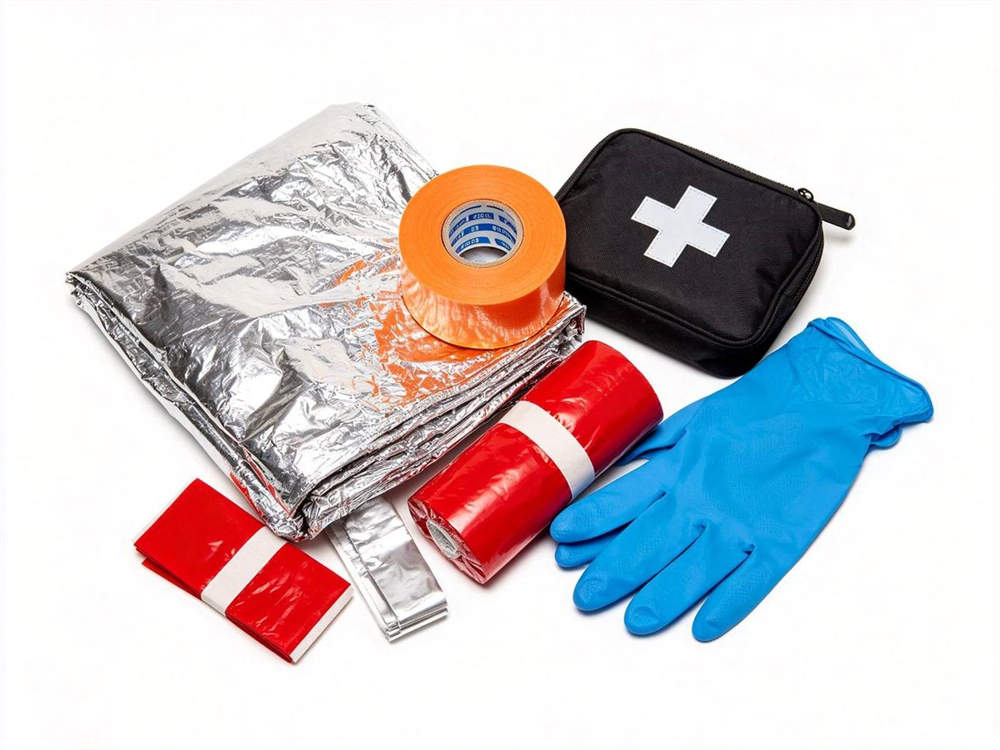
Q: What marking and identification options are available?
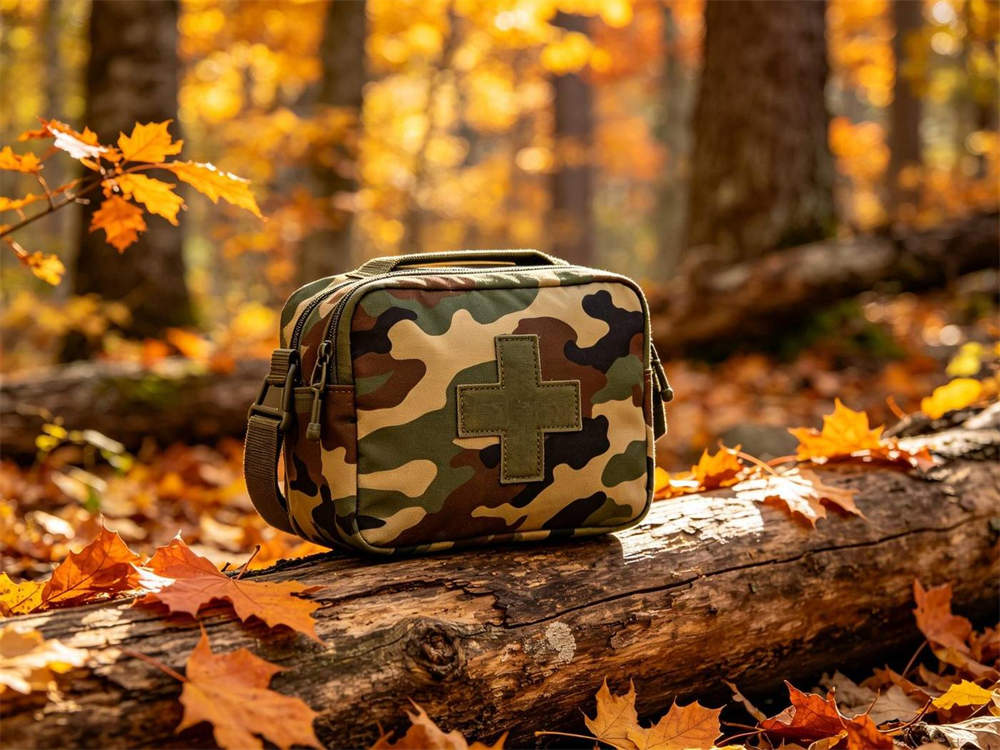
A: We offer embroidered medical crosses, reflective patches, IR identifiers, and custom unit patches. Pouches are available in black, coyote brown, OD green, navy blue, and multicam to match your agency's uniform and gear requirements.
Q: Are these kits suitable for vehicle patrol use?
A: Absolutely. Many agencies mount a larger tactical medical kit in vehicle consoles or door panels for rapid access during traffic stops and mobile response. We offer hard-shell options that protect supplies from vibration and temperature extremes.
Q: What is the typical lead time for bulk orders?
A: Standard pouches ship within 15-20 business days for orders under 500 units. Custom configurations require 25-35 business days including sample approval. We provide detailed production timelines and tracking once your order is confirmed.
Q: Do you offer custom configuration for agencies?
A: Yes, we provide full custom builds for law enforcement, security, and EMS agencies. You can specify pouch color, internal layout, marking options, and supply contents. MOQ for custom configuration starts at 50 units with volume pricing available.
Q: How often should I replace the contents?
A: We recommend inspecting supplies every 6 months and replacing expired items annually. Trauma dressings, tourniquets, and chest seals have 3-5 year shelf lives. Agencies typically set a rotation schedule based on manufacturer expiration dates and usage logs.
Q: What materials are used in construction?
A: Our pouches use 500D or 1000D Cordura nylon for abrasion resistance, YKK zippers or Duraflex buckles for reliable closure, and internal elastic organizers to keep supplies secure. Many models include water-resistant coatings and drainage grommets.
Q: Can these pouches be mounted on a duty belt?
A: Yes, our tactical medical pouches fit standard 2-inch duty belts using either MOLLE straps or dedicated belt loops. The low-profile design sits close to the body and won't interfere with weapon manipulation or other duty gear.
Q: What is the difference between an IFAK and a tactical medical kit?
A: An IFAK (Individual First Aid Kit) is typically smaller and carried by each operator for personal use. A tactical medical kit may be larger, team-carried, and include additional supplies like chest seals, airway devices, and extra trauma dressings for multiple casualties.
Q: How does a MOLLE medical pouch mount to gear?
A: MOLLE medical pouches use webbing straps that weave through PALS rows on plate carriers, chest rigs, and duty belts. The straps secure with snaps or Velcro, creating a rigid mount that won't shift during movement or rapid extraction.
Q: What is a tactical first aid kit used for?
A: A tactical first aid kit provides immediate trauma care for operators in high-risk environments. It focuses on life-threatening injuries like severe bleeding, airway compromise, and chest wounds, enabling self-aid and buddy-aid before professional medical help arrives.
A tactical first responder kit combines rapid access medical supplies with durable construction, while a police duty medical kit is specifically configured for patrol officers who need immediate access to trauma care on the belt line.
An EMS tactical pouch serves pre-hospital providers operating in high-threat environments, and an active shooter medical kit prioritizes bleeding control supplies for mass casualty response scenarios.
A blowout kit tactical setup includes essential trauma dressings and chest seals, while a combat medical pouch features MOLLE compatible trauma pouch webbing for secure mounting on plate carriers and chest rigs.
Law enforcement first aid programs standardize medical kits across departments, and security team medical kit configurations are available for private protection and event security personnel.
The rapid access medical pouch design enables one handed operation under stress, and a duty belt medical pouch fits standard 2-inch utility belts with secure retention systems.
Agency first aid program pricing supports bulk procurement for departments, and unit medical kit procurement specialists can assist with configuration, volume pricing, and delivery timelines.
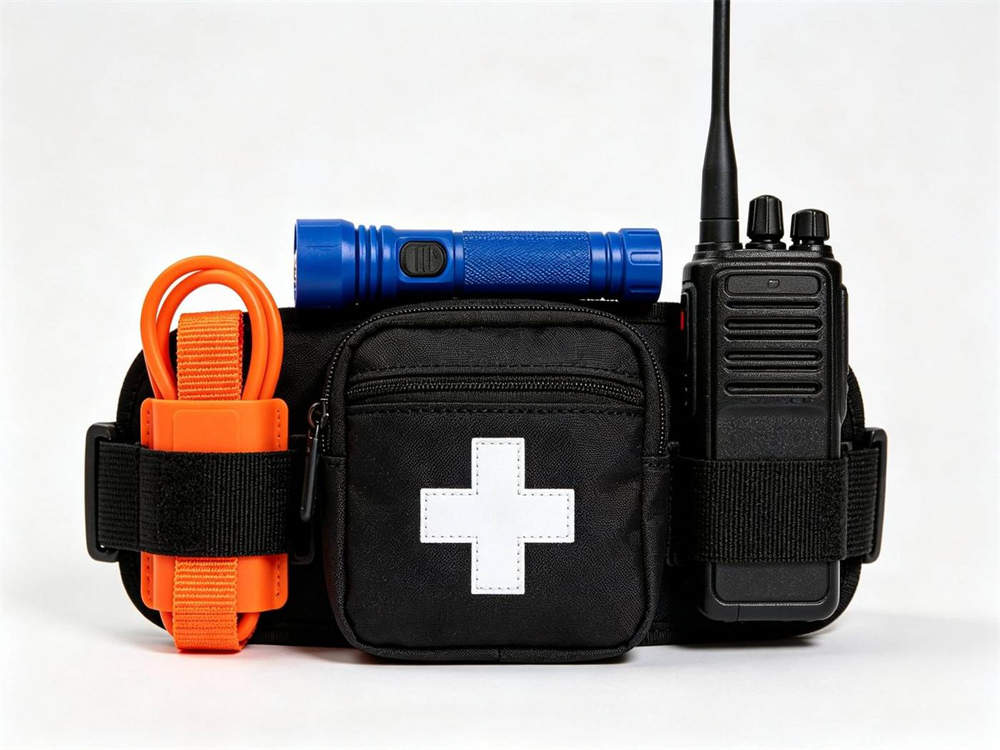
Explore our complete catalog of first aid and trauma response kits:
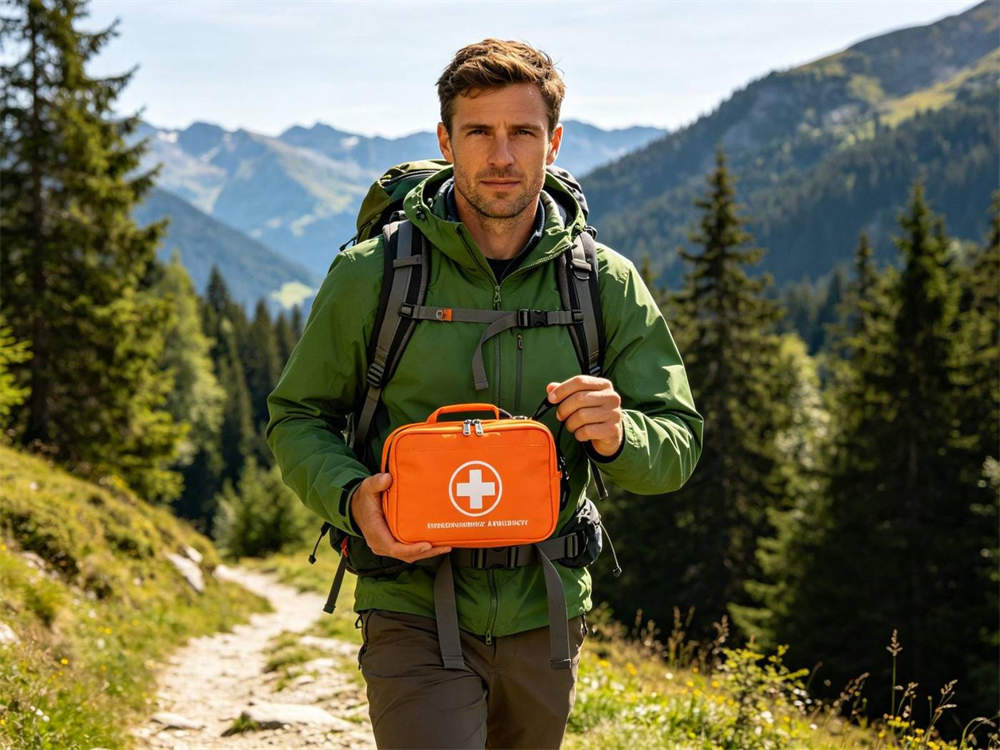
With over 20 years of manufacturing experience, we deliver high-quality tactical medical carry kit with rigorous quality control, rapid deployment design, and durable construction for field operations products with bank transfer payment terms and flexible MOQ for wholesale orders.
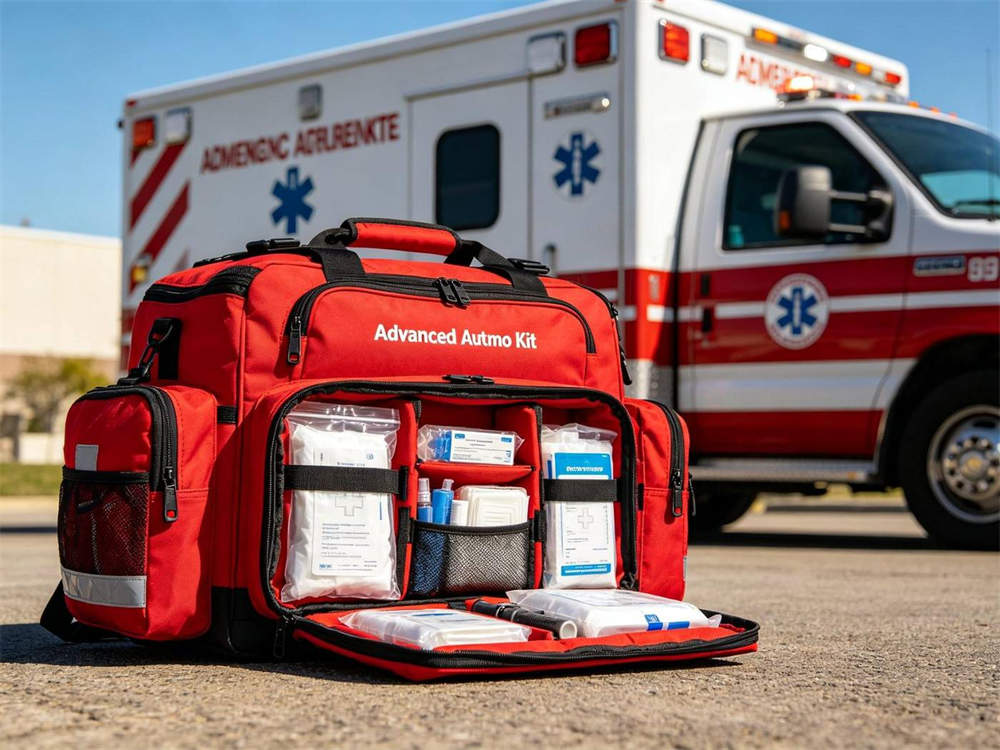
Our tactical medical carry kit with rip-away fast opening system with rapid deployment capability with tactical operations support with high-threat environments with vest mounted configuration with MOLLE webbing integration with combat lifesaver training with tactical combat casualty care (TCCC) protocols with airway management toolss are engineered for one purpose: instant, one-handed access to life-saving trauma supplies while mounted on body armor, a chest rig, or a battle belt. Every design decision — from the zipper pull to the internal layout to the MOLLE strap length — is tested by people who carry these pouches in real operations.
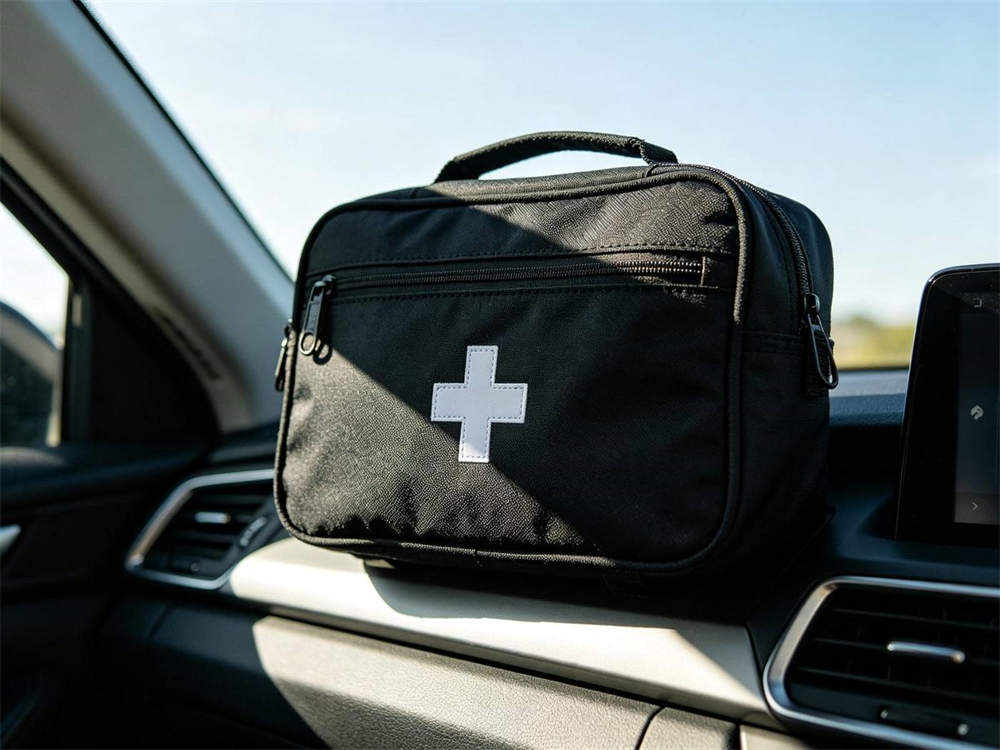
We supply military units, law enforcement tactical teams, private security contractors, search and rescue organizations, and outdoor expedition guides. Bulk orders include configuration consulting, custom color matching, and agency-specific content builds. Manufacturing is based in China, with export experience across multiple regions.
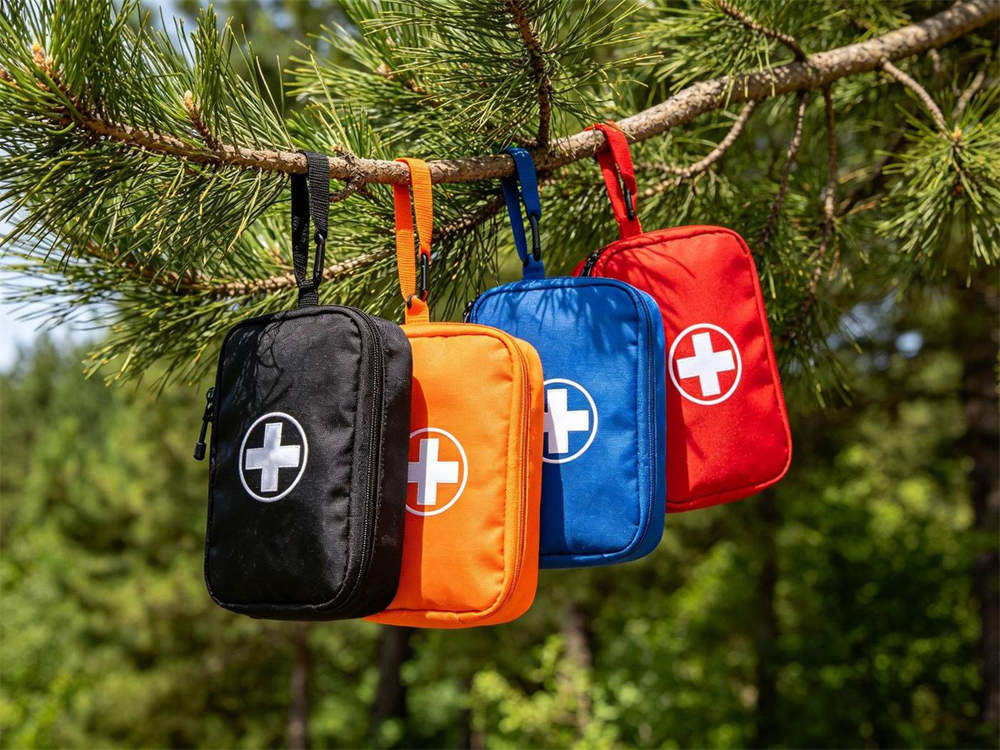
The standard tactical configuration includes a primary tourniquet in an external quick-pull pocket, trauma dressing, pressure dressings, chest seal (an adhesive patch covering a chest wound to prevent lung collapse)s, a decompression needle, nasopharyngeal airway, trauma shears, and gloves. The enhanced configuration adds a secondary tourniquet, additional wound clotting aids, a surgical airway kit, IO access supplies, and a thermal blanket.
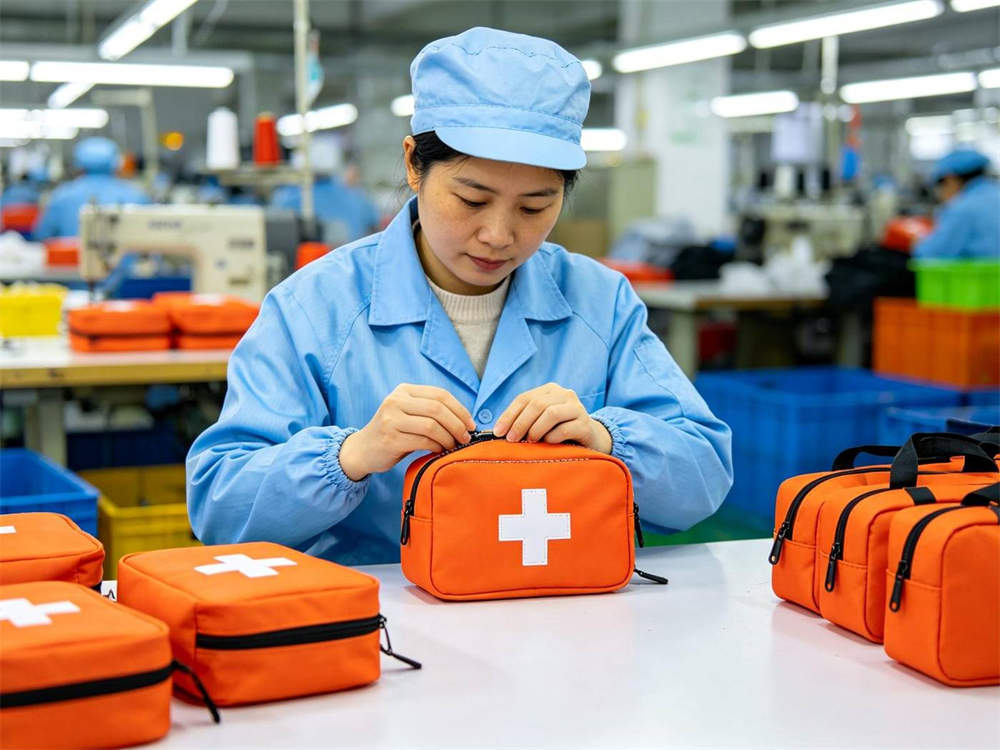
Both configurations use the same MOLLE-compatible pouch platform with a silent-opening design. The pouch can be mounted horizontally or vertically on PALS webbing, and features a tear-away base for rapid removal by a teammate. The internal layout follows the MARCH protocol with color-coded elastic retention.
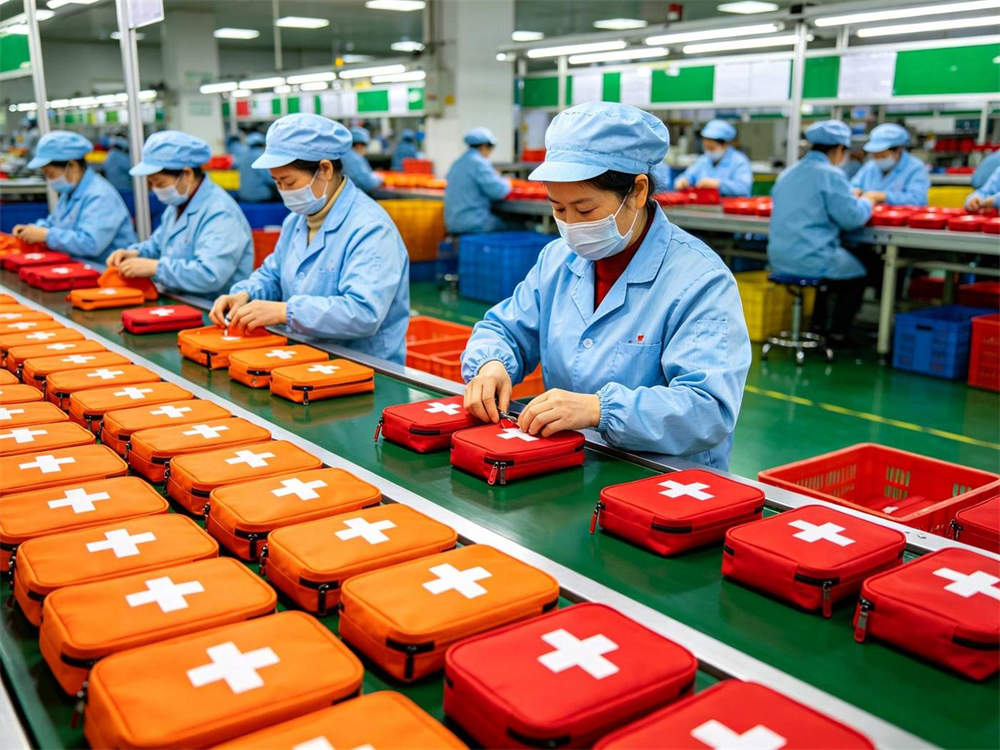
Units that procure tactical medical carry kits often source complementary tactical equipment. Here are related products that complete your medical response capability.
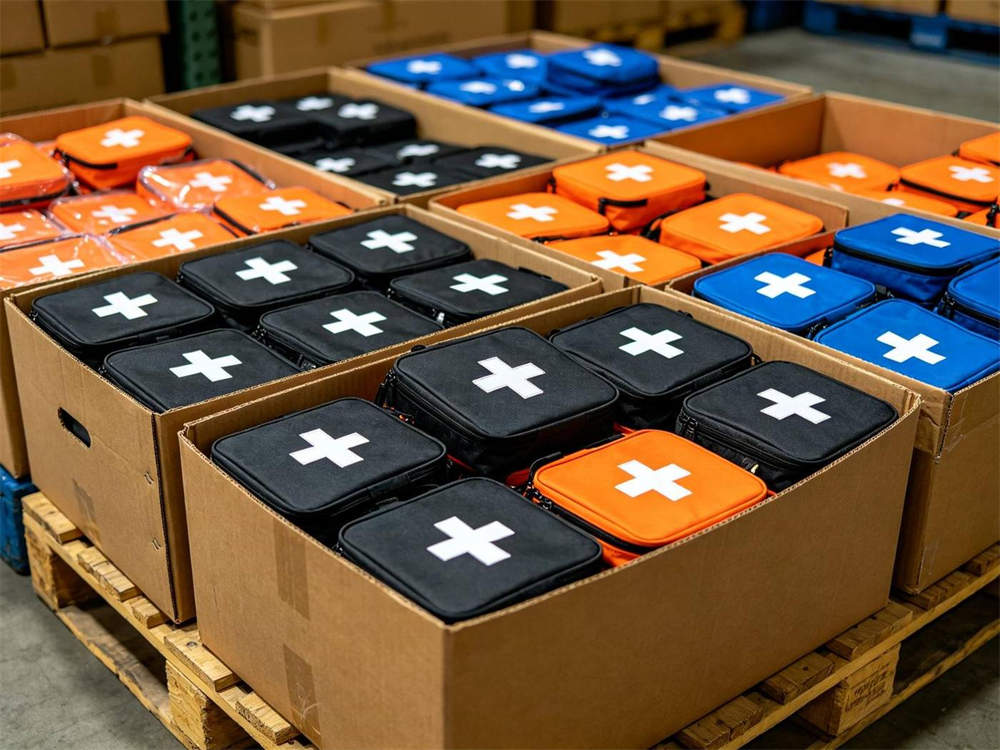
Every operator should carry an IFAK individual first aid kit for personal use and buddy aid. The IFAK is compact, belt-mounted, and contains the essentials for immediate hemorrhage control. The tactical medical carry kit is carried by designated medics for advanced interventions. This two-tier system — IFAK for everyone, carry kit for medics — is the standard among professional tactical units worldwide.
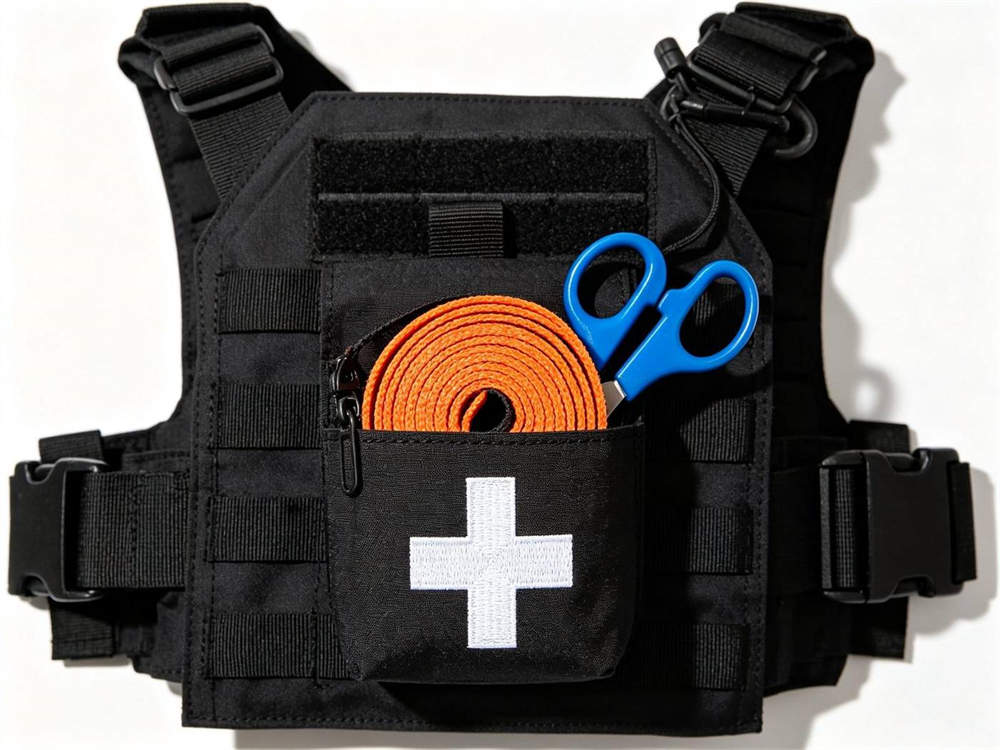
For units requiring a comprehensive team-level trauma package, our advanced trauma kit provides full MARCH capability with advanced airway, chest decompression, and IO access. The advanced trauma kit is typically carried in a backpack or vehicle mount, complementing the armor-mounted tactical medical carry kit. Team medics often carry both: the carry kit on armor for immediate access, the advanced trauma kit in their pack for definitive care.
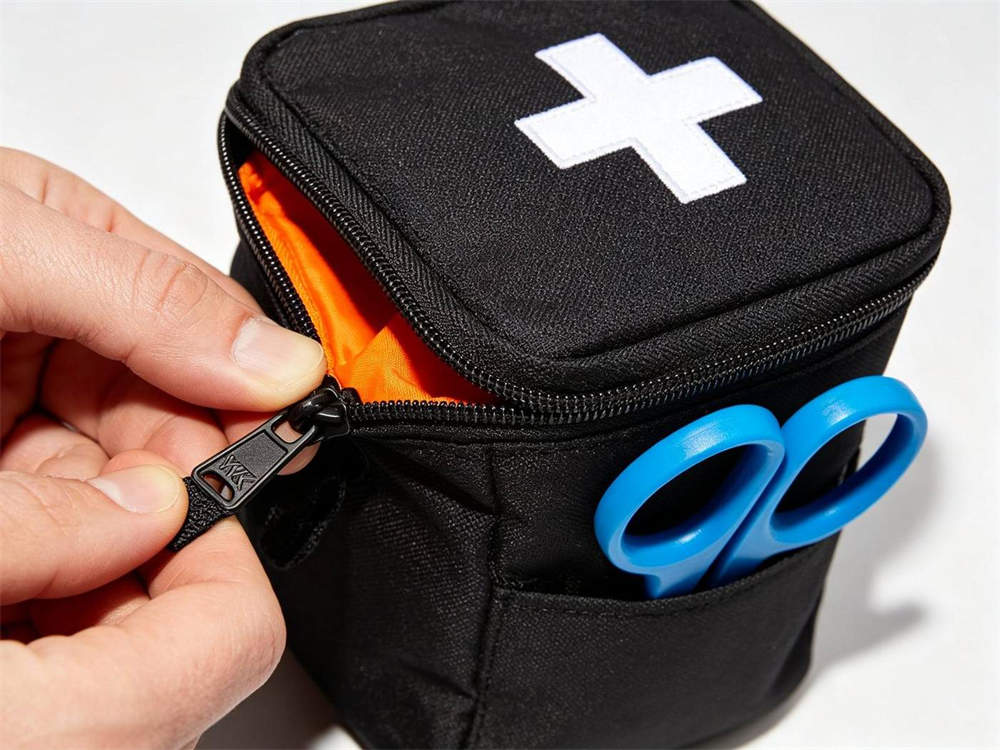
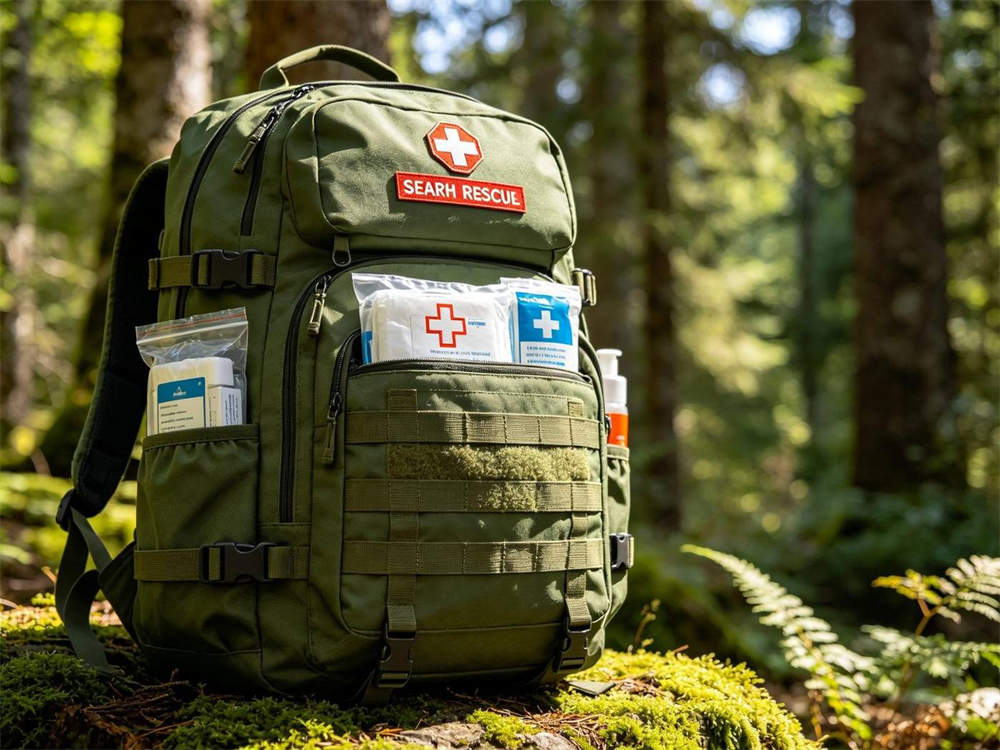
For units involved in search and rescue, disaster response, or extended field operations, our search and rescue backpack provides 26-31 pieces of comprehensive medical equipment in a backpack platform. The backpack complements armor-mounted kits by providing team-level medical support for extended operations, mass casualty incidents, and situations where the team is far from definitive care.
For units deployed for humanitarian assistance, disaster response, or stability operations, our disaster relief medical kit provides a comprehensive field medical setup with 35-49 pieces. The wheeled station can be set up as a forward treatment point, complementing individual tactical medical carry kits for sustained operations in austere environments.
Every operator should carry a dedicated tourniquet holder in addition to the tourniquet in their medical kit. The holder mounts on the belt, rifle, or plate carrier mounted configuration and provides instant access to a primary tourniquet. This ensures that even if the medical pouch is damaged or inaccessible, the operator has a tourniquet available. We offer tourniquet holders in matching colors and materials.
For unit headquarters, armories, and fixed facilities, our general purpose first aid kit covers common non-tactical injuries — cuts, scrapes, minor burns, and sprains. This frees tactical medical kits for field use and ensures that administrative and support personnel have access to basic first aid.
The tactical medical carry kit is the one piece of gear that every operator hopes never to use — but must be able to use instantly if the worst happens. Whether you need 10 kits for a tactical team or 500 kits for a military unit, we can configure the right solution for your training, gear, and mission profile.
Our team is ready to discuss your configuration, custom marking, and agency pricing. Manufactured in China with extensive export experience, we deliver tactical medical kits that operators trust in the field.
Previous :
Industrial First Aid Kit | Wholesale ANSI OSHA Compliant CabinetsNext :
Wholesale Workplace First Aid Kits: ANSI/OSHA Compliant Commercial Kits Factory Customized Red Cross Disaster relief Med Kit Bag With Multi-purpose compass
GREAT DESIGN - Comfortable design is perfect for all uses and for carrying a wide variety of tools and equipment. You'll find that, whatever you're looking to carry, the YRF Custom Oxford Material Multi Functional Camouflage Tactical Waist Bags is the perfect choice.
 Medical Care Stockpile Metal wire saw Card tool Survival Aid Kit with 16 Pcs Safety Kit
GREAT DESIGN - Comfortable design is perfect for all uses and for carrying a wide variety of tools and equipment. You'll find that, whatever you're looking to carry, the YRF Molle Tactical First Aid Kits Medical Bag Tablets is the perfect choice.
 Outdoor Medical Care Disaster relief First Aid Kit Empty Pouch And Ice Pack Emergency Tool
GREAT DESIGN - Comfortable design is perfect for all uses and for carrying a wide variety of tools and equipment. You'll find that, whatever you're looking to carry, the YRF Mini First Aid Kit Bags And Pouches is the perfect choice.
 High Quality Camping Emergency Face Mask Survival First Aid Kit for Institutional Donation
GREAT DESIGN - Comfortable design is perfect for all uses and for carrying a wide variety of tools and equipment. You'll find that, whatever you're looking to carry, the YRF Outdoor Camping Emergency Kits Tactical First Aid is the perfect choice.
 ICRC Supplies Fluorescent stick first aid medical bags 600d Nylon Emergency Safety Tools Kit
GREAT DESIGN - Comfortable design is perfect for all uses and for carrying a wide variety of tools and equipment. You'll find that, whatever you're looking to carry, the YRF Hunting Survival First Aid Kit Bag Molle Tactical is the perfect choice.
 Hot Selling Governmental Institutions List Descender Firefighting Tools Empty Pull Rod First Aid Kit
GREAT DESIGN - Comfortable design is perfect for all uses and for carrying a wide variety of tools and equipment. You'll find that, whatever you're looking to carry, the YRF Tactical Complete First Aid Kit is the perfect choice.
Copyright © Custom Disaster - Relief Bedding: Tents, Sleeping Bags, Blankets All Rights Reserved
the professional team to service !