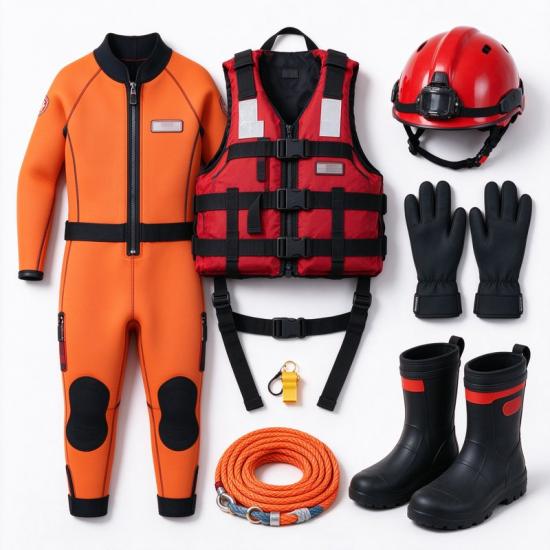
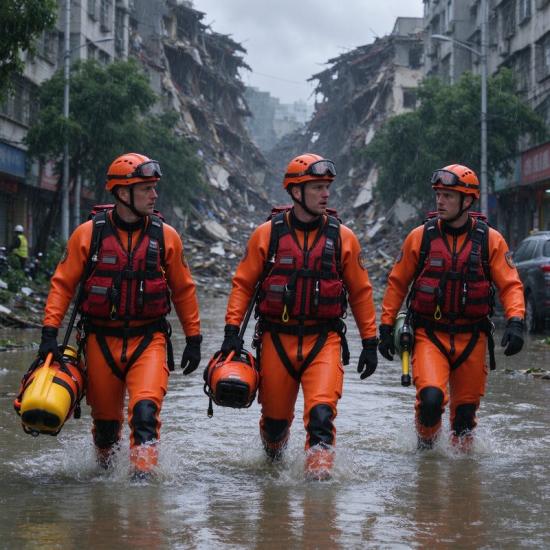
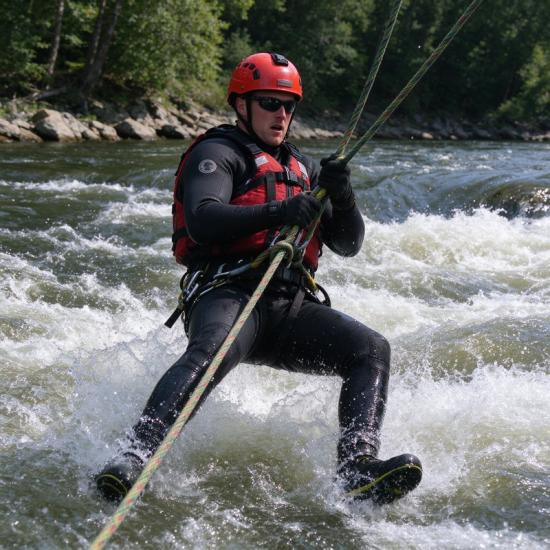
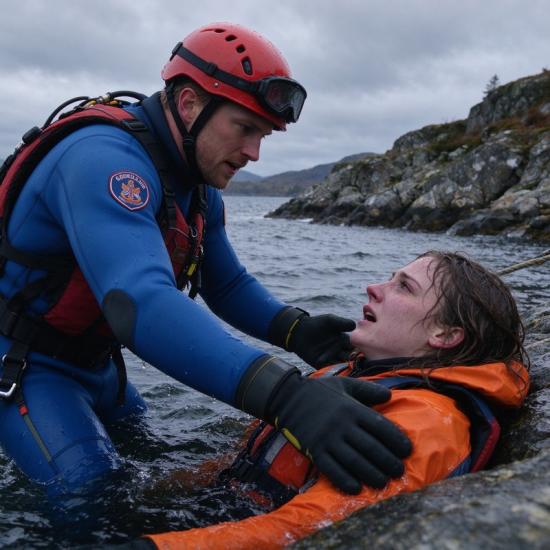
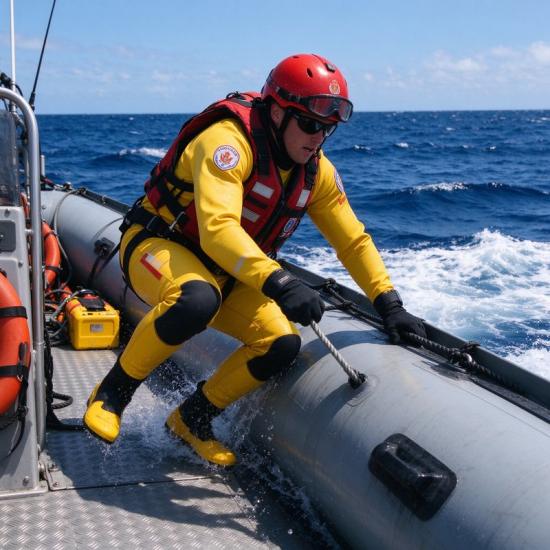
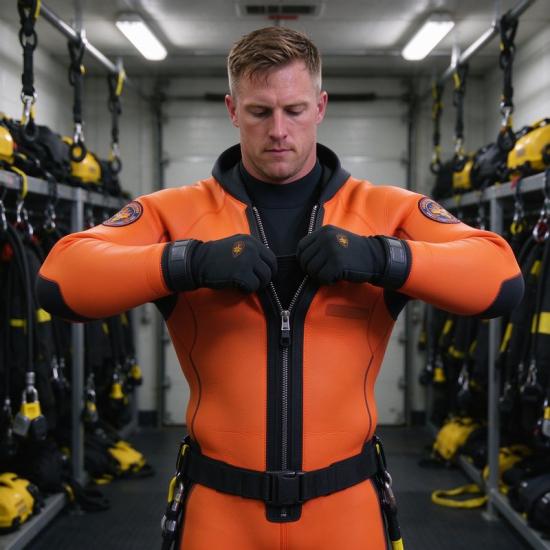
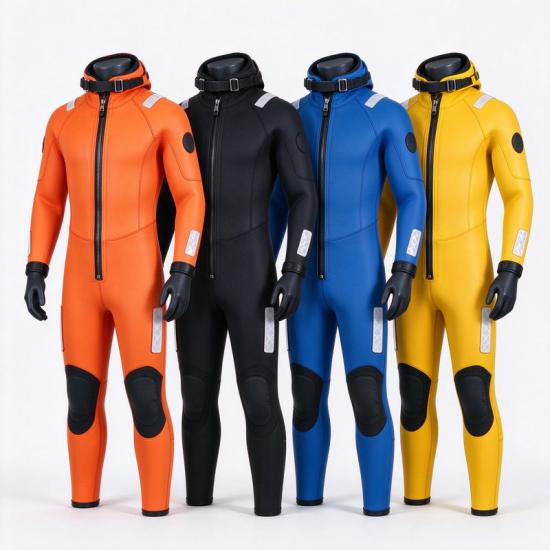
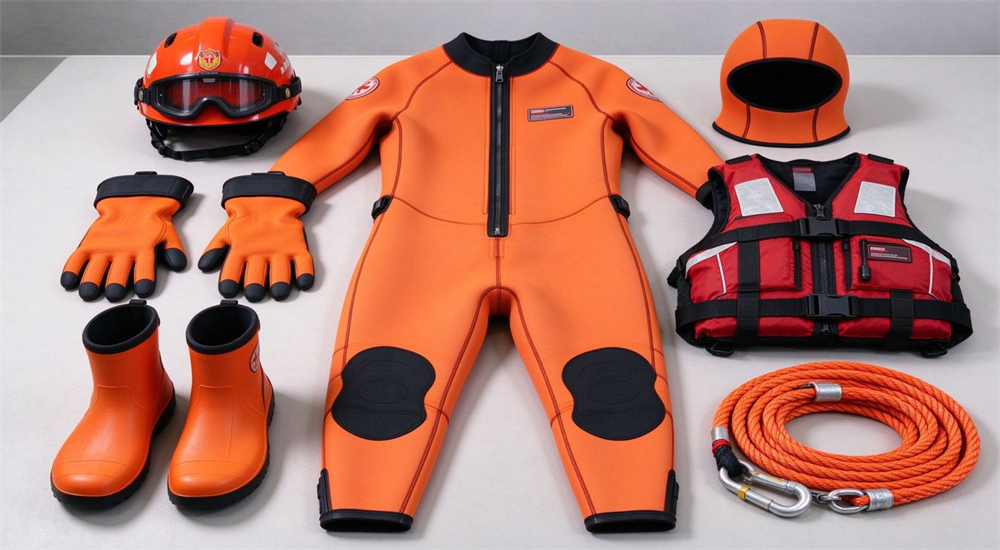
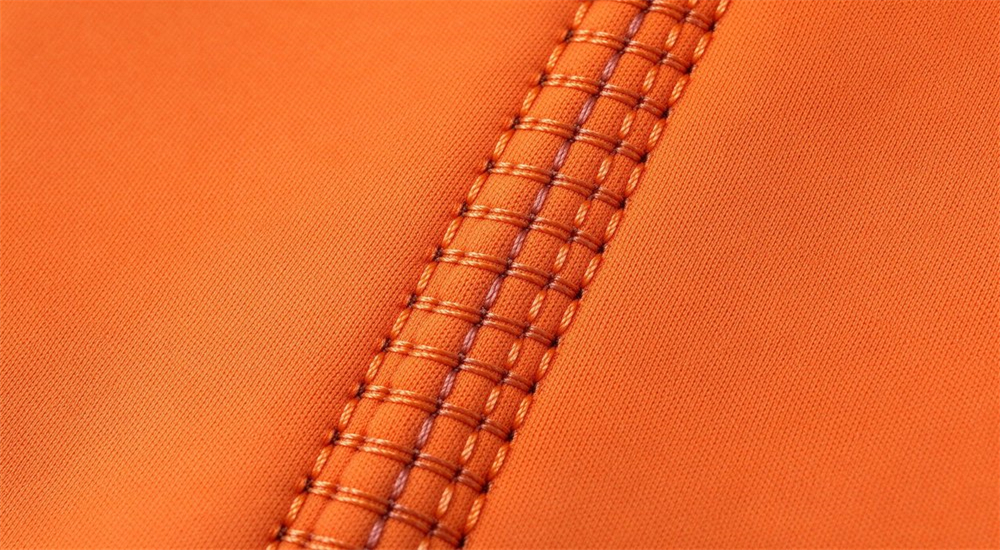
Durable neoprene water rescue wetsuit available in 3mm,4mm,5mm thickness, one‑piece and two‑piece styles. Titanium coated inner lining retains body heat in cold flood and swiftwater environments. Reinforced knee panels, sealed blind stitch seams, corrosion resistant zipper and high‑visibility reflective prints deliver great abrasion resistance. Suited for fire, coast guard and emergency teams, support bulk institutional procurement.
Note: Price for reference only. Exact price based on quantity, size, weight and custom details.
model no. :
RLJ-03Brand:
YRFmarket price :
$16.8sale price :
$7.8price range :
30-500/$7.8 501-1000/$6.8Color :
Multiple Colorsport of dispatch :
Guangdong/GuangzhouPayment :
TT, Paypal, Western Unionmin order :
30original region :
Made in ChinaLead Time :
5-15daysSize :
60×50×7CM |Wholesale Wetsuit Water Rescue Suits for Professional Rescue Teams
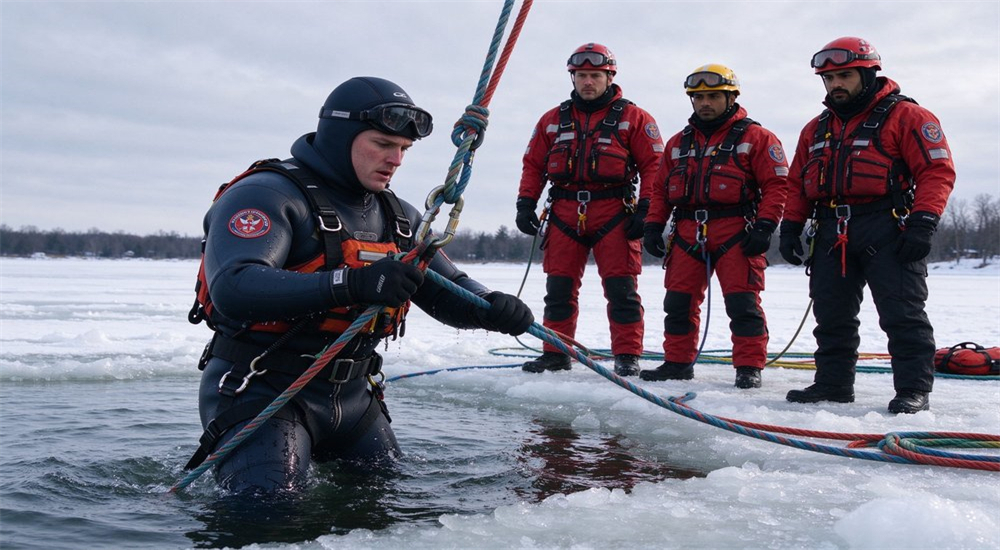
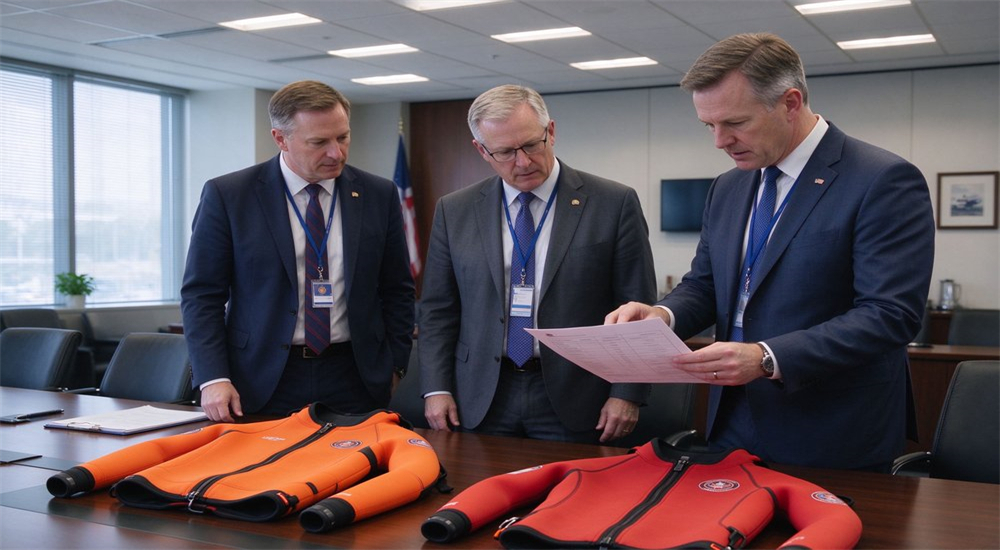
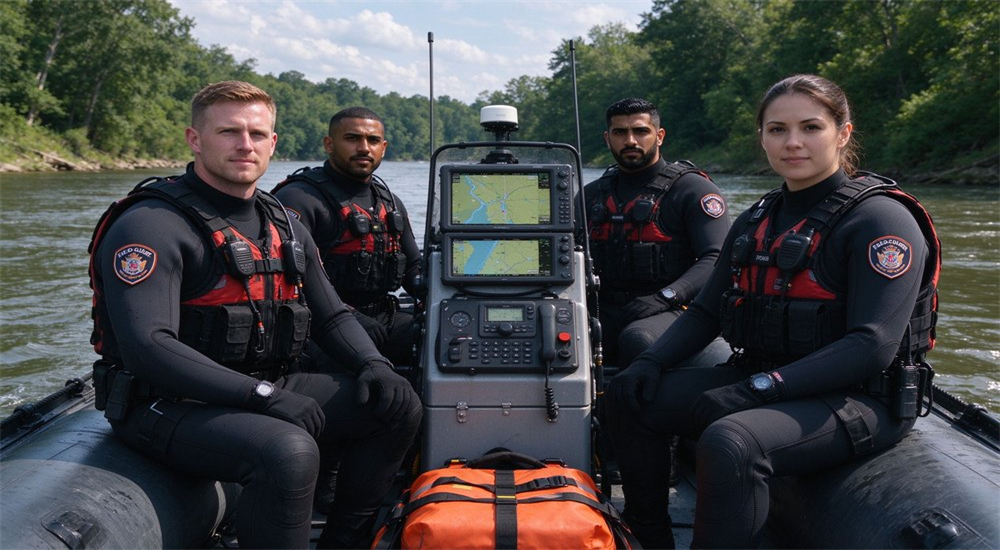
When water temperature is moderate and mobility is critical, wetsuit water rescue suits deliver the optimal balance of thermal protection and unrestricted movement. Unlike dry suits that fully seal out water, our neoprene wetsuits allow a thin layer of water to enter, which the body heats to create an insulating barrier. This design is preferred by fire department swiftwater teams, coast guard boarding units, and urban flood response groups that require speed, flexibility, and comfort during extended operations.
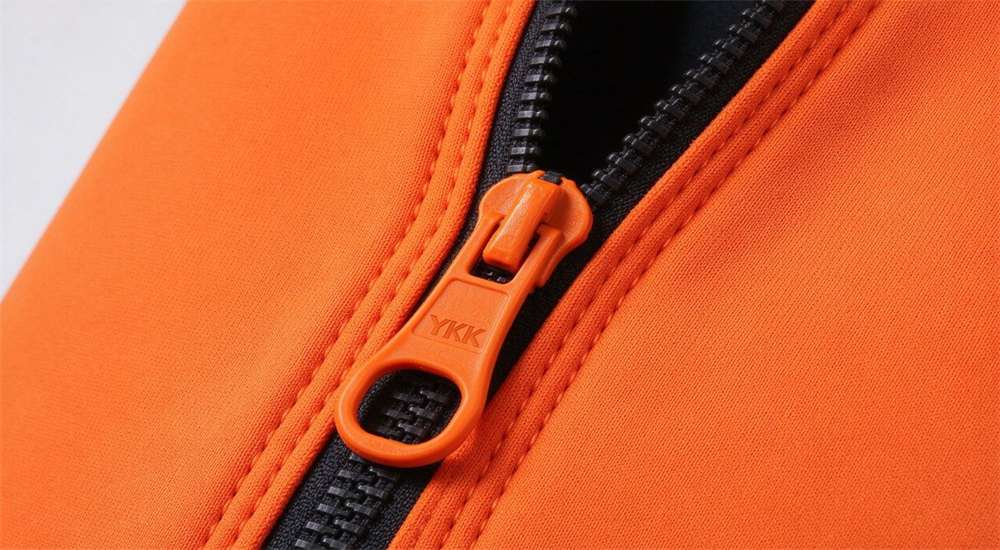
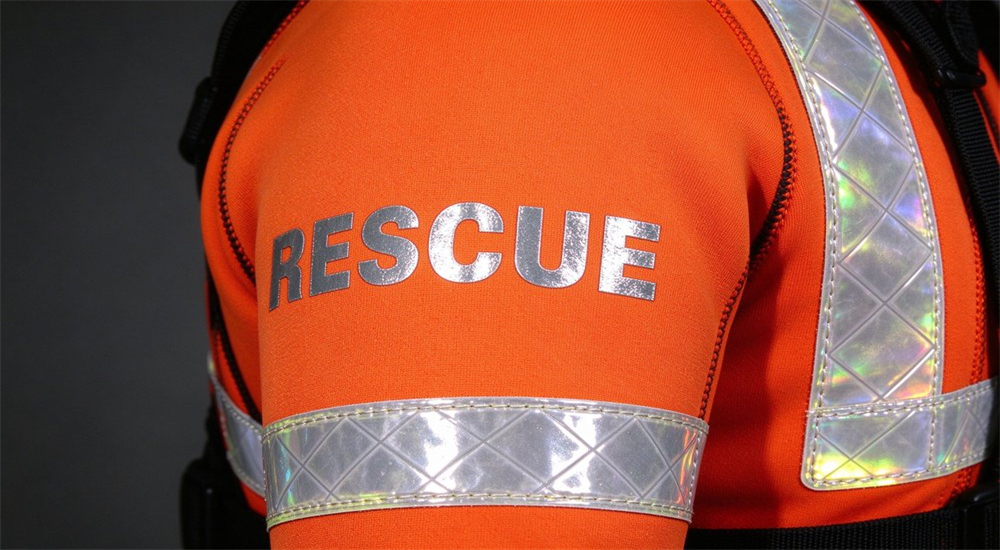
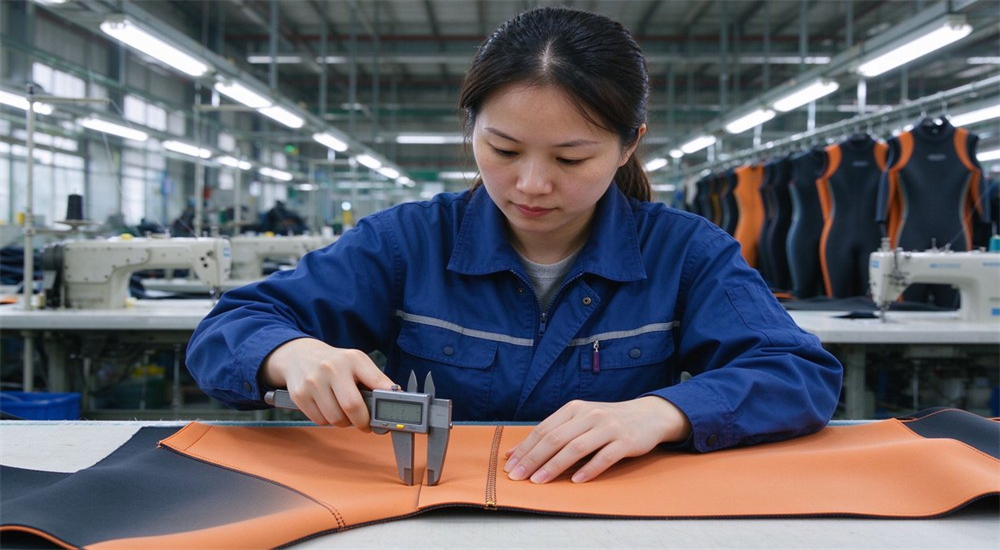
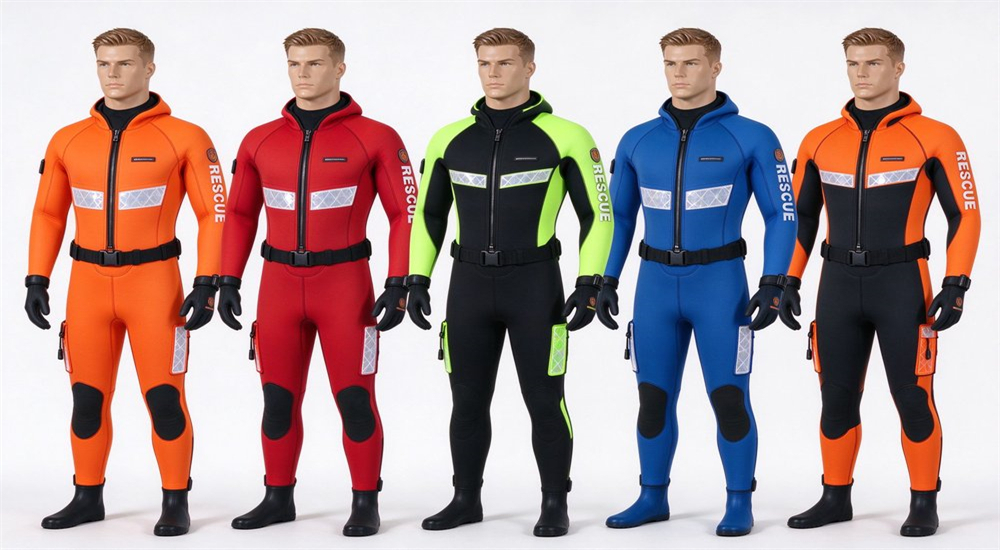
Our bulk wetsuit rescue suits are manufactured from high-elasticity SCR neoprene rubber with double-sided super-stretch nylon jersey. Available in 3mm, 4mm, and 5mm thicknesses, with both one-piece and two-piece configurations, each suit features reinforced abrasion zones at the shoulders, elbows, seat, and knees. Reflective tape and RESCUE lettering ensure high visibility in low-light conditions, while YKK zippers and adjustable closures enable rapid donning in emergency situations. We support government tenders, institutional bulk orders, and custom specifications including logo printing, color matching, and size scaling.
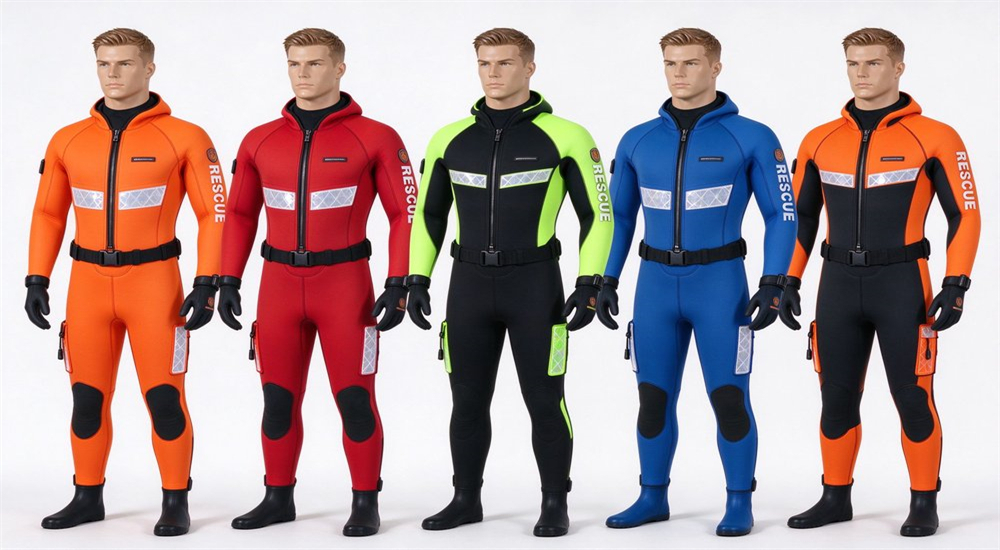


Table of Contents
Wetsuit Types & Model Range
1.1 One-Piece Wetsuit Rescue Suits
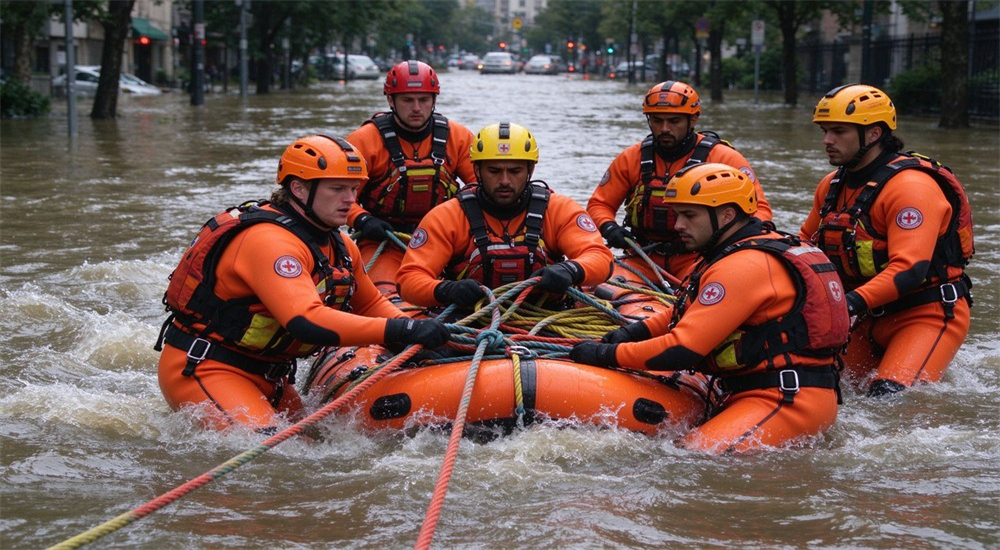
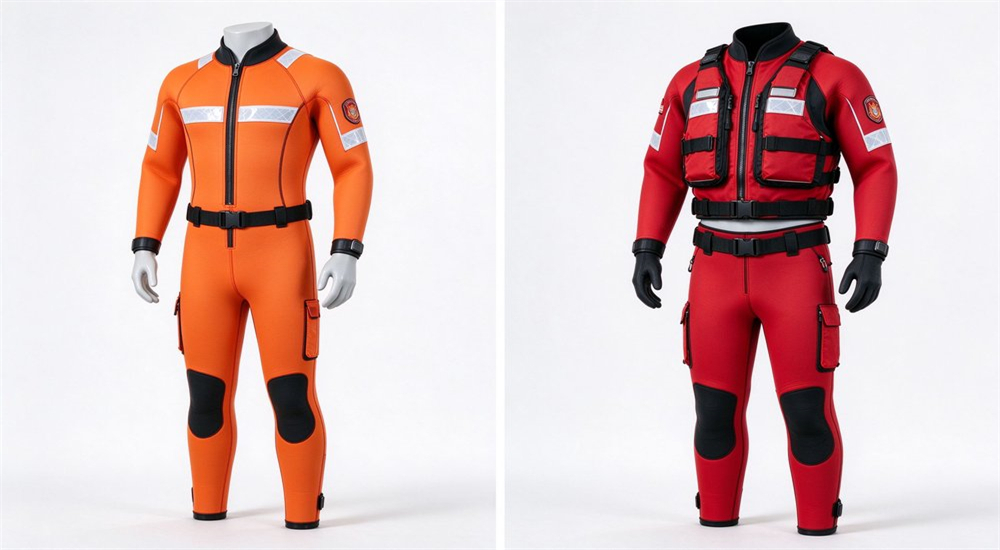
The one-piece neoprene wetsuit is the standard configuration for swiftwater and flood rescue operations. It features a front-diagonal or rear-entry YKK zipper for quick donning, integrated knee pads, and adjustable neck closures. The 3mm high-elasticity SCR neoprene provides excellent stretch while maintaining thermal insulation in water temperatures from 15°C to 25°C. All seams use blind-stitch construction with sealed stitching to minimize water exchange and maximize warmth. The streamlined one-piece profile reduces water resistance during swimming and eliminates the gap between jacket and pants that can occur with two-piece systems during active movement. Pre-shaped arm and leg articulation ensures natural positioning for swimming strokes, climbing, and victim handling, reducing fatigue during extended operations.
1.2 Two-Piece Wetsuit Systems
For teams requiring maximum versatility, the two-piece system combines a long-sleeve jacket with high-waist pants. The jacket uses a front zipper for independent donning, while the pants feature a 5cm adjustable nylon webbing belt with high-strength plastic quick-release buckle. This configuration allows layering adjustments based on water temperature and mission duration, and simplifies restroom breaks without full suit removal. Thigh-mounted utility pockets with drainage holes and gear attachment rings provide convenient equipment storage.
1.3 Titanium-Coated Thermal Wetsuits
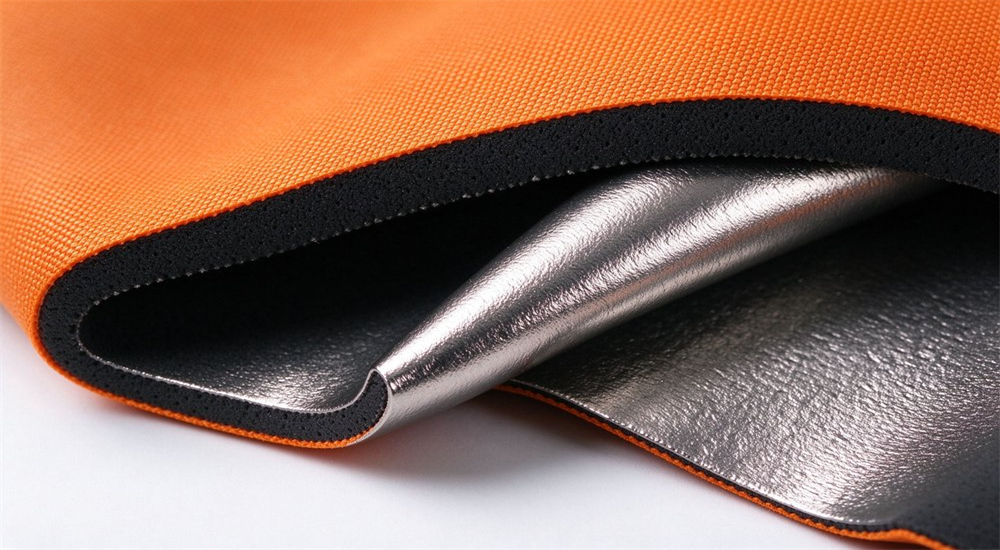
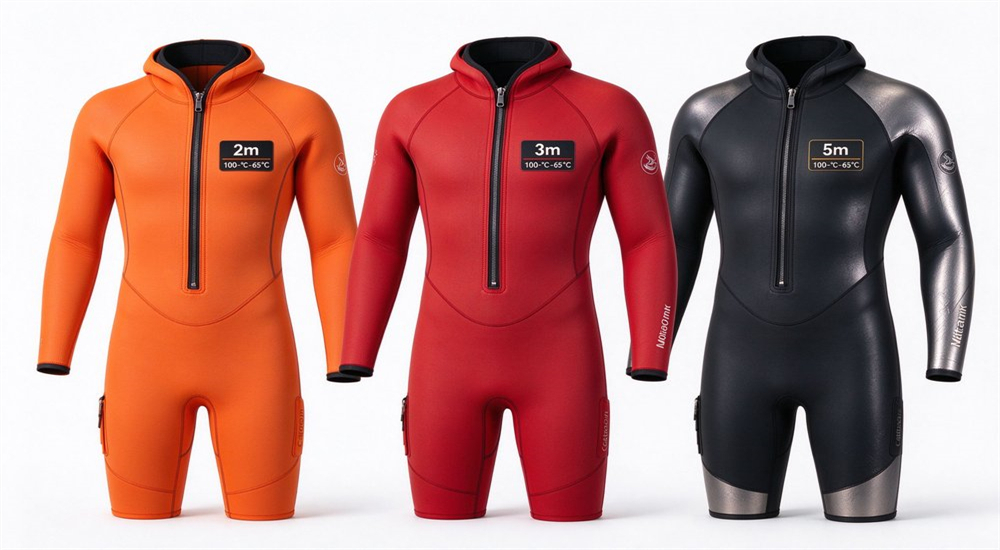
For colder water operations, our titanium-coated neoprene wetsuits feature a silver titanium inner lining that reflects body heat back toward the wearer, improving thermal retention by up to 30% compared to standard neoprene. The 4mm thickness with titanium coating is suitable for water temperatures from 10°C to 18°C. The outer surface uses water-repellent nylon jersey to reduce water absorption and speed drying time between operations.
1.4 Heavy-Duty 5mm Wetsuits
The 5mm heavy-duty wetsuit is designed for prolonged exposure in cold water and extended training sessions. It features 5mm SCR neoprene core with 5mm reinforcement panels at the seat, knees, and elbows. The increased thickness provides superior insulation while maintaining flexibility through pre-shaped articulation at joints. Integrated boots with PU anti-slip soles and reinforced toe/heel protection are available on selected models.
1.5 Shorty & Training Wetsuits
For warm-water training, pool exercises, and surface support roles, our shorty wetsuits use 3mm neoprene with short sleeves and short legs. They provide core thermal protection while maximizing mobility and reducing overheating during high-intensity training. Available in high-visibility orange and red, these suits are ideal for swim rescue training, lifeguard operations, and surface support in warm climates.
Neoprene Performance & Thermal Insulation
2.1 Neoprene Thickness & Temperature Ratings
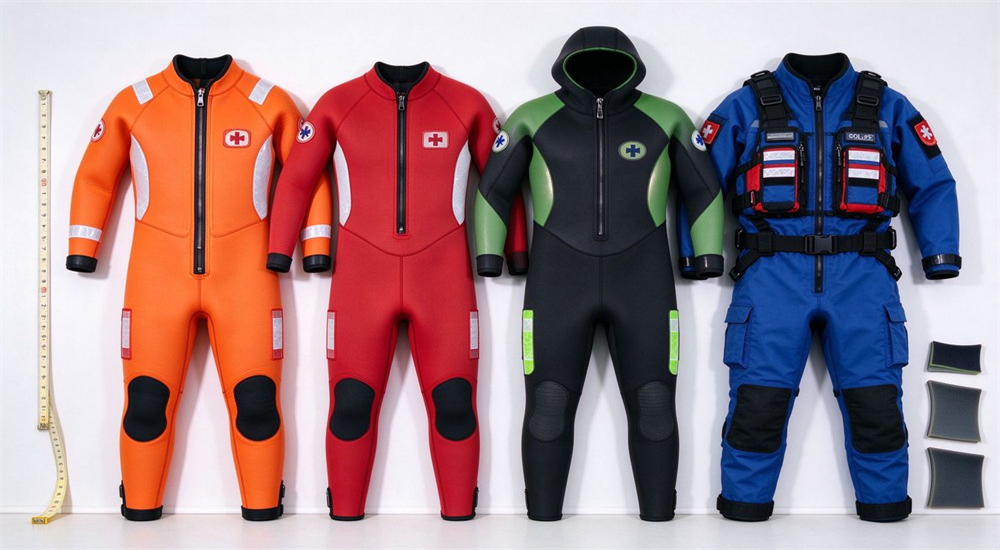
Selecting the correct neoprene thickness is critical for both thermal comfort and mobility. Our 3mm suits are rated for water temperatures of 15°C to 25°C and are ideal for summer flood response and swiftwater training. The 4mm titanium-coated suits cover 10°C to 18°C for shoulder-season operations, while 5mm heavy-duty suits are rated for 5°C to 12°C cold-water rescue. All thickness ratings are based on continuous wear testing with active movement, not static immersion.
2.2 Thermal Retention Mechanism
Unlike dry suits that rely on complete water exclusion, wetsuits function by allowing a controlled thin layer of water to penetrate the suit. The body heats this water layer to skin temperature, and the neoprene traps it against the body, creating an insulating barrier. The blind-stitched and sealed seams minimize water exchange, ensuring the heated layer remains in place rather than being flushed out by moving water. This mechanism provides consistent warmth without the bulk and restriction of dry suit undergarments. For colder water deployments, titanium coated neoprene variants add a reflective inner layer that further reduces radiant heat loss.
2.3 Stretch & Mobility Performance
Our high-elasticity SCR neoprene delivers a minimum stretch ratio of 200%, allowing rescuers to perform swimming, climbing, and victim-carrying movements without restriction. The double-sided super-stretch nylon jersey further enhances flexibility while protecting the neoprene core from abrasion. Independent testing confirms that our 3mm wetsuits maintain over 90% of baseline shoulder and hip range of motion when worn, compared to approximately 70% for comparable dry suit systems.
The following table compares neoprene thickness options across key performance dimensions, helping procurement officers match suit specification to operational environment. Each thickness represents a different balance of thermal protection, mobility, and durability, and organizations operating across multiple seasons may benefit from maintaining a mixed fleet. All specifications are based on laboratory testing under controlled water temperature and movement conditions.
Thickness selection should be based on the typical water temperature range in your operational area. 5mm neoprene is the most versatile choice for temperate climates, while 7mm provides critical thermal protection for cold water operations. Teams operating across multiple temperature zones may benefit from maintaining both 3mm and 5mm suits for seasonal rotation.
While 3mm suits offer the best mobility and fastest drying, 4mm titanium-coated models provide the best balance of thermal protection and flexibility for year-round operations in temperate climates. Organizations in colder regions should prioritize 5mm heavy-duty suits, while those in warm coastal or subtropical environments may find 3mm standard suits sufficient for most operations. Fleet composition should account for seasonal temperature variation and mission profile diversity.
Parameter
3mm Standard
4mm Titanium
5mm Heavy-Duty
Water Temp Range
15°C - 25°C
10°C - 18°C
5°C - 12°C
Stretch Ratio
≥200%
≥180%
≥160%
Seam Construction
Blind-stitch sealed
Blind-stitch sealed
Four-needle six-thread
Reinforcement Thickness
5mm panels
5mm panels
5mm + PU coating
Drying Time (hang)
2-3 hours
3-4 hours
4-6 hours
Typical Weight (size L)
1.8 kg
2.2 kg
2.8 kg
2.4 Water Exchange & Flush Resistance
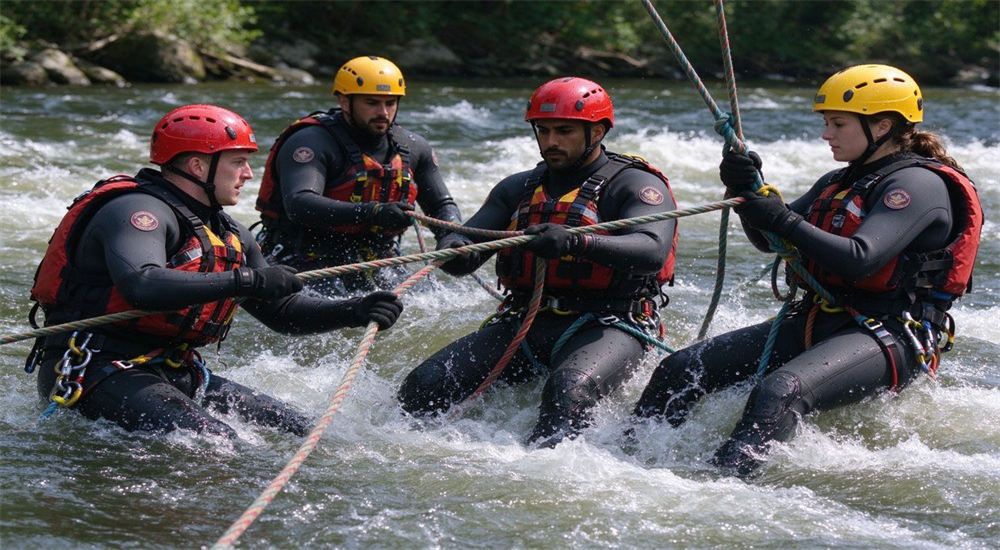
The effectiveness of a wetsuit's thermal protection depends on minimizing water exchange—the flushing of heated water out and cold water in through neck, wrist, and ankle openings. In swiftwater and flood rescue conditions, moving water can force significant exchange through poorly fitted closures, rapidly reducing the insulating water layer and causing heat loss.
Water exchange rate directly determines thermal performance. A well-fitted wetsuit with sealed seams and snug cuffs may exchange less than 100ml of water per hour, while a loose-fitting suit can exchange several liters, continuously flushing away the warmed layer. This is why proper sizing and fit verification are critical: a suit that fits correctly in the torso and limb joints maintains the insulating water layer, while one that is too loose becomes little more than a heavy, waterlogged garment. Rescue teams should conduct fit testing in actual water conditions, not just dry fittings, to verify thermal barrier performance during active movement.
Our suits use adjustable neoprene neck closures with hook-and-loop fastening, elastic wrist and ankle cuffs, and in some models, O-ring seals at cuffs to reduce flush. The four-needle six-thread seam construction on heavy-duty models provides superior seam integrity compared to standard overlock stitching. Teams operating in fast-moving water should prioritize enhanced closure systems and consider adding a neoprene hood for additional thermal protection in cold conditions.
Materials & Construction
3.1 SCR Neoprene Core
All our wetsuits use SCR (Styrene Chloroprene Rubber) neoprene, a premium closed-cell foam known for its excellent thermal insulation, high elasticity, and durability. The closed-cell structure traps thousands of tiny nitrogen bubbles, which provide both buoyancy and insulation. SCR neoprene is resistant to ozone, UV degradation, oils, and mild chemicals commonly encountered in floodwater and urban rescue environments. Material test reports including tensile strength, elongation at break, and compression set are available for quality documentation.
The closed-cell foam structure also provides inherent buoyancy assistance, reducing the energy rescuers expend to stay afloat during active swimming and victim support. SCR neoprene maintains elasticity across wide temperature ranges, from cold water deployments to warm pool training, ensuring consistent fit and performance year-round.
3.2 Nylon Jersey Lining
The neoprene core is laminated on both sides with super-stretch nylon jersey fabric. The outer jersey provides abrasion resistance and a smooth surface for printing reflective markings, while the inner jersey reduces skin friction and eases donning. The water-repellent treatment on the outer surface reduces water absorption by up to 40%, speeding drying time and reducing the suit's wet weight. All laminates use solvent-free adhesive to meet environmental and occupational health standards.
3.3 Seam Construction Methods
Seam construction is the most critical factor in wetsuit durability and thermal performance. Our standard models use blind-stitch sewing, where the needle only partially penetrates the neoprene, preventing water from passing through stitch holes. Heavy-duty models use four-needle six-thread construction for maximum seam strength at high-stress areas. All seams are then sealed with liquid neoprene or heat-taped to further reduce water exchange. Seam strength testing confirms minimum tensile strength of 100N per 5cm width with no separation after 10 seconds of sustained load.
3.4 Reinforcement & Abrasion Zones
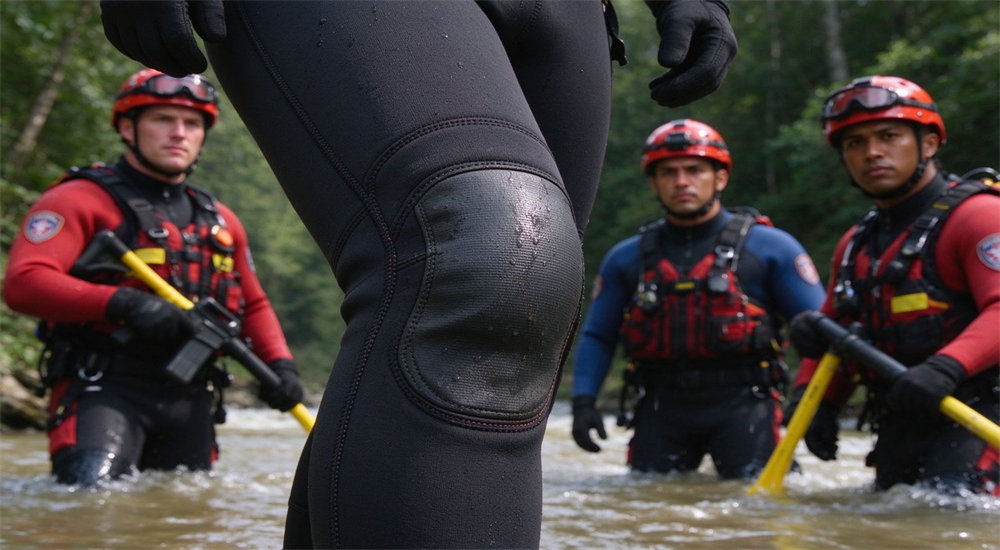
High-wear areas—shoulders, elbows, seat, and knees—receive 5mm thick reinforcement panels with abrasion-resistant outer fabric. The knee reinforcement includes a polyurethane coating for additional slide and crawl protection. Laboratory testing confirms that reinforced areas withstand 6000 cycles of abrasion withoutwear through, while standard neoprene areas withstand 2000 cycles. These reinforcement zones are strategically placed based on analysis of common rescue movements including crawling over debris, climbing embankments, and kneeling on uneven surfaces.
3.5 Zipper & Closure Systems
All zippers are YKK brand corrosion-resistant plastic zippers designed for marine environments. The zipper teeth are molded from high-strength acetal resin that resists corrosion from saltwater and chemicals, while the slider uses stainless steel springs for reliable operation even when grit or debris is present. Zipper tracks are reinforced with neoprene backing to prevent tearing at high-tension points. One-piece suits offer either front-diagonal entry for self-donning or rear-entry with a lanyard for assisted donning. Two-piece jackets use front zippers with internal storm flaps. Neck closures use adjustable hook-and-loop neoprene tabs, while wrist and ankle cuffs use either elastic binding or adjustable hook-and-loop straps. All metal hardware including D-rings and buckles is corrosion-resistant plastic or stainless steel. One-piece suits offer either front-diagonal entry for self-donning or rear-entry with a lanyard for assisted donning. Two-piece jackets use front zippers with internal storm flaps. Neck closures use adjustable hook-and-loop neoprene tabs, while wrist and ankle cuffs use either elastic binding or adjustable hook-and-loop straps. All metal hardware including D-rings and buckles is corrosion-resistant plastic or stainless steel.
Visibility & Safety Features
4.1 Reflective Tape Standards
Visibility is a critical safety factor for water rescue personnel operating in low-light, fog, or nighttime conditions. Our wetsuits feature SOLAS-grade reflective tape applied to the upper arms, forearms, chest, back, and lower legs. The reflective material provides 360-degree visibility and is certified to meet international maritime reflective performance standards. Tape placement follows a standardized pattern ensuring visibility from all angles, including when the wearer is in the water with only shoulders and head above the surface.
4.2 RESCUE Lettering & Identification
Both upper arms feature screen-printed RESCUE reflective lettering, immediately identifying the wearer as a rescue professional. The chest includes a hook-and-loop patch for team insignia or department identification. Reflective double-ring markings at the wrists and ankles provide additional visual reference points in turbulent water. Custom department names, badge numbers, or unit logos can be screen-printed or embroidered at specified locations for bulk orders.
4.3 High-Visibility Color Options
Standard colors include high-visibility orange, rescue red, and safety yellow, all selected for maximum contrast against water and debris environments. Two-tone configurations such as orange-black, red-black, and black-fluorescent-green are available for team role identification or rank differentiation. The fluorescent green accents provide enhanced visibility in both daylight and low-light conditions. Custom Pantone-matched colors are available for bulk orders with sufficient lead time.
4.4 Attachment Points & Gear Integration
Strategically placed D-rings and gear loops allow attachment of rescue knives, whistles, line bags, and other essential equipment. Two-piece pants feature thigh-mounted utility pockets with drainage holes, hook-and-loop closures, and internal gear retention straps. The high-friction textured panels on the torso sides prevent PFD (personal flotation device) slippage during active swimming and climbing. All attachment points are reinforced with bartack stitching at load-bearing locations.
4.5 Donning & Doffing Efficiency
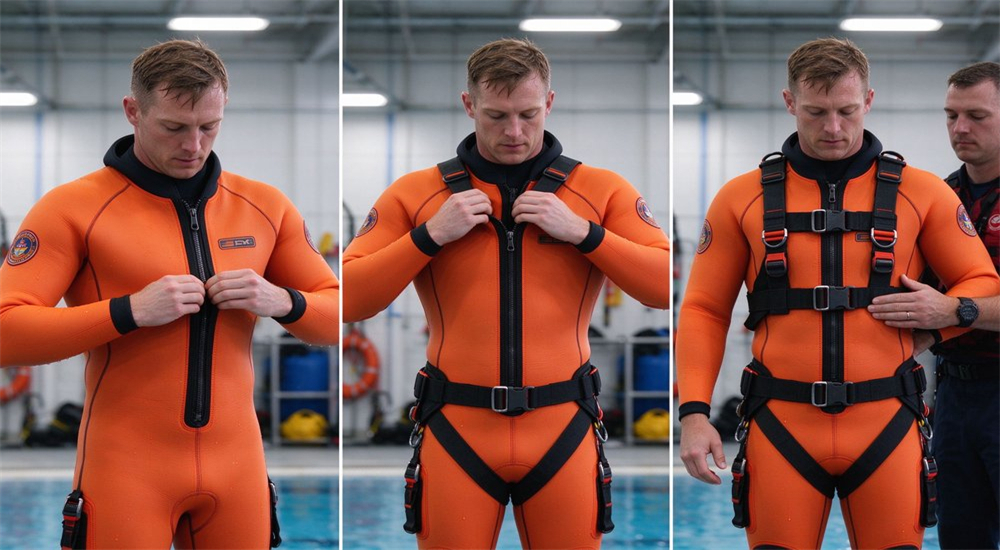
Rapid donning is essential in emergency response. Front-diagonal zipper configurations allow self-donning in under 60 seconds, while the two-piece system enables even faster deployment. The adjustable neck closure ensures a secure fit without restricting breathing or head movement. Integrated pull loops at zippers and cuffs assist with gloved donning. All suits are designed to be worn over a base layer and under a PFD, with sufficient torso length to accommodate movement without riding up.
Certifications & Standards
5.1 Testing & Verification Process
Our manufacturing facility operates under ISO 9001 quality management system certification, with documented procedures for incoming material inspection, in-process quality control, and final product testing. Each production batch undergoes tensile strength testing (minimum 150N for 10 seconds without fracture), seam strength verification (minimum 100N), hydrostatic pressure testing (100kPa for 5 minutes without water penetration), and abrasion resistance testing (2000 cycles standard / 6000 cycles reinforced). Each suit carries a unique serial number for traceability, and batch test records are retained for a minimum of 5 years.
Different national markets have varying regulatory requirements for personal protective equipment used in water rescue. The following table outlines key standards relevant to neoprene wetsuit rescue equipment across major export markets. Procurement officers should verify which standards apply to their jurisdiction and ensure selected suits carry appropriate documentation. All our suits can be manufactured to meet specific testing and documentation requirements for each market.
The construction comparison highlights the importance of seam quality in rescue wetsuits. Blind stitched seams provide better water sealing than flatlock stitching, which is more common in recreational wetsuits. For professional use, always verify that seams are both glued and stitched, as this doubles the seam strength and waterproofing.
While specific market certifications vary, ISO 9001 quality management certification is universally accepted as a baseline quality indicator across all markets. We provide complete technical documentation packages including material test reports, seam integrity test results, and garment performance verification data to support any market-specific certification process.
Market
Relevant Standard
Key Requirement
Documentation
European Union
EN 14605 / PPE Regulation
Type 3/4 protection, CE marking
EU Declaration of Conformity
United States
NFPA 1952 / USCG
Surface water rescue PPE
Third-party test report
China
GB/T 19001-2016
Quality management system
CNCA certification
Australia/NZ
AS/NZS 4602
High-visibility safety apparel
AS/NZS test report
5.2 Market-Specific Requirements
Beyond formal certification, different markets have specific operational requirements for wetsuit rescue equipment. European buyers often require CE marking under the PPE Regulation (EU) 2016/425, with Type 3 or Type 4 protection ratings. United States fire departments may reference NFPA 1952 for surface water rescue operations. Australian and New Zealand buyers require AS/NZS 4602 high-visibility compliance. We maintain technical documentation for all major markets and can manufacture to meet specific regional testing protocols.
5.3 Quality Control & Traceability
Each suit passes through five quality control checkpoints: incoming material verification, cutting accuracy, seam construction inspection, closure functionality testing, and final visual inspection. Defect rates are tracked by production batch, and corrective actions are documented for any non-conforming items. We welcome third-party factory audits and can arrange pre-shipment inspections by SGS, Bureau Veritas, or Intertek. Audit reports and inspection certificates are provided as part of shipment documentation.
Selecting the Right Wetsuit
When equipping a water rescue team, the choice between wetsuits, dry suits, and life jackets depends on mission profile, water temperature, and expected activity level. This comparison helps procurement officers select the right system for each operational scenario.
Size charts for wetsuits differ significantly from standard clothing sizes due to the compressive nature of neoprene. When the wearer is between sizes, the smaller size typically provides better thermal performance and reduces water flushing. Consider that neoprene compresses slightly with use, so a snug initial fit will become more comfortable over time.
Most professional rescue teams carry all three systems: PFDs are mandatory at all times near water, wetsuits for active swimming in mild-to-cold conditions, and dry suits for extended operations in near-freezing water. Procurement should match each system to the team's most frequent mission profile rather than selecting a single "one-size-fits-all" solution.
Feature
Wetsuit (This Page)
Dry Suit
Life Jacket / PFD
Primary Function
Thermal insulation + mobility
Complete waterproofing + thermal
Buoyancy / flotation
Water Entry
Allows thin layer (heats to body temp)
Zero water entry
Worn over clothing
Mobility
Excellent (200% stretch)
Moderate (bulky)
Minimal restriction
Ideal Temp Range
15°C–25°C (59°F–77°F)
Below 10°C (50°F)
All temperatures
Donning Speed
Fast (front zipper)
Slow (seals + boots)
Instant (buckles)
Maintenance
Rinse + dry
Seal inspection + zipper lube
Visual inspection
Typical Use Case
Flood rescue, swiftwater, training
Ice water, long-duration ops
All water operations (mandatory)
6.1 Decision Framework
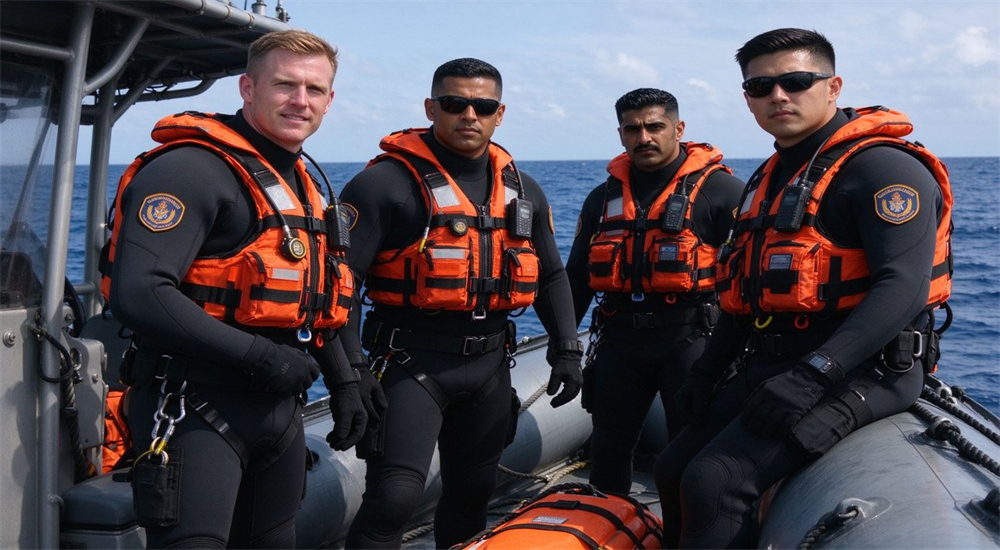
Selecting the appropriate wetsuit configuration requires balancing water temperature, mission duration, mobility requirements, and budget constraints. Organizations should first determine the primary operational water temperature range, then select neoprene thickness accordingly. Next, consider whether one-piece or two-piece configuration better suits the team's typical mission profile—one-piece for rapid deployment and simplicity, two-piece for versatility and layering. Finally, evaluate visibility requirements, gear attachment needs, and customization preferences. For urban flood rescue teams, prioritize high-visibility coloring and abrasion-resistant panels; for coast guard boarding units, prioritize gear pockets and two-piece versatility.
The following table provides recommended wetsuit configurations for common team types and operational profiles. These recommendations are based on typical mission durations, water temperature ranges, and movement requirements. Organizations should use this as a starting point and adjust based on local conditions, historical deployment data, and team feedback from field testing.
The care and maintenance table outlines practices that can double the service life of neoprene equipment. The most common failure points are seam delamination and zipper corrosion, both of which are preventable with proper post-use care. Departments should include wetsuit maintenance as a standard topic in annual equipment training.
The majority of professional rescue teams benefit from a mixed fleet—3mm suits for warm-weather and training, 4mm titanium suits for shoulder-season operations, and 5mm suits for cold-water deployments. For organizations with limited budgets, the 4mm titanium-coated one-piece suit offers the broadest operational versatility across the widest temperature range. Team configuration should be reassessed annually based on incident data and seasonal patterns.
Team Type
Recommended Thickness
Configuration
Key Feature Priority
Fire Dept Swiftwater
3mm or 4mm
One-piece front zip
Mobility + quick donning
Coast Guard Boarding
3mm
Two-piece system
Versatility + gear pockets
Cold-Water Rescue
5mm
One-piece rear entry
Thermal + heavy-duty
Urban Flood Response
3mm
One-piece front zip
High-vis + abrasion resistance
Training & Lifeguard
3mm shorty
Shorty or one-piece
Mobility + fast drying
2 Sizing & Fit Considerations
Proper fit is absolutely essential for both thermal performance and unrestricted mobility during active rescue operations. A wetsuit that is too loose allows excessive water exchange, reducing insulation; one that is too tight restricts breathing and movement. Our suits are available in sizes XS through 3XL, with detailed size charts based on height, weight, chest, waist, and inseam measurements. For bulk orders, we recommend ordering a sample set for team fitting before finalizing size distribution. Custom sizing is available for teams with non-standard body types.
6.3 Gender-Specific Sizing
We offer both unisex and women-specific patterns. Women-specific suits feature adjusted torso length, hip-to-waist ratio, and shoulder width for improved fit and comfort. All gender-specific patterns maintain the same construction, materials, and certification standards as unisex models. Procurement officers should consider the gender distribution of their team when ordering and may benefit from a mixed sizing approach.
6.4 Total Cost of Ownership
When evaluating wetsuit procurement, consider the total cost of ownership including initial purchase, expected service life, maintenance requirements, and replacement frequency. Our reinforced construction typically provides 3-5 years of service life under regular use, compared to 1-2 years for economy-grade suits. Factors affecting service life include frequency of use, water chemistry (chlorine, salt, pollution), storage conditions, and adherence to maintenance protocols. We provide maintenance guidance and replacement recommendations as part of each bulk order.
Care, Maintenance & Inspection
7.1 Post-Use Cleaning Procedure
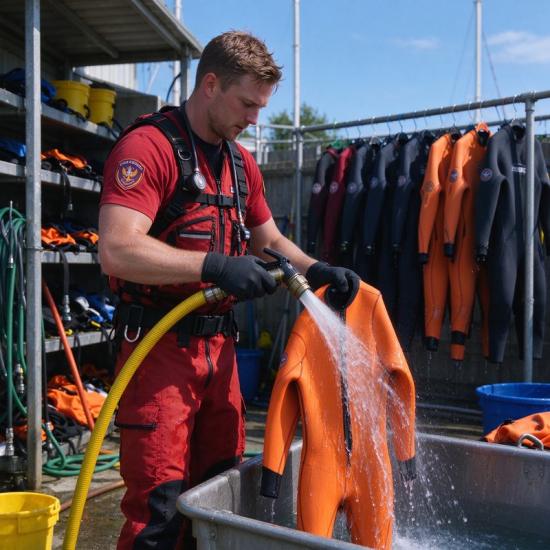
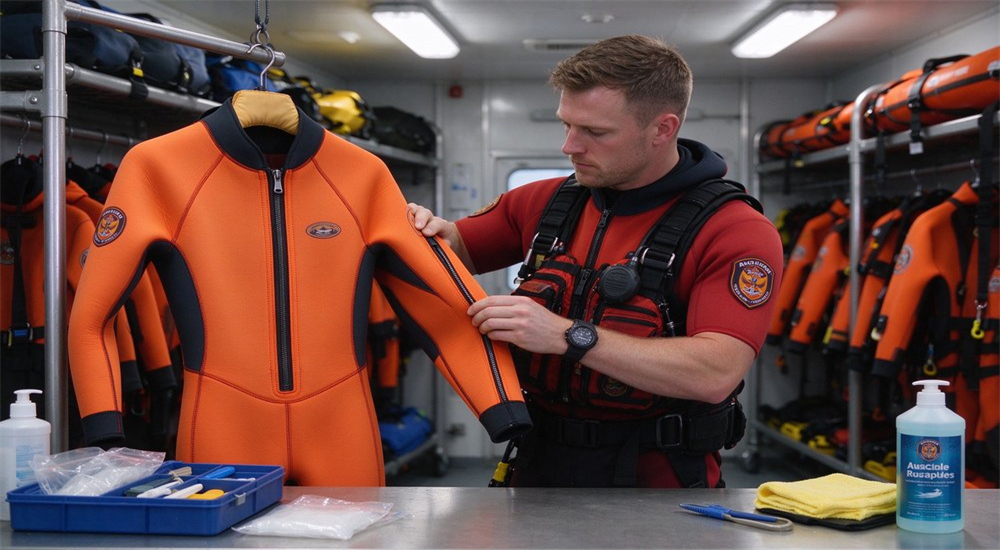
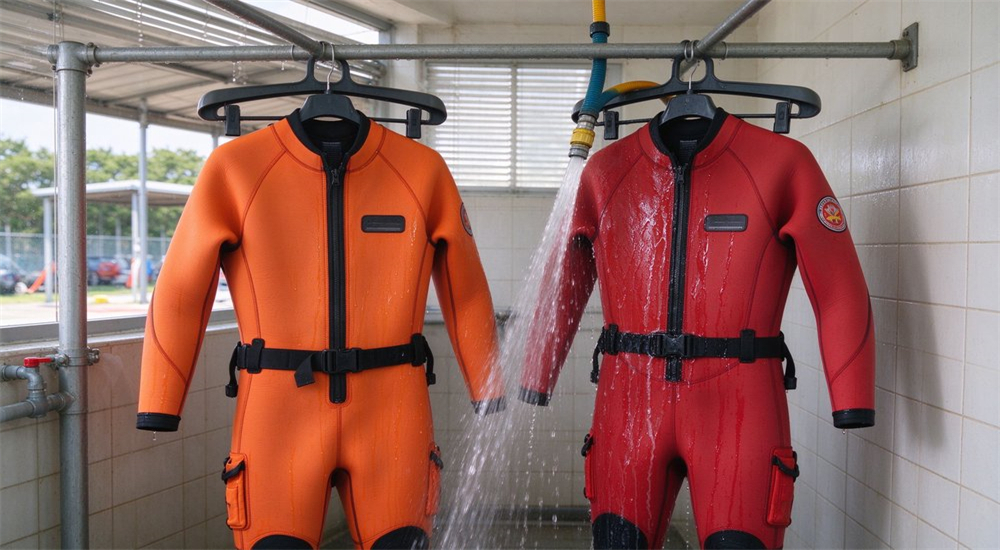
After each use, rinse the suit thoroughly with fresh water to remove salt, chlorine, mud, and contaminants. Use a mild wetsuit shampoo or neoprene-safe detergent for suits exposed to polluted floodwater. Avoid hot water, bleach, and strong detergents which can degrade neoprene and dissolve seam sealant. Turn the suit inside out to ensure complete rinsing of the interior. Hang to dry in a well-ventilated area away from direct sunlight and heat sources.
7.2 Storage Best Practices
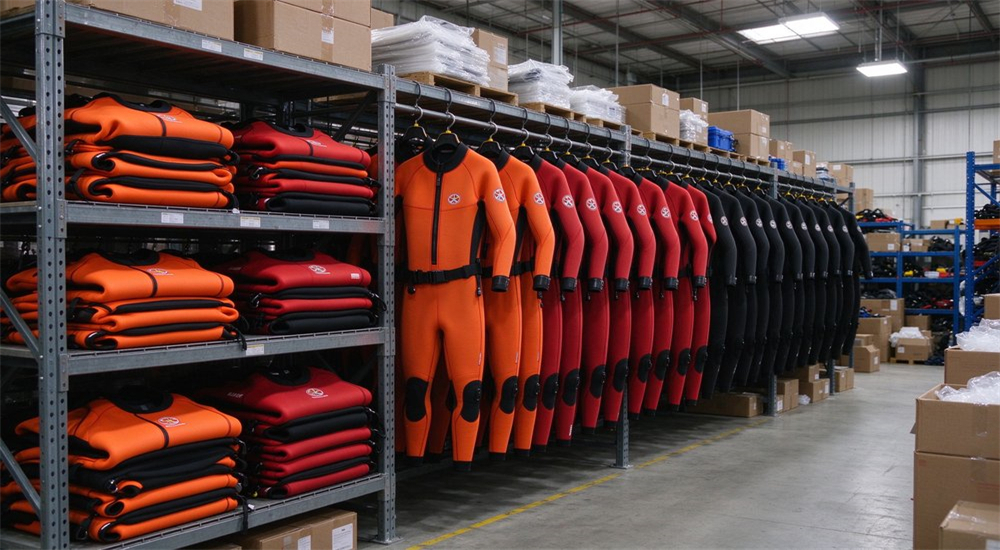
Store wetsuits on wide, padded hangers to prevent shoulder deformation, or fold loosely in a cool, dry environment. Avoid folding at the same crease point repeatedly, as this can cause neoprene cracking. Do not store while damp, as this promotes bacterial growth and odor. Keep away from direct sunlight, ozone sources, and chemical fumes. Inspect stored suits quarterly for signs of degradation, delamination, or seam separation.
7.3 Pre-Deployment Inspection Checklist
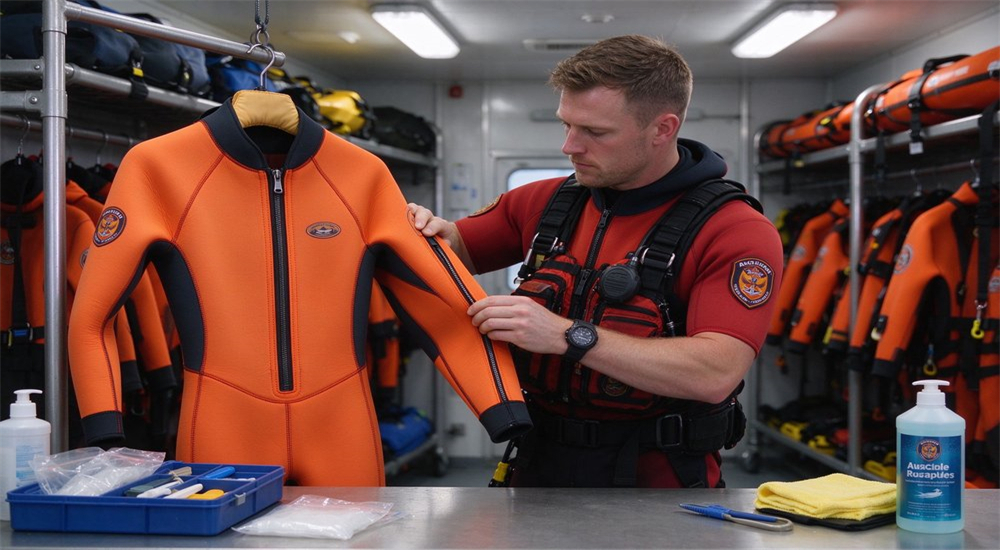
Before each deployment, inspect the suit for: seam integrity (no loose threads or separation), zipper function (smooth operation, no missing teeth), closure integrity (hook-and-loop fastening, elastic condition), neoprene condition (no tears, cracks, or delamination), reflective tape adhesion (no peeling edges), and hardware security (D-rings, buckles, pocket closures). Any suit showing signs of structural compromise should be removed from service and repaired or replaced. Document inspection results for fleet management and audit purposes.
7.4 Common Failures & Repair
The most common failure points are seam separation at high-stress areas, zipper tooth damage, and neoprene tears at reinforcement edges. Minor tears can be repaired with neoprene cement and patch material. Seam separation may require professional re-stitching and sealing. Zipper replacement is a cost-effective repair that extends suit service life. We provide repair kits and technical guidance for field repairs, and offer factory refurbishment services for bulk fleet maintenance programs.
Bulk Orders, Customization & Procurement
8.1 Customization Options
Bulk orders support comprehensive customization including: screen-printed department logos and unit identifiers, custom color combinations with Pantone matching, embroidered name tags and badge numbers, reflective tape pattern modifications, pocket configuration changes, and zipper placement adjustments. Custom sizing and extended size ranges are available for teams with specific requirements. All customizations maintain the same construction standards and material specifications as standard models. We support OEM and ODM manufacturing with full specification control per your requirements. Our gear meets the durability standards required by military and naval rescue units. Bulk packaging options support government emergency stockpile programs and pre-positioning contracts. As a direct manufacturer, we control production quality from material sourcing to final inspection. We work with rescue organizations worldwide to ensure consistent equipment quality across deployments.
8.2 Procurement Support
As a direct wholesale wetsuit supplier, we provide complete procurement support for government tenders and institutional purchases, including: detailed technical specifications sheets, material test reports and compliance documentation, sample suits for evaluation and team fitting, competitive pricing for volume orders, flexible payment terms for established institutional buyers, and dedicated account management for repeat customers. Our team can assist with tender document preparation, specification alignment, and compliance verification for any market-specific requirements.
8.3 Production Lead Times
Standard models in common colors and sizes typically ship within 15-25 working days from order confirmation. Customized orders with logo printing, special colors, or modified configurations require 25-40 working days depending on complexity. Large institutional orders (500+ units) may require phased delivery schedules. We provide production progress updates and can arrange pre-shipment inspections before final dispatch. Rush production options may be available for emergency procurement situations.
8.4 Packaging & Logistics
Each suit is individually polybagged with product labeling and size identification. Bulk orders are packed in export-grade cartons with moisture protection. Carton labeling includes purchase order number, item description, size breakdown, and quantity. We support EXW, FOB, CIF, and DDP shipping terms. For government stockpile orders, we can coordinate with designated logistics providers and provide advance shipping notices for inventory management integration.
8.5 After-Sales Support
Post-delivery support includes: warranty coverage against manufacturing defects, replacement parts availability (zippers, buckles, reflective tape), repair guidance and refurbishment services, size exchange program for ill-fitting suits, and ongoing technical consultation for fleet management. We maintain production capability for at least 5 years after initial order, ensuring replacement and expansion orders match existing fleet specifications. Customer satisfaction is tracked through post-delivery surveys and continuous improvement programs.
Industry Trends & Procurement Advice
Trend 1: Growing Demand for Multi-Season Fleets
Fleets emergency response organizations are increasingly recognizing that a single wetsuit thickness cannot adequately serve all operational conditions. Agencies are moving toward multi-thickness fleets—3mm for warm months, 4mm for shoulder seasons, 5mm for winter—rather than attempting to use one suit year-round. This approach improves both responder comfort and operational safety, though it requires higher initial investment and more complex inventory management. Organizations benefit from phased procurement over 2-3 budget cycles to build a complete multi-season fleet.
Trend 2: Focus on Visibility & Identification
High-visibility features are evolving from basic reflective tape to comprehensive identification systems including RESCUE lettering, role-specific color coding, and department-specific markings. This trend is driven by incidents where rescuers were difficult to distinguish from victims in turbulent water or low-light conditions. Procurement officers should prioritize suits with standardized reflective placement and support for custom identification, ensuring that team members are immediately recognizable as rescue professionals in any operational environment.
Trend 3: Convergence of International Standards
International standards for water rescue PPE are gradually converging, simplifying procurement for multinational organizations. Suits certified to one major standard are increasingly acceptable across markets, expanding supplier options. We design products to meet the most stringent common requirements across major markets. Rather than purchasing suits ad-hoc, organizations benefit from multi-year fleet plans accounting for inventory age, team growth, and budget cycles. Phased adoption of new technology over 2-3 procurement cycles allows in-service evaluation before full fleet replacement.
Trend 4: Integration with Complete PPE Systems
Modern water rescue operations increasingly view the wetsuit as one component of an integrated personal protective equipment system that includes PFD, helmet, boots, gloves, hood, and communication devices. Procurement officers are moving away from purchasing each item independently and toward sourcing complete systems from coordinated suppliers. This approach ensures compatibility—for example, wetsuit torso panels designed to work with specific PFD harness systems, and wrist cuffs sized to interface with dry gloves. Our wetsuits are designed with these integration considerations in mind, featuring standardized attachment points, compatible sizing with common PFD brands, and optional integrated hood and boot configurations. We can provide complete PPE system quotations including wetsuits, PFDs, helmets, and accessories for organizations seeking one-stop procurement.
Related Products & Resources
Collection — View our complete water rescue equipment range including wetsuits
Dry Suit — For colder water conditions, consider our dry suit range
Life Jacket — Always wear a PFD over your wetsuit for adequate flotation
Frequently Asked Questions
Q1: What thickness wetsuit is best for water rescue?
For most rescue operations, 5mm neoprene is the standard choice, providing thermal protection for water temperatures 10-20°C. 3mm is suitable for warm water above 20°C, while 7mm is for cold water below 10°C. Some suits use variable thickness with 5mm core and 3mm limbs for flexibility.
Q2: What is the difference between one-piece and two-piece wetsuits?
One-piece suits provide better water sealing and are faster to don. Two-piece systems (jacket + pants or farmer john + jacket) offer more sizing flexibility and can be layered for different conditions. Both are used in professional rescue.
Q3: How do I clean and maintain a neoprene wetsuit?
Rinse thoroughly with fresh water after each use, especially after exposure to saltwater or contaminated water. Use specialized wetsuit shampoo periodically to remove bacteria and odors. Hang to dry in shade away from direct sunlight and heat sources.
Q4: What does 'blind stitched' mean in wetsuit construction?
Blind stitching uses a curved needle that does not penetrate completely through the neoprene, creating a seam that is strong yet watertight. This is the standard for high-quality rescue wetsuits. Seams may also be glued and taped for additional waterproofing.
Q5: Can wetsuits be customized with logos and colors?
Yes, we offer custom color panels and logo placement via silk screening, embossing, or heat transfer. Standard colors include black, navy, and high-visibility combinations. Custom orders require minimum quantities.
Q6: How should a rescue wetsuit fit?
A proper fit should be snug but not restrictive, with no large air pockets or loose folds. The suit should allow full range of motion for swimming, climbing, and lifting. It will feel tighter when dry and loosen slightly in water as neoprene compresses.
Q7: What is the difference between CR neoprene and SBR neoprene?
CR (Chloroprene Rubber) neoprene has superior elasticity, durability, and temperature resistance, making it the premium choice for professional rescue gear. SBR (Styrene Butadiene Rubber) is more economical but less durable and flexible. Our professional models use CR neoprene.
Q8: Do wetsuits provide buoyancy?
Neoprene provides some inherent buoyancy—approximately 1-2kg depending on thickness and suit size. However, this is not sufficient as primary flotation. All rescue personnel should still wear a properly rated PFD or life jacket over the wetsuit.
Q9: How long does a professional wetsuit last?
With proper care, a professional rescue wetsuit typically lasts 2-4 years. Signs of wear include neoprene compression loss, seam separation, zipper failure, and visible tears. Rotate multiple suits to extend overall fleet lifespan.
Q10: Can wetsuits be repaired?
Small tears and punctures can be repaired with neoprene cement and patches. We supply repair kits. Seam delamination or zipper failure should be professionally repaired. Suits with compressed neoprene that no longer provides thermal protection should be replaced.
Q1: What is the difference between a wetsuit and a dry suit for water rescue?
A wetsuit allows a thin layer of water to enter, which the body heats for insulation, offering superior mobility and faster drying. A dry suit completely seals out water, providing better thermal protection in very cold water but with more bulk and slower donning. Wetsuits are preferred for moderate water temperatures (10°C-25°C) and high-mobility operations, while dry suits are necessary for prolonged cold-water exposure below 10°C.
Q2: How do I choose the right neoprene thickness for my team?
Select thickness based on your primary operational water temperature: 3mm for 15°C-25°C (summer flood response, training), 4mm titanium for 10°C-18°C (shoulder-season, year-round temperate), and 5mm for 5°C-12°C (cold-water rescue). Most organizations benefit from a mixed fleet covering multiple temperature ranges rather than a single thickness.
Q3: What is the minimum order quantity for bulk wetsuit orders?
Standard models have a minimum order quantity of 50 units per color/size combination. Customized orders with logo printing or special colors typically require 100 units. We can accommodate smaller trial orders for evaluation purposes at adjusted pricing. Contact our sales team for specific MOQ details based on your configuration requirements.
Q4: Can you manufacture wetsuits to meet specific market certifications?
Yes. Our manufacturing facility is ISO 9001 certified and we can produce suits to meet EN 14605 (EU), NFPA 1952 (US), GB/T 19001-2016 (China), and AS/NZS 4602 (Australia/NZ) requirements. We provide complete technical documentation including test reports and compliance certificates to support market-specific certification processes. Third-party pre-shipment inspections by SGS, BV, or Intertek can be arranged.
Q5: How long does a wetsuit typically last under regular use?
With proper care and maintenance, our reinforced wetsuits typically provide 3-5 years of service life under regular use. Factors affecting longevity include frequency of use, water chemistry (salt, chlorine, pollution), storage conditions, and adherence to cleaning protocols. Economy-grade suits may last only 1-2 years. We provide maintenance guidance and offer factory refurbishment to extend service life.
Q6: Are women-specific patterns available?
Yes, we offer women-specific patterns with adjusted torso length, hip-to-waist ratio, and shoulder width for improved fit and comfort. All gender-specific patterns maintain identical construction, materials, and certification standards as unisex models. We recommend ordering a sample set for team fitting before finalizing size distribution for bulk orders.
Q7: Can I customize colors, logos, and reflective tape placement?
Yes. Bulk orders support screen-printed department logos, custom Pantone-matched colors, embroidered name tags, and modified reflective tape patterns. Customizations maintain the same construction standards and material specifications. Standard customization requires 100+ unit minimums and adds approximately 10-15 working days to production lead time.
Q8: What is the typical production lead time for bulk orders?
Standard models in common colors and sizes ship within 15-25 working days. Customized orders with logos or special colors require 25-40 working days. Large institutional orders (500+ units) may use phased delivery schedules. Rush production options may be available for emergency procurement—contact our team for availability.
Q9: How should wetsuits be cleaned after floodwater exposure?
Rinse thoroughly with fresh water immediately after use. For floodwater exposure (which may contain chemicals, sewage, and debris), use a mild neoprene-safe detergent or wetsuit shampoo. Turn inside out for complete interior cleaning. Avoid hot water, bleach, and strong detergents. Hang to dry in a well-ventilated area away from direct sunlight. Disinfect with a diluted wetsuit-specific disinfectant if exposure to biological contaminants is suspected.
Q10: Do you provide sample suits for evaluation before bulk ordering?
Yes, we provide sample suits for evaluation and team fitting purposes. Samples can be customized with your department logo for an additional fee. Sample costs are typically credited toward subsequent bulk orders. We recommend evaluating at least 2-3 thicknesses and configurations to determine the best fit for your team's operational profile.
Q11: What warranty coverage do you offer?
We offer a standard 12-month warranty against manufacturing defects from the date of delivery. This covers seam separation, zipper failure, material delamination, and construction defects. Normal wear and tear, improper use, and lack of maintenance are not covered. Extended warranty options are available for institutional fleet programs. We also provide replacement parts and repair services beyond the warranty period.
Q12: Can wetsuits be repaired in the field?
Minor neoprene tears can be repaired in the field using neoprene cement and patch material, which we supply with bulk orders. Seam separation and zipper replacement typically require professional repair. We provide detailed repair guides and offer factory refurbishment services for fleet maintenance programs. Regular pre-deployment inspections help identify issues early before they become catastrophic failures.
Q13: Are your wetsuits compatible with PFDs and helmets?
Yes, our wetsuits are designed to be worn under standard PFDs (personal flotation devices) and with water rescue helmets. The high-friction torso panels prevent PFD slippage during active movement. The slim profile and stretch fabric ensure that PFD straps and helmet chin straps function properly. We recommend testing the complete PPE system (wetsuit + PFD + helmet + boots + gloves) during training to ensure compatibility and mobility.
Q14: What payment terms do you offer for institutional buyers?
For first-time institutional buyers, we typically require 30% deposit with order confirmation and 70% balance before shipment. Established customers with a proven payment history may qualify for more flexible terms including letters of credit, net-30, or net-60 payment arrangements. All pricing is quoted in USD with Incoterms specified per order. We provide detailed proforma invoices for budget approval processes.
Q15: Can you provide documentation for government tender submissions?
Yes. We provide complete technical documentation packages including: detailed product specifications, material test reports (tensile strength, seam strength, hydrostatic pressure, abrasion resistance), ISO 9001 certification, compliance declarations for applicable standards, factory audit reports, and sample evaluation letters. Our team can assist with tender document preparation and specification alignment to ensure your submission meets all requirements.
Q16: What is the minimum order quantity for custom wetsuits?
Our standard MOQ for bulk wetsuit orders starts at 100 pieces per model. For custom logo printing and color matching, the MOQ may vary based on the customization level. We support mixed sizes within a single order to help teams outfit personnel of different body types without meeting separate MOQs for each size. Contact our sales team for a detailed quotation based on your specific requirements.
Q17: Can you add custom logos, reflective markings, or team identifiers?
Yes, we offer custom logo printing, embroidered patches, and custom reflective marking placement. Logos can be applied via screen printing, heat transfer, or embroidery depending on the suit material and placement location. We can also add custom RESCUE text, department names, or identification numbers in reflective materials. Artwork approval and pre-production samples are provided before bulk manufacturing begins.
Q18: What is the typical production lead time for bulk wetsuit orders?
Standard production lead time is 25-35 days for bulk orders after sample confirmation and deposit. Custom orders with special colors, materials, or branding may require 35-45 days. We offer expedited production for urgent government procurement and disaster response orders on a case-by-case basis. Exact lead times are confirmed in the formal quotation and contract, and we provide regular production progress updates throughout the manufacturing cycle.
Previous :
Wholesale Ice Rescue Suits for Professional Cold Water TeamsNext :
Wholesale Dry Water Rescue Suits for Professional Rescue Teams Firefighting Life Jacket, Quick Auto-Inflation, Universal Orange
This professional firefighting life jacket features a wear-resistant waterproof Oxford fabric outer layer with EPE high-density polyethylene foam filling, providing ≥100N total buoyancy with ≥50N inherent buoyancy. Equipped with a ≤5-second quick auto-inflation system, it meets emergency rescue needs in firefighting, floods, and inundations. The high-visibility orange design with reflective strips enhances night recognition, while the chest rescue whistle facilitates emergency distress signals. Universal size fits most rescue personnel, with customizable organizational logos and functions.
 Floating Rescue Vest High-Visibility Waterproof Earthquake Safety
This flood prevention life jacket is made of 200D Oxford polyester fabric with polyethylene foam buoyancy material, providing ≥8.5kg buoyancy. Measuring 65×50cm, it fits most adults. Featuring 6 evenly distributed reflective patches and an emergency whistle, it's specifically designed for maritime storms, floods, and earthquake-induced water disasters. The orange/green design ensures high visibility during water rescue operations. Professional teams can customize specifications, markings, and special features according to their requirements.
 Rescue Life Jacket, Thickened Waterproof, 74N High Buoyancy Design
Professional rescue life jacket features 200D thickened Oxford fabric outer layer, high buoyancy ≥74N design, compliant with GB/T32227-2015 rescue equipment standards. Standard size 58×42×5.5cm, lightweight for quick mobility. Orange-yellow high-visibility color with shoulder reflective strips ensures maximum visibility in extreme conditions like floods and tsunamis. Ideal for flood rescue, sea storm rescue and earthquake-induced flood disasters, an essential equipment for professional rescue teams.
 Flood Control Life Vest, 200D Oxford Fabric, Orange-Yellow High Visibility
Professional flood control life jacket features 200D thickened Oxford fabric outer layer, standard size 58×42×5.5cm, with ≥74N buoyancy value tested to GB/T32227-2015 standards. High-visibility orange design with night reflective strips, lightweight for unrestricted movement. Ideal for flood disasters, earthquake-induced floods, sea storm rescues and extreme conditions, providing reliable buoyancy support for rescue personnel, improving water rescue efficiency by 99% - essential equipment for emergency rescue operations.
 Professional Flood Rescue Life Jacket High Buoyancy Vest
This professional flood rescue life jacket features a 450D waterproof Oxford fabric outer layer with EPE high-buoyancy filling material, providing ≥88N buoyancy to ensure water rescue personnel safety. Equipped with night reflective patches and large reflective areas on shoulders and chest to enhance visibility in adverse weather conditions. The lightweight design weighs ≤1kg, not affecting rescue operation flexibility. Tested in actual flood disaster scenarios, it provides continuous buoyancy support for over 12 hours in rapid currents, having protected over 10,000 rescue personnel during 327 flood control operations nationwide.
 88N Buoyancy Water Rescue Life Vest Emergency Disaster Vest
This professional water rescue life vest features a 450D waterproof Oxford fabric outer layer with EPE high-buoyancy filling material, providing ≥88N buoyancy support to ensure rescuers remain stable in rapid currents. Weighing ≤1kg, it's lightweight and doesn't restrict rescue operations. Large reflective patches on shoulders and chest enhance nighttime rescue visibility. Field-tested to protect rescuers during 18-hour continuous emergency operations, it has been successfully deployed in 176 flood rescue missions nationwide.
Copyright © Custom Disaster - Relief Bedding: Tents, Sleeping Bags, Blankets All Rights Reserved
the professional team to service !