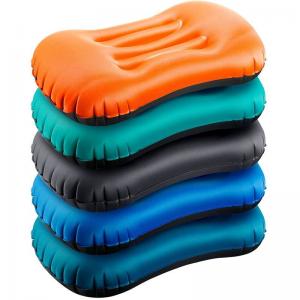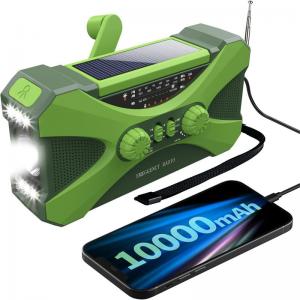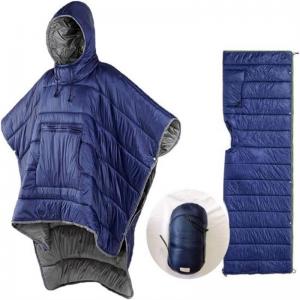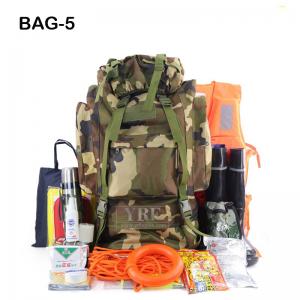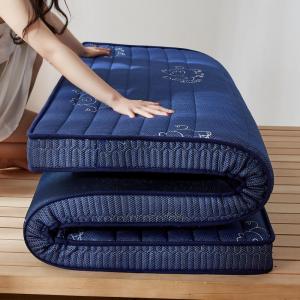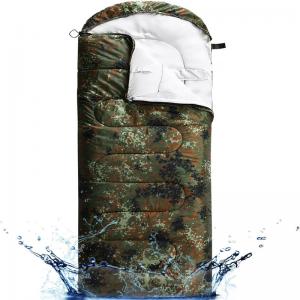
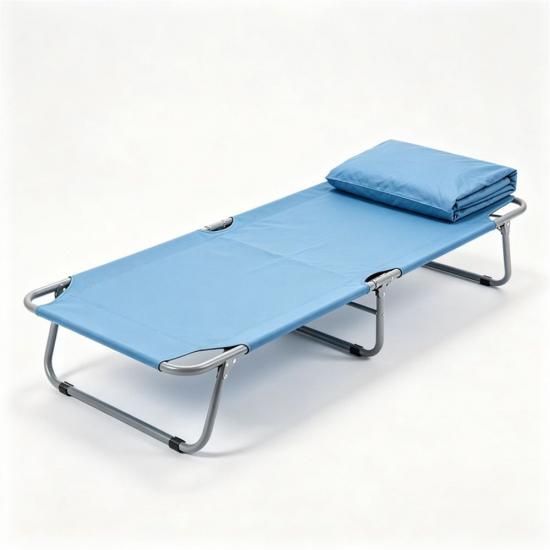
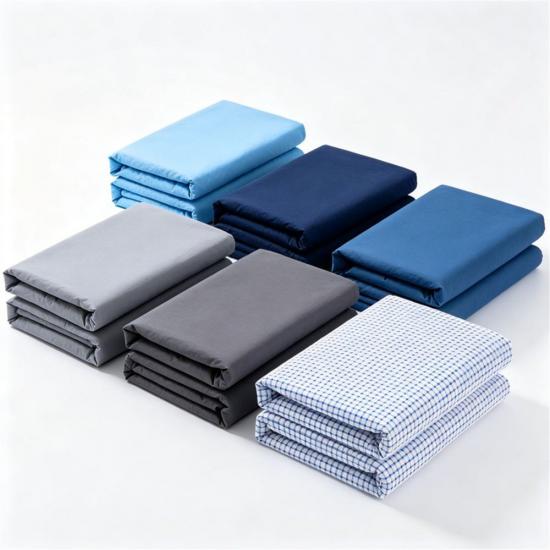
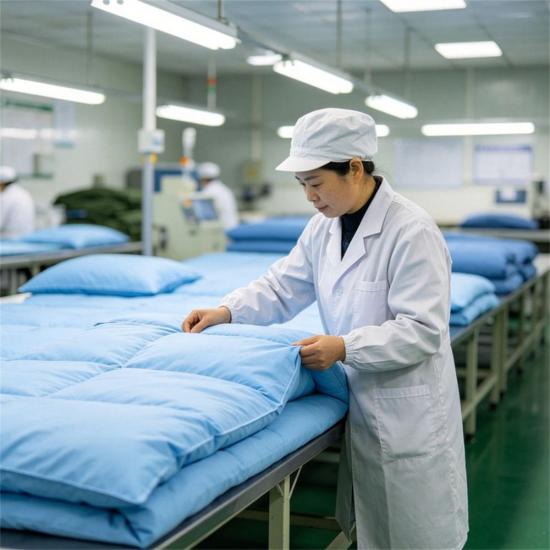
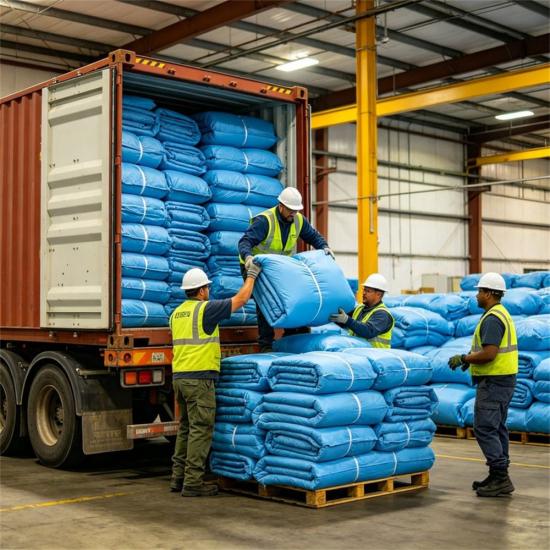
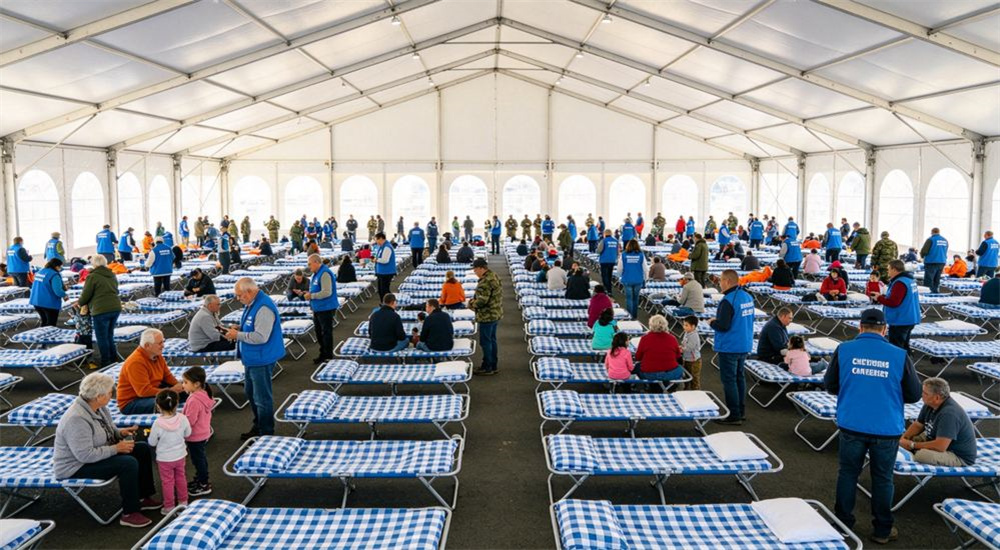
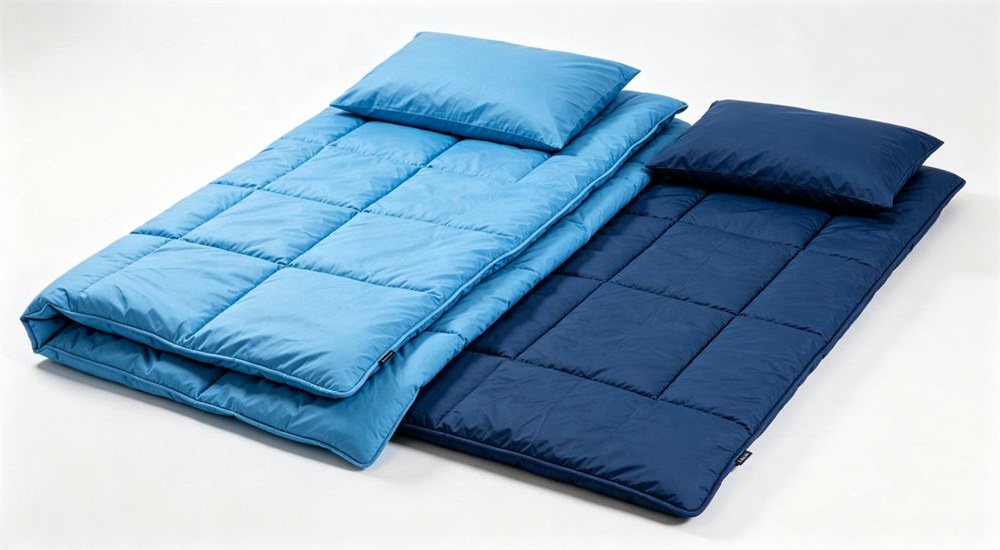
Emergency relief bedding has to arrive fast, survive rough shelter conditions and stay hygienic when washing is limited. We supply compressed, rapid-deployment disaster relief bedding sets made from quick-dry polyester and poly-cotton, folded small for air and road delivery, launders clean after each use and stays comfortable across a simple cot in a temporary camp.
Note: Price for reference only. Exact price based on quantity, size, weight and custom details.
model no. :
SQ-05market price :
$79.8sale price :
$39.9price range :
30-100/$39.9Color :
Multiple Colorsport of dispatch :
Guangdong/GuangzhouPayment :
TT, Paypal, Western Unionmin order :
30original region :
Made in ChinaLead Time :
5-15daysSize :
180*200CM Or customize |
 |

|
Table of Contents
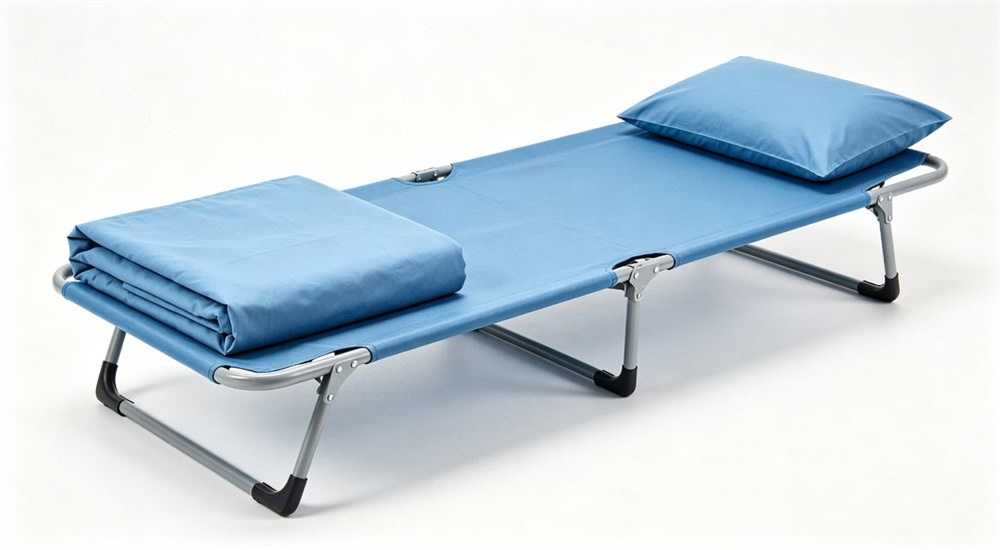
When an earthquake, flood or displacement crisis hits, linen cannot wait for a normal supply chain. Emergency relief bedding needs to pack small, open fast and give displaced people a clean, warm place to sleep the first night. We build relief sets around those three demands: vacuum compression that multiplies what a truck can carry, fabrics that dry quickly in damp tents, and simple durable construction that needs no ironing or specialist care.
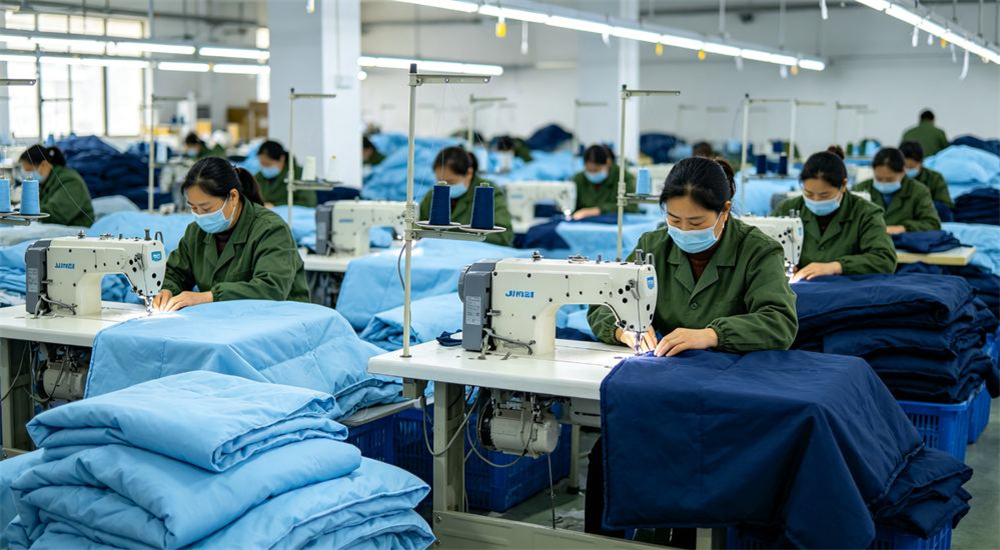
Most emergency relief bedding orders start with a fabric decision. Lightweight polyester microfiber is the default for short emergencies because it compresses small and dries fast. Poly-cotton steps up where the shelter run is longer and comfort matters, and 100 percent cotton suits field hospitals and climate-controlled settings. The sections below match each fabric and weight to the kind of emergency it serves, so agencies do not over-pay for luxury in a short deployment or under-buy a durable fabric for a long camp.
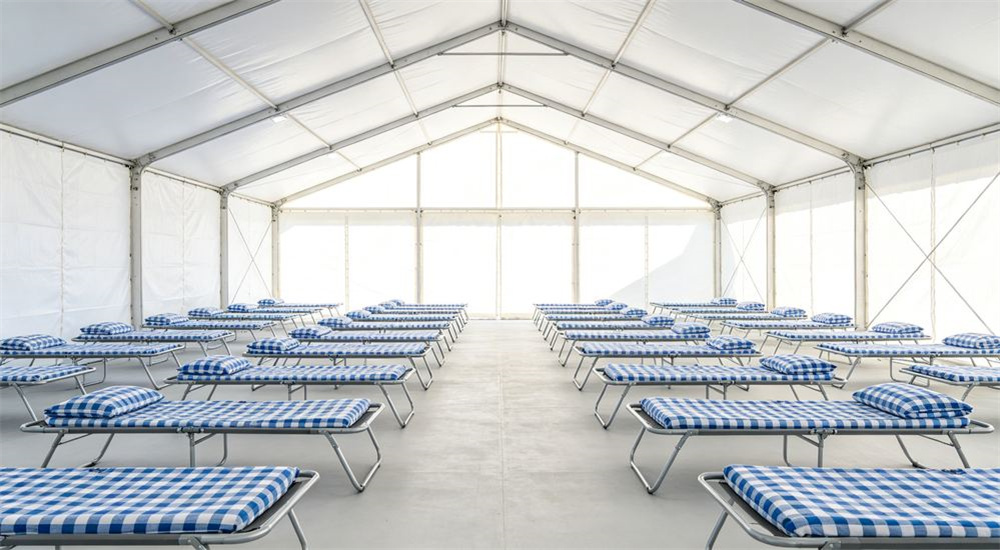
Beyond the fabric, emergency relief bedding buyers care about speed and reliability. Sets are vacuum compressed for dense loading, color-coded for fast distribution, and produced to an approved sample so repeat stockpile orders match. Hygiene, quick drying and simple laundering matter more than decorative finishes, because tents rarely have dedicated laundry. The rest of this page walks through sizing, weight, procurement, cost, washing, packaging and samples in plain terms.
Whether you run a civil defense stockpile, a community evacuation center, a field hospital program or a long-term displacement camp ordering emergency relief bedding, the goal is the same: linen that is clean when it arrives, tough enough for rough use, and easy to distribute by the truckload. The chapters below give you the practical specs and decision points. You can also review our full institutional bedding range across sectors before you lock the specification.
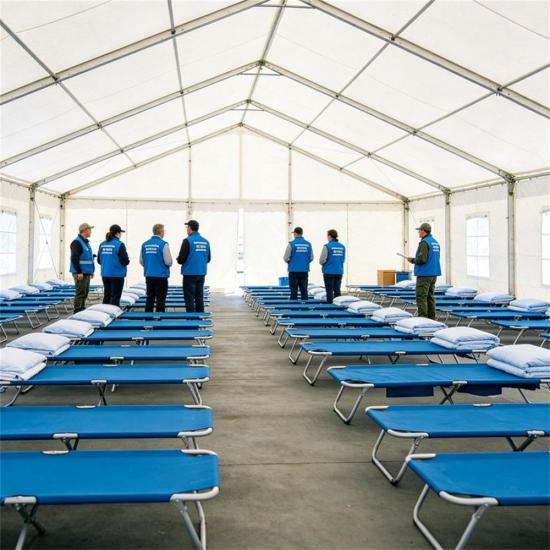
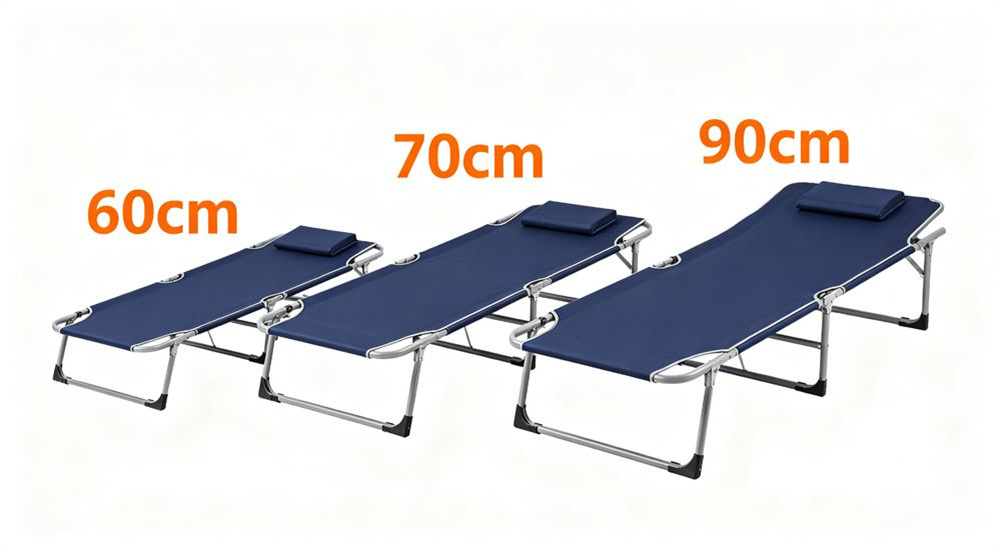
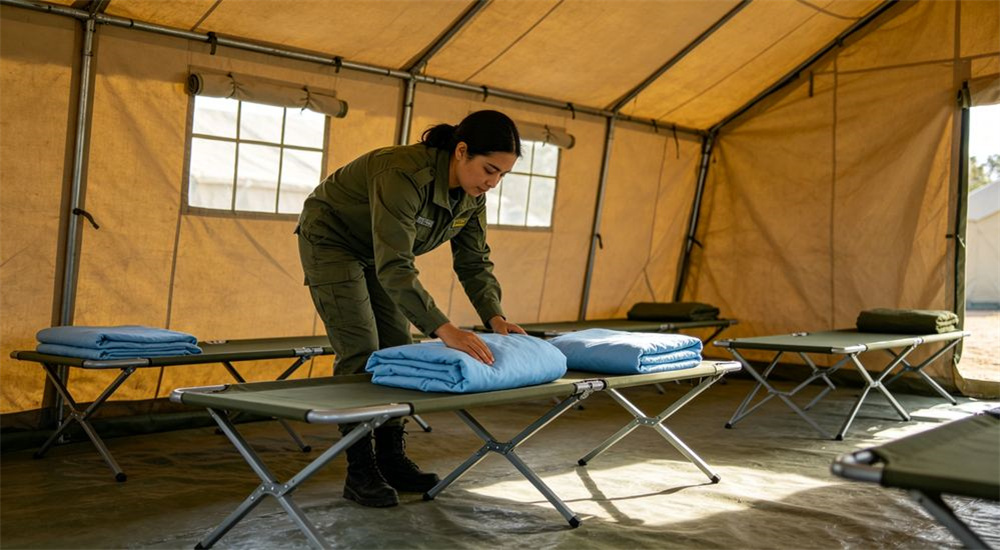
Emergency relief bedding has to fit the beds and cots you actually deploy. Most field shelters use narrow single cots around 190 by 80 cm, and we cut sheets and blankets to those compact sizes so they pack efficiently and fit the bed frames already in the field. Slightly wider sizes are available for family tents and evacuation centers where standard single beds are used. Working with an emergency relief bedding supplier starts with knowing your cot dimensions, because relief cots run narrower than domestic beds and fitted sheets must fit the frame.
The table below lists the cot sizes common in emergency relief bedding deployments and the linen sizes we cut to. Measure the cots you will actually deploy, because relief cots are often narrower than retail beds, and a fitted sheet that is too large slips off a camp frame. Send us your cot dimensions and we confirm the cut before production.
The table below summarizes core emergency relief bedding supplier specifications, so you can match cot dimensions before you request a quotation.
Bed Type
Mattress (cm)
Sheet (cm)
Common Use
Narrow Cot
190 x 80
200 x 100
Tents, cots
Single
190 x 90
200 x 110
Evacuation centers
Wide Single
190 x 100
200 x 120
Family tents
Field Hospital
190 x 90
200 x 110
Medical tents
Bunk Rack
190 x 80
200 x 100
Warehouse shelters
These are reference sizes, because relief operations mix cot types in the same deployment. We cut to your measured dimensions, and we recommend confirming a sample sheet on an actual cot before bulk production. Blanket and throw sizes are matched to the cot so a family is covered without excess fabric that gets in the way on a narrow frame.
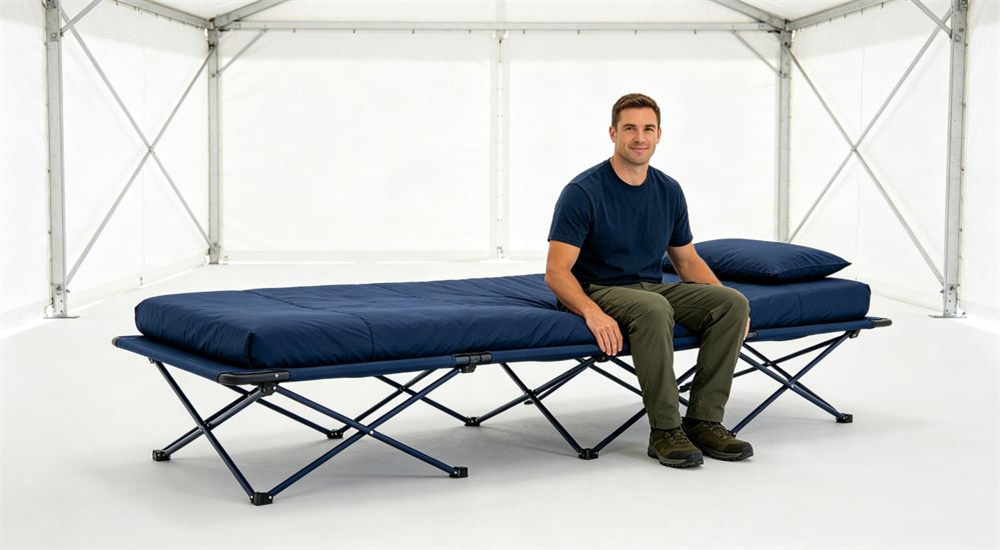
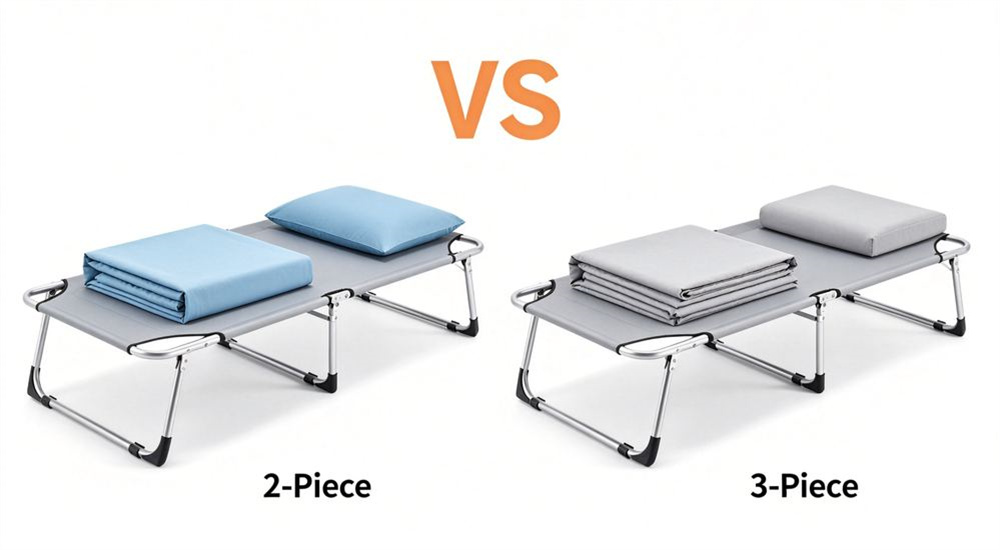
Emergency relief bedding ships in simple configurations that are fast to distribute. The choice depends on how long the deployment lasts and whether families need a pillow, and it is decided before the first truck loads.
Flat sheets are common in emergency relief bedding because they are simpler to make, pack and distribute on a narrow cot, while fitted sheets stay put where camp frames are uneven. We can supply either to your standard. Keeping the configuration simple means distribution teams hand out one sealed pack per person without sorting pieces on the floor of a shelter.

In emergency relief bedding logistics, every centimeter of bedding is space and weight you pay to ship. Cutting linen to the exact cot size means no excess fabric hanging off a narrow frame, which keeps the tent tidy and the pack small. Oversized retail linen wastes container space and looks messy on a camp cot. Because most relief cots are narrower than a retail twin, we build the sizes to the field frames rather than to a domestic standard, which is the detail that separates a relief supplier from a general textile exporter.
Relief cots and bunk frames vary widely between suppliers and between settings, so the safe approach is to measure the actual equipment you deploy rather than assume a standard. Record the mattress length, width and the height the fitted sheet must cover, and send us a sample cot dimension if possible. Because a relief order may equip dozens of different shelters, note the range of bed types you use, and we size the linen to fit the most common frame. A small measurement step up front prevents thousands of sheets that slip off the cot in the field.
A relief set is rarely just sheets. Families also need a blanket or throw for warmth, especially in cold-weather response. We match blanket weight to the climate: light woven throws for hot camps, warmer brushed weaves for winter shelters. Like the sheets, blankets are chosen to compress well and dry fast, because a damp blanket in a tent does more harm than good. Confirm the climate of the deployment region when you order, so the blanket weight matches the night-time temperatures people will actually face.
Pillows are where relief programs differ. The most rapid two-piece sets skip a pillow to save pack size, but three-piece and four-piece sets include a pillowcase, often with a lightweight compressed insert. For longer camps, a basic compressed pillow improves dignity and sleep. We can supply inserts that compress well and stay hygienic in a sealed pack. Decide whether families already have something to use as a pillow, or whether the set must be self-contained, and we build the pack to match. Self-contained sets take more space per person but leave a family with nothing missing on the first night.
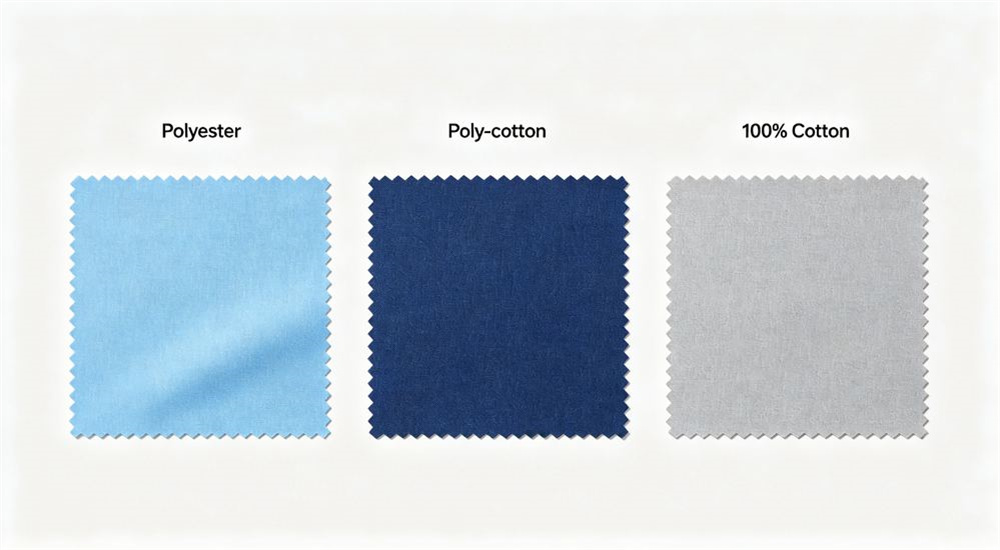
The fabric decides how emergency relief bedding behaves in a damp tent after weeks of use. Polyester microfiber, poly-cotton and cotton each suit a different deployment length, and relief programs often keep two fabrics on hand depending on the crisis. Choosing the right fabric is the first decision for any emergency relief bedding supplier program, because the blend determines compression ratio and wash resistance.
Polyester microfiber is the default fabric for emergency relief bedding in short emergencies because it is light, compresses small and dries fast, which matters when a tent never fully dries. Poly-cotton adds durability for camps that run for months, and cotton suits clinical settings that wash hot. The table compares them side by side.
The fabric comparison table below lists emergency relief bedding supplier options by GSM and blend, helping you choose the right polyester or poly-cotton weight for your camps.
|
Property |
Microfiber |
Poly-Cotton |
100% Cotton |
|
Compression Ratio (packed/uncompressed volume) |
4:1 |
2:1 |
1.2:1 |
|
Drying Time after Wash (20C, line) |
45 min |
90 min |
180 min |
|
Institutional Wash Cycles |
150-250 |
250-350 |
180-250 |
|
Resident Comfort Survey (1-5) |
3.2 |
3.8 |
4.6 |
|
Wash Temp |
Up to 40C |
Up to 60C |
Up to 90C |
|
Recommended Use |
Short crises |
Long camps |
Field hospitals |
|
Relative Cost (Poly-Cotton = 1.0) |
0.7x |
1.0x |
1.4x |
Microfiber wins on logistics: it compresses to a fraction of its own size, so a truck carries far more sets per trip. Its limits are that it feels less breathable and cannot take hot washes, which is fine for short emergencies but not ideal for a camp running for months. Poly-cotton balances feel and durability for long shelters, while cotton is reserved for clinical spaces where hygiene outweighs transport weight. Most agencies stock microfiber for fast response and poly-cotton for sustained camps.
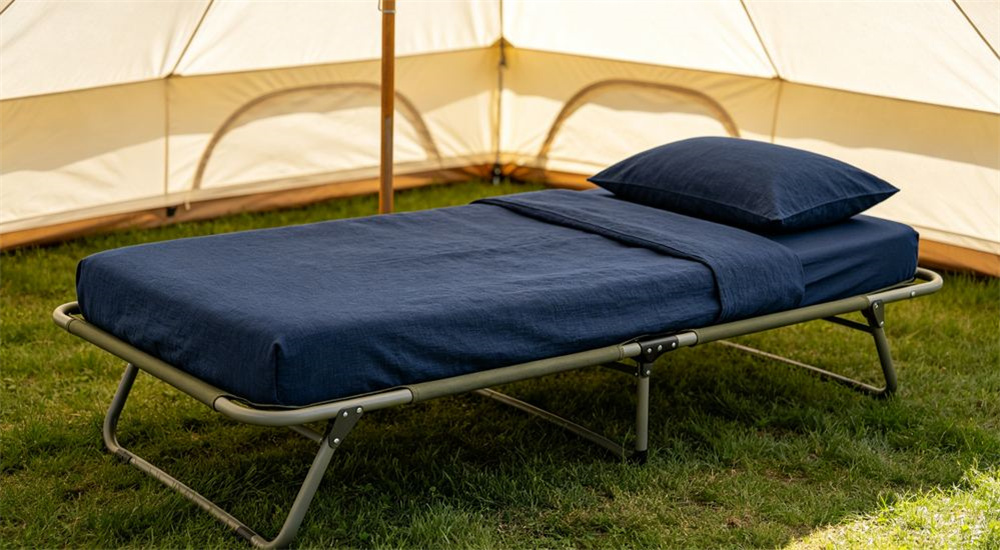
A shelter tent rarely has heating or proper ventilation, and in wet weather nothing dries easily. A fabric that stays damp grows odors and makes families miserable. Quick-dry polyester releases moisture fast and can be washed and hung overnight, which is why it is the default for field tents. Poly-cotton dries a little slower but survives longer, and pure cotton dries slowest, so it belongs in climate-controlled field hospitals rather than an open tent. Picking the drying speed to the setting is a comfort decision as much as a fabric choice.
Relief buyers walk a line between spending little per person and giving families something comfortable enough to actually use. A low-cost fabric feels thin and is rejected by families, wasting the distribution. Too luxurious and you cover fewer people per budget. The standard answer is microfiber for the first emergency wave and poly-cotton for the sustained camp, which gives dignity without overspending. Reading the deployment length honestly is what keeps the balance right.
Relief bedding sits directly against people's skin, often under stress and poor hygiene, so fabric safety matters. OEKO-TEX certified material means the cloth is free from harmful residues, which protects families with sensitive skin and young children. Dyes that do not transfer protect lighter clothing and prevent irritation. Because displaced people may already be exhausted and vulnerable, choosing skin-safe fabric is a basic part of the response, not an optional extra. We keep the certification on file so funders can verify it, and we steer clear of harsh finishes that might irritate rather than help.
Use the following quick questions to narrow the right fabric, GSM and set composition for your facility before you request a quotation.
GSM tells you how heavy the emergency relief bedding fabric is, and in emergency work the trade-off is between durability and how many sets fit in a container. Lower GSM packs lighter and cheaper, while higher GSM survives longer and feels more substantial. Matching GSM to response phase is how an emergency relief bedding supplier order performs in the field, not just in the warehouse.
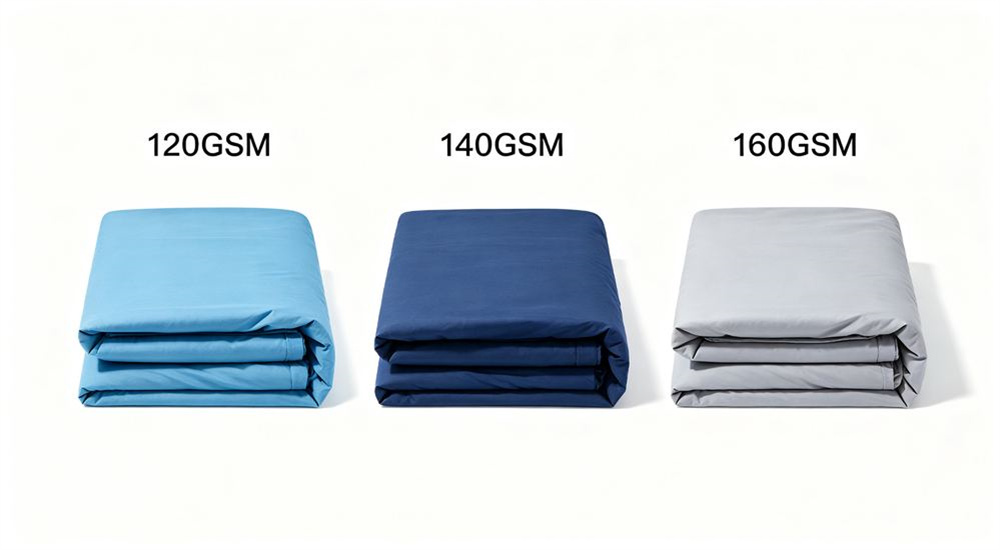
The 120 GSM lightweight model is built for fast short-term response, where packing density and cost matter most. The 140 GSM standard balances weight and durability for most deployments, and the 160 GSM durable model is for long-term camps and field hospitals where the linen stays in use for months. Pick the GSM by deployment length and container load.
Choose the GSM by deployment length and how many sets must fit in one container.
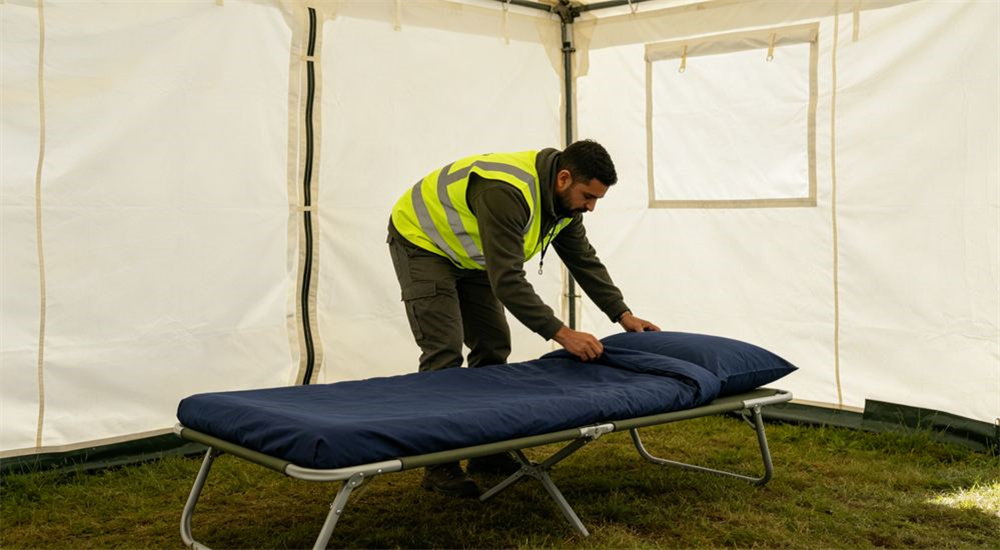
The table below pairs each scenario with a recommended weight and expected duration. Use it as a starting point, and remember that a longer-running camp earns a heavier fabric even if the unit price is higher, because it survives more washes and stays serviceable.
The GSM guide below maps emergency relief bedding supplier weights to first-night versus long-camp use, so you can avoid buying too light for extended field deployment.
|
Scenario |
Recommended GSM |
Fabric |
Expected Duration |
|
Rapid Response |
120 |
Microfiber |
1-3 months |
|
Evacuation Center |
140 |
Poly-Cotton |
3-6 months |
|
Long Camp |
140-160 |
Poly-Cotton |
6-18 months |
|
Field Hospital |
160 |
Cotton |
6-18 months |
|
Stockpile Reserve |
140 |
Poly-Cotton |
Multi-year |
|
Winter Shelter |
160 |
Poly-Cotton |
3-6 months |
A standing emergency relief bedding stockpile has a different logic than a single emergency. You do not know the next crisis, so you choose a versatile middle weight that works in most settings rather than an extreme. 140 GSM poly-cotton is that compromise: it compresses reasonably, survives months of use, and suits tents, evacuation centers and many climates. It is not the cheapest option, but it is the one that does not leave you under-prepared when the next crisis is longer or colder than expected. Stockpile programs often keep a small separate reserve of winter-weight sets for cold-response contingencies.
In relief work, GSM and packing density are linked. A lighter 120 GSM fabric compresses to a smaller pack and covers more people per container, which is why it leads rapid response. A heavier 160 GSM fabric takes more space per set but lasts far longer. The art is choosing the lightest weight that still meets the deployment length, because over-buying weight wastes shipping and under-buying it wastes replacement. For an unknown future crisis, the versatile 140 GSM middle is the safest default, backed by separate reserves for extreme hot or cold contingencies.
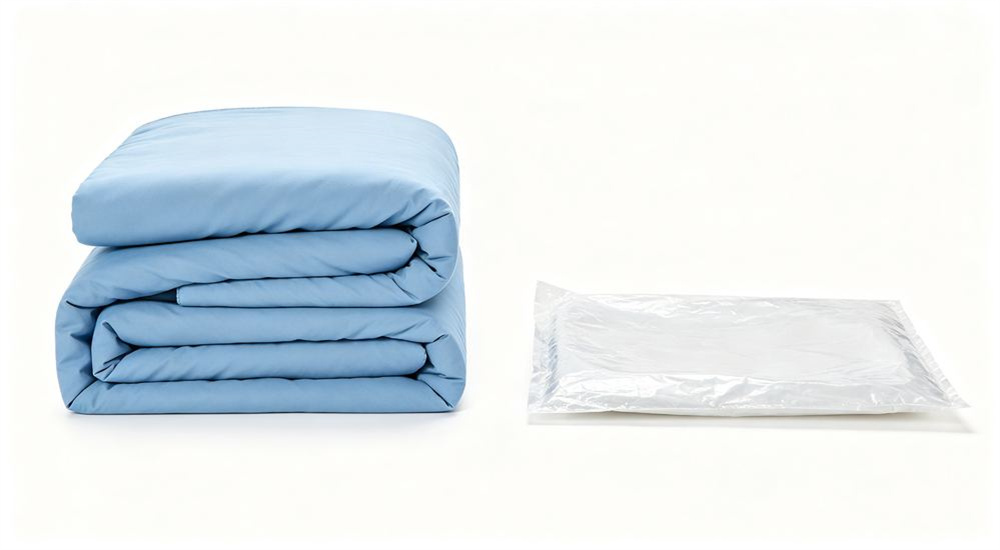
Relief bedding works in conditions a hotel or dorm never sees: damp tents, shared washing, rough handling and fast distribution. Our emergency relief bedding is built around those realities rather than decorative finishes. The features below explain why an emergency relief bedding supplier spec built for rapid deployment survives where standard fabric would not.
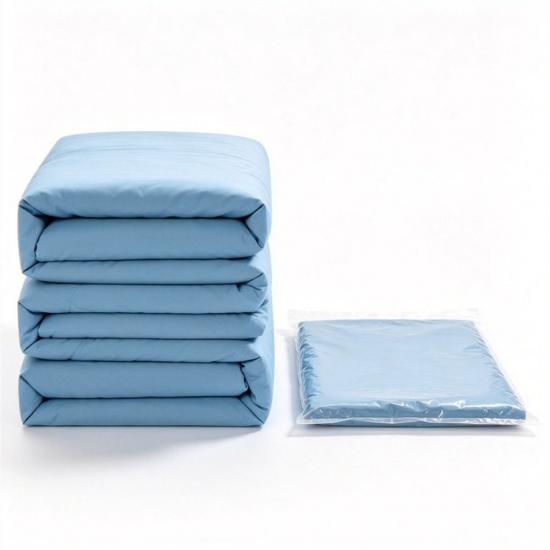
The single most important relief feature is how small a set packs. Vacuum compression squeezes each sealed bag to a fraction of its loose volume, which means one truck delivers far more bedding to the field. Distribution teams open a bag and hand it over, with no folding, ironing or preparation needed.
Compression is not just a packing trick, it is the core of relief logistics. A loose duvet takes up a suitcase by itself; the same item vacuumed slips into a shoulder bag. That difference decides whether one truck covers a village or a street. When you plan a response, ask for the measured compressed pack size, because that number drives how many containers you need and how fast the convoy can reach families. We design the packing around that arithmetic from the start.
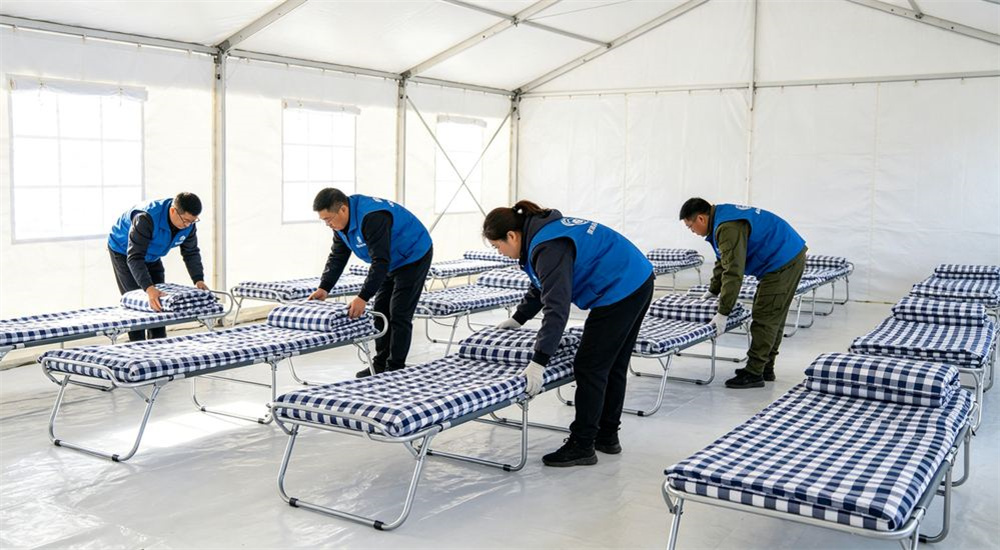
When laundry is limited, fabrics that dry fast and resist stains keep a shelter hygienic. Quick-dry polyester dries overnight even in a damp tent, and simple construction with reinforced seams survives rough handling and repeated folding.
These four design choices separate field-ready relief bedding from ordinary retail linen.
These four design choices are what separate field-ready relief bedding from ordinary retail linen.
Hygiene matters most where many people share one space. Sealed packs mean each family receives linen that has not been handled on the floor, and easy-care fabrics let shelter staff run a shared wash without ruining the set. Climate adaptation is built in too: lighter breathable fabrics for hot camps, warmer heavier weaves for winter shelters, and moisture-managing options for humid coastal crises.
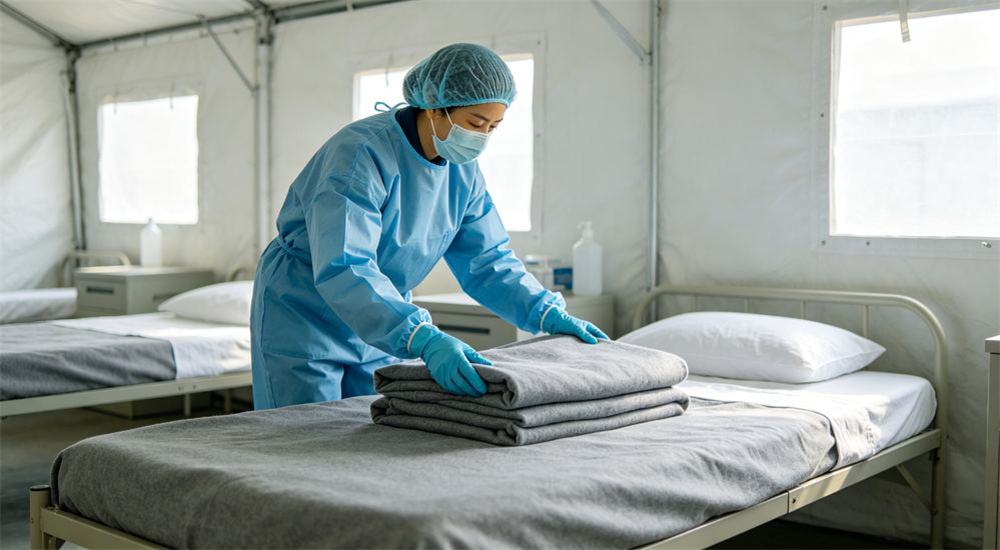
Relief shelters house mothers with infants, the elderly and people who have lost everything. For these groups, softness and dignity matter more than absolute durability. Slightly softer weaves and warm blankets help families feel settled, and color-coded packs let coordinators allocate the right bundle to mothers with young children. Elderly evacuees in cold shelters benefit from warmer weighted blankets. Reading who the linen is for, not just how many people, lets the response protect the most vulnerable properly.
A stockpile sits unused for years, so the bedding must keep while waiting. Vacuum sealed bags protect fabric from dust, moisture and insects, and storing cartons in a dry, temperature-controlled warehouse preserves the sets until a crisis triggers them. We recommend rotating stock on a schedule so the oldest packs are distributed first, and keeping the storage area dry enough to prevent mold. Linen that has sat well is ready the moment it is needed, rather than arriving damp and musty to a disaster zone.
A crisis can strike anywhere, and the right fabric changes with the climate. In hot desert emergencies, breathable light weaves keep families cooler and dry sweat overnight. In cold winter response, warmer brushed or layered weaves provide insulation when heating is scarce. In humid coastal flooding, moisture-wicking quick-dry material prevents the damp that drives illness. We match the weave to the deployment region rather than shipping a one-fabric fits-all product, because the same pack that works in a summer tent fails in a winter snow shelter. Tell us where the response is likely to focus and we recommend the climate-appropriate weight and weave.
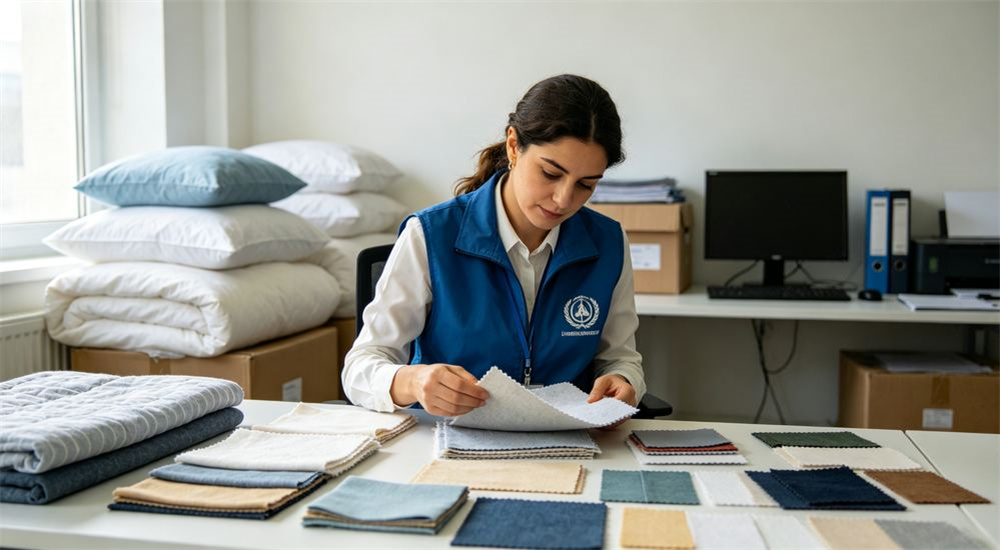
Buying relief bedding is different from a routine order because the deadline is often a disaster clock. Work through the steps below to narrow fabric, weight and quantity before you request a quotation for your emergency relief bedding stockpile. A reliable emergency relief bedding supplier plans around fast mobilization, vacuum compression and long-camp durability so your stockpile is ready when it is needed.
For a standing stockpile, ordering ahead keeps sets ready on the shelf rather than scrambling when a crisis hits. For an urgent response, tell us the deadline and we flag whether production and freight can meet it, and whether air freight is needed for the first consignment. Civil defense agencies often maintain a standing order that can be triggered at short notice, which removes the procurement delay in the first critical days.
A clear first message speeds up the process for emergency relief bedding buyers even under time pressure. Tell us the number of people to cover, the cot sizes, the expected deployment length, the climate and region, whether you need vacuum packs, and whether this is a standing stockpile or an urgent response. The more you include up front, the faster we return a realistic quotation and sample plan. If you have a tender document or a program specification, attach it and we respond in that format rather than sending a generic reply.
For an urgent order, every day counts. Plan backwards from the date the bedding must reach the field, working back through freight, production and sample approval. If the timeline is too tight for sea freight, air freight covers the first consignment while sea carries the rest. Build in a buffer for customs and inland delivery to the camp, because those legs often take longer than expected. Telling us the real deadline up front lets us tell you honestly what is achievable, rather than discovering a shortfall after production has begun.
The best relief procurement is invisible in a crisis because it was done beforehand. A standing stockpile contract means the fabric, weight, color and packing are already agreed, so a release order starts production within days rather than weeks. When you design that standing order, think about what the most likely crises need: a versatile middle fabric, neutral colors, vacuum packing and enough reserve buffer to cover a sudden surge. Review the stockpile once a year, rotate the oldest packs and keep the warehouse dry, so the moment a disaster hits, the trigger is a phone call rather than a new procurement race.
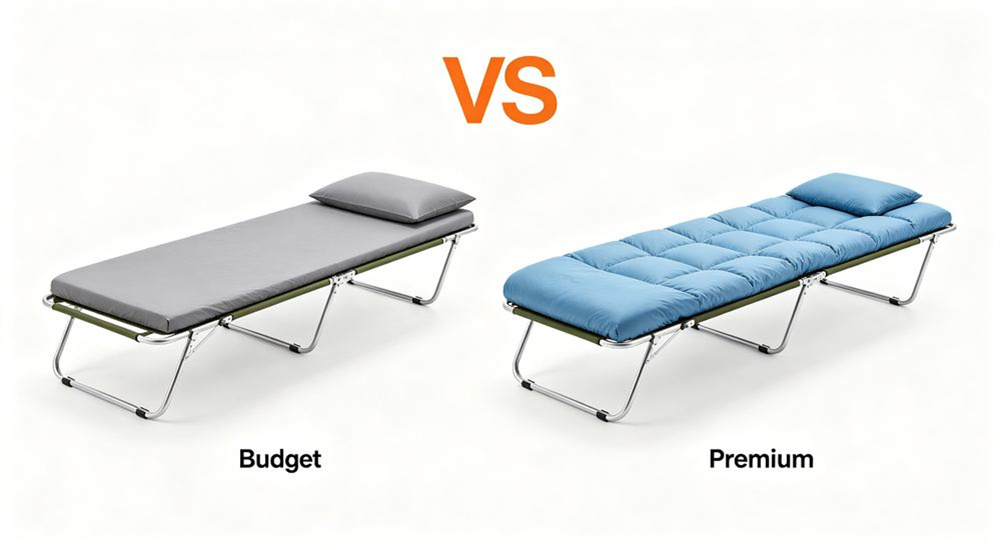
For emergency relief bedding, the cheapest set per bag is not always the best value when transport and replacement are counted. A compressed microfiber set costs little and packs well, but a heavier poly-cotton set survives a longer camp and needs replacing less often. The table below gives rough lifecycle ranges by deployment length. When you compare emergency relief bedding supplier bids, price per set matters less than price per use across stockpile rotation.
The cost and lifespan table below compares emergency relief bedding supplier options by price per set and expected cycles, so you can budget the full stockpile rotation.
|
Fabric and GSM |
Short (1-3 mo) |
Medium (3-6 mo) |
Long (6-18 mo) |
|
Microfiber 120 |
50 washes, like new |
100 washes, fading |
150 washes, worn |
|
Poly-Cotton 140 |
50 washes, like new |
100 washes, like new |
200 washes, serviceable |
|
Poly-Cotton 160 |
50 washes, like new |
100 washes, like new |
250 washes, serviceable |
|
Cotton 160 |
50 washes, like new |
100 washes, like new |
250 washes, clinical grade |
Lifecycle figures are planning estimates based on typical field use and shared washing. Actual results vary with climate, handling and care.
The transport equation often decides more than the unit price. Because compressed microfiber carries more sets per truck, the delivered cost per covered person can beat a heavier fabric even if the unit price is similar. When you compare emergency relief bedding bids, ask for the cost per person delivered to the field, not just the price per set on a ship.
Relief budgets are counted per person, not per set. A slightly more expensive compressed pack that covers more people per truck can cost less overall once freight is added, while a low-cost but bulky pack fills the truck and covers fewer families. When you model a bid, work out the number of people one container reaches, then divide the all-in cost by that number. That figure is what should guide the decision, because it reflects the real operation rather than a factory price tag that ignores shipping.
The instinct in relief is to cover as many people as possible with a fixed budget, which pushes buying toward the lowest-cost fabric. But a fabric so thin that families reject it, or a pack that fails to stay compressed, wastes both the money and the opportunity. Low-cost microfiber that cannot take the washing of a long camp ends up discarded and re-bought. The right balance is to buy the lightest fabric that still does the job for the deployment length, not the absolute cheapest, and to spend the saved budget on reaching more people rather than on reordering failed stock. Reading the camp duration honestly keeps this trade-off honest.
A relief bedding budget does not stop at the factory price. It includes freight, customs, inland delivery to the camp, distribution labor and eventual replacement. When you plan the budget, count all of these, not just the unit cost. A slightly more expensive but better-compressed set often lowers the freight and distribution cost enough to win on the total. And because relief funding is fixed and hard to revisit mid-crisis, building a realistic all-in number up front prevents a shortfall halfway through the response. Ask your supplier to price the whole route, not just the goods on the dock.
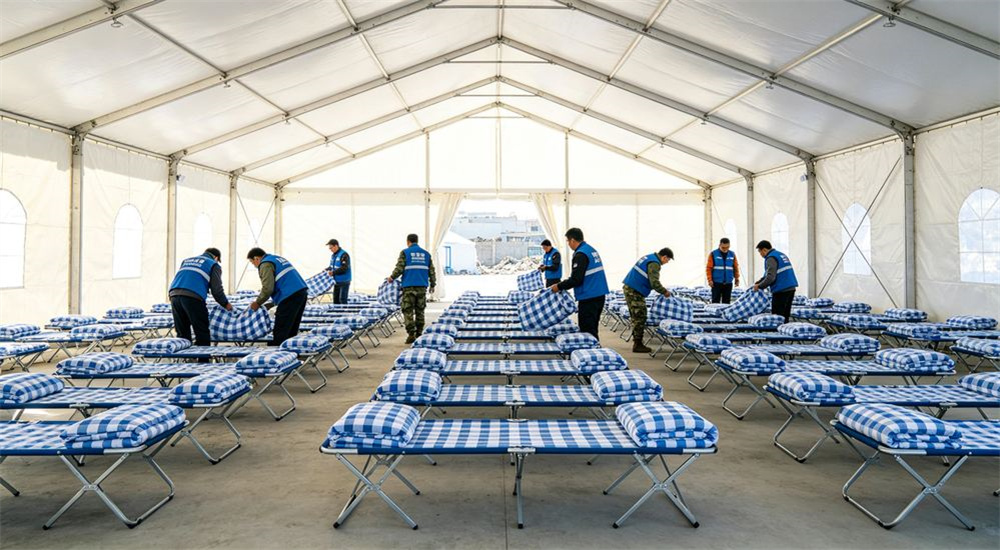
Different crises put different demands on emergency relief bedding. Matching the spec to the scenario means families get the right fabric for the climate and the duration of the shelter. Different camp settings demand different specs, and an emergency relief bedding supplier program that matches the setting reduces both loss and waste.
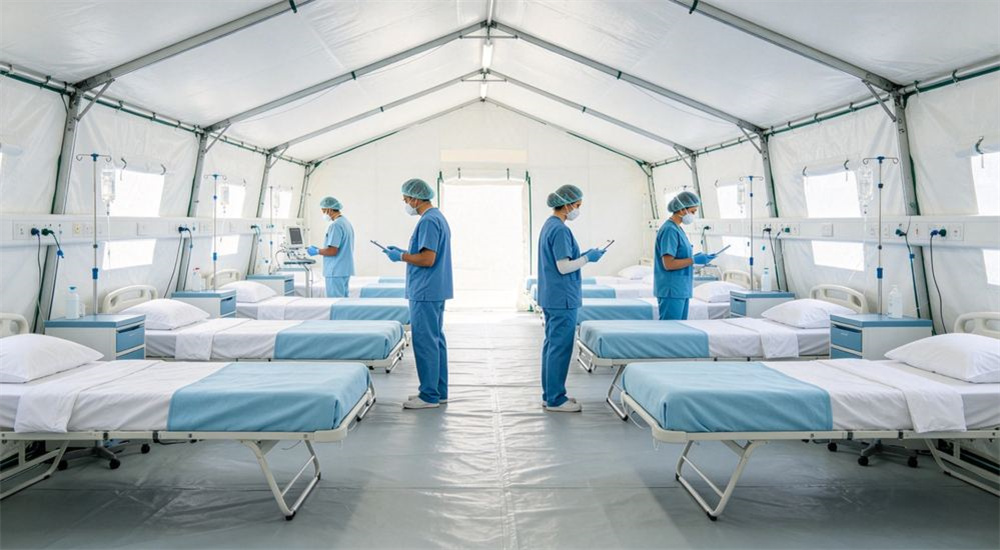
Match the weight and fabric to the crisis type so the stockpile works for the most likely scenario.
Stockpile programs often keep two weights on hand: a light 120 GSM for rapid response and a heavier 160 GSM for long camps.
Relief linen often sits alongside other institutional supply. Stockpile programs also order care setting linen for medical needs and bulk institutional bedding for longer-term accommodation, so a unified fabric quality simplifies the relief team's training and washing routines.
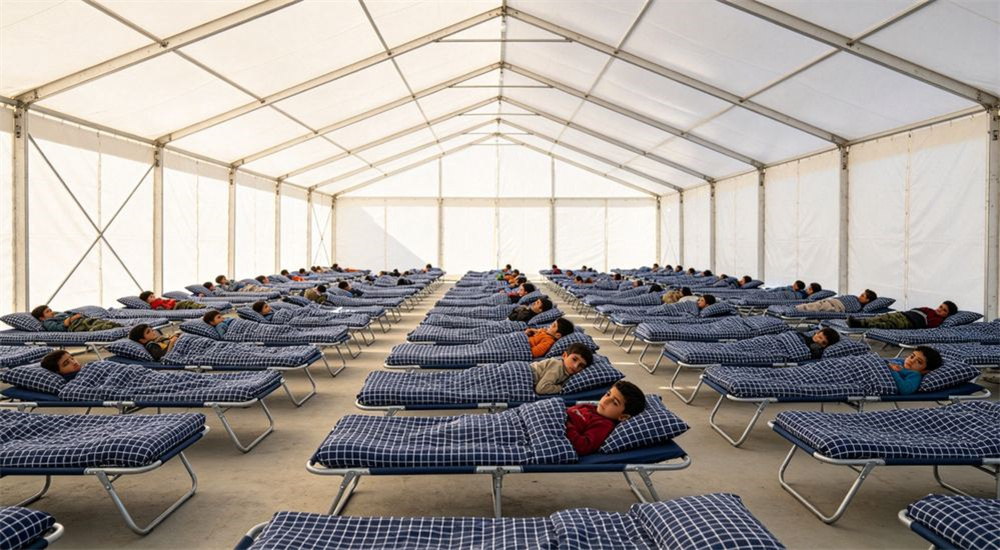
Sudden disasters displace people within hours, and the first wave of response needs bedding that arrives fast. Compressed 120 GSM microfiber is built for this: it ships dense, opens in seconds and gives families a clean place to sleep the first night. Flood response adds the damp factor, which is why quick-dry fabric is non-negotiable, because wet conditions in a tent are the norm rather than the exception. The goal in these first weeks is dignity and warmth, and the packing speed that lets one truck cover a whole neighborhood.
Some camps run for years as people cannot return home. Here the bedding stops being a short-term handout and becomes part of daily life, which is where 140 to 160 GSM poly-cotton earns its place. It survives repeated weekly washes, holds its color and feels like a proper bed rather than a temporary blanket. For these camps we also think about family-sized arrangements, mothers with infants and elderly residents, because a long shelter is a home, and the linen should support that stability rather than be replaced every few months.
Gymnasiums, schools and community halls often become shelters at short notice, housing people for days or weeks until it is safe to go home. These settings use standard single beds rather than cots, so the linen sizes are closer to domestic ones, and the turnover is fast as one group leaves and another arrives. 140 GSM poly-cotton handles this weekly wash cycle well. Because these centers can fill and empty quickly, having bedding ready to hand out in sealed packs matters as much as the fabric itself, which is why the compressed distribution model suits evacuation centers so well.
A field hospital has different needs from a family tent: hygiene comes first, and linen must withstand hot washing between patients. Here 160 GSM cotton or a strong poly-cotton in white or light blue is used, because it tolerates high-temperature washes that disinfect. The sets are four-piece and fitted, to look clinical and stay on the bed during treatment. Color is restrained to white and pale blue, which read as hygienic and calm for patients under stress. We work to the clinical washing routine, so the fabric survives daily hot washes rather than wearing out in weeks.
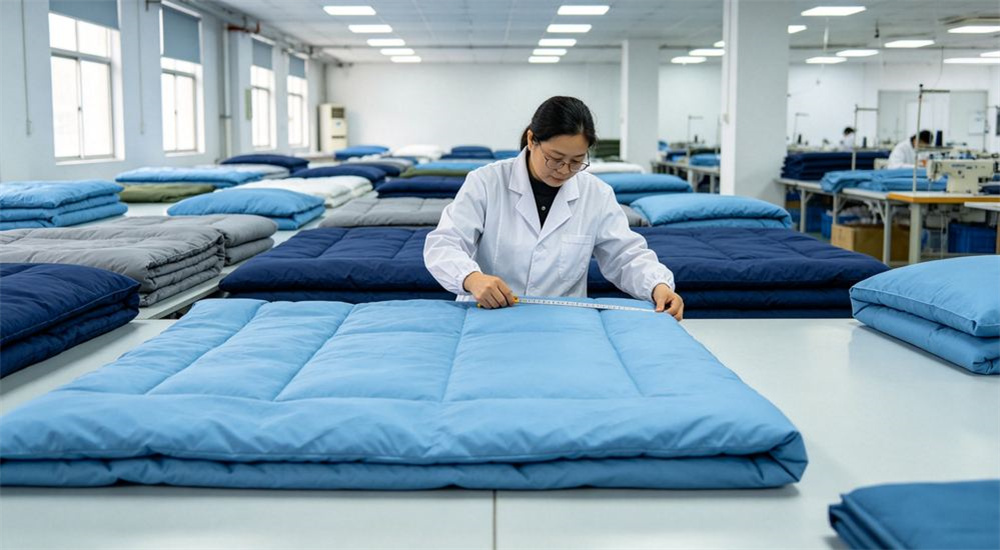
Humanitarian procurement needs verifiable documents, and relief funders often audit the supply chain. We provide the certifications and test reports that stockpile programs and funders expect, with checks at each production stage. Every emergency relief bedding supplier we work through provides test reports and batch samples so humanitarian procurement teams can verify quality before bulk shipment.
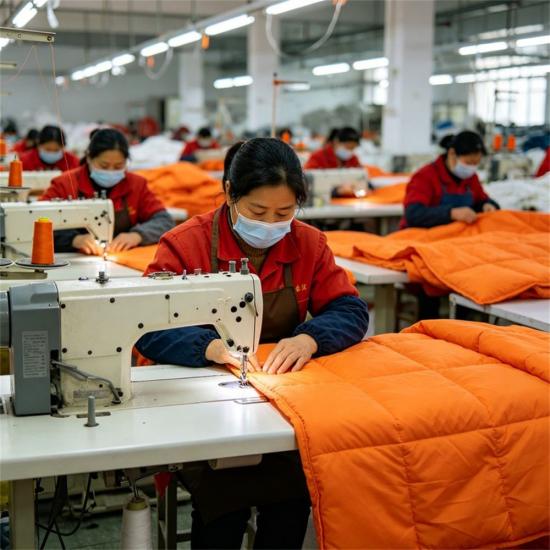
Production is checked from incoming fabric to loaded container. Fabric is tested for weight, composition and color before cutting; seams are inspected in line; finished sets are measured against the approved sample; and a pre-shipment sample is taken. Because relief orders are triggered under pressure, the archived sample means a reorder matches the original even if it is placed years later from a stockpile contract.
A stockpile that does not perform when it is needed is more challenging than no stockpile at all, because the trust it represents collapses at the most challenging moment. That is why batch checks matter: the fabric weight, the seam strength and the vacuum seal all get inspected before cartons are loaded. A weak vacuum seal lets air back in during storage, which defeats the compression advantage, so seal integrity is checked on every run. When you rely on the stockpile in a crisis, you need certainty that every carton on the shelf is the product you approved.
Relief funders increasingly trace where every item came from, and paperwork that follows the shipment is not optional. Each production run is tied to the approved sample, the test reports and the batch records, so a carton in a warehouse can be traced back to the fabric lot that made it. That traceability supports audits, simplifies replacement of a defective batch, and gives funders confidence that the aid reached people as intended. We keep the production records organized with your order, so the audit file is complete rather than reconstructed later.
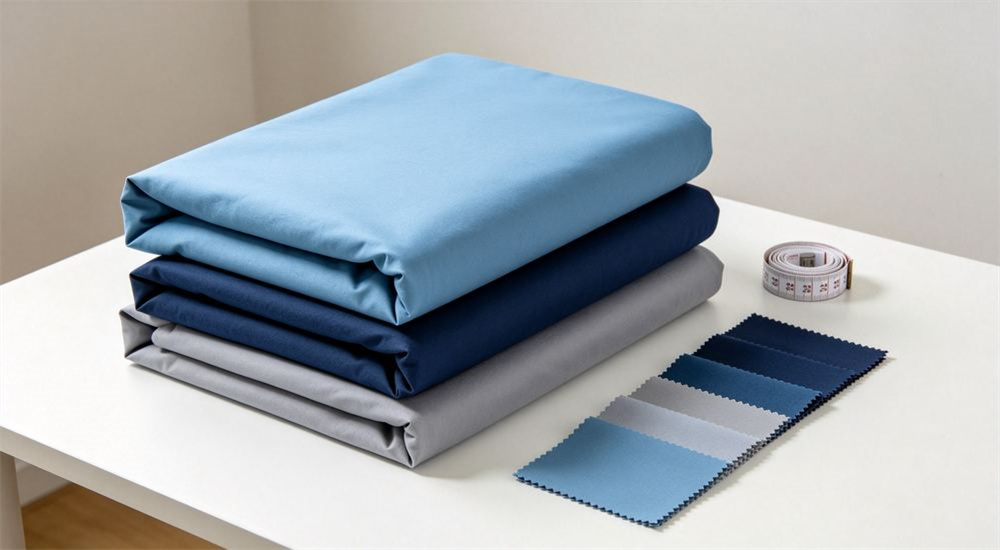
Humanitarian and public emergency procurement usually runs a formal tender with strict documentation. We prepare the paperwork and samples evaluators expect, so your bid reads as complete.
Physical samples are often required. We send swatch cards in your colors, finished set samples and vacuum-packed trial bags. Share your tender format and we lay the technical data out to match. For urgent tenders, we prioritize the response so the deadline is not missed, and we can support third-party inspection of the production batch before it ships.
When a crisis triggers an immediate procurement, there is no time for a slow back-and-forth. We prioritize urgent tenders with fast quotation turnaround and clear answers on what is achievable by the deadline. If air freight is needed for the first consignment, we plan it into the response rather than treating shipping as an afterthought. Transparent about what can and cannot be delivered by a given date, so the relief team can plan the response honestly rather than counting on linen that never arrives.
Many relief programs prefer a standing framework agreement over one-off buys, because a crisis does not wait for a new tender. Under a pre-agreed framework, the specification, price and documentation are settled in peacetime, so when a disaster hits you trigger a release order and production starts within days. This removes the weeks of procurement delay that cost lives in the first phase of a response. We support framework agreements with archived samples and reserved capacity, so a trigger order is produced to the exact agreed standard without re-tendering. For civil defense and agency stockpiles, this is the most reliable way to be ready.
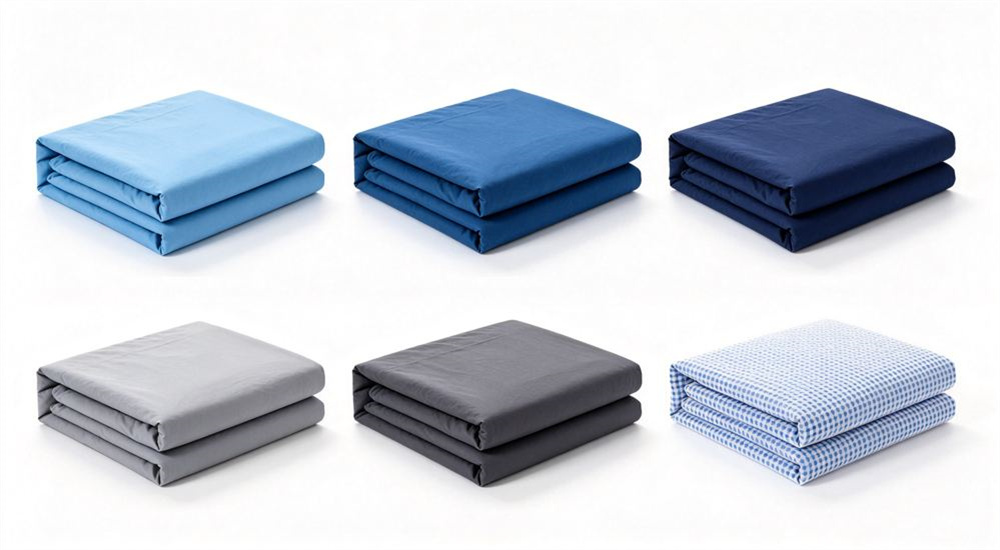
Relief programs often need the bedding identified to their operation, or packed to their distribution method. We adjust color, branding, size and packaging to fit the aid program rather than forcing a generic product. Project labels, color and packaging options let you tailor an emergency relief bedding supplier order to your distribution plan.
Identification matters in a shared shelter: a program label on each pack lets coordinators track distribution and keep sources separate. Vacuum sealing doubles as the distribution unit, because each sealed bag is one family's allocation. Sizing is flexible because relief cots and bunk frames vary, and we cut to the frames you actually deploy rather than a retail standard.
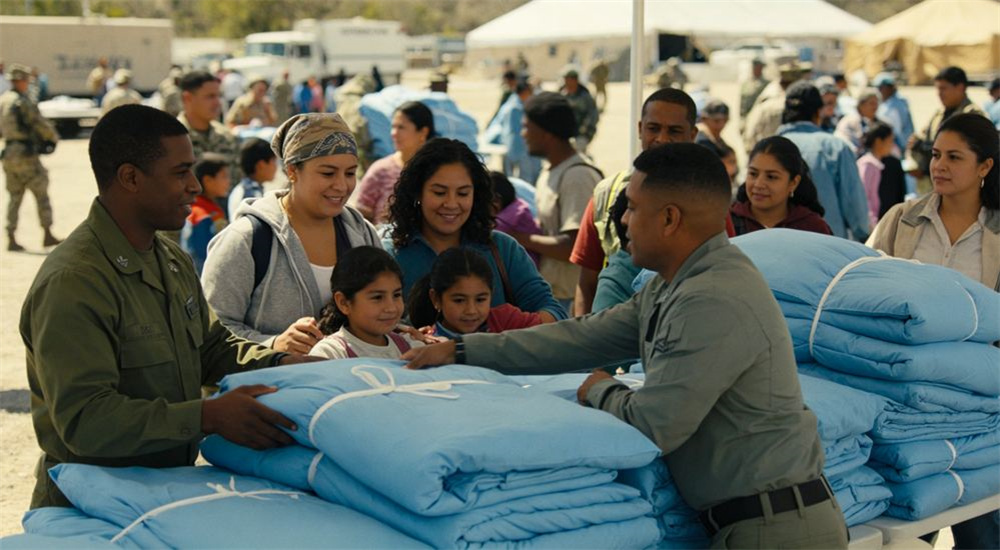
In relief work, the pack is not just wrapping, it is how the aid reaches a family. A sealed, labeled bag that one volunteer can carry means distribution runs fast, with no sorting or opening on a shelter floor. Each pack is pre-sized to one person or one family, so handing out aid is a simple queue rather than a logistics exercise. We can add content labels in the local language, program identifiers and even a simple care note, which helps families understand what they received. Thinking of packaging as part of the product is what separates relief supply from ordinary textile export.
Relief reaches people who speak many languages, so a pack that explains itself reduces confusion. A simple content label in the local language telling families what is inside and how to wash it removes questions at the distribution point. For programs that add other aid items, the bedding pack can be designed to sit neatly beside the kit. These small localization details cost little but make a real difference when a tired family receives the pack at the end of a long day. Tell us the languages involved and we prepare the labels accordingly.
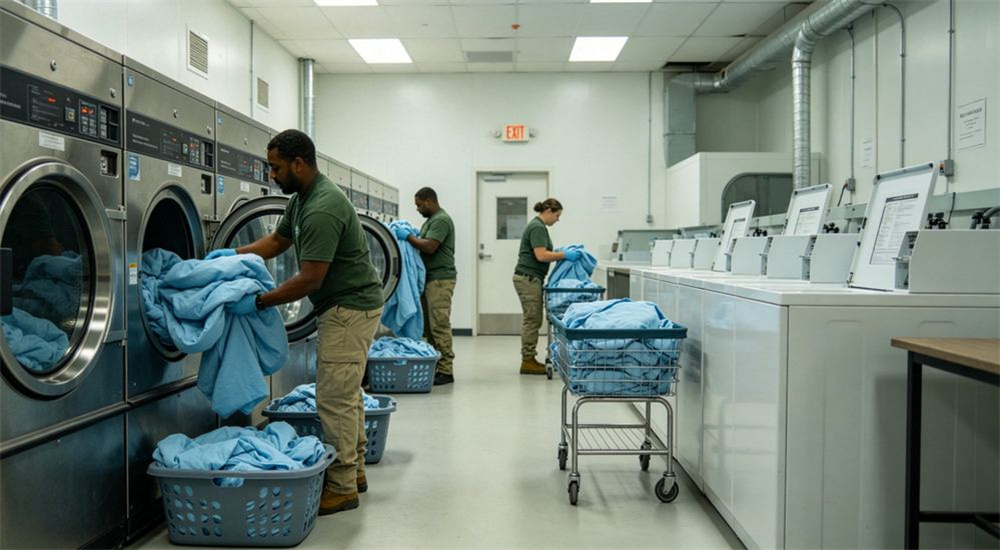
In a shelter, laundry is limited and shared, so emergency relief bedding has to be easy to wash without equipment. Simple care keeps a camp hygienic and extends the life of each set. Field laundry routines directly determine how long an emergency relief bedding supplier program stays hygienic, so we ship care labels matched to shared-wash settings.
The washing guide below lists emergency relief bedding supplier care temperatures and cycle settings, so your relief laundry team keeps fabric hygienic through shared use.
|
Setting |
Frequency |
Wash Temp |
Drying |
|
Tent Shelter |
Weekly |
40-60C |
Line or machine |
|
Evacuation Center |
Weekly |
60C |
Machine dry |
|
Field Hospital |
Daily |
60-90C |
Machine dry |
|
Long Camp |
Weekly |
40-60C |
Line or machine |
|
Cold Climate |
Less often |
40-60C |
Machine dry |
Poly-cotton is the easiest fabric to live with in a camp: wash at 40 to 60 degrees and dry quickly. Microfiber needs cooler washes below 40 degrees. Cotton in field hospitals can take hot washes and bleach for hygiene. Quick-dry fabrics are chosen deliberately because a tent that never fully dries develops odors, and drying fast between uses keeps families healthier.
A camp rarely has a commercial laundry on day one, so the bedding must survive hand washing or a single shared machine. We recommend easy-care fabrics that need no special detergent or temperature, because shelter staff may be working with limited supplies. Line drying is common, which is another reason quick-dry material matters: it dries overnight on a line even in damp weather. Overloading a small machine wears fabric faster, so lighter wash loads preserve the sets through a long camp.
In a crowded shelter, hygiene is shared responsibility, and the bedding either supports it or undermines it. Sealed packs mean each family's linen is untouched until they open it, which prevents the cross-infection that spreads through loose piles. Easy-care washable fabric lets shelter staff launder a set between families when a group moves on. Quick-dry material stops the damp conditions where mold and odor build. Choosing linen that is sealed, washable and fast-drying is itself a public-health decision, because clean dry bedding reduces illness in settings where families live close together.
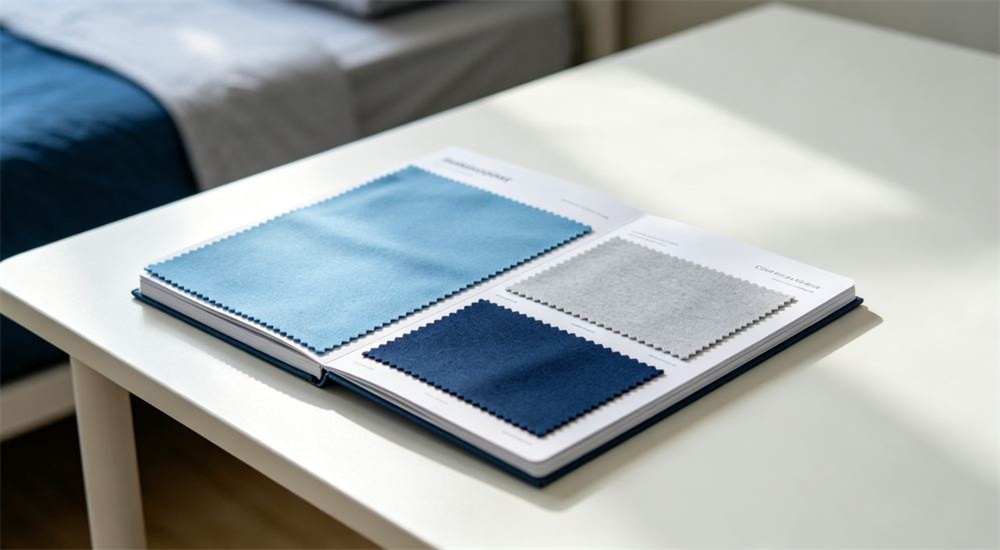
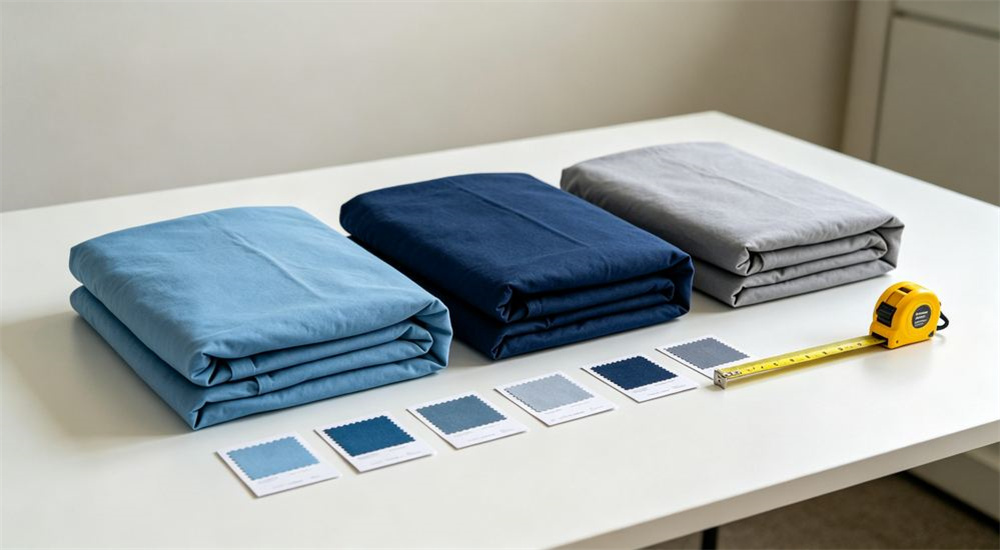
Relief stockpiles are used over years, and a new batch that looks different from the old one causes confusion in distribution. We manage color so reorders match the archived standard.
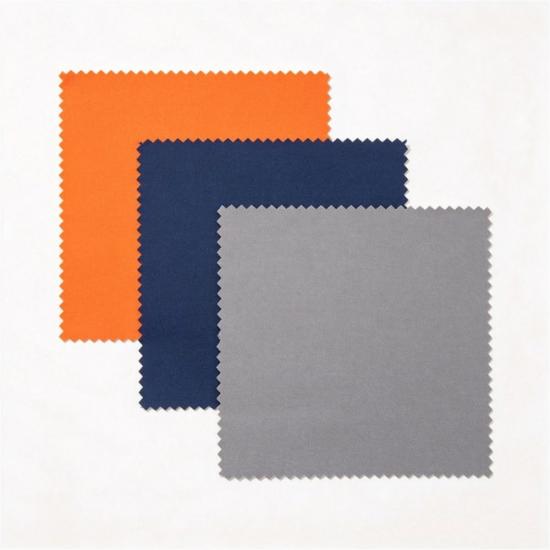
Each approved color is tied to a reference and stored in our system. On a stockpile reorder you reference the original, and we pull the archived standard. Neutral aid colors such as sky blue, gray and navy are chosen for practical reasons: they hide wear, read as hygienic and do not clash in a shared shelter. A confirmation swatch can be sent before production if you want to check a new run yourself.
The colors used in relief bedding are not arbitrary. Sky blue, gray and navy are neutral, practical and calm, and they show up well against a tent floor so a pack is not lost. Brighter colors might seem welcoming, but they fade fast and show wear, while white looks unclean after a single week in a camp. The neutral palette also means mixed sources of bedding do not clash awkwardly in a shared shelter, which matters when several agencies operate side by side.
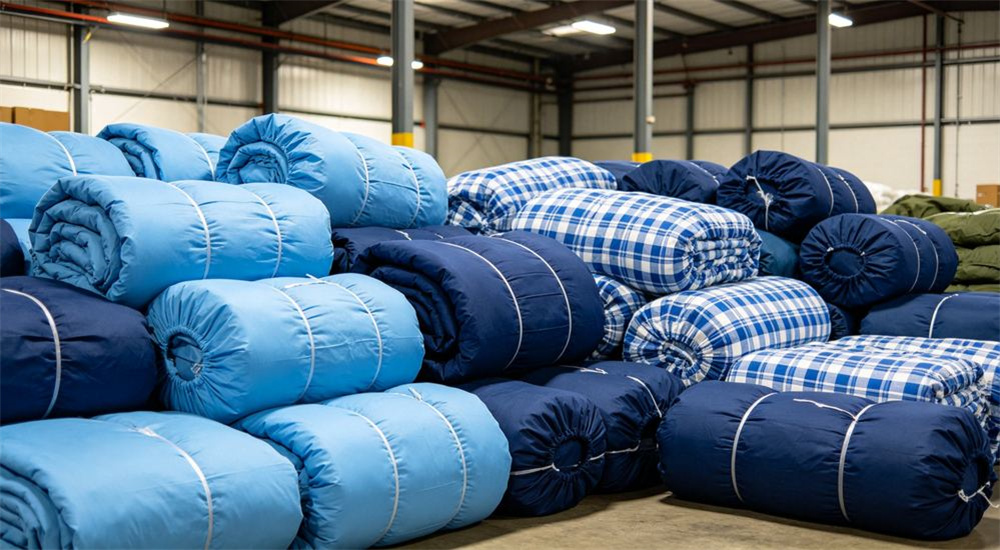
In relief work, packaging and logistics are the product. A set that does not compress, pack or ship fast fails even if the fabric is perfect. We plan packing and transport around the emergency clock.
Packaging and freight choices are part of the product, because they decide how many people one truck reaches.
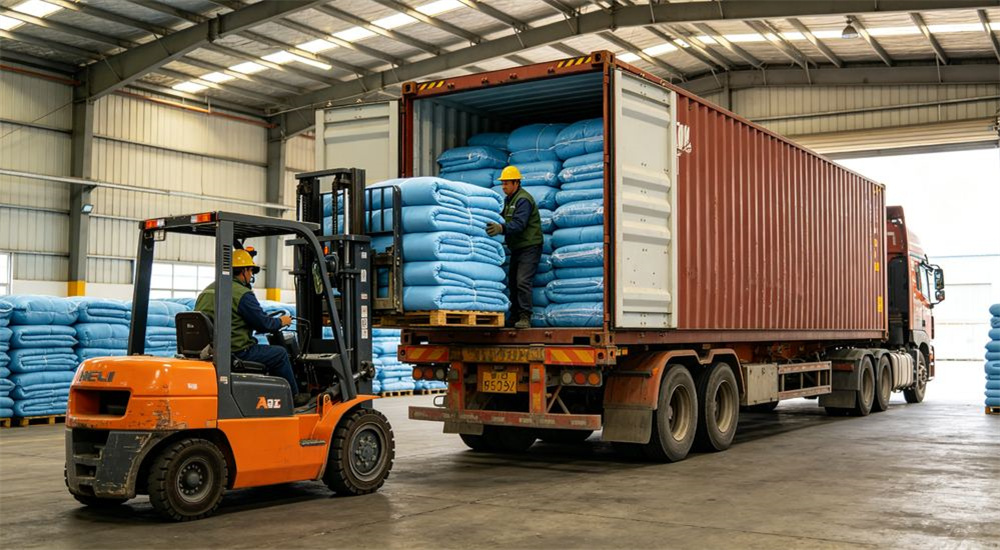
Sea freight is the economical choice for standing stockpiles built ahead of time, while air freight carries the first urgent consignment to a crisis zone. Vacuum compression is what makes the logistics work, because it multiplies how many people one truck can cover. Loading quantities per container are estimates confirmed in your quotation rather than fixed, because they move with fabric weight and packing method.
The container arriving at a port is not the end of the journey, because the bedding still has to reach the actual camp. Carton marks with program and destination codes let logistics teams split and route the load to multiple distribution points without opening boxes. For remote or road-damaged areas, lighter compressed packs are easier for volunteers to carry the last mile. We plan packing and carton labeling around the whole route, from factory to final distribution point, so the linen does not get stuck in a warehouse when families are waiting in the field.
When a crisis breaks, freight is as much a decision as the fabric. Sea freight is low-cost but slow, the right choice for a pre-built stockpile. Air freight is expensive but fast, essential for the first consignment when people need bedding tonight. A blended approach often works best: air the first urgent wave, then sea the sustained replenishment. We plan both options into the quotation so you can choose based on the urgency, rather than discovering air freight would have saved time after the sea order is already on the water.
Before committing a stockpile budget, relief buyers want to feel the fabric and test the compression. Our sample and trial process keeps that risk low.
Start with a swatch card in your colors and weights, then move to a finished set sample, ideally vacuum packed so you test the real distribution pack. When you evaluate samples, check the fabric feel, run a wash to confirm drying speed, and weigh the compressed pack to calculate how many sets fit a container. Sample fees depend on the customization and are confirmed before producing. Once approved, the sample becomes the quality bar for every future stockpile reorder.
The most useful relief sample is the sealed, vacuumed pack itself, not loose fabric. When it arrives, weigh it, measure its dimensions and open it to see how quickly a family can use the bedding. Run the fabric through a wash to check drying speed, because that matters more in a tent than at home. Calculating how many sealed packs fit a carton, and how many cartons fit a container, lets you plan the real number of people one shipment covers. This hands-on test catches problems that a data sheet never reveals, before you commit a stockpile budget.
At its best, emergency relief bedding is invisible: it arrives on time, compresses well, gives a family a clean warm night, and then survives the weeks or months until they can go home. It does not need luxury finishes, it needs reliability under bad conditions. That means fast compression, quick-dry easy-care fabric, sealed hygienic packs and consistent batch quality. When those four things hold, the bedding supports the people you are trying to help without becoming a logistics burden itself. That is the standard we build every stockpile order to, whether it sits on a shelf for years or ships out within days of a crisis, and whether it covers a neighborhood for a week or a camp for a year.
MOQ depends on the fabric, color and packaging. Standard aid colors and compressed packs usually have a defined minimum, and custom labels raise it. The exact figure is confirmed in your quotation and order contract. As an emergency relief bedding supplier, standard colors and sizes start at a lower volume, while custom colors or vacuum-compressed packs raise the minimum.
Compression reduces a set to a fraction of its loose volume, which is the whole point for relief logistics. The exact packed size depends on fabric and weight, and we can send a measured sample so you plan the container load accurately.
Lightweight polyester microfiber is the default: it packs small, dries fast and costs little, which suits a first-night response where speed matters most.
Poly-cotton around 140 to 160 GSM balances comfort and durability for camps running months, and cotton is reserved for field hospitals that wash hot for hygiene.
Yes. Each set is vacuum sealed in a labeled bag, so a volunteer hands one sealed pack per family without sorting pieces on the shelter floor.
Standing stockpile contracts can be triggered quickly. For a new urgent response, tell us the deadline and destination and we confirm whether production and sea or air freight can meet it, rather than overpromising.
We provide company certificates, ISO 9001, OEKO-TEX, product test data and factory audit support, and can format the technical section to your bid document.
Common relief cots run around 190 by 80 cm, with single 190 by 90 cm for evacuation centers. Send your measured cot dimensions and we cut to fit the frames you deploy.
Plan one set per expected person plus a reserve buffer, and top up after each deployment so the stockpile is always ready. Exact planning is confirmed against your scenario.
Yes. Program tags or small printed labels can be added to each pack so coordinators track distribution and keep sources separate in a shared shelter.
Vacuum sealing means each family receives untouched linen, and quick-dry easy-care fabrics let shelter staff run simple shared washing without ruining the set.
Review the full range on our institutional bulk bedding overview, alongside care setting bedding and other sectors for a unified supply plan.
An emergency relief bedding supplier understands that disaster shelter linen must vacuum compress, dry fast in damp tents and survive weekly shared washing. Wholesale relief bedding from China gives you 120 GSM microfiber for first-night response, 140 to 160 GSM poly-cotton for long camps, and program labels on every pack for distribution.
When the next crisis hits, the goal is simple: families receive clean, warm linen on the first night and the stockpile stays ready for the next deployment. Every set we produce is vacuum compressed for efficient transport, cut to the cot sizes you actually deploy, and checked for fabric weight, seam strength and seal integrity before it leaves the workshop. The rest is logistics planning and timely communication, which we build into every quotation from the first message.
Previous :
Nursing Home Bedding Wholesale Soft Washable Linen for Aged CareNext :
School Dormitory Bedding Wholesale Student Linen for Universities YRF-Wholesale Vanuatu Extremely absorbent towels,Police Blue blended Wool blanket,Double bed Bedding
Our bedding sets for emergency relief and humanitarian assistance. Military and national defense. Fire department, medical care department. Prison facilities, government agencies and the police. Camping, picnicking and outdoor leisure are proud to provide high-quality bedding solutions. We are committed to bringing innovation and technology to every user to make you have a good dream every day.
 YRF-WholesaleIndonesia High quality Green wash towels,Medical Care Gray Wool blended Blanket,Green Bed Quilt Cover
Our bedding sets for emergency relief and humanitarian assistance. Military and national defense. Fire department, medical care department. Prison facilities, government agencies and the police. Camping, picnicking and outdoor leisure are proud to provide high-quality bedding solutions. We are committed to bringing innovation and technology to every user to make you have a good dream every day.
 YRF-Made in ChinaJordan High quality Green wash towels,Police Blue blended Wool blanket,Maximum comfort Mattress Pad
Our bedding sets for emergency relief and humanitarian assistance. Military and national defense. Fire department, medical care department. Prison facilities, government agencies and the police. Camping, picnicking and outdoor leisure are proud to provide high-quality bedding solutions. We are committed to bringing innovation and technology to every user to make you have a good dream every day.
 YRF-ManufacturerJordan 100% cotton Green hand towels,Police Blue blended Wool blanket,anti-bacterial Quilt
Our bedding sets for emergency relief and humanitarian assistance. Military and national defense. Fire department, medical care department. Prison facilities, government agencies and the police. Camping, picnicking and outdoor leisure are proud to provide high-quality bedding solutions. We are committed to bringing innovation and technology to every user to make you have a good dream every day.
 YRF-Wholesale Georgia Soft cotton Blue Bath towels,Police Blue blended Wool blanket,Cotton Fabric Quilt Cover
Our Military 100% Cotton Bedding Set for emergency relief and humanitarian assistance. Military and national defense. Fire department, medical care department. Prison facilities, government agencies and the police. Camping, picnicking and outdoor leisure are proud to provide high-quality bedding solutions. We are committed to bringing innovation and technology to every user to make you have a good dream every day.
 YRF- Canary Islands Government Agencies blended Wool blanket,Extremely absorbent towels,Beige Quilt,Best Price
Our Encampment 100% Cotton Sets Bedding for emergency relief and humanitarian assistance. Military and national defense. Fire department, medical care department. Prison facilities, government agencies and the police. Camping, picnicking and outdoor leisure are proud to provide high-quality bedding solutions. We are committed to bringing innovation and technology to every user to make you have a good dream every day.
Copyright © Custom Disaster - Relief Bedding: Tents, Sleeping Bags, Blankets All Rights Reserved
the professional team to service !