Categories
latest blog
Last Updated: September 27, 2026
When floodwaters rise, relief organizations need durable, waterproof, quick-to-distribute gear at scale. This guide covers exactly what bulk flood emergency kits should include, what to skip, and how to source from China factories without the common procurement mistakes.
Updated: September 27, 2026 | By the YRF Textile Emergency Preparedness Team
We are emergency equipment specialists working with relief organizations worldwide to source flood response supplies. This guide is updated every year to reflect the latest Red Cross and FEMA recommendations.
Floods are the most common natural disaster in the U.S. Every year, thousands of families lose their homes to flash floods, river floods, and storm surges. Being prepared can save lives.
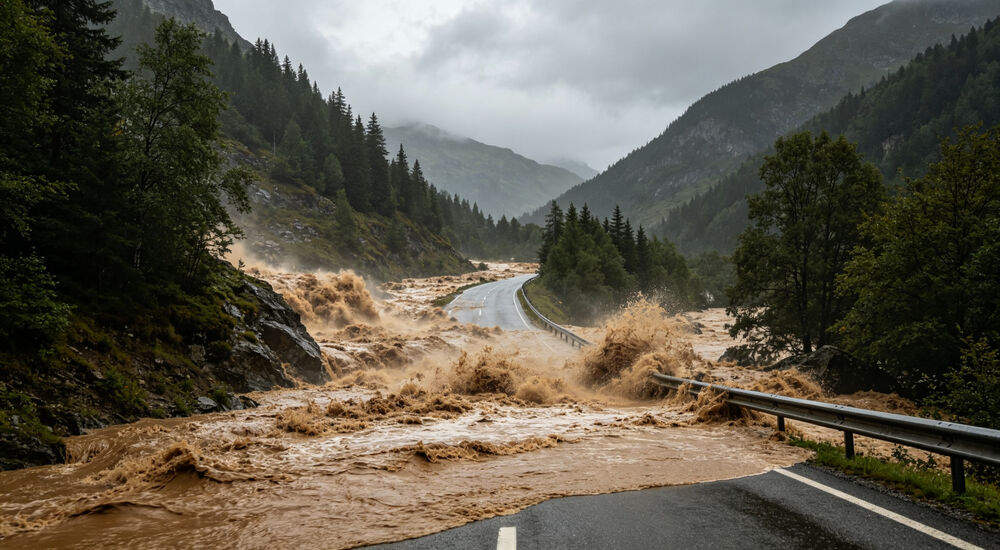
Flash floods can turn a quiet mountain road into a raging river in minutes—no warning, no time to prepare.
A basic flood emergency kit by your door changes everything. When disaster hits, you can grab water, a flashlight, first aid, and safety gear and go. That's the difference between a scary situation and a life-threatening one.
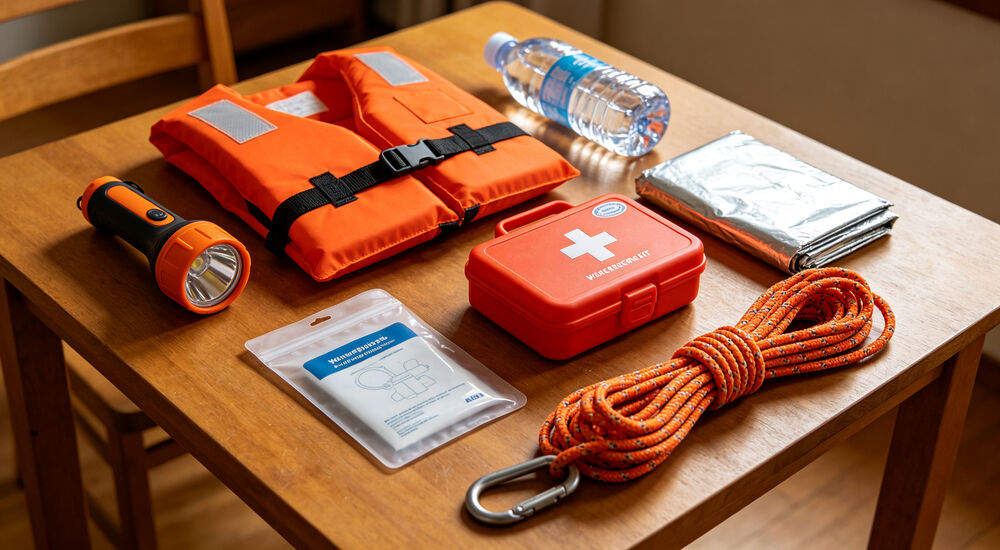
first aid kit, water and rescue rope A basic flood emergency kit should include water, light, first aid, and safety gear.
When rescue teams get there fast, lives get saved. Pre-positioned supplies mean you don't waste hours waiting for gear to arrive. Every minute counts when floodwaters are rising.
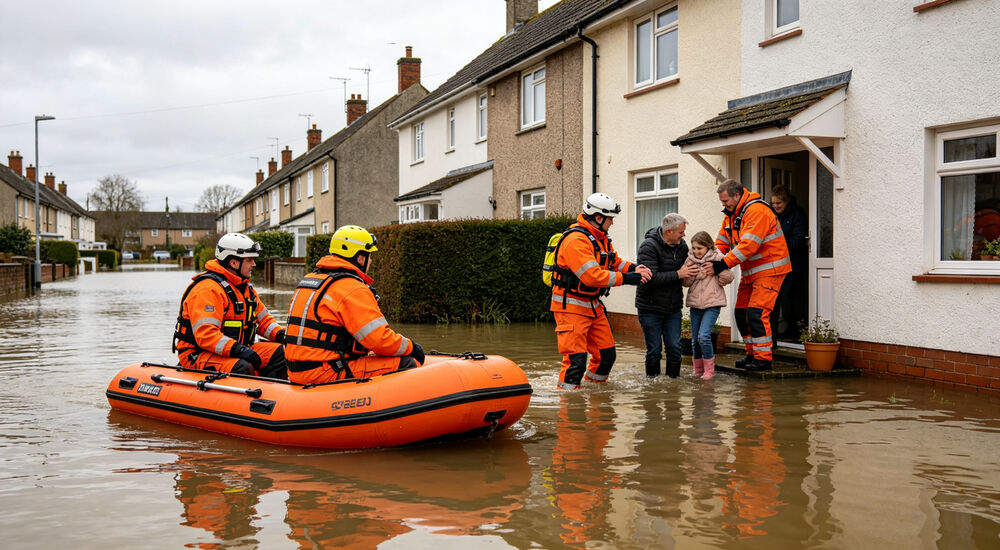
Fast response after a flood warning can save lives. Pre-positioned supplies get you there faster.
For rescue work, gear has to hold up in wet, muddy, chaotic conditions. USCG approved life jackets, waterproof boots, and floating rope aren't luxury items—they're non-negotiable.
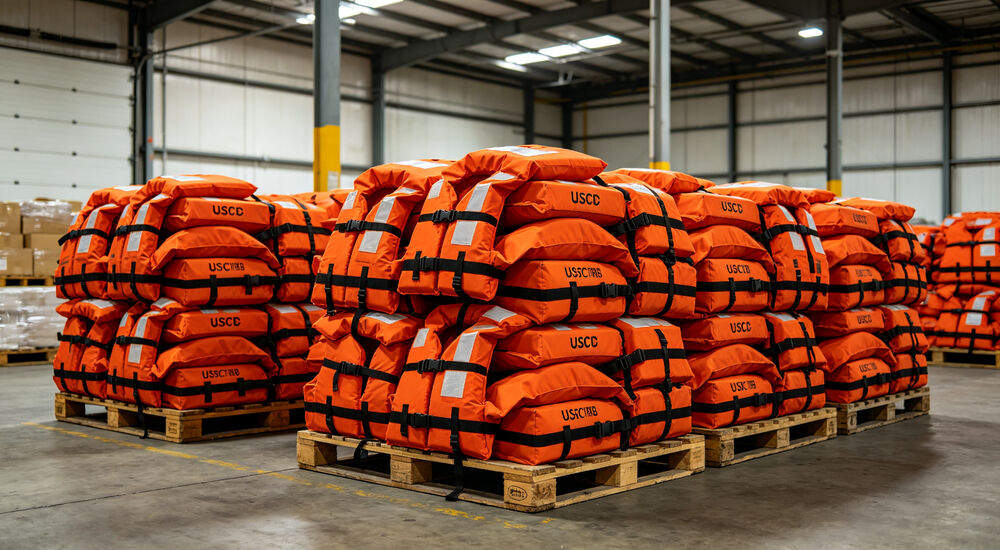
Bulk USCG-approved life jackets are essential for any flood response operation.
The first 72 hours after a flood are the hardest. Families need clean water, dry shelter, and hot meals. A relief camp can be the difference between exhaustion and recovery.
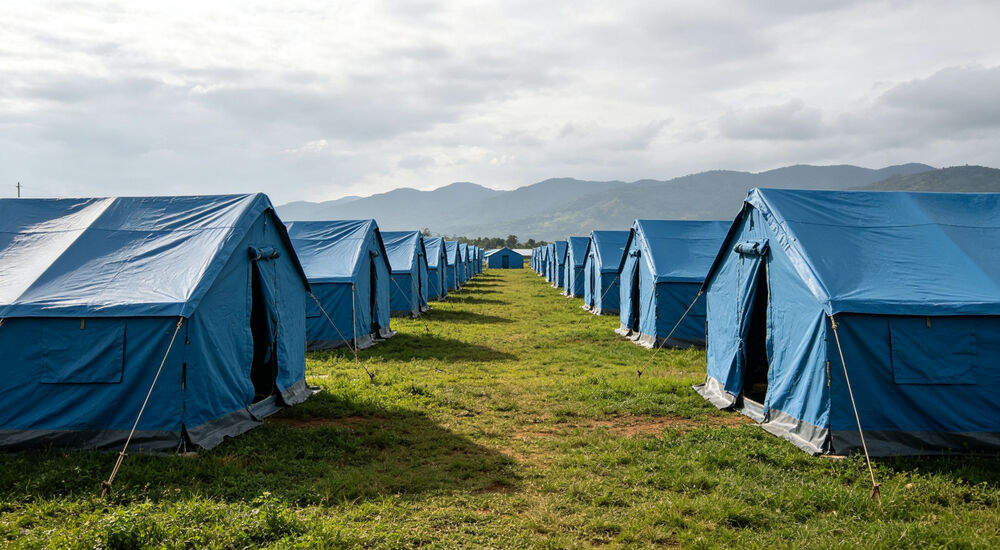
Relief camps provide temporary shelter for families displaced by floodwaters.
There's a big difference between what a household needs and what an organization needs. A family kit fits in a backpack. An organization serving a neighborhood needs pallets of supplies.
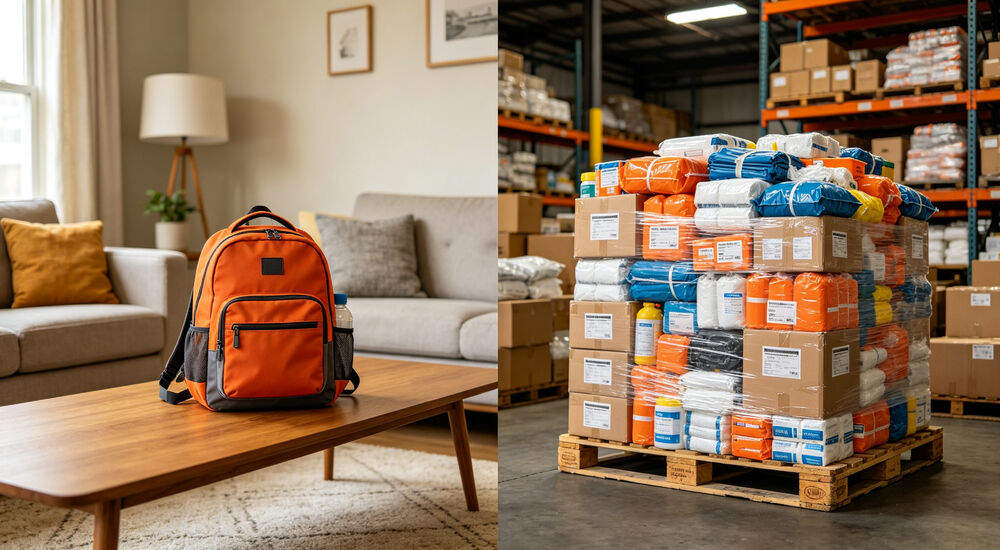
Family kits are for home use. Bulk supplies are what relief organizations need to serve entire communities.
The NOAA reports floods cause an average of $8 billion in damage annually in the U.S., and more than 100 fatalities each year. Many people think floods only happen near rivers—but sudden thunderstorms can overwhelm city drains, hurricanes can send storm surges miles inland, and fast-melting snow can rush through your neighborhood.
This guide is for everyone. If you're a parent, you'll learn what basic supplies to keep at home. If you're a volunteer, you'll find out what to pack for rescue missions. If you work for an NGO or government agency, you'll get a complete checklist for bulk flood supplies, including what to buy, how much, and what to look for when comparing suppliers.
This guide is based on official guidelines from the American Red Cross and FEMA Ready, combined with our experience working with relief organizations worldwide to source flood emergency kits for disaster response.
Our China factory supplies emergency flood kits and waterproof bags bulk, emergency sandbags, and bulk waders for every flood preparedness kit, with mixed pallet orders and full English packaging.
Floods are more than just water on the ground. They destroy homes, contaminate drinking water, spread disease, and disrupt everything from electricity to transportation.
For families, that means being stuck in a dark house without clean water for days. For relief organizations, every hour of delay means more families without shelter, more children without safe drinking water, and more communities cut off from help.
Climate change is making floods worse. Sea level rise is making storm surges higher. Heavy rain events are becoming more intense. Cities with old drainage systems are flooding more often.
Whether you're protecting your family or planning to help your community, flood preparedness is not something you can put off.
People who prepare ahead of time get through disasters faster. When your home emergency kit is ready, when your family has a plan, and when you know where to go and what to grab, you can stay safe until the water goes down. For relief organizations, having supplies ready means you can respond in hours instead of days. That speed directly translates to better outcomes for the communities you serve.
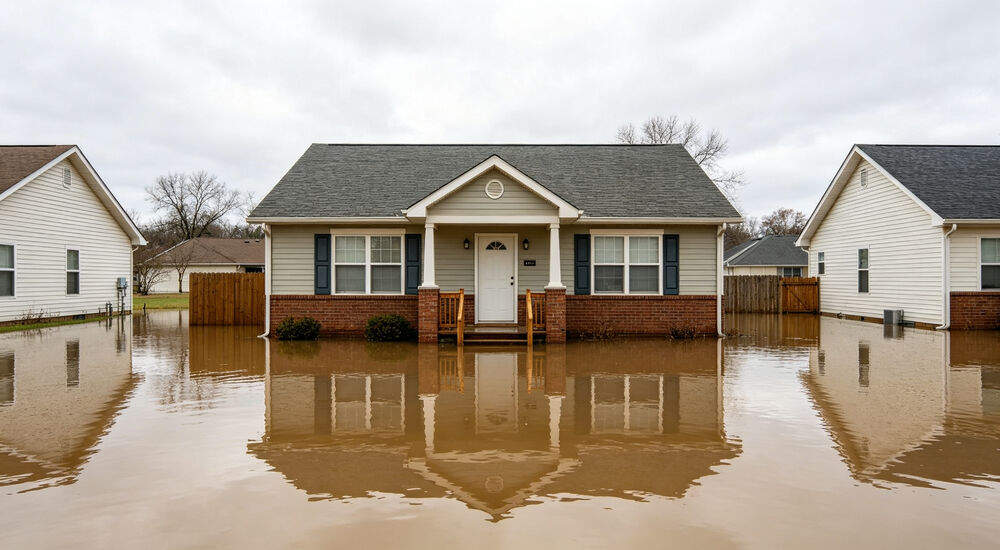
Even a few feet of floodwater can completely destroy the first floor of a home.
Industry data shows that relief organizations that pre-position supplies before flood season typically deploy 3-5 days faster than those that start buying after the warning is issued. That extra time can mean the difference between a family staying safe and a family losing everything. It also saves money—buying when you're calm is always cheaper than buying when you're panicking.
What this means for your procurement strategy: If you're asking yourself "how to prepare for flood season as an NGO," the answer is simple: don't wait for the storm to be named. Start sourcing your bulk flood supplies at least 3 months before flood season starts. This gives you time to compare suppliers, negotiate pricing, and test the quality of your equipment before you need it.
Before you prepare your home or your emergency kit, you need to know what type of flooding you're most likely to face. Different floods require different preparations—what works for a slow river flood won't work for a sudden flash flood. For families, this means knowing whether you need to evacuate or just stay indoors. For relief organizations, this means knowing what supplies to pre-position and where.
There are five main types of floods that relief organizations typically respond to. Each one has different characteristics and requires different supplies.
Flash floods are sudden and violent, happening within 6 hours of heavy rainfall. They can happen in cities, mountains, and even dry riverbeds. They're the most dangerous type because they give almost no warning. Most flood-related deaths in the U.S. are from flash floods. For relief organizations, this means you need supplies that can be deployed fast—lightweight, portable, and easy to transport.
River floods happen when rivers overflow their banks because of sustained rain or snowmelt. They develop slowly, giving more time to prepare, but they can last for days or weeks. For relief organizations, this means you need long-term shelter solutions, not just a 72-hour kit. You'll need tents, sleeping bags, and enough food and water to last for weeks.
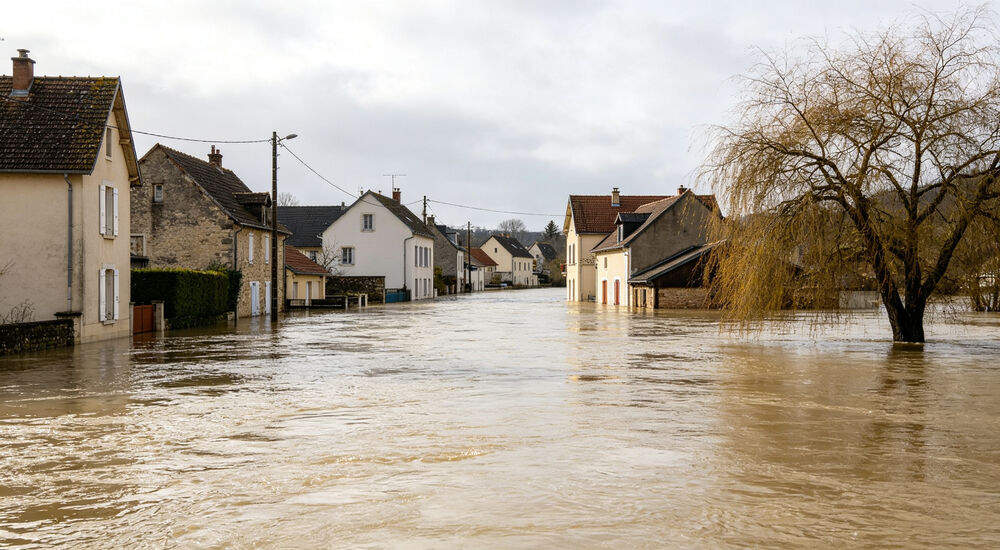
Slow-moving river floods can submerge entire towns for weeks at a time.
Storm surge is a rise in seawater level during hurricanes and tropical storms. It can push seawater miles inland, causing devastating coastal flooding. It's often the most dangerous part of a hurricane. For relief organizations, this means you'll be deploying along coastlines and at inland evacuation centers. You'll need waterproof gear, life jackets, and supplies that can handle wet conditions.
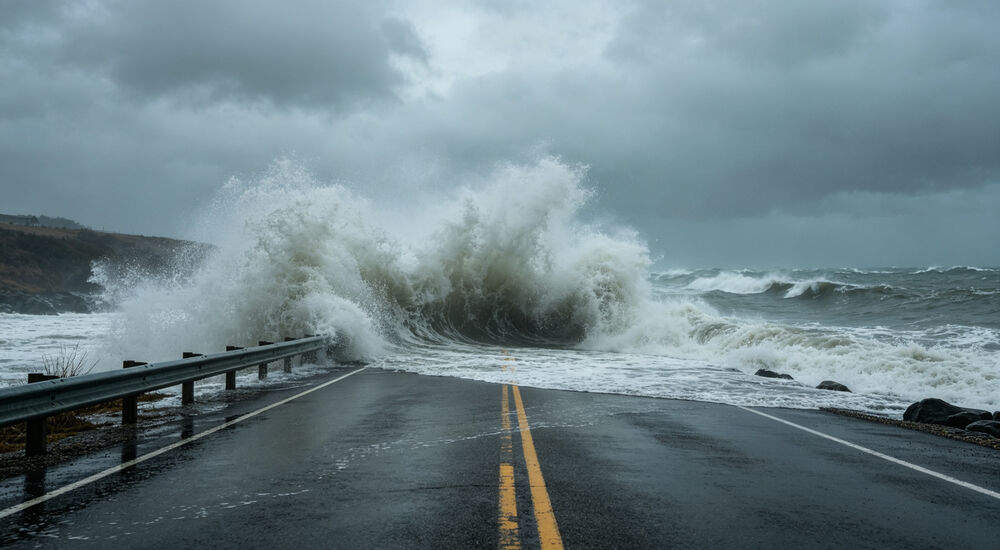
Storm surge from hurricanes can sweep away roads and buildings in coastal areas.
Urban flooding happens when city stormwater systems get overwhelmed. Paved surfaces prevent water from soaking into the ground, leading to flooded streets, basements, and subway systems. For relief organizations, this means you'll be working in dense environments with limited space for tents. You'll need compact, stackable supplies that don't take up much room.
When dams or levees break, the sudden release of water can cause catastrophic flooding downstream. These are rare but extremely dangerous. Communities behind levees are often caught off guard because they thought they were safe. For relief organizations, this is a small probability but high impact scenario—you need to be ready to respond at a moment's notice.
Not all floods are the same, and not all relief organizations need the same supplies. The best way to prepare is to know what type of flooding your region faces most often:
One of the biggest mistakes relief organizations make is waiting too long to order supplies. Here's a simple timeline you can follow:
|
Time Before Flood Season |
What To Do |
|
3 months before |
Finalize your budget, identify your suppliers, get quotes |
|
2 months before |
Place your bulk order, arrange shipping, confirm delivery dates |
|
1 month before |
Receive and inspect all supplies, store them in a dry, easy-to-reach location, train your team |
|
During flood season |
Stay updated on weather forecasts, keep supplies ready for immediate deployment |
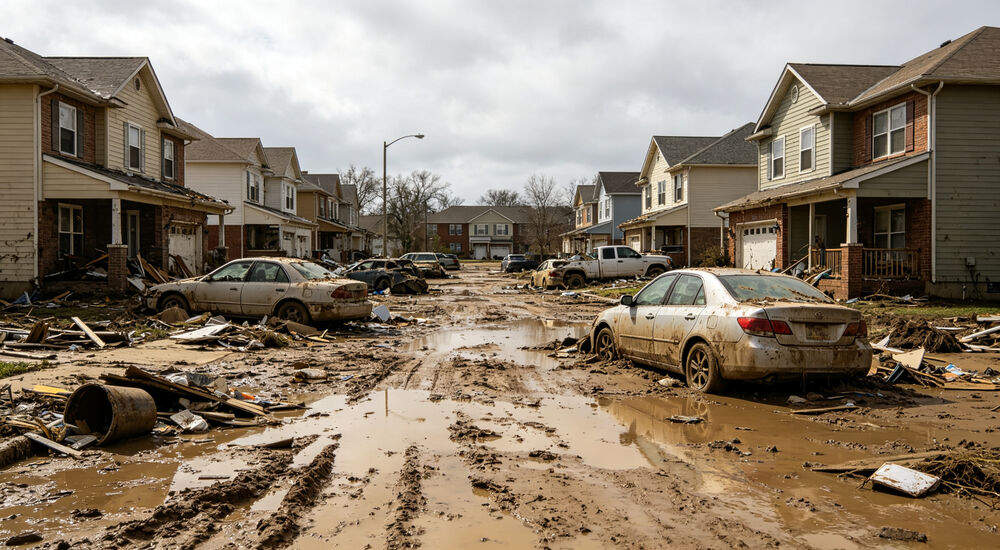
After the water goes down, the real cleanup begins—mud, debris, and damage everywhere.
Now that you know the types of floods, let's talk about what you actually need in your flood emergency kit. This is your complete flood relief supplies checklist, whether you're prepping for your family or sourcing for an organization.
For families, a basic emergency preparedness kit is enough. For relief organizations, you need to scale up to bulk flood supplies that can serve hundreds or thousands of people. Whether you're sourcing ngo emergency supplies or putting together a bulk emergency kit for your team, below is a complete breakdown of every category of disaster relief supplies you need. The biggest difference is shelter and scale—families stay home, relief organizations need to set up camps.
Clean water is the most important thing after a flood. Floodwater is contaminated with sewage, chemicals, and bacteria. You can't drink it, cook with it, or even wash with it without treating it. For families, store bottled water. This way, you can treat local water sources and save on shipping costs.
Bulk buying tip: According to the Red Cross, the standard is 1 gallon of water per person per day. Tablets are much lighter and cheaper than shipping bottled water long distances—they're the smart choice for ngo emergency supplies.
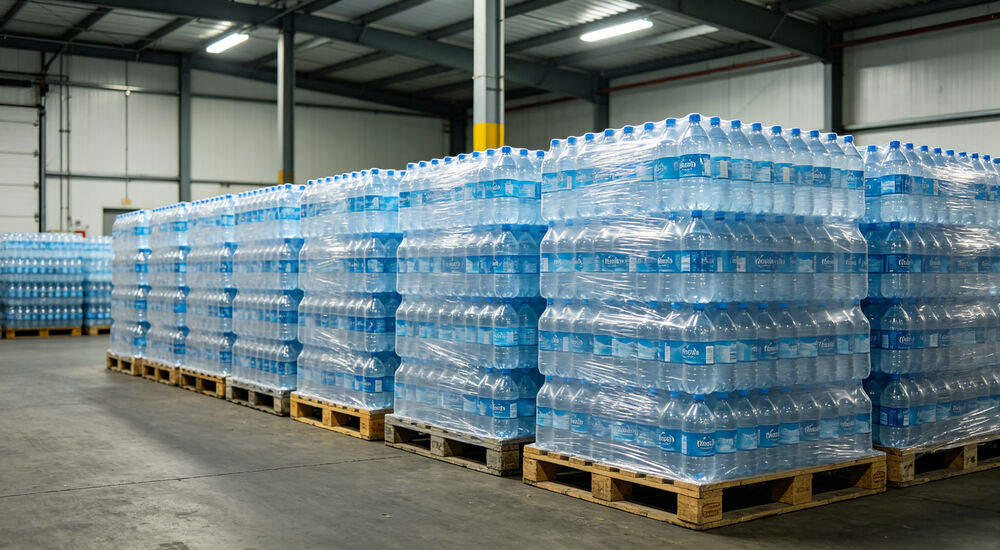
Bottled water for the first 48 hours, plus purification tablets for the rest.
If you're doing rescue work in floodwater, life jackets are non-negotiable. Even 6 inches of moving water can knock an adult off their feet. For relief organizations, you need PFDs in different sizes—adult, youth, and child. A good rule of thumb is one PFD per person you're serving, plus 20% extra for your team. Look for USCG-approved PFDs that are comfortable enough to wear for hours.
How to choose life jackets for flood rescue: When buying in bulk, look for Type II or Type III PFDs—they're the most comfortable for long wear. Type II PFDs provide at least 15.5 lbs of buoyancy for adults, enough to keep an unconscious person's head above water. Make sure they have multiple adjustment straps so they fit people of different body sizes. Avoid cheap, unbranded PFDs—they might not hold up in real flood conditions, and you'll be liable if someone gets hurt.
Need bulk life jackets for flood rescue? Get a wholesale quote today — we ship to relief organizations worldwide.
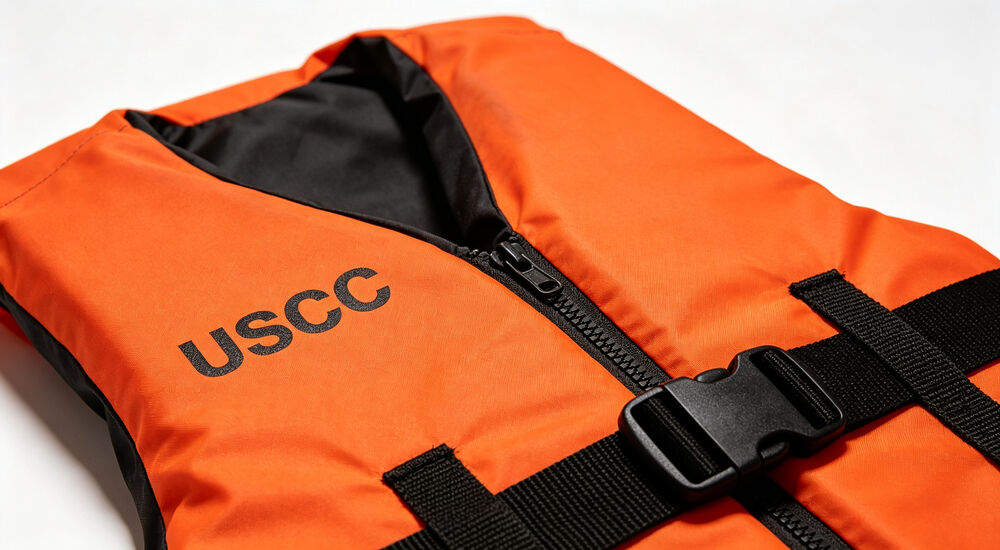
USCG-approved Type II PFDs provide 15.5 lbs of buoyancy for adult wearers.
After a flood, many families lose their homes and need somewhere to stay. For short-term stays, inflatable tents are great because they're fast to set up and pack down small. For long-term stays, you need more durable relief tents that can handle rain and wind. Don't forget sleeping bags and sleeping pads—people need to stay warm and dry, especially if the weather is cold.
Bulk buying tip: When buying relief tents in bulk, look for waterproof rating of at least 3000mm. This means the tent fabric can withstand 3 meters of standing water without leaking—enough for heavy rain and storm surges. A 20-person relief tent should set up in under 15 minutes with 2 people, and weigh no more than 80 lbs so it's easy to transport. Avoid cheap camping tents—they're not designed for weeks of continuous use in wet conditions. For wholesale disaster relief orders, we recommend mixing 60% 20-person tents, 30% 10-person tents, and 10% family-sized tents to cover different needs.
Need bulk relief tents for flood response? Get a custom quote — available in 10-person, 20-person, and 50-person sizes.
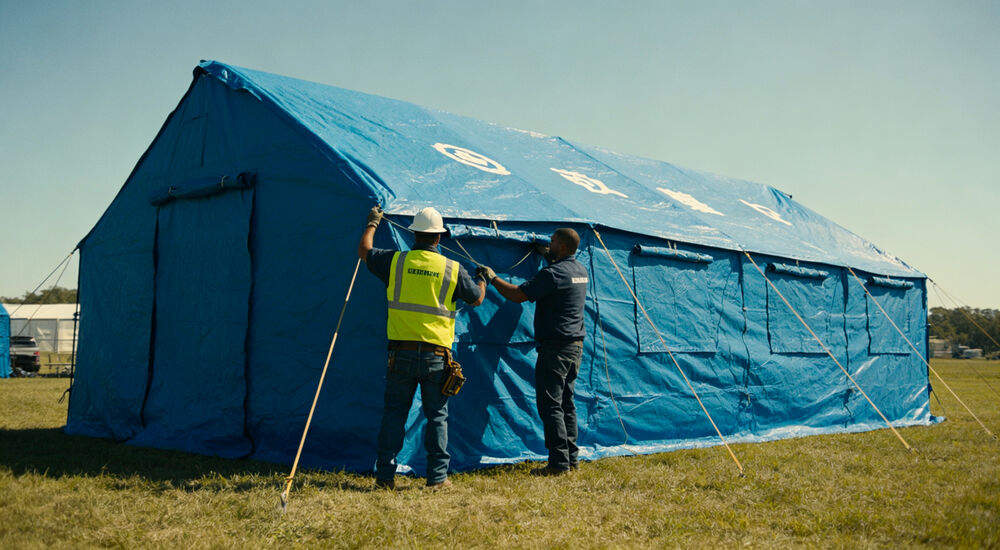
A 20-person relief tent should set up in under 15 minutes with 2 people.
Floods cut off roads, so grocery stores can't restock. People need food that doesn't need refrigeration or cooking. For families, canned goods and energy bars work. For relief organizations, you need bulk emergency food—compressed biscuits, energy bars, and canned meals. Make sure you have options for people with dietary restrictions, like gluten-free or vegetarian options.
Bulk buying tip: When sourcing disaster relief supplies in bulk, look for emergency food with at least 3-year shelf life. Compressed biscuits are the most efficient—they're lightweight, high-calorie, and easy to distribute. Always include 10-15% dietary options for people with allergies or religious restrictions. This is a common mistake new relief organizations make.
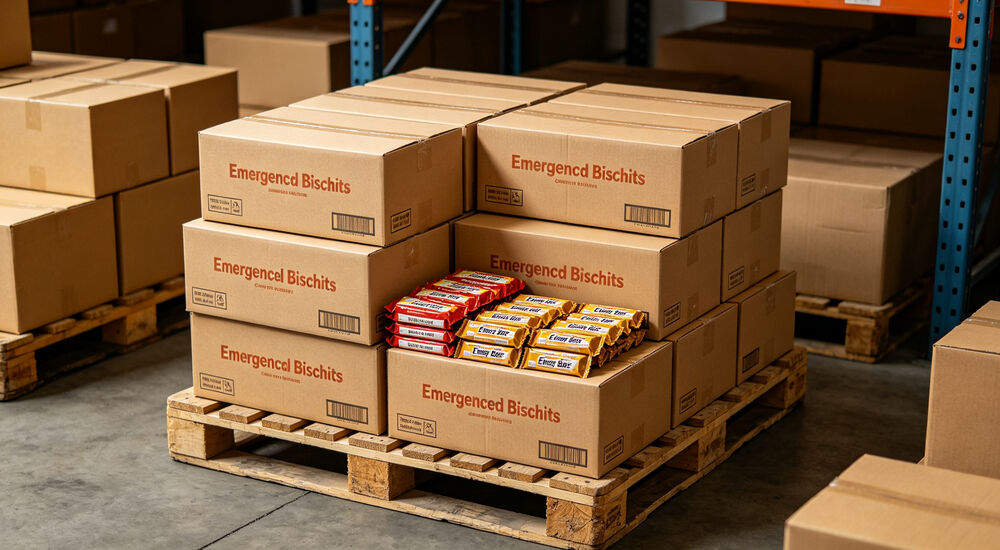
Compressed biscuits are lightweight, high-calorie, and easy to distribute in bulk.
Floodwater is dirty and dangerous. Rescue workers and volunteers need proper PPE to stay safe. This includes rubber boots, waterproof gloves, rain suits, and face masks. For relief organizations, you need PPE for both your team and the people you're helping. Make sure your boots are tall enough to keep water out, and your gloves are thick enough to protect against sharp objects in the water.
Bulk buying tip: When ordering PPE in bulk, order by size range rather than specific sizes—this makes distribution easier. For rubber boots, order a mix of whole sizes and half sizes to cover most people. Disposable gloves and masks are cheaper and more hygienic for distribution to large groups, while reusable rain suits are better for your core team.
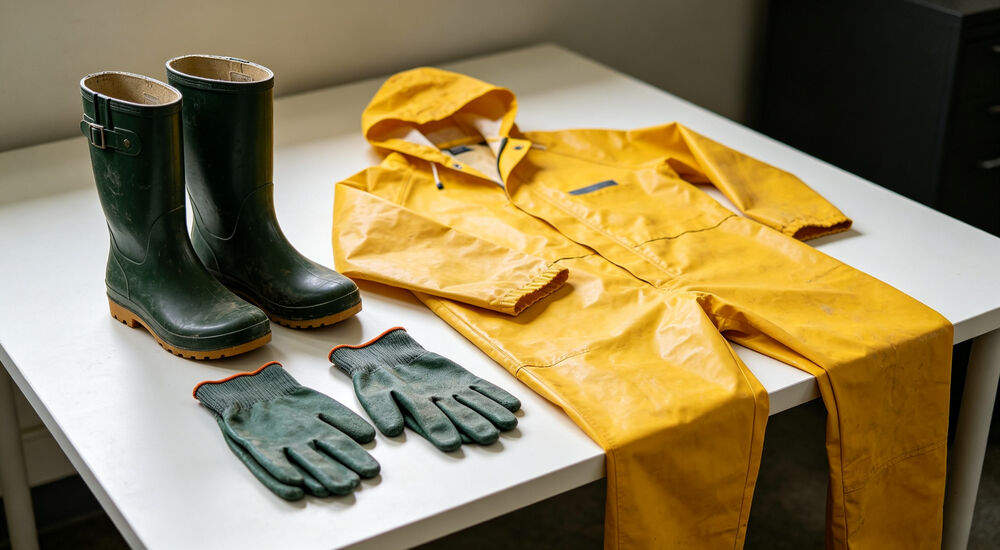
Essential PPE for flood workers: rubber boots, waterproof gloves, and a rain suit.
After a flood, cuts and scrapes get infected easily because the water is dirty. You need first aid kits with bandages, antiseptic, pain relievers, and wound care supplies. For relief organizations, you need larger first aid kits plus trauma supplies for more serious injuries. Make sure your kits are waterproof—they'll be stored and used in wet conditions.
Bulk buying tip: We recommend two types of first aid kits: small personal kits for individual volunteers, and large group kits for distribution centers. All kits should include antiseptic wipes, bandages, gauze, and antibiotic ointment. For emergency preparedness kit programs, make sure to add anti-diarrheal medication—gastrointestinal issues are common after floods due to contaminated water.
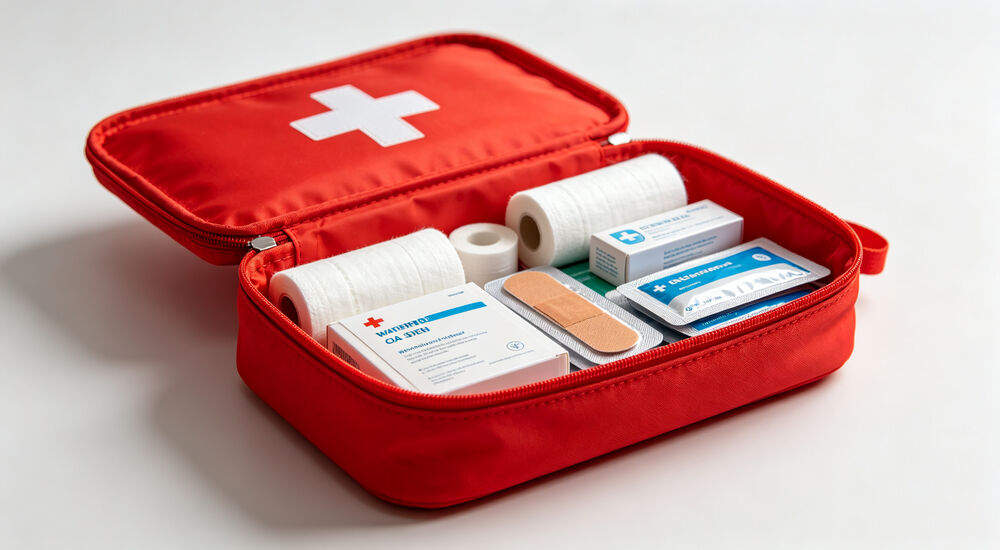
Waterproof first aid kits are essential—they'll be used and stored in wet conditions.
Putting it all together, a well-organized kit makes a huge difference when seconds count. When every item has its place, volunteers can grab what they need without rummaging. That's why we recommend organizing your bulk emergency kit with clear compartments and labeled bags.
Below is a quick quantity reference for a 100-person response, so you don't under-order and run short in the field, or over-order and waste budget on surplus. These numbers are based on standard Red Cross and FEMA relief guidelines. Adjust based on your specific needs and how long you expect to be responding.
After working with relief organizations for years, we see the same mistakes over and over again. Here are the top 5, so you can avoid them:
Need help avoiding these mistakes? Our team has helped hundreds of organizations prepare for flood season. Contact us today for a free consultation on your flood supplies checklist.
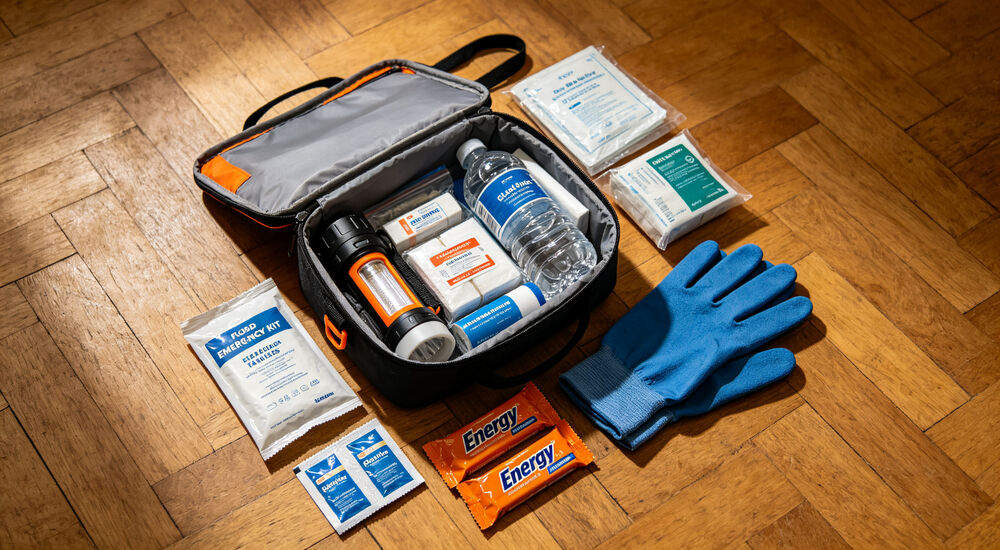
A well-stocked emergency kit has all the basics ready to grab and go.
When a flood is coming, every minute counts. For families, this means grabbing your emergency kit and heading to higher ground. For relief organizations, this means deploying your supplies and getting to where they're needed most. Let's talk about what to do at each stage.
When you hear a flood warning, that's the time to act. For families, this means filling up containers with water, moving important things to higher floors, and being ready to evacuate if told to. For relief organizations, this means activating your response plan: open the warehouse, pack the trucks, and get your team ready to deploy. This is why pre-positioning matters—you don't have to wait for supplies to come from far away.
When the water starts rising, safety comes first. Never drive through flooded roads—just 2 feet of water can float most cars. Never walk through moving water—6 inches can knock you down. For relief organizations, this means using boats to rescue people who are trapped. Make sure your rescue team has proper training and the right equipment. Don't send people into water without life jackets and proper training.
Once the worst of the flooding is over, it's time to set up relief camps. This is where your shelter and sleeping gear comes in. Pick high ground, set up tents, and organize the space so people can get food, water, and medical help. For relief organizations, this is where your pre-positioned supplies really shine—you can set up a camp in hours instead of days.
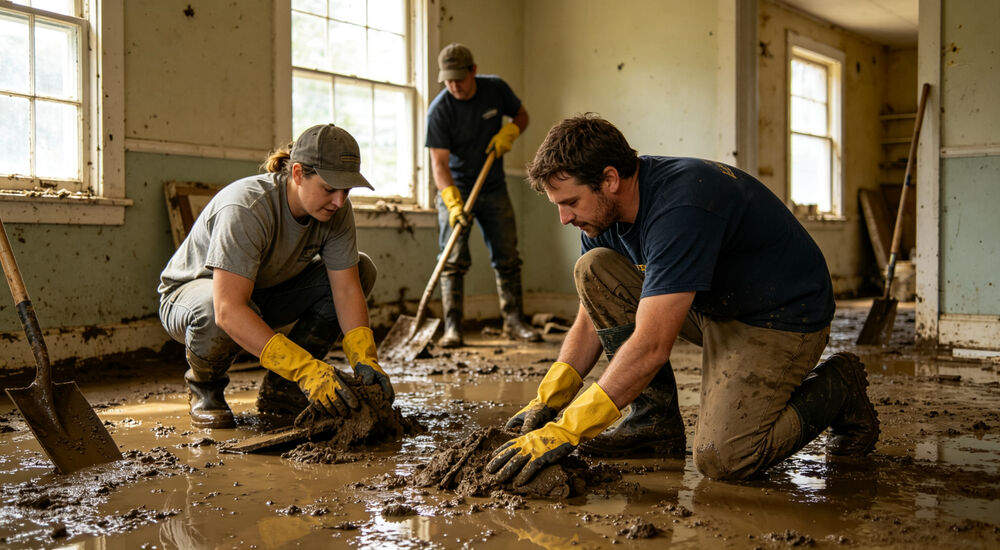
Cleanup after a flood is dirty, hard work. Volunteers need proper PPE to stay safe.
After the water goes down, the real work of recovery begins. For families, this means cleaning up their homes and throwing away anything that was touched by floodwater. For relief organizations, this means supporting long-term recovery—helping people get back on their feet, providing clean water and food, and making sure people have a safe place to stay.
Important Rule: When in doubt, throw it out! Any food, water, or medicine that came into contact with floodwater is unsafe. Floodwater contains sewage, chemicals, and bacteria. Don't take chances with food or water safety.
After a flood, your tap water might not be safe to drink. Listen to local authorities—if they say boil water or use bottled water, follow that. For relief organizations, this means continuing to distribute clean water and food long after the flood itself is over. It can take days or weeks for water systems to get back to normal.
Cleaning up after a flood is hard work. Walls, floors, and furniture that got wet need to be cleaned and disinfected. Mold can start growing in just 24-48 hours. For relief organizations, this means providing cleaning supplies, gloves, and masks to people whose homes were flooded. It also means supporting people who lost everything with temporary shelter and basic necessities.
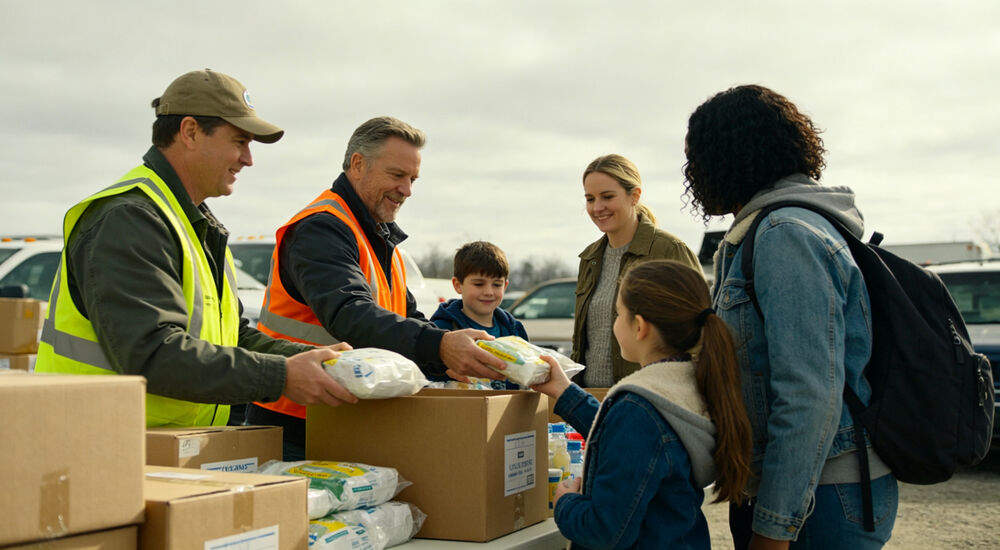
After the storm passes, families need continued support with food, water, and shelter.
Distribution is just as important as having the supplies. When volunteers can hand out water, food, and hygiene kits quickly and fairly, the whole community recovers faster. That's why ngo emergency supplies are packed in family-sized bundles—ready to hand out without sorting on site.
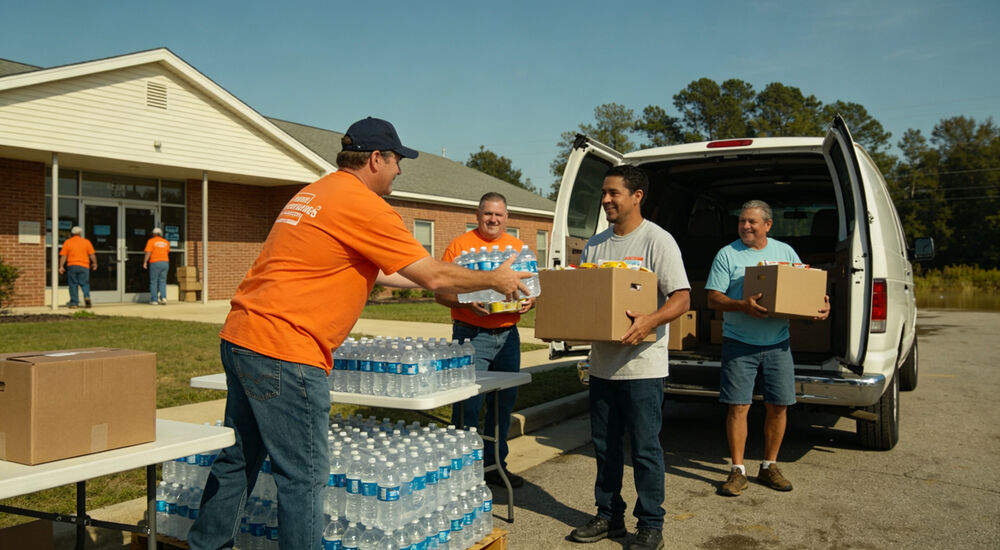
Fast distribution of essential supplies is what communities need most in the first 72 hours.
Not every relief organization has the same budget. Whether you're a small local NGO serving 50 people or a large international organization serving 50,000 people, there's a bulk emergency kit configuration that works for you:
|
Organization Size |
Basic Package (Entry) |
Standard Package (Most Popular) |
Premium Package (Full Service) |
|
50 people |
Water purification, first aid, basic PPE |
Add life jackets, sleeping bags, 10-person tents |
Add inflatable rafts, solar chargers, hygiene kits |
|
500 people |
Palletized water, bulk first aid, gloves/masks |
Add 20-person relief tents, compressed food, blankets |
Add rescue gear, medical supplies, kitchen sets |
|
5,000+ people |
Container loads of water and food |
Add full shelter kits, hygiene kits, PPE |
Add mobile medical stations, water purification systems |
Need help figuring out which package fits your budget? Contact us with your expected number of beneficiaries and we'll recommend the right configuration.
At YRF Textile, we understand that when a flood hits, you don't have time to wait. We specialize in manufacturing and exporting emergency relief equipment, including flood response gear, relief shelters, and personal protective equipment for NGOs, government agencies, and wholesale distributors around the world.
We know that relief organizations need supplies that are reliable, durable, and ready to deploy fast. That's why we've streamlined our production and shipping process to get you what you need when you need it. Whether you're ordering a small batch for a local organization or a large shipment for a national response, we can scale to your needs. We specialize in relief organization procurement for flood response, with flexible MOQs and competitive pricing for wholesale disaster relief orders.
Here's a quick overview of everything we supply for flood response programs, so you can see at a glance what we can support:
Product Category
What We Offer
Shelter
Relief tents, inflatable tents, sleeping bags, sleeping pads
Water Safety
Life jackets, rescue ropes, throw bags, flood rescue equipment
PPE
Rain suits, rubber boots, work gloves, dust masks
First Aid
First aid kits, wound care supplies, trauma kits
Table 3: Product categories we offer for flood relief. All our products are designed for emergency use and meet international quality standards.
We work with relief organizations worldwide to provide wholesale disaster relief supplies at competitive prices. Our team understands the unique needs of emergency response, and we're here to help you build the best possible flood emergency kit for your organization.
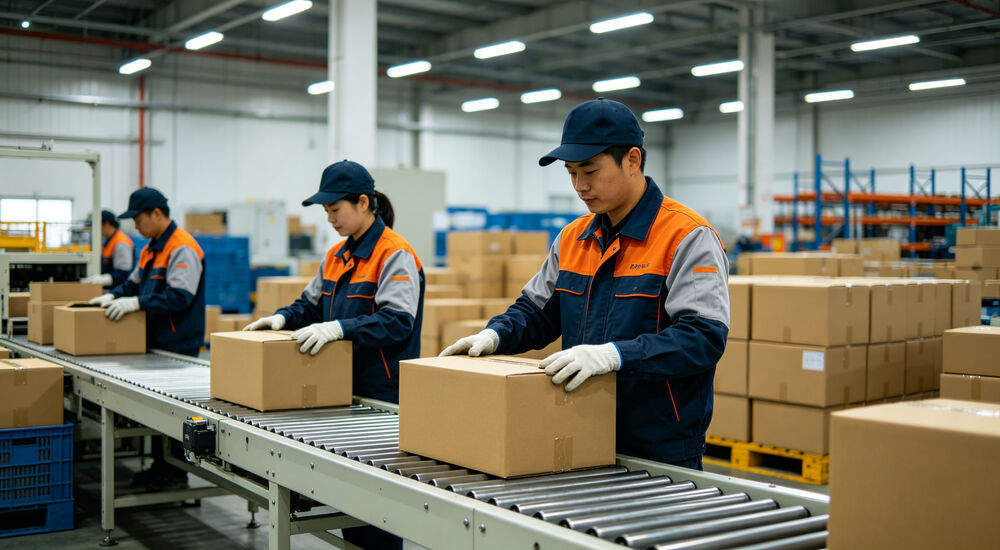
Our streamlined warehouse operation means fast lead times on all bulk orders.
When you're doing wholesale disaster relief procurement, you need a supplier who can scale up fast. Whether it's 500 kits or 50,000, we pack, label, and ship to your specs. We can also add your organization's logo to the bags and boxes for brand recognition in the field.
Contact us today for a free quote on bulk flood supplies. We'll help you find the right products for your needs and budget.
A: The standard recommendation is 1 gallon of water per person per day. For relief organizations responding to floods, plan for at least 3-7 days.
A: A good rule of thumb is one PFD per person you're serving, plus 20% extra for your team. If you're expecting to serve 100 people, order 120 life jackets total—80 adult, 30 youth, and 10 child sizes.
A: Relief tents are bigger, more durable, and designed to be set up quickly and used for weeks or months. They have waterproof floors and sealed seams. Camping tents are made for short trips and aren't designed for mass shelter use.
A: If it touches floodwater at all, throw it out. Even sealed cans can get contaminated. Floodwater has bacteria and sewage in it—don't take any chances with food safety.
A: It depends on the product. Most of our products have flexible MOQs for smaller organizations, and we offer better pricing for larger orders. Contact us with your needs and we'll give you a quote.
A: Yes. We currently ship to relief organizations across North America, the Caribbean, Central America, and Southeast Asia. We can handle sea freight, air freight, and land transport. Contact us with your destination and quantity for a shipping quote. We recommend keeping both in your kit.
A: At minimum, they need rubber boots, waterproof gloves, and a rain suit. If they're doing rescue work in water, they need a properly fitted life jacket. For cleanup work, add a dust mask and safety goggles.
A: Most emergency food rations have a 5-year shelf life when stored in a cool, dry place. Make sure to check expiration dates regularly and rotate your stock.
A: Look for a supplier that has experience working with relief organizations, offers quality products that meet international standards, and can ship on time. Ask for references and product certifications. At YRF Textile, we work with relief organizations worldwide and are happy to provide references.
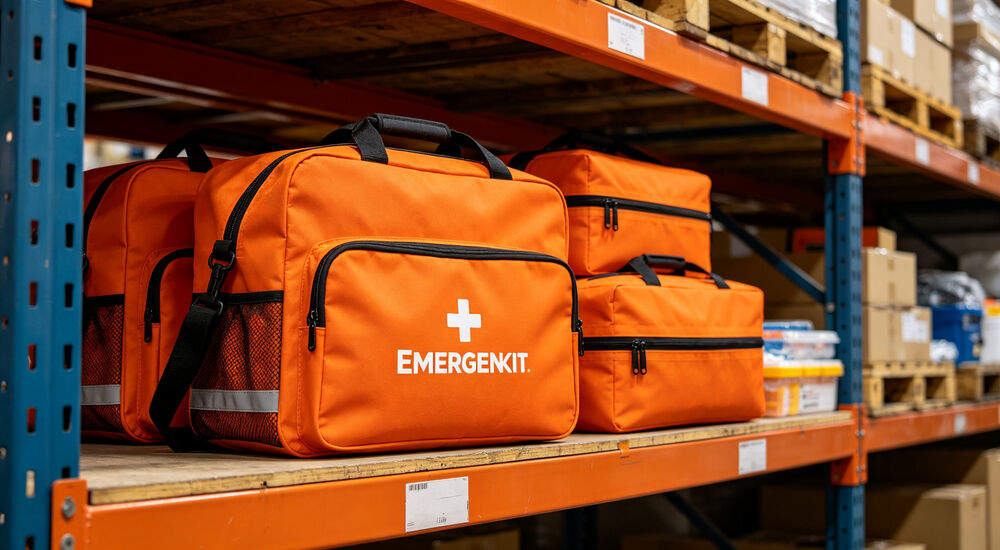
Custom branded kits help your organization stand out in the field.
A: Start by mapping the flood risks in your service area, then build your emergency preparedness kit inventory based on the most likely scenarios. Don't wait for flood season to begin—plan your ngo emergency supplies procurement 2-3 months ahead so you have time to test gear, train volunteers, and pre-position stock in high-risk areas. A solid flood relief supplies checklist will keep you organized as you build your inventory.
A: Look for USCG-approved Type II PFDs first—they turn most wearers face-up in the water automatically. For adults, get 15.5 lbs minimum buoyancy; for children, match the weight rating to the wearer. When doing wholesale disaster relief orders, order a mix of adult, youth, and child sizes, and add 20% extra for your rescue team. Proper sizing is critical—a life jacket that's too big or too small won't work when you need it.
A: We recommend ordering at least 3 months before flood season starts. This gives you time to compare quotes, test product samples, and arrange shipping. If you order at the last minute, you'll pay more and risk delays. For relief organization procurement planning, start early—it saves both time and money.
A: Yes. We offer custom branding options for bulk orders, including logo printing on kits, tents, and life jackets. This is popular for NGOs and government agencies that want their supplies to be easily identifiable in the field. Contact us with your branding needs for details.
A: Yes. We offer sample orders for most of our products so you can test the quality before placing a large order. This is especially important for life jackets, tents, and other safety equipment. Contact us to request samples.
A: We accept T/T bank transfer for bulk orders. We work with organizations of all sizes and can discuss payment terms for long-term partners. Contact our sales team to discuss your specific needs.
 |
|
Copyright © Custom Disaster - Relief Bedding: Tents, Sleeping Bags, Blankets All Rights Reserved
the professional team to service !