Categories
latest blog
Last Updated: September 28, 2026
PPE, and bulk sourcing for relief agencies. experience supplying earthquake disaster relief supplies worldwide.
You're in your office drinking coffee, minding your own business. The desk starts to shake. First second, you think a coworker is tapping their foot. Second second, the light fixture starts swaying. Third second, you know—this isn't a drill.
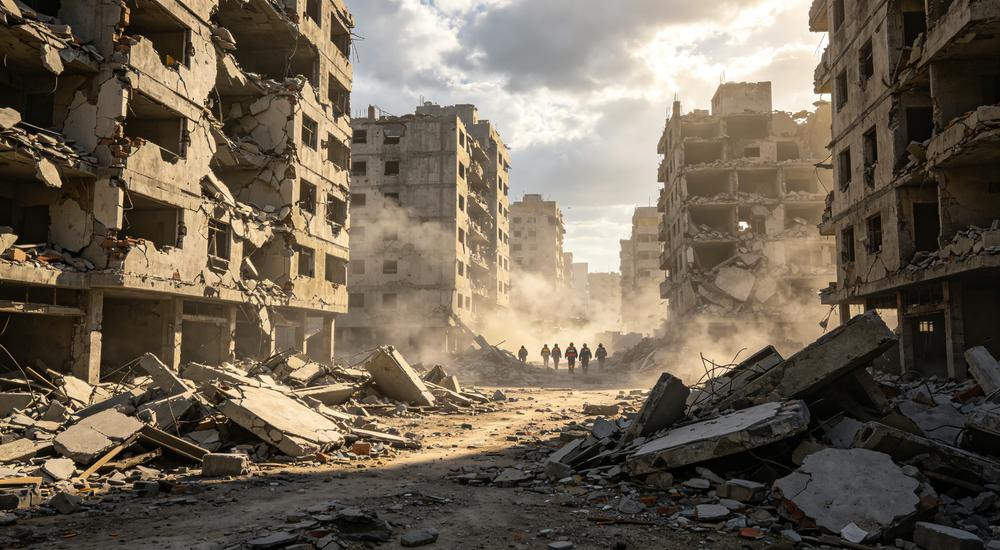
That's what an earthquake feels like. No 7-day forecast like a hurricane. No 15-minute warning like a tornado. You feel it when it's already happening. For relief organizations deploying to earthquake zones, having the right earthquake emergency kit isn't optional—it's the difference between finding survivors in the golden 72 hours and recovering bodies a week later.
Here's the thing most people get wrong: They think earthquakes kill with shaking. They don't. 90% of earthquake deaths come from building collapse—not the shaking itself. We supply professional earthquake disaster relief supplies and search and rescue equipment for NGO emergency procurement and government earthquake response programs worldwide.
Imagine walking through a city where 80% of the buildings are reduced to piles of concrete and twisted rebar. That's the reality of a major earthquake. This guide walks you through everything you need to know to prepare.
We've been supplying rescue teams on 6 continents for over . We've seen what works, what doesn't, and what gets people killed. This guide is everything we've learned.
From the first 15 minutes to the 72nd hour, this guide covers every piece of gear, every safety rule, and every mistake we've seen organizations make. Let's dive in.
We'll start with the basics: what an earthquake actually is, why it's so different from other disasters, and how the first 72 hours decide who lives and who doesn't.
Who is this guide for? Even if you're not a rescue worker, this article is for you. If you live in an earthquake zone, if you run a business that needs to be prepared, or if you're just curious about what happens after an earthquake—everything below is written in plain English, no jargon. By the end, you'll know more about earthquake preparedness than 90% of people around you.
Did you know? Most people think earthquakes are about "how strong the shaking is." They're not. They're about what the shaking does to buildings. A 7.0 earthquake on solid bedrock might barely knock pictures off the wall. The same 7.0 on soft sediment can level an entire city. Your earthquake preparedness plan needs to account for building collapse—not just shaking.
Based on USGS earthquake data and FEMA earthquake response standards, this complete earthquake emergency kit guide covers everything relief organizations, search and rescue teams, and distributors need to know before the next major quake hits.
Most people think earthquakes are just "the ground shaking." They're not. They're the most unpredictable, most destructive, and most time-sensitive disaster you can deploy into.
Here's why earthquakes are different from every other disaster:
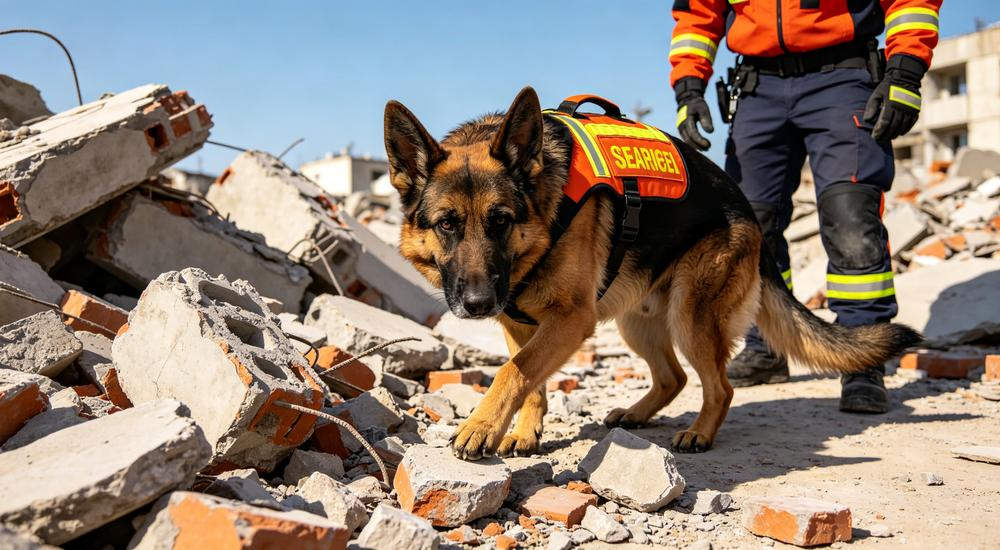
In February 2023, a 7.8 magnitude earthquake struck southern Turkey and northern Syria. It was by a 7.5 aftershock just 9 hours later. The death toll exceeded 50,000. More than 13 million people were affected.
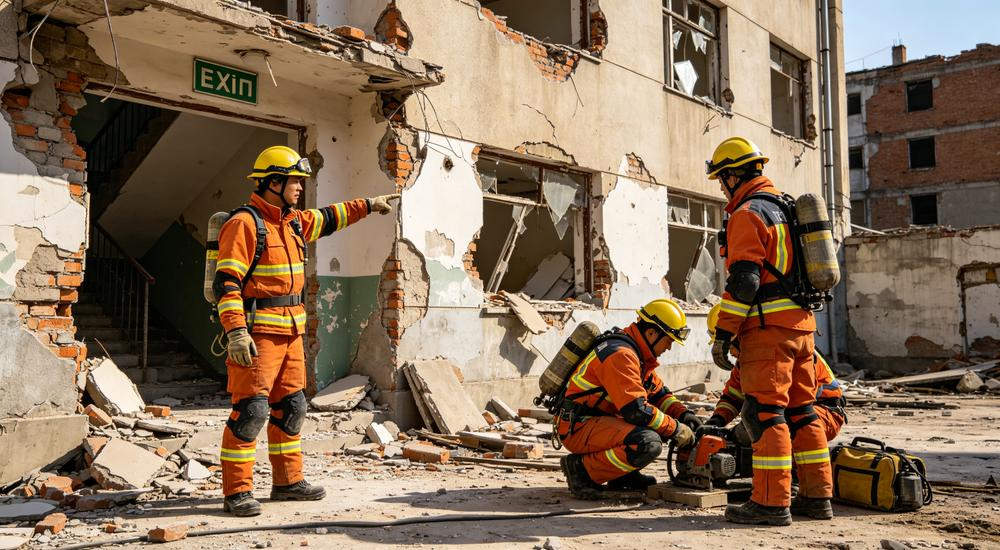
What does this look like on the ground? Imagine a city where 80% of the buildings are reduced to piles of concrete and twisted rebar. Families are digging through the rubble with their bare hands. A mother pulls her 7-year-old daughter out from under a collapsed wall—the girl is alive, but her leg is trapped. A rescue team arrives 12 hours later. They have pry bars, hydraulic cutters, and shoring posts. It takes them 45 minutes to free the girl. She survives.
Now imagine the same scene, but the rescue team shows up without shoring posts. They pry open the concrete slab. It holds for 10 seconds. Then it shifts. The girl's leg is crushed again. She doesn't make it. That's the difference between having the right gear and not.
The first international rescue teams arrived 18 hours after the initial quake. That's 18 hours of the golden 72 hours already gone. By the time teams were on the ground, thousands of people were already trapped under rubble—many of them still alive, but running out of time.
The cost of being unprepared: Most of the buildings that collapsed were older, unreinforced masonry structures. They simply couldn't handle the shaking. If those buildings had been built to modern seismic standards, the death toll would have been a fraction of what it was. But that's a building code problem, not an equipment problem. For relief organizations, the question is: when the buildings do collapse, are you ready to respond?
Field note: We've supplied earthquake response equipment to relief organizations across 6 continents. The most common mistake we see isn't buying the wrong gear—it's not having it ready when the quake hits. Earthquakes don't send you a warning. You have to be ready before the ground starts shaking.
In April 2015, a 7.8 magnitude earthquake struck Nepal. It killed nearly 9,000 people and injured over 22,000. The ancient city of Kathmandu was reduced to rubble. Mount Everest base camp was hit by an avalanche triggered by the shaking.
What made this response different? The terrain. Most of the affected villages were in the Himalayan mountains—accessible only by footpath. Helicopters could land supplies, but they couldn't land heavy equipment. Rescue teams had to carry their gear on their backs. That's why weight matters so much. A 20kg tool limit per person isn't a suggestion—it's a survival requirement when you're hiking 10km up a mountain with a backpack full of gear.
We supplied 200 rescue helmets and 150 rubble rescue suits to a Nepali rescue team. They told us later that the helmets saved at least 6 lives—rescuers who would have been hit by falling debris during aftershocks. That's the ROI on a $50 helmet.
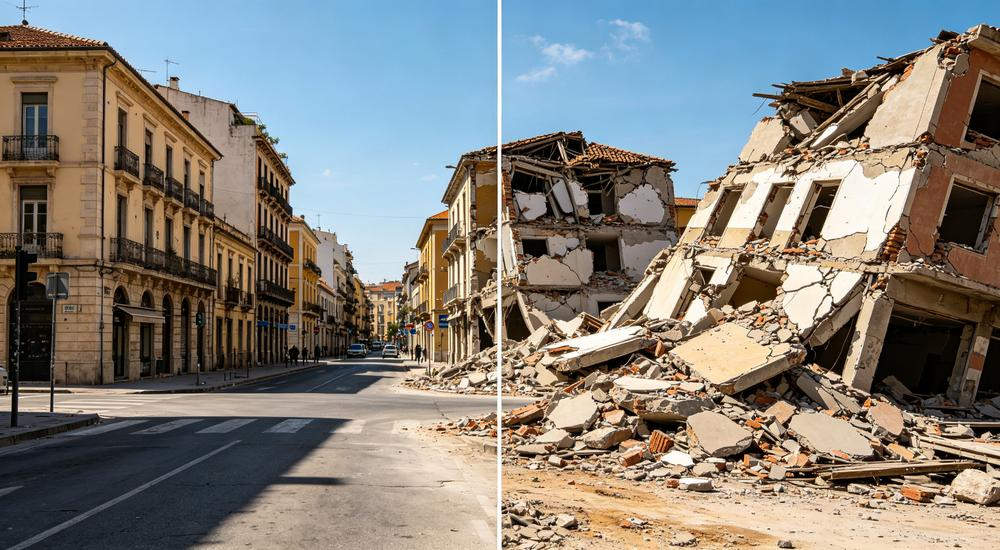
What is this in plain words?
When a relief organization starts preparing disaster relief supplies, one of the first questions is: "How strong is an earthquake?" But most people get this wrong. They think a 7.0 is always worse than a 6.0. Not true. It depends on where you are. People talk about earthquake "magnitude" all the time—but most people don't understand what it actually means. Worse, they confuse magnitude with intensity. They're two completely different things.
Here's how they compare:
Richter Magnitude
Typical Mercalli Intensity
What it actually feels like
Typical damage
2.0-3.0
I
People don't feel it. Instruments detect it.
None
4.0-5.0
V-VI
Noticeable indoors. Hanging lights swing. Windows rattle.
Small objects fall off shelves. No structural damage.
6.0-7.0
VII-VIII
Hard to stand. Furniture moves. Doors swing open.
Cracks in walls. Chimneys fall. Unreinforced masonry cracks.
7.0-8.0
IX-X
People thrown to the ground. Buildings severely damaged. Underground pipes break.
Frame houses collapse. Bridges damaged. Ground cracks.
8.0+
XI-XII
Ground permanently deformed. Objects thrown into the air.
Nearly total destruction. Lines of sight distorted.
The key insight most people miss: Magnitude is energy. Intensity is damage. The same 7.0 earthquake can cause completely different levels of destruction depending on what kind of ground it's on.
Example: The 2010 Haiti earthquake was magnitude 7.0. It killed 220,000 people. The 2010 Chile earthquake was magnitude 8.8—almost 500 times more energy. It killed 525 people. Why the difference? Haiti's buildings were mostly unreinforced masonry. Chile's buildings were built to strict seismic codes. Same kind of disaster, completely different outcome.
Pro tip: When you're planning your earthquake emergency kit, don't just look at the magnitude. Look at the intensity. A 6.5 earthquake on soft sediment can be more destructive than a 7.5 on solid rock. Know your local geology.
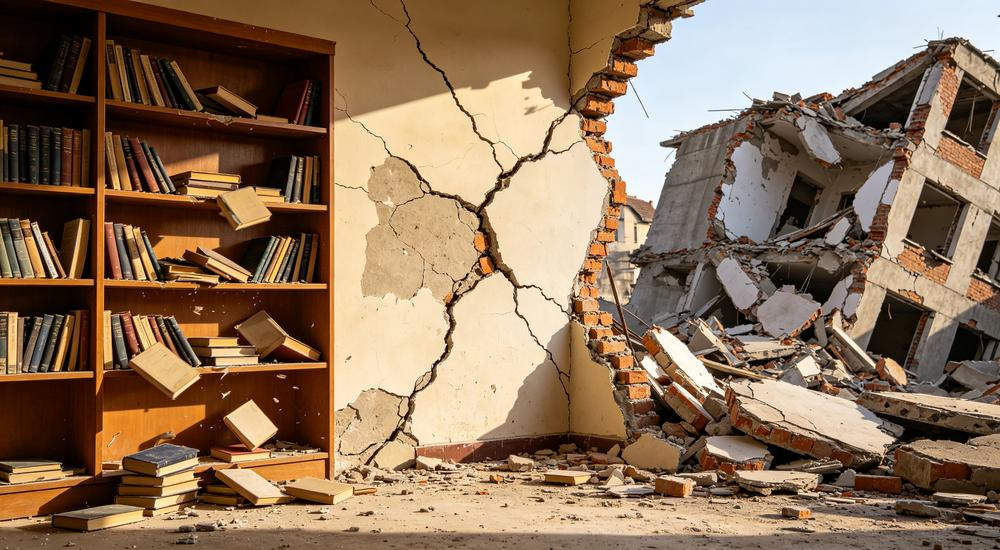
What is this in plain words?
If you're a relief organization planning bulk sourcing for earthquake response, you need to understand the timeline. Earthquake response isn't a single event—it's a timeline. Each phase has different needs, different gear, and different priorities. Here's how it breaks down:
This is what you do when there's no earthquake happening. It's the most important phase—and the one most organizations skip.
Real cost: We've seen an NGO whose emergency kit sat in a closet for 3 years. When they opened it after an earthquake, the water had evaporated, the crackers were moldy, and the flashlight batteries were dead. That's not an emergency kit—that's a psychological comfort blanket.
The shaking lasts 10-60 seconds. What you do in those seconds determines whether you survive.
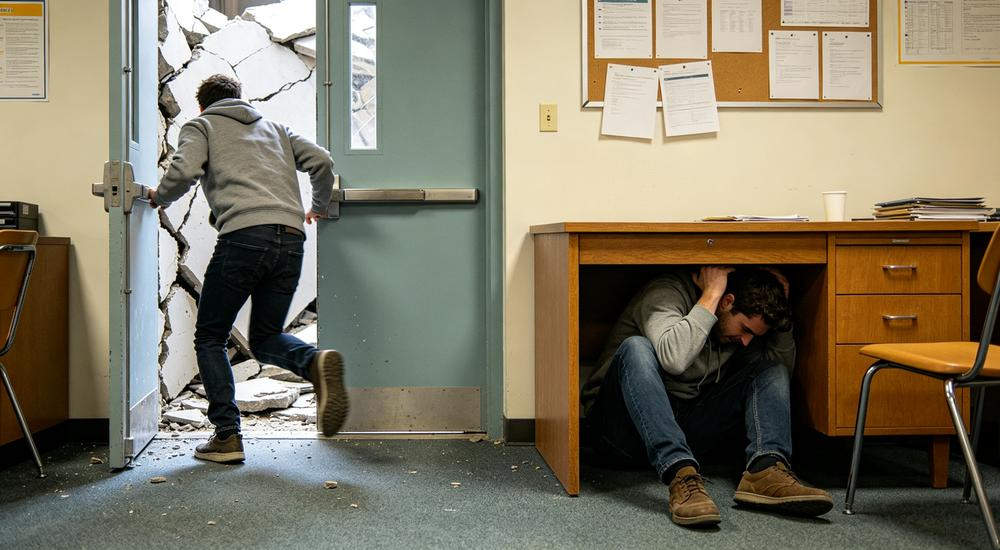
Real example: During the 2011 Tohoku earthquake in Japan, an office worker ran for the door 2 seconds after the shaking started. A ceiling tile fell and hit him on the head. His coworker, who dropped under her desk, was completely unhurt.
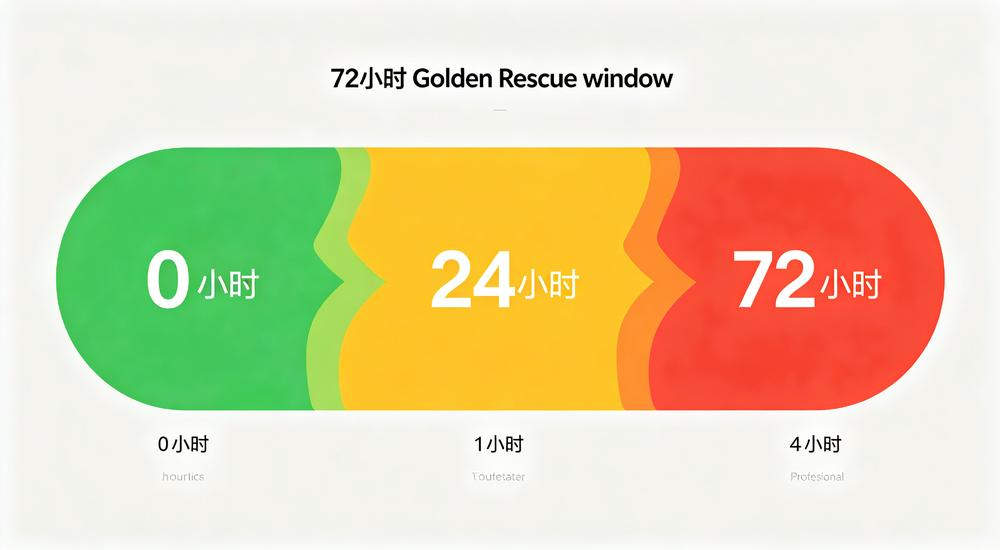
This is the golden window. Every hour counts.
Your earthquake emergency kit procurement needs to support all three phases. A kit that only covers Phase 3 is useless—by then, the people you could have saved are already gone.
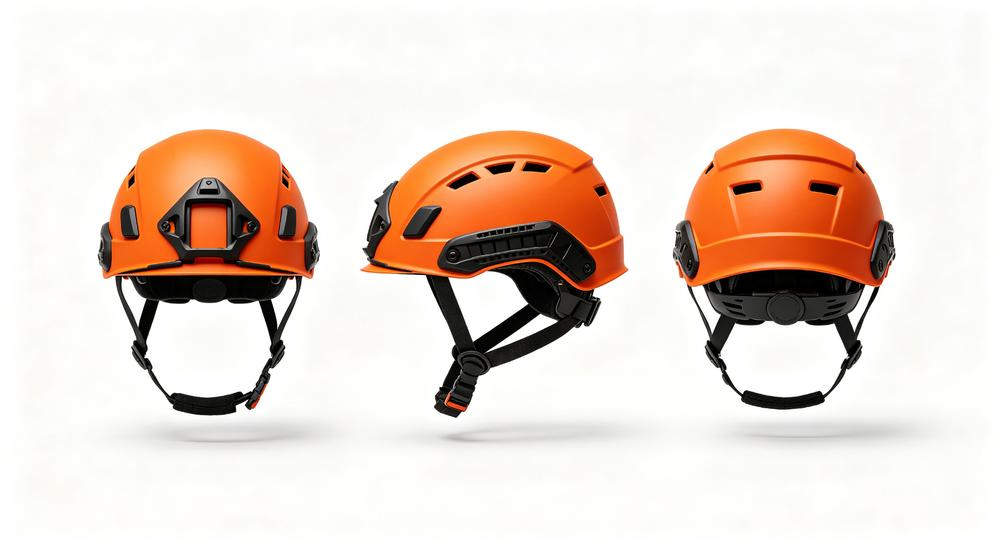
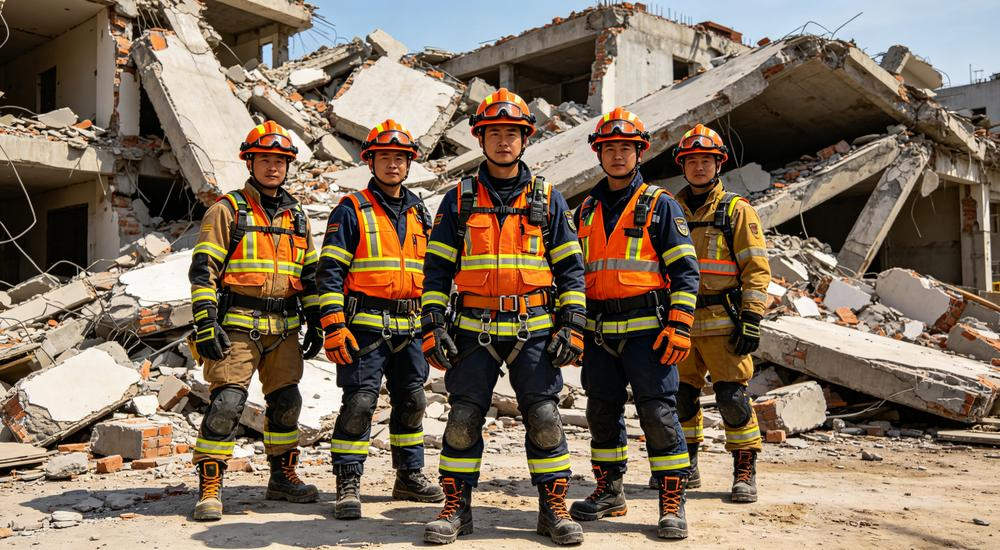
The first 24 hours after an earthquake are all about search and rescue. You're working in rubble. Every piece of gear needs to protect you from falling debris, sharp objects, and the next aftershock. Here's what you need:
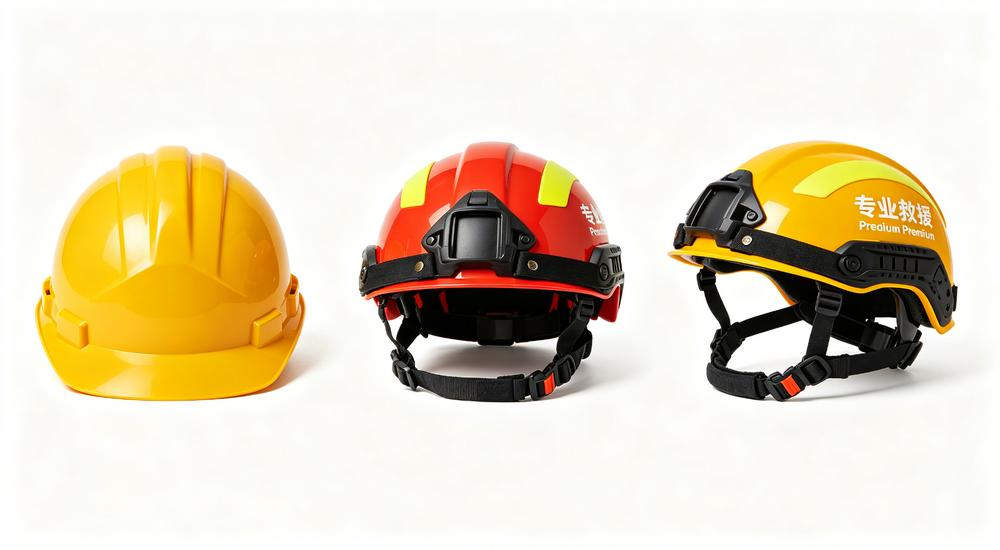
What is it in plain words?
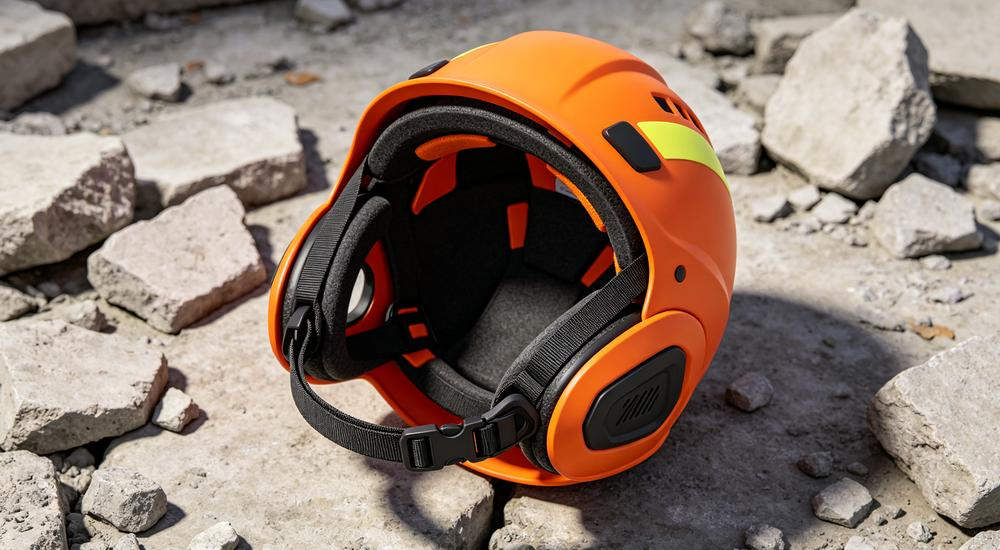
A rescue helmet is just a hard hat that protects your head from falling bricks, concrete chunks, and sharp debris when you're digging through earthquake rubble. Think of it as your skull's bodyguard. If a ceiling tile falls on your head at 30 km/h, the helmet takes the hit, not your brain.
Your helmet is your most important piece of earthquake gear. Period. It's the difference between going home tonight and not.
Here's what to look for in a rescue helmet—we'll explain each term in plain English so you know exactly what you're buying:
|
Feature |
What to look for |
What it means in plain words |
|
Standard |
ANSI Z89.1 Type I Class E |
This is just the safety certification that says "this hat won't crack when something falls on your head." Type I = protects from above. Class E = doesn't conduct electricity (important if you're working near fallen power lines). |
|
Suspension |
6-point system (not 3-point) |
Think of this like the suspension in your car. 6 points means the impact is spread across 6 straps inside the hat, so your head feels less of the hit. 3-point is cheaper but your head takes the full force. |
|
Chin strap |
At least 2.5cm wide, adjustable |
This is the belt that holds the hat on your chin. Without it, the hat falls off the first time you bend over. Imagine trying to dig through rubble while holding your hat on with one hand—you can't. |
|
Weight |
Under 450g |
That's about the weight of a can of soda. Heavier than that and your neck will ache after 8 hours of wearing it—like carrying a small watermelon on your head all day. |
|
Side impact |
Side and rear protection |
Construction helmets only protect the top of your head (for things falling from a construction site). In earthquake rubble, debris hits you from the side and behind too. You need coverage all around. |
Why does this matter to you?
Because a bad helmet doesn't just feel uncomfortable—it can kill you. We've seen rescue workers go home with permanent brain damage because they wore cheap construction hats to rubble work. You're not buying a fashion accessory. You're buying something that keeps your head attached to your body.
After supplying rescue helmets to search and rescue teams on 6 continents, we've seen every mistake. Here's what actually matters:
What is this in plain words?
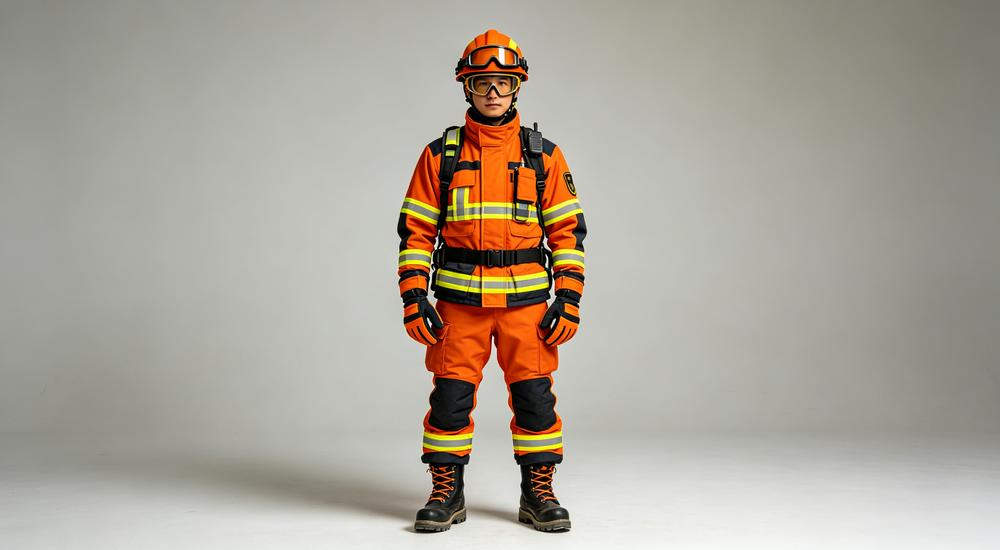
PPE stands for Personal Protective Equipment. It's the clothing and gear that covers your whole body—like a suit of armor for earthquake work. Your helmet protects your head. This stuff protects everything else: your eyes, your hands, your feet, your lungs.
Think of it like this: rubble isn't just dirt. It's broken glass, rusty nails, sharp rebar, and toxic concrete dust. Every inch of your body is exposed to something that can hurt you. Without this gear, you're just a walking injury waiting to happen.
Here's what your PPE kit should include—and what each piece actually does for you:
Why does this matter to you?
Because we've seen rescue workers come home with infections in their feet from stepping on a nail through cheap boots. We've seen people go blind in one eye because they forgot goggles. This isn't "nice to have"—it's the stuff that keeps you alive and able to work.
We've seen too many teams show up in regular rain gear. That's a mistake. Rain gear doesn't protect against punctures.
What is this in plain words?
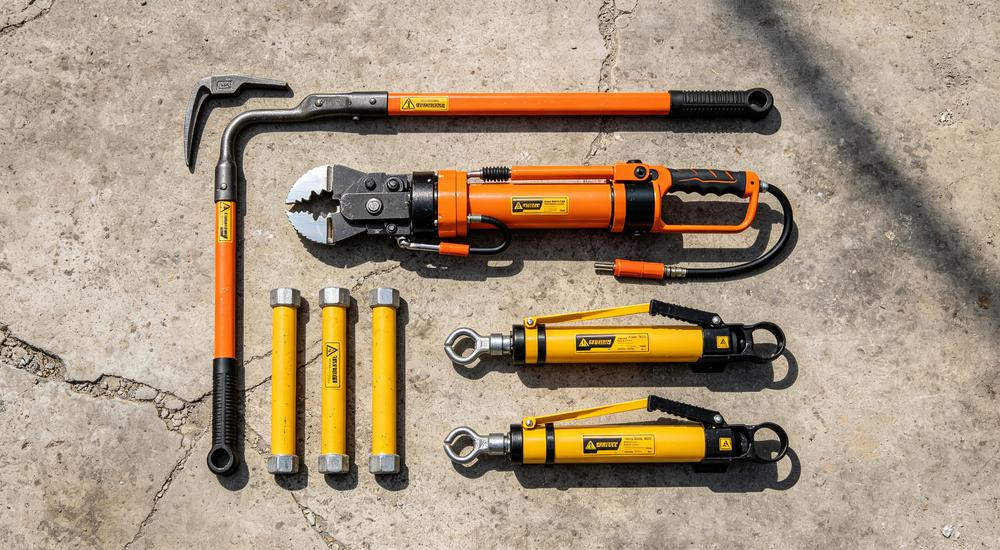
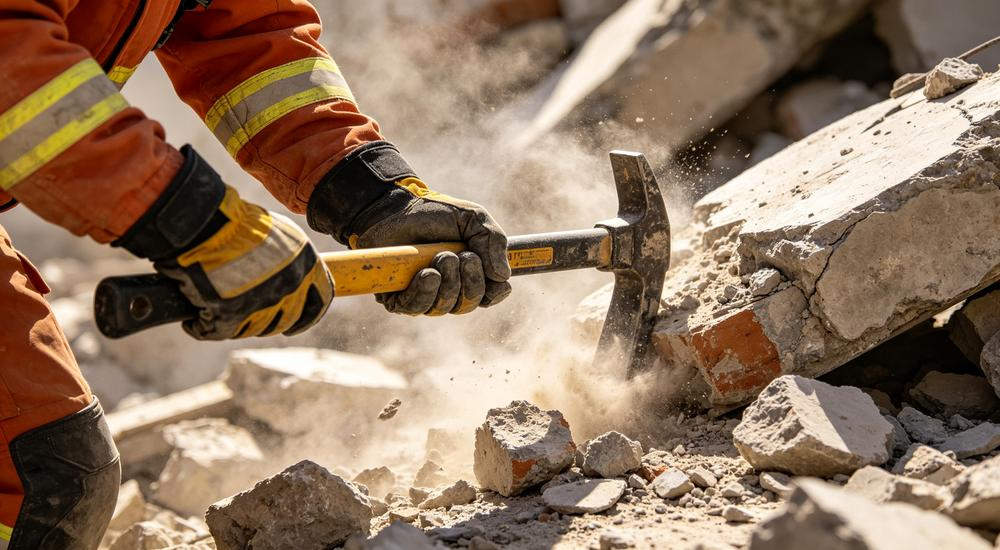
These are the "crowbars and cutters" that rescue workers use to dig through collapsed buildings. Think of it like this: when a building collapses, people are trapped under concrete slabs, twisted metal, and broken wood. You can't just pull it apart with your hands. You need tools—like a super-powered crowbar—to pry things open and reach the people underneath.
You can't rescue people if you can't get to them. You need tools to break through rubble, move debris, and stabilize structures.
Here's the basic tool kit every search and rescue team should carry—we'll explain each tool in plain English so you know exactly what it does:
|
Tool |
What it's for (plain words) |
How heavy it is |
|
Pry bar (60cm) |
This is like a super long, super strong crowbar. You wedge it between concrete pieces and pry them apart. Think of it as the "can opener" for rubble. |
3kg (about the weight of a large laptop) |
|
Pry bar (90cm) |
The bigger version of the crowbar. Used for heavy stuff—like lifting a concrete slab that a car parked on top of. |
5kg (about the weight of a small dog) |
|
Hydraulic cutters |
This is like a giant pair of scissors that cuts through steel. Rebar (the steel bars inside concrete) is super strong—you can't cut it with a saw. This tool cuts it in seconds. |
8kg (about the weight of a newborn baby) |
|
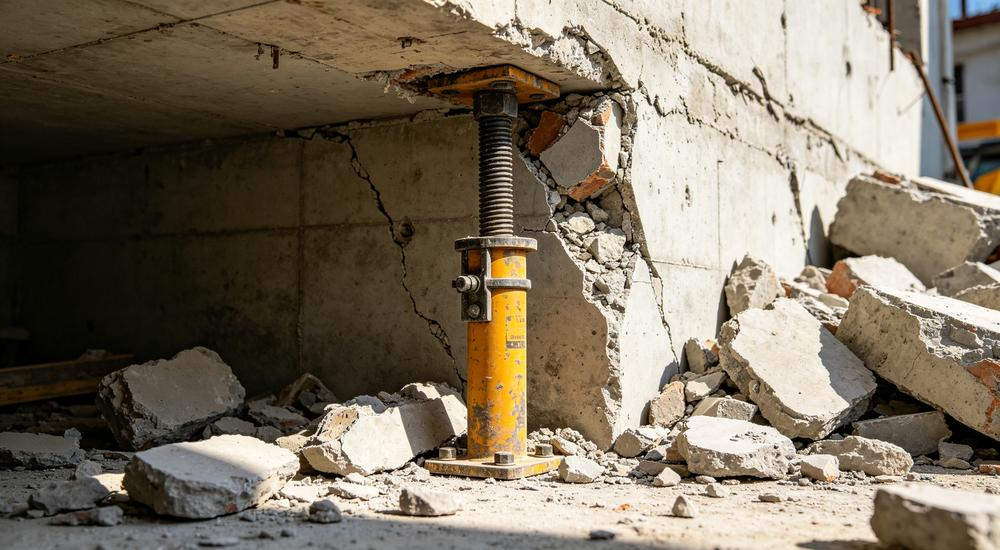
Shoring posts |
These are adjustable poles that you wedge between the floor and the ceiling to hold up a damaged wall. Think of it like the "support beams" under a sagging floor in your house—except these are industrial strength. |
10kg per set (about the weight of a big suitcase) |
|
Jack (hydraulic) |
This is like the jack you use to change a car tire, but 100x stronger. It lifts huge concrete slabs off of trapped people. Think of it as the "muscle" of the team. |
15kg (about the weight of a medium-sized dog) |
Why does this matter to you?
Because if you show up with the wrong tools, you're just digging through rubble with your bare hands. We've seen teams spend 3 hours prying open a concrete slab, only to have it fall back on them because they forgot the shoring posts. That's 3 hours wasted—and someone who could have been rescued is now crushed.
After outfitting search and rescue teams for , here's what we've learned about tools:
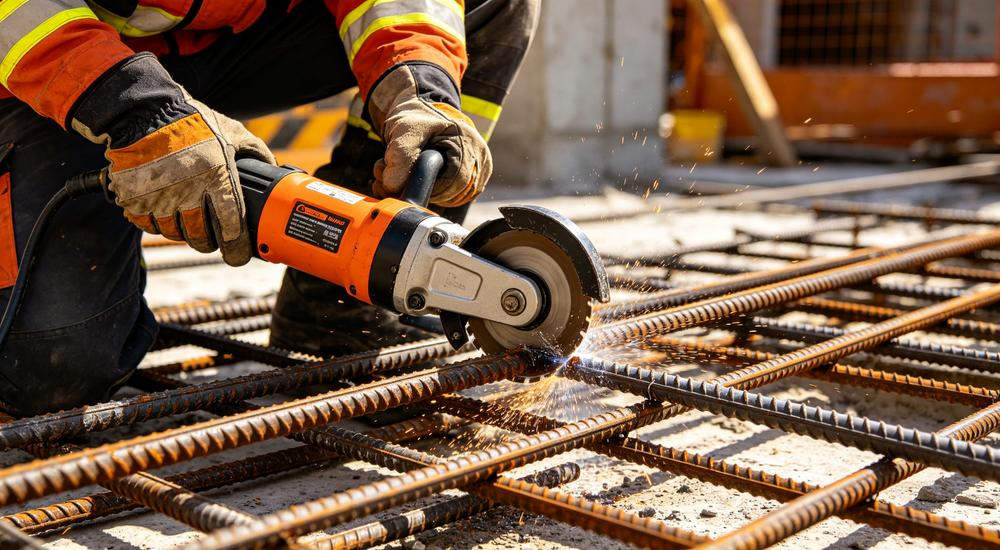
How does this work in plain words?
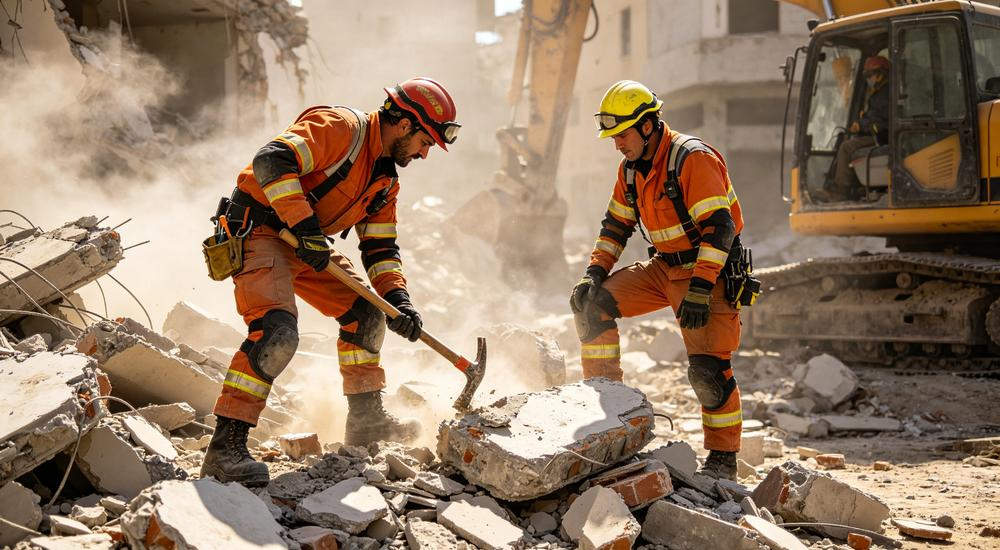
You don't just start swinging a pry bar. There's a method. Here's the step-by-step process rescue teams use to safely dig through rubble:
Pro tip: If you're spending more than 30 minutes on one slab and you haven't reached anyone, stop. There's a good chance the person isn't there. Move to the next location. You're not being heartless—you're being efficient with the golden 72 hours.
What's the difference in plain words?
You can buy a rescue helmet for $20 or $150. What are you actually paying for? Here's the honest comparison:
|
Feature |
$20 helmet (construction) |
$80 helmet (entry rescue) |
$150 helmet (pro rescue) |
|
Impact protection (top) |
Yes |
Yes (better suspension) |
Yes (best suspension system) |
|
Impact protection (side/rear) |
No |
Partial |
Full coverage |
|
Chin strap |
Thin plastic (breaks easily) |
Adjustable nylon |
Padded, quick-release |
|
Weight |
500g+ (heavy) |
400g (light) |
350g (ultra-light) |
|
Shelf life |
2-3 years (plastic gets brittle) |
5 years |
7 years |
|
Best for |
Construction sites only |
Occasional rubble work |
Full-time SAR teams |
Our honest recommendation: If your team is doing 1-2 earthquake deployments a year, the $80 helmet is the sweet spot. It has side impact protection, a proper chin strap, and a 5-year shelf life. The $20 construction helmet is fine for construction sites, but in earthquake rubble, it's a gamble with your head. The $150 pro helmet is overkill for most teams—unless you're a full-time urban search and rescue unit.
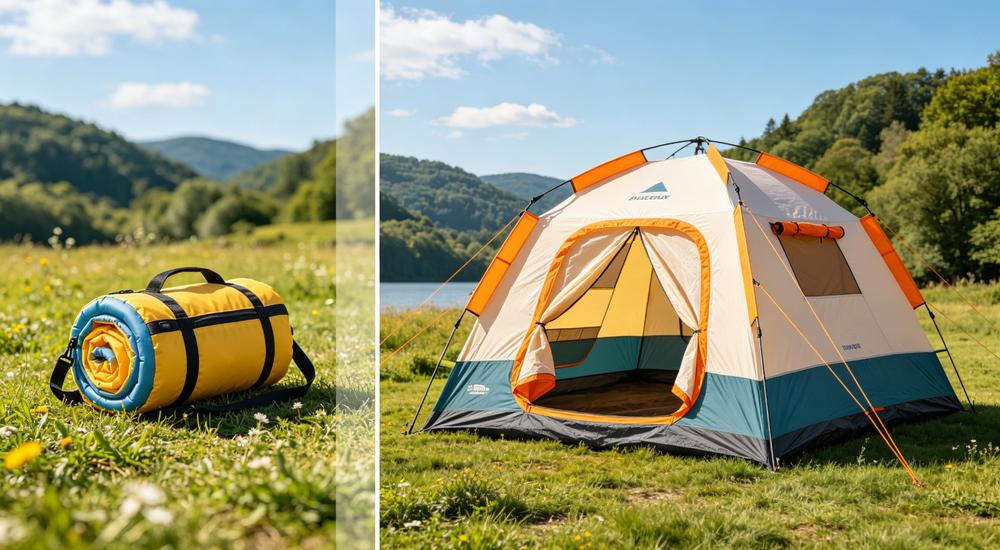
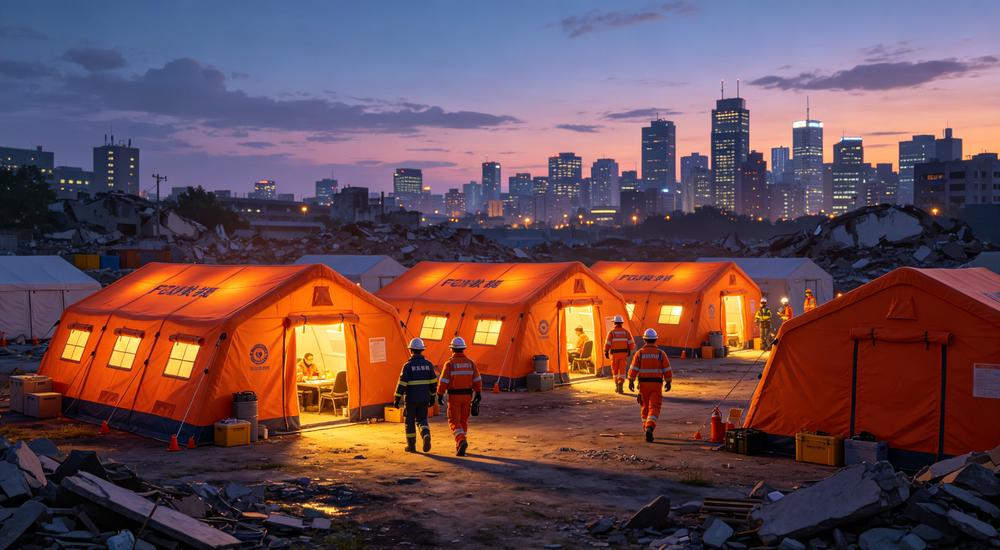
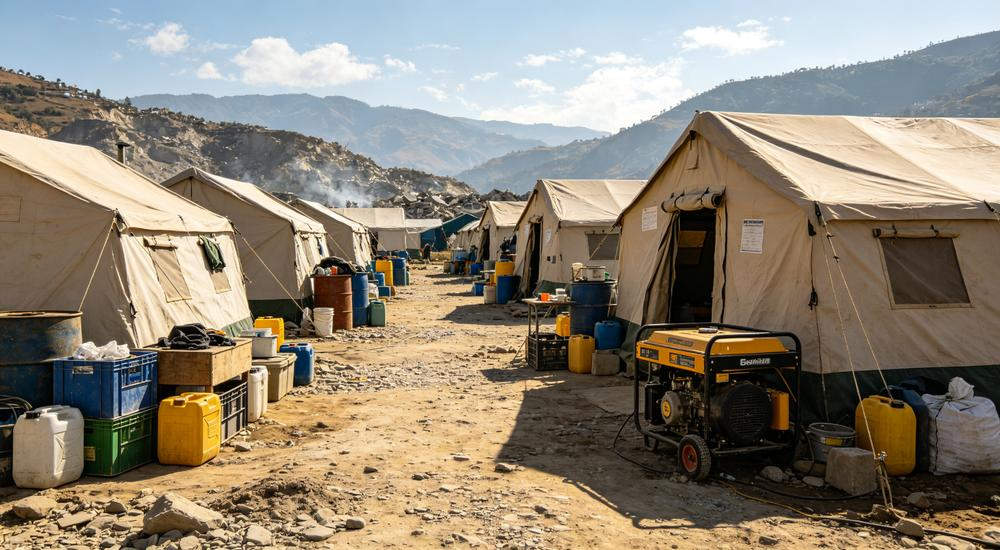
After the first 24 hours, the mission shifts from pure search and rescue to setting up shelter and keeping survivors alive. Here's what you need:
What is this in plain words?
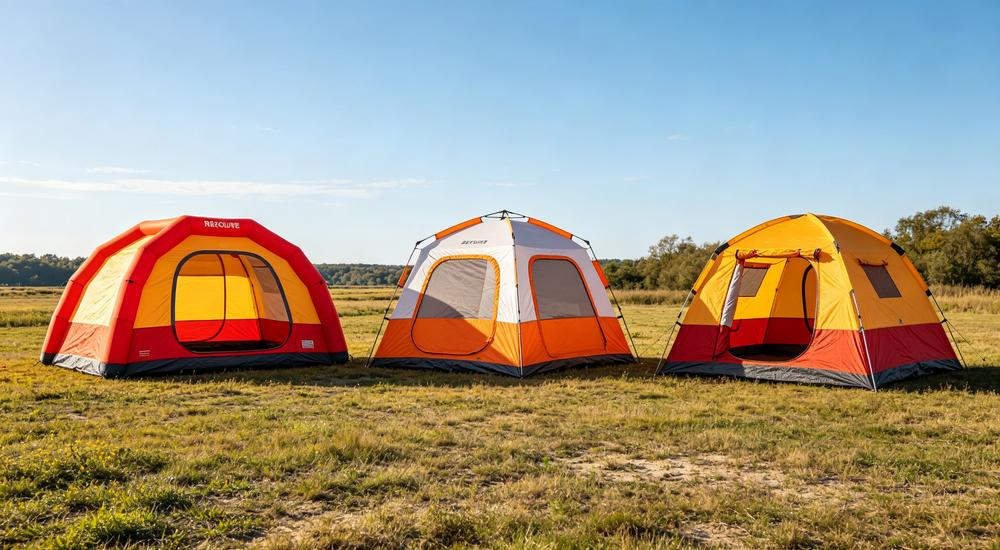
After an earthquake, people need a place to sleep and stay dry. But you can't take an hour to set up a tent—aftershocks can hit at any moment. These are "pop-up" tents that go up in minutes, not hours. Think of it like this: you need a roof over your head before the next aftershock knocks down whatever's left standing.
You need shelters that go up fast. You don't have time for frame tents that take an hour to set up. Aftershocks can hit at any moment.
|
Type |
How fast it goes up |
How many people fit |
When to use it (plain words) |
|
Inflatable tent |
10 minutes (just pump it up like a beach ball) |
10-20 people |
This is your go-to tent. You blow it up like a pool toy. No poles, no complicated setup. Perfect when aftershocks are still coming. |
|
Frame tent |
60 minutes (you have to build the frame first) |
20-50 people |
This is the big, sturdy tent you see at outdoor festivals. It lasts longer, but it takes forever to set up. Use it when you're settled in and aftershocks have stopped. |
|
Emergency blanket shelter |
5 minutes (just drape it over something) |
5-10 people |
This is the emergency "just cover me" shelter. It's basically a big reflective blanket you hang between two trees. It's not pretty, but it keeps the rain off for the first night. |
Why does this matter to you?
Because choosing the wrong tent is the difference between being dry and warm for the night, and sleeping in the rain because you spent 2 hours building a tent that collapsed in an aftershock. We've seen it happen. It's not a "nice to have"—it's the difference between your team being able to work tomorrow, and everyone getting sick from sleeping in the rain.
What is this in plain words?
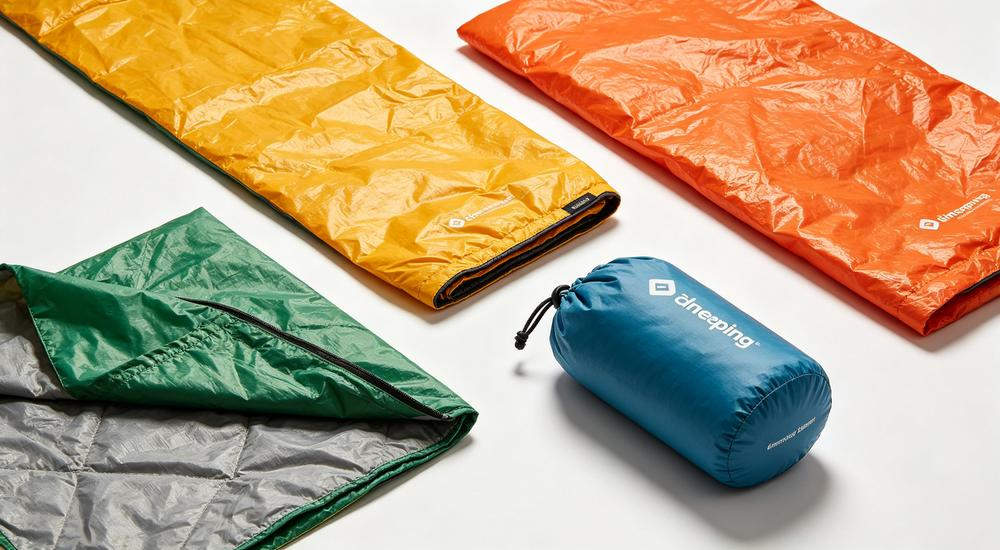
After a long day of digging through rubble, you need to sleep. But you can't just sleep on the cold ground—you'll freeze. These are the "warm blanket and mattress" that rescue workers sleep on. Think of it like this: you're exhausted, you're cold, and you need to be ready to go again in 6 hours. If you don't sleep warm, you're useless tomorrow.
After the first 24 hours, your team needs to sleep. They can't keep going for 72 hours straight.
Why does this matter to you?
Because a tired team is a dangerous team. If your rescue workers can't sleep warm, they'll make mistakes. We've seen teams choose cheap down sleeping bags to save money, then it rained and everyone slept in cold, wet bags for 3 days. By day 3, they were too exhausted to work. That's not a "small saving"—that's a broken team.
Why synthetic and not down? Because after an earthquake, it often rains. Down gets wet, and then it's useless. Synthetic fill still works when it's wet. That's the difference between sleeping warm and freezing all night.
After 72 hours, the mission shifts from rescue to recovery. You're now running a long-term operation. Here's what you need:
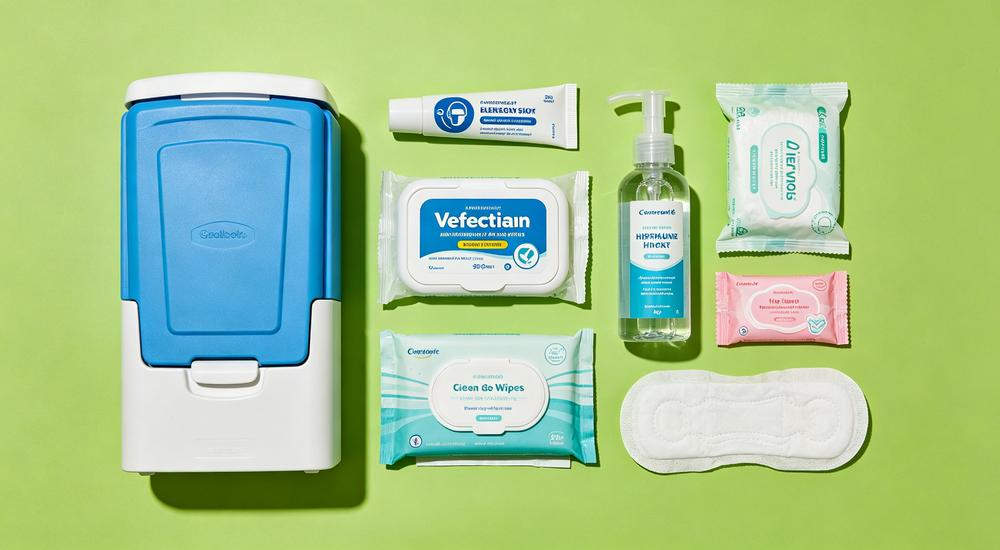
What is this in plain words? After an earthquake, all the toilets are broken, the water pipes are burst, and people are living in dirty, dusty conditions. This is where disease starts. Cholera, dysentery, infections—they all start from bad hygiene. This isn't about "being clean." It's about not letting your team get sick and die from preventable diseases.
Diseases spread fast in post-earthquake conditions. Broken water lines, no toilets, contaminated water. Hygiene is not optional—it's a matter of life and death.
Pro tip: When ordering in bulk, always reserve 20-30% of your order for women's hygiene products. Most organizations forget this completely. Then they're scrambling to find it in a disaster zone where every store is destroyed.
Why does this matter to you? Because a team that gets sick is a team that can't work. We've seen relief organizations show up with all the right rescue gear, but forget basic hygiene supplies. Within 3 days, half the team has diarrhea from drinking contaminated water. Within a week, 20% of the team is out sick. That's a quarter of your workforce gone—all because you didn't order enough soap and wipes.
When you're doing bulk sourcing for disaster relief supplies, don't forget the boring stuff. The exciting rescue tools get all the attention, but it's the soap and wipes that keep your team in the field. We recommend ordering 30% more hygiene supplies than you think you need—you'll go through them faster than you expect.
What is this in plain words?
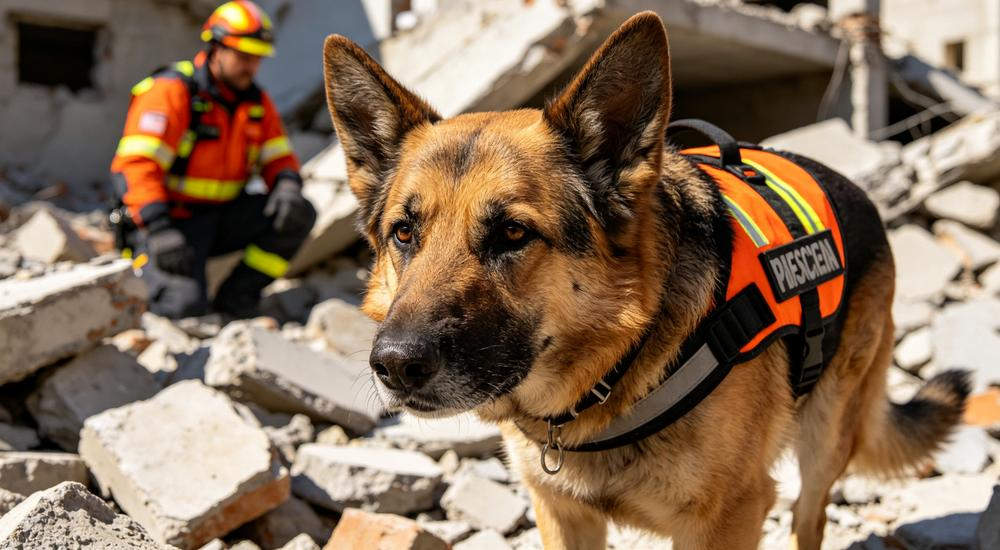
Search and rescue is the most specialized part of earthquake response. It's not just "dig through rubble." It's like being a detective—except the clues are under 10 meters of concrete, and the clock is ticking. You have to find people who are trapped under collapsed buildings, before the 72-hour window closes. Here's how it works:
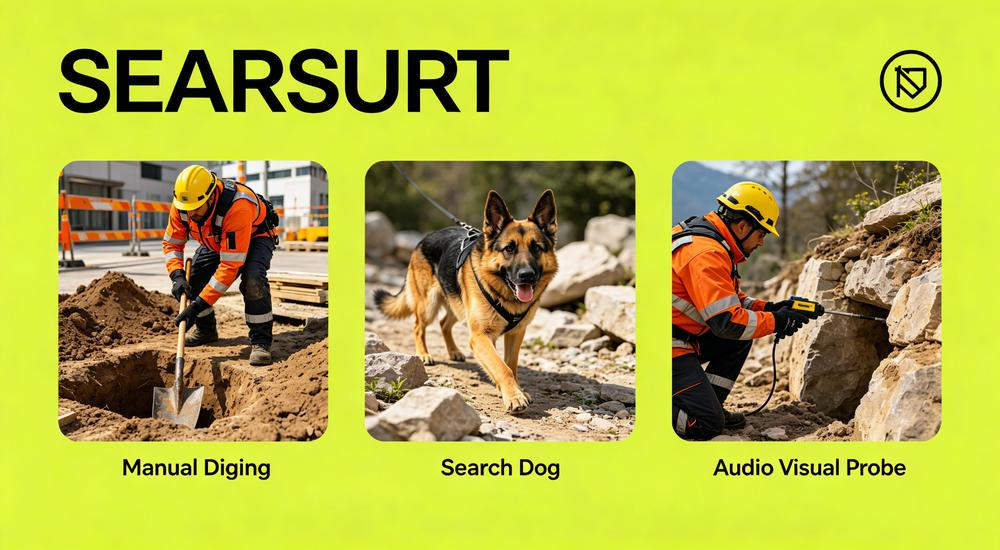
When you're looking for someone under rubble, you have three tools in your toolbox. Each one has strengths and weaknesses. Here's how they compare:
|
Method |
How fast |
How accurate |
When to use it (plain words) |
|
Manual search |
Slow (you're digging by hand) |
Medium |
This is just people digging through rubble with their hands. It works for small areas that just collapsed, but it's like looking for a needle in a haystack. |
|
Search dogs |
Fast (one dog = 20 people) |
High |
Dogs have 10,000 times better smell than humans. They can sniff out a person under 10 meters of concrete. This is how you cover a large area fast. |
|
Audio/video probes |
Medium |
Very high |
These are like the "snake cameras" you see doctors use. You push a long tube with a camera on the end through tiny gaps in the rubble, and you can see if someone is trapped there. |
|
Rescue radar |
Medium |
Very high |
Detecting breathing/movement through walls |
The key numbers: One search dog is as effective as 20 searchers on foot. An audio probe can detect breathing from 10 meters deep. Rescue radar can see human movement through concrete walls. These tools aren't optional—they're how you find people before the 72-hour window closes.
You can't save anyone if you get hurt yourself. 15-20% of rescue workers get injured during earthquake operations. Most injuries are from debris and aftershocks, not from the original collapse.
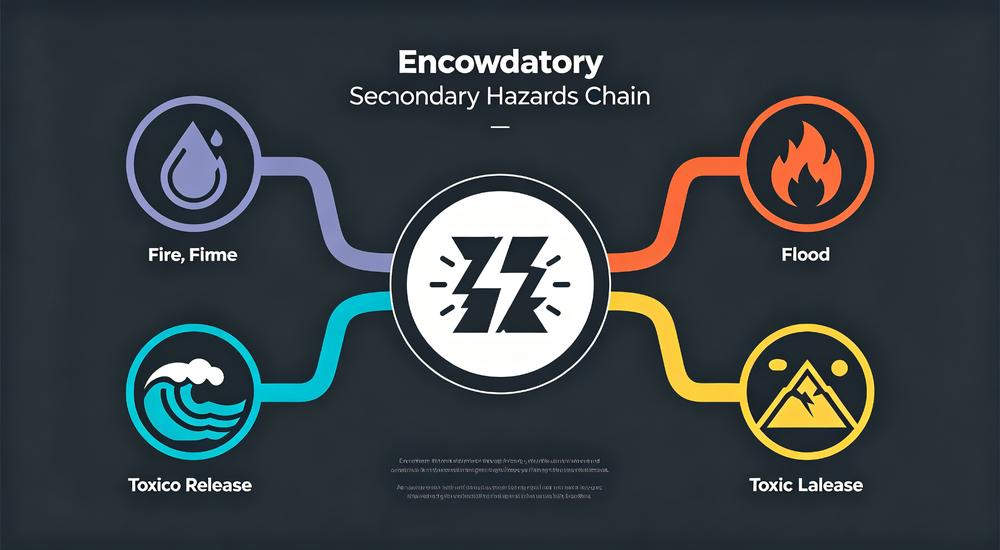
What is this in plain words? Earthquakes don't just shake the ground. They trigger a whole chain of other disasters—like a domino effect. Sometimes these "after-disasters" are even deadlier than the earthquake itself. For example, in the 2011 Japan earthquake, the tsunami killed more people than the shaking. Here's what you need to watch for:
|
Hazard |
What causes it (plain words) |
How to prepare |
|
Fire |
Broken gas lines leak natural gas, which then catches fire. Chemical storage tanks spill and ignite. Think of it like a gas leak in your kitchen, but across an entire city. |
Know where gas shutoff valves are. Carry fire extinguishers. |
|
Flooding |
Dams break from the shaking, or water pipes burst. Suddenly you have a flood on top of an earthquake. Think of it like a water balloon popping, but the size of a city. |
Know where dams are relative to your operation site. |
|
Tsunami |
Underwater earthquakes push a giant wall of water toward the coast. It's like a huge wave that never stops—think of it like a flood that comes from the ocean, not the sky. |
If you're on the coast, move to high ground immediately after a quake. |
|
Toxic release |
Chemical factories break open and spill toxic chemicals into the air and water. Think of it like a chemical plant explosion, but the earthquake did it. |
Know what industrial sites are near your service area. |
|
Landslides |
The shaking makes hillsides unstable, so the whole hill slides down. Think of it like an avalanche of dirt and rocks, not snow. |
Avoid hillside areas in mountainous regions. |
Critical warning: After the 2011 Tohoku earthquake in Japan, the tsunami killed more people than the earthquake itself. 90% of the deaths were from the tsunami, not the shaking. If you're operating near the coast, the first thing you do after a quake is move to higher ground. Don't wait for the tsunami warning—move now.
What is this in plain words?
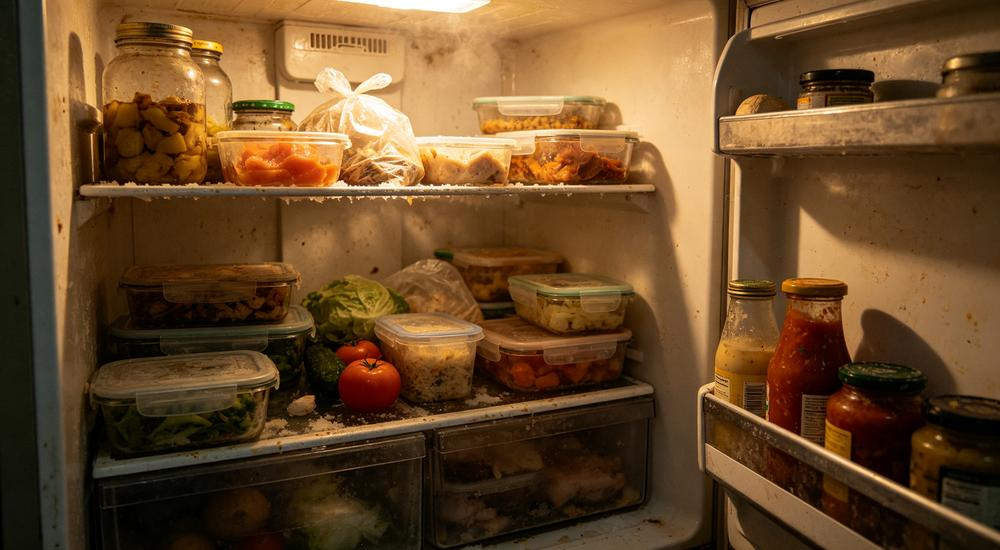
After an earthquake, the first question everyone asks is: "Can I still drink the tap water? Is the food in my fridge still good?" This is super important because drinking contaminated water gives you diarrhea, which leads to dehydration, which leads to you being useless (or worse, dead). Here's the exact timeline you need to know:
After an earthquake, the power goes out. Your fridge stops working. Now you have a countdown timer on all your food. Here's exactly how long each type stays safe:
|
Food type |
How long it's safe (plain words) |
What to do |
|
Refrigerated |
4 hours (if fridge is closed and you don't open it). After that, bacteria starts growing. |
Eat it in the first 4 hours, or throw it out. |
|
Frozen |
48 hours (if freezer is closed, half full) |
Use a thermometer. Above 40°F (4°C), throw it out. |
|
Canned goods |
Indefinitely (if cans aren't damaged) |
If the can is bulging, rusted, or dented on the seam, throw it out. |
|
Dry goods |
Months |
Keep in sealed containers. Check for pests. |
Pro tip: Keep a thermometer in your fridge and freezer. After power goes out, check the temperature every 6 hours. If it's above 40°F (4°C), it's time to throw it out. Don't guess—use a thermometer.
What is this in plain words?
Everyone has heard earthquake "facts" from their grandma, from the internet, from their coworker. Most of them are wrong—and some of them are dangerous. Here are the most common myths, debunked so you know what's actually true:
Myth: Dogs can sense earthquakes coming before humans. If your dog is acting weird, an earthquake is coming.
Reality: There's no scientific evidence that animals can predict earthquakes. Dogs are more sensitive to small vibrations than humans—they feel the P-wave (the first, smaller wave) before humans feel the S-wave (the bigger, destructive wave). That's not prediction—that's just better vibration sensing. It gives you maybe 10-60 seconds of warning, not hours. Think of it like this: your dog has better "seismic ears" than you, but it's not a crystal ball.
Reality: There's no such thing as "earthquake weather." Earthquakes happen underground, 5-50 km deep. Surface weather has nothing to do with it. This is an ancient myth that won't die.
Reality: This is the most dangerous myth of all. Most people who die in earthquakes are killed while running outside. They get hit by falling debris—chimneys, bricks, signs, windows. The correct action is: drop, cover, and hold on. Stay inside until the shaking stops. Then evacuate carefully.
Reality: Aftershocks are always smaller than the main quake. They follow a mathematical pattern (Omori's Law): the frequency of aftershocks decreases over time. There's no such thing as an "aftershock bigger than the main quake."
What is this in plain words?
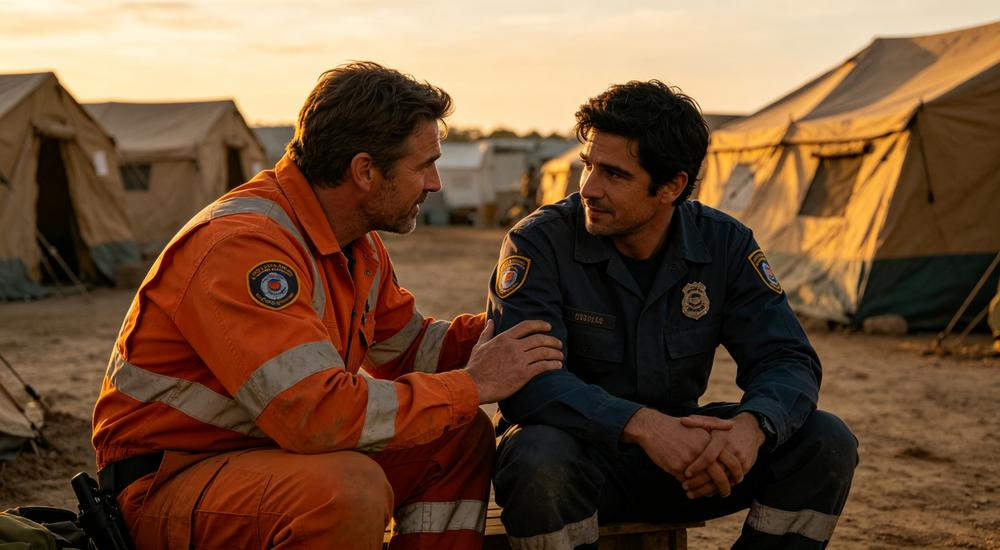
Most guides talk about saving survivors. They don't talk about saving the saviors. But rescue workers see things no human should ever see. Think of it like this: after a major earthquake, you're not just tired in your body—you're broken in your brain. 30% of frontline rescue workers develop PTSD symptoms after a major earthquake. This isn't "being weak." It's like a broken arm—except it's your mind, not your bone.
In the first 72 hours, you'll see things that stay with you forever. Bodies. Injured people. Children crying. Families digging through rubble with their bare hands. This isn't weakness—it's normal human reaction to traumatic situations. Think of it like watching a horror movie—except it's real, and you can't close your eyes.
Pro tip: Your team can't help anyone if they're broken. Schedule regular check-ins. Make self-care part of the mission, not an afterthought. Fatigue kills—just as surely as falling debris.
What is this in plain words?
If you're a relief organization deploying disaster relief supplies to a new region, one of the first things you need to understand is: what kind of buildings are people living in? Not all buildings are created equal when it comes to earthquakes. Some will survive a 7.0 quake. Some will collapse in a 5.0. Think of it like this: it's not the earthquake that kills people—it's the building. Here's what you need to know about building types:
|
Building type |
How well it holds up (plain words) |
What happens in a quake |
Where you see it |
|
Steel frame |
Best (like a rubber tree that bends but doesn't break) |
Flexes but doesn't collapse. Can be repaired after. |
Modern skyscrapers, new commercial buildings |
|
Reinforced concrete |
Medium-good |
May crack, but usually doesn't collapse completely. |
Modern apartment buildings, hospitals |
|
Unreinforced masonry |
Poor |
Walls crumble. Roof falls. Instant collapse. |
Old buildings, rural areas, developing countries |
|
Adobe/rammed earth |
Worst |
Turns to dust in a strong quake. No warning. |
Very old buildings, traditional construction |
The key insight: 90% of earthquake deaths happen in unreinforced masonry buildings. That's why Haiti and Turkey had such high death tolls—most of the buildings were unreinforced. If you're deploying to a region with old masonry buildings, expect the worst. Bring more search and rescue gear than you think you need.
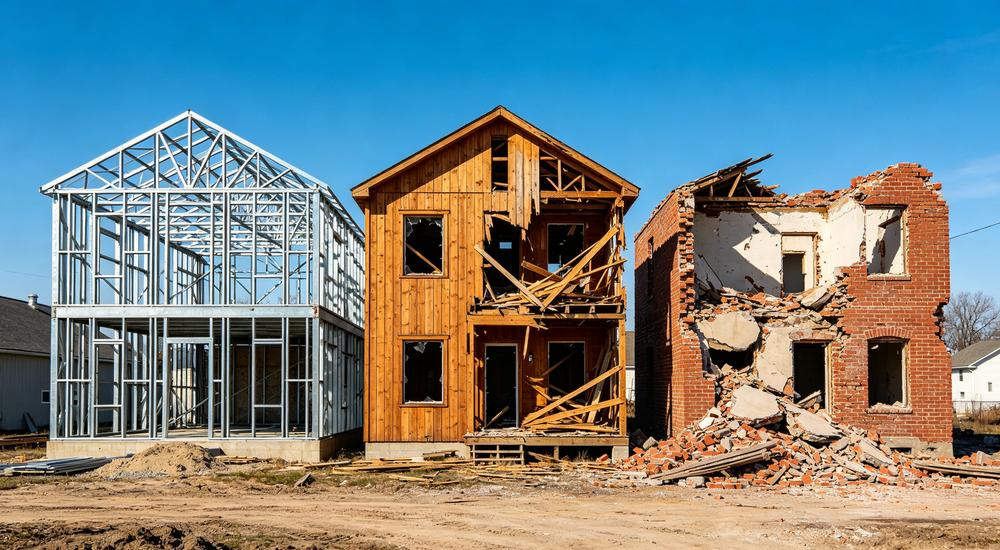
What is this in plain words?
After of supplying earthquake response equipment to relief organizations, we see the same mistakes over and over. Think of it like this: every time a new agency comes to us, they've made at least 3 of these mistakes. We see them every single week. Here are the 10 most common ones—and exactly how to avoid them:
1.Buying construction hard hats instead of rescue helmets.How to fix: Buy real rescue helmets with side and rear protection. ANSI Z89.1 Type I is the minimum.
How to fix: Distribute water across multiple locations. Each team member carries a personal water bottle.
How to fix: Always bring shoring posts. You pry and shore, at the same time. No exceptions.
How to fix: Buy synthetic fill. It keeps 50% of its warmth even when wet. Not as light, but way more reliable.
How to fix: Bring inflatable tents. 10 minutes to set up. You're done before the first aftershock hits.
How to fix: Always include women's hygiene products in your bulk order. 20-30% of your supply should be women's items.
How to fix: Distribute gear. Every team member carries a basic kit. Helmet on your head, tools on your belt, water on your hip. If one person gets separated, they still have what they need.
How to fix: Do a helmet drill. Put them on, tighten the straps, shake your head. If the helmet moves, the strap is too loose.
How to fix: Before you enter a collapsed building, plan your exit. Which way are you running? Know this before you go in.
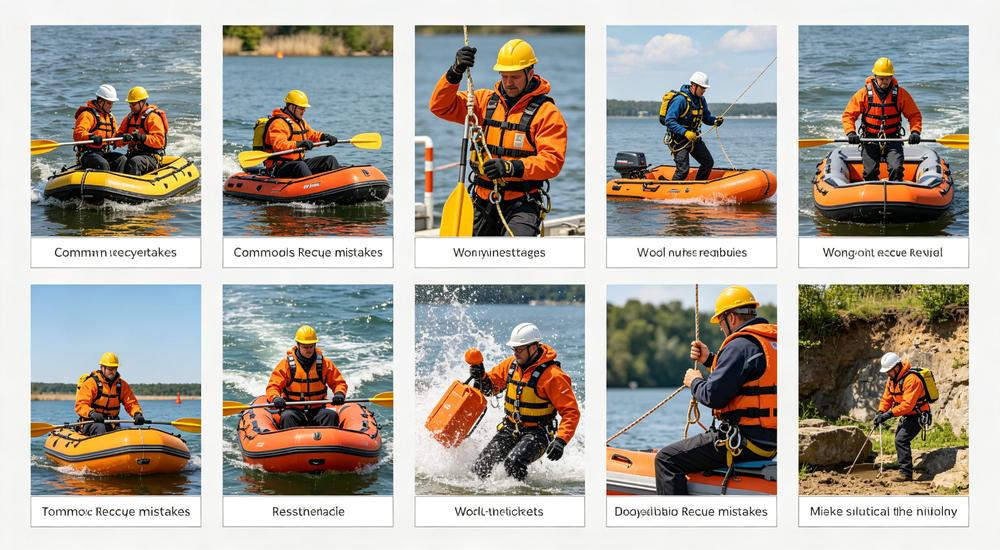
What is this in plain words?
How much should your relief organization budget for an earthquake emergency kit? Think of it like buying car insurance—you hope you never need it, but if you do, you'll be glad you bought it. It depends on your team size, the seismic risk in your region, and how long you expect to deploy. For organizations doing bulk sourcing for the first time, here's a rough guide:
The table below shows typical order quantities for different agency sizes, from small local teams to large government operations:
Agency size
Typical gear package
Typical order quantity
% of annual budget
Small local team
Helmets + PPE + basic tools
20-50 sets
5-10%
Medium NGO
Full SAR + shelter gear
100-300 sets
10-15%
Large national NGO
Full kit + search and rescue equipment
500-1,000+ sets
15-20%
Government agency
Complete earthquake response package
2,000+ sets
Dedicated line item
Most agencies only calculate the unit price. But there are several hidden costs that can add 20-40% to your total budget:
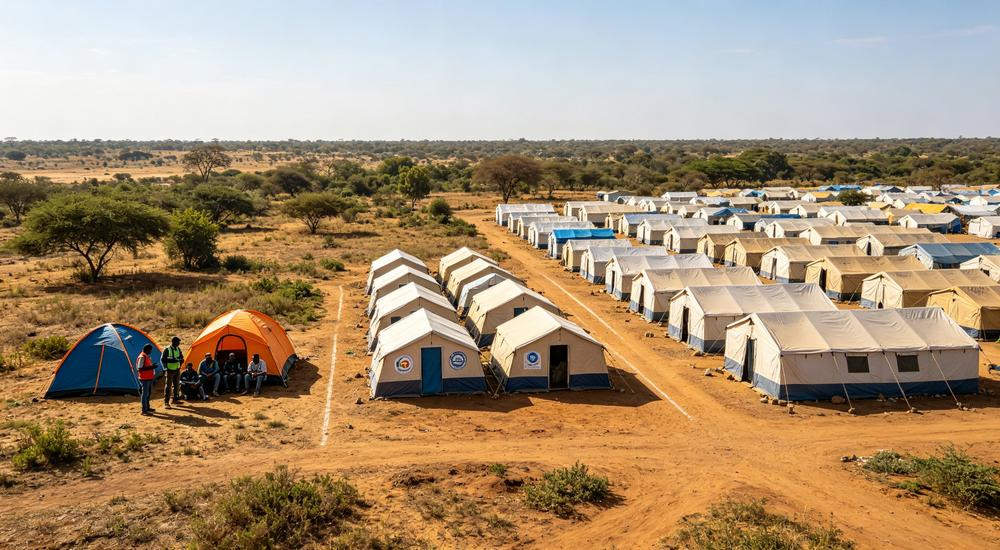
What is this in plain words?
Buying earthquake disaster relief supplies in bulk for relief organizations is different from buying one for personal use. Think of it like this: buying one helmet for yourself is easy—just go to the store. Buying 500 helmets for your organization is a whole different thing. You have to think about quality control, certifications, lead times, and how to get them to the disaster zone. As one of the leading earthquake rescue equipment suppliers and wholesale PPE sources, here's everything you need to know about buying search and rescue gear for NGOs—from MOQ to lead time—for your organization.
We are a supplier with over of emergency relief equipment industry experience, supplying relief organizations and distributors worldwide. Our quality control process covers every step of production—think of it like a "quality gate" that every piece of gear has to pass before it ships to you:
For government agencies and NGOs that need documentation to justify procurement, formal paperwork is essential. When you order from us, every shipment includes:
Our wholesale pricing for earthquake rescue equipment is tiered by volume—the more you order, the lower the unit price. We offer competitive factory-direct pricing for orders of all sizes, with additional discounts for large orders. Custom branding is available for bulk orders. Contact us with your quantity and requirements for a detailed quote.
Our standard lead time depends on order quantity, customization level, and current production capacity. Custom branding requires additional time, and fully custom ODM designs require even longer lead times. We recommend ordering 2-3 months before you need it—earthquakes don't wait for your supply chain.
New to buying earthquake relief equipment in bulk? Here's the step-by-step process we walk every new client through:
Requirements gathering (1-2 days): Tell us your service area, team size, expected deployment duration, and budget. We recommend products based on your specific needs, not just our best sellers.
What do you need to figure out first?
1) How many people on your team?
2) What's your region's seismic risk?
3) How long are you deployed? These 3 numbers determine how much you need to order.
Sample ordering (3-7 days): We send you 1-2 samples of each product you're interested in. You test them in real conditions, check stitching, test impact resistance, and verify fit.
What to test on samples?
1) Drop a hammer on the helmet from 30cm—do you feel it?
2) Try to cut the PPE fabric with a knife—does it break?
3) Put the boots on and walk around—are they comfortable after 8 hours?
Quotation and negotiation (1-2 days): Based on sample approval, we send a detailed quote with pricing, lead time, packaging details, and shipping options. We negotiate terms that work for your organization.
What to ask at this stage?
1) Tiered discounts (100 units? 500 units? 1000 units?)
2) Payment terms (not just 100% upfront)
3) Warranty (what's covered, for how long)
4) Replacement policy (what if it arrives damaged?) Get everything in writing before signing.
Production (15-30 days): Once you confirm the order, production starts. We send you progress updates with photos/videos from the factory floor.
What to expect during production?
Days 1-3: Material prep.
Days 4-15: Cutting and sewing.
Days 16-20: Finishing and QC.
Days 21-30: Packaging. If you haven't heard from your supplier in 2 weeks, call them. Don't assume everything is fine.
Quality inspection (1-3 days): Before shipment, we do 100% final inspection. For large orders, we can arrange third-party inspection (SGS, BV, or your designated agency).
What does our QC check?
1) Helmet shell (cracks? dents?)
2) Stitching (loose threads? even seams?)
3) Buckles and straps (do they hold?)
4) Labels (is the logo correct? spelling?)
5) Packaging (quantity correct? any damage?)
We don't ship if it doesn't pass.
Shipping and delivery (7-30 days): We ship via sea, air, or land freight depending on your timeline and budget. We handle all export documentation and keep you updated on tracking. How to choose shipping?
Sea freight: Cheapest, 20-30 days, good for large non-urgent orders.
Air freight: Fastest, 5-7 days, 5-10x more expensive, for urgent orders.
Land freight: Middle option, 10-15 days, for neighboring countries. Choose based on your timeline, not just your budget.
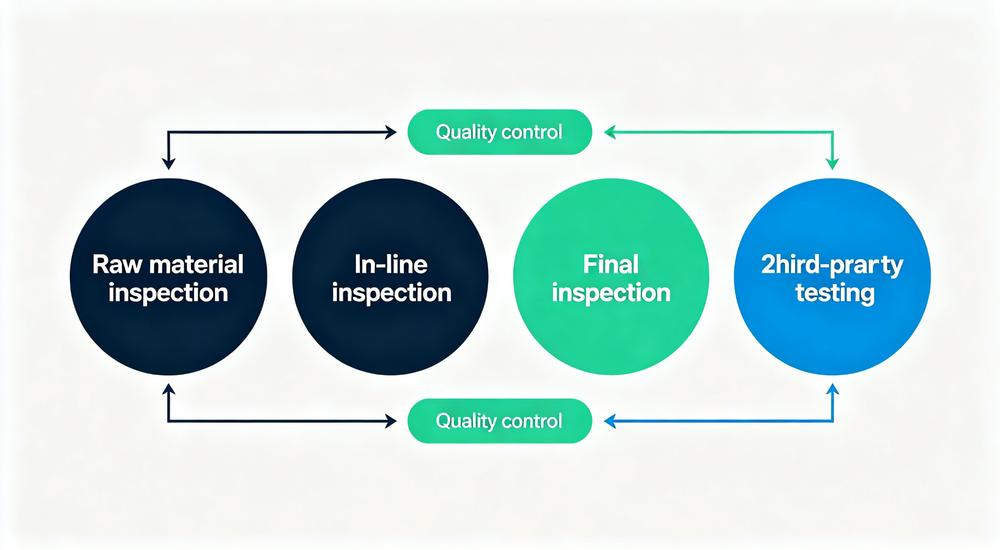
What is this in plain words?
Aftershocks are the #1 danger to rescue workers after a major earthquake. Think of it like this: the main quake was the big movie. Aftershocks are the credits that keep rolling for weeks or months—except these credits can kill you. The main quake is over—but the ground keeps shaking for weeks or months. Here's how to stay safe:
What is this in plain words? Whether you're a small local rescue team or a large international NGO, we can supply the right earthquake emergency kit and gear for your operation. Think of it like this: you wouldn't go to a fancy restaurant if you just wanted a burger, right? Different organizations need different gear packages—we've helped everyone from small local teams to big government agencies. Here's how different organization types map to different product packages:
Here's how different organization types map to different product packages:
|
Organization type |
Core gear package |
Optional add-ons |
|
Local rescue team |
Helmets + PPE + basic tools |
Search dogs, audio probes |
|
International NGO |
Full SAR + shelter + water |
Radar life detectors, rescue dogs |
|
Government agency |
Complete response kit + certification docs |
Custom branding, third-party inspection |
|
Wholesale/distributor |
Mixed product catalog |
OEM/ODM, exclusive region |
Their real pain point: What's the #1 headache for government agencies? Building codes are decades old. Most buildings would collapse in a 7.0 quake. You can't fix the buildings. But you can make sure your response teams have the best possible equipment when they do collapse.
How we help: We've been through this before. Our CE-certified products come with complete documentation right out of the box—third-party impact test reports, ISO quality certificates, compliance paperwork. You don't have to wait for us to prepare it. We hand you a complete document package, you plug it into your bidding process, and you're 3 months ahead of every other agency that's still waiting for their supplier to send paperwork.
Their real pain point: By the time you get to the disaster zone, half the golden 72 hours are already gone. International flights, customs, overland transport—that's 3 days right there. You're showing up when the survival rate is already dropping fast.
How we help: We have warehouses in multiple regions. Order from us and gear ships within 24 hours. You don't have to wait 3 weeks for a container from China. We've shipped to landlocked countries, remote villages, places with zero infrastructure. We know how to pack gear so it survives 1000 miles on dirt roads without breaking. And our factory-direct pricing means you get 30-40% more gear for the same budget.
Their real pain point: You're working in rubble. One wrong piece of gear and you're injured. You can't help anyone if you're the one who got hurt.
How we help: Our gear is professional-grade, not outdoor-grade. We supply to real search and rescue teams, not weekend campers. Every helmet, every piece of PPE, every tool is tested for the worst conditions. When you're digging through rubble, you can't afford gear that fails.
YRF Textile is a China-based emergency preparedness and disaster relief equipment supplier, specializing in manufacturing certified shelters, PPE, and personal flotation devices for government agencies, international NGOs, and wholesale distributors worldwide. We've been a trusted earthquake relief supplier for .
Our earthquake relief product line includes:
What is this in plain words?
New to earthquake response? Here are the most commonly searched earthquake and procurement terms, explained like you're talking to a 10-year-old—no jargon, no confusing technical words:
What should be in an earthquake emergency kit?
An earthquake emergency kit should include: rescue helmet, rubble PPE (suit, gloves, boots, goggles), breaking and entry tools (pry bars, shoring posts), water (1 gallon per person per day, minimum 7 days), non-perishable food, shelter (inflatable tent preferred), sleeping bags, flashlight and batteries, first aid kit, and communication equipment. For relief organizations doing bulk sourcing, add search and rescue tools and long-term recovery supplies.
What is the golden 72 hours?
The golden 72 hours is the 3-day window after an earthquake during which most survivors are found alive. Survival rate starts at 97% in the first 24 hours and drops to 4% after 72 hours. Every hour counts. This is why earthquake response is so time-sensitive—you can't wait for supplies to arrive from overseas.
You need a rescue helmet that meets international safety standards, with side and rear impact protection (not just top protection like a construction hard hat). It should have a 6-point suspension system, a wide adjustable chin strap, and weigh under 450g. Construction hard hats are not enough—debris comes from all directions in rubble.
Richter magnitude measures the energy released by the earthquake—one number for the whole quake. Mercalli intensity measures the actual damage and felt effects, which varies by location. The same 7.0 earthquake can have intensity VI on solid rock and intensity IX on soft sediment. That's why the same magnitude can cause completely different death tolls.
Aftershocks can last for months or even years after the main quake. They follow Omori's Law: the frequency decreases over time. The biggest aftershocks happen in the first few days. Smaller aftershocks continue for months. You have to plan for ongoing seismic risk for at least 3-6 months after the main quake.
Yes. We supply certified earthquake rescue equipment to relief organizations worldwide, including international NGOs, local rescue teams, and government emergency management agencies. We provide factory-direct pricing, flexible MOQs, and complete certification documentation for procurement audits and public bidding processes.
Our earthquake rescue products meet international safety standards, with CE certification for the European market. We also provide third-party impact and durability test reports, ISO quality management documents, and compliance paperwork for large government contracts. We can arrange factory audits and on-site inspection for major tenders.
We offer flexible minimum order quantities suitable for organizations of all sizes. Small NGOs and local teams can start with small orders, while larger orders get volume discounts. Custom branding has separate MOQ requirements. Contact us with your requirements and we'll find a solution that works for you.
Lead time depends on order quantity, customization level, and current production capacity. Standard orders ship within a few weeks of production completion. Custom branding requires additional time, and fully custom ODM designs require even longer lead times. We recommend ordering 2-3 months before you need it—earthquakes don't wait for your supply chain.
Yes. We offer custom branding services, including screen printing or embroidery of logos on helmets, PPE, shelters, and sleeping bags. Custom color options and custom packaging are available for bulk orders. We can also add individual serial numbers for inventory tracking and custom tags with your organization's information.
Sources and references:
At YRF Textile, every piece of earthquake rescue equipment is tested to standard, built to save lives.
Send us your order quantity, size requirements, and destination country
Get a complete earthquake preparedness solution. • Start with a free consultation.
Copyright © Custom Disaster - Relief Bedding: Tents, Sleeping Bags, Blankets All Rights Reserved
the professional team to service !