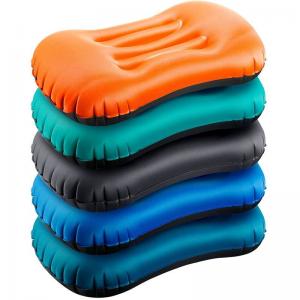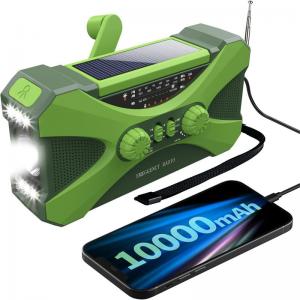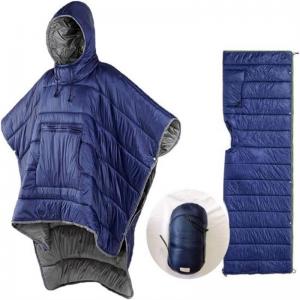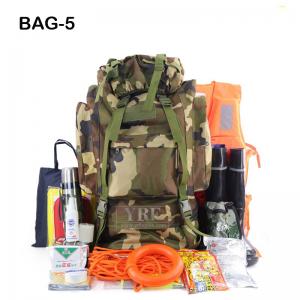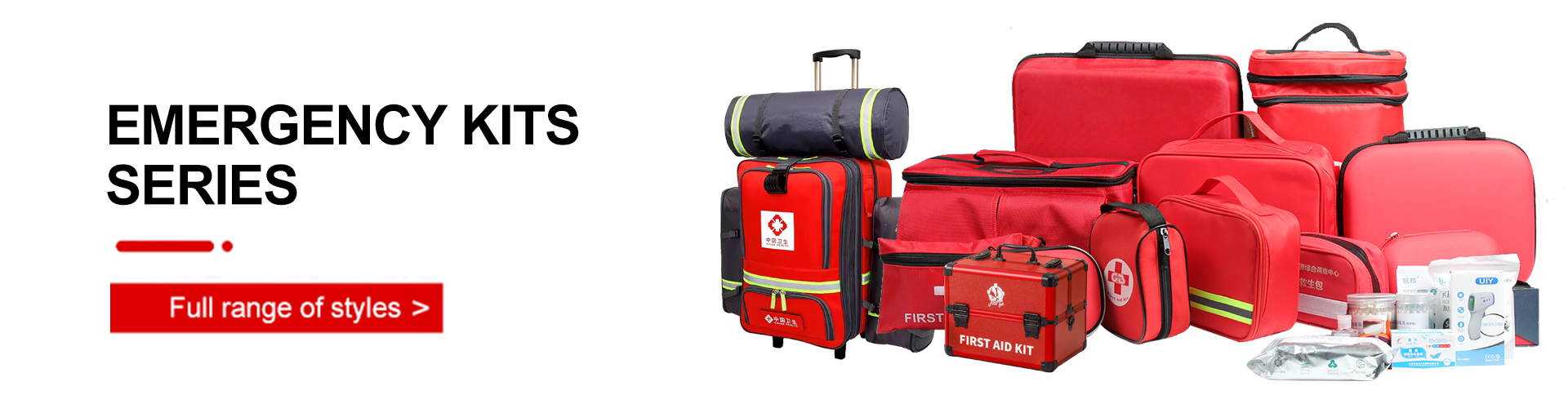
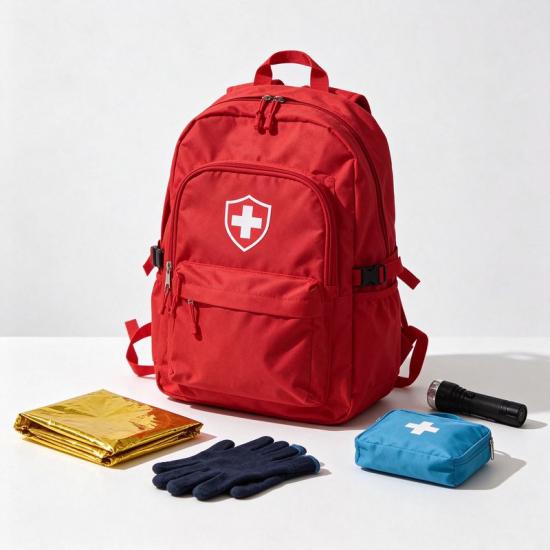
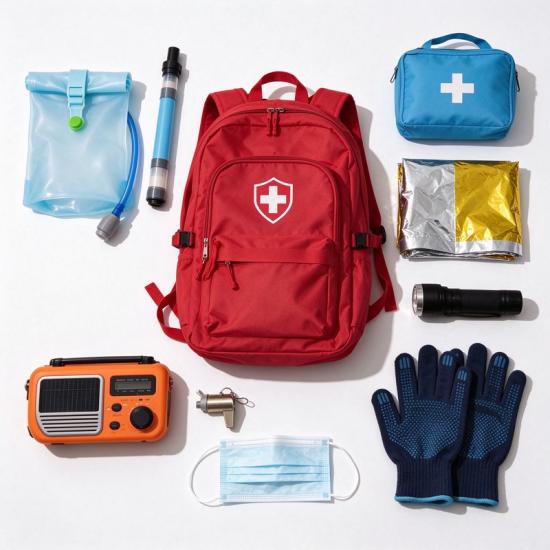
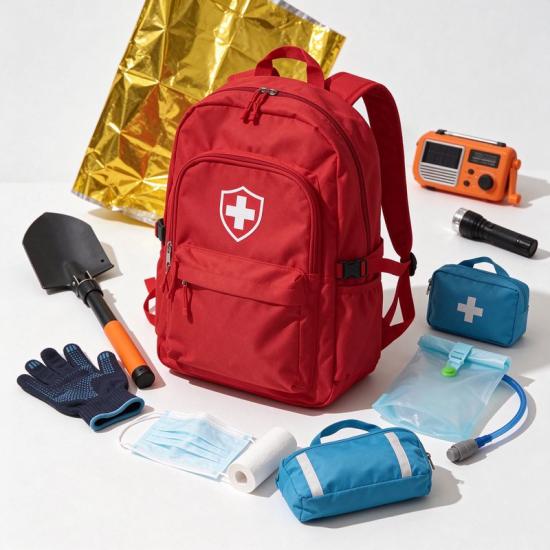
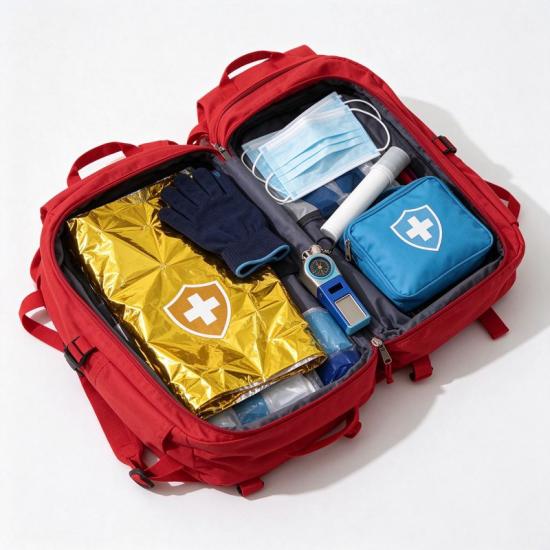
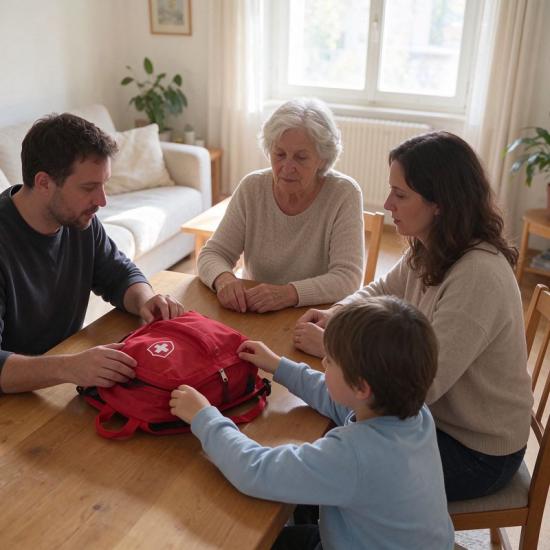
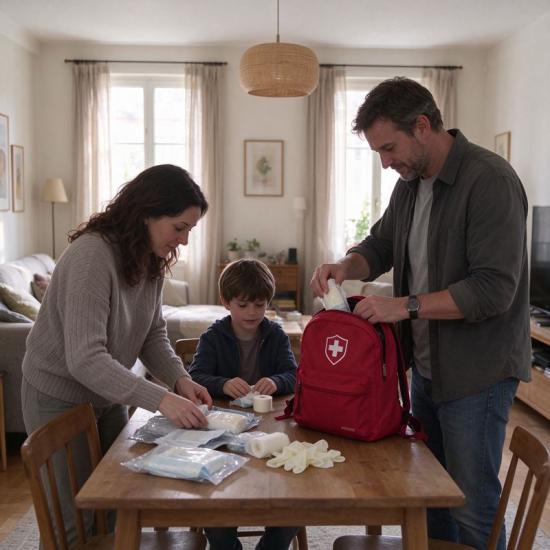
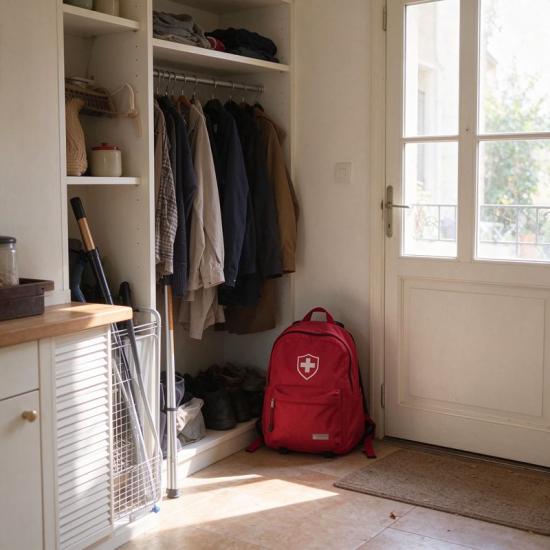
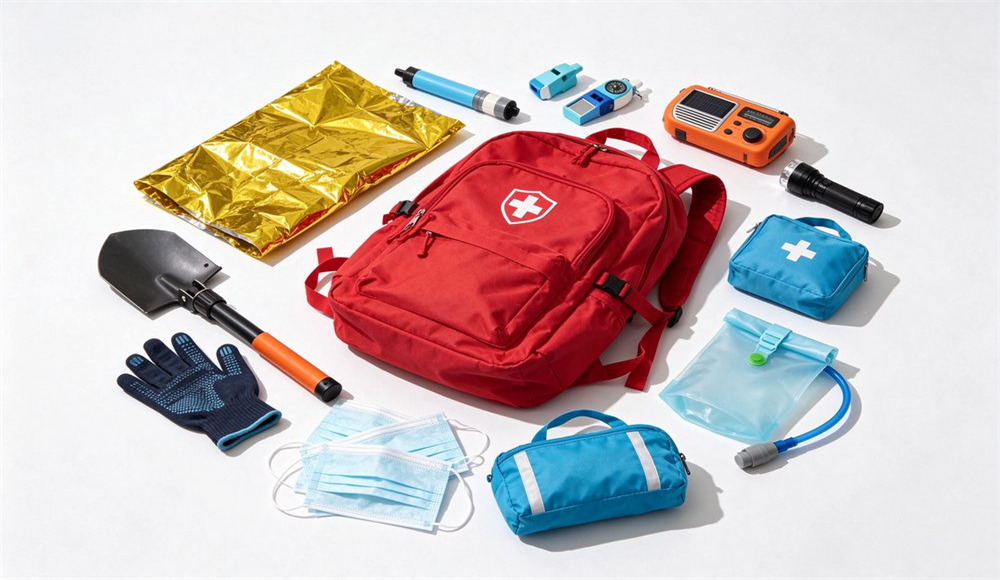
Our Earthquake Emergency Kit gathers essential survival supplies for seismic events. Multiple capacity options match different family sizes. Neat compartments keep blanket, radio, filter straw and first aid items organized for instant access.
Note: Price for reference only. Exact price based on quantity, size, weight and custom details.
model no. :
H-01Brand:
YRFmarket price :
$39.8sale price :
$19.9price range :
30-500/$19.9Color :
Multiple Colorsport of dispatch :
Guangdong/GuangzhouPayment :
TT, Paypal, Western Unionmin order :
30original region :
Made in ChinaLead Time :
5-15days
 |

|
8. Final Thoughts
Why choose our emergency kit?
✓ Three sizes matched to household and community group size
✓ Durable supplies matched to the seismic scenario
✓ Configurable interior: add or remove items to your plan
✓ Bulk and branded supply for households, communities and organizations
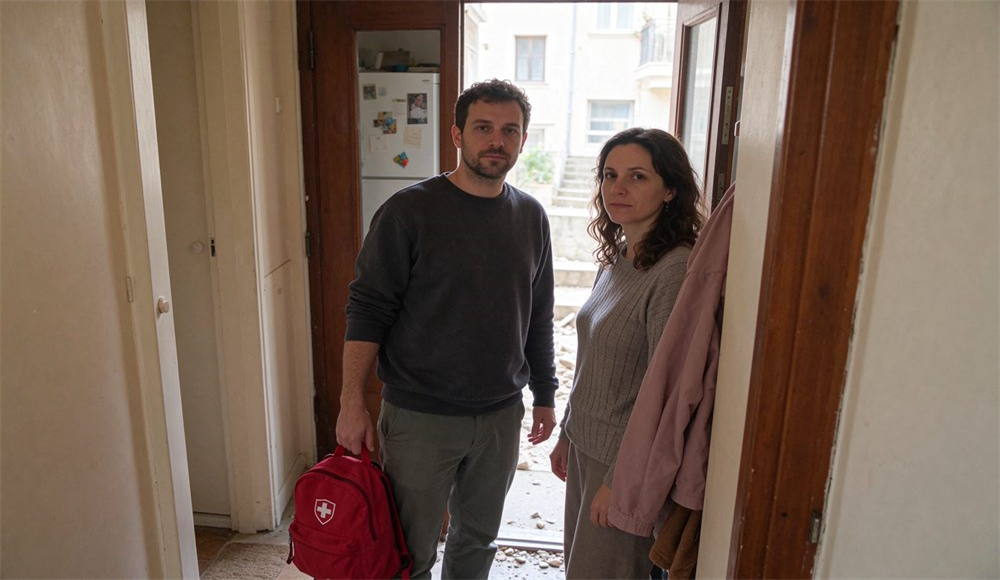
Earthquakes can damage buildings, cut water and power, block roads and overload cell networks. In seismic regions, every household should keep a ready-to-grab kit near the exit rather than gathering supplies after shaking stops.
Emergency services prioritize the most serious injuries first, and some neighborhoods may wait longer for help. Having your own water, light, warmth, first aid and signaling supplies reduces pressure on responders and keeps your household safer during the uncertain first phase.
After a quake, families may shelter in place, move to a neighbor's home, a public shelter or a relative's house. The pack works in both cases: supplies stay with the backpack instead of depending on power, running water or store shelves at the original home.
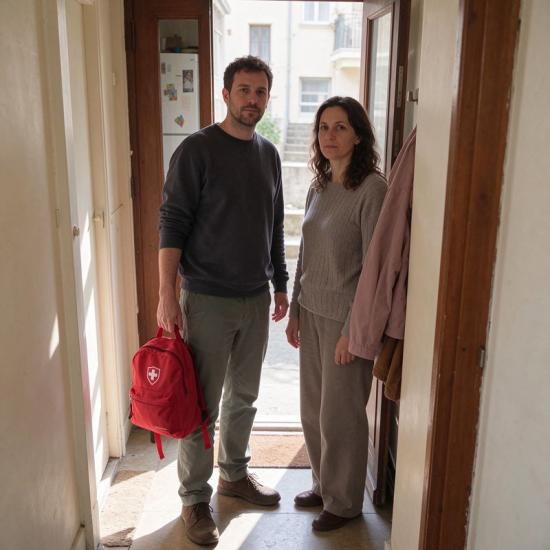
Before a quake, the pack sits ready by the exit so you do not gather supplies after shaking starts. During shaking, drop, cover and hold on; the pack stays with you rather than relying on power or running water. Once shaking stops, it carries the water treatment, light, warmth, first aid and signaling you need whether you shelter in place, move to a neighbor's home or go to a public shelter.
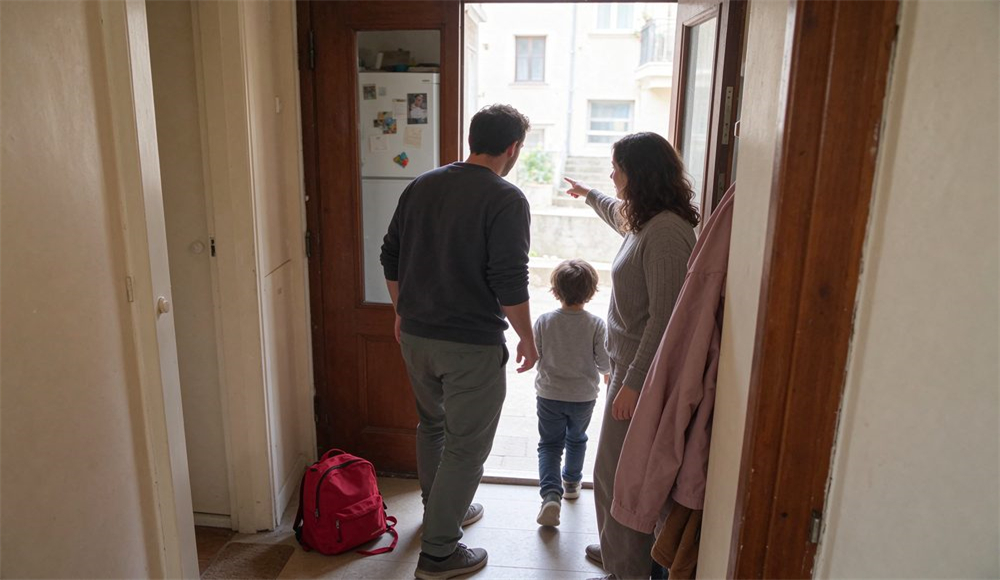
At least once a year, walk through the post-quake exit route and agreed meeting point with everyone in the home, and keep an out-of-area contact number written down. Every member should be able to locate the pack and name its main contents.
General preparedness guidance on Ready.gov advises households to store drinking water, non-perishable food, first aid, lighting and communication supplies ahead of a seismic event. This pack bundles those essentials into one grab-and-go bag so nothing has to be collected once shaking begins.
All three tiers cover the same basic supply groups—water treatment, first aid, warmth, light, communication and signaling—they differ mainly in how many items and what grade of gear each group carries.
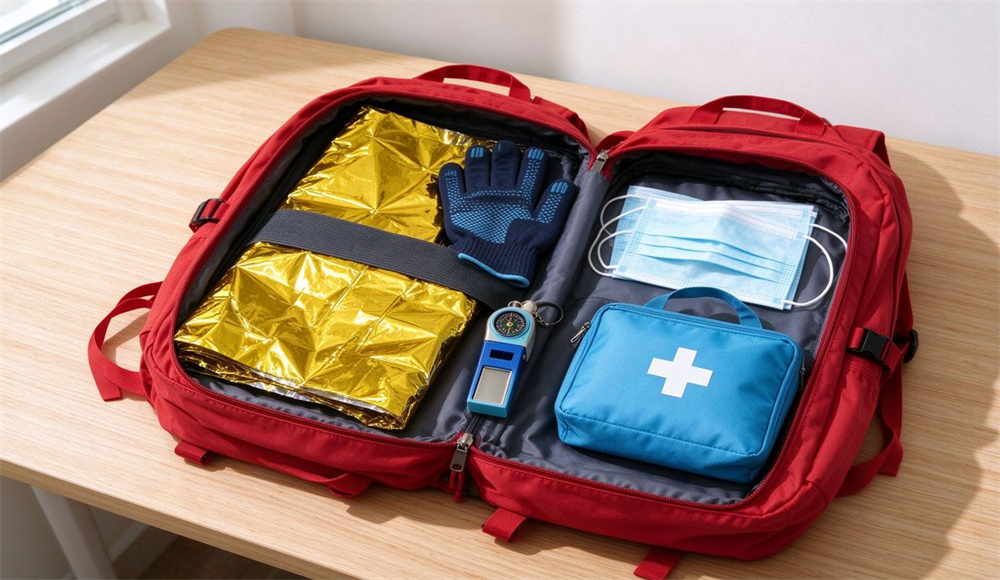
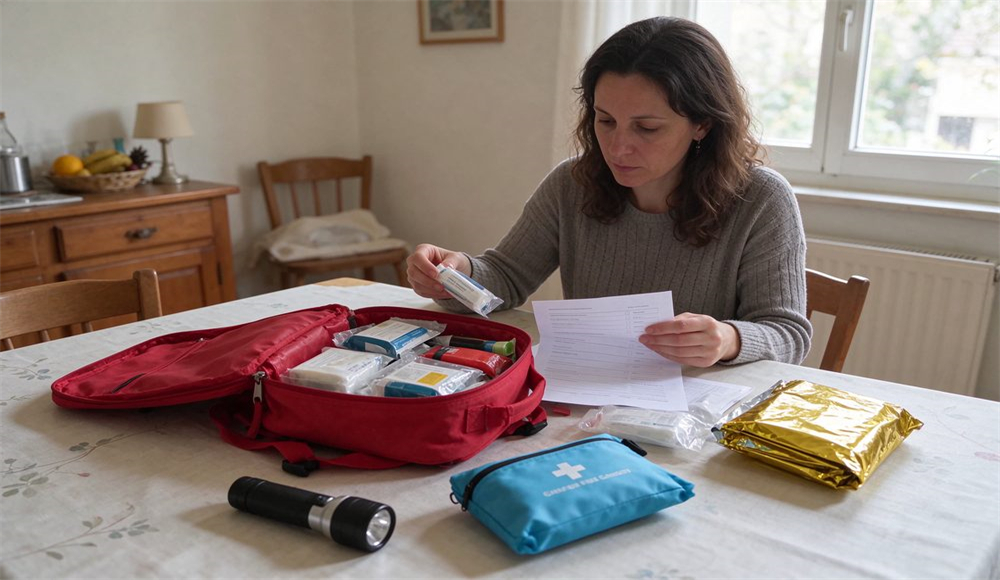
Keep the layout consistent: flashlight, whistle and first-aid pouch go in the outer pocket for quick grabs, while tools, blankets and spare water sit inside. A fixed arrangement means anyone can reach an item in the dark after a tremor.
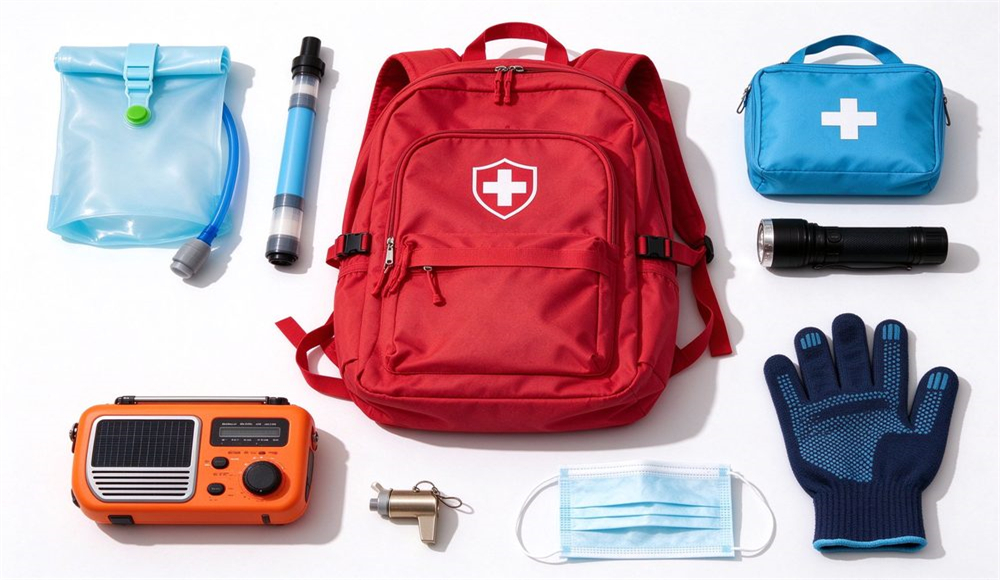
The pack is offered in three levels sized to household group, budget and seismic risk. The table below shows who each level suits and its included supplies, helping you narrow a fit before asking for details.
Quick tier choice: pick Basic for 2–3 people, Standard for 4–5 people, and Premium for 6+ people or larger groups that need the full warmth, protection and tool set. If you are between sizes, match the tier to your group size first and trim optional extras later.
Earthquake Kit Contents
Basic
Standard
Premium
Suitable for
2–3 people
4–5 people
6+ people
Backpack
20 L, 600D, about 1.5 kg
25 L, 600D, about 2.5 kg
30 L, 1000D + PVC, about 3.5 kg
First-aid pouch
✓
✓
✓
Water filter straw
✓
✓
✓
LED flashlight
✓
✓
✓
Headlamp
—
✓
✓
Hand-crank/solar radio
✓ LED light
✓ FM/AM
✓ FM/AM + NOAA
Emergency blanket
1 pc
2 pcs
2 pcs + sleeping-bag-style blanket
3-in-1 whistle
✓
✓
✓
Fire starter
✓
✓
✓
Multi-tool card
—
✓
✓
Non-slip gloves
—
✓
✓
Folding shovel
—
✓
✓
Collapsible water pouch
1 pc
2 pcs
2 pcs + filter pouch
Protective mask
—
—
✓
Wet wipes
—
—
✓
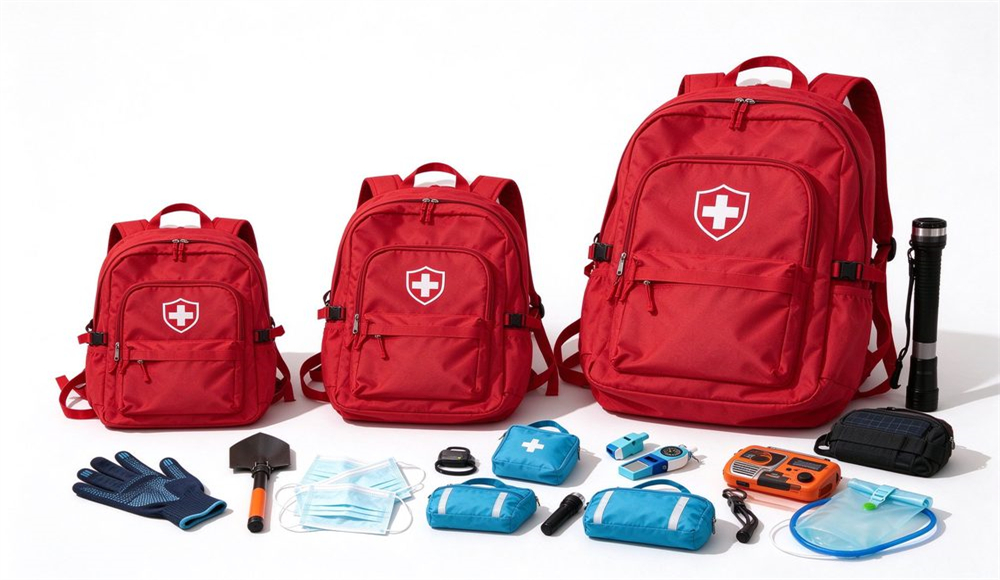
Start by counting everyone who needs coverage, including children, elderly relatives and pets. Group size drives the tier choice first: 2–3 people usually map to Basic, 4–5 to Standard, and 6+ to Premium.
Apartment and high-rise residents should keep the pack light enough to carry down stairs, since elevators may stop during a quake. Single-family homes and rural properties often benefit from the Standard or Premium tier and extra water purification.
Choose the tier that fits group size and local risk first, then trim optional extras if budget is tight. It is usually better to buy the correct size with core supplies than a larger pack filled with low-priority items.
Households with an elderly relative, a person taking regular medication, or a pet should keep those specific needs in a clearly marked outer pouch; medication, spare glasses, spare keys and pet food are items a generic pack does not cover on its own.
As a seismic preparedness backpack, it also works as a household emergency pack and survival kit for apartments, high-rises and community relief orders.
As you plan your household supplies, you can compare what you have against the household and community readiness checklist on FEMA.
Watch for these slip-ups: stowing the pack where it cannot be reached quickly, carrying water but no light or communication, and forgetting to check supplies for months. Keep it accessible, balance the core categories, and review on the six-month cycle.
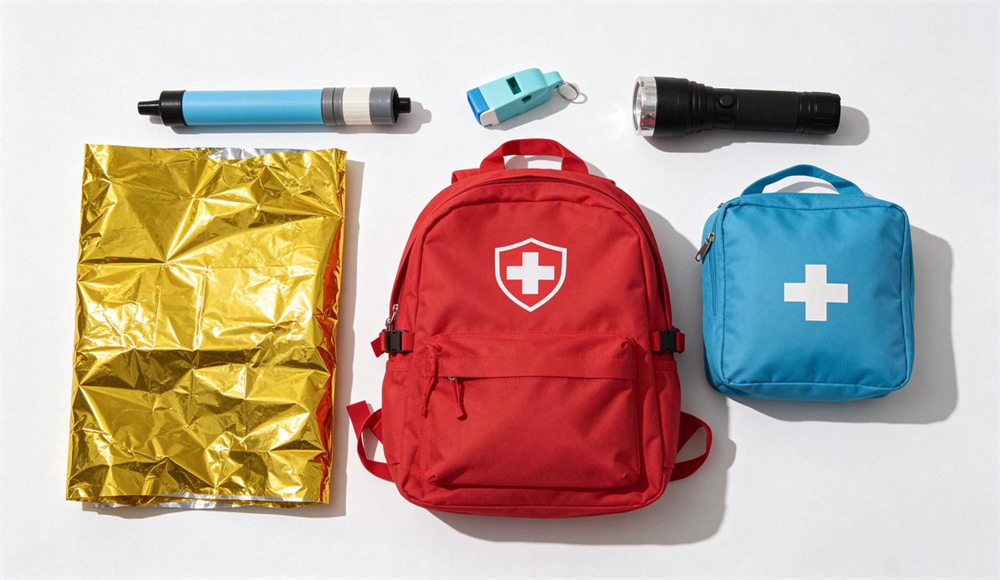
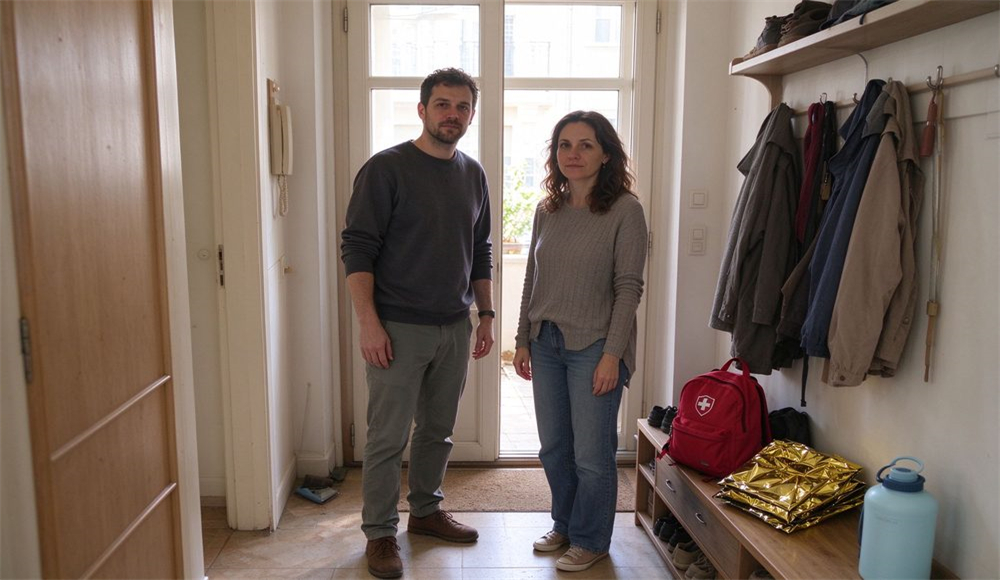
Store the pack in one fixed spot by the main exit or stairwell—by the door, not in a locked closet, basement or attic that is hard to reach after a tremor. Everyone should know the location, the pocket order and each item's use, so it can be found and opened quickly in a dark, disorienting moment.
Review the pack every six months and again before seismic season. Check expiry dates on food, filter and dressings, test the flashlight, headlamp, whistle and radio, and look for anything missing, damp or damaged. Restock items used in a drill, and update the pack when group size, ages or health needs change; keep a short inspection note in the pocket as a baseline.
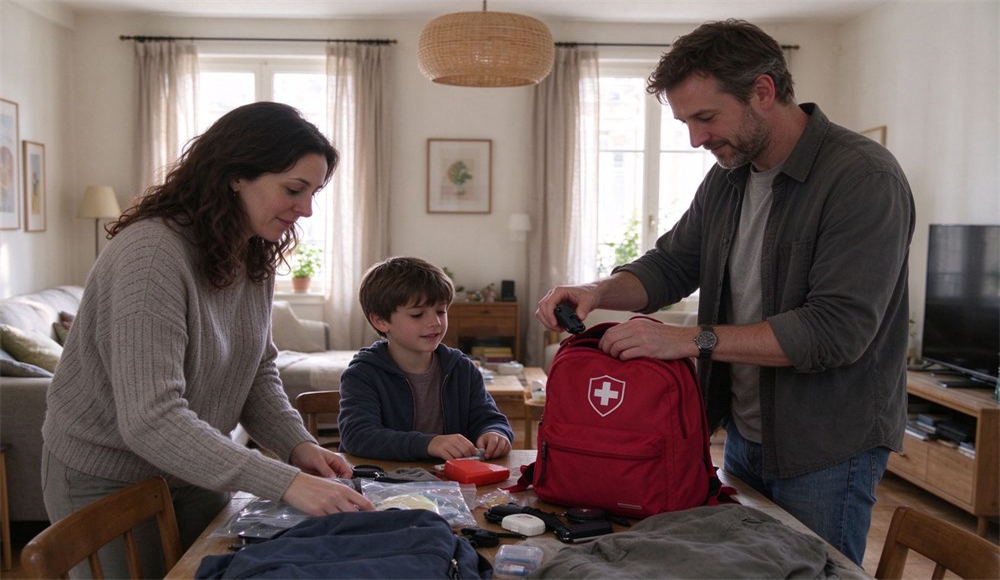
We supply single household kits as well as bulk sets for communities, schools, relief programs and organizations. Packs are sized by the people they cover rather than floor area: one pack per household or small group, with a spare held on site for rotation. The configurable interior lets you add or remove items for children, elderly members, pets or specific medical needs; share your group size, local hazards and special needs and we will outline a matching configuration.
Backpack color, logo printing and labeling can be customized to your brand, and a packing list can name each destination so unloading and distribution are quick. Final piece counts, capacities and weights follow the confirmed supply BOM.
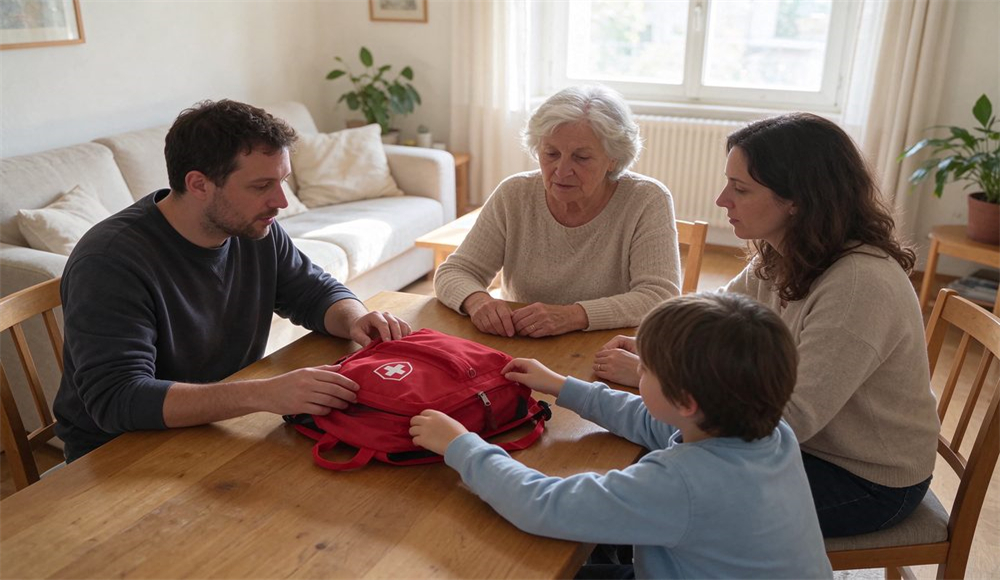
It is a grab-and-go backpack holding water treatment, first aid, warmth, light, communication and signaling supplies for household or community seismic preparedness, organized so essentials are reachable quickly after an earthquake.
Most households start with one kit matched to their size tier. Larger homes sometimes keep a second kit on another floor for quick access, and community orders supply one pack per household.
Plan about 3 liters of drinking water per person per day for drinking and basic hygiene, plus a filter straw to treat available natural sources. Total stored water follows group size and planned days.
Most configurations do not ship with prepared meals. You can add non-perishable food such as energy bars, dried fruit, nuts and canned goods with a manual opener, rotated at each six-month inspection.
Yes. The configurable interior lets you add or remove items for children, elderly members, pets or specific medical needs. Share your group's special needs and we will outline a matching configuration.
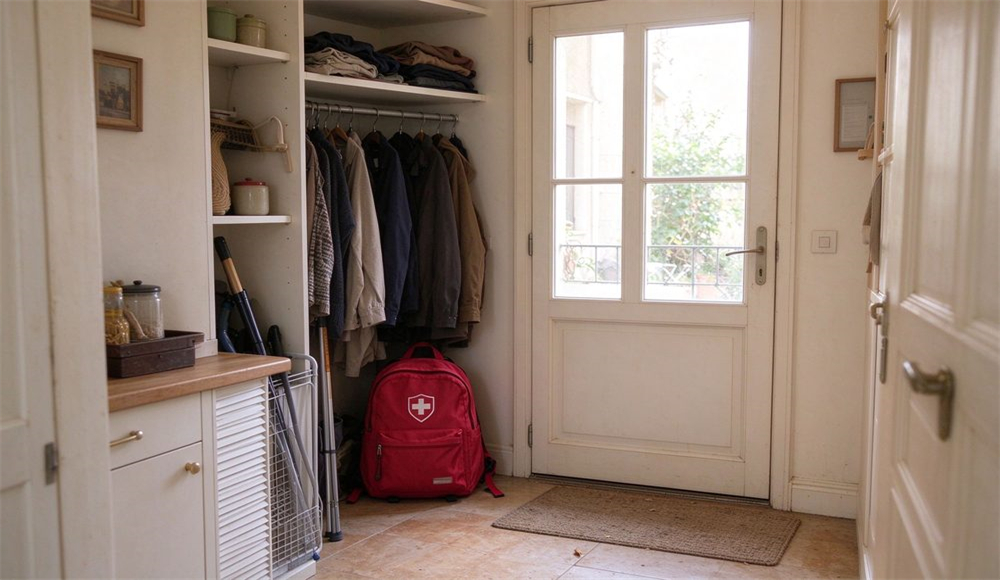
Inspect every six months: check expiration dates, test batteries, flashlight and radio, and confirm nothing is missing or damaged. Restock items used in a drill.
Basic suits 2–3 people, Standard 4–5 people and Premium 6+ people. Standard and Premium add the headlamp, gloves, multi-tool and scenario-specific items; exact piece counts follow the confirmed supply BOM.
The three tiers weigh about 1.5 kg, 2.5 kg and 3.5 kg as reference values; final weight follows the supplied configuration. The main pack is carried by an adult; younger children can carry a small personal bag with their own whistle and comfort item.
A regular first aid kit treats injuries, while an emergency kit covers water, warmth, light, communication, signaling and tools for survival and evacuation after a disaster. A first-aid pouch sits inside the emergency kit as one part of the broader pack.
Keep it at a fixed spot near the main exit or stairwell, next to the door rather than in a locked closet, basement or attic. Every household member should know the location and the pocket layout so the pack can be grabbed quickly.
Yes. We supply single household kits as well as bulk sets for communities, schools, relief programs and organizations. Backpack color, logo printing and labeling can be customized to your brand; final piece counts, capacities and weights follow the confirmed supply BOM. Share your group size, local hazards and special needs for a matching configuration.
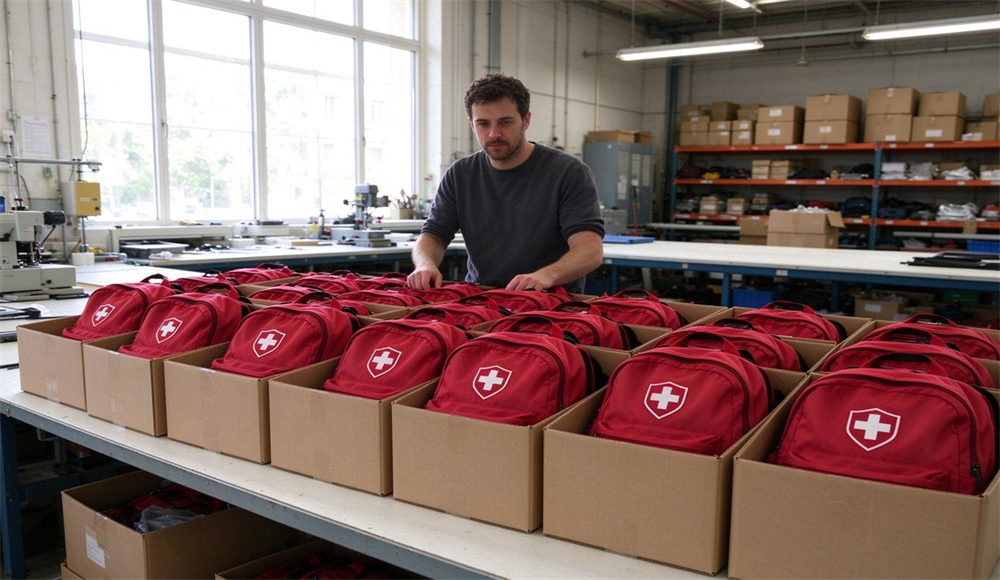
An earthquake emergency kit is one of the most practical preparedness investments you can make for your household or community. You cannot predict when a quake happens, but you can decide how ready your group will be.
Choose the tier that matches your size, climate and local seismic risk. Our team can help you select the right size, customization and storage plan for households, neighborhoods or bulk relief orders.
Hurricane Tphoon Emergency Kit
Institutional Textiles and Emergency Rescue Supplies Sourcing Partner · Foshan, Guangdong, China
Previous :
Hurricane Typhoon Emergency Kit | Bulk Storm PreparednessNext :
72 Hour Emergency Kit for Office OSHA-Compliant Workplace Safety Factory Customized Red Cross Disaster relief Med Kit Bag With Multi-purpose compass
GREAT DESIGN - Comfortable design is perfect for all uses and for carrying a wide variety of tools and equipment. You'll find that, whatever you're looking to carry, the YRF Custom Oxford Material Multi Functional Camouflage Tactical Waist Bags is the perfect choice.
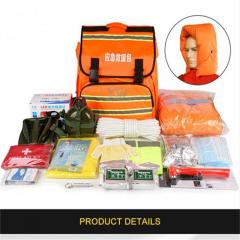 Medical Care Stockpile Metal wire saw Card tool Survival Aid Kit with 16 Pcs Safety Kit
GREAT DESIGN - Comfortable design is perfect for all uses and for carrying a wide variety of tools and equipment. You'll find that, whatever you're looking to carry, the YRF Molle Tactical First Aid Kits Medical Bag Tablets is the perfect choice.
 Outdoor Medical Care Disaster relief First Aid Kit Empty Pouch And Ice Pack Emergency Tool
GREAT DESIGN - Comfortable design is perfect for all uses and for carrying a wide variety of tools and equipment. You'll find that, whatever you're looking to carry, the YRF Mini First Aid Kit Bags And Pouches is the perfect choice.
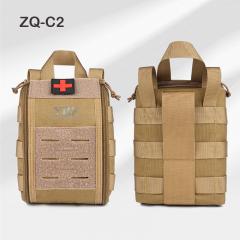 High Quality Camping Emergency Face Mask Survival First Aid Kit for Institutional Donation
GREAT DESIGN - Comfortable design is perfect for all uses and for carrying a wide variety of tools and equipment. You'll find that, whatever you're looking to carry, the YRF Outdoor Camping Emergency Kits Tactical First Aid is the perfect choice.
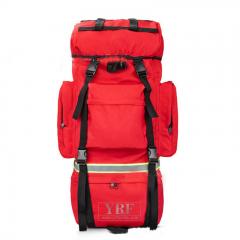 ICRC Supplies Fluorescent stick first aid medical bags 600d Nylon Emergency Safety Tools Kit
GREAT DESIGN - Comfortable design is perfect for all uses and for carrying a wide variety of tools and equipment. You'll find that, whatever you're looking to carry, the YRF Hunting Survival First Aid Kit Bag Molle Tactical is the perfect choice.
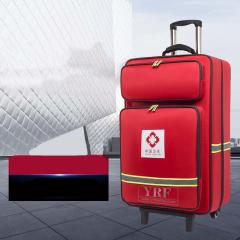 Hot Selling Governmental Institutions List Descender Firefighting Tools Empty Pull Rod First Aid Kit
GREAT DESIGN - Comfortable design is perfect for all uses and for carrying a wide variety of tools and equipment. You'll find that, whatever you're looking to carry, the YRF Tactical Complete First Aid Kit is the perfect choice.
Copyright © Custom Disaster - Relief Bedding: Tents, Sleeping Bags, Blankets All Rights Reserved
the professional team to service !