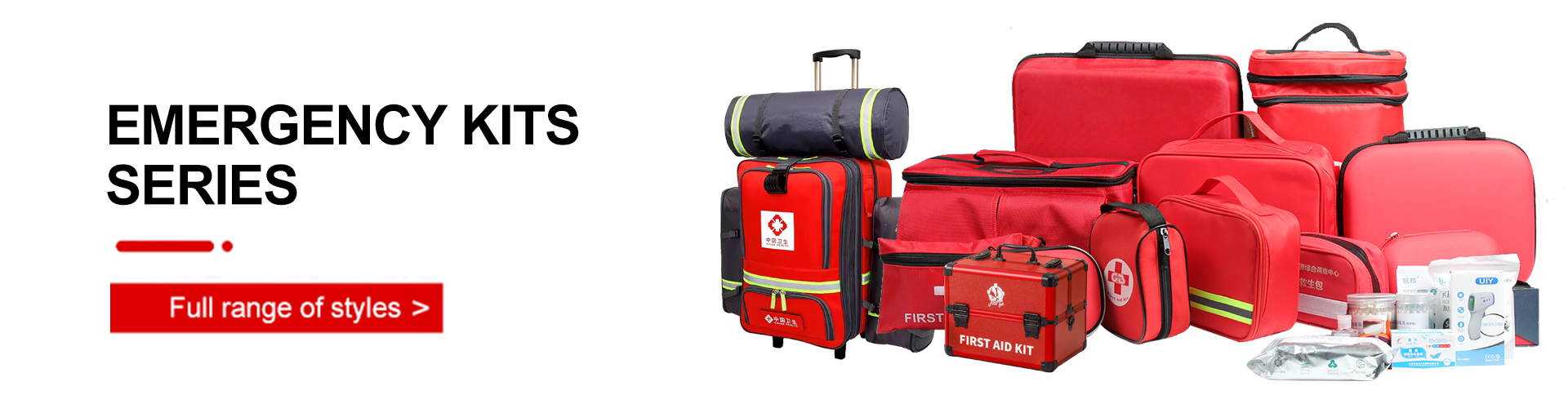
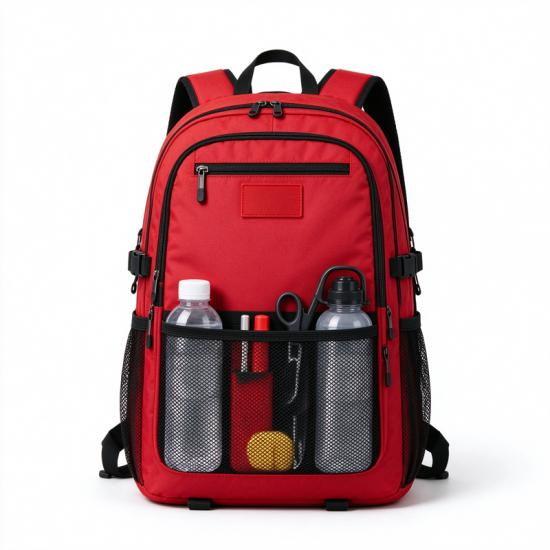
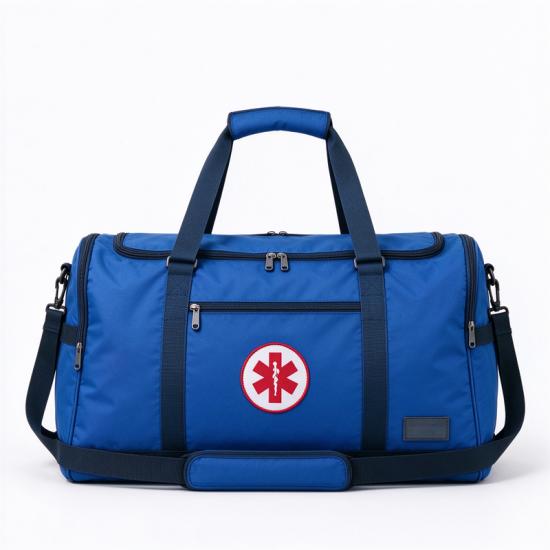
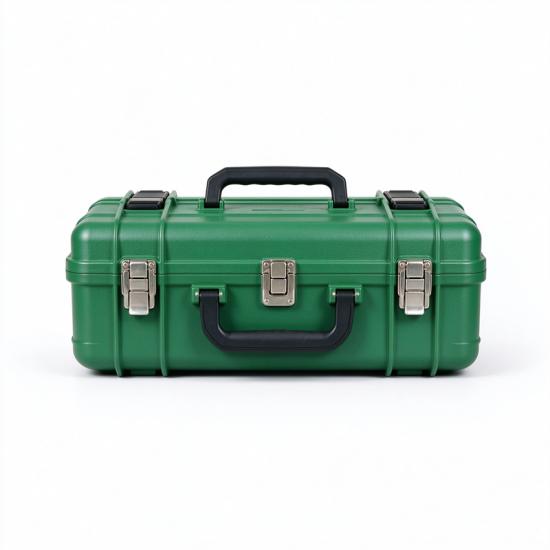
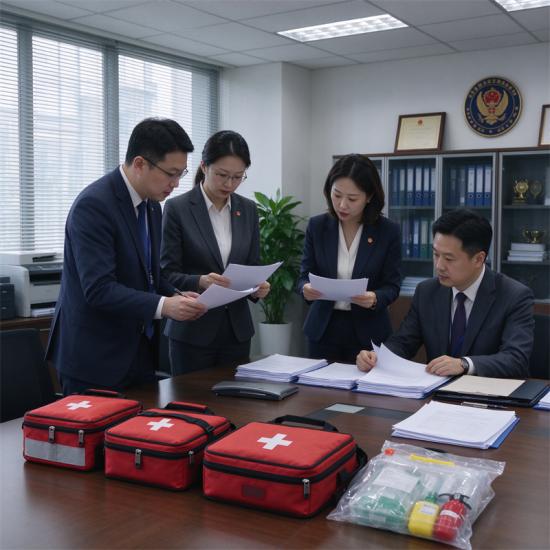
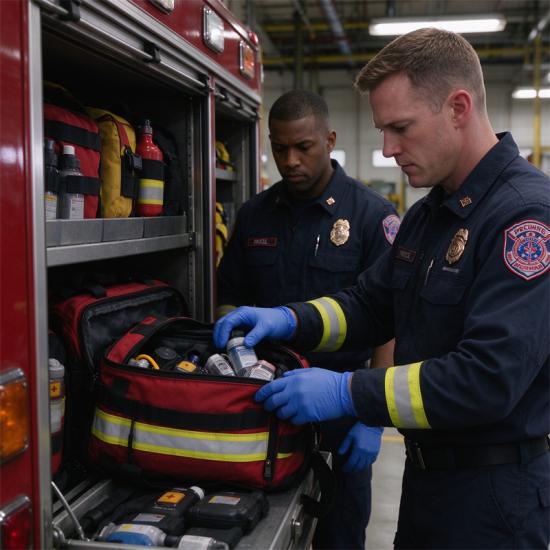
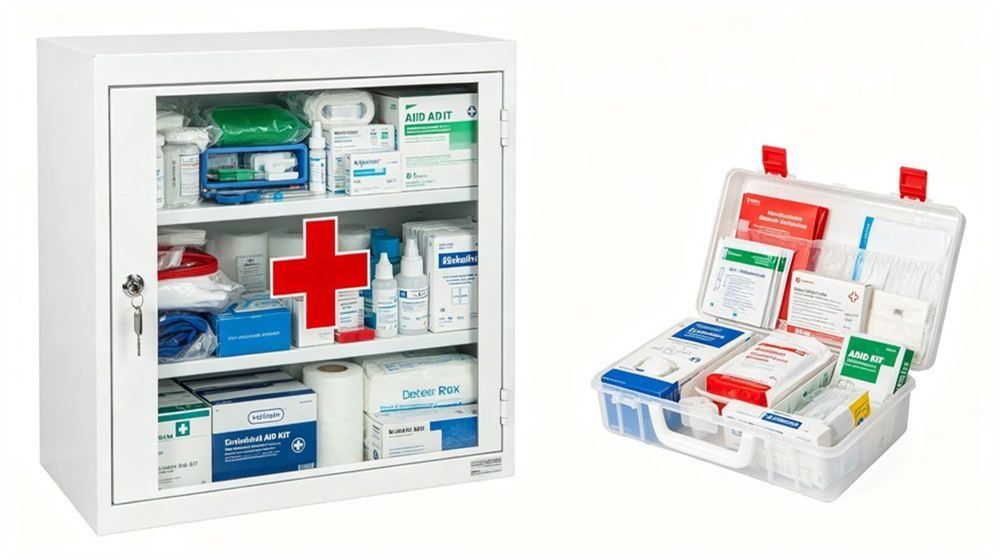
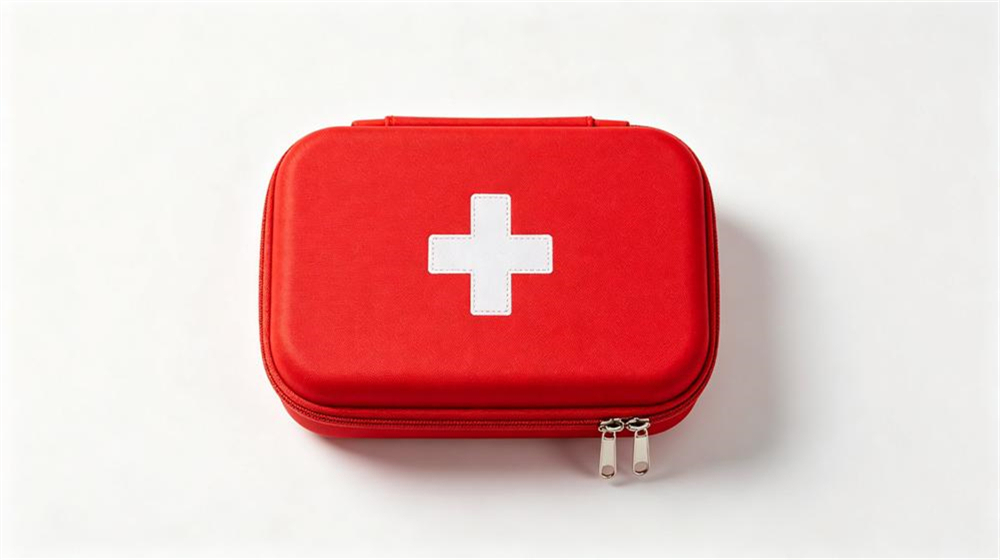
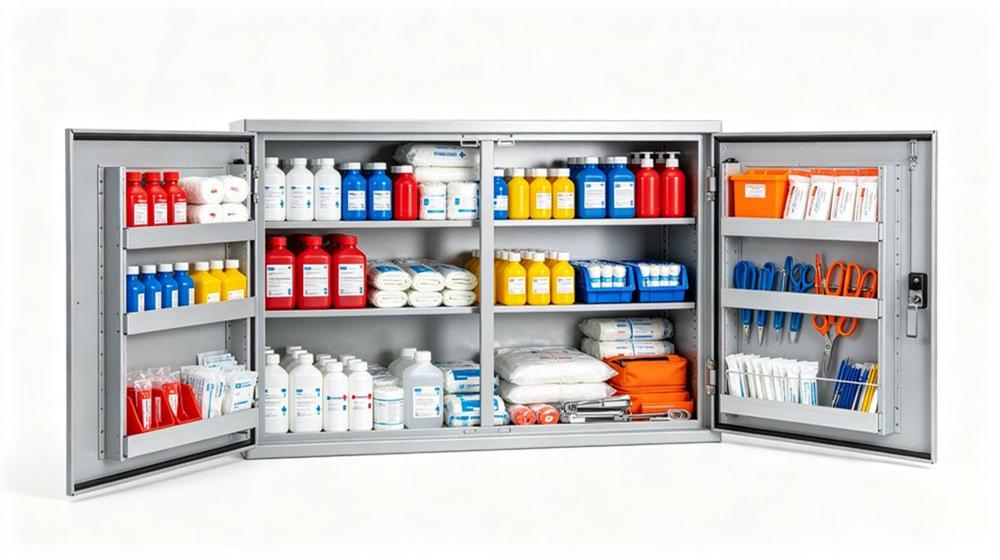
This emergency kit format comparison covers hard case, soft bag and wall mounted cabinet. Premium compliant kits with reliable consumables, strict quality inspection and clear shelf life management. Suitable for different site demands, stable supply and complete internal layout to meet daily emergency response needs.
Note: Price for reference only. Exact price based on quantity, size, weight and custom details.
model no. :
BB-P2Brand:
YRFmarket price :
$39.8sale price :
$19.9price range :
30-500/$19.9Color :
Multiple Colorsport of dispatch :
Guangdong/GuangzhouPayment :
TT, Paypal, Western Unionmin order :
30original region :
Made in ChinaLead Time :
5-15days
 |

|
The most common emergency kit pitfalls are not the product itself. It is the contents list. To avoid fake emergency kits, a buyer should audit what a supplier offers as a "complete" kit that sounds perfect, but half the items are banned for sea freight or carry no real certification.
This guide separates safe items from restricted ones. It flags the red flags a buyer should spot before placing a PO. By the end, you will know what to ask, what to refuse and what to verify. This emergency kit buying guide focuses on export-specific risks. These are the emergency kit red flags a buyer should spot.
The counter-example below is labeled clearly: this is what to avoid. It shows a popular summer cooling kit that sounds useful but ships with liquid gel — a sea-freight banned item. Learn the pattern, not the brand.
Emergency kit sourcing is not like ordering office supplies. A kit mixes hardware, consumables and sometimes electronics. Each category carries its own compliance rules, and most buyers only learn them after a shipment fails.
In this emergency kit buying mistakes guide wholesale guide, we cover avoid fake emergency kits specifications, avoid fake first aid kit sizing, MOQ tiers and export documentation, so procurement teams can shortlist in one afternoon.
The first mistake is trusting a pretty contents list. A list that reads "200 pieces" sounds impressive. When you open it, half the pieces are tiny band-aids and the other half are items that cannot ship by sea. Most buying mistakes emergency kit buyers make happen in the first PO.
The second mistake is ignoring expiry dates. Consumables such as masks, wipes and dressings have a shelf life. A bulk order placed today should arrive with at least two-thirds of its shelf life remaining. Short-dated stock is a silent defect.
The third mistake is accepting a photo of a certificate as proof. Anyone can print a logo. Real certification means a registered number traceable to the issuing body, and a statement that matches your destination market.
The fourth mistake is ordering a kit that contains liquids, aerosols or glass. These items get held at customs, return as refused cargo, or cause a container inspection. The cost of one banned bottle can wipe out the margin on a whole order.
The fifth mistake is buying from a supplier who cannot name the factory. A trading company that hides behind a logo cannot guarantee consistency. When order fifty differs from order one, you have no one to call. The common emergency kit errors above all share one root cause.
These emergency kit pitfalls share one root cause: a buyer treats the kit as a commodity. It is not. It is a regulated product that must ship, clear customs and last in storage. Treat it that way and the pitfalls disappear. These are the most common emergency kit quality pitfalls a bulk buyer should watch.
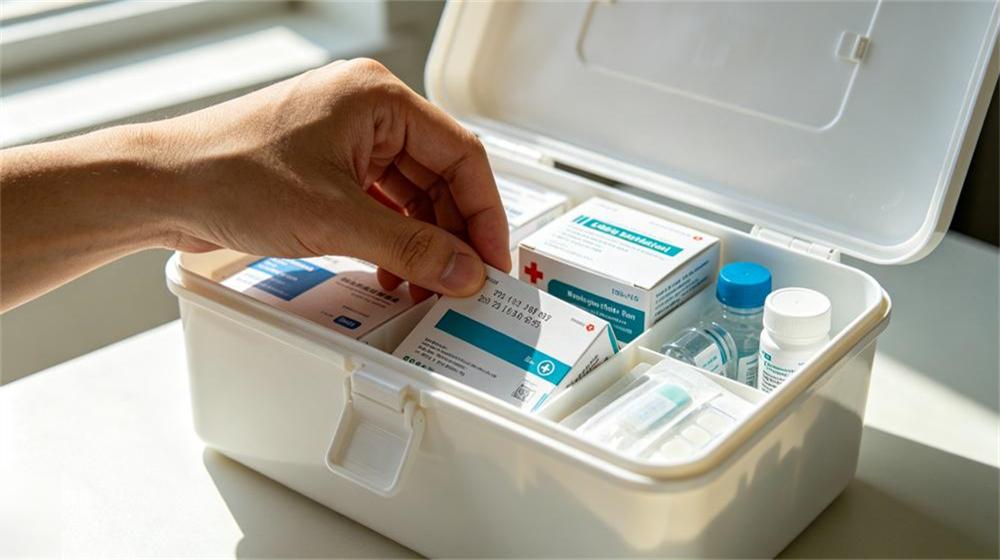
The number one emergency kit pitfalls are liquid gel bans in export shipments. Customs holds, removes or refuses shipments containing liquid or alcohol. The table below shows what to avoid and what to buy instead.
Always choose dry, sealed alternatives for export bulk. Liquid gel may pass a domestic buyer but fails at sea freight. Ask your supplier to confirm every item is shipment-safe before PO.
Run this checklist before you place any purchase order. Seven questions cover shipment safety, certificates, shelf life and packing.
Item
This Is What to Avoid
This Is What to Buy
Model
Generic EVA cooling kit with reverse checklist card
30-Piece Standard Pack wall-mount ABS box
Size
21×13×5 cm
29×20×12 cm / 1.5 kg
Contents
Liquid gel, mosquito liquid, alcohol wipes
Dry dressings, gloves, masks, blanket, whistle
Shipping
Sea-freight restricted
Sea-freight safe
Use case
Domestic heat relief only
Export bulk office / clinic first aid
Colors
Red / blue / orange EVA
White / orange / green ABS
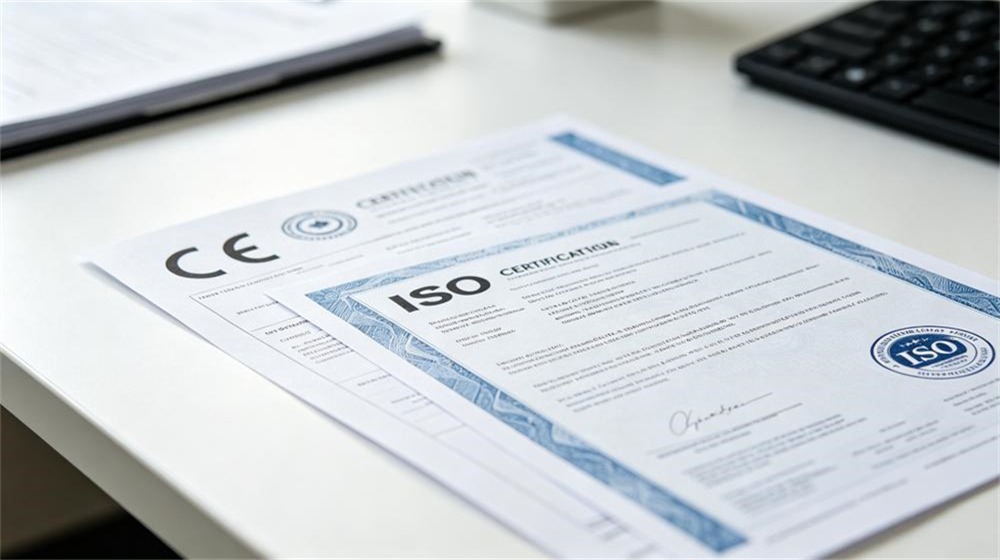
If any answer is "no", stop the order and fix it first. Most emergency kit pitfalls on this page trace back to skipping one of these seven steps. A 10-minute check saves a 40-foot container.
The single most common pitfall in this category is the summer cooling kit that ships with liquid gel packs. On paper, it sounds useful: heat relief, ready to use, popular in Gulf and Southeast Asian markets.
This is what to avoid. Model Generic EVA cooling kit is an EVA summer cooling kit sized 21 by 13 by 5 cm. It is a real product sold in the domestic Chinese market. But its contents include liquid gel ice packs, mosquito repellent liquid and alcohol wipes — all restricted or banned for sea freight.
A buyer who orders this kit for export faces three bad outcomes. The cargo gets held at the port. The banned items are removed, leaving an empty shell. Or the whole container is inspected, delaying every other order in the same shipment.
The fix is simple: ask the supplier to confirm every item on the contents list is dry, sealed and shipment-safe. No liquid gel, no aerosol, no glass, no alcohol. If a supplier refuses to remove a banned item, walk away. Treat this as an emergency kit warning for bulk buyers.
For heat-relief programs, choose dry alternatives instead. A cooling towel, a sun hat and a dry electrolyte pouch serve the same purpose without the shipping risk. Ask us for a heat-relief contents list that clears sea freight. The easiest way to avoid emergency kit trap is to ask for documents first.
The principle extends beyond cooling kits. Any kit that includes liquid, aerosol, compressed gas or glass needs a separate logistics plan. For a standard bulk order, keep the contents dry and shipment-safe.
This is not a product judgment. The EVA cooling kit is a fine product for domestic use. It is the export shipment that is the problem. Know the difference, and you avoid the costliest pitfall in this category.
Step
Question to Ask
1
Is every item dry, sealed and shipment-safe?
2
Can you provide traceable certificate registration numbers?
3
What is the minimum remaining shelf life at delivery?
4
Can I order one sample before the bulk?
5
Can you provide a document pack on request?
6
Can you give a route-based freight figure?
7
Who owns the after-sales restock cycle?

The second emergency kit pitfalls are certificates that look real but are not. A supplier sends a photo of a CE mark, a BSCI logo or an ISO number. The buyer checks the box and moves on. Months later, the destination customs asks for the registration number traceable to the issuing body.
This is the core of avoid fake emergency kits: demand a traceable registration number.
To avoid fake emergency kits, real certification has three traits. It carries a registration number. The number is traceable to the issuing body's database. The scope covers the product category being shipped. A logo on a brochure is none of these. A counterfeit emergency kit usually has no traceable batch code.
For medical-device items, the bar is higher. Dressings, bandages and wound-care products may require a notified body registration in your destination market. A supplier who says "we meet CE" without a number is guessing, not certifying.
The fix is to ask for the registration number before the PO. Look it up in the issuing body's database. If the supplier cannot produce a number, treat the claim as marketing, not evidence. This one step filters out most fake-certificate suppliers. First aid kit authenticity is verified by number, not by photo.
To avoid fake emergency kits, we take a direct approach. We state what documentation we hold, what is available on request, and what can be arranged for your destination. We do not claim registrations we do not hold. That honesty protects both sides.
For framework agreements, ask for a document pack: product specifications, contents lists, packing details and quality statements. A supplier who can produce this pack on request is a supplier who runs a real quality system. A supplier who cannot, is not.
Remember: a certificate is not a marketing asset. It is a legal instrument. Treat it with the same care you would give a customs declaration. If it looks too easy to obtain, it probably is not real.
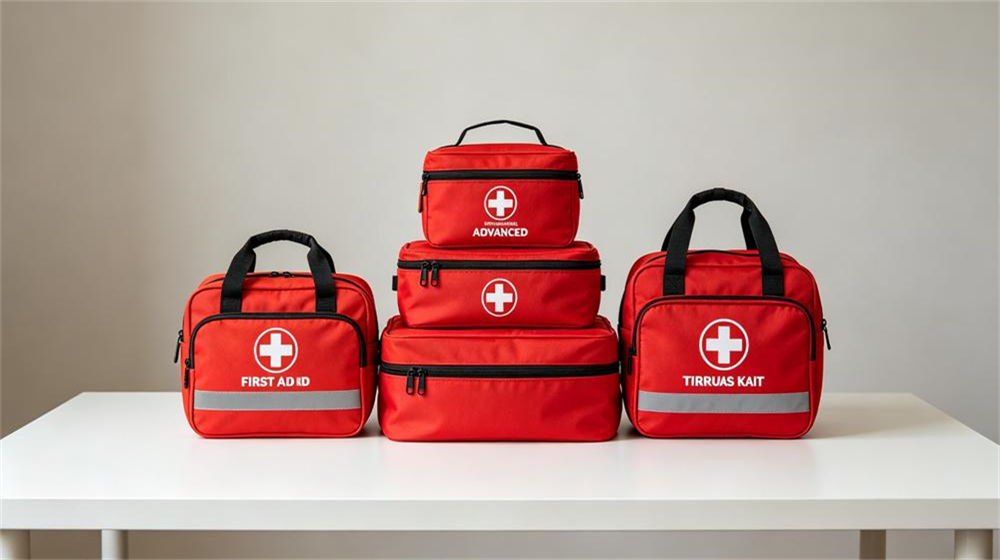
Spot a red flag in this table? Ask your supplier to resolve it before PO. Fake certificates and short-dated stock are the two issues most buyers discover after delivery, not before.
Red Flag You See
What It Means
Your Fix
Contents list mentions liquid gel or alcohol
Sea-freight restricted
Remove or choose dry alternative
Certificate has no registration number
Unverifiable marketing
Ask for the number; check the database
Consumables expire within 12 months
Short-dated stock
Require two-thirds remaining shelf life
Supplier hides the factory
No quality system
Order a sample; approve spec in writing

The third emergency kit pitfalls are expired consumables. Consumables such as masks, wipes, dressings and bandages carry a shelf life of about three years from manufacture. A bulk order should arrive with at least two-thirds of that shelf life remaining.
Short-dated stock is a silent defect. The kit looks new, the box looks clean, but the first-aid cream or the sterile gauze expires in six months. When a disaster strikes and the kit is opened, the supplies are already past their date.
To avoid fake emergency kits, the fix is written into the purchase order. Ask the supplier to print the manufacture date and expiry date on every consumable. Ask for a minimum remaining shelf life of two-thirds at delivery. Put it in the contract. A simple emergency kit quality check takes ten minutes before PO.
A buyer can also build a rotation plan. Mark a fixed check date each year. A coordinator walks the list, replaces used and dated items, and signs the log. A scheduled check beats a forgotten one.
Keep a small stock of common spares. Masks, gloves and dressings live on one shelf. When a kit is opened during the year, the restock comes from that shelf. That single buffer solves most mid-cycle needs without a fresh order.
Respect expiry on arrival too. When a shipment lands, note the dates on the list. Rotate older stock into earlier service. First-in, first-out keeps the freshest items for last. That simple discipline prevents a drawer of expired supplies.
The housing itself should last. ABS boxes and PP cases are built for years of service. Soft bags hold up to regular opening and closing. A well-built outer unit protects the consumables inside. Spending on a durable housing saves money over the long run.
The fourth emergency kit pitfalls are non-compliant contents lists. A list might include "antiseptic solution", "alcohol pad", "iodine swab" or "ointment tube". Each sounds normal. Each may be restricted for sea freight or require medical-device registration.
The fix is a dry, shipment-safe contents list. Dressings, gloves, masks, a rescue blanket, a whistle, a multi-tool and a crank radio all clear sea freight. Add lithium-powered accessories only with UN38.3 and MSDS documentation.
For European buyers, align with CE, REACH and RoHS expectations. For UK buyers, add UKCA. For buyers who sell to processors, flag medical-device items as certification-required. A clear list prevents a customs hold.
We avoid exotic items that are hard to restock or unsafe to ship. The contents list follows common first-aid expectations and destination-market rules. Ask us for a contents list matched to your local checklist.
A written spec also protects the buyer. When a box arrives, the receiver checks it against a clear list. If a product changes later, the written record holds. That clarity is the quiet backbone of a compliant purchase.
For framework agreements, we can hold a standing spec. That means repeat orders ship to the same layout, the same packing and the same document set. A standing framework removes the start-up work of a fresh bid each cycle.
The principle is simple: if you cannot name the item, its origin and its shipping status, do not put it in a bulk export kit. A shorter, verified list beats a long, risky one.
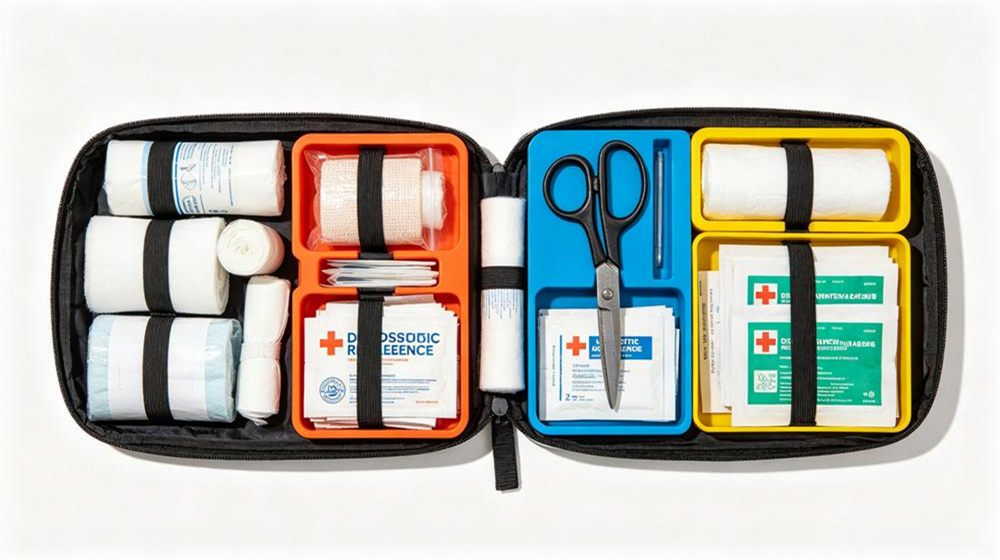
The fifth emergency kit pitfalls are hidden factories without a quality system. A trading company that hides behind a logo cannot guarantee consistency. When order fifty differs from order one, you have no one to call.
To avoid fake emergency kits, the fix is a sample-approval step before bulk order. Before a full run, order one sample. Open it, check the compartments, the marking and the contents. Approve the spec in writing. Then place the bulk order against the approved sample.
Our manufacturing partner runs each order through a set check before packing: contents count, compartment layout, marking and outer-box condition. A simple inspection sheet records the result. That written trail is what a buyer values most.
Every kit is built to a fixed bill of materials. When a repeat order arrives, it follows the same list as the first. There is no drift between batches. This consistency means a training script written for order one still works for order fifty.
Factory information stays protected in our work. We present the product and the paperwork, never the factory's identity. This protects both the partner and the buyer's direct channel. One trusted face carries the whole program.
Materials are chosen for real use. ABS boxes must be rigid and cleanable. Soft bags must be durable and easy to open. We avoid exotic items that are hard to restock or unsafe to ship.
For repeat programs, we keep the bill of materials on file. A reorder takes a short message rather than a fresh spec. The same partner, the same layout and the same documents ship every time. That continuity is the value of a trusted supply line.
If a kit under USD 15 lacks 6 or more of the items below, it is a display piece, not a working kit. Use this table to audit any kit you already own or are considering.
A kit under USD 15 missing 6 or more of these is a display piece, not a working kit. Use this table to audit any kit you already own. If gaps show up, order a refill pack rather than a whole new kit.
#
Critical Item (English)
Why It Matters
Cheap Kit Usually Has
Our Baseline Ships
1
CPR Face Shield with One-Way Valve
Direct mouth-to-mouth without a shield is a biohazard
Missing entirely
1 pc, sealed pouch
2
N95 Particulate Respirator, NIOSH
Dust, smoke, ash — cheap dust masks fail at 0.3 micron
3-ply dust mask only
5 pcs N95, sealed
3
Thermal Blanket 210x160cm, Mylar
Hypothermia kills more than burns in disaster zones
Thin 140x100cm foil sheet
2 pcs, 210x160cm
4
Hand-Crank Flashlight (no battery)
Batteries die in 2 years; crank light works after 10 years
AAA flashlight, no battery
1 pc, 60lm, 3-mode
5
Trauma Pad 20x20cm
Bleeding control — gauze pads are too small for arterial bleed
Gauze pads only
1 pc, 20x20cm
6
Nitrile Exam Gloves (not latex)
Latex allergy in 6% of adults; cheap kits use latex
Latex gloves, 2 pairs
Nitrile, 4 pairs, L
7
Trauma Shears 19cm, titanium
Need to cut seatbelts, clothing, duct tape
Small office scissors
1 pc, 19cm, angled
8
Whistle, pea-less, 110 dB
Voice gives out after 2 minutes; whistle carries 800m
No whistle or tiny pea whistle
1 pc, 110 dB
9
First Aid Guide Book, illustrated
Untrained bystanders need step-by-step pictures
Folded paper leaflet
48-page waterproof book
10
Emergency Poncho, PE
Rain + wind = hypothermia in 20 minutes
Missing entirely
2 pcs, hooded, sealed
11
Emergency Contact Card
Mobile battery dead; paper card is the backup
Missing entirely
1 pc, write-in fields
12
Sealable Bag 20x25cm
Wound care, wet items, evidence, disposal
Missing entirely
2 pcs, zip-lock
Every unit ships to the same spec sheet. Buyers audit against this table at goods-in.
Buyers usually audit dimensions, weight and temperature at goods-in. Confirm the bag fabric is UV-treated if your warehouse exceeds 40 C. MOQ for custom branding starts at 500 pcs.
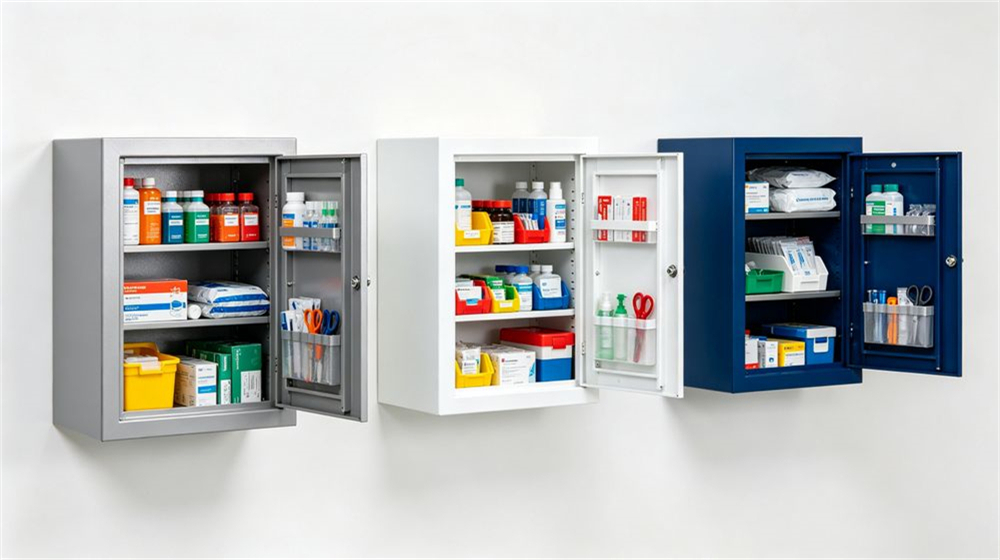
After the pitfalls, here is the safe alternative. Model 30-Piece Standard Pack is a wall-mountable ABS box for 25 people, sized 29 by 20 by 12 cm and weighing about 1.5 kg. It ships in white, orange and green.
This is what to buy. The ABS housing is rigid, light and easy to wipe clean. The interior uses divided trays, so each category has a home. The white cross on the door makes the unit readable from across a room.
The contents are dry and shipment-safe. Dressings, gloves, masks, a rescue blanket, a whistle and a multi-tool all clear sea freight. No liquid gel, no aerosol, no glass. Lithium-powered accessories, where included, carry UN38.3 and MSDS.
For buyers who need daily first aid across offices, the 25-person box suits smaller stations. Larger sites can add a second box or a medical pack at a second point. We align contents with common first-aid expectations.
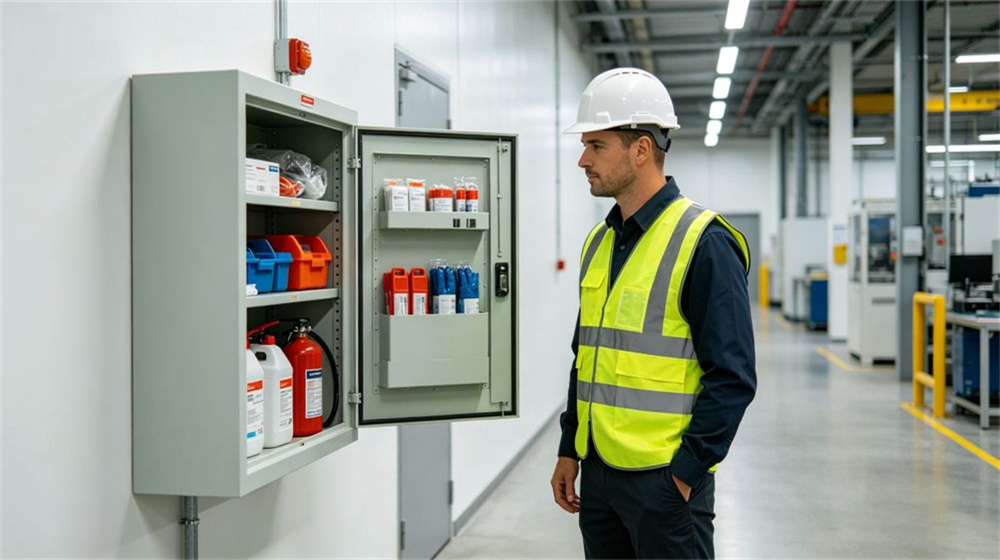
Mount the box at reachable height near a door, in clear view. A box mounted too high or tucked in a corner is a box staff will miss. Place it where the routine already moves. That simple rule is the difference between a visible safety system and a hidden cabinet.
The white, orange and green options help buyers code sites by zone. White for general offices, orange for response points, green for medical zones. This color coding turns a row of boxes into an instant map of the building.
For custom programs, we print an organization name on the door. The white cross stays the primary signal, with the name as a secondary touch. Branded boxes look owned and cared for, which builds trust with staff and visitors alike.
Parameter
Value
Open dimensions (L x W x H)
28 x 18 x 12 cm (soft pack) / 30 x 20 x 12 cm (ABS wall box)
Folded / closed dimensions
28 x 18 x 6 cm (packed)
Weight (empty / loaded)
0.35 kg empty / 1.8 kg loaded (standard 30-item kit)
Outer fabric
600D Oxford weave with 210D PU backing, PVC-coated bottom
Zipper
YKK #5 nylon coil, pulls tested to 5,000 open-close cycles
Stitching density
8-10 stitches per inch at load-bearing seams
Color options
Safety Orange / Navy Blue / Rescue Red (Pantone 1655 C / 2945 C / 186 C)
Operating temperature range
-20 C to +50 C (components rated)
Water resistance
IPX4 — splash-proof; inner contents in sealed PE pouches
Battery (in crank light)
No disposable battery; built-in 3.7V Li-ion, charge via hand crank
Shelf life (consumables)
3 years from production date for bandages/wipes/batteries; 5 years for dressings/blankets/respirators
Bag body service life
10+ years under covered storage; UV-rated for vehicle use
Max load-bearing
15 kg on padded shoulder strap
Reflective trim
3M Scotchlite 5510, 12 mm width, sewn on front and sides
Certifications
CE (93/42/EEC medical device), ISO 9001:2015, BSCI audit, REACH, FDA-listed components
Carton info
48 x 38 x 32 cm, 12 pcs/carton, 14 kg gross, 0.058 CBM
MOQ (custom-branded)
500 pcs for woven label / rubber patch; 1,000 pcs for printed outer bag

Beyond the individual pitfalls, whole shipments get held at customs. The reasons are predictable, and each is avoidable. The most common is misdeclaration: a carton marked "first aid kit" actually contains liquid gel or aerosol. Pricing for emergency kit buying mistakes guide wholesale is tiered by container volume; as a avoid fake emergency kits, we quote landed costs that include emergency kit scam consumables, custom packaging and pre-shipment QC.
The fix is an honest packing list. Every carton names the contents. No vague labels like "miscellaneous supplies". A customs officer who sees a clear list clears the carton in minutes. An officer who sees a vague list opens it for inspection.
Bulk orders move on pallets, not in parcel bags. We pack kits by set, label each carton and stack on standard pallets. A clear packing list names each kit and its destination, so unloading takes minutes. That order saves hours when a whole depot is being stocked at once.
Pallet packing protects the goods in transit. Cartons are stacked and strapped so nothing shifts on the road. Fragile ABS boxes are packed to withstand normal handling. The goal is a delivery that arrives complete, dry and ready to shelve.
Container shipments follow the same care. Goods are loaded to fill the container safely, with weight balanced and goods braced. We coordinate the booking and the export documents. The buyer receives a clear arrival plan rather than a vague promise.
For the exact freight cost, share your volume and destination. We return a clear figure based on the current route. Buyers appreciate honest, route-based numbers over rounded guesses. That transparency builds a repeat relationship.
After delivery, a short check confirms every box is full and current. We support the same contact for the restock cycle. That after-sales loop turns a one-time shipment into a lasting supply plan.
Budget per kit decides what you actually get. The table below maps price bands to contents, red flags and our recommendation.
USD 15-35 is the sweet spot for real emergency kits. Below that, expect missing N95, CPR shields and thermal blankets. Above USD 35, verify CE and ISO documents before any bulk order.
Budget per Kit
What You Should Get
Corner-Cutting Red Flags
Our Recommendation
Under USD 15
20-piece soft pack, latex-free, basic dressings
No N95, no CPR shield, no thermal blanket, batteries included but expired
Avoid for real emergencies; use as a display kit only
USD 15 - 35
30-piece standard, Mylar blankets, crank light, N95 x 5
Thin fabric (<300D Oxford), no reflective trim, no CE mark on dressings
Audit against the 12-item checklist above
USD 35 and above
32+ piece professional, trauma pad, nitrile gloves, wall box option
None expected at this price; if you see cut corners, walk away
Tier B or C; verify CE/ISO docs before bulk order

Every emergency kit pitfalls covered on this page, in one table. Use it as a quick reference when you review supplier offers.
Run this table against any supplier quote you receive. If two or more pitfalls show up, walk away. A reputable supplier resolves all seven before you place a PO.
Before you place a purchase order, run this short checklist. It takes ten minutes and prevents ninety percent of the pitfalls in this guide.
First, ask for the contents list. Confirm every item is dry, sealed and shipment-safe. No liquid gel, no aerosol, no glass, no alcohol. If a supplier refuses to remove a banned item, walk away.
Second, ask for the registration numbers of every claimed certificate. Look them up in the issuing body's database. If the supplier cannot produce a number, treat the claim as marketing, not evidence.
Third, ask for the manufacture dates of every consumable. Confirm a minimum remaining shelf life of two-thirds at delivery. Put it in the contract.
Fourth, order one sample before the bulk. Open it, check the compartments and the marking. Approve the spec in writing. Then place the bulk order against the approved sample.
Fifth, ask for a document pack: product specifications, contents lists, packing details and quality statements. A supplier who can produce this pack on request runs a real quality system.
Sixth, ask for a route-based freight figure based on your volume and destination. A supplier who returns a vague number is a supplier who cannot plan logistics. A supplier who returns a clear figure can.
Seventh, ask about the after-sales loop. Who owns the restock cycle? How are expired consumables replaced? A supplier who answers these questions is a partner, not a vendor.
This checklist is not a formality. It is the difference between a program that runs for years and a shipment that gets returned at the port. Run it on every PO.
Pitfall
What Goes Wrong
The Fix
Liquid gel in cooling kit
Held at customs, removed or refused
Remove liquid gel; use dry alternatives
Fake CE certificate
No traceable registration number
Ask for the number; check the issuing body
Expired consumables
Short-dated stock on arrival
Require two-thirds remaining shelf life
Non-compliant contents
Liquids, aerosols, glass, alcohol
Keep contents dry and shipment-safe
Hidden factory
Order fifty differs from order one
Order a sample; approve the spec in writing
Vague packing list
Customs opens the carton
Pack by set; label every carton
No after-sales owner
Expired stock never replaced
Name a restock contact in the contract
Once these emergency kit pitfalls are avoided, the rollout is straightforward. List every site, count the people and the response teams, and pick a uniform kit. Then order in one batch so every station matches and restock stays easy.
For repeat orders, our emergency kit pitfalls account team reorders the same emergency kit scam configuration, keeping emergency kit buying mistakes guide wholesale pricing stable across quarters.
Planning the order is simple. List every building, then every team. Apply a headcount rule to set quantities. Add spares for damaged or expired units. The result is one clean order that covers the full year.
Bulk also means consistent stock. When one batch arrives, every station opens the same kit. Training, inspection and replacement all follow one routine. That uniformity is the quiet strength of an organization-wide program.
For large orders we can brand the full run and pack by site. Delivery can be phased across sites if storage is tight. We adjust the program to the receiver, not the other way around.
A single contact makes the rollout simple. One person owns the order, the specs and the restock cadence. We work with that owner end to end. Clear communication keeps a large order from becoming a headache.
Make delivery day a small plan, not a scramble. Arrange staff to receive, shelve and log the batch. A short checklist turns unloading into a tidy routine. That calm start keeps the whole year's preparedness on track.
The payoff is a program that runs without these emergency kit pitfalls. No customs holds, no fake certificates, no expired consumables. That quiet reliability is what a preparedness program is really for.

A supplier you can verify is a supplier worth working with. Verification means a traceable factory, a fixed bill of materials, real documentation and a sample you can approve before a bulk order.
Our manufacturing partner runs each order through a set check before packing: contents count, compartment layout, marking and outer-box condition. A simple inspection sheet records the result. That written trail is what a buyer values most.
Every kit is built to a fixed bill of materials. When a repeat order arrives, it follows the same list as the first. There is no drift between batches. This consistency means a training script written for order one still works for order fifty.
Materials are chosen for real use. ABS boxes must be rigid and cleanable. Soft bags must be durable and easy to open. We avoid exotic items that are hard to restock or unsafe to ship.
We support sample approval before a full run. A buyer who sees the actual kit, the compartments and the marking can approve with confidence. A trial unit locks the spec before mass production. That prevents a batch that misses the mark.
For repeat programs, we keep the bill of materials on file. A reorder takes a short message rather than a fresh spec. The same partner, the same layout and the same documents ship every time. That continuity is the value of a trusted supply line.
Factory information stays protected in our work. We present the product and the paperwork, never the factory's identity. This protects both the partner and the buyer's direct channel. One trusted face carries the whole program.
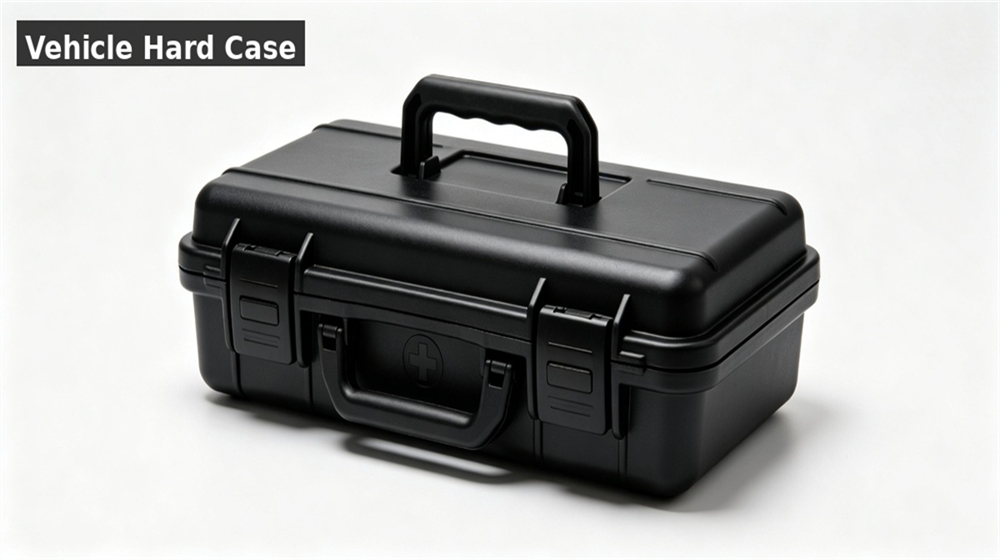
When a buyer approaches a new supplier, seven questions separate real factories from trading companies. Ask all seven on the first call.
First: "Can you send a sample before the bulk order?" A real factory says yes. A trading company hesitates. Second: "Can you provide the registration numbers of your certificates?" A real factory reads them off a sheet.
Third: "What is your minimum remaining shelf life at delivery?" A real factory has a contract clause. A trading company bluffs. Fourth: "Can you remove liquid gel, aerosol and glass from the contents list?" A real factory says yes. A trading company pushes back.
Fifth: "Can you pack by set and label each carton for our destination?" A real factory already does this. Sixth: "Can you print our organization name on the box?" A real factory has a printing line. Seventh: "Who owns the after-sales restock?" A real factory names a person.
These questions take ten minutes. They save months. A supplier who answers all seven is a supplier worth ordering from. A supplier who cannot, is a supplier to walk away from.
Trust is earned on the first call, not after the first container. Run the questions, check the answers, and only then place the PO.
For buyers who want a program that clears customs and lasts in storage, our wall-mounted ABS box range is the safe starting point. It pairs a compliant 25-person box with a dry, shipment-safe contents list.
Bulk buyers get uniform sites, simple restock and a program designed to avoid fake emergency kits from day one. Sourcing from one verified supplier keeps every station consistent. A single order covers offices, clinics and public buildings in one compliant batch.
Need a full program or custom branding? We supply every site in one batch, with your name on the box. Send us your site count, your headcounts and your destination port. We will quote a complete, customs-safe package.
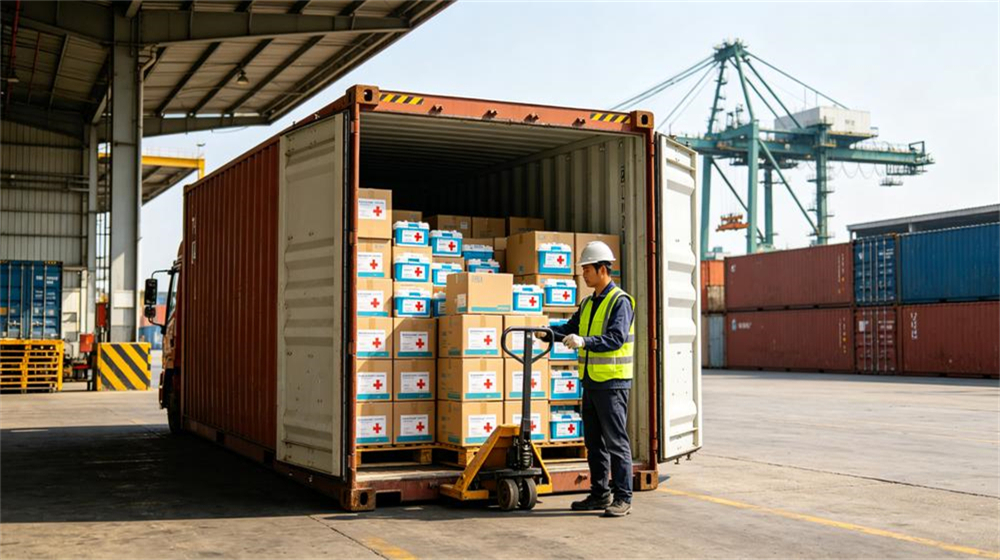
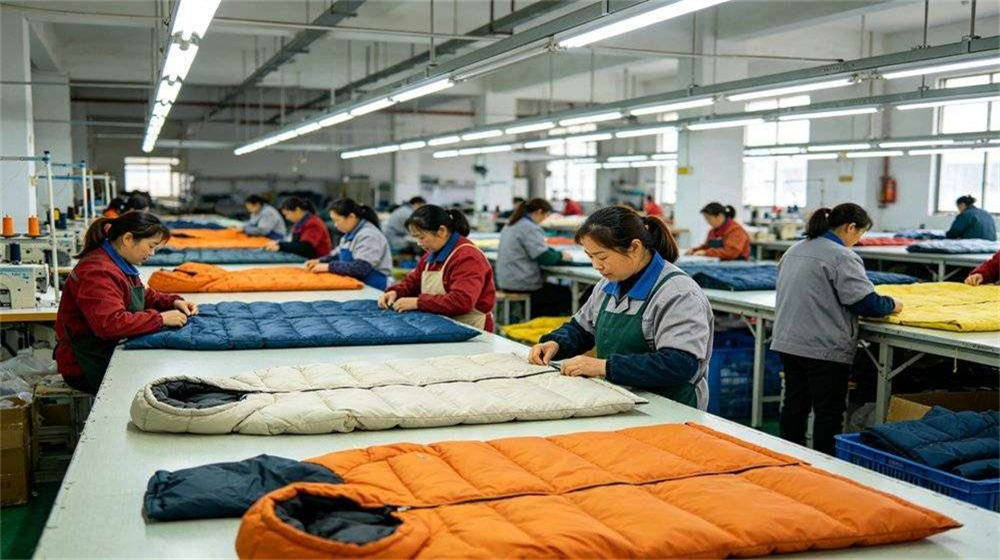
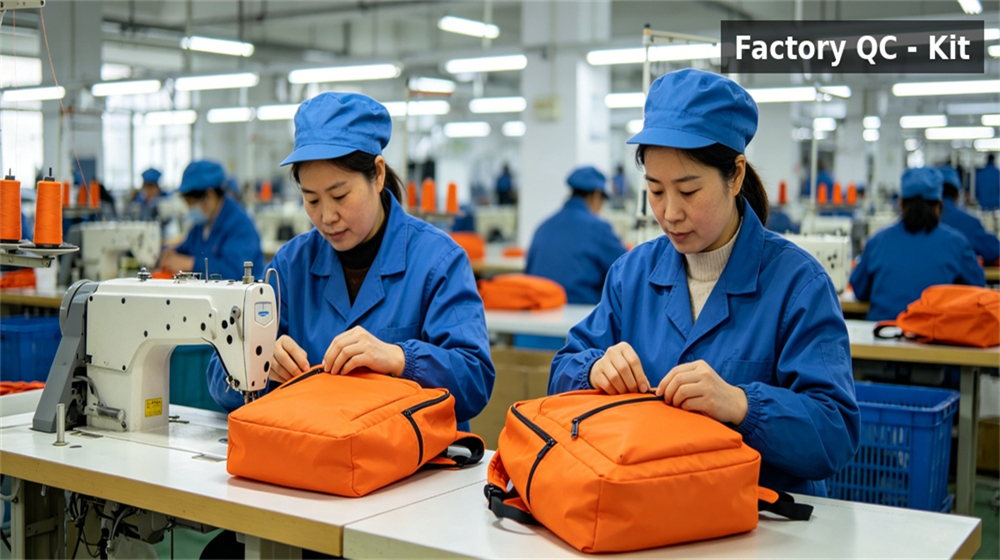
Every unit passes a 25-point QC checklist: fabric thread count verified by gauge, zipper pull tested to 5,000 open-close cycles, stitching density measured at 8-10 stitches per inch, label legibility checked at 30 cm, expiry date stamp verified against production log, weight checked within +/-5% of spec, and carton drop tested per IEC 60068-2-32.
Our production line delivers 100,000 kits per month, exported to 40+ countries over 8+ years. Certifications: CE (93/42/EEC), ISO 9001:2015, BSCI audit, REACH, FDA-listed components. Lifetime technical support for your procurement team.
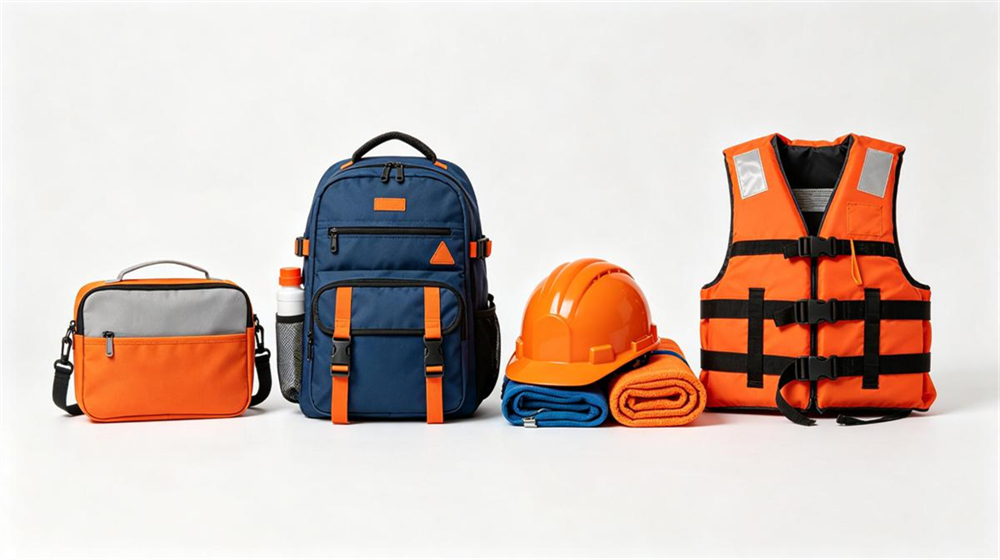
The bag looks the same. The difference is inside: cheap kits use 300D polyester instead of 600D Oxford, latex gloves instead of nitrile, 3-ply masks instead of N95, and no CE-marked dressings. Bag body is 20% of cost; contents are 80%.
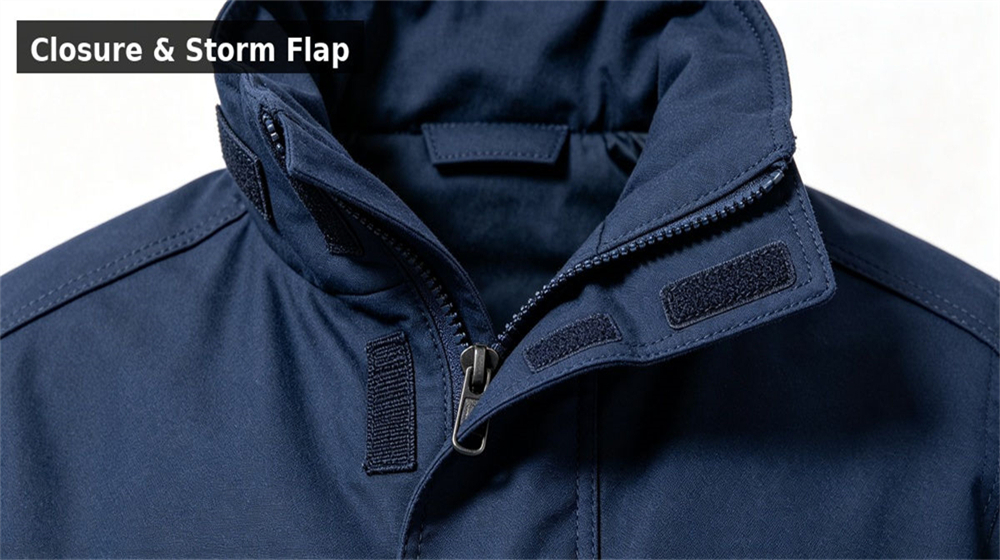
25-point QC on 100% of units: fabric thread count verified by gauge, zipper pull test to 5,000 cycles, stitching density 8-10 per inch measured by magnifier, label legibility checked at 30 cm, expiry date stamp verified against production log, weight check within +/-5% of spec, carton drop test per IEC 60068-2-32.

Previous :
Mining Industrial Emergency Kits for Underground Mine Site SafetyNext :
Emergency Kit Comparison Which Type Fits Your Need Factory Customized Red Cross Disaster relief Med Kit Bag With Multi-purpose compass
GREAT DESIGN - Comfortable design is perfect for all uses and for carrying a wide variety of tools and equipment. You'll find that, whatever you're looking to carry, the YRF Custom Oxford Material Multi Functional Camouflage Tactical Waist Bags is the perfect choice.
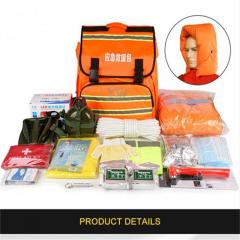 Medical Care Stockpile Metal wire saw Card tool Survival Aid Kit with 16 Pcs Safety Kit
GREAT DESIGN - Comfortable design is perfect for all uses and for carrying a wide variety of tools and equipment. You'll find that, whatever you're looking to carry, the YRF Molle Tactical First Aid Kits Medical Bag Tablets is the perfect choice.
 Outdoor Medical Care Disaster relief First Aid Kit Empty Pouch And Ice Pack Emergency Tool
GREAT DESIGN - Comfortable design is perfect for all uses and for carrying a wide variety of tools and equipment. You'll find that, whatever you're looking to carry, the YRF Mini First Aid Kit Bags And Pouches is the perfect choice.
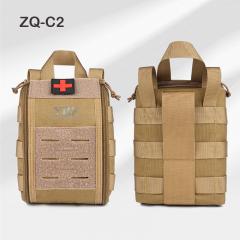 High Quality Camping Emergency Face Mask Survival First Aid Kit for Institutional Donation
GREAT DESIGN - Comfortable design is perfect for all uses and for carrying a wide variety of tools and equipment. You'll find that, whatever you're looking to carry, the YRF Outdoor Camping Emergency Kits Tactical First Aid is the perfect choice.
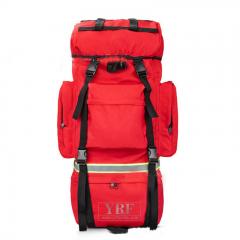 ICRC Supplies Fluorescent stick first aid medical bags 600d Nylon Emergency Safety Tools Kit
GREAT DESIGN - Comfortable design is perfect for all uses and for carrying a wide variety of tools and equipment. You'll find that, whatever you're looking to carry, the YRF Hunting Survival First Aid Kit Bag Molle Tactical is the perfect choice.
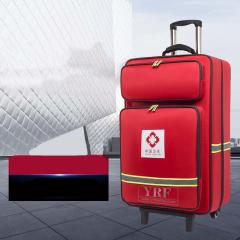 Hot Selling Governmental Institutions List Descender Firefighting Tools Empty Pull Rod First Aid Kit
GREAT DESIGN - Comfortable design is perfect for all uses and for carrying a wide variety of tools and equipment. You'll find that, whatever you're looking to carry, the YRF Tactical Complete First Aid Kit is the perfect choice.
Copyright © Custom Disaster - Relief Bedding: Tents, Sleeping Bags, Blankets All Rights Reserved
the professional team to service !