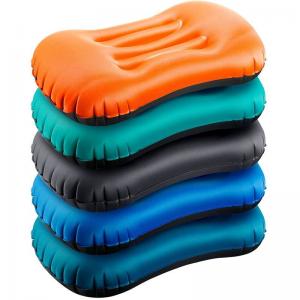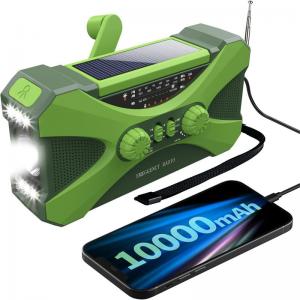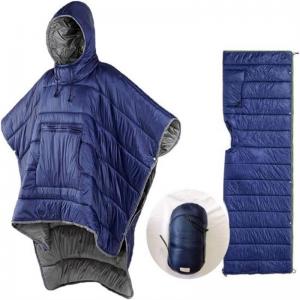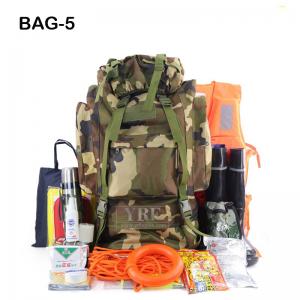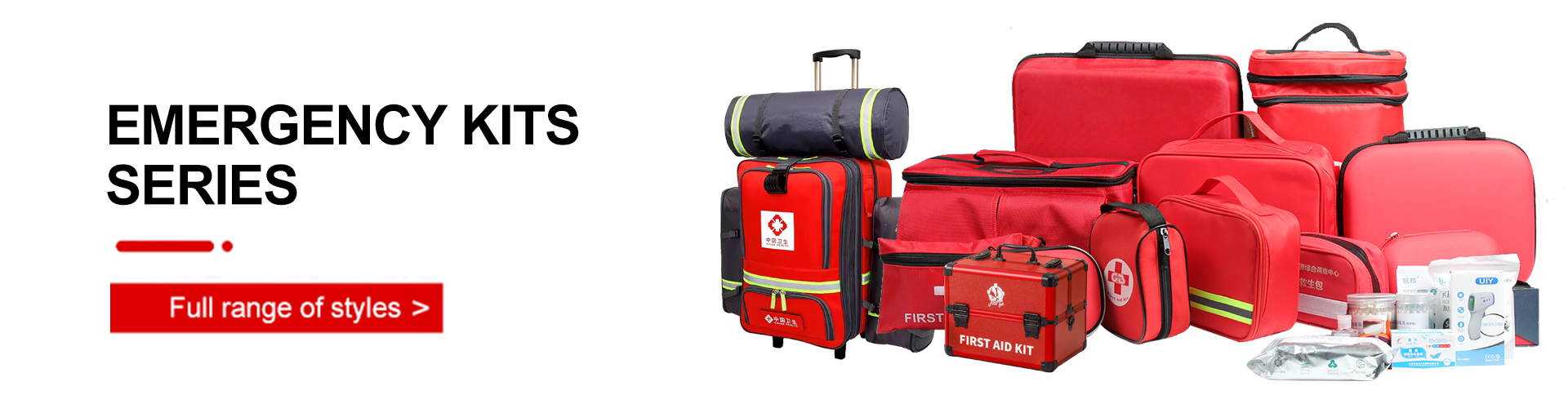
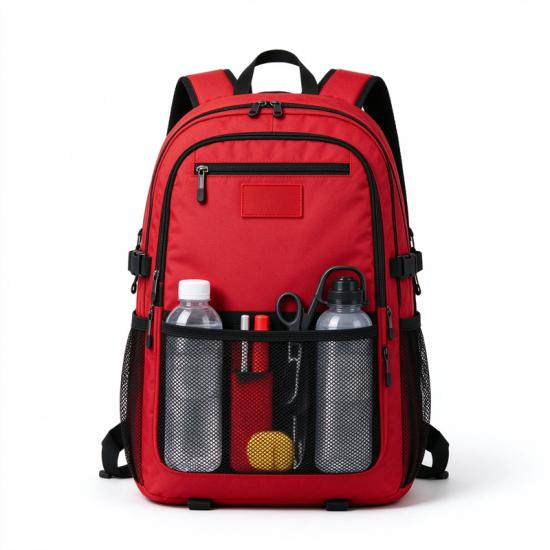
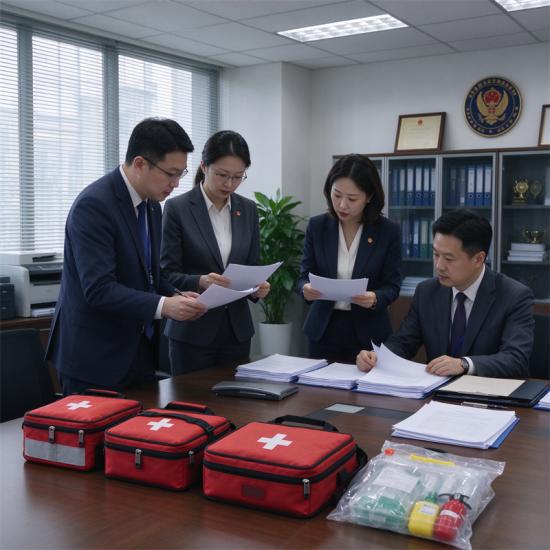
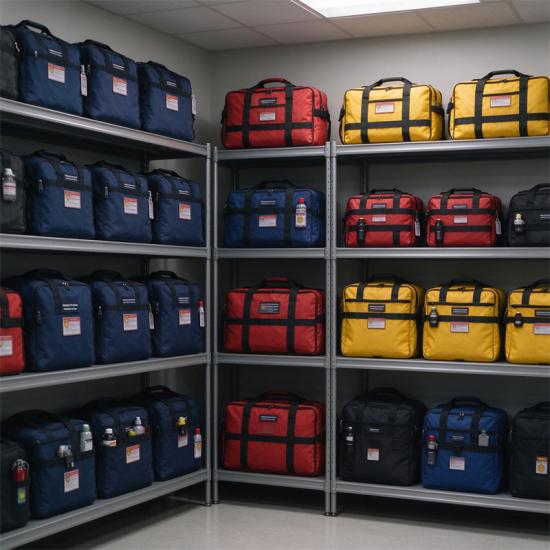
This emergency kit for government procurement contains integrated emergency supplies for disaster reserve and public institution use. It meets standard requirements for tender projects, supports custom marking and bulk configuration adjustment. Reliable quality and complete item list, suitable for public safety reserve and emergency deployment.
Note: Price for reference only. Exact price based on quantity, size, weight and custom details.
model no. :
BB-K1Brand:
YRFmarket price :
$39.8sale price :
$19.9price range :
30-500/$19.9Color :
Multiple Colorsport of dispatch :
Guangdong/GuangzhouPayment :
TT, Paypal, Western Unionmin order :
30original region :
Made in ChinaLead Time :
5-15days
 |

|
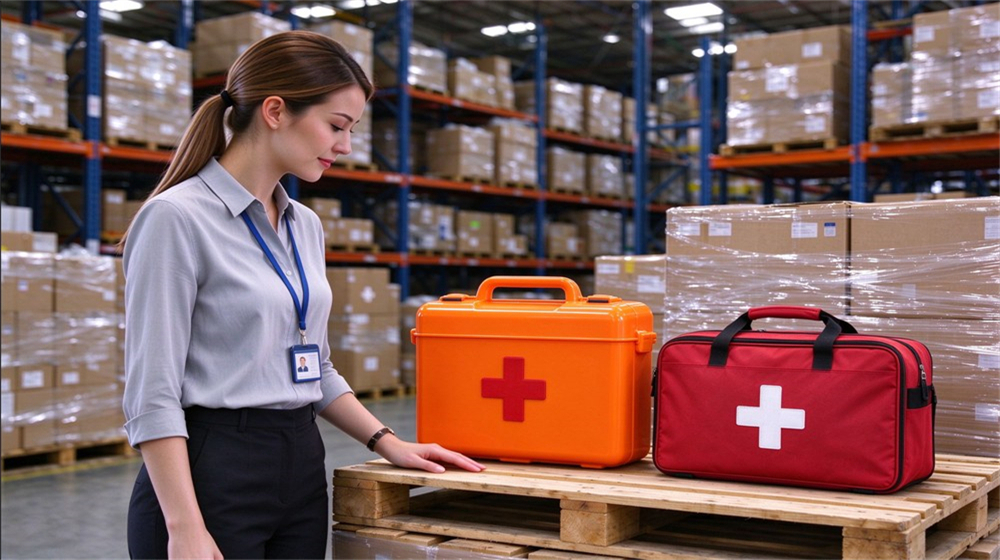
One kit cannot cover an entire organization. The smart approach is a layered government procurement emergency kit plan that matches each site to its real risk.
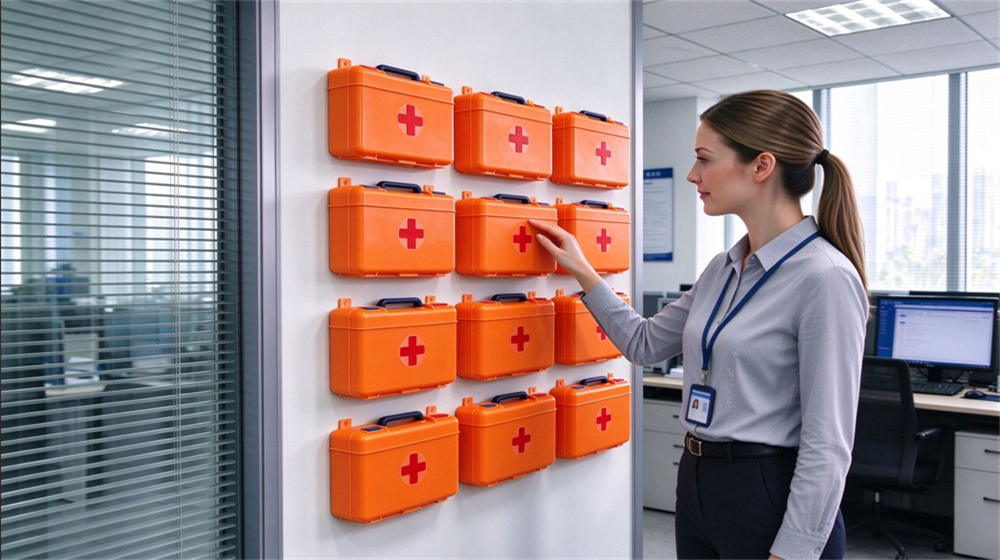
A wall-mounted ABS first aid box, a key government response pack unit, covers daily first aid in offices and public buildings. A routine medical pack handles clinical first response. A rescue rucksack carries evacuation and rescue tools.
Together these bulk emergency kits let an agency standardize across stations, depots and field posts without guessing at contents. Emergency kits for government buyers follow one spec at every point. As a relief kit supplier, we keep each bulk order compliant and complete.
Tender-ready means the contents, the packing and the paperwork all line up. When an agency opens a bid, it expects a clear spec, a uniform pack and documents that support the evaluation.
Our wall-mounted ABS first aid box stays fixed and visible on a wall. The medical pack sits in a clinic or first-aid room. The rescue rucksack moves to the field. This division of labor is the quiet reason bulk emergency kits work at institutional scale.
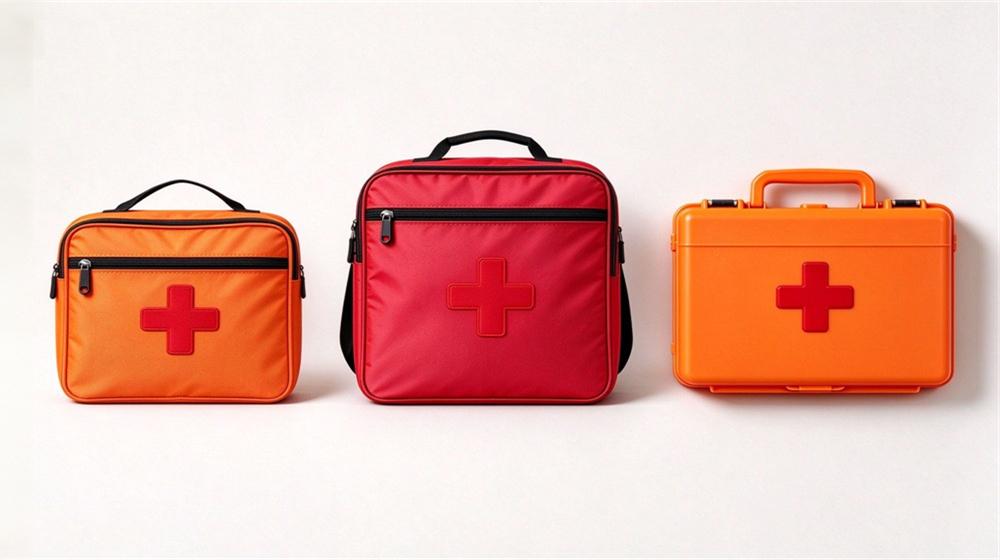
Buyers often ask which unit to source first. Our comparison shows the practical answer: a wall-mounted ABS box for fixed sites, a medical pack for clinical points, and a rescue rucksack for field teams.
The table below maps all three to size, weight and best use. Start with one pack per station, then add rescue rucksacks for response teams. That staged plan keeps coverage full and the budget defensible to a review board.
Government procurement officers running a wholesale emergency kits for government procurement framework usually ask one question: which government emergency kit supplier can deliver a compliant, auditable institutional first aid kit package on time. As an experienced government emergency kit supplier, we back every tender emergency kit award with a signed spec sheet, a stamped certification pack, and a delivery schedule your bid evaluator can paste into the file.
A reliable government emergency kit supplier also publishes the tender emergency kit response template on the quote page — contents, certifications, lead time, MOQ, packing and delivery windows — so your file reads cleanly to evaluators. Whether you run a small tender emergency kit pilot or a national framework award, the same spec sheet applies. As a government emergency kit supplier focused on wholesale emergency kits for government procurement, we align every response to your bid document.
For first-time tender teams, a practical tip: when you shortlist a government emergency kit supplier, ask for three samples before the full award. Compare the tender emergency kit packaging, the contents list, and the user guide. A reliable government emergency kit supplier will send samples free of charge; an unreliable one will not. This step alone filters out most of the noise. We back every tender emergency kit quote with a free sample, a signed spec sheet, and a delivery calendar your bid team can paste into the file.
On a final note for state-level buyers: a government emergency kit supplier that owns the export documents also consolidates the booking, aligns carton labels to your customs broker, and coordinates the arrival notice with your warehouse. We back every tender emergency kit award with a repeat-order dossier and a dedicated contact. Choose a government emergency kit supplier that treats your spec sheet as a signed contract. As a government emergency kit supplier focused on wholesale emergency kits for government procurement, we bundle spec, certs and delivery into one quote, and we back every tender emergency kit award with a signed institutional first aid kit spec.
As a government emergency kit supplier, we back every tender emergency kit award with a signed institutional first aid kit spec, a stamped certification pack, and a delivery calendar your bid team can paste into the file. Whether you run a small tender emergency kit pilot, a district-wide tender emergency kit rollout, or a national tender emergency kit framework award, the same spec sheet applies. As a government emergency kit supplier focused on wholesale emergency kits for government procurement, we bundle spec, certs and delivery into one quote.
Public agencies face sudden needs every year, from small injuries on duty to large-scale disaster response, which is why a government response pack matters for every bulk emergency kit program.A government response pack keeps the first response local, fast and consistent.
In this wholesale emergency kits for government procurement guide, we cover institutional first aid kit specifications, institutional first aid kit sizing, MOQ tiers and export documentation, so procurement teams can shortlist in one afternoon.
Staff cannot wait for supplies to arrive from another city. A ready pack, placed in a known spot, gives them the tools within reach.
The stakes rise during a major event. A bulk emergency kit program, sourced as a single government response pack supply, supports a calm, ordered response instead of a rushed one. When supplies sit in one standard pack, teams spend seconds on action and none on searching. That speed protects both responders and the people they serve. agency emergency kit.
Regulations and donor expectations now make standardized packs the norm. For bulk buyers, institutional first aid kits that follow one layout satisfy both auditors and evaluation panels. A visible wall-mounted ABS box shows that preparedness is planned.
It also supports alignment with common public-safety standards. For a large order, standardizing one pack across sites makes inspection and restock simple.
The true value appears on a normal day, not only in a crisis. A worker cleans a small cut, covers a burn, or calms a colleague with the right tool nearby. These small wins build trust across a whole organization. They also reduce trips to a distant clinic and keep public services running.
Consistency is what a government procurement emergency kit really delivers. When every station holds the same supplies, every responder can act the same way. New staff, temporary workers and volunteers all read the same layout. That shared standard turns a simple box into a real preparedness system.
For a coordinator, the benefit is control. A government response pack built to one spec means one purchase, one restock routine and one training script. There is no guesswork about what each station holds. That predictability is why institutional first aid kit programs scale so cleanly.
Think of a pack as insurance that works daily. It costs little, yet it protects the people a public agency exists to serve. When an incident occurs, the tools are already there. That readiness turns a frightening moment into a managed one.
Agencies also face quiet risks that packs answer. A long power outage, a road accident or a sudden evacuation each needs a clear action. A wall-mounted ABS first aid box with the right contents gives staff a real way to respond. Every minute saved by a ready pack is a minute a community is safer.
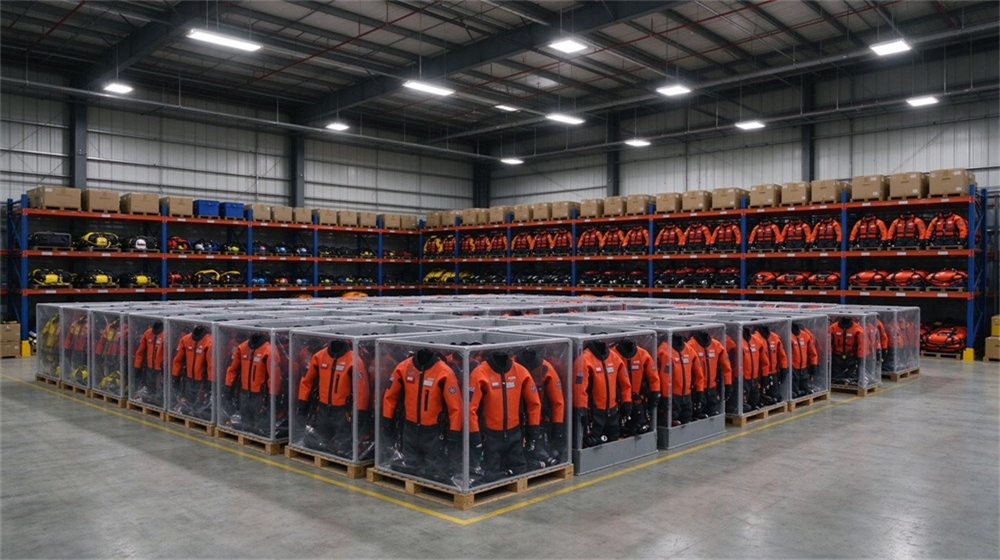
Every unit ships to the same spec sheet. Buyers audit against this table at goods-in.
Parameter
Value
Open dimensions (L x W x H)
28 x 18 x 12 cm (soft pack) / 30 x 20 x 12 cm (ABS wall box)
Folded / closed dimensions
28 x 18 x 6 cm (packed)
Weight (empty / loaded)
0.35 kg empty / 1.8 kg loaded (standard 30-item kit)
Outer fabric
600D Oxford weave with 210D PU backing, PVC-coated bottom
Zipper
YKK #5 nylon coil, pulls tested to 5,000 open-close cycles
Stitching density
8-10 stitches per inch at load-bearing seams
Color options
Safety Orange / Navy Blue / Rescue Red (Pantone 1655 C / 2945 C / 186 C)
Operating temperature range
-20 C to +50 C (components rated)
Water resistance
IPX4 — splash-proof; inner contents in sealed PE pouches
Battery (in crank light)
No disposable battery; built-in 3.7V Li-ion, charge via hand crank
Shelf life (consumables)
3 years from production date for bandages/wipes/batteries; 5 years for dressings/blankets/respirators
Bag body service life
10+ years under covered storage; UV-rated for vehicle use
Max load-bearing
15 kg on padded shoulder strap
Reflective trim
3M Scotchlite 5510, 12 mm width, sewn on front and sides
Certifications
CE (93/42/EEC medical device), ISO 9001:2015, BSCI audit, REACH, FDA-listed components
Carton info
48 x 38 x 32 cm, 12 pcs/carton, 14 kg gross, 0.058 CBM
MOQ (custom-branded)
500 pcs for woven label / rubber patch; 1,000 pcs for printed outer bag
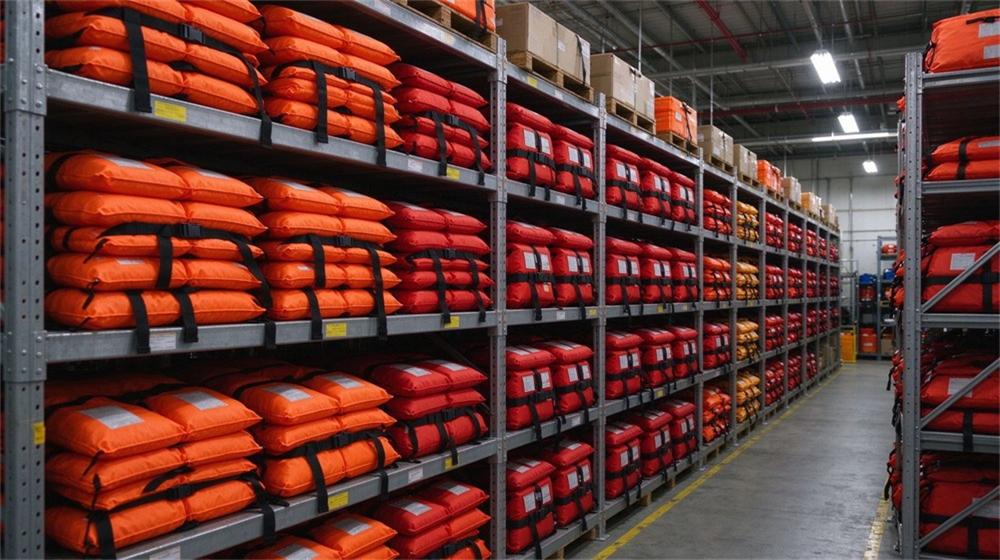
Buyers usually audit three rows at goods-in: dimensions, working temperature and carton info. The 28 x 18 x 12 cm soft pack fits most wall brackets and vehicle wells. If your warehouse exceeds 40 C in summer, confirm the bag fabric is UV-treated.
Your procurement team picks one of three formats below. Compare size, weight and material side by side to match each format to its deployment site.
|
Item |
Routine Medical Pack |
Orange Rescue Rucksack |
Wall-Mount ABS Box |
|
Size |
45×28×33 cm |
75×30×22 cm |
43×32×15 cm |
|
Weight |
about 3.1 kg |
about 2.4 kg |
about 3.7 kg |
|
Material |
Red soft medical pouch |
Orange rescue rucksack |
ABS hard case |
|
Best for |
Clinic / first-aid room |
Field response teams |
Fixed stations / offices |
|
Colors |
Red with white cross |
Orange with reflective trim |
White / orange / green |
|
Carry |
Fixed in a room |
Grab and go |
Mounted on wall |
|
Content focus |
Dressings, gloves, masks |
Rain gear, helmet, life jacket, rope |
30-item station set |
The wall box fixes to a building wall where staff already walk. The routine medical pack sits in a clinic room. The orange rescue rucksack goes to field teams. Mix all three if your site has fixed floors, mobile crews and a clinic.
The orange rescue rucksack carries evacuation gear, not daily first aid. The table below lists every category and item inside so you can audit it against your tender spec.
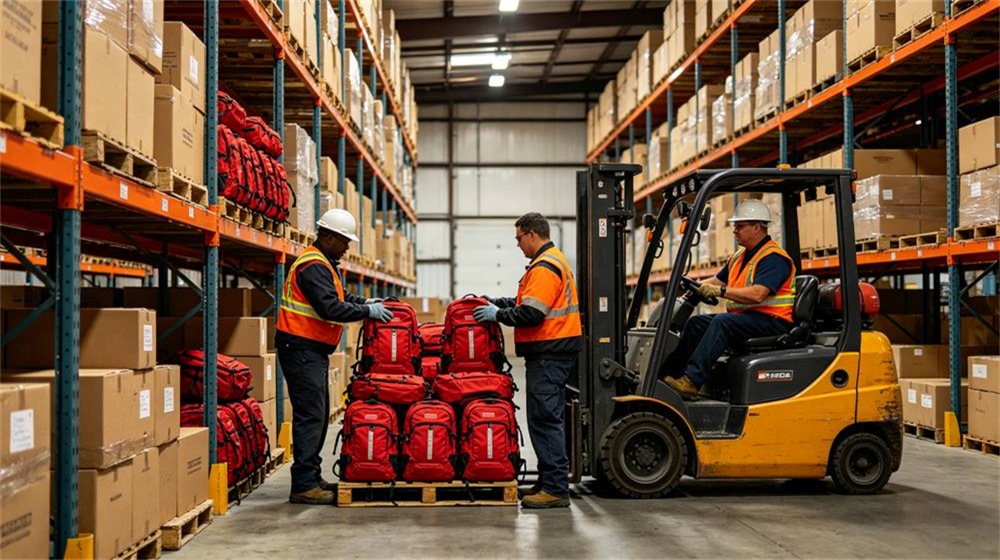
Category
Items
Evacuation
Emergency rain poncho ×1; rescue helmet (ABS, adjustable) ×1; life jacket ×1
Rope & signal
Floating rescue rope (30 m) ×1; emergency whistle ×1; reflective vest ×1
Thermal
Emergency blanket ×2
Wound care
Medical gloves ×4; triangular bandage ×2; gauze pad set; adhesive bandage set
Respiratory
Disposable masks ×5
Tools & light
Multi-purpose rescue pliers ×1; hand-crank or battery torch ×1 (alkaline cells, UN38.3 + MSDS)
This rucksack is for grab-and-go evacuation, not office first aid. If your team works flood or fire zones, add a life jacket and thermal blanket upgrade. MOQ for custom branding is 500 pcs.
Our range for institutional buyers rests on three proven packs. The routine medical pack, part of our bulk emergency kit range, serves clinical first response in a fixed room. The rescue rucksack serves field teams that need evacuation and rescue tools. The wall-mounted ABS first aid box serves daily first aid across offices, clinics and public buildings.
Each institutional first aid kit solves a different problem, so agencies often buy all three. A clinic point uses the medical pack. A response team uses the rescue rucksack. An office or depot uses the wall box. This layered approach covers both daily life and real emergencies without overlap or gaps. government first aid kit.
Placement matters as much as contents. Mount the wall box where staff already move, near a door in clear view. Keep the medical pack in a first-aid room or clinic. Stage the rescue rucksack at a response point ready to grab and go. Mark each emergency kit with a white cross so everyone reads the location instantly.
The contents differ for a reason. A medical pack focuses on clinical care: dressings, gloves and wound care. A rescue rucksack adds capacity for evacuation: a rescue helmet, a life jacket, a rescue rope and rain gear. A wall box holds the essentials for a station. Neither replaces the other.
Think of the split as layers in one plan. The wall box, a core institutional first aid kit, answers the first five minutes in a building. The medical pack answers clinical needs in a room. The rescue rucksack answers the next thirty in the field. Together they cover the full range without waste.
A coordinator can start lean and grow. Begin with one wall box per major site. Add a medical pack per clinic point. Add a rescue rucksack per response team. As the program expands, add packs in a fixed ratio. This modular habit keeps the plan clear and the budget steady.
Choosing the right unit starts with a short walk. Count the buildings that hold many staff. Then count the response teams that leave the site. The first list drives the wall box count. The second drives the rescue rucksack count.
Keep one rule in mind: a pack works when it is close to the people who need it. A unit that lives far from the action is a unit that stays unused. Place each pack where the routine already moves. That is how the plan stays practical, not just tidy.
Budget follows the same logic. One wall box is the smallest honest start. Add packs only where headcount and risk demand them. This staged approach keeps costs low while coverage grows. It also gives a clear answer when a board asks for the preparedness budget.
A small audit makes the split obvious. Count the daily injuries in offices versus the large events in the field. The wall box handles the frequent small wins. The rescue rucksack handles the rare large moments. Together they cover the full range without overstock.
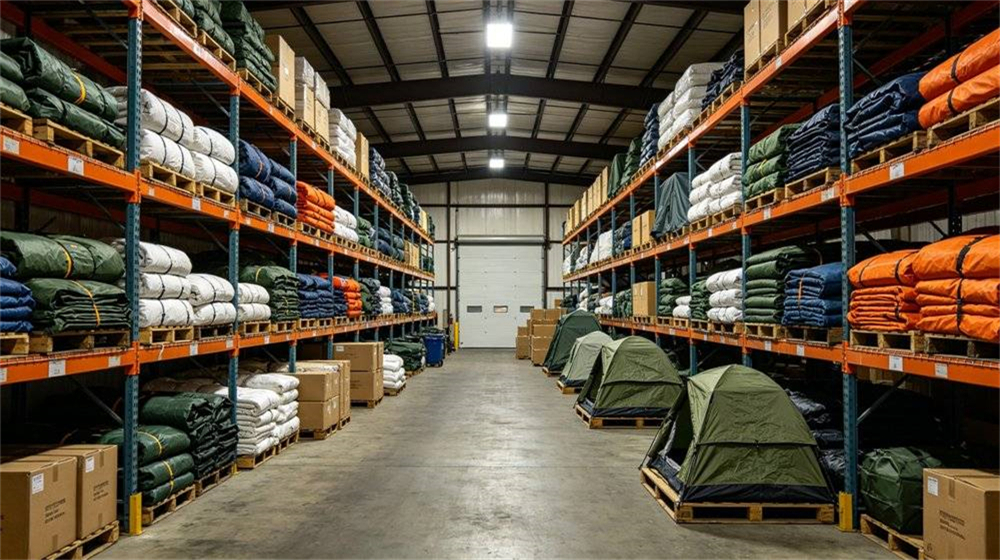
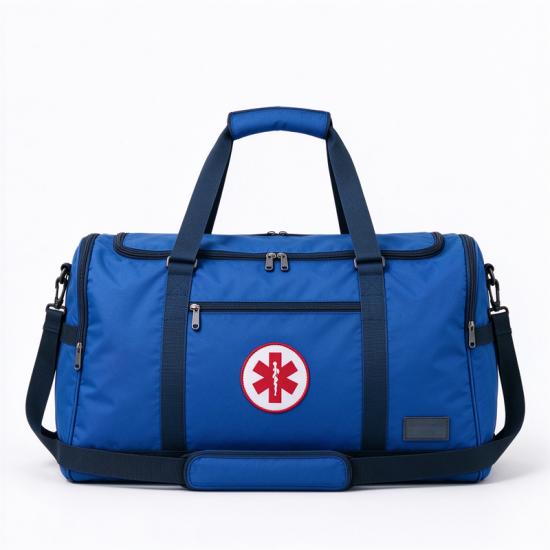
A government response pack program often starts with the routine medical pack, which is built for clinical first response. Model Soft Medical Pack is a red soft medical pack sized 45 by 28 by 33 cm and weighing about 3.1 kg.
It belongs in a clinic, a first-aid room or a station where trained staff treat common injuries. Its clean compartments keep dressings, gloves and wound care organized and easy to reach.
Within a bulk emergency kit range, a medical pack is not a toy or a survival pouch. It is a clinical first-response unit, so its contents follow first-aid practice. We align the list with common first-aid expectations and avoid items that do not ship safely. Consumables carry clear expiry dates for easy rotation.
The pack opens flat, so a responder sees every compartment at once. That layout matters when someone is bleeding and time is short. A quick glance locates a dressing, a pair of gloves and a gauze pad. The organized interior reduces fumbling in a real event. It is why this government response pack stays the dependable unit for clinical points.
For bulk orders, the medical pack repeats with the same layout at every clinic point. That means one training script covers the whole organization. A new nurse or a temporary worker reads the same compartments and acts the same way. Consistency is the quiet strength of a standard pack. The same cadence applies to a government relief kit deploy.
Pack color and marking stay simple. The red body carries a white cross so it reads as a medical unit from a distance. We can print an organization name on the outer pouch for branded programs. The cross remains the primary signal, with the name as a secondary touch.
Restock after each use keeps the pack honest. When a dressing is used, replace it the same day. A running list inside the pouch shows what is missing. That small habit keeps every medical pack full and current between rotations.
A medical pack also reassures staff. When a worker returns with a clean dressing and a calm story, trust grows. That trust is built one small moment at a time. A ready pack makes those moments go well far more often.
Store the pack where trained staff reach it first. A clinic shelf or a first-aid cabinet keeps tools close while keeping untrained hands away. A clear cross and a known spot let the right responder find it fast. Simple placement rules protect both users and supplies.
For agencies that need a clinical-grade pack, this is the starting unit. It pairs naturally with a wall box for daily office first aid and a rescue rucksack for the field. Ask us for the full contents list matched to your tender spec.
Use this table as a starting site map. If your facility mixes fixed floors, mobile crews and a clinic, carry all three formats. Add an extra pack per high-traffic area rather than per room.
Your Site Type
Coverage
Kit to Choose
Where It Goes
Office / public building daily first aid
Up to 100 people
1 × Compliance-Grade Wall Box Wall-Mounted ABS Box
Fixed on wall per building
Clinic / first-aid room
Clinical first response
Add 1 × Soft Medical Pack Routine Medical Pack
Fixed in clinic room
Field teams / evacuation
Response team
Add 1 × Compliance Insert Card Orange Rescue Rucksack
Carried to the field
The compact overview above skips the detail buyers usually argue about: material, coverage and documentation. The table below fills those gaps so you can audit on spec, not shape.
Pick the format by where the unit lives, not by price alone. Count the people who share a room first, then count vehicles leaving the depot, then clinical points needing a flat-open pack.
Feature
Wall-Mounted ABS Box
Routine Medical Pack
Orange Rescue Rucksack
Model
Compliance-Grade Wall Box
Soft Medical Pack
Compliance Insert Card
Format
ABS wall box
Red soft medical pack
Orange carrying rucksack
Coverage
100-person set
Clinical first response
Field evacuation & rescue
Size
43×32×15 cm / 3.7 kg
45×28×33 cm / 3.1 kg
75×30×22 cm
Best for
Offices & public buildings
Clinic & first-aid rooms
Field teams & evacuation
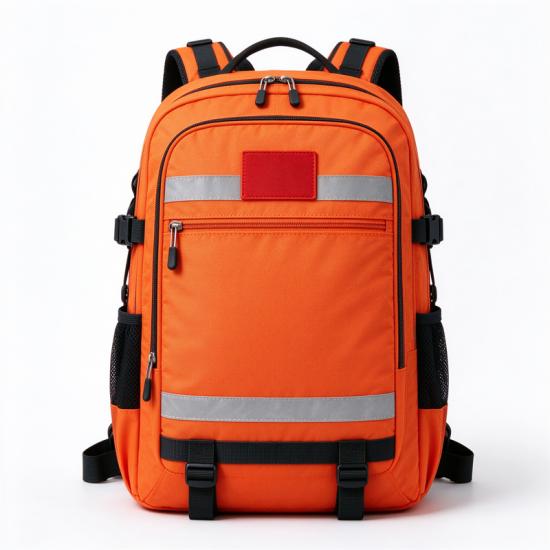
The orange rescue rucksack is built for field response. Model Compliance Insert Card is a carrying-capacity rescue rucksack sized 75 by 30 by 22 cm. It carries emergency rain gear, a rescue helmet, a life jacket and a rescue rope. It is the pack a response team grabs when leaving a building.
A rescue rucksack solves a different problem than a wall box. The wall box treats injuries inside a building. The rescue rucksack helps people leave a building safely. That is why it includes evacuation tools rather than only dressings. It is built to move, not to stay fixed on a wall.
The bag opens wide, so every tool is visible at once. A rescue helmet sits in one pocket. A life jacket folds neatly in another. Rain gear and a rescue rope fill the rest. This organized interior lets a responder grab the right item without unpacking the whole bag.
We keep the contents shipment-safe. The bag holds no liquids, no candles and no hazardous materials. Lithium-powered accessories, where included, ship with UN38.3 and MSDS documentation. That care protects both the cargo and the agency that receives it.
For bulk disaster kits and government response pack programs, the rescue rucksack repeats with the same layout at every response point. A trained team member knows exactly where the rope and the jacket live. That familiarity matters most in real events, when voices are loud and time is short. A state emergency kit program standardizes every depot.
The bag's orange body carries a white cross and a clear name mark. We can add an organization name for branded programs. The cross stays the primary safety signal. A restrained mark looks professional and stays legible in low light.
Stage the bag at a response point, not buried on a shelf. A hook by the door or a marked cabinet keeps it ready to grab and go. Placement is half the value: a rescue rucksack that takes five minutes to find is a bag that fails its purpose.
Restock after every drill. When a helmet or a rope is used, replace it the same day. A checklist inside the bag shows what was deployed and what is due. That habit keeps every rescue rucksack full and ready between rotations.
For agencies that run field response teams, this is the essential unit. It pairs with a medical pack for clinical care and a wall box for fixed-site first aid. Ask us for the full tool list matched to your evacuation and rescue requirements.
As a core government response pack unit, the wall-mount ABS box is the fixed first-aid point for a building. Model Compliance-Grade Wall Box is a wall-mountable ABS box for 100 people, sized 43 by 32 by 15 cm and weighing about 3.7 kg.
It ships in white, orange and green, and mounts on a wall where staff already walk. It is the anchor of a station's daily first-aid coverage.
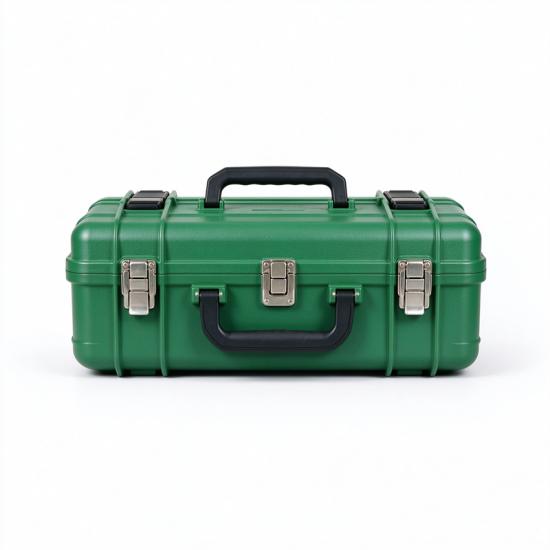
ABS hard plastic is chosen for a reason. It is rigid, light and easy to wipe clean. It holds its shape on a wall and protects the contents behind a hinged door. The white cross on the door makes the unit readable from across a room. That instant recognition is the whole point of a wall box.
The interior uses divided trays, so each category has a home. Dressings sit in one tray, gloves in another. A quick restock check becomes a visual scan rather than a deep dig. That keeps maintenance fast and audits simple.
For institutional first aid kit buyers, the 100-person box suits larger stations, depots and public buildings. Smaller sites can use lighter wall boxes in the same family. We align contents with common first-aid expectations and avoid items that do not ship safely. Ask us to match the tray list to your local checklist. A municipal emergency kit.
Mount the box at reachable height near a door, in clear view. A box mounted too high or tucked in a corner is a box staff will miss. Place it where the routine already moves. That simple rule is the difference between a visible safety system and a hidden cabinet.
For institutional first aid kits, the white, orange and green options help agencies code sites by zone. White for general offices, orange for response points, green for medical zones. This color coding turns a row of boxes into an instant map of the building. It is a small detail with a practical effect.
For custom programs, we print an organization name on the door. The white cross stays the primary signal, with the name as a secondary touch. Branded boxes look owned and cared for, which builds trust with staff and visitors alike.
A wall box also eases procurement. One approved spec covers every station, so there is no per-room decision. A review board sees one clear line in the budget. Staff see one familiar box at every door. That uniformity is the quiet strength of a bulk program.
Government and humanitarian bids for bulk emergency kits run on paperwork. Evaluation panels expect a clear specification, a contents list and documents that support the offer. We support this process with a data pack available on request: product specifications, contents lists, packing details and quality statements. Our manufacturing partner prepares these to match your tender format. tender compliance kit documentation.
We do not claim registrations we do not hold. Where a bid asks for a specific certificate, we respond honestly about what is available and what can be arranged. This direct approach protects the bid and avoids surprises later. Clear facts beat vague promises when a panel reviews a submission.
Compliance documents follow the destination market. For Europe, we align with common CE, REACH and RoHS expectations and provide what is on hand. Lithium-powered accessories carry UN38.3 and MSDS. Medical-device items are flagged as certification-required, so the bid builds on accurate assumptions rather than guesses.
A written spec also protects the buyer. When a box arrives, the receiver checks it against a clear list. If a product changes later, the written record holds. That clarity is the quiet backbone of a compliant institutional purchase.
We work to your evaluation timeline. Send the tender specification and we return a matched quote and document pack within the stated window. One contact owns the file end to end. Clear communication keeps a large bid from becoming a paperwork headache.
For framework agreements and long-term arrangements, we can hold a standing spec for your government response pack and bulk emergency kit supply. That means repeat orders ship to the same layout, the same packing and the same document set. A standing framework removes the start-up work of a fresh bid each cycle.
Documentation also supports post-arrival audit. A receiver, a warehouse officer or an auditor values a written trail. It turns a delivered box into a verifiable entry. That record keeps the program honest across years of restock.
Ask us for a sample pack first. Seeing the actual unit, the compartments and the marking lets an evaluation team decide with confidence. A trial unit de-risks the bid before a full order. That small step saves time in every later review.
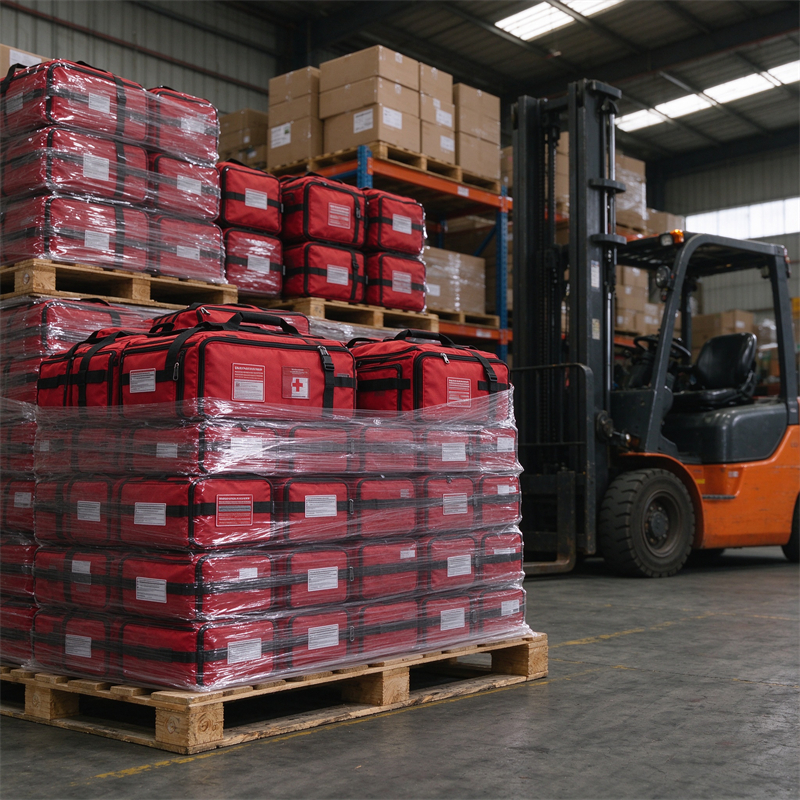
Large orders for a government response pack move on pallets, not in parcel bags. We pack bulk emergency kits by set, label each carton and stack on standard pallets. Every public sector first aid kit order ships by set.
A clear packing list names each emergency kit and its destination, so unloading takes minutes. That order saves hours when a whole depot is being stocked at once. For tender buyers, this bulk emergency kit pallet plan is the practical way to receive a complete order.
Pallet packing protects the goods in transit. Cartons are stacked and strapped so nothing shifts on the road. Fragile ABS boxes are packed to withstand normal handling. The goal is a delivery that arrives complete, dry and ready to shelve.
We pack by site or by zone for large programs. An order for multiple buildings can arrive grouped by destination. A coordinator hands each pallet straight to the right station. That grouping turns a single delivery into a tidy hand-off.
Container shipments follow the same care. Goods are loaded to fill the container safely, with weight balanced and goods braced. We coordinate the booking and the export documents. The buyer receives a clear arrival plan rather than a vague promise.
Delivery timing is planned around the program. A phased arrival spreads storage and unpacking across sites that cannot receive everything at once. We adjust the schedule to the receiver's calendar. A calm delivery day keeps the whole rollout on track.
One contact owns the shipment. That person handles the booking, the documents and the arrival. When a question arises at the port, the buyer calls one number. Clear ownership keeps a large logistics chain from becoming a tangle of messages.
After delivery, a short check confirms every box is full and current. We support the same contact for the restock cycle. That after-sales loop turns a one-time shipment into a lasting supply plan.
For the exact freight cost, share your volume and destination. We return a clear figure based on the current route. Buyers appreciate honest, route-based numbers over rounded guesses. That transparency builds a repeat relationship.
Different buyer types need different configurations and documents. The table below maps school districts, municipal EMA, hospital networks and corporate HR to their exact pack mix and paperwork.
Buyer Type
Recommended Configuration
Must-Add Items
Documentation Required
School district (K-12)
Wall-mounted ABS box, 30 items, classroom-ready
Child-safe latches, Spanish + English guide, biohazard bags
CE DoC, ISO 9001, MSDS, batch traceability
Municipal EMA / fire dept
Soft medical pack + vehicle case, 32 items
N95 respirators x 10, glow sticks, trauma shears
BSCI audit, tender response sheet, sample approval
Hospital / clinic
Wall box + trauma pack, sterile-grade dressings
Sterile gauze x 10, eye pads x 4, trauma pads x 2
FDA-listed components, sterile lot numbers, REACH
Corporate HR (office)
Wall box 10-person, under-desk mini pack
Emergency contact card, AED reference poster, first aid guide
OSHA-aligned checklist, insurance-grade packing list
Tender buyers should request pre-production samples matching each row above. School districts need child-safe latches. Municipal EMA teams need N95 respirators in every pack. Hospitals need sterile lot numbers on every dressing.
Headcount decides the institutional first aid kit pack mix. The table below maps site size and staff count to the exact number and type of packs you should place.
Site Type
Staff Count
Recommended Pack Mix
Placement
Small office
under 50
1 × wall-mount ABS box
Near office door
Clinic point
mixed
1 × routine medical pack
First-aid room
Response team
field team
1 × rescue rucksack
Response grab point
Depot / public building
100+
1 × 100-person wall box + spare
Main entrance wall
Headcount decides the pack mix for any institutional first aid kit program.Count the people who use a site first, then size the pack to match.A small office uses one wall box.A clinic point adds a medical pack.A response team adds a rescue rucksack.This modular rule keeps coverage full and cost predictable.
Pricing for wholesale emergency kits for government procurement is tiered by container volume;as a institutional first aid kit, we quote landed costs that include government procurement kit consumables, custom packaging and pre-shipment QC.A government bulk kit plan scales with the table below.
For a station under fifty staff, one 100-person wall box covers daily first aid comfortably. For a depot or a public building with more people, add a second wall box or a medical pack at a second point. The table below turns these rules into a simple procurement sheet.
Beyond the table, keep spares on hand. Order a few extra packs for damaged or expired units. A small buffer stock keeps the program running without a rush order mid-cycle. Most agencies keep one spare per ten stations.
Record the location of every pack. A simple list by site helps a coordinator audit in minutes. It also shows evaluators that the plan is real. A named location beats a vague promise of coverage on paper.
Revisit the count each year. Headcounts shift and buildings change use. A quick update to the list keeps the pack mix accurate. This ten-minute habit is the cheapest part of a strong preparedness plan.
Order timing also matters. Buy for the full year in one batch when possible. This cuts repeated handling and keeps one spec across all sites. A single order is easier to track, audit and restock when the cycle ends.
A final point on stock: keep the count honest. A monthly glance confirms every station is full. Spares for common items live in one cabinet. That single shelf solves most mid-cycle needs without a new order.
The headcount table is a starting rule, not a cage. A building with special needs can adapt it. The principle stays the same: match supply to the people who share the space.
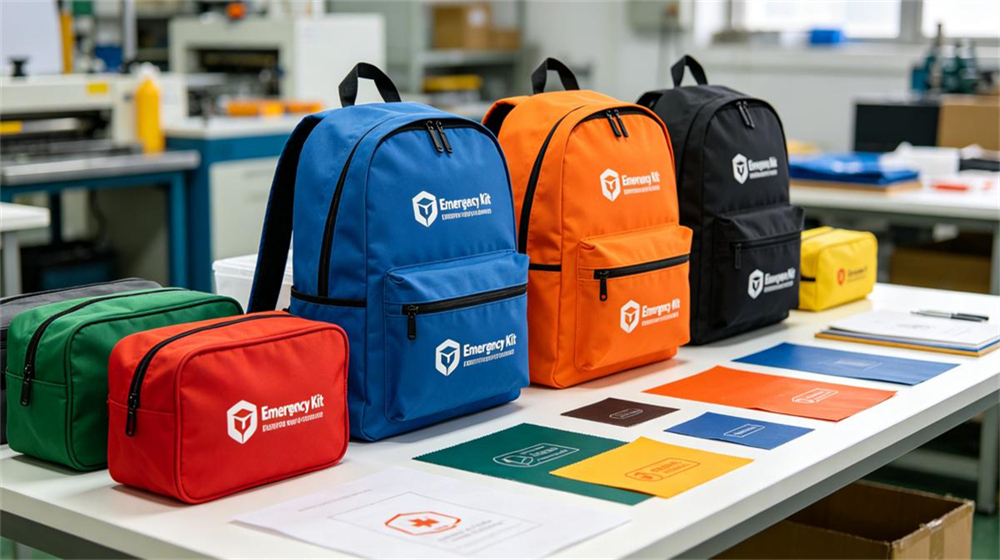
Every unit passes a 25-point QC checklist: fabric thread count verified by gauge, zipper pull tested to 5,000 open-close cycles, stitching density measured at 8-10 stitches per inch, label legibility checked at 30 cm, expiry date stamp verified against production log, weight checked within +/-5% of spec, and carton drop tested per IEC 60068-2-32.
Our production line delivers 100,000 kits per month, exported to 40+ countries over 8+ years. Certifications: CE (93/42/EEC), ISO 9001:2015, BSCI audit, REACH, FDA-listed components. Lifetime technical support for your procurement team.
Quality control on every government response pack starts at the production line. Our manufacturing partner runs each emergency kit order through a set check before packing: contents count, compartment layout, marking and outer-box condition. A simple inspection sheet records the result. That written trail is what an evaluator values most. federal emergency kit order.
Every pack is built to a fixed bill of materials. When a repeat order arrives, it follows the same list as the first. There is no drift between batches. This consistency means a training script written for order one still works for order fifty.
Materials are chosen for real use. ABS boxes must be rigid and cleanable. Soft packs must be durable and easy to open. Dressings and gloves meet common first-aid expectations. We avoid exotic items that are hard to restock or unsafe to ship.
Consumables carry clear expiry dates. Masks, wipes and dressings are dated for rotation. A coordinator scans dates during the annual check. That habit keeps every pack current and prevents an expired item reaching a real event.
We support sample approval before a full run. An agency that sees the actual pack, the compartments and the marking can approve with confidence. A trial unit locks the spec before mass production. That prevents a batch that misses the mark.
For repeat programs, we keep the bill of materials on file. A reorder takes a short message rather than a fresh spec. The same partner, the same layout and the same documents ship every time. That continuity is the value of a trusted supply line.
Factory information stays protected in our work. We present the product and the paperwork, never the factory's identity. This protects both the partner and the buyer's direct channel. One trusted face carries the whole program.
Not every item ages the same.Consumables such as masks, wipes and dressings carry expiry dates.Durable tools and metal parts last for years.A well-stocked bulk emergency kit stays current with a rotation plan.Battery-powered accessories use alkaline cells, never loose lithium loose in a pack.
For repeat orders, our government emergency kit supplier account team reorders the same government procurement kit configuration, keeping wholesale emergency kits for government procurement pricing stable across quarters.
A rotation schedule keeps the program honest. Mark a fixed check date each year and put it on the calendar. A coordinator walks the list, replaces used and dated items, and signs the log. A scheduled check beats a forgotten one and keeps audits calm.
Keep a small stock of common spares. Masks, gloves and dressings live on one shelf. When a pack is opened during the year, the restock comes from that shelf. That single buffer solves most mid-cycle needs without a fresh order.
The pack itself should last. ABS boxes are built for years of wall service. Soft packs hold up to regular opening and closing. A well-built outer unit protects the consumables inside. Spending on a durable case saves money over the long run.
Respect expiry on arrival too. When a shipment lands, note the dates on the list. Rotate older stock into earlier service. First-in, first-out keeps the freshest items for last. That simple discipline prevents a drawer of expired supplies.
Train one person to own the rotation. A named coordinator checks packs, replaces spares and reports needs. A single owner keeps the plan alive. Without an owner, even the best pack slowly falls out of date.
A clean log also supports evaluation. When an auditor asks how the program is maintained, the log shows a year of dated checks. That record turns a pile of boxes into a managed system. Documentation is what proves preparedness is real.
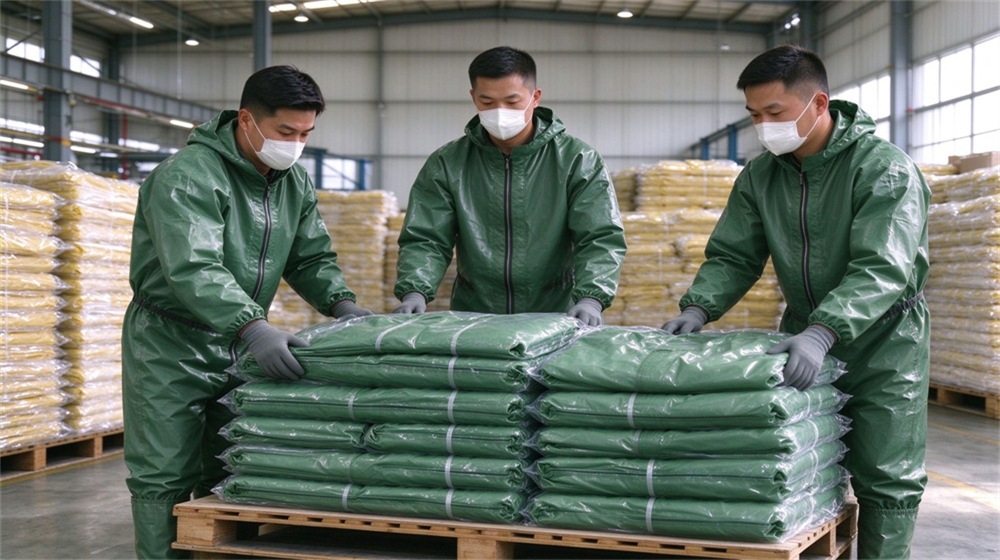
Bulk buyers of government response pack programs can brand packs with an organization name and mark. Branded institutional first aid kits keep the same safety layout while carrying your identity.
A custom wall box looks owned and cared for, which builds trust with staff and visitors. We print your text and emblem on the ABS door and on the soft pack.
Custom work keeps the same quality and the same safety layout. Only the surface changes. The white cross stays the primary symbol, with the organization mark as a secondary touch. Ask about minimum order and lead time for your program. A branded government safety kit carries the organization mark.
Branding makes the pack a visible part of the organization. A box with your name sits clearly by the door. Staff see a planned safety system, not a random cabinet. That small detail builds real trust over time.
It also aids recognition. Responders find the pack faster when it carries a familiar mark. The cross stays the main signal. A restrained design reads well from across a room. Too many logos dilute the safety signal.
For a whole program, uniform branding unifies the rollout. Every site shares the same look and the same layout. Restock and audits stay simple because one spec covers all. That consistency is the quiet value of a branded run.
Choose a mark that reads from a distance. The white cross leads, the organization name follows. A clean design looks professional and stays legible in low light. A cluttered box helps no one in a real event.
Custom printing also supports replacement. When a station needs a fresh unit, it matches the rest exactly. No visual mismatch breaks the standard. Uniform branding makes the program easy to extend year after year.
A bulk government response pack program starts with a simple plan that treats every unit as part of one institutional first aid kit standard. List every site, count the people and the response teams, and pick a uniform pack.
Then order in one batch so every station matches and restock stays easy. Sourcing each emergency kit from one supplier keeps the layout and the paperwork identical across the whole program.
Wholesale institutional first aid kits, sold as a government response pack program, begin with one wall box per major site. Add a medical pack per clinic point and a rescue rucksack per response team. That staged plan covers both daily first aid and field response without gaps.
Planning the order is straightforward. List every building, then every team. Apply the headcount table to set quantities. Add spares for damaged or expired units. The result is one clean order that covers the full year.
Bulk also means consistent stock. When one batch arrives, every station opens the same pack. Training, inspection and replacement all follow one routine. That uniformity is the quiet strength of an organization-wide program.
For large orders we can brand the full run and pack by site. Delivery can be phased across sites if storage is tight. We adjust the program to the receiver, not the other way around.
A single contact makes the rollout simple. One person owns the order, the specs and the restock cadence. We work with that owner end to end. Clear communication keeps a large order from becoming a headache.
A clear packing list arrives with every order. It names each pack and its destination, so unloading is quick. A coordinator places every unit in minutes. That order saves hours when many sites are being stocked at once.
Make delivery day a small plan, not a scramble. Arrange staff to receive, shelve and log the batch. A short checklist turns unloading into a tidy routine. That calm start keeps the whole year's preparedness on track.
For organizations that want one trusted source, our Government Emergency Kit range is the clear starting point. It pairs a wall-mounted ABS first aid box with a routine medical pack and a rescue rucksack.
Bulk buyers of government response pack programs get uniform sites, simple restock and a full preparedness program. Sourcing bulk emergency kits from one supplier keeps every station consistent. A single bulk emergency kit order covers clinics, offices and response teams in one compliant batch.
Need a full institutional program or custom branding? We supply every station in one batch, with your name on the box and the pack. Send us your site count, your headcounts and your destination port. We will quote a complete package for your organization.
FAQ — Government Emergency Kit
Can you respond to a formal government tender (ITB/RFP)?
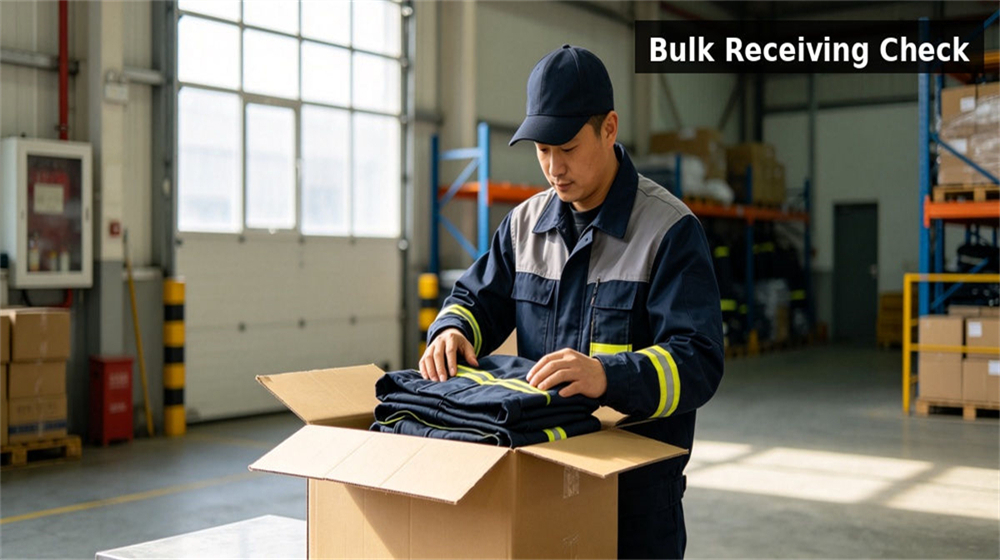
Yes. We provide a 20-page tender response pack: company profile, factory audit, CE/ISO certificates, product spec sheet, unit price breakdown, FOB/CIF/DDP quotes, delivery schedule, and after-sales commitment. Typically returned within 5 working days of receipt.
What compliance documents can you provide for a public bid?
CE Declaration of Conformity (93/42/EEC), ISO 9001:2015 certificate, BSCI audit report, REACH declaration, MSDS for every chemical component, FDA-listed component list, and country-specific docs (UKCA for UK, ANVISA for Brazil, Health Canada for Canada).
Can you put our organization's logo on every kit?
Yes. Woven sewn-on label (MOQ 500 pcs), rubber patch (MOQ 500 pcs), or full-color printed outer bag (MOQ 1,000 pcs). We also print a custom insert card with your org name, emergency contact numbers, and internal SKU for your inventory system.
Do you support multi-year framework agreements?
Yes. We sign 12-36 month framework agreements with price hold. Annual price adjustment capped at 3% tied to USD/RMB rate. We reserve production capacity (20,000 kits/month) for framework customers. Quarterly delivery schedules are accepted.
Can you provide audit support during our internal review?
Yes. We share batch traceability records (production date, component lot numbers, QC inspection reports) for any shipment within 7 years of manufacture. We support on-site audit by your internal audit team or your third-party auditor (SGS, BV, Intertek).
What's the lead time for a municipal tender award of 10,000 kits?
Contract signing + sample approval: 10 days. Production: 30 - 35 days. Sea freight to your port: 14 - 28 days depending on destination. Total door-to-door: 55 - 70 days. We can split delivery into 2 batches (5,000 + 5,000) if your deployment schedule requires it.
How do you ensure batch consistency across a 10,000-unit order?
Every batch is built from the same component lot numbers. We run 25-point QC on 100% of units: fabric thread count, zipper pull test, stitching density, label legibility, expiry date stamp, weight check, carton drop test (IEC 60068-2-32).
Can you provide Spanish, French, or local-language guide books?
Yes. We print the 48-page first aid guide in English, Spanish, French, German, Arabic, and Japanese. Translation is provided by a certified medical translator; we do not use machine translation. Local-language guide adds 5 - 7 days and +USD 0.80 per kit.
What happens if our recipient school reports a missing item?
If a recipient reports a missing or damaged item, your central warehouse sends a consolidated claim within 30 days. We will work with you on a fair resolution per Incoterms.
Do you offer a donation / CSR tier for non-profit buyers?
Yes. We offer 12 - 18% off list price for registered 501(c)(3) charities, Red Cross chapters, and disaster-relief NGOs. We provide a donation receipt and can ship directly to your field team. Minimum order for CSR pricing: 200 pcs.
Previous :
Emergency Kit Comparison Which Type Fits Your NeedNext :
Wholesale Emergency Kits for Bulk Procurement and Government Orders Factory Customized Red Cross Disaster relief Med Kit Bag With Multi-purpose compass
GREAT DESIGN - Comfortable design is perfect for all uses and for carrying a wide variety of tools and equipment. You'll find that, whatever you're looking to carry, the YRF Custom Oxford Material Multi Functional Camouflage Tactical Waist Bags is the perfect choice.
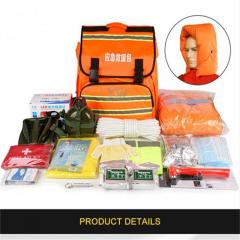 Medical Care Stockpile Metal wire saw Card tool Survival Aid Kit with 16 Pcs Safety Kit
GREAT DESIGN - Comfortable design is perfect for all uses and for carrying a wide variety of tools and equipment. You'll find that, whatever you're looking to carry, the YRF Molle Tactical First Aid Kits Medical Bag Tablets is the perfect choice.
 Outdoor Medical Care Disaster relief First Aid Kit Empty Pouch And Ice Pack Emergency Tool
GREAT DESIGN - Comfortable design is perfect for all uses and for carrying a wide variety of tools and equipment. You'll find that, whatever you're looking to carry, the YRF Mini First Aid Kit Bags And Pouches is the perfect choice.
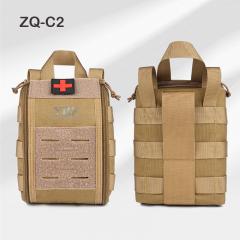 High Quality Camping Emergency Face Mask Survival First Aid Kit for Institutional Donation
GREAT DESIGN - Comfortable design is perfect for all uses and for carrying a wide variety of tools and equipment. You'll find that, whatever you're looking to carry, the YRF Outdoor Camping Emergency Kits Tactical First Aid is the perfect choice.
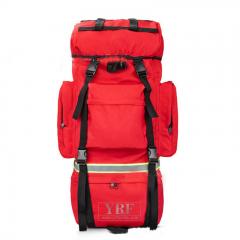 ICRC Supplies Fluorescent stick first aid medical bags 600d Nylon Emergency Safety Tools Kit
GREAT DESIGN - Comfortable design is perfect for all uses and for carrying a wide variety of tools and equipment. You'll find that, whatever you're looking to carry, the YRF Hunting Survival First Aid Kit Bag Molle Tactical is the perfect choice.
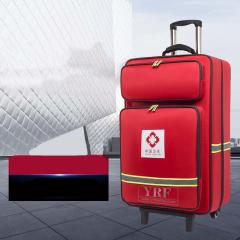 Hot Selling Governmental Institutions List Descender Firefighting Tools Empty Pull Rod First Aid Kit
GREAT DESIGN - Comfortable design is perfect for all uses and for carrying a wide variety of tools and equipment. You'll find that, whatever you're looking to carry, the YRF Tactical Complete First Aid Kit is the perfect choice.
Copyright © Custom Disaster - Relief Bedding: Tents, Sleeping Bags, Blankets All Rights Reserved
the professional team to service !