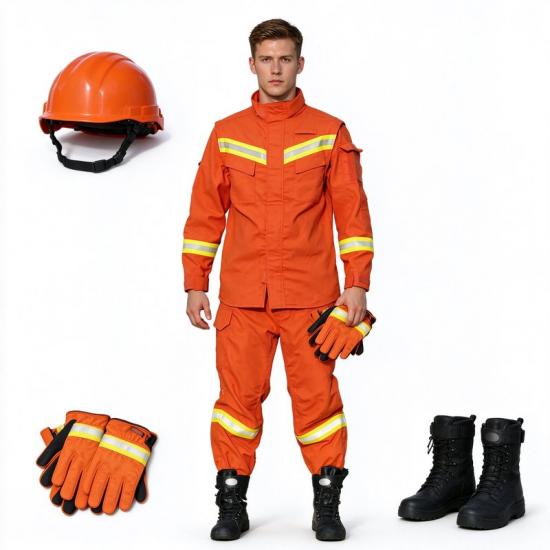
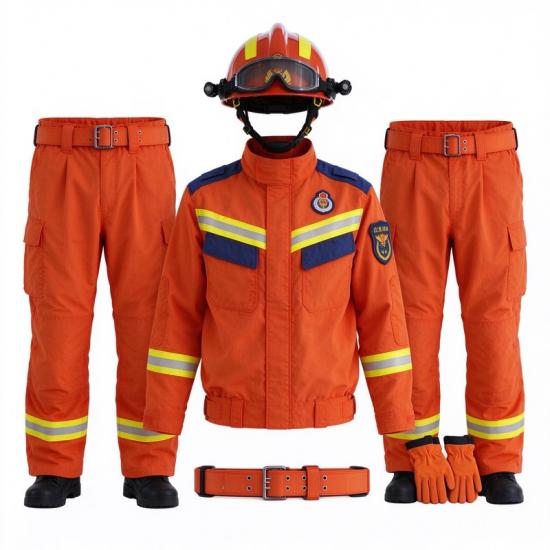
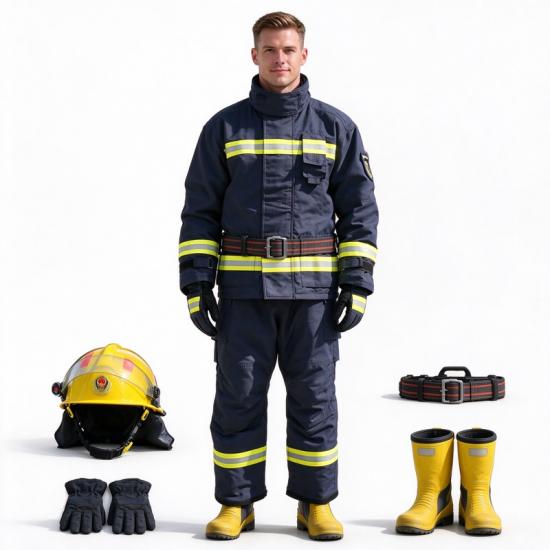
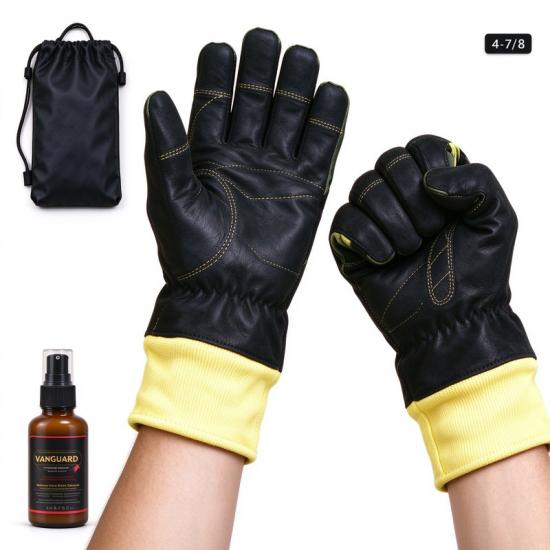
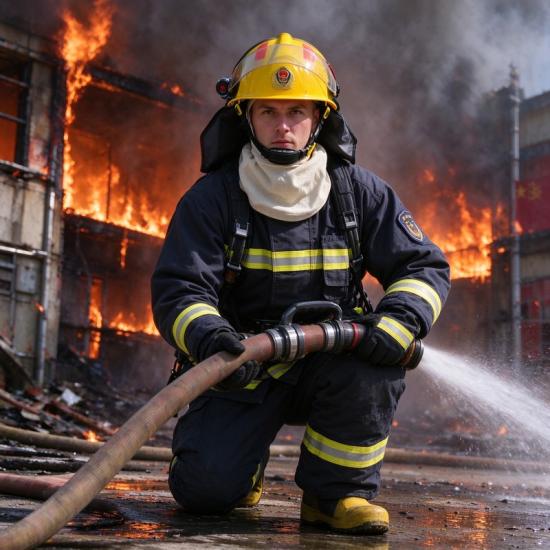
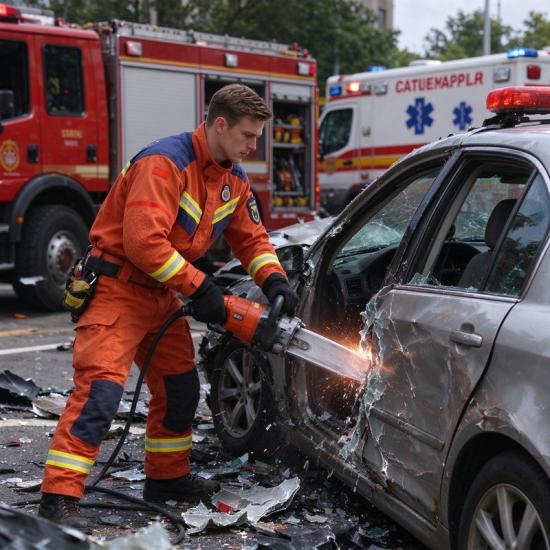
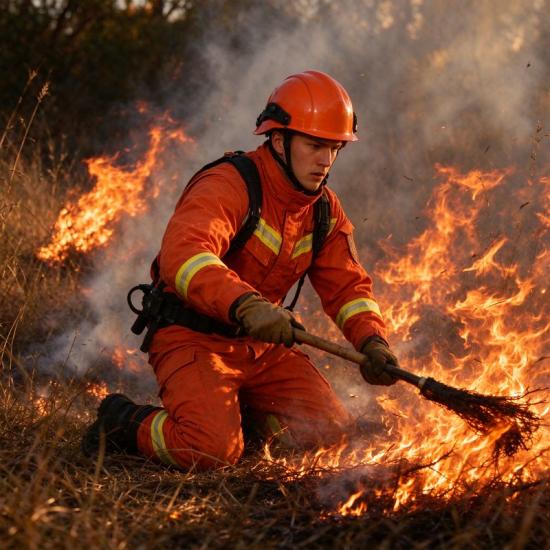

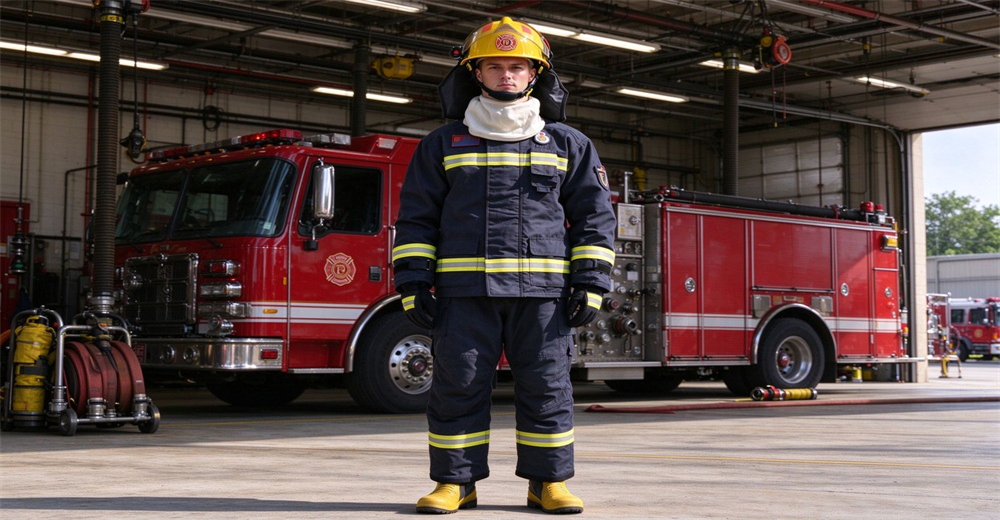
Wide range of NFPA certified firefighter PPE including structural turnout suit, wildland gear, rescue suit, FR workwear, helmet, gloves, boots and SCBA. Made of Nomex IIIA, with 3M reflective tape, suitable for fire rescue, industrial and road safety scenarios.
Note: Price for reference only. Exact price based on quantity, size, weight and custom details.
model no. :
XFF-28Brand:
YRFmarket price :
$119.8sale price :
$59.9price range :
30-100/$59.9Color :
Multiple Colorsport of dispatch :
Guangdong/GuangzhouPayment :
TT, Paypal, Western Unionmin order :
30original region :
Made in ChinaLead Time :
5-15days
Choosing firefighter gear means checking certification, fit, fabric and budget. This firefighter gear buying guide walks departments through NFPA certified PPE selection, sizing, maintenance, replacement and bulk procurement supply planning.
 |

|
Firefighters face different hazards depending on the call type. A structural fire demands thermal insulation and radiant heat protection, while a wildland blaze requires breathability and mobility.
Technical rescue calls need tear-resistant fabrics, and highway incidents call for high-visibility trim. Understanding these differences is the first step in building a gear inventory that protects your team across every scenario.
Before comparing products, confirm your department's operational profile. What percentage of calls are structural fires versus wildland responses? Do you run frequent vehicle extrications? Is your jurisdiction prone to forest fires?
Answering these questions helps prioritize which gear categories deserve the largest share of your budget and ensures you are not overpaying for features your team will never use.
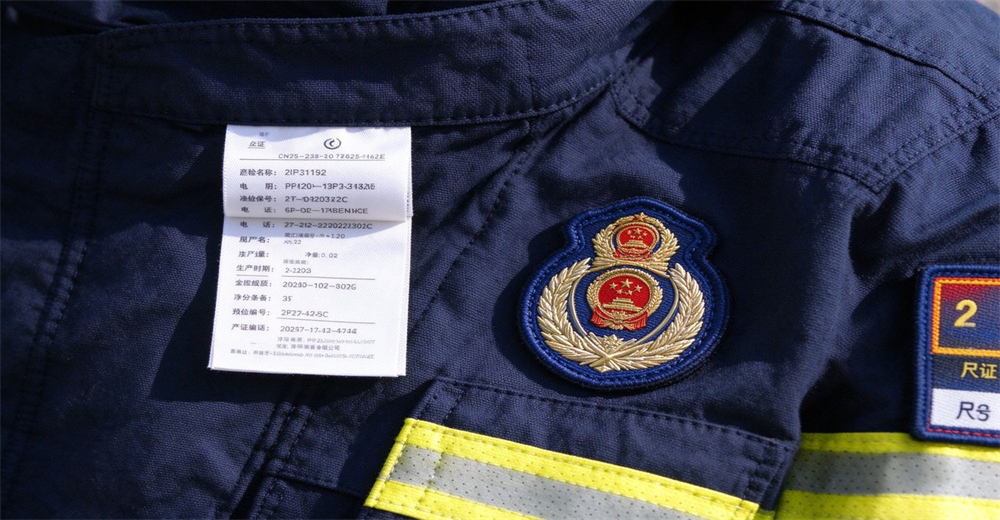
Certification is non-negotiable. Every piece of firefighter PPE should carry the appropriate NFPA label, and fire department equipment procurement teams should know how to verify that certification is genuine and current.
Counterfeit or expired labels put firefighters at risk and can expose departments to liability. We cover certification verification in detail later in this guide.
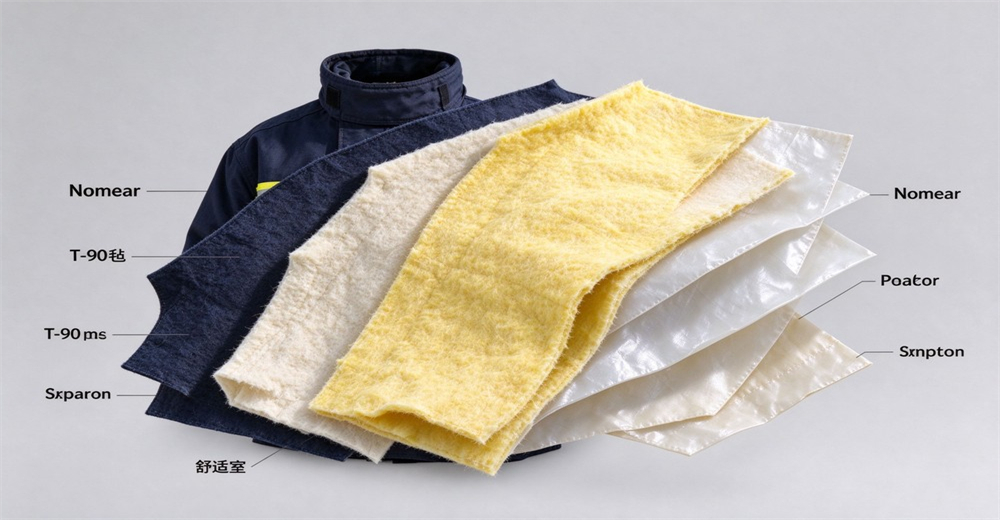
Table of Contents
Firefighter Gear Categories
NFPA Certification Requirements
How to Choose Structural Turnout Gear
Technical Rescue Suitsfirefighter gear buying guidedland Fire Gear Selection Guide
High Visibility FR Workwear for Fire Departments
Choosing Heat Resistant Gloves
Firefighter Boots and Helmets Buying Tips
Bulk Procurement Budget Strategy
Gear Maintenance and Replacement Schedule
Firefighter Gear Buying Guide FAQ
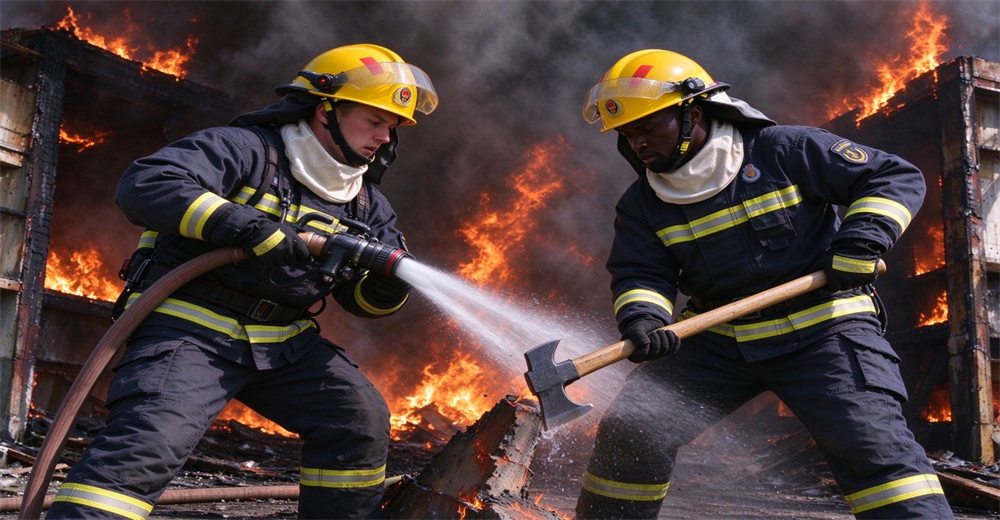
Understanding Firefighter Gear Categories
firefighter PPE is not one-size-fits-all. Different call types demand different equipment, and a well-equipped department maintains gear across multiple categories.
Understanding the purpose of each category prevents misallocation of budget and ensures firefighters have the right protection for each scenario.
Structural Firefighting Gear
Firefighter turnout gear selection for interior firefighting requires understanding thermal protection. It must withstand high ambient temperatures, radiant heat, and steam.
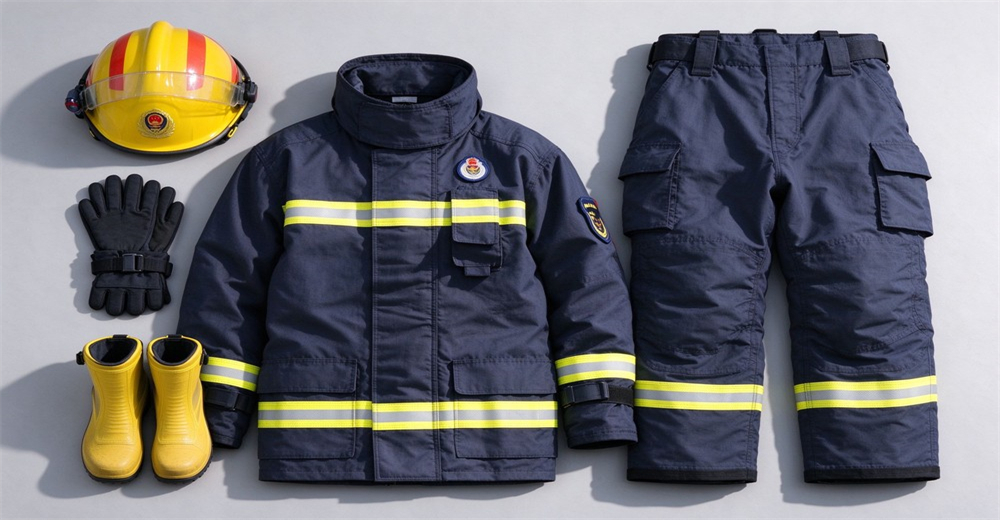
The typical ensemble includes a coat and pants with a three-layer system: an outer shell, a moisture barrier, and a thermal liner.
Structural gear is heavy and insulating, which is appropriate for short-duration interior attacks but can cause heat stress during long operations.
Technical Rescue and Extrication Gear
firefighter PPE selection for technical rescue prioritizes mobility over thermal protection. They are used for vehicle extrication, confined space rescue, rope rescue, and EMS calls.
These suits often feature reinforced shoulders and knees, Cordura or similar durable fabrics, and a slimmer cut that allows greater range of motion. They are not intended for interior structural firefighting.
Wildland Fire Gear
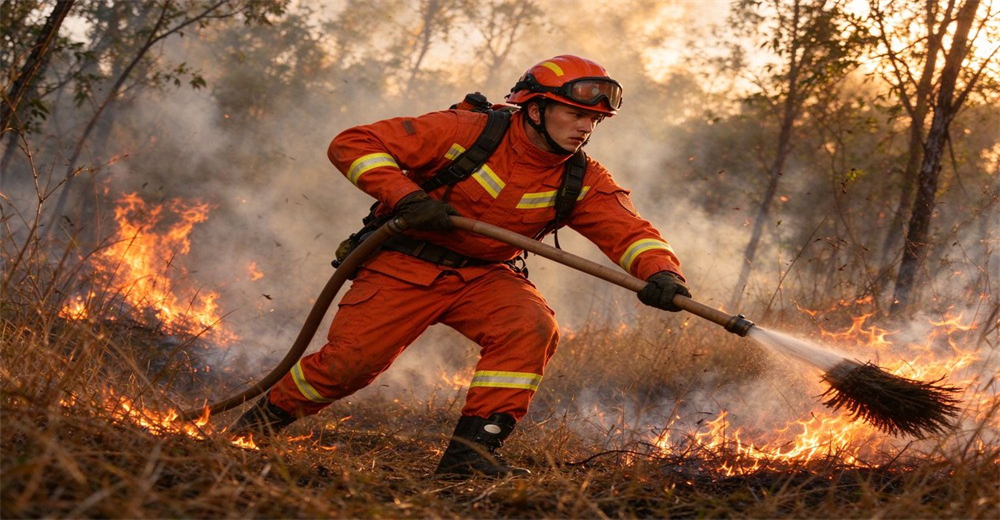
firefighter PPE selection for wildland operations requires lightweight, breathable gear. It is lighter and more breathable than structural gear, typically made from Nomex or similar aramid fabrics.
Wildland suits prioritize heat stress management over direct flame contact, as firefighters in this environment rely on movement and distance from flames rather than direct thermal insulation.
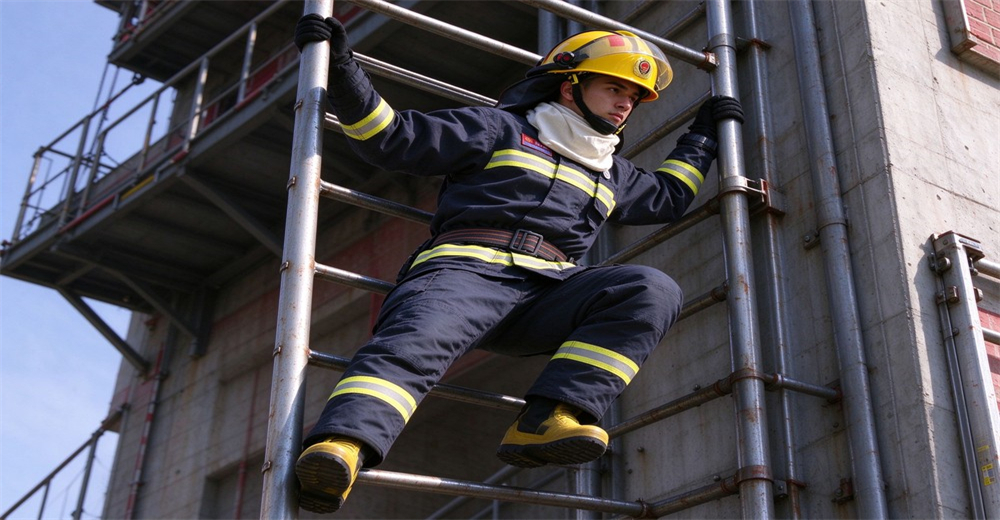
High Visibility FR Workwear
firefighter PPE selection should consider interoperability between gear categories. A firefighter may wear structural turnout gear over FR base layers, or switch to wildland gear when assigned to a brush fire.
Ensuring that layers work together without binding or creating gaps is essential.
Some departments standardize on a single base layer system that works across all outer gear types, simplifying logistics and reducing inventory complexity.
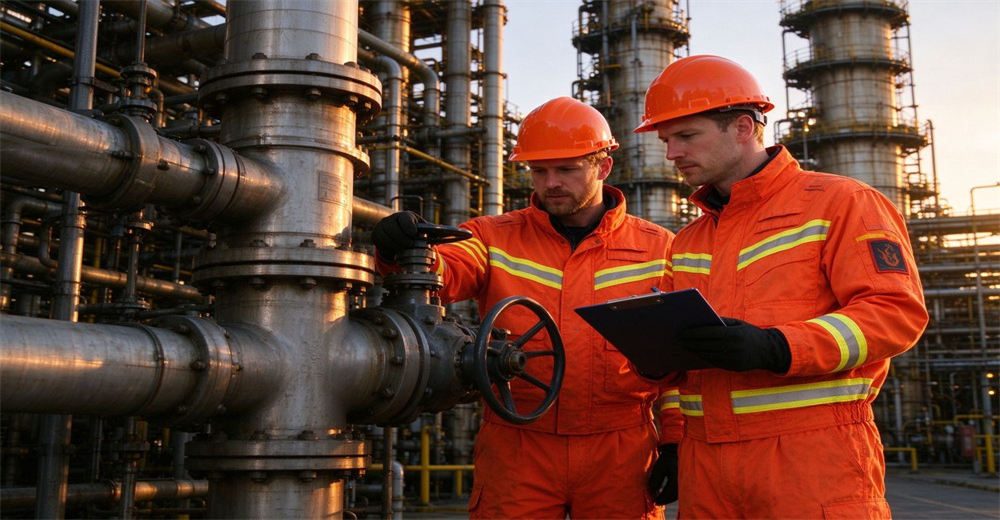
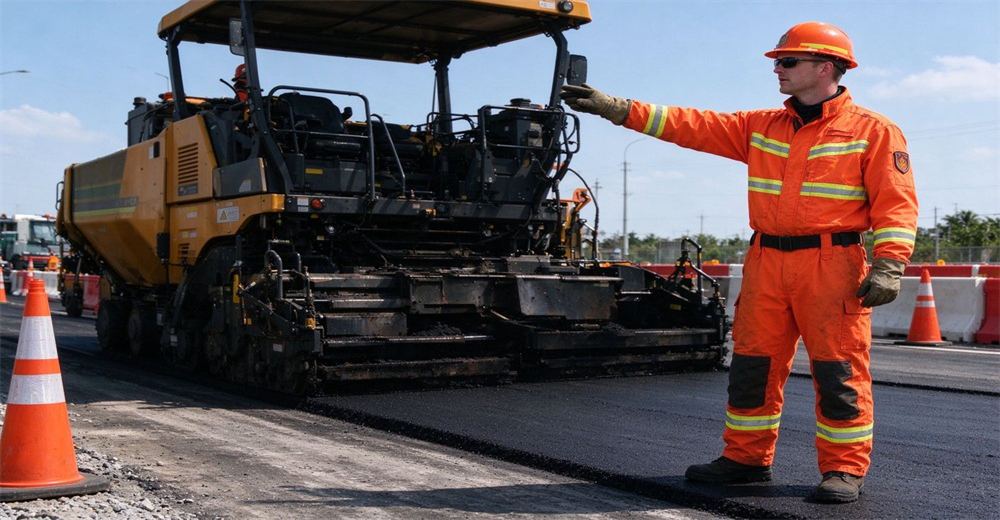
firefighter PPE selection for high-visibility workwear serves dual purposes: it makes firefighters visible at highway incidents and provides arc flash and flash fire protection.
This category includes coveralls, shirts, and pants with ANSI-compliant reflective tape.
It is essential for departments that respond to traffic accidents, work around electrical hazards, or need daily-wear FR clothing for station duties.
firefighter PPE selection starts by mapping your department's call types to gear categories.
A department in an urban area with high-rise buildings will prioritize structural turnout gear, while a department in a wildland-urban interface zone needs both structural and wildland gear.
Rural departments with long response times may prioritize technical rescue suits for vehicle extrication on highways.
This mapping exercise ensures your budget is allocated to the gear your firefighters actually need rather than purchasing based on what is available from suppliers.
Firefighter Gear Category
Primary Operational Use
NFPA Certification Standard
Priority Selection Feature
Structural Turnout
Interior building fires
NFPA 1971
Thermal insulation
Technical Rescue
Extrication, confined space, EMS
NFPA 1951
Mobility and tear resistance
Wildland Fire
Brush and forest fires
NFPA 1977
Breathability and weight
FR Workwear
Highway, arc flash, station wear
NFPA 2112 / ANSI 107
Visibility and arc rating
Heat Resistant Gloves
All fire operations
NFPA 1971
Dexterity and thermal protection
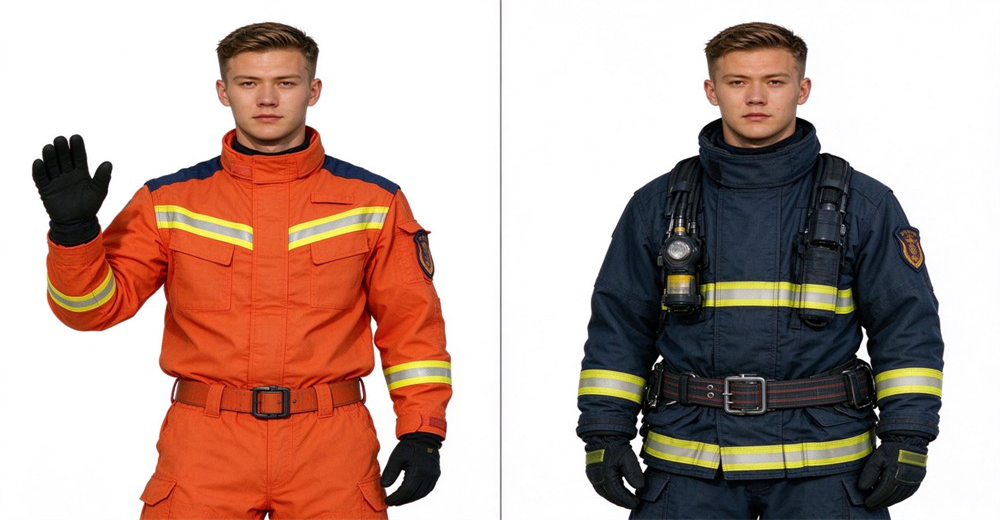
NFPA Certification for Firefighter Gear
NFPA certified firefighter gear is the NFPA certified firefighter gear foundation of PPE safety. Each gear category has a corresponding NFPA standard that defines minimum performance requirements.
Procurement teams should never purchase gear that lacks the appropriate certification label, and should know how to verify that labels are genuine.
Key NFPA Standards for Firefighter Gear
Fire department equipment fire department equipment procurement teams must understand the key NFPA standards that apply to each gear category before issuing purchase specifications.
The most commonly referenced standard is NFPA 1971, which covers structural firefighting protective ensembles. It specifies requirements for the coat, pants, helmet, gloves, and footwear used in structural firefighting.
Certification requirements vary by gear category, and fire department equipment procurement teams must understand which standards apply to each product type.
For wildland gear, NFPA 1977 defines protective clothing and equipment for wildland fire control.
Technical rescue gear falls under NFPA 1951, and FR workwear may reference NFPA 2112 for flash fire protection, and OSHA PPE standards provide additional guidance for workplace protective equipment.
Structural gear, wildland gear, and technical rescue suits each fall under different NFPA standards, and mixing them up can lead to purchasing gear that does not meet operational needs.
How to Verify NFPA 1971 Certification
A label on NFPA certified firefighter gear is not enough on its own.
How to verify NFPA 1971 certification means officers verify verify three things: the label is present and legible, the certification body is recognized (such as UL or SEI), and the certification is current and not expired.
You can cross-reference certification numbers on the certifying body's website. Be wary of gear with handwritten labels, faded labels, or labels that appear to be sewn on as an afterthought.
Certification Documentation for Procurement Records
Complete certification documentation is required for fire department equipment procurement records and should be requested from every supplier before order confirmation.
Keep certification documentation on file for every gear purchase. This includes the manufacturer's certificate of conformity, test reports from the certifying body, and product specification sheets.
These documents may be requested during ISO audits, grant compliance reviews, or liability investigations.
Digital copies stored in a shared document management system ensure access even if physical records are lost in a station fire or flood.
Third-Party Testing and Certification Bodies
Third-party testing reports provide independent verification that fire department equipment procurement meets all applicable NFPA and OSHA safety standards.
NFPA standards require third-party certification by recognized testing laboratories. The two most common certifiers for firefighter PPE are Underwriters Laboratories (UL) and the Safety Equipment Institute (SEI).
Both organizations maintain public databases of certified products that you can search by product name, manufacturer, or certification number.
When evaluating a new supplier, search these databases to confirm the product is currently certified and that the certification has not been withdrawn or suspended.
A product that was certified five years ago but has not maintained its certification should not be purchased.
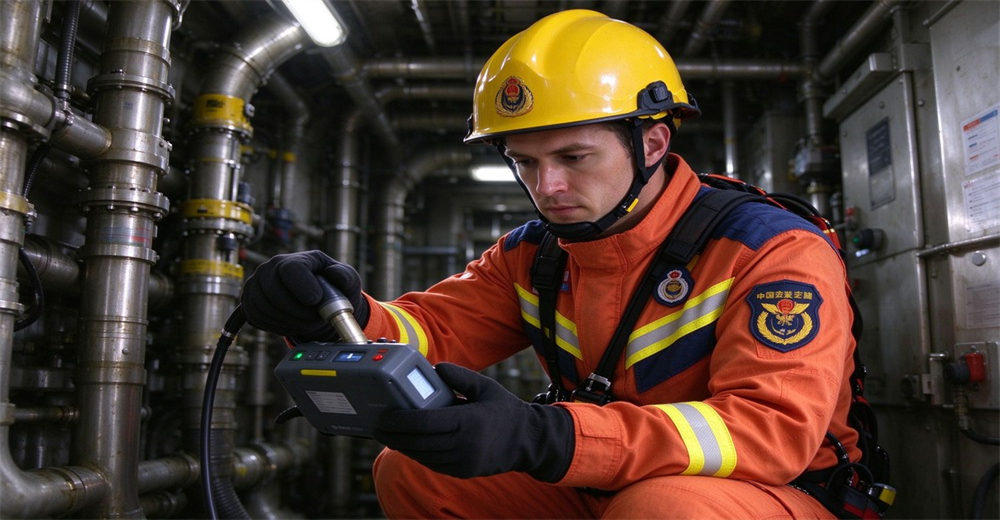
Firefighter Gear Certification Checklist
When placing bulk orders, request certification documentation for every size and color variant. Some suppliers certify only one sample garment and sell uncertified variants under the same product name.
Require a certificate of conformity for each shipment, and inspect a random sample from each delivery to confirm the label matches the documentation.
How to Choose Structural Firefighter Gear
firefighter turnout gear is the most expensive and most critical PPE category for most fire departments. The right set protects firefighters from radiant heat, steam, and physical hazards during interior attacks.
Turnout Gear Fabric Comparison
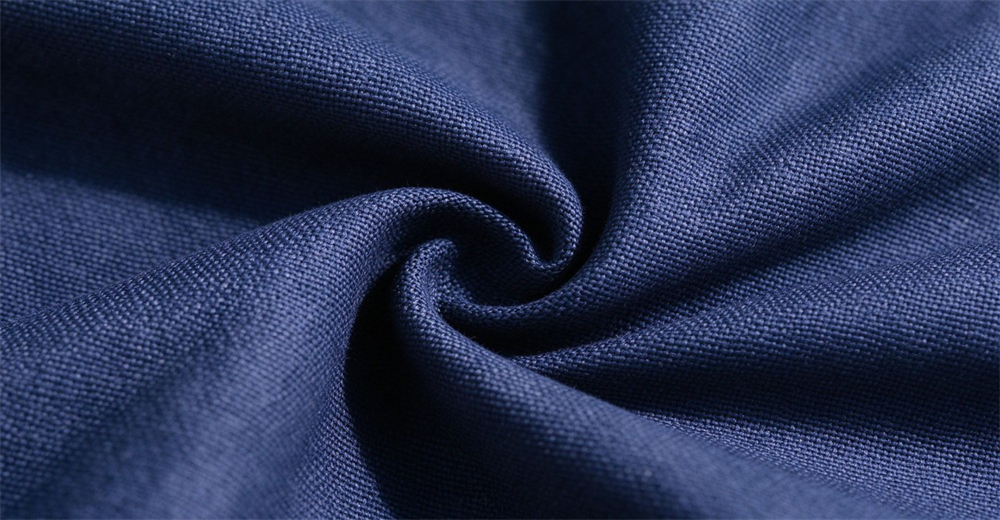
The outer shell of firefighter gear is the first line of defense against heat and abrasion. Common materials include Nomex IIIA, Kevlar blends, and PBI (polybenzimidazole).
Nomex IIIA offers a good balance of cost and performance. PBI provides superior thermal stability but comes at a higher price point. Kevlar blends add tear resistance.
Consider your call volume and budget when selecting a shell material — departments with frequent structural fires may justify the premium of PBI, while volunteer departments with lower call volume may find Nomex IIIA sufficient.
Thermal Liner Performance
Thermal liner performance is a critical factor in firefighter turnout gear selection, as it determines both protection level and wearer comfort during extended operations.
The thermal liner sits closest to the firefighter's body and provides the bulk of the insulation.
Look for liners with a high TPP (Thermal Protective Performance) rating, but remember that higher TPP often means heavier, less breathable gear.
The best liners balance TPP with THL (Total Heat Loss), which measures how well the gear dissipates body heat.
A gear set with excellent TPP but poor THL can cause dangerous heat stress during long operations.
Fit and Mobility Considerations
Proper fit and mobility are essential in firefighter turnout gear selection, ensuring firefighters can move freely while maintaining complete thermal protection coverage.
Turnout gear that fits poorly restricts movement and can create safety hazards. Coats should allow full arm rotation without riding up, and pants should permit climbing and crawling.
Many suppliers offer custom fitting sessions for bulk orders, which is worth the time investment.
Pay attention to sleeve length, pant inseam, and coat tail length — gear that is too long creates trip hazards, while gear that is too short exposes gaps in protection.
Moisture Barrier and Water Management
The moisture barrier is a key consideration in firefighter turnout gear selection, preventing water intrusion while allowing sweat vapor to escape per turnout gear fabric comparison for thermal regulation.
A damaged moisture barrier is one of the most common reasons turnout gear fails inspection. Look for barriers with proven durability against flexing and abrasion at the knees and elbows.
Discuss your department's typical operating environment with the supplier to select the right balance.
Closure Systems and Pocket Configuration
Closure systems and pocket configuration should be evaluated during firefighter turnout gear selection to ensure quick donning and convenient tool access using firefighter gear maintenance tips on the fireground.
Turnout coats use various closure systems including zippers, hook-and-loop, and storm flaps. A zipper with a hook-and-loop storm flap provides the best combination of speed and security.
Pockets should be accessible while wearing gloves and SCBA, and should have drainage holes to prevent water accumulation.
Reinforcement and Durability Features
Reinforcement at knees, elbows, and shoulders extends service life and should be prioritized in firefighter turnout gear selection for high-volume firefighter turnout gear selection programs.
High-wear areas include the knees, elbows, shoulders, and seat. Look for reinforced panels in these zones, typically made from Cordura or leather.
Drag rescue devices (DRDs) are now standard on many turnout coats and allow a downed firefighter to be dragged by a strap without removing gear.
Check that the DRD is rated for the combined weight of firefighter plus SCBA, and that it does not interfere with normal movement.
Structural turnout gear represents the largest PPE investment for most departments, and selecting the right configuration directly impacts firefighter safety and operational efficiency.
The following section breaks down the key decision points for structural gear procurement, from shell material to fit and mobility considerations.
Technical Rescue Suits
firefighter PPE selection technical rescue suits fill the gap between structural turnout gear and everyday station wear.
They are designed for calls where thermal hazard is low but physical demands are high: vehicle extrication, rope rescue, confined space entry, and EMS response.
Choosing the right rescue suit improves firefighter efficiency and reduces fatigue on these calls.
Fabric Durability for Extrication and Rescue
NFPA certified firefighter gear for rescue operations emphasizes tear resistance and fabric durability over the extreme thermal protection needed for structural firefighting.
Rescue suits face abrasion from vehicle metal, concrete, and rope systems. Look for fabrics with high tear strength and abrasion resistance, such as Cordura nylon or ripstop blends.
Reinforced knees and elbows are essential, as these areas contact the ground during extrication. Some suits offer removable knee pads for added comfort during long operations.
Cut and Mobility for Technical Operations
NFPA certified firefighter gear with articulated cuts and stretch panels improves mobility during technical rescue operations for NFPA certified firefighter gear without compromising standards.
A technical rescue suit should fit closer to the body than structural turnout gear, allowing precision work with hydraulic tools and rope systems. Gusseted shoulders and articulated elbows improve range of motion.
Pockets should be positioned to avoid interference with harnesses and equipment belts. Avoid suits with bulky cargo pockets on the thighs if your team frequently uses seat harnesses for rope rescue.
Integration with Harnesses and Equipment Belts
NFPA certified firefighter gear should integrate cleanly with rescue harnesses and equipment belts without creating interference or pressure points on the wearer.
Technical rescue suits must accommodate harnesses for rope rescue, tool belts for extrication, and medical bags for EMS response.
Look for suits with pass-through slots for harness attachments, reinforced attachment points, and pockets positioned to avoid interference with equipment.
Suits designed specifically for technical rescue will have these features integrated, while general-purpose workwear may require modifications that void warranties or reduce protection.
Weather Protection and Layering Compatibility
NFPA certified firefighter gear designed for technical rescue should accommodate layering systems for cold weather operations while maintaining certification integrity.
Technical rescue operations occur in all weather conditions. Look for rescue suits with water-resistant outer shells that shed rain while remaining breathable.
The suit should accommodate layering over thermal base layers in cold weather without becoming overly bulky. Adjustable cuffs and waist tabs allow firefighters to customize the fit based on layering.
Some rescue suits include removable thermal liners for seasonal versatility, though this adds cost and complexity.
Visibility and Identification Features
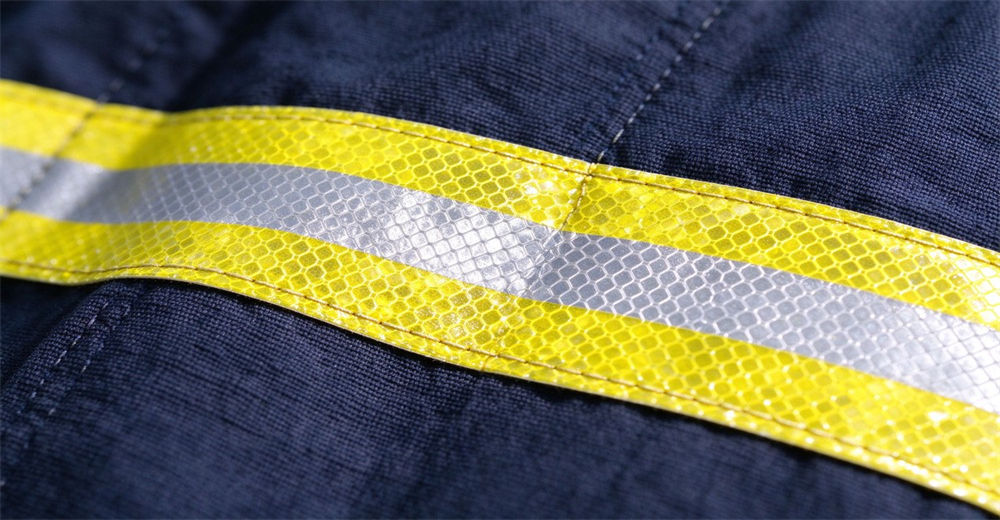
Rescue operations often occur at night or in low-visibility conditions. Silver or lime-yellow retroreflective trim improves visibility at traffic scenes and emergency scenes.
Some departments choose color-coded rescue suits to identify team roles at a glance — for example, orange for medics, navy for rescue technicians.
Confirm that any reflective trim meets ANSI 107 standards for the intended use environment.
The fabric and liner system directly impacts both protection and comfort, and departments should request sample swatches to evaluate material feel and weight before committing to a bulk order.
Wildland Fire Gear Selection Guide
wildland fire gear selection is purpose-built for the unique demands of brush, grass, and forest fires.
Unlike structural gear, which is designed for short-duration interior attacks, wildland gear must support hours of active firefighting in hot, rugged terrain. The selection priorities are fundamentally different.
Lightweight and Breathable Fabric Requirements
Heat stress is the top choice health risk for wildland firefighters. Gear that traps body heat leads to fatigue, dehydration, and potentially life-threatening heat illness.
Nomex and other aramid fabrics are the standard for wildland gear because they provide flame resistance while remaining relatively breathable.
Look for mesh ventilation panels under the arms and along the back, and avoid unnecessary layers that add insulation without adding protection.
Wildland Fire Gear vs Structural Gear
A common mistake is using structural turnout gear for wildland fires. Structural gear is heavy, poorly ventilated, and can cause dangerous heat buildup during long outdoor operations.
Wildland gear is lighter and more breathable but offers less protection against direct flame contact and radiant heat.
Bulk firefighter gear purchasing for departments with both structural and wildland risk should maintain separate gear sets for each purpose, and train firefighters on when to switch.
Shirt and Pant Configuration Options
Wildland gear is available as two-piece sets (shirt and pants) or one-piece coveralls.
Two-piece sets offer better temperature regulation and easier bathroom access during long shifts, while coveralls provide complete coverage with no gap at the waist. Most departments prefer two-piece sets for wildland operations.
Shirt tails should be long enough to stay tucked during bending and reaching, and pants should have adjustable waist tabs for layering over base layers in cooler weather.
PPE Compatibility with Wildland Equipment
Wildland gear must work with fire shelters, backpack pumps, and hand tools. Shirt sleeves should not bind when swinging a Pulaski or McLeod.
Pants should have reinforced cuffs that fit over wildland boots without catching on brush.
The gear should be compatible with fire shelter deployment practice — firefighters need to be able to deploy their shelter quickly without gear catching or restricting movement.
Some wildland pants include special pockets or attachment points for fire shelter cases.
Fit for Active Movement and Hiking
Wildland firefighters hike steep terrain, crawl through brush, and swing hand tools for hours. Gear should fit snugly without restricting movement.
Pants should accommodate kneeling and squatting, and sleeves should not bind when using a Pulaski or McLeod. Gusseted crotches and articulated knees are valuable features.
Avoid overly baggy cuts that can catch on brush or create snag hazards.
FR Workwear as Everyday Firefighter Gear
High-visibility FR workwear is an often-overlooked category of firefighter gear in fire department PPE budgets, but it plays a critical role at traffic incidents, around apparatus, and during station duties.
This category includes coveralls, shirts, pants, and jackets that combine ANSI-compliant visibility with arc flash and flash fire protection.
ANSI Visibility Class Requirements
ANSI 107 defines three classes of high-visibility apparel based on the amount of background material and reflective tape.
Class 3 provides the highest visibility and is appropriate for firefighters working on or near roadways with traffic speeds above 50 mph. Class 2 is suitable for lower-speed environments.
Class 1 is generally not sufficient for emergency scene work. Confirm that the gear you select meets the class appropriate for your department's typical response environment.
Arc Flash and Flame Resistance Ratings
FR workwear should carry an arc rating (ATPV or EBT) measured in cal/cm². The required rating depends on the potential arc flash hazard in your work environment.
For general fire department use, a minimum arc rating of 8 cal/cm² is common, but departments working near electrical equipment may need higher ratings.
Look for garments that meet NFPA 2112 for flash fire protection additionally the arc rating.
Care and Laundering Requirements
FR workwear must be laundered according to manufacturer specifications to maintain its flame-resistant properties.
Using regular laundry detergent and avoiding fabric softeners and dryer sheets is essential, as these products can coat fibers and reduce FR performance.
Some departments use dedicated FR laundry services, while others install commercial washers in the station. Factor laundering costs into your total cost of ownership calculation when comparing FR workwear options.
Color Options and Department Branding
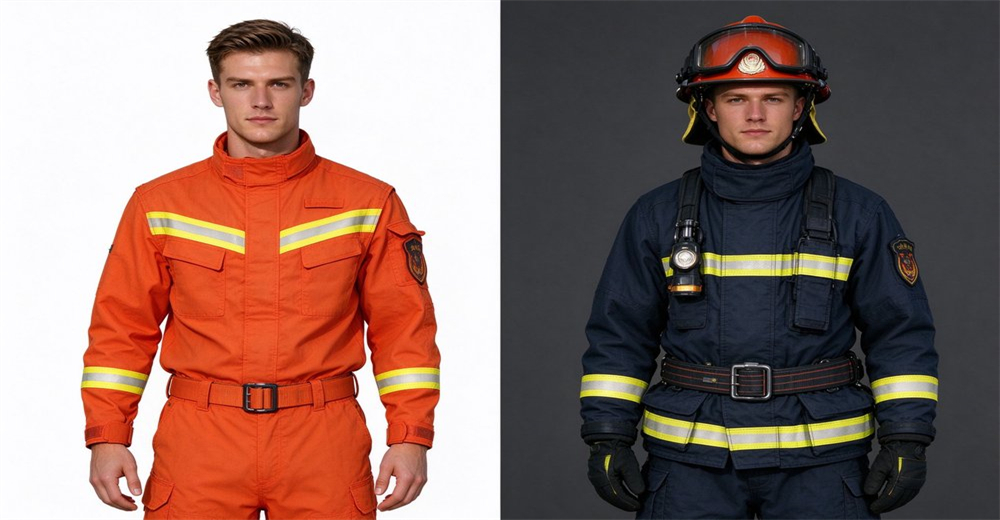
FR workwear is available in a range of colors including navy, black, red, and high-visibility lime. Many departments choose colors that match their identity or improve visibility in specific environments.
Some suppliers offer custom embroidery for department names, logos, and firefighter names.
When ordering custom-branded workwear, confirm that the embroidery process does not compromise the FR properties of the garment — embroidery holes can create pathways for arc flash or flame penetration if not properly sealed.
Comfort for All-Day Wear
Unlike turnout gear, which is worn only during active fire operations, FR workwear may be worn for entire shifts. Comfort is therefore a major consideration.
Lightweight fabrics, mesh lining, and breathable panels improve wearability during long shifts. Some departments prefer two-piece sets (shirt and pants) over coveralls for easier temperature regulation throughout the day.
How to verify NFPA 1971 certification turnout suit certification label en469 nfpa ga10 inspection department procurement standard compliance guide for quality assurance
Choosing Heat Resistant Gloves
firefighter gloves are a critical but often under-prioritized piece of PPE. The right glove protects hands from heat, abrasion, and puncture while maintaining enough dexterity to operate tools, equipment, and medical devices.
A firefighter glove sizing guide firefighter glove sizing guide helps balance protection using firefighter glove sizing guide for every hand shape.
Material Options: Leather, Kevlar, and Aluminized
Cowhide leather gloves are the standard for structural firefighting, offering good thermal protection and dexterity at a reasonable cost. Gloves with Kevlar stitching add tear resistance.
For extreme heat exposure, such as aircraft rescue or industrial fires, aluminized gloves reflect radiant heat and provide higher temperature protection.
For wildland and rescue operations, lighter gloves with better dexterity may be preferred. Consider maintaining multiple glove types for different call types.
Firefighter Glove Sizing Guide
Gloves that are too large reduce dexterity and can cause tools to slip. Gloves that are too small restrict circulation and cause fatigue.
When placing a bulk glove order, request sizing samples and have multiple firefighters test them while performing actual tasks — operating a nozzle, using a hydraulic spreader, and taking a radial pulse.
A glove that feels comfortable when new may stiffen after exposure to heat and water, so factor in break-in characteristics.
Glove Lifespan and Replacement Triggers
Firefighter gloves typically last 1-3 years depending on usage frequency.
Replace gloves immediately if the leather becomes stiff and cracked, if stitching fails, if the thermal liner becomes compressed or wet, or if the glove has been exposed to significant heat or chemical contamination.
Many departments maintain a spare pair for each firefighter to allow for drying and cleaning between shifts. Include glove replacement costs in your annual PPE budget planning.
Specialty Gloves for Specific Operations
Beyond standard structural gloves, departments may need specialty gloves for specific operations. Extrication gloves offer enhanced cut resistance for working with broken glass and sharp metal.
Wildland gloves are lighter and more breathable for long-duration brush work. Medical gloves provide dexterity for patient care while offering some fluid protection.
EMS gloves are typically worn under or instead of structural gloves during medical calls. Evaluate your department's call mix to determine if specialty gloves are needed beyond standard structural gloves.
Wrist Protection and Gauntlet Design
The wrist area is a common gap in protection if the glove cuff does not overlap properly with the turnout coat sleeve.
Look for gloves with extended cuffs or gauntlets that cover the wrist and overlap the coat sleeve.
Some gloves feature wrist straps to secure the cuff and prevent it from sliding down during operation.
Confirm that the glove-cuff interface works with your department's turnout coat sleeves before placing a bulk order.
Firefighter Boots and Helmets Buying Tips
firefighter boots and helmets complete the structural firefighting ensemble. Both are subject to NFPA 1971 requirements and deserve careful evaluation.
Boots that fit poorly cause foot injuries and reduce mobility, while helmets that do not fit correctly can shift during operation and reduce protection.
What to Look for in Firefighter Boots
Structural firefighter boots are typically made from leather or a leather-rubber combination. Leather boots offer better comfort and breathability, while rubber boots provide superior water resistance.
Key features include a steel or composite safety toe, a puncture-resistant sole, and a lugged outsole for traction on wet and uneven surfaces.
Fit is critical — boots should accommodate thick socks and allow toe wiggle room without heel slippage. Many departments use a boot fitting service to ensure proper sizing across all personnel.
How to Choose Firefighter Helmets
Firefighter helmets are available in thermoplastic and composite shell materials. Thermoplastic helmets are lighter and less expensive, while composite helmets offer better impact resistance and heat tolerance.
The suspension system inside the helmet distributes impact force and should be adjustable to fit different head sizes.
Look for helmets with a ratchet or pin-lock suspension that can be adjusted with gloves on. Integrated face shields and goggle clips are standard features; confirm compatibility with your department's SCBA facepieces.
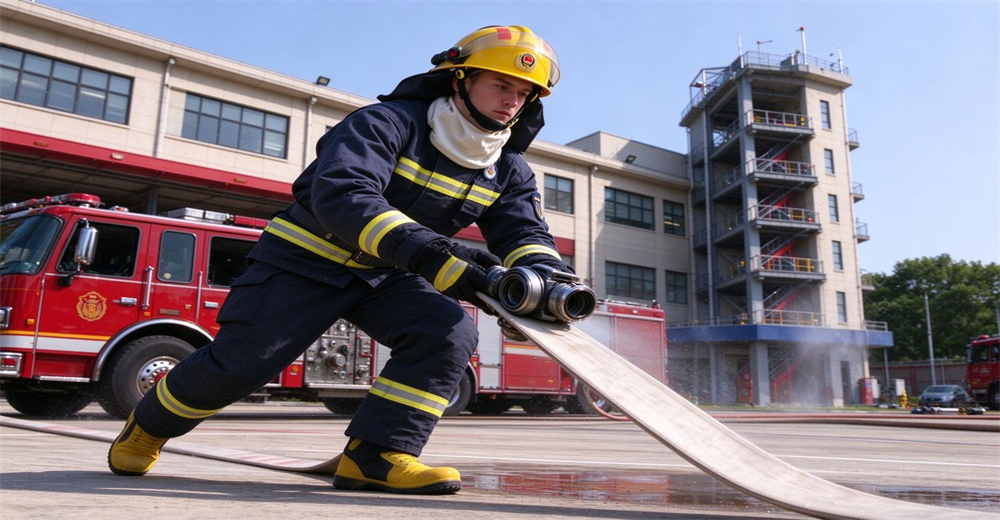
Boot Care and Break-In Period
What to look for in firefighter boots includes a proper break-in period for new leather boots of 2-4 weeks of regular wear to conform to the firefighter's foot.
During this period, boots may be stiff and uncomfortable. Some departments issue boots with a break-in schedule that includes gradual increases in wear time.
Proper boot care includes regular cleaning, conditioning, and drying after each use. Boots that are stored wet can develop mold and degrade prematurely.
Provide boot dryers or designated drying areas in the station to extend boot lifespan.
Color Coding and Department Identification
Many departments use helmet colors to identify rank or function at a glance. Common schemes include white for chiefs, red for captains, and black or yellow for firefighters.
When placing a bulk helmet order, confirm color availability and lead times for non-standard colors.
Some suppliers offer custom colors with longer lead times, so plan accordingly if your department uses a non-standard color scheme.
Bulk Procurement Budget Strategy
Investing in quality firefighter gear represents a significant capital investment.
A single set of structural turnout gear can cost between $1,500 and $3,000 per firefighter, and a full department inventory can run into hundreds of thousands of dollars.
A strategic approach to bulk procurement maximizes value while ensuring quality and compliance.
Fire Station PPE Budget Guide
The purchase price is only part of the total cost. Factor in expected service life, maintenance costs, replacement parts, and warranty coverage.
A cheaper gear set that needs replacement after five years may cost more over time than a premium set that lasts ten years.
Request total cost of ownership projections from suppliers, including estimated repair costs for common damage like zipper failures and liner replacement.
Volume Discounts and Blanket Purchase Agreements
Bulk firefighter gear purchasing through annual agreements bulk firefighter gear purchasing locks pricing 12 months and simplifies budget forecasting for fire department equipment procurement of any size.
Bulk orders typically qualify for volume discounts, but the savings vary significantly between suppliers.
For departments that need to replenish gear on an ongoing basis, a blanket purchase agreement (BPA) can lock in pricing for multiple years and simplify reordering.
BPAs are particularly useful for consumable items like gloves and FR workwear that need regular replacement.
Compare the per-unit price under a BPA against one-time bulk pricing to determine which approach saves more over the contract period.
Competitive Bidding and Supplier Evaluation
Bulk firefighter gear purchasing requires comparing multiple suppliers on price, certification, lead time, and bulk firefighter gear purchasing support before committing to a contract.
For purchases above a certain threshold, many departments are required to seek competitive bids from multiple suppliers.
Even when not required, obtaining at least three quotes ensures you are getting a fair price and exposes you to product options you may not have considered.
When evaluating bids, compare total value rather than just price — a slightly more expensive gear set with a longer warranty, better fitting support, and faster delivery may offer better overall value than the cheapest option.
Cooperative Purchasing and State Contracts
Many departments use cooperative purchasing for bulk firefighter gear purchasing to access bulk firefighter gear purchasing with pre-negotiated pricing.
Many states and regional purchasing cooperatives negotiate discounted pricing for fire department equipment.
These contracts eliminate the need for individual departments to conduct full bidding processes and can offer significant savings compared to direct purchasing.
Check with your state fire marshal's office or emergency management agency to identify available cooperative purchasing programs.
Some national organizations, such as the Houston-Galveston Area Council and Sourcewell, offer fire equipment contracts that are accessible to departments nationwide.
|
Bulk Procurement Strategy |
Best For Department Size |
Firefighter Gear Price Advantage |
Standard Lead Time |
|
One-time bulk order |
Full department replacement |
15-25% volume discount |
8-12 weeks |
|
Blanket purchase agreement |
Ongoing replenishment |
Locked pricing 2-3 years |
2-4 weeks per release |
|
Cooperative purchasing contract |
Departments without bid capacity |
Pre-negotiated discounts |
4-8 weeks |
|
Grant-funded purchase |
AFG or state grant recipients |
Up to 100% funding coverage |
Grant cycle dependent |
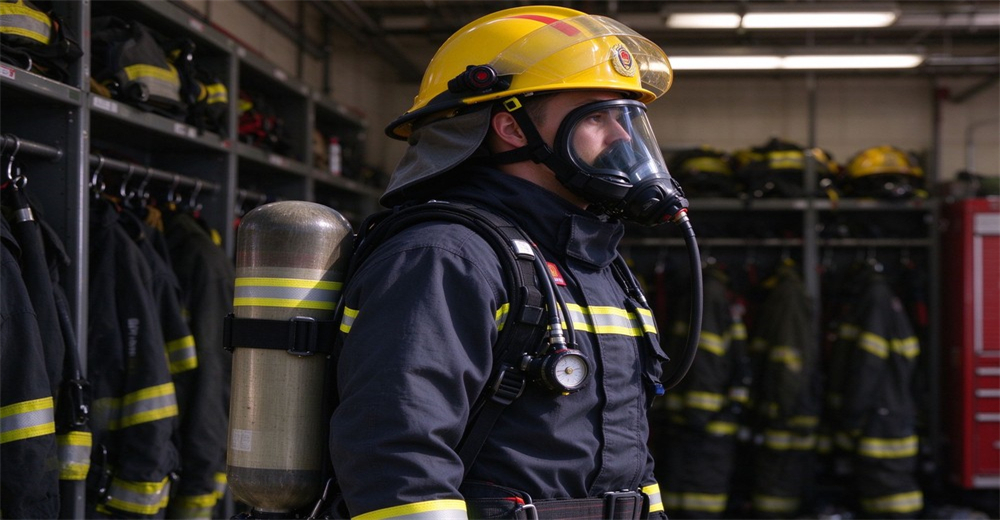
Grant Funding and Assistance Programs
Grant funding can fire department equipment procurement significantly reduce cost firefighter gear purchasing, especially for smaller departments with limited capital budgets.
Many fire departments qualify for federal and state grant programs that cover PPE purchases.
The Assistance to Firefighters Grant (AFG) program is the primary federal source, with dedicated funding categories for PPE and safety equipment.
State emergency management agencies may also offer grants or low-interest loans for equipment upgrades.
Grant applications have specific deadlines and require detailed documentation, so plan your procurement calendar around grant cycles rather than waiting for gear to wear out before seeking funding.
Gear Maintenance and Replacement Schedule
Proper maintenance extends the service life of firefighter gear and ensures it performs as designed when needed. NFPA standards include specific requirements for inspection, cleaning, and retirement of PPE.
Departments should establish a formal gear maintenance program and track each garment through its lifecycle.
Firefighter Gear Maintenance Tips
Turnout gear should be inspected after every use and cleaned according to the manufacturer's instructions.
Routine cleaning removes contaminants that can degrade fabric over time, including smoke residue, fireground chemicals, and body fluids.
Use only approved cleaning methods and detergents — improper washing can damage the moisture barrier and reduce thermal protection.
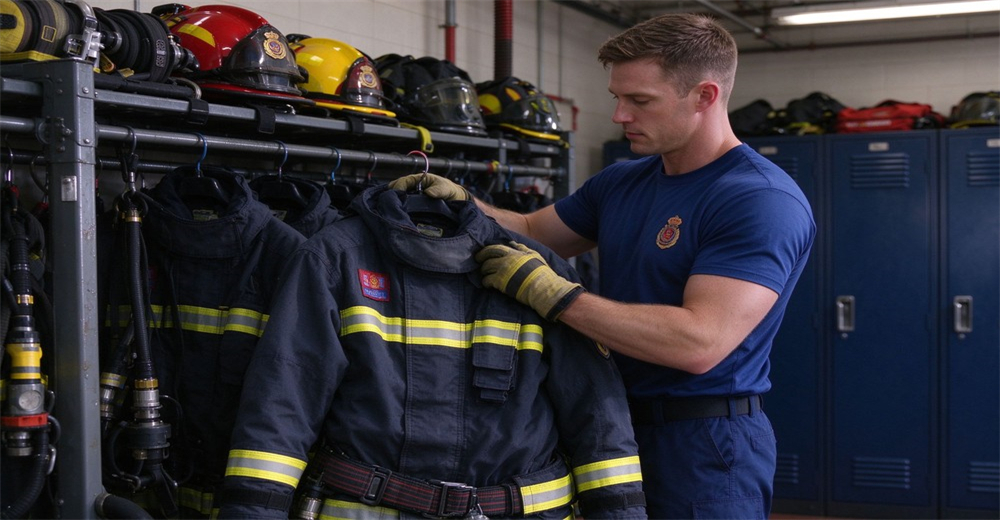
Assign a gear coordinator to track inspection dates and ensure no garment is returned to service without a documented inspection.
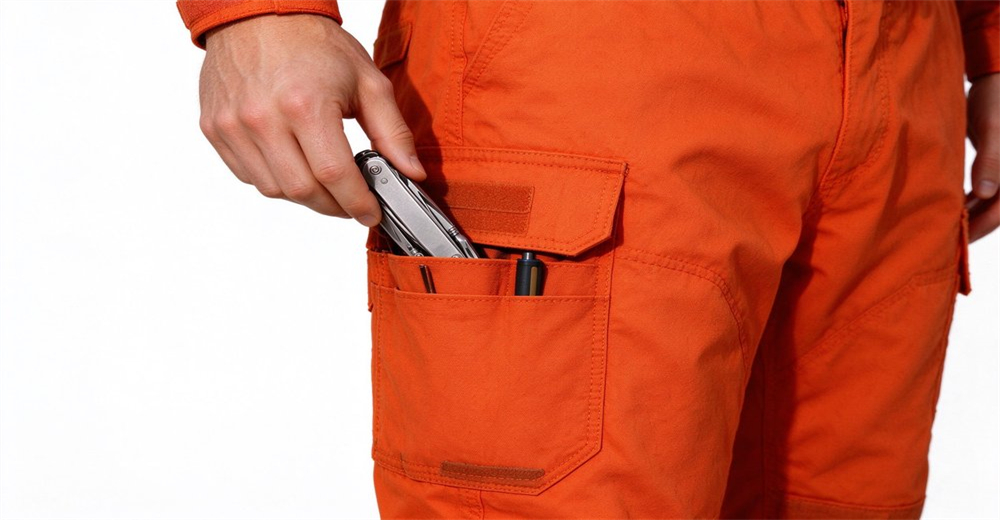
Fire Department PPE Replacement Schedule
NFPA 1851 provides guidance on the selection, care, and maintenance of structural firefighting protective clothing.
Under this standard, turnout gear has a maximum service life of ten years from the date of manufacture, regardless of appearance.
Gear that has been exposed to significant thermal events, chemical contamination, or physical damage should be retired immediately regardless of age.
Establish a replacement schedule that staggers firefighter gear purchases across years, avoiding the budget shock of replacing an entire department's inventory at once.
Advanced Cleaning and Decontamination
Regular field cleaning removes surface contaminants, but periodic advanced cleaning is necessary to remove embedded carcinogens and fireground chemicals.
NFPA 1851 recommends advanced cleaning at least every six months for gear in regular use, or after significant exposure.
Advanced cleaning may involve commercial laundry facilities with FR-specific wash cycles, or ultrasonic cleaning systems that remove contaminants from hard-to-reach areas.
Some suppliers offer cleaning and repair services as part of a maintenance contract.
Gear Repair vs Replacement Decision
When firefighter gear is damaged, determine whether repair is appropriate or if replacement is necessary.
Minor damage such as a broken zipper or torn pocket can often be repaired by a certified repair facility.
Damage to the moisture barrier, thermal liner, or structural integrity of the outer shell typically requires replacement.
NFPA 1851 specifies that repairs must be performed by trained personnel using materials and methods that maintain the garment's certification. Never attempt field repairs that could compromise protective performance.
Establish a relationship with a certified gear repair provider before you need repairs.
Documentation and Record-Keeping
Maintain detailed records for each garment: purchase date, manufacture date, inspection history, cleaning records, repair history, and retirement date. This documentation is essential for insurance purposes, liability protection, and grant compliance.
Many departments use barcode or RFID tracking systems to manage gear inventory efficiently. At minimum, a simple spreadsheet linked to each firefighter's gear assignment is sufficient for small departments.
Following a structured replacement schedule ensures your department always has gear in serviceable condition, while avoiding the budget strain of replacing an entire inventory at once.
Firefighter Gear Buying Guide FAQ
Q: How often should firefighter turnout gear be replaced?
A: Under NFPA 1851, structural turnout gear has a maximum service life of ten years from the date of manufacture.
Gear exposed to significant thermal events, chemical contamination, or physical damage should be retired immediately, regardless of age.
Most departments replace gear on a staggered schedule every 7-10 years based on usage and inspection results.
Q: What is the difference between NFPA 1971 and NFPA 1977 gear?
A: NFPA 1971 covers structural firefighting protective ensembles designed for interior building fires, prioritizing thermal insulation and radiant heat protection.
NFPA 1977 covers wildland fire protective clothing, prioritizing breathability, lightweight construction, and heat stress management for long-duration outdoor operations. The two are not interchangeable.
Q: How do I verify firefighter gear is genuinely NFPA certified?
A: Check for a legible certification label inside the garment, confirm the certifying body (UL or SEI) is recognized, and cross-reference the certification number on the certifier's website.
Request a certificate of conformity for each bulk shipment and inspect random samples to verify labels match documentation. Avoid gear with handwritten, faded, or aftermarket labels.
Q: What size order qualifies for bulk pricing discounts?
A: Bulk discount thresholds vary by supplier, but most offer tiered pricing starting at 10-25 sets for turnout gear and 50+ units for gloves and FR workwear.
Blanket purchase agreements can lock in bulk pricing for multi-year orders even if individual shipments are smaller. Always request quotes at multiple volume levels to find the best value for your department.
Q: Can wildland fire gear be used for structural firefighting?
A: No. Wildland gear is designed for outdoor brush and forest fires where firefighters rely on movement and distance from flames.
It lacks the thermal insulation and moisture barrier required for interior structural firefighting. Using wildland gear for interior attacks exposes firefighters to severe burn injuries.
Q: What features matter most when choosing firefighter gloves?
A: The key factors are thermal protection, dexterity, durability, and wrist coverage. Cowhide leather with Kevlar stitching is the standard for structural use.
Test gloves while performing actual tasks — nozzle operation, tool use, and patient care. Extended cuffs that overlap the coat sleeve prevent wrist exposure.
Q: How important is custom fitting for turnout gear?
A: Custom fitting is highly recommended for turnout gear. Poorly fitting gear restricts movement, creates exposure gaps, and increases fatigue. Most suppliers offer free measuring sessions for bulk orders.
Take measurements with the base layers and SCBA harness that firefighters will actually wear, as these affect how the gear fits during operation.
Q: Are there grants available for fire department PPE purchases?
A: Yes. The federal Assistance to Firefighters Grant (AFG) program provides dedicated funding for PPE and safety equipment. State emergency management agencies may offer additional grants or low-interest loans.
Grant applications have specific deadlines and require detailed documentation, so plan procurement around grant cycles rather than waiting for gear to wear out.
Contact us for firefighter turnout gear selection guidance and fire department PPE replacement schedule planning.
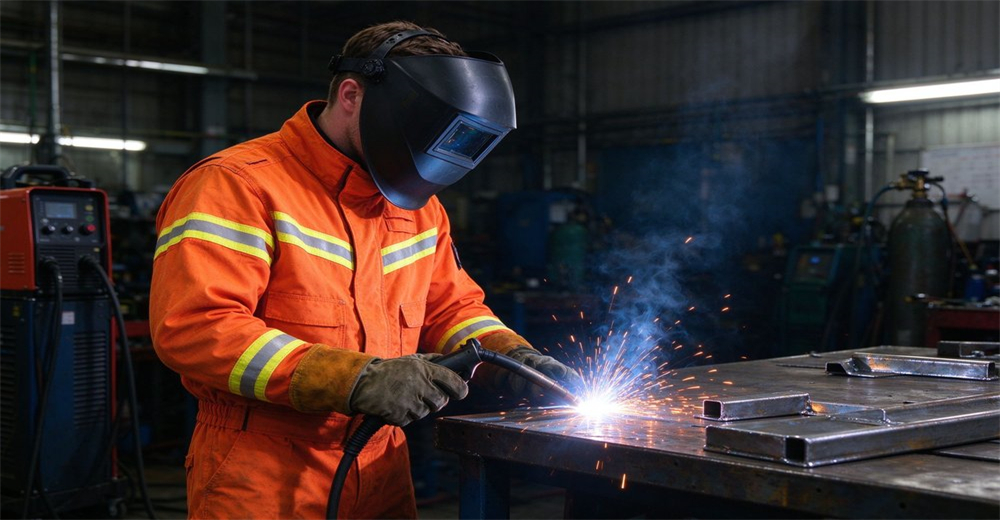
Related Products
NFPA 1971 certified four-layer firefighter gear
Complete firefighter equipment aggregation page
Nomex vs PBI vs Kevlar fabric analysis
Cowhide leather NFPA 1971 firefighter gloves
Request a Wholesale Quote
Contact our team for bulk pricing, custom sizing, and certification documentation.
Email: info@yrftextile.com
 Industrial Fire Rescue Gear | Chemical Suit SCBA Foam Wholesale
We supply full series industrial emergency response equipment including Level A hazmat suits, SCBA, gas detectors and rescue tripods. Certified safety gear for petrochemical, confined space and fire hazard scenarios, available for bulk wholesale and institutional procurement. Note: Price for reference only. Exact price based on quantity, size, weight and custom details.
 Wholesale Firefighter Gear For Fire Departments And Procurement
Our certified firefighter PPE range includes structural turnout suit, wildland fire suit, technical rescue suit, FR workwear, gloves, helmet and boots. Made of Nomex and Cordura, meet NFPA & ANSI standards. Available for fire department bulk procurement and OEM customization. Note: Price for reference only. Exact price based on quantity, size, weight and custom details.
 Charitable donations Comfortable fleece blanket - For bedroom, with discounts
Our comfortable fleece blanket, perfect for bedrooms and available with discounts for charitable donations. Made with high-quality materials, this blanket offers warmth and coziness, making it ideal for chilly nights. Whether you're curling up with a good book or getting a good night's sleep, this blanket will keep you comfortable. Plus, by purchasing this blanket, you'll be making a contribution to a worthy cause. Order now and enjoy the warmth while knowing you're making a difference.
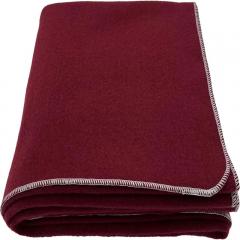 Natural fire retardancy Wool Blanket - Relief Rescue
With natural fire retardancy properties, this wool blanket is ideal for use in relief and rescue efforts. It provides protection and warmth in high-risk environments.
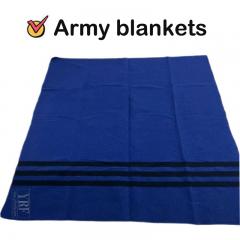 Military Style Blanket 100% wool Green/blue/beige Relief Blankets WinteR 550 grams150X200CM Army Blanket
High Quality blanket : we are offering you a soft Panama Aruba Military Ambulance Blankets which is the matchless choice if you're looking for a luxuriously soft but durable blanket. deep warmth keeps you warm in winter
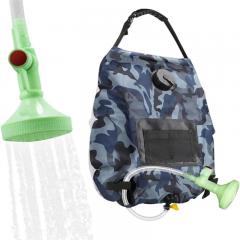 United Nations Present 50*40CM High water storage Solar Shower bag for Troops
The United Nations presents this 50*40CM solar shower bag with high water storage capacity. It's a remarkable offering aimed at addressing hygiene needs in various situations. The generous size ensures an ample supply of water for multiple uses. Powered by the sun, it's an eco-friendly and sustainable option. Whether in disaster zones or areas with limited water access, this shower bag can make a significant difference. The United Nations' initiative showcases a commitment to providing practical and effective solutions for those in need, promoting better living conditions and sanitation.
Copyright © Custom Disaster - Relief Bedding: Tents, Sleeping Bags, Blankets All Rights Reserved
the professional team to service !