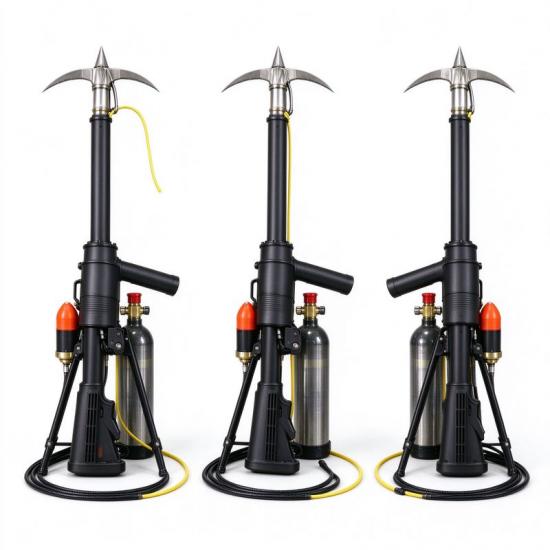
×
enter your keyword
our storage
Categories
Products

Canyon Rescue Pneumatic Line Thrower
Anchor Hook Pneumatic Line Thrower for Flood Rescue Anchor Hook Pneumatic Line Thrower for Flood Rescue Anchor Hook Pneumatic Line Thrower for Flood Rescue Anchor Hook Pneumatic Line Thrower for Flood Rescue Anchor Hook Pneumatic Line Thrower for Flood Rescue Anchor Hook Pneumatic Line Thrower for Flood Rescue Anchor Hook Pneumatic Line Thrower for Flood Rescue Anchor Hook Pneumatic Line Thrower for Flood Rescue Anchor Hook Pneumatic Line Thrower for Flood Rescue Anchor Hook Pneumatic Line Thrower for Flood Rescue

Anchor Hook Pneumatic Line Thrower for Flood Rescue

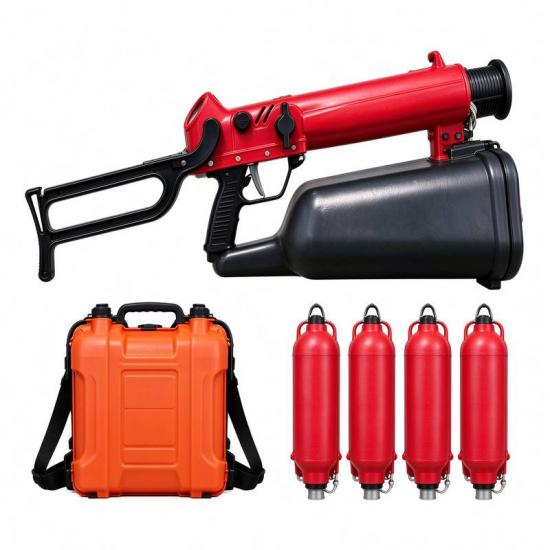
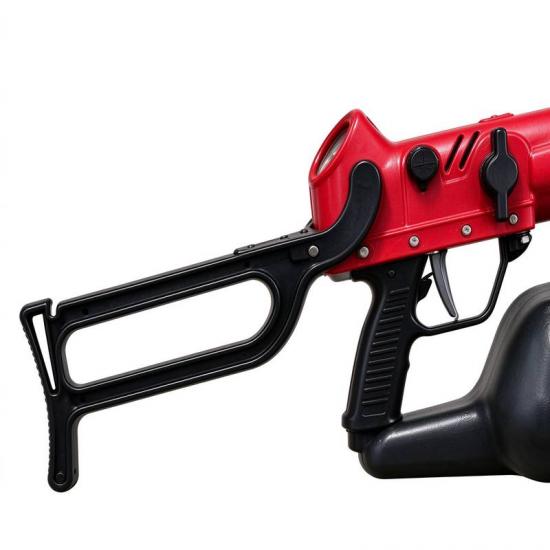
CO2 powered pneumatic line thrower equipped with four claw stainless steel anchor hook and buoyant cartridges. Packed in sturdy storage case. Reliable for cliff, canyon, mountain river and flood emergency water rescue.


Note: Price for reference only. Exact price based on quantity, size, weight and custom details.

  • model no. :

    LT-03
  • Brand:

    YRF
  • market price :

    $300
  • sale price :

    $158.9
  • price range :

    30-100/$158.9 100-500/$158.5
  • Color :

    Multiple Colors
  • port of dispatch :

    Guangdong/Guangzhou
  • Payment :

    TT, Paypal, Western Union
  • min order :

    30
  • original region :

    Made in China
  • Lead Time :

    5-15days
inquiry now
product description

Anchor Hook Pneumatic Line Thrower for Flood Rescue


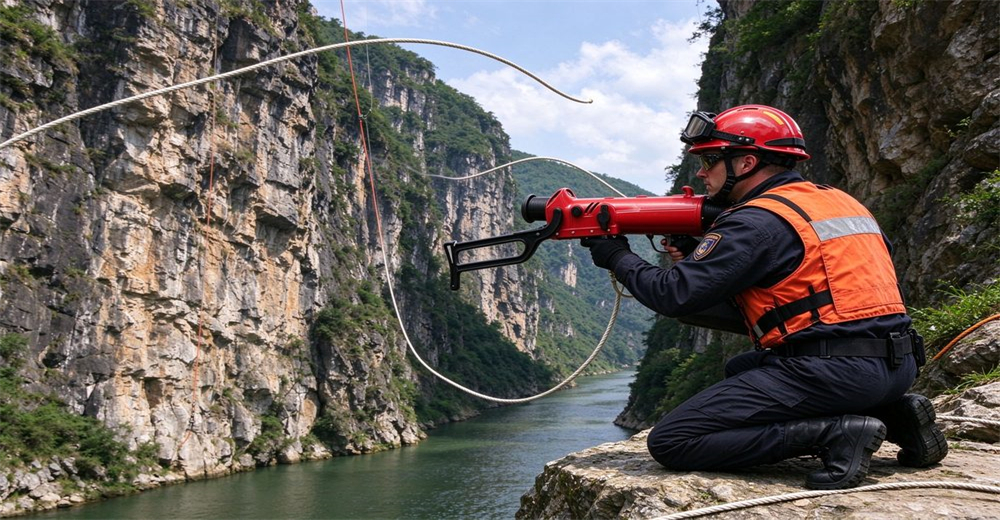
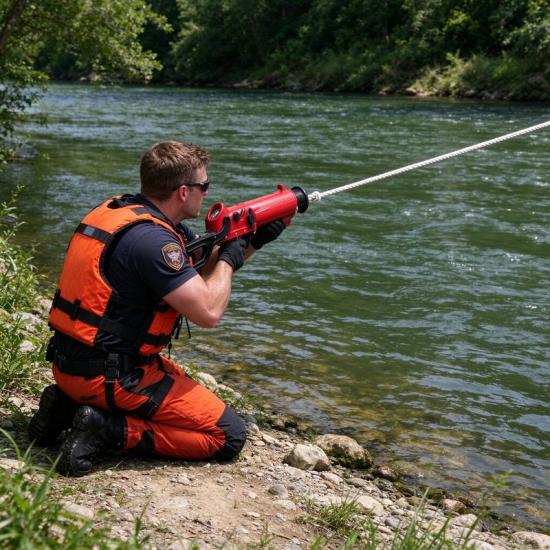
The kneeling position on the cliff rock gives the operator a steady base, so the pneumatic line thrower stays level while the white rope arcs toward the far canyon wall. This is the stance teams practice most, because a stable launch line decides whether the rope reaches the stranded side on the first shot. The folding four-claw anchor hook then digs into rock, grass or concrete to secure the crossing line for the rescue team.


Rescuer kneeling on cliff rock aiming anchor hook pneumatic line thrower across canyon river during water rescue, orange vest, white rope flight, canyon cliff background


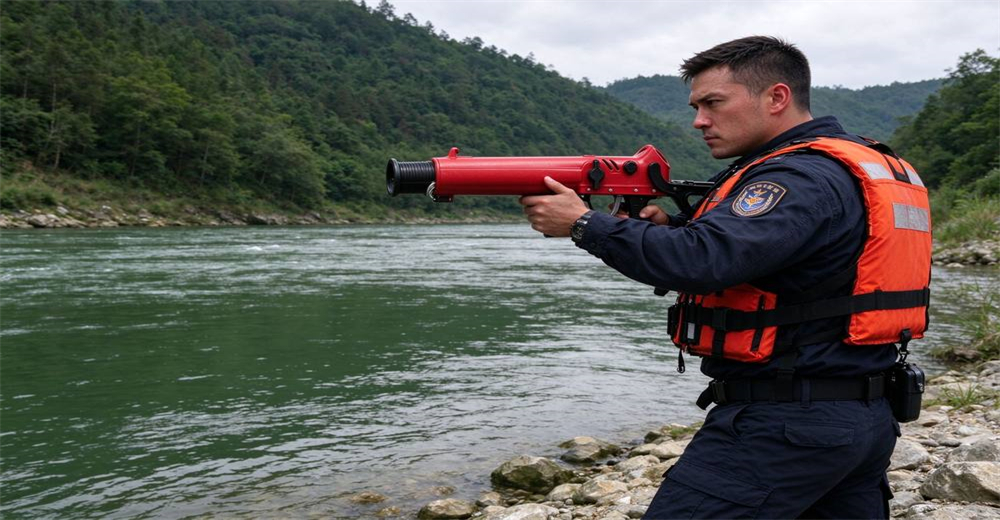
Firing across a river during a flood operation is the moment this pneumatic line thrower was built for. The operator aims above the waterline, pulls the trigger, and the buoyant rope lands beyond the widest current, where a boat crew can tie off and start ferrying. Rescue crews rely on this launch phase to set the first crossing line quickly, before the current pushes the victim further downstream. The same shot works from a boat, a bank or a flooded road.

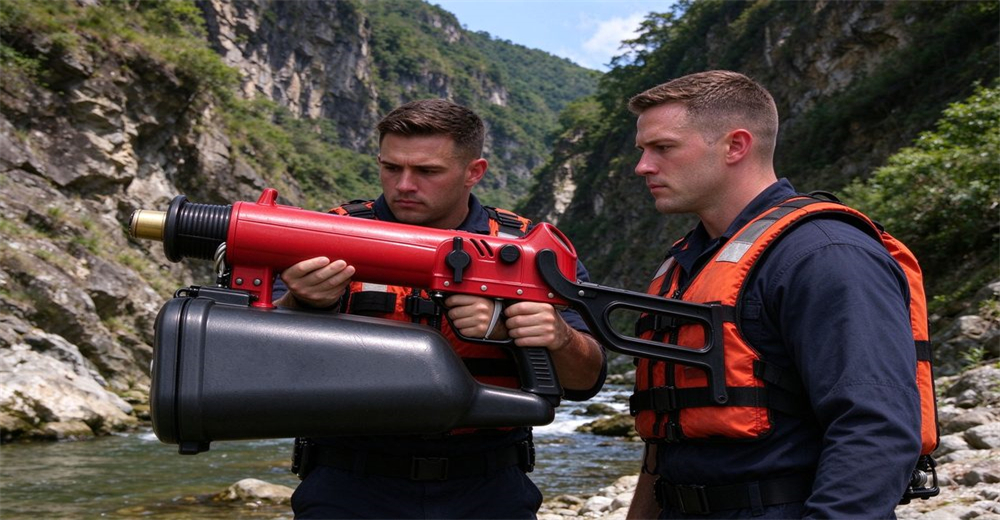
Two rescuers train together in a mountain canyon so the launch, rope recovery and hook placement all happen in rhythm. One handles the pneumatic line thrower, the other manages the rope pack and the anchor hook, switching roles between drills. Team practice like this shortens deployment time on a real flood scene, where every extra minute raises the risk to the victim and the crew. Every session ends with a rope recovery drill for the next call.

A single operator can launch the red line across a green river without extra equipment, which makes this pneumatic line thrower valuable for small teams and quick response units. The shot carries the floating rope and the anchor hook together, so the far bank gets both the line and the securing hook in one action. Fewer steps at the scene mean the rescue starts sooner and the rope system is ready sooner.

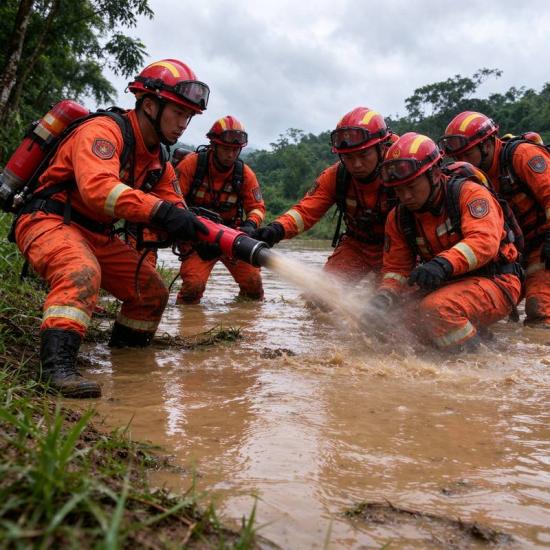
In fast-moving muddy flood water, a rescue team deploys the pneumatic line thrower as the first step of the whole operation. The buoyant projectile and rope ride on the current while the team walks the bank to match the victim, then the hook line becomes the guide for boats and swimmers. This full-team deployment is the pattern government and NGO buyers ask about most for flood season readiness. The line then guides boats, swimmers and the casualty evacuation route.


Rescuer firing pneumatic line thrower across river during professional flood and river rescue operations across wide water gaps with reinforced materials tested for repeated rescue missions


What Is an Anchor Hook Line Thrower?
A standard pneumatic line thrower fires a plain line across water or open ground.An anchor hook thrower goes further: it fires a projectile with a folding four-claw hook on the nose.
When the projectile hits a wall, ledge or rock face, the claws open and dig in, anchoring the rope to the structure.
This lets rescuers pull themselves up, hoist equipment.
The anchor hook design is essential for cliff rescue rope thrower scenarios.
When a climber is stuck on a rock face with no safe anchor point, rescuers at the base can fire a hook up to 60 meters to catch on an outcrop above.
From there, they can pull a haul line up and begin the rescue.
Without the anchor hook, they would have to climb the cliff themselves , slow and dangerous.
On urban rescue, the hook catches on building ledges, window sills and balcony edges.
Firefighters can establish a rope anchor on a building facade, then use.
That anchor to support rope rescue operations from an adjacent position.
This pneumatic line thrower is a standard tool in high-angle rescue teams that work on tall buildings and complex structures.
The launcher itself is a compact pneumatic unit running at 7.0MPa from the 2L carbon fiber cylinder.
The lower pressure compared to the 20MPa Korean backpack means lighter components and a simpler support system.
The trade-off is fewer shots per fill, but the carbon cylinder supports enough continuous firing for most rescue operations.


Two rescuers training in mountain canyon with anchor hook pneumatic line thrower rope drill, one operating launcher, one observing, cliff and stream background


Technical Parameters
 

Parameter

Value

Unit

Note

Model

PTQ7-Y150S110Q55

,

Anchor hook model

Working pressure

7.0

MPa

Carbon fiber cylinder

Land range

≥165

meters

Land rescue bomb

Water range

≥110

meters

Water rescue projectile

Anchor hook range

≥60

meters

Hook shot

Land rope strength

≥2450

N

3mm diameter

Water rope strength

≥6350

N

Water rescue line

Cylinder

2L

carbon fiber

Continuous firing

CO2 included

33g×28 + 16g×24

pcs

Extended ops

Standard

GB/T 27906-2011

China national standard

Caucasian rescuer firing red pneumatic line thrower across green river during professional flood and river rescue operations across wide water gaps


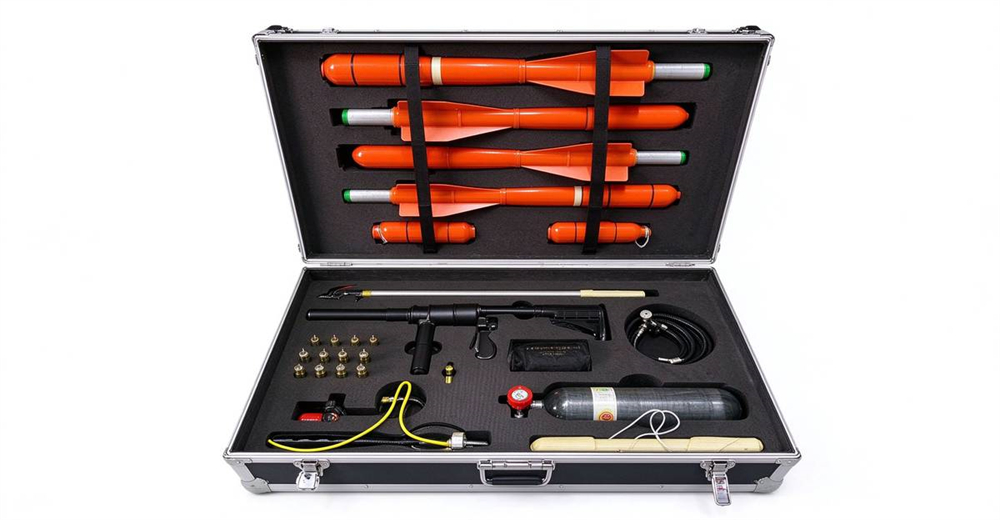
What's in the Box

#

Item

Qty

Purpose

1

Launcher unit

1 set

Main firing device

2

Land rescue bomb

≥2 pcs

Built-in 150m rope

3

Water rescue projectile

≥2 pcs

100m rope + auto lifebuoy

4

Training bomb

≥1 pc

Practice firing

5

Rope bag

≥1 pc

150m / 3mm rope included

6

2L carbon fiber cylinder

1 pc

Continuous firing

7

Rope loader

≥1 pc

Loading rope into projectile

8

33g CO2 cylinder

28 pcs

Lifebuoy inflation

9

16g CO2 cylinder

24 pcs

Backup inflation

10

Trigger agent (tablets)

24 pcs

Water activation

11

Lifebuoy protective cover

≥2 sets

Projectile shell

12

Maintenance kit

≥1 set

Tools and seals

13

Cylinder charger

1 set

Refill carbon cylinder

14

Rope retractor

1 set

Recover rope after shot

15

Folding four-claw anchor hook

1 pc

Building/cliff anchor


The kit is designed for real rescue deployment.
Flood rescue units pair this thrower with the anchor hook for fast crossings.
The pneumatic line thrower stays ready on every flood truck before the water rises.
The pneumatic line thrower is ready on every flood response vehicle.
OEM logos can be printed on the pneumatic line thrower carry case.
Spare cartridges for this pneumatic line thrower ship with every kit.
The rope loader helps rewind the rope smoothly into the projectile after each shot.
The rope retractor pulls the line back after recovery.
The cylinder charger refills the 2L carbon bottle from a larger air source.
The maintenance kit carries spare seals and basic tools for field repairs.
The 28 pieces of 33g CO2 and 24 pieces of 16g CO2 mean a team can run extended operations without resupplying.
For a full-scale cliff rescue or urban rope rescue operation, having enough consumables on hand means the team does not stop mid-operation because they ran out of gas.
The pneumatic line thrower team practices the launch drill on every shift.


Rescue team deploying pneumatic line thrower in fast moving muddy flood water during professional flood and river rescue operations across wide water gaps


The Two Ropes: Land Line vs Water Line
This pneumatic line thrower uses two different ropes for two different jobs.
Understanding the difference matters for procurement , you cannot use the land rope for water rescue and expect it to hold a person through current.
The land rescue rope is 3mm diameter, rated at minimum 2450N breaking strength.
It is designed for anchoring and light hauling: pulling equipment up a cliff face, or establishing a high-line across a gap.
It is not meant to hold a person's full body weight through moving water.
For that, you need the water rescue line.
The water rescue rope is rated at minimum 6350N , more than double the land rope strength.
This is because water rescue involves pulling a conscious.
Or unconscious person wearing full rescue gear through river current.
The current pushes against the person and the rope, creating much higher loads than a static anchor on land.
The 6350N rating gives a safety margin for those dynamic loads.
Spare ropes are available separately.
We recommend keeping at least one spare land rope and one spare water rope per unit.
Ropes get abraded against rock edges, soaked in river water.
A rescue unit without spare rope is not mission-ready.
When inspecting ropes, look for frayed sections, melted spots from friction, or discoloration.
Swap out at once if all of these appear. appear.


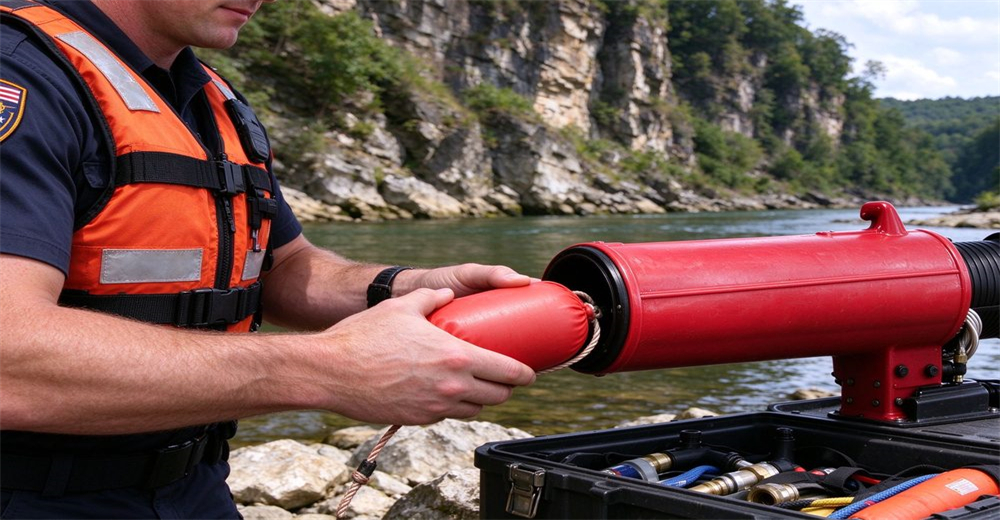
Loading buoy cartridge into pneumatic line thrower macro detail showing durable construction for long service life in professional water rescue operations with reinforced materials tested for repeated rescue missions


The Folding Four-Claw Anchor Hook
The anchor hook is the defining component of this rescue anchor hook system.
Teams run flood rescue drills with this thrower before the season begins.
The pneumatic line thrower fires clean after months in storage.
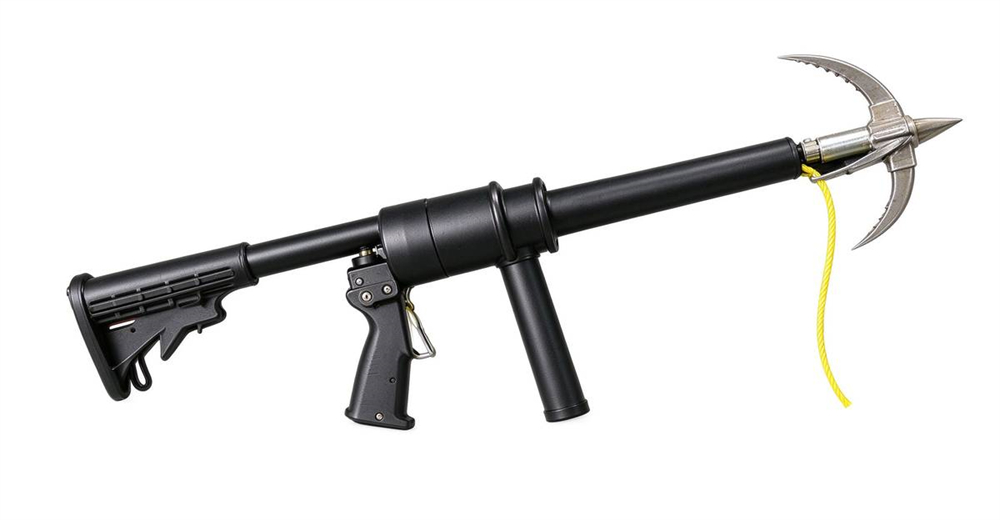
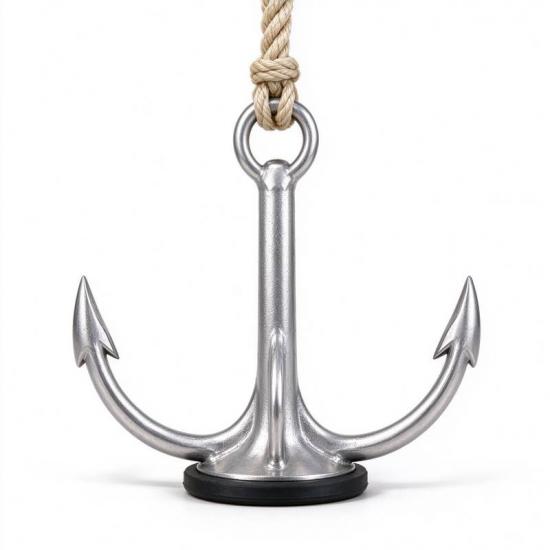
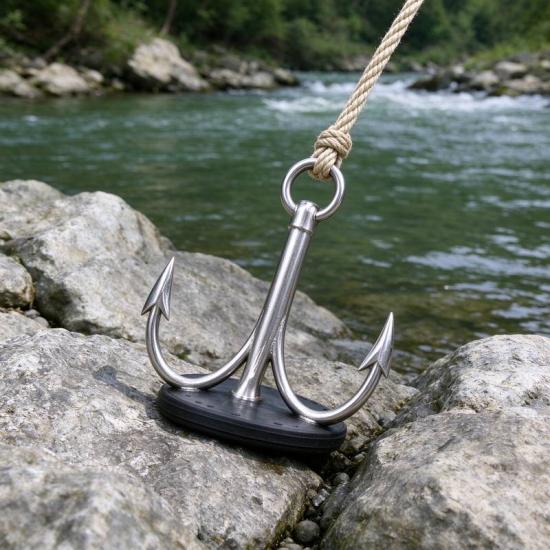
It is a four-claw hook that folds flat for firing, then springs open when the projectile hits the target.
The claws are sharp and curved, designed to dig into rock, concrete or building material and grip tightly.
The hook attaches to the nose of the land rescue bomb.
To fire a plain line shot without anchor function, simply remove the hook and use the bomb as a standard line thrower.
This flexibility means one launcher handles both anchor work and plain line rescue , no need for two separate units.
When the hook catches on a structure, the rope load transfers through the hook into the claws.
The four-claw design distributes load across multiple gripping points, reducing the chance of slipping off a narrow ledge.
This is critical in rescue work: if the anchor pulls out mid-hoist, the rescued person falls.
Inspect the hook before each use.
Look for bent claws, cracks in the metal, or worn gripping points.
Replace the hook if any claw is bent beyond its spring range.
Store the hook in its protective slot in the aluminum case, not loose in a compartment where it can scratch other equipment.


Black anchor hook pneumatic line thrower with stainless steel grappling hook macro detail showing durable construction for long service life in professional water rescue operations


Dual Projectile System
This pneumatic line thrower comes with two types of projectiles, each for a different rescue scenario.
Land Rescue Bomb (150m Rope)
The land rescue bomb is for anchor hook work on buildings, cliffs and structures.
It carries a 150-meter 3mm rope rated at 2450N breaking strength.
Fire this bomb at a building ledge.
Or rock outcrop, the anchor hook catches, and you have a rope anchored at height.
From there you can pull up a haul line or establish a high-line.
This is the projectile that makes the cliff rescue rope thrower possible.
Without the land bomb and its hook, you cannot reach an anchor point above you.
With it, you can establish a rope system from the ground up.


Water Rescue Projectile (100m Rope + Lifebuoy)
The water rescue projectile is for water incidents.
It carries a 100-meter rope rated at 6350N , much stronger than the land rope, because water rescue involves pulling a person through current.
The projectile also contains an auto-inflating lifebuoy that inflates within 5 seconds of hitting water.
For water rescue, remove the anchor hook and fire this projectile at the person in the water.
The lifebuoy floats up to them, they grab it, and rescuers pull them to safety.
The 6350N rope is strong enough to pull a person wearing full rescue gear through moderate current.


Pneumatic line thrower kit in hard case on warehouse pallet manufactured by YRF China supplier as complete rescue equipment for government and NGO procurement


Training Bomb
The training bomb is for practice firing without the live CO2 and lifebuoy system.
New operators practice aiming, firing and rope recovery with the training bomb until they are confident with the real equipment.
This saves consumables during training and reduces risk during familiarization


Applications
The firefighter line thrower rescue teams store the pneumatic line thrower at every flood station.
For flood teams, the pneumatic line thrower is checked before every shift and stored dry between missions.
Version is designed for fire department high-angle rescue teams.
When a building incident requires rope access from an adjacent position, the anchor hook establishes a secure attachment point on the building facade.
From that anchor, firefighters can set up rope rescue systems to reach victims on upper floors or ledges.
Cliff and mountain rescue is another core use.
When a climber is stuck on a rock face with no safe anchor.
From there, they pull a haul line up and begin the technical rescue.
This is much faster than climbing the cliff to establish an anchor point.
Urban rope rescue covers scenarios like a worker trapped on a building ledge, a person stuck on a bridge structure, or equipment.
The anchor hook catches on concrete, steel or stone, providing a temporary anchor point for the rope system.
This pneumatic line thrower is the standard tool for high-angle rescue teams worldwide.
Bridge rescue is a specialized scenario.
When a person is trapped on a bridge piling or underneath a bridge deck.
Rescuers on the bridge surface can fire the anchor hook down to catch on a structural beam below.
From that anchor, they lower a rescue line and reach the trapped person.
Without the anchor hook, they would have to rappel down from the bridge edge , slow and risky when the victim needs immediate help.
Building facade rescue covers cases like a window washer stuck on a suspended platform, or a person trapped on a fire escape above ground level.
The anchor hook catches on a window sill.
Balcony edge or building cornice, giving firefighters an attachment point on the facade.
From there, they set up a rope system to reach the victim without using the building's internal stairwells.
Dam and spillway rescue is another use case.
When a worker falls near a dam structure.
The team on the dam crest can fire the hook to catch on a concrete ledge partway down the face
This establishes an anchor point for a lower rescue system.
Trying to reach the person by boat from below is often impossible in the fast water at the dam base.


Why 7.0MPa Instead of 20MPa?
The 7.0MPa working pressure of this pneumatic line thrower
The pneumatic line thrower keeps working in rain and spray.
Is the trade-off that makes the anchor hook system portable.
A 20MPa system like the Korean backpack requires a heavy external breathing air cylinder and high-pressure hose.
The 7.0MPa system uses a 2L carbon fiber cylinder that mounts as part of the kit , lighter, simpler, and ready to go without a separate air source.
The trade-off is shot count.
A 20MPa external cylinder supports 6+ shots per fill.
The 2L carbon cylinder on this unit supports fewer shots per fill.
But the kit comes with 28 CO2 cartridges and 24 backup cartridges for the lifebuoy system.
For most rescue operations, 5-10 shots per deployment is enough , the anchor hook either catches on the first or second try, or the team repositiones and tries again from a different angle.
The lower pressure also means lighter launcher components.
No need for heavy-duty reinforced hoses or thick-walled chambers.
The whole system is lighter and easier to carry to a cliff face or building position.
For fire teams that hike to rescue scenes, this weight savings matters.


Hand-Thrown vs Pneumatic: Why the Hook Matters
A hand-thrown hook or bag reaches 15-25 meters with an experienced rescuer.
For anchor work on a building 20-30 meters up, that is often not enough, and even if it reaches, a hand-thrown hook is unlikely to catch securely on a narrow ledge.
This pneumatic line thrower fires the hook accurately to 60 meters, with enough force for the claws to open and grip the structure.
The accuracy difference is also critical.
A hand-thrown hook curves and drops quickly.
A pneumatic-launched hook flies a flat trajectory toward the target.
This is the difference between a reliable anchor and a missed shot that wastes time during a rescue.
Industrial applications include dam and bridge maintenance teams who need to throw a line to a structure above them.
When a worker needs to access a bridge underside or a dam face from below, the anchor hook establishes the first line, from which a full rope access system is built.
Water rescue is also covered: switch to the water projectile and you have a standard line thrower with lifebuoy.
The same unit handles both land anchor work and water rescue , a versatile tool for teams that face mixed rescue scenarios.


Pneumatic line thrower four claw anchor hook caught on rocks macro detail showing durable construction for long service life in professional water rescue operations


How the CO2 System Works
The water rescue projectile uses a CO2 inflation system, same as the Korean and portable models.
Buyers often compare the pneumatic line thrower against manual rope bags.
Each water projectile carries a folded lifebuoy, a CO2 cartridge and a water-soluble trigger tablet.
When the projectile hits water, the tablet dissolves within seconds, releases a spring that pierces the CO2 seal, and the gas inflates the lifebuoy.
The 33g and 16g CO2 cartridges serve different purposes.
The 33g cartridges are the main inflation gas for the lifebuoy.
The 16g cartridges are backup , carried in the kit for replacement after each shot.
Having 28 main cartridges and 24 backup means a team can run 28+ water rescue shots before needing to resupply.
CO2 cartridges are consumables.
After each water rescue shot, you must replace the cartridge and trigger tablet before the next use.
Store cartridges in a dry, cool place , moisture can prematurely trigger the tablet.
The aluminum case has internal pockets for spares, keeping them organized and protected.


Training and Drills
This pneumatic line thrower is a technical rescue tool.New operators should not fire it at a real cliff or building without proper training.
Training builds muscle memory, so every crew member can run the pneumatic line thrower under pressure.
We recommend a structured progression: classroom familiarization with all components, dry runs with zero pressure, low-pressure firing at a safe target, then full-pressure drills at a proper training facility.
For fire department teams, this anchor hook thrower typically enters service after operators have completed high-angle rescue certification.
The unit itself is simple to fire, but the rescue work that follows.
Anchoring the rope, establishing the high-line, hoisting a victim , requires technical rope rescue skills.
This pneumatic line thrower is one tool in a larger rescue system, not a standalone solution.
Annual recertification covers: equipment inspection, carbon cylinder pressure check, projectile type selection, live firing at a simulated anchor target, anchor load testing, and emergency troubleshooting (what to do if the hook misses.
What if the rope tangles, what if the CO2 fails to inflate).


How the Trigger Works
The trigger is a mechanical valve connected to the 2L carbon cylinder.
Pulling the trigger opens a high-pressure valve that releases compressed air from the cylinder into the launcher chamber.
Air rushes past the projectile and drives it out of the barrel. and pushes it out the barrel.
Release the trigger and the valve closes , the shot stops.
This means you control shot distance by how long you hold the trigger.
A short squeeze fires a shorter shot; a longer hold reaches farther.
In practice, most operators shoot a single quick squeeze per shot. single quick squeeze per shot.
The system fires one shot per trigger pull; you cannot hold the trigger and fire continuously.
The safety pin blocks the trigger until you are ready to fire.
Always keep it engaged during transport and while changing projectiles.
After firing, reinsert the pin immediately.
This prevents accidental discharge when you are moving position or recovering the rope.
Is this the right unit? Best for fire department high-angle rescue, cliff rescue, and complex urban rope rescue. If you only need water rescue within 80m, the Korean backpack unit is simpler and cheaper. If you need 200m+ range, see the long range series.


Pneumatic line thrower in open backpack showing internal storage macro detail showing durable construction for long service life in professional water rescue operations


How to Use
Step 1 Inspect: Check launcher, carbon cylinder pressure, safety pin, rope condition, and which projectile type you need (land bomb or water projectile).
Winter teams store the pneumatic line thrower with dry cartridges.


Step 2 Load: Choose the right projectile. For anchor work, attach the folding hook to the land rescue bomb.
During deployment, the pneumatic line thrower is handled by two rescuers, so the anchor hook shot stays steady across the gap.
For water rescue, use the water projectile with auto-inflating lifebuoy.
Load into the barrel.


Step 3 Aim and Fire: Shoulder the launcher. For anchor shots, aim slightly above the target structure so the hook hits the face at the right angle.
Squeeze trigger.
Never point at people.


Step 4 Secure and Recover: Once the hook catches, test the anchor by pulling firmly.
Establish your rope system.
After the operation, recover the rope using the retractor, replace the CO2 and tablets, reset for next use.


Choosing the Right Projectile for the Job
The most common mismatch is using the wrong projectile for the scenario.
Fire the water projectile at a cliff face and you get a lifebuoy shell that does not anchor.
Fire the land bomb at a person in the water and you get a heavy hook shell without a lifebuoy.
Before each shot, ask: what am I trying to anchor to?
A rock face or building ledge = land bomb with hook.
A person in the water = water projectile with lifebuoy.
A plain line across open ground = either, but the water projectile gives extra buoyancy.


Safety Warnings
Never point the launcher at people, animals or property.
The anchor hook shot is powerful , ensure the area behind the target is clear.
Test the anchor catch before putting any load on the rope.
Inspect hook claws before each use , bent claws may not open on impact.
Do not exceed 7.0MPa working pressure on the carbon cylinder.
Carbon fiber cylinders require hydrostatic testing per regulation.
Wear eye protection during practice shots.
Proper high-angle rescue training is required before using this in real operations.
The anchor hook is a temporary rescue anchor, not a permanent climbing anchor.


Which Model to Choose?
 

Item

Korean 126m

Korean 126m

American 135m

Anchor hook

Folding four-claw, 60m

No

Titanium, 330kg

Land range

165m

126m

135m

Water range

110m

79m

105m

Best for

Fire/high-angle/cliff

River/lake rescue

Marine/ship-to-ship

Cylinder

2L carbon fiber

0.5L + external

External black cylinder


Simply: need anchor hook on buildings or cliffs → this unit.
Every pneumatic line thrower is function-tested before it leaves the factory.
Need plain water rescue → Korean backpack.
Need ship-to-ship with heavy anchor → American gun.


Anchor hook pneumatic line thrower in open aluminum case with rockets, grappling hook and CO2 cartridges manufactured by YRF China supplier as complete rescue equipment for government and NGO procurement


Who Buys This Anchor Hook Thrower?
Based on our export experience, the anchor hook model is most commonly ordered by: fire department high-angle rescue teams; mountain and cliff rescue organizations; urban search and rescue units; bridge.
And dam maintenance teams; and industrial rope access companies that need a portable line-throwing system.
This pneumatic line thrower is a specialized tool for teams that need anchor capability on buildings and cliffs.
Less common buyers: river rescue teams (who prefer the simpler Korean backpack); harbor patrol (they prefer the American gun for marine work); and recreational rescue clubs (they find this model over-specified).
Not sure which category fits your operation? Email us your scenario and we will recommend.


Packaging, Shipping and Consumables
The kit packs into a rugged aluminum transport case.
Crews mount the pneumatic line thrower on the boat rail for harbor operations.
Reference carton approx.
60×45×35cm, gross weight approx.
15-18kg including the carbon cylinder and all consumables.
Express sample delivery (DHL/FedEx): 7-10 days. Bulk orders: sea freight FCL or LCL, FOB/CIF/EXW accepted. CO2 cartridges: to door.Bulk orders: sea freight FCL or LCL, FOB/CIF/EXW accepted.CO2 cylinders: Class 2.2 dangerous goods, shipped separately.
Consumables long-term supply:
33g and 16g CO2 cylinders, trigger tablets, lifebuoy protective covers, spare ropes and seals are all available for repeat orders.
The folding anchor hook is a durable component , inspect claws annually and replace if bent or cracked.
As a reliable China supplier of this pneumatic line thrower, we ensure consistent quality across every batch.
For bulk procurement, the exact container loading depends on how many kits and spare consumables you order.
Email us with your full configuration and destination port, and we will calculate the most cost-effective shipping arrangement.


FAQ About Anchor Hook Line Thrower
This unit complies with GB/T 27906-2011 national standard. standard.
The pneumatic line thrower fits standard rescue vehicle racks.
For tender documents, we state the pneumatic line thrower range as tested at factory level.
Product spec sheets and technical data available for reference.
As a Chinese supplier of rescue line throwing appliances, we export worldwide. Contact throwing appliances, we export worldwide.


Rope Care and Storage
Both the land rope and water rope of this pneumatic line thrower need proper care.
After every deployment, rinse with fresh water to remove mud, sand and chemicals.
Hang to dry before rewinding onto the spool.
A wet rope stored in the case will develop mildew and lose strength over time.
Check the rope before every use.
Look for frayed sections, melted spots from friction against rock edges, or discoloration.
If your team see any of these, replace the rope. replace the rope.
A rescue rope that snaps under load during a rescue is a serious safety failure , the person on the other end falls.
Store the rope spools in the aluminum case, not in direct sunlight.
Sunlight breaks down polyester rope over time.
Keep the case closed and stored in a dry, dark equipment room.
If the unit lives in a rescue truck, keep it in a closed compartment rather than against a window.
 

When

What to Check

Before each use

Carbon cylinder pressure, safety pin, projectile type, hook claws, rope condition

After each use

Clean launcher and case, recover projectiles, replace spent CO2 and tablets

Monthly

Seal condition, hook claw spring tension, rope fraying, case latches

Annually

Carbon cylinder hydro test per regulation, full service, replace aging seals

As needed

Replace CO2 after use, replace damaged hook, replace worn rope


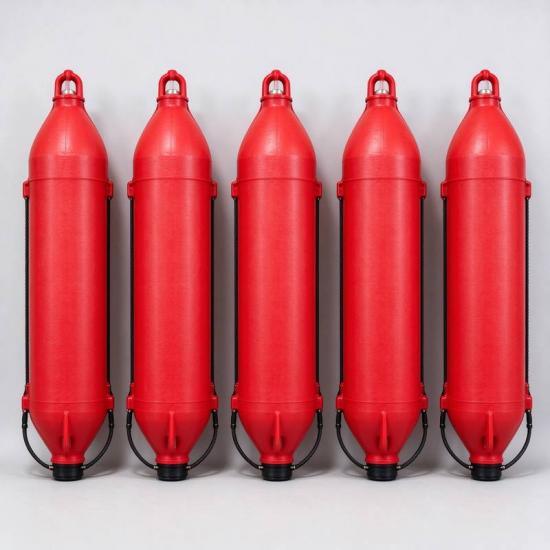
Rescuer loading red buoyant cartridge into anchor hook pneumatic line thrower at cliff river bank, black equipment case, canyon river background, rescue operation


What is an anchor hook line thrower?
This pneumatic line thrower is a rescue device that fires a folding four-claw anchor hook to catch on building edges, rock outcrops or bridge structures, enabling rope-based rescue from difficult positions.


How far can the anchor hook be thrown?
On this pneumatic line thrower, minimum 60 meters for anchor hook shots.
Land rescue projectile reaches 165 meters.
Water rescue projectile reaches 110 meters.


What is the dual projectile system?
Two types: land rescue bomb (150m rope) for building/cliff anchor work, and water rescue projectile (100m rope + auto lifebuoy) for water incidents.


How many shots per carbon cylinder?
The 2L carbon fiber cylinder supports continuous firing.
28 pieces of 33g CO2 and 24 pieces of 16g CO2 included for extended operations.


Is this for fire department rescue?
Yes.
Meets GB/T 27906-2011 and designed for fire department high-angle rescue, cliff rescue and complex urban rescue scenarios.

Can the anchor hook be removed?
Yes.
The folding four-claw hook mounts on the projectile nose. the projectile nose.
Remove it for plain line shots without anchor function.


Red buoyant cartridge and white rope floating near rocky bank beside cliff for anchor hook pneumatic line thrower water rescue, clear water, cliff background


What is the MOQ?
Flexible MOQ.
Sample orders welcome for evaluation.
Volume pricing and lead time confirmed per contract.


How much does it cost?
Price depends on configuration and quantity.


What Incoterms do you accept?
FOB, CIF and EXW.
CO2 cylinders ship via separate dangerous goods channels.


What documents do you provide for tender?
Spec sheet, packing list and commercial invoice ship as standard.
GB/T related documents available on request.


How heavy is this pneumatic line thrower to carry?
The launcher unit itself is compact and manageable.
The full kit including 2L carbon cylinder, CO2 cartridges, projectiles and ropes fits in a wheeled transport case.
Designed for vehicle transport between rescue positions.


Do I need special training to operate it?
Yes.
This anchor hook thrower is a technical rescue tool.
Operators should have high-angle rescue certification before live use.
We provide basic familiarization training on delivery, but full rescue certification is the team's responsibility.


What spare parts should we keep in stock?
Recommended spares: CO2 cartridges (both 33g and 16g), anchor hook claws, seal kits, spare rope spools (land and water).
These are the consumable items that wear out or get lost during operations.


Can it be used in cold weather?
Yes, but CO2 performance decreases in low temperatures.
Leave extra range margin in cold weather.
The carbon cylinder and launcher body are rated for typical rescue operating temperatures.
Avoid storage in extreme heat or freezing conditions.


What is the difference between this and the portable thrower?
This unit has the anchor hook system and 2L carbon cylinder for longer range and anchor capability.
The portable unit is lighter, CO2-only, and designed for on-foot water rescue.
Choose based on your primary mission.
This anchor hook line thrower handles both cliff anchor work and water rescue. For 200m+ long range, see the 230m series


If you have questions or suggestions,please leave us a message,we will reply you as soon as we can!

Related Product
  • Professional Rescue Launcher Aluminum Alloy Professional Rescue Launcher, Aluminum Alloy, Fire Fighting Essential

    This orange-yellow professional rescue launcher is made of aviation-grade aluminum alloy, with maximum working pressure of 200bar, throwing distance of 150-230 meters on land and 80-210 meters on water. Certified by the National Fire Equipment Quality Standard, it reaches maximum initial velocity of 60m/s. It provides efficient solutions for fire teams, flood control, and water rescue operations, saving lives in critical moments as essential equipment for all rescue teams.

  • Life-saving Thrower 50m Range Customized Life-saving Thrower, High Strength, Long-range Rescue

    This professional life-saving thrower is made of high-strength composite materials, with a throwing distance of 50 meters and a load-bearing capacity of 150kg, achieving a 99% rescue success rate. Its orange-yellow design ensures high visibility on water, equipped with non-slip handle and high-strength rescue rope. Specifically designed for flood control, water rescue and emergency disaster relief, it is essential equipment for fire departments, maritime rescue units, water rescue teams and flood control forces, participating in over 200 flood rescue missions annually.

  • Pneumatic Rope Launcher 120m Rescue Rope High-Pressure Pneumatic Rope Launcher, Rescue Special, 120m Range

    This high-pressure pneumatic rope launcher uses compressed air as power source, with projection distance ≥80 meters on water and ≥110 meters on land, equipped with 120-meter high-strength rescue rope. The main body weighs less than 3.5kg, offers simple and quick operation, and features a spark-free design ensuring safe use in flammable environments. The accompanying auto-inflating life ring inflates within 5 seconds with buoyancy >8kg. Ideal for flood disaster relief, water rescue, maritime rescue and other complex scenarios, it's essential equipment for emergency rescue departments.
  • Pneumatic line thrower for swift water flood rescue Wholesale Pneumatic Line Thrower: 100m–640m Rescue Rope Launcher

    This pneumatic line thrower delivers reliable long‑distance rope deployment for swift‑water, flood, maritime and ice rescue scenarios. Multiple configurations cover short, long and ultra‑long throwing distances. Complete kits include launcher, projectiles, rescue ropes, CO2 cylinders and protective carry case. Quick setup, simple operation for fire, coast guard and emergency rescue teams worldwide. Note: Price for reference only. Exact price based on quantity, size, weight and custom details.
  • 20 MPa Shoulder Fired Water Rescue Line Thrower Korean Style Pneumatic Rescue Thrower PTQ20-Y100S70 | 20 MPa ≥100 m Land / ≥70 m Water

    Korean Style Pneumatic Rescue Thrower PTQ20-Y100S70, 20 MPa shoulder-fired launcher. ≥100m land range and ≥70m water range, equipped with auto inflating lifebuoy head and 2000N high tensile rope. Complies with GB/T 27906-2011. Complete aluminum hard case kit. Support bulk wholesale, OEM custom logo for fire, coast guard and flood rescue teams. Note: Price for reference only. Exact price based on quantity, size, weight and custom details.
  • American Style Anchor Hook Pneumatic Rescue Thrower American Style Anchor Hook Rescue Thrower | PTQ20-Y125S100 & PTQ7-Y150S110Q55

    American Style Anchor Hook Pneumatic Rescue Thrower, frame-mounted design with recoil buffer. Equipped with heavy-duty anchor claw for high-rise, cliff and maritime rescue. Delivers long-distance rope deployment for swiftwater, urban flood and offshore emergency rescue. Complete kit with launcher, projectiles, rope and protective case. Support bulk wholesale and OEM customization for fire and coast guard teams. Note: Price for reference only. Exact price based on quantity, size, weight and custom details.

Copyright © Custom Disaster - Relief Bedding: Tents, Sleeping Bags, Blankets All Rights Reserved

Leave a message

    If you have questions or suggestions,please leave us a message,we will reply you as soon as we can!


the professional team to service !