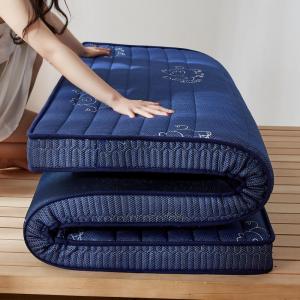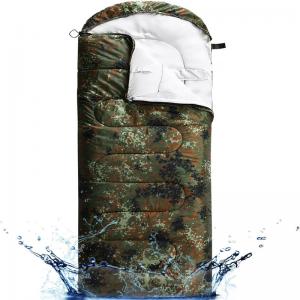
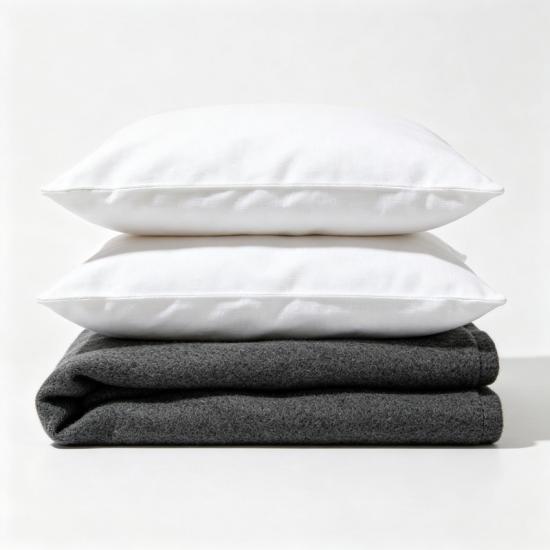
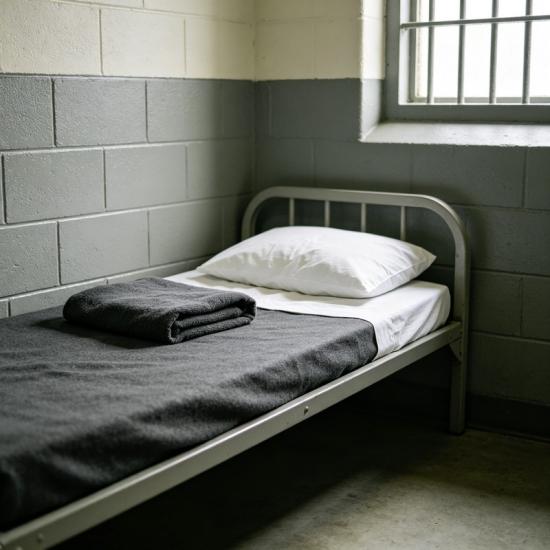
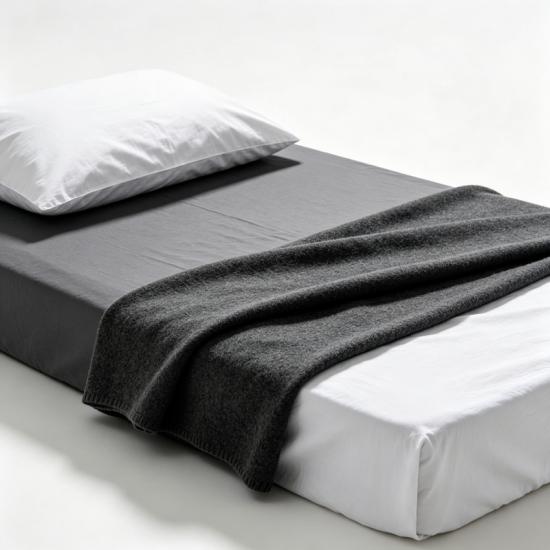
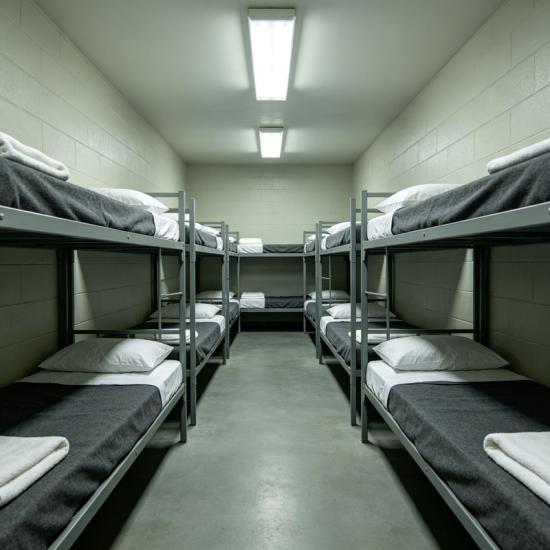
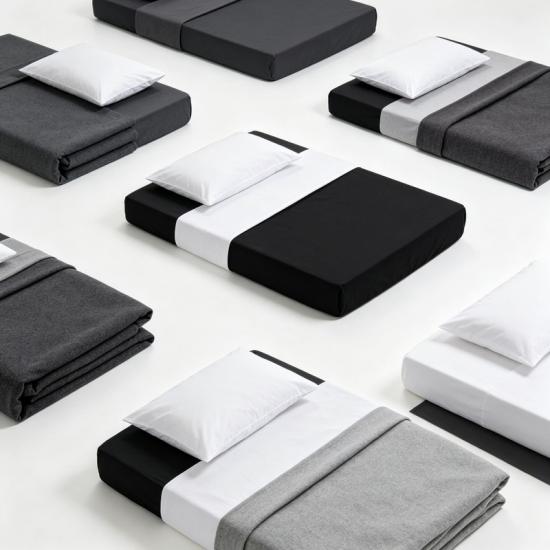
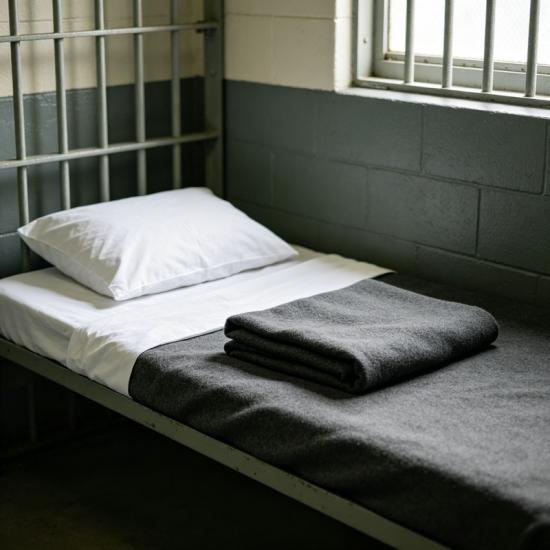
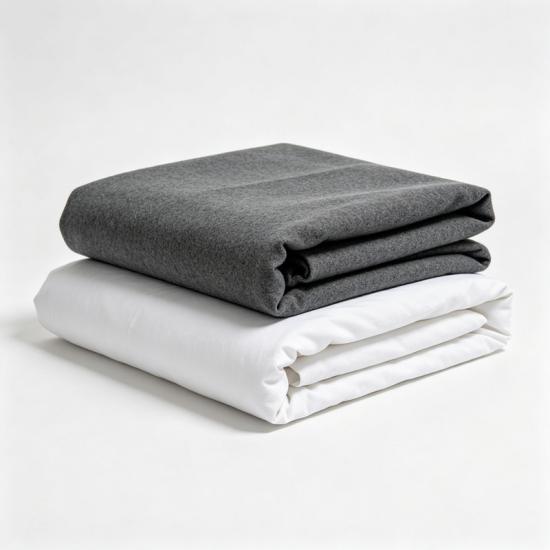
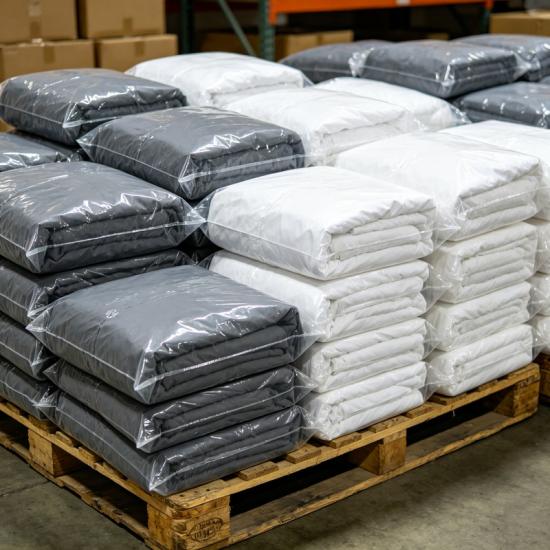
Heavy‑duty correctional bedding designed for prisons, jails, detention centres and secure facilities. Tamper‑resistant, anti‑ligature, flame‑retardant and tear‑resistant with reinforced stitching. Multiple colours, custom labelling and vacuum‑compressed packaging available. Strict QC supports large‑scale institutional tenders and government bulk orders.
Note: Price for reference only. Exact price based on quantity, size, weight and custom details.
model no. :
CP-09Brand:
YRFmarket price :
$79.8sale price :
$39.9price range :
30-100/$39.9Color :
Multiple Colorsport of dispatch :
Guangdong/GuangzhouPayment :
TT, Paypal, Western Unionmin order :
1original region :
Made in ChinaLead Time :
5-15days
Correctional facility bedding must meet unique safety requirements that ordinary institutional bedding does not. In prisons, jails and detention centers, every item in a cell is a potential safety concern. Our correctional facility bedding range includes prison bedding, jail bedding and detention center bedding solutions designed for high-security environments.
 |

|
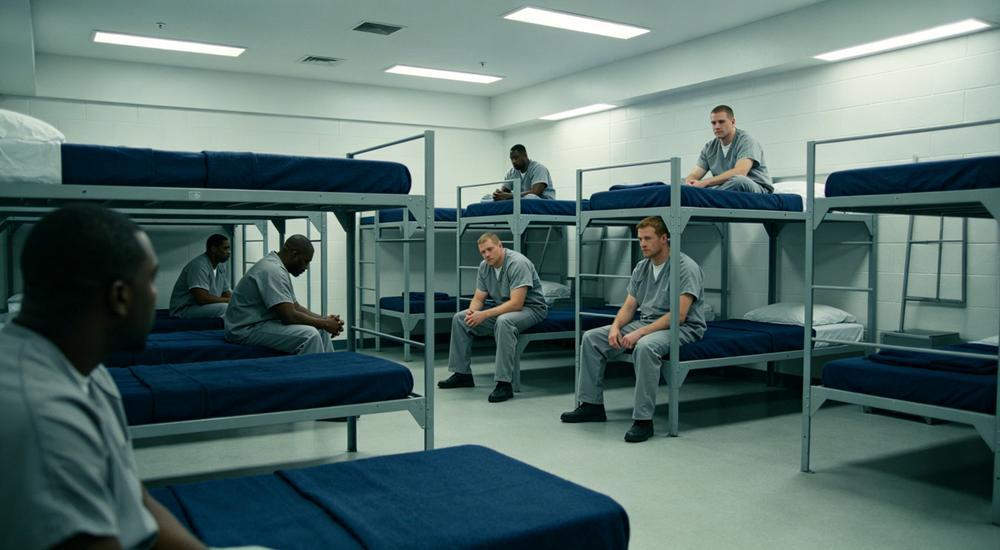
Tamper-resistant prison bed sheets and detention facility bedding engineered to meet correctional safety standards. From maximum-security housing units to immigration detention centres operated under humanitarian oversight, every set is built to eliminate safety risks while withstanding daily institutional use.
Bedding must be tamper-resistant, free of hard components, flame-retardant, and designed to eliminate ligature points. At YRF Textile, we manufacture correctional-grade bedding specifically engineered for high-security environments.
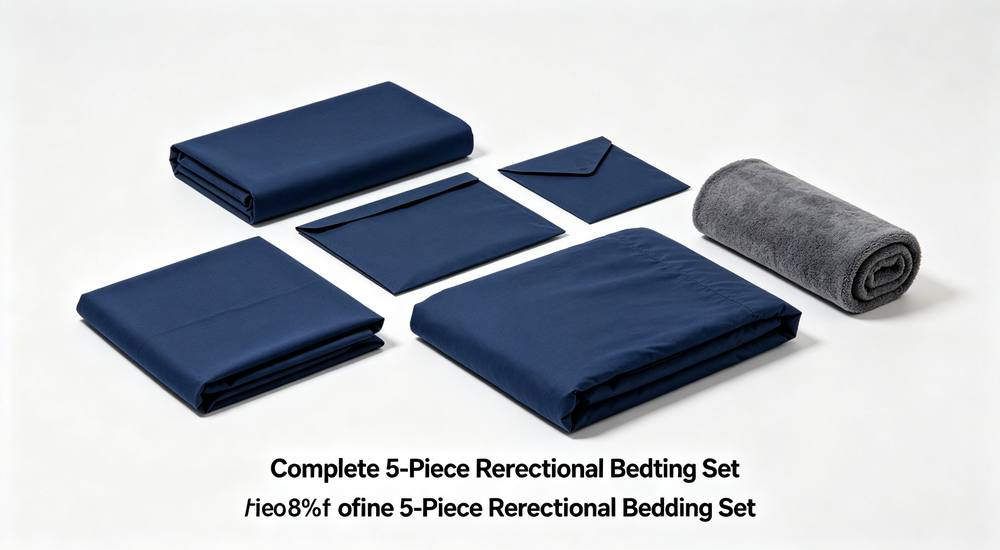
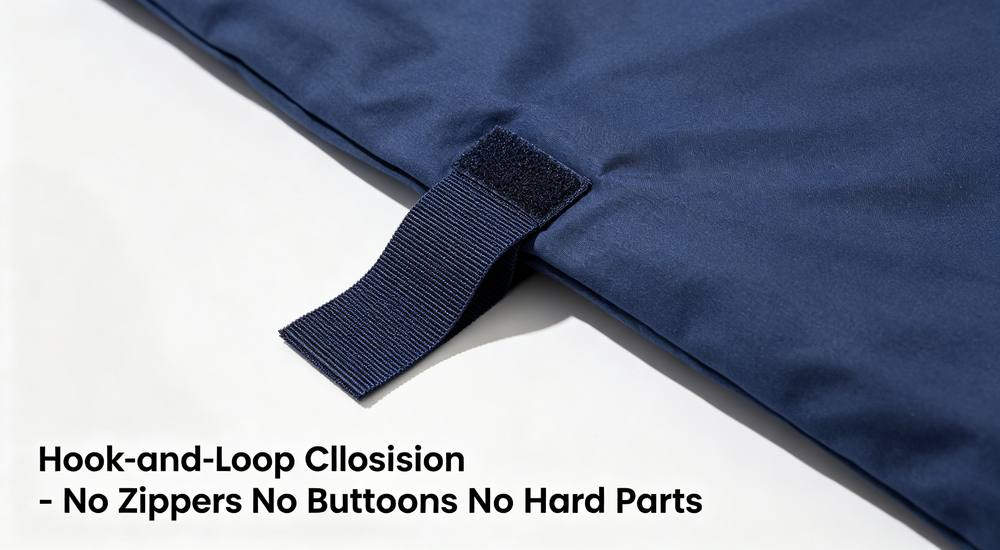
As a correctional bedding manufacturer and prison bedding wholesale supplier from China, our jail bedding sets use no zippers, no buttons, no drawstrings and no hard plastic components. All closures are stitched or use hook-and-loop fasteners.
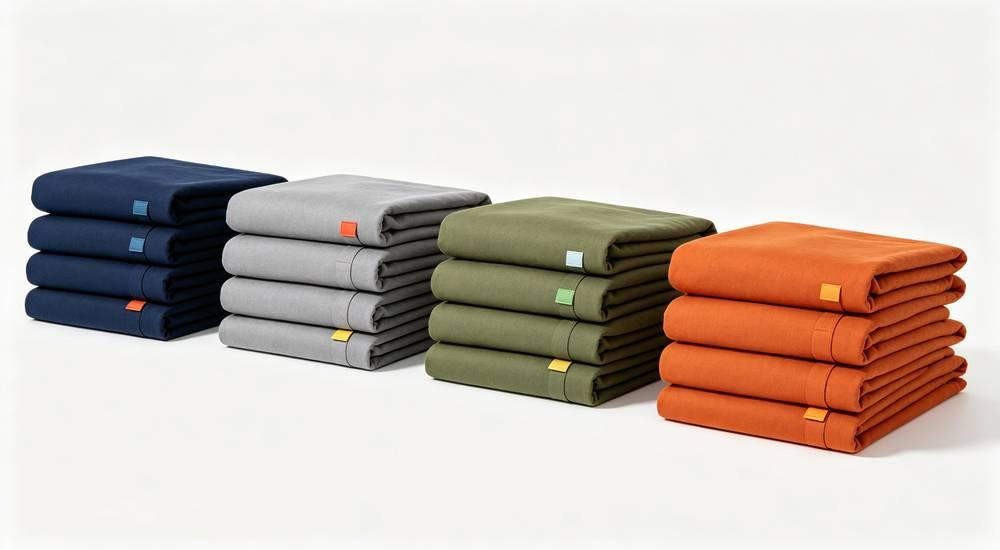
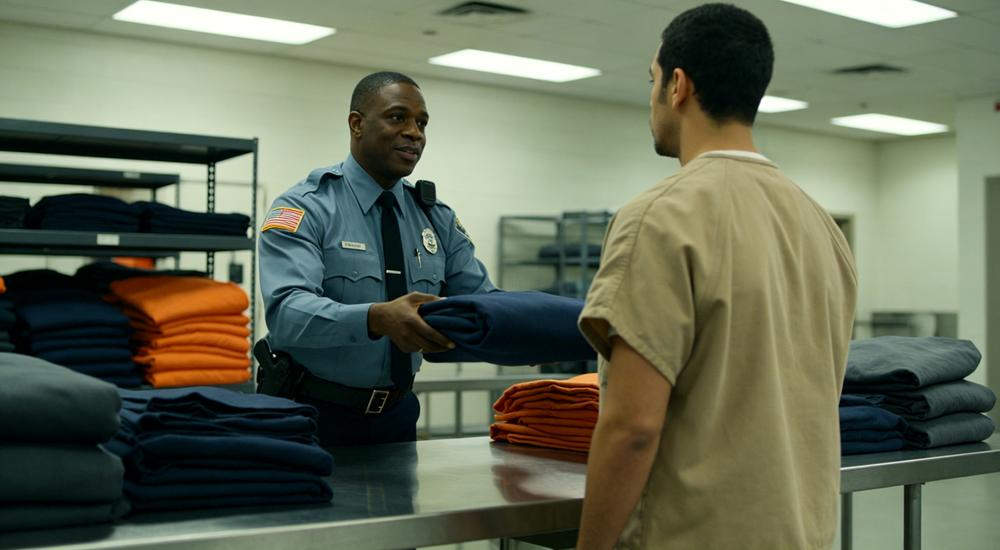
Fabrics are tear-resistant and flame-retardant. Colours are dark and institutional — navy, grey, olive and orange are standard for prison linen and jail bedding sets. Every set is built to survive daily use, frequent laundering and the rigorous conditions of a correctional environment.
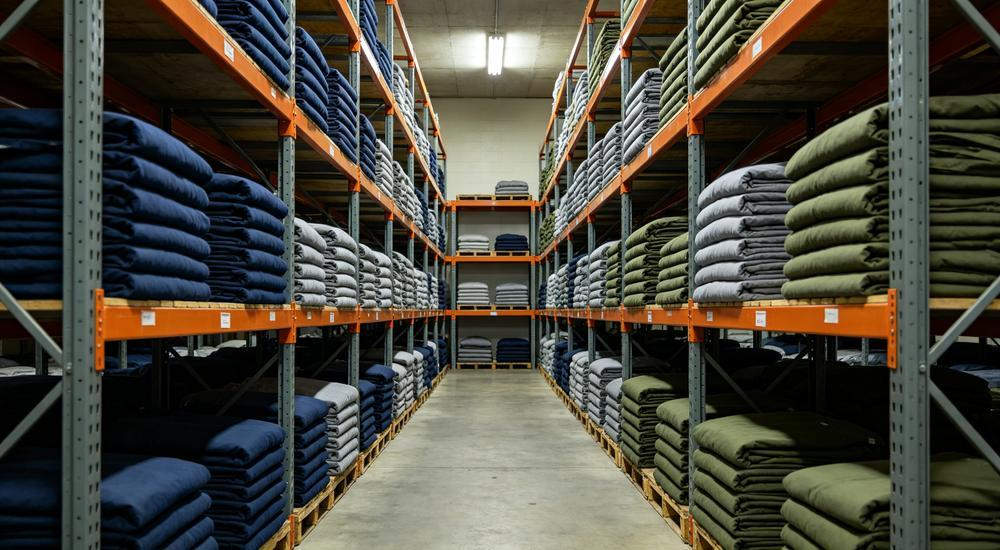
Key Takeaway: Correctional bedding is defined by what it lacks — no zippers, no buttons, no drawstrings, no hard parts. Safety is the primary specification for any prison bedding wholesale order. Choose flame-retardant, tear-resistant fabric in institutional colours. Verify your facility's specific security requirements before ordering — different security levels have different standards for jail bedding sets and detention centre linen.
Specifications & Sizes
Why Choose YRF Textile
Fabric Material Comparison
Certifications & Quality Control
Safety & Anti-Tamper Features
Customization Options
Flame-Retardant Standards
Washing & Maintenance Guide
GSM & Model Selection Guide
Color Consistency & Multi-Batch
Procurement Decision Guide
Packaging & Logistics
Cost-Benefit & Lifespan Analysis
Sample Policy & Trial Order
Application Scenarios
FAQ
Related Products
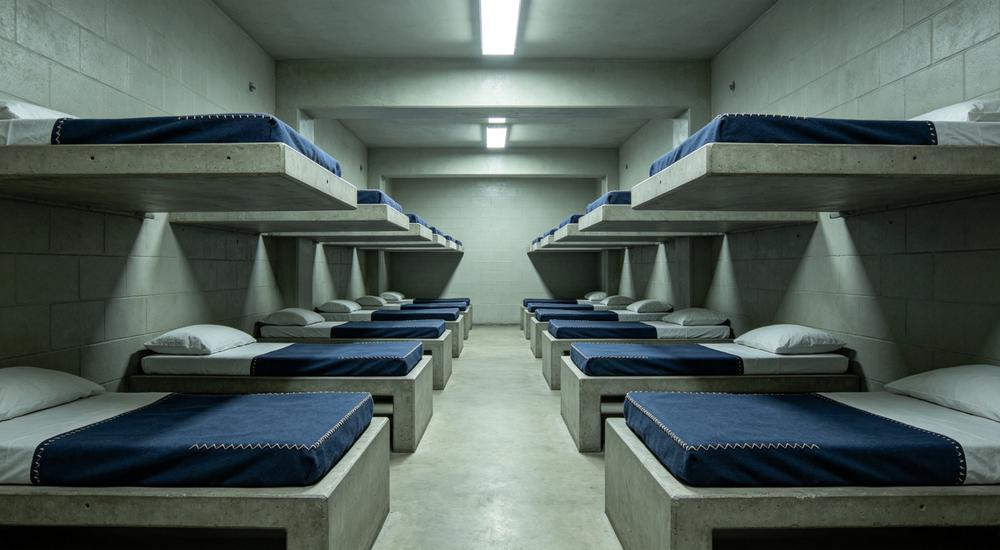
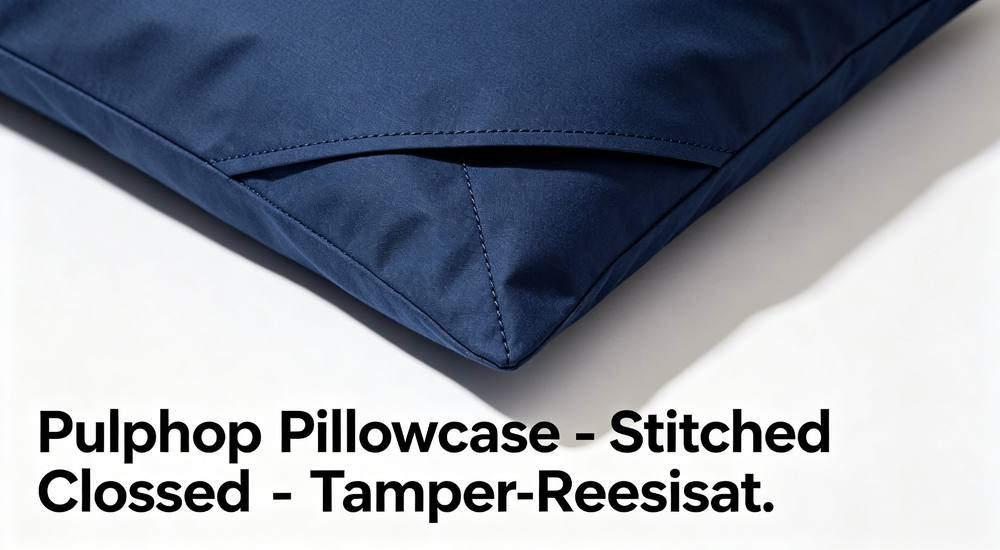
Correctional facility bedding follows standard single-bed dimensions, but security requirements modify every component. No zippers on duvet covers — envelope-style closures instead. No buttons — stitched closures only. Fitted sheets use elastic but the elastic is fully enclosed and inaccessible. Pillowcases use envelope closures, not zippered ones. Our inmate bedding range covers minimum, medium, and maximum security facilities with consistent quality across all housing units.
|
Component |
Standard Size |
Security Modification |
|
Flat Sheet |
180×240 cm |
Reinforced hems, no loose threads |
|
Fitted Sheet |
90×200×20 cm |
Enclosed elastic, no exposed cord |
|
Pillowcase |
50×75 cm |
Envelope closure, no zipper |
|
Duvet Cover |
150×200 cm |
Hook-and-loop or stitched closure, no zipper |
|
Bedspread / Coverlet |
180×240 cm |
Quilted, tear-resistant, no loose filling |
|
Mattress Cover |
90×200 cm |
Flame-retardant, waterproof, sealed closure |
Key Takeaway: The single most important specification for correctional bedding is the closure system. Zippers are prohibited in most facilities because the pull tab can be removed and used as a tool or weapon. Hook-and-loop (Velcro) or stitched envelope closures are the standard. Always confirm your facility's approved closure type before ordering.
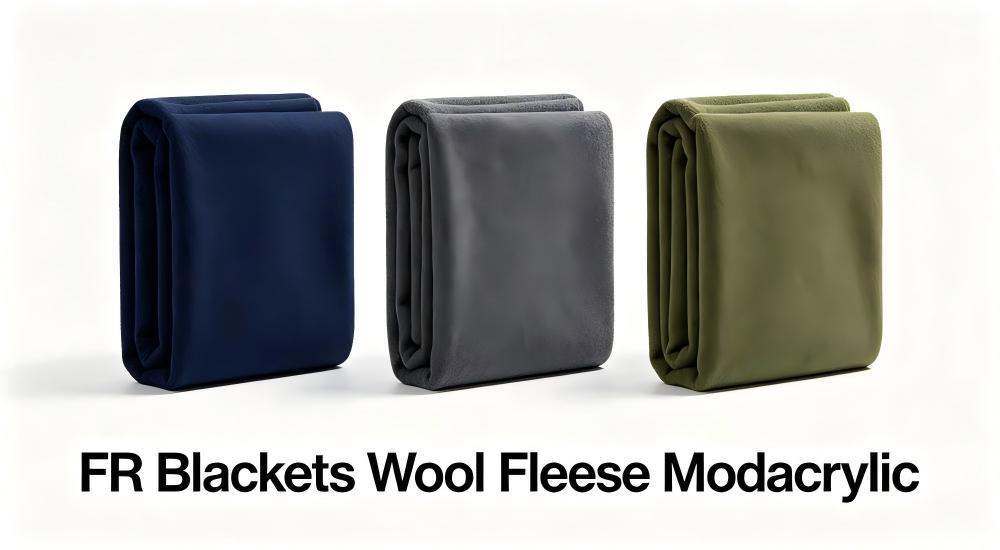
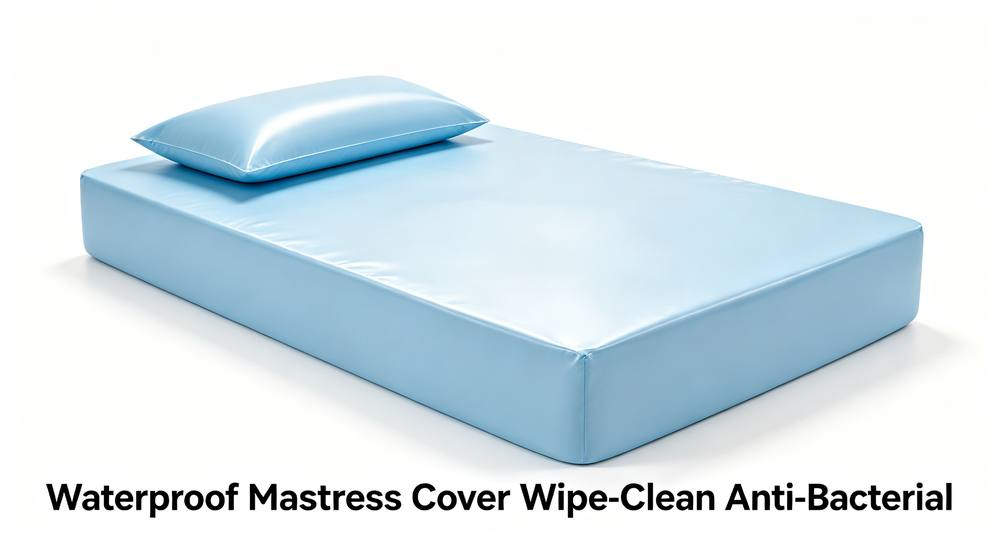
A standard 4-piece correctional set includes: 1 flat sheet, 1 fitted sheet, 1 pillowcase (envelope closure), and 1 duvet cover (hook-and-loop closure). Optional add-ons: waterproof mattress cover, tear-resistant bedspread, flame-retardant blanket (wool, fleece or modacrylic), and pillow insert. Many facilities also order mattress covers and blankets separately since they wear out independently and have different replacement cycles.
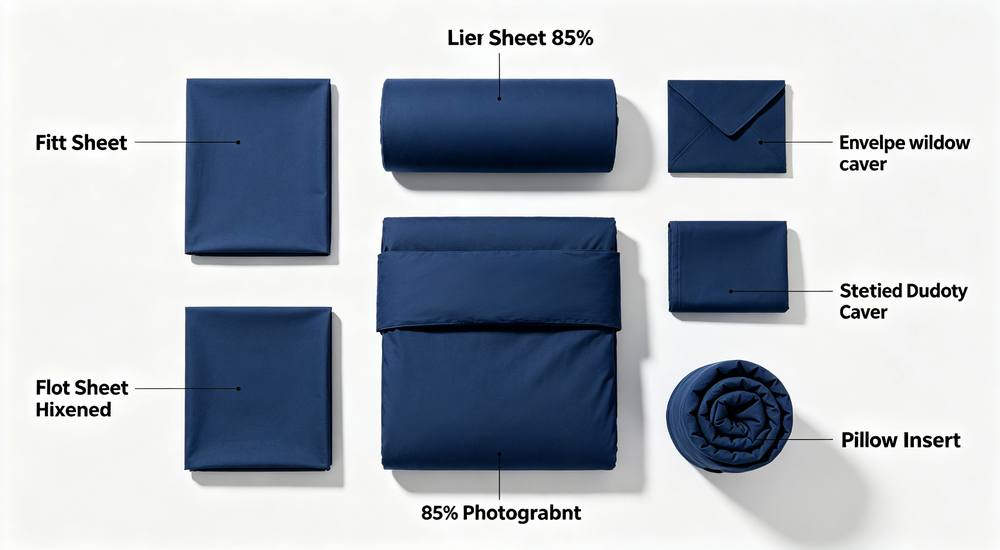
Fabric selection for correctional bedding balances three requirements: durability (survives frequent industrial washing), safety (flame-retardant, tear-resistant),. And cost (facilities operate on tight budgets). The fabric must also be comfortable enough for daily use — uncomfortable bedding increases complaints and contraband issues.
Fabric Type
Best For
Tear Resistance
FR Capability
100% Polyester (120-160 GSM)
Budget facilities, high turnover
Good
Yes (inherent or treated)
65/35 Poly-Cotton (150-180 GSM)
Standard prisons & jails
Very Good
Yes (treated)
50/50 Poly-Cotton (180-220 GSM)
Maximum-security facilities
Excellent
Yes (treated)
Modacrylic Blend (180-220 GSM)
Facilities requiring inherent FR
Excellent
Yes (inherent, permanent)
Key Takeaway: 65/35 poly-cotton at 150-180 GSM is the most common correctional bedding fabric — it's durable, comfortable, takes FR treatment well, and is cost-effective. Modacrylic blends cost more but provide inherent (permanent) flame resistance that doesn't wash out — required by some maximum-security and psychiatric facilities.
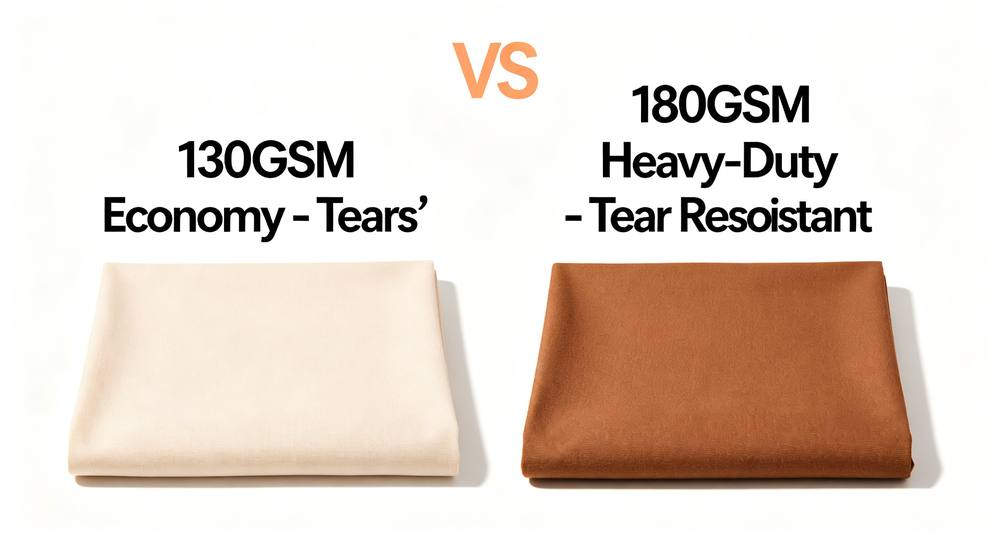
Every component of correctional bedding is evaluated for safety. The goal is to eliminate anything that could be used as a weapon, a ligature, or a means of concealment. This requires specific design choices that ordinary bedding does not need.
Key Takeaway: Safety is not an add-on for correctional bedding — it's the foundational design principle. Every feature is evaluated through a security lens. If a component can be torn, removed, hidden or repurposed, it must be redesigned. Always share your facility's specific security guidelines with your supplier before production begins.
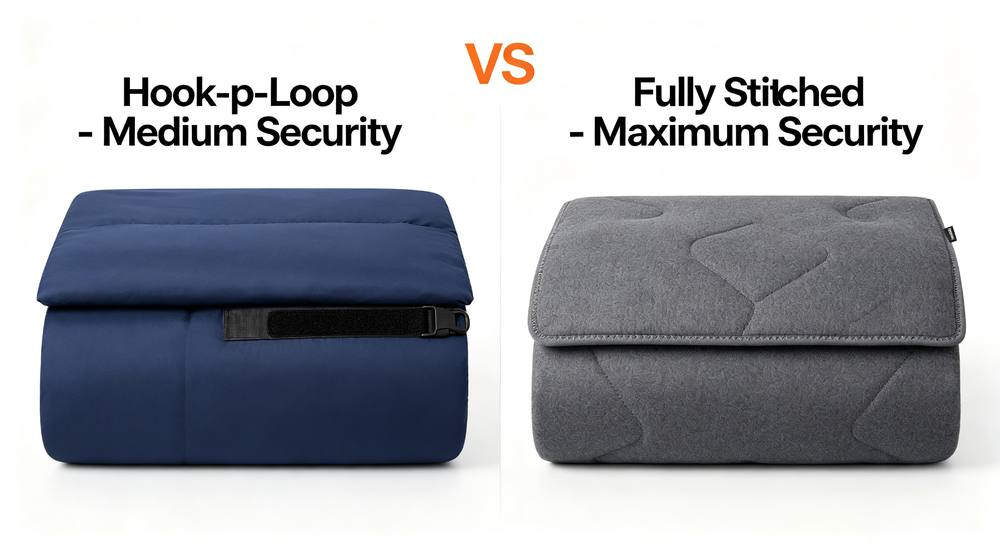
Flame resistance is a critical safety requirement in correctional facilities. Overcrowded cells, smoking restrictions (and violations), and limited evacuation routes make fire risk management essential. Different jurisdictions have different standards — confirm which standard applies to your facility.
|
Standard |
Applies To |
Test Method |
|
NFPA 701 |
Textiles & films (North America) |
Vertical flame test |
|
BS 5867 Part 2 |
Curtains & bedding (UK) |
Flame spread & afterglow |
|
EN 13773 |
Textiles (EU) |
Burning behaviour classification |
|
ISO 12952 |
Bedding systems |
Cigarette & match ignition |
|
California TB 117 |
Upholstery & bedding (US) |
Smouldering & flame test |
Key Takeaway: There are two types of FR: topical treatment (chemical coating that washes out over 20-50 washes) and inherent FR (fibre itself is fire-resistant, permanent). For correctional facilities where bedding is washed hundreds of times, inherent FR fabrics (modacrylic blends) provide the most reliable long-term protection, despite higher upfront cost.
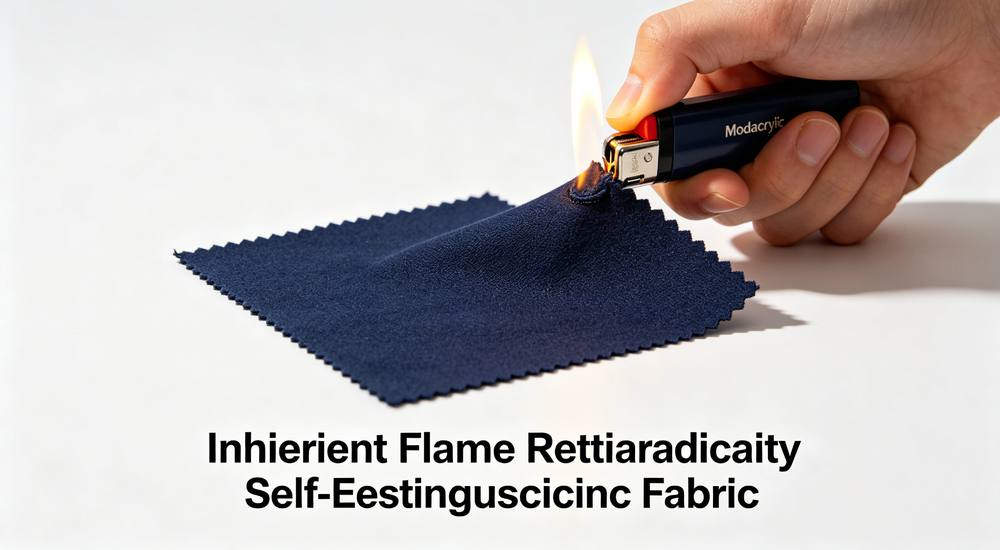
GSM determines fabric weight, durability and cost. Correctional facilities need heavier fabric than most institutions because of high turnover, frequent washing,. And the need for tear resistance. Lighter fabrics tear more easily — a safety concern in secure environments.
Model
Fabric
GSM
Security Level
CF-01 Standard
65/35 Poly-Cotton, FR treated
150-160
Minimum & medium security
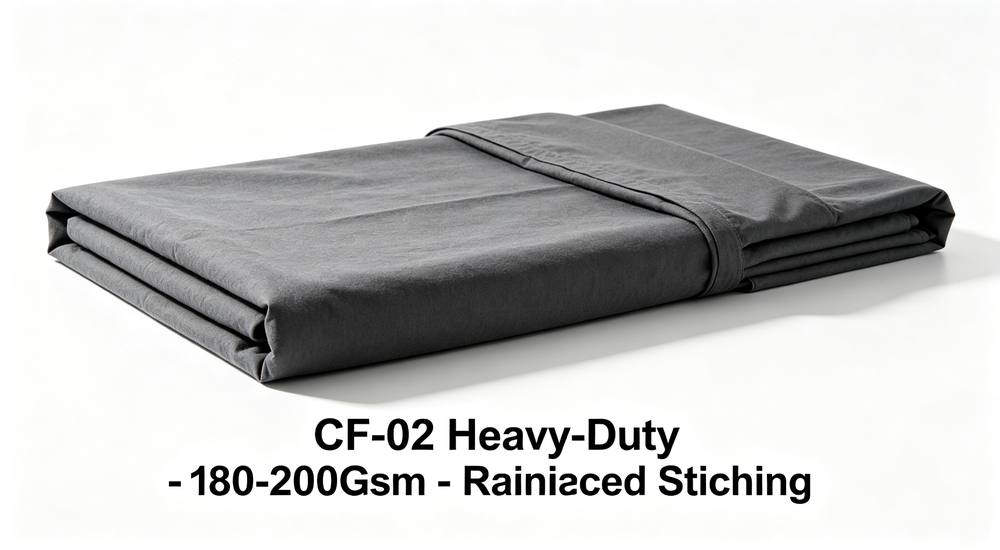
CF-02 Heavy-Duty
50/50 Poly-Cotton, FR treated
180-200
Medium & maximum security
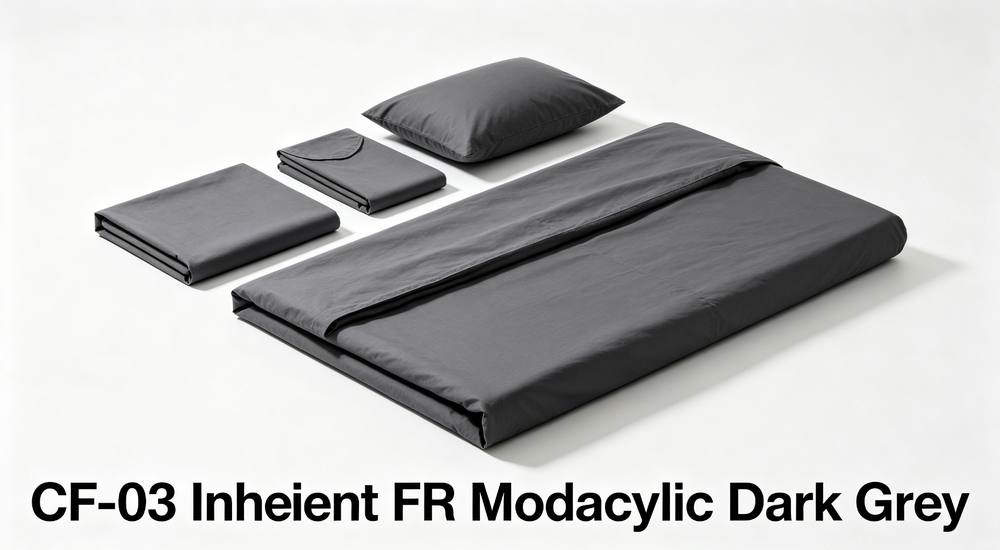
CF-03 Inherent FR
Modacrylic / FR polyester blend
180-200
Maximum security & psychiatric
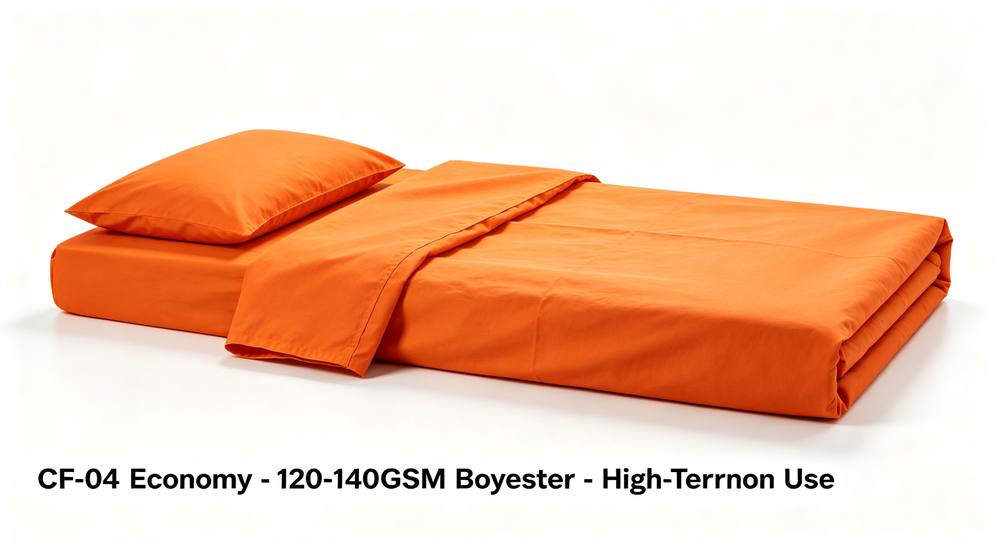
CF-04 Economy
100% Polyester, FR treated
120-140
Short-term holding & intake
Key Takeaway: Most facilities choose CF-01 or CF-02 depending on security level. CF-03 (inherent FR) is specified for maximum-security and psychiatric facilities where fire risk is elevated. CF-04 is suitable only for short-term holding areas where bedding is used for days or weeks, not months or years.
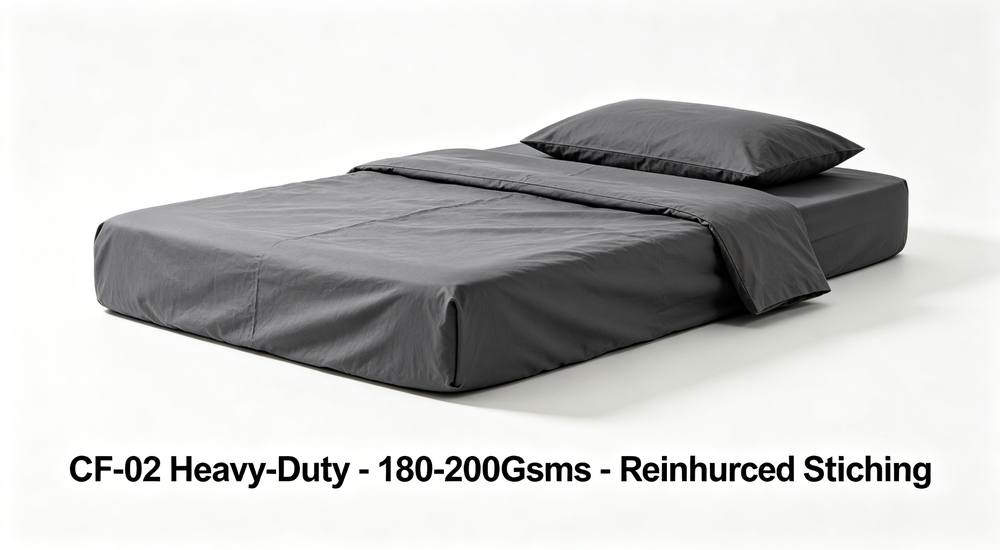
Procuring bedding for correctional facilities requires careful attention to security standards, facility-specific requirements and regulatory compliance. Use this guide to navigate the selection process.
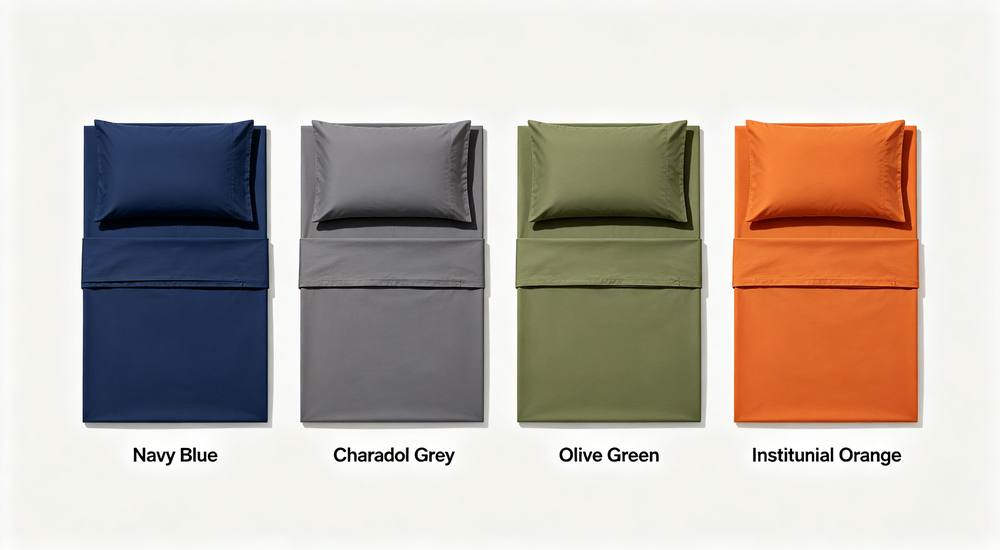
Procuring bedding for correctional facilities involves more than fabric and colour. Security requirements, regulatory standards, and facility-specific policies all affect the specification. Work through these questions before requesting a quotation.
Use this table to match your facility type to the recommended bedding specification. Always confirm with your facility's security policy before finalising an order.
|
Facility Type |
Recommended Model |
Closure Type |
FR Type |
Standard Colours |
|
Minimum security / work release |
CF-01 Standard (150-160 GSM) |
Hook-and-loop |
Topical FR treated |
Navy, dark grey, beige |
|
Medium security / county jail |
CF-02 Heavy-Duty (180-200 GSM) |
Hook-and-loop or stitched envelope |
Topical FR treated |
Navy, charcoal, olive |
|
Maximum security / penitentiary |
CF-02 Heavy-Duty or CF-03 Inherent FR |
Stitched closed (permanent) |
Inherent FR (modacrylic) |
Navy, charcoal, orange |
|
Psychiatric / mental health |
CF-03 Inherent FR (tear-resistant) |
One-piece stitched (non-removable) |
Inherent FR (modacrylic) |
Navy, beige, soft grey |
|
Juvenile detention |
CF-01 Standard (softer feel) |
Hook-and-loop |
Topical FR treated |
Navy, grey, muted blue |
|
Immigration / holding centre |
CF-04 Economy (high turnover) |
Hook-and-loop |
Topical FR treated |
Navy, grey, beige |
If your facility falls between two security levels, choose the higher specification — the cost difference is typically 15-25% per set, but the security risk reduction is significant. Maximum-security and psychiatric units should always specify inherent FR fabric, as topical treatment can degrade after repeated industrial washing.
Key Takeaway: The most common procurement error is ordering standard institutional bedding without specifying correctional-grade security features. Always include "no zippers, no buttons, no drawstrings" in your purchase specification. And always specify the exact FR standard — "flame retardant" means different things in different countries.
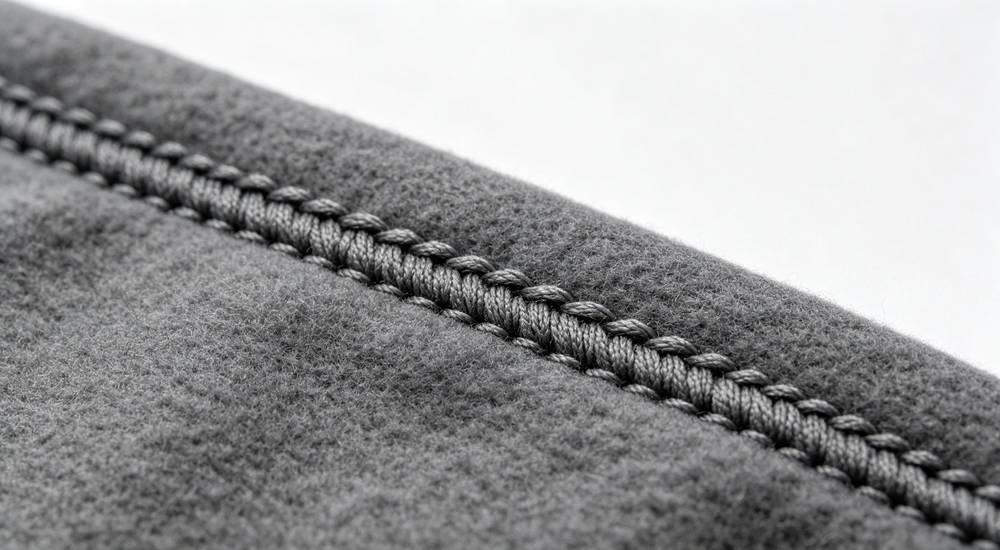
Correctional facility bedding procurement requires balancing security, durability and cost. The cheapest option often costs more long-term due to frequent replacement and security risks.
Model
Est. Lifespan
Washes
FR Duration
CF-01 Standard (FR treated)
12-18 months
50-70
20-30 washes (re-treatable)
CF-02 Heavy-Duty (FR treated)
18-24 months
80-100
20-30 washes (re-treatable)
CF-03 Inherent FR
24-36 months
100-150
Permanent (never re-treat)
CF-04 Economy (FR treated)
3-6 months
20-30
20-30 washes
Correctional bedding costs more than standard institutional bedding because of FR treatment, anti-tamper design, and heavier fabric. But the total cost of ownership must account for safety compliance, replacement frequency, and risk mitigation.
Key Takeaway: CF-03 (inherent FR) has the highest upfront cost but the lowest long-term cost because FR never washes out and the fabric lasts 2-3 years. For facilities with multi-year procurement cycles, inherent FR is often the most economical choice when total cost of ownership is calculated.
Correctional facility bedding serves diverse security environments, each with unique safety and operational requirements. Understanding these scenarios helps you select the right security level and features.
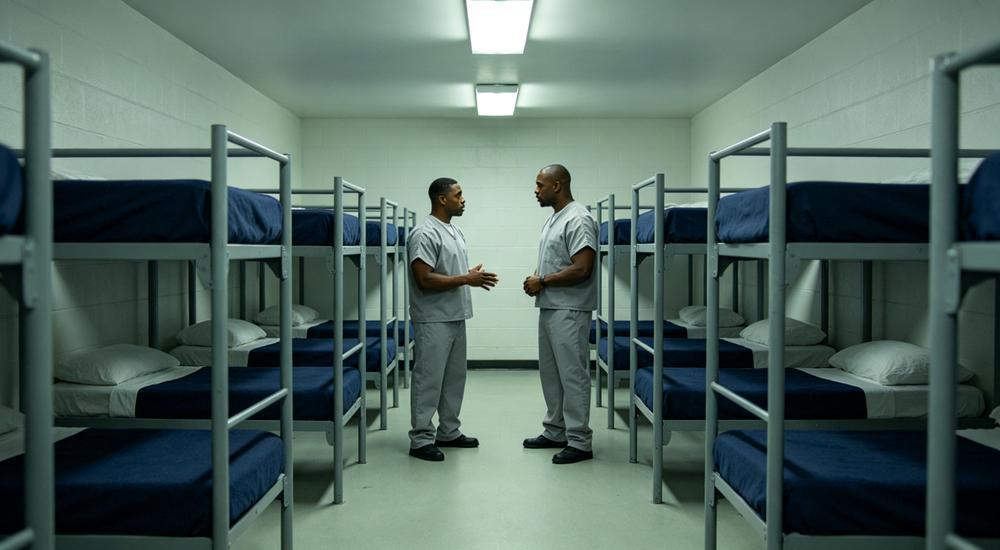
Minimum-security units house low-risk inmates, often with work-release programmes and shared dormitory housing. Bedding here prioritises durability and laundry efficiency over extreme security features — hook-and-loop closures are sufficient, and lighter 130-160 GSM fabric holds up well under daily use. Colour-coding by housing unit simplifies inventory and reduces cross-unit mixing.
Medium-security facilities balance security with livability. Inmates spend more time in cells, and bedding must withstand both daily use and occasional tampering attempts. Anti-ligature design becomes critical — no loops, cords or tearable strips. Heavier 160-180 GSM fabric is recommended, and all closures must be inspected after each laundry cycle.
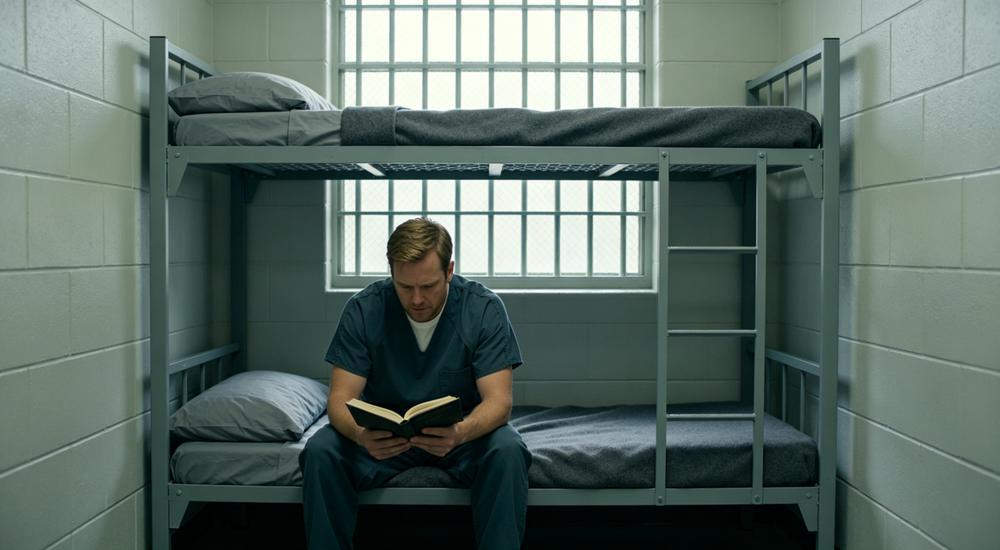
Maximum-security units house high-risk inmates with strict security protocols. Every item in the cell is scrutinised. Bedding must be fully stitched closed (non-removable covers), made from tear-resistant inherent FR fabric, and issued in institutional colours that cannot be repurposed as clothing or disguise. Weekly security inspections of bedding are standard practice.
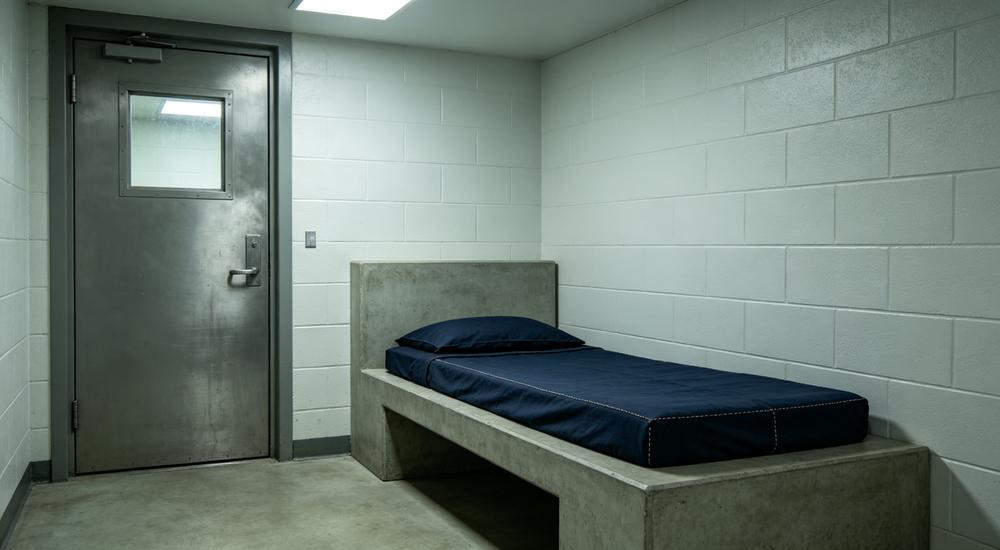
Psychiatric units have the highest safety requirements of any correctional environment. Anti-ligature design is absolute — no loops, no cords, no tearable strips that could be used for self-harm. Inherent FR fabric is specified due to elevated fire risk from medication side effects and smoking violations. Bedding is often one-piece and non-removable, with soft, non-abrasive finishes to prevent injury during distress episodes.

Juvenile facilities balance security with dignity and comfort. Younger occupants may be less likely to tamper with bedding but more likely to damage it through rough use. Softer-feel fabrics (150-180 GSM) are preferred, and muted colours (navy, grey, soft blue) create a less institutional atmosphere. Hook-and-loop closures are standard — easier for younger occupants to manage independently.
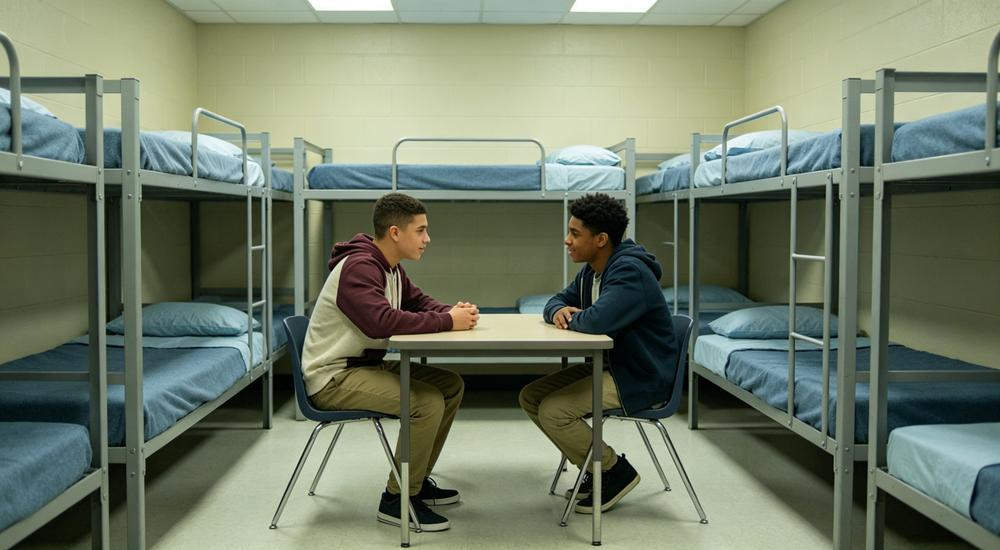
Immigration detention centres have high turnover and mixed populations, often operated with NGO and humanitarian agency oversight. Bedding must be durable enough for frequent changeovers but comfortable enough for extended stays. Standard security features apply, with easy-to-clean fabrics that can be sanitised between occupants. Lighter 130-160 GSM fabric is common due to high replacement rates.
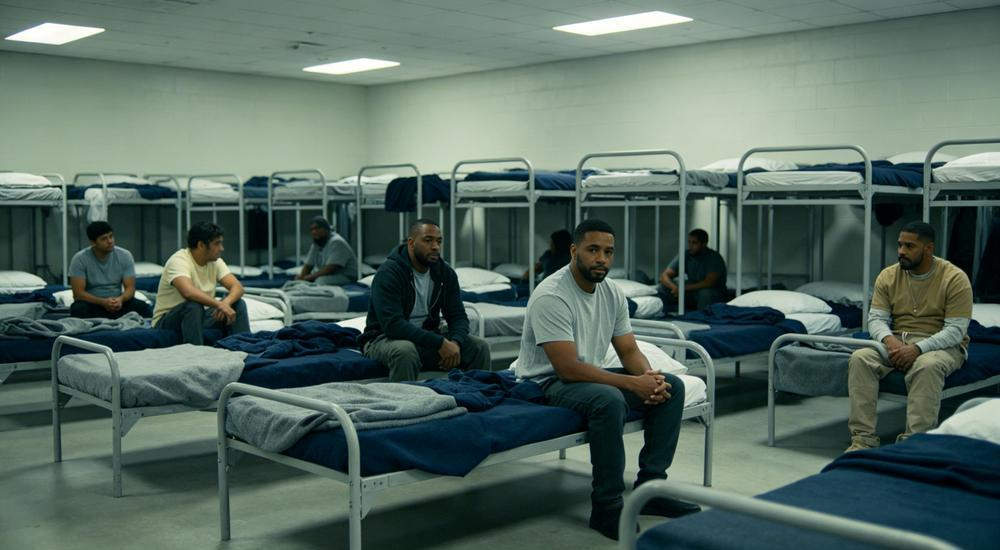
Long-term facilities with medium to maximum security. Bedding must be durable, FR-rated, and fully anti-tamper. Inmates may use bedding for years — heavy-duty fabric and reinforced construction are essential. Colour-coding by housing unit is common for inventory control and security management.
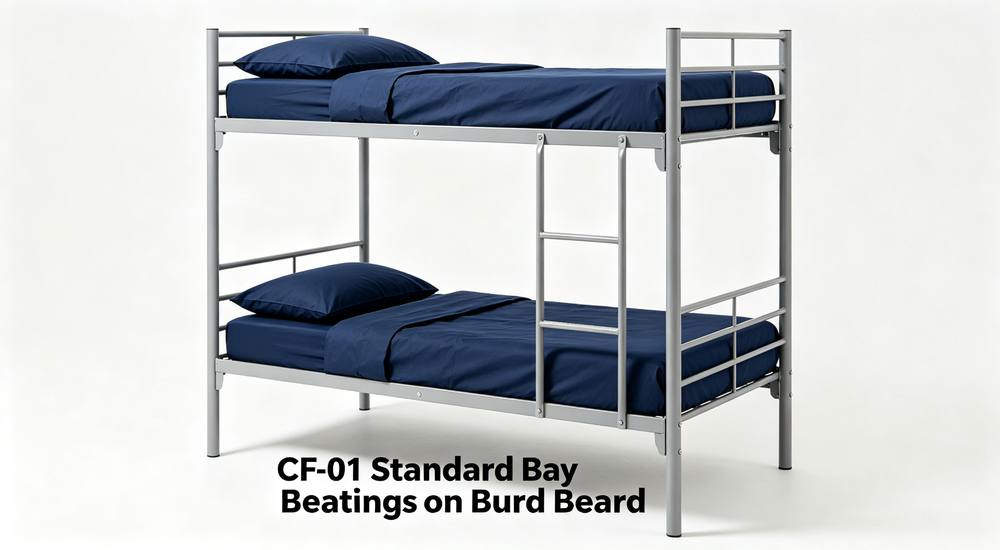
Short-term holding facilities with high turnover. Bedding changes frequently between occupants. Economy to standard grade is usually sufficient, but FR and anti-tamper requirements still apply. Quick-turnaround laundry and easy cleaning are priorities. Waterproof mattress covers are standard for intake areas.
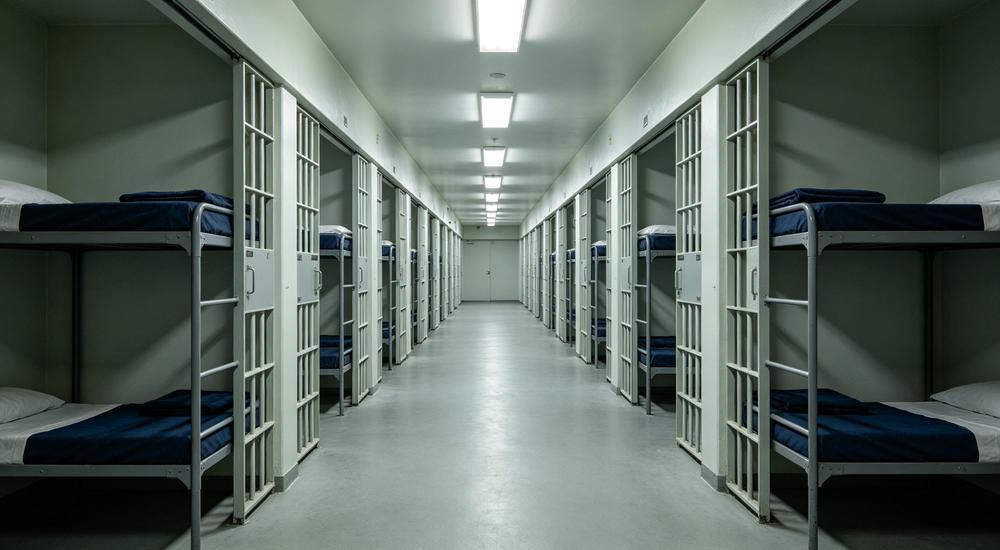
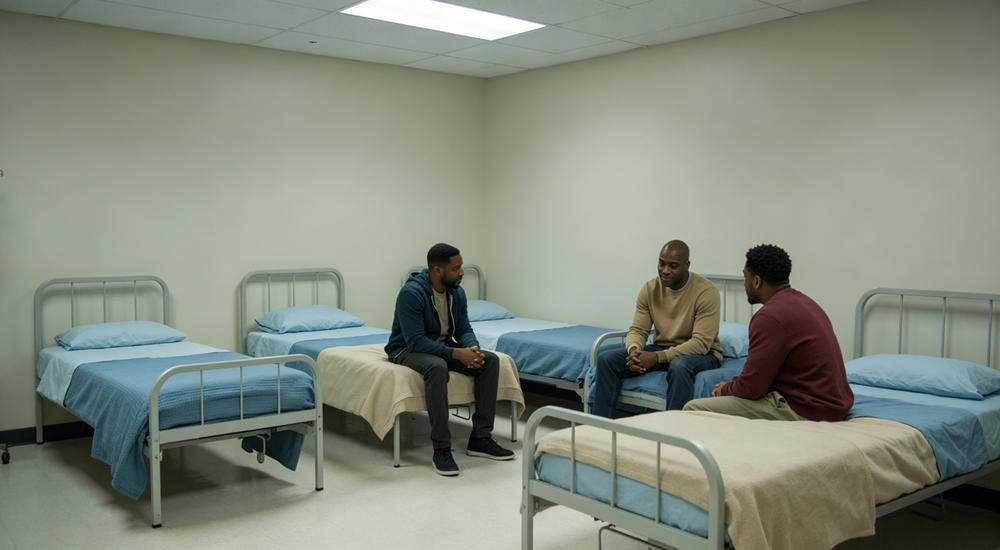
Less restrictive environments but still require safety features. Comfort is more important here — softer fabrics and less institutional colours may be used. FR is still required in most jurisdictions. Hook-and-loop closures are standard; some facilities allow zippers in low-security wings (confirm facility policy). Many centres work with NGOs and humanitarian partners to ensure bedding meets both safety standards and basic dignity requirements.
Highest safety requirements. Anti-ligature design is critical — no loops, no cords, no tearable strips. Inherent FR fabric is often specified due to elevated fire risk. Mattress covers must be fully sealed and tamper-proof. Bedding may be thicker and softer for patient comfort, but always within safety guidelines.
Key Takeaway: Security level drives every specification decision. Maximum-security and psychiatric facilities need the highest safety standards (inherent FR, fully enclosed components, tear-resistant fabric). Minimum-security and rehabilitation facilities can use more comfortable fabrics while still meeting basic anti-tamper and FR requirements.
Explore related bedding solutions: Hospital & Medical Bedding, Military & Police Bedding, Workforce Camp Bedding.
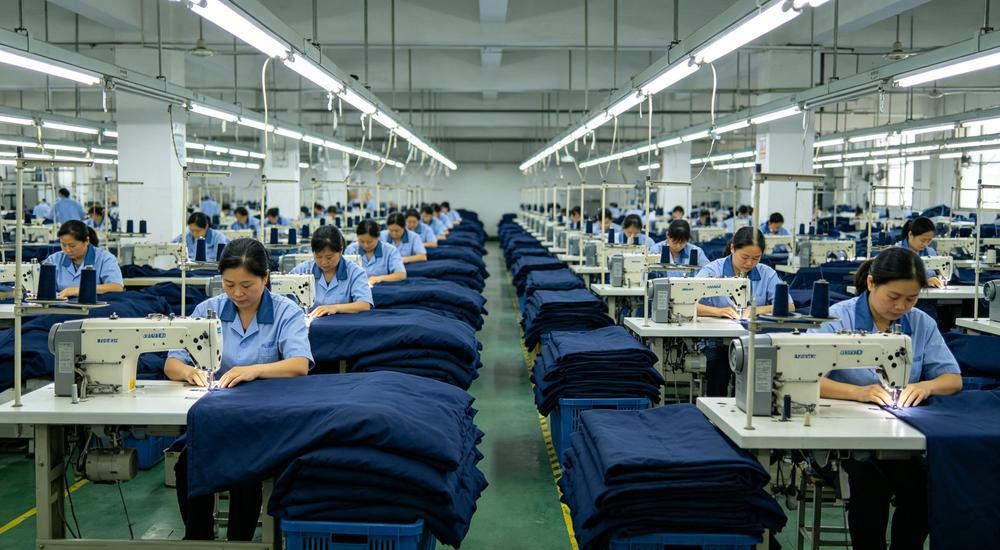
Our correctional bedding is supplied to a range of institutional clients worldwide, including county jails, state and federal prisons, immigration detention centres, psychiatric hospitals, juvenile detention facilities and rehabilitation centres. We work directly with facility procurement departments, correctional system purchasing cooperatives, and institutional distributors. While we do not disclose specific client names for confidentiality reasons, our bedding is in use across North America, Africa, the Middle East and Southeast Asia. All orders are produced to the security specification and FR standard required by each facility's jurisdiction.
Our factory produces over 500,000 bedding sets annually, with dedicated production lines for correctional and institutional clients.
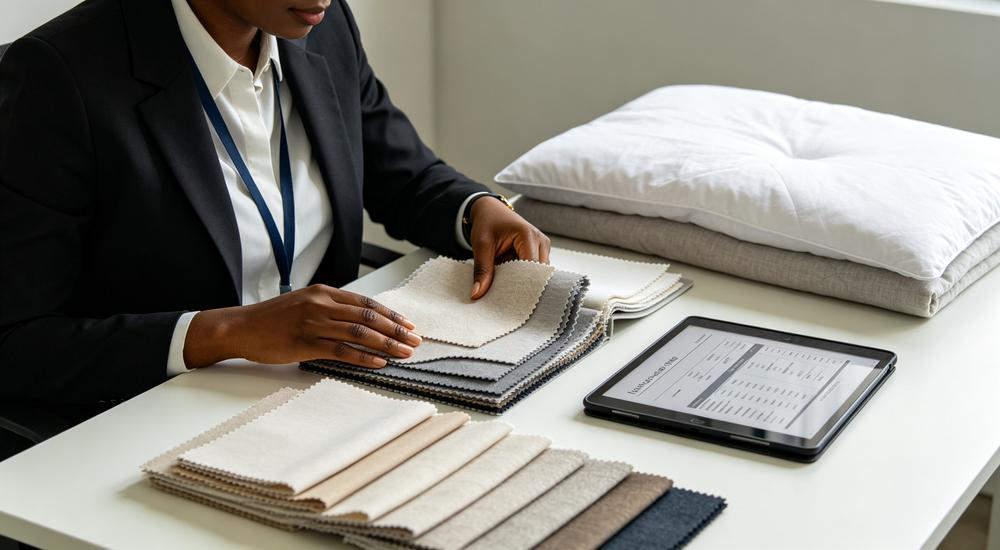
Correctional bedding requires documented compliance with safety standards. We provide test reports and certificates for every batch — essential for procurement audits and facility inspections.
|
Test / Certificate |
What It Covers |
Available |
|
Flame Retardant Test |
NFPA 701 / BS 5867 / EN 13773 compliance |
Yes |
|
Tear Strength Test |
Fabric resistance to tearing (security critical) |
Yes |
|
Tensile Strength |
Fabric durability under stress |
Yes |
|
Colourfastness |
Washing, rubbing, light fastness |
Yes |
|
Shrinkage Test |
Dimensional stability after washing |
Yes |
|
AZO-Free / Eco-friendly |
No harmful dyes or chemicals |
Yes |
Key Takeaway: Always request FR test reports and tear strength reports for correctional bedding orders. These two tests are the most commonly audited by correctional inspectors. Keep copies on file for the duration of the contract — facilities may request them at any time.
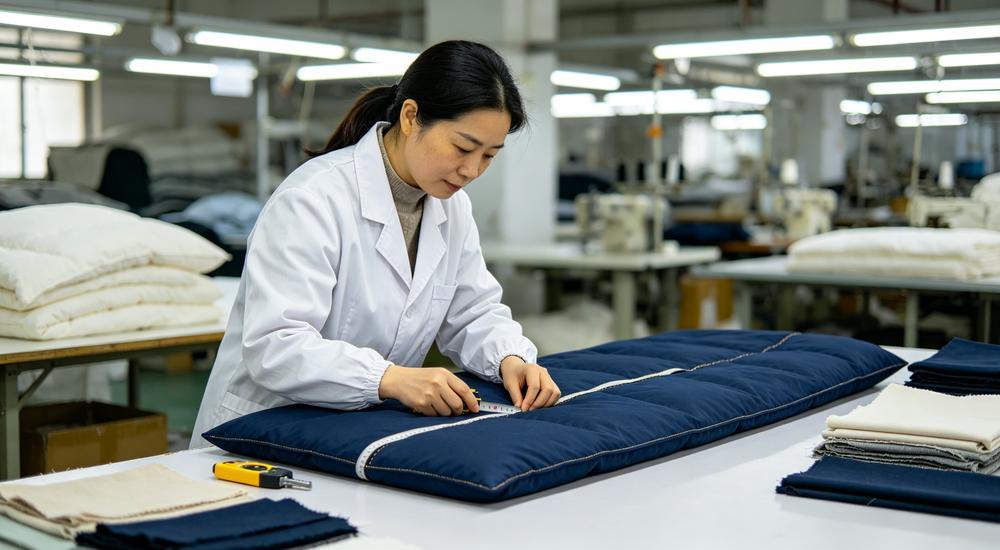
While correctional bedding has strict security constraints, there is still room for customization within those boundaries. Every facility has slightly different requirements.
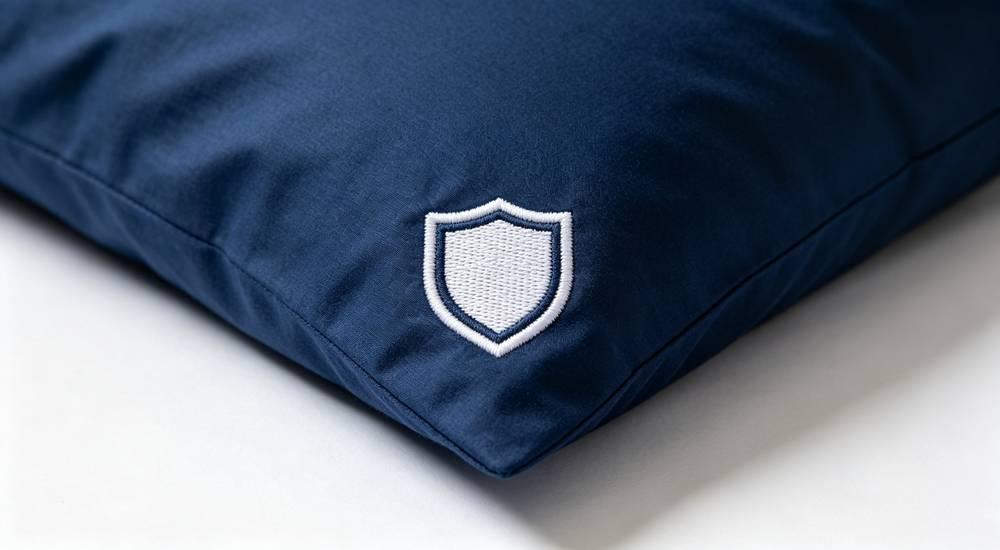
The following view provides additional detail on this specification.
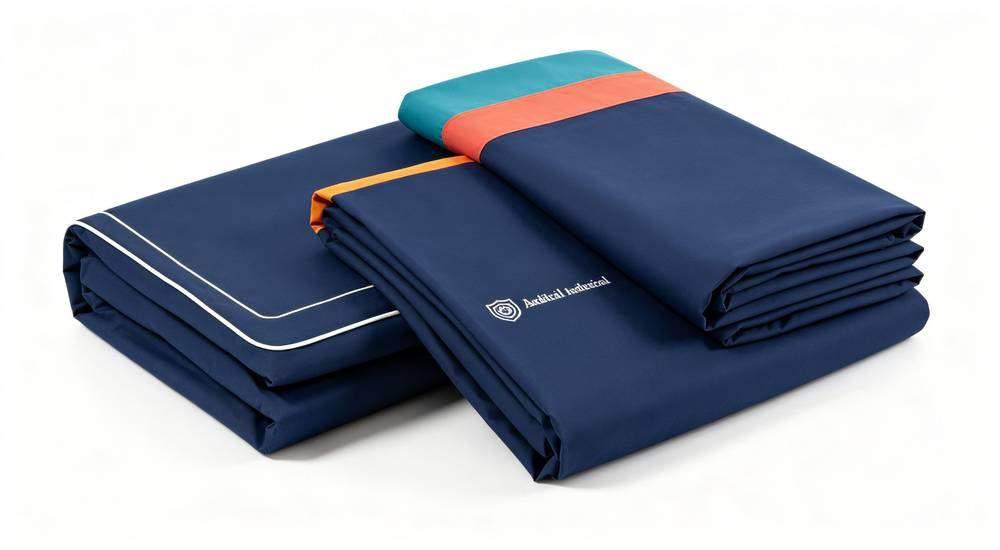
Correctional facility laundry operates under extreme conditions: high temperatures, strong detergents, frequent washing,. And large batch sizes. Proper washing maintains FR performance and extends bedding life.
|
Fabric Type |
Wash Temp |
FR Re-treatment |
Expected Washes |
|
FR-treated Poly-Cotton |
60-75°C |
Every 20-30 washes |
50-100 |
|
Inherent FR (Modacrylic) |
60-80°C |
Never (permanent) |
100-150 |
|
FR-treated Polyester |
40-60°C |
Every 20-30 washes |
20-50 |
|
Waterproof Mattress Cover |
Wipe down / 60°C |
N/A |
500+ wipes |
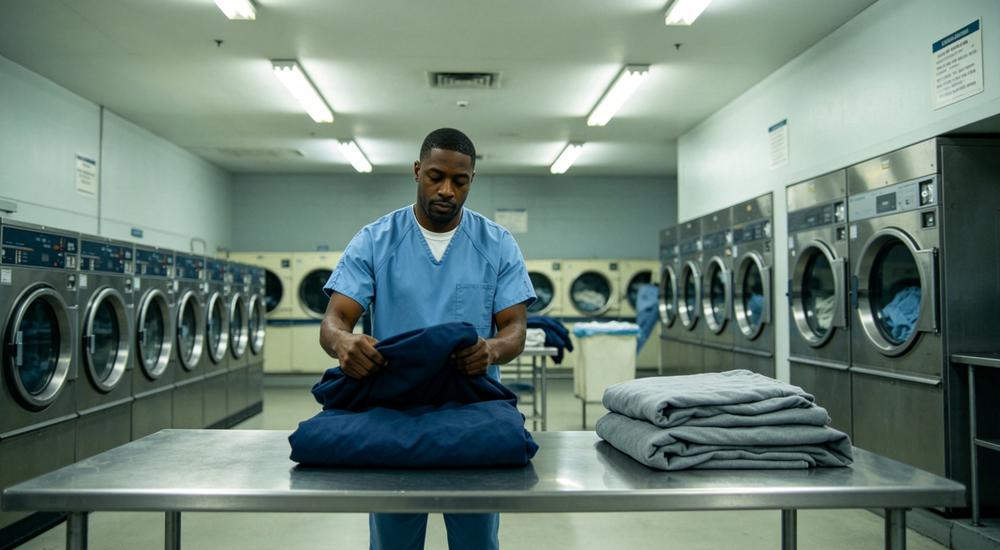
Correctional facilities often order bedding over multiple years as replacements are needed. Colour consistency between batches is important — mismatched colours look unprofessional and can cause inventory confusion.
Here is another perspective to help you evaluate this option.
Key Takeaway: For multi-year correctional contracts, we reserve a master colour sample from the first batch and match every subsequent batch to it. Request a colour swatch from each new batch for approval before production — this is especially important for dark colours (navy, charcoal) where subtle differences are most visible.
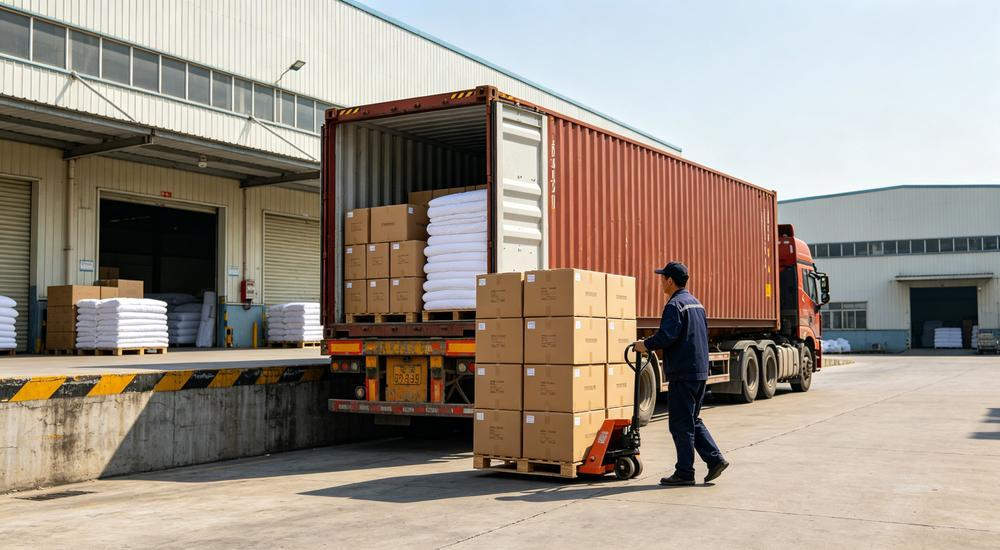
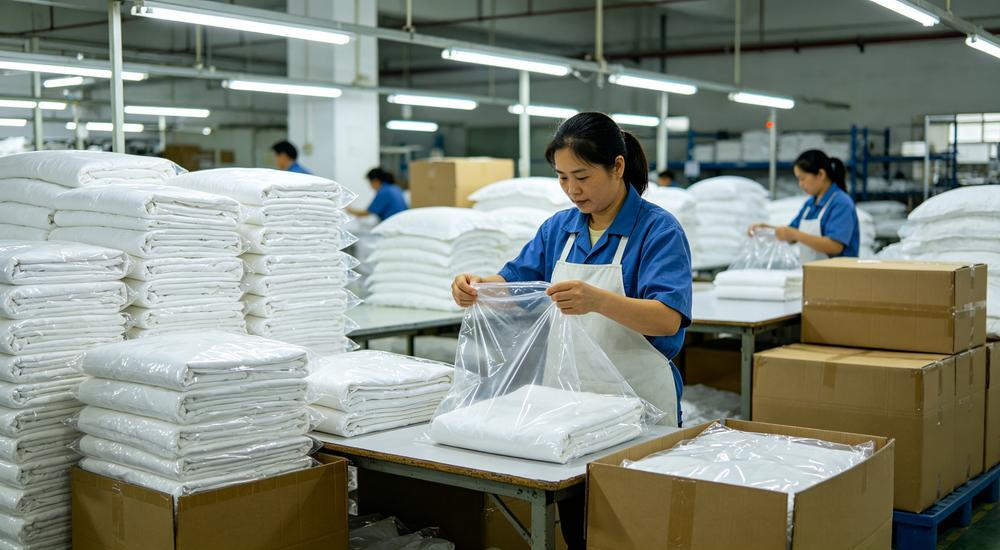
Correctional facility deliveries may have specific requirements: discreet packaging, scheduled delivery windows, or direct-to-laundry delivery. As a prison bedding wholesale supplier, we accommodate bulk jail bedding orders and system-wide detention centre linen shipments.
See how this feature translates into a real-world product below.
|
Packaging Type |
Best For |
Notes |
|
Standard carton (10-20 sets) |
Regular facility deliveries |
Plain cartons available |
|
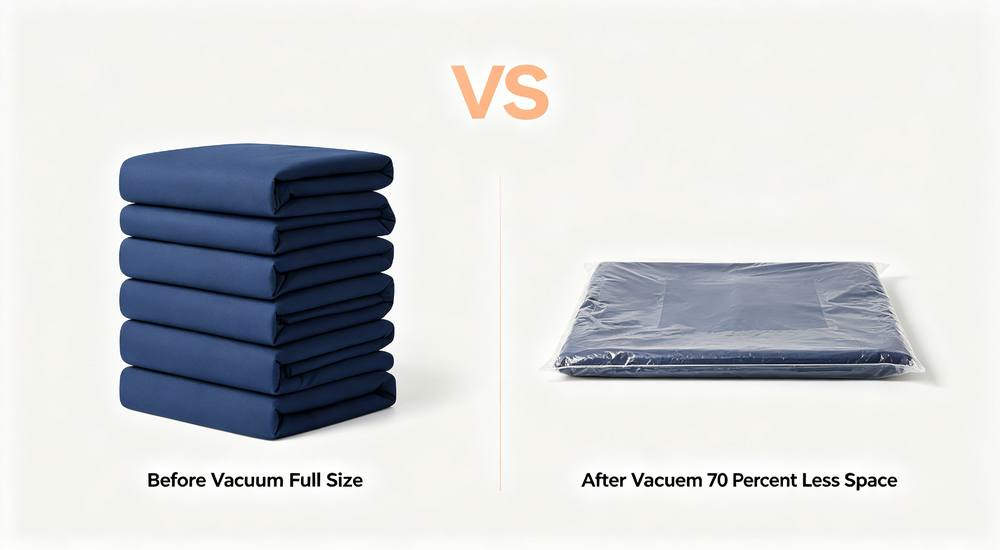
Vacuum-compressed |
Large initial orders, storage |
Reduces volume 50-60% |
|
Individual polybag |
High-hygiene facilities |
Each set sealed individually |
|
Palletized + stretch wrap |
Container / system-wide orders |
Secure for long-haul transport |
Before committing to a large correctional bedding order, evaluate physical samples for security compliance, fabric feel,. And colour accuracy. Correctional facilities often require security staff to approve samples before purchase.
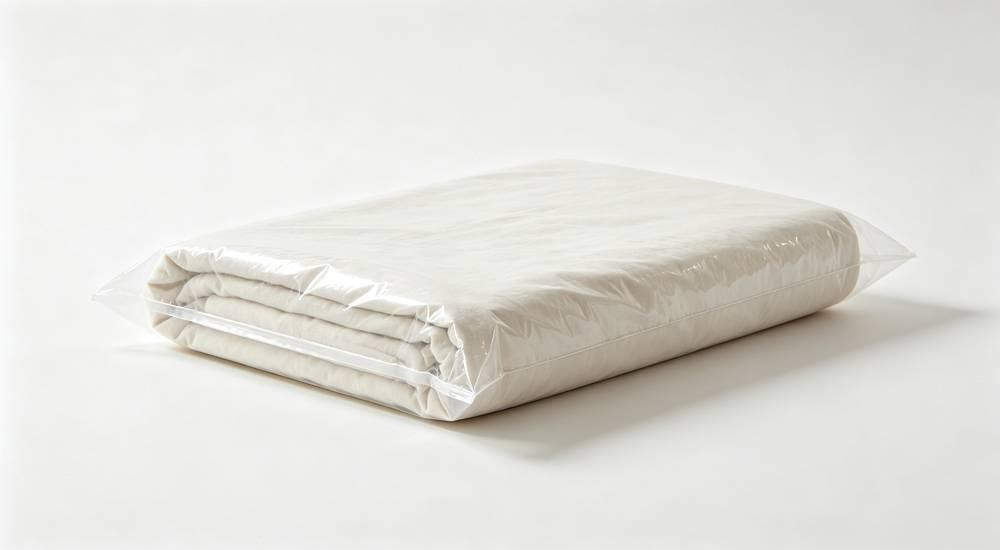
This additional angle highlights the construction quality.
Key Takeaway: Correctional bedding samples should be reviewed by both procurement and security staff. The security team checks for tamper resistance and ligature points; procurement checks durability and cost. Get both approvals in writing before placing the full order.
A: Zipper pulls can be removed and used as tools, weapons, or traded as contraband. The metal slider and pull tab can be sharpened, hidden in body cavities, or exchanged between inmates. In maximum-security environments, any hard or removable component is a security risk. Even covered zippers with non-removable pulls are prohibited in most facilities because the zipper track itself can be separated and repurposed. Hook-and-loop (Velcro) closures are the standard for medium security — they have no hard parts and are easy for laundry staff to operate. Stitched envelope closures are used for maximum security — the cover cannot be opened at all, eliminating the risk entirely. Always confirm your facility's approved closure type before ordering, as policies vary between jurisdictions.
A: Flame-retardant bedding is designed to resist ignition and self-extinguish if exposed to flame. It does not mean "fireproof" — it means the fabric slows flame spread and reduces fire risk, giving staff more time to respond. Two types exist: topical treatment (chemical coating applied after weaving, washes out after 20-30 washes and must be re-applied) and inherent FR (the fibre itself is fire-resistant, permanent, never needs re-treatment). In correctional facilities, fire risk is elevated due to overcrowded cells, smoking violations and limited evacuation routes. Always specify which standard your facility requires — NFPA 701 for US facilities, BS 5867 for UK, EN 13773 for EU. Request a test report for the exact fabric and treatment you are ordering, not a generic certificate.
A: Replacement depends on fabric type and washing frequency. Standard FR-treated poly-cotton lasts 12-18 months (50-70 washes). Inherent FR modacrylic blends last 24-36 months (100-150 washes). Any set with tears, broken closures, or lost FR performance should be replaced immediately regardless of age.
A: Yes. We work with each facility's specific requirements. Send us your security specification or bedding policy document, and we'll manufacture to those exact standards. Common customizations include closure type, colour by unit, fabric weight, and FR standard.
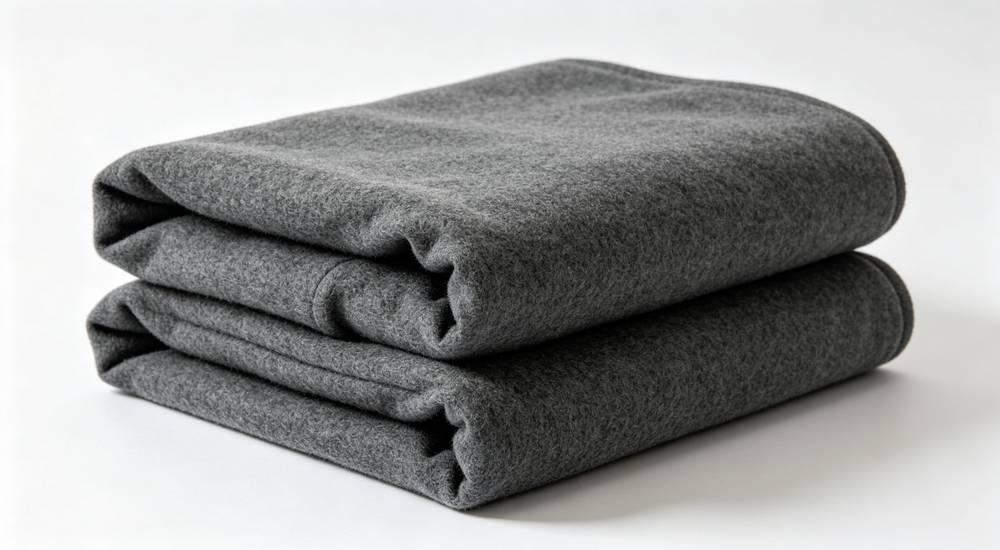
A: Yes. We supply flame-retardant blankets in wool, fleece and modacrylic blends, matched to the same FR standard as your bedding. Sourcing bedding and blankets together ensures consistent fire safety compliance and simplifies procurement.
A: Standard colours and models start at contract minimum. Custom colours or special security specifications may require 500+ sets. Trial orders of 50-contract minimum are available for facility evaluation before full contract commitment.
A: Topical FR treatment lasts 20-30 washes. Track wash counts per set and re-treat using FR re-application chemicals (available through industrial laundry suppliers). Alternatively, choose inherent FR fabric (modacrylic blend) which never needs re-treatment — higher upfront cost. But lower long-term maintenance.
A: Yes. Many facilities use colour-coding for inventory control and security management — e.g., navy for general population, orange for intake,. Grey for segregation. We can produce multiple colours in a single order, with minimums per colour (typically 100-contract minimum per colour).
A: Safe closure options are ranked by security level. Fully stitched (permanent) is the highest security — the duvet cover is sewn shut and cannot be opened, used in maximum security and psychiatric units. Covered hook-and-loop (Velcro) is medium security — no hard parts, removable for laundry, but the fastener must be checked after each wash as it can lose grip. Covered zippers with non-removable pulls are minimum security only — the zipper must be fully covered by a fabric flap. Never use buttons, snaps, drawstrings or cords — these create ligature risks and can be broken off and used as weapons or traded as contraband. Some facilities require all closures to be visually inspected during each laundry cycle, so choose a closure type that is easy for your laundry staff to check.
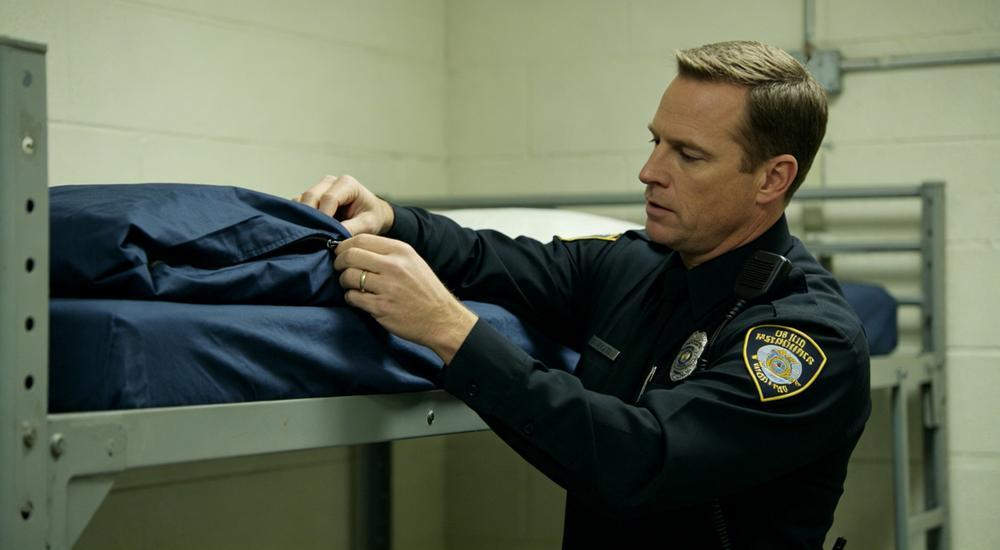
A: Most facilities use colour-coded bedding by housing unit or security level to simplify inventory tracking and reduce cross-unit mixing. Facility identification marks (embroidered or printed) deter theft and help staff quickly identify institutional property. Regular audits compare issued sets against on-hand inventory, and damaged sets are pulled from rotation immediately. Order 15-20% spare stock to cover damage, loss and new admissions. Some facilities also use sewn-in barcode labels for automated inventory tracking.
A: Yes, facility logos or identification marks can be embroidered or printed on bedding. This deters theft, aids inventory management, and helps staff quickly identify facility property. Logos must be fully embroidered with no loose threads or hard backing that could be removed. Confirm logo placement and size with your facility security office before ordering.
A: Common standards include NFPA 701 (US), BS 5867 Part 2 (UK), EN ISO 12952 (Europe), and California TB 117. Some facilities have additional internal standards. Always confirm which standard your facility requires before ordering, and request test reports for the specific fabric and treatment used. Modacrylic blends provide inherent flame resistance that does not wash out, unlike topical treatments.
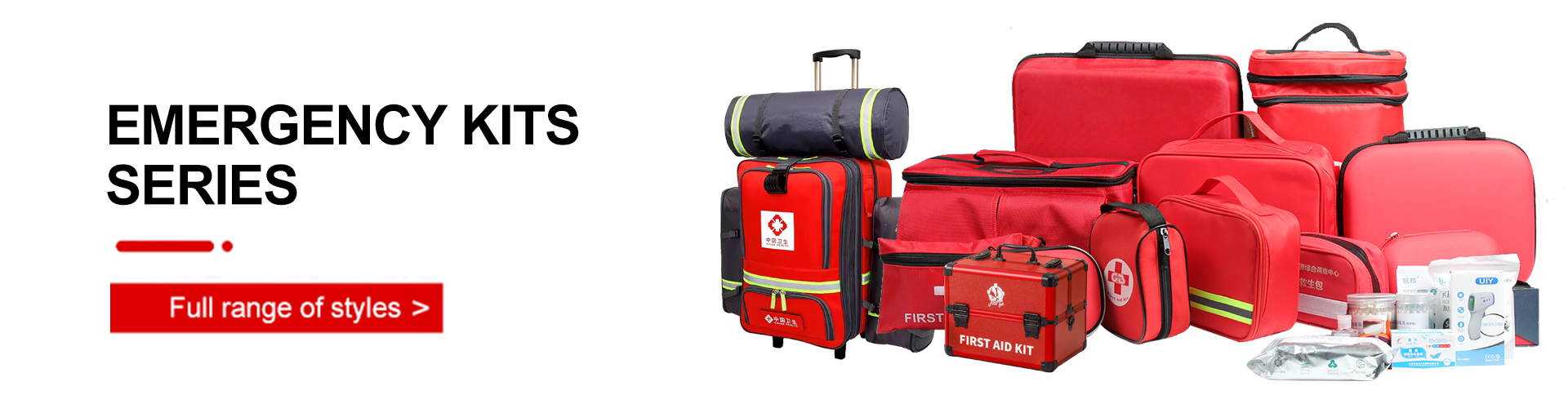
Correctional facility bedding is often purchased alongside other institutional and safety products. Explore our related product lines.
← Back to Institutional Bedding Sets Aggregation Page — Explore all 9 bedding scenarios and compare product lines.
Whether you're outfitting a single facility or a statewide correctional system, YRF Textile has the security expertise and production capacity as a correctional bedding manufacturer to meet your requirements. Send us your security specification, bed count and FR standard for prison linen or jail bedding sets — we'll provide a detailed quotation within 24 hours.
Contact: info@yrftextile.com
Previous :
Wholesale Hospital Medical Bedding: Cotton Poly-Cotton Bed LinenNext :
Workforce Camp Bedding Wholesale — Durable Linen for Oil Field, Mining & Construction Dormitories YRF-Wholesale Vanuatu Extremely absorbent towels,Police Blue blended Wool blanket,Double bed Bedding
Our bedding sets for emergency relief and humanitarian assistance. Military and national defense. Fire department, medical care department. Prison facilities, government agencies and the police. Camping, picnicking and outdoor leisure are proud to provide high-quality bedding solutions. We are committed to bringing innovation and technology to every user to make you have a good dream every day.
 YRF-WholesaleIndonesia High quality Green wash towels,Medical Care Gray Wool blended Blanket,Green Bed Quilt Cover
Our bedding sets for emergency relief and humanitarian assistance. Military and national defense. Fire department, medical care department. Prison facilities, government agencies and the police. Camping, picnicking and outdoor leisure are proud to provide high-quality bedding solutions. We are committed to bringing innovation and technology to every user to make you have a good dream every day.
 YRF-Made in ChinaJordan High quality Green wash towels,Police Blue blended Wool blanket,Maximum comfort Mattress Pad
Our bedding sets for emergency relief and humanitarian assistance. Military and national defense. Fire department, medical care department. Prison facilities, government agencies and the police. Camping, picnicking and outdoor leisure are proud to provide high-quality bedding solutions. We are committed to bringing innovation and technology to every user to make you have a good dream every day.
 YRF-ManufacturerJordan 100% cotton Green hand towels,Police Blue blended Wool blanket,anti-bacterial Quilt
Our bedding sets for emergency relief and humanitarian assistance. Military and national defense. Fire department, medical care department. Prison facilities, government agencies and the police. Camping, picnicking and outdoor leisure are proud to provide high-quality bedding solutions. We are committed to bringing innovation and technology to every user to make you have a good dream every day.
 YRF-Wholesale Georgia Soft cotton Blue Bath towels,Police Blue blended Wool blanket,Cotton Fabric Quilt Cover
Our Military 100% Cotton Bedding Set for emergency relief and humanitarian assistance. Military and national defense. Fire department, medical care department. Prison facilities, government agencies and the police. Camping, picnicking and outdoor leisure are proud to provide high-quality bedding solutions. We are committed to bringing innovation and technology to every user to make you have a good dream every day.
 YRF- Canary Islands Government Agencies blended Wool blanket,Extremely absorbent towels,Beige Quilt,Best Price
Our Encampment 100% Cotton Sets Bedding for emergency relief and humanitarian assistance. Military and national defense. Fire department, medical care department. Prison facilities, government agencies and the police. Camping, picnicking and outdoor leisure are proud to provide high-quality bedding solutions. We are committed to bringing innovation and technology to every user to make you have a good dream every day.
Copyright © Custom Disaster - Relief Bedding: Tents, Sleeping Bags, Blankets All Rights Reserved
the professional team to service !