×
enter your keyword
our storage
Categories
Products

Workforce Camp Bedding For Remote Industrial Workers
Workforce Camp Bedding Wholesale — Durable Linen for Oil Field, Mining & Construction Dormitories Workforce Camp Bedding Wholesale — Durable Linen for Oil Field, Mining & Construction Dormitories Workforce Camp Bedding Wholesale — Durable Linen for Oil Field, Mining & Construction Dormitories Workforce Camp Bedding Wholesale — Durable Linen for Oil Field, Mining & Construction Dormitories Workforce Camp Bedding Wholesale — Durable Linen for Oil Field, Mining & Construction Dormitories Workforce Camp Bedding Wholesale — Durable Linen for Oil Field, Mining & Construction Dormitories Workforce Camp Bedding Wholesale — Durable Linen for Oil Field, Mining & Construction Dormitories

Workforce Camp Bedding Wholesale — Durable Linen for Oil Field, Mining & Construction Dormitories

Heavy‑duty workforce camp bedding designed for oilfield, mining, construction, forestry and seasonal worker dormitories. Reinforced stitching and abrasion‑resistant fabric withstand harsh remote‑site conditions. Multiple colour selections, custom logo embroidery and vacuum‑compressed packing are available. Strict QC testing provides reliable linen solutions for large‑scale industrial bulk procurement.


Note: Price for reference only. Exact price based on quantity, size, weight and custom details.

  • model no. :

    CP-08
  • Brand:

    YRF
  • market price :

    $79.8
  • sale price :

    $39.9
  • price range :

    30-100/$39.9
  • Color :

    Multiple Colors
  • port of dispatch :

    Guangdong/Guangzhou
  • Payment :

    TT, Paypal, Western Union
  • min order :

    30
  • original region :

    Made in China
  • Lead Time :

    5-15days
inquiry now
product description

Workforce Camp Bedding Wholesale — Durable Linen for Oil Field, Mining & Construction Dormitories


Workforce camp bedding must withstand the toughest conditions: 24-hour shift rotations, dusty work environments, frequent industrial washing,. And workers who need clean, comfortable rest between shifts. At YRF Textile, we manufacture bulk bedding sets specifically designed for oil field camps, mining dormitories, construction site housing. And remote workforce accommodations. Our workforce camp bedding covers oil field bedding, mining camp bedding. And construction site bedding requirements across all remote work environments. worker camp bedding built for remote industrial environments. oil rig bedding supply for offshore and onshore operations.
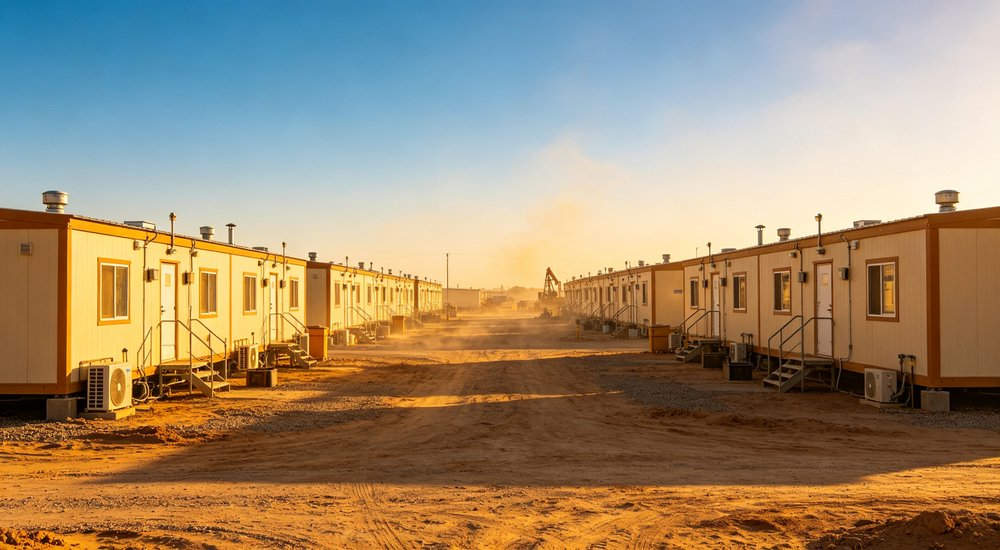


Aerial wide-angle panorama of remote oilfield worker camp with rows of beige modular dormitory buildings with orange trim on sandy ground under clear blue sky for offshore drilling crews accommodation


Our workforce camp bedding sets use stain-resistant, colourfast fabrics that hold up to weekly — sometimes daily — laundering cycles. Dark colours hide grease and dust. Reinforced stitching prevents tearing in high-turnover environments. Every set can be customised with company logos, site identification and colour-coding by department or shift.
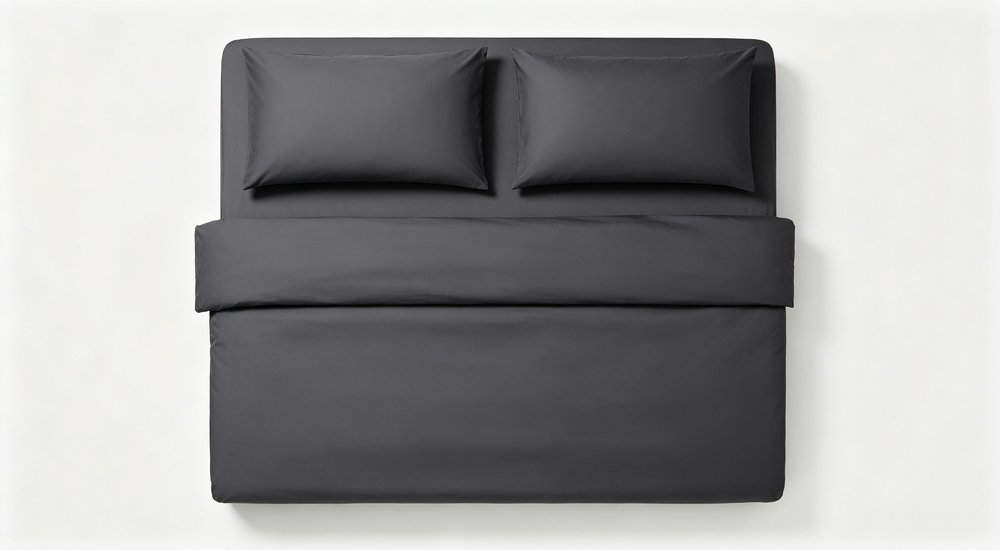


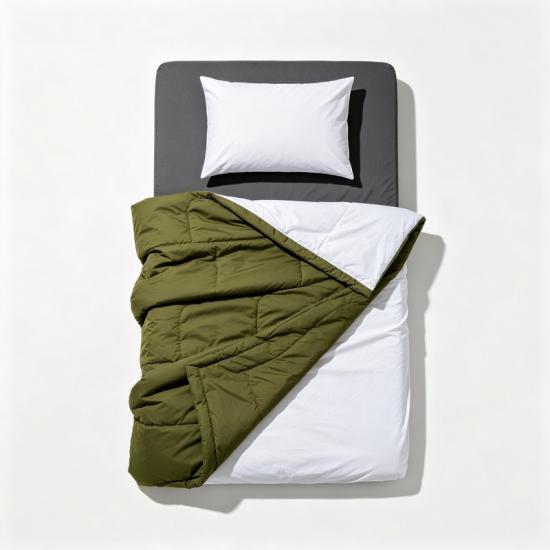
Top-down flat lay of dark grey workforce camp bedding set with two matching pillowcases and folded duvet cover arranged neatly on clean white background for industrial camp use


Key Takeaway: Workforce camp bedding is built for durability, not luxury. Choose dark colours, 130-200 GSM fabrics, and reinforced stitching. Match fabric weight to washing frequency — remote sites with limited laundry need heavier, more stain-resistant material. remote site bedding solutions


Quick Navigation

Specifications & Sizes
Certifications & Quality Control
Fabric Material Comparison
Customization Options
GSM & Model Selection Guide
Washing & Maintenance Guide
Durability & Camp-Specific Features
Color Consistency & Multi-Batch
Procurement Decision Guide
Packaging & Logistics
Cost-Benefit & Lifespan Analysis
Sample Policy & Trial Order
Application Scenarios
FAQ
Why Choose YRF Textile
Related Products


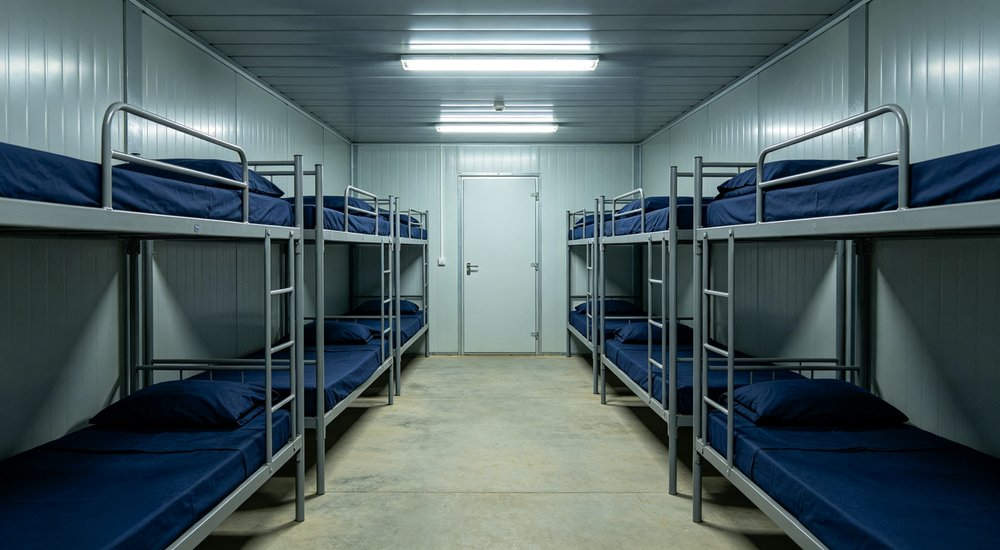
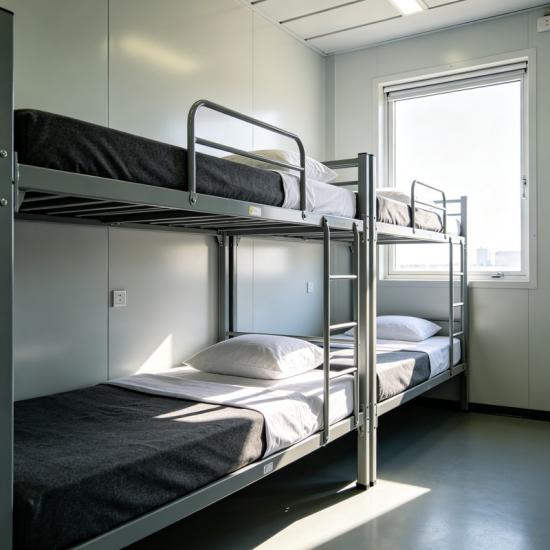
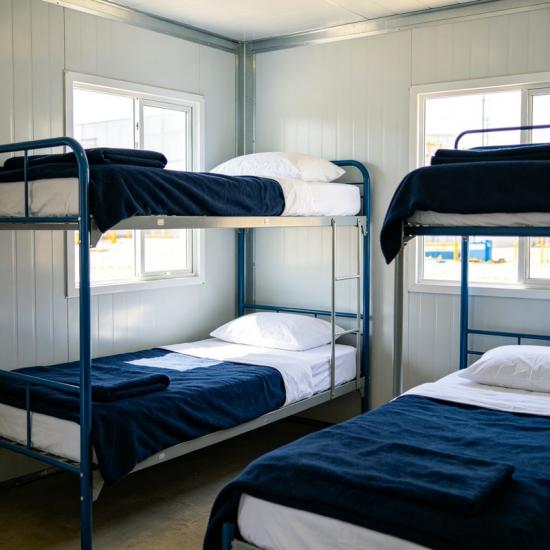
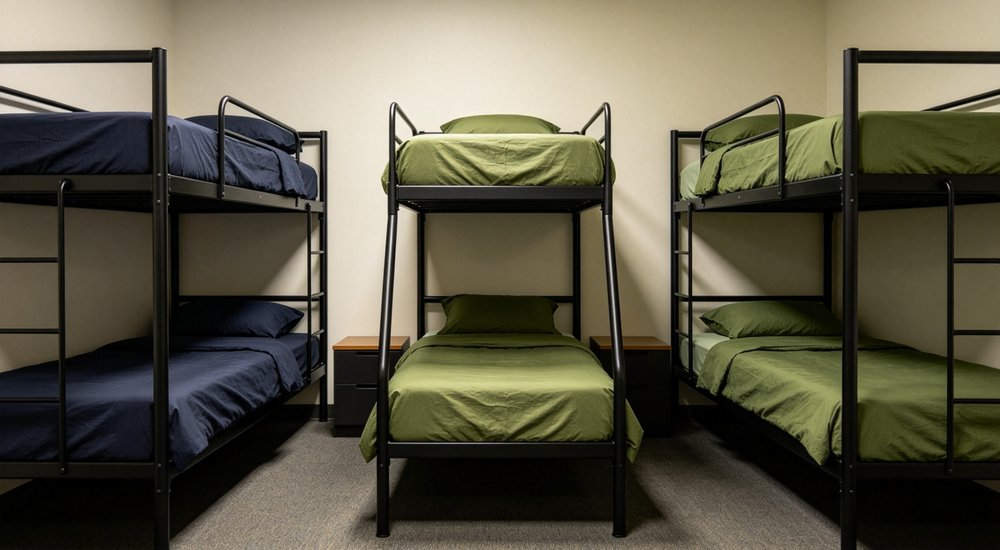
Eye-level interior view of mining camp dormitory with navy blue bedding on metal bunk beds for rotating shift workers in remote mineral extraction sites


1. Workforce Camp Bedding Specifications & Sizes

Workforce camp bedding typically follows standard single-bed dimensions,. But remote sites may use bunk beds, fold-out beds or modular housing units with non-standard sizes. Confirm your bed dimensions before ordering — this avoids ill-fitting sheets that tear easily or come off during sleep.


Component

Standard Size

Common Variations

Flat Sheet

180×240 cm

160×220 cm (bunk bed), 200×260 cm (large single)

Fitted Sheet

90×200×20 cm

80×190×15 cm, 100×200×25 cm

Pillowcase

50×75 cm

48×74 cm, 55×80 cm

Duvet Cover

150×200 cm

140×200 cm, 160×210 cm

Bedspread / Coverlet

180×240 cm

160×220 cm, 200×260 cm

Mattress Protector

90×200 cm

80×190 cm, 100×200 cm


Key Takeaway: Always measure actual beds at the camp site before ordering. Remote mining and oil field sites often use imported modular housing with metric or imperial sizes that differ from local standards. Fitted sheets must match mattress height — a 15 cm mattress needs a different pocket depth than a 25 cm mattress.

Eye-level interior view of mining camp dormitory with navy blue bedding on metal bunk beds for rotating shift workers in remote mineral extraction sites

What's Included in a Standard Workforce Camp Bedding Set?

A standard 4-piece set includes: 1 flat sheet, 1 fitted sheet, 1 pillowcase, 1 duvet cover. Optional add-ons include: mattress protector, extra pillowcase, blanket, bedspread, and pillow insert / duvet insert. For remote sites with limited storage, we recommend ordering complete sets with inserts to avoid sourcing separately.
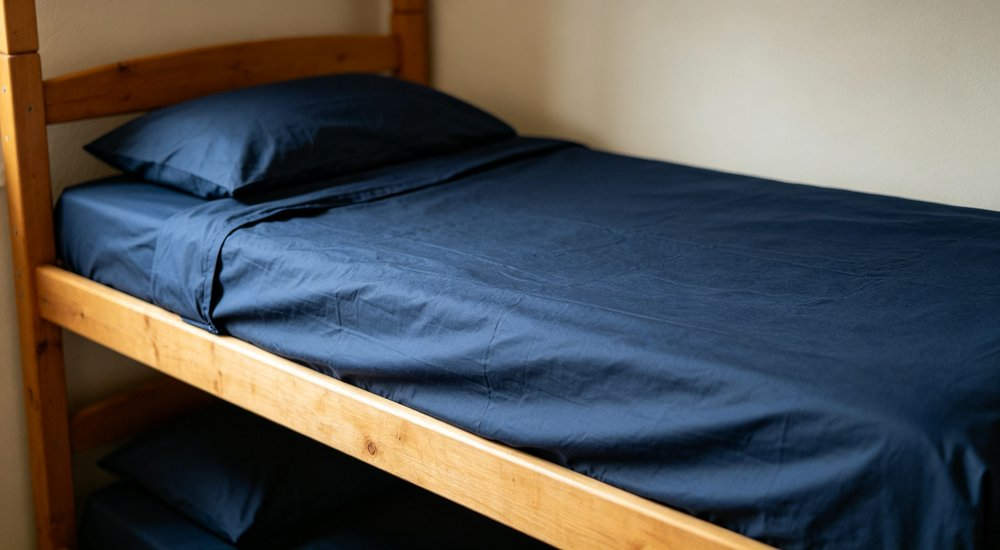


Eye-level side view of wooden bunk bed with navy blue fitted sheet and matching pillow showing camp bedding fit on timber frame upper bunk in worker accommodation room


2. Workforce Camp Bedding Fabric Material Comparison

The right fabric determines how long your bedding lasts in a camp environment. Oil field and mining sites generate dust, grease and sweat — fabrics must resist staining, release dirt in industrial washers,. And dry quickly in humid conditions.


Fabric Type

Best For

Durability

Stain Resistance

100% Polyester Microfiber (90-120 GSM)

Budget camps, high turnover, short-term projects

Good

Excellent

65/35 Poly-Cotton (130-160 GSM)

Standard oil field & mining camps, weekly washing

Very Good

Good

50/50 Poly-Cotton (160-200 GSM)

Long-term camps, management quarters, heavy use

Excellent

Good

100% Cotton (200-250 GSM)

Executive quarters, visitor rooms, low-turnover areas

Moderate

Fair


Key Takeaway: 65/35 poly-cotton at 130-160 GSM is the sweet spot for most workforce camps — it combines polyester's stain resistance and quick-drying with cotton's comfort. 100% polyester is cheaper but less breathable; 100% cotton is comfortable but stains easily and wears faster in industrial laundry.
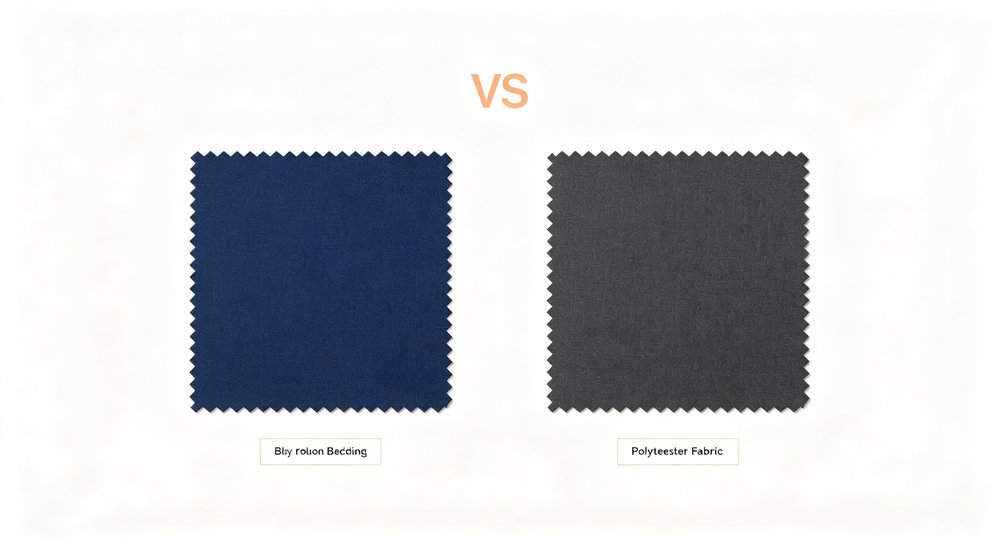
Eye-level view of workforce campcomparison polycotton white showing navy and grey institutional bedding for remote worker accommodation and industrial camp facilities

Fabric Treatments for Camp Environments

  • Stain-release finish: Helps oil and grease wash out more easily — essential for oil field and mechanic camps.
  • Anti-microbial treatment: Reduces odour in high-humidity, low-ventilation camp buildings.
  • Flame-retardant finish: Required by some mining and offshore safety regulations — confirm with your site's safety officer.
  • Colourfast treatment: Prevents dark colours from fading after repeated industrial washing at high temperatures.


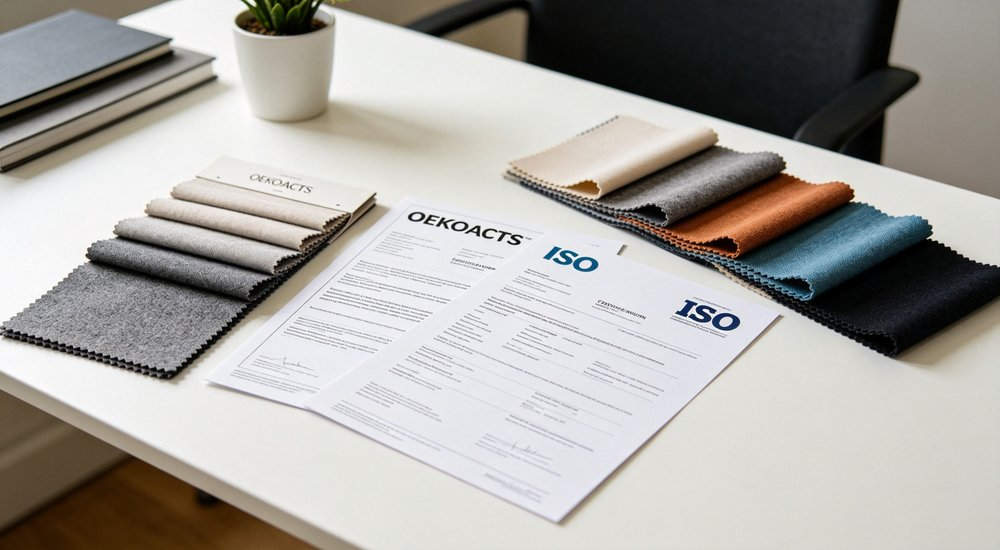
Eye-level office desk view of fabric colour swatch books in grey beige orange blue and black with ISO and OEKO certification documents and small potted plant for bedding material selection


3. GSM & Model Selection Guide for Workforce Camp Bedding

GSM (grams per square metre) determines fabric weight, durability and cost. Higher GSM means thicker, longer-lasting fabric — but also higher cost and slower drying. Match GSM to your camp's laundry capacity and worker turnover rate.


Model

Fabric

GSM

Recommended For

WC-01 Economy

100% Polyester

90-110

Short-term projects (3-6 months), high turnover, budget-sensitive

WC-02 Standard

65/35 Poly-Cotton

130-150

Standard oil field & mining camps, 1-2 year projects

WC-03 Heavy-Duty

50/50 Poly-Cotton

160-180

Long-term camps, harsh environments, weekly industrial washing

WC-04 Premium

50/50 Poly-Cotton

180-200

Management quarters, offices, long-term permanent camps


Key Takeaway: Most workforce camps choose WC-02 (130-150 GSM poly-cotton) — it balances cost, durability and comfort. Upgrade to WC-03 for remote sites with limited laundry access (less frequent washing means fabric needs to stay clean longer). Save WC-04 for management and visitor areas only.
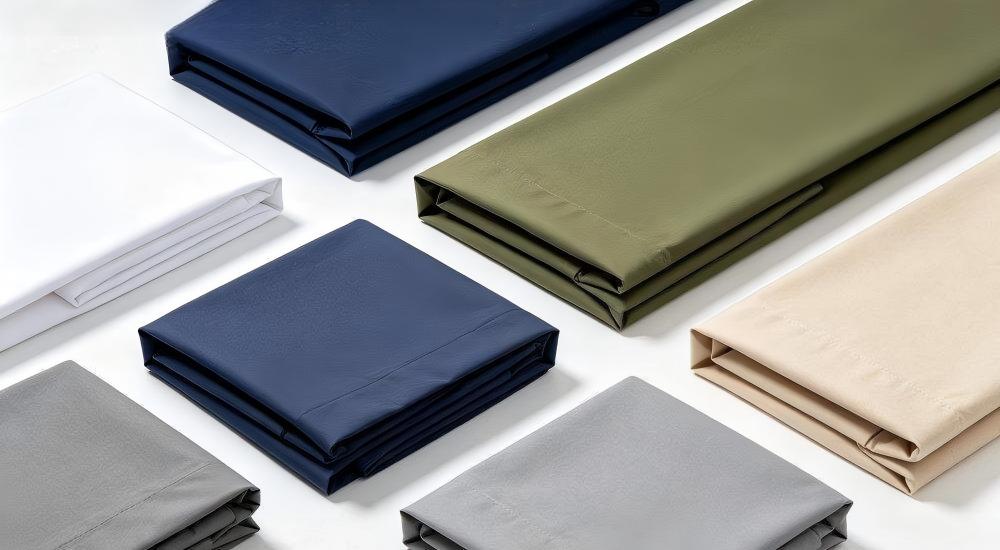


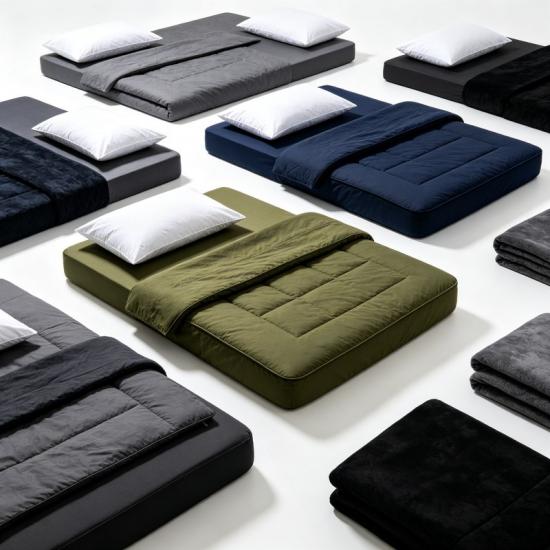
Top-down product display of multi colour folded bedding sets in white navy olive green beige and grey arranged on white background with Multi-Color Bedding Sets text for camp linen options


4. Durability & Camp-Specific Features

Workforce camp bedding faces unique challenges: 24-hour shift rotations mean beds are used by multiple workers across different shifts. Dust from mining and construction sites gets into everything. Industrial laundry facilities wash at high temperatures with strong detergents. Your bedding must survive all of this.
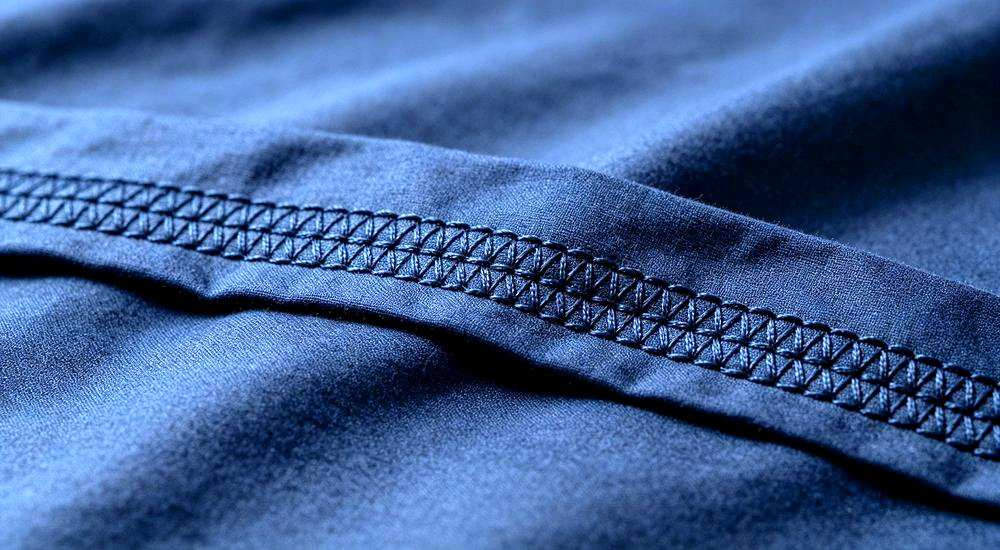


Reinforced stitching navy detail showing navy and grey institutional bedding for remote worker accommodation and industrial camp facilities


Reinforced Construction Features

  • Double-stitched hems: Prevents fraying along sheet edges — the first place camp bedding tears.
  • Reinforced pillowcase openings: Frequent pillow insertion/removal wears this area faster.
  • Elasticised fitted sheet corners: 2 cm wide elastic keeps fitted sheets in place on bunk beds during active sleep.
  • Hidden zipper on duvet covers: Prevents snags in industrial washing machines — button closures break and fall off.
  • Pre-shrunk fabric: All fabrics pre-shrunk before cutting — ensures consistent fit after first wash.


Colour Strategy for Camp Environments

Dark colours are standard for workforce camp bedding because they hide dust, grease and minor stains between washes. Common colours: navy blue, dark grey, charcoal, olive green, burgundy. Avoid white and light colours — they show every stain and require bleaching, which shortens fabric life.


Colour

Best For

Notes

Navy Blue

General camp use, most popular

Hides dust well, professional appearance

Dark Grey / Charcoal

Oil field, mechanic, high-dust areas

Best at hiding grease and oil stains

Olive Green

Mining, forestry, remote sites

Earth tone blends with camp environment

Burgundy / Maroon

Management quarters, offices

Slightly more premium feel


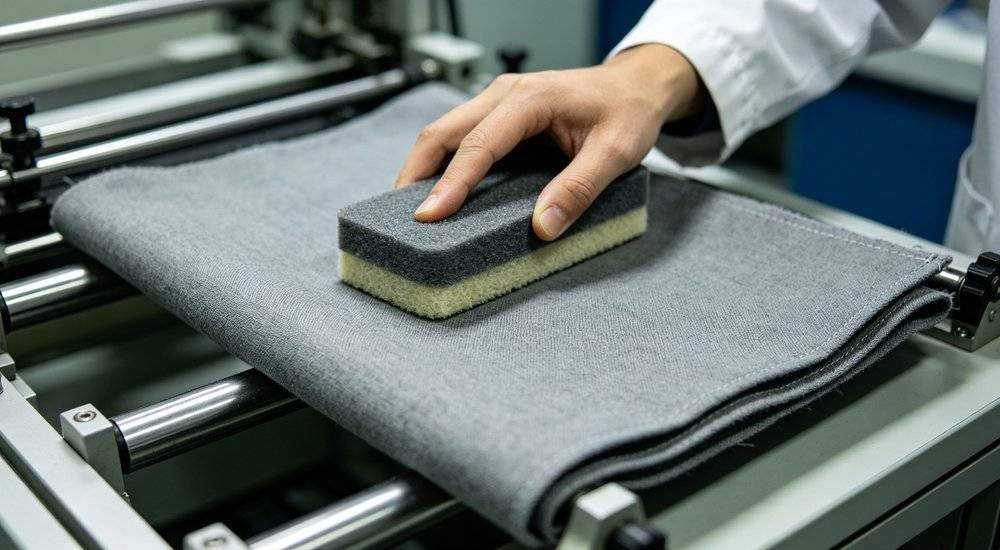
Abrasion test gray lab showing navy and grey institutional bedding for remote worker accommodation and industrial camp facilities


5. Procurement Decision Guide for Workforce Camp Bedding

Choosing the right workforce camp bedding requires balancing durability, cost, comfort and logistics. Use this step-by-step guide to match your order to your site conditions.


Step 1: Assess Your Site Environment

  • Climate: Hot/humid sites need breathable cotton blends; cold sites need heavier GSM or blanket pairing
  • Dust level: High-dust sites (mining, construction) need dark colours and stain-resistant fabric
  • Laundry access: Sites with daily laundry can use lighter GSM; weekly laundry needs heavier, more stain-resistant material
  • Site duration: Short-term projects (<6 months) can use budget polyester; long-term camps need durable poly-cotton


Step 2: Calculate Quantity Per Bed

  • Standard rotation: 2.5 sets per bed (one in use, one in laundry, 0.5 spare for turnover)
  • High-turnover sites: 3 sets per bed to account for frequent worker changes and damage
  • Remote sites: 3.5 sets per bed to buffer shipping delays and limited resupply
  • Spare ratio: Always order 10-15% extra for damage, loss and new worker onboarding


Step 3: Select Fabric Weight

  • 90-110 GSM polyester: Budget option for short-term projects, disposable or single-season use
  • 120-140 GSM poly-cotton: Standard for most workforce camps, balances cost and durability
  • 150-170 GSM poly-cotton: Heavy-duty for remote sites with limited laundry, longer lifespan
  • 180+ GSM cotton: Premium option for management quarters or long-term permanent camps


Step 4: Plan Colour Management

  • Single colour: Easiest to reorder, lowest inventory complexity
  • Two colours: Separate worker grades or departments (e.g., navy for workers, grey for supervisors)
  • Colour-coding by shift: Different colours for day/night shifts to simplify laundry sorting
  • Logo placement: Company logo on pillowcase or duvet cover for brand identity and theft deterrence


Step 5: Confirm Logistics & Delivery

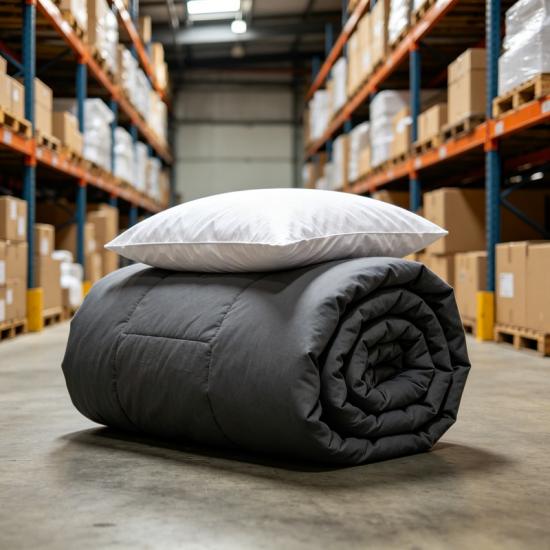
  • Packing: Vacuum-compressed sets save container space, especially for remote site shipping
  • Container loading: Confirm 20ft/40ft container capacity based on your set weight and packing method
  • Delivery terms: Confirm FOB, CIF or DDP based on your site location and customs clearance capability
  • Reorder buffer: Keep 10% spare stock at site for emergency replacements between shipments


Buying bedding for a workforce camp is different from buying for a hotel or hospital. You need to account for shift rotations, remote logistics, limited laundry capacity, and high worker turnover. Ask these questions before specifying your order:

  1. How many beds? Count actual beds, not just headcount — shift work means multiple workers per bed.
  2. What's the rotation? 8-hour shifts = 3 workers per bed per day = bedding needs 3 sets per bed for rotation.
  3. Laundry capacity? On-site industrial laundry vs. off-site service affects how many spare sets you need.
  4. Project duration? Short-term projects (3-6 months) can use economy fabric; long-term camps need heavy-duty.
  5. Climate? Hot/humid sites need lighter, quick-drying fabric; cold sites need heavier bedding and blankets.
  6. Site regulations? Some mining and offshore sites require flame-retardant textiles — confirm before ordering.

Key Takeaway: The biggest procurement mistake is ordering one set per worker. In shift-work camps, each bed needs 2-3 sets in rotation (one on bed, one in laundry, one spare). Calculate: total sets = number of beds × 2.5 (average rotation factor).
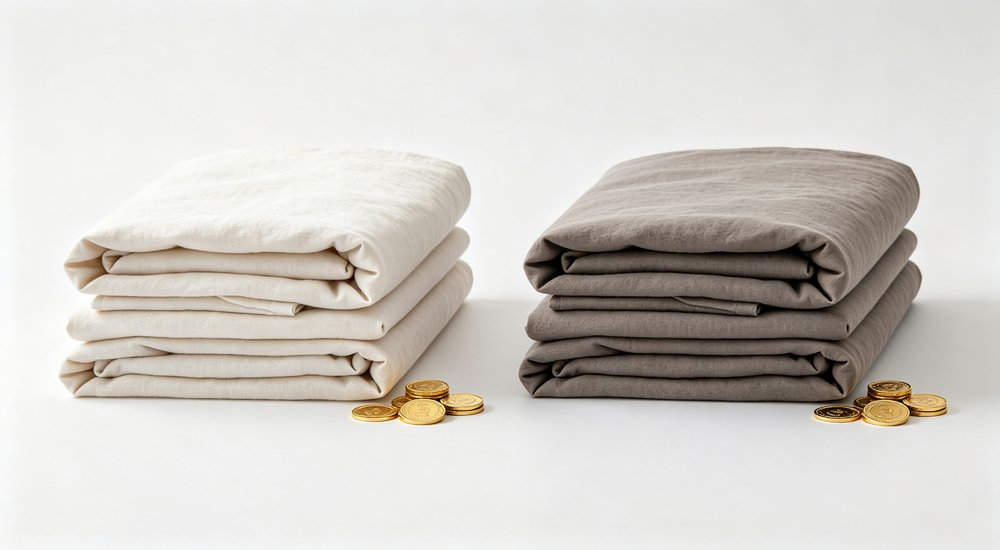


Cost lifespan comparison white showing navy and grey institutional bedding for remote worker accommodation and industrial camp facilities


Calculating Your Total Order Quantity

Camp Type

Sets per Bed

Example: 100 Beds

Single-shift / day workers

1.5 sets

150 sets

Standard 2-shift rotation

2 sets

200 sets

24-hour / 3-shift rotation

2.5-3 sets

250-300 sets

Remote site (limited laundry)

3-4 sets

300-400 sets


Eye-level office meeting view of procurement team reviewing bulk workforce camp bedding order specifications with fabric samples and colour charts on table


6. Cost-Benefit & Lifespan Analysis

Understanding the total cost of workforce camp bedding goes beyond unit price. Consider these factors when evaluating options.


Total Cost of Ownership Comparison

  • Budget polyester (90-110 GSM): Lowest upfront cost, but shortest lifespan (6-12 months) and highest replacement frequency. Best for short-term projects under 6 months.
  • Standard poly-cotton (130-160 GSM): Best value for most camps. Mid-range cost, 12-18 month lifespan, good durability. The most popular choice for long-term workforce housing.
  • Heavy-duty poly-cotton (170-200 GSM): Higher upfront cost, but 18-24 month lifespan reduces replacement frequency. Best for remote sites with high shipping costs.
  • Premium cotton (180+ GSM): Highest comfort and lifespan, but highest cost and requires more careful laundry. Suitable for management quarters or permanent camps.


Hidden Costs to Consider

  • Replacement frequency: Cheaper bedding needs replacing more often, increasing long-term cost
  • Shipping cost: Remote sites pay premium freight — heavier GSM costs more to ship, but lasts longer
  • Laundry cost: Higher GSM uses more water, detergent and energy per wash cycle
  • Loss and theft: Logo-embroidered bedding reduces loss; plain bedding walks off more easily
  • Worker satisfaction: Better quality bedding improves morale and reduces turnover-related costs


When to Upgrade From Budget to Standard

  • Project duration exceeds 6 months
  • Worker turnover is high (bedding gets rough handling)
  • Site is remote (replacement shipping is expensive)
  • Laundry facilities are limited (bedding needs to stay clean longer)
  • Client or contractor requires specific quality standards


Cheaper bedding seems cost-effective upfront, but in high-turnover camp environments it often costs more long-term due to frequent replacement. A 130 GSM poly-cotton set may cost 20% more than a 90 GSM polyester set, but it lasts 2-3 times longer.


Model

Est. Lifespan

Washes

Cost per Wash

WC-01 Economy (90 GSM polyester)

3-6 months

20-30

Higher

WC-02 Standard (140 GSM poly-cotton)

12-18 months

50-70

Medium

WC-03 Heavy-Duty (170 GSM poly-cotton)

18-24 months

80-100

Lower

WC-04 Premium (200 GSM poly-cotton)

24-36 months

100-130

Lowest


Key Takeaway: For camps operating 12+ months, WC-02 or WC-03 delivers the lowest cost per wash. The economy model only makes sense for projects under 6 months where bedding may be discarded at project end. Always calculate total cost over project duration, not just unit price.



Eye-level view of workforce camp 13 customer samples office showing navy and grey institutional bedding for remote worker accommodation and industrial camp facilities


7. Workforce Camp Bedding Application Scenarios

Workforce camp bedding serves a wide range of remote and temporary housing environments. Each scenario has different requirements based on climate, worker rotation schedule, site duration and available laundry facilities.
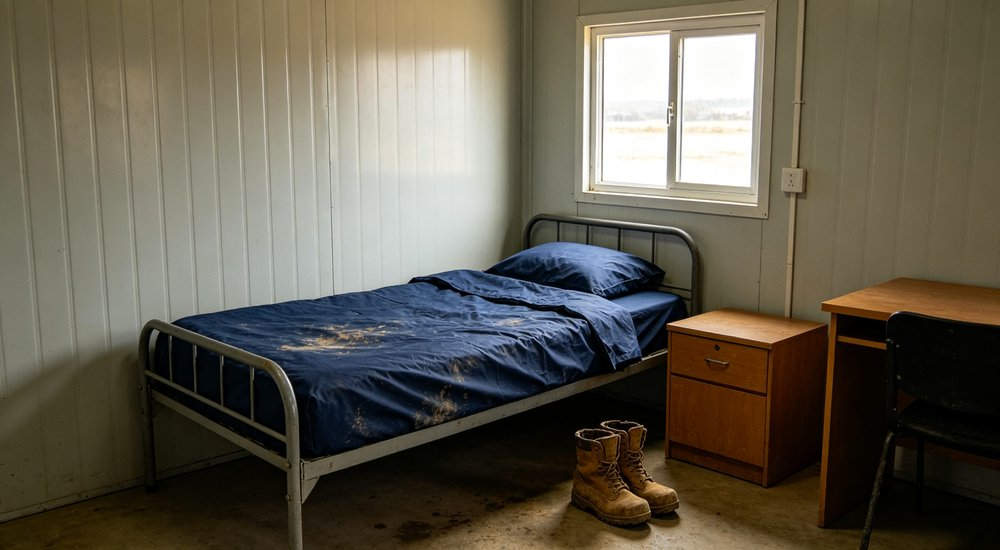
Eye-level interior of oilfield worker accommodation room with navy blue bedding on single bed personal storage locker and work boots in offshore camp


Oil Field & Offshore Rig Camps

  • Environment: Remote desert or offshore locations with limited access to replacement supplies
  • Rotation: 2-week on / 2-week off or 4-week on / 1-week off schedules
  • Key needs: Extra-durable fabric that withstands industrial laundry, dark colours that hide oil stains and dust, moisture-resistant materials
  • Typical setup: Single bed in shared room or private module, 2-3 sets per worker for rotation
  • Colour recommendation: Navy blue, dark grey, charcoal — hide grease and dust between washes


Mining Camp & Exploration Sites

  • Environment: Remote mining areas with heavy dust, variable temperatures, basic laundry facilities
  • Rotation: Fly-in/fly-out (FIFO) or drive-in/drive-out (DIDO) schedules, typically 2-3 week rotations
  • Key needs: Tear-resistant fabric, stain-resistant colours, quick-drying material for limited laundry capacity
  • Typical setup: Bunk beds in dongas or transportable accommodation blocks
  • Colour recommendation: Olive green, burgundy, dark blue — earth tones that hide mining dust


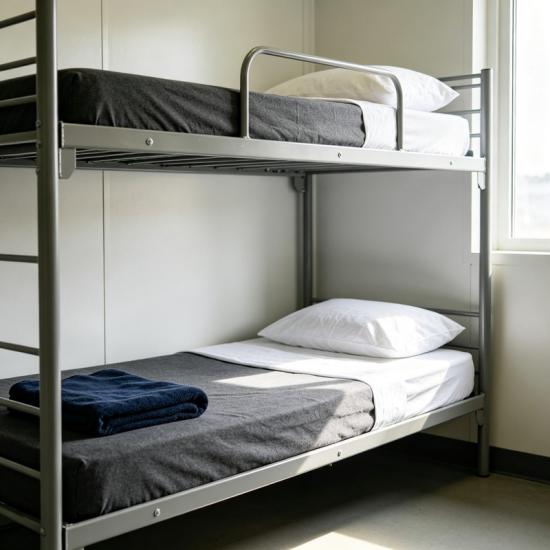
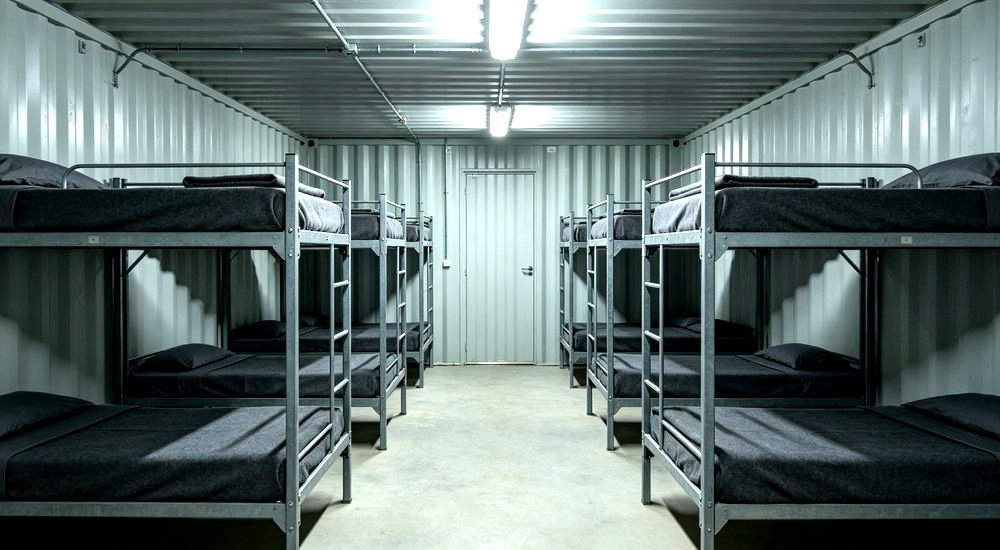
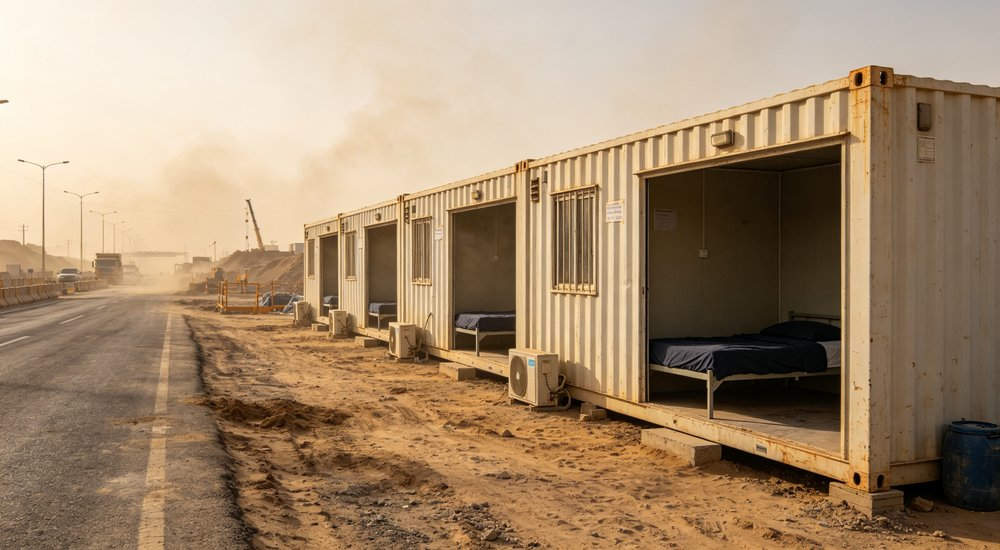
Eye-level interior of shipping container converted to mining dormitory with grey bedding on bunk beds for remote mine site worker accommodation


Construction Site Camps

  • Environment: Temporary camps near large infrastructure projects, moderate duration (6-24 months)
  • Rotation: Weekly or monthly turnover as project phases change
  • Key needs: Affordable yet durable, easy to replace when damaged, standard sizes for bunk beds
  • Typical setup: Bunk beds in prefab buildings or container conversions
  • Colour recommendation: Grey, navy, blue — standard institutional colours that are easy to reorder


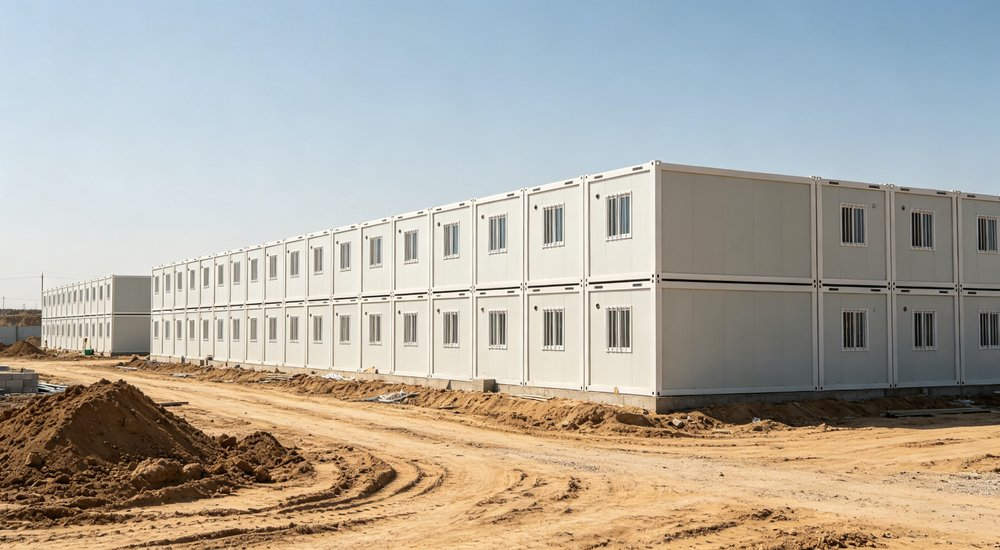
Exterior wide view of prefabricated construction site accommodation building with rows of worker rooms and temporary camp bedding facilities for remote industrial worker accommodation and high turnover institutional camp facilities requiring durable cost effective linen solutions


Road & Railway Construction Camps

  • Environment: Linear project sites that move as construction progresses, basic amenities
  • Rotation: Workers may relocate multiple times during a project
  • Key needs: Lightweight bedding that is easy to transport, compact packing, durable enough for frequent moves
  • Typical setup: Tents or temporary shelters with simple beds or mats
  • Colour recommendation: Dark grey, olive, navy — colours that tolerate outdoor dust and frequent handling


Exterior view of remote road construction camp with navy blue modular dormitory units and temporary worker housing along highway project route


Forestry & Logging Camps

  • Environment: Remote forest areas with high humidity, mud, and limited infrastructure
  • Rotation: Seasonal work with peak periods requiring additional capacity
  • Key needs: Mildew-resistant fabric, quick-drying material, dark colours that hide mud and sap stains
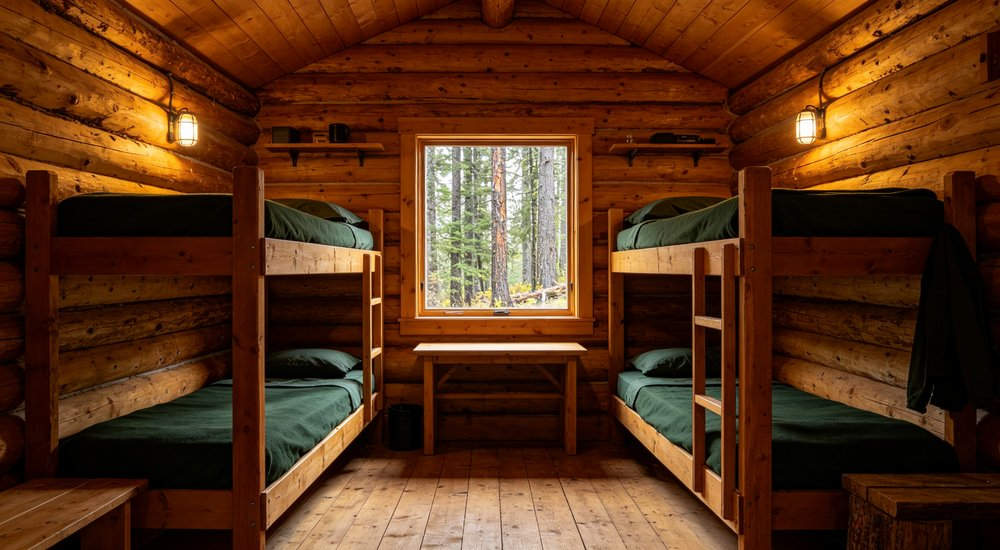
  • Typical setup: Bunk beds in wooden cabins or modular units
  • Colour recommendation: Dark green, brown, grey — natural tones that blend with forest environment


Eye-level view of workforce camp 18 forestry logging camp darkgreen showing navy and grey institutional bedding for remote worker accommodation and industrial camp facilities


Power Plant & Energy Project Camps

  • Environment: Large construction camps for power plants, wind farms, solar installations
  • Rotation: Mixed workforce with long-term staff and short-term contractors
  • Key needs: Standardized bedding for easy inventory management, colour-coding by department or contractor
  • Typical setup: Modern modular accommodation with individual rooms or shared units
  • Colour recommendation: Navy, grey, burgundy — professional colours with department colour-coding options


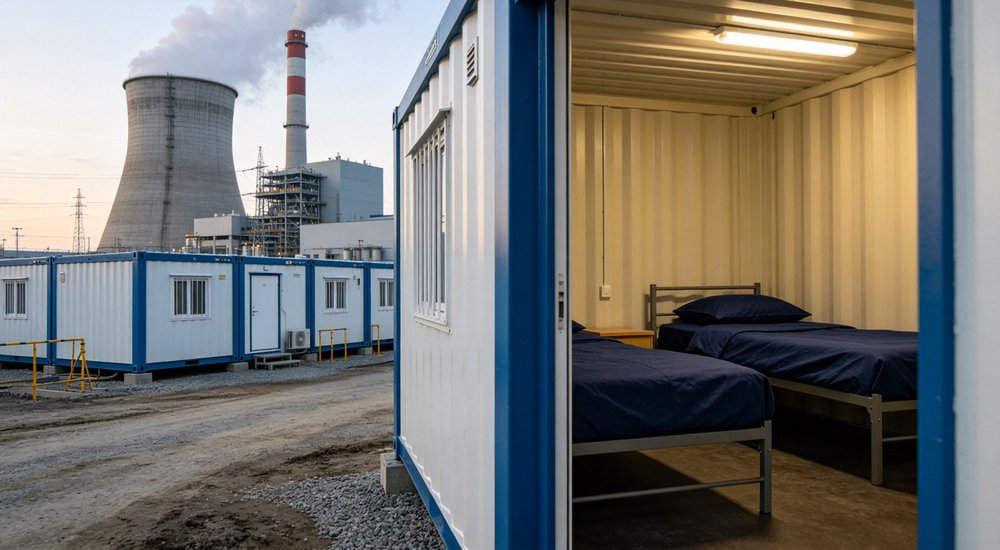
Eye-level view of workforce camp 19 power plant camp navy showing navy and grey institutional bedding for remote worker accommodation and industrial camp facilities


Factory & Manufacturing Worker Dormitories

Large manufacturing plants often house hundreds or thousands of workers in on-site dormitories. These facilities have high occupancy rates, frequent worker turnover, and structured laundry schedules. Bedding must withstand constant use while remaining comfortable enough for workers after long shifts.
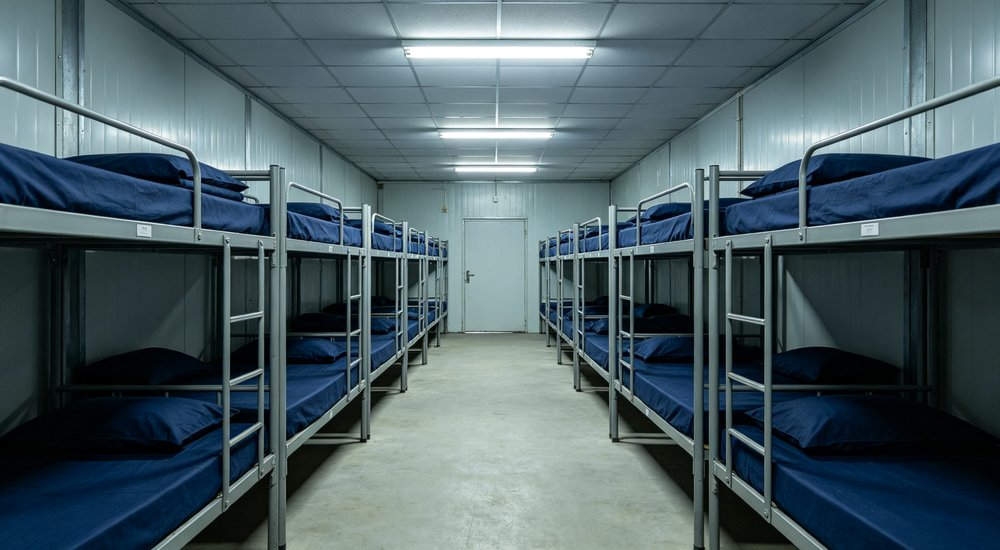
  • Environment: Permanent or long-term factory dormitories, shared rooms with bunk beds, regular laundry facilities
  • Key needs: Durable poly-cotton that survives weekly industrial washing, standard sizes for bunk beds, colours that hide factory dust
  • Typical setup: 4-8 person rooms with bunk beds, shared bathrooms, centralized laundry
  • Colour recommendation: Navy blue, grey, blue — standard factory colours that are easy to reorder and match existing stock
  • Special consideration: High turnover means bedding must be easy to clean and reissue between workers; consider stain-resistant finishes


Factory dormitory navy scene showing navy and grey institutional bedding for remote worker accommodation and industrial camp facilities


Logistics Park & Warehouse Worker Housing

Logistics hubs and warehouse complexes often provide housing for shift workers, especially in remote industrial zones. These workers rotate between day and night shifts, requiring bedding that can be quickly turned over between shifts.
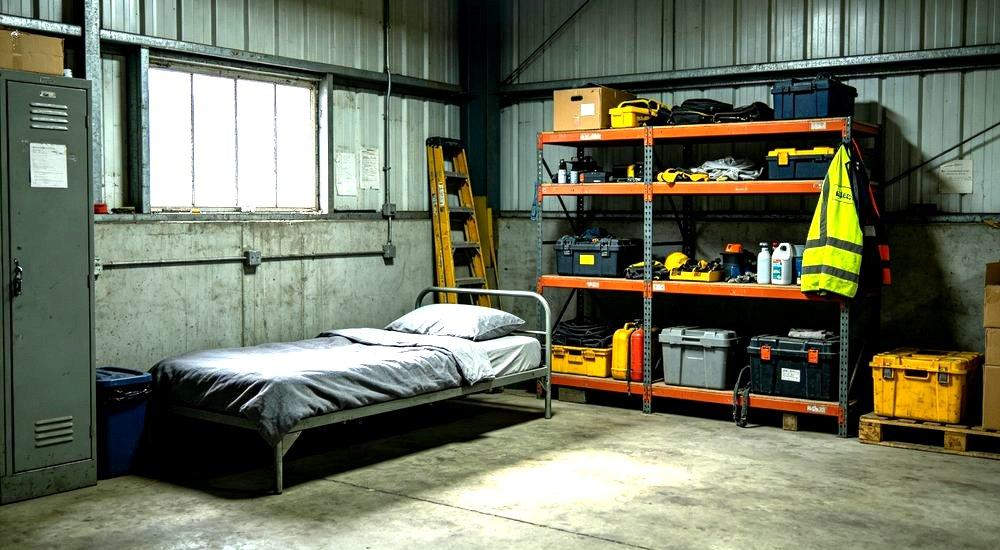
  • Environment: Industrial zone housing, shift-based occupancy, moderate to high turnover
  • Key needs: Quick-drying fabric for fast turnaround between shifts, durable construction, standard colours
  • Typical setup: Shared rooms or small apartments, bunk beds or single beds
  • Colour recommendation: Grey, navy, dark blue — colours that hide warehouse dust and are easy to maintain
  • Special consideration: Shift rotation means 3+ sets per bed may be needed to allow one set in use, one in laundry, one ready


Eye-level interior of logistics warehouse worker accommodation with grey bedding on bunk beds for distribution centre night shift staff housing


Agricultural & Farm Worker Camps

Farms, plantations and agricultural operations provide seasonal or year-round housing for workers. These environments often have basic amenities, high humidity, and exposure to mud, pesticides and agricultural dust.
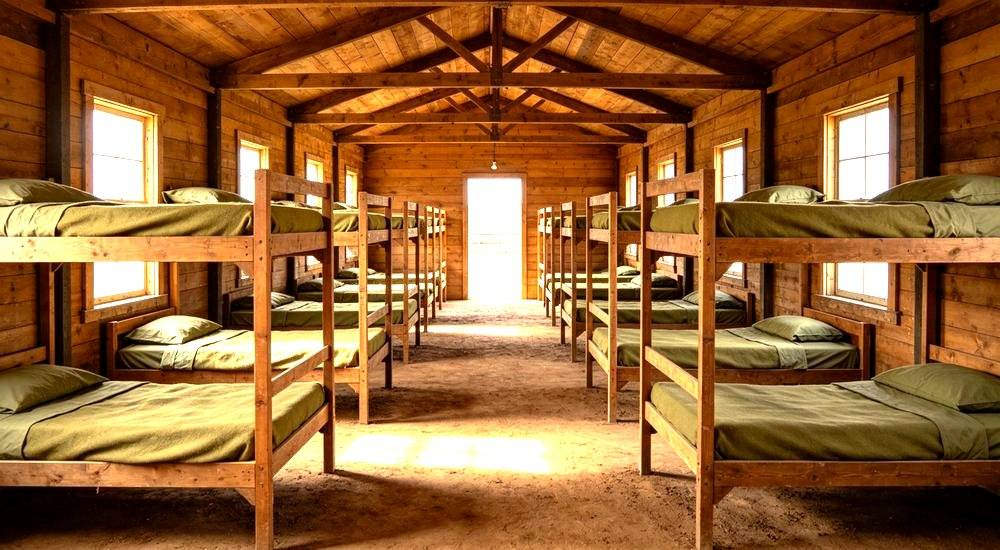
  • Environment: Rural farm camps, basic housing, seasonal workforce, high humidity and dust
  • Key needs: Mildew-resistant fabric, stain-resistant colours, easy to wash with basic laundry equipment
  • Typical setup: Dormitory-style housing or barracks, bunk beds, shared facilities
  • Colour recommendation: Olive green, brown, dark grey — earth tones that hide mud and agricultural stains
  • Special consideration: Seasonal peaks require extra stock; budget-friendly polyester may be acceptable for short harvest seasons


Eye-level interior of agricultural farm worker camp with olive green bedding on simple beds for seasonal harvest labour accommodation in rural areas


Fishery & Offshore Platform Crew Quarters

Fishing vessels, offshore platforms and maritime workplaces have unique bedding requirements due to limited space, high humidity, salt air and strict safety regulations. Bedding must be compact, flame-retardant and resistant to mildew.

  • Environment: Confined quarters, high humidity, salt air, limited storage and laundry capacity
  • Key needs: Compact bedding that fits narrow bunks, mildew-resistant, flame-retardant treatment, quick-drying
  • Typical setup: Narrow bunks (70-80cm wide), stacked berths, minimal storage
  • Colour recommendation: Navy, dark grey, charcoal — colours that hide salt stains and maintain appearance in humid conditions
  • Special consideration: Confirm vessel or platform safety regulations — some require specific flame retardant standards for all textiles


Eye-level interior of offshore fishery worker quarters with dark grey compact bedding on narrow bunks for fishing vessel crew accommodation at sea


Hospitality & Resort Staff Housing

Hotels, resorts and tourism operations often provide staff housing, especially in remote tourist destinations. These facilities need bedding that is comfortable for staff while durable enough for high-turnover hospitality environments.
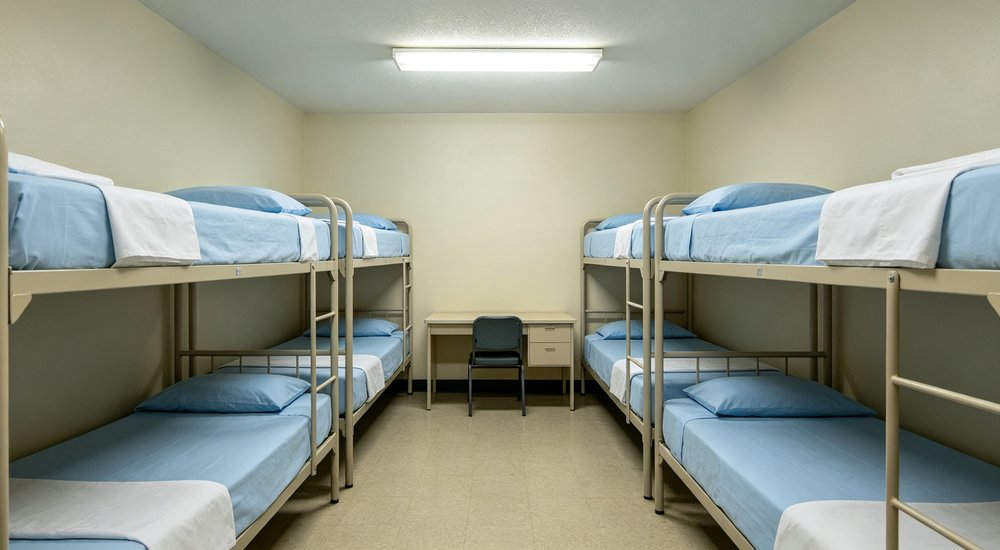
  • Environment: Staff dormitories near hotels/resorts, mixed nationalities, moderate turnover
  • Key needs: Comfortable yet durable, easy to clean, standard sizes, professional appearance
  • Typical setup: Shared rooms or small apartments, single beds or bunk beds
  • Colour recommendation: White, light grey, beige — clean, professional appearance matching hospitality standards
  • Special consideration: Staff housing bedding may need to match or coordinate with hotel bedding for consistency


Eye-level interior of hospitality staff dormitory with light blue bedding on single beds for hotel and resort employee housing accommodation


Large Event & Festival Temporary Housing

Major events, festivals, sports competitions and conferences require temporary bedding for large numbers of staff, volunteers and contractors. These are short-term, high-volume needs with rapid setup and teardown.
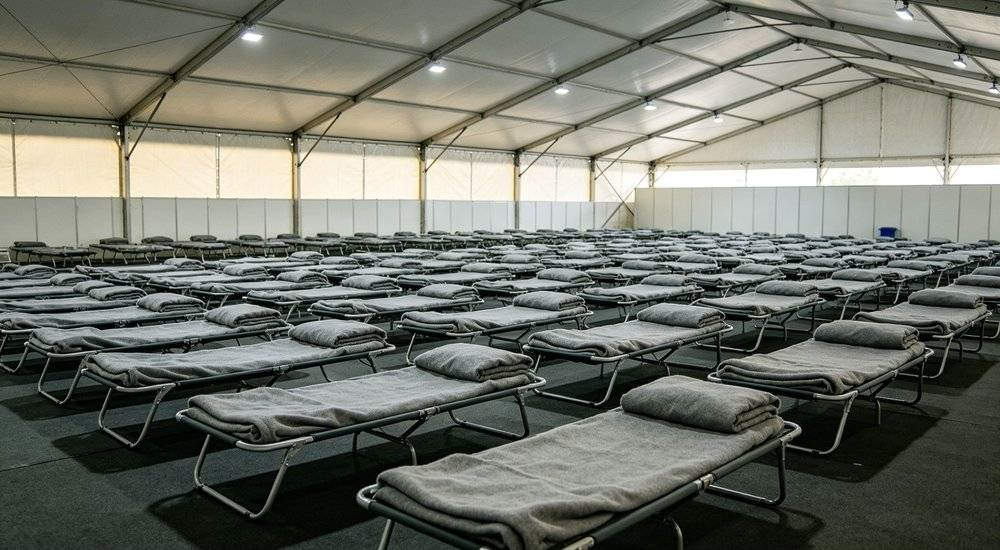
  • Environment: Temporary accommodation — tents, dormitories, converted spaces, short duration
  • Key needs: Affordable, lightweight, easy to transport and set up, disposable or reusable after event
  • Typical setup: Mass bedding in tents or halls, simple mats or beds, high density
  • Colour recommendation: Any standard colour — white, grey, blue — since usage is short-term
  • Special consideration: Large volume orders with tight deadlines; budget polyester acceptable for single-event use


Eye-level interior of large event temporary worker housing with grey bedding on rows of beds for festival conference and sports event staff accommodation


Oil Field & Gas Camps

Oil field camps operate 24/7 with 12-hour shifts. Workers track in drilling mud, crude oil and dust. Bedding must be stain-resistant, dark-coloured, and able to withstand industrial washing with degreasing detergents. Navy blue and dark grey are the most popular colours. Many oil field camps also require thermal blankets for cold-weather sites and emergency standby.


Mining Camp Dormitories

Mining camps are often remote, with limited access to replacement supplies. Bedding must be durable enough to last the full project duration (often 2-5 years). Dust from ore processing is everywhere — fabrics with tight weaves and stain-release finishes perform best. FIFO (fly-in-fly-out) worker rotation means high turnover and frequent laundering.


Construction Site Housing

Construction camps are typically temporary (6-18 months) with modular or container housing. Economy to standard grade bedding is usually sufficient. Projects in remote areas may need vacuum-packed sets to reduce transport volume. Construction workers often work in dusty, concrete-heavy environments — dark colours hide dust well.


Remote Workforce Accommodation

Remote sites (forestry, infrastructure, renewable energy projects) have limited laundry capacity. Workers may go weeks between full linen changes. Heavier GSM fabric with anti-microbial treatment helps control odour. Extra sets per bed are essential — calculate 3-4 sets per bed for sites without on-site laundry.
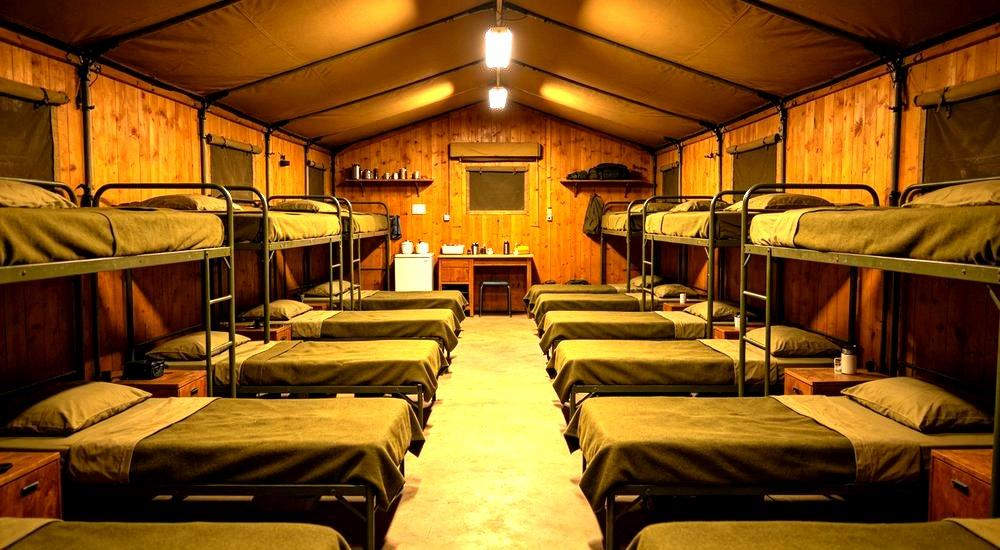


Eye-level interior of remote camp bunkhouse with olive green bedding on wooden frame beds for workers in isolated infrastructure project locations


Key Takeaway: Every camp type has different priorities. Oil fields need stain resistance; mining needs maximum durability; construction needs cost efficiency; remote sites need extra inventory. Match your fabric and colour to the specific site conditions — don't use one standard for all camps.


Explore related bedding solutions: Military & Police Bedding, School Dormitory Bedding, Emergency Relief Bedding.
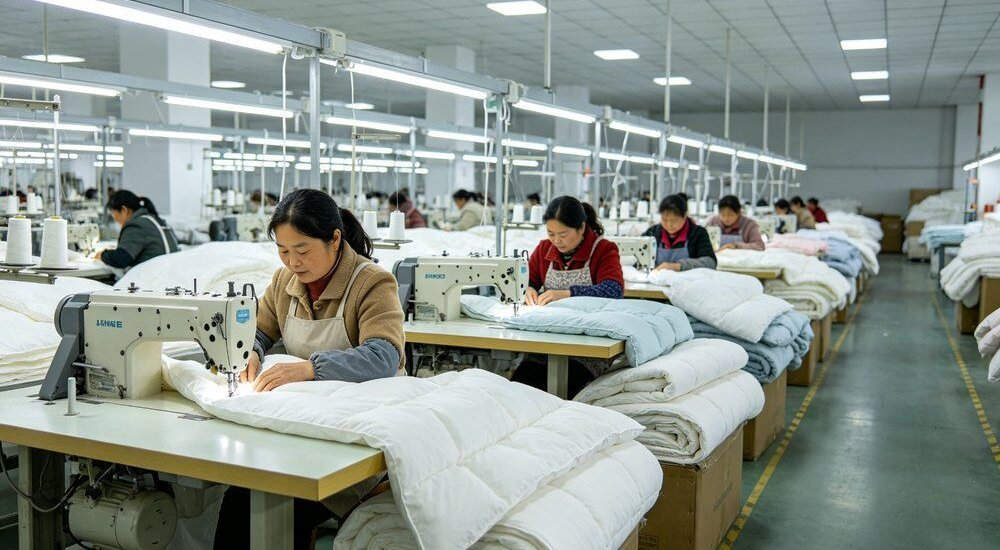


Wide-angle factory production line view of workers sewing bulk workforce camp bedding sets with industrial sewing machines and fabric rolls


8. Why Choose YRF Textile for Workforce Camp Bedding

  • Factory-direct pricing: We manufacture in our own facility — no middlemen, no trading company markup.
  • Large batch capacity: Monthly production of 50,000+ bedding sets — suitable for mega-projects with 500+ bed camps.
  • Consistent quality: In-house QC at every production stage — fabric inspection, cutting, sewing, final inspection.
  • Custom colour matching: Pantone colour matching for company branding, site identification, or shift colour-coding.
  • Flexible packaging: Vacuum compression for remote sites, individual polybags, or carton packing by set.
  • Experience with remote logistics: We understand the challenges of shipping to mining and oil field locations.


Qc inspection stitching white showing navy and grey institutional bedding for remote worker accommodation and industrial camp facilities


9. Certifications & Quality Control

Our workforce camp bedding undergoes rigorous quality control at every stage. We provide test reports and certificates as required by procurement teams and site safety officers.


Test / Certificate

What It Covers

Available On Request

Colourfastness Test

Washing, rubbing, light fastness ratings

Yes

Tear & Tensile Strength

Fabric durability under stress

Yes

Shrinkage Test

Dimensional stability after washing

Yes

Flame Retardant Test

For sites requiring FR textiles

Yes (if FR fabric selected)

AZO-Free / Eco-friendly

No harmful dyes or chemicals

Yes


Key Takeaway: Always request colourfastness and shrinkage test reports before placing a large order. These two tests predict how well bedding will perform after repeated industrial washing — the biggest factor in camp bedding lifespan.



Fabric testing lab white showing navy and grey institutional bedding for remote worker accommodation and industrial camp facilities


10. Customization Options for Workforce Camp Bedding

Every camp is different. We offer full customization to match your site's specific requirements, branding and operational needs.
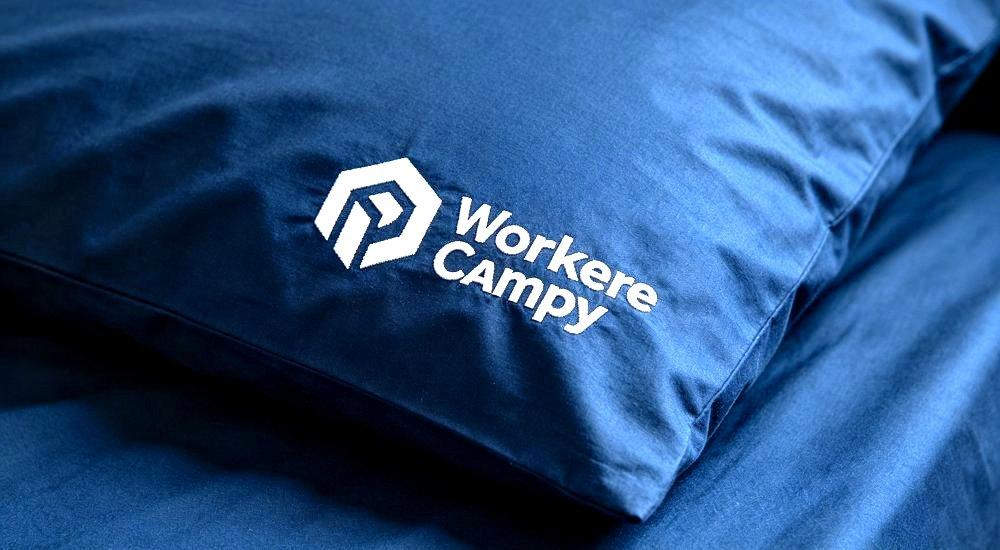

Logo embroidery navy detail showing navy and grey institutional bedding for remote worker accommodation and industrial camp facilities


Customization Options

  • Logo embroidery or printing: Company logo, project name, or site identification on pillowcases or bedspreads.
  • Colour-coding by department: Different colours for management, workers, kitchen staff, visitors — helps with inventory control.
  • Custom sizes: Non-standard bed dimensions for modular housing, bunk beds, or imported accommodation units.
  • Set composition: Add or remove components — some camps need mattress protectors, others need extra blankets.
  • Labelling: Sewn-in labels with washing instructions, set ID numbers, or barcodes for inventory tracking.
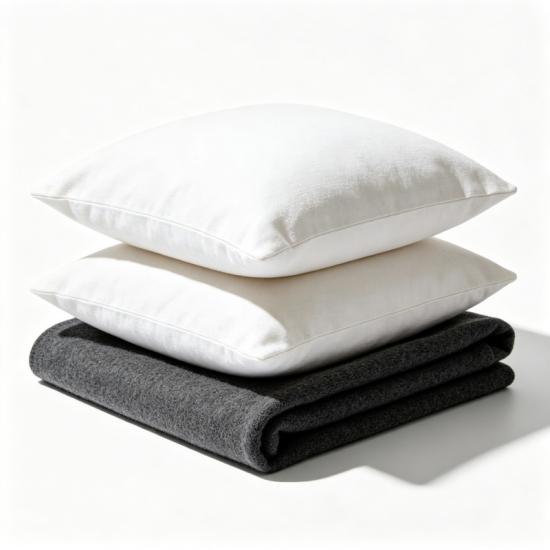
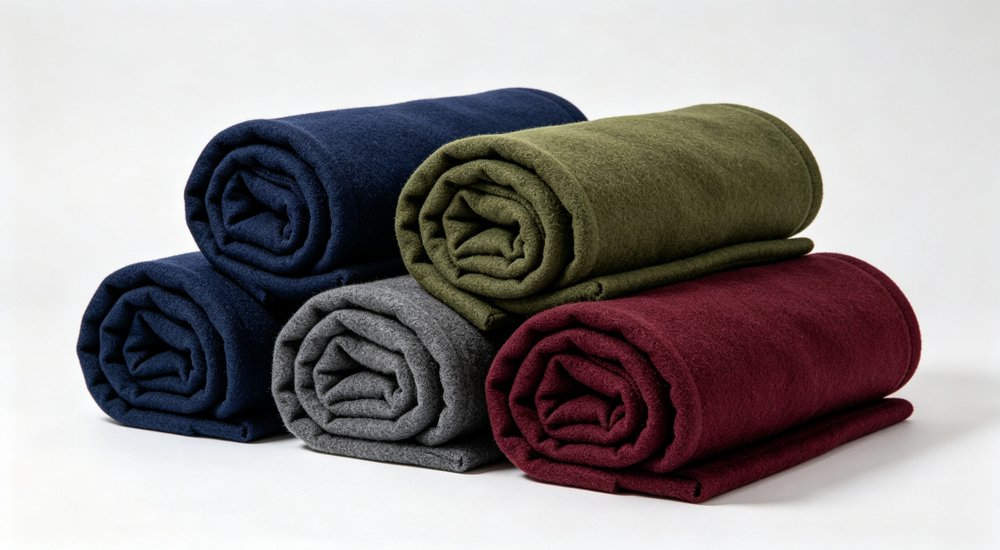
  • Blanket add-on: Pair bedding sets with wool or fleece blankets for cold-climate camps — complete the sleeping system in one order.


Color coded dormitory navy olive showing navy and grey institutional bedding for remote worker accommodation and industrial camp facilities


11. Washing Frequency & Maintenance Guide for Workforce Camps

Proper washing extends bedding life significantly. Industrial laundry at camp sites often uses high temperatures and strong detergents — following these guidelines prevents premature wear.


Blankets multi color rolled showing navy and grey institutional bedding for remote worker accommodation and industrial camp facilities


Fabric Type

Wash Temp

Drying

Expected Washes

100% Polyester

40-60°C

Tumble low or line dry

20-30

65/35 Poly-Cotton

60-75°C

Tumble medium

50-70

50/50 Poly-Cotton

60-80°C

Tumble medium-high

80-120

100% Cotton

60-90°C

Tumble high

40-60


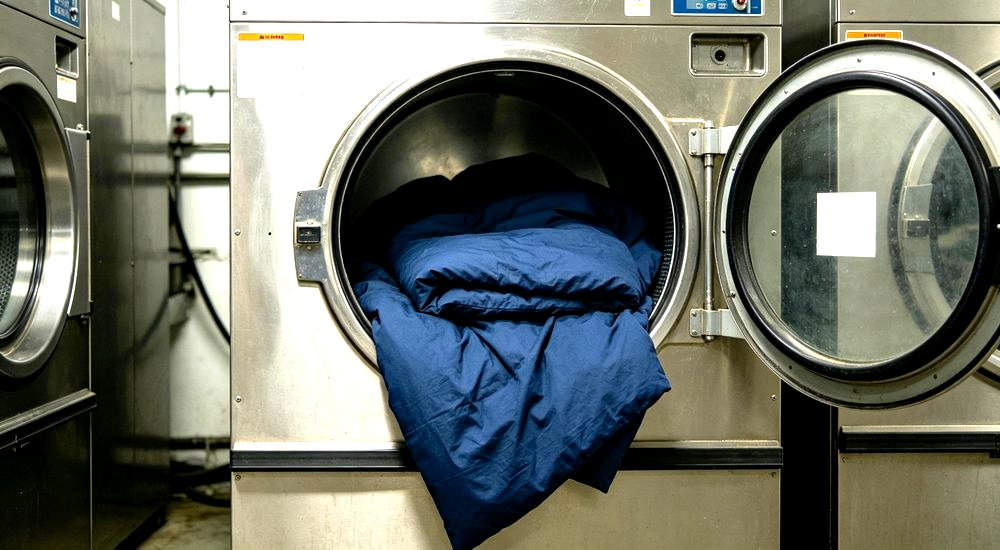
Industrial washer navy clean showing navy and grey institutional bedding for remote worker accommodation and industrial camp facilities


Camp Laundry Best Practices

  • Sort by colour — dark colours separately from lights, even within a single-camp order.
  • Avoid chlorine bleach on poly-cotton — it weakens fibres and causes yellowing. Use oxygen-based bleach for stain removal.
  • Don't overload industrial washers — proper agitation requires space; overloaded machines don't clean effectively and wear fabric faster.
  • Remove bedding from dryer promptly — wrinkles set in if left sitting, and workers won't use wrinkled sheets.
  • Inspect after each wash — pull torn or stained sets from rotation for repair or replacement before they become unusable.


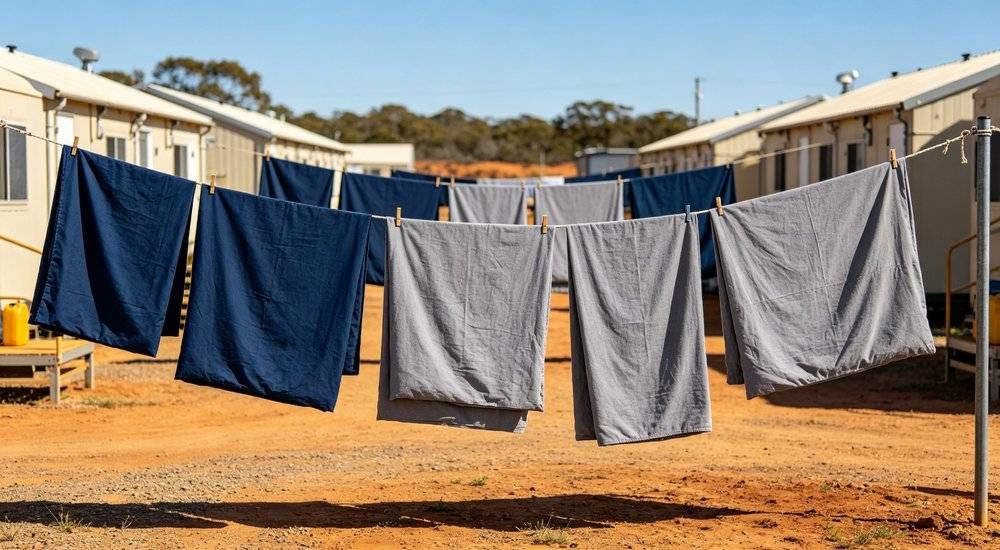
Outdoor laundry line navy gray showing navy and grey institutional bedding for remote worker accommodation and industrial camp facilities


12. Color Consistency & Multi-Batch Management

Large camp orders are often delivered in multiple batches over months or years. Colour consistency between batches is critical — no camp manager wants mismatched bedding from different delivery phases.
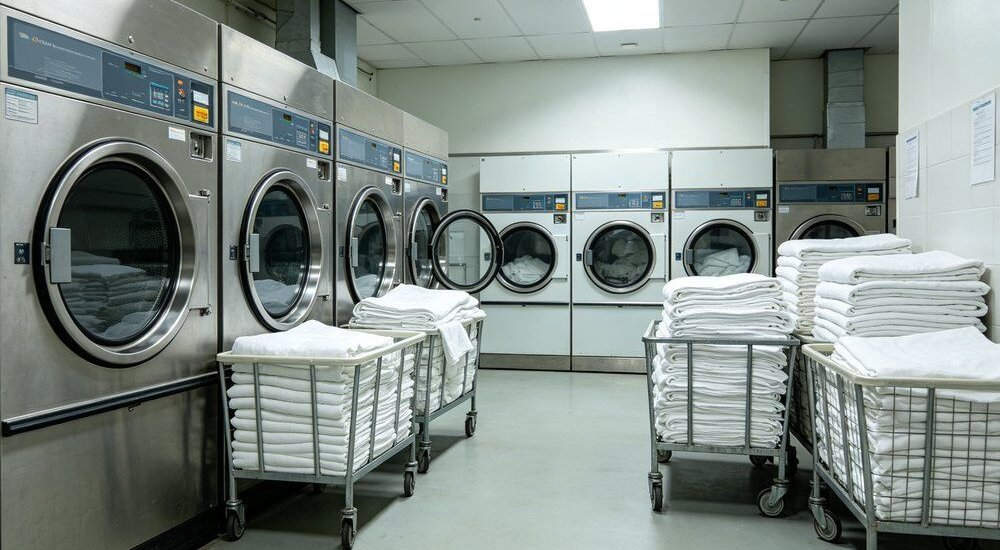


Industrial laundry machine white showing navy and grey institutional bedding for remote worker accommodation and industrial camp facilities


Key Takeaway: For multi-batch orders, we keep a reserved dye lot from the first production and use it as the colour standard for all subsequent batches. Request a colour sample from each new batch for approval before mass production — this prevents costly mismatches.
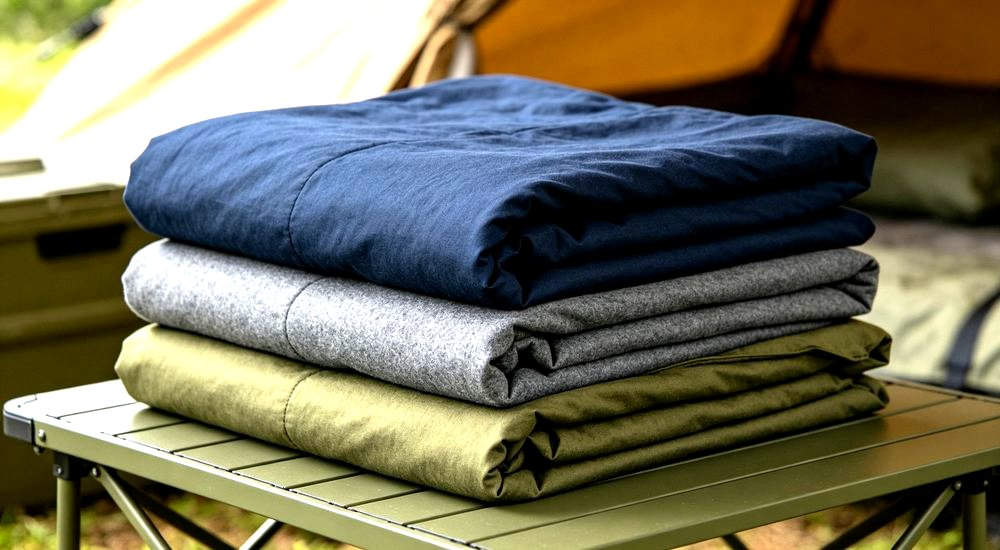

Dark color options folded table showing navy and grey institutional bedding for remote worker accommodation and industrial camp facilities


Colour Management Process

  1. First batch: approve physical colour sample (signed and dated).
  2. Reserve fabric from dye lot as master standard.
  3. Subsequent batches: dye to match master standard within ΔE ≤ 1.5 (industry standard for commercial textiles).
  4. Each batch: send 10×10 cm colour swatch for buyer approval before shipping.
  5. Keep batch records — label each carton with batch number for traceability.


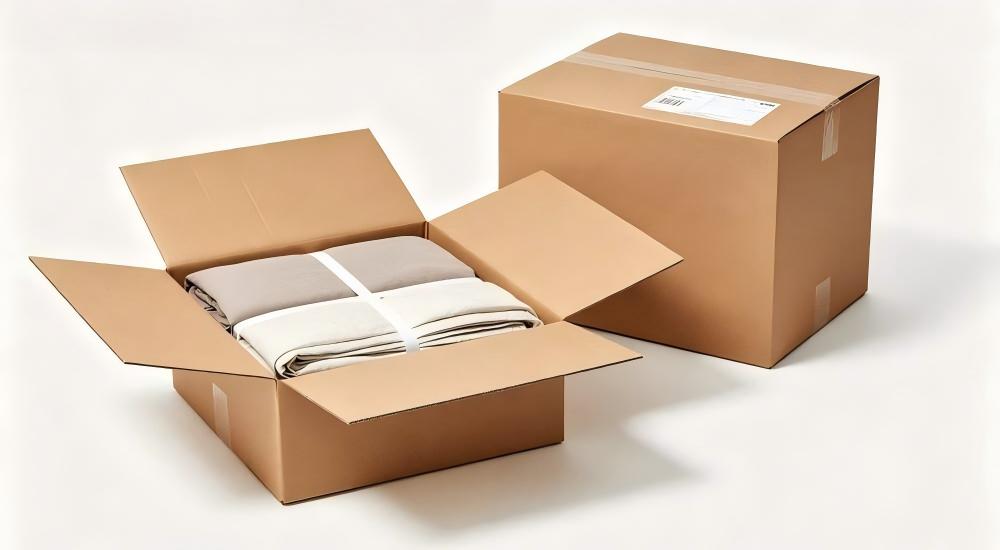
Carton labeling batch warehouse showing navy and grey institutional bedding for remote worker accommodation and industrial camp facilities


13. Packaging & Logistics for Workforce Camp Orders

Shipping to remote oil field and mining sites requires careful packaging planning. Standard carton packing may not be sufficient for long-haul transport to unpaved roads or port transfers.



Logistics delivery site warehouse showing navy and grey institutional bedding for remote worker accommodation and industrial camp facilities


Packaging Type

Best For

Volume Reduction

Standard carton (10-20 sets/carton)

Local delivery, accessible sites

None

Vacuum-compressed sets

Remote sites, air freight, limited storage

50-60%

Individual polybag + carton

High-humidity regions, long storage

None

Palletized + stretch wrap

Container shipping, port handling

None


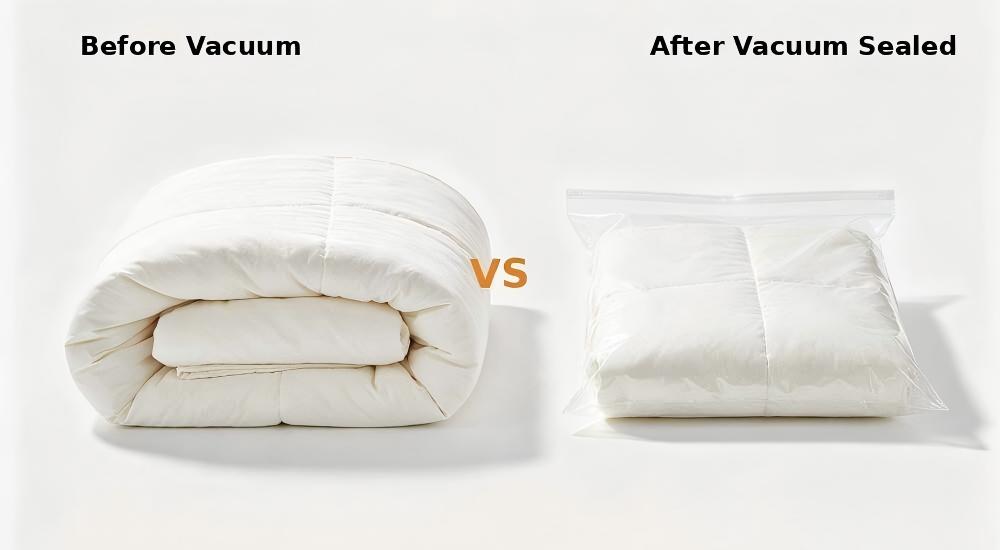
Top-down view of vacuum compressed camp bedding in clear plastic bag showing flat compact packaging versus uncompressed bulky bedding set


Key Takeaway: For remote sites, vacuum compression reduces shipping volume by 50-60%, which can cut freight costs significantly. However, vacuum-compressed bedding needs 24-48 hours to fully fluff up after opening — plan accordingly for camp setup timelines.



Exterior logistics view of forklift loading cartons of camp bedding into shipping container at factory warehouse for export delivery for remote industrial worker accommodation and high turnover institutional camp facilities requiring durable cost effective linen solutions


14. Sample Policy & Trial Order Process

Before placing a large camp order, we recommend evaluating physical samples. This allows you to check fabric feel, colour accuracy, stitching quality and size fit on actual camp beds.
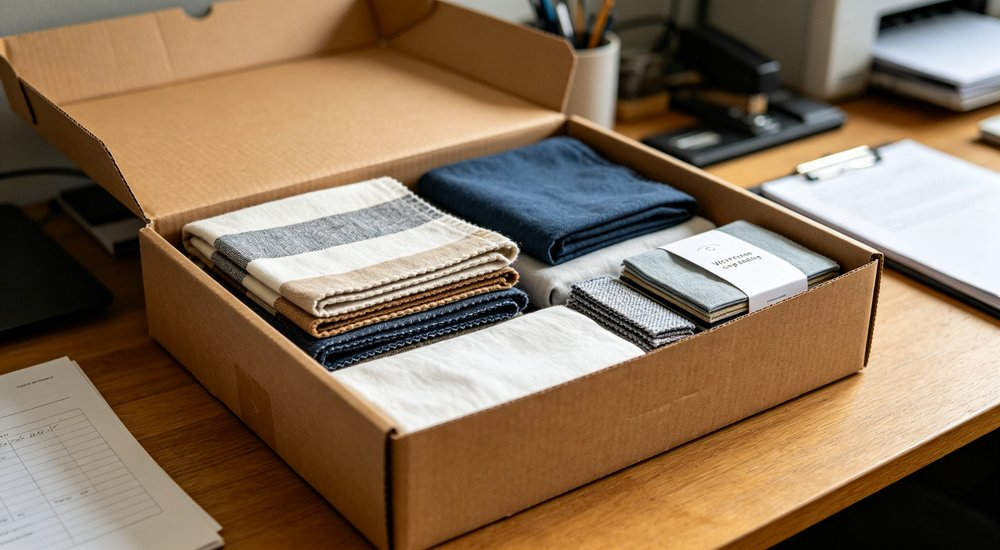
  • Sample sets: Available in all models and colours — sample cost is deductible from confirmed bulk orders.
  • Custom samples: Logo embroidery, custom colours, and non-standard sizes available — production time 7-15 days.
  • Trial orders: Small batch orders (50-200 sets) available for camp testing before committing to full project volume.
  • Sample approval: All samples must be approved in writing before bulk production begins — this protects both parties.


sample package courier office showing navy and grey institutional bedding for remote worker accommodation and industrial camp facilities


Key Takeaway: Always test samples on actual camp beds before ordering. Fitted sheet pocket depth is the most common fit issue — a sample set lets you confirm the elastic holds properly on your specific mattress thickness.
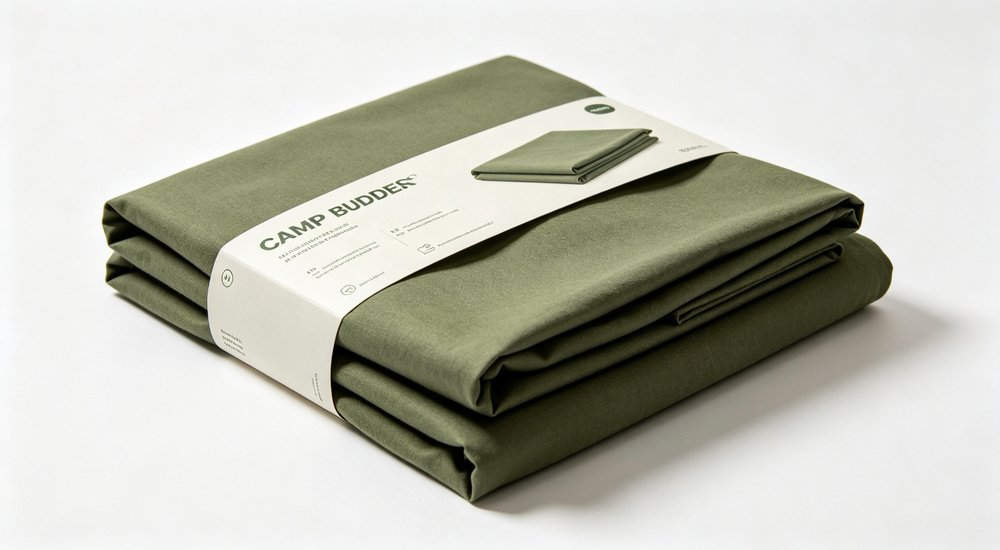


Replacement set olive packaged showing navy and grey institutional bedding for remote worker accommodation and industrial camp facilities


15. Frequently Asked Questions (FAQ) About Workforce Camp Bedding

Q: What is the minimum order quantity for workforce camp bedding?

A: Minimum order quantity depends on model and customization. Standard colours and sizes typically start at 200 sets. Custom colours or special sizes may require 500+ sets. Contact us with your specific requirements for an accurate quote.


Q: How long does production take for a 500-bed camp order?

A: Standard production time is 20-35 days for 500-1,000 sets after sample approval and deposit. Larger orders (2,000+ sets) may require 35-50 days. Vacuum compression adds 3-5 days. Rush production is available for urgent camp setup — confirm timeline before ordering.
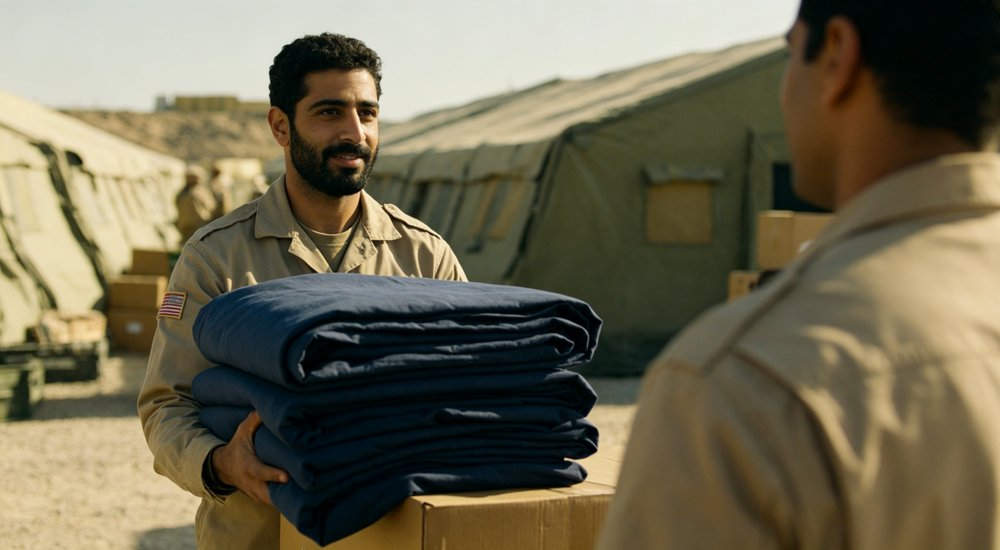


Worker receiving bedding camp showing navy and grey institutional bedding for remote worker accommodation and industrial camp facilities


Q: Can you match our company's specific brand colour?

A: Yes. We offer Pantone colour matching for custom colours. A 10×10 cm colour swatch is provided for approval before bulk dyeing. Custom colour minimums apply — typically 500 sets per colour.


Q: Do you offer flame-retardant bedding for mining sites?

A: Yes. We can produce bedding with flame-retardant fabric treatment for sites that require it. FR treatment is available on poly-cotton and polyester fabrics. Please specify FR requirements at quotation stage — it affects fabric selection and pricing.
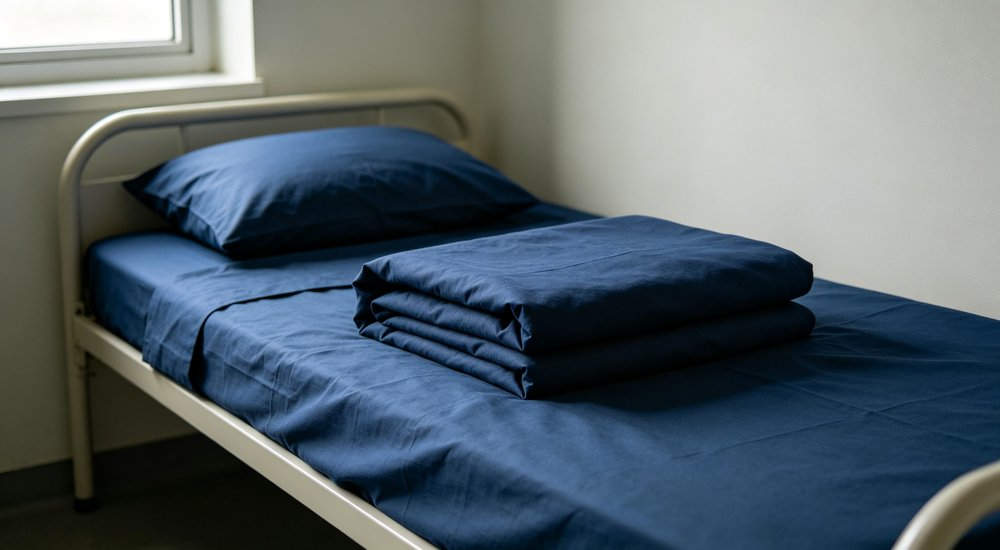


Eye-level view of freshly made navy blue clean bed ready for next shift worker in camp dormitory showing linen rotation hygiene practice


Q: What's the best fabric for an oil field camp with weekly industrial washing?

A: 65/35 poly-cotton at 130-160 GSM (WC-02 or WC-03) is the best choice. The polyester content resists oil stains and dries quickly; the cotton content provides comfort. Dark grey or navy blue hides grease and dust best. Add stain-release finish for maximum oil resistance.


Q: Can we order just fitted sheets without the full set?

A: Yes. We supply individual components — fitted sheets, flat sheets, pillowcases, duvet covers — as well as complete sets. Many camps order extra fitted sheets separately since they wear out faster than other components. Pricing is per item for component-only orders.
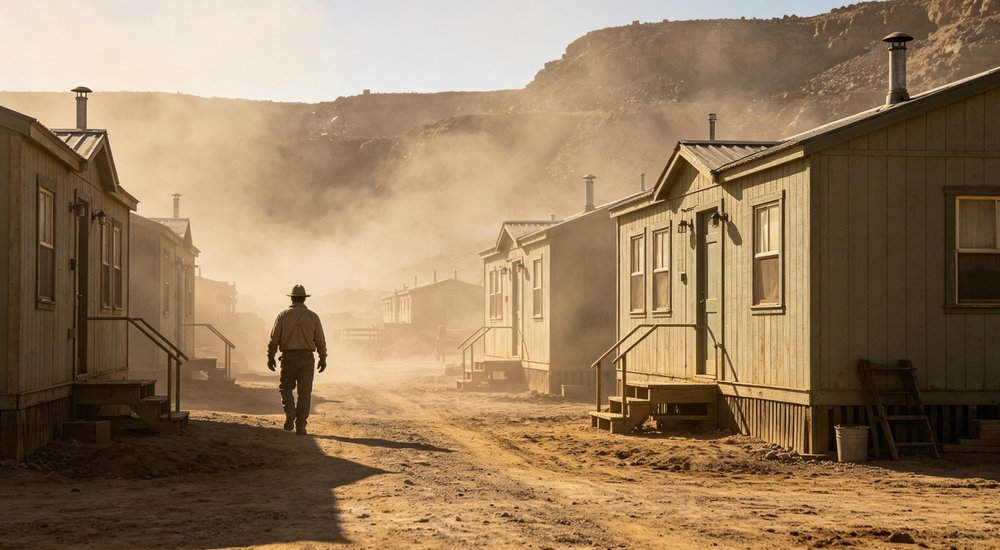


Exterior front view of dusty mining camp environment with worker accommodation buildings showing harsh conditions requiring durable bedding for remote industrial worker accommodation and high turnover institutional camp facilities requiring durable cost effective linen solutions


Q: How do we handle bedding for workers who leave the camp?

A: In high-turnover camps, bedding is typically property of the camp, not the worker. Workers are issued a set on arrival and it's returned on departure. We recommend colour-coding by arrival batch or using sewn-in ID labels to track inventory. Order 10-15% extra sets to cover losses and damages.
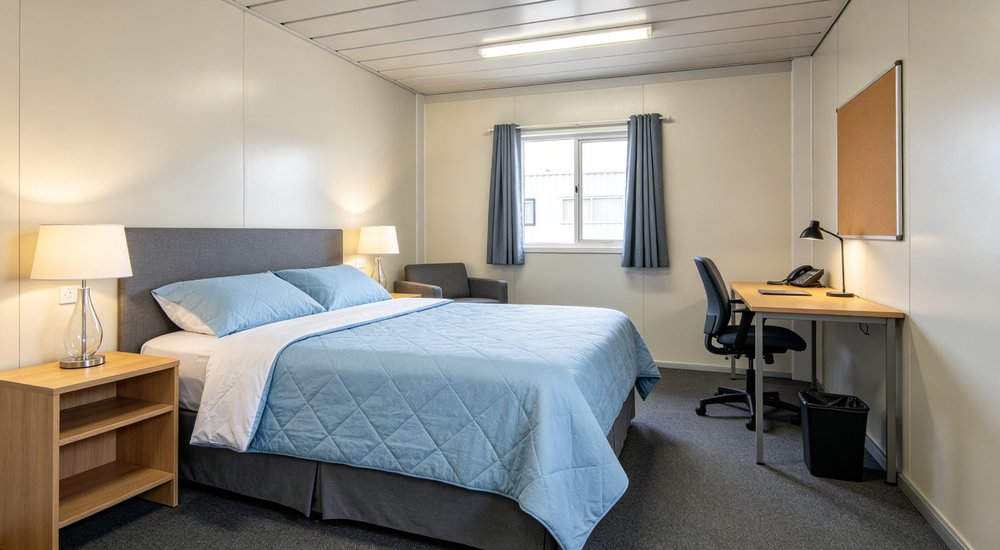


Eye-level interior of camp management quarter with light blue premium bedding on single bed for supervisors and senior staff accommodation


Q: Do you supply pillows and duvets (inserts) as well?

A: Yes. We supply pillow inserts, duvet inserts and blankets to complete the bedding system. Many camps prefer one-stop sourcing — sheets, covers, inserts and blankets in a single order simplifies logistics for remote sites. Specify fill type (polyester, cotton, wool blend) and weight for inserts.


Q: How do I calculate the right quantity for my workforce camp?

A: Calculate 2.5-3.5 sets per bed based on your laundry schedule and worker turnover rate. Multiply by number of beds, then add 10-15% spare for damage and new worker onboarding. A 200-bed camp with weekly laundry needs approximately 500-700 sets total including spares.
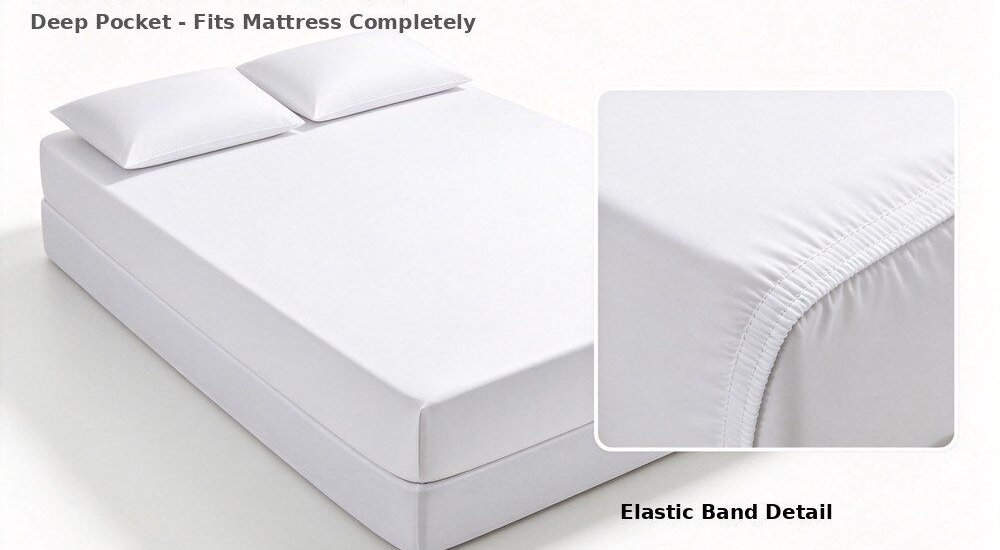


Mattress protector waterproof white showing navy and grey institutional bedding for remote worker accommodation and industrial camp facilities


Q: Can I colour-code bedding by department or shift?

A: Yes, colour-coding is popular for workforce camps. Assign different colours to departments (navy for production, grey for administration), shifts (day vs night), or worker grades. This simplifies laundry sorting and helps identify which department each set belongs to. Minimum quantities for custom colours apply.
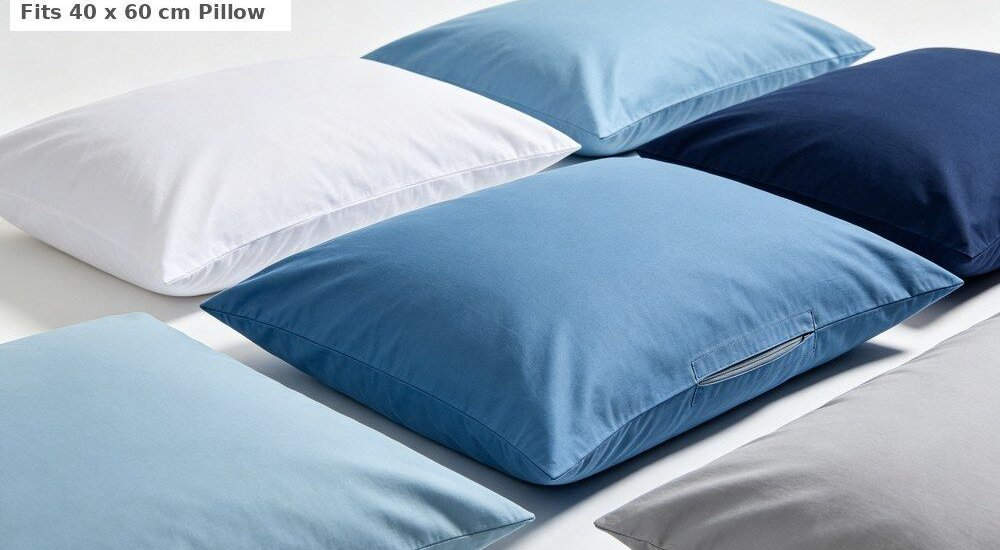


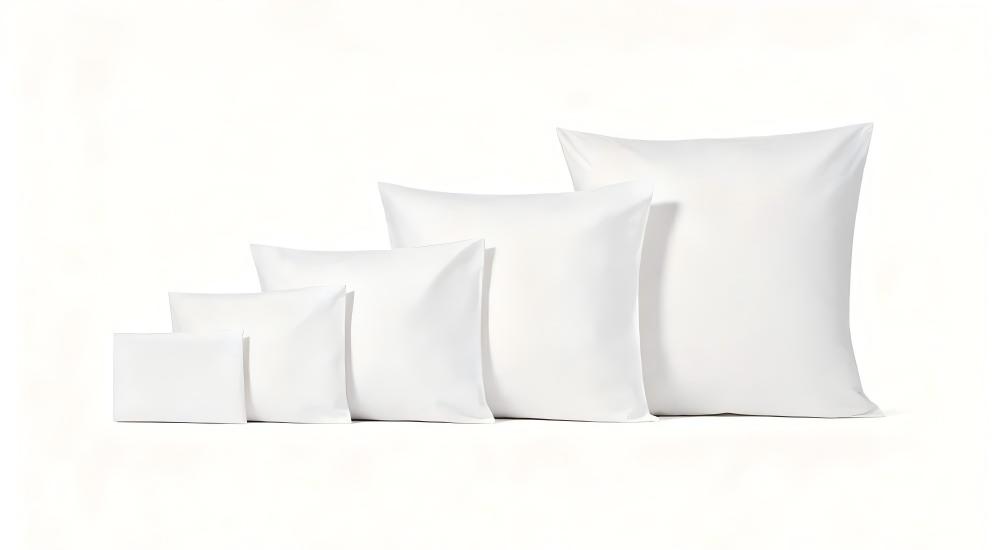
Top-down product view of white pillow insert options showing different firmness levels for camp worker head support and comfort preferences


Q: What is the typical lifespan of workforce camp bedding?

A: 130-160 GSM poly-cotton lasts 12-18 months in high-turnover environments. Budget polyester lasts 6-12 months. 180+ GSM cotton lasts 18-24 months. Actual lifespan depends on laundry frequency, chemical use, worker handling and site conditions.
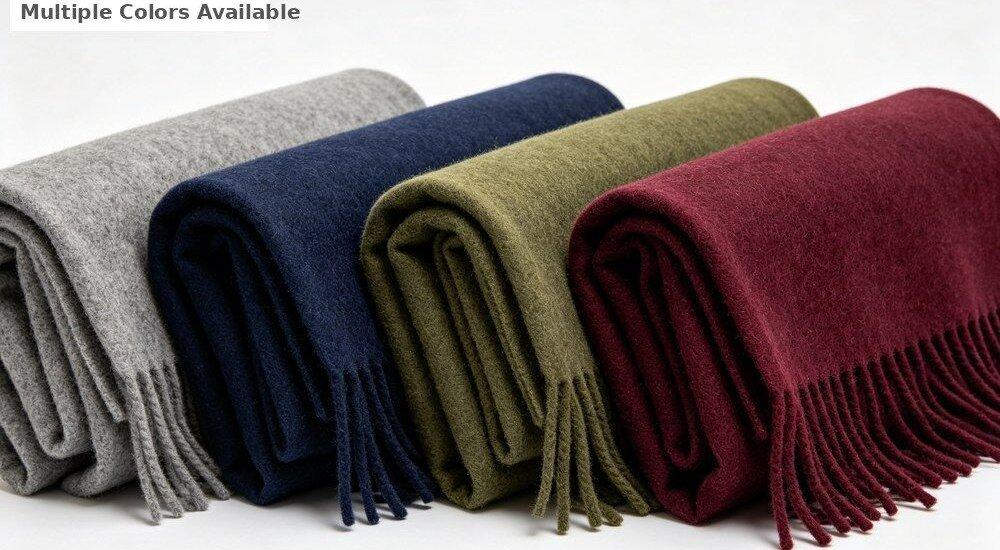


Blanket winter option gray showing navy and grey institutional bedding for remote worker accommodation and industrial camp facilities


Q: Do you offer vacuum-compressed packing for remote site shipping?

A: Yes, vacuum-compressed packing reduces volume by 50-70%, lowering freight costs for remote sites. Each set is individually compressed and labelled for easy distribution. Especially useful for oil field, mining and offshore camps where shipping costs are high. Confirm compression requirements with your order.
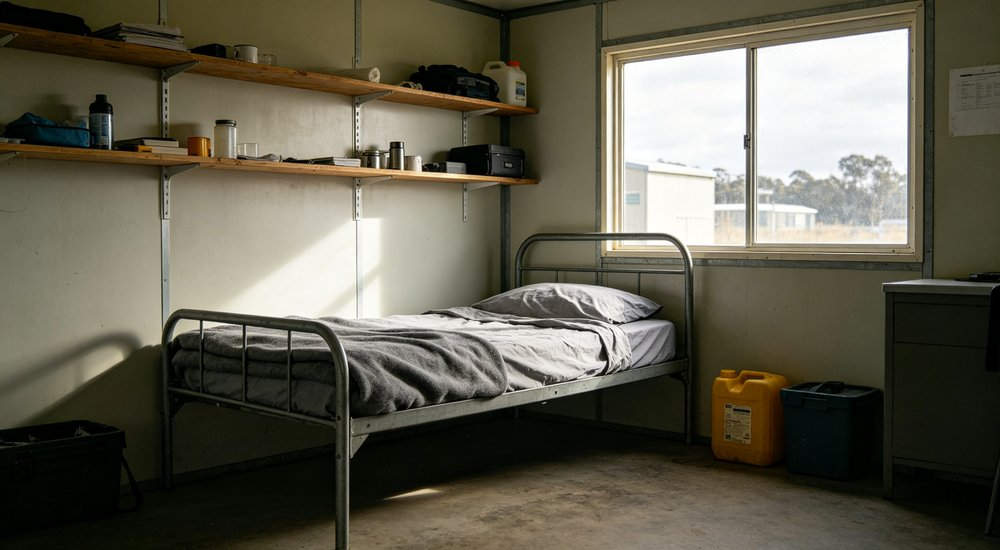


Eye-level interior of seasonal worker hut with grey bedding on simple bed for temporary agricultural and harvest labour accommodation for remote industrial worker accommodation and high turnover institutional camp facilities requiring durable cost effective linen solutions


Workforce camp bedding is often purchased alongside other institutional textile products. Explore our related product lines for complete camp procurement solutions.
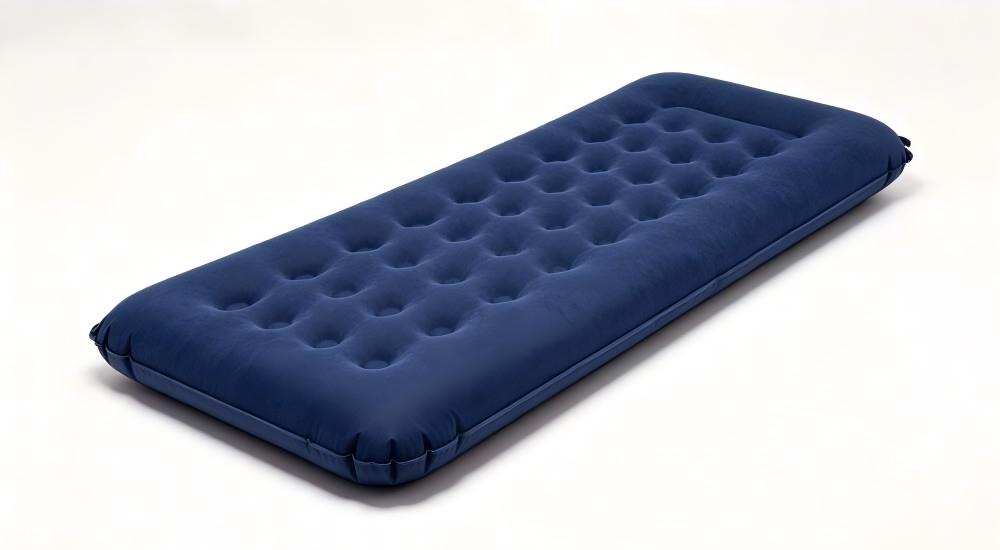


Folding bed portable blue showing navy and grey institutional bedding for remote worker accommodation and industrial camp facilities


Related Bedding & Mattress Products


Other Institutional Bedding Detail Pages


← Back to Institutional Bedding Sets Aggregation Page — Explore all 9 bedding scenarios and compare product lines.
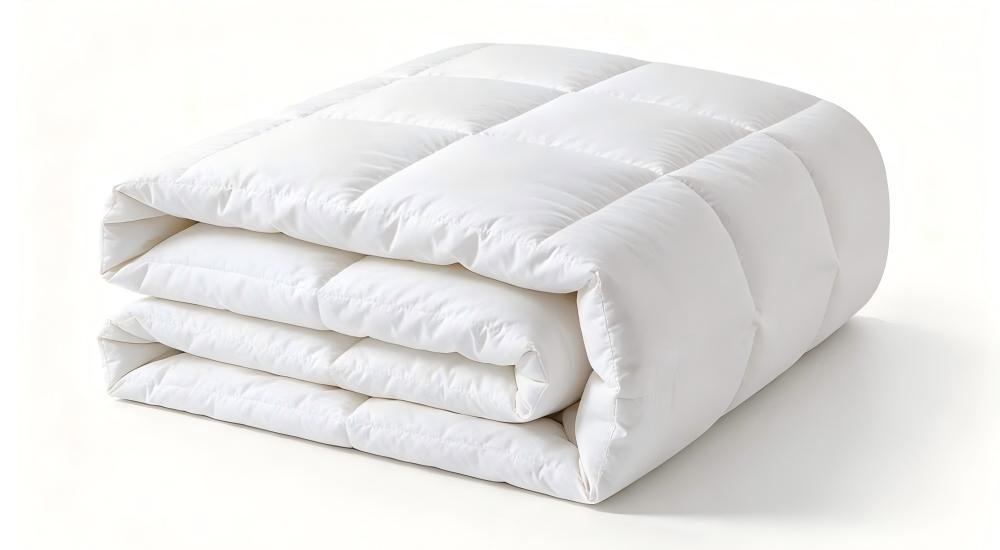

Foam mattress thin white showing navy and grey institutional bedding for remote worker accommodation and industrial camp facilities


18. Ready to Source Workforce Camp Bedding?

Whether you're outfitting a 50-bed exploration camp or a 2,000-bed mining operation, YRF Textile has the production capacity. And product range to meet your needs. Send us your bed count, site conditions and colour preferences — we'll provide a detailed quotation within 24 hours.

Contact: info@yrftextile.com
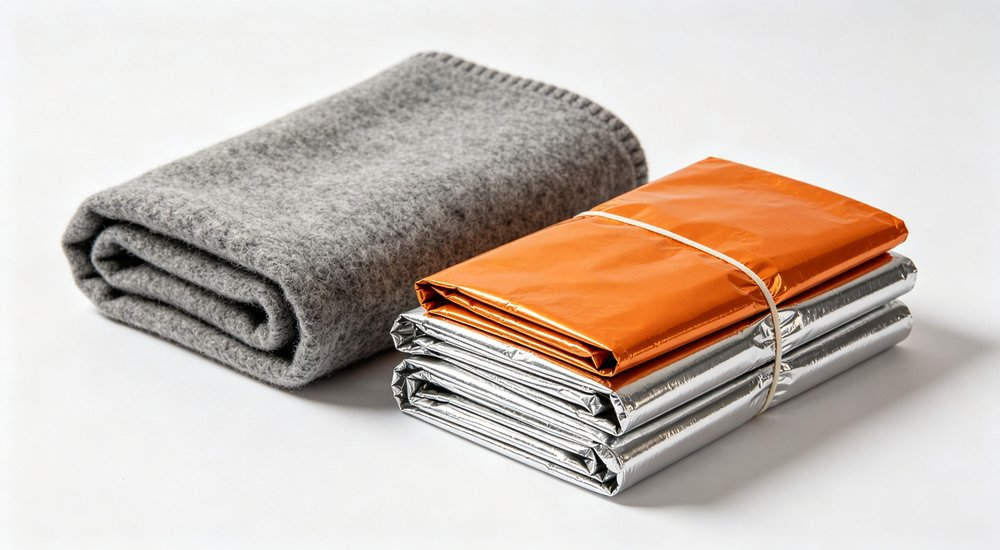


Emergency blanket thermal gray showing navy and grey institutional bedding for remote worker accommodation and industrial camp facilities


If you have questions or suggestions,please leave us a message,we will reply you as soon as we can!

Related Product

Copyright © Custom Disaster - Relief Bedding: Tents, Sleeping Bags, Blankets All Rights Reserved

Leave a message

    If you have questions or suggestions,please leave us a message,we will reply you as soon as we can!


the professional team to service !