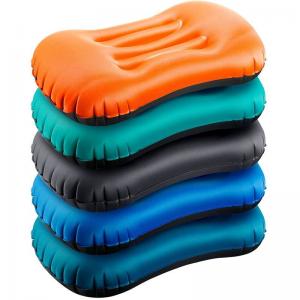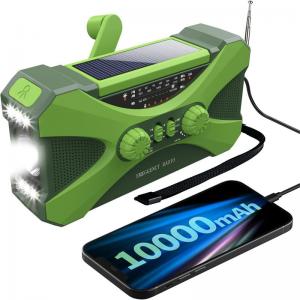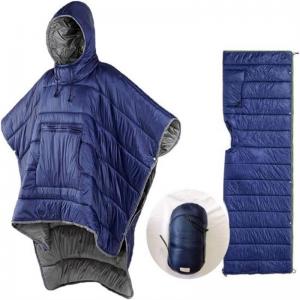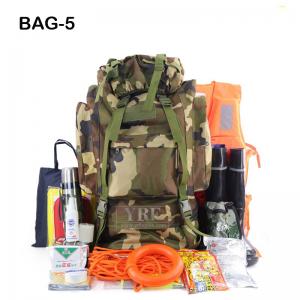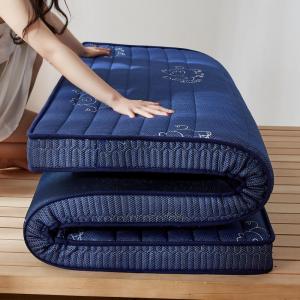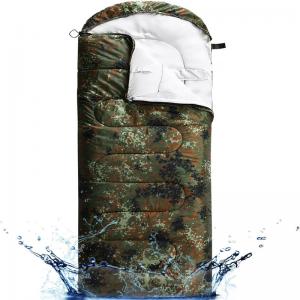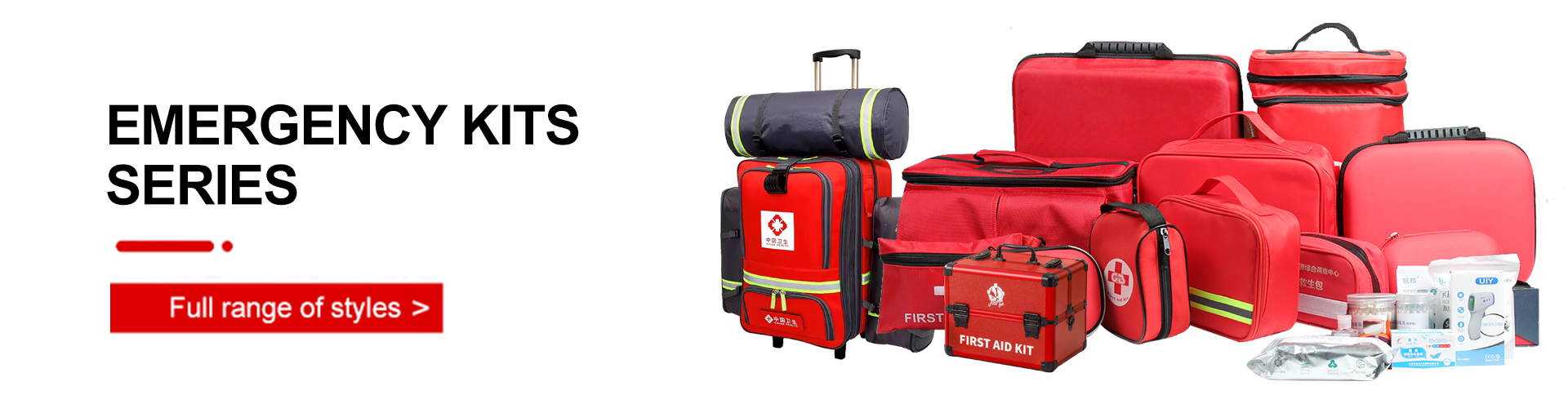
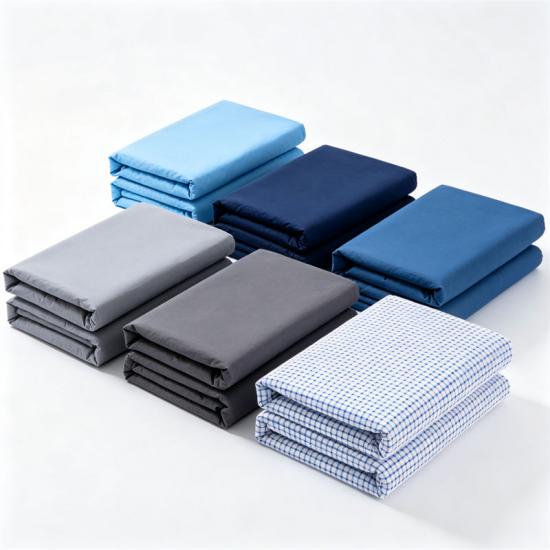
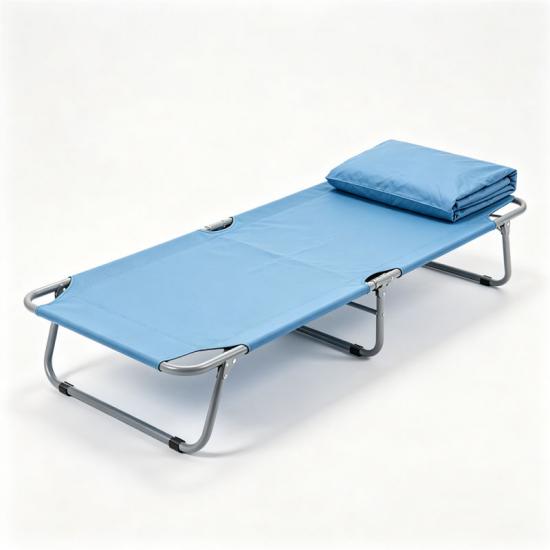
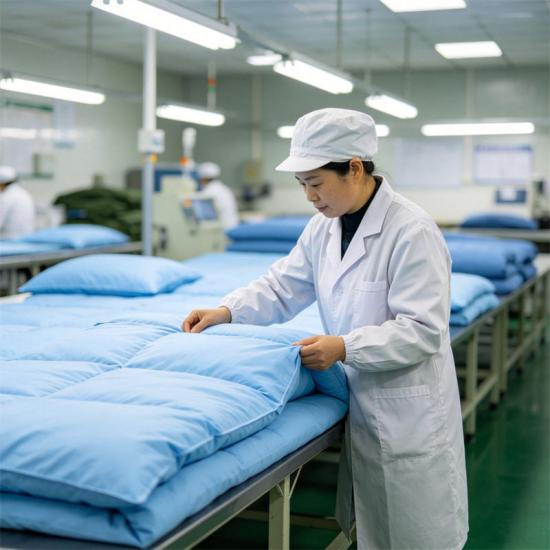
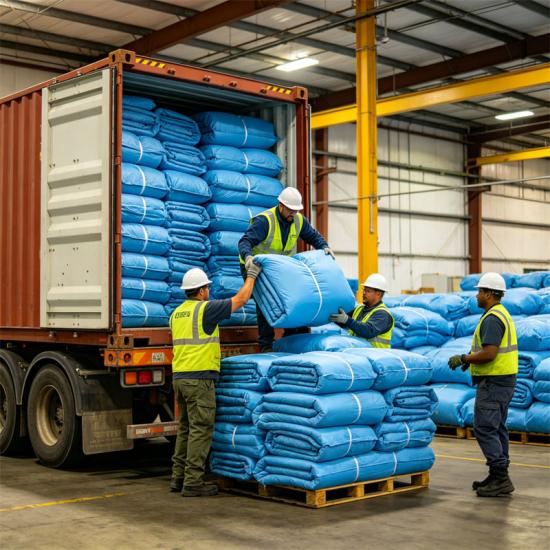
Reliable emergency relief bedding made from tough cotton and polyester materials, perfectly suited for emergency shelters and humanitarian aid projects. Simple preparation for fast emergency deployment, various color options, vacuum‑saving packaging, full certification and pre‑shipment quality checks for large government and non‑profit bulk orders.
Note: Price for reference only. Exact price based on quantity, size, weight and custom details.
model no. :
CP-05Brand:
YRFmarket price :
$79.8sale price :
$39.9price range :
30-100/$39.9Color :
Multiple Colorsport of dispatch :
Guangdong/GuangzhouPayment :
TT, Paypal, Western Unionmin order :
30original region :
Made in ChinaLead Time :
5-15days
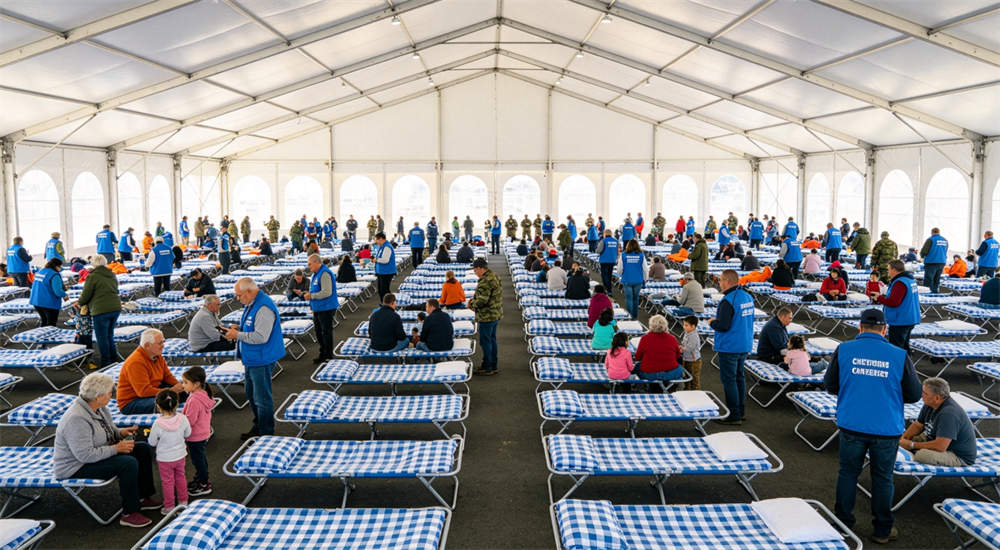
When disaster strikes, emergency shelters, evacuation centers and field medical facilities need bedding that is compact for transport, fast to deploy. And durable enough for high-turnover emergency conditions.
 |

|
Whether responding to earthquakes, floods, hurricanes, conflict displacement or public health emergencies, the right bedding must arrive compressed, open quickly. And provide immediate comfort and hygiene for affected populations.
YRF Textile manufactures emergency relief bedding designed specifically for disaster response, civil defence bedding initiatives. And humanitarian aid operations.
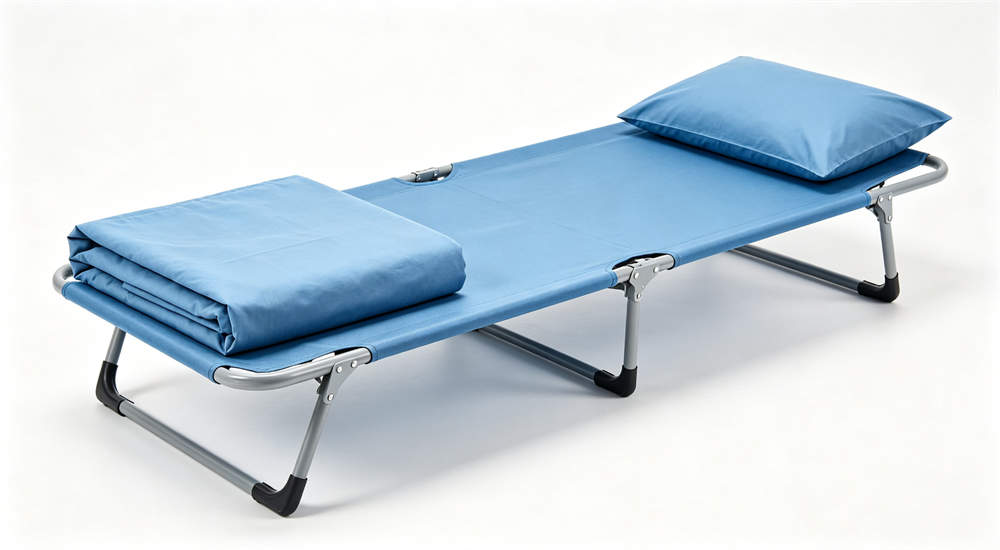
Our bedding features vacuum compressed packaging for maximum shipping efficiency, rapid-deploy design that recovers full loft in minutes,. And durable construction that withstands emergency shelter conditions. With over 20 years of experience supplying government agencies, NGOs and humanitarian organizations, we understand the urgency. And specific requirements of emergency procurement.
From individual emergency bedding kits to bulk shelter outfitting for thousands of displaced people, we can scale production from 500 to 50,000+ sets with rapid turnaround, consistent quality. And full documentation for humanitarian procurement processes.
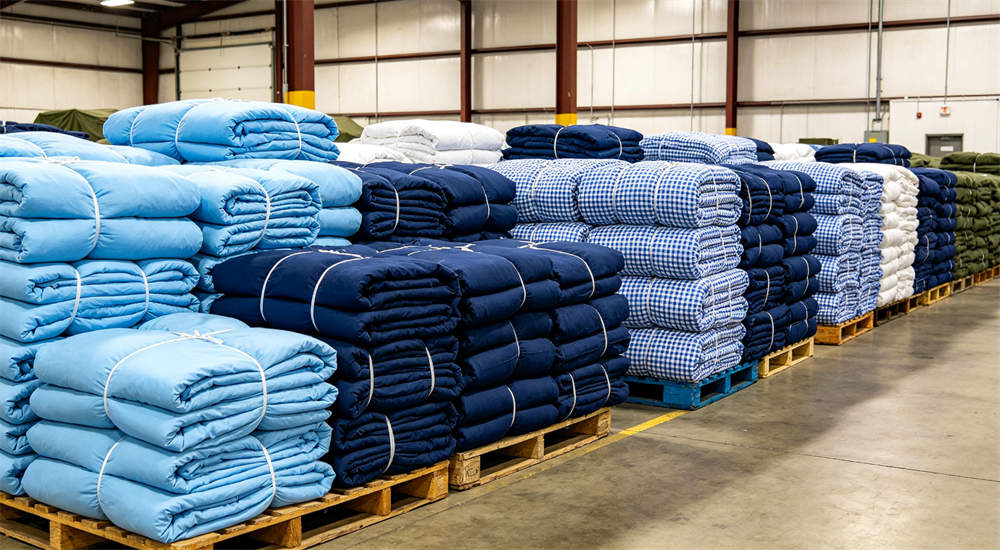
Table of Contents
|
Specifications & Sizes |
Tender & Bid Support |
|
Fabric Material Comparison |
Customization Options |
|
GSM & Model Selection |
Washing & Hygiene Guide |
|
Emergency-Specific Features |
Color & Batch Management |
|
Procurement Decision Guide |
Packaging & Rapid Deployment |
|
Cost-Benefit & Lifespan Analysis |
Sample Policy & Trial Order |
|
Application Scenarios |
FAQ |
|
Why Choose YRF |
Related Products & Internal Links |
|
Certifications & Quality Control |
Inquiry & Quotation |
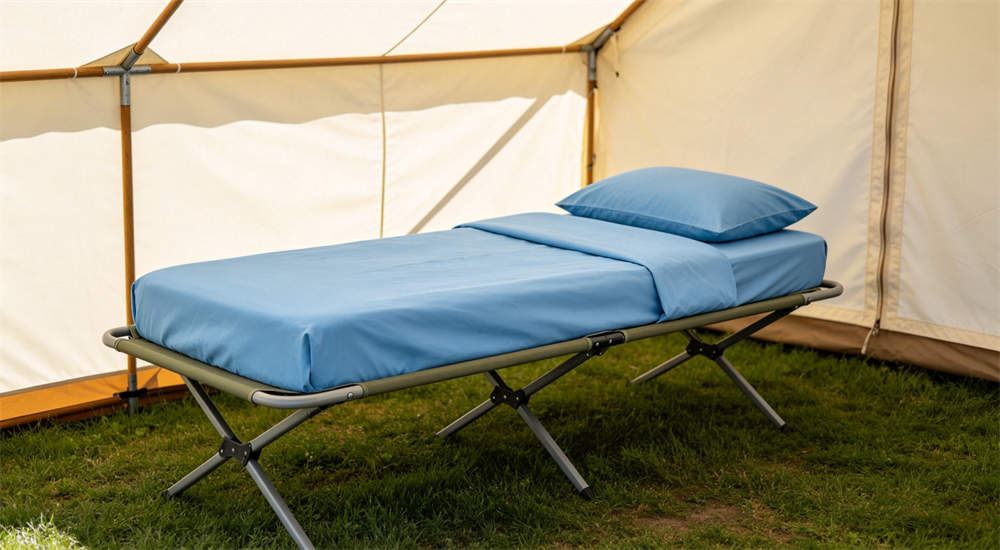
Emergency relief bedding must fit standard cots, mats and temporary beds used in shelters and field medical facilities. We offer both flat sheets and fitted sheets, plus complete sets with pillow and duvet inserts for full shelter outfitting.
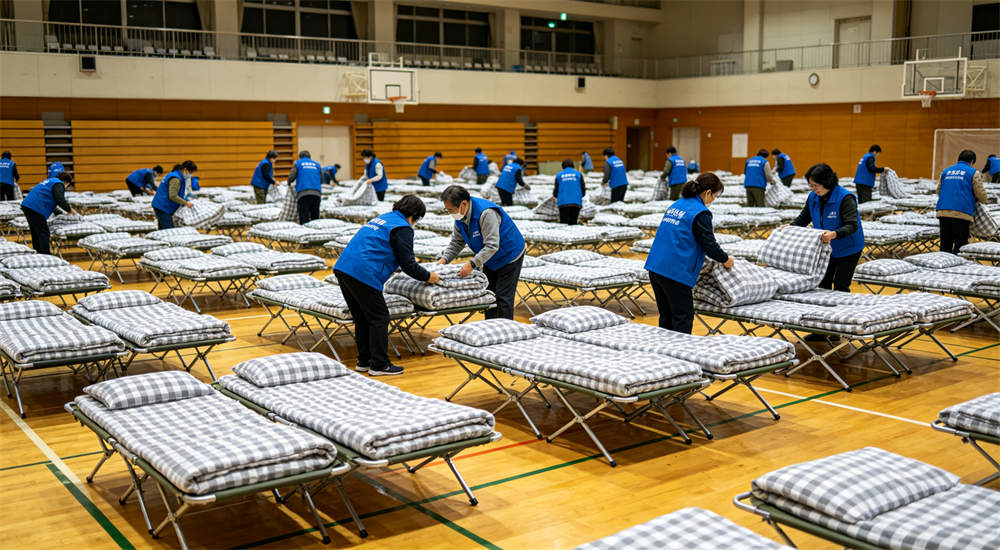
|
Bed Type |
Mattress Size (cm) |
Sheet Size (cm) |
Common Use |
|
Standard Emergency Cot |
190 × 70 |
200 × 100 |
Evacuation centers, shelters |
|
Field Hospital Bed |
190 × 80 |
200 × 110 |
Field medical, triage centers |
|
Thin Foam Mat |
185 × 60 |
195 × 90 |
Mass shelters, gymnasiums |
|
Standard Single Bed |
190 × 90 |
200 × 115 |
Converted facilities, schools |
|
Child/Small Cot |
150 × 60 |
160 × 90 |
Children's shelters, family areas |
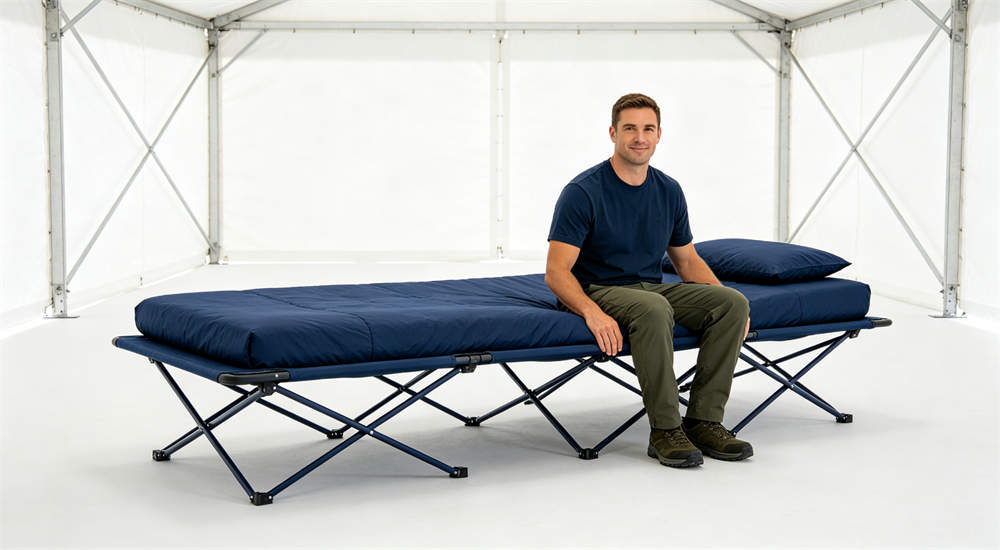
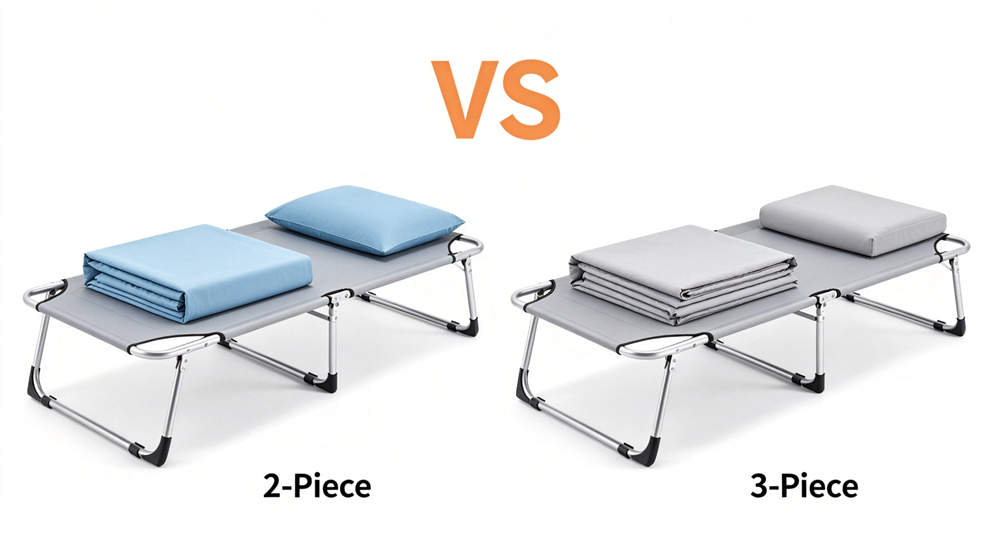
Emergency relief bedding sets are configured for rapid distribution and high-turnover use:
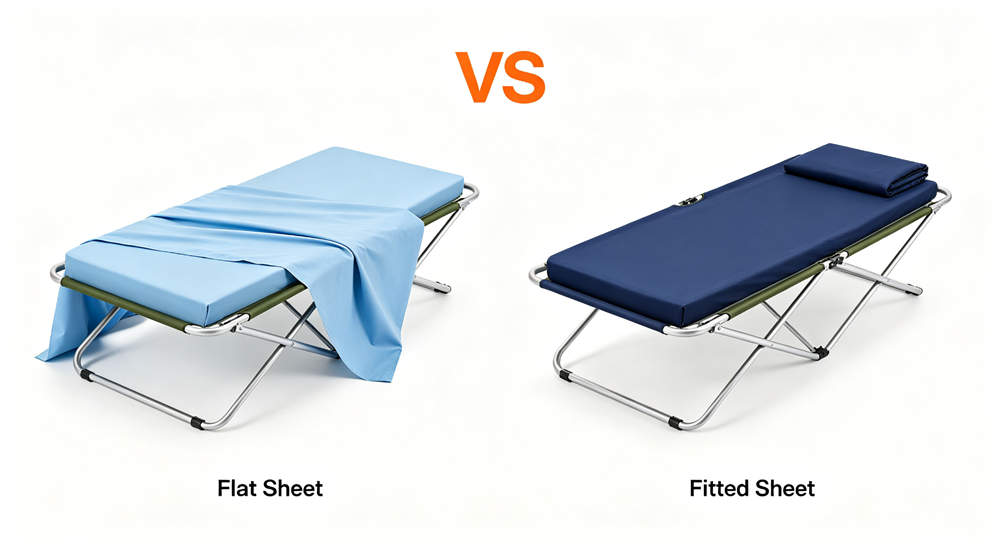
In emergency shelters, flat sheets are generally preferred because they fit any bed type (cots, mats, standard beds). And are faster to distribute and launder. Fitted sheets are used in field medical facilities where consistent bed sizes are maintained.
Both options are available — confirm your shelter configuration before ordering. For maximum versatility in mixed shelter environments, flat sheets are recommended.
Key Takeaway: Emergency bedding uses standard cot (190×70cm) and field hospital (190×80cm) sizes, with 2-piece kits as standard for rapid distribution. Flat sheets are preferred for emergency shelters due to versatility across mixed bed types.
Complete sets with inserts are available for winter response or new shelter setup. All sizes can be customized to match your specific shelter equipment.
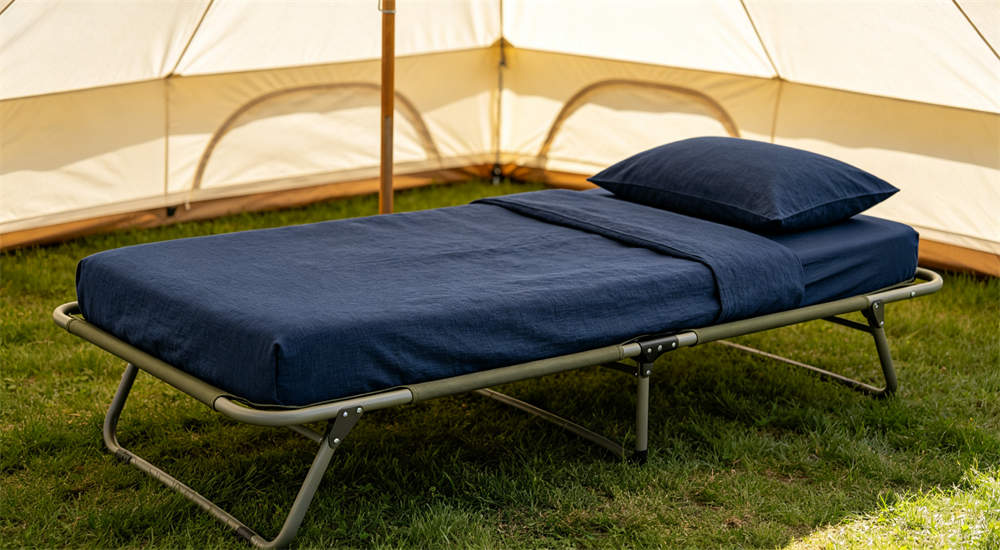
Emergency relief bedding requires fabrics that are economical, durable, easy to sanitize and suitable for high-turnover shelter conditions. Polyester is the most common choice for emergency use, with poly-cotton for longer-term shelters and cotton for field medical facilities.
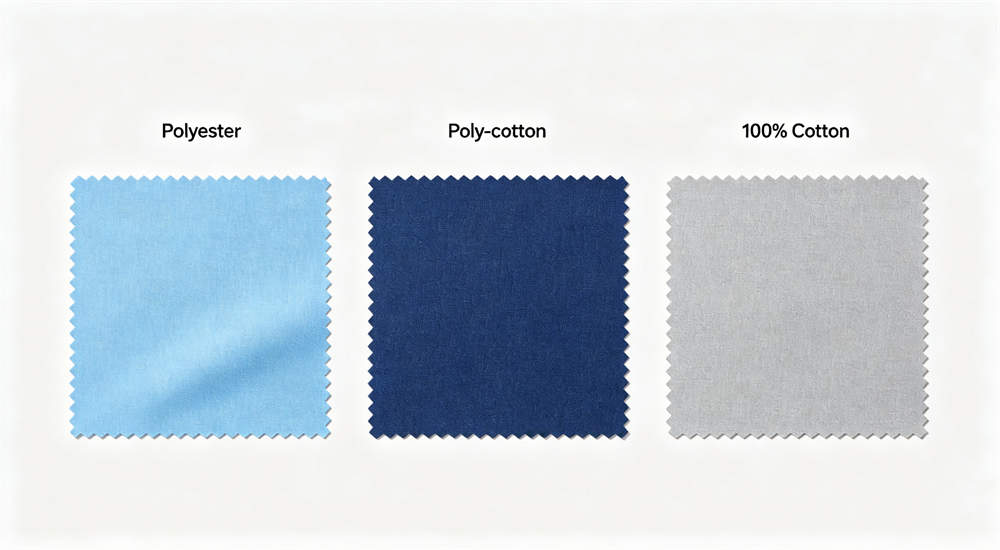
Polyester microfiber is the standard choice for emergency relief because it is the most economical, durable and quick-drying option. It compresses well for vacuum packaging, resists moisture and mildew in shelter conditions,. And withstands the rough handling common in emergency distribution.
Poly-cotton blends offer better comfort and breathability than pure polyester while maintaining durability and easy care. They are suitable for shelters expected to operate for weeks or months, where occupant comfort becomes a priority.
Cotton bedding is used in field medical facilities where high-temperature washing. And bleach disinfection are required for infection control. It provides the best comfort and hygiene properties for medical settings.
|
Property |
Polyester Microfiber |
Poly-Cotton Blend |
100% Cotton |
|
Cost |
Lowest |
Medium |
Highest |
|
Durability |
Excellent |
Excellent |
Good |
|
Compressibility |
Excellent |
Good |
Fair |
|
Quick-Drying |
Excellent |
Good |
Fair |
|
Wash Temp |
Up to 40°C |
Up to 60°C |
Up to 90°C |
|
Hygiene/Sanitize |
Good |
Good |
Excellent (bleach-safe) |
|
Recommended Use |
Mass shelters |
Long-term camps |
Field medical |
Key Takeaway: Polyester microfiber is the standard for emergency relief due to lowest cost, best compressibility. And quick-drying properties.
Poly-cotton is used for longer-term displacement camps where comfort matters,. And cotton for field medical facilities requiring high-temperature bleach disinfection. Most emergency procurement selects polyester for mass distribution and cotton for medical components.
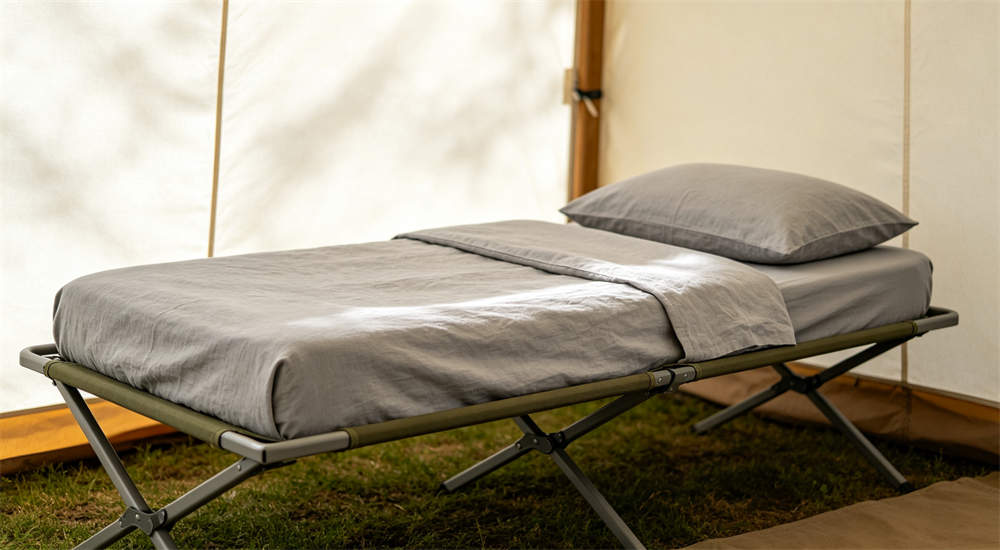
GSM (grams per square meter) determines the weight, durability and compressibility of emergency bedding. For emergency use, lower GSM means more compact transport and lower cost, while higher GSM provides better durability for longer-term use.
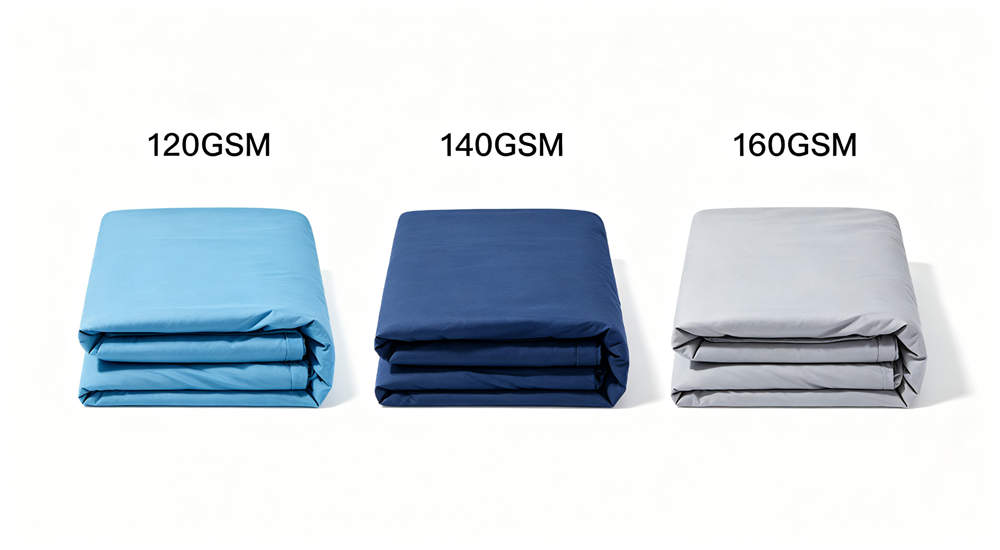
The 120GSM model is designed for maximum compactness and lowest cost for large-scale emergency distribution. It provides adequate coverage for short-term emergency use while minimizing shipping volume and cost.
The 140GSM model is the most popular choice for emergency relief, balancing durability, cost and compressibility. It withstands regular use in shelters for several months while maintaining efficient shipping.
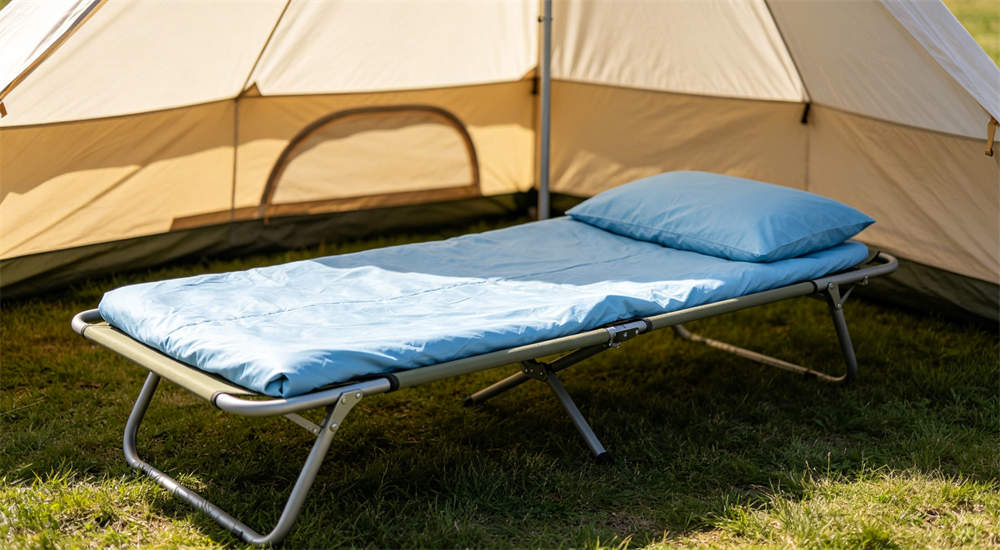
The 160GSM model is designed for longer-term emergency situations and transitional shelters where bedding must withstand extended use. And repeated laundering.
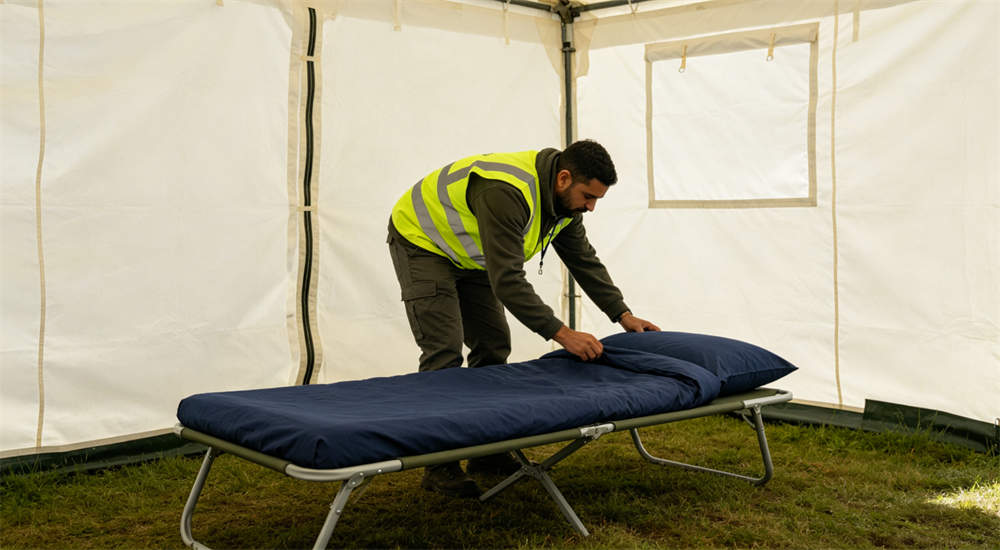
|
Scenario |
Recommended GSM |
Fabric |
Expected Duration |
|
Immediate evacuation (days) |
120GSM |
Polyester |
1-4 weeks |
|
Short-term shelter (weeks) |
140GSM |
Polyester |
1-3 months |
|
Medium-term camp (months) |
140-160GSM |
Polyester or Poly-Cotton |
3-6 months |
|
Long-term displacement (6+ months) |
160GSM |
Poly-Cotton |
6-18 months |
|
Field medical facility |
160-180GSM |
Cotton |
Ongoing |
|
Winter response |
160GSM + inserts |
Poly-Cotton |
Seasonal |
Key Takeaway: 140GSM polyester is the standard for most emergency relief operations.
Choose 120GSM for immediate mass evacuation where compactness and cost are critical,. And 160gsm for longer-term displacement camps or field medical facilities. Match GSM to the expected duration of the emergency — shorter events can use lighter bedding,. While protracted crises need more durable options.
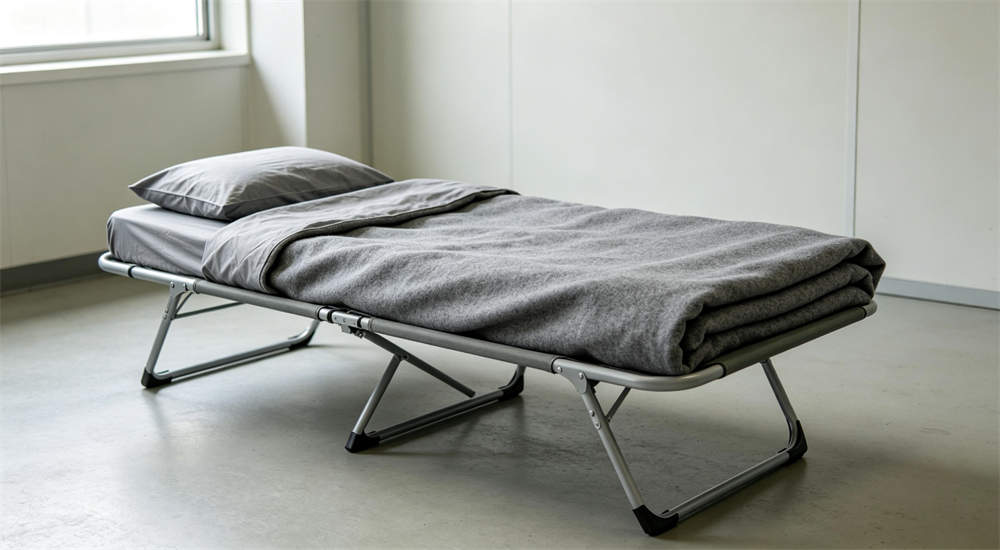
Emergency relief bedding faces unique challenges: rapid deployment, compressed transport, shelter hygiene, high turnover. And often harsh operating conditions. Our bedding is engineered with features that address these specific requirements.
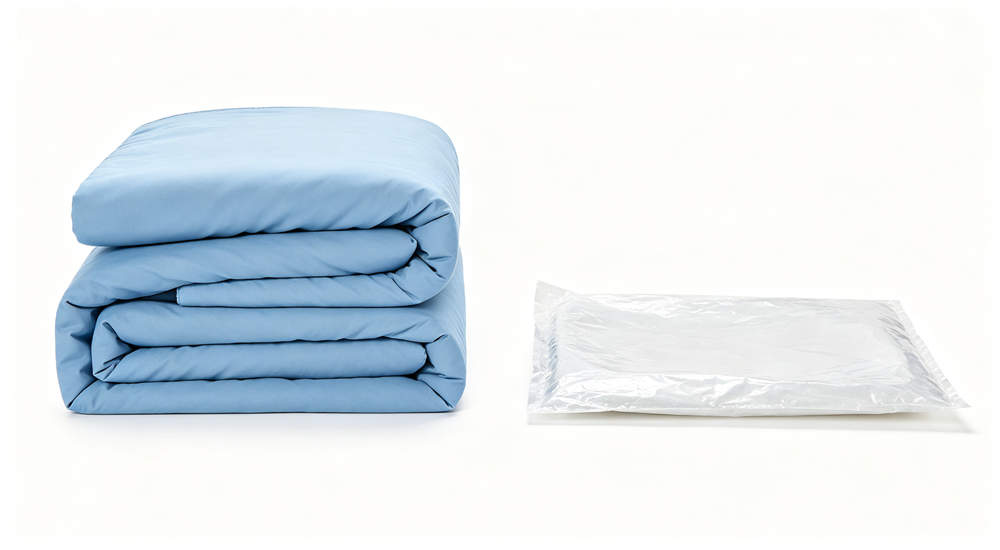
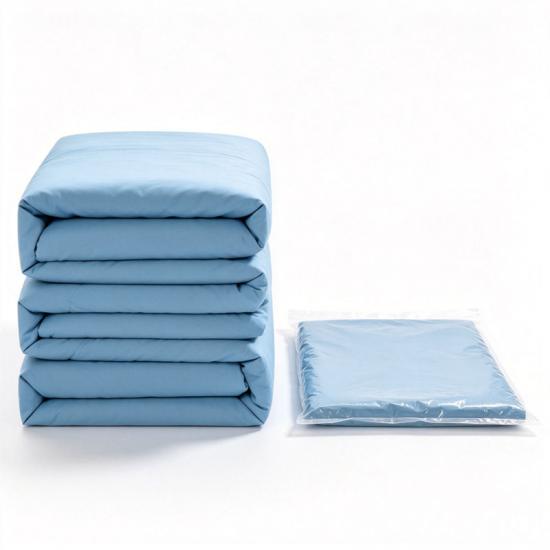
The defining feature of emergency bedding is vacuum compressed packaging, which maximizes shipping efficiency and storage capacity:
Emergency bedding must be ready for immediate use upon arrival at shelters:
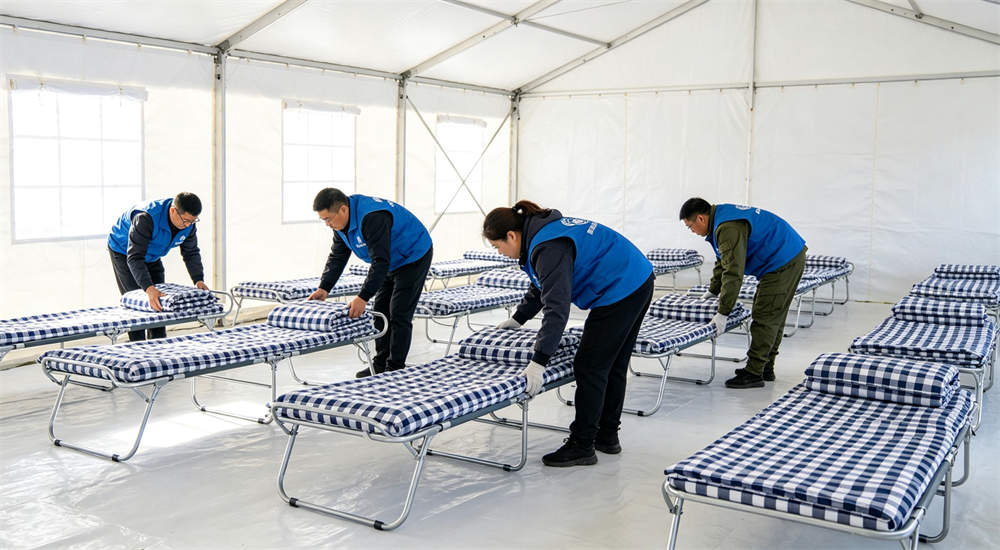
Shelter hygiene is critical for preventing disease outbreaks in emergency settings:
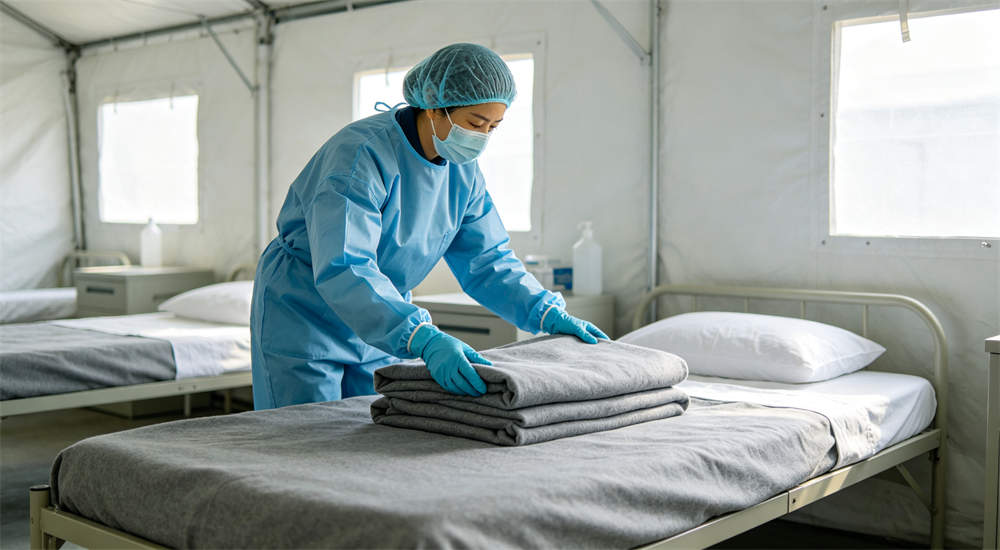
Emergency bedding sees frequent distribution, collection, laundering and redistribution:
Emergency responses occur in all climate zones — bedding must adapt:
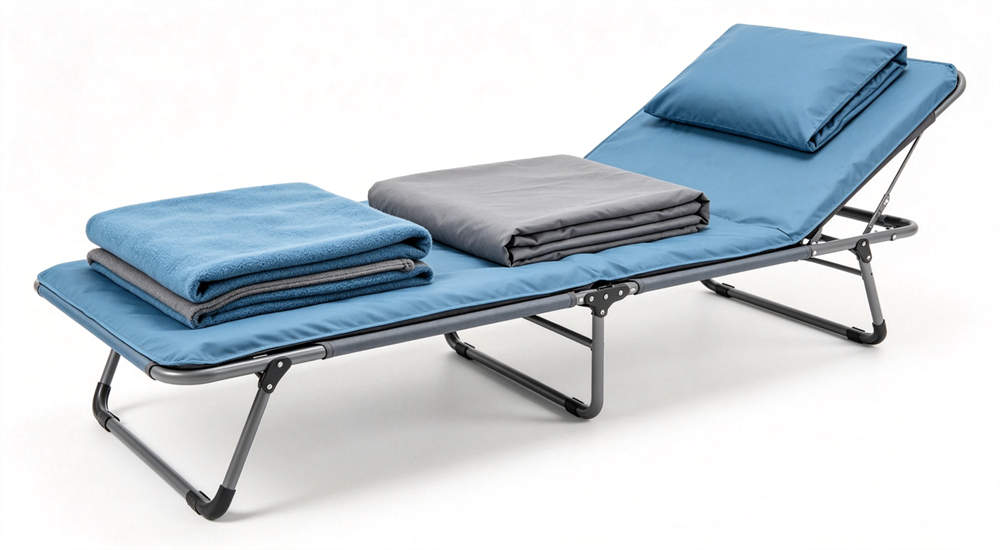
Emergency responses must serve diverse populations including families, children and medical cases:
Key Takeaway: Emergency bedding features vacuum compressed packaging (60-70% volume reduction), rapid deployment design (pre-folded, universal flat sheets, clear labeling), hygiene features (moisture resistance, bleach-safe cotton options), high-turnover durability. And climate adaptability.
Polyester for mass shelters, cotton for field medical. Family packs and pediatric sizes address vulnerable populations.
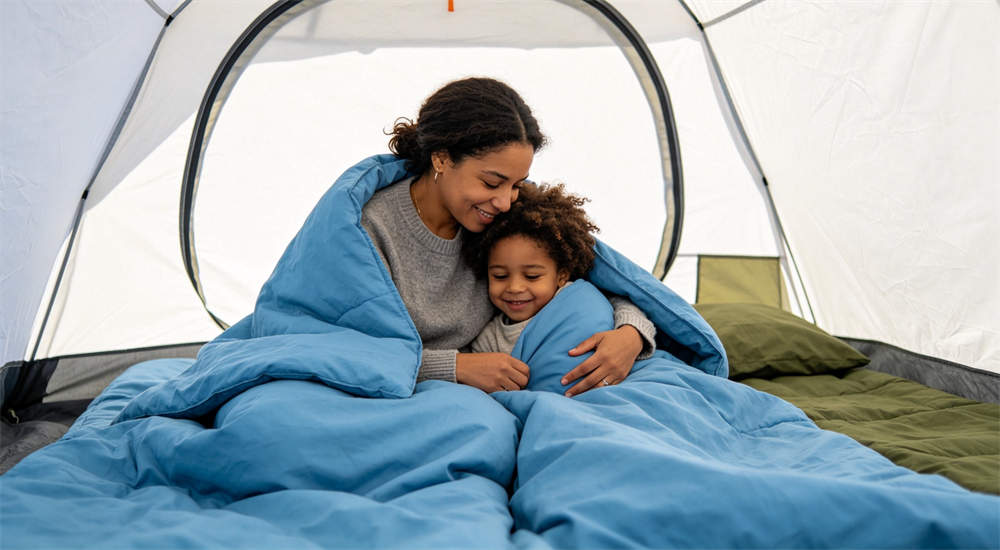
Procuring bedding for emergency response requires balancing speed, cost, durability and the specific needs of the affected population. Use this step-by-step guide to determine the right products for your operation.
Different emergency scenarios require different bedding approaches:
Calculate bedding needs based on population estimates:
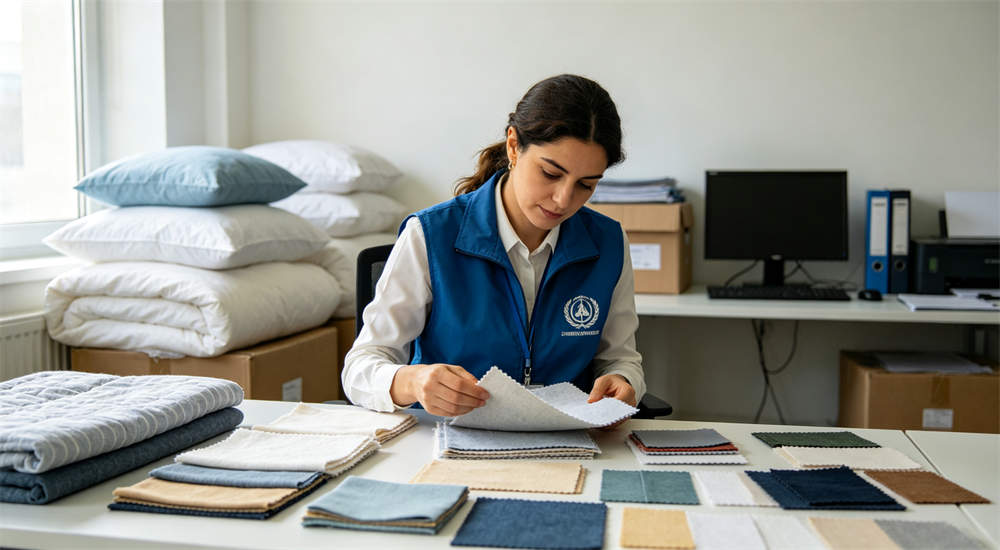
The type of shelter affects bedding selection:
Emergency logistics often involve limited transport and storage:
Before ordering, confirm any special requirements:
|
Emergency Type |
Recommended Fabric |
Recommended GSM |
Set Type |
|
Immediate evacuation |
Polyester |
120-140GSM |
2-piece kit |
|
Short-term shelter |
Polyester |
140GSM |
2-3 piece |
|
Long-term camp |
Poly-Cotton |
160GSM |
3-piece |
|
Field medical |
Cotton |
160-180GSM |
3-piece |
|
Winter response |
Poly-Cotton |
160GSM + inserts |
Complete set |
|
Pre-positioning stock |
Polyester |
140GSM |
2-piece kit |
Key Takeaway: Follow 5 steps: assess emergency type & duration → estimate affected population (1 set/person minimum + 5-10% buffer) → determine shelter configuration → evaluate logistics & storage (vacuum compression critical) → confirm special requirements. For most emergency responses, 140GSM polyester 2-piece vacuum compressed kits offer the best balance of cost, compactness and durability.
Field medical requires cotton. Winter requires complete sets with inserts.
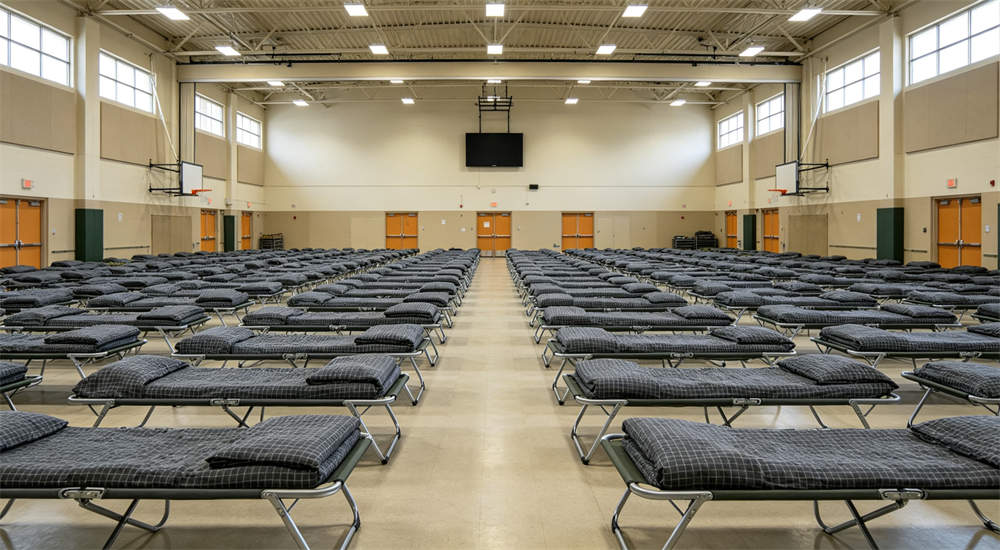
Emergency procurement budgets are often constrained and time-sensitive. Understanding the cost-benefit of different bedding options helps maximize the number of people served within available funding.
The following lifespan estimates are based on emergency shelter conditions (frequent use, basic laundering, high turnover). Actual lifespan varies significantly based on shelter conditions, laundering availability and population behavior.
Key finding: For short-term emergency response (under 3 months), 120-140GSM polyester offers the best value — lowest cost per person served. And maximum shipping efficiency. For protracted emergencies (6+ months), 160GSM poly-cotton reduces replacement frequency and total cost over time.
|
Fabric & GSM |
Short-term (1-3 mo) |
Medium-term (3-6 mo) |
Long-term (6-18 mo) |
|
Polyester 120GSM |
Excellent |
Fair (may need replacement) |
Not recommended |
|
Polyester 140GSM |
Excellent |
Good |
Fair |
|
Poly-Cotton 160GSM |
Good (higher cost) |
Excellent |
Good |
|
Cotton 160GSM |
Good (medical only) |
Good (medical only) |
Good (medical only) |
* Lifespan estimates are general guidelines for emergency shelter conditions. Actual results vary based on shelter type, laundry facilities, population handling and environmental conditions. For medical use, cotton is required regardless of duration due to infection control needs.
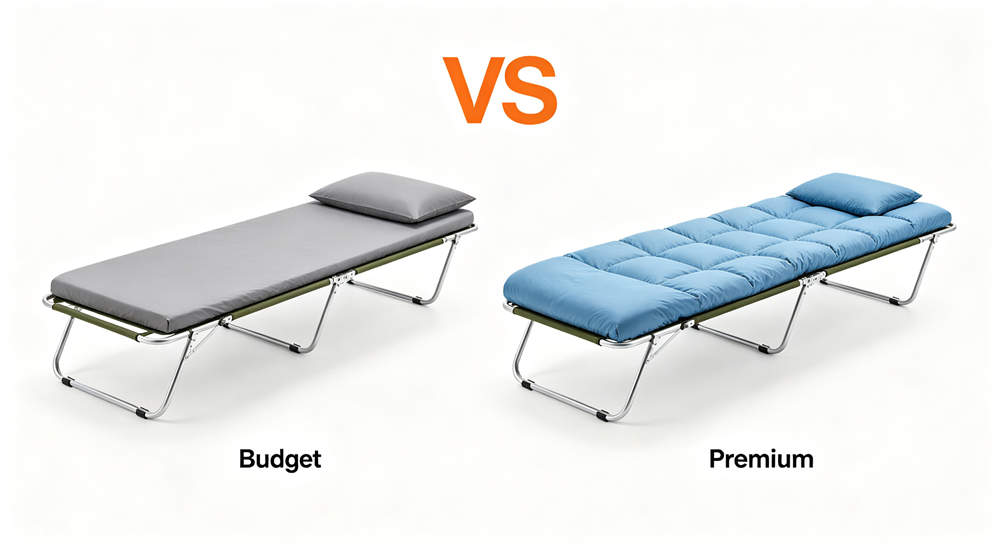
For emergency procurement, the most important metric is cost per person served, which includes product cost plus shipping:
Cost per Person = (Product Cost + Shipping Cost) ÷ Number of People Served
Vacuum compression directly reduces the shipping component by fitting more sets per container. For example, if standard packaging fits 5,000 sets per 40ft container and vacuum compression fits 12,000 sets,. The shipping cost per set is less than half — a critical saving for large-scale humanitarian operations.
|
Option |
Cost & Capacity (per 40ft) |
Best For |
Total Value |
|
120GSM Polyester 2-pc |
Lowest cost, Highest sets |
Immediate mass evacuation |
Maximum people served |
|
140GSM Polyester 2-pc |
Low cost, High sets |
Standard emergency response |
Best overall value |
|
160GSM Poly-Cotton 3-pc |
Medium cost, Medium sets |
Long-term displacement |
Lower replacement cost |
|
Cotton 160GSM 3-pc (medical) |
High cost, Medium sets |
Field medical facilities |
Infection control compliance |
* Prices are illustrative ranges only. Actual pricing depends on order quantity, customization and current material costs. Request a formal quotation for accurate pricing. Vacuum compression ratios vary by GSM and set composition.
Key Takeaway: For emergency procurement, focus on cost-per-person-served, not just product cost. Vacuum compression dramatically reduces shipping cost per set.
140GSM polyester 2-piece kits offer the best overall value for most emergency responses. 120GSM for immediate mass evacuation, 160GSM poly-cotton for protracted crises, cotton for field medical. Budget 20-30% for replacements in short-term shelters.
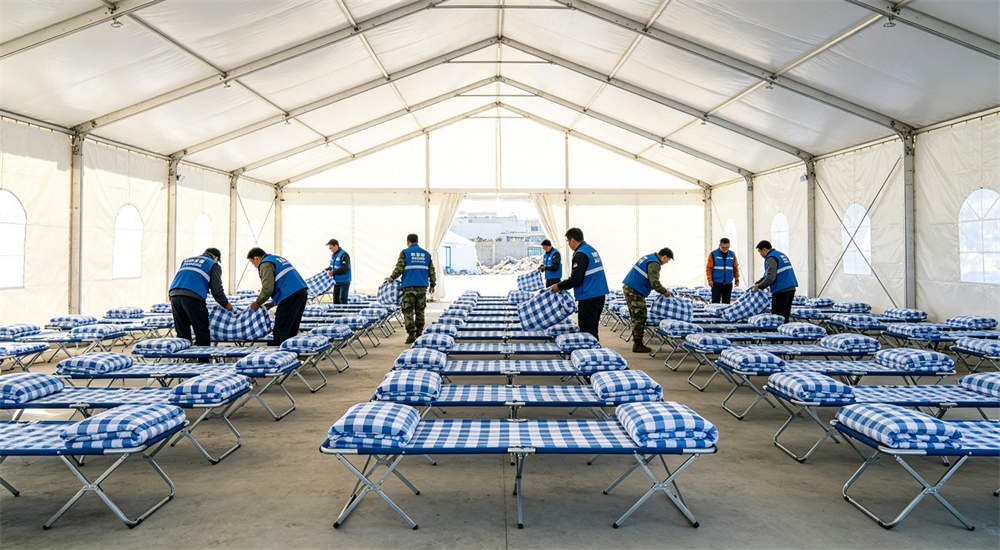
Our emergency relief bedding serves a wide range of disaster response and humanitarian scenarios. Each scenario has specific requirements for fabric, GSM, packaging and deployment.
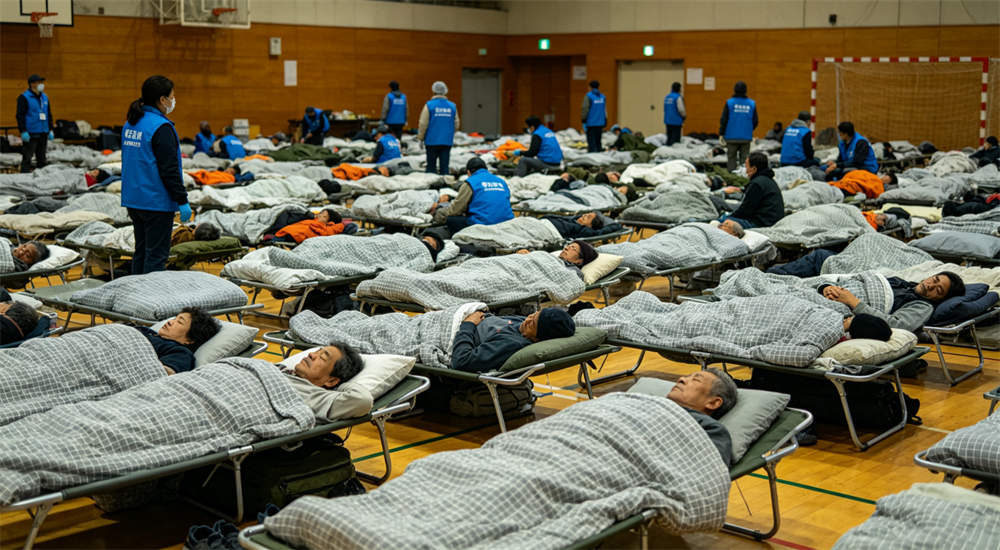
Natural disasters create immediate needs for mass shelter bedding. Speed of delivery and quantity are paramount. Bedding must be compact for rapid transport and easy to distribute to thousands of displaced people.
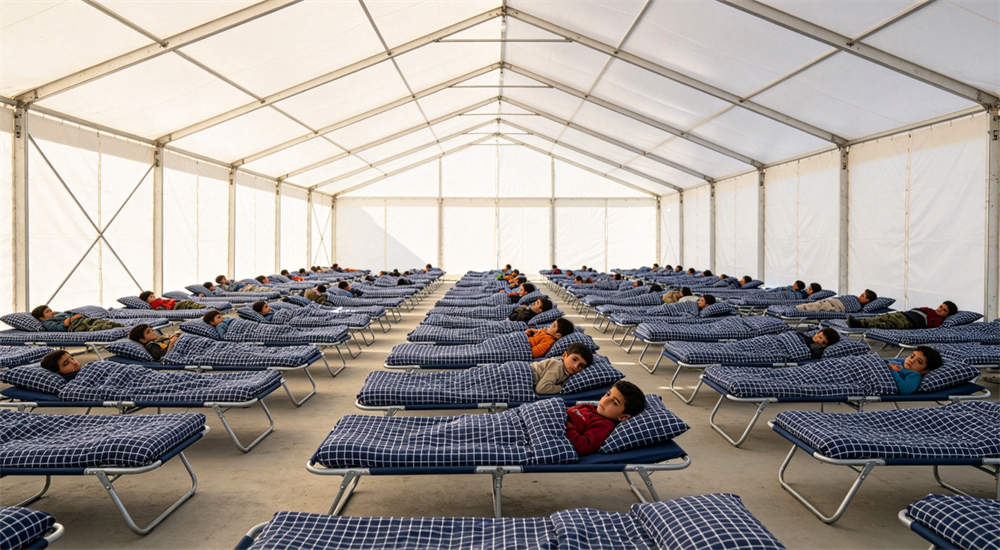
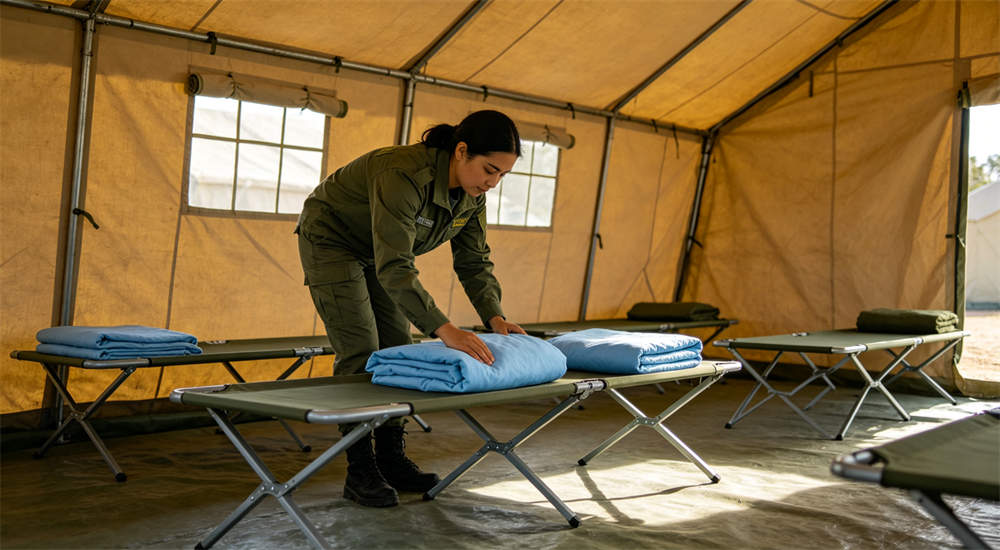
Evacuation centers (often converted gymnasiums, schools or warehouses) house people temporarily while conditions improve. Bedding must fit mixed bed types and withstand high turnover.
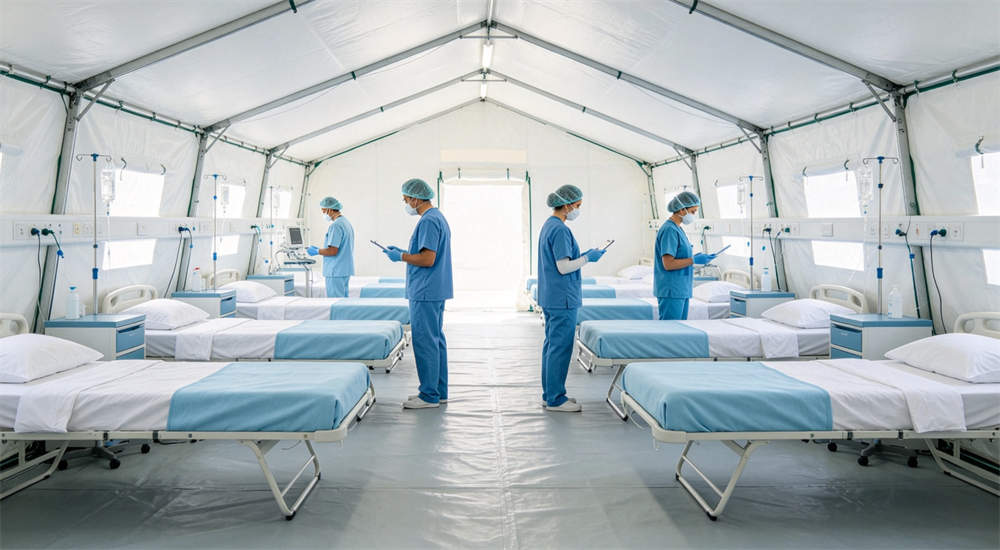
Field hospitals and emergency medical clinics require bedding that can be frequently sanitized at high temperatures to prevent infection spread. Cotton is preferred for its bleach tolerance and hygiene properties.
Protracted displacement due to conflict or climate disasters requires bedding that lasts for months or years. Comfort and durability become important as camps become semi-permanent.
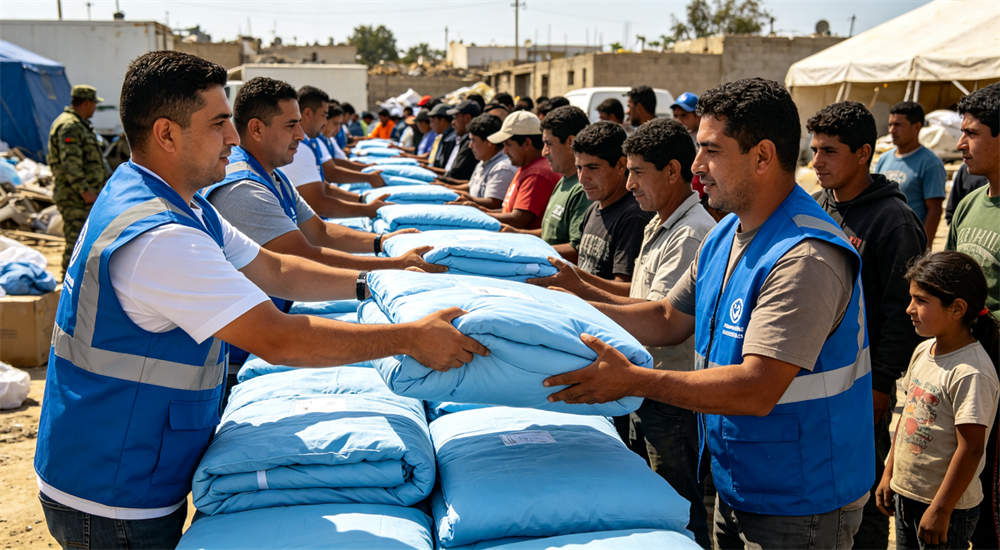
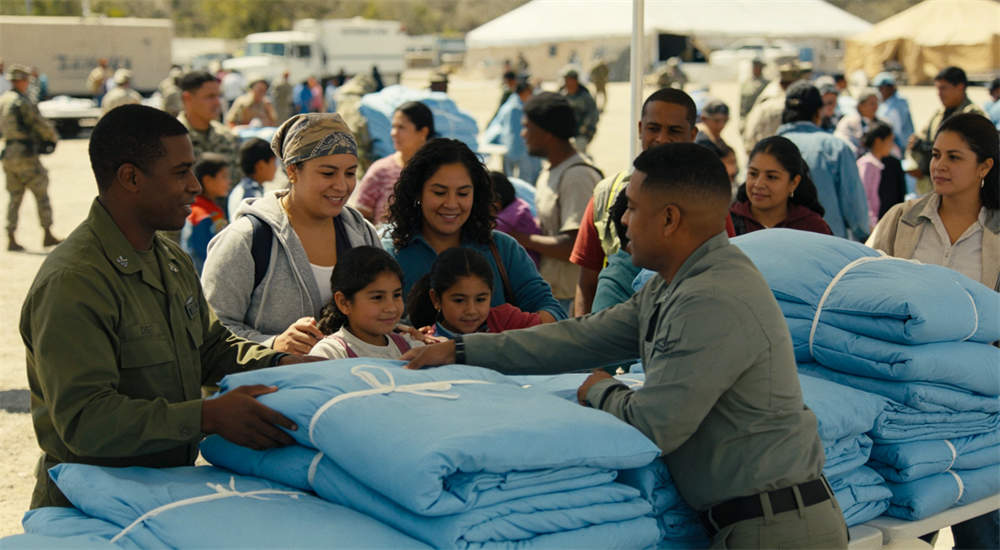
NGOs and aid organizations distribute bedding as part of broader relief packages. Bedding must be clearly labeled, individually packaged and suitable for direct handover to beneficiaries.
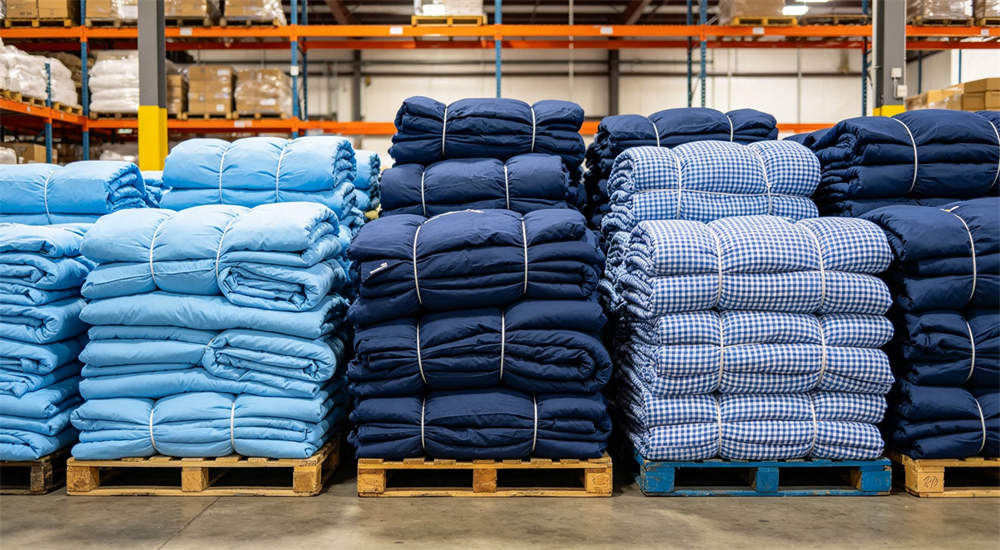
Government civil defense agencies pre-position emergency bedding stock for rapid response when disasters strike. Stock must have long shelf life and be ready for immediate deployment.
Winter disasters and cold-climate emergencies require bedding that provides thermal protection. Complete sets with duvet inserts are essential for preventing hypothermia and ensuring occupant health.
Key Takeaway: Different emergency scenarios require different bedding. Natural disasters need 120-140GSM polyester for maximum quantity and speed. Field hospitals need cotton for infection control.
Long-term displacement camps need 160GSM poly-cotton for durability. Winter response needs complete sets with inserts. Pre-positioning stock should be vacuum compressed for 2+ year storage. Matching bedding to the specific emergency scenario maximizes effectiveness and value.
Explore related bedding solutions:Emergency Shelter Bedding, Hospital & Medical Bedding, Military & Police Bedding.
Emergency procurement requires a supplier who understands urgency, humanitarian requirements, rapid deployment. And reliable large-scale delivery under time pressure.
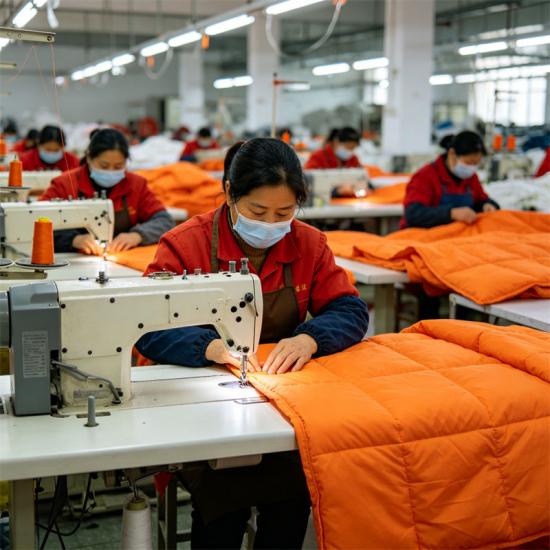
YRF Textile has over 20 years of experience manufacturing and exporting textiles to government agencies, NGOs. And humanitarian organizations worldwide. We understand the urgency and specific requirements of emergency procurement, including documentation,. Quality consistency and rapid delivery.
We maintain production capacity that can be rapidly allocated to emergency orders. For time-sensitive disaster responses, we can prioritize production and expedite delivery to meet critical deadlines. Standard production is 15-25 working days, with expedited options available for emergency situations.
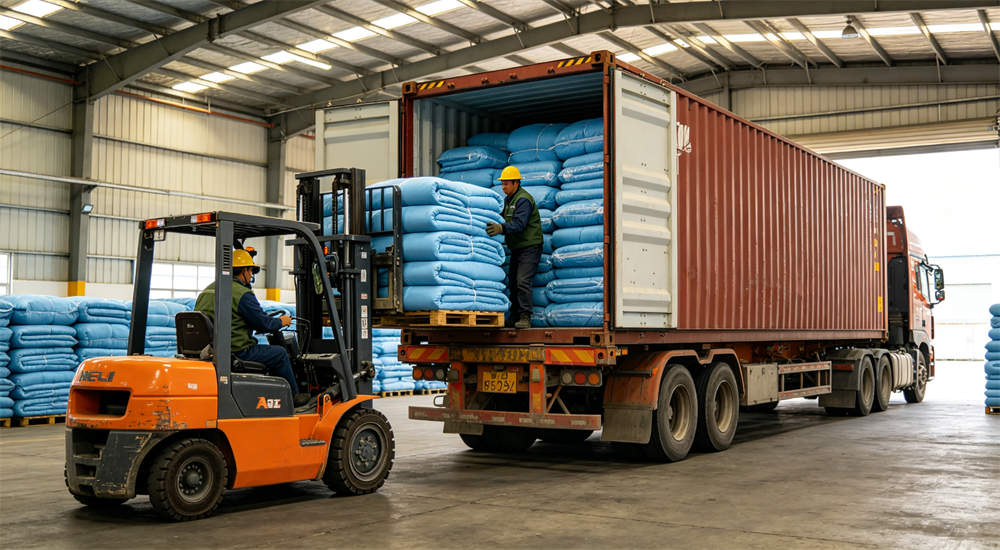
We specialize in vacuum compressed packaging for emergency bedding, achieving 60-70% volume reduction. This expertise directly translates to more sets per shipment and lower logistics costs — critical for reaching large displaced populations efficiently.
As a direct manufacturer, we offer factory-direct pricing that maximizes the number of people served within constrained aid budgets. Every dollar saved in product and shipping cost means more families receive bedding.
We provide complete documentation for humanitarian and government procurement processes, including certificates, test reports, factory audits. And commercial documents. We understand the compliance requirements of NGO and UN procurement systems.
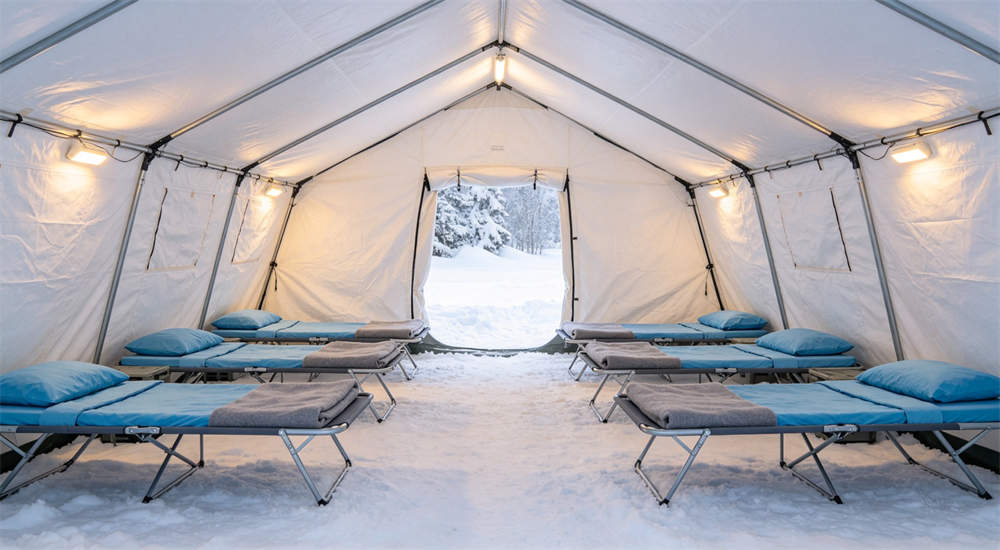
Key Takeaway: YRF Textile offers 20+ years of humanitarian experience, rapid emergency production turnaround, vacuum compression expertise, factory-direct aid pricing. And complete procurement documentation.
We serve natural disaster response, field hospitals, displacement camps, humanitarian aid distribution. And civil defense pre-positioning worldwide.
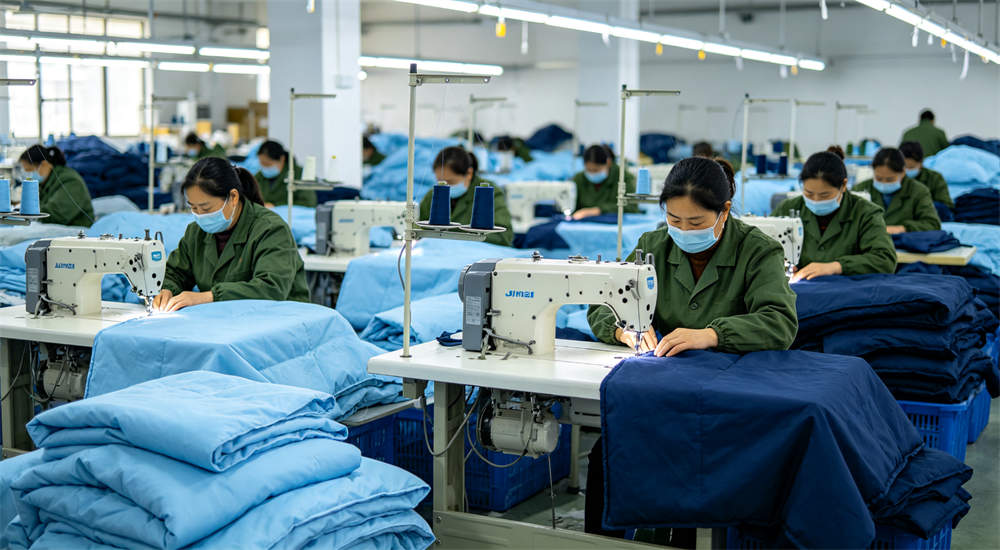
Emergency and humanitarian procurement requires verifiable quality assurance and safety documentation. We provide relevant certifications and test reports, with quality control processes ensuring consistent quality across large emergency orders.
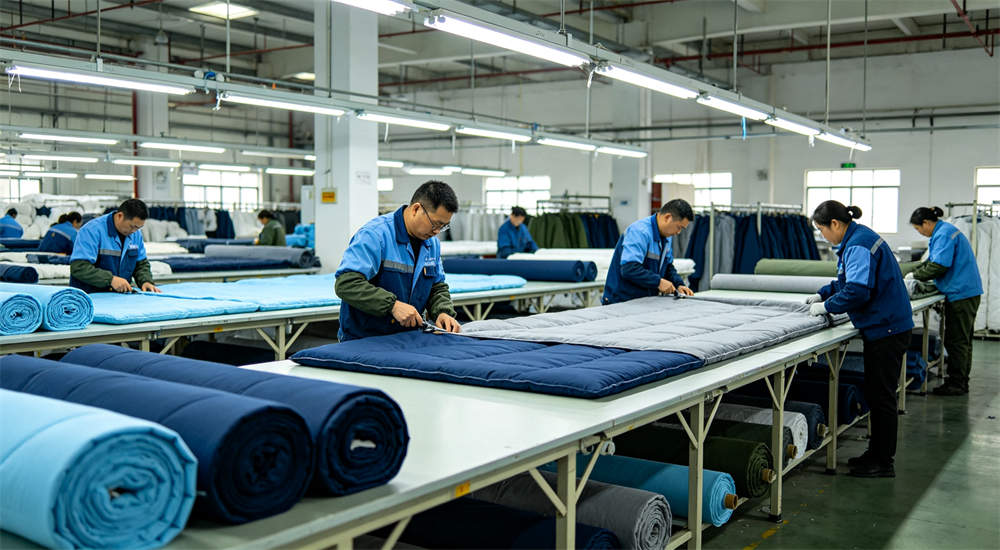
Our quality control process covers every production stage to ensure consistent quality across large emergency orders:
In addition to standard quality control, emergency bedding orders receive additional checks:
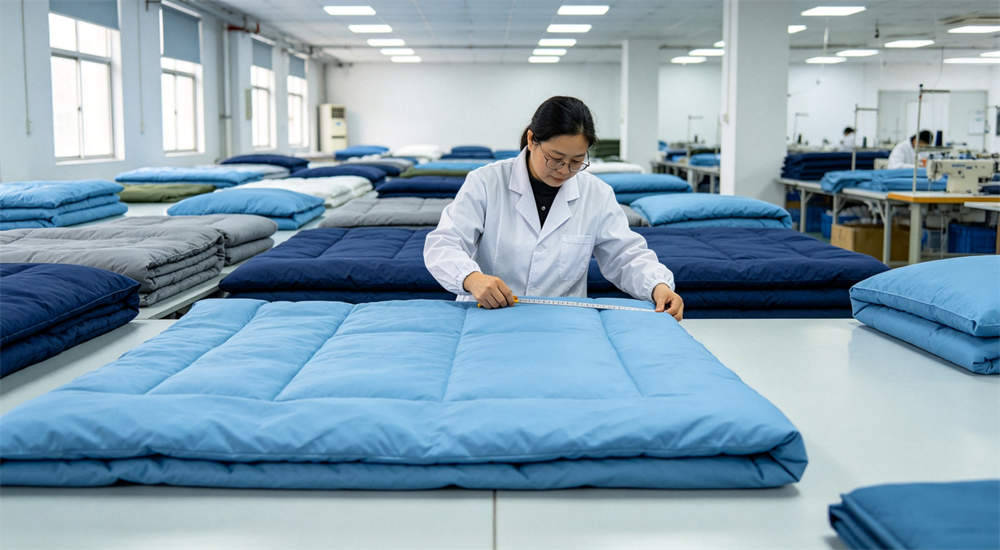
Key Takeaway: We provide OEKO-TEX, ISO and relevant test reports for emergency bedding procurement.
Our 6-stage quality control process plus emergency-specific checks (vacuum seal integrity, loft recovery, label verification,. Carton strength) ensures every shipment is ready for rapid deployment. Confirm which certifications your humanitarian procurement requires, and we will provide the necessary documentation.
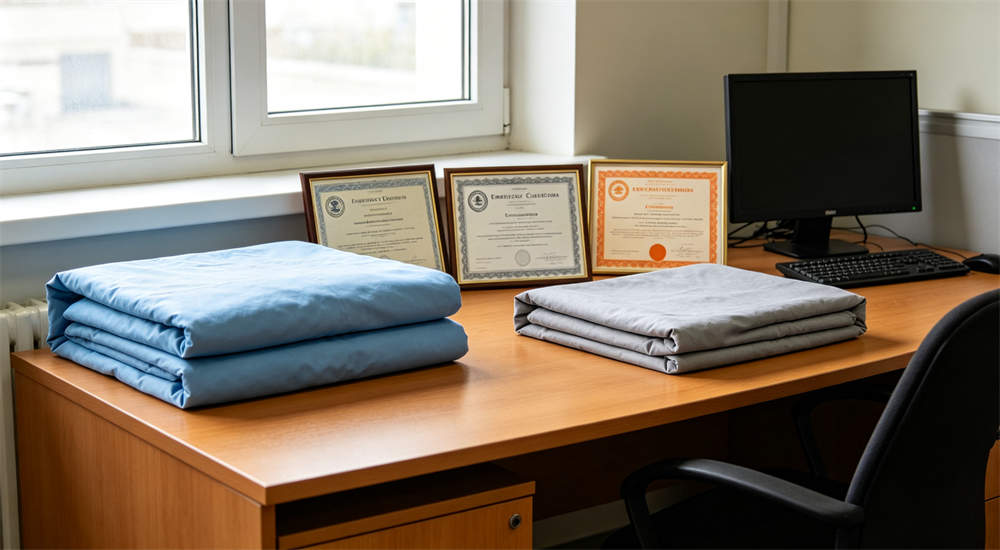
Most emergency and humanitarian bedding purchases go through formal tender, bid or institutional procurement processes. We provide comprehensive tender support to help organizations win and fulfill relief contracts.
We can provide the following documents in English for tender submission:
Tender and assessment processes often require physical samples. We can provide:
If your tender requires specific technical parameters, we can format product specifications according to your tender document format. This includes detailed technical data sheets, material safety information. And compliance declarations for humanitarian or government standards.
For large humanitarian tenders, buyers may require factory verification. We support:
We understand that emergency procurement often has tight deadlines. We prioritize tender-related inquiries for emergency response, with rapid sample turnaround. And expedited documentation to help you meet submission deadlines.
Key Takeaway: We provide complete tender support including documents, samples (including vacuum compressed demos), technical specification formatting. And factory audits — essential for humanitarian and government procurement.
Share your tender requirements, and we will provide the necessary support to help you meet deadlines and fulfill relief contracts.
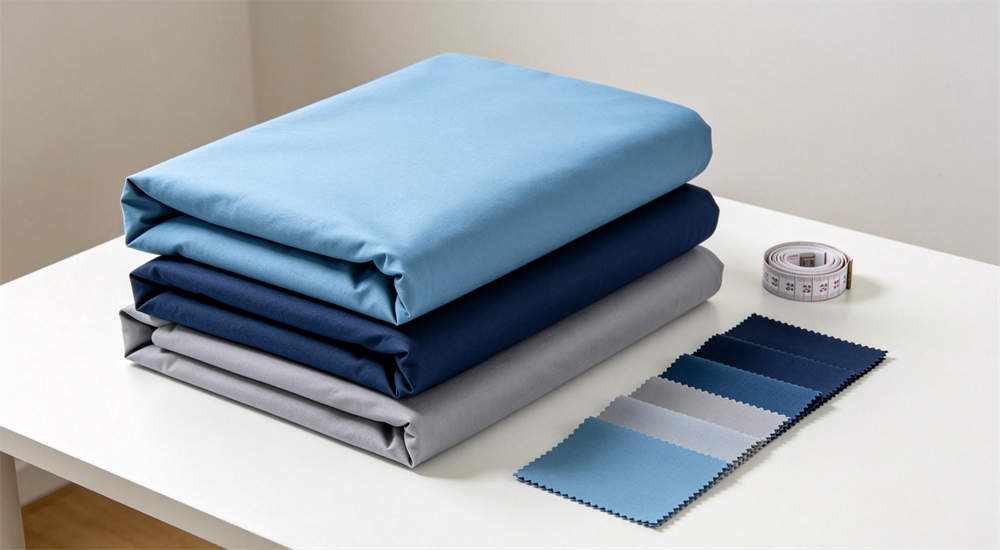
While emergency bedding is often standardized for rapid deployment, we offer customization options to meet organizational requirements, donor specifications. And operational needs.
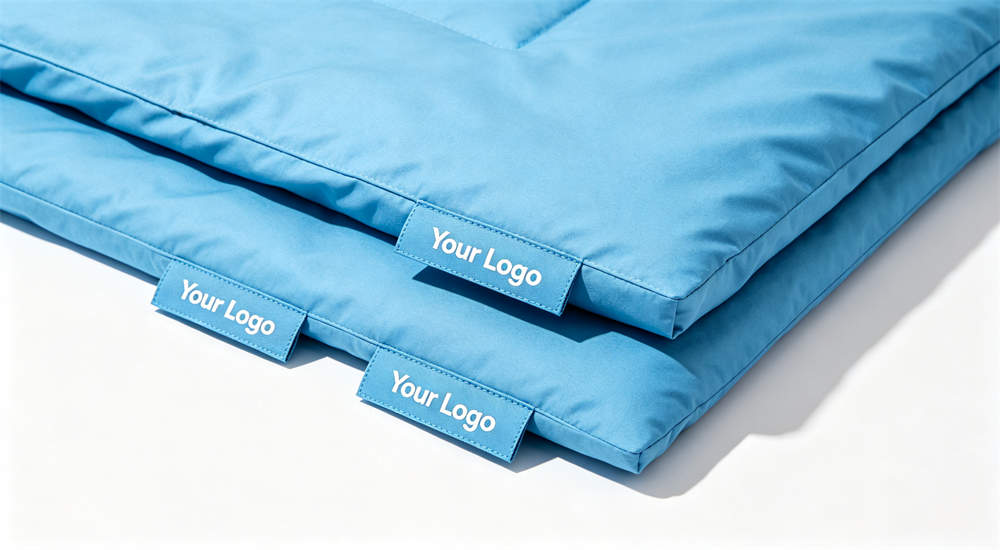
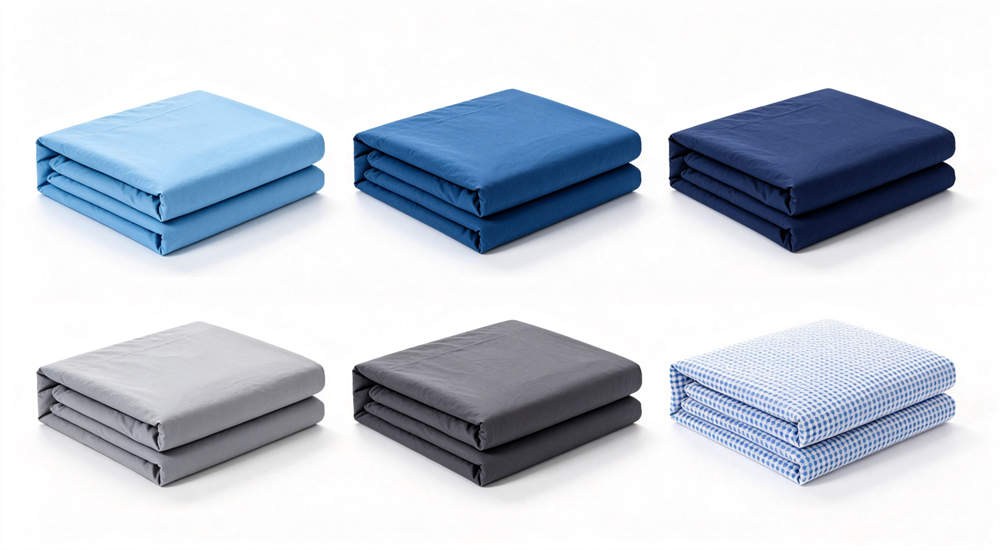
Key Takeaway: The most important emergency customization is packaging — individual vs. multi-set vacuum packs, family configurations and color-coded categories.
We also offer color (medical white vs. shelter navy), size (including pediatric), fabric treatments (anti-microbial, insecticide), set composition and documentation customization. All customizations are designed to support efficient, organized emergency distribution.
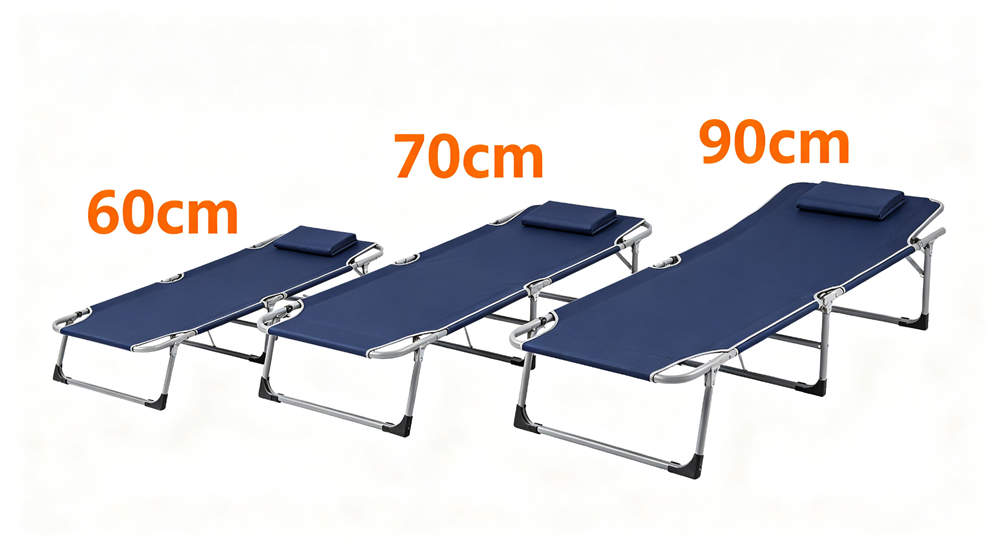
Proper washing and hygiene practices in emergency shelters prevent disease outbreaks and extend bedding life. This guide covers recommended practices for shelter laundry facilities and field medical settings.
|
Setting |
Recommended Frequency |
Wash Temperature |
Drying Method |
|
Mass evacuation shelter |
Weekly or per occupancy change |
40-60°C |
Line or machine |
|
Short-term shelter |
Weekly |
40-60°C |
Line or machine |
|
Long-term camp |
Weekly |
40-60°C |
Line drying |
|
Field hospital |
After each patient/daily |
60-90°C |
Machine drying |
|
Isolation facility |
After each use |
90°C + bleach |
Machine drying |
|
Winter shelter |
Every 2 weeks |
40-60°C |
Line or machine |
Many emergency shelters lack proper laundry facilities. Practical alternatives include:
Key Takeaway: Polyester washes at 30-40°C and dries fastest — ideal for shelters with limited facilities. Poly-cotton at 40-60°C.
Cotton at 60-90°C with bleach for field medical infection control. Follow 8 shelter hygiene best practices including separate clean/dirty areas, complete drying and FIFO stock rotation. For shelters without laundry, increase sets per person and use darker colors.
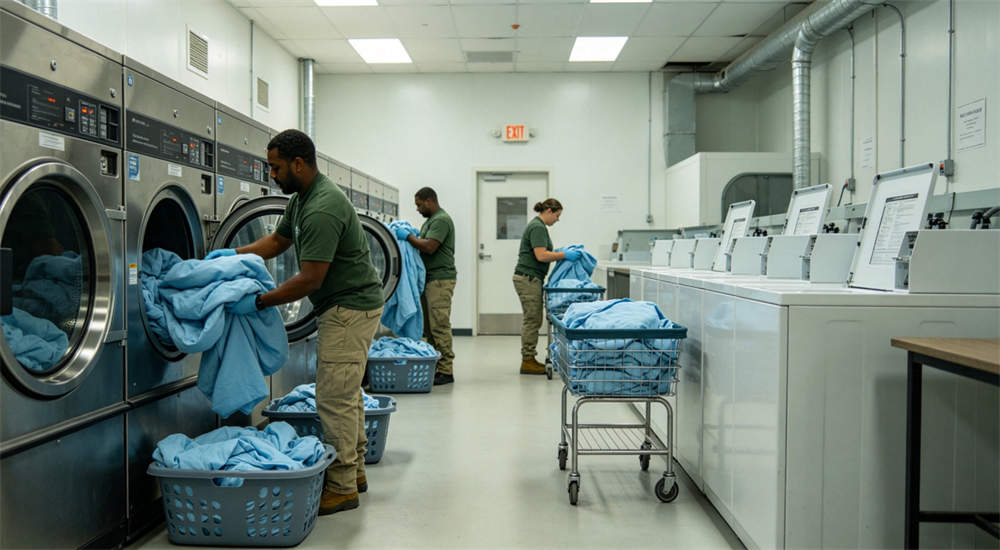
For emergency organizations that reorder bedding across multiple responses, color consistency supports organized distribution. And brand recognition. We implement color management for all institutional orders.
We use the CIE L*a*b* color measurement system to quantify color differences. Our color consistency targets are:
We maintain standard emergency colors with fixed Pantone references for consistent reorders:
For organizations placing repeat emergency orders across responses:
Key Takeaway: We use Pantone color management to ensure same-batch ΔE≤1.5 and cross-batch ΔE≤2.5 for consistent emergency reorders. Navy and grey for general shelters, white/light blue for medical.
Color-coding by category (adult/child/medical/winter) speeds distribution. Always reference your original order number for reorders to match archived color standards. Standard emergency colors are kept in inventory for rush response.
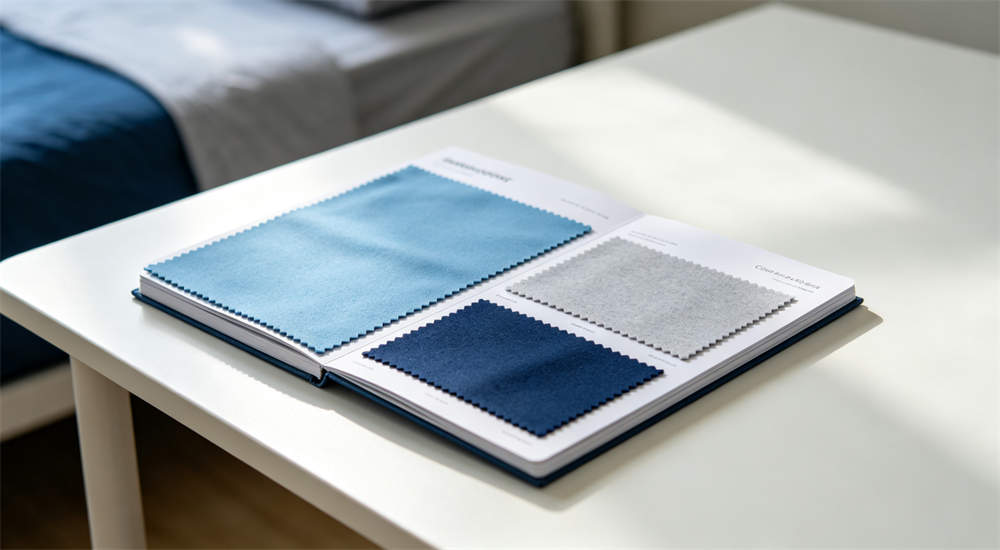
Efficient packaging and reliable rapid deployment logistics are critical for emergency response, where bedding must reach affected populations quickly. And in good condition.
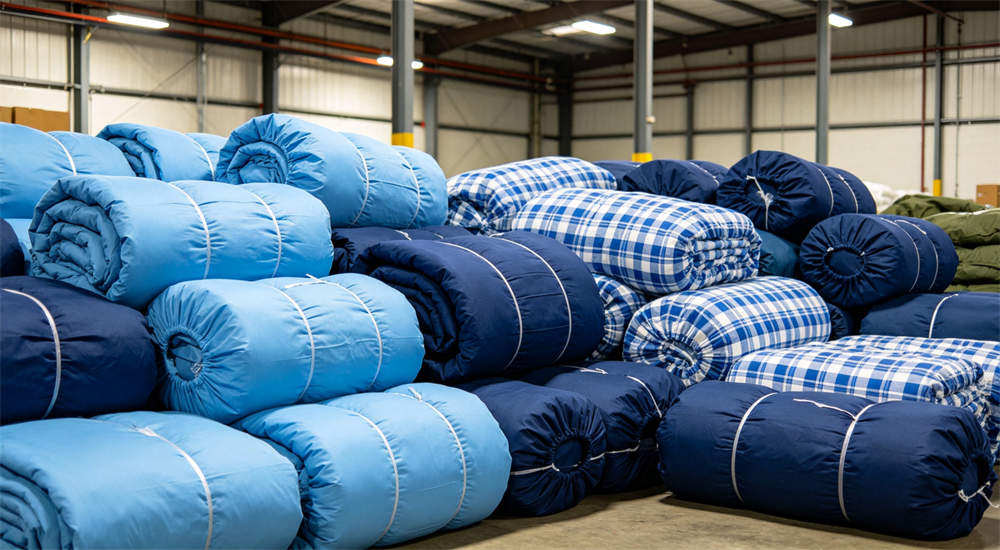
Vacuum compression is the standard packaging method for emergency bedding, offering significant logistics advantages:
The following are approximate loading quantities for vacuum compressed emergency bedding. Actual loading depends on GSM, set composition and packaging configuration. Confirm exact loading with your quotation.
|
Container Type |
2-piece 140GSM (Est.) |
3-piece 160GSM (Est.) |
|
20ft GP |
8,000-12,000 sets |
5,000-8,000 sets |
|
40ft GP |
16,000-24,000 sets |
10,000-16,000 sets |
|
40ft HQ |
20,000-30,000 sets |
12,000-20,000 sets |
* Loading quantities are estimates for vacuum compressed packaging. Actual capacity depends on product specifications and packaging method. Confirm with order confirmation. Compare to standard packaging which typically holds 40-50% fewer sets.
For civil defense and humanitarian pre-positioning stock:
Key Takeaway: Vacuum compressed packaging is standard for emergency bedding — 60-70% volume reduction means 2-3x more sets per shipment. Individual packs for direct distribution, multi-set/family packs for shelter setup.
Air freight for immediate response, sea freight for large planned orders. Vacuum packed bedding stores 2+ years for pre-positioning. All loading data are estimates — confirm with your order.
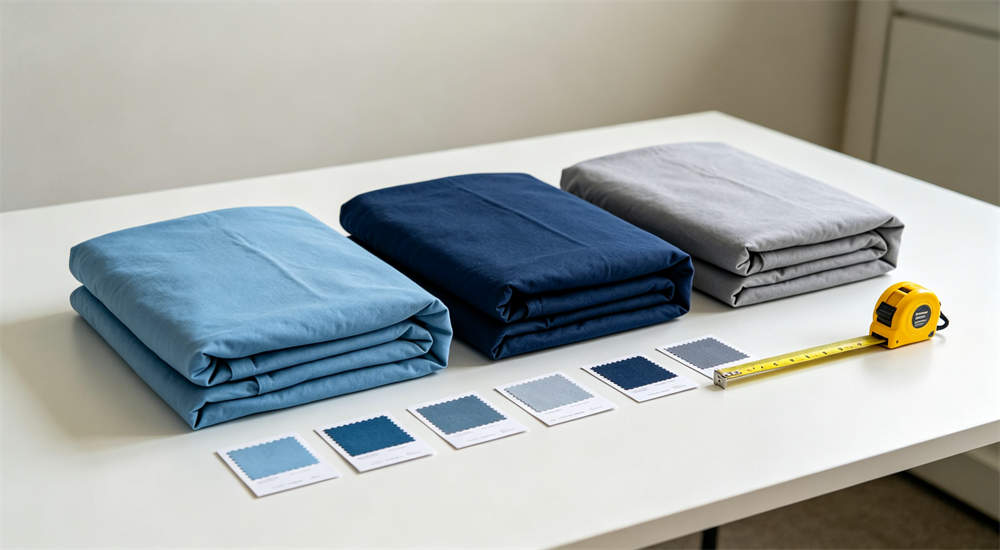
Before committing to a large emergency bedding order, we recommend evaluating samples to confirm fabric quality, compression, loft recovery. And suitability for your operation. Our sample and trial order process is designed to support humanitarian procurement decisions.
Important: Sample fees vary by sample type, customization level and quantity. Always confirm before production. For emergency situations, we can expedite sample shipping. We do not offer free samples — customized samples involve material and processing costs.
|
Sample Type |
Contents |
Delivery Time (Est.) |
|
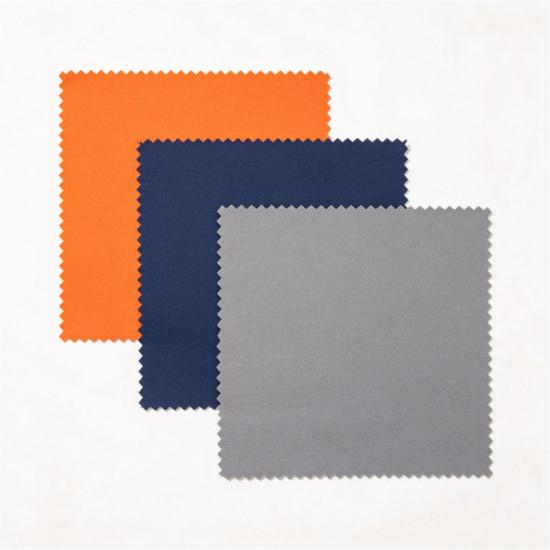
Fabric Swatch Card |
Emergency colors and GSM options |
3-5 working days |
|
Standard Finished Sample |
1 set in standard size and color |
5-7 working days |
|
Vacuum Compressed Sample |
1 set vacuum packed, demonstrates compression and recovery |
5-7 working days |
|
Custom Label Sample |
1 set with your organization labeling |
7-10 working days |
|
Complete Set with Inserts |
1 set including pillow and duvet (winter option) |
7-10 working days |
For first-time humanitarian buyers or new product specifications, we recommend a trial order before full procurement:
When evaluating emergency bedding samples, check these 7 key dimensions:
Key Takeaway: Sample fees vary by type and customization — always confirm before production, especially for vacuum compressed. And custom labeled samples. We recommend fabric swatch → vacuum compressed sample → 200-1,000 set trial order (field test) → bulk order.
Use the 7-point checklist (compression, loft recovery, fabric,. Workmanship, labeling, size, packaging) to evaluate samples before committing to large emergency orders. Expedited shipping available for urgent situations.
Q: What is the minimum order quantity for UNHCR, Red Cross, ICRC, IOM, MSF & NGO emergency bedding?
A: Minimum order quantity depends on product specifications and customization level. Standard colors and sizes typically have lower MOQs, while custom colors, labeling or special packaging may require higher quantities.
Exact MOQ is confirmed with your quotation, subject to order confirmation. For urgent emergency responses, contact us directly to discuss feasibility.
Q: How quickly can you deliver emergency bedding?
A: Standard production is 15-25 working days after sample confirmation and deposit, plus shipping time.
For urgent disaster responses, we may offer expedited production — contact us immediately with your deadline. And quantity, and we will confirm the fastest feasible delivery. Air freight is available for the most urgent needs (3-10 days delivery) at higher cost.
Q: How does vacuum compressed bedding work?
A: Bedding is placed in special plastic packaging and compressed using industrial vacuum equipment, reducing volume by 60-70%. The sealed pack protects bedding during transport and storage.
When opened, air re-enters and the bedding recovers full loft within minutes — simply shake and air out before use. Vacuum compression does not damage the fabric or reduce its lifespan.
Q: What fabric is best for emergency shelters?
A: Polyester microfiber is the most common choice for emergency shelters due to its lowest cost, best compressibility, quick-drying properties. And moisture resistance. For field medical facilities requiring high-temperature disinfection, cotton is preferred.
For longer-term displacement camps (6+ months), poly-cotton offers better comfort and durability. Most emergency operations use polyester for mass distribution and cotton for medical components.
Q: Can you provide bedding with our organization's logo and labeling?
A: Yes, we offer custom labeling including organization logo, contents description, care instructions. And beneficiary information in specified languages. Custom packaging with color-coded categories is also available.
Sample fees and setup charges apply for custom labeling — confirm before production. This is popular for NGOs and aid organizations requiring visibility and accountability.
Q: Do you provide complete sets with pillow and duvet inserts?
A: Yes, we offer complete bedding sets including pillow inserts and duvet inserts — essential for cold-weather response, new shelter setup. And winter operations.
Our standard emergency pillows use hollow conjugated polyester fiber fill,. And duvets are available in various fill weights for different climate needs. Complete sets are also vacuum compressed for efficient shipping.
Q: What certifications do you provide for humanitarian procurement?
A: We provide OEKO-TEX Standard 100 fabric certification, ISO 9001 quality management, product test reports (composition, GSM, color fastness, shrinkage, tear strength), factory audit reports. And commercial documents.
We can format documentation according to your organization's procurement requirements. Share your tender or procurement documents, and we will provide the necessary support.
Q: How long does vacuum packed bedding last in storage?
A: When stored in cool, dry conditions (15-25°C, below 60% humidity), vacuum packed bedding maintains quality for 2+ years.
We recommend implementing FIFO (first-in, first-out) stock rotation and inspecting packaging integrity annually. For civil defense pre-positioning programs, plan to rotate stock every 2-3 years to ensure freshness and reliability.
Q: Can you produce family packs with multiple sets?
A: Yes, we offer family packs configured with multiple sets per vacuum pack —. For example, 2 adult + 2 child sets, or other combinations based on your needs. Family packs simplify distribution to family units in shelters and displacement camps. Confirm your family configuration requirements, and we will customize the packaging accordingly.
Q: What payment terms do you accept for emergency orders?
A: Standard payment terms are T/T 30% deposit, 70% balance before shipment. For established humanitarian organizations or large institutional orders, alternative payment terms may be discussed.
Letters of credit at sight from reputable banks are acceptable. For urgent emergency situations, contact us to discuss expedited payment and production arrangements. Final payment terms are confirmed in your order contract.
Q: Can bedding be laundered and reused in shelters?
A: Yes, all our emergency bedding is designed to be washable and reusable. Polyester and poly-cotton bedding withstand regular washing at 40-60°C, and cotton bedding withstands 60-90°C with bleach for medical use.
With proper care, 140GSM polyester bedding lasts 6-12 months in shelter conditions, and 160GSM poly-cotton lasts 12-18 months. Provide basic care instructions to shelter staff and beneficiaries.
Q: Do you offer anti-microbial or insecticide-treated bedding?
A: Yes, we offer anti-microbial treatment for medical and high-hygiene settings,. And insecticide-treated fabrics for emergency operations in malaria-endemic regions.
These treatments are applied during manufacturing and come with appropriate documentation. Confirm your specific treatment requirements, and we will provide pricing and certification for the treated products.
Key Takeaway: Most common questions concern MOQ, delivery speed, vacuum compression, fabric selection, custom labeling, complete sets with inserts, certifications, storage life, family packs, payment terms, reusability. And special treatments.
For urgent emergencies, contact us directly for expedited options. All specific numbers (MOQ, lead time, pricing) are subject to order confirmation.
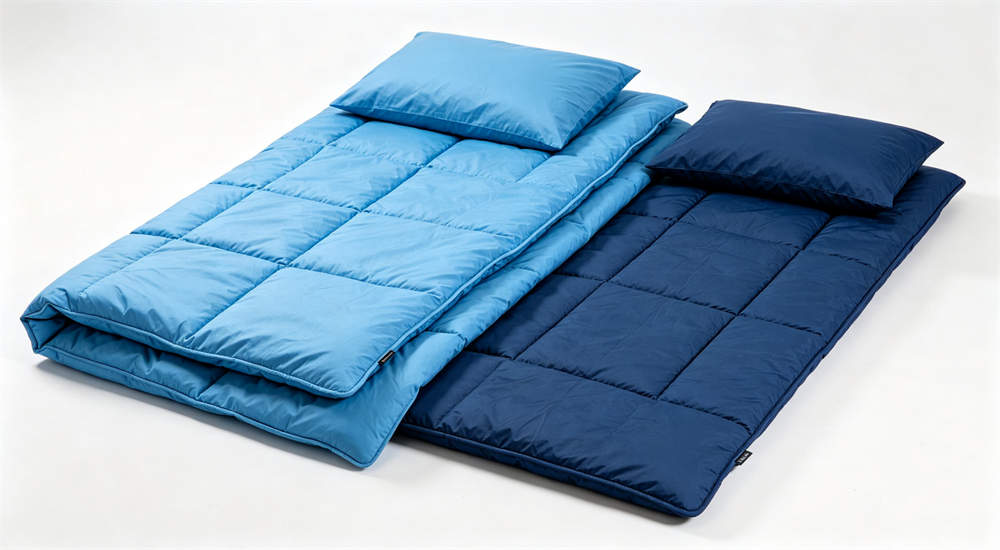
Emergency relief bedding is often procured alongside other disaster response and humanitarian products. Explore our related product lines for complete emergency outfitting solutions.
← Back to Institutional Bedding Aggregation Page — Explore all 7 bedding scenarios and compare product lines.
Key Takeaway: Emergency relief bedding pairs with compressed mattresses and emergency blankets for complete disaster response solutions.
Related products include institutional bedding, emergency compressed mattresses, refugee camp bedding, emergency blankets, military tents. And hospital medical bedding. Return to the aggregation page to explore all institutional bedding options.
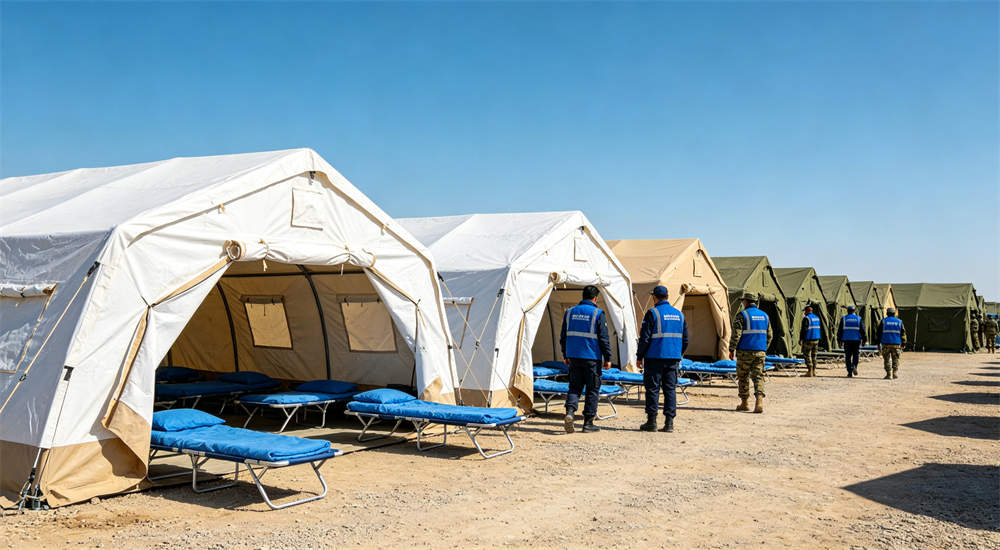
Contact us today for a detailed quotation tailored to your emergency response requirements. Our team will respond within 24 working hours with product recommendations, pricing and delivery options. For urgent disaster responses, indicate your deadline and we will prioritize your inquiry.
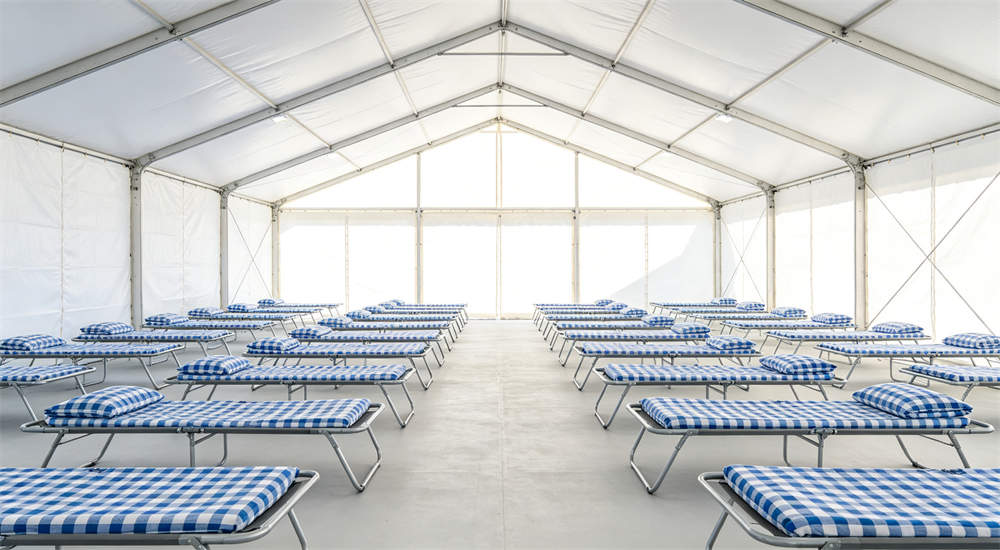
Quick Quote Checklist — send these for a fast quotation:
Email: info@yrftextile.com | Response within 24 working hours | Over 20 years of institutional textile experience
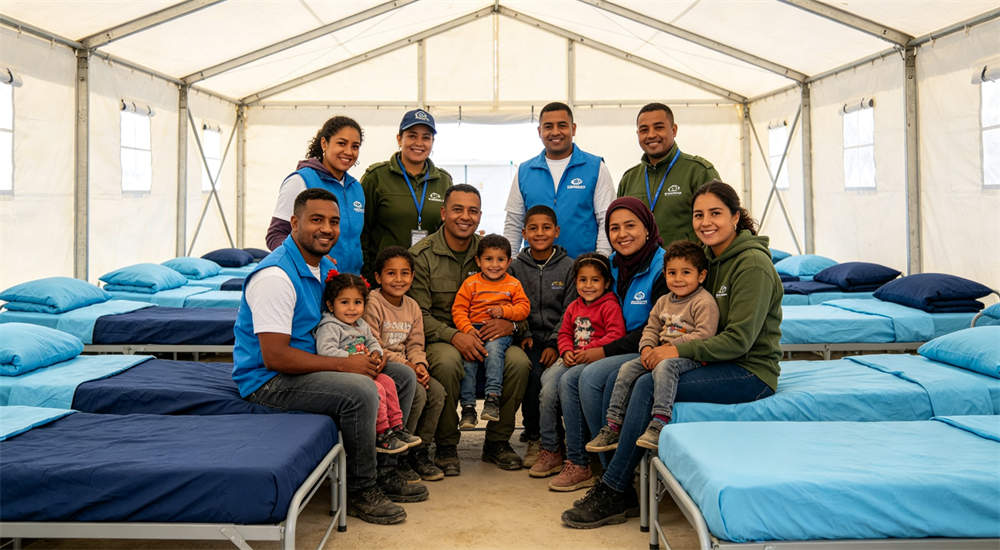
Previous :
Workforce Camp Bedding Wholesale — Durable Linen for Oil Field, Mining & Construction DormitoriesNext :
School Dormitory Bedding Sets - Wholesale Student University Bedding YRF-Wholesale Vanuatu Extremely absorbent towels,Police Blue blended Wool blanket,Double bed Bedding
Our bedding sets for emergency relief and humanitarian assistance. Military and national defense. Fire department, medical care department. Prison facilities, government agencies and the police. Camping, picnicking and outdoor leisure are proud to provide high-quality bedding solutions. We are committed to bringing innovation and technology to every user to make you have a good dream every day.
 YRF-WholesaleIndonesia High quality Green wash towels,Medical Care Gray Wool blended Blanket,Green Bed Quilt Cover
Our bedding sets for emergency relief and humanitarian assistance. Military and national defense. Fire department, medical care department. Prison facilities, government agencies and the police. Camping, picnicking and outdoor leisure are proud to provide high-quality bedding solutions. We are committed to bringing innovation and technology to every user to make you have a good dream every day.
 YRF-Made in ChinaJordan High quality Green wash towels,Police Blue blended Wool blanket,Maximum comfort Mattress Pad
Our bedding sets for emergency relief and humanitarian assistance. Military and national defense. Fire department, medical care department. Prison facilities, government agencies and the police. Camping, picnicking and outdoor leisure are proud to provide high-quality bedding solutions. We are committed to bringing innovation and technology to every user to make you have a good dream every day.
 YRF-ManufacturerJordan 100% cotton Green hand towels,Police Blue blended Wool blanket,anti-bacterial Quilt
Our bedding sets for emergency relief and humanitarian assistance. Military and national defense. Fire department, medical care department. Prison facilities, government agencies and the police. Camping, picnicking and outdoor leisure are proud to provide high-quality bedding solutions. We are committed to bringing innovation and technology to every user to make you have a good dream every day.
 YRF-Wholesale Georgia Soft cotton Blue Bath towels,Police Blue blended Wool blanket,Cotton Fabric Quilt Cover
Our Military 100% Cotton Bedding Set for emergency relief and humanitarian assistance. Military and national defense. Fire department, medical care department. Prison facilities, government agencies and the police. Camping, picnicking and outdoor leisure are proud to provide high-quality bedding solutions. We are committed to bringing innovation and technology to every user to make you have a good dream every day.
 YRF- Canary Islands Government Agencies blended Wool blanket,Extremely absorbent towels,Beige Quilt,Best Price
Our Encampment 100% Cotton Sets Bedding for emergency relief and humanitarian assistance. Military and national defense. Fire department, medical care department. Prison facilities, government agencies and the police. Camping, picnicking and outdoor leisure are proud to provide high-quality bedding solutions. We are committed to bringing innovation and technology to every user to make you have a good dream every day.
Copyright © Custom Disaster - Relief Bedding: Tents, Sleeping Bags, Blankets All Rights Reserved
the professional team to service !