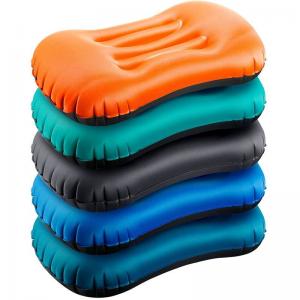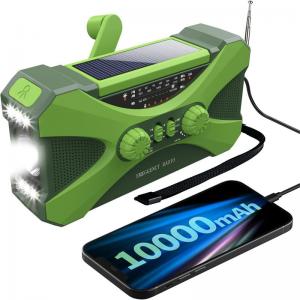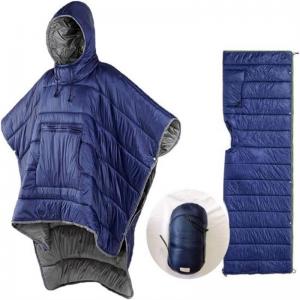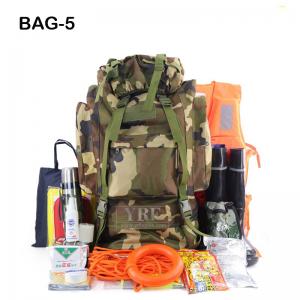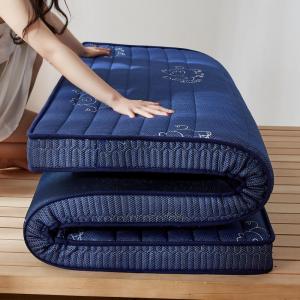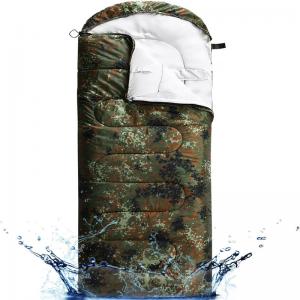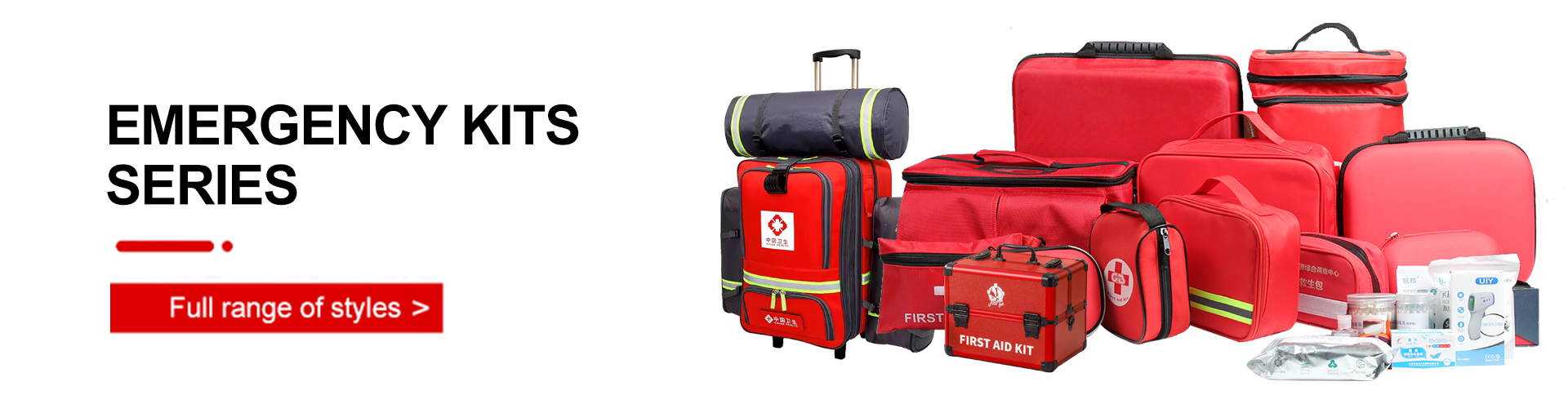
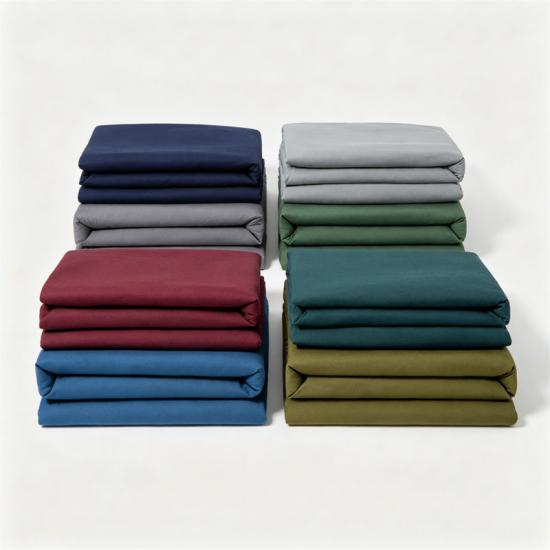
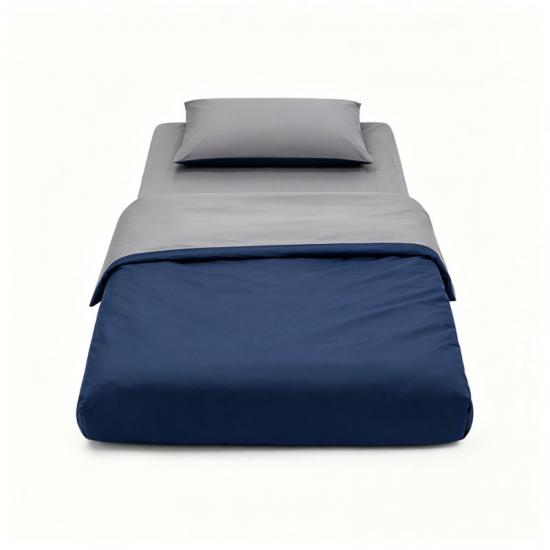
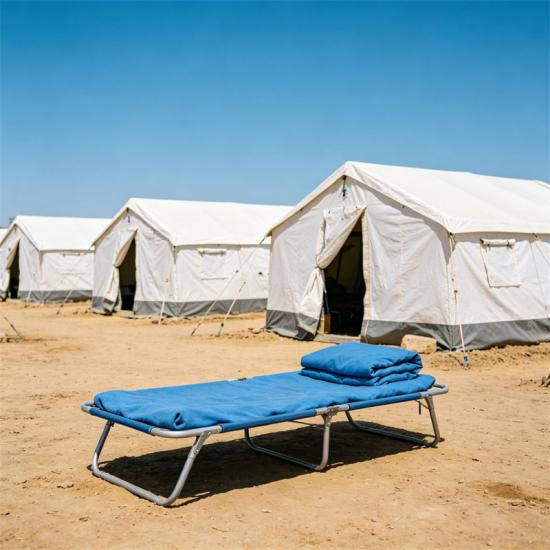
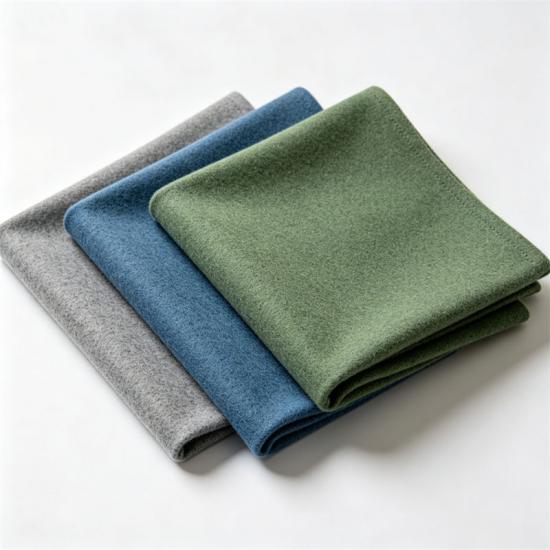
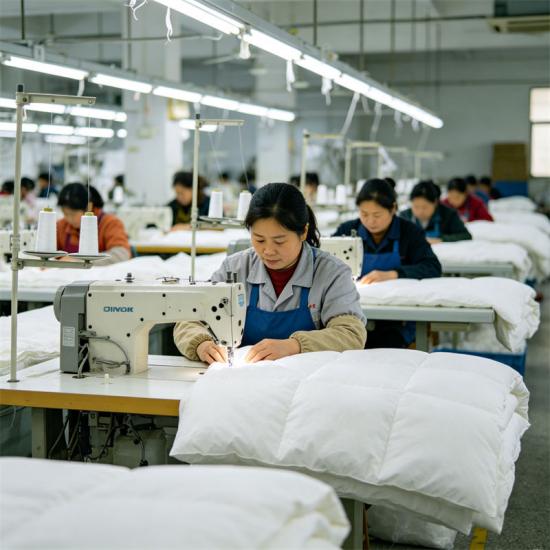
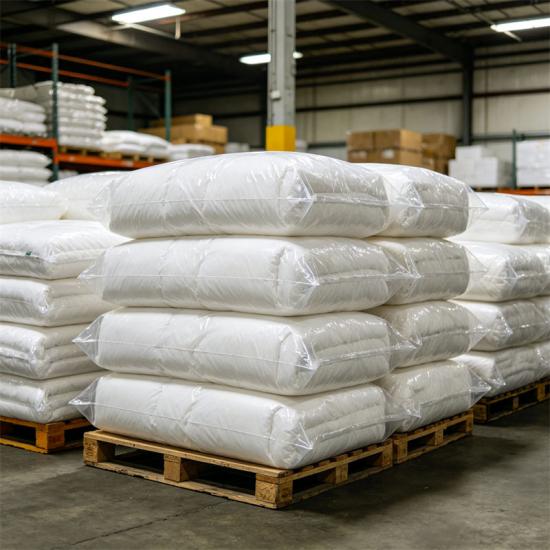
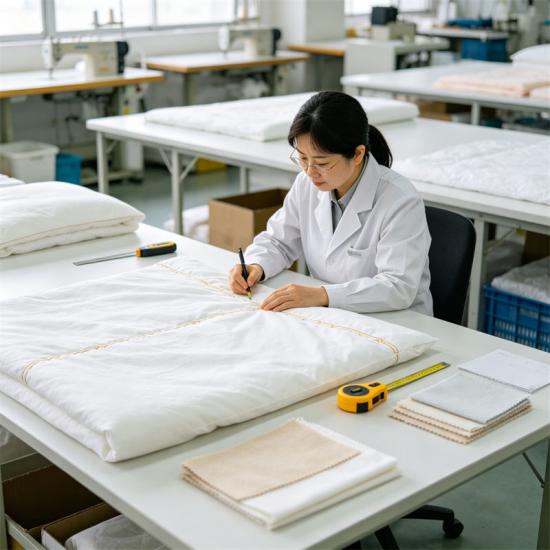
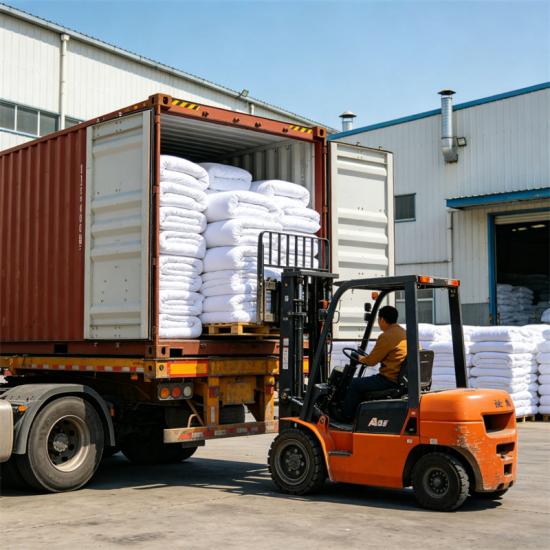
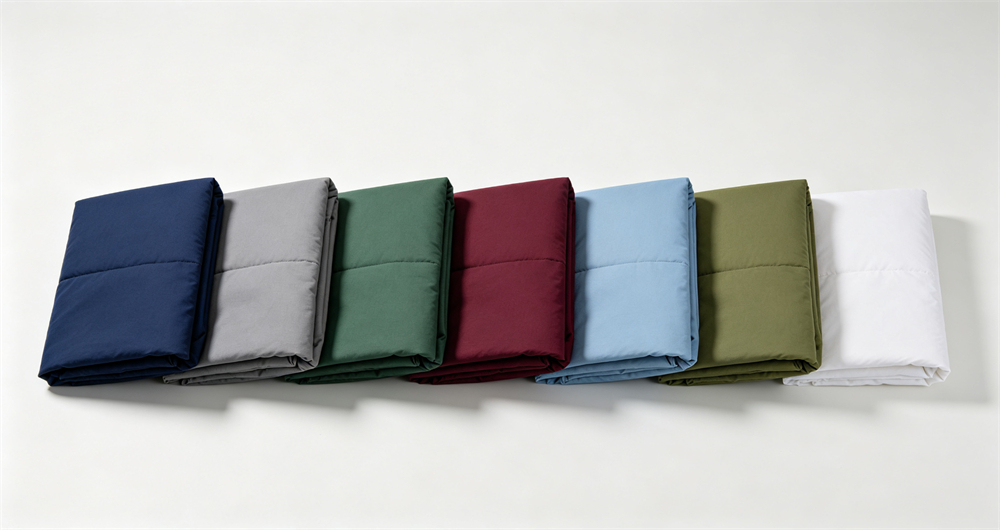
Our durable refugee camp bedding is built for large‑scale humanitarian projects, featuring reinforced stitching, premium polyester or cotton fabric and vacuum‑compressed packaging for space‑saving transport. Multiple color choices and custom logo labeling are available. Strict pre‑shipment quality inspection guarantees reliable hygiene and long‑term use for emergency shelter deployments and bulk institutional orders.
Note: Price for reference only. Exact price based on quantity, size, weight and custom details.
model no. :
CP-02Brand:
YRFmarket price :
$79.8sale price :
$39.9price range :
30-100/$39.9Color :
Multiple Colorsport of dispatch :
Guangdong/GuangzhouPayment :
TT, Paypal, Western Unionmin order :
30original region :
Made in ChinaLead Time :
5-15days
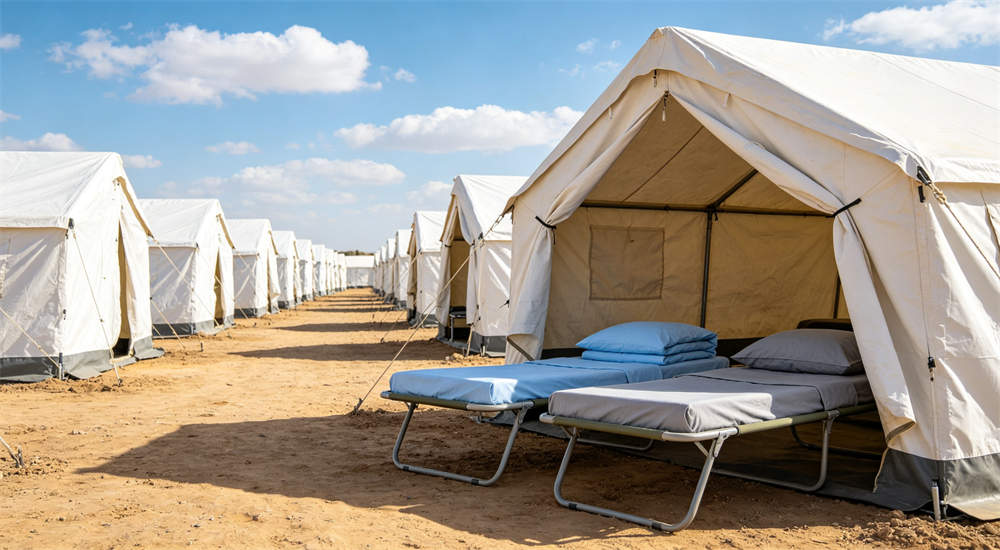
Refugee camps and emergency shelters require bedding that is affordable, durable, easy to clean and suitable for large-scale distribution. When thousands of people need basic sleeping arrangements, cost efficiency and supply reliability are as important as product quality. Our bedding sets are widely supplied to UNHCR-supported camps, Red Cross relief operations and humanitarian aid organizations worldwide. emergency bedding kits. Our shelter bedding supply chain ensures reliable delivery for NGO and international aid agencies programs pre-assembled for rapid distribution.
 |

|
YRF Textile manufactures emergency shelter bedding sets specifically designed for refugee camps, temporary shelters, humanitarian relief organizations and disaster relief operations. We understand the procurement requirements of UN agencies, ICRC, IOM and NGO buyers.
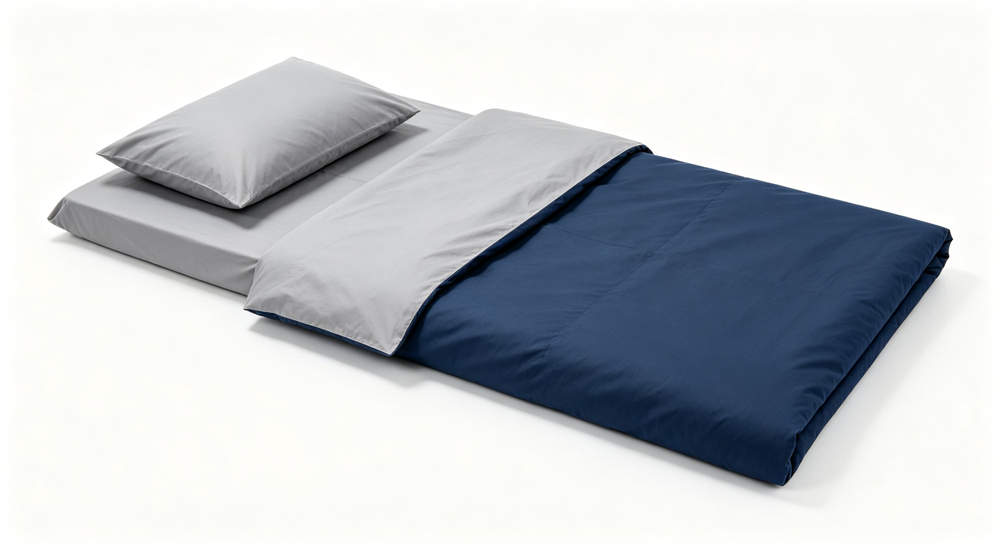
Our polyester and poly-cotton bedding is lightweight, quick-drying, stain-resistant and vacuum-compressed for maximum shipping efficiency. With over 20 years of experience supplying institutional and humanitarian buyers, we understand the unique challenges of large-scale camp procurement.
Whether you need 1,000 sets for a temporary shelter or 50,000 sets for a long-term refugee camp, we can scale production to meet your requirements. While maintaining consistent quality and competitive pricing.
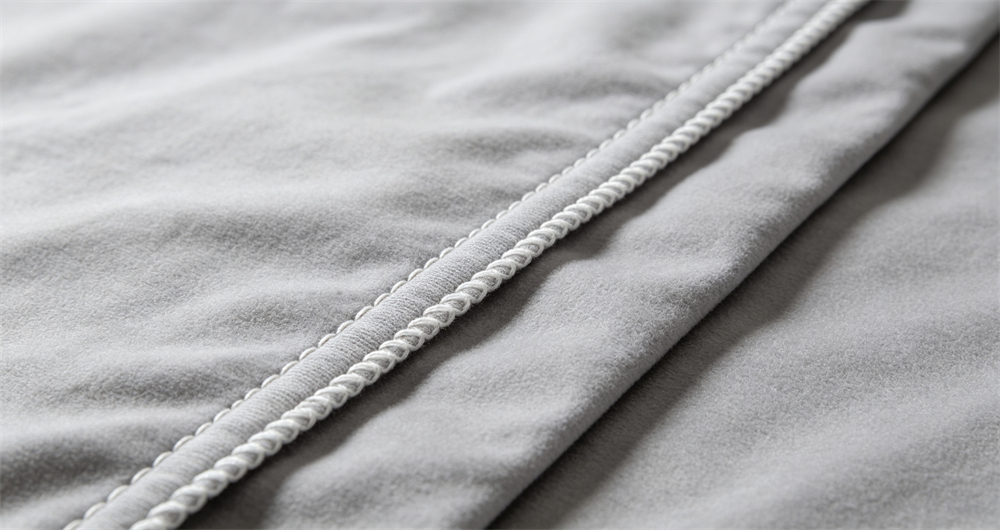
Table of Contents
Specifications & Sizes
Tender & Bid Support
Fabric Material Comparison
Customization Options
GSM & Model Selection
Washing & Maintenance Guide
Durability & Practical Features
Color Consistency & Batch Management
Procurement Decision Guide
Packaging & Logistics
Cost-Benefit & Lifespan Analysis
Sample Policy & Trial Order
Application Scenarios
FAQ
Why Choose YRF
Related Products & Internal Links
Certifications & Quality Control
Inquiry & Quotation
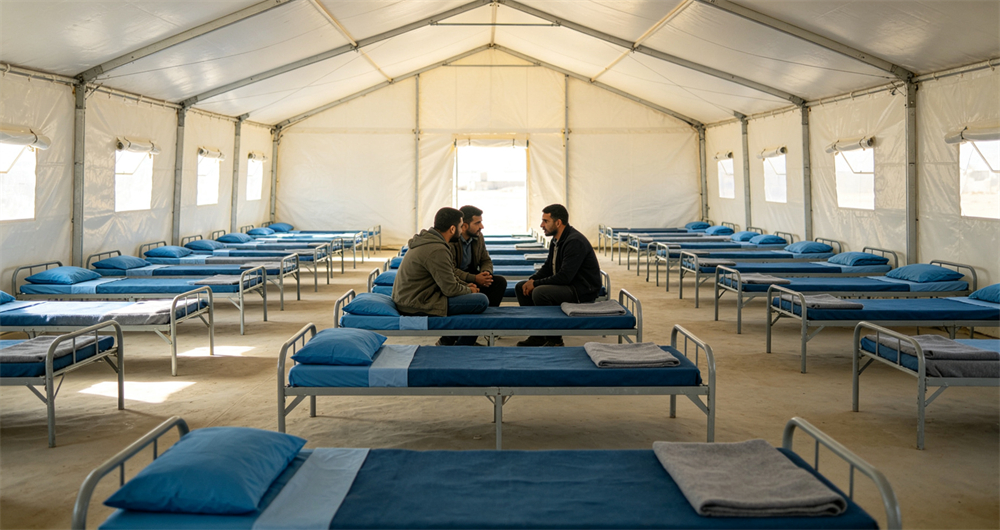
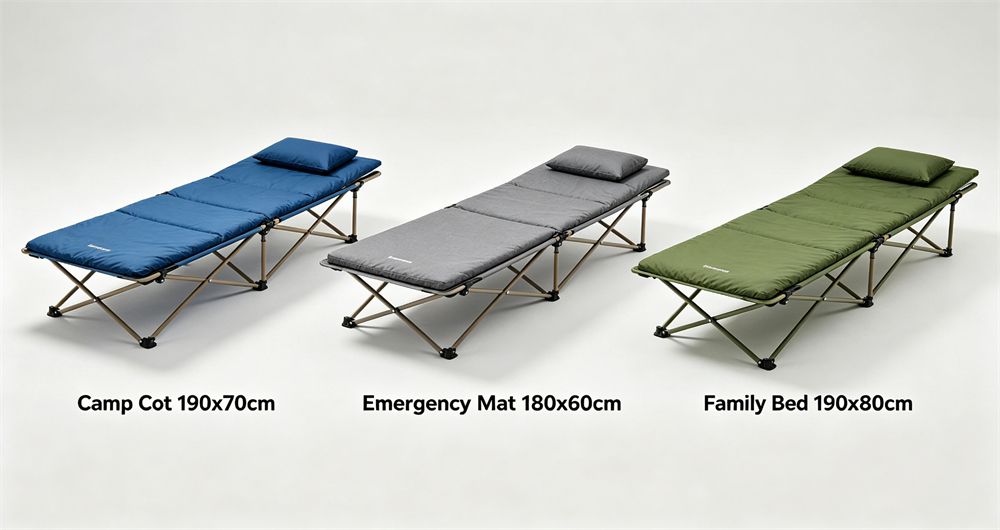
Emergency shelter bedding must be simple, practical and easy to distribute. Standard sizes fit most camp cots, mats and floor sleeping arrangements. We offer both flat sheets and fitted sheets, plus complete sets with pillow and duvet inserts for turnkey shelter setup.
Bed Type
Mattress Size (cm)
Sheet Size (cm)
Common Use
Standard Camp Cot
190 × 70
200 × 100
Refugee camps, military-style cots
Emergency Mat
180 × 60
190 × 90
Floor sleeping, temporary shelters
Family Shelter Bed
190 × 80
200 × 110
Family units, long-term camps
Children's Cot
150 × 60
160 × 90
Children's centers, schools in camps
Clinic/Medical Bed
190 × 80
200 × 110
Camp clinics, medical tents
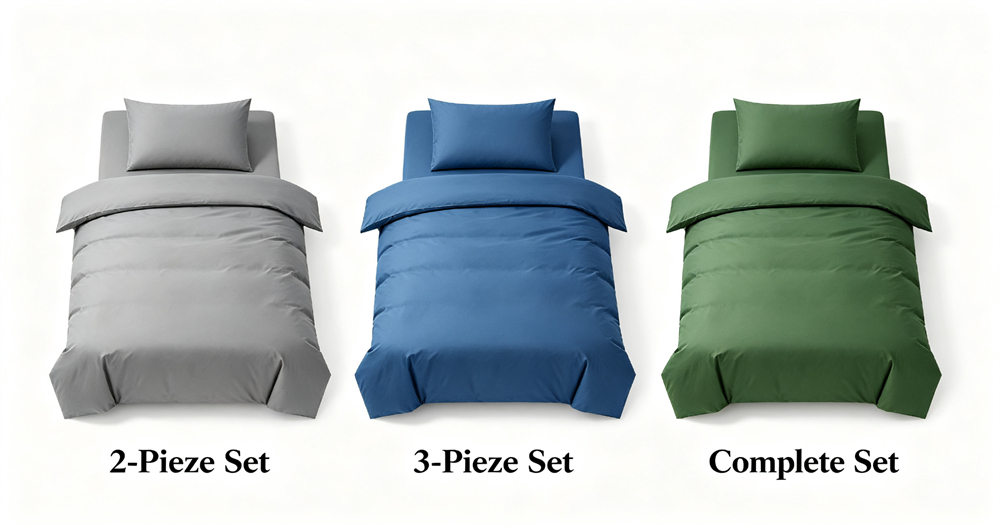
Standard Set Composition
Budget bedding sets for refugee camps are typically simplified to reduce cost while meeting basic needs:
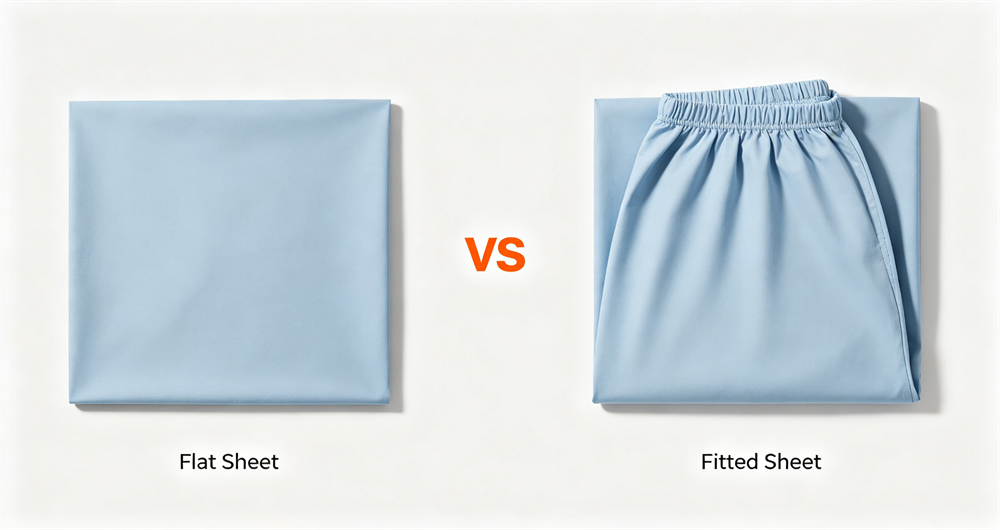
Flat Sheet vs. Fitted Sheet for Camp Use
In refugee camp settings, flat sheets are generally preferred because they fit any mattress or mat thickness, are easier to wash. And dry in camp conditions, and cost less. Fitted sheets are available but require accurate mattress height measurement. And are more suitable for fixed camp clinics or family housing with standard beds.
Key Takeaway: Refugee camp bedding uses simplified 2-piece or 3-piece sets in standard sizes. Flat sheets are preferred for camp use due to versatility and lower cost. Complete sets with pillow and duvet inserts are available for turnkey shelter setup. All sizes can be customized to match your camp's specific cots or mats.
For refugee camp and emergency shelter use, fabric selection prioritizes durability, ease of care and cost over premium comfort. Polyester and poly-cotton blends are the most practical choices, while cotton may be specified for medical areas within camps.
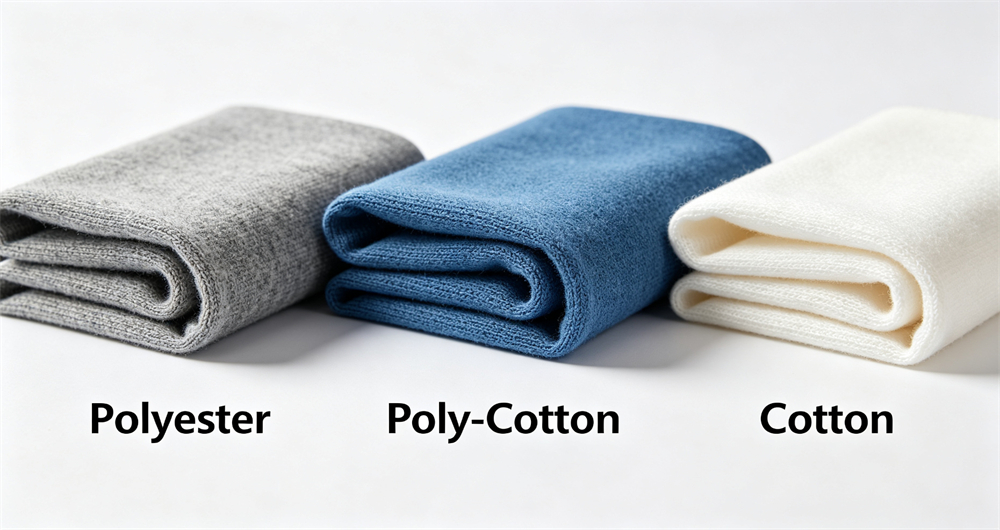
Polyester microfiber is the most popular choice for emergency shelter bedding due to its low cost, durability and easy-care properties. It is lightweight, quick-drying, naturally stain-resistant and does not require ironing.
Poly-cotton blends (typically 65/35 or 80/20 polyester-rich) offer better comfort than pure polyester. While maintaining durability and easy care. They are suitable for longer-term camps where residents stay for months or years.
Cotton bedding is the most comfortable and breathable option but costs more and requires more maintenance. It is typically specified for camp medical facilities, isolation areas and vulnerable population shelters.
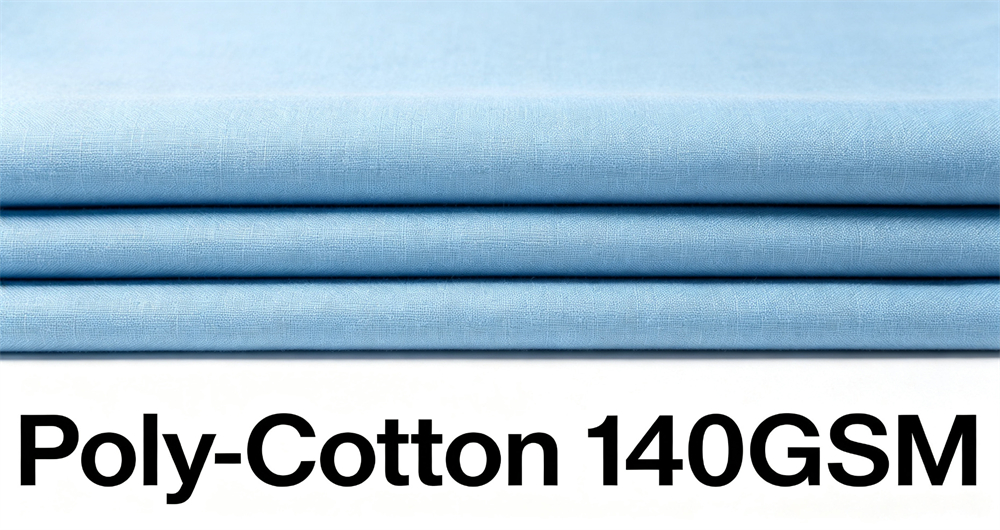
Property
Polyester Microfiber
Poly-Cotton Blend
100% Cotton
Comfort
Fair
Good
Excellent
Durability
Good
Excellent
Good
Wash Temp
Up to 40°C
Up to 60°C
Up to 90°C
Drying Time
Fastest
Fast
Slowest
Wrinkle Resistance
Very High
High
Low
Cost Level
Lowest
Medium
Highest
Recommended Use
General camps, emergency
Long-term camps
Medical areas
Key Takeaway: Polyester microfiber is the most economical choice for general camp use, poly-cotton blends offer better comfort for long-term camps,. And cotton is reserved for medical areas. Most humanitarian aid organizations select polyester for bulk distribution and poly-cotton for longer-term facilities.
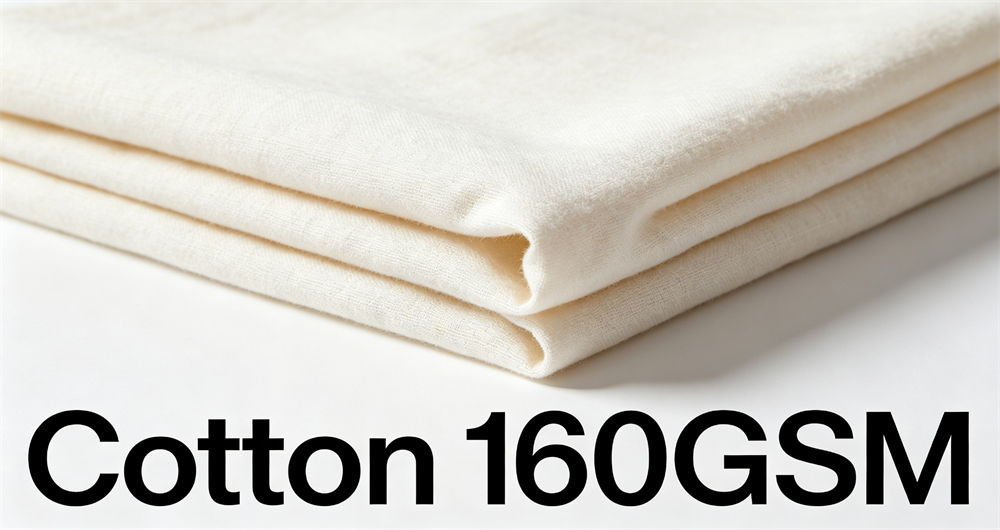
GSM (grams per square meter) determines the weight, durability and cost of emergency shelter bedding. For budget-conscious camp procurement, selecting the right GSM balances durability with affordability.
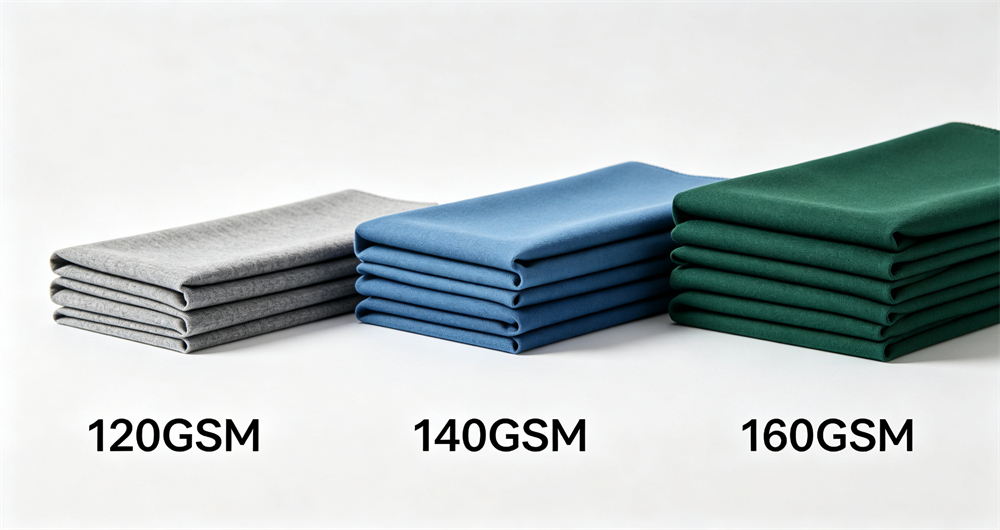
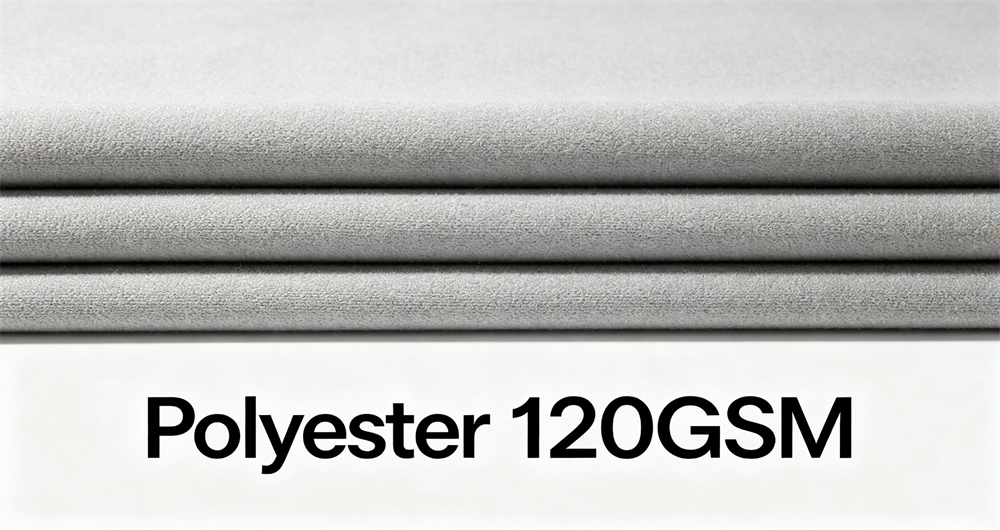
The 120GSM model is our most economical option, designed for large-scale emergency distribution where cost is the primary concern. It provides basic coverage for short-term emergency situations.
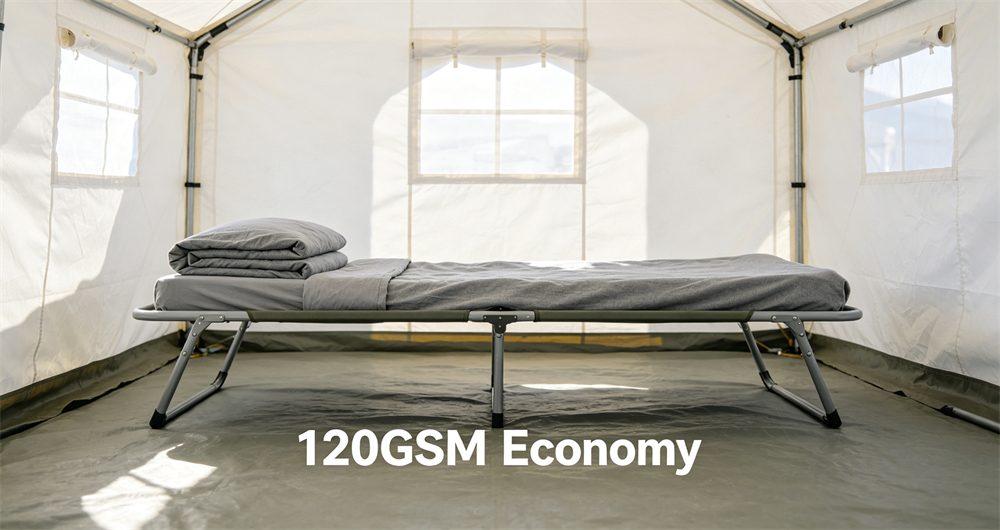
The 140GSM model is the most popular choice for refugee camps, offering a good balance of durability and affordability. It withstands regular camp washing conditions better than lighter options.
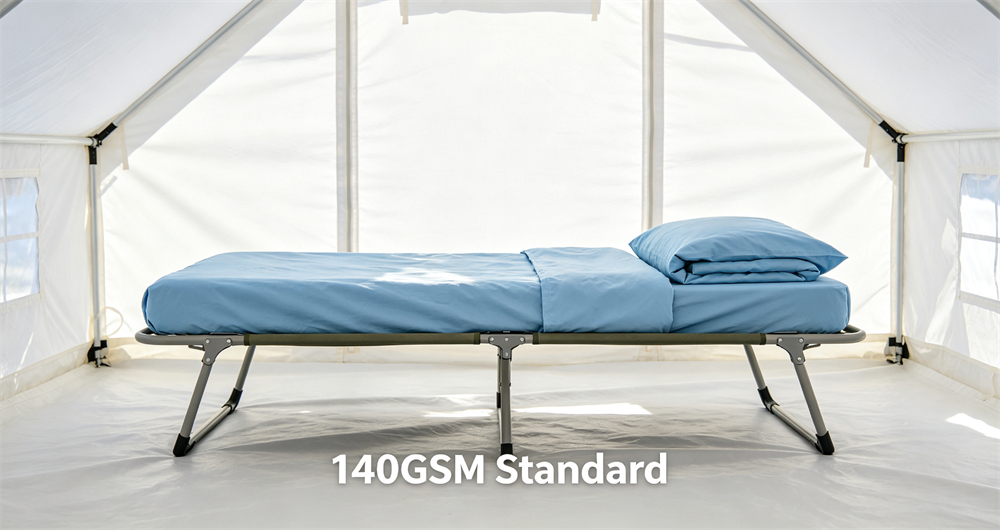
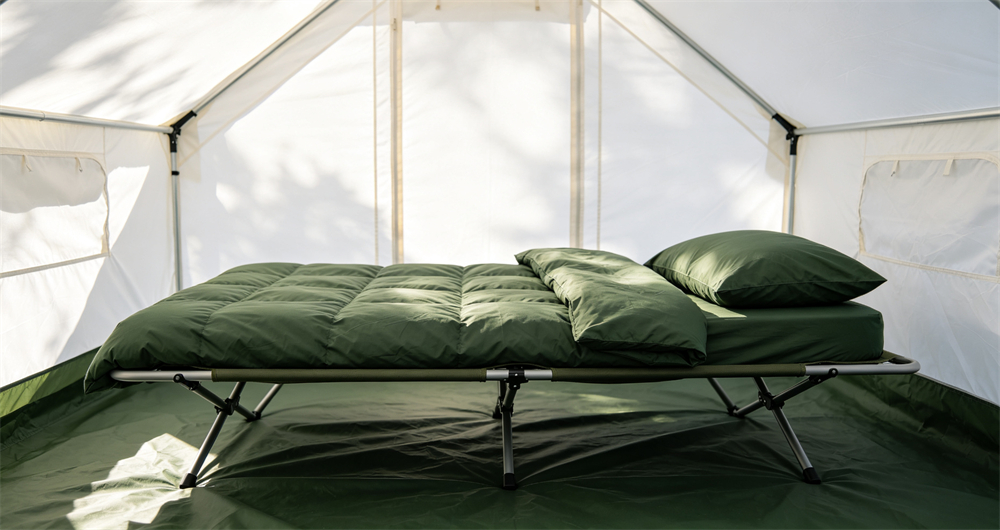
The 160GSM model is designed for long-term camps and facilities where bedding will be used for extended periods. It is thicker and more durable, suitable for repeated washing in camp laundry facilities.
Shelter Type
Recommended GSM
Fabric
Expected Duration
Emergency Distribution
120GSM
Polyester
Under 3 months
Standard Refugee Camp
140GSM
Polyester or Poly-Cotton
3-12 months
Long-Term Camp
160GSM
Poly-Cotton
1-3 years
Camp Clinic/Medical
160-180GSM
Cotton or Poly-Cotton
Ongoing
Staff Accommodation
160GSM
Poly-Cotton
Ongoing
Children's Center
140GSM
Poly-Cotton
Ongoing
Key Takeaway: 140GSM polyester is the best all-around choice for most refugee camps. Choose 120GSM for short-term emergency distribution and 160GSM poly-cotton for long-term camps and medical facilities. Higher GSM costs more upfront but lasts longer and reduces replacement frequency.
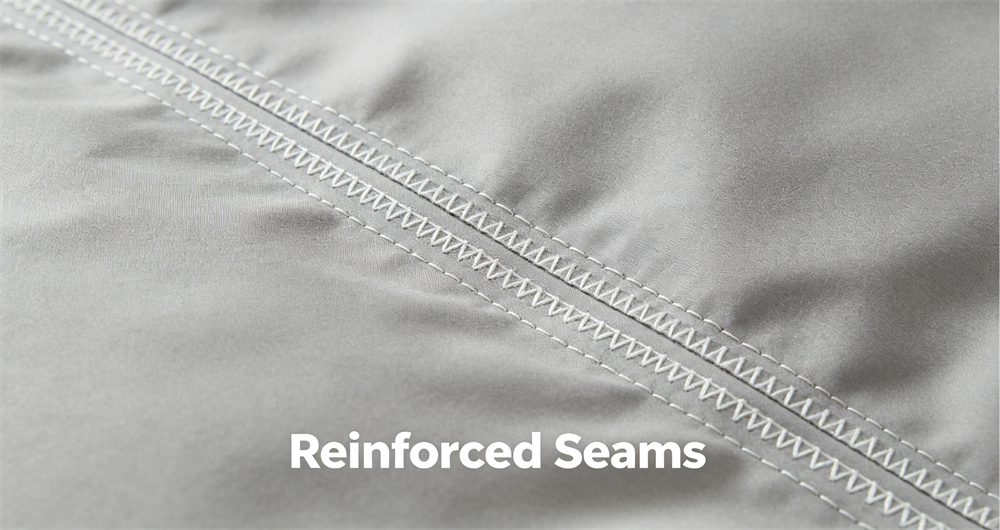
Emergency shelter bedding faces harsh conditions: frequent washing, limited laundry facilities, dust, rough handling and long-term use. Our budget bedding is designed with practical features that address these challenges.
Emergency shelter bedding is subject to rough handling and frequent washing. All our bedding features reinforced seams and hems to prevent fraying and tearing, extending product life in demanding camp environments.
In camp settings, laundry facilities may be limited and drying space is often at a premium. Polyester and poly-cotton bedding dries significantly faster than cotton, reducing the risk of mold and mildew in humid camp environments.
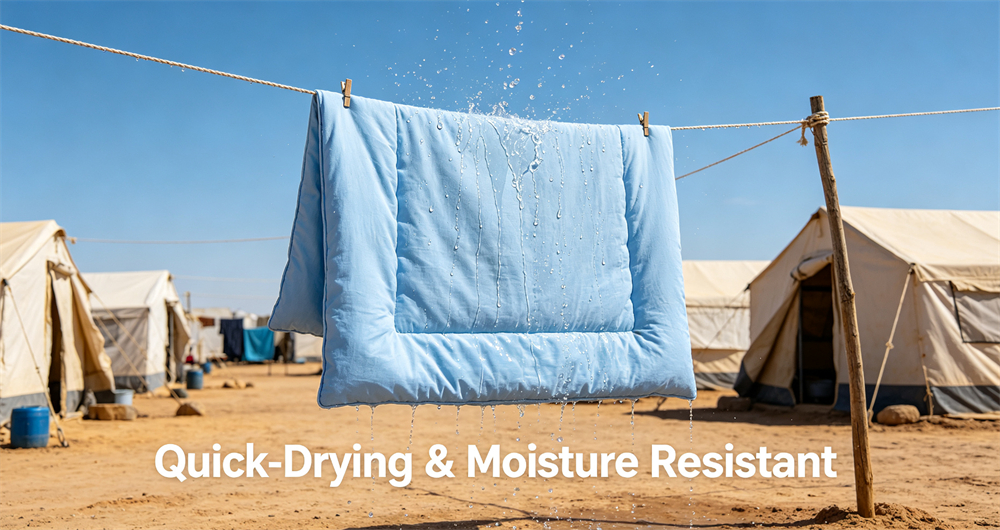
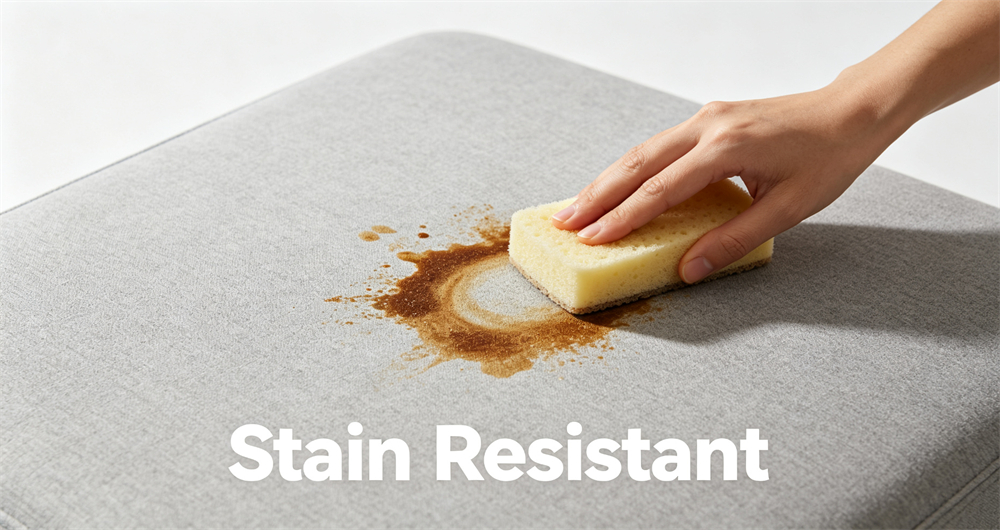
Camp bedding is exposed to dirt, dust and frequent use. Our polyester and poly-cotton fabrics are naturally stain-resistant and easy to clean with basic washing equipment available in camp settings.
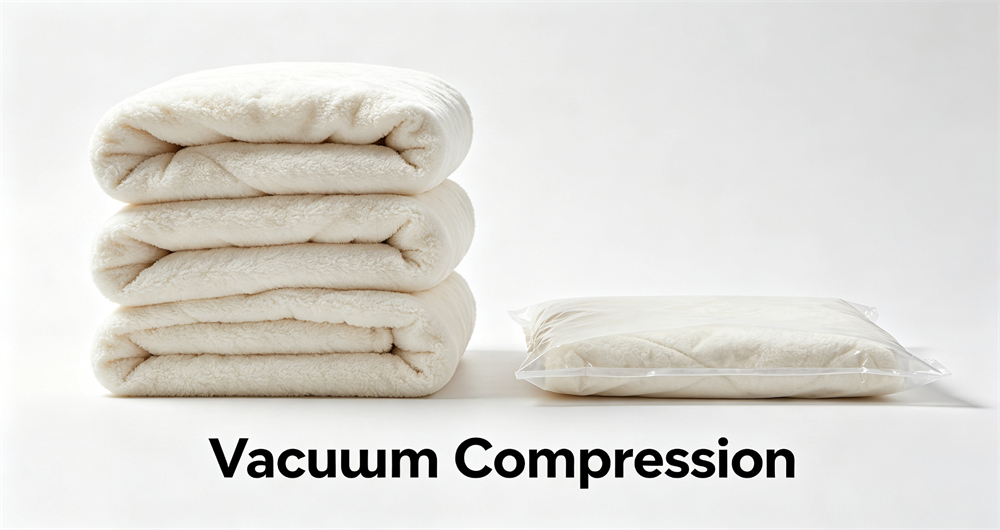
For large-scale humanitarian shipments, vacuum compression reduces volume by 50-60%, significantly lowering shipping costs per unit. All our bedding is suitable for vacuum compression packaging.
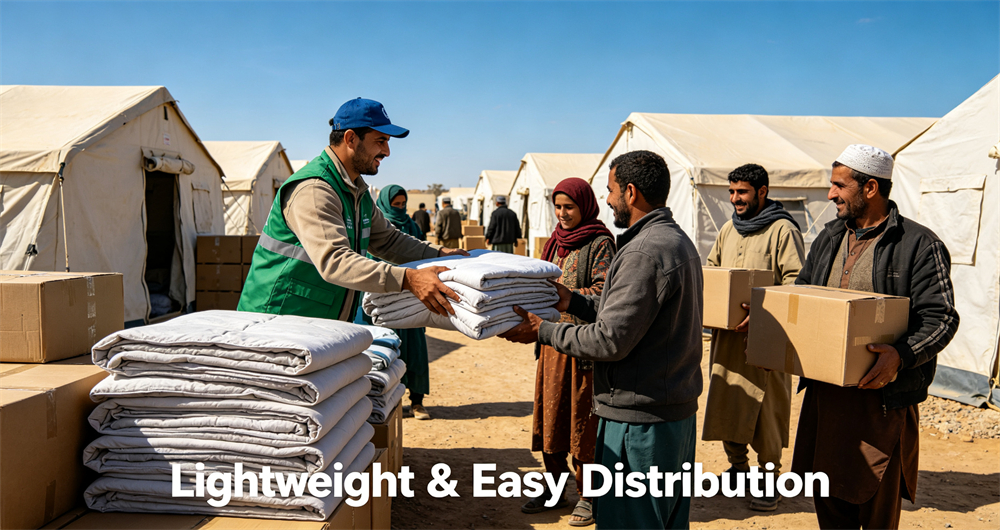
Refugee camp bedding must be easy to transport, store and distribute to large populations. Our lightweight polyester bedding is designed for efficient logistics from port to camp.
Key Takeaway: Camp bedding is designed for harsh conditions with reinforced stitching, quick-drying fabric, stain resistance. And vacuum compression compatibility. Polyester bedding is the most practical choice for camp use due to its durability, easy care and low cost.
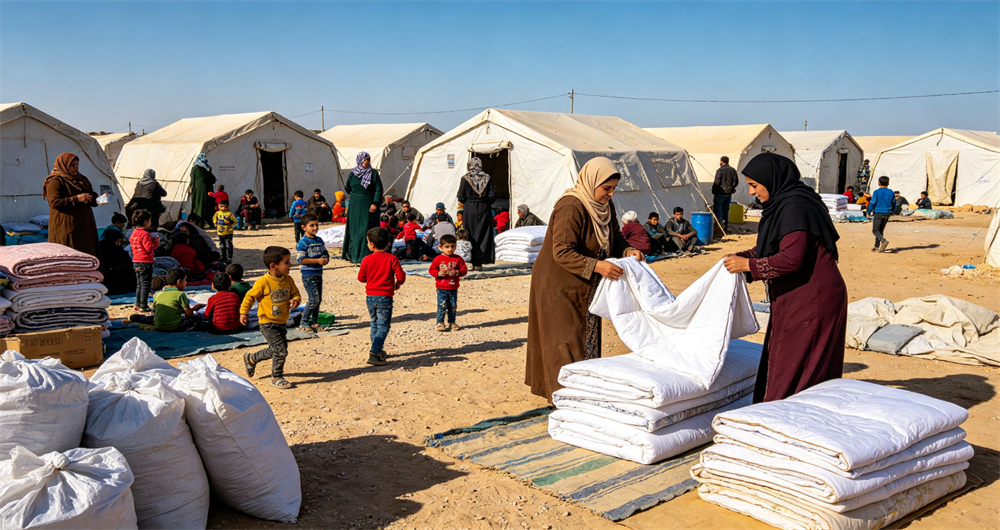
Procuring bedding for refugee camps, IDP bedding programs and emergency shelters requires balancing cost, durability, comfort and logistics. Use this step-by-step guide to determine the right products for your specific operation.
The expected duration of the shelter operation is the most important factor in selecting bedding:
Camp laundry facilities vary widely. Consider what washing conditions are available:
For camp operations, plan for 1.5 to 2 sets per person to allow for washing rotation:
Before ordering, confirm any special requirements:
Operation Type
Recommended Fabric
Recommended GSM
Set Type
Emergency Disaster Relief
Polyester
120GSM
2-piece
Standard Refugee Camp
Polyester or Poly-Cotton
140GSM
3-piece
Long-Term Camp
Poly-Cotton
160GSM
3-piece
Camp Clinic/Medical
Cotton or Poly-Cotton
160-180GSM
3-piece + extras
Staff Accommodation
Poly-Cotton
160GSM
3-piece
Children's Center
Poly-Cotton
140GSM
3-piece
Key Takeaway: Follow 4 steps: determine shelter duration → assess laundry capabilities → calculate total quantity (1.5-2 sets/person) → confirm special requirements. For most standard refugee camps, 140GSM polyester 3-piece sets offer the best balance of cost, durability and practicality.
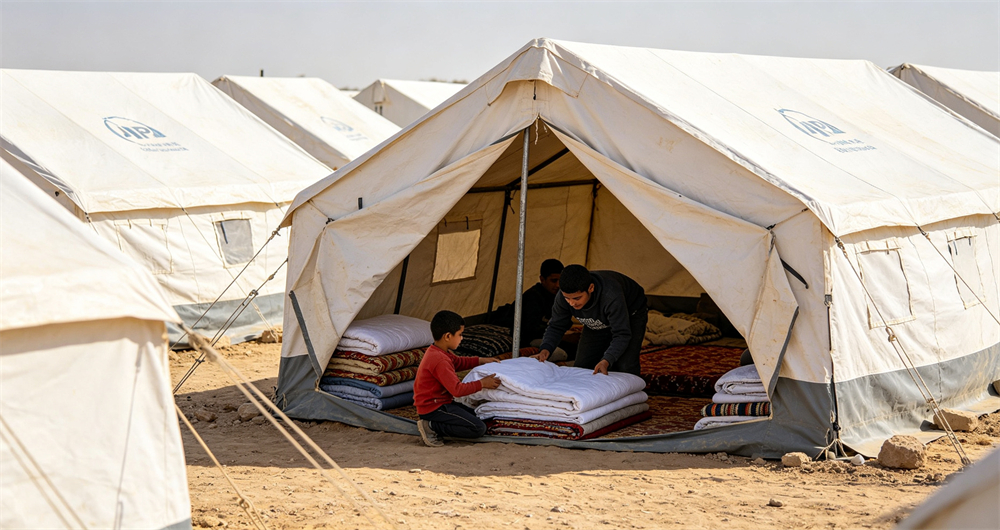
For humanitarian organizations with limited budgets, understanding the total cost of ownership is essential. The cheapest bedding upfront may not be the most economical if it needs frequent replacement.
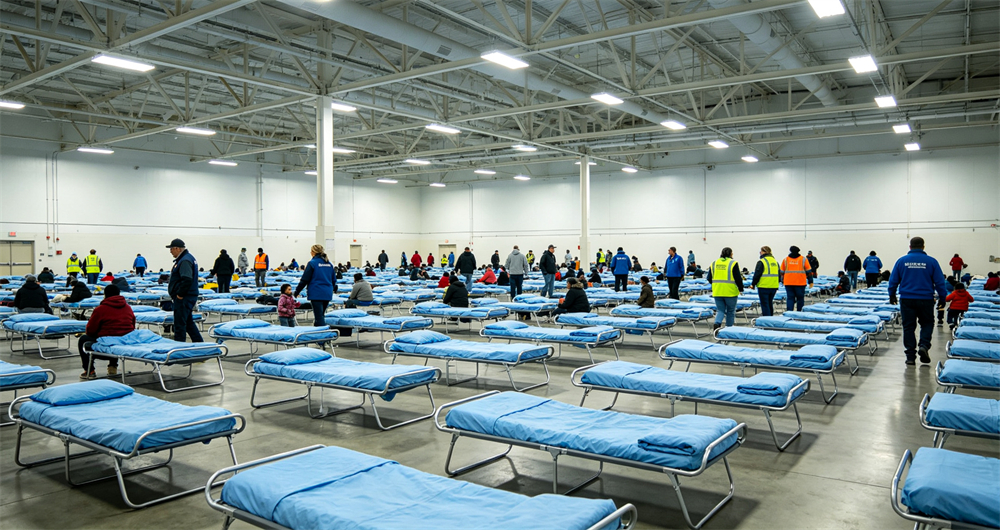
The following lifespan estimates are based on camp laundry conditions (30-60°C washing, line drying, regular use). Data is cross-referenced from institutional textile standards and humanitarian aid procurement guidelines. Actual lifespan varies based on wash frequency, care practices and usage intensity.
Key finding: Poly-cotton blends offer the longest lifespan in camp conditions because polyester adds abrasion resistance. While cotton improves comfort and washability. Pure polyester is economical but may pill or thin with frequent washing. 100% cotton is most comfortable but costs more and requires more maintenance.
* Lifespan estimates are based on standard camp washing conditions. Actual results vary based on wash frequency, detergent type, water quality and handling. Poly-cotton 160GSM offers the best long-term value for extended camp operations.
Fabric & GSM
Wash Cycles (Estimated)
Lifespan (Weekly Wash)
Lifespan (2x/Week)
Polyester 120GSM
80-120 cycles
1.5-2 years
8-12 months
Polyester 140GSM
120-180 cycles
2-3 years
1-1.5 years
Poly-Cotton 140GSM
150-220 cycles
3-4 years
1.5-2 years
Poly-Cotton 160GSM
200-300 cycles
4-5 years
2-3 years
Cotton 160GSM
150-250 cycles
3-4 years
1.5-2 years
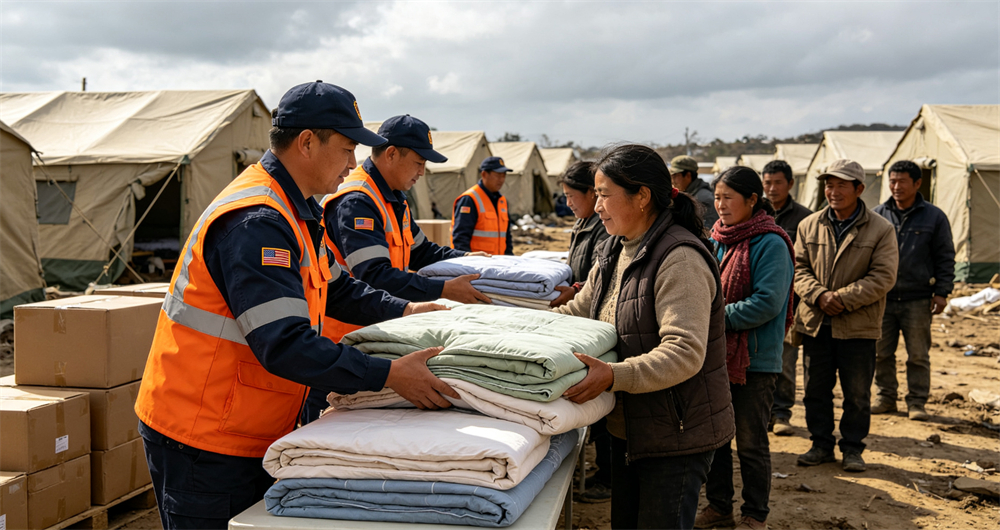
To compare the true cost of different bedding options, use the annual cost formula:
Annual Cost = (Price per Set × Number of Sets) ÷ Expected Lifespan in Years
For example, if a 140GSM polyester set costs $4 and lasts 2 years, the annual cost is $2 per set. A 160GSM poly-cotton set costing $6 and lasting 4 years has an annual cost of $1.50 per set — the premium option is actually cheaper per year.
* Prices are illustrative ranges only. Actual pricing depends on order quantity, customization and current material costs. Request a formal quotation for accurate pricing. Note that all three options have similar 5-year costs — the premium option reduces replacement logistics and improves resident comfort.
Option
Price per Set (Est.)
Lifespan
5-Year Total Cost (Est.)
Budget (120GSM Polyester)
$3
1.5 years
$12 (4 sets)
Standard (140GSM Polyester)
$4
2 years
$12 (3 sets)
Premium (160GSM Poly-Cotton)
$6
4 years
$12 (2 sets)
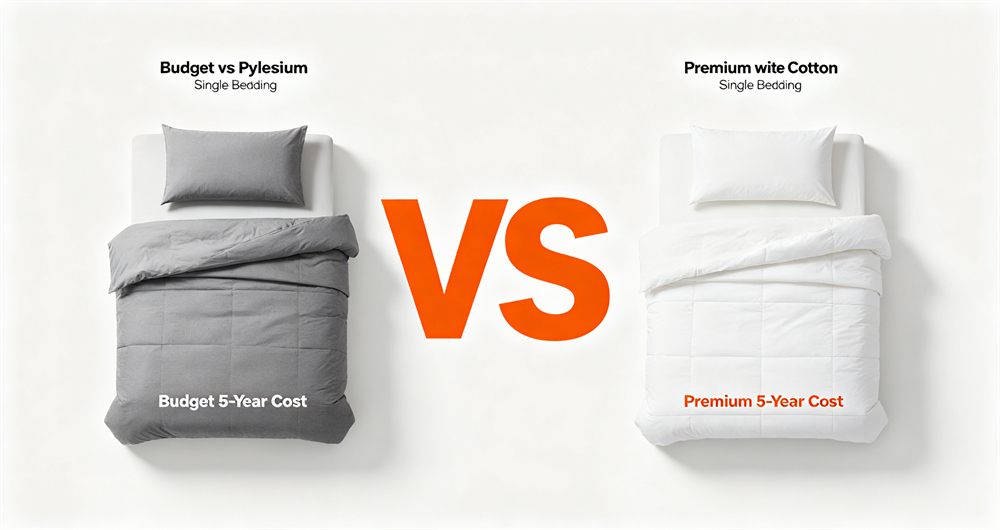
Key Takeaway: While premium poly-cotton bedding costs more upfront, its longer lifespan means similar 5-year total cost to budget options, with the added benefits of better comfort. And fewer replacement logistics.
For operations lasting over 1 year, 160GSM poly-cotton offers the best long-term value. All lifespan data are estimates — actual results vary by camp conditions.
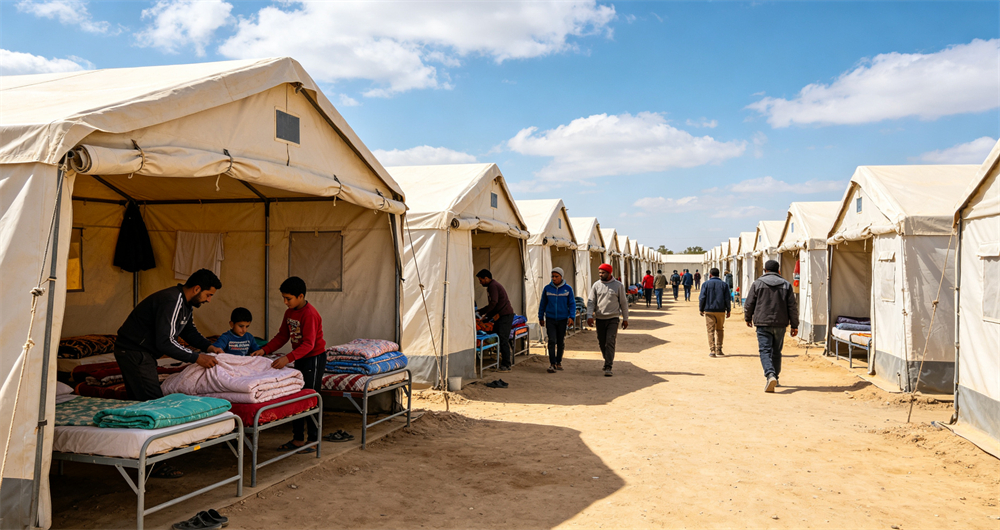
Our budget bedding serves a wide range of humanitarian and emergency scenarios. Each scenario has specific requirements for fabric, GSM and set configuration.
Long-term refugee camps house populations for months or years. Bedding must be durable, comfortable enough for extended use and suitable for camp laundry conditions.
Following natural disasters or conflicts, emergency shelters require immediate bedding supply. Cost efficiency and rapid delivery are priorities, and bedding may be used for weeks to months.
IDP camps often operate for extended periods with uncertain durations. Bedding should balance economy with durability, as camps may transition from emergency to long-term status.
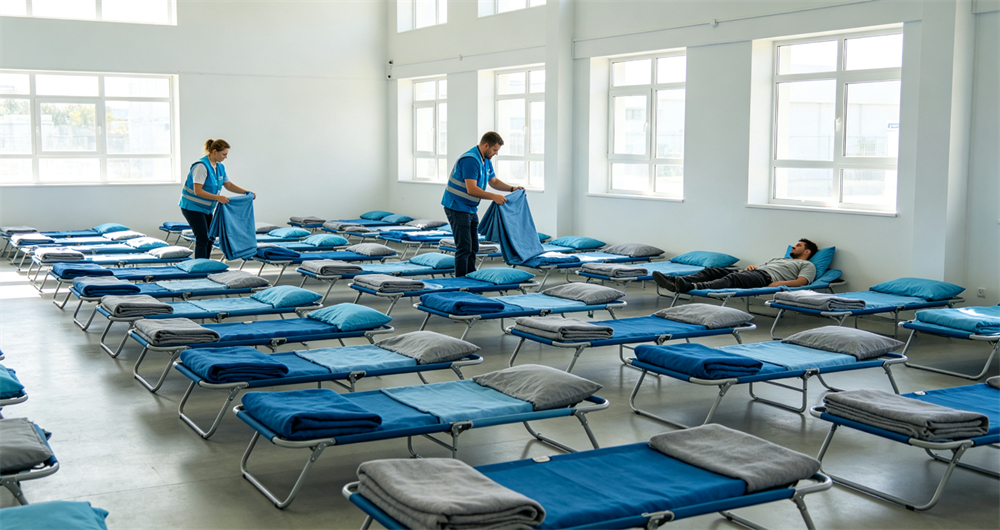
Transit centers and emergency shelters have high turnover, with residents staying for days to weeks. Bedding must be easy to clean between users and withstand frequent changes.
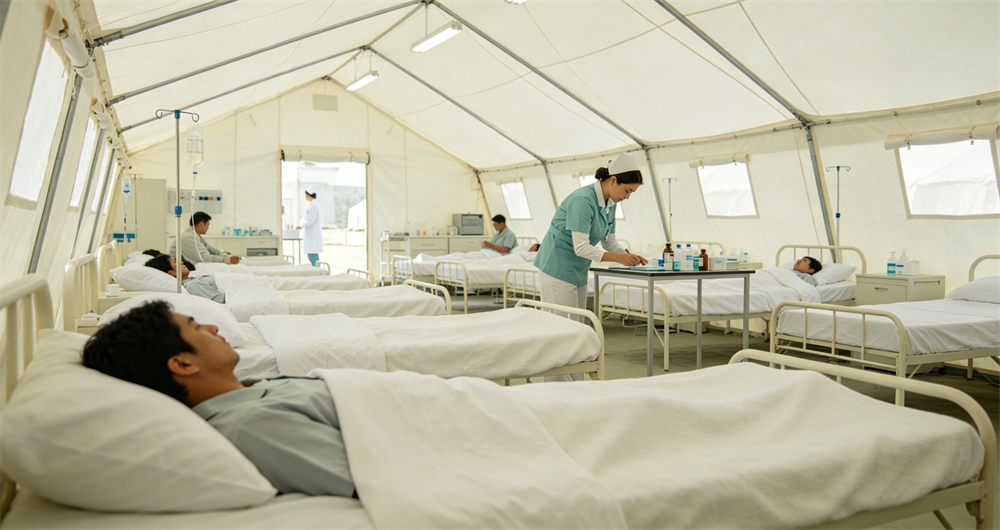
Medical facilities within camps require higher hygiene standards. Bedding must withstand more frequent washing and potentially higher temperatures for infection control.
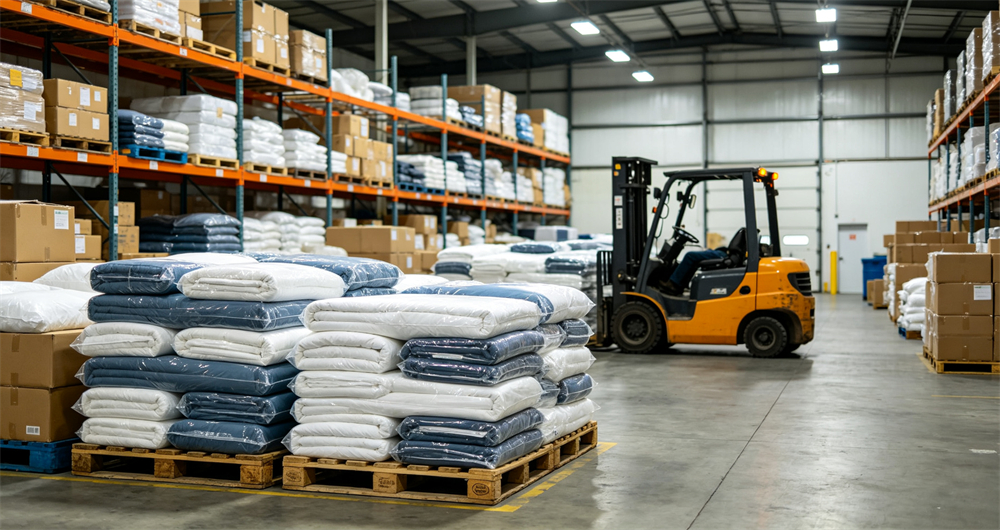
Organizations maintaining emergency stockpiles need bedding that stores well, has a long shelf life and can be deployed quickly. When disasters occur.
Cold-weather refugee operations require warmer bedding, including thicker duvets and additional blankets. Our complete sets with duvet inserts provide essential warmth for winter camps.
Key Takeaway: Different camp scenarios require different bedding. Long-term camps use 140-160GSM poly-cotton, emergency relief uses 120GSM polyester, and medical areas use 160-180GSM cotton. Matching bedding to the specific scenario ensures cost efficiency and adequate comfort for residents.
Explore related bedding solutions: School Dormitory Bedding, Emergency Relief Bedding, Hospital & Medical Bedding.
Choose emergency shelter bedding that balances cost, durability and comfort for long-term camp use.
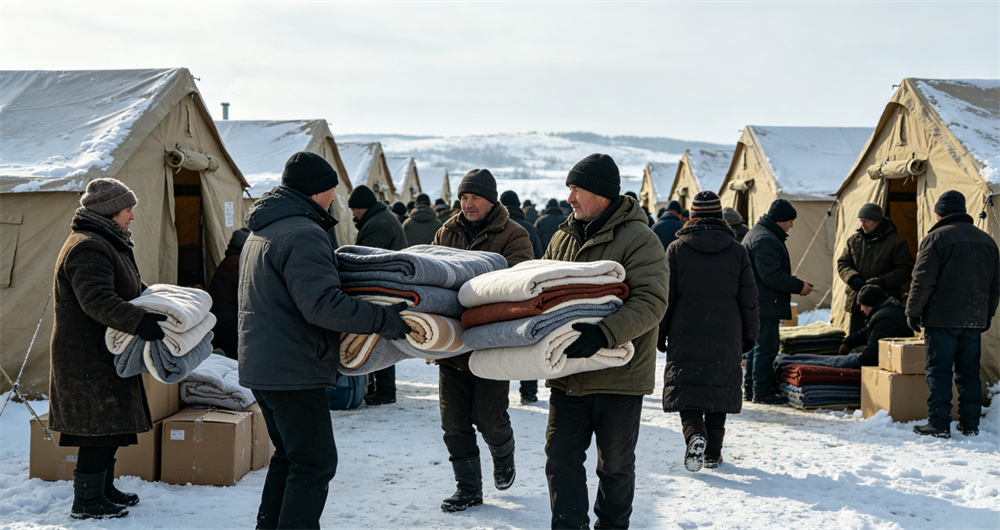
Humanitarian procurement requires a supplier who understands the unique challenges of camp operations: tight budgets, strict deadlines, large quantities. And consistent quality across batches.
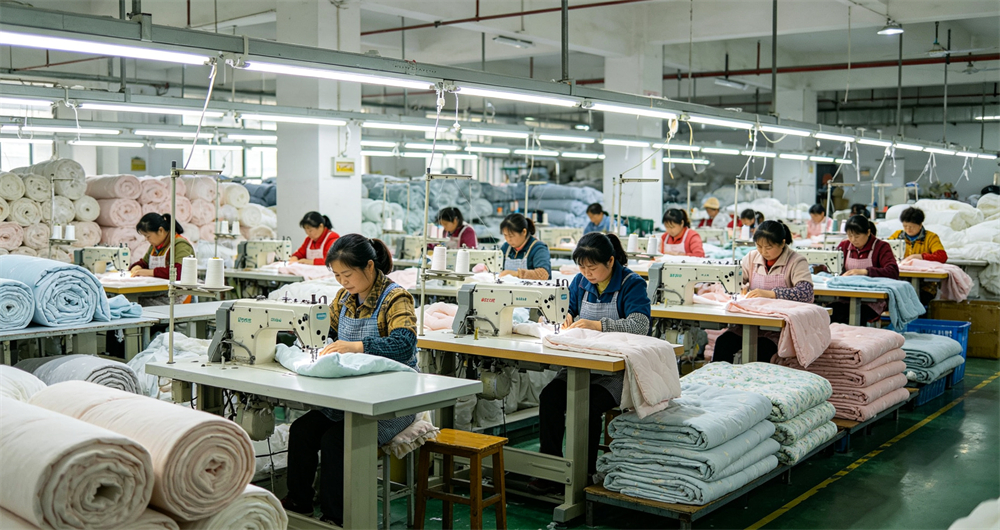
We supply bedding to humanitarian aid organizations including UNHCR-funded programs, Red Cross relief operations and international NGO procurement teams. Our experience with donor-funded and grant-funded orders means we understand the documentation, certification and delivery timelines required by institutional buyers.
YRF Textile has over 20 years of experience manufacturing and exporting textiles to institutional, government. And humanitarian buyers worldwide. We understand the documentation, quality and delivery requirements of aid organizations.
As a direct manufacturer, we offer factory-direct pricing that maximizes your budget. For large humanitarian orders, every dollar saved means more people receive essential bedding.
We can scale production to meet the demands of large camp operations. Our production capacity handles orders from 1,000 to 100,000+ sets with consistent quality across all batches.
All camp bedding can be vacuum compressed to reduce shipping volume by 50-60%, significantly lowering freight costs per unit — a critical factor for humanitarian organizations shipping to remote locations.
We understand that emergency operations cannot wait. Our production planning prioritizes urgent humanitarian orders, and we maintain buffer capacity for rapid response requirements.
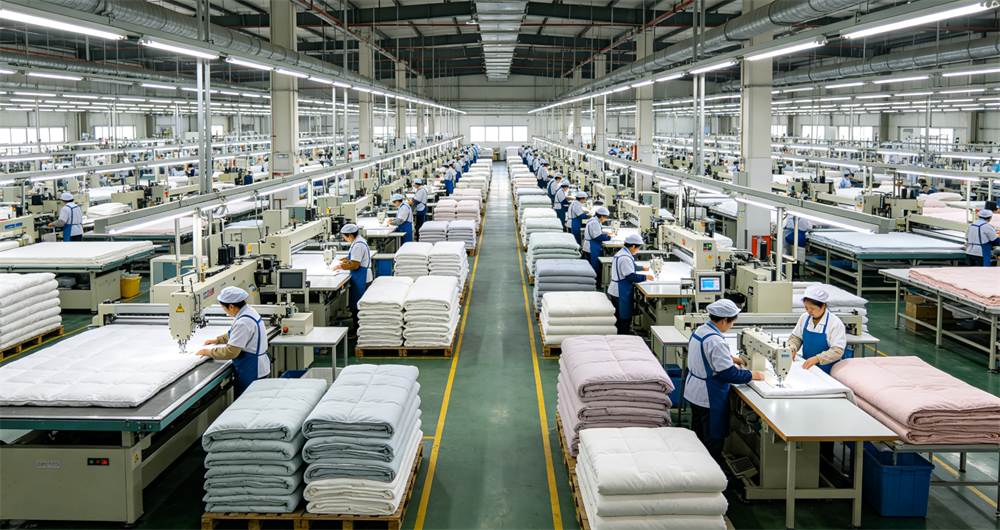
Typical Camp Bedding Projects (Reference Only)
Refugee Camp Program
20,000 sets of 140GSM polyester 3-piece bedding, blue and grey, vacuum compressed, delivered to East Africa camp operation.
Emergency Disaster Relief
10,000 sets of 120GSM polyester 2-piece bedding, rapid production and delivery for earthquake response in Southeast Asia.
Winterization Program
8,000 complete sets with 350g/m² duvet inserts and pillows, 160GSM poly-cotton covers, for cold-weather camp operation in Central Asia.
IDP Camp Long-Term
15,000 sets of 160GSM poly-cotton 3-piece bedding, with organization logo labels, for multi-year IDP camp in West Africa.
* Typical project references are for illustration only. Final specifications, pricing and delivery are subject to order confirmation. Specific client names are not disclosed.
Key Takeaway: YRF Textile offers 20+ years of experience, factory-direct pricing, large-scale production capacity, vacuum compression shipping. And reliable emergency delivery. We serve refugee camps, disaster relief operations, IDP camps and humanitarian stockpile programs worldwide.
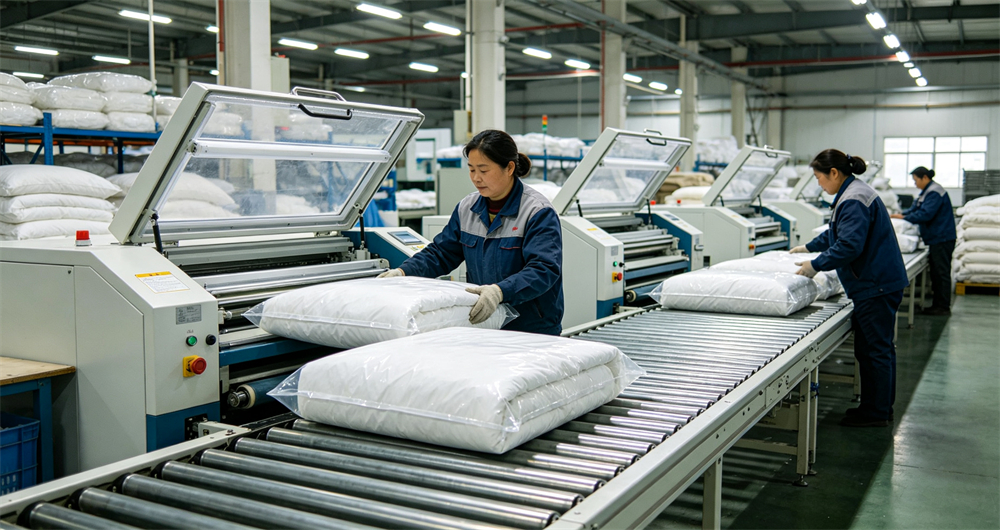
Humanitarian procurement requires verifiable quality assurance. We provide relevant certifications and test reports, with quality control processes ensuring consistent quality across large batches.
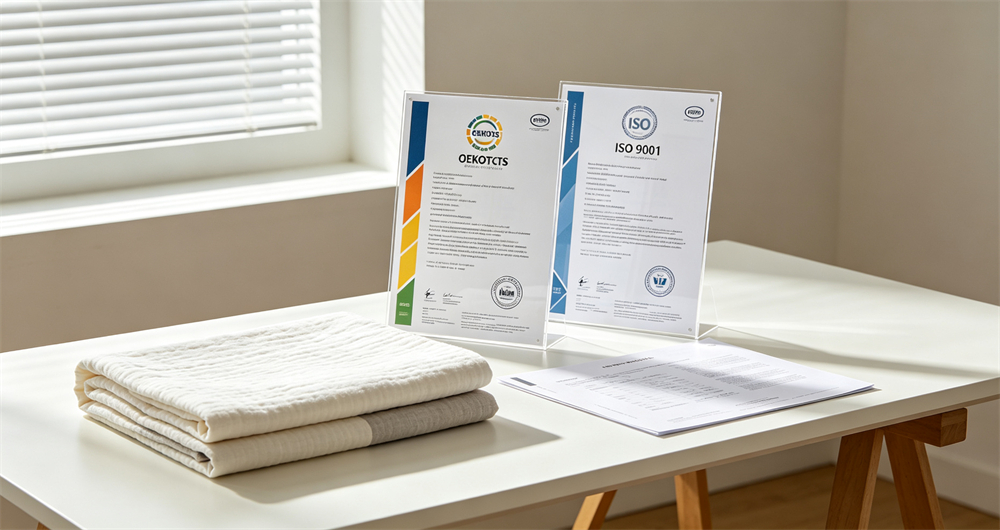
Our quality control process covers every production stage to ensure consistent quality across large camp orders:
We can provide English-language test reports for tender submissions. Commonly requested reports include fabric composition analysis, GSM verification, color fastness, shrinkage, tear strength. And pilling resistance. Confirm which specific documents your tender requires, and we will provide them accordingly.
Key Takeaway: We provide OEKO-TEX, ISO and relevant test reports for humanitarian bedding procurement. Our 5-stage quality control process ensures consistent quality across large batches. Confirm which certifications your tender requires, and we will provide the necessary documentation.
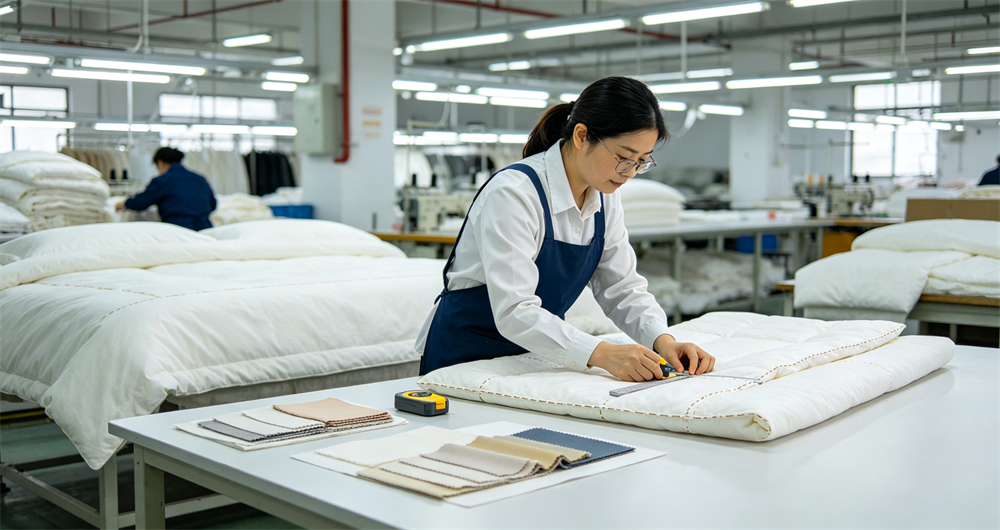
We are experienced with UN procurement procedures, NGO tender processes and Red Cross bid requirements. Our team can provide the documentation and samples needed for humanitarian agency evaluations.
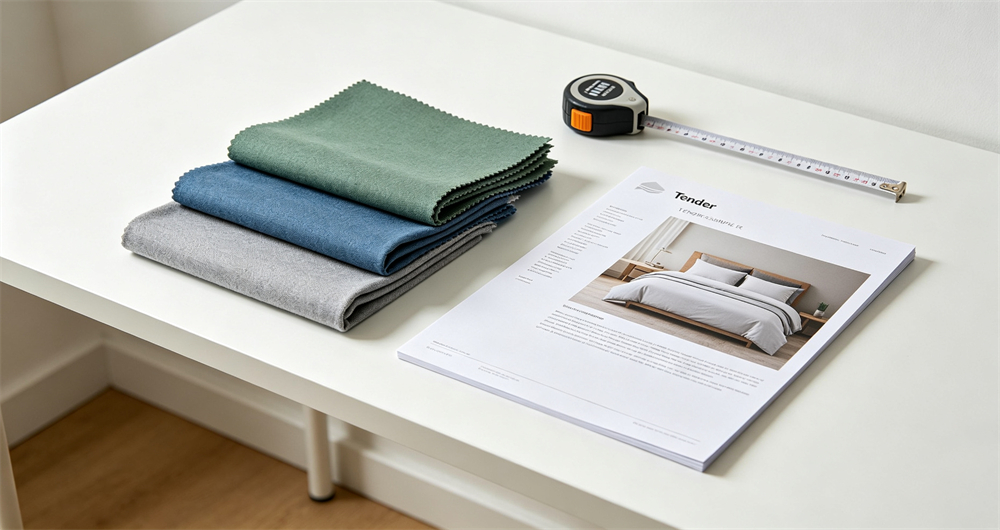
Many camp bedding purchases go through formal tender or bid processes, especially for UN agencies, NGOs. And government humanitarian programs. We provide comprehensive tender support to help you win and fulfill these contracts.
We can provide the following documents in English for tender submission:
Tender processes often require physical samples for evaluation. We can provide:
If your tender requires specific technical parameters, we can format product specifications according to your tender document format. This includes detailed technical data sheets, material safety information and compliance declarations for required standards.
For large humanitarian tenders, buyers may require factory verification. We support:
We respond to tender-related inquiries within 24 working hours. For complex technical questions, our team provides detailed answers within 48 working hours. We understand tender deadlines and prioritize fast, accurate responses.
Key Takeaway: We provide complete tender support including documents, samples, technical specification formatting. And factory audits — especially valuable for un, ngo and government humanitarian procurement. Share your tender requirements, and we will provide the necessary support.
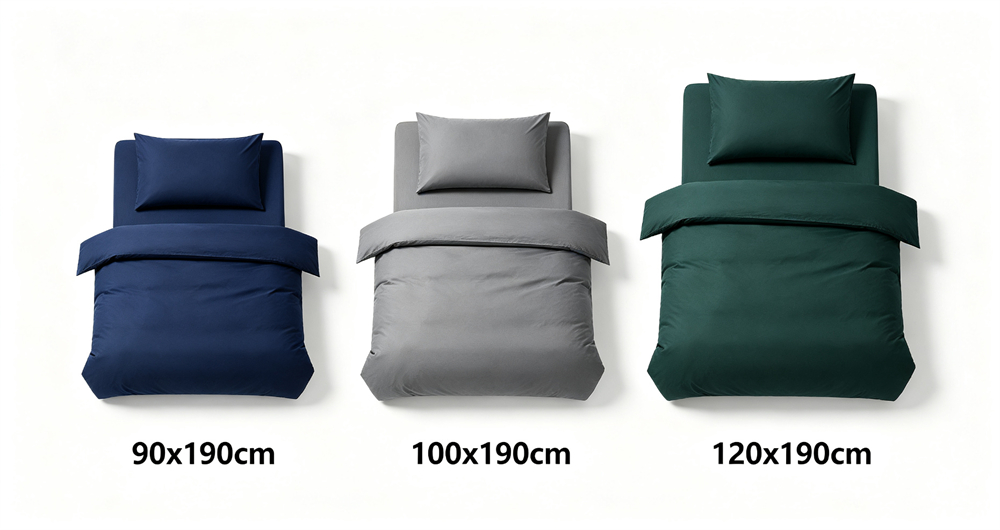
While camp bedding is often standardized, we offer customization options to meet organizational requirements, donor specifications. And camp-specific needs.
Custom emergency shelter bedding can include agency logos, ID labels, colour-coding by camp zone. And language-specific care tags — all specified before production begins.
Key Takeaway: We offer 6 categories of customization: logo/labeling, color, size, fabric/treatment, set composition and packaging. The most popular camp customizations are organization logo labels, standard camp colors, vacuum compression packaging. And individual set packaging for distribution.
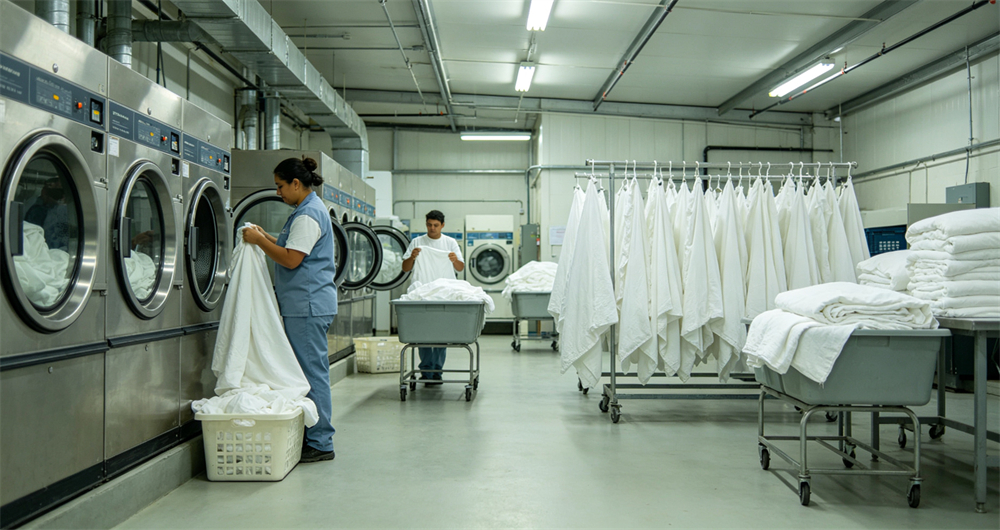
Proper washing and maintenance extend the life of camp bedding and reduce replacement costs. This guide covers recommended practices for camp laundry conditions, where facilities may be basic.
|
Camp Area |
Recommended Frequency |
Wash Temperature |
Drying Method |
|
General Family Shelter |
Weekly or bi-weekly |
30-40°C |
Line drying |
|
Shared Dormitory |
Weekly |
40-60°C |
Line or machine |
|
Camp Clinic/Medical |
After each patient or daily |
60-90°C |
Machine drying |
|
Staff Accommodation |
Weekly |
40-60°C |
Line or machine |
|
Children's Center |
2-3 times per week |
40-60°C |
Line drying |
|
Transit Center |
After each user |
40-60°C |
Machine drying |
Laundry is a significant ongoing cost in camp operations:
Key Takeaway: Polyester washes at 30-40°C, poly-cotton at 40-60°C, cotton at 60-90°C for medical use. Polyester has the lowest maintenance cost (no ironing, fastest drying, low-temperature wash). Follow 7 camp laundry best practices to maximize bedding lifespan and reduce replacement costs.
For camp operations that reorder bedding over months or years, color consistency is important to maintain a uniform appearance. And simplify inventory management. We implement strict color management for all camp orders.
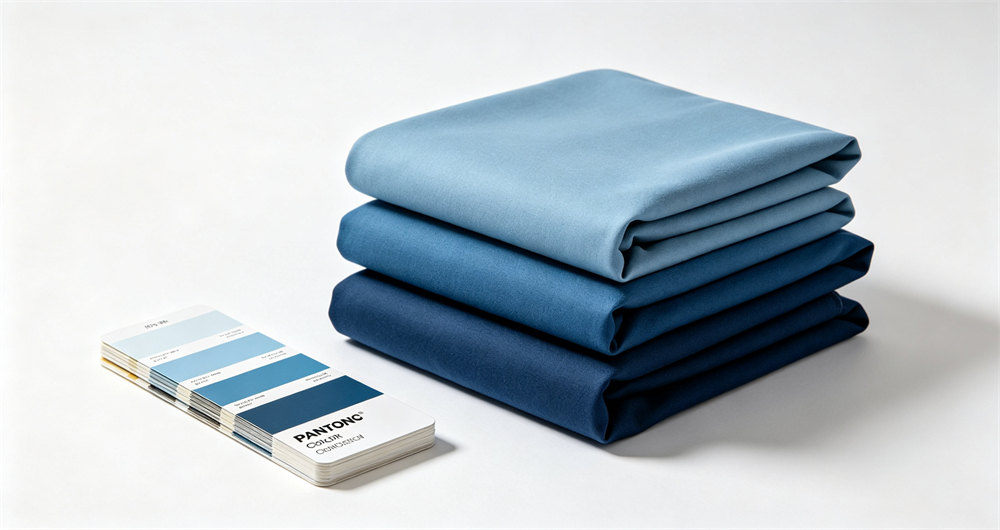
We use the CIE L*a*b* color measurement system to quantify color differences. Our color consistency targets are:
Every standard and custom color is assigned a Pantone reference number for precise reproduction:
For organizations placing repeat orders over months or years, follow this process to ensure color consistency:
Key Takeaway: We use Pantone color management to ensure same-batch ΔE≤1.5 and cross-batch ΔE≤2.5. Always reference your original order number for reorders to match archived color standards. Blue and grey are the most practical camp colors — they hide dirt and are widely accepted across cultures.
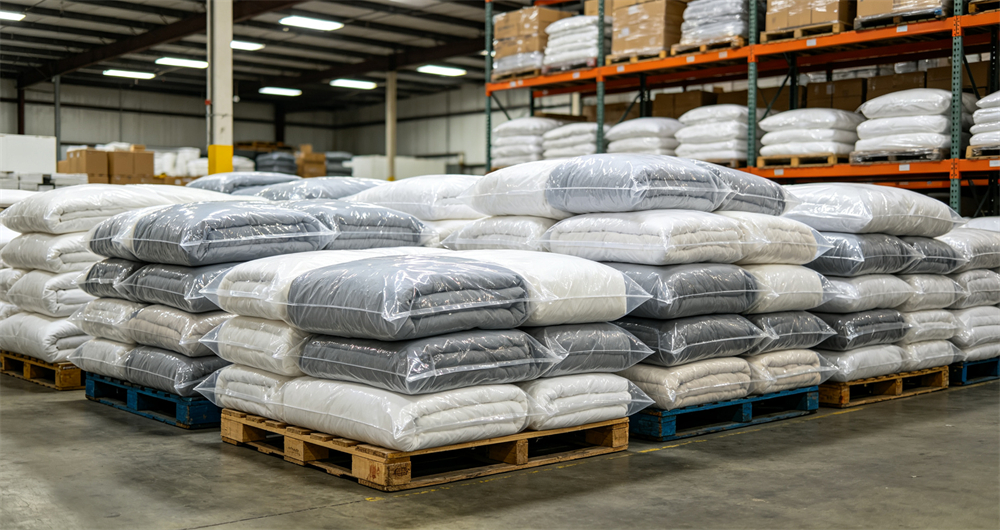
Efficient packaging and reliable shipping are critical for humanitarian shipments, which often travel long distances to remote locations. We offer packaging options optimized for camp logistics.
Each emergency shelter bedding order is packed to maximize container utilization — vacuum-sealed sets reduce volume by up to 60%, lowering per-unit shipping cost for large humanitarian shipments.
For large camp shipments, we strongly recommend vacuum compression:
For programs that distribute bedding directly to families:
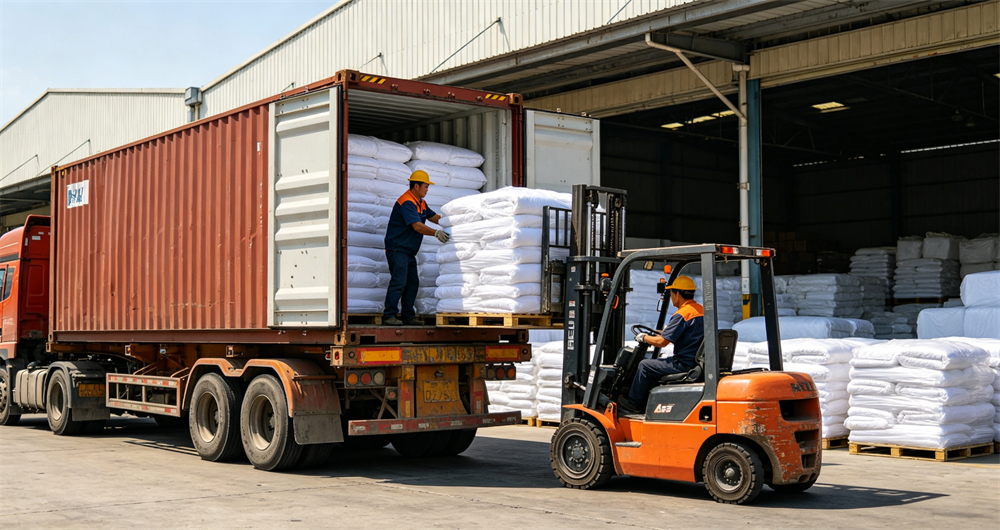
Container Loading Reference
The following are approximate loading quantities for reference only. Actual loading depends on GSM, set composition and packaging method. Confirm exact loading with your quotation.
* Loading quantities are estimates for reference. Actual capacity depends on product specifications and packaging method. Confirm with order confirmation.
Container Type
Standard Packaging (Est.)
Vacuum Compressed (Est.)
20ft GP
3,000-5,000 sets
6,000-10,000 sets
40ft GP
6,000-10,000 sets
12,000-20,000 sets
40ft HQ
7,000-12,000 sets
14,000-22,000 sets
We provide standard shipping documents for customs clearance, including commercial invoice, packing list, bill of lading. And certificate of origin. Additional documents (health certificate, fumigation certificate, etc.) available based on destination country requirements.
Key Takeaway: Vacuum compression is strongly recommended for camp shipments — it reduces volume by 50-60%. And significantly lowers shipping costs. Individual labeled packaging is available for direct family distribution. Standard production is 15-25 working days. All loading data are estimates — confirm with your order.
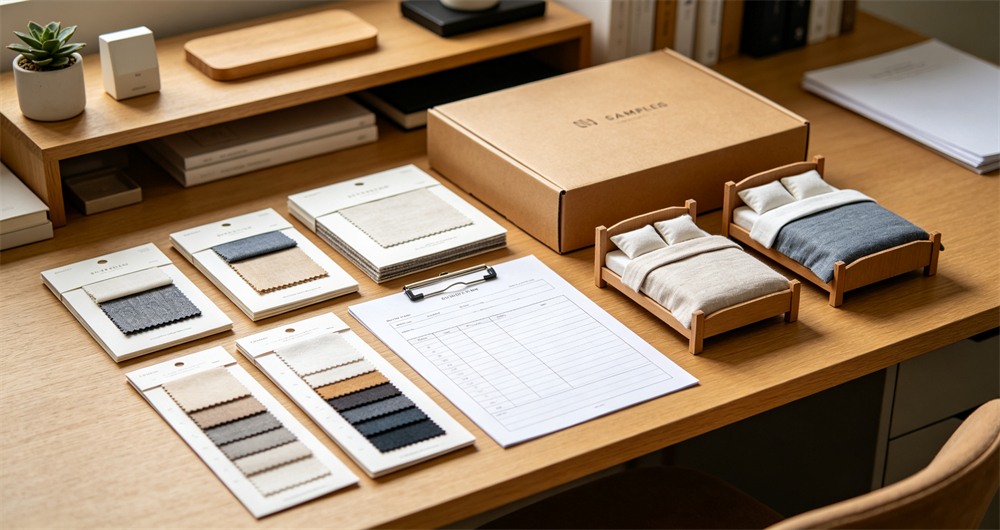
Before committing to a large camp bedding order, we recommend evaluating samples to confirm fabric quality, color, size and workmanship. Our sample and trial order process is designed to minimize risk and ensure satisfaction before bulk procurement.
Important: Sample fees vary by sample type, customization level and quantity. Always confirm before production. We do not offer free samples — customized samples involve significant material and labor costs.
Sample Type
Contents
Delivery Time (Est.)
Fabric Swatch Card
Color and fabric samples (8-12 swatches)
3-5 working days
Standard Finished Sample
1 set in standard size and color
5-7 working days
Custom Size Sample
1 set in your specified dimensions
7-10 working days
Custom Logo Sample
1 set with your embroidery or printed label
10-15 working days
Complete Set with Inserts
1 set including pillow and duvet inserts
7-10 working days
For first-time buyers or new product specifications, we recommend a trial order before full procurement:
When evaluating samples, check these 5 key dimensions:
Key Takeaway: Sample fees vary by type and customization — always confirm before production. We recommend fabric swatch → finished sample → 100-500 set trial order → bulk order. Use the 5-point checklist (color, size, fabric, workmanship, packaging) to evaluate samples before committing to large camp orders.
Q: What is the minimum order quantity for camp bedding?
A: Minimum order quantity depends on product specifications and customization level. Standard colors and sizes typically have lower MOQs, while custom colors or special treatments may require higher quantities. Exact MOQ is confirmed with your quotation, subject to order confirmation.
Q: Can camp bedding be washed by hand in camp conditions?
A: Yes, our polyester and poly-cotton bedding is suitable for hand washing in camp conditions. Polyester is especially easy to wash by hand and dries quickly on lines. We recommend using mild detergent and avoiding bleach for polyester. Cotton bedding requires more effort to wash by hand and takes longer to dry.
Q: Do you provide pillow and duvet inserts along with covers?
A: Yes, we offer complete bedding sets including pillow inserts and duvet inserts. Our standard camp pillows use hollow conjugated polyester fiber fill (500-1000g),. And duvets are available in 200-500g/m² fill weights for different climate needs. Complete sets provide a turnkey solution for new shelter setup.
Q: How long does camp bedding last in actual camp use?
A: Lifespan depends on fabric, GSM and washing frequency. As a general guide: 120GSM polyester lasts 6-12 months, 140GSM polyester lasts 1-2 years, 140GSM poly-cotton lasts 2-3 years,. And 160gsm poly-cotton lasts 3-5 years with weekly washing. Actual lifespan varies based on camp conditions, laundry practices and usage intensity.
Q: Can you produce bedding with our organization's logo?
A: Yes, we offer screen printing and woven label options for organization branding. Screen printing is the most cost-effective for high-volume camp orders. Custom logo samples are available before bulk production. Logo placement can be on pillowcases, duvet covers or sheet corners.
Q: What packaging is best for camp distribution?
A: We recommend vacuum compressed packaging for shipping (saves 50-60% volume), with individual polybag packaging for distribution to families. Each set can be labeled with your organization logo and contents in local languages. This combination minimizes shipping cost while making distribution efficient.
Q: Can you meet tight delivery deadlines for emergency operations?
A: Yes, we prioritize emergency humanitarian orders. Standard production is 15-25 working days, but for urgent emergency response, we can expedite production with advance notice. Air freight is also available for the most time-sensitive shipments. Contact us with your deadline, and we will confirm feasibility.
Q: Do you provide tender documents for NGO and UN procurement?
A: Yes, we provide a full set of tender documents including company certificates, ISO 9001, OEKO-TEX fabric certification, product test reports, factory audit reports. And commercial documents. We can also format technical specifications according to your tender requirements. Share your tender documents, and we will provide the necessary support.
Q: What colors are most suitable for refugee camps?
A: Blue and grey are the most popular camp colors because they hide dirt well, have a calm appearance. And are widely accepted across cultures. Green and khaki are also good options for outdoor environments. White is required for medical areas but shows dirt easily. We recommend solid colors over patterns for easier replacement matching.
Q: Can I order individual pieces instead of full sets?
A: Yes, individual pieces (sheets, pillowcases, duvet covers) are available for replacement orders or supplementing existing inventory. This is useful for camps that need to replace worn pieces without ordering full sets, or for facilities that use different piece configurations.
Q: How many sets should I order per person?
A: We recommend 1.5 to 2 sets per person to allow for washing rotation. One set per person is not recommended because there is no backup while bedding is being washed. For medical areas, 3-4 sets per bed are recommended due to more frequent changes. Calculate your total quantity based on population × sets per person.
Q: What payment terms do you accept?
A: Standard payment terms are T/T 30% deposit, 70% balance before shipment. For established customers or large tender orders, alternative payment terms may be discussed. Letters of credit at sight from reputable banks are acceptable. Final payment terms are confirmed in your order contract.
Key Takeaway: Most common questions concern MOQ, hand-washing suitability, complete sets with inserts,. Lifespan, logo customization, packaging, emergency delivery, tender documents, colors, individual pieces, quantity per person and payment terms. All specific numbers (MOQ, lead time, pricing) are subject to order confirmation.
Emergency shelter bedding is specifically designed for high-volume, low-cost deployment in temporary housing. It uses durable, easy-to-wash fabrics and compact packaging to minimize transport costs — key considerations for refugee camp operations.
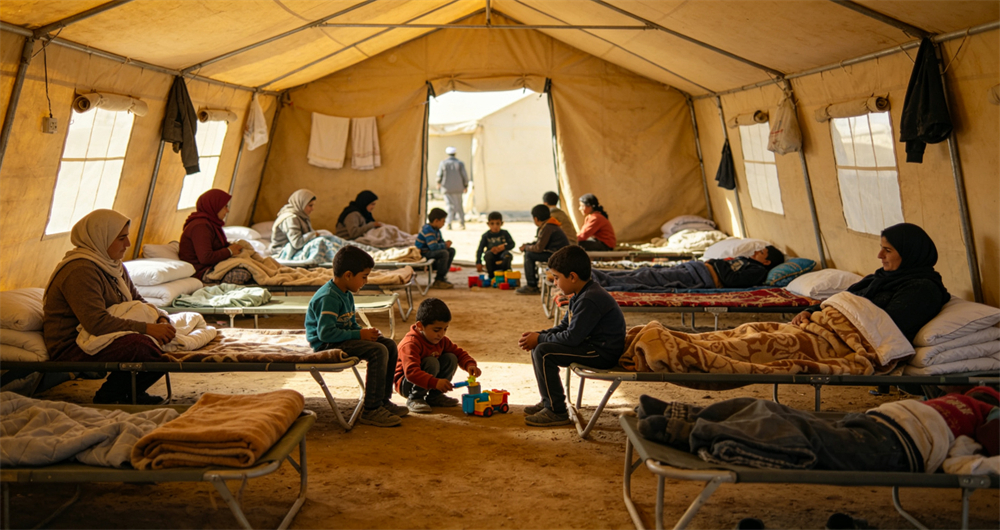
Camp bedding is often procured alongside other essential humanitarian products. Explore our related product lines for complete shelter and relief solutions.

← Back to Institutional Bedding Aggregation Page — Explore all 7 bedding scenarios and compare product lines.
Key Takeaway: Camp bedding pairs with folding mattresses and emergency blankets for complete shelter solutions. Related products include institutional bedding, hospital bedding, folding mattresses, emergency blankets and shelter tents. Return to the aggregation page to explore all institutional bedding options.
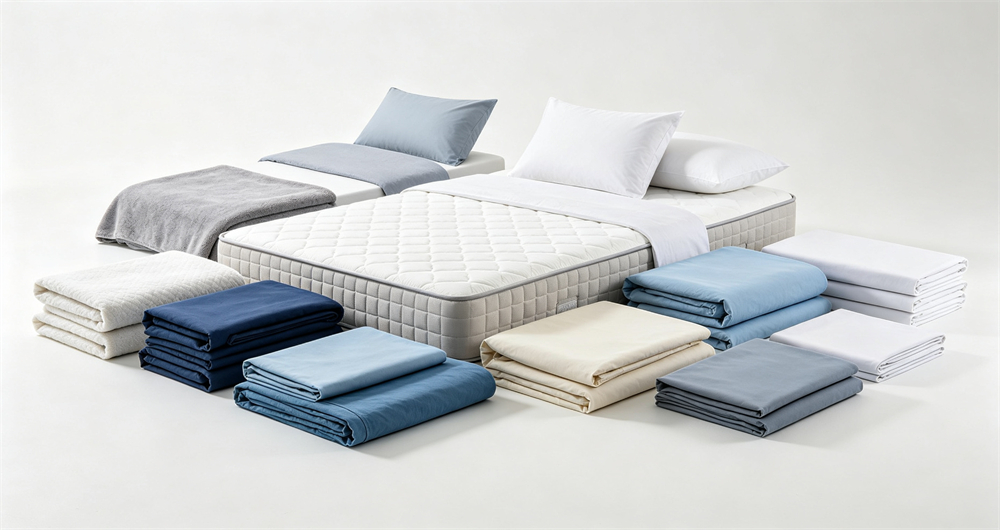
Contact us today for a detailed quotation tailored to your camp operation's specific requirements. Our team will respond within 24 working hours with product recommendations, pricing and delivery options.
Quick Quote Checklist — send these for a fast quotation:
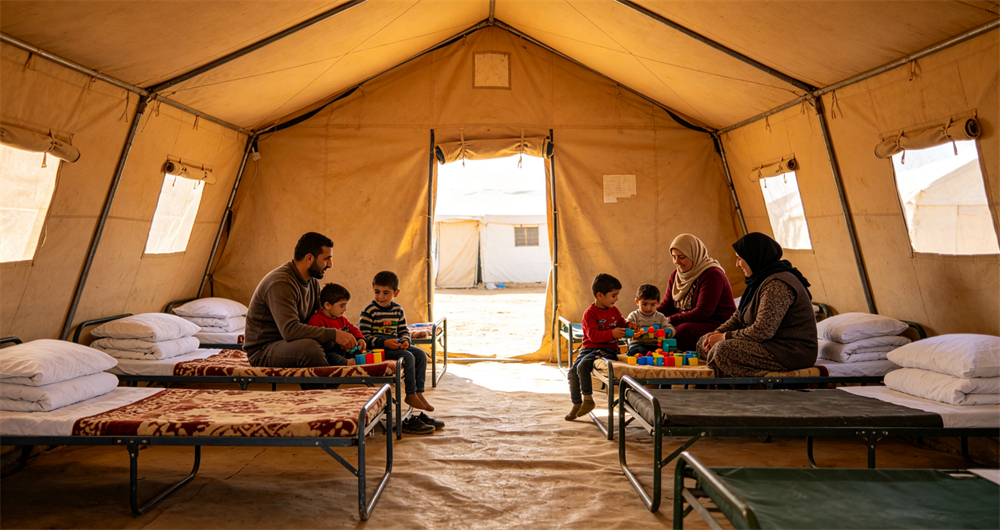
Email: info@yrftextile.com | Response within 24 working hours | Over 20 years of institutional textile experience
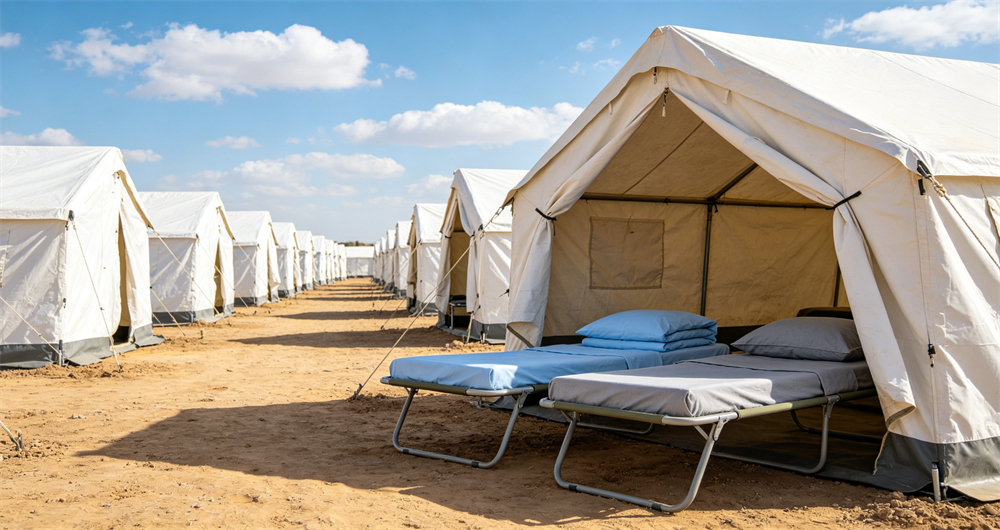
Previous :
Military Bedding Sets - Wholesale Police Barracks Dormitory BeddingNext :
Hotel Bedding - Wholesale Hospitality & Boutique Hotel Linen YRF-Wholesale Vanuatu Extremely absorbent towels,Police Blue blended Wool blanket,Double bed Bedding
Our bedding sets for emergency relief and humanitarian assistance. Military and national defense. Fire department, medical care department. Prison facilities, government agencies and the police. Camping, picnicking and outdoor leisure are proud to provide high-quality bedding solutions. We are committed to bringing innovation and technology to every user to make you have a good dream every day.
 YRF-WholesaleIndonesia High quality Green wash towels,Medical Care Gray Wool blended Blanket,Green Bed Quilt Cover
Our bedding sets for emergency relief and humanitarian assistance. Military and national defense. Fire department, medical care department. Prison facilities, government agencies and the police. Camping, picnicking and outdoor leisure are proud to provide high-quality bedding solutions. We are committed to bringing innovation and technology to every user to make you have a good dream every day.
 YRF-Made in ChinaJordan High quality Green wash towels,Police Blue blended Wool blanket,Maximum comfort Mattress Pad
Our bedding sets for emergency relief and humanitarian assistance. Military and national defense. Fire department, medical care department. Prison facilities, government agencies and the police. Camping, picnicking and outdoor leisure are proud to provide high-quality bedding solutions. We are committed to bringing innovation and technology to every user to make you have a good dream every day.
 YRF-ManufacturerJordan 100% cotton Green hand towels,Police Blue blended Wool blanket,anti-bacterial Quilt
Our bedding sets for emergency relief and humanitarian assistance. Military and national defense. Fire department, medical care department. Prison facilities, government agencies and the police. Camping, picnicking and outdoor leisure are proud to provide high-quality bedding solutions. We are committed to bringing innovation and technology to every user to make you have a good dream every day.
 YRF-Wholesale Georgia Soft cotton Blue Bath towels,Police Blue blended Wool blanket,Cotton Fabric Quilt Cover
Our Military 100% Cotton Bedding Set for emergency relief and humanitarian assistance. Military and national defense. Fire department, medical care department. Prison facilities, government agencies and the police. Camping, picnicking and outdoor leisure are proud to provide high-quality bedding solutions. We are committed to bringing innovation and technology to every user to make you have a good dream every day.
 YRF- Canary Islands Government Agencies blended Wool blanket,Extremely absorbent towels,Beige Quilt,Best Price
Our Encampment 100% Cotton Sets Bedding for emergency relief and humanitarian assistance. Military and national defense. Fire department, medical care department. Prison facilities, government agencies and the police. Camping, picnicking and outdoor leisure are proud to provide high-quality bedding solutions. We are committed to bringing innovation and technology to every user to make you have a good dream every day.
Copyright © Custom Disaster - Relief Bedding: Tents, Sleeping Bags, Blankets All Rights Reserved
the professional team to service !