Hazardous Area Lighting Solutions for Mining &
Refinery
Certified hazardous area lighting solutions replace ordinary work lamps before switch-on, since standard lamps can ignite flammable gas unseen. Each hazardous area lighting solutions unit is Ex-rated, IP66-sealed and portable.
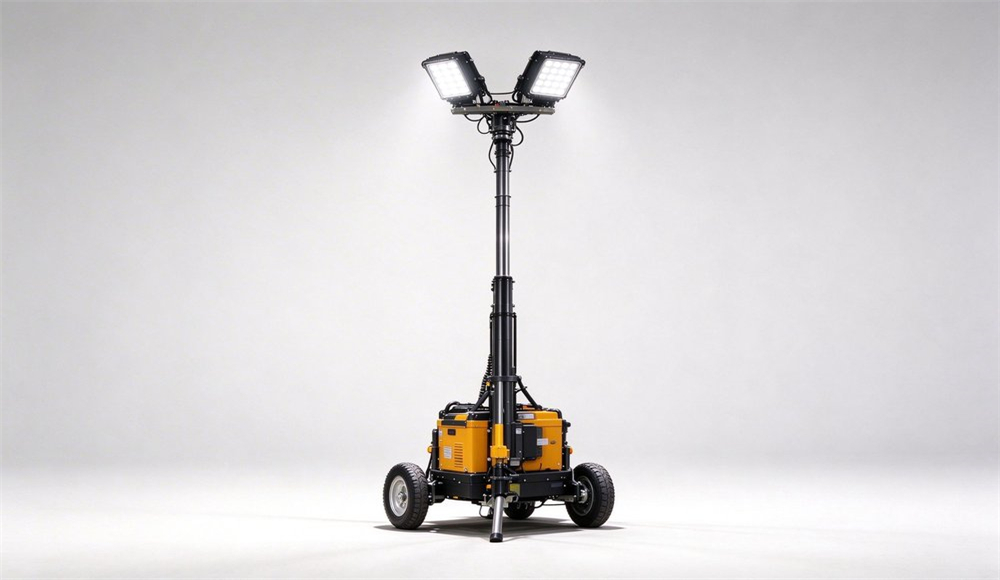
Table of Contents
Hazardous Area Lighting Challenges in Oil, Gas and Mining
Explosion Proof Lighting for Oil and Gas: Zone 1, Zone 2 and Zone 0 Classifications Explained
Explosion Proof Lighting for Oil and Gas: Mobile Towers and Portable Units
Explosion Proof Lighting Setup for Oil and Gas Sites
Hazardous Area Lighting Solutions: Safe Deployment Guide
Hazardous Area Lighting Compliance and Documentation
Hazardous Area Lighting Solutions: Certification Documents for Gas Station and Mine Sites
Hazardous Area Lighting Solutions: Refinery Tank, Loading and Maintenance Zones
Hazardous Area Lighting Solutions for Mining: Maintenance and Safety Cases
Hazardous Area Lighting Solutions Decision Tree: Zone and Refinery Scenario
Hazardous Area Lighting Frequently Asked Questions
Hazardous Area Lighting Solutions: Get Your Ex-Rated Units from Our Supplier
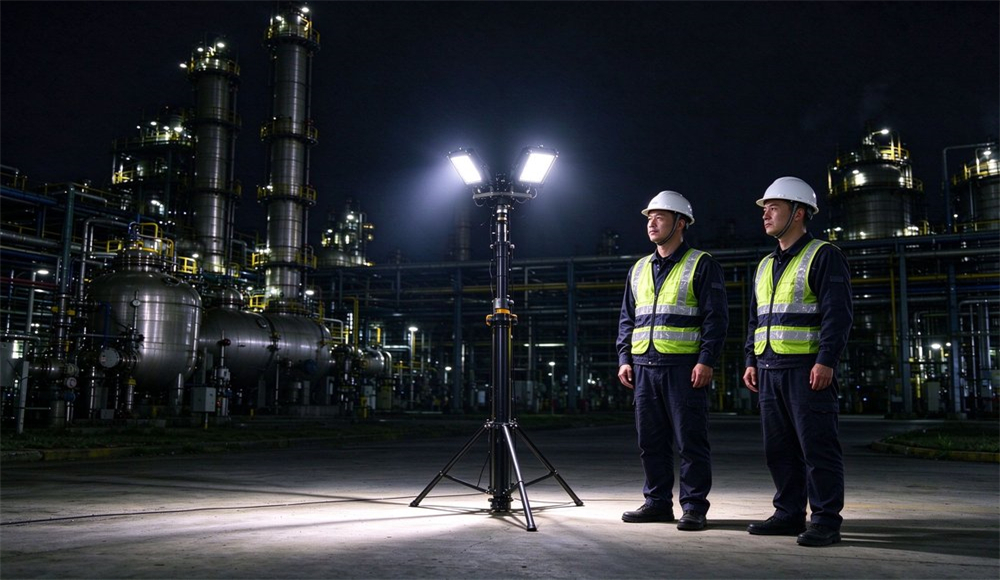
Chemical plants add another layer of risk. Process upsets can release gas near pumps, compressors and loading arms. Standard LED fixtures may look bright enough, but their switches, drivers and hot surfaces are not built for Zone 1 and Zone 2 atmospheres. Hazardous area lighting solutions replaces them with sealed units whose Ex rating matches the site. The light follows the job, and the plant keeps running without a single ignition path. Each unit is tested before dispatch.
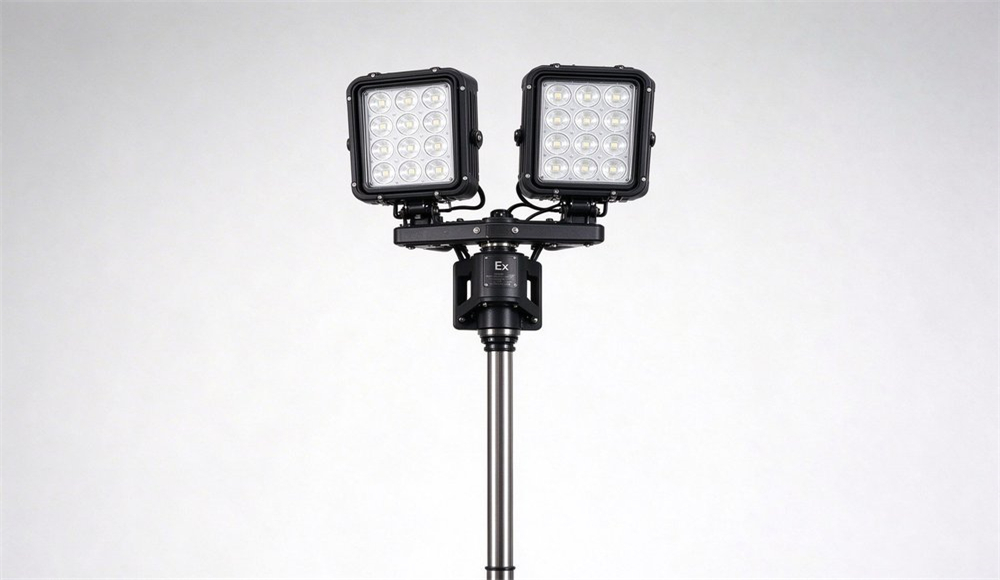
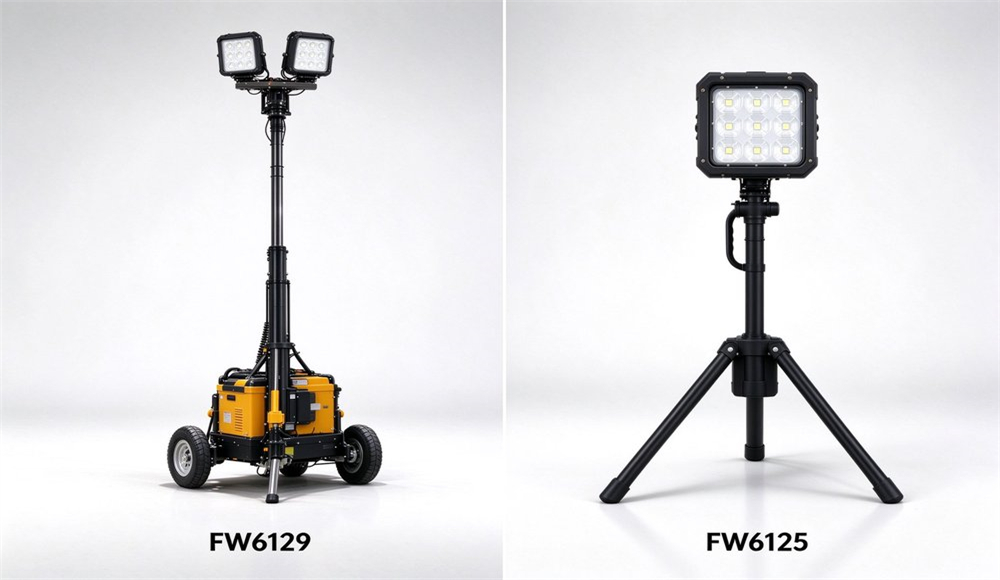
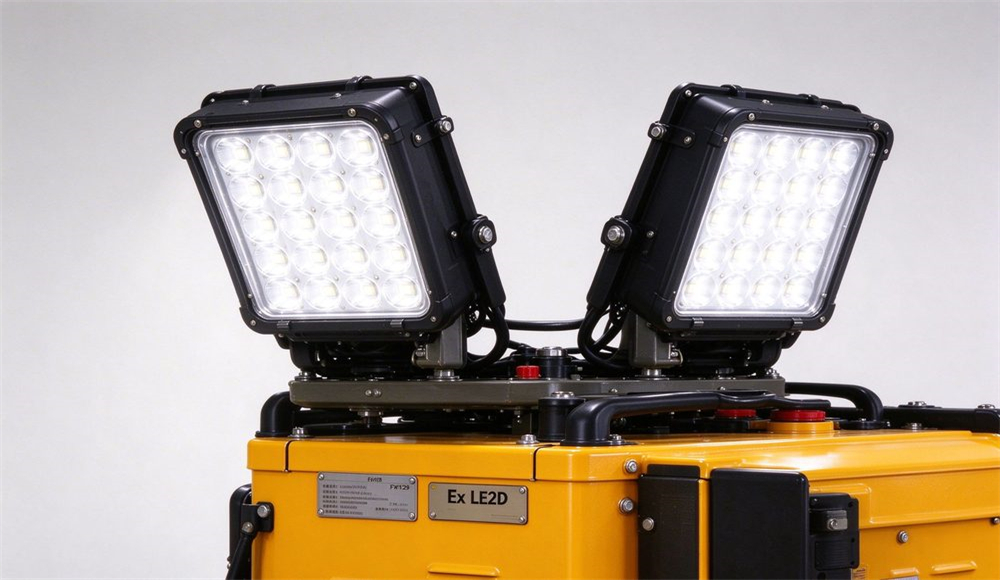
The core unit behind our hazardous area lighting solutions is the FW6129, a compact Ex-rated panoramic mobile light. Its folding mast rises to 4 metres, the unit weighs 13 kg, and three 40 W LED heads deliver 120 watts at IP66. Rain, dust and site mud will not stop the night shift. The exact Ex protection class is confirmed per your configuration order, so the nameplate matches your site Zone before delivery. Operation is simple enough for one crew member.
Picking the right unit for hazardous area lighting solutions starts with Zone classification. Zone 0 means gas is present continuously. Zone 1 means it may appear during normal work. Zone 2 means it appears only briefly during a fault. Hazardous area lighting must match the worst case your site engineer documents. The table below explains each class in plain language, and our deployment section walks through the safe setup steps crews should follow every shift.
Ordinary construction towers are banned inside a refinery fence, because every switched-on device must stay below ignition energy. Hazardous area lighting solutions bring certified Ex-rated mobile lights exactly where the task moves, without fixed wiring or permanent installation. They seal internal arcs, resist rain and dust, and let crews finish the night shift safely. A supervisor walks the route before switch-on to confirm the stand point is clear. The rest of this page explains why ordinary lamps are banned, how to read an Ex nameplate, which light suits tank farms and loading racks, and which documents every shipment should carry.
Inside an oil and gas station, chemical plant or mine yard, flammable gas or vapour can form an explosive mix. Ordinary lamps carry switch arcs and hot surfaces that can ignite it.
Every night shift inside a classified zone therefore begins with a simple question: is this light safe for the atmosphere around it? Crews work around tanks, loading arms, pump houses and conveyor yards, where leaking gas can gather at floor level or linger in low corners. The wrong unit turns an ordinary maintenance task into a permit event, so the first job of explosion proof mobile lighting is to remove that risk before work starts.
Standard construction lighting is simply not allowed inside the classified fence, which is why hazardous area lighting solutions start with certified Ex-rated units. In practice, zone 1 zone 2 explosion proof lighting is mandatory around tank farms.
Night work still must go on. Loading arms, valve stations, pump houses and inspection routes need clear light after dark. Crews must read gauges and walk pipe racks safely. Hazardous area lighting solutions answer that need without an ignition source.
Replace standard work lights with Ex-rated mobile and portable units that form the practical base of our hazardous area lighting solutions. They move with the task, need no fixed wiring, and carry protection matched to the Zone. This is the core logic of zone 1 zone 2 explosion proof lighting. The sections below cover zones, ratings, setup and paperwork.
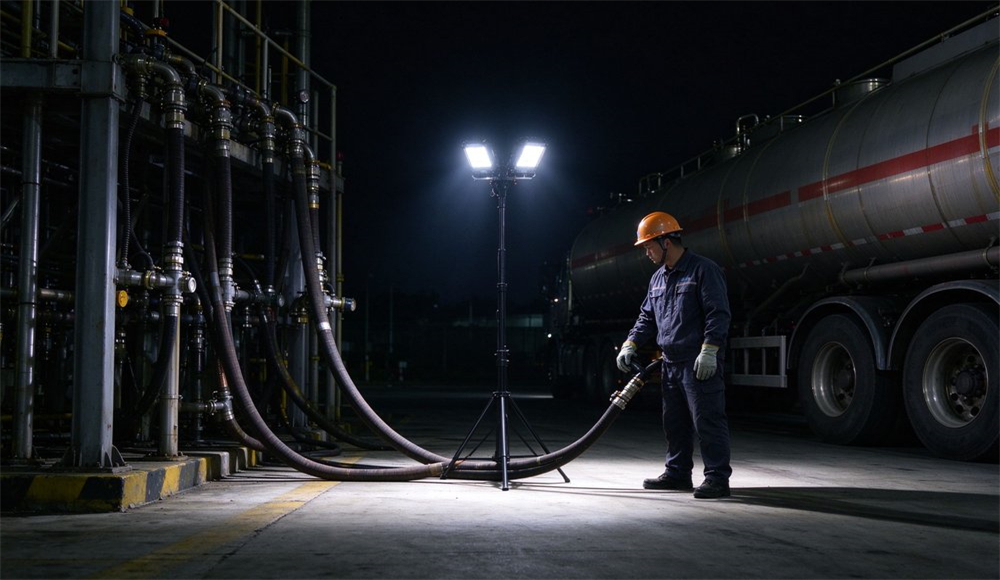
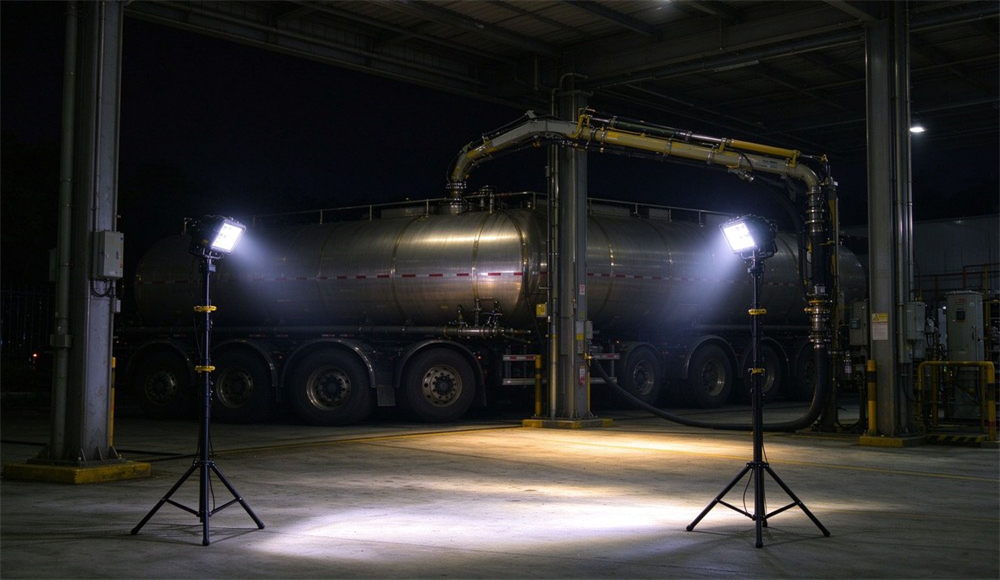
Loading racks and maintenance spots are the two most common after-dark lighting scenes in hazardous area lighting solutions. The rack covers large, moving work areas where trucks stop bay by bay, and crews need light that follows each hose connection. The maintenance spot is small but demands high lux on valves, flanges and pumps. Neither scene may use ordinary construction lamps, because switch arcs and hot surfaces can ignite residual gas in Zone 1 or Zone 2. This is why zone 1 zone 2 explosion proof lighting is mandatory on loading racks and maintenance bays. Every unit deployed here must carry an Ex rating matched to the documented class, with IP66 housing for night rain and dew.
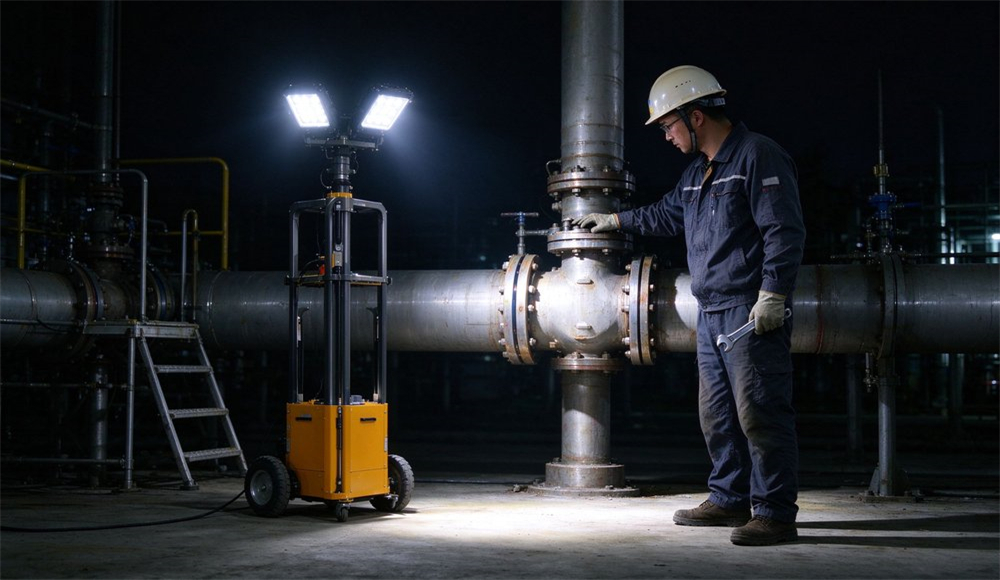
Zone classes describe how often flammable gas is expected. These classes are the filter our hazardous area lighting solutions are built on, and your final rating must follow a formal site risk assessment. The table below summarises the three gas zones used across oil, gas and chemical sites.
The table reads like a site checklist. Zone 0 is where gas is present almost continuously, and no ordinary portable light may enter. Zone 1 covers places where gas can appear during normal operation, so only certified zone 1 zone 2 explosion proof lighting equipment with the matching gas group may be used. Zone 2 covers locations where gas is unlikely, and if it appears it stays brief. Match the unit's marking to the worst case on your site, and the table below gives the practical starting point for each class.
|
Zone class |
Gas presence (industry general) |
Hazardous area lighting typical places |
Hazardous area light beam direction |
|
Zone 0 |
Present continuously or for long periods |
Inside tanks, sealed process vessels |
Higher-level certified equipment, confirm separately |
|
Zone 1 |
Likely during normal operation |
Filling stations, loading arms, pump houses |
Compound Ex-rated mobile lighting |
|
Zone 2 |
Only briefly during abnormal faults |
Tank batteries, pipe racks, perimeter roads |
Standard Ex-rated mobile and portable lights |
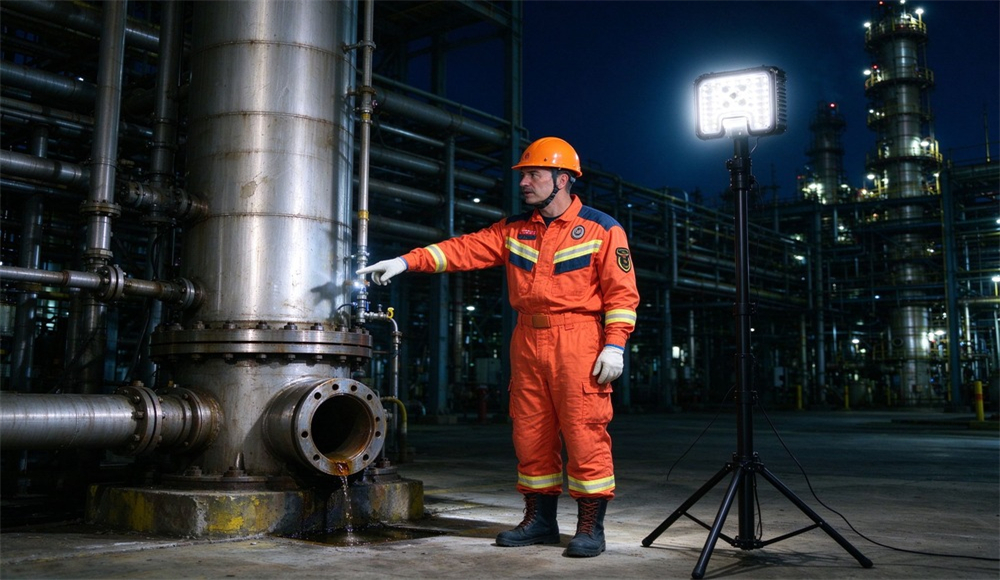
Most after-dark oil and gas work happens in Zone 1 and Zone 2, exactly where these hazardous area lighting solutions focus. This range delivers zone 1 zone 2 explosion proof lighting for every shift. Zone 0 needs a higher certification level, confirmed separately. See the official EU directive on workplace explosive atmospheres. EUR-Lex Directive 1999/92/EC. Our construction lighting standards guide helps wider site planning.
Gas station forecourts are usually managed as Zone 2, while mine surface yards need a documented site risk assessment first. Ex lighting for gas station forecourts must match this Zone 2 class at every fuel pump island. Where one depot runs both fuel filling and mine-surface delivery, the same ex lighting for gas station units carries over to the mining hazardous area lighting checklist once the Zone rating is confirmed per site.
The zoning result decides the light direction for these hazardous area lighting solutions; experience cannot transfer one site to another.
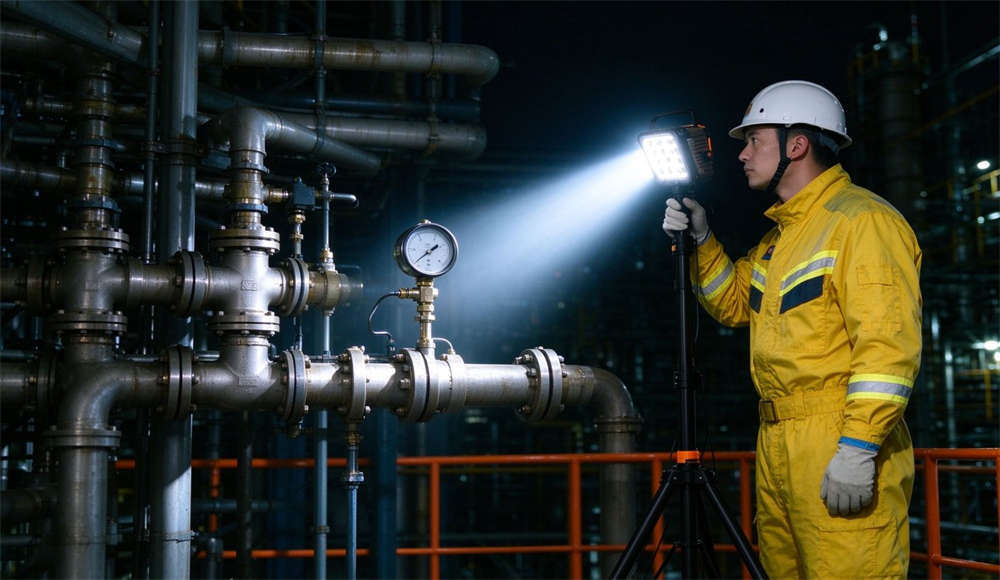
Our explosion proof portable lighting and mobile units replace ordinary lamps inside classified areas. Units seal internal arcs, carry IP66 housings, and travel to the maintenance point without fixed wiring. The panoramic unit raises three LED heads to 4 metres on a folding mast.
Explore the explosion proof work light detail page and browse the full explosion lighting range.
The range fits gas stations, tank farms, loading racks, maintenance bays and mine perimeter zones. These hazardous area lighting solutions cover one compact unit per night route. Explosion proof lighting for oil and gas suits all these moving scenes; several units cover a full turnaround. IECEx is a common benchmark for certified equipment. IECEx
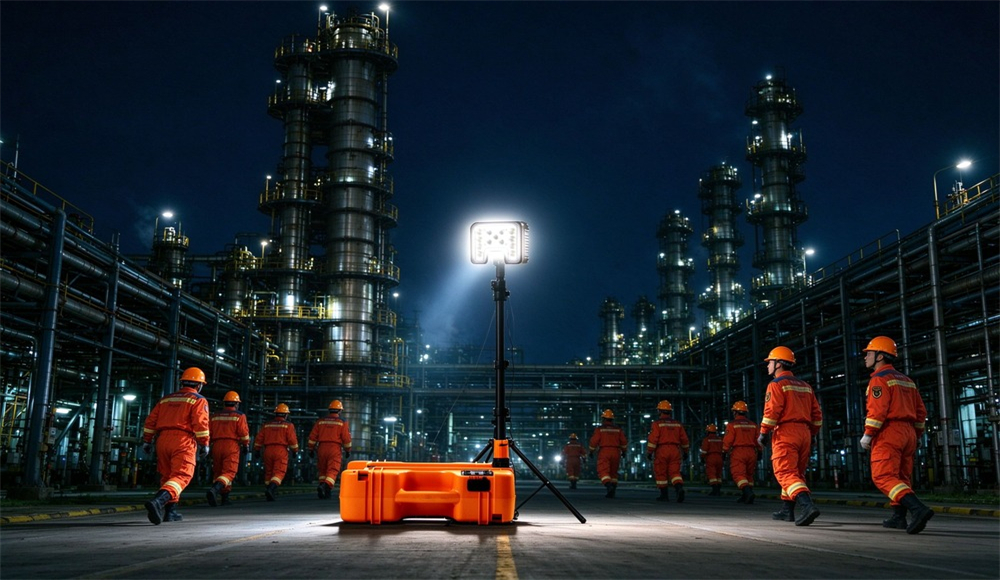
A raised panoramic unit covers the wide yard, a core choice in these hazardous area lighting solutions. The tripod and folding mast lock decide setup speed and stability, and the three LED heads deliver even light across tank batteries or open laydown areas. The more often crews move between sites, the more those lock details matter, because repeated setup under pressure can hide a loose leg. A short checklist before raise, three points on the mast lock, and a final stability pull keeps the unit standing through wind and night shift. The IP66 housing tolerates outdoor use through rain and hose-down, which is why explosion proof lighting for oil and gas tank farms relies on this panoramic form night after night.
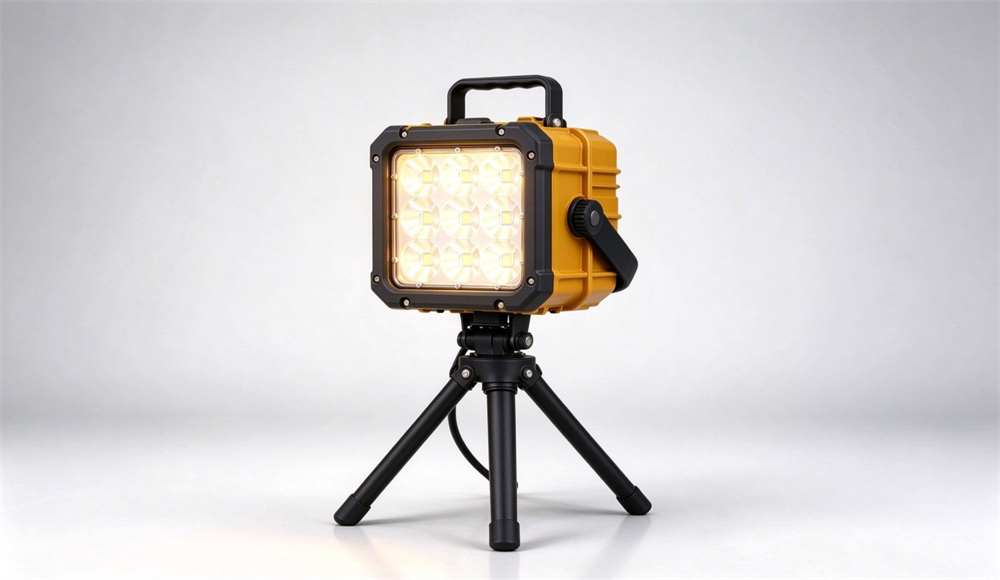
Not every spot needs the same light. Tank farms, loading racks and maintenance bays each have their own pattern. Our explosion proof lighting for oil and gas sites covers all three area types. Choosing the wrong form weakens the safety case behind hazardous area lighting solutions. The table matches each area to a light form and links to the product page.
Reading the table is straightforward. Wide tank routes reward a panoramic mast that follows the inspection walkway, truck bays need a light that moves with each loading arm, and maintenance corners stay fixed but demand high lux on the work surface. The right form also decides the cable and stand configuration, so buyers comparing explosion proof lighting for oil and gas tend to plan the form first and the wattage second. The matching product pages on the next section show each form in real site conditions.
Hazardous Area Type (Zone 1 / Zone 2 Explosion Proof Lighting)
Night Task — Explosion Proof Lighting for Oil and Gas
Recommended Ex Light Model & Lumen Output
Explosion Proof Lighting Product Page
Tank farm
Wide night inspection routes
Panoramic 4 m mobile unit
Detail page
Loading rack
Moving truck loading work
8 kg portable unit
Detail page
Maintenance bay
Fixed high-lux work
FW6129 panoramic unit, 4 m lift, 120W (3x40W)
Detail page
Combined project
Mixed tank, loading and maintenance
Mix portable + panoramic
Collection page
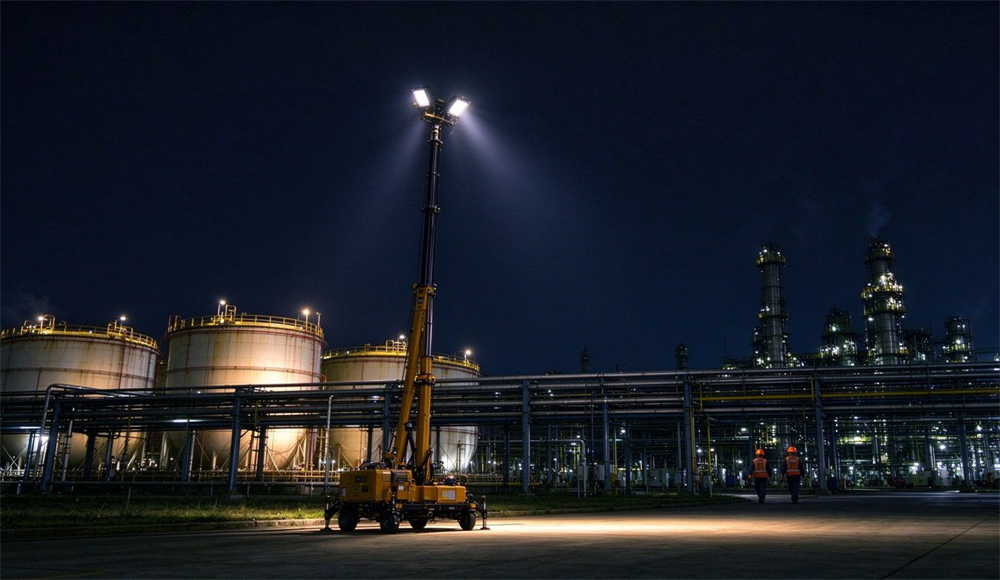
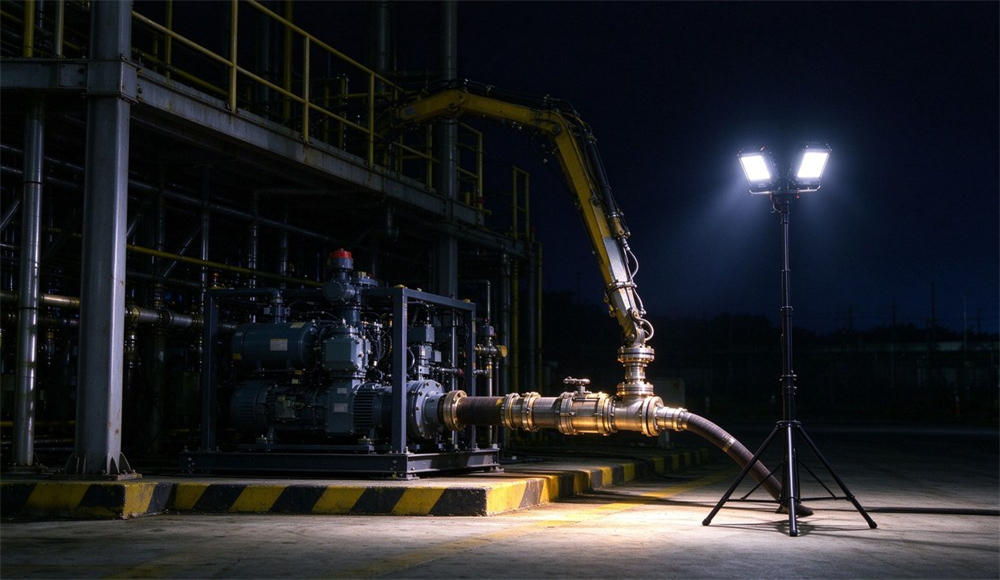
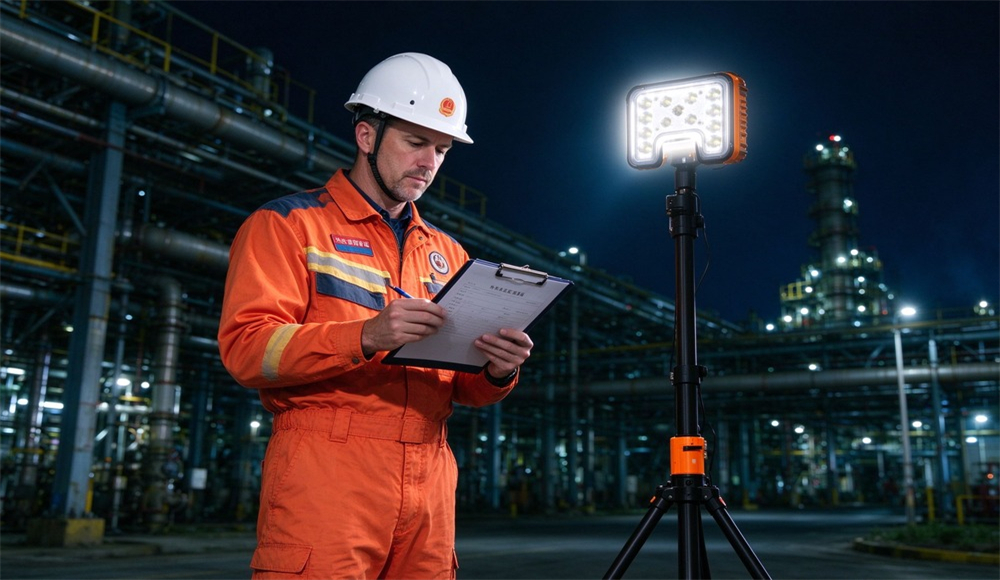
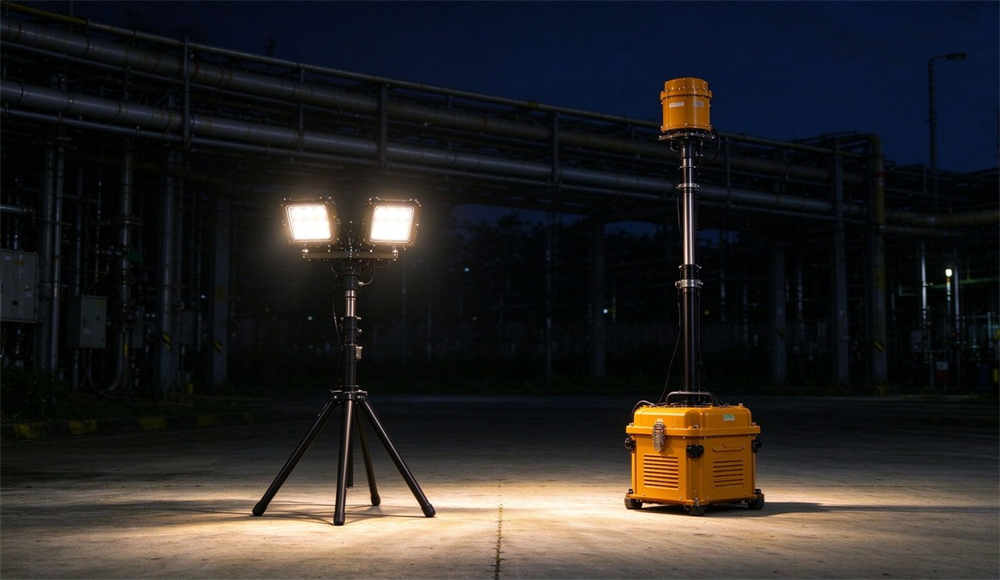
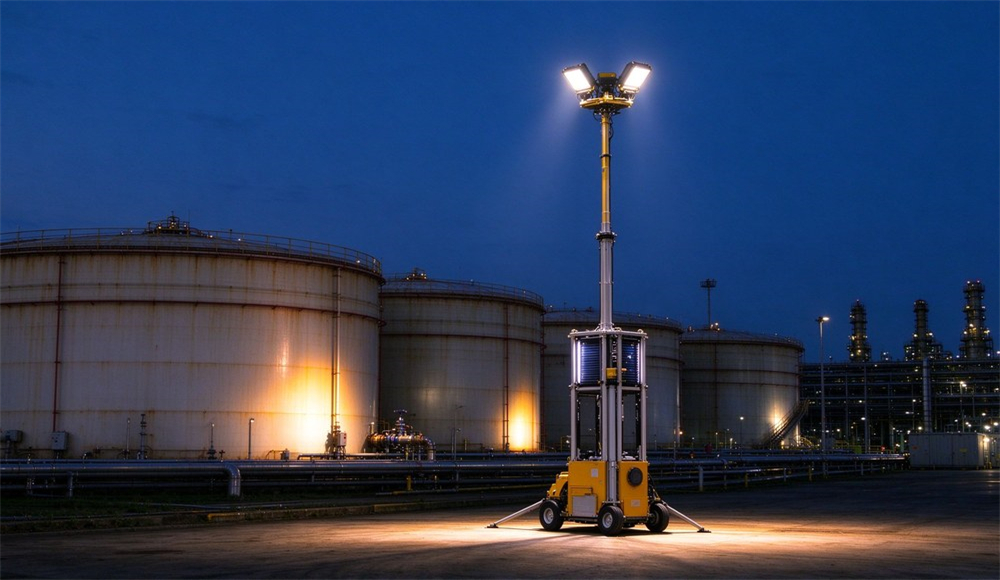
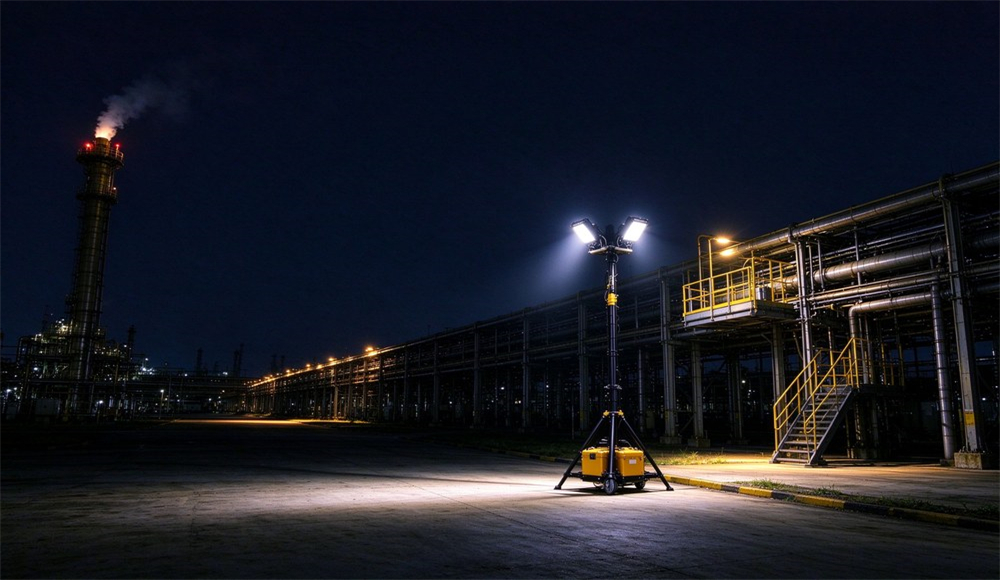
Put together, the three rows describe one site, not three separate purchases. A refinery night lighting solutions plan usually starts with the panoramic unit for the tank battery, adds the portable unit for the loading rack, and keeps the high-lux fixed unit for the maintenance bay. This mix keeps every classified zone covered without overspending on a single oversized tower. The image below shows how such a crew stages the raised unit at dusk before the night shift starts.
Selection decision tree (Zone → Ex rating):
Zone 0 (gas present continuously) → needs Zone 0 certified lights as a separate project, confirmed on request.
Zone 1 (gas likely during normal operation) → compound protection preferred; exact rating confirmed per configuration order.
Zone 2 (gas only briefly during faults) → standard Ex-rated mobile units accepted.
Temperature class T1 to T6 and gas group IIA to IIC must match your site gases, with IIC being the strictest.
One refinery usually mixes all three forms, as most hazardous area lighting solutions recommend. Panoramic units hold the tank battery, and portables follow loading arms.
The portable unit is the FW6125: 8 kg, 2.32 m lift, IP66, 120 W LED (3 x 40 W). UK HSE zoning guidance is a useful reference. UK HSE ATEX zoning guidance
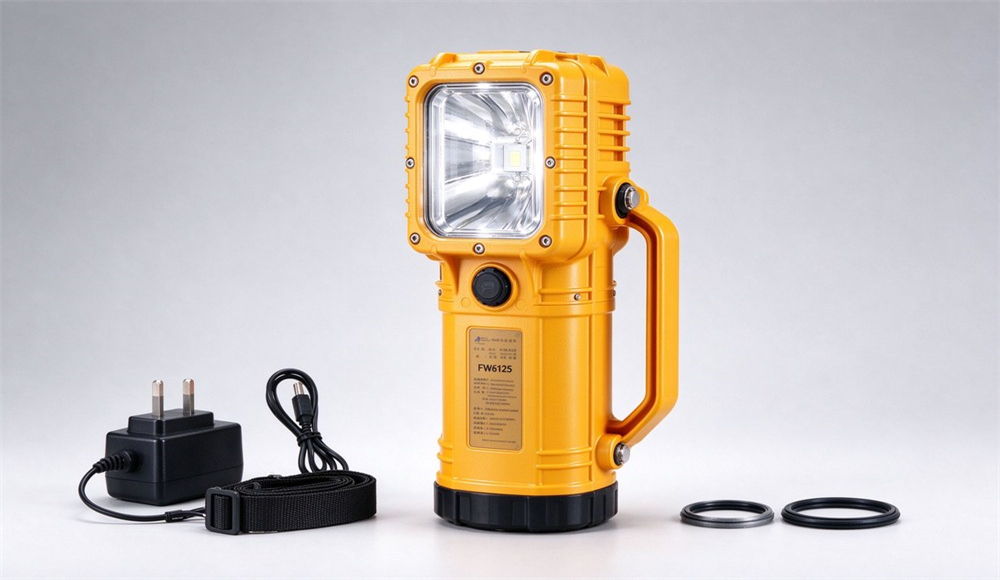
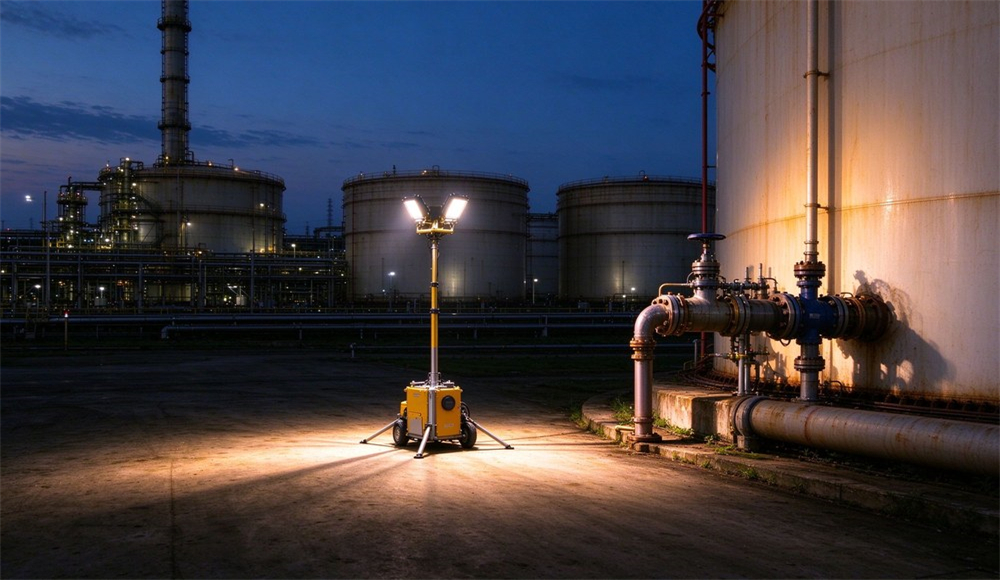
Pipeline corridor patrols need the portable light to follow the walking route, a standard step in these hazardous area lighting solutions. Crews must first confirm each stand point sits outside ignition-risk positions such as valve glands, flange joints and drain points; the lighting order itself is part of the safety procedure. The 8 kg FW6125 unit carries by one person, raises to 2.32 metres on a folding mast, and runs 120 W LED through an IP66 sealed housing. Its Ex rating matches the corridor Zone, usually Zone 2 along open pipe racks and Zone 1 near pump stations. This portable form is a workhorse of explosion proof lighting for oil and gas pipeline patrols.
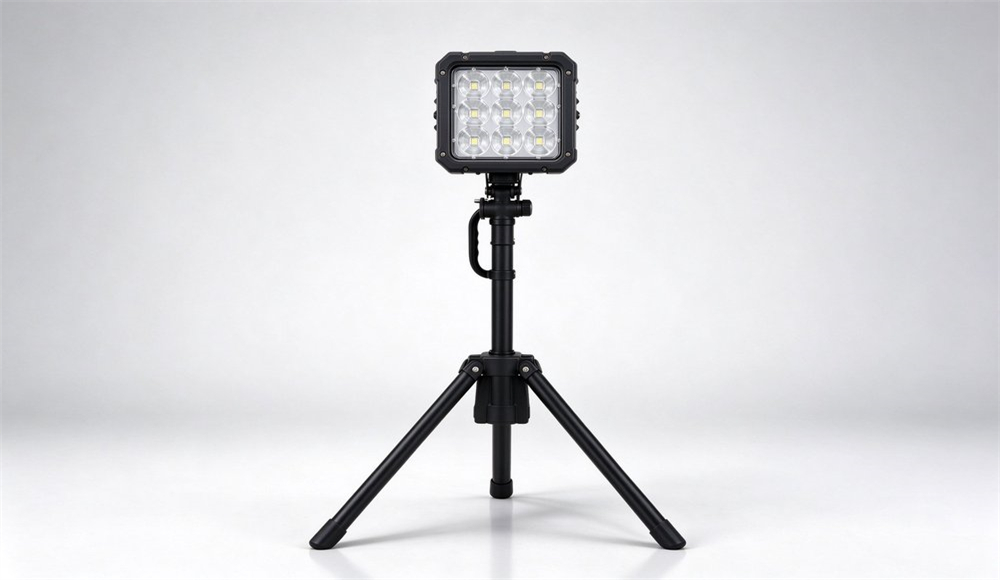
The portable unit used here is the FW6125: 8 kg to carry by one person, 2.32 metres of lift, IP66 protection. It follows the maintenance crew between work points, whether that is a gas station forecourt at night, a loading arm on the rack, or a valve flange in a chemical plant. Three 40 W LED heads combine to 120 W, bright enough for gauge reading and close inspection without adding ordinary flashlights. Its sealed housing and cable glands are checked before each shift, and the Ex nameplate is verified against the site Zone class.
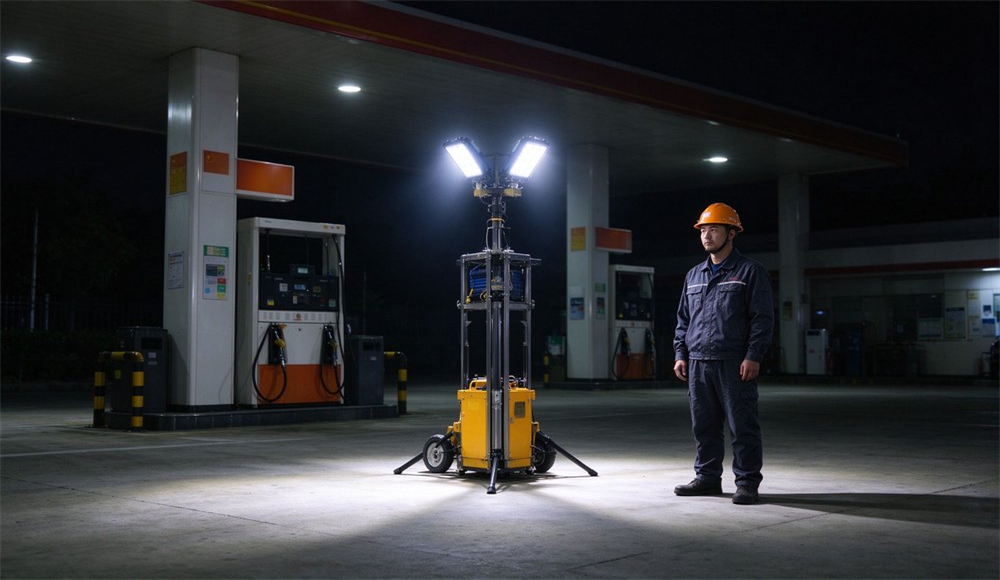
Step 1, confirm the Zone, the first rule of hazardous area lighting solutions. Verify with your engineer whether the area is Zone 1 or Zone 2. Choose only lights whose Ex rating matches that class. Zone 1 zone 2 explosion proof lighting must match the documented class before switch-on. Ex lighting for a gas station must match the forecourt classification.
Step 2, check the equipment. Read the Ex nameplate, inspect the housing for cracks, and confirm the IP66 seal and cable glands are intact. A damaged unit leaves the site until it is repaired.
Step 3, set the light. Place the unit outside ignition-risk positions, raise the mast, and aim the beam at the work surface. Keep personnel following procedures during switch-on.
Step 4, patrol through the shift, the final check in these hazardous area lighting solutions. Watch lamp body temperature and housing condition. At finish, cut power, lower the mast and stow the unit. This routine keeps zone 1 zone 2 explosion proof lighting safe shift after shift. UL guidance on hazardous locations testing explains why each check matters. UL Solutions hazardous locations equipment testing
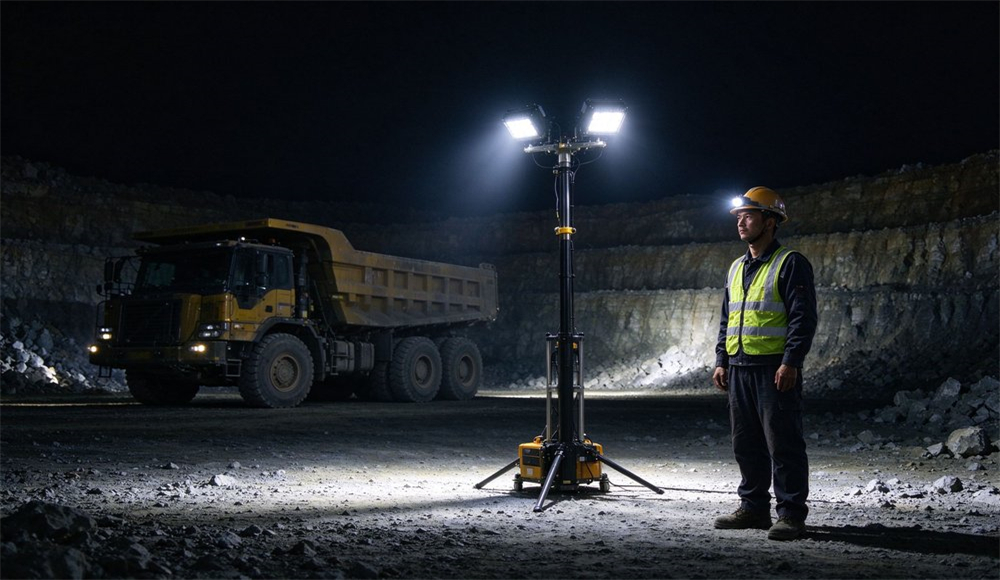
Once the Zone is confirmed, the next step is checking each unit's Ex nameplate. The marking must match the site class, or the unit stays unpowered. Crews read the Ex code from the nameplate and cross-check it against the site risk assessment: Zone 1 units must carry compound protection, while Zone 2 units may use standard Ex-rated mobile or portable lights.
Temperature class T1 to T6 and gas group IIA to IIC must also match the gases present on site. This check prevents the most common mistake in hazardous area lighting solutions: deploying a Zone 2-only unit inside a Zone 1 area. It is the first gate in every zone 1 zone 2 explosion proof lighting deployment.
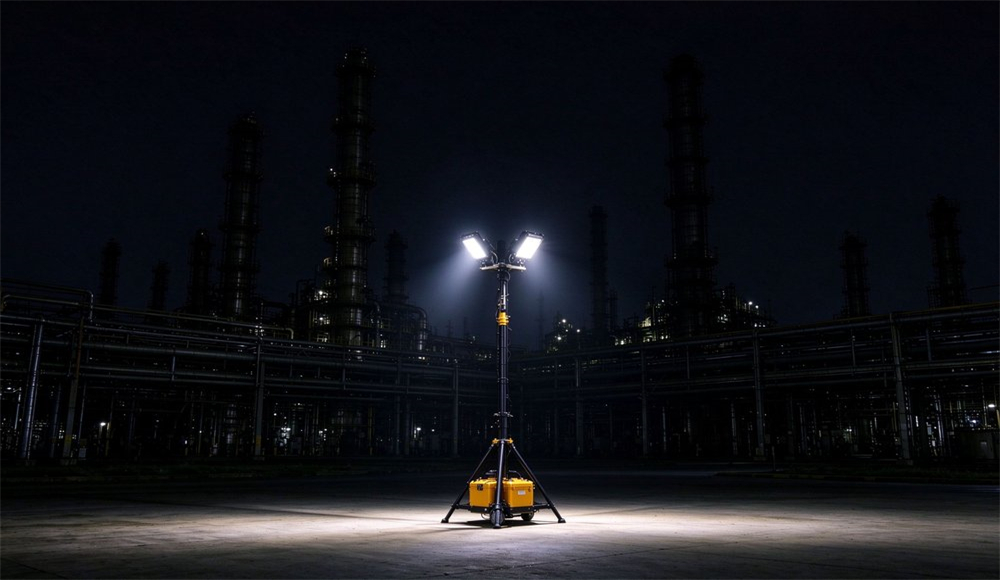
Only after the nameplate checks out may setup begin. Raise the mast, aim the beam at the work surface, and keep personnel following procedures throughout. Stand points must be outside ignition-risk positions such as drain points, vent stacks and pump seals, because even an Ex-rated unit can become a source if placed where gas accumulates. The beam angle should reach the valve, gauge or loading arm without flooding walkways. Crews then step back to a safe distance before switch-on, and the supervisor signs the lighting permit for the shift.
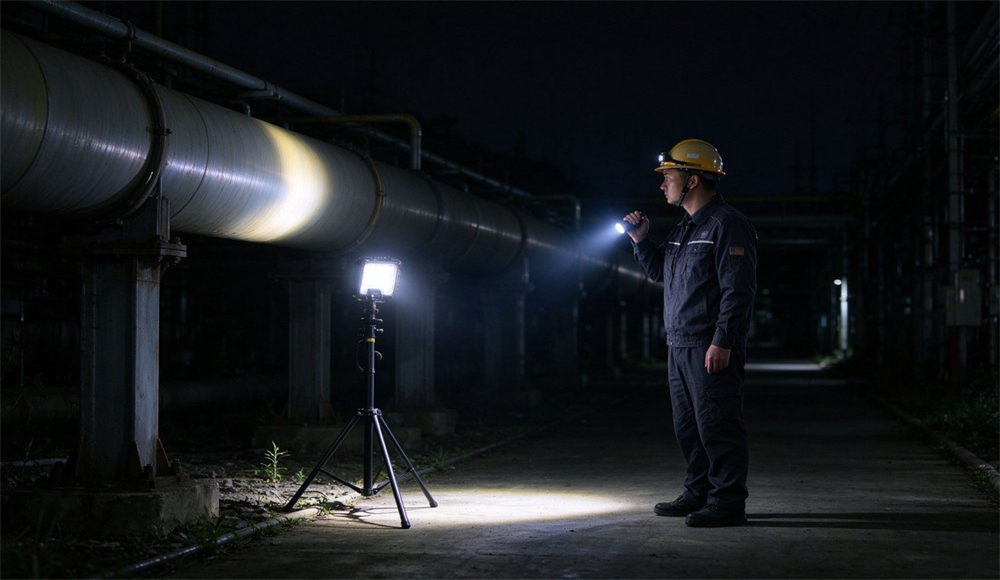
Setup done is not the job finished. During the night shift, patrol staff check lamp body temperature and housing condition at intervals, and cut power at the first sign of trouble. A hot lamp body, cracked housing or loose cable gland means the unit leaves the classified area until repaired. The IP66 seal is re-checked after heavy rain or hose-down, because a compromised seal can turn a safe light into an ignition path. These routine checks keep hazardous area lighting solutions reliable through every shift, not just the first night after setup.
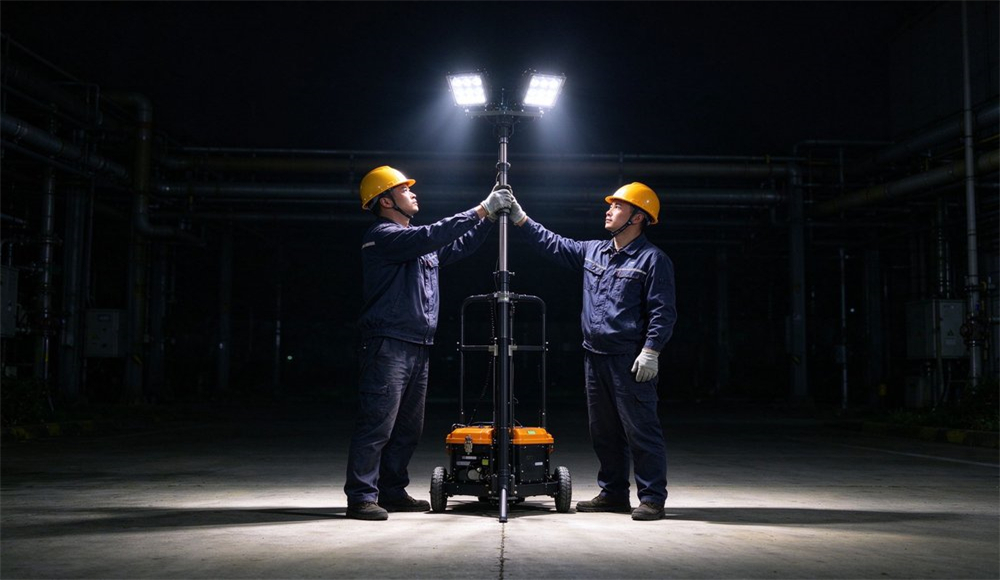
The four steps, confirm, check, set and patrol, form the standard routine of every shift. Sites may post this flow chart at the duty point so crews read it before switch-on each night. Step one confirms the Zone class from the engineer's assessment. Step two verifies the Ex nameplate, IP66 seal and cable glands. Step three places the unit outside ignition-risk positions and aims the beam. Step four patrols lamp temperature and housing through the shift. This sequence is the backbone of zone 1 zone 2 explosion proof lighting safety.
Every hazardous area lighting solutions should travel with its papers. Ask for the explosion proof certificate, the factory test report and a clear Ex nameplate mark. ATEX and IECEx are common international certification system names.
We never quote a number we do not hold. We work with relief organizations worldwide.
Before dispatch, ask for real photos of the actual nameplate and ship documents with the units. Every hazardous area lighting solution we ship carries its papers, so buyers can verify compliance on arrival. This is standard procedure for explosion proof lighting for oil and gas orders. Our light tower buying guide explains goods-receipt checks.
The document checklist and the physical nameplate must be cross-checked both ways, a rule every serious hazardous area lighting solution follows. Model and rating on paper must match the nameplate print; any mismatch pauses the shipment until the supplier explains the difference. The explosion proof certificate, factory test report and Zone classification basis must all carry the same model number and Ex marking. Explosion proof lighting for oil and gas shipments follow this two-way check, because a paper that does not match the unit cannot be used in a Zone 1 or Zone 2 audit. Buyers should request real photos of the nameplate before dispatch. This paperwork discipline is what makes explosion proof lighting for oil and gas orders auditable on site.
Certification files protect site and buyer alike in every hazardous area lighting solution. The checklist lists the four papers every Ex lighting order should carry. All items follow a formal site risk assessment.
Each paper answers a different audit question. The certificate defines which zones and gas groups the unit may enter, the test report ties that rating to a real production batch, the nameplate check proves the shipped unit matches the paper, and the inspection record shows who verified the file before dispatch. Buyers reviewing explosion proof lighting supplier shortlists should ask to see all four together, because a missing page can stop an installation even when the lamp itself is perfect.
The checklist below is the same file set buyers request before a site audit. Each row pairs a document with the question it answers on site, from the certificate's zone coverage to the nameplate mark fixed on the shipped unit. This two-way check is the standard practice behind serious explosion proof lighting supplier evaluations, because a paper that does not match the physical unit cannot support a permit. Read the rows as one chain, not as optional extras.
|
Compliance Document for Hazardous Area Lighting |
What It Shows (ATEX / IECEx Ex Rating) |
Handling for Explosion Proof Lighting Orders |
|
Explosion proof certificate |
ATEX or IECEx system coverage |
Ask the supplier to provide it |
|
Factory test report |
Batch traceability and compliance |
Verify each shipment |
|
Ex nameplate mark |
Rating fixed on the physical unit |
Check it matches your order photos |
|
Zone classification basis |
Site gas risk assessment |
Must be issued by the site engineer |
Zone classification is decided on site, not in a fixed spec sheet, and it is the anchor of every hazardous area lighting solutions we propose. The nameplate Ex rating must match the class your engineer documents. Buying zone 1 zone 2 explosion proof lighting without that paper trail is a common mistake.
When in doubt, ask the supplier to explain each certificate line. We provide documents with every shipment. EU conformity assessment rules for Ex equipment explain the paperwork standard. EUR-Lex Directive 2014/34/EU
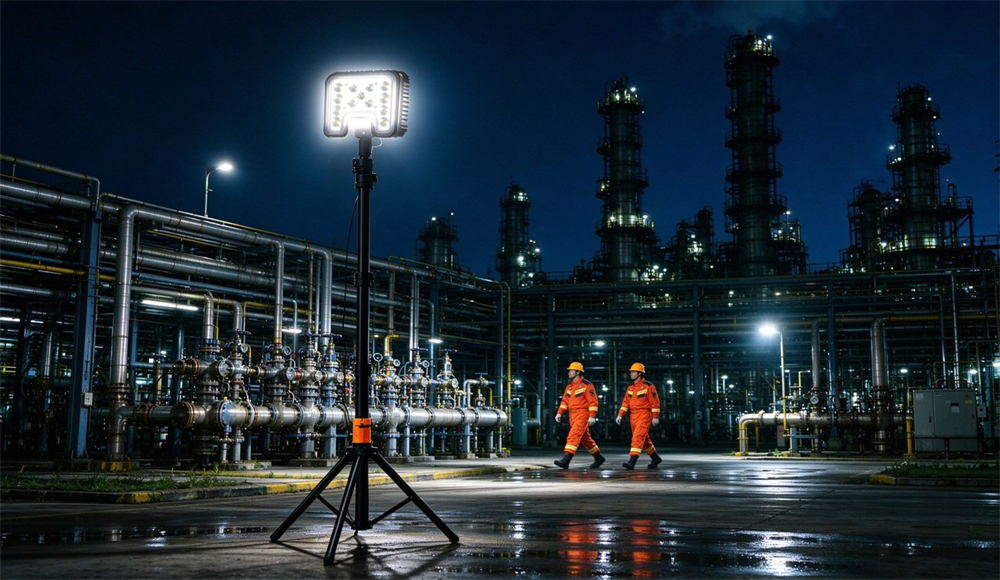
The checklist answers which papers to carry in hazardous area lighting solutions; the risk assessment answers which Zone the site sits in. The two work as a matched pair, and one cannot replace the other. Without the risk assessment, even a fully certified unit cannot be deployed, because the correct Ex rating depends on whether gas appears continuously, during normal work, or only during a fault. Without the papers, the certificate cannot be verified on arrival. Together they let buyers, site engineers and auditors confirm that every unit in Zone 1 or Zone 2 matches the documented condition.
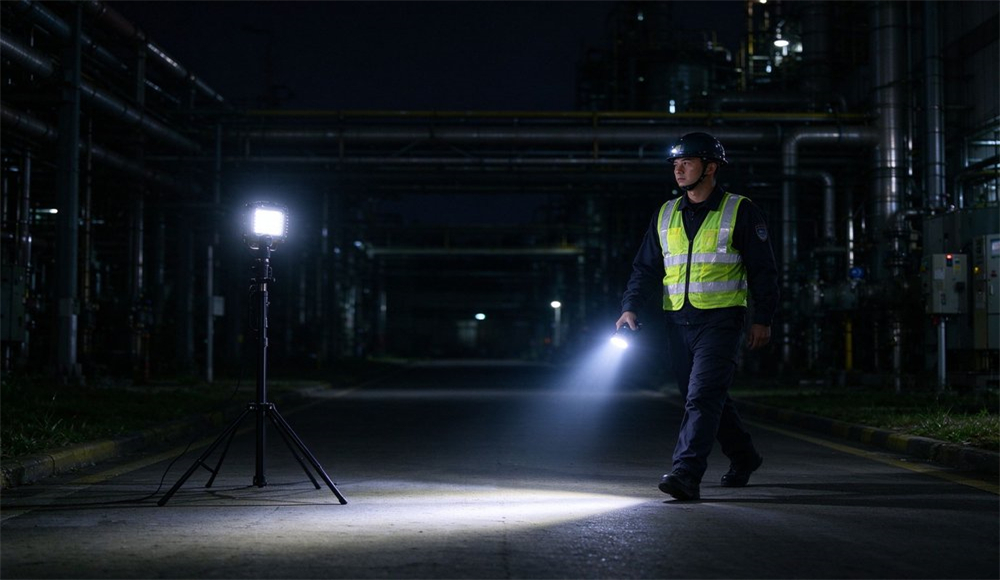
Once the assessment is issued, certificates and test reports travel with the shipment. Buyers receive traceable compliance, not just luminaires. The explosion proof certificate shows the ATEX or IECEx system coverage, the factory test report confirms batch traceability, and the nameplate mark ties the physical unit to the paperwork. This chain is what makes hazardous area lighting solutions defensible in a site audit, rather than a pile of unbranded lights. Explosion proof lighting for oil and gas orders carry this full document set. We never quote a certificate number we do not hold, and every paper is issued in the buyer's name.
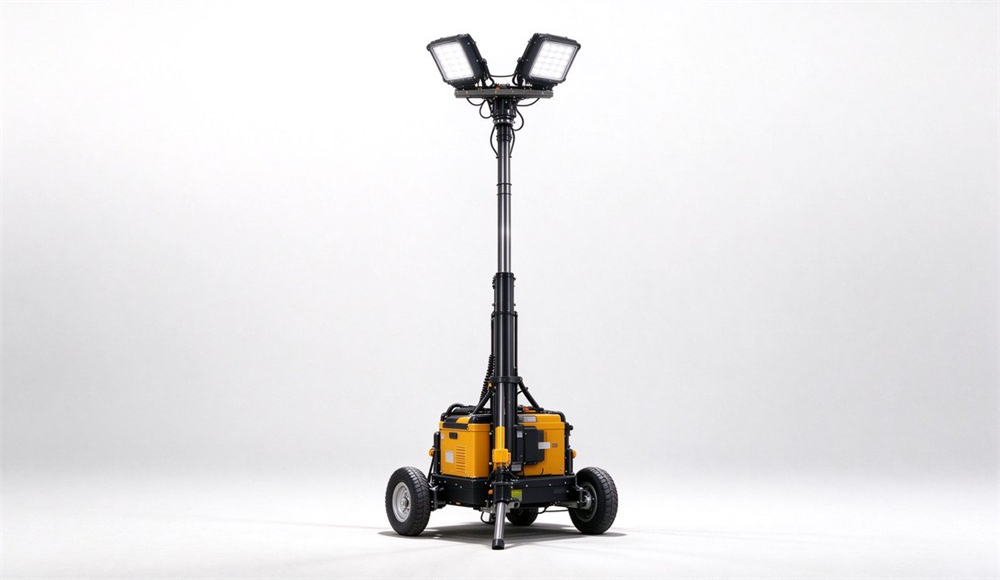
A full turnaround rarely uses one light. The table below shows how most sites combine three forms across tank, loading and maintenance zones, matching the documented logic of hazardous area lighting solutions.
The choice comes down to movement and lux. Wide inspection routes reward a raised panoramic mast that covers several tanks at once, while loading bays need a light that follows each truck as it parks bay by bay. Maintenance spots stay small but demand concentrated brightness on valves and flanges. This is why refinery night lighting solutions are planned per zone, not per lamp, and why a single configuration rarely fits the whole site.
The table turns the three light forms into a site plan. Tank farms need the four-metre panoramic unit because inspection routes are wide and the mast must stay stable in wind. Loading racks need the eight-kilogram portable unit because it follows each truck bay as work moves. Maintenance bays need the fixed high-lux unit because the work surface is small but demanding. Planning this way keeps hazardous area lighting solutions matched to each zone, and the rows below show the configuration most sites settle on.
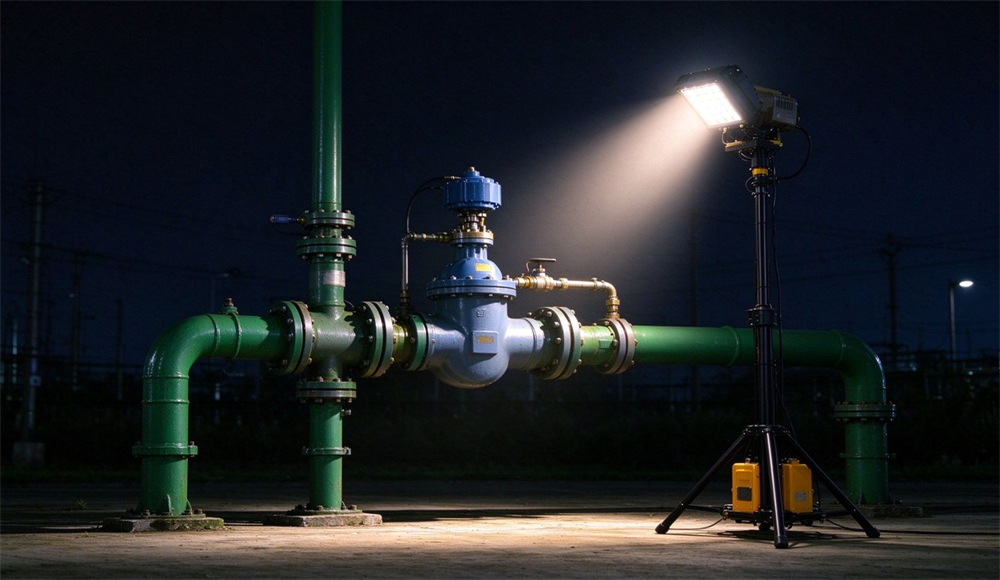
|
Site zone for hazardous area lighting solutions |
Recommended Ex lighting configuration |
Why this hazardous area lighting setup works |
|
Tank farm |
4 m panoramic mobile unit |
Wide inspection routes, stable mast |
|
Loading rack |
8 kg portable unit |
Moves with each truck bay |
|
Maintenance bay |
FW6129 panoramic unit, 4 m lift |
Tough focused work surface |
|
Whole site |
Mix of all three |
One project, matched to each Zone |
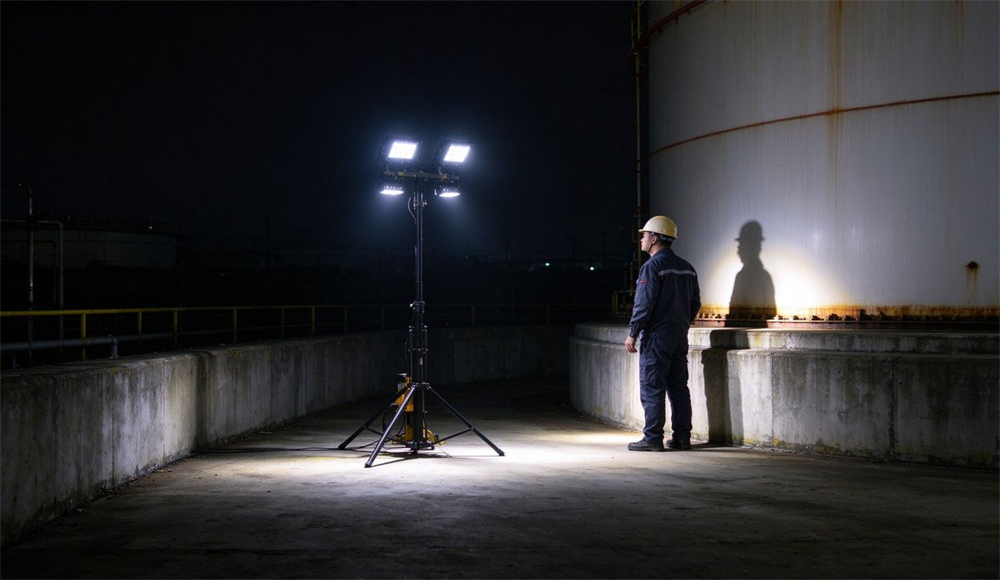
For tank farms, the panoramic 4-metre unit holds a wide battery view all shift. Refinery night lighting solutions often start there. Zone 1 zone 2 explosion proof lighting covers these tank layouts. The mast sets up fast and packs back small when crews move on.
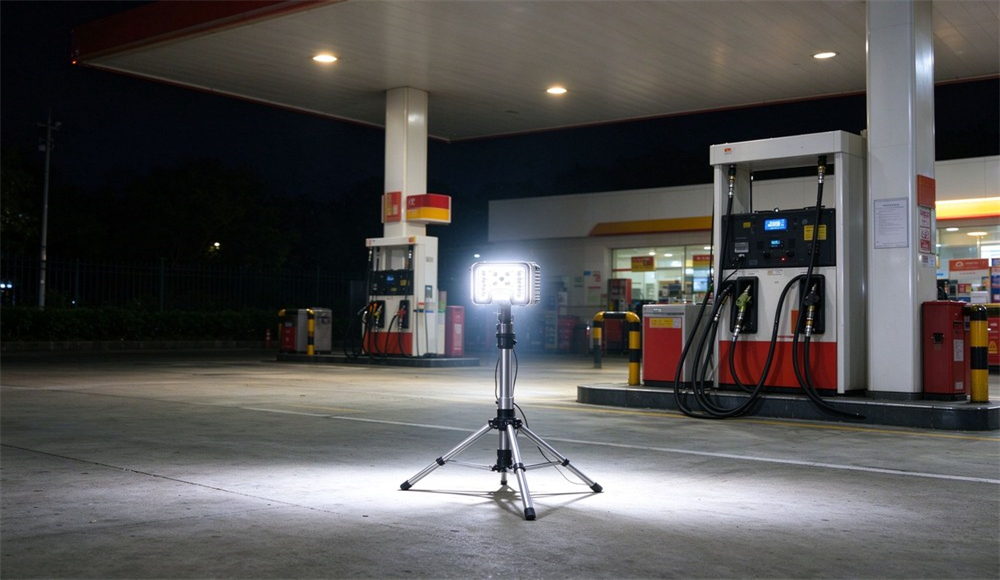
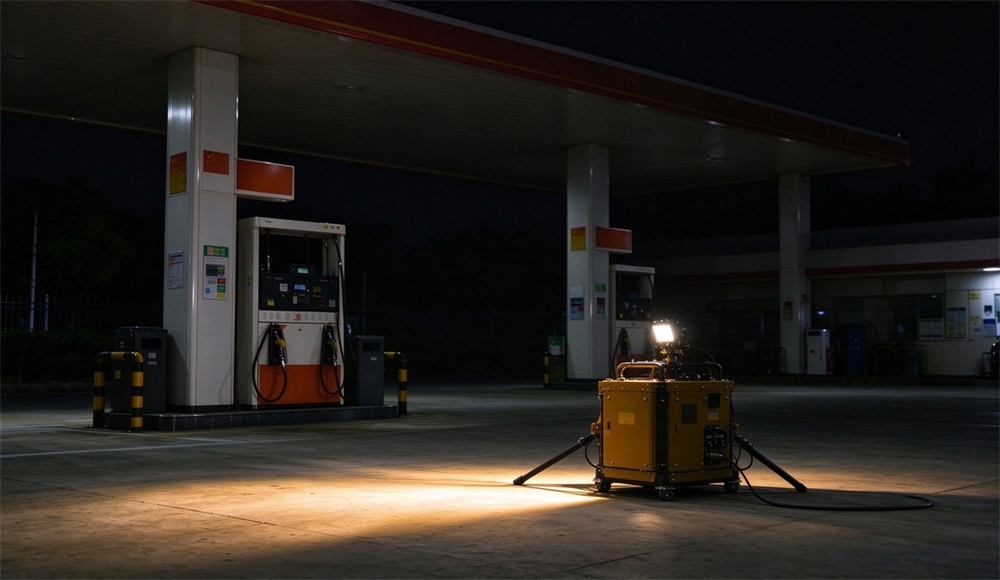
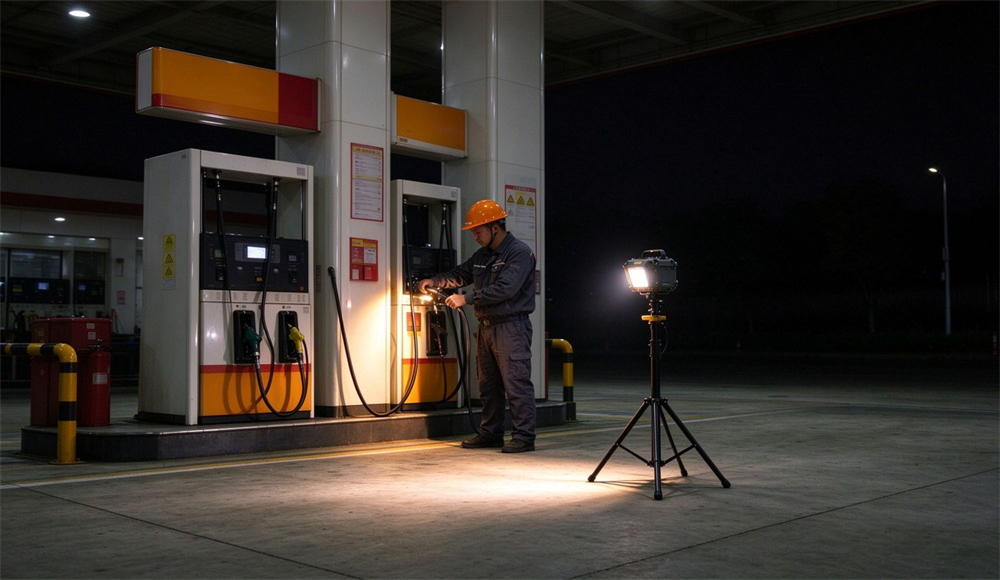
On loading racks, the 8 kg portable unit follows each truck bay. Explosion proof lighting for oil and gas follows each truck bay in this way. One person carries it, sets it on stable ground, and lights the hose connection point. Gas forecourts use the same form at night. Ex lighting for gas station forecourts relies on this same IP66 portable unit under the canopy, its Ex nameplate matched to the documented Zone 2 class.
For maintenance bays, the FW6129 panoramic unit with a 4 metre lift and 120W (3x40W) LED heads anchors the toughest spot. Explosion proof lighting for oil and gas anchors this maintenance bay. Mix all three on one turnaround. Each light carries the rating confirmed for its Zone. Across a full turnaround, refinery night lighting solutions pair panoramic tank coverage with portable loading-rack units so no work face sits in shadow after dark.
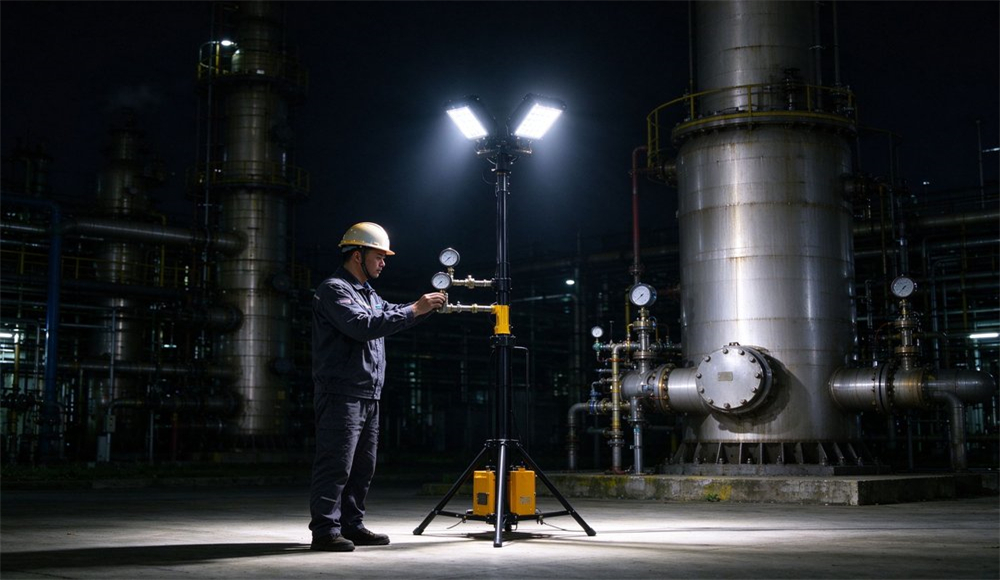
The panoramic unit holds the tank farm's night inspection view, and the portable follows each truck bay on the loading rack. On one site, the two forms divide work clearly. The FW6129 panoramic light raises three LED heads to four metres on a folding mast, covering wide tank batteries and firewater routes. The FW6125 portable light, at 8 kg and 2.32 metres, moves with each truck bay and lights the hose connection. Both carry IP66 housings and Ex ratings matched to Zone 1 or Zone 2, so crews can read gauges, connect hoses and inspect flanges after dark without ordinary lamps. This mixed panoramic-plus-portable form is the backbone of refinery night lighting solutions.
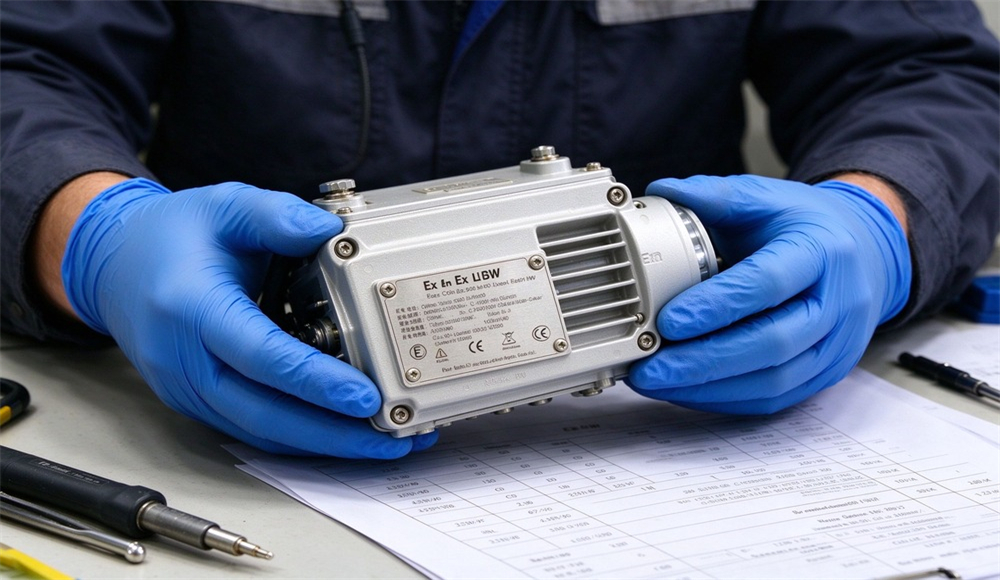
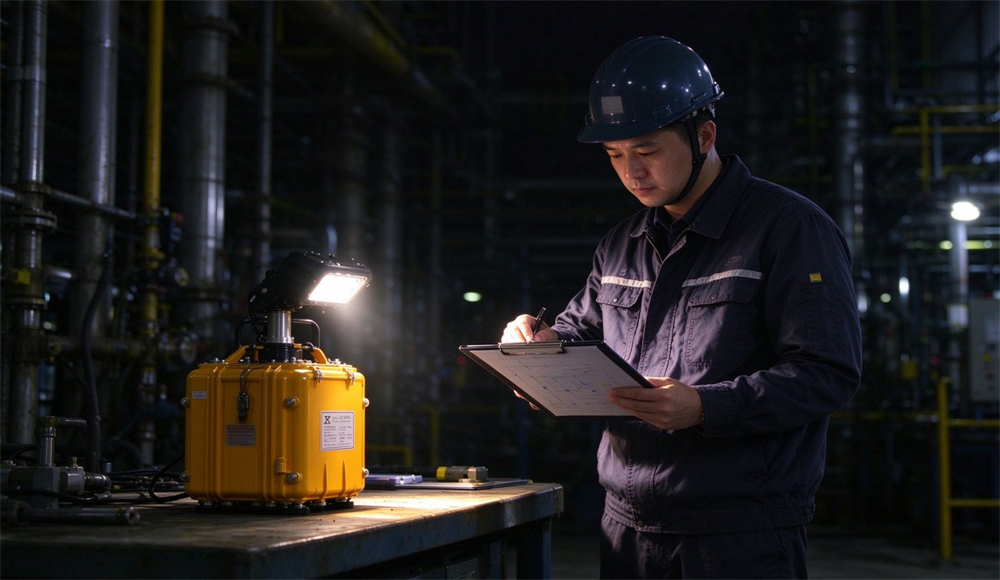
Maintenance bays need more concentrated lux than tank farms or loading racks. The FW6129 panoramic unit lifts 4 metres and carries 120W (3x40W) LED heads, pinning light on the toughest work surface: pump overhaul, valve packing, compressor inspection. Its sealed housing is IP66, and the Ex rating matches the surrounding Zone, usually Zone 1 around pump houses. Scaffold platforms fit under the beam, so crews do not add ordinary flashlights to patch shadowed areas. This is the maintenance-bay form of hazardous area lighting solutions, and it pairs naturally with panoramic tank coverage in zone 1 zone 2 explosion proof lighting.
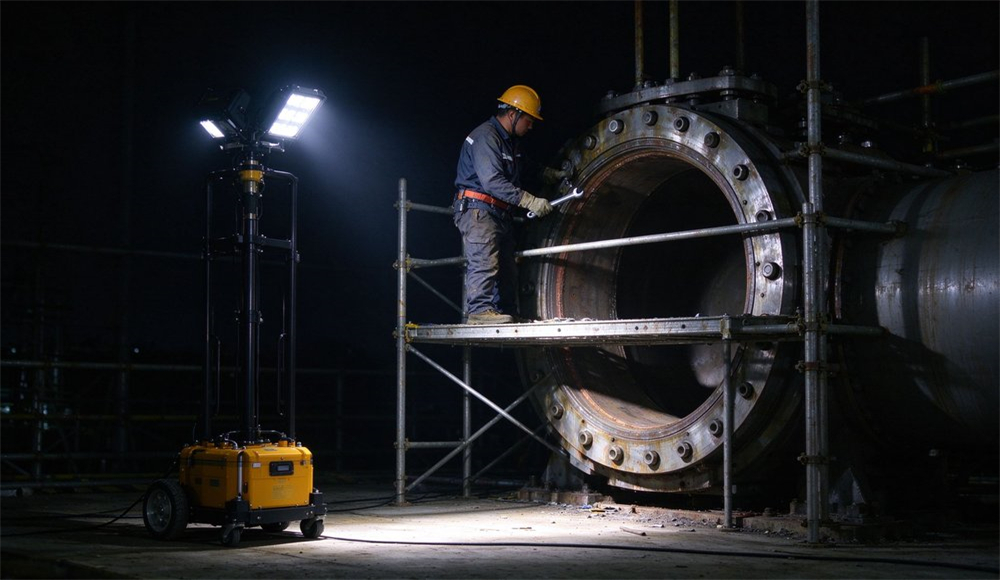
The FW6129 panoramic unit works with scaffold platforms, bringing the whole work surface into the beam. Maintenance crews no longer add ordinary flashlights to patch light, because an unrated flashlight inside a Zone 1 pump house is itself an ignition risk. The unit lifts 4 metres on a folding mast, carries 120W (3x40W) LED heads, and ships with an Ex rating plus IP66 housing. It is placed outside the classified fence where possible, or on a stand point confirmed by the site engineer. Hot-work permits still apply; lighting only solves visibility.
Pump houses are typical Zone 1 suspect areas, and night repair needs a hot-work permit applied for in advance. Lighting only solves visibility; it never replaces the permit system that underpins these hazardous area lighting solutions. The FW6129 Ex light sits on a confirmed stand point outside the pump house wall, with the beam aimed through the access opening or at a flange joint. Crews match the light's Ex rating to the Zone 1 class, keep the IP66 seal intact, and patrol lamp temperature through the shift. If the housing cracks or the gland loosens, the unit cuts out and the repair pauses. This is the safety case behind zone 1 zone 2 explosion proof lighting in pump house repair.
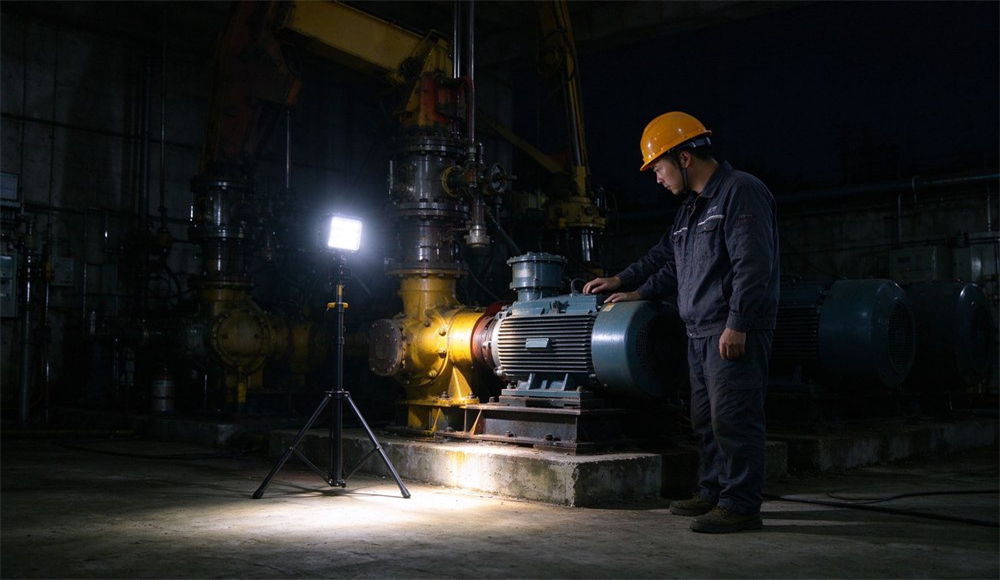
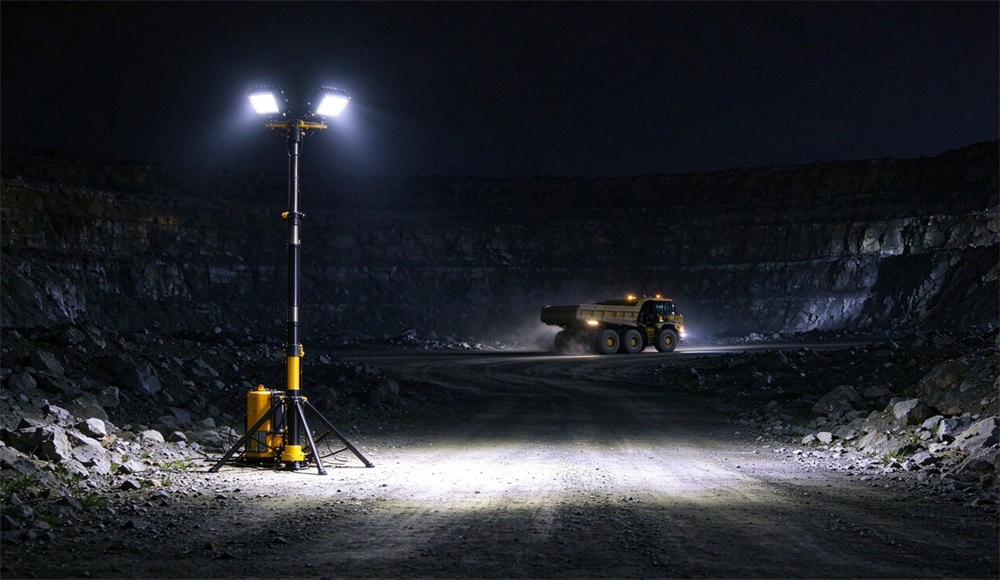
Keep Ex lighting safe through its service life. Any hazardous area lighting solution depends on routine care, so inspect the sealed housing, Ex nameplate and cable glands regularly. Re-check the IP66 seal after heavy rain. Watch lamp body temperature during long runs. Local rules may add steps to zone 1 zone 2 explosion proof lighting maintenance. For open-pit sites, mining hazardous area lighting must also survive haul-road dust and hose-down spray between shift-start checks.
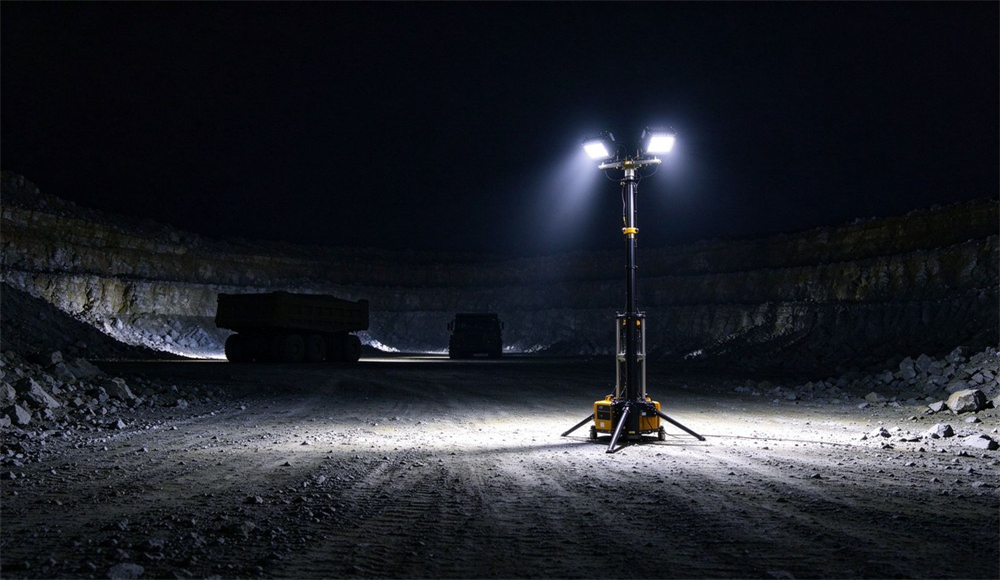
Before each shift, match the light rating to the Zone, the core rule of hazardous area lighting solutions. Zone 1 zone 2 explosion proof lighting must be re-verified each shift. Personnel follow hot-work procedures. Never stage workers inside the classified danger zone for lighting. Hazardous area lighting never replaces permit-to-work discipline. Mining hazardous area lighting follows this same shift-start check.
Three typical cases show the range. Explosion proof lighting for oil and gas pairs portables with panoramic units, and oil and gas stations rely on this mix. Chemical plants light pump houses and pipe racks before crews arrive. Mining hazardous area lighting covers surface yards after dark, built for open-pit sites.
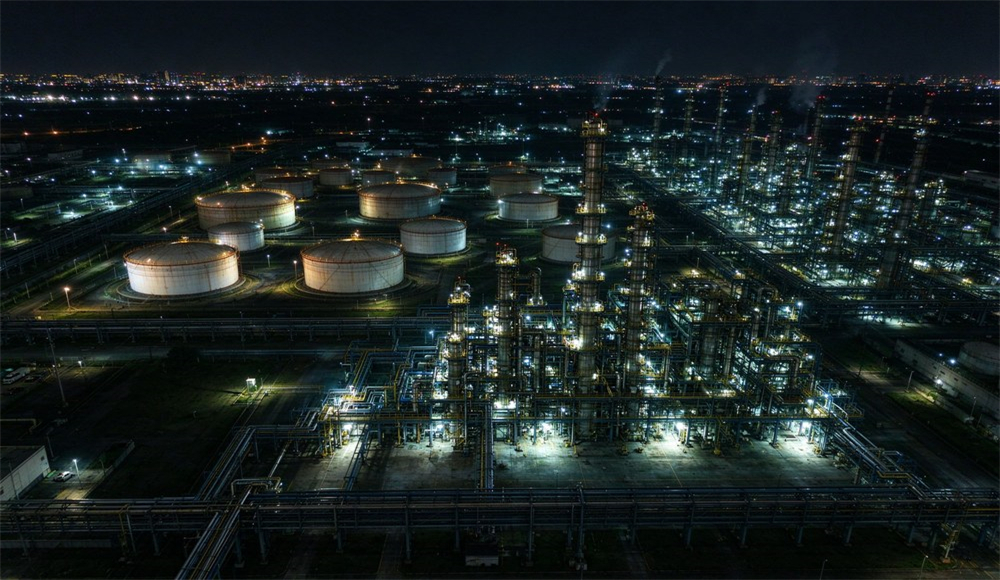
The maintenance checklist runs on schedule, not after a failure, keeping these hazardous area lighting solutions reliable. At gas stations, crews check every unit against the list before night loading begins: housing seal, Ex nameplate, cable glands, lamp body temperature and mast lock. In refinery flare zones, the same list is used on a fixed route, and at mine surface yards it follows the haul road. Routine care protects the IP66 state, extends service life, and prevents a unit from failing mid-shift when crews rely on it to inspect a valve or read a gauge. The same checklist applies to mining hazardous area lighting on surface yards and haul roads.
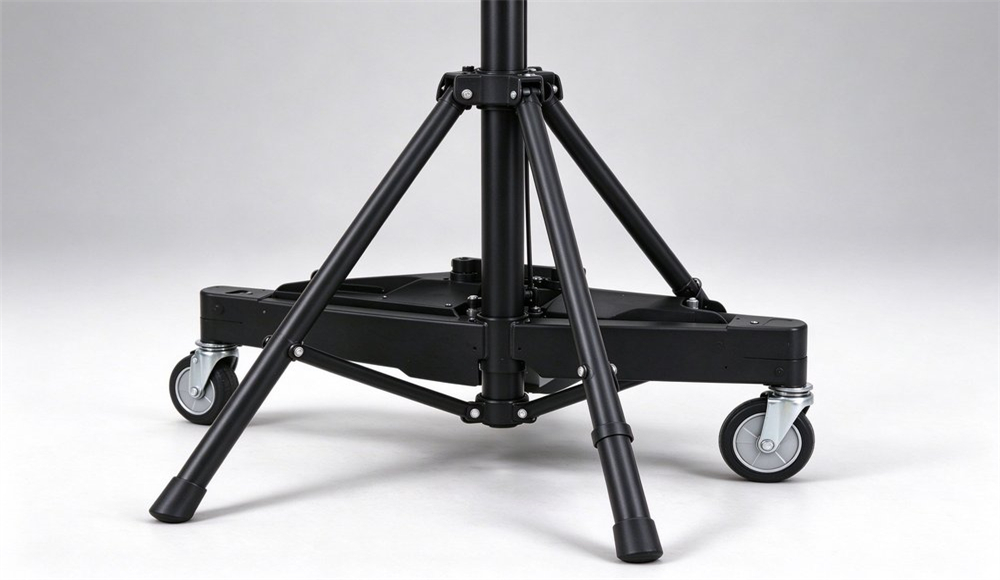
Daily maintenance means wiping the housing, tightening glands and re-checking seals. Keep the IP66 state intact, and equipment service life is protected. The FW6129 tripod and folding mast lock are wiped after each shift, and any grit in the hinge is cleared before the next raise. Cable glands are checked finger-tight, and the Ex nameplate is read once more to confirm it still matches the site Zone. These small daily steps are what keep mining hazardous area lighting and refinery night lighting solutions running night after night.
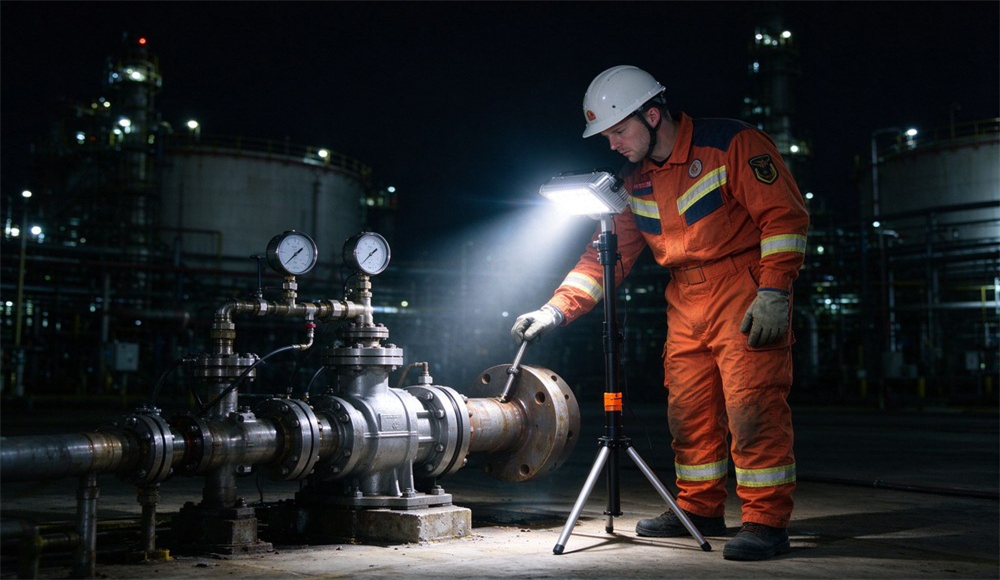
These maintenance rules apply beyond gas stations, to larger hazardous areas such as refinery flare zones. Refinery night lighting solutions extend to these flare patrol routes, scoped per site. The scene changes; the principle stays the same: match the Ex rating to the Zone, keep the IP66 seal intact, patrol lamp temperature through the shift, and carry the certificate with every unit. Whether the stand point is a pump skid, a loading arm or a berm edge, the checklist is the same. Local rules may add steps, but they never remove the core Zone match.
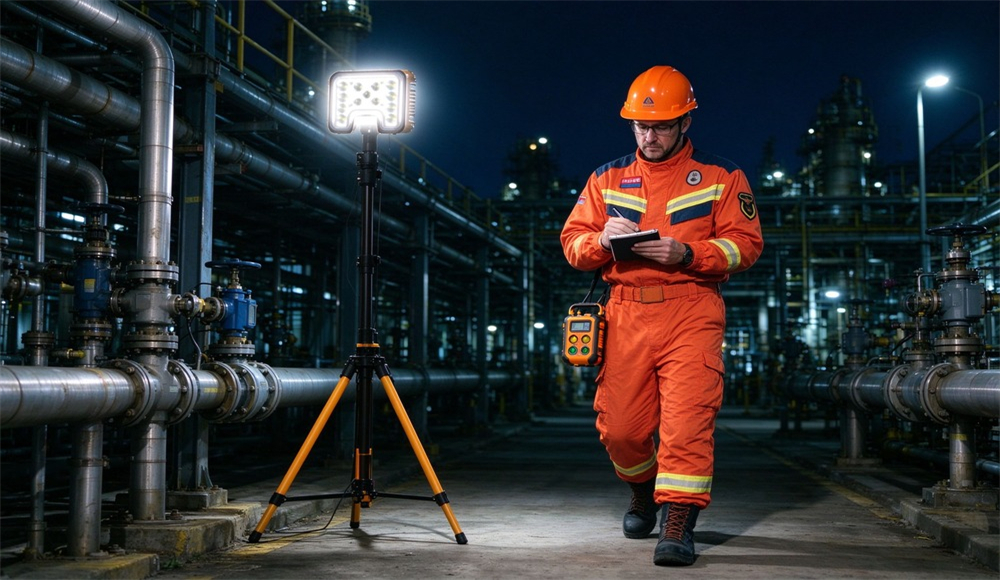
Flare zone patrol routes are long, and inspectors walk a fixed route in full safety gear. The explosion proof portable light moves with the route, clipped to a harness or carried by hand between stand points. Each stand point is chosen before the shift to stay clear of flare tips, drain pipes and sample points. The unit's Ex rating matches the surrounding Zone, usually Zone 2 along the route and Zone 1 near the flare base. IP66 housing tolerates wind, rain and spray, so the same unit works through every season. Zone 1 zone 2 explosion proof lighting for flare patrols follows this fixed-route model.
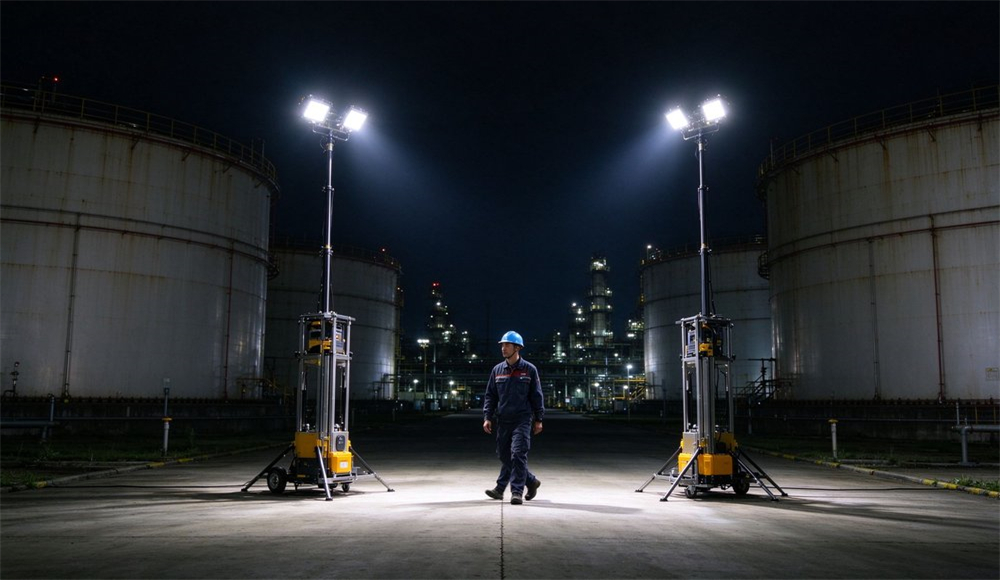
Gas regulating stations are high-risk leak points; confirm the surrounding Zone classification before the night check. Once light is in place, gauge readings and valve checks proceed safely. Zone 1 zone 2 explosion proof lighting applies to these station patrols, because regulators, relief valves and measurement points can release gas during normal operation. The portable unit is placed outside the fence line, the beam aimed through the gate, and the Ex nameplate is matched to the documented Zone class. Crews read gauges, pack glands and listen for leaks under the beam, then cut power before leaving.
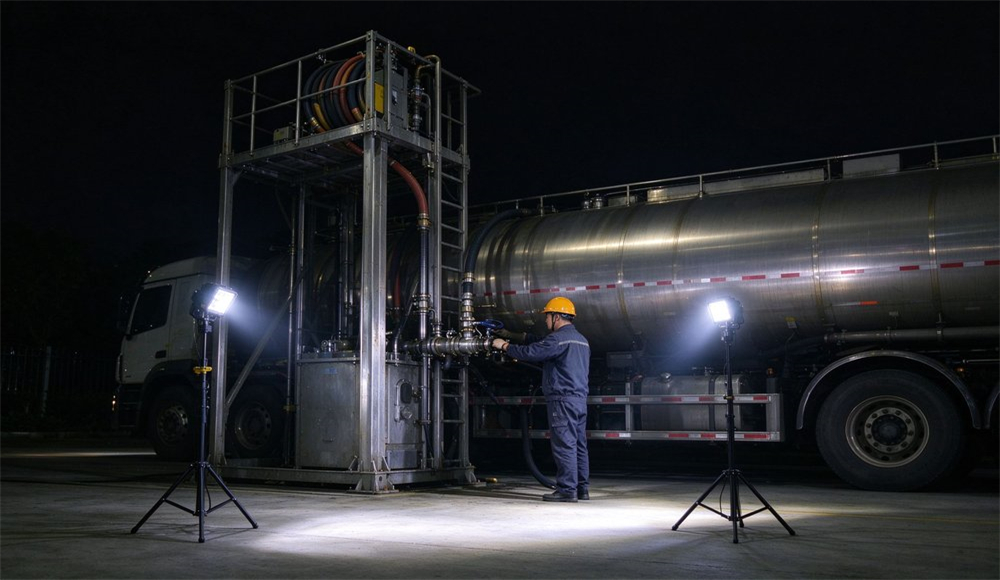
Containment berms hold spilled liquid, and night patrols there need Ex-rated light too. Stand points along the berm must avoid pipe flanges, drain valves and sample points, because gas can pool at low edges after a leak. Refinery night lighting solutions cover these berm patrol routes with the same portable or panoramic units used on the tank farm. The unit's Ex rating matches the berm Zone, the IP66 housing resists dew and hose-down, and crews walk the berm checking for cracks, stains and odours under the beam.
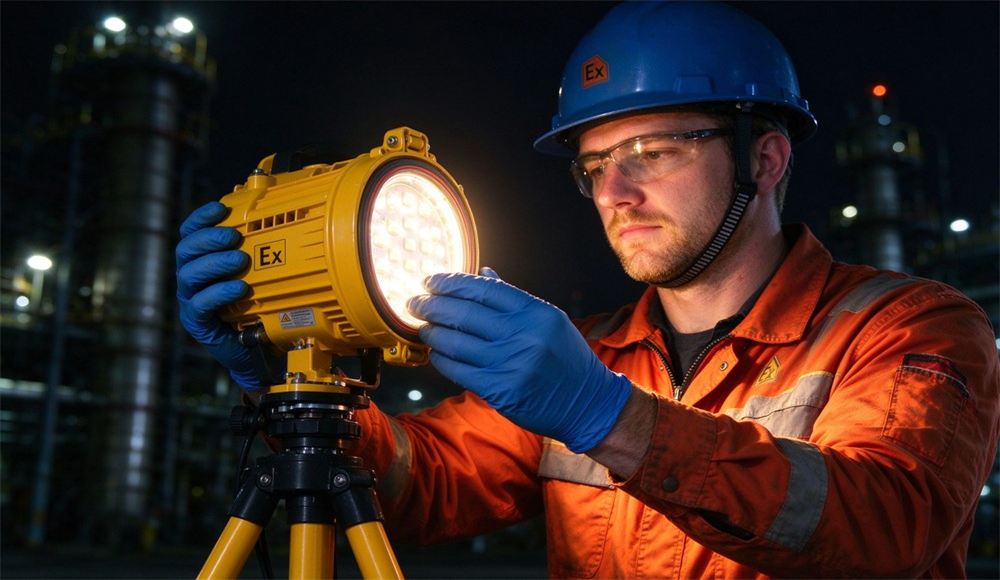
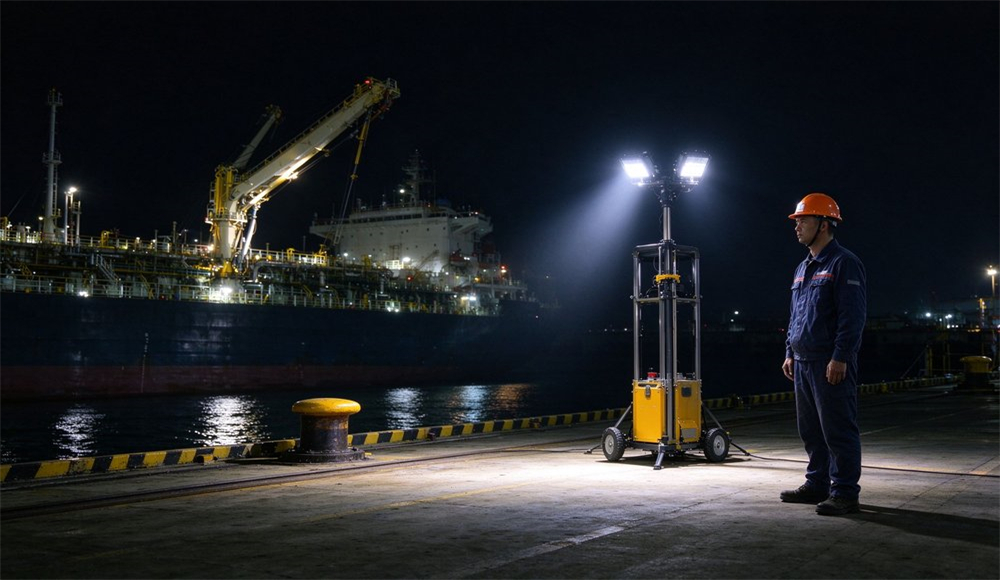
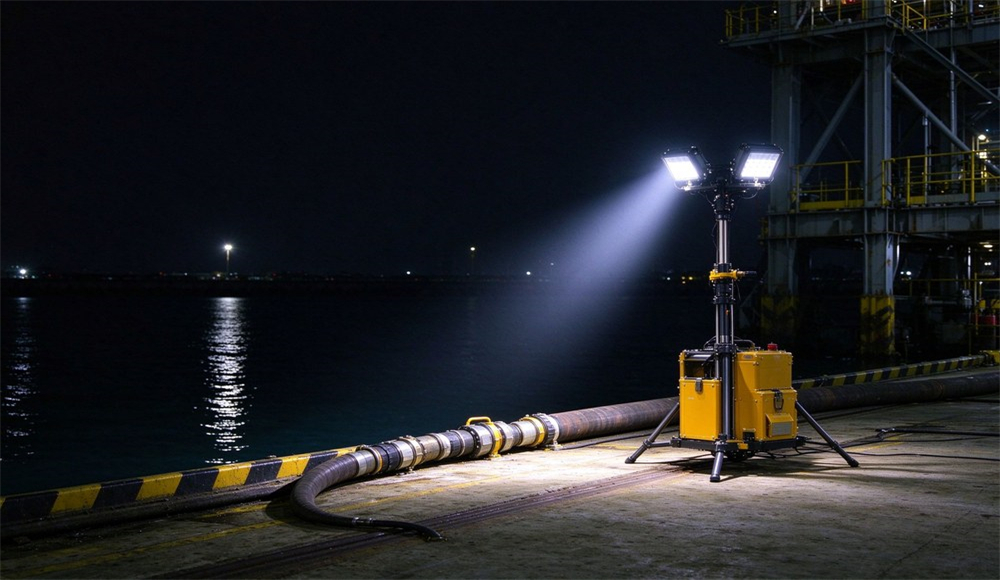
From surface tank farms to oil jetties, explosion proof lighting for oil and gas follows the hazardous area boundary. During jetty unloading, light stand points must stay clear of hose connection points, manifold flanges and ship-to-shore transfer points where gas can drift. The portable unit is placed on the quay edge confirmed by the terminal engineer, aimed at the hose connection, and its Ex rating matched to the jetty Zone. IP66 housing tolerates sea spray and rain, and patrol staff check lamp body temperature through the unloading shift.
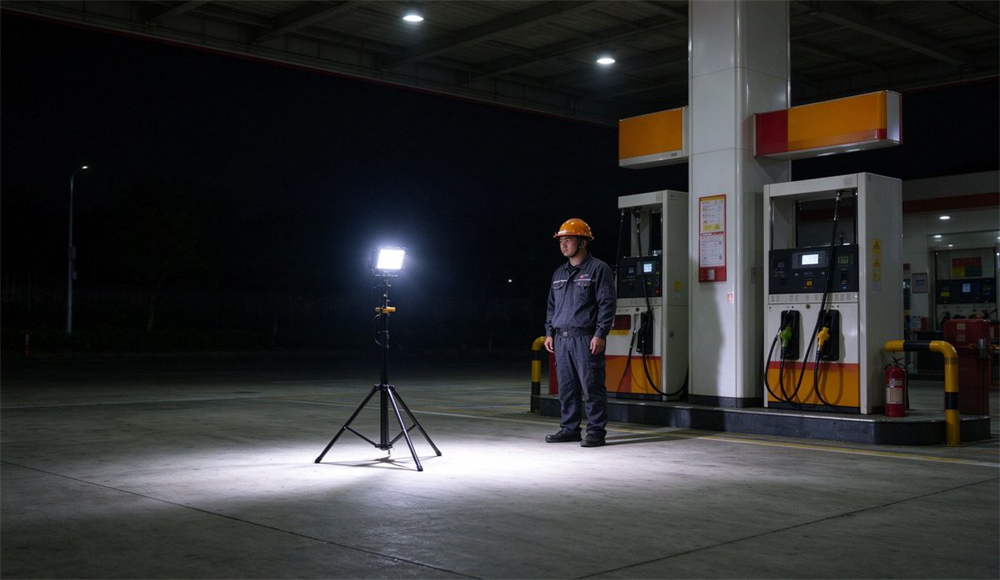
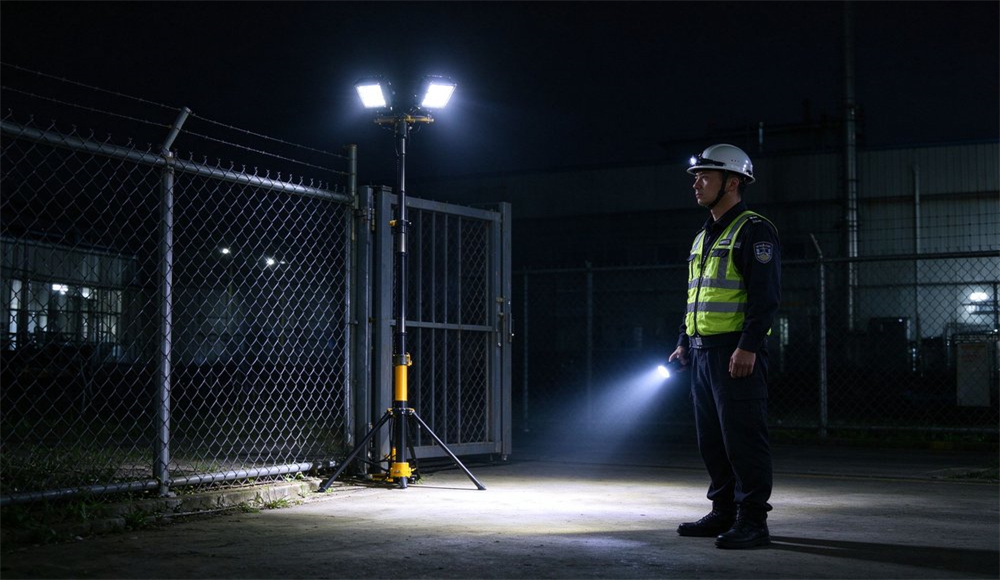
Once jetty work ends, the lit range contracts back to the perimeter fence. Night fence lighting helps guards confirm boundary integrity, check for breaches, and verify that no equipment is left running. The same Ex-rated portable or panoramic units move from the quay to the fence line, with IP66 housings for outdoor use and Ex ratings matched to the perimeter Zone. Guards walk the fence under the beam, report any anomaly, and cut power before the daylight handover. This closes the night loop of refinery night lighting solutions, from tank farm to jetty to perimeter fence, keeping the same hazardous area lighting solutions in place across every shift.
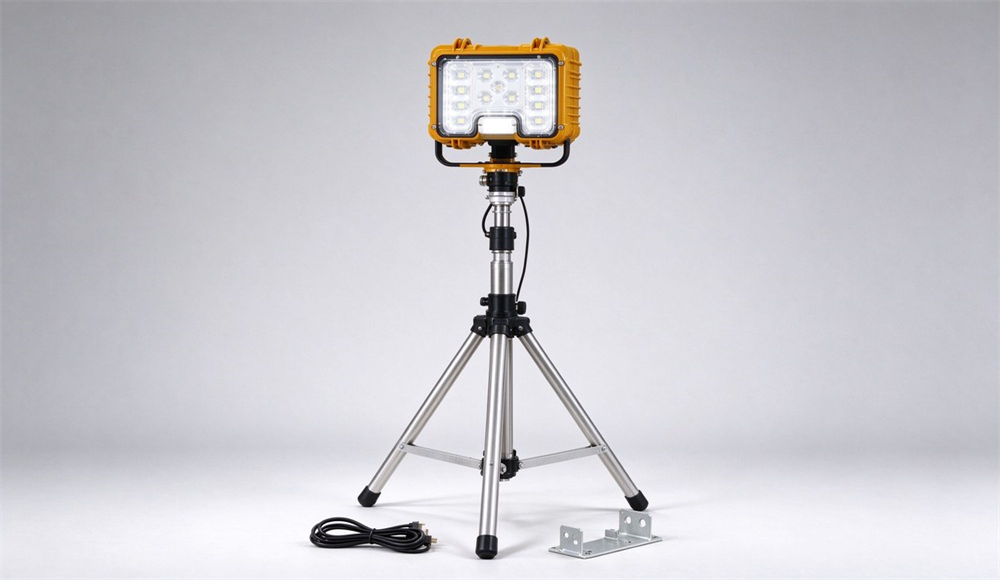
Picking the right hazardous area lighting solutions is a one-page decision once you map your site to a Zone class and a work scenario. This tree matches four common oil, gas and mining scenarios to one light form each, so your procurement list stops guessing. It follows the same zone 1 zone 2 explosion proof lighting rules and links every branch to the product collection.
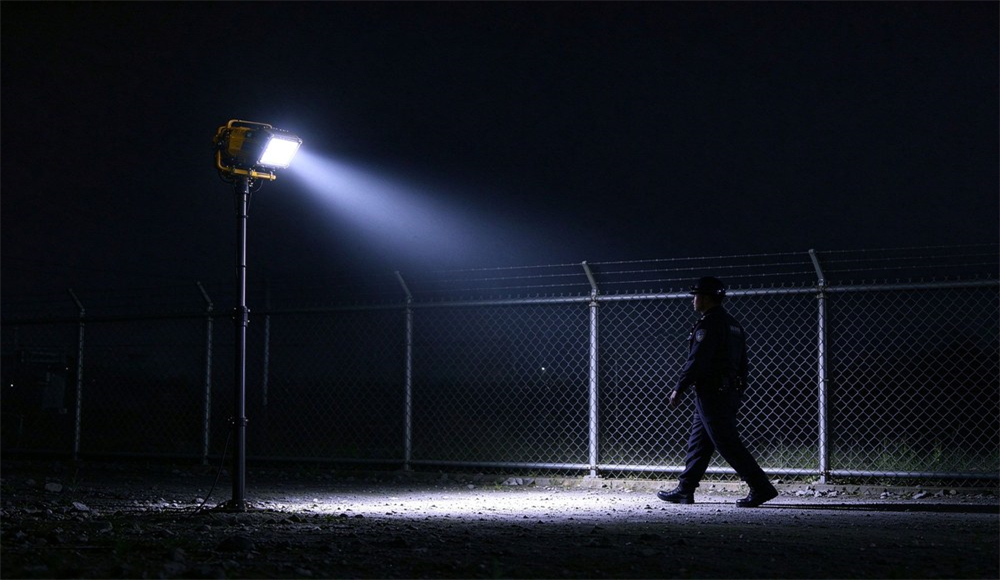
Refinery night lighting solutions here start with the 4 metre panoramic Ex mobile light, because long tank inspection routes need a stable raised mast, and zone 1 zone 2 explosion proof lighting keeps the whole tank battery visible all shift.
Ex lighting for gas station forecourts pairs the FW6129 explosion proof light with compact portables, since canopy work moves truck by truck and every fuel point needs explosion proof lighting for oil and gas rated use.
Mining hazardous area lighting covers long perimeter roads and loading ramps with an Ex light tower, so guards and loading crews work under certified light across the whole yard without fixed wiring.
Portable Ex floodlights follow each unloading point on the dock, because hose connections move shift by shift and hazardous area lighting solutions must reach the exact joint instead of a fixed fixture.
Run these hazardous area lighting solutions against your site map before ordering. Mix branches when one refinery runs tank, canopy, mine and dock work in the same turnaround, and confirm each Ex rating on the explosion proof work light detail page.
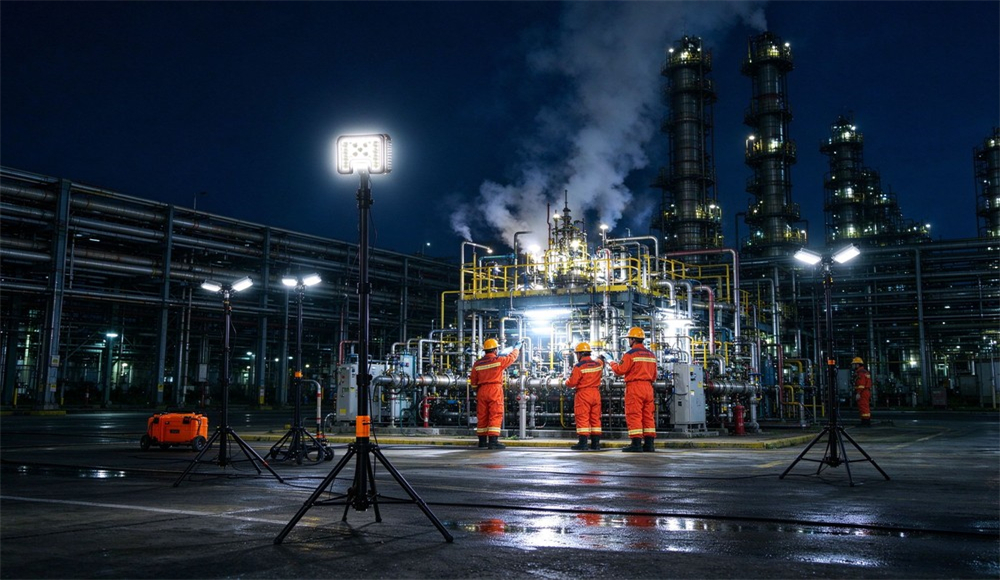
Q1. Is there a difference between lights used in Zone 1 and Zone 2?
Most Ex-rated mobile units cover both zones, but the nameplate must state the exact class. This range of zone 1 zone 2 explosion proof lighting serves both zones. Confirm the marking with your supplier before purchase. A unit approved for Zone 2 only must never be used inside Zone 1.
Q2. Can your lights be used in Zone 0?
Zone 0 needs a higher certification level than this range. Our mobile and portable units are built for Zone 1 and Zone 2 oil, gas and chemical sites. For Zone 0, ask us for a separate confirmed quotation.
Q3. What does an Ex-rated lighting unit mean for buyers?
An Ex rating means the sealed housing cannot ignite surrounding gas. Our compact work light series (the SW2600) is marked Ex ib IIC T6 Gb. For the panoramic and portable mobile units, the exact class is confirmed per your configuration order.
Q4. How do I maintain explosion proof lights day to day?
Check the sealed housing, nameplate and cable glands regularly. Keep the IP66 seal intact after rain or mud. Watch lamp body temperature during long night shifts. These are general practices for safe operation.
Q5. Can a standard LED light tower enter a tank farm temporarily?
No. Ordinary towers carry switch arcs and hot surfaces not rated for explosive atmospheres. Only certified Ex-rated equipment may enter Zone 1 or Zone 2, even for a single night shift.
Q6. Are these Ex lights safe to use in rainy weather?
Yes. The mobile and panoramic units carry IP66 housings, so rain, dust and hose-down do not stop outdoor use. Set them on stable ground and aim the beam at the work surface before switch-on.
Q7. Which compliance documents should I ask for with the lights?
Request the explosion proof certificate, the factory test report and the Ex nameplate mark. ATEX and IECEx are common system names. We only present papers we actually hold for your order.
Q8. Which lights suit a gas station forecourt best?
These hazardous area lighting solutions pair the compact portable unit for fuel and loading points with a panoramic unit for the wider forecourt. Explosion proof lighting for oil and gas suits this forecourt layout. Both are Ex-rated, IP66, and move with the task. See the solution collection for the full range.
Q9. How large a maintenance area does one Ex light cover?
The FW6129 panoramic maintenance unit offers a 4 metre lift and 120W (3x40W) LED heads. Coverage depends on placement and beam angle. Add more units for wider turnaround surfaces.
Q10. Can these lights be used in underground mine workings?
Our range targets surface hazardous areas such as mine yards, loading zones and perimeter roads. High-gas underground workings need separate specialist certification, which we confirm on request for your project.
Q11. What order terms should be confirmed with the supplier?
Delivery scheduling and order size depend on your configuration, quantity and destination port. We confirm both in writing with every quotation, alongside shipping terms for your cargo plan and destination.
Q12. What is the link between Zone 20/21/22 and Zone 1/2?
Zone 20, 21 and 22 describe dust hazard areas, while Zone 1 and 2 describe gas hazard areas. Both families follow the same match-the-rating principle. A site risk assessment decides which applies.
Q13. What is the difference between ATEX and IECEx documents?
ATEX and IECEx are two international certification system names for explosive atmosphere equipment. Ask your supplier which system your order follows. We never invent certificate numbers for any order.
Q14. How often should Ex lights be serviced in a shift?
Inspect housing seals, nameplate and cable glands regularly as general practice. After heavy rain or a harsh shift, re-check the IP66 seal. Exact service intervals follow your local safety rules.
Q15. Can explosion proof lights be rented for short projects?
Short projects can be quoted as rental on request, while long operations usually favour purchase. Tell us your site type, duration and port, and we will suggest the better path.
Q16. How do we pack up after maintenance ends?
Cut the power first, then lower the mast and fold the tripod. Stow the unit in its case. Keep documents with the shipment record so the next shift can review them before switch-on.
Q17. Does IP66 alone make a light safe for Zone 1 without an Ex rating?
No. IP66 only seals against dust and water jets. Zone 1 and Zone 2 atmospheres also require an Ex rating such as Ex ib IIC T6 Gb, with temperature class and gas group matching the site. Every hazardous area lighting solutions order should carry both the IP66 housing mark and the Ex certificate.
Q18. How do I choose hazardous area lighting solutions for my refinery zone?
Match the Zone class to the light form first. Refinery night lighting solutions pair the panoramic Ex unit with zone 1 zone 2 explosion proof lighting rules, while the canopy uses the FW6129. Send us your Zone and scenario for a confirmed quote.
Start with your Zone class, match the Ex rating, then combine portable and panoramic forms. Explosion proof lighting for oil and gas across tank, loading and maintenance spots. Keep documents with every unit. That loop keeps hazardous area lighting solutions compliant from first shift to last.
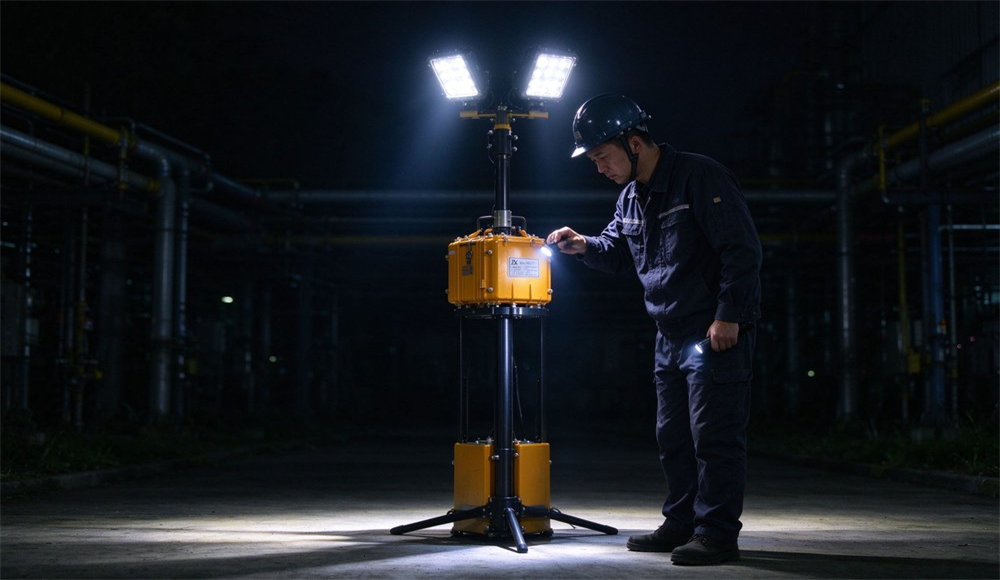
This range covers mining lighting for open-pit and underground camps, refinery lighting for tank farms and pipe racks, and petrochemical lighting for loading bays and reactor units.
Copyright © Custom Disaster - Relief Bedding: Tents, Sleeping Bags, Blankets All Rights Reserved
the professional team to service !