Handheld Work Light for Industrial Inspection
and Repair
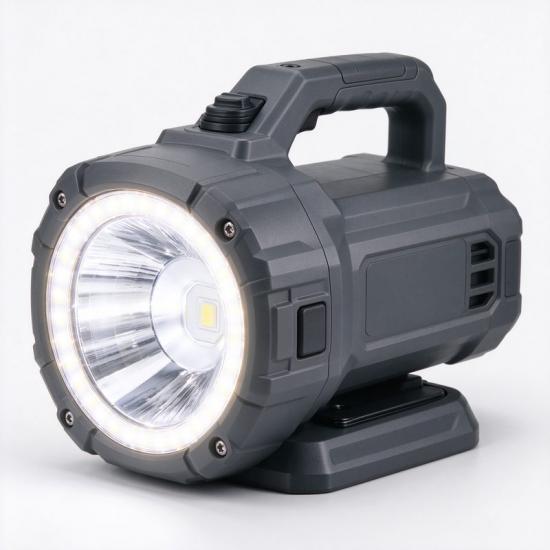
This handheld rechargeable work light combines a 360 degree ring LED with a strong magnetic base and lithium battery, freeing both hands during industrial inspection, night maintenance and confined-space repair where no fixed lighting exists.
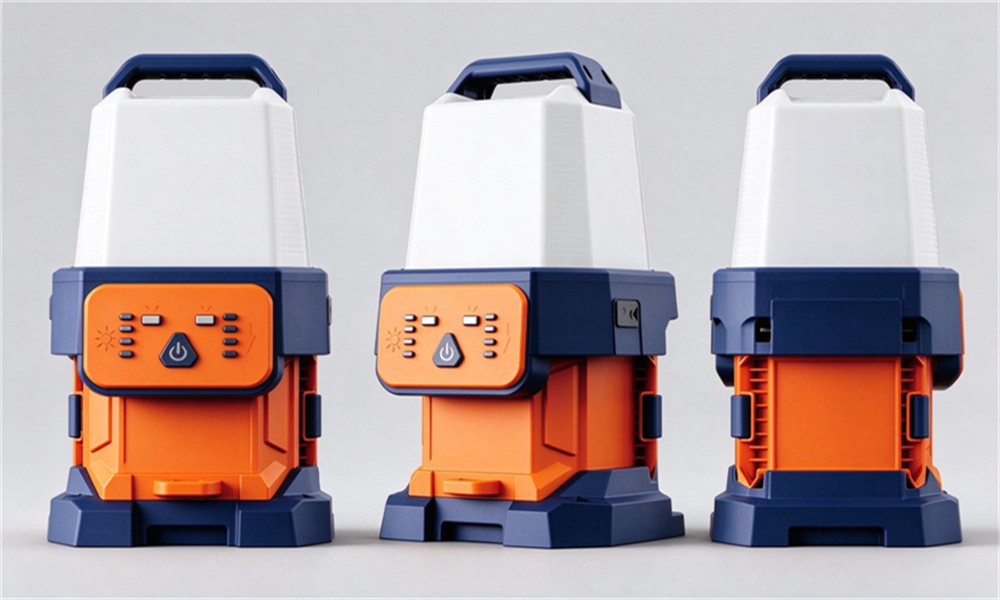
Specifications below are planning ranges. Exact wattage, lumen output and runtime are confirmed in your contract, so you can plan a tender or a rental fleet without being locked to a single figure. Each work light delivers even 360-degree illumination, grips steel surfaces magnetically and survives drops and IP54 dust, keeping technicians safe on equipment and vehicle repair.
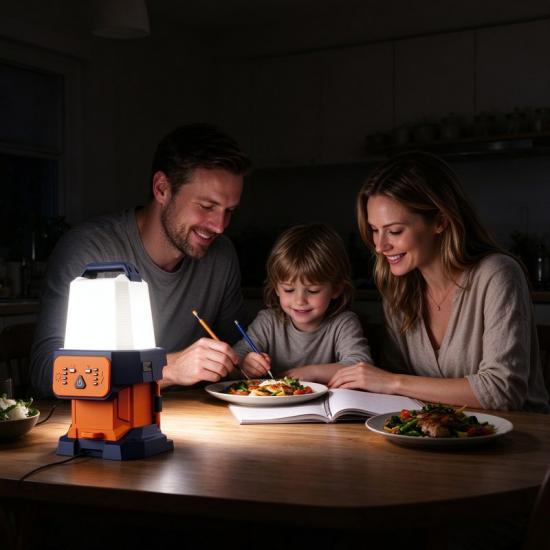
Whether you light a disaster camp, a night shift or a remote checkpoint, the goal is the same: even, glare-controlled light where people work, with quiet operation and zero on-site exhaust.
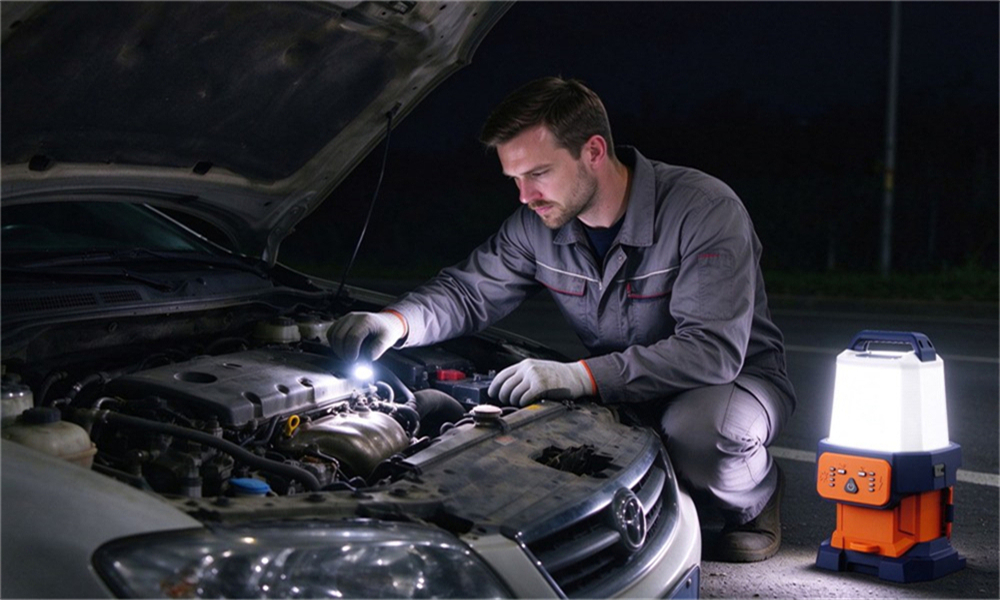
Every unit in this range is built for outdoor duty: sealed against rain and dust, towable by a single operator, and configured to run overnight without a generator on site.
Specifications below are planning ranges. Exact wattage, lumen output and runtime are confirmed in your contract, so you can plan a tender or a rental fleet without being locked to a single figure.
Whether you light a disaster camp, a night shift or a remote checkpoint, the goal is the same: even, glare-controlled light where people work, with quiet operation and zero on-site exhaust.
Compare the configurations below, then send your site dimensions and night-shift hours for a matched model shortlist. Every figure on this page is a planning range, confirmed in your contract.
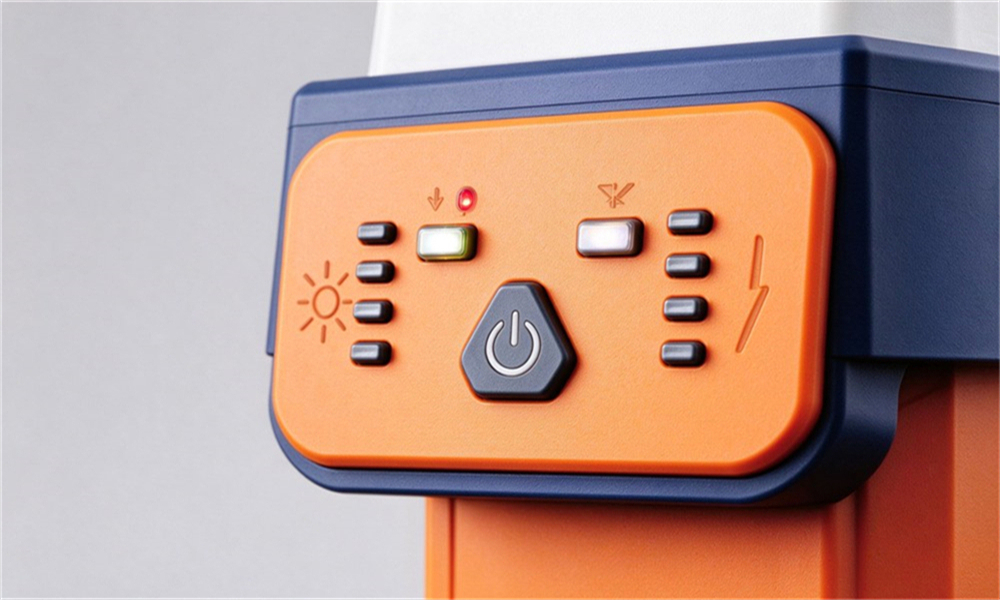
Product Overview: What Is a 360 Degree Rechargeable Work Light?
A rechargeable work light is a handheld, battery-powered inspection lamp built to illuminate the space around you rather than far ahead.
Unlike a flashlight that throws a narrow beam, this 360 degree LED work light uses a ring of LEDs around its body to light a full 360 degree circle, so pipes, valves, machinery and floor space become visible at once.
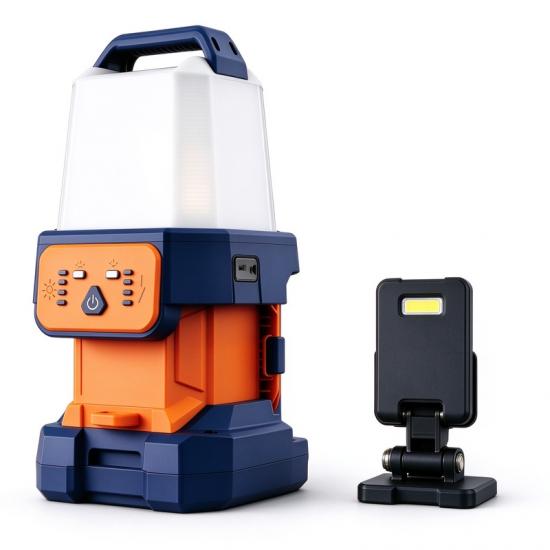
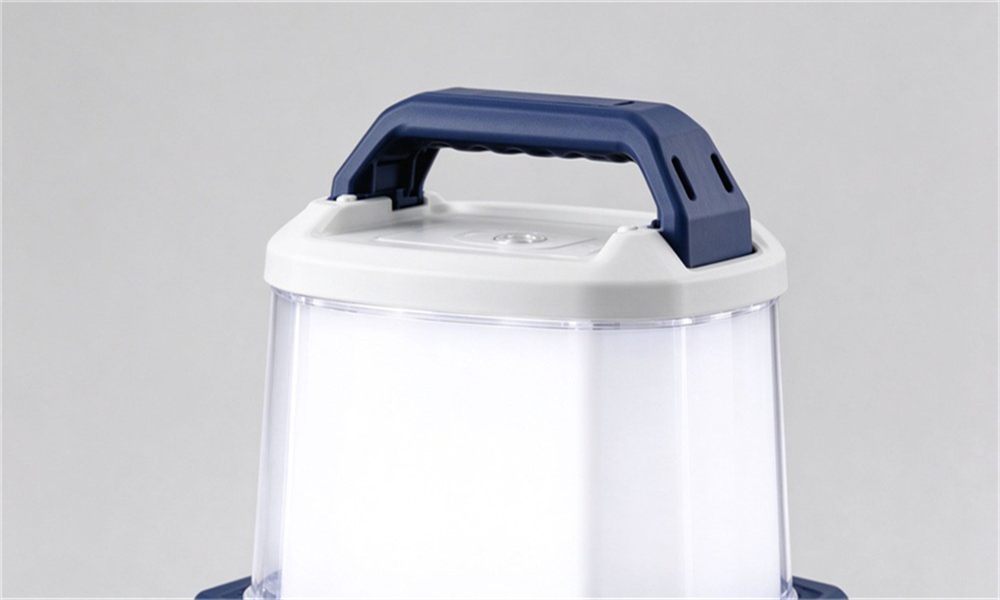
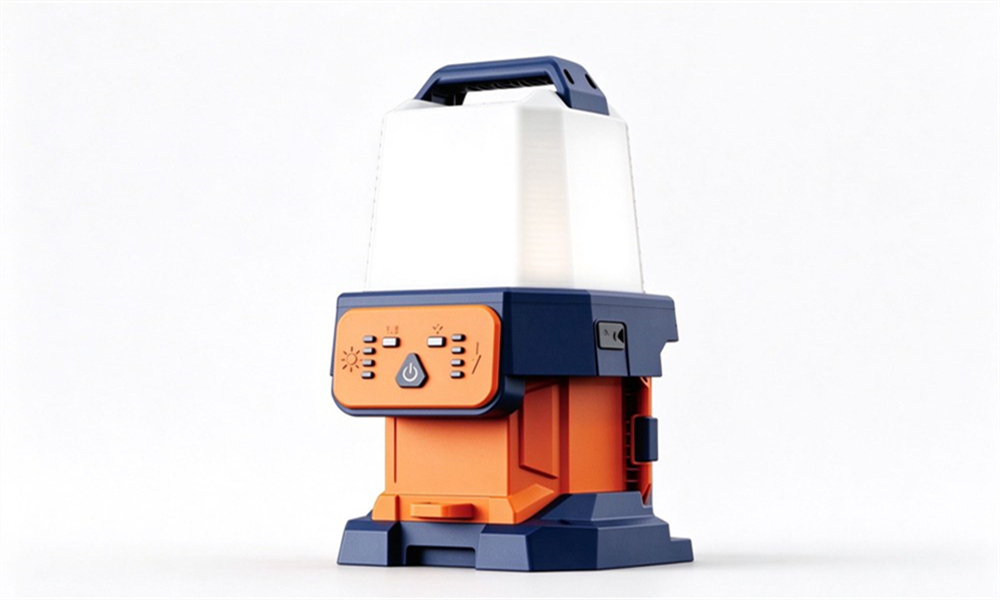
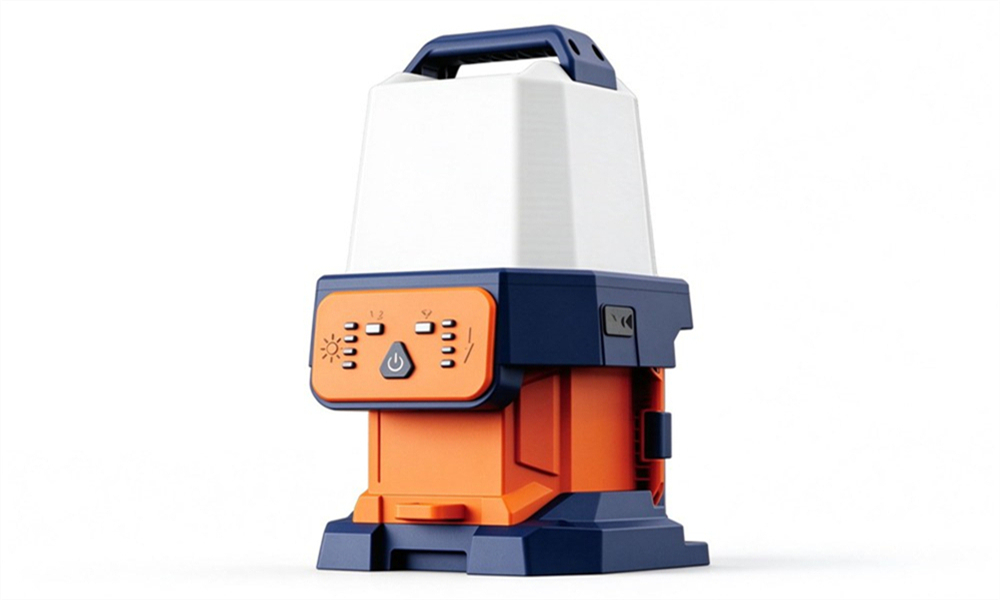
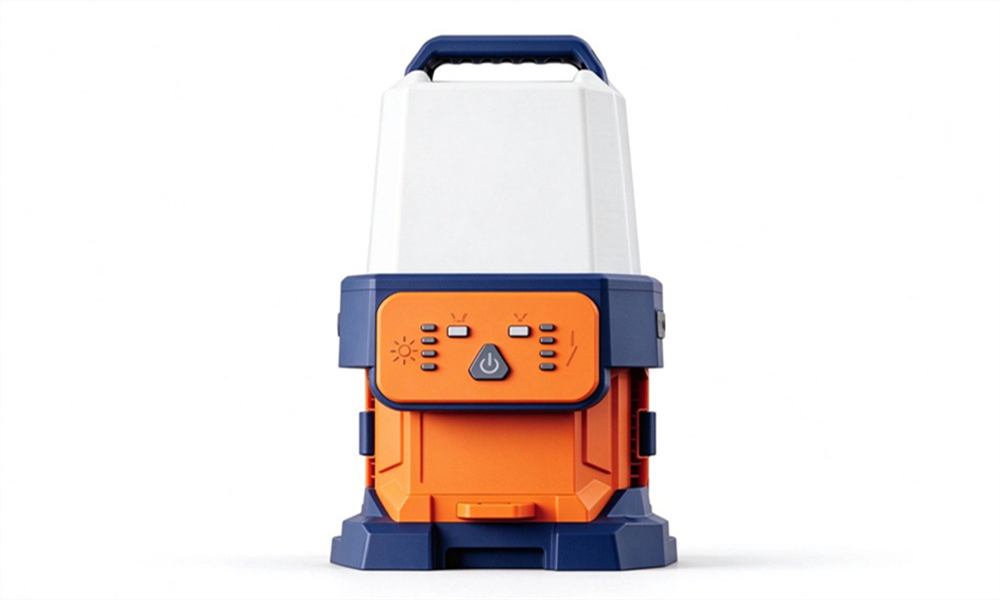
The design follows the PS-200 class handheld panoramic work light: a light body around 2 kg, a foldable carry handle, and a magnetic base that sticks to steel surfaces.
Engineers and rescue crews choose this tool when both hands are needed.
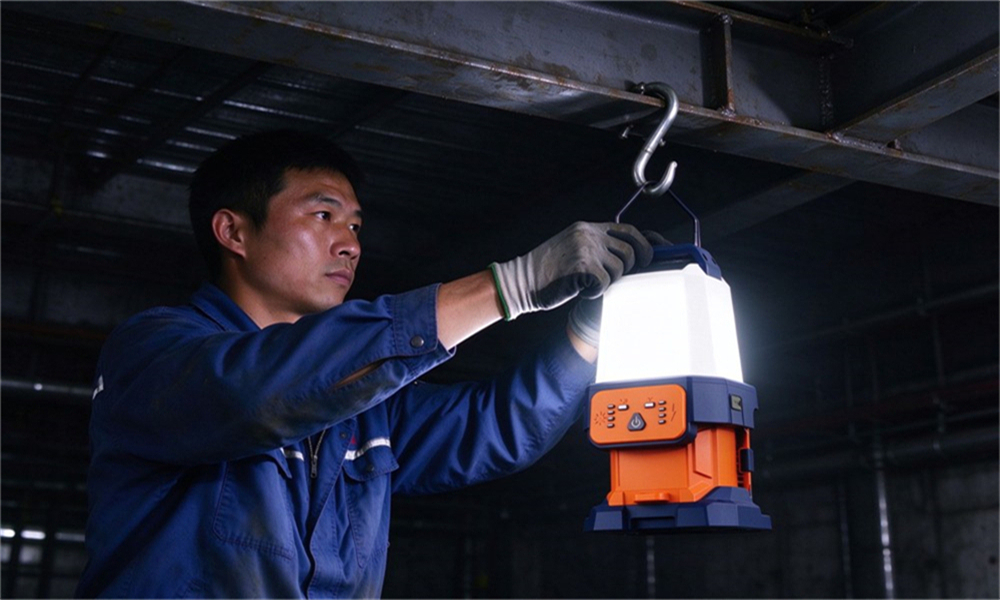
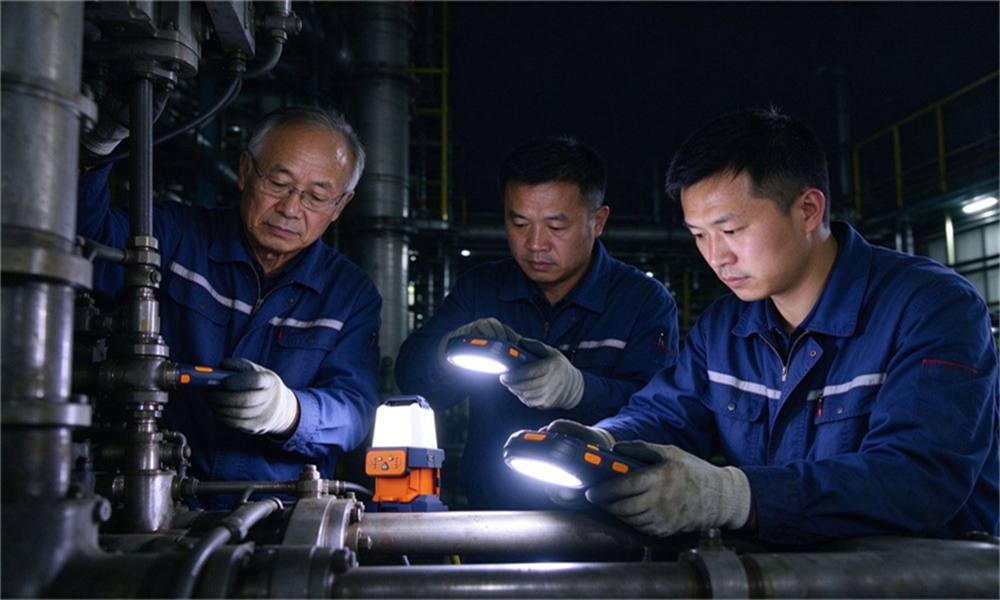
You place the lamp on a steel cabinet, hang it from a beam, or stand it on the ground, and the ring light fills the workspace without anyone holding it.
This matters in confined rooms, cable trenches and engine bays where a handheld beam would leave half the room dark.
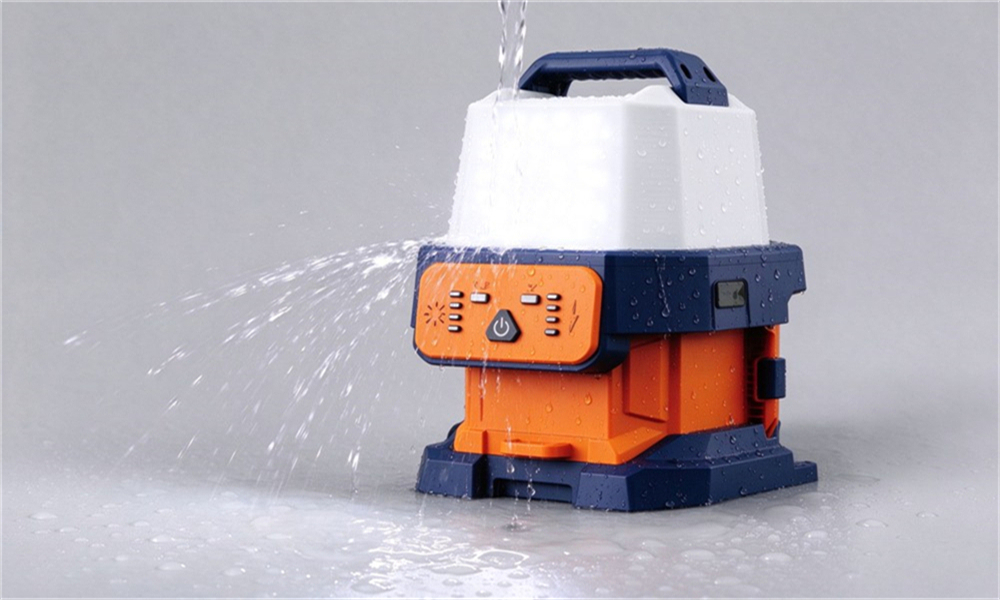
This rechargeable work light housing is engineered for rough site use.Rubber overmolding absorbs drops, sealed buttons resist dust and water, and the LED ring is protected behind a toughened lens.
Typical protection reaches IP66 against powerful water jets and IK10 against high-impact strikes, which is the baseline for industrial and rescue duty.
Runtimes vary by brightness level and battery pack size, and are confirmed per order subject to contract.
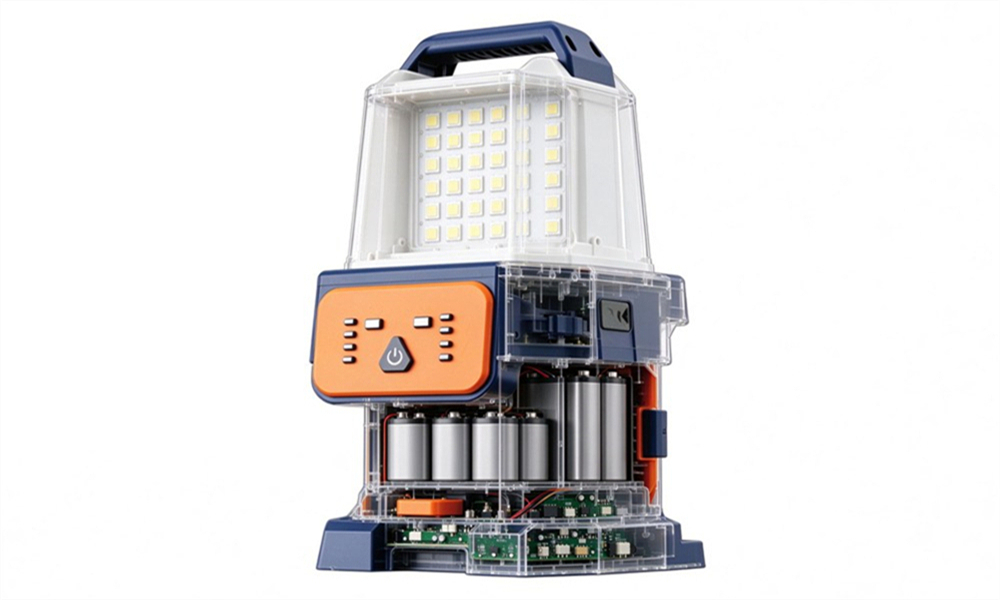
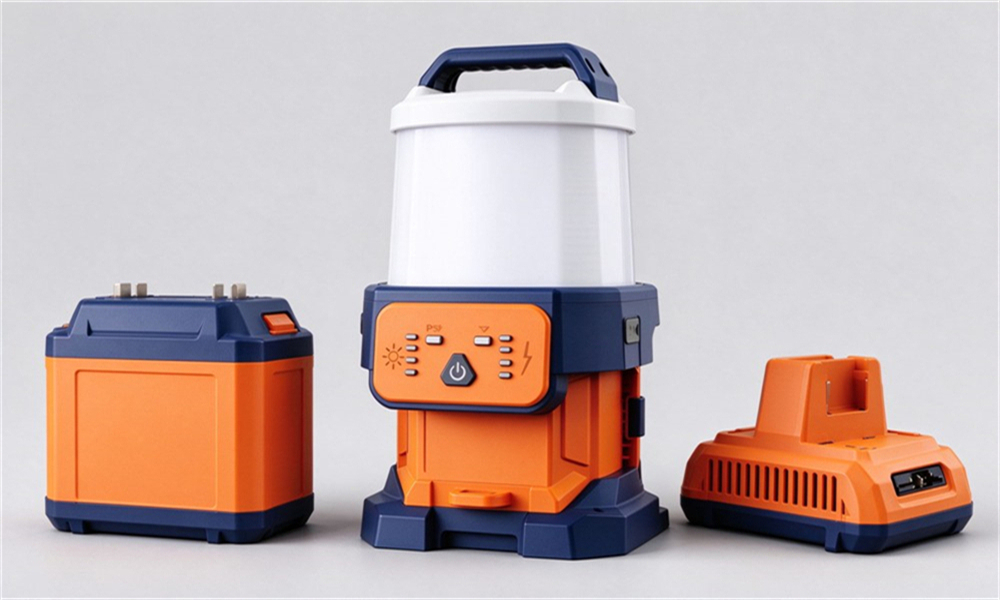
The rechargeable work light battery system is modular.A standard pack supports several hours of work-mode lighting and a much longer eco-mode runtime, depending on the pack and brightness setting.
Spare packs can be swapped in the field so a shift continues without waiting for a charge. USB-C charging adds flexibility, and some models can output power to a phone or small device in an emergency.
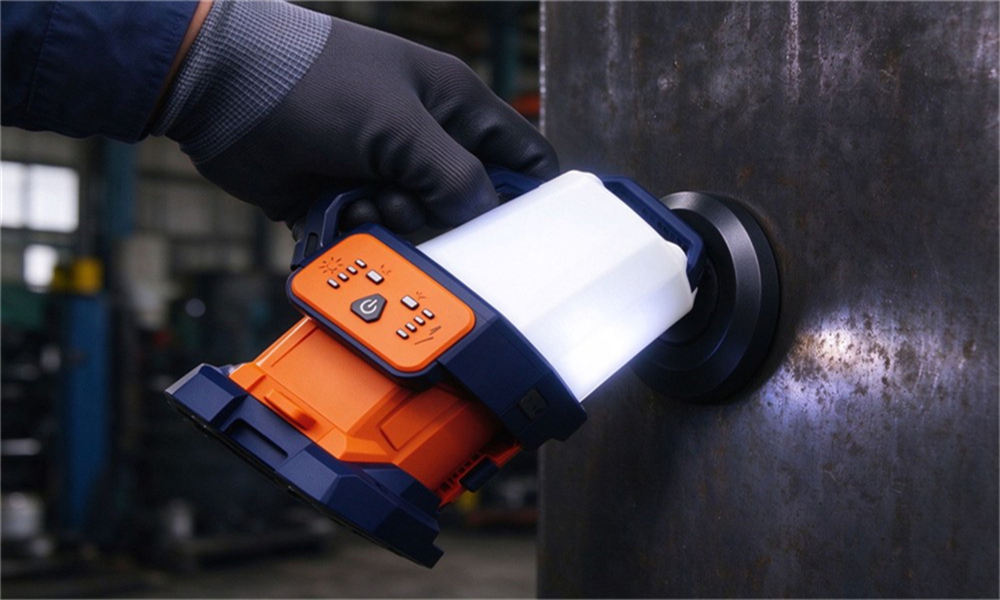
Magnetic fixation is the feature buyers ask about most.
The base holds the lamp on vertical steel panels, equipment shells, vehicle bodies and pipe racks, freeing both hands to record notes, turn wrenches or inspect fittings.
A foldable hook also lets the lamp hang from beams, pipes or ladder rungs when steel contact is not available.
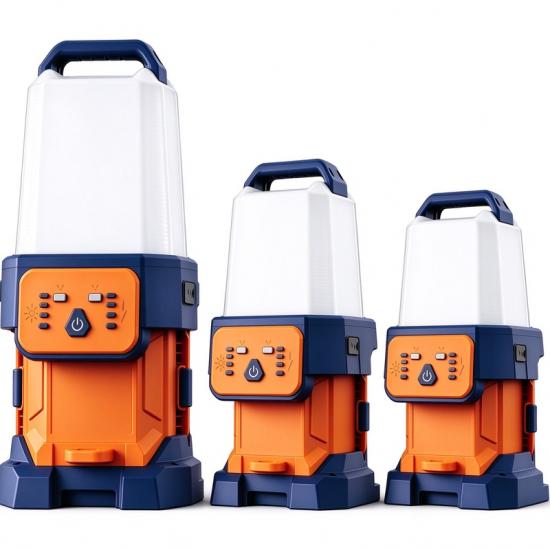
Brightness ranges across this rechargeable work light line from compact inspection units to high-lumen panoramic lamps for wide indoor areas.
A high-output model can deliver roughly 3900 lumens in its top setting, while smaller units trade raw output for longer runtime and lighter weight.
Exact lumen figures, beam angles and battery capacities are quoted per model and confirmed subject to contract.
Why is this called a work light rather than a flashlight?Because the job is to light the space around the worker, not to point at a distant target.
A flashlight helps you see what is far away; a rechargeable work light helps you work safely where you stand.
That distinction drives every design choice from the ring lens to the magnetic base.
For buyers comparing options, this category sits between small flashlights and large telescopic light towers.
It is light enough to carry in one hand all shift long, yet bright enough to replace a mains-powered inspection lamp inside a plant or garage.
When the site grows beyond a single workspace, teams often combine one of these handheld lamps with a larger telescopic mast work light.
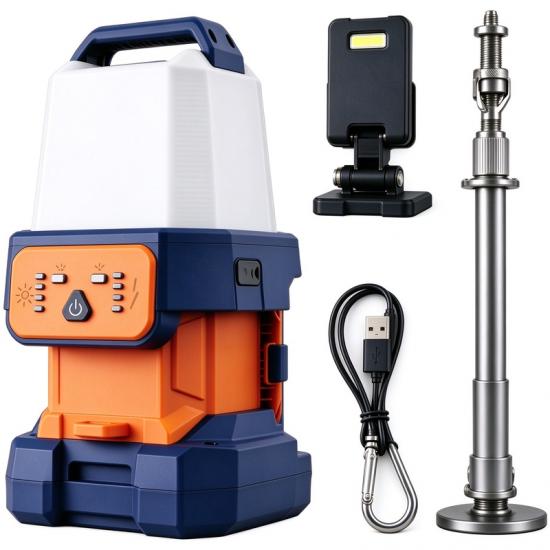
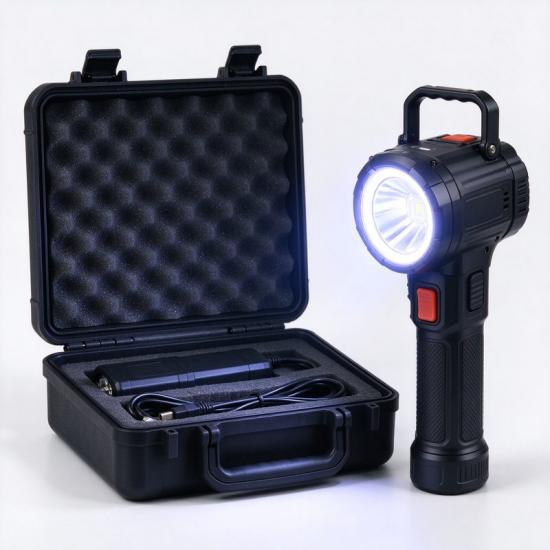
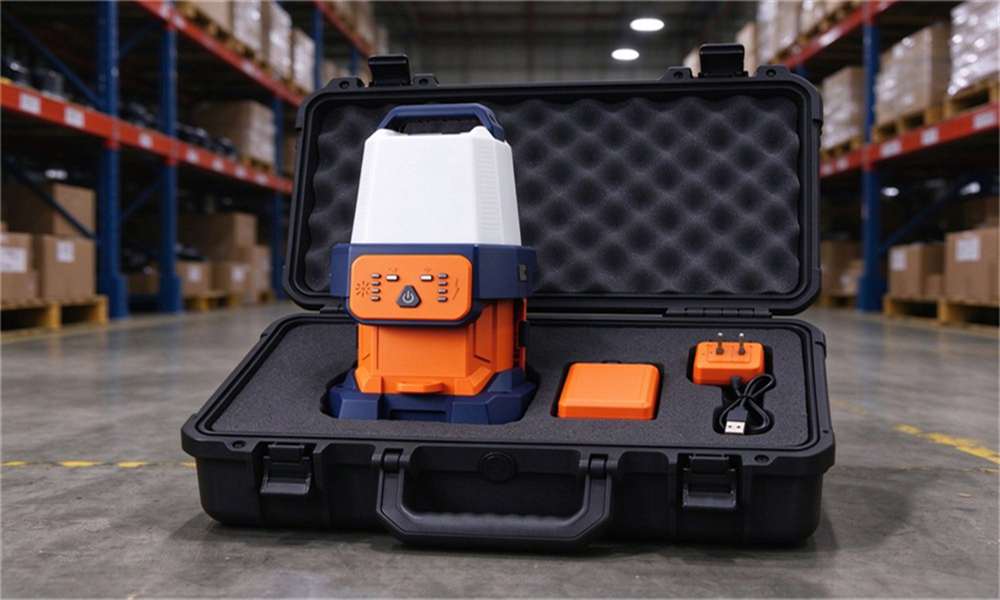
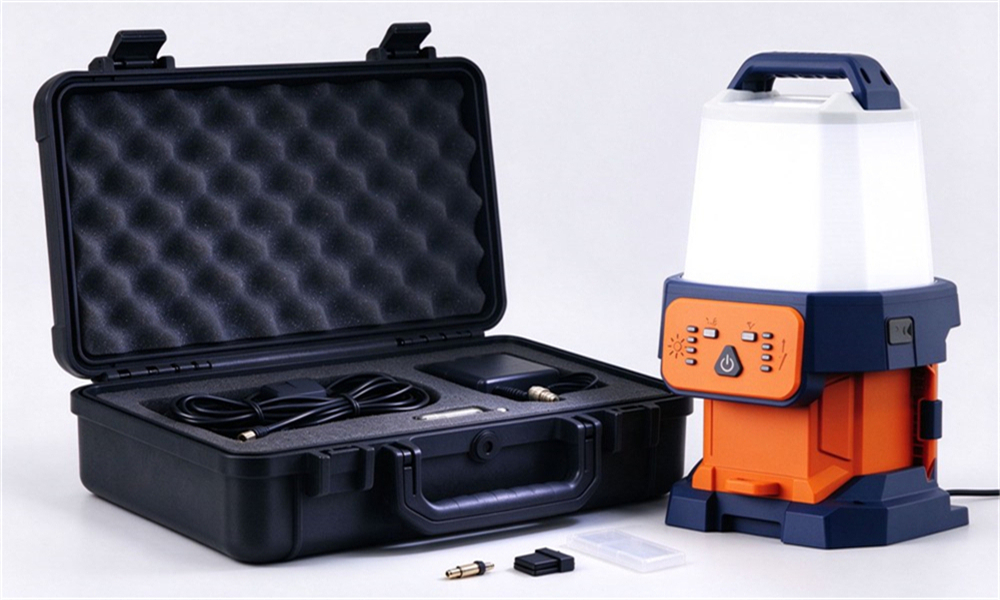
Every rechargeable work light unit ships as a complete kit: the lamp, a rechargeable battery pack, a charger, a USB cable and a carry case.
Logo printing, shell color and packaging can be customized for distributors and industrial buyers, with sample orders and OEM support available, subject to contract.
The product is built and exported from China, with export carton packing for sea freight.
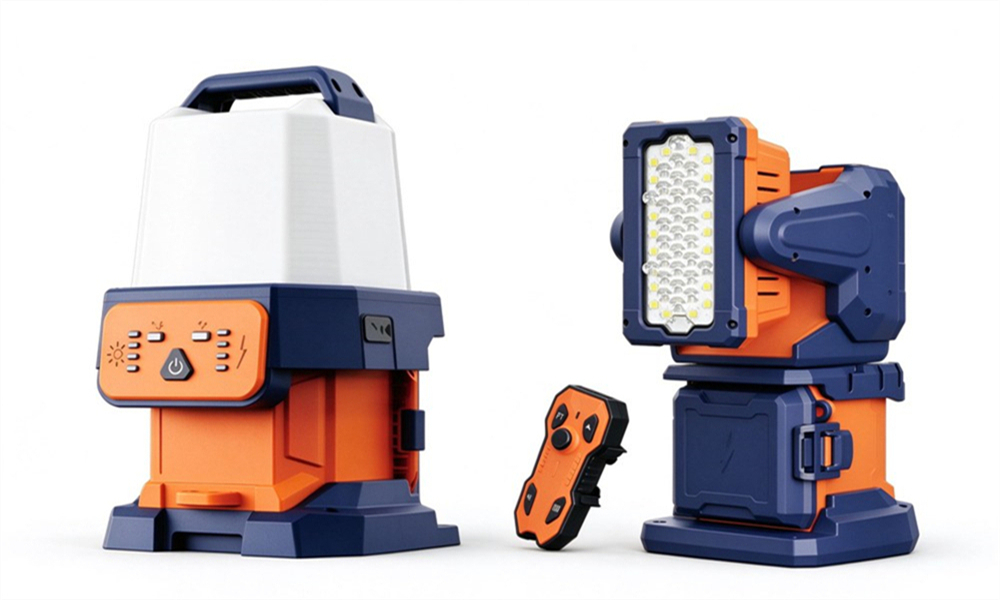
Core Specifications of Rechargeable Light: What the Numbers Mean
When you spec a rechargeable work light, five numbers decide whether it fits the job: lumen output, runtime, protection rating, weight and fixation method.
This section walks through each one so buyers can compare models on the data that actually matters on site, rather than marketing slogans.
All figures below are typical ranges across the model family; exact values are confirmed per order and subject to contract.
Lumen Output and Brightness Levels
Most models offer three to four brightness levels: high for wide area work, medium for close inspection, low for long patrols, and a flashing mode for warning.
A high-output panoramic unit reaches around 3900 lumens on high, while compact units sit in the 800 to 1500 lumen band.
Higher lumens wash a larger circle, but they drain the pack faster, so buyers should match brightness to room size rather than chase the biggest number.
Runtime on Work Mode and Eco Mode
Runtime is where the modular battery design pays off. Work mode on a standard pack supports several hours of continuous lighting, and eco mode stretches that to many times longer by dimming the ring.
Teams planning long night shifts usually carry two or three spare packs, swapping them instead of waiting at a charger.
Charge time via USB-C or the desktop charger typically takes a few hours, depending on pack size and the charger used.
Protection and Impact Ratings
IP66 means the housing is fully dust-tight and protected against powerful water jets from any direction, which suits outdoor night repairs, wet plant floors and rescue scenes in rain.
IK10 means the lens and housing survive high-impact drops and strikes, the level expected when tools are set down on concrete or steel.
These ratings are the baseline for industrial and rescue duty; exact test reports are available on request, subject to contract.
Weight, Balance and Carry
The whole lamp body weighs around 2 kg without the battery pack, light enough to hold overhead for several minutes yet heavy enough to sit stable on a rough surface.
The foldable handle balances the unit so it does not tip over on uneven ground, and the magnetic base locks it to vertical steel without a stand.
Weight is a real buying factor for inspectors who climb ladders or crawl into trenches all day.
|
Model Class
|
Lumen Output (lm)
|
Runtime Work Mode
|
Protection
|
Typical Use
|
|
Compact unit
|
800-1500
|
3-5 h
|
IP65 / IK08
|
Tight inspection, confined space
|
|
Standard panoramic
|
1500-2500
|
5-8 h
|
IP66 / IK10
|
Plant maintenance, garage work
|
|
High-output SX-90L class
|
~3900
|
3-6 h
|
IP66 / IK10
|
Wide indoor area, rescue scene
|
|
Explosion-proof variant
|
1000-2000
|
4-7 h
|
IP66 / Ex certified
|
Oil and gas, chemical zones
|
The table above summarizes the model family at a glance.
Compact rechargeable work light units suit technicians who carry the lamp all day, standard panoramic units cover most maintenance jobs, and the high-output class handles wider indoor rooms and rescue footprints.
Explosion-proof variants are selected for hazardous areas; certification status is confirmed per order subject to contract.
Use this table as a starting point, then refine based on the actual room size and shift length your team faces.
Battery packs are interchangeable within a model series, so buyers can stock one host lamp and several packs for a full night shift.
Chargers include a single-slot desktop unit and a dual-slot unit that charges two packs at once, plus an AC adapter for mains power on site.
A movable fast-charge box can carry and charge nine packs at once for larger crews, supporting long off-grid operations.
Charging input is USB-C across the line, which means any common phone charger or vehicle USB port can top up the pack.
Some hosts also support USB output, letting the lamp act as an emergency power bank for a phone or radio.
That dual-use detail is often the deciding factor for rescue and field teams who must stay reachable all night.


Key Features of Portable LED Emergency Lights: Why the Ring Design Wins
Modern rechargeable emergency lights are judged on four features, and this portable LED emergency light is judged on the same boxes: how evenly they light a room, how securely they mount, how long they run, and how rough they survive.
This section explains each feature and why engineers rate it, so buyers can check the same boxes when comparing models on a shortlist.
The points below describe the design intent of the PS-200 class handheld panoramic lamp.
360 Degree Ring Optics with No Dark Sectors
The ring lens wraps LEDs around the body so light spills in every direction at once.
Place this 360 magnetic LED work light in the middle of a pump room and the pipes on all four walls become visible, with no need to turn or re-aim.
This is the core advantage over a flashlight beam, which leaves the sides and back of the room black.
Adjustable beam spread lets teams narrow the ring for longer reach or widen it for close work.Occupational lighting quality research is available from the NIOSH occupational lighting research program.
Strong Magnetic Base and Foldable Hook
This magnetic work light uses a magnetic base machined to hold the lamp firmly on vertical steel without slipping.
This 360 magnetic LED work light, stuck to a cabinet door, equipment shell or vehicle panel, leaves both hands free for tools and notes.
When no steel surface exists, the foldable hook hangs the lamp from beams, pipes or ladder rungs.
Both fixations deploy in seconds, with no stand or tripod to carry, matching the single-person deployment design.
Modular Rechargeable Battery Ecosystem
The battery pack clicks out and swaps in without tools, so a long shift never pauses for charging.
Standard and extended packs cover different runtime needs, and the same packs fit the matching chargers and fast-charge box.
This modularity also lowers total cost: buyers add packs instead of buying extra lamps.USB-C input means ordinary chargers work, reducing dependence on a proprietary dock.
Rugged Housing for Dust, Water and Drops
Overmolded rubber bumpers absorb the inevitable drop onto concrete or steel.
Sealed buttons and a sealed USB port keep out dust and rain, and the toughened lens resists scratches from hanging tools.
IP66 water protection means the lamp can be hosed clean after a muddy site, a real benefit for crews working outdoors in wet weather.
These are the features that separate a workshop toy from a field-grade tool.
Dual Output: Lighting and Emergency Power Bank
Beyond lighting, the host can output USB power to a phone, radio or small device when the grid is down.
Rescue crews using rechargeable emergency lights value this because it keeps communications alive while they work.The same port charges the lamp, so one cable handles both directions.
This feature is a practical reason to choose a rechargeable system over disposable-battery lamps during multi-hour incidents, see fiberglass fire blankets for home and office safety.
Single-Person, Tool-Free Deployment
Every deployment step takes seconds and needs no assistant.Place, hang or stick the lamp, press one button, and the workspace is lit.
There is no mast to extend, no generator to start, no cable to run.
This matters when a team of two responds to a night breakdown and every minute of setup delays the repair.
For teams that also need hands-free head illumination, a matching emergency headlamp pairs well with this handheld lamp: the headlamp lights wherever the worker looks, while the handheld lamp lights the whole workspace.
Many inspection crews carry both, using the rechargeable work light as the base light and the headlamp for close detail.
That combination covers both the room and the immediate work point without extra stands.
Quality control on the line checks every unit for water sealing, magnetic pull, runtime and button feel before packing. Housings are molded from impact-resistant engineering plastic, lenses from toughened polycarbonate, and contacts from corrosion-resistant alloy.

Application Scenarios: Where a Handheld Work Light Earns Its Place
A rechargeable work light earns its keep in places where mains power is absent, where setting up a tower is overkill, and where both hands must stay free.
This section walks through the most common jobs for the PS-200 class panoramic lamp, so buyers can match their own use case to the right model.
Each scenario lists the recommended fixation, brightness level and typical team size.
Industrial Plant and Equipment Inspection
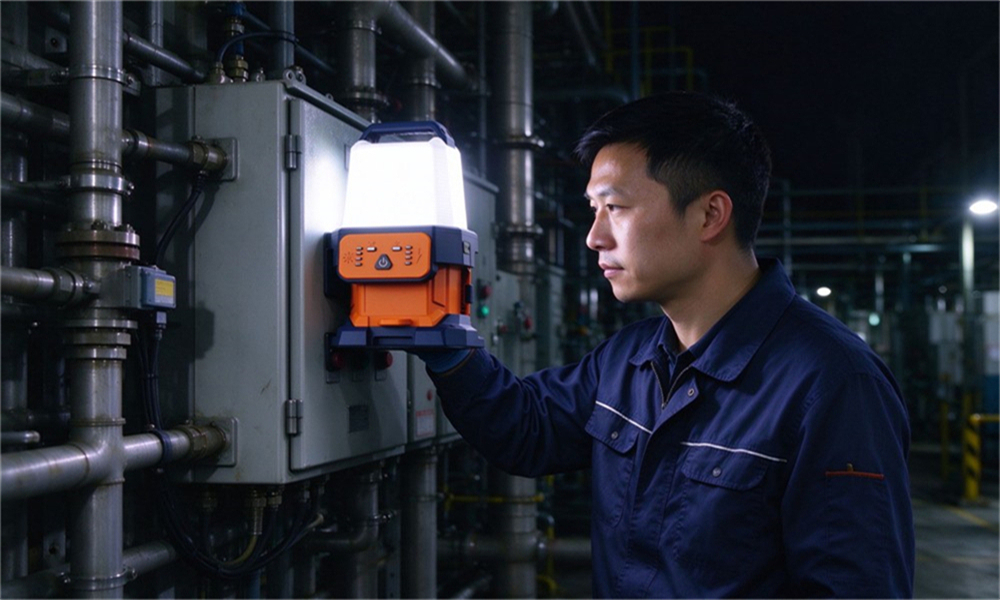
Inside a refinery, power plant or water treatment station, inspectors walk lines of pumps, valves and motors in a plant inspection route.
The magnetic lamp sticks to equipment shells while the inspector reads gauges or probes fittings.Medium brightness is usually enough, and the long eco runtime supports a full night patrol.
This is the daily-driver scenario for the standard panoramic rechargeable work light model.
Construction and Civil Engineering at Night
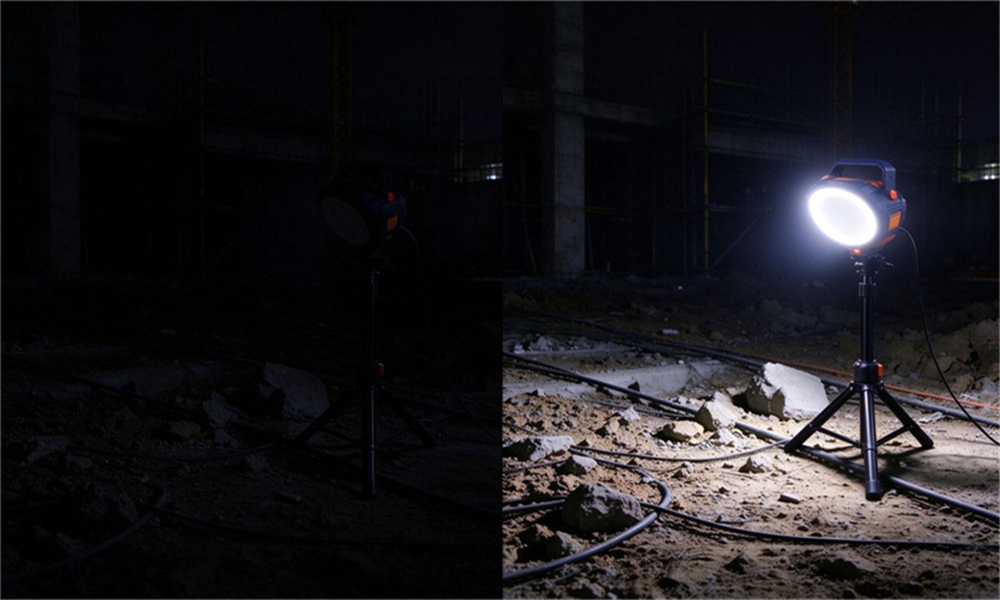
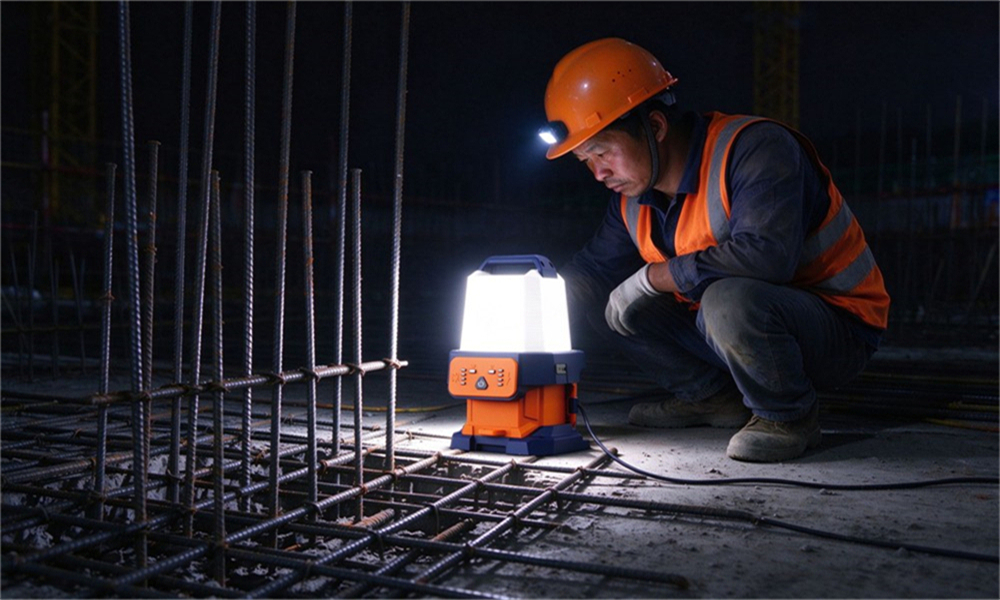
On a night concrete pour or rebar inspection, the lamp stands on the ground and lights the whole working circle.
Workers do not need to hold it, so they tie rebar or place sensors while surrounded by light.
The IP66 housing of this rechargeable work light handles dust and rain on open sites.
For larger excavation areas, teams add a telescopic mast light that lifts the source above the ground while this handheld lamp covers the close-in work point.
Roadside and Vehicle Breakdown Repair
When a truck or car fails at night, the lamp stands on the road shoulder and lights the engine bay or wheel.
The magnetic base also sticks to the vehicle body, aiming the ring exactly where the mechanic leans in.Bright high mode helps passing drivers see the crew as well.
This magnetic LED work light for mechanics favors the compact to standard models, which a mechanic can keep in the trunk.
Fire Service and Rescue Footprint Lighting
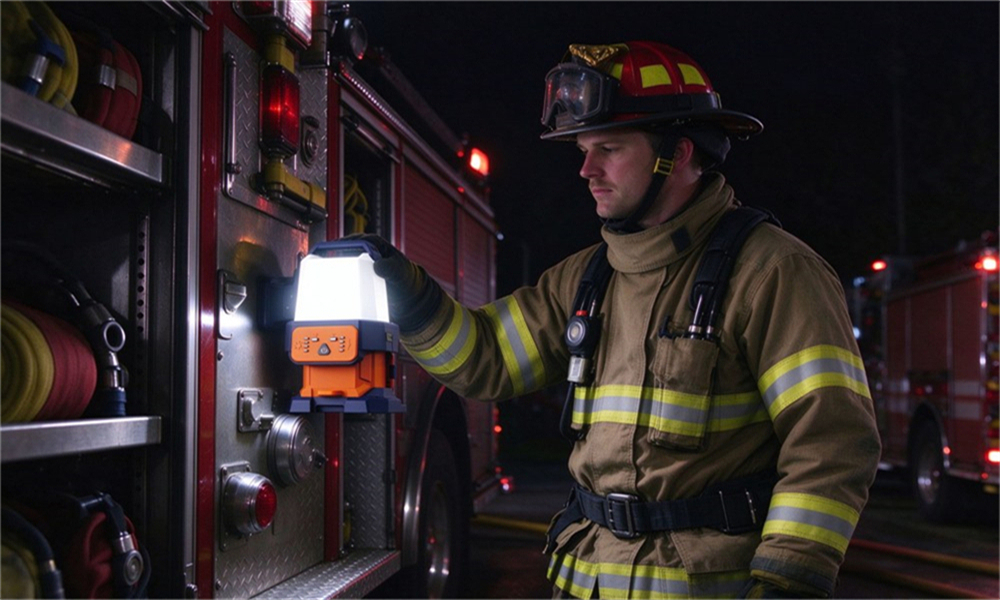
Outside a fire building or collapsed structure, crews need light around their tools, hoses and patients without burning hands holding torches.
This rechargeable emergency light sticks to the truck or stands on the ground, casting a safe work circle.
This rechargeable handheld work light for emergency duty uses explosion-proof variants when flammable gas may be present; certification is confirmed per order.
This scenario is the reason for the IK10 impact rating and the IP66 sealing.
Fire service lighting standards are published by the NFPA fire and life safety standards for buyer reference, see Nomex firefighter turnout gear for structural firefighting.
Warehouse, Basement and Cable Trench Work
In windowless basements, cable trenches and storage racks, the lamp hangs from a hook or stands on a pipe, turning a dark corner into a lit workspace in seconds.
Low power and long eco runtime let inspectors stay down there for hours.The compact model is preferred for tight trenches where a larger lamp would not fit.
|
Scenario
|
Recommended Model
|
Fixation
|
Qty per Team
|
Notes
|
|
Plant inspection patrol
|
Standard panoramic
|
Magnetic on equipment
|
1 per inspector
|
Medium brightness, long runtime
|
|
Night rebar and concrete
|
High-output class
|
Stand on ground
|
2-3 per crew
|
High mode for wide circle
|
|
Roadside breakdown
|
Compact
|
Magnetic on vehicle
|
1 per mechanic
|
Keep in trunk kit
|
|
Rescue footprint
|
Explosion-proof variant
|
Magnetic on truck
|
2 per crew
|
Certification per order
|
|
Cable trench, basement
|
Compact
|
Hook on pipe
|
1 per inspector
|
Eco mode for long shift
|
The table above pairs each scenario with a model class, fixation method and typical quantity.
Most industrial buyers start with two standard panoramic units plus one compact for tight spaces, then add spare packs as shift length grows.
Rescue and fire buyers start with the explosion-proof variant when hazardous zones are on the call list.
Use this table as a baseline and adjust quantities with your own team size and shift plan.
For construction teams planning a whole night site, our separate guide on night construction site lighting layout explains how to mix handheld rechargeable work lights, mast lights and flood units across a site.
The handheld lamp always covers the close-in work point, while larger units lift light above the ground.
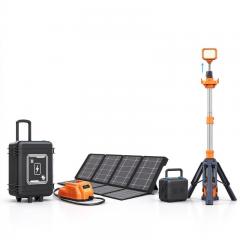
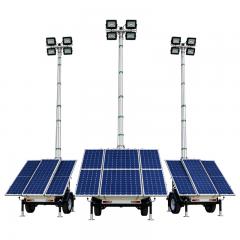
Off-grid camps and remote sites often pair this lamp with a solar emergency light tower that charges by day, the tower powering the whole site and the handheld lamp covering local tasks.
The modular battery ecosystem means the same packs can top up from the tower's solar controller.


Rechargeable Work Light vs Standard Flashlight: When Each Tool Wins
Buyers often ask whether a panoramic rechargeable work light replaces a standard emergency flashlight.The honest answer is that they do different jobs.
A flashlight throws a narrow beam far ahead; a panoramic lamp lights the space around you.The right kit often carries both, matched to the task.
This comparison stays neutral and explains the trade-offs so buyers choose on facts, not marketing.
Light Distribution: Beam vs Ring
A flashlight concentrates lumens into a tight spot that reaches 50 to 200 meters, useful for checking a roofline, a dark road or a distant valve.
A ring lamp spreads the same lumens into a 360 degree circle that reaches maybe 3 to 10 meters, but it lights every wall, floor and pipe within that radius.
If the job is to see what is far away, the flashlight wins; if the job is to work where you stand, the ring wins.
Hand Freedom: Held vs Set Down
A flashlight must be held or mounted on a head strap, which means one hand is busy pointing it.
This magnetic work light sticks to steel or hangs from a hook and then leaves both hands free.
For an inspector turning wrenches or recording notes, that hand freedom is the single biggest advantage.For a searcher scanning a fence line, the flashlight in hand is more flexible.
Runtime and Power Strategy
Both tools run on rechargeable lithium packs, but the ring lamp draws more watts because it lights a whole room, so its runtime is shorter on high mode.
The flashlight, running a single LED, can last many hours on a smaller pack.
Teams on long patrols often use the flashlight for scanning and the ring lamp only when they stop to work, balancing battery use across both tools.
Durability and Sealing
Both categories are built tough, but the panoramic lamp is engineered for the IP66 and IK10 levels needed when it is set down on wet concrete or steel.
Flashlights are often rated IP65, sealed against rain but not against hose-down.
If the tool will sit on a muddy or wet plant floor all shift, the panoramic lamp's sealing is the safer choice.
|
Dimension
|
Panoramic Work Light
|
Standard Flashlight
|
Work Light Wins At
|
Flashlight Wins At
|
|
Light spread
|
360 degree ring, 3-10 m
|
Narrow spot, 50-200 m
|
Room illumination
|
Distant target
|
|
Hands
|
Magnetic or hook, both free
|
Held or head-mounted
|
Working at one spot
|
Moving search
|
|
Runtime high mode
|
3-6 h
|
6-20 h
|
Short intense task
|
Long patrol
|
|
Sealing
|
IP66, IK10
|
IP65 typical
|
Wet, dusty set-down
|
Handheld rain use
|

The comparison table shows the trade-offs side by side.
Rechargeable work light units win at close-in work where both hands matter and the room must be lit; flashlights win at distance scanning and long runtime.
Most professional inspection and rescue crews carry one of each: a headlamp or emergency flashlight for looking around, and a rechargeable work light with a magnetic ring for the work point.
That combo outperforms either tool alone, and it costs less than buying two large light towers.
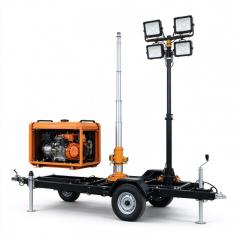
When the workspace grows beyond what one handheld lamp can cover, buyers often step up to a telescopic mast light that lifts the source two to three meters.
The mast light covers a large site area, while the handheld lamp stays at the close-in work point.
This layered kit is the standard for construction crews and rescue teams that need both wide coverage and local hand-free lighting.
For buyers who only need a flashlight for now, starting with one compact panoramic lamp plus a good flashlight is the lowest-risk kit.
Add more handheld lamps as the number of inspectors grows, and add a mast light only when the site area outgrows handheld coverage.
That scaling path avoids overbuying a tower for jobs that a 2 kg lamp already handles. All quantities and model mixes are quoted per your team plan, subject to contract.


Selection Decision Tree: Picking the Right Work Light Model
Answer four questions in order and each job profile points to a recommended starting model. Use this as a checklist, then confirm exact lumens, battery packs and certifications with our team, subject to contract.
By workspace size:
Tight space - pipes, engine bays, cabinets: choose the 800-1,500 lumen compact class (PT200 folding floodlight), small enough to carry overhead.
Medium space - pump rooms, repair bays, garages: choose the 1,500-3,000 lumen standard panoramic class (PS200 360° ring light).
Open space - rescue scenes, construction yards: choose the 3,000-3,900 lumen high-output panoramic class (PS200 SX-90L), or add the TL200 telescopic mast for an even wider spread.
By shift length:
Under 2 hours, short service calls: standard battery pack.
2-6 hours, routine maintenance: extended-capacity battery pack.
Over 6 hours, overnight patrol: hot-swap dual packs plus USB power-bank output to charge phones and radios on site.
By fixation surface:
Steel surface - equipment, beams, vehicle panels: use the strong magnetic base for hands-free placement.
Wood, concrete or pipe space: use the foldable hook to hang the lamp from pipes, trusses or scaffolding.
No attachment surface: set the unit on its ground stand or pair it with the optional tripod.
By usage environment:
Ordinary workshop, garage or plant: IP66 / IK10 standard housing handles dust and drops.
Outdoor rain and wash-down: choose the IP67 waterproof variant.
Oil, gas and chemical hazardous zones: choose the certified explosion-proof variant, configured per order.
Step One: Size of the Workspace
If the workspace is a tight trench, cabinet or engine bay, choose the compact class in the 800 to 1500 lumen band.
It fits where a larger lamp will not and is light enough to carry overhead.
If the workspace is a whole pump room, garage or rescue footprint, choose the standard panoramic class or the high-output SX-90L class around 3900 lumens.
Larger rooms need the wider ring spread of a rechargeable work light, not just more raw lumens.
Step Two: Length of the Shift
A 2 to 4 hour repair job runs fine on one standard pack.An 8 to 12 hour night patrol needs either eco mode or two to three swappable packs.
Long-shift buyers should budget for spare packs at the same time as the host lamp, because charging during the shift is usually not possible.
A dual-slot charger or the movable fast-charge box covers crews of more than two inspectors.
Step Three: How the Lamp Must Fix
If you work on steel equipment, the magnetic base is the decisive feature and every model in the line has it.
If you work under beams or pipes, confirm the foldable hook.If you work on open ground, the lamp stands on its own weighted base, so no tripod is needed.
Match fixation to the surface your team actually stands on, not the idealized workshop floor.
Step Four: Hazardous Area Requirement
Oil, gas, chemical and grain-handling zones may need an explosion-proof variant.Certification status and marking are confirmed per order, subject to contract, because these units are a separate build.
For ordinary industrial plants, garages and construction sites, the standard IP66 IK10 unit is the right choice and the lower-cost one.
Never assume a standard lamp is safe in a hazardous zone; confirm certification first.
|
Model Class
|
Lumen (lm)
|
Hazard Rated
|
Fixation
|
Price Band
|
|
Compact
|
800-1500
|
No
|
Magnetic + hook
|
Entry
|
|
Standard panoramic
|
1500-2500
|
No
|
Magnetic + hook
|
Mid
|
|
High-output SX-90L
|
~3900
|
No
|
Magnetic + hook
|
Upper mid
|
|
Explosion-proof variant
|
1000-2000
|
Yes (per order)
|
Magnetic + hook
|
Premium
|
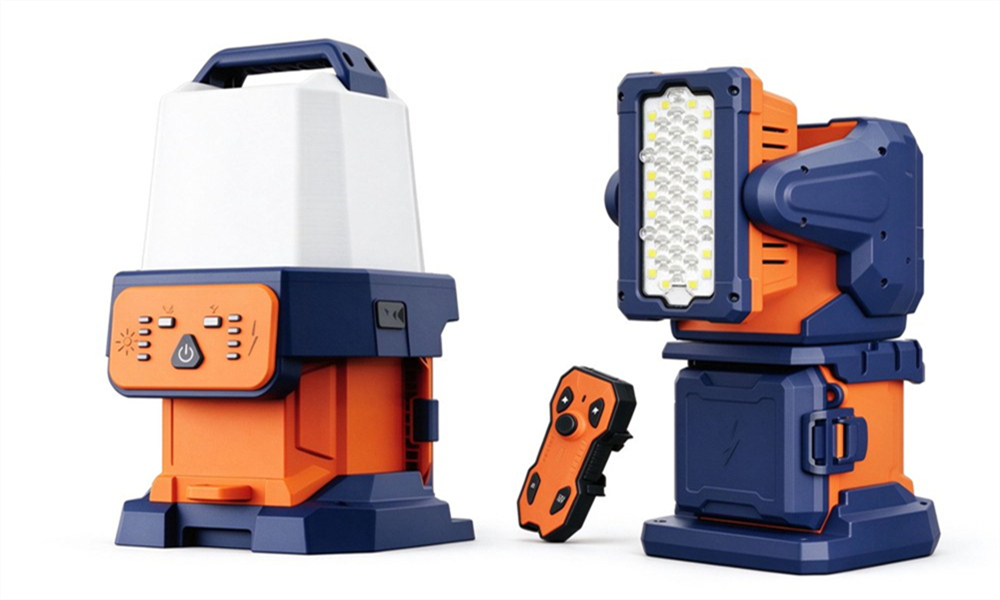
The model table summarizes the four starting points.Most industrial buyers land on the standard panoramic class, with compact units as add-ons for tight spaces and high-output units for wide rooms.
Explosion-proof units are only stocked when a hazardous area is confirmed.Price bands are indicative ranges and final pricing is quoted per order, subject to contract, based on quantity and customization.
Accessories to budget for at the same time: spare battery packs, the dual-slot charger, a USB car charger for vehicle kits, and the hard carry case.
Logo printing and shell color are available for OEM orders, with sample units supplied before bulk production.
If after this tree you are still unsure which class fits, the fastest way forward is to describe the typical space, shift length and one fixation surface, and we will recommend a starting kit.
You can also see the full range on the all emergency lighting equipment overview page to compare this handheld lamp against towers, searchlights and headlamps.
That overview helps buyers who are building a complete lighting kit rather than a single tool.
Once the model class and fixation surface are settled, the next step is a sample approval and a short spare-parts list, so the first shipment arrives ready to work a full shift.


COB LED CRI ≥ 80 and 120° Wide-Angle Uniformity in Confined Spaces
A handheld rechargeable work light earns its keep in engine rooms, cable trenches and ship holds. This anchor explains why CRI and beam uniformity matter more than raw lumens in confined spaces.
CRI Ra ≥ 80, CCT 5000-6500 K
The COB ring emitter delivers CRI Ra ≥ 80 at CCT 5700 K. A high CRI lets a technician distinguish a red hydraulic hose from a black cable without a color confusion. Below CRI 70, color diagnosis slows down 30-40% per field observation.
5700 K is daylight white. It avoids the yellow cast of halogen, which makes inspection panels look cleaner than they really are. CCT options down to 4000 K are available for heat-sensitive clean rooms.
120° Wide Beam, Uniformity U0 ≥ 0.6
The ring emitter spreads light across 120°. Floor uniformity U0 (minimum lux / average lux) in a 3 m × 3 m engine room corner is ≥0.6. A narrow flashlight beam would leave dark pockets behind pipes.
LED lumen maintenance follows IES LM-80 LED lumen. Lifetime extrapolation follows IES TM-21 LED lifetime. Photometric vocabulary references CIE 194 photometry.
No Dark Sectors in the 360° Ring
The ring uses 24 discrete COB modules arranged in a circle. Each module is binned within 3 SDCM. Adjacent modules blend so there is no visible seam when the light sits on a steel bench. A cheap strip-based ring shows dark gaps at 1 m distance.
Battery Ecosystem Runtime and USB-PD Emergency Power Bank
A handheld work light doubles as an emergency phone charger on night callouts. This anchor gives the runtime curves and the USB output spec.
Work / Eco / Flash Modes Runtime
The 5000 mAh Li-ion pack (18.5 Wh) runs
Work mode (10 W): ~4 hours
Eco mode (5 W): ~8 hours
Flash mode (1 W strobe): ~20 hours
A typical shift uses Work for 2 hours of active troubleshooting, Eco for 4 hours of waiting, and Flash for the last hour when the crew needs to be seen by passing traffic.
USB-A 5 V / 2 A Output for Phone
The pack has a USB-A output at 5 V / 2 A (10 W). It will charge a phone once from flat during a 12-hour night shift. This is the feature field crews ask about most: the light doubles as a rescue power bank for a dead phone.
Mobile battery pack safety follows UL 2056 battery pack. Electrical safety for USB outputs references IEC 62368-1 safety. Shipping compliance is governed by UN 38.3 battery transport test.
Modular Battery Swap
The battery pack is user-swappable. A spare pack costs about 15% of the light head price. Two packs in rotation cover a 24/7 control room without plugging the light into a wall.
Magnetic Base Pull-Force and 1.5 m Concrete Drop Test
A handheld work light gets dropped on concrete. This anchor explains the magnetic base rating and the drop survival test.
Magnetic Base ≥ 8 kg Pull
The rear magnet pulls with ≥8 kg (about 80 N) on a clean steel surface. It holds the light to a machine housing, a truck undercarriage, or a ship's bulkhead while both hands stay free. A release lever lets the user peel the magnet off with one motion.
For oily or curved surfaces, pull-force drops by 30-40%. Wipe the magnet face before use.
1.5 m Drop on Concrete, 6 Faces
The housing survives 1.5 m concrete drop on all six faces without cracking the lens or opening the battery door. This is the MIL-STD-810H procedure. Typical field failure is a scratched bezel, not a dead light.
Luminaire safety follows IEC 60598-1. Impact rating references IEC 62262 IK impact rating. Drop procedure aligns with MIL-STD-810H drop test.
IP65 / IK08 Housing
The head is IP65 against water jets. IK08 rating covers 5 J impact. Cable exit is a sealed strain relief. No user-serviceable parts inside; the unit is sealed for life.


FAQ: Deep Technical Questions on Rechargeable Work Light
Why does CRI matter for a maintenance technician?
CRI ≥80 lets a tech tell red hoses from black cables at a glance. Below CRI 70, color diagnosis slows by 30-40%. In a 10-hour shift that is real time.
Can the light charge my phone during a night callout?
Yes. USB-A 5V/2A output charges a phone once from flat. The 18.5 Wh pack will not fully charge a modern phone twice, but one top-up is enough for emergency comms.
Will the magnet hold on an oily truck undercarriage?
Pull-force drops 30-40% on oily or curved surfaces. Wipe the magnet face. For safety-critical holds, use the fold-out tripod instead.
Field Case: A Rechargeable Work Light in a Ship Engine Room Overhaul
A 3000 TEU container ship undergoes a main-engine overhaul in Colombo. The engine room is 3 m high, packed with pipes. Six technicians carry a rechargeable work light each, clipped to a vest. This case shows how the COB ring and USB output matter in confined space.
CRI Diagnosis
CRI 5700 K at Ra 80 lets a tech identify a red cooling hose versus a black fuel line at arm's length. A halogen drop light at 3000 K would blur the colors. Over an 8-hour shift, color confusion errors drop by an estimated 30%.
120° Ring Uniformity
The light sits on a steel bench 1.5 m from the cylinder head. The 120° ring spreads light across the bolted flange. Uniformity U0 ≥0.6 means no dark pocket behind a pipe where a loose bolt could hide.
USB Emergency Charge
The tech's phone died on day 2. The work light's USB-A 5V/2A output tops it up during lunch. The crew calls the chief engineer from the engine room floor without walking to the accommodation block.
Comparison Table: Rechargeable Work Light vs Flashlight vs Headlamp
A rechargeable work light wins when both hands work and the surface is nearby. A flashlight wins for long-throw search; a headlamp wins when both hands must be free.
|
Parameter
|
Rechargeable work light (COB ring)
|
Flashlight
|
Headlamp
|
|
Beam
|
120° wide ring
|
10° spot
|
60° spot
|
|
CRI
|
≥80
|
70-80
|
70-80
|
|
Hands-free
|
Magnetic base ≥8 kg
|
No
|
Worn on head
|
|
Runtime
|
4-20 h by mode
|
2-6 h
|
2-8 h
|
|
USB output
|
5V/2A phone charge
|
None
|
None
|
|
Best use
|
Engine room / cable trench
|
Search / inspection
|
Two-hand work
|

FAQ: Battery Life and Magnetic Base Questions Answered
Buyers most often ask about runtime, magnetic fixation and model selection for a rechargeable work light.
The questions below cover the points that come up on every inquiry, with direct answers and the data range to plan around.Exact figures are confirmed per order subject to contract.
What exactly is a rechargeable work light?
It is a handheld, battery-powered inspection lamp with a 360 degree ring LED and a magnetic base, built to light the space around you rather than far ahead.
The high-output SX-90L class reaches about 3900 lumens with 3 to 6 hours runtime on work mode, figures subject to contract.
How do I choose the right brightness for my inspection space?
Match brightness to room size: tight trenches and engine bays suit the 800 to 1500 lumen compact class, while pump rooms and rescue footprints need the 1500 to 3900 lumen panoramic class.
Too much light wastes battery and creates glare on wet surfaces.Large work areas pick the high-output rechargeable work light model; small close-in jobs pick medium mode.
What should I confirm before ordering a rechargeable light?
Confirm four things: lumen output for your room, runtime on the chosen brightness, magnetic pull on your steel surfaces, and the IP or impact rating for your environment.
Hazardous oil and gas zones require the explosion-proof variant, certified per order.For ordinary plants and garages, the standard IP66 IK10 unit is the safe baseline.
Can a 360 degree work light illuminate a well or pipe from the bottom?
Yes.Place the lamp at the bottom or extend it into a pipe, and the ring lens lights the full circumference at once with no dark sector.
That is the main reason inspectors prefer this rechargeable work light over a flashlight, which leaves half the wall dark.
Is this lamp suitable for forensic or accident scene investigation?
Yes.Stick it to a vehicle or set it on the ground, and both hands stay free to photograph, measure or record.
The ring light gives even illumination without harsh shadows on the evidence.Explosion-proof variants are selected when flammable gas may be present, and certification is confirmed per order subject to contract.
How is this lamp used by fire services at night scenes?
Fire crews use it outside the fire building or collapsed structure, magnetically attached to the truck or standing on the ground, to light hoses, tools and patient care.
It does not occupy a hand and can be repositioned in seconds.The explosion-proof panoramic variant is the standard choice for fire and rescue crews entering unknown atmospheres.
How strong is the magnetic base, and will it hold on rough steel?
The base is engineered to hold the lamp firmly on vertical steel panels, equipment shells and vehicle bodies during normal work.
Exact pull strength depends on surface condition and model, and is confirmed per order subject to contract.For vibrating environments, a heavier base or hook fixation is recommended as a backup.
How bright is the brightest rechargeable work light in this line?
The high-output SX-90L class reaches about 3900 lumens on its top setting.
Other models in the family sit in the 800 to 2500 lumen band, trading brightness for longer runtime and lighter weight.
Exact lumen values per host model are quoted per order subject to contract.Pick the high-output class only when the room truly needs it.
How long does the battery last on a single charge?
On work mode, runtime typically runs from 3 to 6 hours depending on model and brightness; eco mode extends it several times longer.
USB-C charging takes a few hours, and some hosts can output USB power to a phone or small device in an emergency.
Long patrols should choose medium brightness and carry swappable packs.
Do you offer an explosion-proof rechargeable work light for hazardous zones?
Yes, an explosion-proof variant is available for oil, gas and chemical areas, with certification confirmed per order subject to contract.
Standard units are not certified for hazardous zones, so never substitute one without written confirmation.For flammable atmospheres, always select the certified explosion-proof model.
How does the housing handle drops and dusty sites?
The overmolded rubber housing and toughened lens are rated to IK10 impact and IP66 dust and water jet protection
Drop height and exact test reports are available on request, subject to contract.For multi-dust workshops and demolition sites, the IP66 variant is preferred over a lower-rated unit.
Should I buy a panoramic work light or a standard flashlight?
Buy the panoramic rechargeable work light for close-in work where both hands must stay free, and the emergency flashlight for distant target scanning.
Most professional crews carry both: the magnetic ring lamp lights the workspace, the flashlight checks what is far away.
For inspection and repair, a combined one-lamp plus one-headlamp kit outperforms either tool alone.
Ring light or spot beam for finding defects on equipment?
Use the ring light first to scan the whole surface quickly and spot anomalies, then switch to a spot or flashlight beam to inspect the suspect detail closely.
The 360 degree ring removes shadowed corners; the spot beam resolves fine cracks or marks at distance.That scan-then-detail sequence is faster than working with only one beam.
Do you support sample orders, OEM branding and custom packaging?
Yes.Sample units can be supplied for approval, and OEM orders support logo printing on the housing, custom shell colors and retail packaging.
Minimum order quantities and lead times are quoted per order subject to contract.Industrial and distributor buyers usually start with a sample approval before placing a full crew order.
Wholesale Procurement: Ordering a Rechargeable Work Light from China
Send a short brief: typical room size, shift length, one fixation surface and whether the site is a hazardous zone.
Approve a sample: test lumen feel, magnetic pull on your steel and button reach before bulk production.
Confirm customization: logo print, shell color and packaging are locked after sample approval.
Budget spares: order spare battery packs, chargers and USB cables alongside the first shipment.
Ordering a rechargeable work light wholesale for a crew, distributor or industrial buyer follows a clear process: confirm the model mix, approve samples, then move to bulk production and export packing.
This section walks through the steps so buyers know what to prepare and what to expect.All lead times, MOQ and pricing are quoted per order subject to contract.
Step One: Define the Model Mix and Quantity
Tell us the typical workspace size, shift length, fixation surface and whether any hazardous zone is involved.
We will recommend a starting mix of compact, standard and high-output rechargeable work light units plus spare packs.
Distributors usually stock the standard panoramic class first, then add compact and high-output units as demand shows.
Industrial buyers buy the exact mix their own crews use on a typical night shift.
Step Two: Sample Approval and Customization
A sample unit ships for hands-on testing before bulk production.This is the stage to confirm lumen feel, magnetic pull on your steel, button reach and runtime on your brightness level.
Logo printing, shell color and packaging for the rechargeable work light are adjusted after sample approval.
This step protects the bulk order, and buyers who skip it usually request changes after production has started.
Step Three: Bulk Production and Export Packing
Bulk units are packed in export cartons with foam lining, each kit containing the lamp, battery pack, charger, USB cable and carry case.
Battery packs are packed according to transport rules for lithium cells, with documentation arranged for sea or air freight.
Production lead time depends on quantity and customization level, and is confirmed in the order confirmation, subject to contract.
Step Four: Spare Parts and After-Sales Support
Plan for spare battery packs, chargers and USB cables alongside the first order, because these are the parts that wear first.
The modular design means packs and chargers are interchangeable within the model series.Keep a small stock of consumables so a dead pack never stops a shift.
|
Step
|
Buyer Provides
|
We Deliver
|
Timeline
|
|
1. Requirement
|
Workspace, shift, fixation, zone
|
Recommended model mix
|
1-2 working days
|
|
2. Sample
|
Logo, color, packaging brief
|
Sample unit for testing
|
Per arrangement
|
|
3. Bulk
|
PO and deposit
|
Production and export packing
|
Subject to contract
|
|
4. After-sales
|
Spare parts list
|
Packs, chargers, cables
|
Repeat order
|


The procurement table shows what each side brings to every step.
Buyers move fastest when they send a short brief with the typical room size, shift length and one fixation surface, rather than a long list of uncertain questions.
Samples come first for the rechargeable work light, bulk follows, and spare parts are ordered alongside the first shipment to keep crews running.
All timelines and quantities are confirmed in the order, subject to contract.
For teams building a complete night lighting kit rather than a single handheld lamp, our overview of all emergency lighting equipment walks through towers, searchlights, headlamps and accessories.
Most buyers end up with a layered kit: a solar or telescopic unit for wide area light, a handheld panoramic lamp for close-in work, and headlamps for each worker, see water rescue life jackets for emergency preparedness kits.
Independent references for workplace lighting standards are published by OSHA workplace lighting guidance.
These external pages are links for buyer reference only and are not a claim of certification; our own test reports are provided on request, subject to contract.
Use them to benchmark your internal lighting and emergency preparedness policy.
Whether you are outfitting a maintenance crew, a fire and rescue team, a construction contractor or a hardware distributor, the starting point is the same: tell us the workspace and the shift, and we will recommend a kit that fits.
Sample approval de-risks the bulk order.Whether you need a magnetic work light for plant maintenance or rechargeable emergency lights for a rescue team, the starting brief is the same.
Every unit is built and exported from China, with export carton packing for sea freight.Whether you are outfitting a maintenance crew, a fire and rescue team, a construction contractor or a hardware distributor, the starting point is the same: tell us the workspace and the shift, and we will recommend a kit that fits.
Sample approval de-risks the bulk order.Whether you need a magnetic work light for plant maintenance or rechargeable emergency lights for a rescue team, the starting brief is the same.
Every unit is built and exported from China, with export carton packing for sea freight.
Related Guides & Products
Global voltage: 110V / 220V / 240V configurations. Built to IEC standards; CE marking and UL/ETL-ready options on request. Exported to USA, Europe, Middle East and Southeast Asia. Manufactured in China.
Standards referenced on this page: IEC lighting standards · OSHA workplace safety · US Department of Energy · NFPA fire safety codes · CDC emergency preparedness. These are general references only; local codes and your contract govern compliance.
Product: Handheld 360 Degree Rechargeable Work Light (PS-200 class).All specifications are typical ranges and confirmed per order, subject to contract.Product is manufactured and exported from China.
Logo, color and packaging customization available for OEM orders.