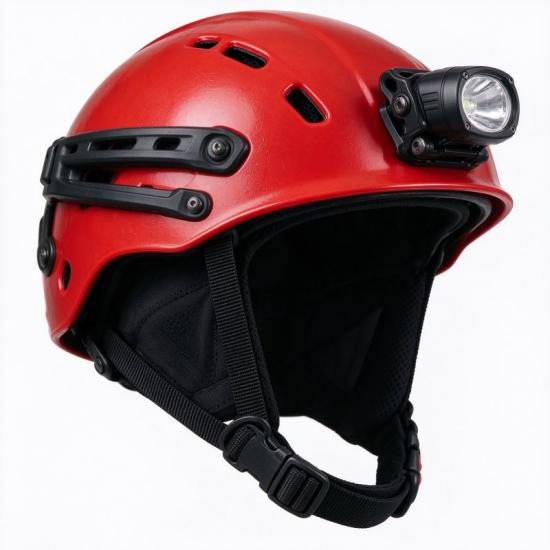
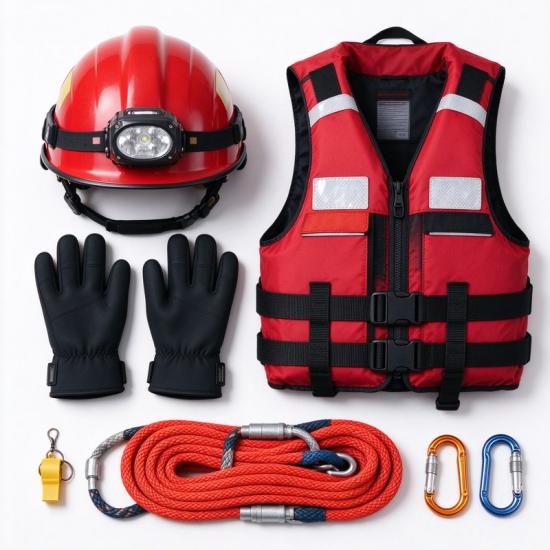
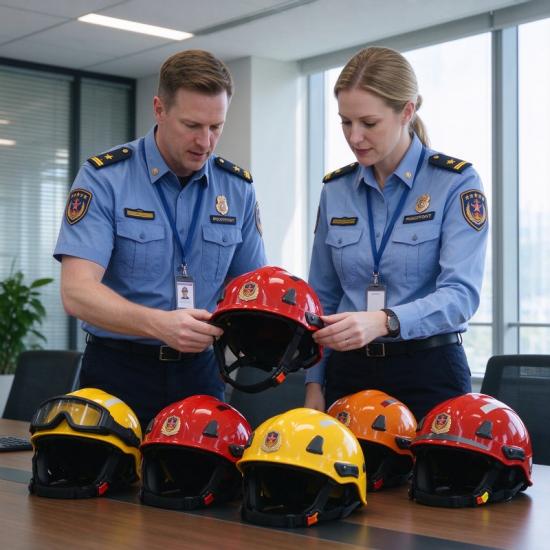
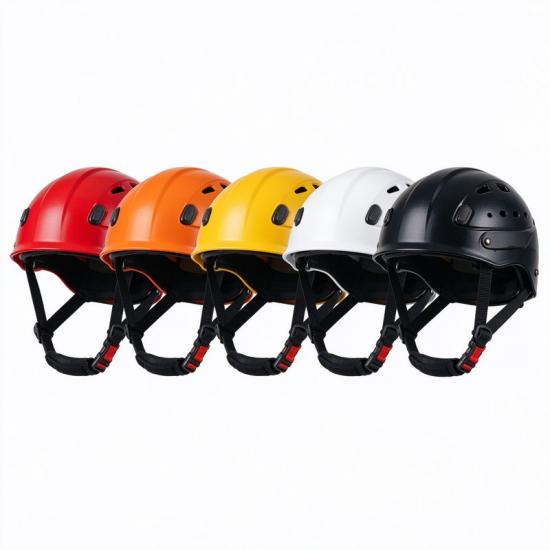
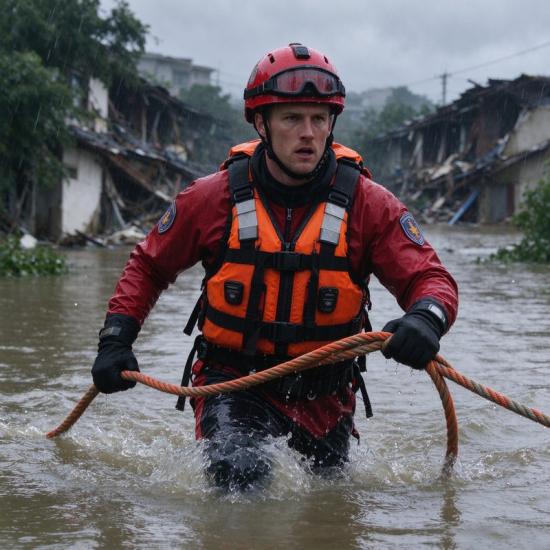
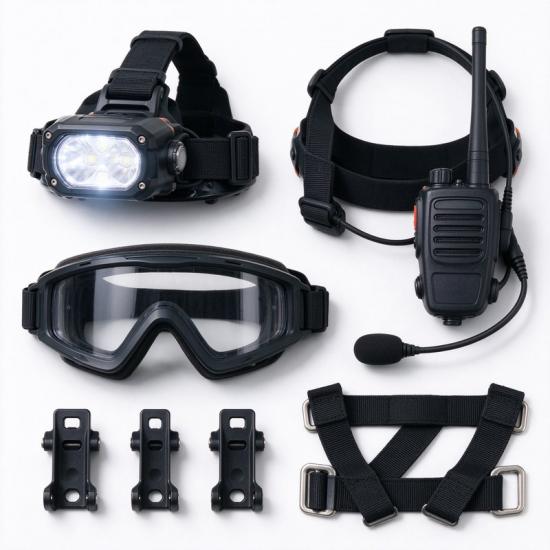
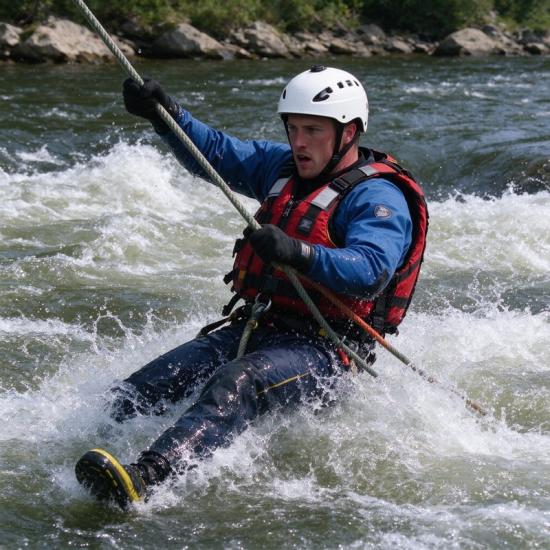
Durable water rescue helmet built with high‑impact ABS outer shell and shock‑absorbing EPS foam liner. Available in half‑shell and full‑coverage styles with multi‑direction drainage vents. Features ratchet adjustment dial, four‑point chin strap system, side rails and front mount for headlamp and action camera. Multiple color options, lightweight design, ideal for swiftwater, flood and ice rescue. Suitable for fire teams, support bulk institutional procurement.
Note: Price for reference only. Exact price based on quantity, size, weight and custom details.
model no. :
SAB-05-1Brand:
YRFmarket price :
$130.8sale price :
$78.9price range :
30-100/$48.9 100-500/$30.8Color :
Multiple Colorport of dispatch :
Guangdong/GuangzhouPayment :
TT, Paypal, Western Unionmin order :
30original region :
Made in ChinaLead Time :
5-15daysSize :
standard size |
 |

|
Table of Contents
|
1. Helmet Types & Product Range |
6. Certifications & Quality Standards |
|
2. Impact Protection & Shell Technology |
7. Selecting the Right Helmet |
|
3. Ventilation & Drainage System |
8. Care, Maintenance & Inspection |
|
4. Fit, Adjustment & Retention |
9. Bulk Orders & Customization |
|
5. Accessory Mounting & Rail System |
10. Frequently Asked Questions |
Helmet Types & Product Range
1.1 Half-Shell Tactical Helmet
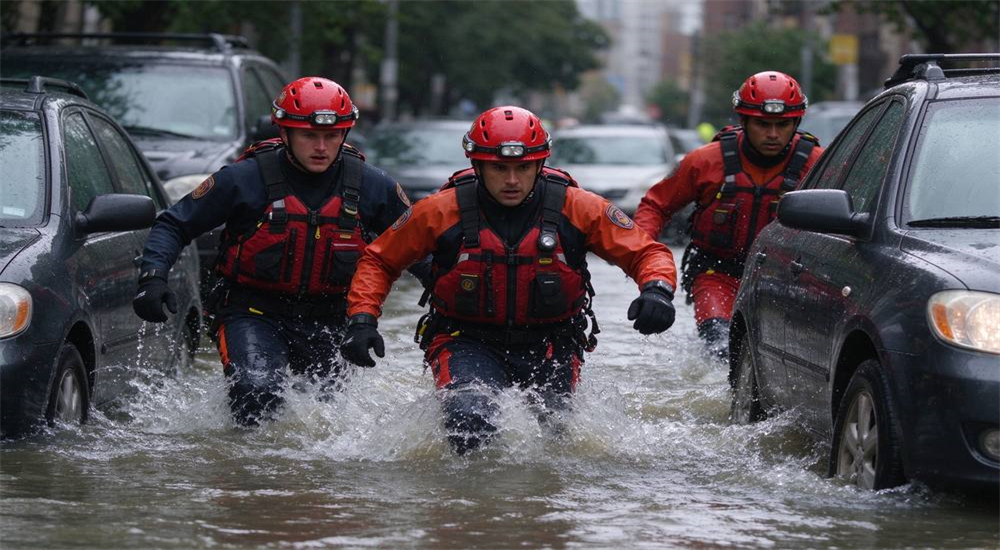
The half-shell model is the most widely deployed water rescue helmet in professional swiftwater and flood teams, and also serves as a durable watersports helmet for kayak, canoe and SUP programs that need impact-rated head protection. It leaves the ears exposed for better situational awareness — hearing team commands, engine noise, and victim calls — while still covering the crown, forehead, and occipital region. The open-ear design also makes it easier to wear with communication earpieces or bone-conduction radios. Weight is typically 380 to 450 grams depending on shell thickness and liner density.
Standard features include 8 to 10 drainage vents distributed across the top and rear, a rear ratchet dial covering 55 to 62cm head circumference, a four-point chin strap with quick-release magnetic or Fastex buckle, and integrated side rails. The half-shell is the default recommendation for general-purpose water rescue, river rescue, and flood evacuation where the team needs to move fast and hear clearly.
1.2 Full-Coverage Helmet with Ear Protection
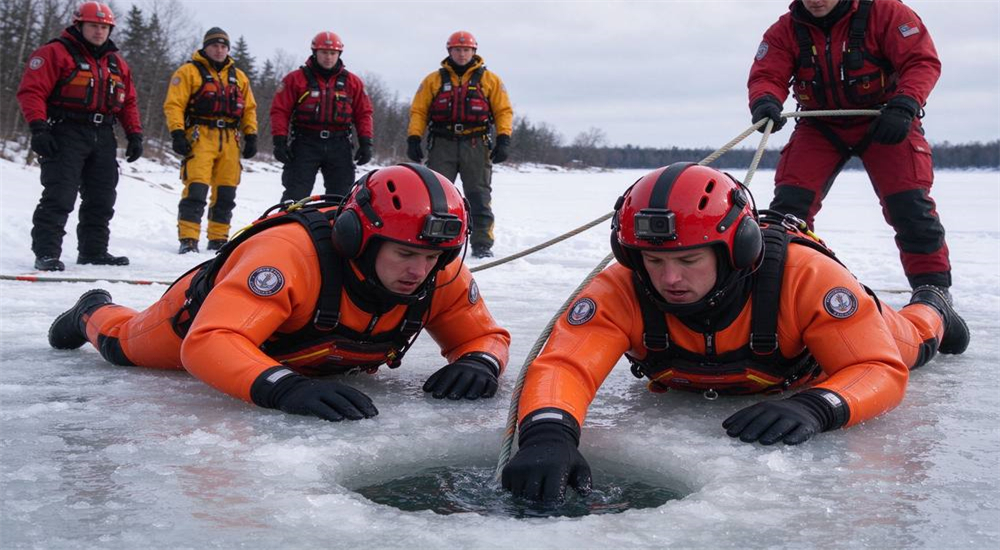
The full-coverage model extends the shell down over the ears and adds a lower nape protector, reducing side-impact exposure and improving retention when the wearer is tumbled in a hydraulic. It is the preferred choice for ice rescue helmets, helicopter hoist operations, whitewater raft guiding, and any scenario where the rescuer may strike their head against ice edges, boat gunwales, or submerged timber. The ear cups are vented to preserve hearing and are lined with removable EVA pads for comfort.
Because the full-coverage shell adds material and a larger liner, weight runs 450 to 550 grams. This configuration is also the standard kayak helmet for whitewater racing and creek boating, where extended ear protection prevents paddle impact injuries. This configuration is also the standard kayak helmet for whitewater racing and creek boating, where extended ear protection prevents paddle impact injuries. The trade-off is acceptable for teams that prioritize impact protection over raw ventilation. Many departments run a mixed fleet: half-shell for summer flood and river work, full-coverage for winter ice and technical water rescue.
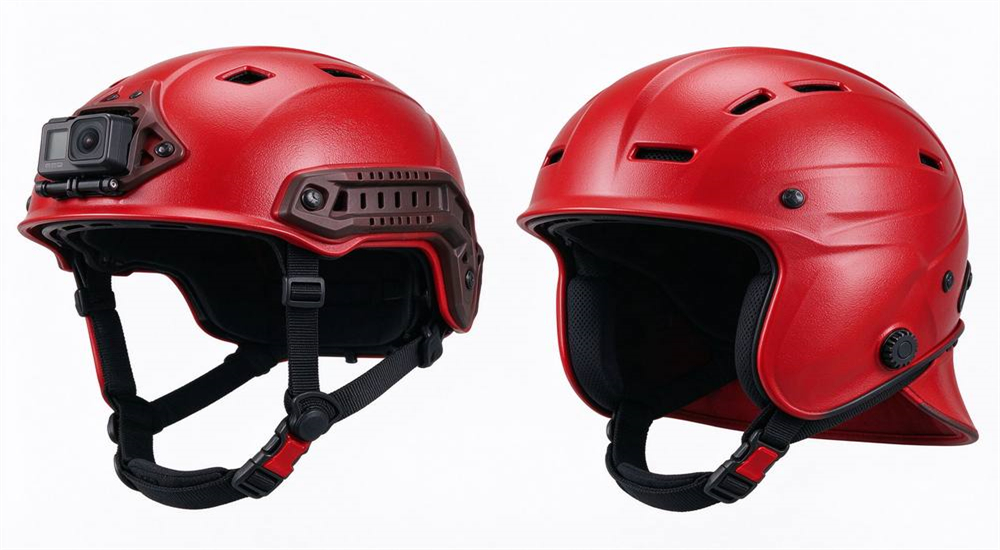
1.3 Tactical Rail & Camera Mount Configuration
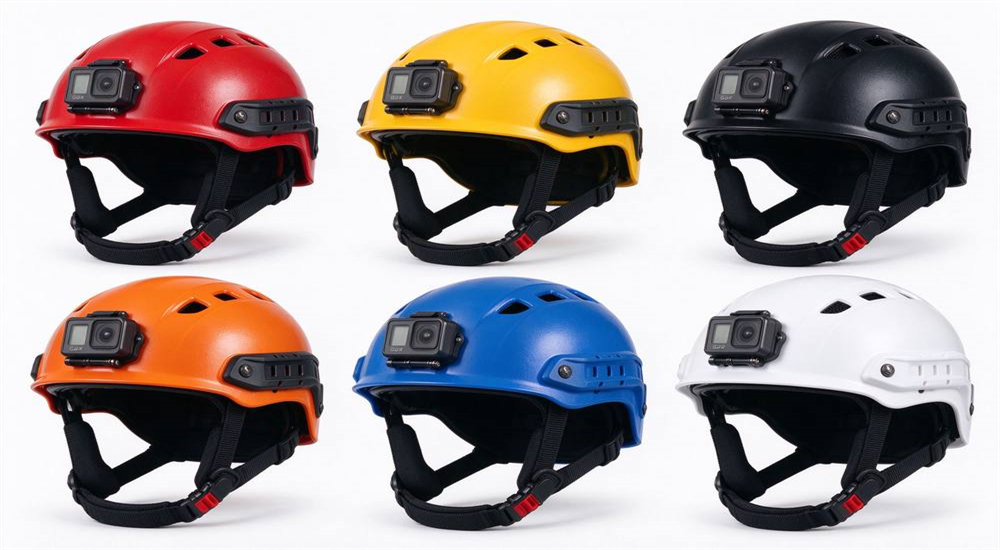
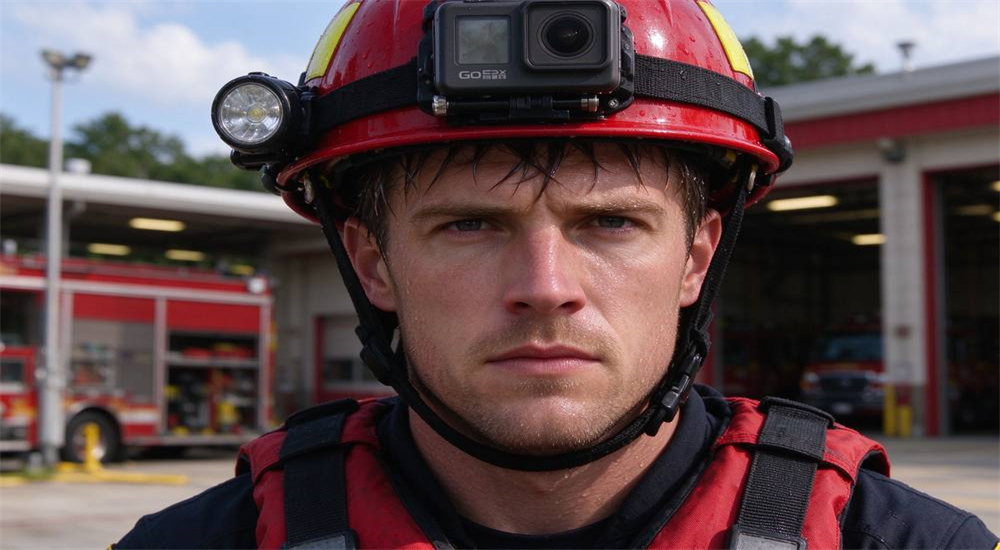
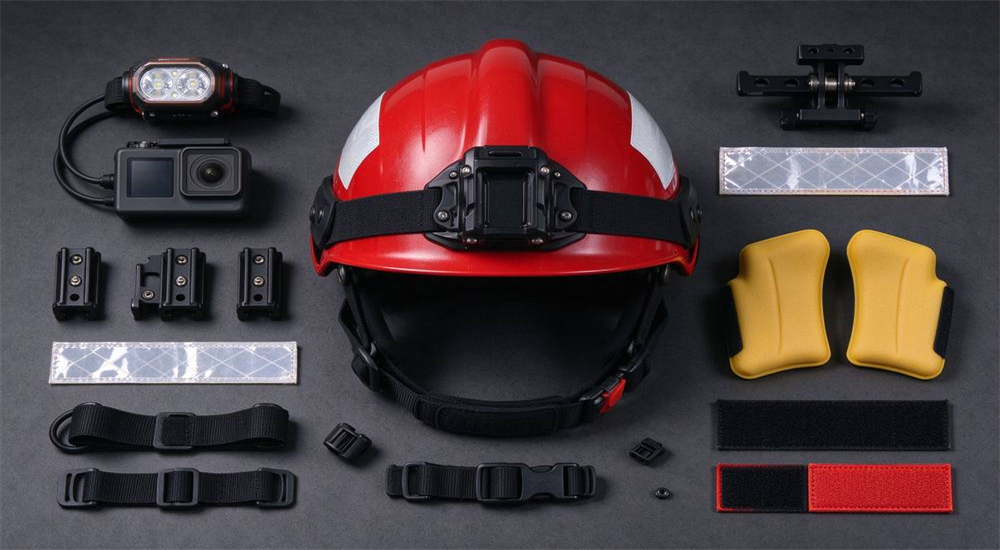
Both shell styles are available with a tactical accessory package that adds reinforced side rails, a front NVG-style mount compatible with GoPro and similar action cameras, and a top Velcro patch for identification or IR markers. The rails accept standard headlamp brackets, camera mounts, and helmet-mounted lighting without drilling or adhesive. This configuration is standard for teams that document operations, use helmet cameras for after-action review, or operate in low-light flood environments where hands-free lighting is mandatory.
1.4 Basic Training & Entry-Level Model
For training academies, volunteer teams, and large-volume procurement where budget is the primary constraint, we offer an entry-level model with the same ABS shell and EPS liner but a simplified retention system (sizing pads instead of ratchet dial) and fixed side slots rather than full rails. It still meets the same impact protection requirements but reduces cost by approximately 20 to 25 percent. This model is also suitable as a backup or spare helmet fleet.
The table below compares the four primary helmet configurations across the dimensions that drive procurement decisions: coverage, weight, adjustment, accessory compatibility, and typical use case.
Shell material selection involves a trade-off between weight and durability. ABS shells provide excellent impact resistance at an economical price point, making them ideal for high-volume department purchases. Polycarbonate shells are lighter and more scratch-resistant, which may be preferable for teams that prioritize comfort during long operations.
Most professional teams standardize on the half-shell tactical model for general water rescue and add full-coverage helmets as a secondary fleet for ice and technical operations. The tactical rail package is recommended if the team uses headlamps or cameras regularly.
|
Configuration |
Coverage |
Weight |
Adjustment |
Accessories |
Primary Use |
|
Half-Shell Tactical |
Crown + forehead + nape |
380-450g |
Ratchet dial 55-62cm |
Full rails + GoPro mount |
Swiftwater, flood, general water rescue |
|
Full-Coverage |
Crown + ears + nape |
450-550g |
Ratchet dial 55-62cm |
Full rails + GoPro mount |
Ice rescue, helicopter, technical water |
|
Tactical Rail Package |
Half or full shell |
+20-30g |
Ratchet dial 55-62cm |
Reinforced rails + NVG mount + Velcro |
Low-light ops, camera documentation |
|
Entry-Level Training |
Crown + forehead |
350-400g |
Sizing pads |
Fixed slots only |
Training, volunteer, backup fleet |
Impact Protection & Shell Technology
2.1 ABS Outer Shell
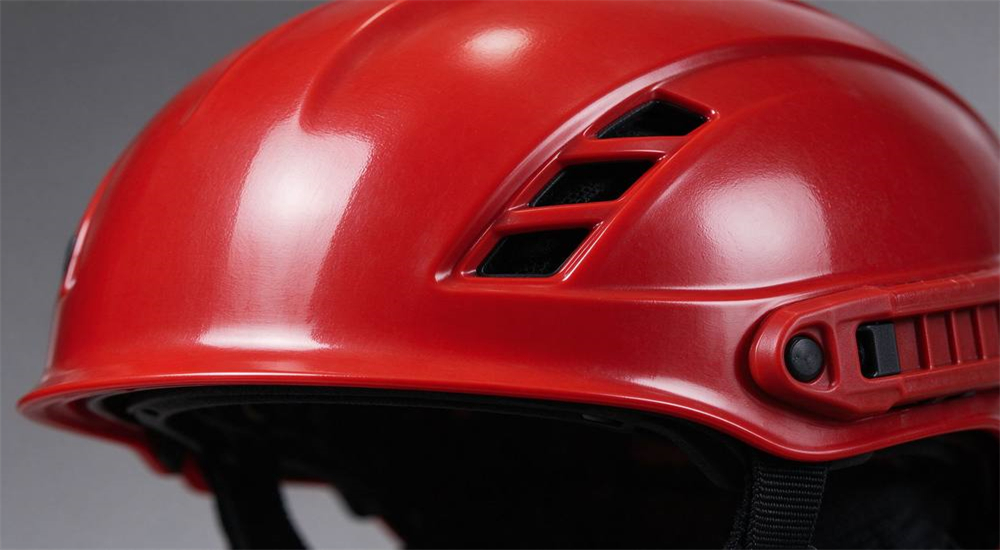
The outer shell is injection-molded from high-strength ABS resin (acrylonitrile butadiene styrene), a thermoplastic chosen for its combination of impact toughness, dimensional stability, and resistance to UV degradation and chemical exposure. ABS does not shatter on sharp impact the way polycarbonate can under certain conditions; instead it deforms and absorbs energy through plastic deformation, then retains enough structural integrity to protect against a second impact. Shell thickness ranges from 2.5 to 3.5mm depending on model and certification target.
ABS is also well-suited to pad printing and heat-transfer logo application, which means custom department badges, unit numbers, and reflective identification strips can be applied at the factory without compromising shell integrity. The shell surface is available in high-gloss or matte finish; matte is preferred for tactical and low-visibility operations, high-gloss for maximum visibility and easy cleaning after contamination.
2.2 EPS & EVA Energy-Absorbing Liner
Beneath the ABS shell sits an expanded polystyrene (EPS foam) liner, the same material used in bicycle and motorcycle helmets, engineered to crush progressively under impact. The EPS liner is typically 20 to 30mm thick at the crown and 15 to 20mm at the sides, with density graded from 60 to 90 g/L depending on the impact zone. Higher density at the crown handles vertical impacts; slightly lower density at the sides allows more deformation for oblique blows.
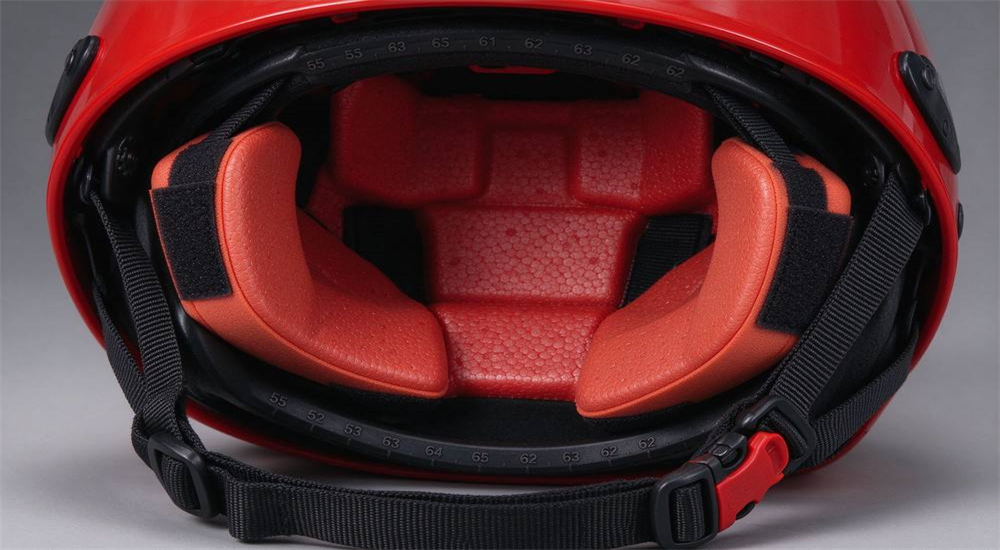
Against the wearer's head, a removable EVA comfort pad layer provides cushioning, sweat absorption, and a customizable fit. The EVA pads are hook-and-loop attached so they can be removed for washing or replaced when worn. Some models use a suspension web system (PET fabric straps) instead of full EVA padding, which increases ventilation and reduces contact area but requires more careful sizing adjustment.
2.3 Bonding & Construction Process
The shell and liner are bonded using a high-temperature, high-pressure foam-in-place or adhesive lamination process that creates a permanent union without gaps or delamination points. This is critical: if the liner separates from the shell during impact, the energy-absorbing function is compromised and the helmet must be retired. Every certified helmet undergoes a post-molding bond inspection in which the liner is probed at eight points to confirm full adhesion, with inspection records retained for procurement audits.
2.4 Multi-Impact vs. Single-Impact Design
Water rescue helmets are designed as multi-impact protective helmets — the ABS shell can withstand repeated moderate impacts (knocks against boat hulls, low overhead clearance) without requiring replacement, while the EPS liner is intended to be replaced after any significant impact where the foam has visibly compressed. This differs from climbing helmets, which are often single-impact certified. Departments should maintain a helmet retirement log: any helmet involved in a fall, hydraulic tumble, or direct blow to the head should be inspected and the liner replaced even if the shell appears undamaged.
Ventilation & Drainage System
3.1 Drainage Vent Design
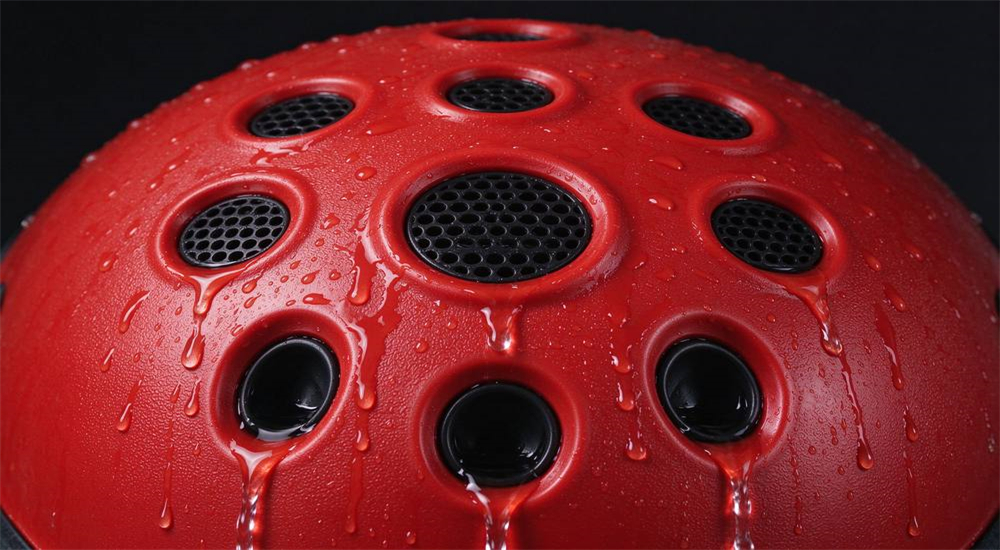
A water rescue helmet that traps water becomes a 500-gram anchor on the wearer's head, increases neck strain during long swims, and creates a sloshing effect that impairs balance and situational awareness. Every model in our range includes 8 to 10 purpose-built drainage ports positioned across the crown, sides, and rear. The ports are angled and recessed so water drains out under gravity when the head is upright, while still blocking direct impact from small debris. Port diameter ranges from 8 to 12mm, large enough to clear debris and vegetation but small enough to prevent fingers or objects from penetrating.
3.2 Ventilation for Thermal Comfort
The same ports that drain water also provide passive ventilation, allowing air to flow through the helmet and evaporate sweat during long operations in warm weather. In flood rescue situations where ambient temperature can exceed 30°C and the rescuer is wearing a wetsuit or drysuit underneath, effective head ventilation reduces heat stress and improves cognitive function. The full-coverage model adds dedicated ear-cup vents to compensate for the reduced open area around the sides.
3.3 Cold-Weather Considerations
In ice rescue and winter operations, the same ventilation that helps in summer becomes a heat-loss pathway. For these scenarios, the helmet can be paired with a neoprene hood or balaclava worn underneath, which covers the vents from inside while still allowing water to drain. Some full-coverage models offer an optional winter liner with ear flaps that reduces convective heat loss without blocking drainage entirely. We recommend carrying both summer and winter liner configurations for year-round teams.
3.4 Debris & Vegetation Management
In flood water contaminated with sediment, vegetation, and debris, drainage ports can occasionally become clogged. The recessed, angled port design minimizes this risk, but post-operation cleaning should include a visual check of every port and a rinse with fresh water. Ports are sized so that a standard cotton swab or soft brush can clear any blockage without damaging the shell or liner.
Fit, Adjustment & Retention
4.1 Rear Ratchet Adjustment System
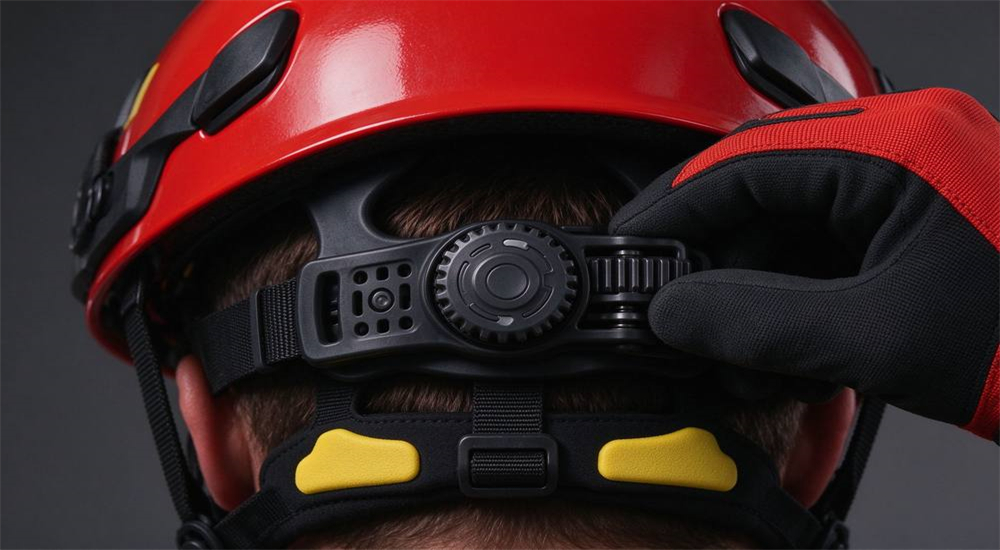
Every tactical and full-coverage model uses a rear ratchet dial for head circumference adjustment. The dial is located at the base of the occipital region and can be operated with one hand, even while wearing gloves — a critical feature when a rescuer needs to fine-tune fit on the water before entering a hydraulic. Turning the dial clockwise tightens the cradle; counterclockwise loosens it. The adjustment range covers 55 to 62cm head circumference, which accommodates approximately 95 percent of adult users.
The ratchet mechanism uses a gear-and-click system with audible and tactile feedback, so the wearer can confirm tightness by feel without looking. The cradle itself is lined with EVA padding at the contact points to prevent pressure points during long wear.
4.2 Chin Strap & Retention
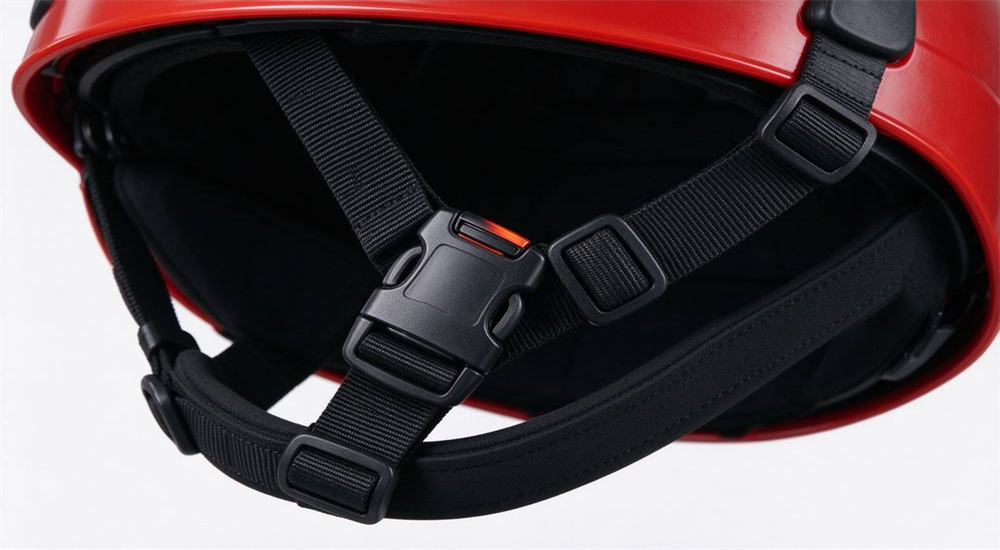
The chin strap is a four-point system anchored at the shell on both sides and at the rear, distributing retention load across the helmet rather than concentrating it at two points. The strap uses a quick-release buckle — either a magnetic Fastex-style buckle or a squeeze-release design — that can be opened with one hand in an emergency. Strap width is 20 to 25mm with a neoprene chin guard to prevent chafing during extended wear. The strap is adjustable at both the front and rear for a precise fit that does not shift during swimming or impact.
4.3 Sizing Pad System (Entry-Level Model)
The entry-level training model uses interchangeable sizing pads rather than a ratchet dial. Pads are available in three thicknesses (8mm, 12mm, 16mm) and can be mixed and matched at the crown, sides, and front to customize fit for individual head shapes. This system is lower cost and lighter but requires more setup time and is not adjustable while wearing gloves. It is well-suited to training environments where helmets are assigned to individuals and pre-fitted.
4.4 Fit Verification & Helmet Siting
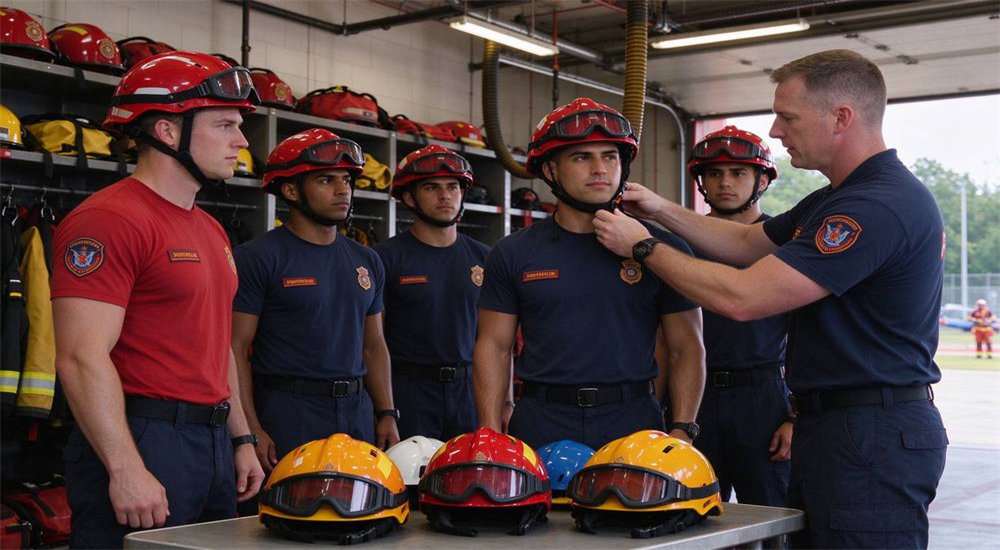
A properly fitted water rescue helmet should sit level on the head, with the front edge approximately two finger-widths above the eyebrows and the rear cradle cupping the occipital bone. When the chin strap is snug, the helmet should not shift more than 1cm forward, backward, or side to side when pushed firmly. If the helmet rocks or can be pushed down over the eyes, the retention system needs adjustment or the sizing pads need changing. We recommend that every team member undergo a formal fit check at the start of each season and after any helmet exchange.
The following table summarizes fit and retention specifications across all four configurations, including adjustment mechanism, head circumference range, strap type, and weight.
The feature comparison helps teams identify which accessories are essential for their operational profile. Accessory rails are valuable for teams using headlamps or cameras, while ventilation systems are important in warm climates. Consider that adding accessories increases helmet weight and may affect balance, so test configurations before bulk purchasing.
The ratchet dial system is strongly recommended for operational teams because it allows gloved, one-handed adjustment on scene. Sizing pads are acceptable for individually assigned training helmets but are less practical for shared or rapid-deployment fleets.
|
Specification |
Half-Shell Tactical |
Full-Coverage |
Tactical Rail Package |
Entry-Level |
|
Adjustment |
Ratchet dial |
Ratchet dial |
Ratchet dial |
Sizing pads |
|
Head Circumference |
55-62cm |
55-62cm |
55-62cm |
52-64cm (pads) |
|
Chin Strap |
4-point quick-release |
4-point quick-release |
4-point quick-release |
3-point Fastex |
|
Weight |
380-450g |
450-550g |
400-480g |
350-400g |
|
Interior Liner |
EPS + removable EVA |
EPS + removable EVA |
EPS + removable EVA |
EPS + fixed EVA |
Accessory Mounting & Rail System
5.1 Side Accessory Rails
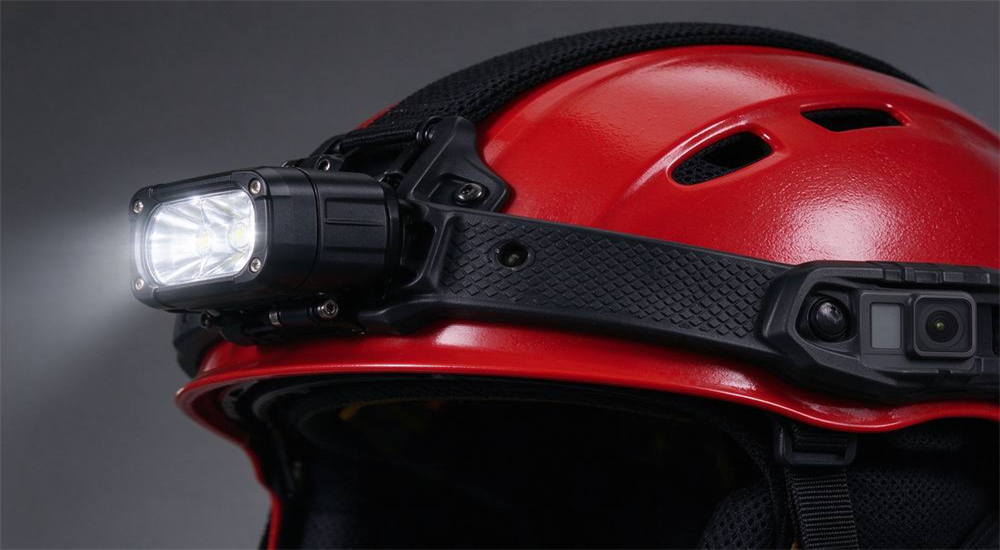
Both sides of every tactical and full-coverage helmet feature integrated accessory rails — reinforced polymer tracks that accept standard helmet-mounted accessories without drilling or adhesive. The rail profile is compatible with widely available headlamp brackets, camera mounts, helmet lights, and identification tags. Rails run from the temple area back to the ear region, providing multiple mounting positions so the wearer can balance accessory weight and avoid interference with the chin strap or ear protection.
Rails are molded as part of the shell rather than bolted on, which means there are no penetration points that could compromise the shell's impact integrity. The rail surface has a textured finish to prevent mounted accessories from slipping under vibration or impact.
5.2 Front GoPro / Action Camera Mount
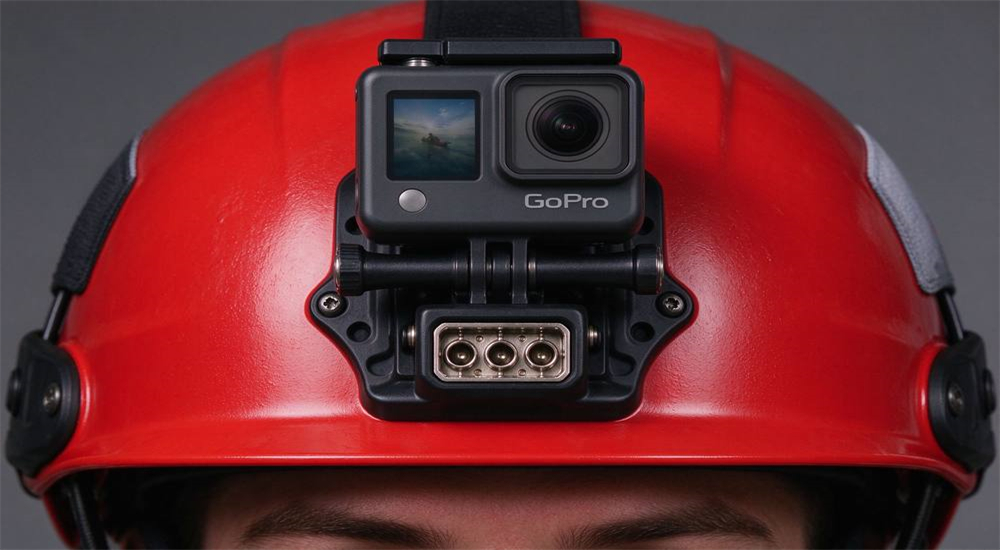
Centered on the forehead, above the brim, is an NVG-style action camera mount compatible with GoPro and similar action cameras using the standard three-prong interface. The mount is reinforced with a metal insert for durability and can be removed if not needed, leaving a low-profile base. This mount allows the team to record operations for training, after-action review, and legal documentation — an increasingly important requirement for professional rescue teams.
The mount position is optimized so the camera captures the rescuer's forward field of view without obstructing vision or adding excessive forward weight. When paired with a headlamp on the side rail, the camera and light can operate simultaneously without interference.
5.3 Headlamp & Lighting Compatibility
For night operations and low-light flood environments, the side rails accept standard helmet headlamp brackets from major manufacturers. The rails are positioned so a headlamp mounted on one side does not interfere with a camera on the front mount or a communication earpiece on the other side. We recommend headlamps with a minimum 200 lumen output and a flood beam pattern for water rescue, as spot beams reflect off water spray and reduce visibility.
5.4 Identification & Reflective Markings
The top of the helmet includes a Velcro patch area for unit identification, team logos, or IR (infrared) markers for night operations with NVG-equipped team members. Reflective strips can be factory-applied to the rear and sides for increased visibility in search-and-rescue scenarios. Custom printing of department badges, unit numbers, or individual names is available for orders above 50 units.
5.5 Communication & Earpiece Integration
The half-shell model's open-ear design is compatible with in-ear communication earpieces, bone-conduction radios, and throat microphones. The full-coverage model has dedicated cable routing channels in the ear cups so communication wires can run under the shell without being snagged. For teams using helmet-mounted communication systems, we can specify models with pre-installed wire channels and anchor points.
Certifications & Quality Standards
6.1 Impact Testing & EN 12492
Our water rescue helmets are tested to ISO-aligned impact protection standards, including the EN 12492 mountaineering helmet standard where applicable. EN 12492 specifies impact energy absorption (maximum 10kN transmitted force for a 5kg mass dropped from 2m), penetration resistance (a 3kg cone dropped from 1m must not contact the headform), and retention system strength (the strap must withstand 500N for two minutes without releasing). These tests are conducted at ambient, high-temperature (50°C), and low-temperature (-30°C) conditions to verify performance across the operational range. We also reference ANSI Z89.1 industrial head protection criteria for shell penetration and flammability resistance, and SOLAS visibility guidelines for reflective marking placement on maritime rescue variants.
The following table summarizes the key certification and test parameters that institutional buyers should verify when comparing water rescue helmet suppliers, including test method, acceptance criterion, and temperature conditions.
Proper helmet fit is critical for both safety and comfort. A helmet that is too loose can shift during rescue operations and impair vision, while one that is too tight causes headaches during extended wear. The retention system should be adjusted to allow two fingers between the chin strap and jaw, with the helmet moving no more than 1 inch when shaken.
Buyers should request test reports for at minimum the impact absorption and penetration tests, as these are the two parameters most directly related to injury prevention in water rescue scenarios. Retention strength and corrosion resistance are secondary but important for long-term fleet reliability.
|
Test Parameter |
Standard Reference |
Acceptance Criterion |
Test Conditions |
|
Impact energy absorption |
EN 12492 / ANSI Z89.1 |
Max 10kN transmitted force |
Ambient, 50°C, -30°C |
|
Penetration resistance |
EN 12492 |
3kg cone from 1m no contact |
Ambient, -30°C |
|
Retention strength |
EN 12492 |
500N for 2 min, no release |
Ambient |
|
Shell flammability |
ANSI Z89.1 |
Self-extinguishing within 5s |
Ambient |
|
Reflective visibility |
SOLAS / IMO |
Min 500mm² reflective area |
Night / low light |
|
Corrosion resistance |
ISO 6270 salt spray |
No red rust on metal parts |
48h salt fog |
6.2 Factory Quality Control
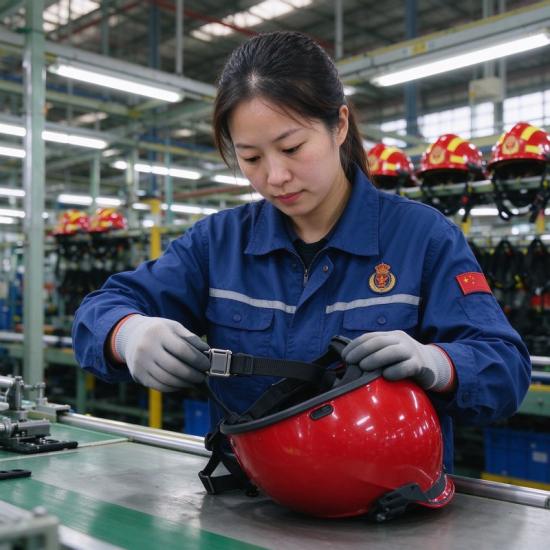
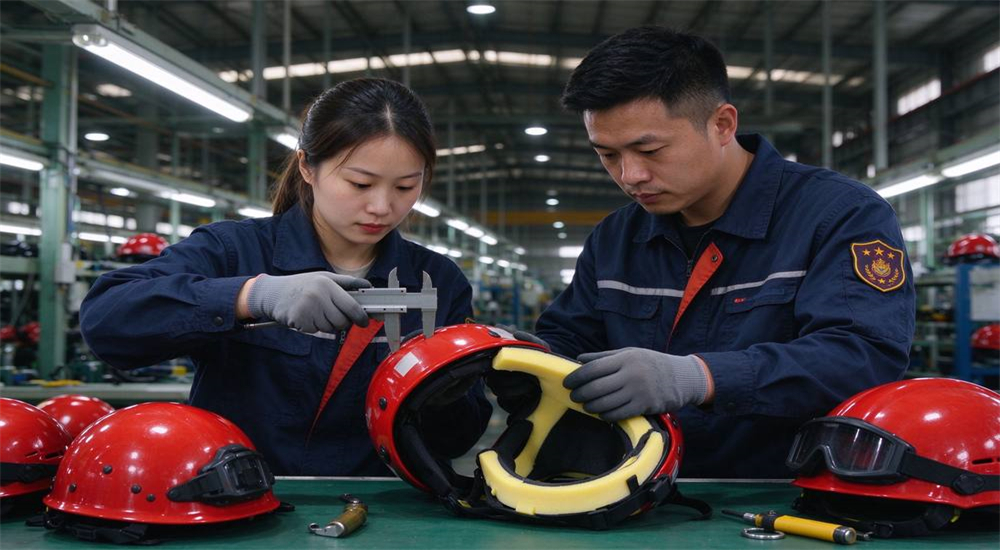
Every production batch undergoes the following in-factory checks: shell thickness measurement at four points; liner bond integrity probe test at eight points; ratchet dial function test (50 cycles); chin strap tensile test at 500N; drainage port clearance check; and visual inspection for molding defects, scratches, and color consistency. Helmets that fail any check are pulled from the batch and the root cause is documented. Batch records are retained for a minimum of five years and can be provided to institutional buyers on request.
6.3 Material Traceability
Each helmet carries a date-of-manufacture stamp and batch code molded into the shell interior, typically under the rear liner. This allows the buyer to trace the helmet to a specific production run and, in the event of a field failure or recall, identify affected units. We recommend that departments record the batch code and issue date for every helmet in their inventory management system.
6.4 Retirement & Service Life
Under normal use and proper storage, an ABS/EPS water rescue helmet has a service life of approximately 5 to 7 years from date of manufacture, regardless of whether it has been involved in an impact. UV exposure, sweat, chemical contamination, and repeated minor impacts all degrade the EPS liner over time even when damage is not visible. Helmets that have been involved in a significant impact, show visible cracking or deformation, or have a compressed or delaminated liner should be retired immediately regardless of age.
Selecting the Right Helmet
7.1 Decision Framework
Choosing the right water rescue helmet starts with the operational profile: what environments does the team most frequently enter, what accessories do they need to mount, and what is the budget? The decision tree below walks through the key factors. Teams that operate across multiple environments often benefit from a mixed fleet rather than trying to force one helmet to do everything. A clear visor protects the rescuer's face from water impact, debris, and rope burn during swiftwater and flood operations, with anti-fog coatings for visibility. Impact protection is rated by EN 1385 and CE standards, with ABS or polycarbonate shells that absorb and distribute force from falling debris or boat collisions.
7.2 By Environment
For swiftwater and flood rescue in temperate to warm conditions, the half-shell tactical helmet is the default choice: maximum ventilation, open-ear hearing awareness, and full accessory compatibility. For ice and cold-water rescue, the full-coverage model provides ear protection and better side-impact resistance, and can be paired with a neoprene hood for thermal management. For helicopter and technical rescue where the helmet may contact aircraft structures or rope hardware, the full-coverage model with reinforced rails is preferred. For training academies and volunteer teams, the entry-level model delivers the same impact protection at lower cost.
7.3 By Team Size & Procurement Volume
Small teams (5 to 15 members) typically benefit from ordering one configuration per member, with two or three spare helmets for visitors or replacements. Medium teams (15 to 50 members) often standardize on the half-shell tactical as the primary helmet and maintain a small fleet of full-coverage helmets for winter and technical deployments. Large agencies and government procurement (50+ units) can take advantage of volume pricing, custom colors, and factory logo printing, and should consider establishing a standardized helmet specification across multiple divisions to simplify accessory inventory and maintenance.
This table maps operational scenarios to the recommended helmet configuration, helping procurement officers match the helmet to the team's actual deployment profile rather than purchasing on price alone.
The replacement timeline table helps departments plan equipment budgets. Helmets should be replaced immediately after any significant impact, even if no damage is visible, as the internal foam may be compromised. UV exposure and chemical contact also degrade shell materials over time, so annual inspection is essential even for helmets with light use.
The half-shell tactical model covers approximately 70 percent of professional water rescue scenarios. Full-coverage helmets are a targeted addition for ice, helicopter, and technical operations rather than a universal replacement.
|
Operational Scenario |
Recommended Model |
Key Reason |
Accessory Priority |
|
Swiftwater / river rescue (warm) |
Half-Shell Tactical |
Ventilation, hearing awareness |
Headlamp, camera |
|
Flood / urban water rescue |
Half-Shell Tactical |
Lightweight, fast donning |
Headlamp, ID patch |
|
Ice / cold-water rescue |
Full-Coverage |
Ear protection, side impact |
Camera, winter liner |
|
Helicopter / hoist ops |
Full-Coverage + Rails |
Side impact, retention |
Comm mount, ID |
|
Technical / rope + water |
Full-Coverage Tactical |
Multi-environment versatility |
Headlamp, camera |
|
Training academy / volunteer |
Entry-Level |
Cost, adequate protection |
Basic headlamp slot |
7.4 Accessory Ecosystem Standardization
When selecting a helmet, consider not just the helmet itself but the accessory ecosystem it supports. A team that already owns headlamps with a specific bracket type should verify compatibility with the helmet's rail profile before committing to a large order. Similarly, teams using GoPro cameras should confirm the front mount is compatible with their camera model and that replacement mounts are available as spare parts. We provide accessory compatibility lists on request and can supply matched headlamp and camera bundles with the helmet order.
Care, Maintenance & Inspection
8.1 Post-Operation Cleaning
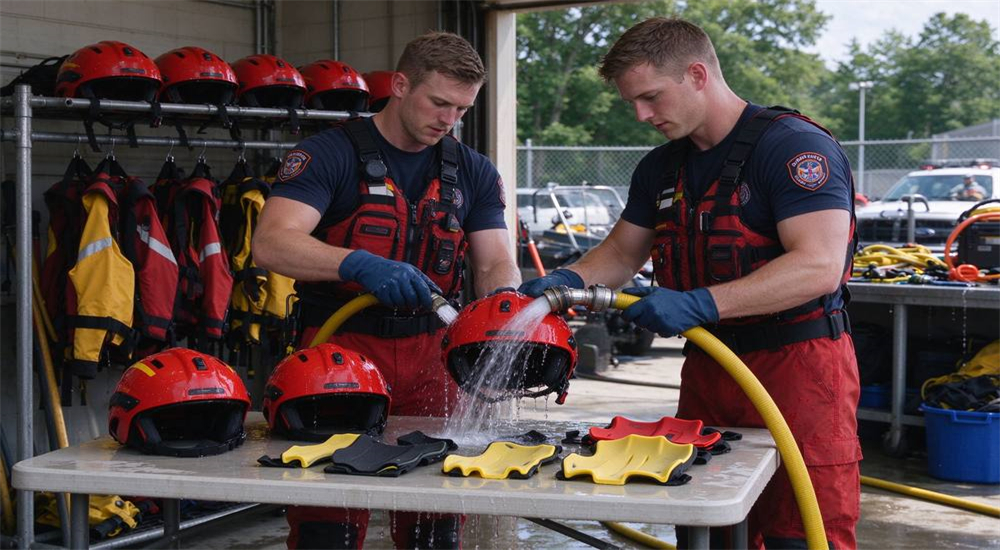
After every deployment, the helmet should be rinsed with fresh water to remove sediment, chemicals, and biological contaminants. The removable EVA pads should be taken out, washed with mild soap and water, and air-dried separately. The shell can be wiped with a damp cloth and mild detergent; avoid solvent-based cleaners, alcohol, or abrasive pads that can degrade the ABS surface or remove printed markings. The chin strap should be inspected for fraying, salt corrosion on metal hardware, and proper buckle function.
8.2 Pre-Season Inspection Checklist
At the start of each water rescue season, every helmet should undergo a structured inspection: check the shell for cracks, dents, or deep scratches; probe the liner at eight points for delamination or compression; test the ratchet dial through its full range; verify the chin strap releases cleanly and re-latches securely; confirm all drainage ports are clear; inspect accessory rails for cracks or loose mounts; and check the date-of-manufacture stamp against the 5 to 7 year retirement window. Any helmet that fails any check should be removed from service and tagged for replacement.
8.3 Storage Conditions
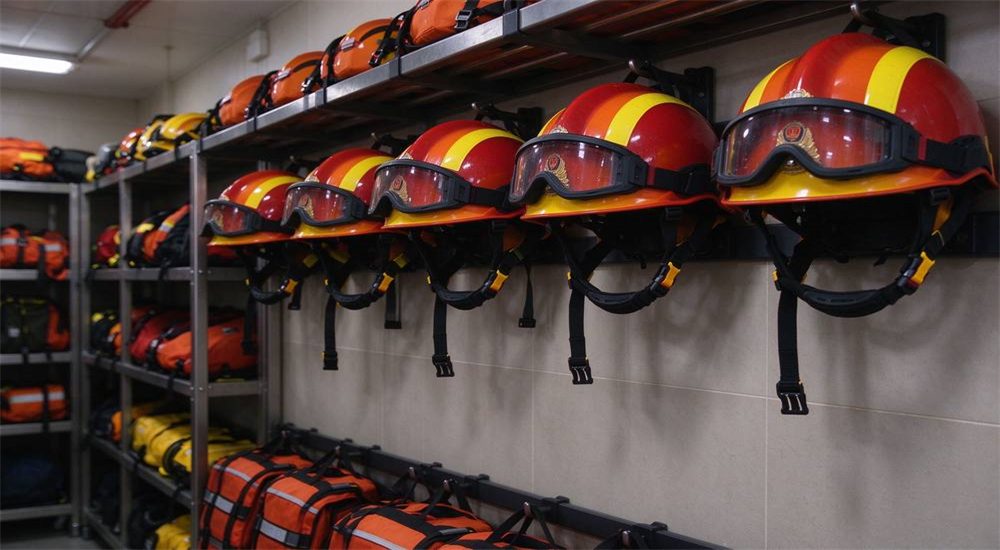
Helmets should be stored in a cool, dry, well-ventilated area away from direct sunlight, heat sources, and chemical fumes. Avoid stacking heavy objects on top of helmets, as this can permanently deform the EPS liner. Helmets should not be stored in sealed plastic bags for long periods, as trapped moisture can promote mold growth on the EVA pads and degrade adhesive bonds. Ideally, helmets hang on dedicated racks with the chin strap fastened to maintain shape.
8.4 Retirement & Replacement Log
Maintain a retirement log for every helmet in the fleet, recording: helmet ID or batch code, date of manufacture, date issued, team member assigned, any impacts or incidents, inspection dates, and retirement date. This log is essential for audit purposes, liability protection, and budget planning. When a helmet is retired, it should be physically marked "RETIRED" or destroyed to prevent accidental reissue.
Bulk Orders, Wholesale & Custom Manufacturing
9.1 Volume Pricing Tiers
Bulk pricing is structured in tiers: 10 to 49 units (small team replenishment), 50 to 199 units (department-level standardization), and 200+ units (agency or government procurement). Each tier reduces unit cost and unlocks additional customization options. For government tender and institutional procurement, we can provide formal quotations on company letterhead with technical datasheets, test reports, and batch traceability documentation. We accept purchase orders from verified institutions and can arrange FOB, CIF, or DDP shipping terms depending on the destination. We support OEM and ODM manufacturing with full specification control per your requirements. Our gear meets the durability standards required by military and naval rescue units.
Bulk packaging options support government emergency stockpile programs and pre-positioning contracts. We work with rescue organizations worldwide to ensure consistent equipment quality across deployments.
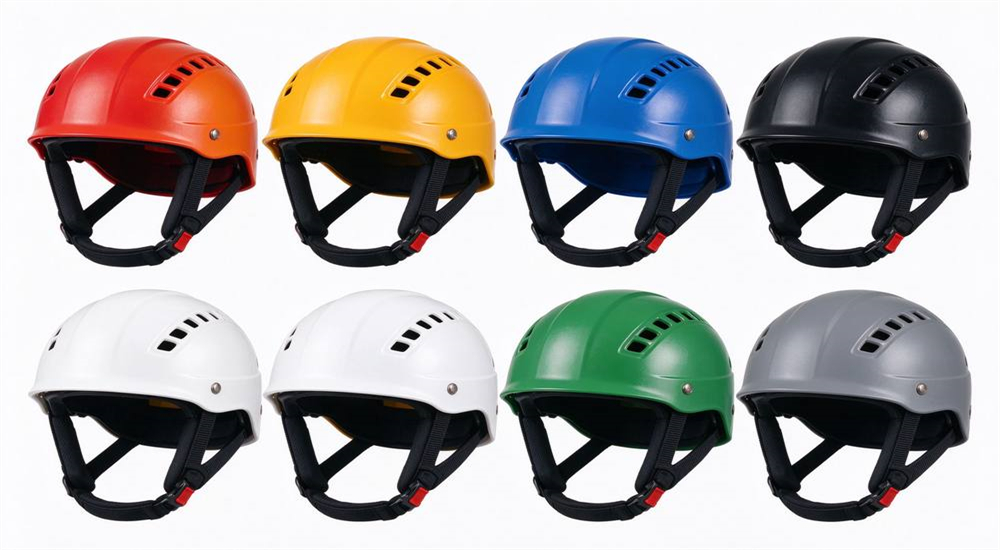
9.2 Custom Colors & Logo Printing
Stock colors include red, orange, yellow, blue, black, and white. Custom color matching is available for orders of 100+ units using the Pantone Matching System, with a setup fee and approximately 10 additional days of lead time. Logo printing is available via pad printing (for flat surfaces such as the front and sides) or heat transfer (for curved areas). Minimum order for custom printing is 50 units per logo design. Reflective identification strips and unit numbers can be factory-applied for enhanced visibility and accountability.
9.3 Packaging & Shipping
Each helmet is individually bagged in a poly bag with a product specification card. Master cartons contain 20 or 30 units depending on model, with carton dimensions approximately 60 × 40 × 40cm and a gross weight of 12 to 18kg. Cartons are marked with product name, quantity, batch number, and date of manufacture. For sea freight, cartons are palletized and stretch-wrapped; for air freight or express, cartons may be double-walled for additional protection. We ship worldwide via sea, air, and express carriers and can handle customs documentation for DDP shipments.
9.4 Lead Times & Sample Policy
Stock color helmets with standard configuration ship within 15 to 25 days of order confirmation. Custom colors add approximately 10 days; custom logo printing adds 5 to 7 days. Pre-production samples are available for orders above 50 units; sample cost is deductible from the final order. We recommend that institutional buyers request samples before committing to large-volume procurement to verify fit, accessory compatibility, and build quality with their actual team members.
Related Products & Resources
Q1: What safety standards do water rescue helmets meet?
Our helmets are designed to meet EN 1385 (whitewater helmets) and can be certified to NFPA 1951 for technical rescue operations. impact protection is tested for both crown and side impacts, with retention system strength testing.
Q2: What is the difference between ABS and polycarbonate shells?
ABS (Acrylonitrile Butadiene Styrene) provides excellent impact resistance and durability at an economical price. Polycarbonate is lighter and offers better clarity for visor integration, but may be more susceptible to scratching. Both meet safety standards.
Q3: Can I mount a headlamp or camera on the helmet?
Yes, our helmets feature standardized accessory rails and top mounting plates compatible with most major headlamp, camera, and visor systems. Some models include integrated clips for quick attachment.
Q4: How do I adjust the helmet for proper fit?
Use the internal retention dial or strap system to achieve a snug fit. The helmet should not move more than 1 inch in any direction when shaken. Chin strap should be adjusted to allow two fingers between strap and chin.
Q5: Are the helmets compatible with communication systems?
Yes, our helmets feature ear cup cutouts and attachment points compatible with most bone conduction and over-ear communication systems used in water rescue. Some models include integrated speaker pockets.
Q6: What is the expected lifespan of a rescue helmet?
With proper care, a rescue helmet typically lasts 3-5 years. Replace immediately after any significant impact, even if no visible damage. UV exposure, chemical contact, and heat can degrade the shell material over time.
Q7: Can helmets be customized with colors and logos?
Yes, we offer standard colors including white, red, orange, yellow, and black. Custom colors and logos are available for minimum orders of 50 units. Reflective decals can be added for enhanced visibility.
Q8: How do I clean and sanitize rescue helmets?
Wipe the shell with mild soap and water. Remove and wash the interior padding separately. Avoid solvent-based cleaners, alcohol, or abrasive materials that can degrade the shell. Allow to air dry completely before storage.
Q9: What is the difference between full-coverage and half-coverage helmets?
Full-coverage helmets provide protection to the temples, ears, and back of the head, essential for technical rescue and swiftwater. Half-coverage models are lighter and better ventilated, suitable for pool rescue and training environments.
Q10: Do you offer replacement parts for helmets?
Yes, we maintain inventory of replacement padding, chin straps, retention dials, visors, and accessory mounts. Most parts can be replaced in the field with basic tools, extending the helmet's service life.
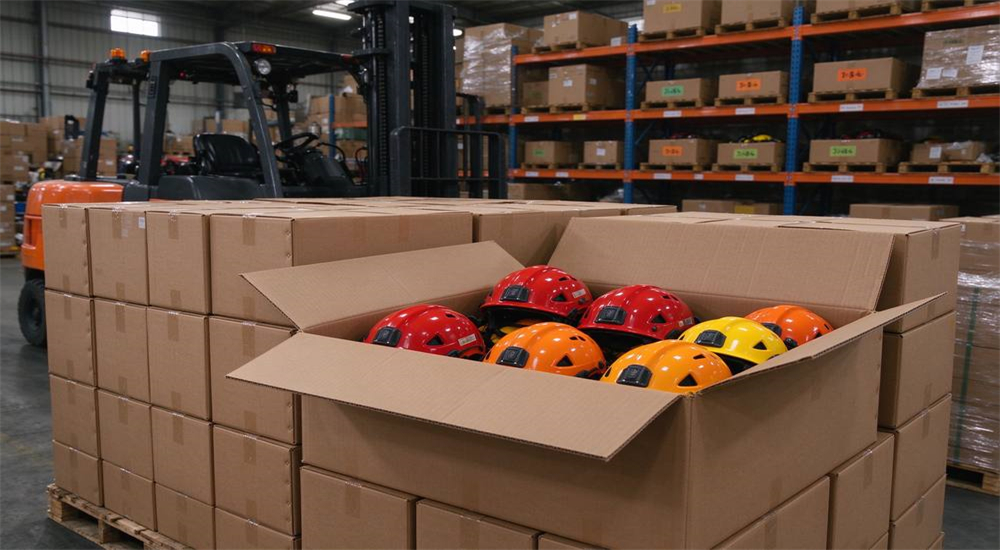
Q: What is the difference between a water rescue helmet and a regular sports helmet?
A: Water rescue helmets are specifically designed for immersion: they have 8 to 10 drainage ports that shed water instantly, use corrosion-resistant hardware (stainless steel or coated buckles), and include accessory rails and camera mounts that are not found on sports helmets. They also meet higher impact standards because water rescue involves impacts with submerged obstacles, boat hulls, and ice edges that sports helmets are not tested for.
Our wholesale water rescue helmets are built around a high-strength ABS outer shell bonded to an EPS or EVA energy-absorbing liner. The shell resists cracking on sharp impact while the liner compresses progressively to reduce peak force transmitted to the skull. Every model includes a rear ratchet dial for one-handed head circumference adjustment, a quick-release chin strap, and between 8 and 10 purpose-built drainage and ventilation ports that shed water the moment the wearer resurfaces.
The sections below break down shell technology, ventilation and drainage, fit adjustment, accessory mounting, certification standards, selection guidance, maintenance, and bulk ordering. Use the table of contents to jump directly to the section that matters for your procurement decision.
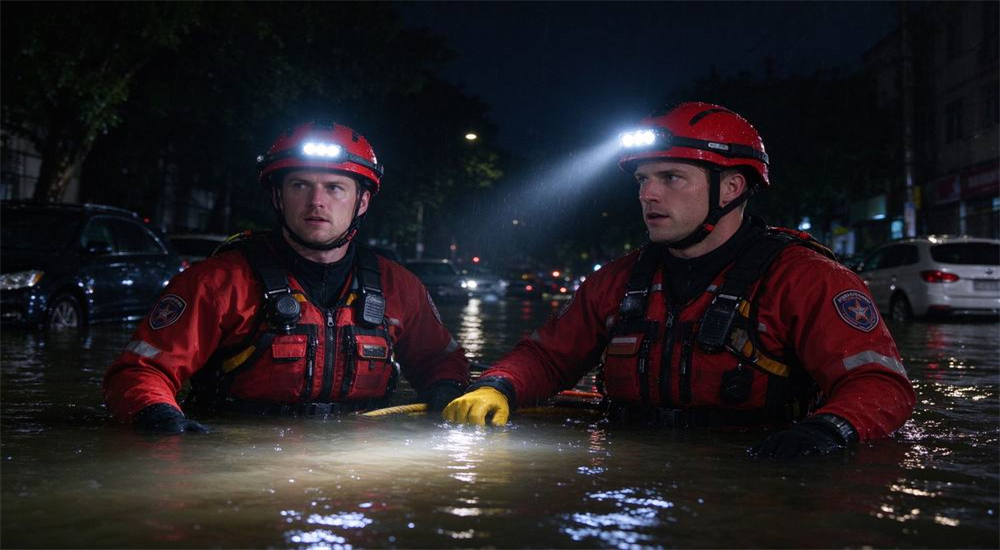
Q: Can the helmet be worn with a wetsuit hood or drysuit neck seal?
A: Yes. The ratchet adjustment system accommodates wearing a neoprene hood, balaclava, or drysuit neck seal underneath. We recommend fitting the helmet with the actual thermal layer that will be worn in operations, as the added material changes the effective head circumference. The full-coverage model has slightly more interior volume and is preferred for wear with thick hoods.
Q: How often should the EPS liner be replaced?
A: The EPS liner should be replaced after any significant impact where the foam has visibly compressed or cracked, or if probing reveals delamination from the shell. Under normal use without impact, the liner degrades gradually over 5 to 7 years due to UV exposure and material aging, at which point the entire helmet should be retired. We do not recommend replacing only the liner in a helmet that has reached its service life, as the ABS shell also degrades over time.
Q: Are the helmets certified for helicopter or hoist operations?
A: The full-coverage model with reinforced rails and four-point retention is suitable for helicopter and hoist operations when used in conjunction with appropriate flight helmets or as directed by the agency's aviation safety officer. For dedicated flight operations, a certified flight helmet may be required by aviation regulations. We recommend consulting your agency's aviation safety program before using water rescue helmets in helicopter environments.
Q: Can I mount a GoPro on the half-shell model?
A: Yes. Both the half-shell and full-coverage tactical models include the front NVG-style GoPro mount. The entry-level model has fixed side slots but does not include the front camera mount. If camera documentation is a requirement, select the tactical configuration rather than the entry-level model.
Q: What headlamp brands are compatible with the side rails?
A: The rails use a standard profile compatible with most major helmet headlamp brands that offer helmet mount accessories. We recommend confirming bracket compatibility before large-volume purchase, as some headlamp manufacturers use proprietary mounts. We can supply matched headlamp bundles with the helmet order to guarantee compatibility.
Q: How do I clean the helmet after exposure to contaminated flood water?
A: Remove all EVA pads and wash them separately with mild soap and warm water. Rinse the shell and liner thoroughly with fresh water, paying attention to drainage ports. Wipe the shell with a mild disinfectant solution (avoid bleach or alcohol-based products that can degrade ABS). Allow all components to air-dry completely in a well-ventilated area before reassembly and storage. For helmets exposed to chemical contaminants, consult the material safety data sheet and consider retiring the helmet if contamination is severe.
Q: What is the minimum order quantity for custom logo printing?
A: The minimum order for custom logo printing is 50 units per logo design. Custom color matching requires a minimum of 100 units. For smaller orders, we offer stock colors with no printing, or we can supply adhesive-backed reflective patches and ID tags that can be applied in the field.
Q: Can the chin strap be replaced if it wears out?
A: Yes. Replacement chin straps are available as spare parts and can be installed in the field using basic tools. We recommend keeping a stock of replacement straps equal to approximately 10 percent of the fleet size, as straps are the most commonly worn component. The ratchet dial and accessory rails are also field-replaceable on most models.
Q: Do you provide test reports and certification documentation?
A: Yes. For institutional and government orders, we provide impact test reports, material specification sheets, batch traceability records, and certification documentation on request. These documents are typically provided in PDF format with the shipment or made available for download. Test reports are specific to the production batch and include test conditions, equipment calibration, and pass/fail results.
Q: How should I size a helmet for a team with varied head sizes?
A: The ratchet dial model covers 55 to 62cm, which fits approximately 95 percent of adult users. For team members outside this range (typically below 54cm or above 63cm), we offer extended-size models or recommend the sizing-pad entry-level model which can accommodate 52 to 64cm with pad changes. We recommend measuring every team member's head circumference before ordering and requesting samples for outlier sizes.
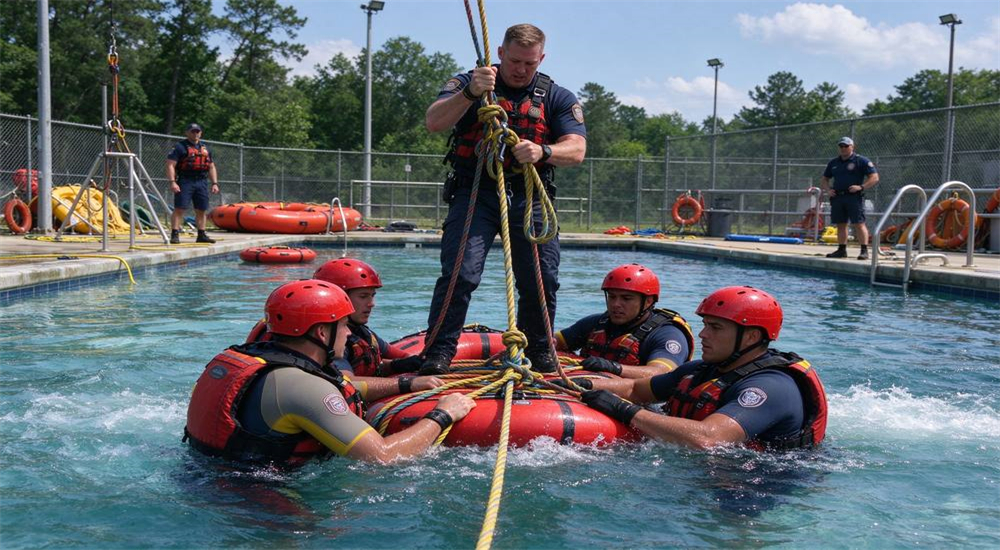
Q: What is the difference between EPS and EVA in the liner?
A: EPS (expanded polystyrene) is the primary impact-absorbing layer — it is rigid, lightweight, and crushes progressively under impact. EVA (ethylene vinyl acetate) is the soft comfort pad layer against the head — it is flexible, sweat-absorbent, and removable for washing. Both materials work together: EPS handles impact energy, EVA handles comfort and fit. Some entry-level models use EVA as the primary liner, which reduces cost but provides less precise impact absorption than EPS.
Q: Can the helmet be worn with eyeglasses or safety glasses?
A: Yes. The half-shell model has no ear coverage, so eyeglasses and safety glasses are worn normally. The full-coverage model has ear cups with enough internal volume to accommodate most eyeglass temple arms, and some models include dedicated temple slots. For teams that require eye protection, we recommend ballistic-rated safety glasses with a strap that can route under or over the helmet's retention system.
Q: How does the helmet perform in cold weather below freezing?
A: ABS retains its impact properties down to -30°C, and the EPS liner is tested at -30°C per EN 12492. The primary cold-weather concern is heat loss through ventilation ports, which is addressed by wearing a neoprene hood or balaclava underneath. The ratchet dial and quick-release buckle remain operable with gloved hands at low temperatures, though we recommend practicing adjustment before cold-weather deployment.
Q: What is the warranty on the helmet?
A: We offer a two-year manufacturer warranty against defects in materials and workmanship from the date of purchase. The warranty covers shell cracking under normal use, liner delamination, ratchet mechanism failure, and strap hardware failure. It does not cover damage from impact, misuse, improper storage, or normal wear and tear. Helmets that have been involved in an impact should be inspected and may need replacement regardless of warranty status.
Q: Can I mix half-shell and full-coverage helmets in the same team order?
A: Absolutely. Many teams order a mixed fleet — for example, 70 percent half-shell for general water rescue and 30 percent full-coverage for ice and technical operations. Mixed orders still qualify for volume pricing based on total unit count, and both models share the same accessory ecosystem so headlamps, cameras, and pads are interchangeable. We can provide a combined quotation with per-model pricing and total volume discount.
Previous :
Fire Helmet | NFPA Structural Firefighter Helmet with Face ShieldNext :
High-strength Forest Firefighting Helmet, Integrated Goggles, Protection High-strength Forest Firefighting Helmet, Integrated Goggles, Protection
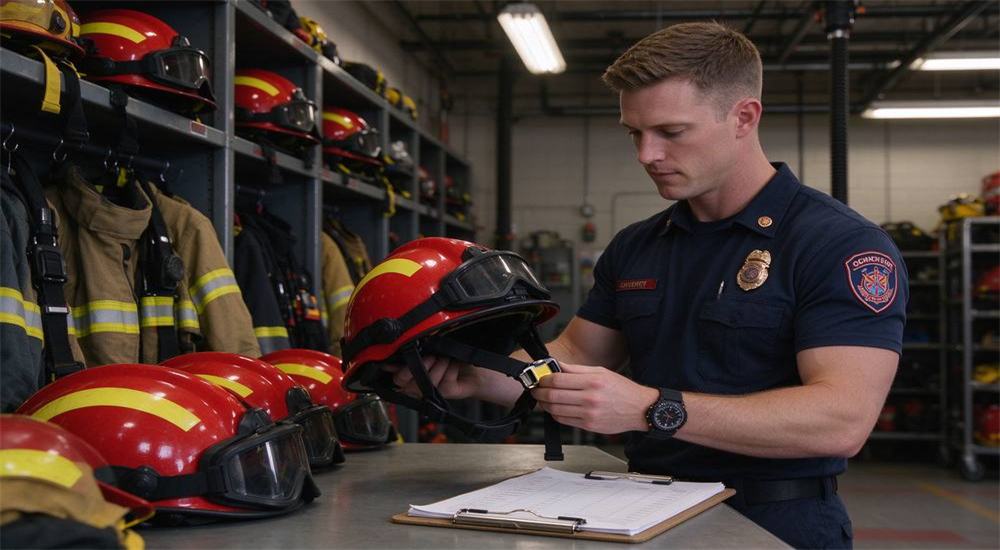
This high-strength forest firefighting helmet is made of premium ABS engineering plastic, measuring 23.5×23×18cm, with excellent impact resistance and heat resistance. Its unique feature is the integrated goggles design, which can be quickly deployed to provide comprehensive eye protection against smoke, sparks, and splashes. The helmet has undergone rigorous testing, with impact resistance reaching 140 joules, and can work for short periods in high-temperature environments of 180°C. It is suitable for forest firefighting, mountain fire fighting, emergency rescue, and other high-risk environments, providing dual comprehensive protection for the head and eyes of firefighting and rescue personnel.
 ABS Forest Fire Helmet, Fire and Heat Insulation, Disaster Relief
This ABS forest fire helmet is precisely crafted from high-quality, high-strength ABS engineering plastic, heat-resistant up to 580°C, with impact absorption performance exceeding 500kg. The full helmet design combines a professional protective visor and neck protective shawl, forming a comprehensive head protection system. Multi-point ventilation design increases heat dissipation efficiency by 70%, while the special lining structure enhances fit. Suitable for forest fire fighting, earthquake rescue, flood disaster assistance, and various disaster rescue scenarios, it is professional protective equipment for disaster relief personnel.
 High-Strength Forest Fire Cap, Full Protection, Disaster Relief
This high-strength forest fire cap is specially designed for disaster relief, made of advanced composite materials with excellent impact resistance and heat resistance properties. Having passed strict firefighting standard tests, it provides all-around head protection, adapting to various forest fire rescue environments. It features a built-in precision adjustment system, comfortably fitting various head shapes. Equipped with a high-definition transparent visor and neck protective cape, it provides comprehensive protection for rescue personnel, making it reliable equipment for professional forest firefighting and disaster relief.
 Red Emergency Rescue Helmet, Clear Face Shield, Forest Firefighting
This red emergency rescue helmet is specially designed for forest firefighting, manufactured using aerospace-grade heat-resistant engineering materials, with impact resistance improved by 45%, capable of withstanding 250°C high-temperature environments for 10 minutes without deformation. The high-definition transparent face shield has 98% coverage area and 99% light transmission, with anti-fog treatment ensuring clear vision in various environments. The eye-catching red shell coupled with high-brightness reflective strips provides visibility up to 300 meters. The 8-point fixing system ensures stability in rugged mountain environments, while the internal shock absorption design absorbs 85% of impact forces, comprehensively protecting forest firefighters' head safety in extreme environments.
 Firefighter Forest Firefighting Helmet, With Light Bracket, Integrated Protection
This firefighter forest firefighting helmet is specially designed for frontline firefighting operations, made of military-grade ABS composite material, measuring 23.5×23×18cm, with excellent impact resistance and heat resistance. Its unique feature is the integrated lighting bracket design on the side, which can easily accommodate tactical flashlights, providing a hands-free lighting solution. The helmet has passed rigorous impact tests, able to withstand 150 joules of impact force, suitable for forest fire fighting, mountain rescue, and other complex environments, providing comprehensive head protection and night vision assurance for firefighting and rescue personnel.
 Pro Forest Fire Cap, Flame-Retardant, Impact-Resistant, Mountain Use
This professional forest firefighting cap is specifically designed for mountain fire fighting, made of high-quality flame-retardant materials with excellent impact resistance, certified through professional firefighting safety tests. The cap features a high-visibility design with a built-in precision adjustment system that comfortably fits various head shapes. Equipped with a professional protective visor and flame-retardant neck cape, it provides comprehensive protection for forest firefighters, making it an ideal equipment choice for mountain firefighting, forest rescue, and emergency operations.
Copyright © Custom Disaster - Relief Bedding: Tents, Sleeping Bags, Blankets All Rights Reserved
the professional team to service !