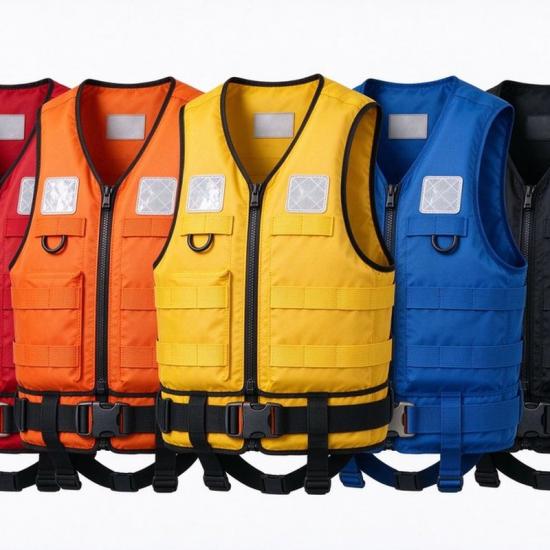
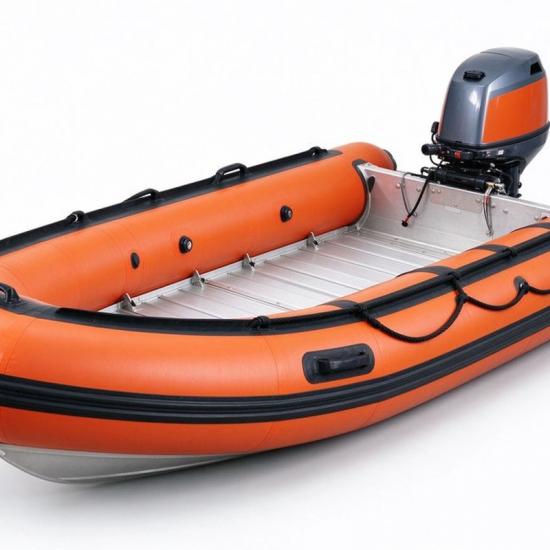
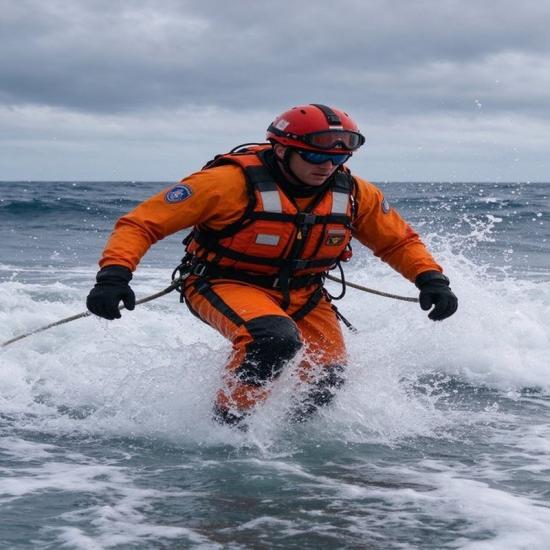
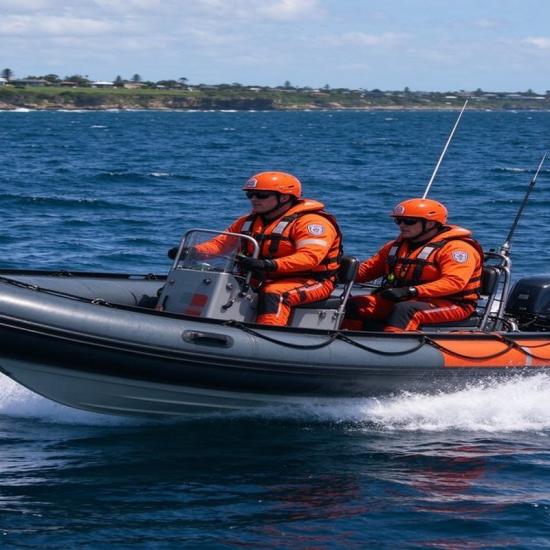
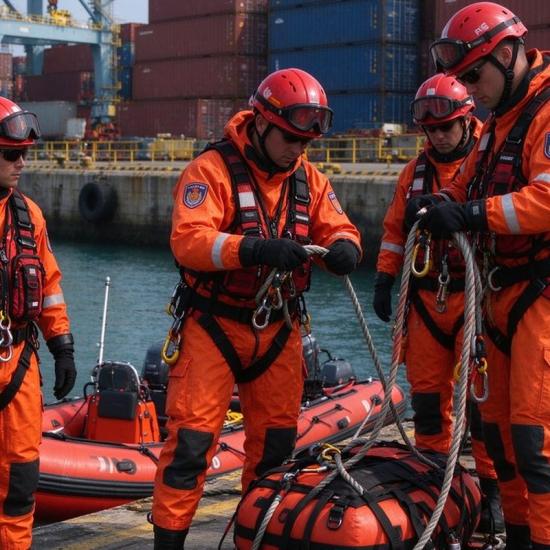
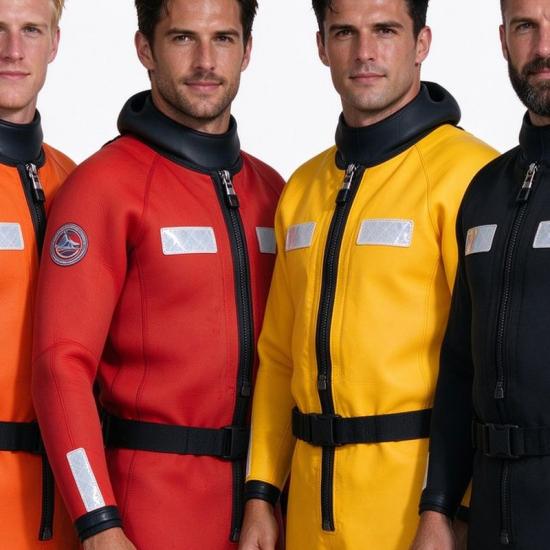
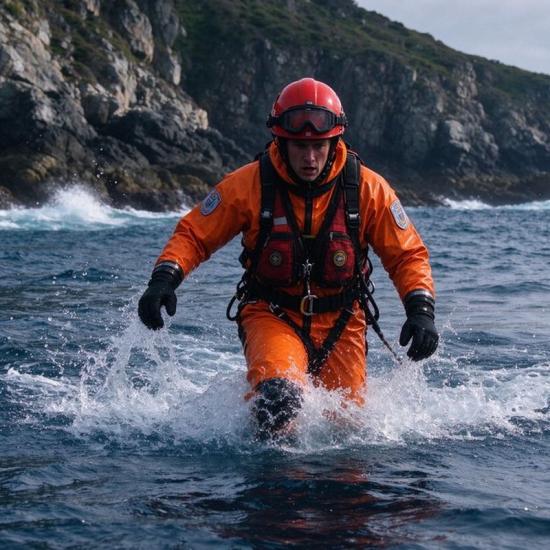
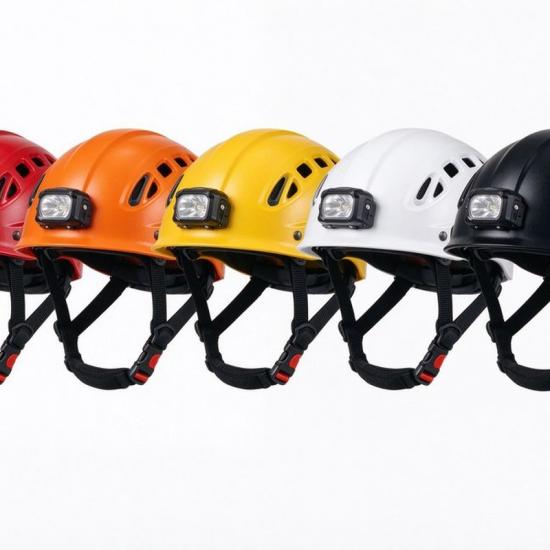
Reliable coastal maritime rescue gear including MOLLE‑webbing PFD life jackets, waterproof dry suits, multi‑color rescue helmets and hypalon inflatable rescue boats. Built with D‑rings, reflective panels, quick‑release buckles and latex neck seals. Suitable for ocean surf, rocky shore and port emergency missions. Support bulk supply and government institutional tender procurement for coast guard and rescue teams.
Note: Price for reference only. Exact price based on quantity, size, weight and custom details.
model no. :
RLJ-07Brand:
YRFmarket price :
$17.8sale price :
$8.9price range :
30-500/$8.9 501-1000/$7.9Color :
Multiple Colorsport of dispatch :
Guangdong/GuangzhouPayment :
TT, Paypal, Western Unionmin order :
30original region :
Made in ChinaLead Time :
5-15daysSize :
65×50cm |
Coastal Rescue Gear for Maritime Emergency Response
When distress calls come from open water, coastal rescue gear must perform in conditions that inland teams never face — breaking surf, cold ocean swells, limited visibility, and extended exposure. Our maritime rescue equipment is specified by coast guard units, port authority response teams, and offshore facility emergency groups that need gear certified for saltwater environments and prolonged immersion scenarios.
 |

|
We supply bulk coastal rescue PPE including high-buoyancy life jackets, neoprene and membrane dry suits, impact-resistant rescue helmets, inflatable rescue boats, throw bag systems, and waterproof communication gear. Every product line supports government tender requirements, institutional bulk orders, and custom specification matching for established procurement frameworks.
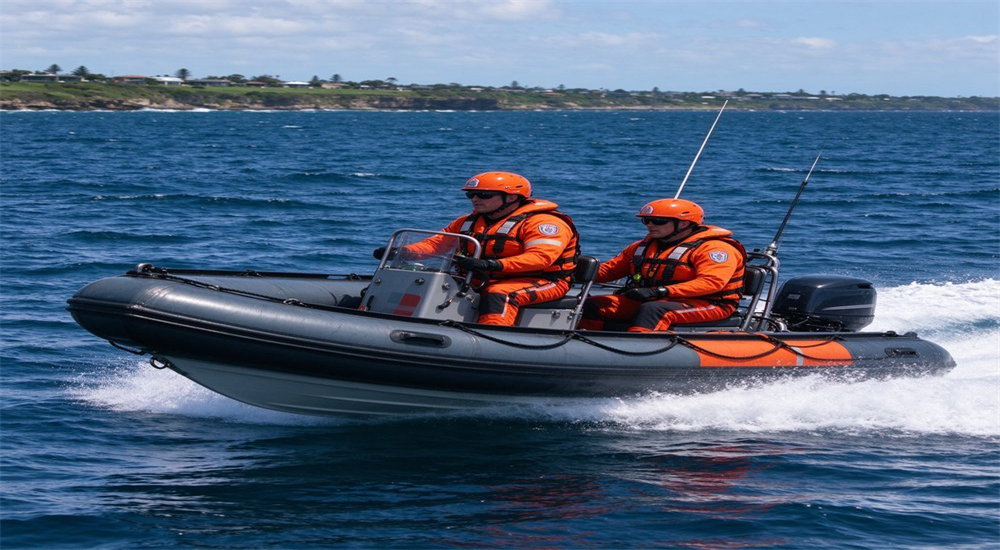
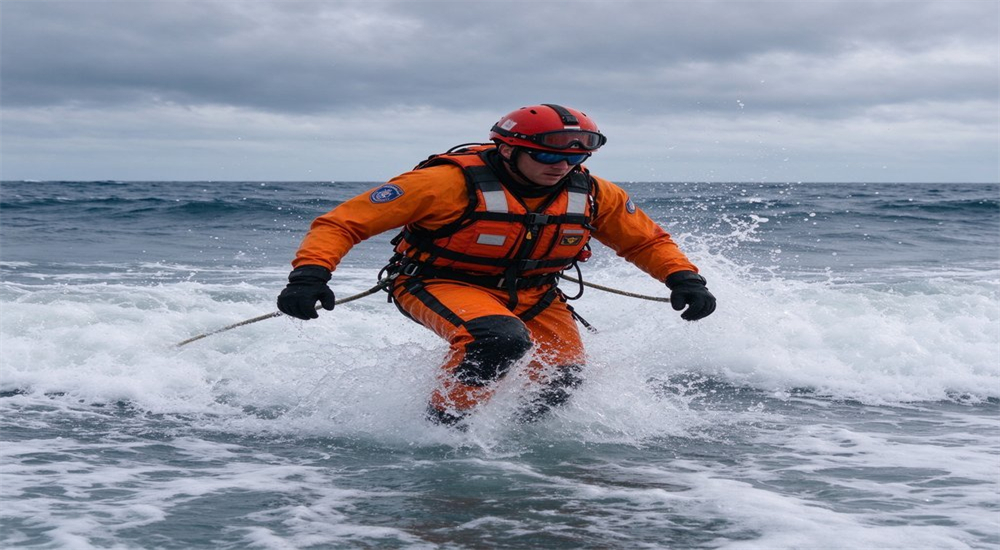
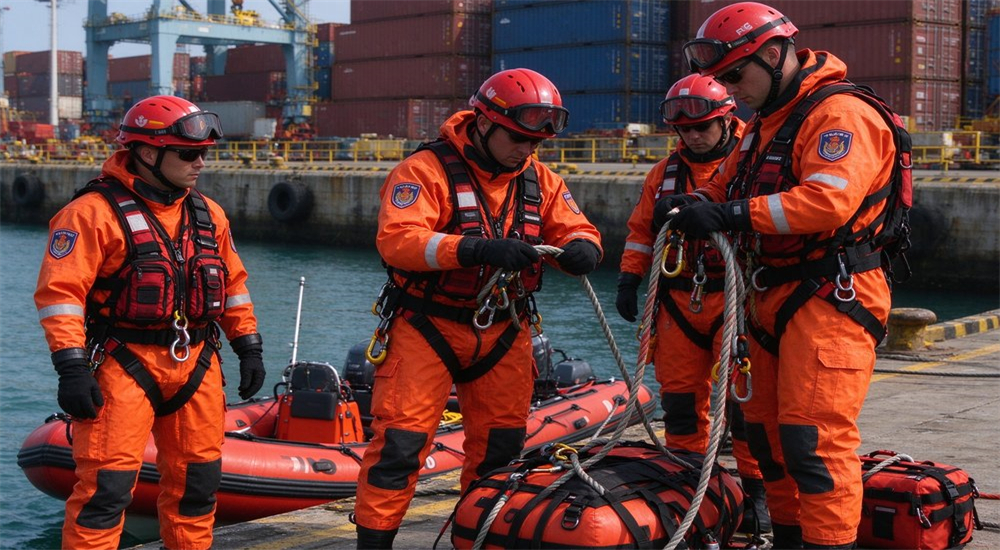
Coastal rescue encompasses a broad spectrum of scenarios — from shore-based surf rescue to offshore vessel assistance, port facility emergencies, and post-storm maritime recovery. Each scenario imposes distinct demands on personnel and equipment. Understanding these operational profiles is the first step in specifying appropriate gear for a coastal response capability.
Teams responding from the shoreline face breaking waves, rip currents, and sudden water depth changes. High-buoyancy life jackets with impact protection are essential, as rescuers may be knocked against sandbars, rocks, or submerged debris. Quick-donning designs allow rapid entry while chin straps and crotch straps ensure the PFD remains secure during wave impact.
Responses launched from patrol boats or rescue vessels require gear that performs during transit as well as victim contact. Immersion-resistant dry suits protect against accidental falls overboard during rough seas, while helmets with face protection guard against winch operations and deck hardware. Waterproof communication devices maintain contact with both the vessel and shore command.
Industrial port environments introduce hazards from cargo handling equipment, chemical storage, and confined spaces below deck. Multi-hazard PPE combinations — including flame-resistant outer layers over thermal protection — may be specified for teams that respond to both vessel fires and waterborne rescue within the port perimeter.
The following table summarizes the primary coastal rescue operational profiles and their core equipment demands.
This equipment list reflects the additional requirements of coastal and maritime operations compared to inland water rescue. The combination of saltwater corrosion, larger waves, and longer response times necessitates more robust communication and navigation equipment. Teams transitioning from inland to coastal operations should conduct a gap analysis using this list to identify equipment shortfalls.
|
Operation Type |
Primary Hazards |
Core Equipment |
Typical Team Size |
|
Surf & Beach Rescue |
Rip currents, wave impact, shallow water |
High-buoyancy PFD, fins, rescue tube |
2-4 swimmers |
|
Vessel-Based SAR |
Cold immersion, deck falls, winch ops |
Dry suit, helmet, harness, comms |
4-6 personnel |
|
Port Facility Response |
Cargo hazards, confined spaces, fire |
Multi-hazard PPE, SCBA, rescue boat |
6-8 personnel |
|
Post-Storm Recovery |
Debris fields, contaminated water, fatigue |
Full PPE, gloves, boots, hydration |
8-12 personnel |
Coastal teams typically maintain multiple equipment configurations to match these profiles, rather than relying on a single universal setup. Bulk procurement should account for at least two operational profiles per team.
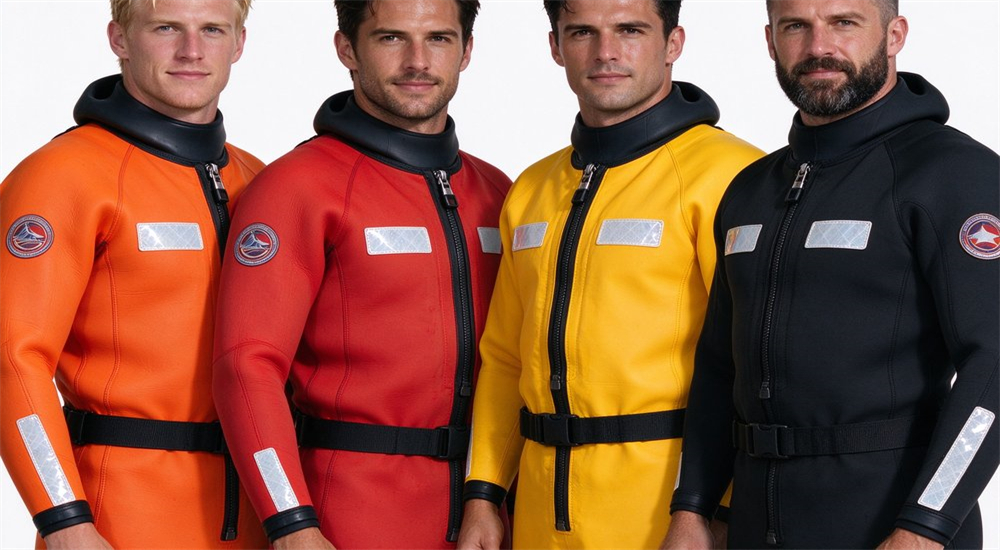
A complete coastal rescue PPE system layers personal flotation, thermal protection, impact resistance, and visibility. Each layer addresses a specific failure mode in the maritime environment, and gaps in any layer can become critical during extended operations.
The foundation of all coastal rescue PPE is a USCG or ISO 12402-certified life jacket with buoyancy appropriate to the operational profile. Surf rescue and offshore teams typically require 150N+ buoyancy to support the rescuer plus victim contact, while port-based teams may use 100N models for general duty. Automatic inflatable models offer mobility for vessel operations but require regular cylinder inspection.
Water temperatures below 20°C introduce hypothermia risk that accelerates with wind and spray exposure. Neoprene wetsuits provide moderate thermal protection for moderate water and short operations, while membrane dry suits deliver full isolation for cold water, prolonged immersion, and contaminated harbor environments. Undergarment systems allow seasonal adjustment without changing the outer shell.
Rescue helmets with ABS or HDPE shells protect against boat hardware, winch cables, and submerged obstacles. Side rails accommodate headlamps, camera mounts, and communication earpieces. High-visibility coloration — international orange, red, or yellow — combined with reflective SOLAS tape ensures rescuers remain visible in spray and low-light conditions.
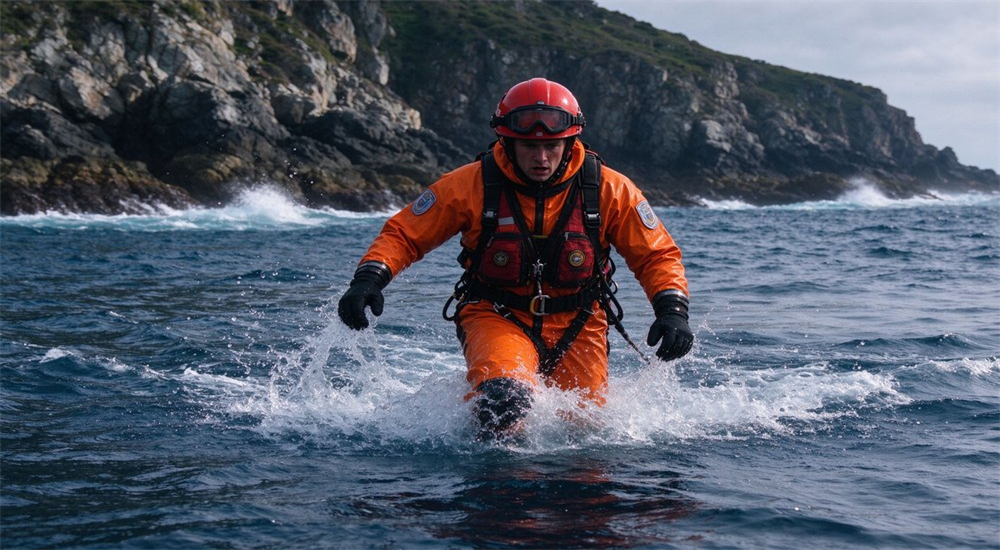
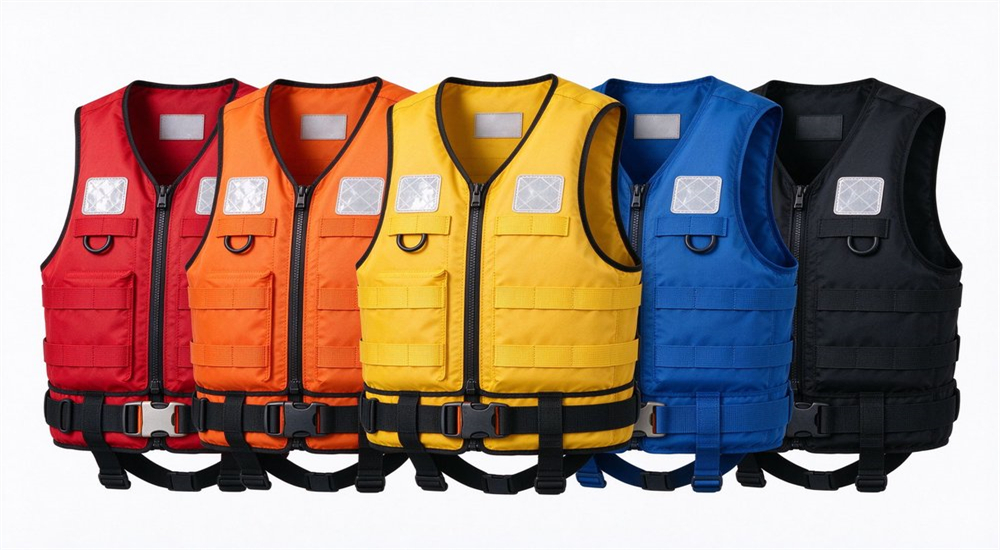
Selecting the correct coastal rescue life jacket requires matching buoyancy rating, donning style, and accessory configuration to the operational profile. Foam models offer zero-maintenance reliability and are preferred for teams that deploy frequently, while inflatable models provide superior mobility for vessel-based operations where deck mobility is critical.
Foam life jackets remain the standard for shore-based and surf rescue because they require no activation and perform reliably after repeated impacts. Our foam models use closed-cell PVC or PE foam with durable nylon or Cordura covers, available in buoyancy ratings from 50N for general duty to 270N for heavy-gear operations. MOLLE webbing, D-rings, and accessory pockets accommodate rescue knives, whistles, and lights.
Inflatable models are favored by vessel crews and coast guard boarding teams that need unrestricted upper body movement during deck operations. CO2 cylinder activation occurs automatically on water contact or manually via pull tab. These models require pre-deployment inspection of cylinder pressure, bobbin status, and oral inflation tube integrity. We supply replacement cylinders and re-arm kits for bulk maintenance programs.
For teams that need both impact protection and rapid deployment, hybrid foam-inflatable models combine a 50N foam base with automatic inflation to 150N+. These are increasingly specified for port authority teams that move between vessel boarding, dock work, and water rescue without changing PPE.
The vessel configuration table helps teams match boat capabilities to operational requirements. Larger vessels provide better stability and capacity for offshore operations, while smaller inflatables offer maneuverability in nearshore and surf zones. Consider that crew training requirements increase significantly with vessel size and complexity.
|
Profile |
Recommended Type |
Buoyancy |
Key Feature |
|
Surf & Beach |
Foam, front-zip |
150N+ |
Impact resistance, quick don |
|
Vessel SAR |
Automatic inflatable |
150N–275N |
Mobility, harness integration |
|
Port Facility |
Hybrid foam-inflatable |
50N base + 150N inflated |
Multi-role versatility |
|
Cold Water Ops |
Foam over dry suit |
100N–150N |
Compatibility with immersion suit |
Government tenders typically specify at least two PFD types per coastal unit — a foam model for direct rescue entry and an inflatable model for vessel transit and boarding operations.
In coastal waters where temperatures drop below 15°C, or where operations may extend beyond 30 minutes in the water, rescue dry suits become essential personal protection. A properly fitted dry suit keeps the wearer completely dry, allowing thermal undergarments to maintain core temperature even during full immersion.
Neoprene dry suits (4mm–7mm) offer inherent thermal insulation in addition to waterproofing, making them ideal for teams that operate without layered undergarments. They are more flexible than membrane suits and provide better abrasion resistance for rocky shorelines. However, they are heavier and less adaptable to temperature swings.
3-layer membrane dry suits use waterproof-breathable fabrics with taped seams and latex or silicone neck and wrist seals. They are lighter than neoprene and accommodate a wide range of undergarments for seasonal use. TIZIP or YKK waterproof zippers provide entry, while relief zippers and adjustable cuffs improve operational comfort. These are the standard for professional coast guard and maritime SAR units.
Dry suit performance depends heavily on the thermal undergarment layer. Fleece or synthetic insulated liners provide warmth when dry, while wicking base layers manage perspiration during physical exertion. Teams in variable climates typically maintain three undergarment weights — light for summer, medium for shoulder seasons, and heavy for winter operations.
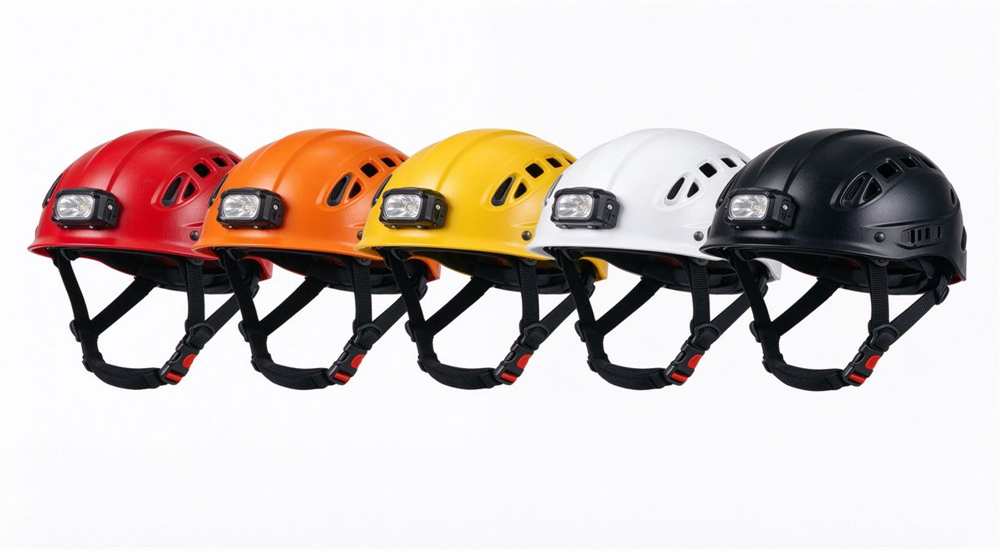
Coastal rescue helmets must protect against impact from boat hardware, winch cables, waves, and submerged debris while accommodating communication gear and lighting. Water rescue-specific helmets differ from climbing or industrial helmets in their chin retention system, drainage design, and side rail configuration.
ABS and HDPE shells provide durable impact resistance at low weight, while in-mold polycarbonate constructions offer premium penetration resistance for technical operations. Ventilation is designed to drain water rather than admit it, and interior padding is quick-drying to prevent bacterial growth. All models should meet or exceed EN 1385 or equivalent water sports impact standards.
Side accessory rails are standard on professional rescue helmets, allowing mounting of LED headlamps, camera brackets, communication earpieces, and identification panels. Quick-release chin straps with emergency cutaway features allow rapid removal if the helmet becomes snagged. Some models include built-in goggle retention straps.
High-visibility shell colors — white for team leaders, red for entry rescuers, orange for support — support visual command in chaotic surf conditions. Reflective strips enhance visibility in low light, while blank ID panels allow unit marking and individual numbering without compromising shell integrity.
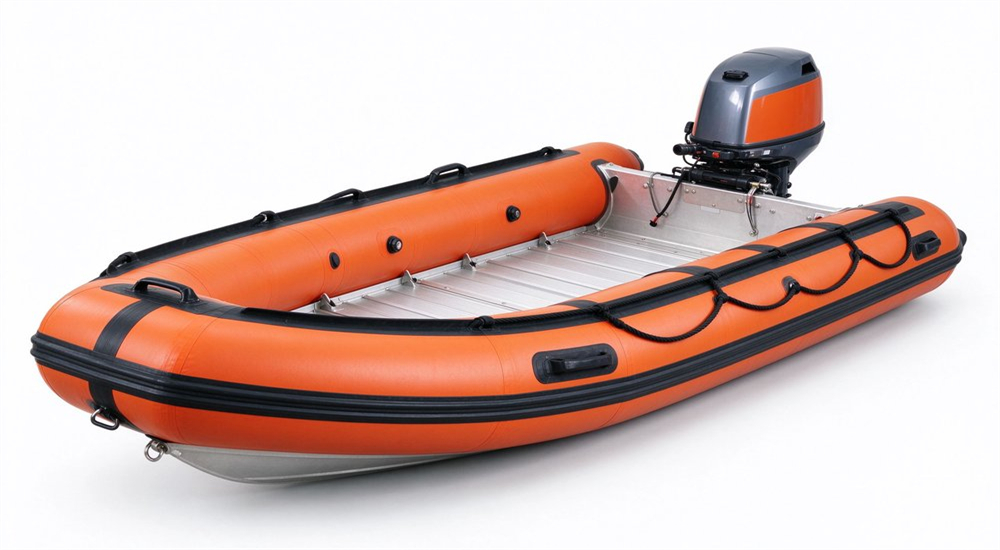
Coastal rescue response depends on rapid deployment watercraft that can launch from shore, pier, or larger vessel. Inflatable rescue boats offer the best balance of portability, capacity, and seakeeping for coastal operations, with models ranging from single-person rescue boards to 6–8 person motorized RIBs.
Lightweight inflatable rescue boats with aluminum or plywood floors are the workhorse of surf rescue programs. Typically 3.5m–4.5m in length, they carry 2–4 personnel plus victim capacity and can be launched through breaking surf by hand. Hypalon or PVC tubes resist UV and abrasion, while multiple air chambers provide redundancy.
For offshore and port authority operations, RIBs with fiberglass or aluminum hulls provide superior seakeeping and speed. Models from 4.8m–7.5m accommodate 6–8 personnel and can mount outboard motors up to 150hp. Center console configurations with T-tops and radar arches support extended patrol and search patterns.
For shallow surf and beach zones, inflatable rescue boards and rescue sleds allow a single rescuer to reach victims quickly and provide flotation during transport back to shore. These are typically paired with fins and a rescue tube for the swimmer.
The maintenance requirements for coastal equipment are substantially higher due to saltwater corrosion. All metal components require fresh water rinsing within two hours of exposure, with corrosion inhibitor applied monthly. Departments operating in coastal environments should budget for higher replacement rates for zippers, buckles, and other hardware compared to freshwater operations.
|
Watercraft Type |
Capacity |
Best For |
Motor Option |
|
Rescue Board |
1 rescuer + victim |
Surf zone, shallow water |
None (swimmer-propelled) |
|
Inflatable Rescue Boat |
2-4 + victim |
Surf launch, nearshore |
10-30hp outboard |
|
RIB (4.8-5.5m) |
4-6 personnel |
Port, harbor, nearshore SAR |
40-90hp outboard |
|
RIB (6-7.5m) |
6-8 personnel |
Offshore patrol, extended SAR |
90-150hp outboard |
Coastal fleets typically combine at least one IRB for surf capability with one RIB for offshore response, with spare tubes and repair kits maintained as bulk consumables.
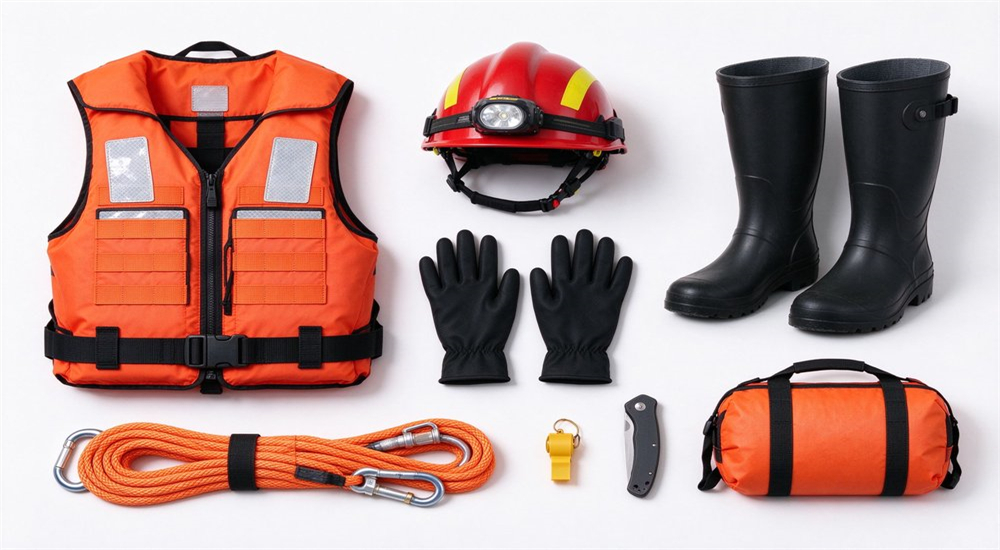
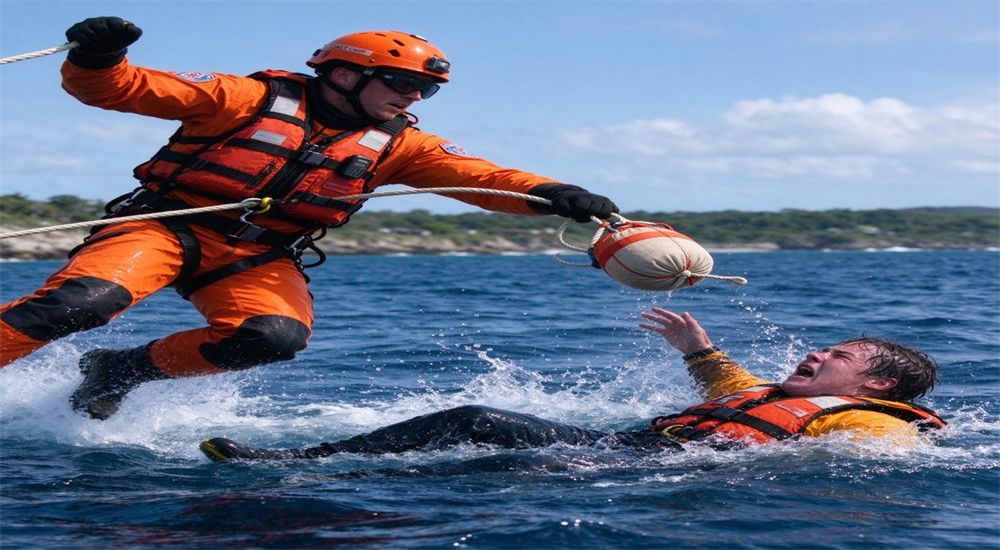
Throw bags and rope systems are the most frequently used rescue tools in coastal operations, allowing shore-based or vessel-based rescuers to make contact with victims without entering the water. Proper rope selection and bag design significantly affect throw distance, accuracy, and post-rescue handling.
Standard coastal rescue throw bags contain 15m–25m of floating polypropylene or polyethylene rope with a minimum 8kN breaking strength. Rope diameter of 8mm–10mm balances grip and packability, while bag design features quick-deploy mouth and weighted base for accurate throwing. Reflective tracer threads improve visibility in spray and low light.
For technical rope rescue involving cliff-side coastal recovery or vessel-based haul systems, low-stretch static rope (10mm–11mm, 25kN+) is used in conjunction with harnesses, anchor systems, and progress capture devices. These systems are typically maintained as vehicle-mounted kits rather than carried by individual rescuers.
All rescue rope requires inspection after each use and retirement according to manufacturer guidelines — typically 5–10 years from manufacture, or immediately after a significant load event or visible damage. Bulk procurement should include spare rope and documented inspection logs to support equipment audit requirements.
Coastal rescue operations depend on reliable waterproof communication between team members, vessel operators, and shore command. Standard VHF marine radios provide the backbone, while personal locator beacons and GPS units support individual rescuer safety during extended operations.
Waterproof floating VHF radios with IPX7 or IPX8 ratings are standard for coastal rescue teams. Models with GPS, DSC (Digital Selective Calling), and NOAA weather channels provide both communication and situational awareness. Handheld units should float if dropped overboard, and headsets with boom microphones allow hands-free operation during rescue.
For offshore or extended operations, individual personal locator beacons provide a distress signal that can be tracked by satellite and rescue coordination centers. These are typically worn on the PFD harness and activated automatically on immersion or manually by the wearer.
Smartphones, tablets, and documentation carried on rescue vessels require IP67 waterproof cases with flotation. Dry boxes with desiccant packets protect spare batteries, first aid supplies, and paperwork from spray and occasional immersion.
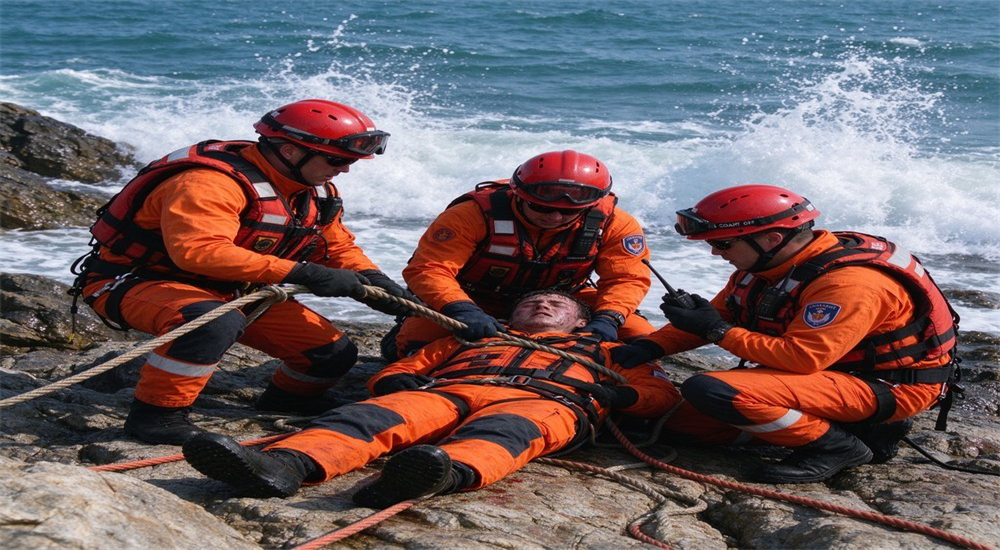
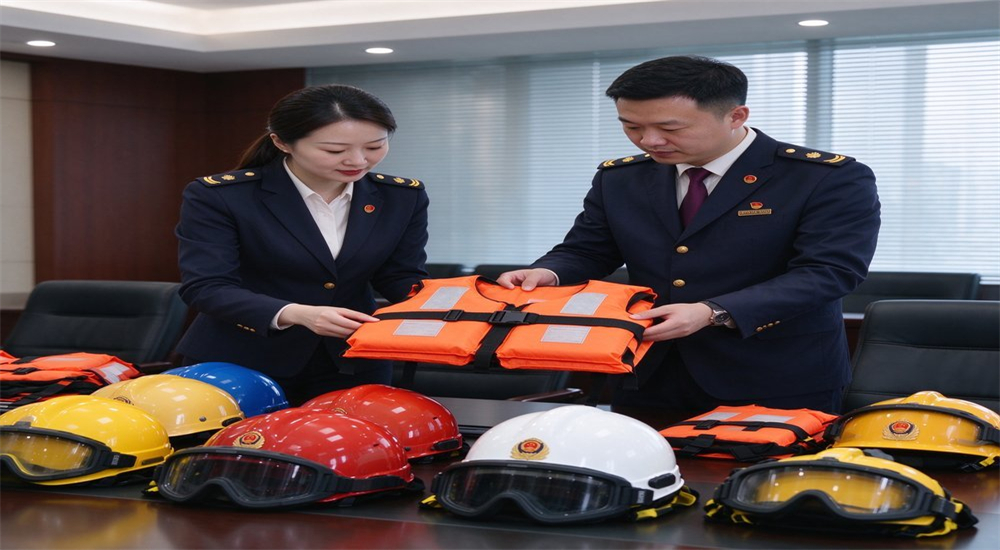
We support coastal rescue government procurement with complete technical documentation, test reports, and specification matching for tender submissions. Our product lines align with common procurement frameworks used by coast guard authorities, port authorities, and maritime safety agencies worldwide. Custom logo printing is available for department identification and brand consistency. We support OEM and ODM manufacturing with full specification control per your requirements. Bulk packaging options support government emergency stockpile programs and pre-positioning contracts. We work with rescue organizations worldwide to ensure consistent equipment quality across deployments. Fire departments across multiple regions specify our equipment for water rescue operations. Maritime rescue operations involve vessel-based response, helicopter coordination, and open water swimming in conditions that demand high-visibility, durable equipment. Open water conditions present unique challenges including wave action, current drift, and temperature variation, requiring gear that performs reliably beyond sheltered environments.
Each bulk inquiry receives a technical data package including material specifications, buoyancy test reports, CE or ISO certification where applicable, dimensional drawings, and maintenance guidelines. We can provide samples for evaluation and accommodate custom labeling, color matching, and unit marking per procurement requirements.
Coastal rescue equipment is typically packaged in unit-level cartons with individual item labeling, plus palletized master cartons for container shipping. We support FOB, CIF, and DDP delivery terms, and can coordinate with freight forwarders specified by the purchasing authority.
Bulk orders include maintenance guides and inspection checklists suitable for inclusion in team SOPs. We can provide train-the-trainer materials for equipment familiarization, and maintain spare parts inventory for consumable items such as CO2 cylinders, zipper sliders, and replacement seals.
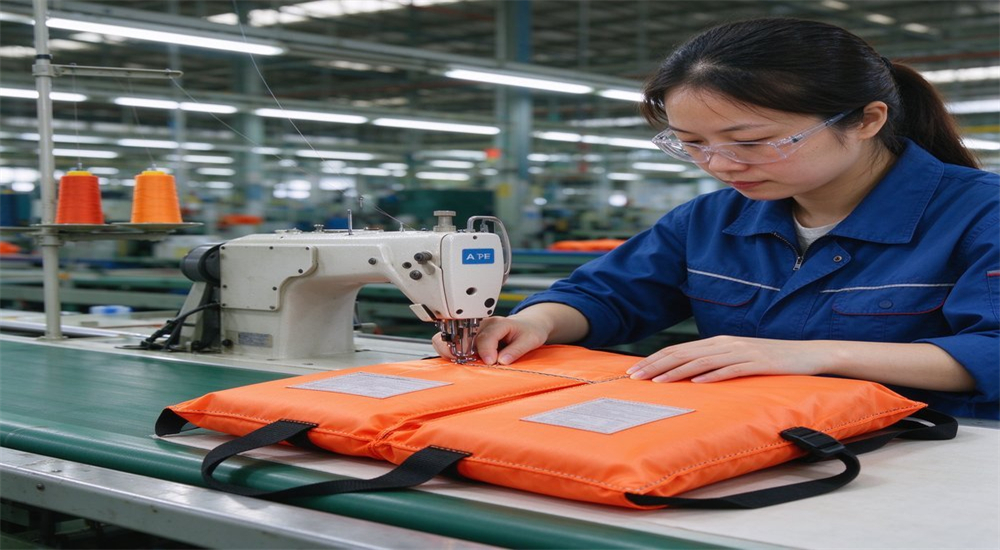
Coastal rescue equipment operates in a corrosive saltwater environment that accelerates wear if maintenance is neglected. A structured inspection and maintenance program extends service life, ensures readiness, and supports audit compliance for government and institutional fleets.
Regular equipment audits are a regulatory requirement for most coastal rescue agencies, and documented inspection records support both safety compliance and insurance coverage. Teams should assign a designated equipment officer responsible for maintaining inspection logs, scheduling annual servicing, and coordinating retirement of items that reach the end of their service life.
All equipment used in saltwater should be rinsed with fresh water within 2 hours of use, using a soft brush for heavily soiled areas. Life jackets and dry suits should be hung to dry in shaded, well-ventilated areas — direct sunlight degrades both fabric and foam over time. Zippers should be cleaned and lubricated with wax or silicone after every five uses.
Pre-deployment checks (before every operation) verify PFD inflation cylinder status, zipper function, helmet strap integrity, and rope condition. Monthly detailed inspections include fabric abrasion assessment, seam integrity, reflective tape adhesion, and hardware corrosion. Annual comprehensive inspections should be documented and include buoyancy testing for foam PFDs and pressure testing for inflatable models.
Equipment should be stored in climate-controlled facilities at 10°C–25°C with humidity below 60%. Life jackets should be hung or laid flat — never folded or compressed. Dry suits should be stored on wide hangers with zippers partially open, and latex seals should be dusted with talc to prevent sticking. Rope should be coiled and stored off the floor in ventilated bins.
Typical service life for foam life jackets is 5–10 years depending on use intensity; inflatable PFDs require cylinder replacement every 1–3 years and bobbin replacement per manufacturer schedule. Dry suits typically serve 5–8 years before seal and zipper degradation warrant retirement. Rescue helmets should be retired after 5 years or any significant impact event. All retirement decisions should be documented with date, reason, and inspector signature.
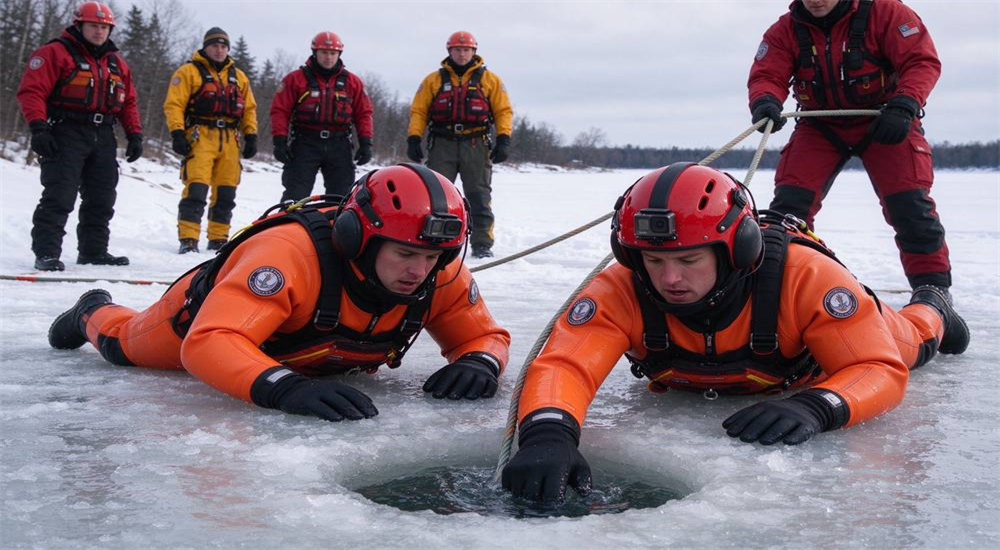
After any coastal rescue deployment, proper decontamination and equipment care are essential for both personnel safety and equipment longevity. Saltwater crystallization can damage zippers, corrode metal hardware, and degrade fabric over time. Establish a standardized decontamination protocol that includes fresh water rinsing within two hours of exposure, mild soap cleaning for heavily soiled items, and thorough drying before storage. For operations involving contaminated water or chemical spills, follow your agency's hazardous materials decontamination procedures.
Personnel post-rescue care includes medical evaluation, rewarming protocols for cold water exposure, and psychological debriefing for traumatic incidents. Maintain a supply of emergency blankets, warm fluids, and dry clothing at your rescue staging area. For prolonged operations, establish a rotation schedule to prevent fatigue and ensure all team members receive adequate rest and nutrition.
Proper storage extends equipment lifespan and ensures readiness for emergency deployment. Store all water rescue gear in a cool, dry, well-ventilated area away from direct sunlight, ozone sources, and chemical fumes. Hang dry suits and wetsuits on wide, padded hangers to prevent shoulder deformation. Coil ropes loosely and store in breathable bags. Keep PFDs flat or hanging, never folded or compressed for extended periods.
Implement an inventory management system that tracks each item's purchase date, inspection history, repair records, and retirement date. Barcode or RFID tagging can streamline inventory checks for large fleets. Establish par levels for critical consumable items such as CO2 cylinders, first aid supplies, and replacement parts, and reorder before reaching minimum stock levels. For government agencies, integrate equipment records into your asset management system for audit and reporting purposes.
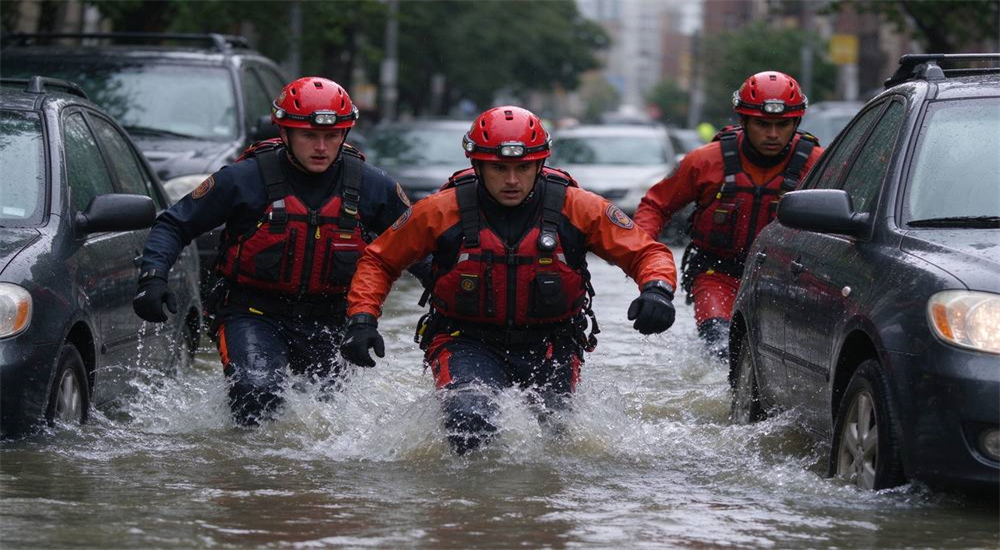
Professional coastal rescue operations require specialized training beyond standard water rescue certification. Personnel should hold Boat Crew certification, VHF Radio Operator licensing with Digital Selective Calling (DSC) endorsement, and current First Aid/CPR with oxygen administration. Additional recommended training includes Swiftwater Rescue Technician for nearshore current operations, Marine Firefighting for vessel emergencies, and Navigation including chart reading and GPS operation. For offshore operations, Helicopter Rescue Swimmer training and Helicopter Underwater Egress Training (HUET) may be required depending on your operational profile.
Many national maritime authorities establish minimum training standards for coast guard and naval rescue personnel. When procuring equipment for government contracts, verify that your team's certifications align with the specifications in the tender documents. We can provide equipment configuration recommendations based on your team's certification levels and operational requirements, ensuring that all gear matches the capabilities of your personnel.
Regular drills and exercises are essential for maintaining operational readiness. We recommend monthly equipment familiarization drills, quarterly full-scale rescue exercises, and annual third-party audits of both equipment and procedures. Document all training and inspection activities, as these records may be required for regulatory compliance and insurance purposes. Consider establishing a training partnership with local maritime academies or coast guard units for access to specialized facilities and instructors.
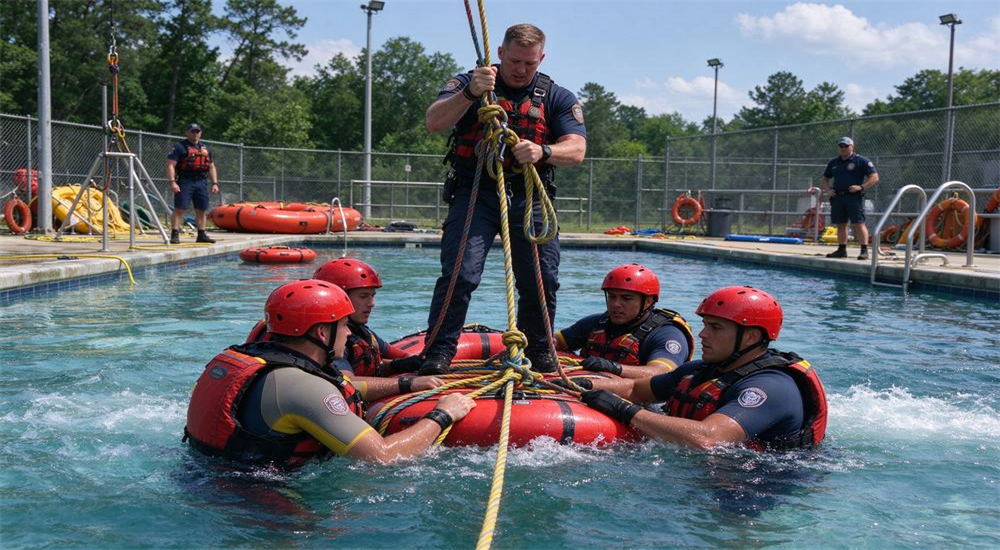
Coastal rescue operations are heavily influenced by weather and sea conditions. Before any deployment, assess wind speed and direction, wave height and period, tide state and current direction, water temperature, and visibility. Operations should be suspended when conditions exceed your team's training and equipment capabilities. Establish clear go/no-go criteria based on your operational area and ensure all team members understand the decision-making process.
Seasonal variations significantly impact coastal rescue requirements. Winter operations demand enhanced thermal protection, including dry suits with heavyweight undergarments and heated post-rescue shelters. Summer operations may require sun protection, hydration systems, and increased ventilation in PPE. Storm seasons bring heightened risk of large swells and rapid weather changes, requiring additional safety margins and possibly pre-positioning equipment at strategic locations.
Environmental factors such as marine life, water contamination, and debris fields also affect operations. In areas with jellyfish or other hazardous marine life, consider full-body protection. In polluted harbors or industrial areas, use fully sealed dry suits with face protection. Always conduct a hazard assessment before entering the water, and adjust equipment and procedures accordingly.
For agencies managing multiple coastal stations, standardizing equipment across locations simplifies training, maintenance, and logistics. A standardized equipment matrix ensures that personnel can deploy to any station with familiar gear, while centralized procurement reduces costs through volume discounts. We can support multi-site contracts with coordinated delivery schedules and consistent specification control across all locations.
When evaluating coastal rescue equipment suppliers, consider factors beyond initial price, including product availability, spare parts support, training resources, and after-sales service. A supplier that can provide consistent quality, timely delivery, and technical support will deliver better long-term value for your organization. We welcome the opportunity to discuss your specific requirements and provide detailed quotations for your procurement team.
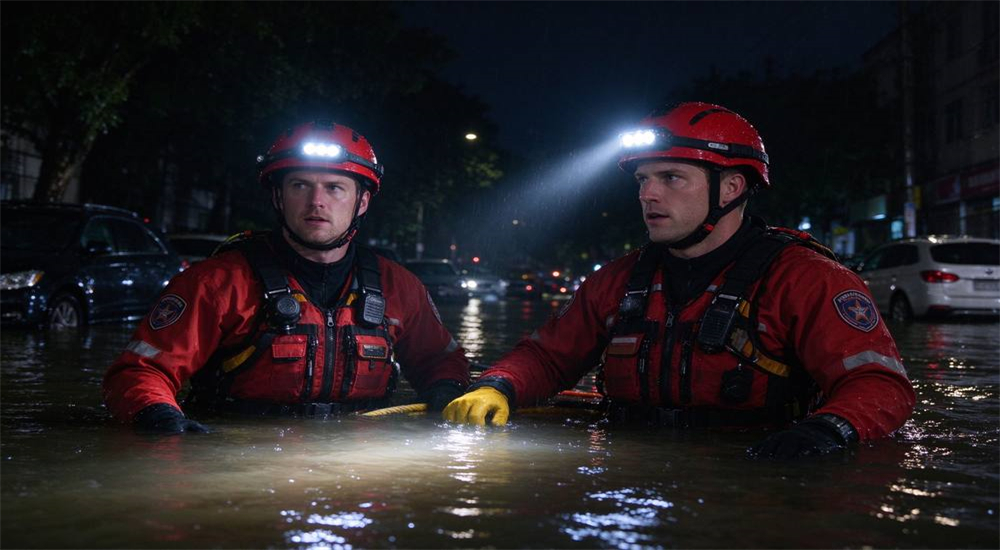
Coastal rescue requires offshore-rated PFDs (150N+ with harness), dry suits for cold water immersion, rescue helmets with communication compatibility, signal devices (whistles, strobes, flares), GPS and navigation tools, and seaworthy watercraft. Personal locator beacons are recommended for offshore operations.
Coastal operations involve larger waves, stronger currents, colder water temperatures, saltwater corrosion, and longer response times. Equipment must be marine-grade with corrosion-resistant hardware, and personnel need additional navigation and communication training.
For offshore operations, use a 150N or 275N life jacket with integrated harness, crotch strap, spray hood, and light. The PFD must turn an unconscious person face-up and provide thermal protection. Inflatable models are common for comfort during long patrols.
After every saltwater deployment, rinse all equipment thoroughly with fresh water within 2 hours. Pay special attention to zippers, buckles, and metal hardware. Apply corrosion inhibitor to metal parts. Store in a cool, dry, well-ventilated area.
VHF marine radios are standard for coastal operations, with DSC (Digital Selective Calling) capability. For longer range, satellite communicators or EPIRBs may be needed. All systems should be waterproof to at least IPX7 standards.
For water below 15°C, a dry suit with appropriate thermal undergarments is essential. For water below 10°C, consider an ice rescue suit with integrated buoyancy. Always carry emergency blankets and consider heated shelters for post-rescue treatment.
Coastal rescue boats should have VHF radio, GPS/chartplotter, echo sounder, radar (for larger vessels), AIS, searchlights, flares, first aid kit, oxygen, tow lines, and spare anchors. Boat-specific PFDs and kill switches are mandatory.
At minimum, personnel should hold Boat Crew, VHF radio Operator, and First Aid/CPR certifications. Additional recommended training includes Swiftwater Rescue Technician, Marine Firefighting, Navigation, and Helicopter Rescue Operations for offshore teams.
A standard coastal rescue boat crew is 3-4 people: a coxswain/boat operator, a crew chief/rescue swimmer, and a radio operator/navigator. For larger vessels or complex operations, additional personnel may be needed for patient care and line handling.
Carry both audible and visual signals: whistles, air horns, handheld VHF, strobe lights, chemical light sticks, red parachute flares, red hand flares, and orange smoke signals. Ensure all crew know how to use each device and check expiration dates regularly.
What certification should coastal rescue life jackets meet?
Coastal rescue life jackets should meet ISO 12402 (international) or USCG 46 CFR (United States) standards appropriate to their buoyancy class. For professional rescue use, look for 150N+ buoyancy ratings with impact-resistant construction. We provide certification documentation with all bulk orders.
How do I choose between a wetsuit and dry suit for coastal operations?
Wetsuits are suitable for water temperatures above 15°C and operations under 30 minutes. Dry suits are required for water below 15°C, prolonged immersion scenarios, contaminated harbor water, or operations where the rescuer may be unexpectedly immersed. Many coastal teams maintain both for seasonal flexibility.
What is the minimum buoyancy for a coastal rescue PFD?
For direct rescue entry in surf conditions, 150N is the practical minimum. Teams that carry heavy tools or operate in fast current often specify 200N–270N. Vessel-based teams using inflatable models typically use 150N–275N automatic inflation.
How often should inflatable PFD cylinders be replaced?
CO2 cylinders should be replaced every 1–3 years depending on manufacturer specification and environmental conditions. In high-humidity coastal environments, annual replacement is recommended. Always replace the cylinder after any deployment, even if the PFD appears undamaged.
Can you customize colors and logos for government orders?
Yes, we support custom color matching, logo printing, and unit identification marking for bulk orders. Minimum quantities apply for custom colors, and logo printing requires vector artwork from the purchasing authority. Lead times for customized orders are typically 30–45 days.
What size range is available for rescue dry suits?
Our dry suits are available in standard sizes from XS to 3XL, with custom sizing available for bulk orders. Proper fit is critical for dry suit performance — we recommend providing team measurement data with bulk inquiries to ensure correct sizing.
Do rescue helmets accommodate communication headsets?
Yes, all our professional rescue helmets feature side accessory rails compatible with standard communication earpieces, bone conduction headsets, and helmet-mounted microphones. We can supply pre-configured communication packages for bulk orders.
What is the typical lead time for bulk coastal rescue equipment orders?
Standard catalog items typically ship within 15–30 days. Customized orders (colors, logos, special configurations) require 30–45 days. Large tenders over 500 units may require additional production scheduling — contact us for timeline confirmation at inquiry stage.
How should saltwater-exposed equipment be cleaned?
Rinse all equipment with fresh water within 2 hours of saltwater exposure. Use a soft brush for heavily soiled areas. Hang to dry in shaded, ventilated area. Never use detergent, bleach, or solvent on PFD fabric or foam. Lubricate zippers after every five uses.
What spare parts should be maintained for inflatable PFD fleets?
Maintain spare CO2 cylinders (matching gram weight), oral inflation tubes, bobbin assemblies, and inspection tags. A general guideline is 10% spare cylinders for active fleets under 100 units, and 5% for larger fleets. We supply all spare parts in bulk packaging.
Are your products suitable for military and naval procurement?
Our equipment meets international standards applicable to military and naval coastal rescue units. We can provide NSN (NATO Stock Number) cross-reference data where available and support military specification matching. Contact our procurement team for military-specific requirements.
Do you provide training materials with bulk orders?
Yes, all bulk orders include equipment familiarization guides, inspection checklists, and maintenance procedures in PDF format. Train-the-trainer materials and quick-reference laminated cards are available as optional add-ons for institutional customers.
What is the difference between a rescue helmet and a climbing helmet?
Rescue helmets feature water-draining ventilation, corrosion-resistant hardware, quick-release chin straps with emergency cutaway, and side rails designed for water rescue accessories. Climbing helmets are not certified for water impact and may absorb water, increasing weight. Always use water-specific helmets for coastal rescue.
Can equipment be marked for asset tracking?
Yes, we support unique unit numbering, barcode labels, and RFID tag integration for asset management programs. Labels are applied during production and serialized per customer specification. This is particularly useful for government fleets subject to periodic equipment audits.
Previous :
Water Rescue Life Jackets – Wholesale SupplierNext :
Flood Rescue Clothing & Gear for Professional Teams Firefighting Life Jacket, Quick Auto-Inflation, Universal Orange
This professional firefighting life jacket features a wear-resistant waterproof Oxford fabric outer layer with EPE high-density polyethylene foam filling, providing ≥100N total buoyancy with ≥50N inherent buoyancy. Equipped with a ≤5-second quick auto-inflation system, it meets emergency rescue needs in firefighting, floods, and inundations. The high-visibility orange design with reflective strips enhances night recognition, while the chest rescue whistle facilitates emergency distress signals. Universal size fits most rescue personnel, with customizable organizational logos and functions.
 Floating Rescue Vest High-Visibility Waterproof Earthquake Safety
This flood prevention life jacket is made of 200D Oxford polyester fabric with polyethylene foam buoyancy material, providing ≥8.5kg buoyancy. Measuring 65×50cm, it fits most adults. Featuring 6 evenly distributed reflective patches and an emergency whistle, it's specifically designed for maritime storms, floods, and earthquake-induced water disasters. The orange/green design ensures high visibility during water rescue operations. Professional teams can customize specifications, markings, and special features according to their requirements.
 Rescue Life Jacket, Thickened Waterproof, 74N High Buoyancy Design
Professional rescue life jacket features 200D thickened Oxford fabric outer layer, high buoyancy ≥74N design, compliant with GB/T32227-2015 rescue equipment standards. Standard size 58×42×5.5cm, lightweight for quick mobility. Orange-yellow high-visibility color with shoulder reflective strips ensures maximum visibility in extreme conditions like floods and tsunamis. Ideal for flood rescue, sea storm rescue and earthquake-induced flood disasters, an essential equipment for professional rescue teams.
 Flood Control Life Vest, 200D Oxford Fabric, Orange-Yellow High Visibility
Professional flood control life jacket features 200D thickened Oxford fabric outer layer, standard size 58×42×5.5cm, with ≥74N buoyancy value tested to GB/T32227-2015 standards. High-visibility orange design with night reflective strips, lightweight for unrestricted movement. Ideal for flood disasters, earthquake-induced floods, sea storm rescues and extreme conditions, providing reliable buoyancy support for rescue personnel, improving water rescue efficiency by 99% - essential equipment for emergency rescue operations.
 Professional Flood Rescue Life Jacket High Buoyancy Vest
This professional flood rescue life jacket features a 450D waterproof Oxford fabric outer layer with EPE high-buoyancy filling material, providing ≥88N buoyancy to ensure water rescue personnel safety. Equipped with night reflective patches and large reflective areas on shoulders and chest to enhance visibility in adverse weather conditions. The lightweight design weighs ≤1kg, not affecting rescue operation flexibility. Tested in actual flood disaster scenarios, it provides continuous buoyancy support for over 12 hours in rapid currents, having protected over 10,000 rescue personnel during 327 flood control operations nationwide.
 88N Buoyancy Water Rescue Life Vest Emergency Disaster Vest
This professional water rescue life vest features a 450D waterproof Oxford fabric outer layer with EPE high-buoyancy filling material, providing ≥88N buoyancy support to ensure rescuers remain stable in rapid currents. Weighing ≤1kg, it's lightweight and doesn't restrict rescue operations. Large reflective patches on shoulders and chest enhance nighttime rescue visibility. Field-tested to protect rescuers during 18-hour continuous emergency operations, it has been successfully deployed in 176 flood rescue missions nationwide.
Copyright © Custom Disaster - Relief Bedding: Tents, Sleeping Bags, Blankets All Rights Reserved
the professional team to service !