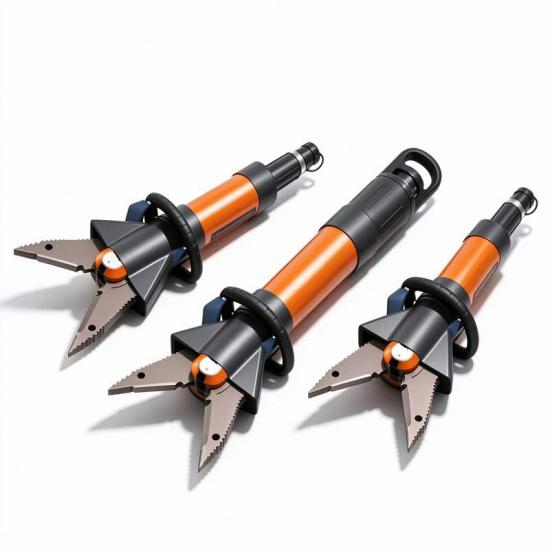
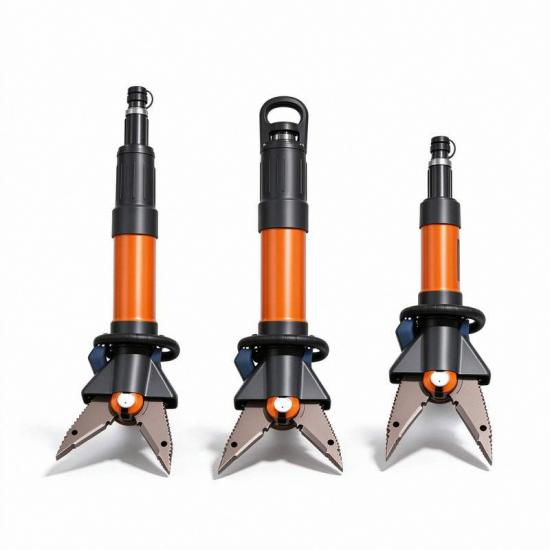
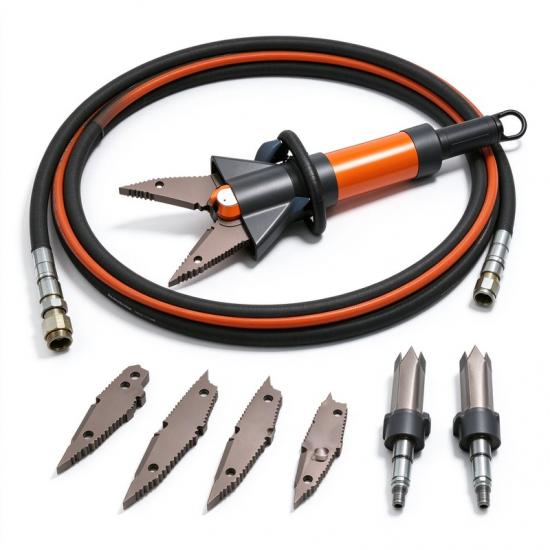
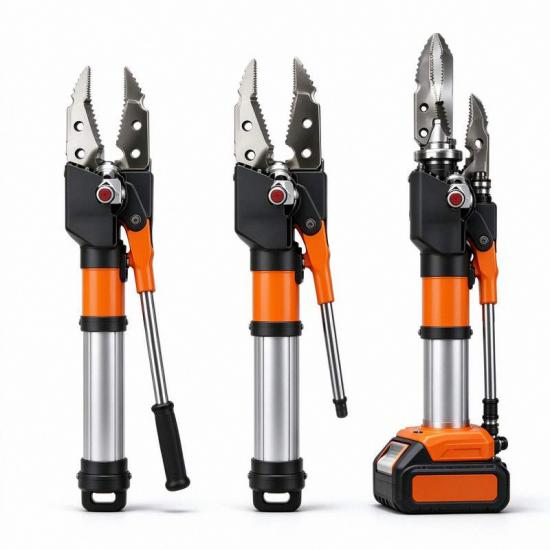
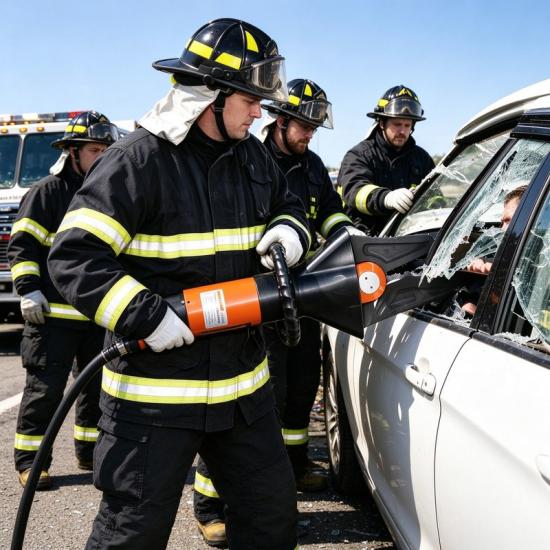
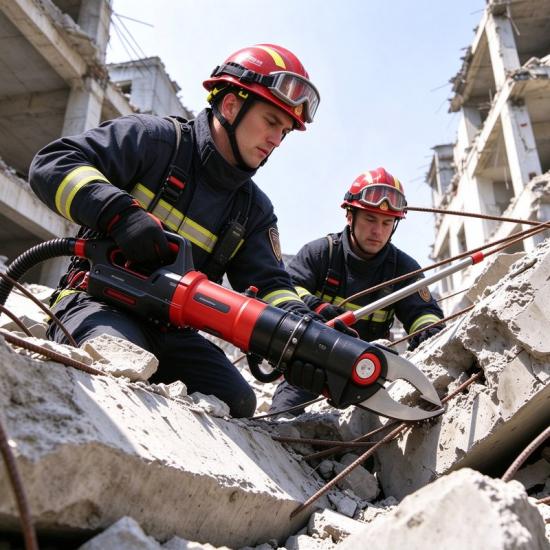
Hydraulic combi rescue tool for vehicle extrication and collapse rescue. Electric, manual and portable versions available. It can cut and spread metal structures, widely used for fire rescue and emergency extrication work.
Note: Price for reference only. Exact price based on quantity, size, weight and custom details.
model no. :
H-04Brand:
YRFmarket price :
$3600sale price :
$1800price range :
10-30/$1800Color :
Multiple Colorsport of dispatch :
Guangdong/GuangzhouPayment :
TT, Paypal, Western Unionmin order :
10original region :
Made in ChinaLead Time :
5-15days
Hydraulic Combi Tool for Rescue – Cut and Spread
Supplier
The combination tool replaces two separate units on the truck. This hydraulic combi tool for rescue setup saves space, weight and training time compared with two separate machines. Wholesale hydraulic combi tool systems for rescue teams: one unit that cuts steel and spreads wreckage, built at 63MPa and matched with manual, motor or battery power.
We supply the GYJK-25-40/28-10 hydraulic combi tool for rescue, single-hose and heavy-duty variants, as one ready-to-run rescue set.
Compare the model table below, read the combi-versus-separate comparison, and send us your tool list for a matched quotation.
This page explains what a hydraulic combi tool for rescue does, how the models differ, and when one unit beats buying separate cutters and spreaders.
 |

|
Contents
Combi Tool Overview.
Combi Tool Key Specs.
Combi vs Separate.
Applications.
Power Options.
Matching the Power Unit.
Quality and Testing.
Maintenance and Spares.
Packaging and Delivery.
Production and Assembly.
Choose the Right Tool.
FAQ.
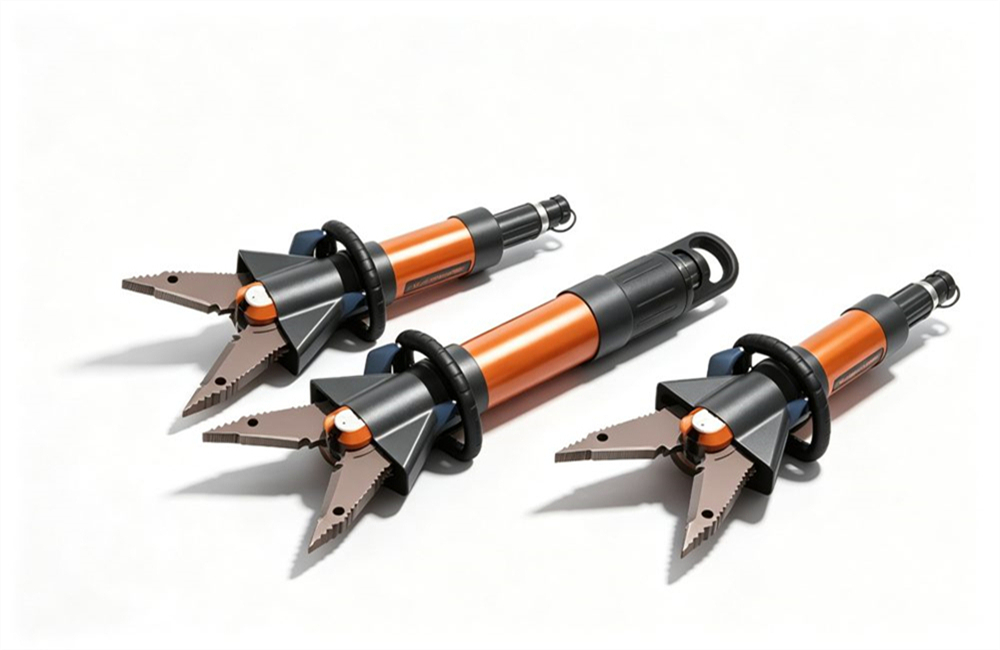
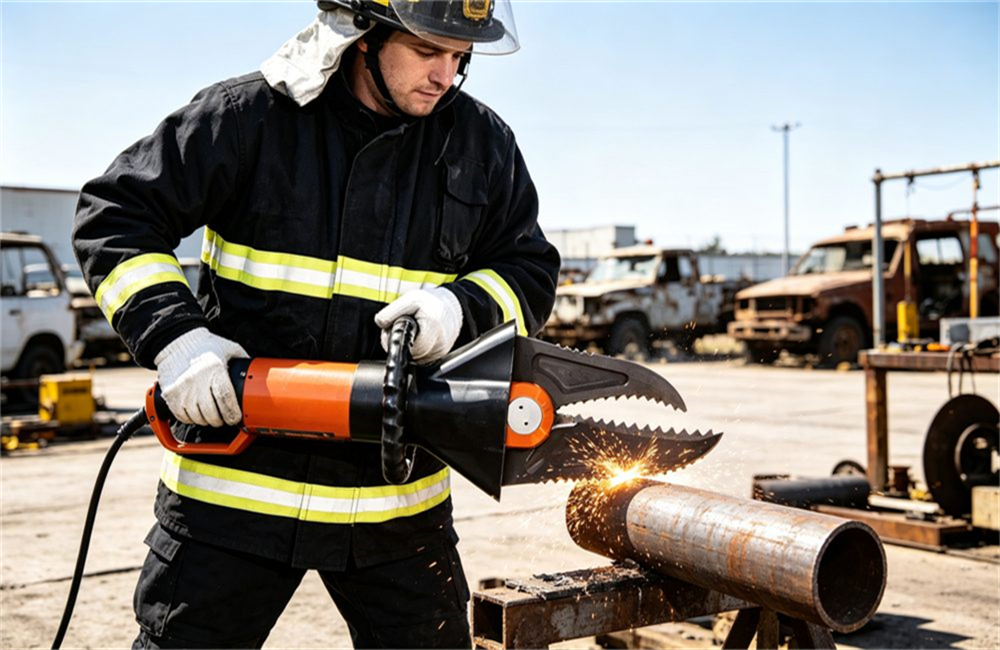
A hydraulic combi tool is a rescue tool that does two jobs with one head. Its serrated blades cut steel, and its open arms spread wreckage, all from the same cylinder.
Most extrication scenes need cutting and spreading within minutes of each other. Car crews cut a hinge, then spread the frame, then cut another pillar. A separate cutter and spreader means swapping machines between these steps.
A hydraulic combi tool for rescue removes that swap. The operator changes function by reversing the lever, and the same jaw moves from closing to opening without leaving hands.
Hydraulic oil enters the cylinder at up to 63 to 72MPa, drives the piston, and moves the jaw. In cutting mode the blades close through round steel. In spreading mode the arms open wide and push.
The jaw is machined from hardened alloy steel with replaceable blades. This keeps the cutting edge sharp after repeated training cuts, and blades can be swapped in the field without sending the tool back.
The secret is the shared cylinder. One piston powers both the closing blades and the opening arms, so the tool weighs only one body instead of two. That is the core reason buyers choose a cutter spreader combo over two machines.
When you reverse the handle, oil flows to the other side of the piston. The blades open into spreading arms, or the arms close into cutting blades. The change takes one motion, which keeps the extrication flow continuous.
This one-head design is why a hydraulic combi tool is popular with volunteer and small departments. It covers two functions in one compartment, which matters when truck space and budget are limited.
The shared head also shortens tool checks. Instead of two pre-use inspections, crews run one pressure and cycle check at the start of each shift.
When a truck responds to a crash, the operator grabs the one tool that fits both jobs. There is no guesswork about which compartment holds the cutter and which holds the spreader.
This simplicity is a real advantage under stress. On a night call in the rain, one familiar tool is faster and safer than hunting between two machines in the dark.
The first benefit is budget. A department that needs both cutting and spreading usually compares two separate tools against one hydraulic combi tool for rescue. The single unit cuts the capital cost nearly in half.
The saved budget can go to hoses, training or a second blade set. For wholesale buyers, this is the simplest way to equip a new station without a large first budget.
The second benefit is payload. Every kilogram counts on a rescue truck. One combi body replaces two bodies, which frees a compartment for oxygen, lifting bags or medical gear.
The third benefit is speed. In vehicle extrication the work switches between cutting a hinge and spreading a frame. With a combi tool the same head changes mode in seconds, so the operator does not walk to another compartment.
The fourth benefit is maintenance. One cylinder, one set of seals and one blade set means fewer spares to stock. A workshop can service a single hydraulic combi tool in under an hour, while separate tools need double the checks.
The tool body produces no sparks during normal operation. This keeps it safer beside fuel tanks and in dusty collapse sites, where ignition sources are a real concern for crews.
Hydraulic systems run quietly. Unlike powered saws, the tool makes a steady pump hum, so crews can still hear victims and each other during a rescue.
The tool works in rain, cold and wet conditions. Hydraulic drives keep operating where electric motors would struggle, which suits flood, mud and mudslide scenes.
This quiet, spark-free operation is a key reason fire services worldwide choose a hydraulic combi tool for rescue over mechanical or electric alternatives at crash scenes.
Our wholesale buyers fall into three main groups. Fire departments buy a hydraulic combi tool for vehicle extrication training and daily response.
Industrial safety teams buy a hydraulic combi tool for factory, rail and refinery rescue crews that need to cut pipe, steel and machinery around trapped workers.
Government and relief agencies buy bulk combi tools to equip new stations or to refresh an aging fleet. These orders usually include the pump, hoses and transit case as one set.
Because one machine covers two functions, it is the most cost-effective entry point for a brand-new station that must buy cutting and spreading capability on a limited budget.
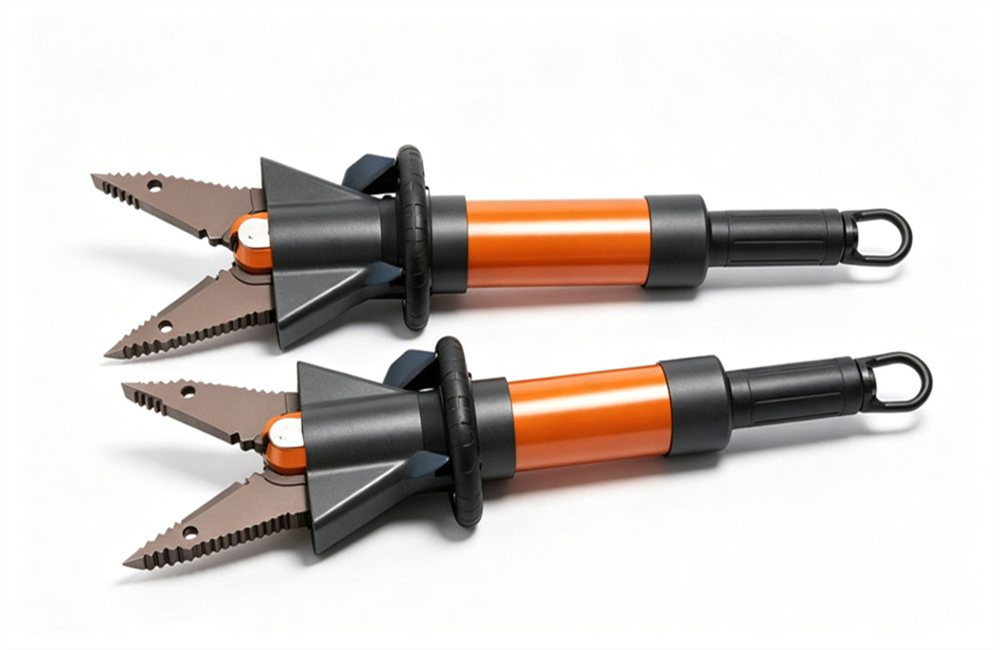
The table below compares the hydraulic combi tool models we supply. Pressure, cutting capacity, spreading force and opening decide which unit fits your fleet and budget.
|
Combi Tool Model |
Pressure |
Cutting Capacity |
Spreading Force |
Opening |
Weight |
|
GYJK-25-40/28-10 Standard. |
≥63 MPa. |
Φ28 mm bar / 10 mm plate. |
≥40 kN. |
≥360 mm. |
≤15 kg. |
|
GYJK-46~52/33(25) Single-Hose. |
70 MPa. |
Φ33 mm bar / 25 mm plate. |
46–52 kN. |
≥365 mm. |
per contract. |
|
SC358 Heavy-Duty. |
700 bar. |
Φ33 mm bar / 25 mm plate. |
41–51 kN. |
365 mm. |
per contract. |
|
SC350E Electric. |
720 bar. |
Φ35 mm bar. |
up to 220 kN. |
≥364 mm. |
per contract. |
|
LDJK70-350 Battery. |
720 bar. |
Φ35 mm bar / 16 mm plate. |
up to 220 kN. |
345 mm. |
18 kg. |
All figures are reference values from our standard production configs and are confirmed per contract. Exact cutting capacity depends on material strength, and the final parameter sheet follows the order agreement.
Read the table by three columns: cutting capacity, spreading force and opening. The first decides what steel you can cut, the second how hard you can push, and the third how wide a gap you can work around.
Pick the smallest model that covers your typical calls. A tool that is too heavy slows the crew, while one that is too weak stalls on thick steel. We help you match the column to your local vehicle mix.
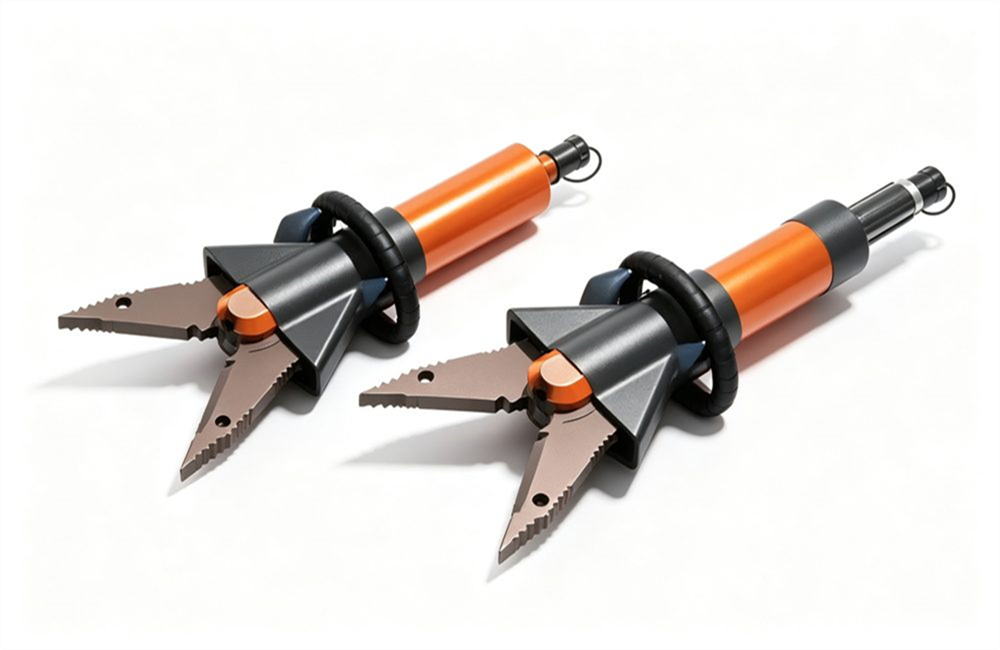
The GYJK-25-40/28-10 is our standard hydraulic combi tool for daily rescue work. It runs at rated pressure of at least 63MPa and delivers at least 40kN of spreading force.
Its opening reaches 360mm, and the blades cut 28mm round steel and 10mm steel plate. The whole unit weighs no more than 15kg and measures about 770×190×180mm.
A cycle time of 6 to 8 seconds keeps cutting and spreading fast on scene. The body uses standard hydraulic fittings that match most rescue pumps.
The single-hose hydraulic combi tool GYJK-46~52/33(25) works at 70MPa and delivers 46 to 52kN of spreading force. It cuts 33mm round steel and 25mm plate, and pulls with 44 to 60kN of traction.
One hose connection makes setup faster and keeps the work area tidy. This hydraulic combi tool for rescue suits departments that run motor pumps and want one clean hose run.
For rail, truck and industrial rescue, the SC358 runs at 700bar. It cuts 33mm round steel and 25mm plate, spreads with 41 to 51kN, and opens to 365mm.
The reinforced jaw handles repeated heavy cuts without flex. We pair it with a high-flow motor pump to keep cycle times short under load.
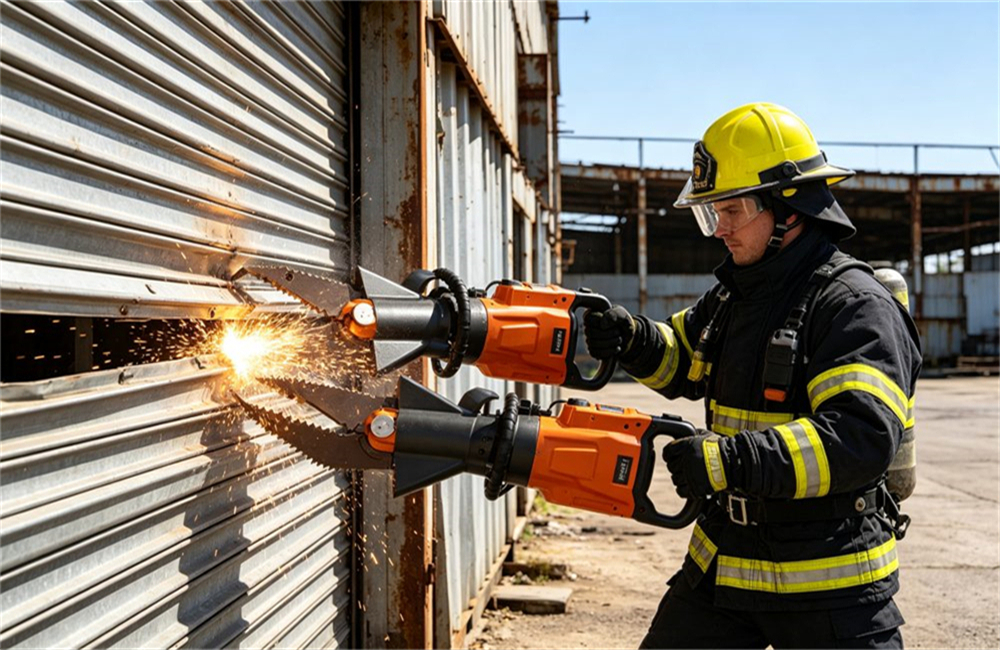
Buyers often ask whether one hydraulic combi vs separate tools setup saves money. The answer depends on call volume and truck layout, which is why we lay out the comparison below.
Comparison Factor
One Hydraulic Combi Tool
Separate Cutter + Spreader
Purchase cost.
One machine, lower total.
Two machines, higher total.
Weight to carry.
One body, one load.
Two bodies, heavier load.
Truck space.
One compartment.
Two compartments.
On-scene switch.
Change mode in seconds.
Swap between two tools.
Maintenance.
One cylinder, one seal set.
Two cylinders, two seal sets.
When teams research hydraulic combi vs separate tools, cost and truck space are usually the deciding factors. A single cutter spreader combo covers both functions at a lower total spend, which is the main reason buyers choose a combi tool for rescue.
Departments that respond mostly to road accidents benefit most. Cutting and spreading rarely happen at the exact same moment, so one head covers both calls well.
High-call-volume departments can still add a dedicated spreader later. The hydraulic combi tool stays as the fast, space-saving unit, while the second tool handles specialist spreading jobs.
Heavy industrial or rail teams may prefer the SC358 combi for repeated cuts, then add a dedicated ram for lifting. Send us your existing tool list and we advise which setup fits without wasting budget.
The hydraulic combi vs separate tools question comes down to duty cycle. If crews switch between cutting and spreading every few minutes, the combi wins on speed.
If one truck always runs a dedicated cutter and a dedicated spreader at the exact same time, separate tools make sense. Most departments, however, alternate the two jobs.
In the hydraulic combi vs separate tools comparison, training is a hidden factor. Crews learn one control layout instead of two, which shortens onboarding for new members.
The hydraulic combi vs separate tools debate also covers spare parts. One seal kit and one blade set stock covers the combi, while two tools mean double the inventory.
For volunteer departments with limited personnel, a single cutter spreader combo is easier to train and carry. You only need one tool familiarization, not two qualification courses. This is a recurring theme when teams weigh the hydraulic combi vs separate tools trade-off on a tight budget.
Total cost of ownership matters over a ten-year service life. Fewer bodies, fewer seals and fewer training hours all lower the running cost of one combi fleet.
When you weigh hydraulic combi vs separate tools for a small or volunteer department, the single unit usually wins on budget, weight and storage.
Large urban departments with two-person crews on every call may still run a dedicated pair. Even then, a combi unit is a useful third tool for fast access on the busiest lanes.
The hydraulic combi vs separate tools choice also depends on call mix. A station that mostly cuts car doors needs the combi. A station that only lifts and spreads heavy slabs may prefer a dedicated ram and spreader.
When procurement teams model the hydraulic combi vs separate tools budget, they should count not just the purchase price but also spares, training and truck space over the tool's life.
For a first-time buyer unsure which way to go, the safe choice is the hydraulic combi tool. It is the lower-risk purchase because it covers two roles, and you can always add a specialist tool later.
This is why so many new fire stations start with a combi tool for rescue. It delivers both functions on a single budget and grows with the department as call volume rises.
The hydraulic combi vs separate tools math favors the combi whenever your trucks carry limited crew. One operator runs the whole job, instead of two operators walking between two machines.
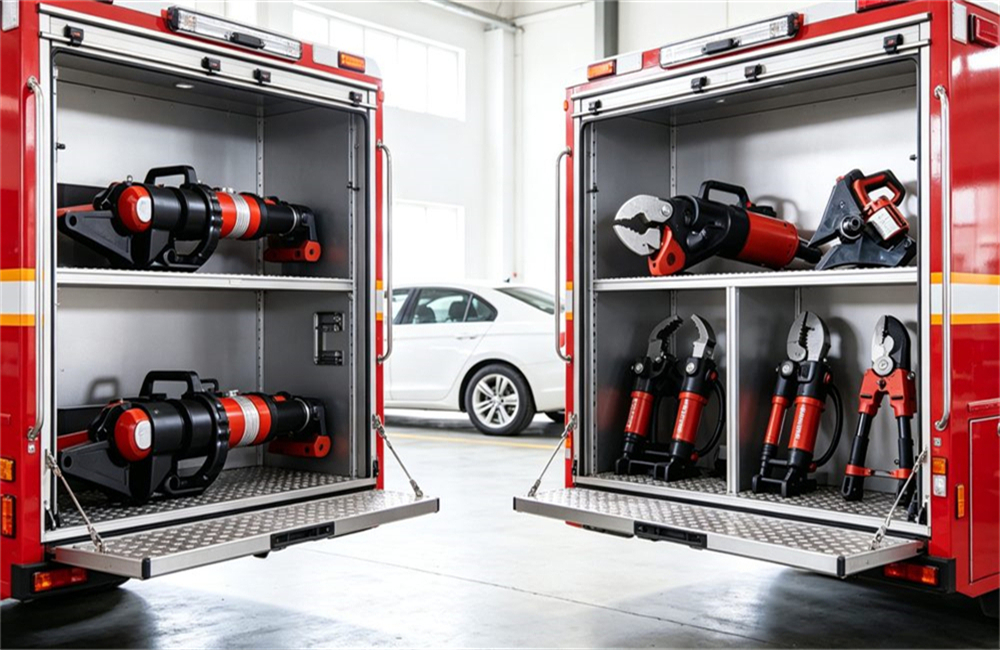
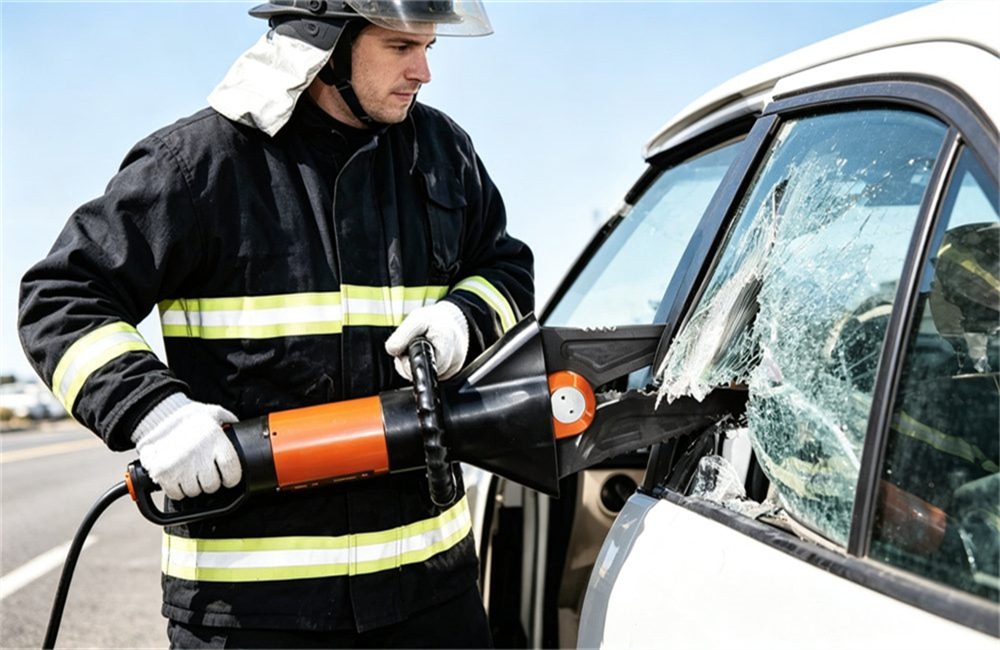
A hydraulic combi tool is the workhorse of vehicle extrication, structural collapse and forcible entry. Its two modes cover the operations below without changing machines.
|
Rescue Scenario |
Combi Tool Mode |
Typical Operation |
|
Vehicle accident. |
Cut + spread. |
Cut hinges, spread frame, free occupants. |
|
Structural collapse. |
Spreading. |
Lift slabs, widen rubble gaps. |
|
Forcible entry. |
Spreading. |
Pry open locked doors and shutters. |
|
Industrial rescue. |
Cutting. |
Cut pipes, railings and steelwork. |
|
Rail accident. |
Cutting. |
Sever steering columns and panels. |
In a road accident, the combi tool cuts the door hinge pin and then spreads the frame away from the victim in one continuous flow. Crews report faster extrication because the tool never leaves their hands.
At a collapse site, the spreading arms lift concrete and steel debris to create access lanes. The compact body reaches into narrow rubble voids where a full-size spreader cannot fit.
On multi-casualty scenes, crews split into teams. One combi tool for rescue supports two operators as a pair, while a second unit covers the other vehicle.
Forcible entry is another everyday job. The spreading arms pry open locked metal doors, rolling shutters and security gates without the brute force of a battering ram.
Industrial rescue crews use the cutting mode to sever pipes, railings and steel frames around trapped machinery. The compact head fits spaces where a larger cutter cannot reach.
Rail and bus extrication demands more force. Heavier body panels and frames call for the single-hose or SC358 model, which delivers the extra kN for thick steel.
Each scene benefits from the same one-hand operation. The operator keeps eyes on the victim and hands on the tool, instead of walking back and forth between two machines.
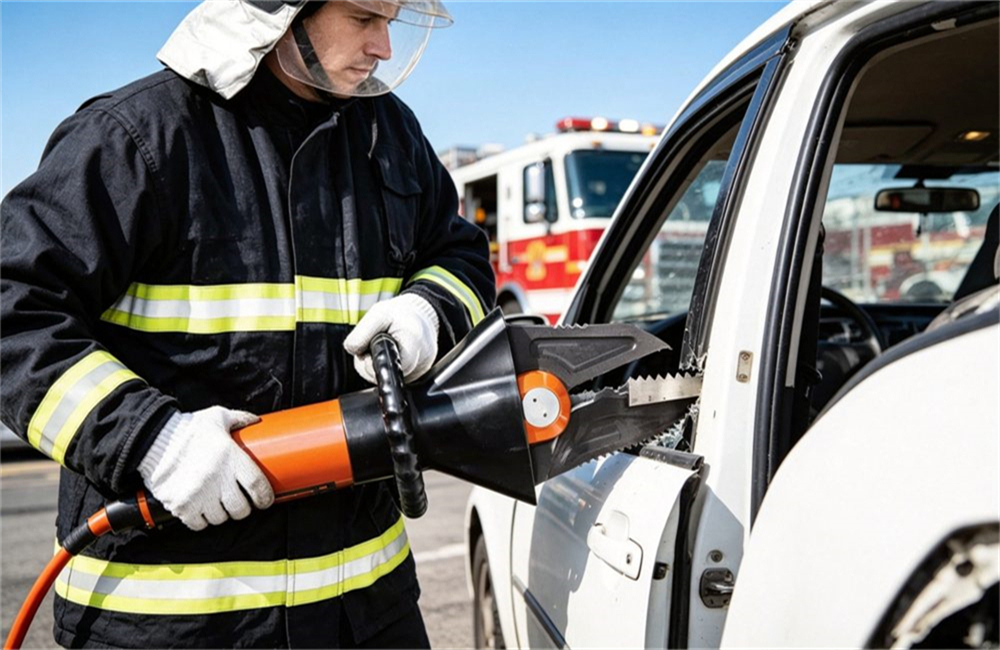
The hydraulic combi tool runs on three power styles, and the choice depends on your operating environment. Each style suits a different set of scenes.
The battery combi tool, such as the SC350E or LDJK70-350, runs quietly with no exhaust. This suits indoor rescue, tunnels and confined spaces where fumes are a hazard.
A spare battery pack extends the working window. The batteries recharge from the truck power system between calls, so one pack charges while the other works.
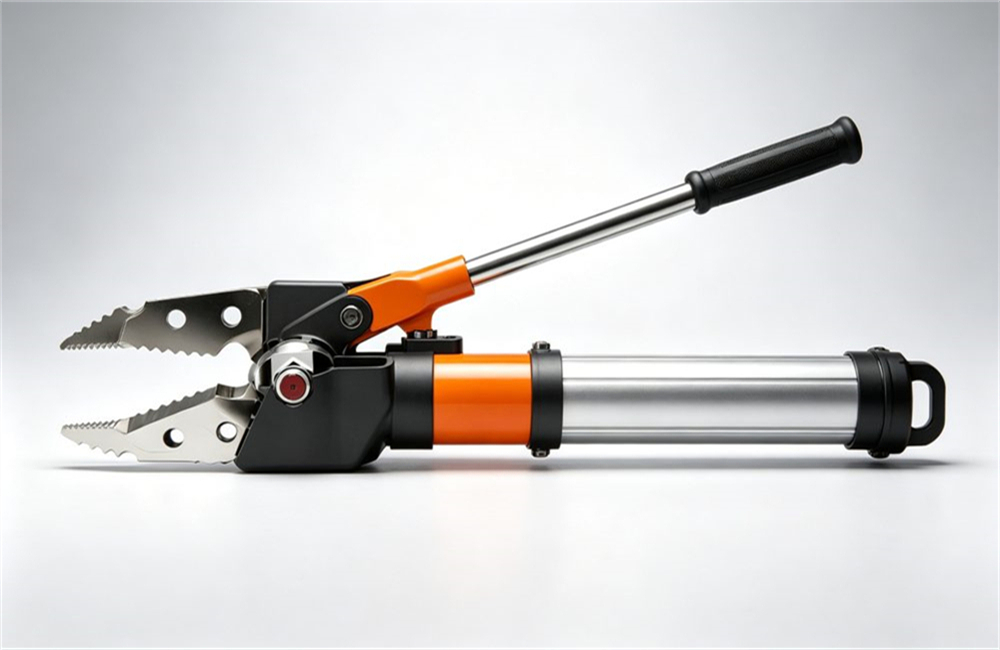
The portable GYJKB integrates the hand pump into the tool body. No hoses drag on the ground and no motor is needed on site, which suits remote mountain roads and rural crash scenes.
The manual GYJK-33/25A uses a long lever to drive the cylinder. It gives full control for precise spreading and is the lowest-cost backup when pumps and batteries are unavailable.
We customize the cutter spreader combo to match your fleet. Standard options include body color, grip material, hose length and quick-connect fittings.
Customization never changes the tested core. The cylinder, jaw geometry and pressure rating stay identical, so every customized hydraulic combi tool passes the same factory pressure test.
For fleet standardization, we accept department logos and equipment numbers on the body. This helps workshops track tools and simplifies inventory across multiple stations.
Confirm the marking text and position when you place the order. Logo area size and color printing are discussed at the quotation stage, not after production starts.
We also supply matched blade and tip sets. Different jobs suit different edge profiles, and we can quote a range of cutting heads for your typical steel types.
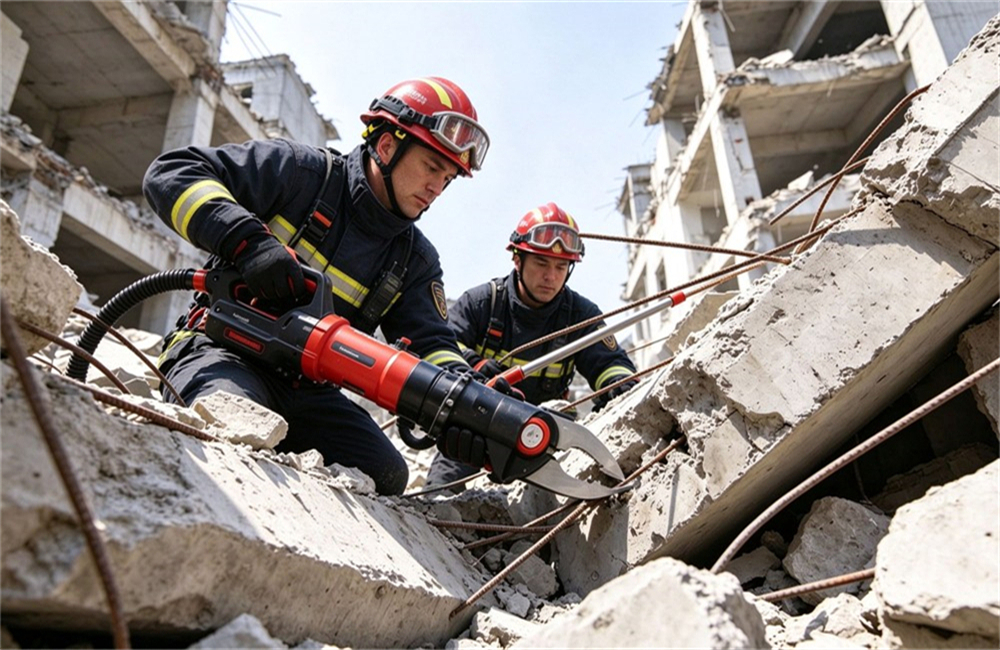
Matching the hydraulic power unit to the combi tool decides cycle time on scene. A combi tool is only as fast as its power source, so treat pump and tool as one package when you buy.
The motor pump delivers continuous high flow for long extrication jobs. It is the standard choice for fire stations with a dedicated rescue truck and keeps cycle time under ten seconds.
All three power styles use the same combi head and compatible hoses. A department can standardize on one body and switch pumps as the scene demands, which simplifies training across stations.
Confirm the coupling standard before you order. Common rescue brands use slightly different quick-coupling profiles, and we fit adapters so the tool matches your existing pump.
Hose length affects both setup speed and delivered pressure. Shorter hoses lose less pressure but limit how far the operator can work from the pump. We offer 5, 10 and 15m lengths.
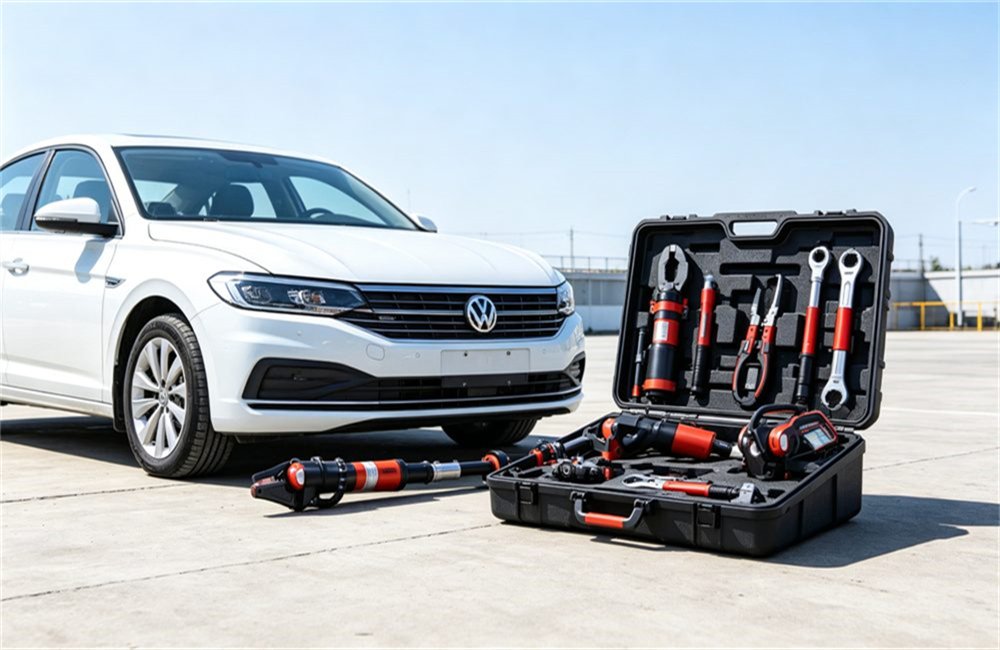
When you buy the cutter spreader combo together with a pump as one set, we pre-connect and test the whole system. This means the receiver can unpack and train without guessing fittings.
For departments that already run a pump brand, send us a photo of the coupling. We confirm compatibility before production so the first order arrives ready to work.
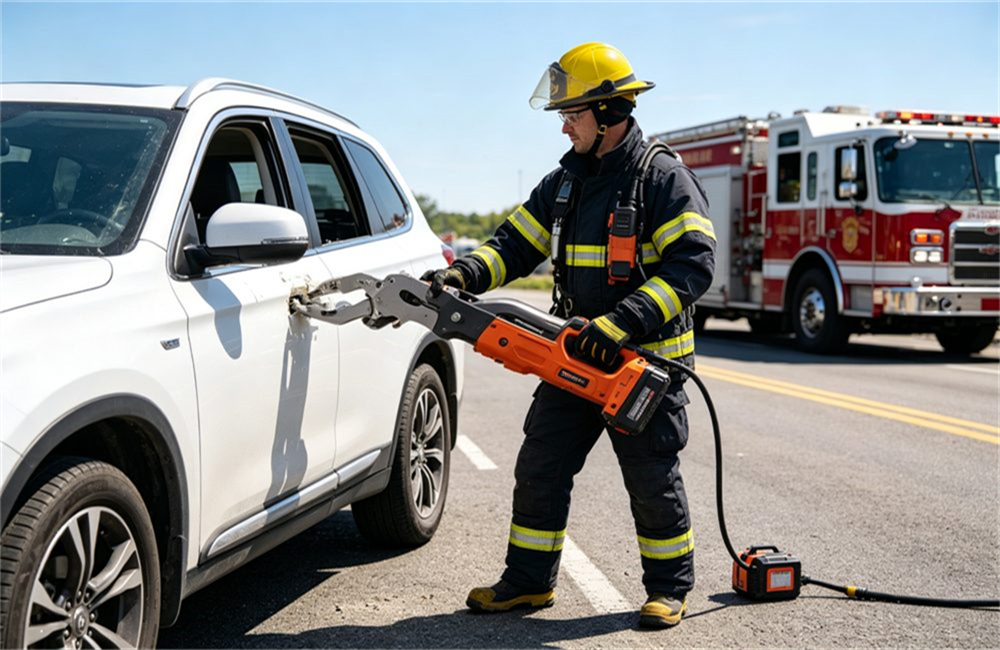
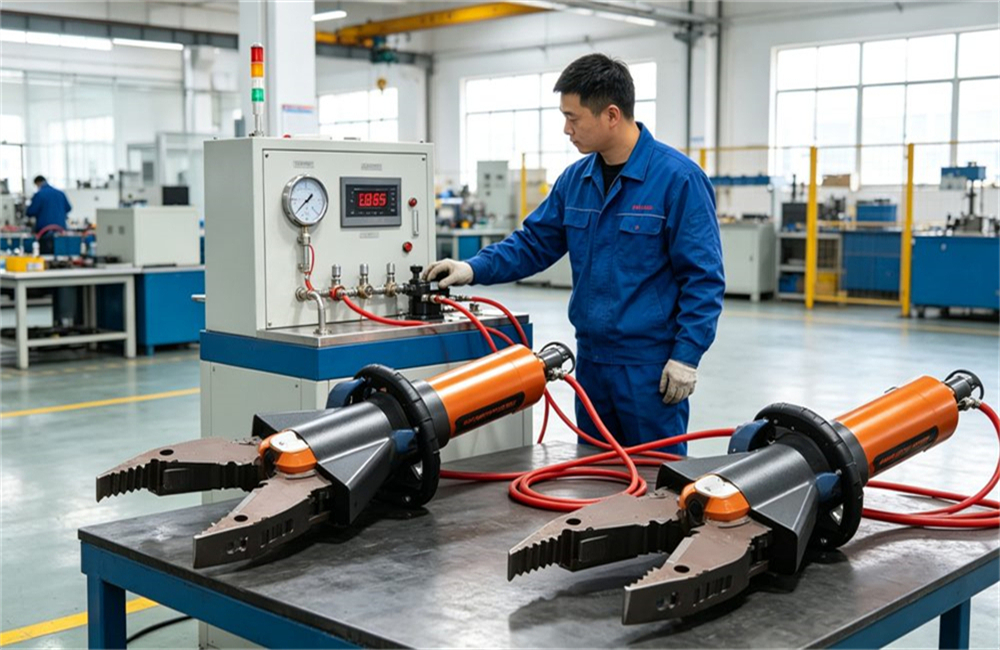
Every hydraulic combi tool is pressure-tested at rated working pressure before shipment. The cylinder, seals and valves are checked on the bench.
Blades are inspected for hardness and edge geometry. The jaw is cycled under load to verify smooth opening and closing, and test records are kept per batch.
Before each shipment, inspectors check the hydraulic fittings for leaks and run a final dry operation in both modes. The tool is cleaned, oiled and wrapped before packing.
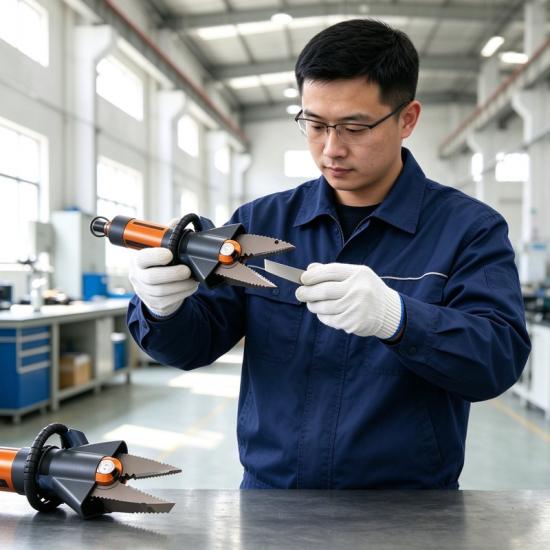
Raw materials are checked on arrival, with steel hardness and castings verified against the batch spec. Production follows a step-by-step assembly sheet, and each station signs off.
We welcome third-party inspection. If your tender requires an independent pre-shipment check, we arrange the factory visit and share the bench data on site.
For powered rescue tool performance expectations, buyers often reference NFPA 1936, the standard on powered rescue tools. We align our bench checks with the kind of durability and operation tests it describes.
Each unit goes through a fixed check sequence. Visual inspection first, then hydraulic connection checks, then the pressure bench run, then a dry cycle in both cutting and spreading modes.
Test records follow the batch. For government buyers, we can include the batch pressure certificate in the export file so your auditor can trace every tool.
This staged QC is why bulk orders stay consistent. Whether you buy one sample or a fleet for a national tender, every combi tool for rescue passes the same bench.

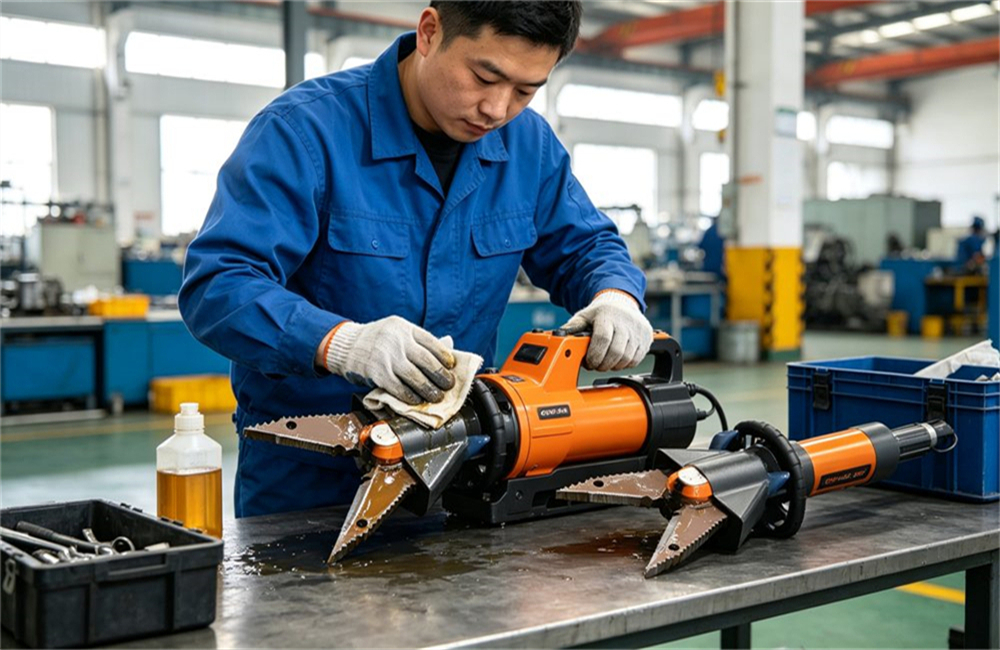
A combi tool for rescue is a precision tool, and a simple routine keeps it ready for every call. After each job, wipe the blades and arms and check the hoses.
Look for cuts, blisters or loose couplings on the hose, and confirm the quick connectors stay clean and free of grit. A quick visual check takes seconds and prevents most leaks.
Check the hydraulic oil level and condition each month. Cloudy or dark oil should be replaced, and the oil type is printed in the manual that ships with every tool.
We stock spare blades, tips, seal kits and hoses for every model in this range. Order spares together with the tool so your workshop has replacements from day one.
Blade sharpening is available for batches of worn edges. We can quote a full annual service kit that covers seals, oil and a spare blade set.
A simple maintenance checklist catches small issues early. Wipe the blades after each call, check hoses monthly, and change the oil once a year.
This routine keeps the combi tool for rescue ready and extends its service life. A well-kept tool is also safer, because worn seals fail on scene rather than in the workshop.
For safe operation and personal protective equipment rules when crews service a combi tool for rescue, refer to OSHA workplace safety guidance. It covers guarding, hose pressure and operator training expectations.
We keep a long list of spare parts for every model. When you reorder, quote the tool model and the part you need, and we ship the matching seal kit, blade or tip.
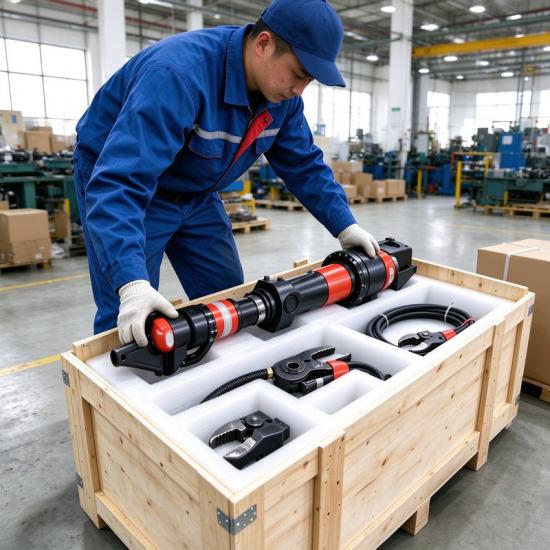
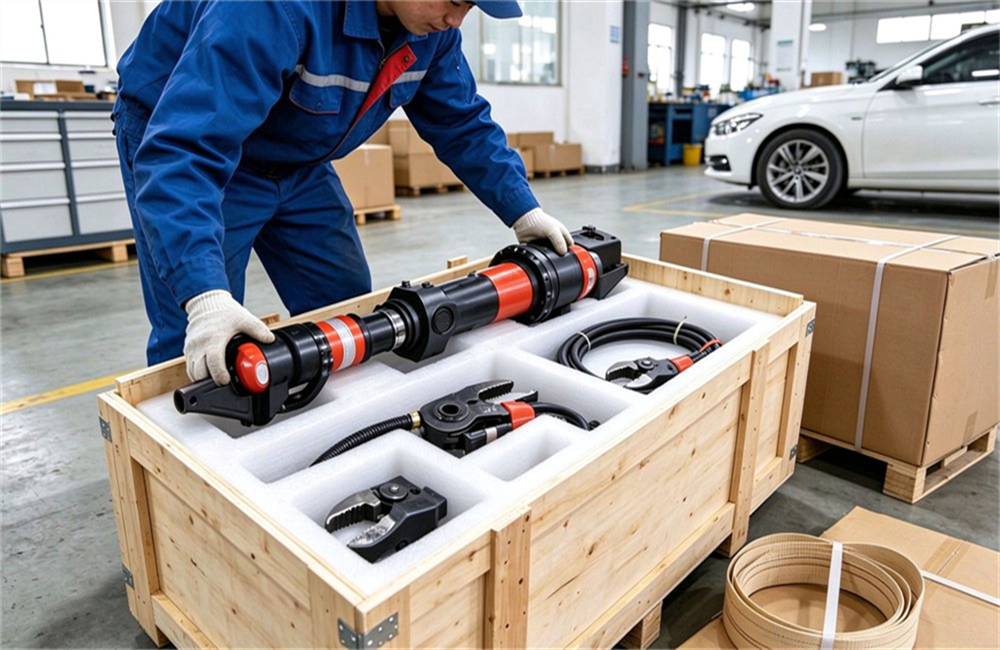
Each hydraulic combi tool ships in a foam-lined plywood case with the hoses and tips in numbered slots. The inner layout matches the packing list.
The case is marked on the outside with model, quantity and gross weight. This speeds up customs inspection and helps the receiver verify contents in minutes.
Lead time and shipping terms are confirmed per contract. We prepare the commercial invoice, packing list and bill of lading for customs clearance at your destination.
We work with your nominated freight forwarder. Tell us the destination port and we quote the package dimensions and gross weight so you can plan the container and insurance.
For air freight of a single sample, the foam case keeps the tool protected in standard cargo handling. Sea freight uses the same case with extra strapping for long voyages.
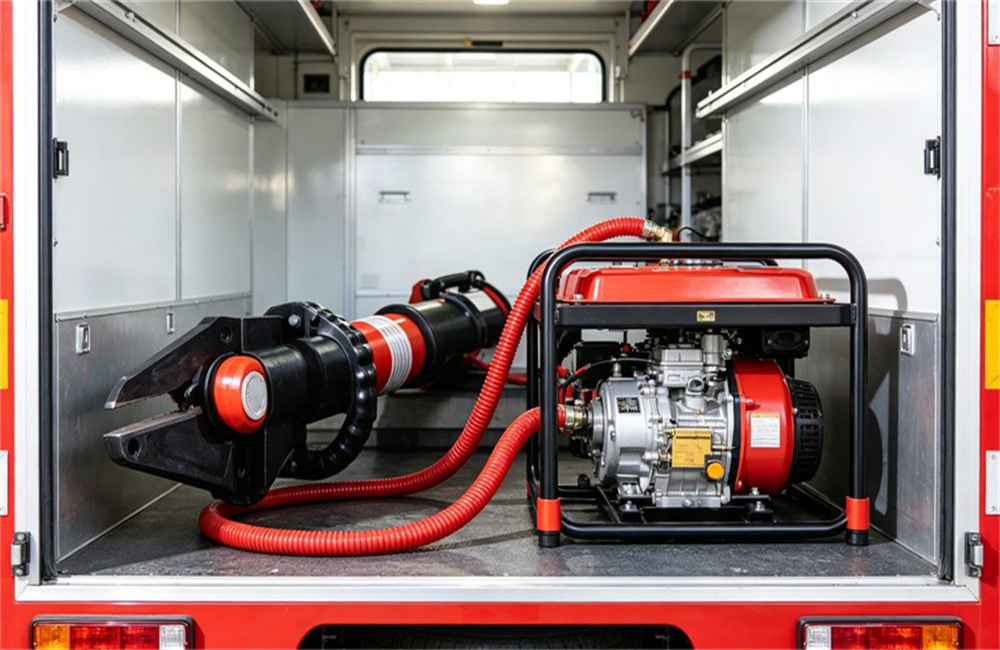
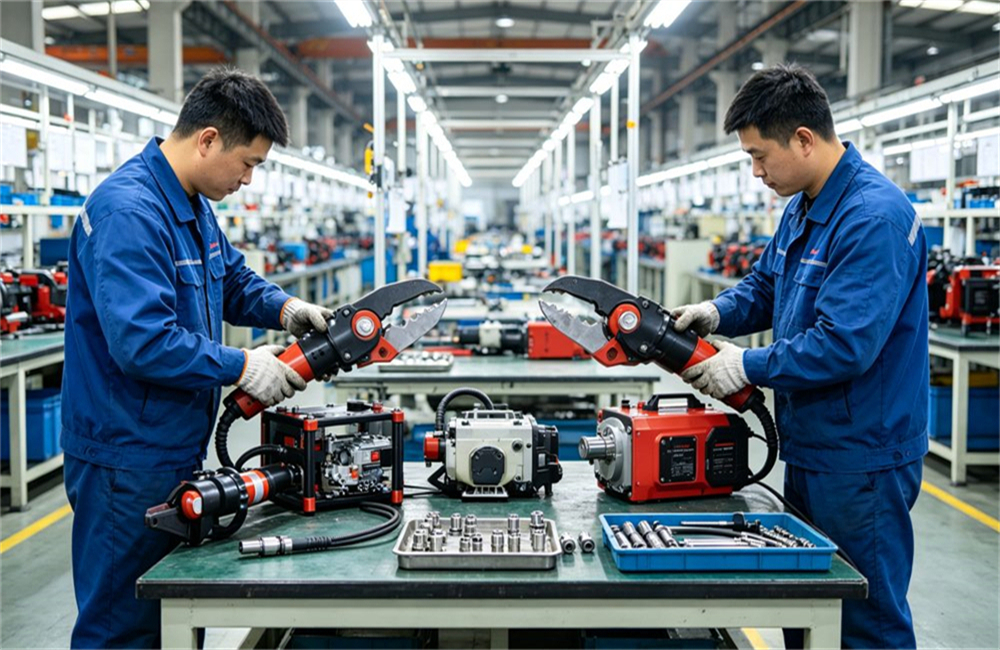
Behind every cutter spreader combo is a step-by-step assembly line. Each jaw, cylinder and seal is fitted at a dedicated station, then signed off before the next step.
After assembly the unit moves to the test bench for pressure and cycle checks. Only tools that pass both modes proceed to oiling, packing and export documentation.
This staged process is how we keep output consistent across bulk orders. Government tenders for multiple stations receive units built on the same line to the same spec.
The assembly line is arranged so each worker owns one step. One station fits the jaw, another sets the seals, and a third connects the hoses. This specialization keeps quality steady at volume.
Workers wear clean workwear and use calibrated torque tools. The finished body is wiped before oiling, so no metal shavings enter the cylinder on its first run.
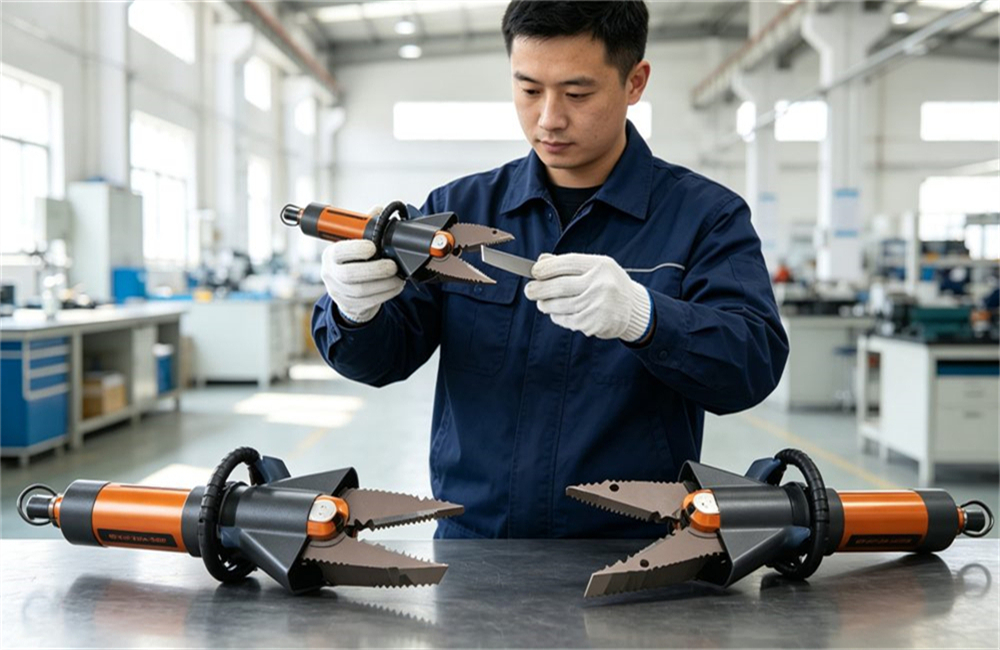
Each tool ships with a printed English manual covering setup, cutting and spreading technique, maintenance and fault checks. Crews can laminate it and keep it in the truck.
For fleet orders, we can supply a training deck that your instructors project during station drills. It explains the two modes, safe operation and daily checks in plain language.
After-sales support is handled by our export team. We answer technical questions about fittings, oil and spare parts, and keep a record of every order for repeat buyers.
When a department runs several brands, our team compares the cutter spreader combo spec against your existing tools and advises which jobs each machine should cover.
Choosing the right hydraulic combi tool starts with the material you must cut. Check the round steel and plate thickness in your typical calls, then pick a model that covers that range.
The standard GYJK-25-40 cuts 28mm bar and 10mm plate. The heavy-duty SC358 reaches 33mm bar and 25mm plate for tougher industrial work.
When you weigh hydraulic combi vs separate tools for a budget-conscious fleet, the single unit usually wins on cost, weight and space. Send us your typical call types and existing pump brand, and we confirm the model, couplings and delivery schedule.
We supply this hydraulic combi tool at wholesale rates to distributors, fire equipment dealers and government procurement teams worldwide. Bulk orders ship as matched sets with pump, hoses and cases.
If the exact model you need is outside this range, tell us the required cutting capacity and spreading force. We match a combi unit from our wider hydraulic rescue equipment program.
After you shortlist a model, confirm three practical details. First, the coupling on your pump. Second, the hose length your truck layout needs. Third, the spare blade and seal set your workshop will stock.
Send us these three answers with your quantity, and we return a matched quotation. Most inquiries get a reply within one working day with the parameter sheet and delivery terms.
Whether you equip a single station or a whole region fleet, the hydraulic combi tool scales. Start with one set, then add matching units that share pumps, hoses and spares.
This common-platform approach keeps training simple. Every operator learns the same head, so a tool moved between stations still feels familiar to the crew on shift.
When teams ask us whether to choose a combi tool for rescue or a longer list of specialist machines, we lean toward the combi for small and mid-size fleets. It is the most practical starting point.
1. What does a hydraulic combi tool do?
A hydraulic combi tool cuts steel with its blades and spreads wreckage with its arms in one machine. This combi tool for rescue replaces a separate cutter and spreader, saving cost and truck space on every call.
2. How much cutting force does the standard GYJK-25-40 provide?
It cuts 28mm round steel and 10mm plate at rated 63MPa pressure. The serrated blades handle car pillars, door hinges and steel bars in daily extrication work.
3. Is a combi tool better than separate cutter and spreader tools?
The short answer to "is combi tool better than separate cutter spreader" is yes for most fleets. When teams compare a hydraulic combi vs separate tools, the single unit wins on cost, weight and truck space. It changes mode in seconds instead of swapping machines, which is why we recommend the combi tool for rescue as the first purchase for most stations.
4. What is the spreading force and opening distance?
The standard model delivers at least 40kN of spreading force and opens to at least 360mm. Single-hose and heavy-duty models reach 46–52kN with a 365mm opening.
5. What pressure does the single-hose combi tool need?
The single-hose GYJK-46~52/33(25) operates at 70MPa with one hose connection. It pulls with 44–60kN of traction for heavier structural and truck work.
6. How heavy is a hydraulic combi tool?
The standard GYJK-25-40 weighs no more than 15kg. Battery models such as the LDJK70-350 weigh about 18kg, which is manageable for two-person carry.
7. Is a battery-powered combi tool available for rescue fleets?
Yes. The SC350E electric combi and the LDJK70-350 lithium combi cut and spread without a motor pump. They suit quiet indoor and confined-space rescue where exhaust is a concern.
8. Can a cutter spreader combo replace two separate machines on a truck?
Yes for most departments. A cutter spreader combo covers cutting and spreading on one head, frees a compartment, and halves the spare-parts list. When you weigh the hydraulic combi vs separate tools trade-off for a small fleet, the combo usually comes out ahead.
9. What maintenance does a combi tool need?
Check the hydraulic oil monthly, inspect hoses for damage, and wipe the blades after each job. Replace worn blades and seal kits when performance drops. We supply spares with every order.
10. Do you offer custom colors, logos and hose lengths?
Yes. We customize body color, grip, hose length and quick-connect fittings, and accept department logos. The tested core design stays unchanged, so each unit passes the same pressure test.
11. Which power source should a combi tool for rescue teams use?
Motor pumps suit stations with a dedicated truck. Battery units suit indoor and confined work. Manual and portable units suit remote sites. Pick by your typical call environment, not by price alone, and confirm the coupling matches the combi tool for rescue you choose.
12. What is the MOQ and lead time?
MOQ and lead time are confirmed per contract. Single-unit sample orders are welcome, and production time depends on the power kit and customization you choose.
13. Can your combi tool match our existing rescue pump?
Mostly yes. Our standard quick couplings match common rescue pump connectors, and we supply adapters when needed. Send us your pump coupling photos during inquiry and we confirm before you order.
14. Where can I read rescue tool safety references?
FEMA provides emergency response guidance for fire and rescue teams. It is a useful reference when you write your procurement specification and response procedures.
Whether you need one combi tool for rescue for your station or a fleet package for a government tender, send the model, power preference and quantity. We will return a factory quotation with the full parameter sheet.
We compare options openly. If a separate pair genuinely suits your call mix better than the hydraulic combi vs separate tools balance suggests, we will tell you. Our goal is the right setup, not a forced sale.
Every cutter spreader combo we ship is tested, oiled and packed ready for the truck. Add the matching pump and hoses, and your team can train within days of delivery.
When buyers ask whether a combi tool for rescue is right for their district, we first look at the vehicle mix and crew size. Small teams with mixed calls almost always benefit from the single-unit design.
The hydraulic combi vs separate tools question has no universal answer, but for most fire and industrial rescue fleets the combi is the balanced choice on cost, space and speed.
Build your full rescue tool system with the rest of the matrix:
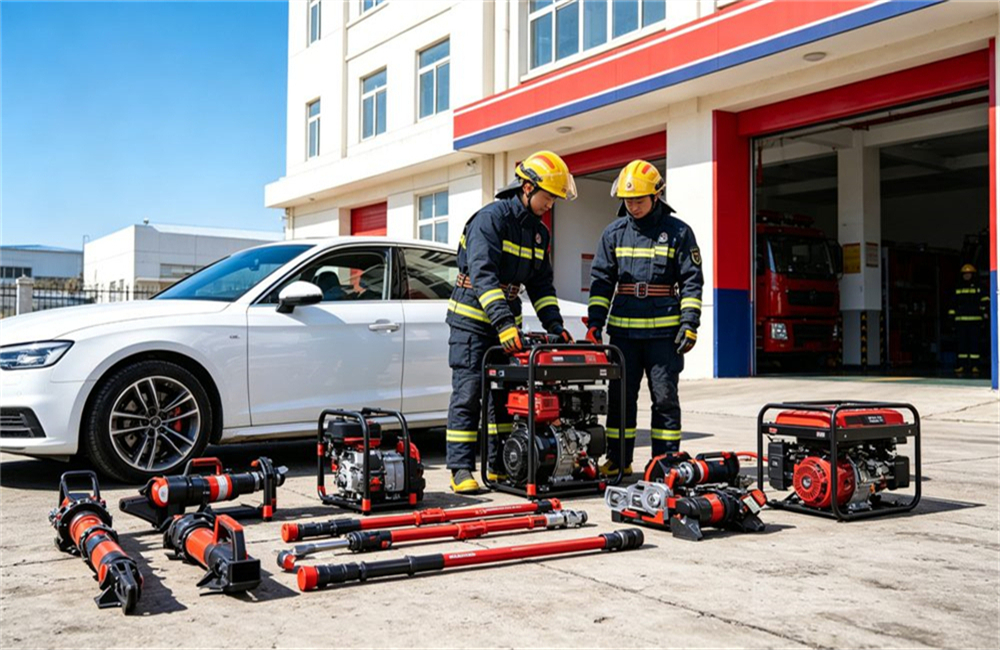
Ordering a combi tool for rescue as a bulk kit or custom OEM set? Send us your truck compartment size, pump brand and quantity — we return a factory-direct quotation with pressure test records and packing photos.
Previous :
Hydraulic Rescue Ram | GYCD-120/450-750 Lifting & StabilizationNext :
Hydraulic Spreader for Rescue – 42-62kN Vehicle Extrication Tool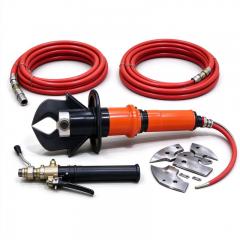 Hydraulic Cutter for Rescue Wholesale Cutting Tool Sets and Spare Blades
Our hydraulic cutter delivers 420kN cutting force for fast vehicle extrication and structural collapse rescue. Compatible with manual, motor and battery power units. Equipped with interchangeable blades, tested strictly, ideal for fire departments, government stock and Red Cross procurement. Note: Price for reference only. Exact price based on quantity, size, weight and custom details.
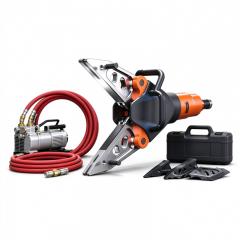 Hydraulic Spreader for Rescue – 42-62kN Vehicle Extrication Tool
Hydraulic spreader for fire rescue and vehicle extrication. Electric and manual types available, fitted with replaceable tips and pulling chain set. It is used for accident rescue, collapse rescue and regular rescue training. Note: Price for reference only. Exact price based on quantity, size, weight and custom details.
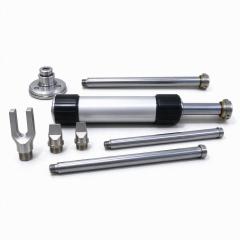 Hydraulic Rescue Ram | GYCD-120/450-750 Lifting & Stabilization
Hydraulic rescue ram delivers stable high pushing force for vehicle extrication, earthquake collapse shoring and road accident rescue. Widely used by fire departments, emergency teams and disaster relief organizations. Compact, durable and easy to operate in tight rescue spaces. Note: Price for reference only. Exact price based on quantity, size, weight and custom details.
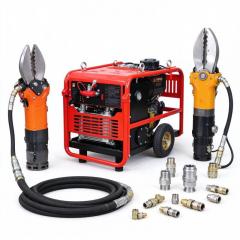 Hydraulic Power Unit for Rescue Tools – 63MPa Pump Supplier
This 63MPa hydraulic power unit supplies stable high pressure power for cutters, spreaders and rams. Multiple types including petrol, diesel, electric, manual and backpack versions. Dual outlet design supports synchronous operation of rescue tools for road accident and collapse rescue. Note: Price for reference only. Exact price based on quantity, size, weight and custom details.
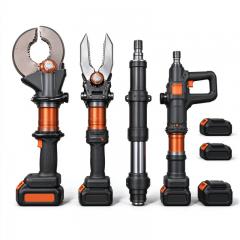 Electric Hydraulic Rescue Tools – Battery Cutter Supplier China
Cordless battery hydraulic rescue tools for vehicle extrication and confined space rescue. Cutter, spreader, ram and combi tool available. Powered by 24V lithium batteries, silent and hose-free. High output force, easy for high-rise and remote emergency rescue. Note: Price for reference only. Exact price based on quantity, size, weight and custom details.
 Luxury 100 cotton customized logo 80*160 700g SPA Hotel Bath Sheet Set
YRF produces softer and more durable 100 cotton customized logo Bath Sheet Set from a manufacturer that does not use any bleach in the production process, including Bath Sheet Set 80*160 700g SPA Hotel.
Copyright © Custom Disaster - Relief Bedding: Tents, Sleeping Bags, Blankets All Rights Reserved
the professional team to service !